Research Articles
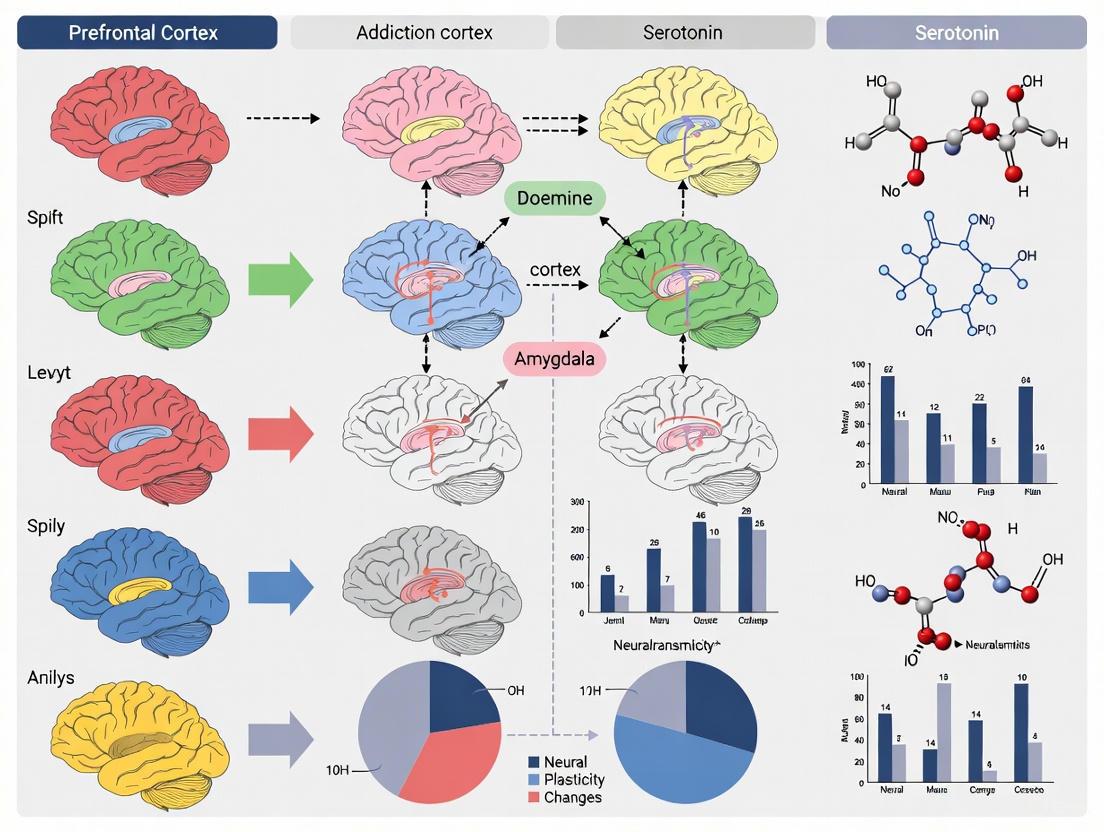
Mapping the Addicted Brain: A Comparative Review of Neuroimaging Biomarkers Across Addiction Subtypes
This article synthesizes current neuroimaging research to delineate the distinct and shared neural circuitry underlying different addiction subtypes.
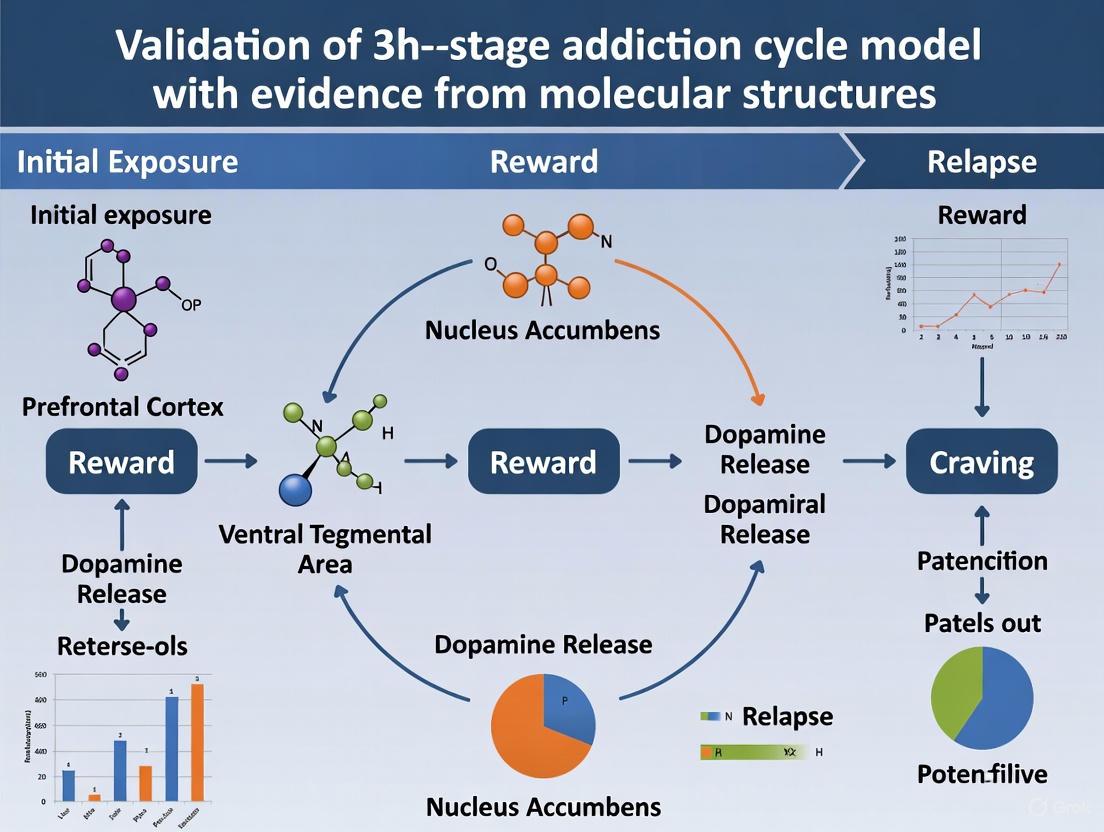
Validating the Three-Stage Addiction Cycle: Neurobiological Evidence, Model Applications, and Future Directions
This article synthesizes current evidence validating the three-stage addiction cycle model (binge/intoxication, withdrawal/negative affect, preoccupation/anticipation) as a framework for substance use disorders.
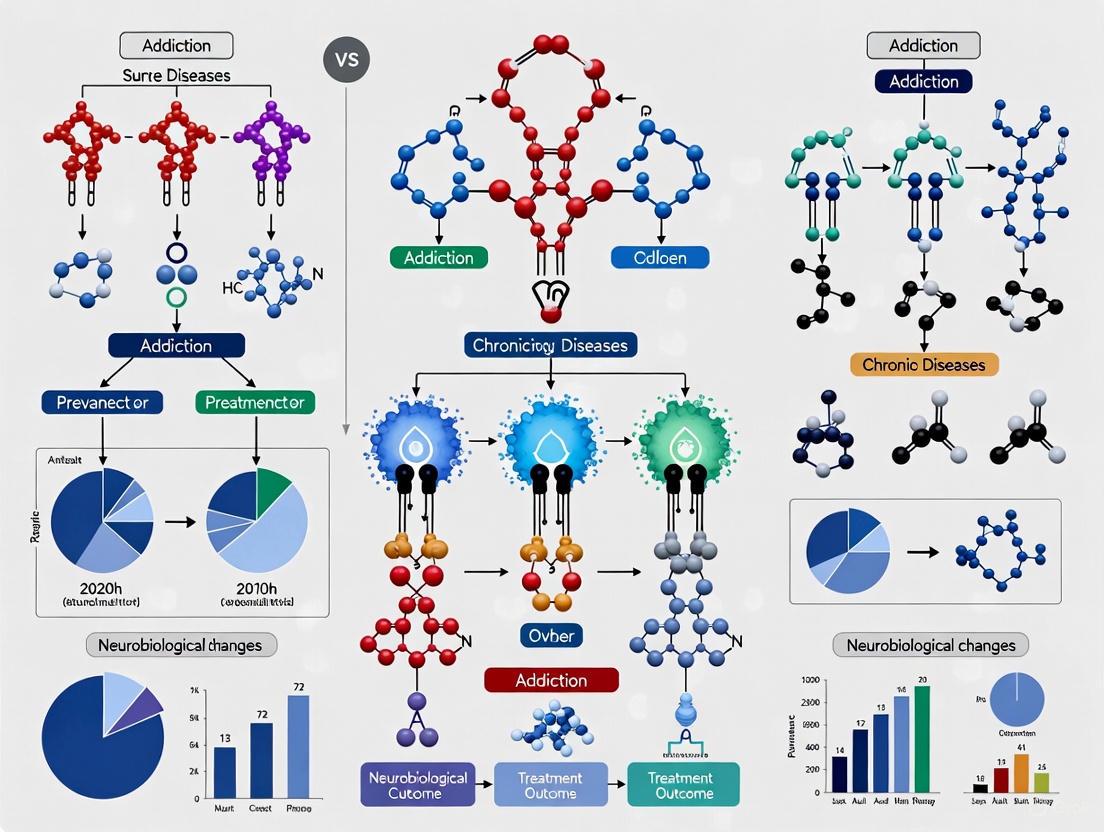
Addiction as a Brain Disease: A Neurobiological Comparison with Chronic Medical Disorders
This article synthesizes contemporary neuroscience research to critically evaluate the model of addiction as a chronic brain disease.
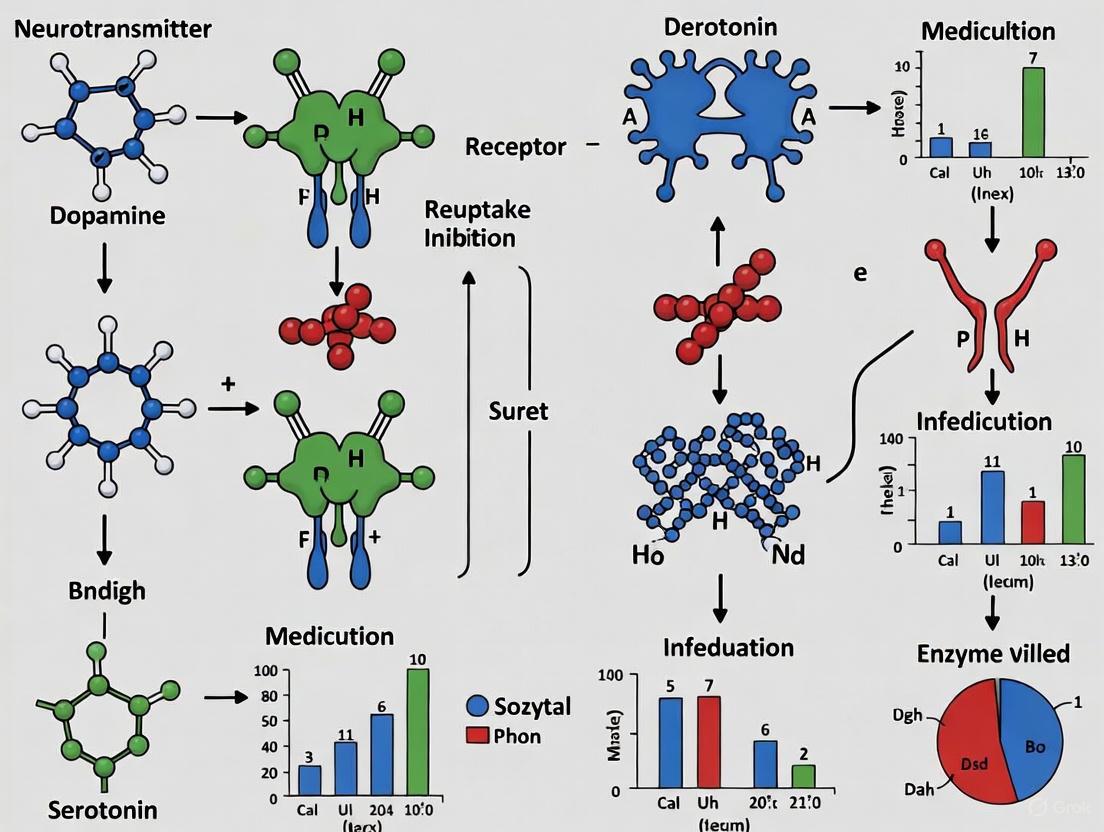
From Molecule to Medicine: A Comparative Analysis of Addiction Medication Mechanisms and Efficacy
This article provides a comprehensive analysis of the mechanisms of action, comparative efficacy, and emerging directions for medications treating substance use disorders (SUDs).
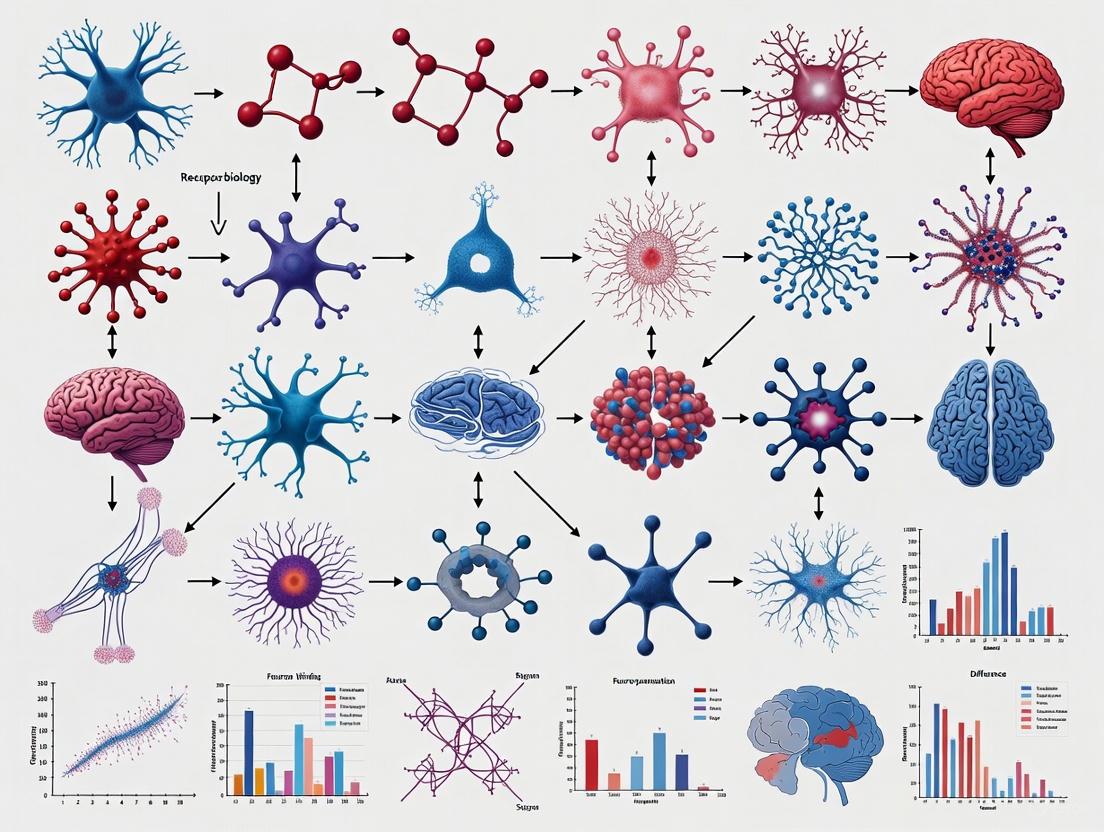
Neurobiological Distinctions in Substance Use Disorders: From Shared Circuits to Substance-Specific Pathways
This article synthesizes current research on the neurobiological underpinnings of Substance Use Disorders (SUDs), addressing both commonalities and critical distinctions across different drug classes.
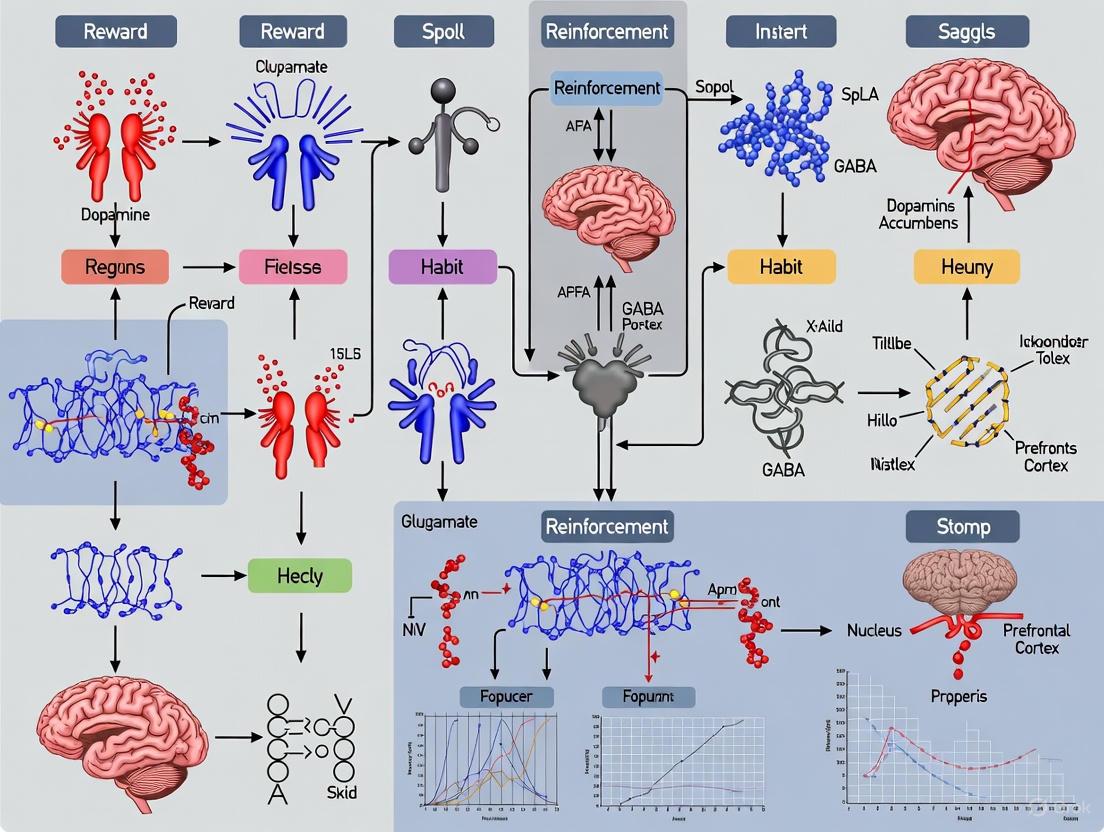
Technical Challenges in Addiction Neurocircuitry Analysis: From Foundational Models to Clinical Translation
This article provides a comprehensive analysis of the technical challenges in addiction neurocircuitry research, addressing the needs of researchers, scientists, and drug development professionals.
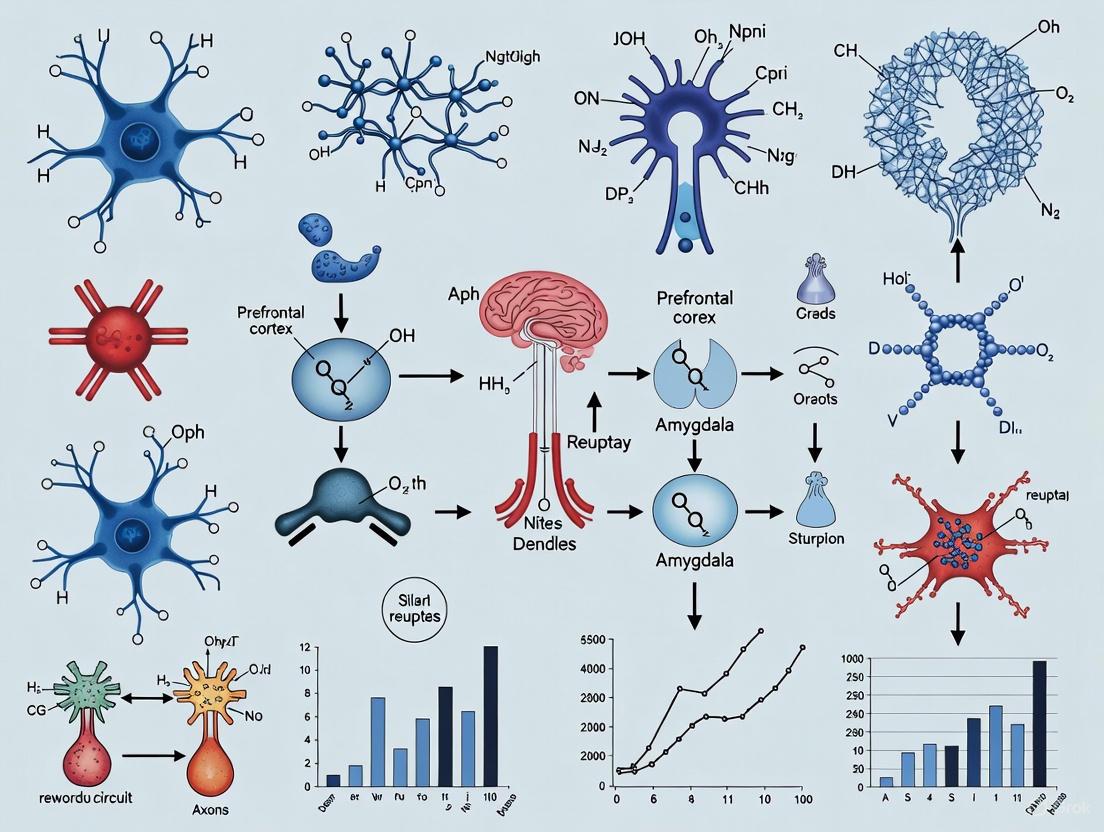
Improving Reproducibility in Addiction Neurobiology: A Research Roadmap for Translational Success
This article addresses the critical challenge of reproducibility in addiction neurobiology research, a field with significant translational potential yet hampered by inconsistent findings.
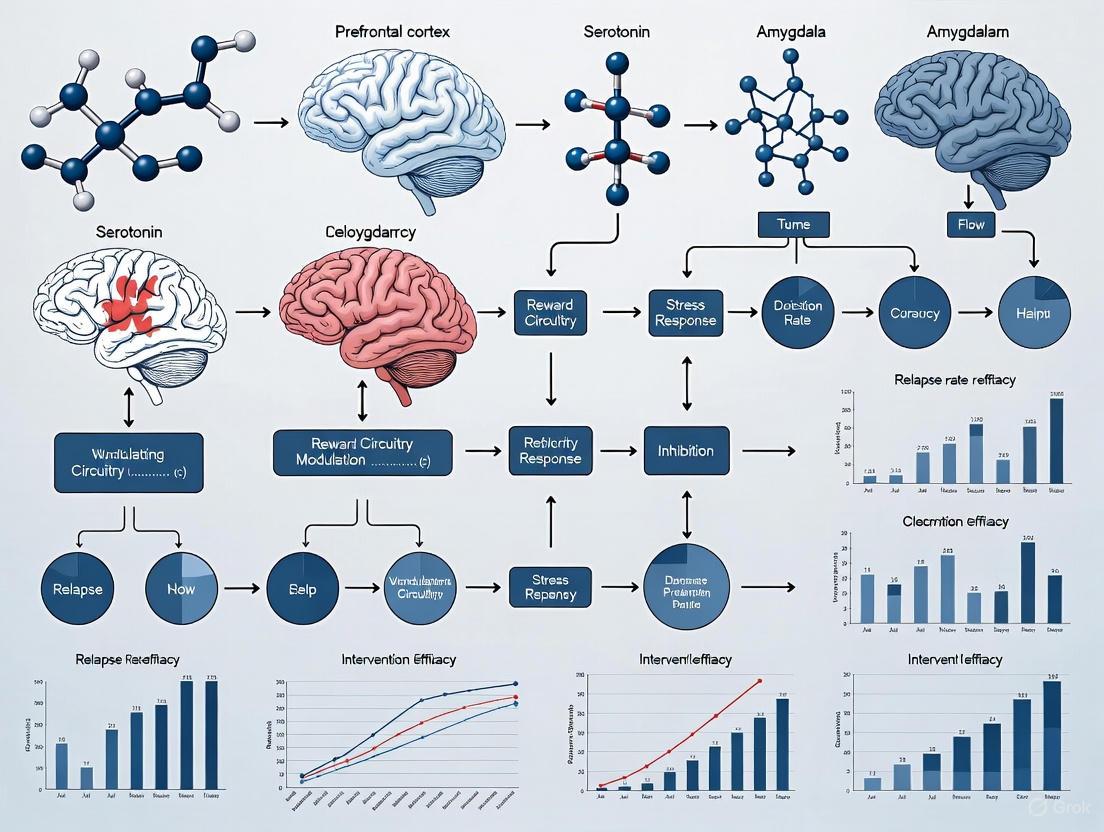
Neurobiological Mechanisms of Addiction Relapse: Foundational Research and Emerging Clinical Strategies
This article synthesizes current neurobiological research on addiction relapse to inform targeted therapeutic development.
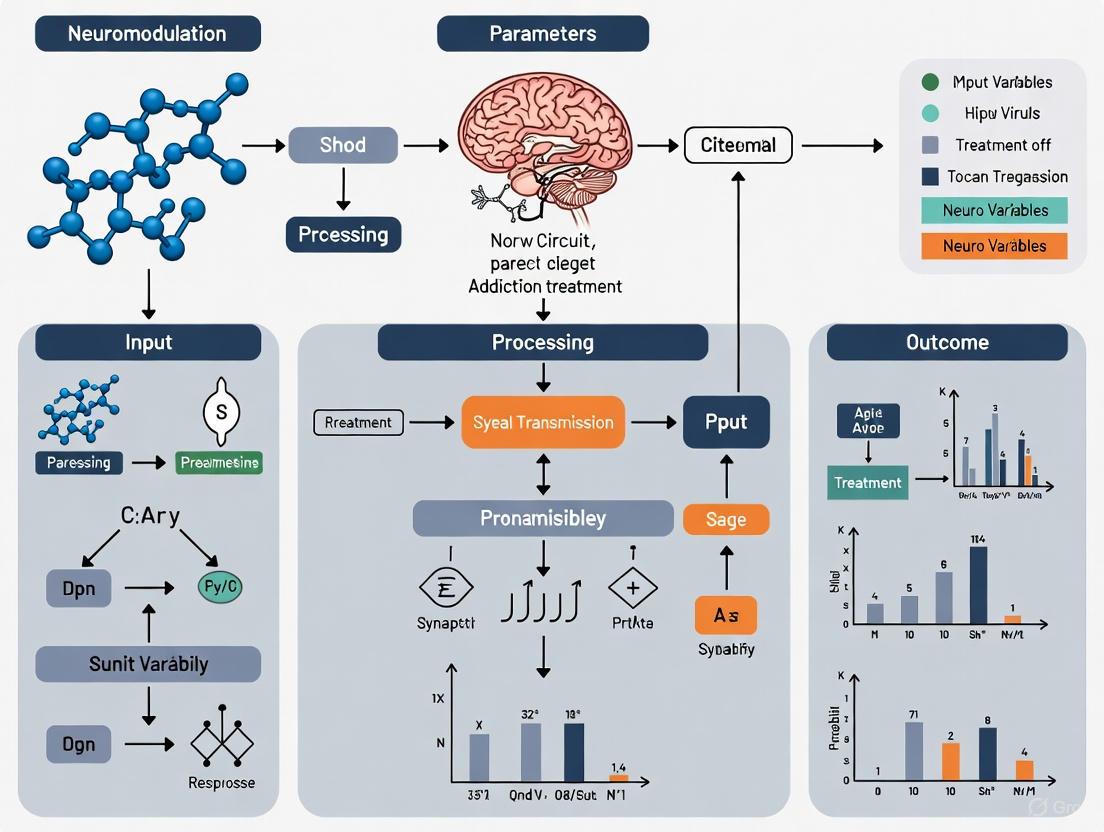
Optimizing Neuromodulation Parameters for Addiction Treatment: A Precision Framework for Researchers
This article provides a comprehensive analysis for researchers and drug development professionals on optimizing neuromodulation parameters to treat substance use disorders.
Mapping the Addicted Brain: Navigating Key Methodological Challenges in Human Neuroimaging Studies
Human neuroimaging has revolutionized our understanding of addiction's neurobiological underpinnings, yet the field faces significant methodological hurdles that complicate data interpretation and translation.