Scaffold-Free 3D Neural Spheroids: A Guide to Methods, Applications, and Optimization for Neurological Research and Drug Discovery
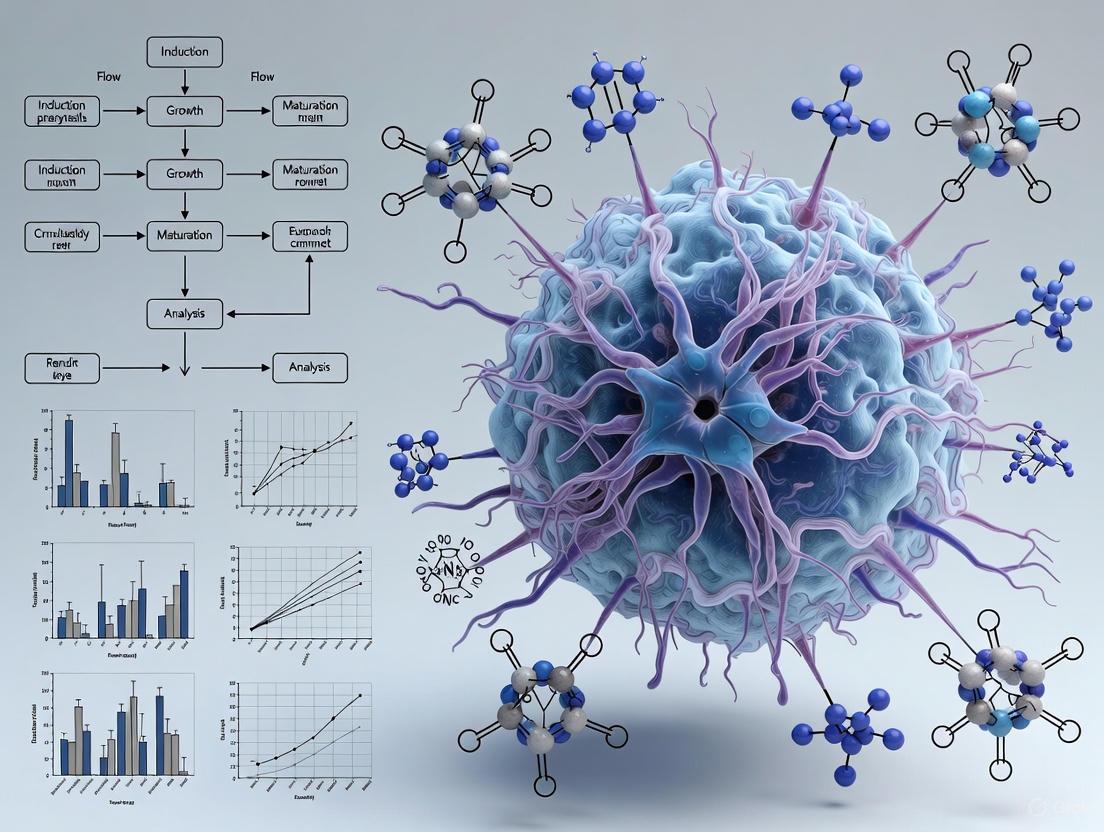
This article provides a comprehensive resource for researchers and drug development professionals on generating 3D neural spheroids using scaffold-free techniques.
Scaffold-Free 3D Neural Spheroids: A Guide to Methods, Applications, and Optimization for Neurological Research and Drug Discovery
Abstract
This article provides a comprehensive resource for researchers and drug development professionals on generating 3D neural spheroids using scaffold-free techniques. It covers the foundational principles of why these models better mimic the in vivo brain microenvironment compared to traditional 2D cultures. A detailed methodological guide explores established and emerging scaffold-free platforms, their applications in disease modeling, high-throughput drug screening, and nanomedicine testing. The content also addresses critical troubleshooting and optimization parameters—such as oxygen levels, media composition, and seeding density—to ensure reproducibility. Finally, it validates these models by comparing them to scaffold-based approaches and animal models, highlighting their predictive power in preclinical neurological research.
Why Scaffold-Free? The Scientific Foundation for Advanced Neural Models
The central nervous system (CNS) is inherently three-dimensional, comprising highly complex, intertwined networks of neurons and glial cells. For decades, traditional two-dimensional (2D) cell culture has been a fundamental tool in neurological research, enabling critical discoveries in neuroscience, antibiotics development, and cancer biology [1]. However, the conventional practice of growing cells as a single layer on flat, rigid plastic surfaces forces cells to adapt to a microenvironment that starkly contrasts with their natural physiological conditions [2]. This dimensional simplification creates a significant gap between in vitro models and in vivo reality, potentially compromising the translational value of preclinical research.
The limitations of 2D culture are increasingly relevant in modern, precision-driven research and development [1]. Cells cultured in 2D exhibit altered morphology, limited cell-cell interactions, and lack spatial organization, which collectively lead to poor mimicry of human tissue response and unreliable drug efficacy predictions [1]. This application note examines the critical shortcomings of 2D culture systems for neurological research and presents scaffold-free three-dimensional (3D) neural spheroid culture as a physiologically relevant alternative, providing detailed protocols for its implementation within the context of advanced neurobiological research and drug development.
Key Limitations of 2D Culture in Neurological Applications
Fundamental Constraints of Planar Biology
The rigid, planar environment of 2D culture imposes multiple artificial constraints that distort neural cell biology:
- Abnormal Morphology and Polarity: Cells are forced to adapt a spread, flattened morphology unnatural for neurons, which inherently possess complex, polarized structures [2]. This compromises the development of authentic neuronal architecture, including proper axon and dendrite formation.
- Compromined Cell-Cell and Cell-ECM Interactions: In 2D, cells can only form connections laterally, lacking the intricate 3D synaptic networking and volumetric extracellular matrix (ECM) engagement essential for neural signaling and function [1] [2].
- Altered Mechanotransduction: Tissue culture plastic has a Young's modulus of ~100,000 kPa, orders of magnitude stiffer than native brain tissue (approximately 0.1-1 kPa) [3] [4]. This mechanical mismatch aberrantly activates mechanosensitive signaling pathways, altering gene expression, proliferation, and differentiation [2].
Functional and Translational Deficiencies
These microenvironmental inaccuracies manifest as critical functional shortcomings that limit the predictive value of 2D neurological models:
- Poor Drug Response Prediction: 2D cultures consistently overestimate drug efficacy due to altered cell proliferation, metabolism, and accessibility compared to 3D tissue contexts [1]. Chemotherapy agents screened in 2D, for instance, often show dramatically reduced effectiveness when translated to clinical trials for solid tumors [1].
- Inadequate Disease Modeling: The hallmarks of neurological disorders, such as amyloid-β plaques and neurofibrillary tangles in Alzheimer's disease, are more effectively modeled in 3D cultures than in 2D [2]. The spatial organization and complex cell interactions necessary to recapitulate pathology are absent in monolayer cultures.
- Limited Gene Expression Fidelity: Gene expression profiles in 2D cultures significantly diverge from in vivo conditions, whereas 3D cultures demonstrate better preservation of native transcriptional programs relevant to neural function and disease [1].
Table 1: Quantitative Comparison of 2D versus 3D Neural Culture Systems
| Parameter | 2D Culture | 3D Spheroid Culture | Biological Significance |
|---|---|---|---|
| Cell Morphology | Flat, spread | Volumetric, natural shape | Proper neuronal polarization and process outgrowth |
| Cell-Cell Interactions | Limited to lateral connections | Omnidirectional, including apical-basal | Authentic synaptic networking and circuit formation |
| Spatial Organization | Monolayer, artificial | Self-organizing, tissue-like | Recapitulation of tissue microarchitecture |
| ECM Environment | Exogenous, synthetic | Endogenous, cell-secreted | Native mechanical signaling and biochemical cues |
| Gene Expression | Divergent from in vivo | Closer to in vivo profiles | More accurate disease modeling and drug response |
| Drug Penetration | Uniform, immediate | Graded, diffusion-limited | Better prediction of in vivo drug efficacy |
| Metabolic Gradients | Homogeneous | Oxygen, nutrient, pH gradients | Modeling of physiological stress and tumor microenvironments |
Scaffold-Free 3D Neural Spheroids: A Physiologically Relevant Alternative
Scaffold-free 3D neural spheroid culture represents a paradigm shift in neurological modeling, bridging the gap between traditional 2D culture and in vivo systems. This approach capitalizes on the inherent capacity of neural cells to self-assemble into organotypic 3D tissue-like structures without exogenous scaffold materials, thereby preserving native cell populations and ECM composition [2].
Advantages of Scaffold-Free Neural Spheroids
- In Vivo-like Microenvironment: Neural spheroids develop laminin-containing 3D networks, establish both excitatory and inhibitory synapses, and exhibit electrical activity that mirrors native neural circuitry [2].
- Superior Functionality: Compared to 2D cultures, 3D neural spheroids demonstrate more mature electrophysiological properties, enhanced neurite outgrowth, and improved cellular maturation [5]. Quantitative analysis reveals neurons derived from 3D neural induction exhibit significantly longer neurites than those from 2D induction [5].
- Enhanced Predictive Capability: 3D spheroids provide more accurate modeling of drug penetration, hypoxia, and immune infiltration—critical factors in neurological drug development that cannot be adequately studied in 2D systems [1].
- Developmental Fidelity: Spheroids generated from primary postnatal rat cortical cells contain neurons, glia, and cell-synthesized matrix with mechanical properties similar to in vivo cortex, providing a translatable platform for CNS investigations [2].
Table 2: Neural Progenitor Cell (NPC) Marker Expression in 2D vs. 3D Induction
| NPC Marker | 2D Neural Induction | 3D Neural Induction | Implications for Cortical Development |
|---|---|---|---|
| PAX6/NESTIN | Lower double-positive population | Significantly higher double-positive cells [5] | Enhanced forebrain cortical progenitor yield |
| SOX1 | Increased positive cells [5] | Reduced compared to 2D | Differential regional specification |
| SOX9 | Cell line-dependent [5] | Cell line-dependent [5] | Neural crest differentiation unaffected by dimension |
| Neurite Length | Shorter neurites [5] | Significantly longer neurites [5] | Improved neuronal connectivity and maturation |
Protocols for Scaffold-Free 3D Neural Spheroid Generation
Primary Cortical Spheroid Fabrication Using Agarose Microwells
This protocol, adapted from [2], provides a reproducible, size-controlled method for generating 3D neural spheroids from primary postnatal cortical cells.
Materials and Reagents
- Hibernate A buffer (BrainBits, LLC) supplemented with 1× B27 supplement and 0.5 mM GlutaMAX
- Papain solution: 2 mg/mL papain dissolved in Hibernate A without Calcium
- Neurobasal A/B27 medium: Neurobasal A medium supplemented with 1× B27, 0.5 mM GlutaMAX, and 1× Penicillin-Streptomycin
- Agarose micromolds (#24-96-Small, MicroTissues, Inc.) with 400-μm diameter round pegs
- Primary cortical tissues from postnatal day 1-2 CD rats (Charles River) or primary rat hippocampus tissues (embryonic day 18, BrainBits, LLC)
Methodology
Agarose Microwell Preparation:
- Pour molten 2% agarose solution onto spheroid micromolds to create hydrogels with round-bottomed recesses.
- Equilibrate agarose gels in culture medium with three medium exchanges over 48 hours.
Primary Cell Isolation:
- Isolate cortical tissues from postnatal day 1-2 rats.
- Cut tissues into small pieces and place in papain solution for 30 minutes at 30°C.
- Remove papain solution and triturate tissues with fire-polished Pasteur pipettes (20 times) in Hibernate A buffer solution.
- Centrifuge cell solution at 150 g for 5 minutes, remove supernatant.
- Resuspend cell pellet in Neurobasal A/B27 medium and pass through 40 μm cell strainer to remove debris.
- Perform final centrifugation at 150 g for 5 minutes, resuspend in Neurobasal A/B27 medium, and filter with cell strainer.
- Determine cell viability using Trypan Blue Exclusion Assay.
Spheroid Seeding and Culture:
- Aspirate medium from equilibrated agarose gels.
- Seed cell solution (75 μL/gel) at densities of 1,000-8,000 cells/spheroid onto agarose gels.
- Allow cells to settle into microwells for 30 minutes.
- Add 1 mL Neurobasal A/B27 medium carefully to each gel.
- Exchange medium 48 hours after seeding and subsequently every 3-4 days.
- Spheroids typically form within 24-48 hours and mature by 14 days in vitro.
3D Neural Induction from Human Induced Pluripotent Stem Cells (hiPSCs)
This protocol enables generation of neural progenitor cells (NPCs) from hiPSCs using scaffold-free 3D induction, based on methodology from [5].
Materials and Reagents
- hiPSC Culture Medium: Essential 8 Medium or mTeSR1
- Neural Induction Medium (NIM): DMEM/F-12 with N2 supplement, non-essential amino acids, and heparin
- Neural Maintenance Medium (NMM): Neurobasal Medium with B27 supplement, GlutaMAX, and growth factors (EGF, FGF-2)
- ROCK inhibitor (Y-27632) for enhancing cell survival after passage
- Accutase or StemPro Accutase for cell dissociation
Methodology
hiPSC Preparation:
- Culture hiPSCs in feeder-free conditions using recommended matrices until 70-80% confluent.
- Pre-treat cells with 10 μM ROCK inhibitor for 1 hour before dissociation.
3D Neural Induction:
- Dissociate hiPSCs to single cells using Accutase.
- Resuspend cells in NIM supplemented with 10 μM ROCK inhibitor.
- Seed cells in low-attachment 96-well round-bottom plates at density of 5,000-9,000 cells per well in 150 μL NIM.
- Centrifuge plates at 100 g for 3 minutes to aggregate cells.
- Culture cells at 37°C, 5% CO₂ with minimal disturbance for 24-48 hours to allow spheroid formation.
Neural Progenitor Maintenance:
- After 7 days, transfer spheroids to neural maintenance medium.
- Change 50% of medium every other day until neural rosette structures appear (typically 10-14 days).
- For passaging, collect spheroids and dissociate with Accutase, then re-seed in low-attachment plates at desired density.
Characterization and Differentiation:
- Analyze NPC markers (PAX6, NESTIN, SOX1) by flow cytometry or immunocytochemistry at day 10-14.
- For neuronal differentiation, transfer NPC spheroids to neuronal differentiation medium and culture for additional 21-28 days.
Neural Spheroid Generation Workflow
The Scientist's Toolkit: Essential Research Reagent Solutions
Table 3: Key Reagents for Scaffold-Free 3D Neural Spheroid Culture
| Reagent/Category | Specific Examples | Function & Application Notes |
|---|---|---|
| Basal Media | Neurobasal A, DMEM/F-12, Hibernate A | Foundation for neural culture media; Hibernate A ideal for transport and maintenance of primary neural tissues [2] |
| Media Supplements | B27 Supplement, N2 Supplement, GlutaMAX | Provide essential hormones, antioxidants, and precursors for neural survival and function; B27 critical for mature neuronal cultures [2] |
| Growth Factors | EGF, FGF-2, BDNF, GDNF | Regulate neural progenitor expansion (EGF/FGF-2) and neuronal maturation/survival (BDNF/GDNF) |
| Enzymatic Dissociation | Papain, Accutase, TrypLE Select | Gentle cell dissociation preserving viability; papain effective for primary neural tissue [2] |
| Low-Adhesion Surfaces | Agarose microwells, Ultra-low attachment plates, Poly-HEMA coatings | Force cell-cell over cell-surface adhesion, promoting 3D self-assembly [2] |
| Small Molecule Inhibitors | ROCK inhibitor (Y-27632) | Enhances single-cell survival after passaging; critical for hiPSC neural induction efficiency [5] |
| Characterization Antibodies | β-III-tubulin, GFAP, laminin, NeuN, MAP2 | Identify neurons (β-III-tubulin, NeuN), astrocytes (GFAP), ECM (laminin) in 3D spheroids [2] |
| Viability Assays | Trypan Blue Exclusion, Live/Dead staining, Calcein AM/EthD-1 | Assess spheroid viability; Trypan Blue standard for initial isolation [2] |
Advanced Applications and Future Perspectives
Scaffold-free 3D neural spheroids serve as foundational building blocks for increasingly complex neurological models. The emergence of assembloid technologies—fusing spheroids from different brain regions—enables modeling of circuit formation and inter-regional connectivity [6]. Similarly, vascularized brain organoids created by fusing brain spheroids with vascular organoids demonstrate functional blood-brain barrier characteristics, addressing diffusion limitations and enhancing physiological relevance [6].
The integration of 3D neural spheroids with microfluidic systems creates "organ-on-chip" platforms that permit precise microenvironmental control, real-time monitoring, and the study of fluid shear stress effects on neural tissue [6]. These advanced models bridge the gap between reductionist 2D cultures and the complex physiology of the intact brain, offering unprecedented opportunities for studying human-specific neurodevelopment, disease mechanisms, and therapeutic interventions.
Advanced Neural Spheroid Applications
The transition from 2D to 3D neural culture systems represents more than a technical advancement—it constitutes a fundamental shift in our approach to modeling neurological function and dysfunction. Scaffold-free 3D neural spheroids address critical limitations of traditional monolayer cultures by restoring native cell geometry, tissue-like density, physiologically relevant cell-ECM interactions, and appropriate mechanosensory cues. The protocols and methodologies detailed in this application note provide researchers with practical tools to implement these advanced models, enabling more accurate investigation of neural development, disease pathogenesis, and therapeutic candidate evaluation. As neurological drug development continues to face high attrition rates, embracing these more physiologically relevant models may prove essential for enhancing translational success and delivering effective treatments for neurological disorders.
Defining Scaffold-Free 3D Neural Spheroids and Their Key Advantages
Scaffold-free 3D neural spheroids are three-dimensional, self-assembled aggregates of neural cells that form tissue-like structures without the support of exogenous biomaterial scaffolds [7]. These advanced in vitro models are primarily generated using stem cells, including induced pluripotent stem cells (iPSCs) and neural stem cells (NSCs), which are guided to differentiate and organize into structures that recapitulate key aspects of the native neural microenvironment [7] [8]. Unlike scaffold-based approaches that use external matrices for structural support, scaffold-free spheroids rely on natural cell-cell interactions and endogenously secreted extracellular matrix (ECM) to maintain their structural integrity and functional capabilities [9].
The self-assembly process inherent in scaffold-free systems mimics developmental biology principles, allowing cells to organize similarly to embryonic histogenesis and organogenesis [9]. This methodology preserves crucial intercellular interactions and ECM support, closely mimicking natural biological niches that are essential for proper neural function and development [7]. The resulting 3D structures exhibit distinct characteristics from traditional 2D cultures, including enhanced cell-ECM interaction that promotes stemness, potency, and the release of trophic factors vital for neural development and function [7].
Key Advantages of Scaffold-Free 3D Neural Spheroid Models
Scaffold-free 3D neural spheroids offer transformative advantages over both traditional 2D cultures and scaffold-based 3D approaches, particularly for neurological research and drug development.
Enhanced Physiological Relevance
The 3D architecture of scaffold-free neural spheroids enables them to closely mimic the complex in vivo environment of neural tissue [10]. This spatial arrangement facilitates:
- Multidimensional cell-cell communication: Crucial for neural network formation and function [10]
- Natural cell signaling gradients: More accurately representing the brain's microenvironment [11]
- Appropriate morphological development: Of neurons and glial cells within a tissue-like context [12]
This enhanced physiological relevance makes scaffold-free neural spheroids particularly valuable for studying neurological development, disease mechanisms, and drug responses with greater predictive accuracy than traditional models [10] [11].
Avoidance of Exogenous Material Complications
By eliminating synthetic or animal-derived scaffold materials, scaffold-free systems prevent potential complications including:
- Untoward immune responses to foreign biomaterials [7]
- Batch-to-batch variability associated with natural matrices like Matrigel [8]
- Interference from scaffold materials that might alter native cell behavior [7]
- Optical aberrations during imaging that can occur with some scaffold materials [8]
This scaffold-free approach allows researchers to study endogenous ECM production and natural cell interactions without confounding variables introduced by external materials [9].
Improved Predictive Capability for Drug Discovery
Scaffold-free 3D neural spheroids demonstrate superior predictive value in pharmaceutical applications due to:
- More accurate drug permeability assessment across complex tissue barriers [10]
- Better representation of metabolic gradients that affect drug efficacy [11]
- Enhanced modeling of cell survival mechanisms relevant to neuroprotective compounds [7]
Cells in 3D scaffold-free cultures often exhibit different gene expression patterns and drug resistance mechanisms compared to 2D cultures, providing more clinically relevant data for preclinical drug screening [8].
Table 1: Comparative Analysis of Neural Culture Systems
| Characteristic | 2D Culture | Scaffold-Based 3D | Scaffold-Free 3D Neural Spheroids |
|---|---|---|---|
| Cell Morphology | Flat, elongated | Variable, matrix-dependent | Natural rounded morphology [7] |
| Cell-Cell Interactions | Limited to monolayer | Matrix-mediated | Direct, extensive interactions [7] [13] |
| ECM Composition | Artificial or absent | Exogenous materials | Endogenously secreted, natural composition [9] |
| Drug Response | Hyper-sensitive [13] | Variable, scaffold-dependent | Physiological resistance patterns [11] |
| Mechanical Cues | Rigid, uniform | Matrix-dependent | Cell-regulated, dynamic [7] |
| Stemness Maintenance | Compromised [7] | Variable | Enhanced stemness markers [7] |
Table 2: Quantitative Advantages of Scaffold-Free 3D Neural Spheroids
| Parameter | Improvement Over 2D | Functional Significance |
|---|---|---|
| Expression of Stemness Markers | Increased Sox-2, Oct-4, Nanog [7] | Enhanced differentiation potential for neural lineages |
| Cytokine Secretion | Increased VEGF, HGF, FGF2 [7] | Improved pro-angiogenic potential and trophic support |
| Cell Viability | Enhanced viability in long-term culture [7] | Better model for chronic studies and disease progression |
| Immunomodulatory Factors | Increased TSG-6, PGE2, TGF-β1 [7] | More relevant inflammatory modeling for neurological disorders |
| Hypoxia Response | Increased CXCL12, HIF-1α [7] | Better recapitulation of ischemic conditions like stroke |
Formation Protocols for Scaffold-Free 3D Neural Spheroids
Stem Cell Source Preparation
The generation of scaffold-free neural spheroids begins with careful preparation of appropriate stem cell sources:
iPSC Culture and Maintenance:
- Maintain iPSCs in defined pluripotency media on vitronectin-coated plates
- Passage cells at 70-80% confluence using EDTA-based dissociation solutions
- Ensure >95% viability and expression of pluripotency markers before neural induction
Neural Stem Cell Expansion:
- Culture NSCs in neural proliferation media containing EGF and FGF2
- Grow as monolayer on laminin-coated surfaces or as free-floating neurospheres
- Use enzymatic dissociation every 5-7 days to maintain exponential growth
Scaffold-Free Spheroid Formation Techniques
Several well-established techniques can generate uniform neural spheroids without scaffolds:
Hanging Drop Method [12]:
- Prepare single-cell suspension at 25,000-50,000 cells/mL in neural induction media
- Dispense 20-30 μL droplets (500-1500 cells/droplet) onto culture dish lids
- Invert lids and place over PBS-filled bottom dishes to maintain humidity
- Culture for 48-72 hours at 37°C, 5% CO₂ until spheroids form
- Carefully collect formed spheroids by washing droplets with media
Low-Adhesion Plate Method [7] [12]:
- Prepare single-cell suspension at appropriate density (10,000-50,000 cells/well for 96-well U-bottom plates)
- Dispense cell suspension into ultra-low attachment plates
- Centrifuge plates at 300 × g for 5 minutes to enhance cell aggregation
- Culture at 37°C, 5% CO₂ with minimal disturbance for 48-96 hours
- Replace 50% of media every 2-3 days without disrupting formed spheroids
Agitation-Based Methods [12]:
- Prepare cell suspension at 0.5-1.0 × 10⁶ cells/mL in appropriate media
- Transfer to spinner flasks or rotary cell culture systems
- Maintain constant agitation at 40-70 rpm to prevent adhesion
- Monitor spheroid formation over 24-72 hours
- Harvest when spheroids reach desired size (typically 150-300 μm diameter)
Neural Differentiation Protocol
Once spheroids are formed, directed neural differentiation proceeds as follows:
- Days 0-2: Neural induction using dual SMAD inhibition (LDN-193189 100 nM, SB431542 10 μM) in N2B27 media
- Days 2-7: Patterning with specific morphogens:
- Forebrain patterning: Cyclopamine 1 μM OR SAG 100 nM
- Midbrain patterning: FGF8 100 ng/mL + SHH 100 ng/mL
- Spinal cord patterning: Retinoic acid 1 μM + SHH gradient
- Days 7-21: Terminal differentiation in brain-derived neurotrophic factor (BDNF 20 ng/mL), glial cell-derived neurotrophic factor (GDNF 20 ng/mL), and ascorbic acid 200 μM
- Days 21-60: Functional maturation with additional cAMP analog (0.5 mM) to enhance synaptic development
Characterization and Functional Assessment
Comprehensive characterization of scaffold-free neural spheroids is essential to validate their physiological relevance and functionality.
Morphological and Structural Analysis
Live Imaging:
- Use calcein-AM (2 μM) for viable cell staining
- Ethidium homodimer-1 (4 μM) for dead cell identification
- Image using confocal microscopy at regular intervals
Histological Analysis:
- Fix spheroids in 4% PFA for 2 hours at 4°C
- Process through sucrose gradient (10-30%) before OCT embedding
- Section at 10-20 μm thickness for immunohistochemistry
Immunocytochemistry Markers:
- Neural progenitors: Nestin, SOX2, PAX6
- Neurons: β-III-tubulin, MAP2, NeuN
- Astrocytes: GFAP, S100β
- Oligodendrocytes: O4, MBP
- Synapses: Synapsin-1, PSD-95
Functional Assessment Protocols
Calcium Imaging Protocol:
- Load spheroids with 5 μM Fluo-4 AM in artificial cerebrospinal fluid (aCSF) for 45 minutes at 37°C
- Wash 3× with aCSF and allow de-esterification for 30 minutes
- Image using confocal microscope at 2-5 frames/second
- Apply neuronal stimulants (50 mM KCl, 100 μM glutamate) to assess response
- Analyze spike frequency, duration, and propagation patterns
Electrophysiology Protocol:
- Transfer individual spheroids to recording chamber with continuous aCSF perfusion
- Use sharp microelectrodes (80-120 MΩ) filled with 3M KCl for intracellular recordings
- Alternatively use multielectrode arrays for network activity assessment
- Record spontaneous activity and evoked responses to electrical stimulation
- Analyze action potential parameters, postsynaptic potentials, and network bursting patterns
Neurotransmitter Release Assay:
- Collect conditioned media from spheroid cultures at different time points
- Concentrate using 3kDa molecular weight cut-off filters
- Analyze using HPLC or LC-MS for neurotransmitter quantification
- Alternatively use ELISA kits for specific neurotransmitters (glutamate, GABA, dopamine)
- Normalize to total protein content or cell number
Table 3: Essential Research Reagent Solutions for Scaffold-Free Neural Spheroids
| Reagent Category | Specific Examples | Function | Concentration Range |
|---|---|---|---|
| Neural Induction | LDN-193189, SB431542 | SMAD inhibition for neural specification | 100 nM-1 μM |
| Patterning Factors | SHH, FGF8, Retinoic Acid, Wnts | Regional identity specification | 10-500 ng/mL |
| Differentiation Factors | BDNF, GDNF, NT-3, NGF | Neuronal maturation and survival | 10-50 ng/mL |
| Maturation Enhancers | cAMP, Ascorbic Acid, DbcAMP | Synaptic development, myelination | 0.1-1 mM |
| Matrix Components | Laminin, Fibronectin (optional) | Enhanced attachment when needed | 1-10 μg/mL |
| Metabolic Selection | Insulin, Transferrin, Selenium | Defined culture conditions | 1-5 μg/mL |
Key Signaling Pathways in Neural Spheroid Development and Function
Understanding the signaling pathways active in scaffold-free neural spheroids is essential for proper experimental design and interpretation.
The Notch signaling pathway plays a crucial role in maintaining neural progenitor pools and controlling differentiation timing through lateral inhibition mechanisms. The BMP/TGF-β pathway must be carefully regulated, as its inhibition promotes neural induction while later activation supports specific neuronal and glial subtype specification. Receptor tyrosine kinase (RTK) pathways, including those activated by FGF, EGF, and neurotrophins, regulate proliferation, survival, and differentiation processes. The Hippo pathway responds to cell density and mechanical cues to control organ size and neural progenitor expansion through YAP/TAZ regulation [7] [11].
Applications in Disease Modeling and Drug Development
Scaffold-free 3D neural spheroids have become invaluable tools for modeling neurological disorders and advancing drug discovery.
Neurodegenerative Disease Modeling
Alzheimer's Disease Model Protocol:
- Generate spheroids from iPSCs carrying APP or PSEN1 mutations
- Culture for 8-12 weeks to allow amyloid-β accumulation
- Confirm pathology with Thioflavin-S staining and Aβ ELISA
- Treat with γ-secretase inhibitors (2.5 μM DAPT) or BACE inhibitors
- Assess rescue of electrophysiological deficits
Parkinson's Disease Model Protocol:
- Pattern spheroids toward midbrain identity using FGF8 + SHH
- Identify dopaminergic neurons with tyrosine hydroxylase immunostaining
- Challenge with rotenone (20 nM) or MPP⁺ (100 μM) to induce degeneration
- Test neuroprotective compounds (GDNF, BDNF, novel therapeutics)
- Quantify dopaminergic neuron survival and functional activity
Neurodevelopmental Disorder Modeling
Autism Spectrum Disorder Protocol:
- Generate spheroids from iPSCs of patients with SHANK3 or CHD8 mutations
- Analyze neuronal network activity using calcium imaging and MEA
- Assess dendritic arborization and spine density
- Test potential corrective compounds (IGF-1, arbaclofen)
- Evaluate synaptic protein expression and network synchronization
Neurotoxicity and Drug Screening Applications
High-Content Neurotoxicity Screening:
- Generate uniform neural spheroids in 384-well low-attachment plates
- Treat with test compounds across concentration ranges (7 concentrations, n=6)
- Assess multiple endpoints:
- Cell viability (CellTiter-Glo 3D)
- Neurite outgrowth (high-content imaging)
- Astrocyte activation (GFAP expression)
- Synaptic density (Synapsin-1 puncta count)
- Use automated imaging systems for quantification
- Establish IC₅₀ values for both acute and chronic toxicity
Blood-Brain Barrier Penetration Models:
- Co-culture neural spheroids with endothelial cells in defined orientation
- Establish perfusable systems using microfluidic devices
- Test compound penetration using LC-MS quantification
- Correlate with in vivo brain penetration data
- Use for lead optimization in CNS drug discovery programs
The applications of scaffold-free 3D neural spheroids continue to expand as the technology matures, offering unprecedented opportunities to model human-specific neurological processes and disorders in a physiologically relevant context. Their scaffold-free nature eliminates confounding variables from exogenous matrices while providing the 3D architecture essential for proper neural function and drug response [7] [10] [11].
The quest to model the human brain's intricate complexity in vitro has propelled the development of three-dimensional (3D) spheroid systems. These scaffold-free models bridge the critical gap between traditional two-dimensional (2D) cell cultures and in vivo animal models, offering a more physiologically relevant platform for studying neuroscience and neurological diseases [14]. By recapitulating the brain's 3D architecture, spheroids enable the emergence of native-like cell-cell interactions and physiological gradients, aspects that are fundamental to brain function and often misrepresented in monolayer cultures [11].
The core advantage of 3D spheroid models lies in their ability to self-organize into structures that mimic the tumor microenvironment (TME) and native neural tissue organization. Unlike 2D cultures, where cells are forced into an unnatural, flat state, spheroids recreate the dense packing of cells and the rich extracellular matrix (ECM) found in vivo [11]. This environment fosters crucial interactions not only between neurons but also with key glial cells—astrocytes, oligodendrocytes, and microglia—which are essential partners in maintaining brain homeostasis and contributing to disease pathology [14]. Furthermore, the 3D structure naturally gives rise to metabolic gradients of oxygen, nutrients, and waste products, creating distinct regional microenvironments within a single spheroid that closely resemble the conditions in living tissue [11].
This application note details the establishment and characterization of scaffold-free 3D neural spheroids, providing validated protocols and analytical frameworks for researchers to leverage these advanced models in neurological disease modeling and drug discovery.
Key Principles of Brain Physiology Recapitulated in Spheroid Models
Cellular Composition and Architecture
The brain's function emerges from the complex interplay between neurons and diverse glial cells, all situated within a 3D ECM [14]. Spheroid models are uniquely capable of replicating this cellular heterogeneity and organization.
- Neuronal and Glial Cohabitation: Advanced spheroids can be assembled by aggregating specific ratios of human-induced pluripotent stem cell (hiPSC)-derived neurons and astrocytes. For instance, spheroids mimicking the prefrontal cortex (PFC) can be composed of 70% glutamatergic neurons, 20% GABAergic neurons, and 10% astrocytes, while those mimicking the ventral tegmental area (VTA) may contain 65% dopaminergic, 5% glutamatergic, 20% GABAergic neurons, and 10% astrocytes [15]. This controlled composition allows for the modeling of distinct brain regions.
- Synaptic Connectivity: Immunostaining of mature spheroids reveals the presence of pre- and postsynaptic markers, such as synapsin and homer, distributed evenly throughout the structure, indicating the formation of functional synaptic connections [15].
- Glioblastoma Stem Cell (GSC) Niche: In cancer research, GBM spheroids replicate the GSC niche, a hypoxic microenvironment that maintains stemness and drives chemoresistance. These spheroids show upregulated expression of stem cell markers (e.g., CD133, OCT4, SOX2) under low oxygen conditions [16].
The Emergence of Physiological Gradients
The spherical, scaffold-free structure of these models is instrumental in forming the physiological gradients observed in real tissues.
- Metabolic and Oxygen Gradients: As spheroids grow, their core becomes increasingly distant from the nutrient- and oxygen-rich culture medium. This leads to the formation of a proliferative outer zone, a quiescent middle zone, and a necrotic or hypoxic core [11]. This zonation is a hallmark of in vivo solid tumors and avascular tissue regions.
- Biomolecule Diffusion: The dense ECM and cellular packing within spheroids create a diffusion barrier for biological and chemical factors, including signaling molecules and therapeutic agents. This results in concentration gradients that more accurately simulate drug penetration in human tumors compared to 2D cultures [11].
Table 1: Key Physiological Features Recapitulated in 3D Neural Spheroids
| Physiological Feature | Manifestation in 3D Spheroids | Significance for Disease Modeling |
|---|---|---|
| Cell-Cell Interactions | Formation of functional synapses; neuron-astrocyte-microglia crosstalk [15] [14] | Essential for studying synaptic plasticity, neuroinflammation, and cell-specific disease contributions |
| Cellular Heterogeneity | Co-culture of multiple neuronal subtypes and glial cells at defined ratios [15] | Enables modeling of specific brain regions (e.g., PFC, VTA) and their associated pathologies |
| Oxygen/Nutrient Gradients | Development of hypoxic cores and proliferative rims [16] [11] | Critical for studying tumor metabolism, stem cell maintenance, and therapy resistance |
| Drug Penetration | Limited diffusion creating therapeutic agent gradients [11] | Provides a more predictive model for drug efficacy and screening |
Establishing Scaffold-Free Neural Spheroids: Protocols and Workflows
Protocol 1: Generating Brain Region-Specific Spheroids from hiPSC-Derived Cells
This protocol enables the production of functional neural spheroids with cellular compositions tailored to mimic specific brain regions, suitable for high-throughput screening [15].
Experimental Workflow:
Detailed Methodology:
- Cell Preparation: Thaw cryopreserved, pre-differentiated hiPSC-derived neuronal cells (e.g., glutamatergic, GABAergic, dopaminergic) and astrocytes. Culture and expand according to supplier specifications.
- Cell Aggregation:
- Create a single-cell suspension of the desired neuronal and astrocytic composition (e.g., for PFC: 70% glutamatergic, 20% GABAergic, 10% astrocytes).
- Seed the cell mixture into 384-well, ultra-low attachment (ULA), round-bottom plates at a density that yields spheroids <400 µm in diameter after maturation.
- Centrifuge the plates at a low speed (e.g., 300-500 x g for 3-5 minutes) to pellet cells at the well bottom and initiate aggregation.
- Spheroid Maturation: Culture the spheroids for 21 days, performing half-medium changes every 2-3 days with fresh neural maintenance medium.
- Functional Validation: After 21 days, assess neuronal network activity using intracellular calcium imaging with a fluorescent dye (e.g., Cal6) and a high-throughput plate reader (e.g., FLIPR Penta System) [15].
- Endpoint Characterization: Fix spheroids for immunocytochemistry (ICC) to confirm the presence of neuronal (e.g., β-III-tubulin, MAP2), astrocytic (GFAP), and synaptic markers (synapsin, homer).
Protocol 2: Differentiating SH-SY5Y Spheroids into a Cholinergic Phenotype
This protocol describes a 22-day method to differentiate SH-SY5Y neuroblastoma spheroids into cholinergic neurons, providing a more accessible model for neurotoxicity studies [17].
Experimental Workflow:
Detailed Methodology:
- Spheroid Initiation: Seed SH-SY5Y cells at a density of 2000 cells per well in a 96-well ULA round-bottom plate to form initial spheroids.
- Differentiation Induction:
- Begin serum restriction and supplement the culture medium with retinoic acid (RA), a potent morphogen that induces neuronal differentiation and arrests cell cycle progression at G0/G1 [17].
- After several days, add brain-derived neurotrophic factor (BDNF) to the medium to further enhance the expression of cholinergic markers, specifically choline acetyltransferase (ChAT) and acetylcholinesterase (AChE) [17].
- Long-term Maintenance: Culture the differentiating spheroids for a total of 22 days, refreshing the differentiation medium containing RA and BDNF regularly. Differentiated spheroids will maintain a well-defined spherical morphology and high sphericity index throughout this period, unlike undifferentiated controls, which deteriorate [17].
- Validation: Confirm successful cholinergic differentiation using immunofluorescence and Western blot analysis for ChAT and the mature neuronal marker MAP2. Differentiated spheroids show a homogeneous positive signal for both markers [17].
Characterizing Form and Function in Neural Spheroids
Structural and Molecular Characterization
Rigorous validation is crucial to confirm that spheroids recapitulate the desired structural and molecular features.
- Morphology and Viability: Bright-field microscopy is used to monitor spheroid formation, size, and circularity over time. Viability can be assessed using live/dead assays (e.g., Calcein-AM/Ethidium Homodimer-1) [18].
- Immunofluorescence (IF): Confocal microscopy of sectioned or whole-mounted spheroids reveals the spatial distribution of cell types and functional markers. Key targets include:
- Neurons: β-III-tubulin, MAP2
- Astrocytes: Glial Fibrillary Acidic Protein (GFAP)
- Synapses: Synapsin (pre-synaptic), Homer (post-synaptic)
- Cholinergic Neurons: Choline Acetyltransferase (ChAT)
- Gene and Protein Expression: RNA sequencing or qPCR can validate the expression of lineage-specific genes. Western blotting provides quantitative data on protein expression levels, such as ChAT in differentiated SH-SY5Y spheroids [17].
Functional Characterization via Calcium Imaging
Calcium imaging is a high-throughput-compatible functional assay that measures the synchronized oscillatory activity of neuronal networks within spheroids [15].
Protocol:
- Dye Loading: Incubate mature spheroids with a cell-permeable calcium-sensitive fluorescent dye (e.g., Cal6, Fluo-4 AM) for 30-60 minutes.
- Signal Acquisition: Transfer the spheroid plate to a whole-plate reader equipped with a high-speed camera (e.g., FLIPR Penta System). Record fluorescence changes over time at a high temporal resolution (e.g., 1-10 Hz).
- Data Analysis: Use specialized software (e.g., ScreenWorks PeakPro) to extract peak parameters from the calcium transient traces, such as amplitude, frequency, full width at half maximum (FWHM), and area under the curve (AUC). Principal Component Analysis (PCA) of these multiparametric data can distinguish the unique phenotypic profiles of spheroids with different neuronal compositions [15].
Table 2: Quantitative Functional Outputs from Brain Region-Specific Spheroid Calcium Imaging
| Spheroid Type | Neuronal Composition | Key Calcium Peak Parameters | Phenotypic Interpretation |
|---|---|---|---|
| Prefrontal Cortex (PFC)-like | 70% Glutamatergic, 20% GABAergic, 10% Astrocytes [15] | High peak amplitude and frequency | Robust, synchronous network activity dominated by excitatory signaling |
| Ventral Tegmental Area (VTA)-like | 65% Dopaminergic, 5% Glutamatergic, 20% GABAergic, 10% Astrocytes [15] | Distinct peak profile from PFC-like spheroids | Unique activity signature reflective of dopaminergic network dynamics |
| GABAergic SNS | 90% GABAergic, 10% Astrocytes [15] | Low synchronicity (low correlation scores) | Lack of robust synchronous bursting, consistent with inhibitory function |
Application in Disease Modeling and Drug Screening
The physiological relevance of 3D neural spheroids makes them powerful tools for modeling diseases and screening therapeutics.
- Neurodegenerative Disease Modeling: Spheroids can be generated from hiPSCs carrying disease-associated alleles. For example, spheroids incorporating neurons with Alzheimer's disease (AD)-associated mutations show baseline functional deficits in calcium activity, which can be reversed with clinically approved treatments, validating the model's pathophysiological relevance [15].
- Opioid Use Disorder (OUD) Modeling: Chronic treatment of functional neural spheroids with a mu-opioid receptor (MOR) agonist induces a state mimicking OUD. This model can be used to screen for compounds that reverse the associated functional deficits [15].
- Glioblastoma (GBM) Research: Co-culture spheroid models, such as Brain Cancer Microtissues (BCMs), are formed by seeding rat glioma cells (e.g., CNS1, 9L) into cortical microtissues. These BCMs recapitulate hallmark GBM behaviors, including diffuse invasion (CNS1 cells) or compact mass formation (9L cells), and allow for the study of tumor-neuron interactions, such as the disruption of β-III-tubulin cytoskeletal structures [18].
- Neurotoxicity Screening: The differentiated SH-SY5Y cholinergic spheroid model provides a robust platform for assessing the neurotoxic effects of pesticides, mycotoxins, and other environmental toxins on a specific neuronal phenotype [17].
The Scientist's Toolkit: Essential Research Reagents and Materials
Table 3: Key Research Reagent Solutions for Scaffold-Free Neural Spheroid Workflows
| Reagent/Material | Function/Application | Example Product/Catalog |
|---|---|---|
| Ultra-Low Attachment (ULA) Plates | Prevents cell attachment, forcing aggregation into spheroids in a scaffold-free environment. | 384-well ULA round-bottom plates [15] |
| hiPSC-Derived Neurons & Astrocytes | Pre-differentiated cells for assembling region-specific spheroids. | Cryopreserved glutamatergic, GABAergic, dopaminergic neurons, and astrocytes [15] |
| Retinoic Acid (RA) | Morphogen inducing neuronal differentiation and cell cycle arrest. | Used in SH-SY5Y differentiation protocol [17] |
| Brain-Derived Neurotrophic Factor (BDNF) | Enhances differentiation towards cholinergic phenotype. | Used in SH-SY5Y differentiation protocol [17] |
| Calcium-Sensitive Dyes (e.g., Cal6) | Fluorescent indicators for monitoring neuronal network activity. | Used for high-throughput calcium imaging on FLIPR Penta [15] |
| Magnetic Nanoparticles | Enables scaffold-free spheroid formation via magnetic 3D bioprinting. | Nanoshuttles (Greiner Bio-one 657846) [19] |
Core Principles of Self-Assembly in Neural Spheroid Formation
Scaffold-free 3D neural spheroids have emerged as a powerful in vitro tool that bridges the gap between traditional 2D cell cultures and complex in vivo environments. These self-assembled structures replicate critical aspects of the native neural microenvironment, including cell-cell interactions and 3D spatial organization, which are essential for realistic modeling of neurological function and disease. The core principle of self-assembly leverages the innate tendency of cells to organize into complex structures without external scaffolding, making these models particularly valuable for drug discovery and disease modeling applications where physiological relevance is paramount [15].
For researchers in neurology and drug development, scaffold-free spheroids offer significant advantages: they more accurately mimic the tissue-level complexity of the human brain, allow for high-throughput screening compatibility, and provide a controlled system for studying neural network formation and function. The formation of functional neural spheroids through self-assembly represents a key innovation for modeling neurological diseases and enhancing therapeutic screening processes [15].
Core Principles of Self-Assembly
The formation of scaffold-free neural spheroids is governed by several fundamental principles that ensure proper structure, functionality, and experimental reproducibility.
Principle of Forced Cellular Aggregation
This principle involves seeding cells into ultra-low attachment (ULA) plates with round-bottom wells. This physical setup prevents cell adhesion to the substrate, thereby forcing cells to aggregate with one another. The ULA surface is a critical component, as its non-adhesive nature promotes cell-cell rather than cell-surface interactions, initiating the self-assembly process [15].
Principle of Controlled Cellular Composition
Neural spheroids with brain region-specific properties can be engineered by aggregating defined ratios of pre-differentiated neuronal subtypes and astrocytes. This principle allows researchers to mimic the cellular composition of distinct brain regions. For example:
- Prefrontal cortex (PFC)-like spheroids: 70% glutamatergic neurons + 30% GABAergic neurons + 10% astrocytes
- Ventral tegmental area (VTA)-like spheroids: 65% dopaminergic neurons + 5% glutamatergic neurons + 30% GABAergic neurons + 10% astrocytes [15]
The inclusion of approximately 10% astrocytes enhances synaptic function and promotes more physiologically relevant neural activity, demonstrating the importance of non-neuronal support cells in these 3D models [15].
Principle of Scaffold-Free Self-Organization
In the absence of artificial scaffolds, cells spontaneously organize based on their innate homophilic and heterophilic adhesion properties. This self-organization leads to the formation of complex 3D structures with homogenous spatial distribution of different cell types and the development of functional neural networks with active synapses distributed throughout the spheroid [15].
Principle of Functional Maturation
Spheroids require a defined maturation period (typically 21 days) to develop synchronized neural activity. This maturation process is characterized by the expression of pre- and postsynaptic markers (synapsin and homer, respectively) and the emergence of coordinated calcium oscillations, indicating the development of functional neural networks [15].
Table 1: Key Principles of Scaffold-Free Neural Spheroid Self-Assembly
| Principle | Mechanism | Outcome |
|---|---|---|
| Forced Cellular Aggregation | Use of ULA round-bottom plates to prevent substrate adhesion | Initiation of 3D structure formation through cell-cell contact |
| Controlled Cellular Composition | Combining specific ratios of neuronal subtypes and astrocytes | Brain region-specific functionality and cellular diversity |
| Scaffold-Free Self-Organization | Innate cellular adhesion and migration capabilities | Homogenous 3D tissue organization with cell-type specific spatial distribution |
| Functional Maturation | Extended culture period (21 days) with appropriate media | Development of synchronized neural activity and synaptic connections |
Experimental Protocols
Protocol for Generating Brain Region-Specific Neural Spheroids
This protocol describes the generation of functional neural spheroids by cell-aggregation of differentiated human induced pluripotent stem cell (hiPSC)-derived neurons and astrocytes, adapted from established methods in the field [15].
Materials Required
- hiPSC-derived neurons: Glutamatergic, GABAergic, and/or dopaminergic subtypes
- hiPSC-derived astrocytes
- Ultra-low attachment (ULA) 384-well round-bottom plates
- Neural culture medium with appropriate supplements
- Calcium-sensitive fluorescent dye (e.g., Cal6)
- High-throughput calcium imaging system (e.g., FLIPR Penta High-Throughput Cellular Screening System)
Procedure
Cell Preparation and Seeding:
- Differentiate hiPSCs into desired neuronal subtypes (glutamatergic, GABAergic, dopaminergic) and astrocytes using established protocols.
- Prepare cell mixtures according to desired brain region specification (see Table 2 for compositions).
- Seed cell suspensions in ULA 384-well round-bottom plates at optimal density (approximately 5,000-10,000 cells per well in 50-100 μL volume).
- Centrifuge plates at 300 × g for 5 minutes to facilitate initial cell contact and aggregation.
Spheroid Culture and Maturation:
- Maintain cultures at 37°C with 5% CO₂ for 21 days, with half-medium changes every 3-4 days.
- Monitor spheroid formation daily. Compact spheroids should form within 3-5 days.
- Confirm spheroid size remains below 400 μm in diameter to ensure adequate nutrient penetration.
Functional Validation:
- On day 21, assess spheroid functionality using calcium imaging.
- Load spheroids with calcium-sensitive dye according to manufacturer's instructions.
- Record calcium oscillations using high-speed fluorescence imaging.
- Analyze synchronization parameters using appropriate software (e.g., ScreenWorks PeakPro 2.0).
Characterization and QC:
- Immunostaining for neuronal markers (TUJ1, MAP2), astrocyte markers (GFAP), and synaptic markers (synapsin, homer).
- Assess cellular composition and spatial distribution via confocal microscopy.
- Validate neuronal subtype-specific markers: tyrosine hydroxylase (TH) for dopaminergic neurons, vGluT1 for glutamatergic neurons, parvalbumin (PV) for GABAergic neurons.
Protocol for SH-SY5Y Cholinergic Spheroid Differentiation
This protocol describes the generation of cholinergic neural spheroids using the SH-SY5Y neuroblastoma cell line, providing a more accessible model for neurotoxicological research [17].
Materials Required
- SH-SY5Y cells (low passage number recommended)
- Differentiation media containing retinoic acid (RA) and brain-derived neurotrophic factor (BDNF)
- Serum-restricted media
- ULA plates
- Immunostaining reagents for cholinergic markers (ChAT, MAP2)
Procedure
Spheroid Formation:
- Seed SH-SY5Y cells at 2,000 cells per well in ULA plates.
- Allow spheroid formation for 24-48 hours.
Cholinergic Differentiation:
- Initiate 22-day differentiation protocol with serum restriction and specific factors (RA + BDNF).
- Maintain differentiation media with regular changes every 3-4 days.
- Monitor sphericity index throughout differentiation process.
Validation:
- Confirm cholinergic differentiation via immunofluorescence for ChAT and MAP2.
- Validate using Western blot for ChAT expression.
- Assess functional maturity via calcium imaging or electrophysiology if available.
Table 2: Quantitative Parameters for Neural Spheroid Characterization
| Parameter | Optimal Value/Range | Measurement Technique | Significance |
|---|---|---|---|
| Spheroid Diameter | <400 μm | Brightfield microscopy | Ensures nutrient penetration and prevents necrotic core |
| Maturation Time | 21 days | Protocol standardization | Enables development of synchronized neural activity |
| Cellular Composition | 90% neurons, 10% astrocytes | Immunostaining, FACS | Recapitulates neuronal-glial interactions |
| Calcium Peak Parameters | 10 reproducible parameters with <30% CV | FLIPR Penta System with ScreenWorks PeakPro 2.0 | Quantifies functional network activity |
| Sphericity Index | >0.9 for differentiated spheroids | Brightfield image analysis | Indicates structural integrity and controlled growth |
| Synchronicity (Correlation Score R²) | >0.7 for dopaminergic/glutamatergic spheroids | Confocal calcium imaging | Measures functional network integration |
The Scientist's Toolkit: Essential Research Reagents
Table 3: Essential Research Reagents for Neural Spheroid Formation
| Reagent/Category | Specific Examples | Function/Application |
|---|---|---|
| hiPSC-Derived Cells | Glutamatergic, GABAergic, and dopaminergic neurons; astrocytes | Core cellular components for building brain region-specific spheroids |
| Specialized Culture Vessels | Ultra-low attachment (ULA) round-bottom plates (384-well) | Forces cell-cell interaction and 3D aggregation by preventing surface adhesion |
| Differentiation Factors | Retinoic acid (RA), Brain-derived neurotrophic factor (BDNF) | Induces and maintains neuronal differentiation; enhances cholinergic fate in SH-SY5Y models |
| Functional Assay Reagents | Calcium-sensitive dyes (Cal6), Immunostaining markers | Enables quantification of neural activity and characterization of cellular composition |
| Neuronal Subtype Markers | Tyrosine hydroxylase (TH), vGluT1, Parvalbumin (PV) | Validates cellular composition and neuronal subtype specification |
| Synaptic Markers | Synapsin (pre-synaptic), Homer (post-synaptic) | Confirms formation of functional synaptic connections within spheroids |
| Cell Tracking Reagents | Membrane dyes, Live-cell trackers | Monitors cell migration and integration during spheroid formation |
Signaling Pathways in Neural Spheroid Development and Differentiation
The development of functional neural spheroids involves coordinated activation of multiple signaling pathways that guide neuronal differentiation, synaptic maturation, and network formation.
The retinoic acid (RA) signaling pathway plays a crucial role in neural differentiation, particularly in SH-SY5Y models, where it halts cell cycle progression and promotes neuronal maturation [17]. When combined with brain-derived neurotrophic factor (BDNF) signaling, RA further enhances the expression of cholinergic markers including choline acetyltransferase (ChAT), driving specification toward cholinergic phenotypes [17].
During the 21-day maturation period, these signaling pathways coordinate to enable synaptogenesis and the development of functional neural networks. This process is characterized by the expression of synaptic markers and the emergence of synchronized calcium oscillations, which serve as key functional readouts of network maturity and can be used for disease modeling and therapeutic screening [15].
The study of the nervous system and its disorders has long been constrained by the limitations of existing research models. Traditional two-dimensional (2D) in vitro cell cultures, while simple and cost-effective, fail to replicate the complex three-dimensional (3D) microenvironment of native neural tissue [13] [20]. This microenvironment, characterized by intricate cell-cell and cell-extracellular matrix (ECM) interactions, is crucial for maintaining physiological cellular functions, gene expression, and responses to therapeutic agents [21] [13]. Consequently, data obtained from 2D models often suffer from poor translatability to clinical settings, contributing to the high failure rate of drug candidates in neurological disease trials [15]. Similarly, while animal models offer greater physiological relevance, they are plagued by species-specific differences, high costs, and ethical concerns [20].
Three-dimensional neural spheroids have emerged as a powerful technology to bridge this gap. These scaffold-free, self-assembled aggregates of neural cells recapitulate key aspects of the in vivo neural microenvironment, including dense cell-cell contacts, endogenous ECM production, and the formation of functional neural networks [2] [15]. This Application Note details the standardized methodologies for generating, characterizing, and applying 3D neural spheroids using scaffold-free techniques, positioning them as an essential tool for advanced neurobiological research and drug development.
Comparative Analysis of Model Systems
Fundamental Differences Between Culture Platforms
The transition from 2D to 3D culture systems represents a fundamental shift in cell biology research. The table below summarizes the key distinctions between these models and highlights how 3D spheroids capture aspects of in vivo physiology that 2D systems cannot.
Table 1: Comparison of 2D, 3D Spheroid, and In Vivo Neural Models
| Characteristic | 2D Monolayer Culture | 3D Spheroid Culture | In Vivo Environment |
|---|---|---|---|
| Cell Morphology | Flat, stretched, and artificially polarized [21] | 3D, natural structure preserved, self-generated polarity [21] [13] | 3D, complex morphology and native polarity |
| Cell-Cell & Cell-ECM Interactions | Primarily lateral; limited cell-ECM contact [20] | Enhanced 3D interactions; endogenous ECM production [2] [13] | Highly complex and dynamic interactions |
| Mechanical Cues | High, non-physiological stiffness from plastic/glass [21] | Tunable, soft environment similar to brain tissue [2] | Tissue-specific, physiologically soft |
| Soluble Factor Gradients | Absent or minimal (homogeneous exposure) [21] [13] | Present (nutrients, oxygen, metabolites) [21] [13] | Critical for development and function |
| Proliferation & Differentiation | High, often poorly differentiated [13] | More controlled, leading to better differentiation [13] | Tightly regulated in situ |
| Gene Expression & Protein Function | Altered due to non-physiological environment [21] | More representative of in vivo patterns [21] | Native, physiologically accurate |
| Drug/Toxin Sensitivity | Often hyper-sensitive [13] | More resistant and physiologically relevant [13] | Clinical, accounts for penetration and efficacy |
| Throughput & Cost | High throughput, low cost [13] | Medium throughput, moderate cost [15] [13] | Low throughput, very high cost |
The Spheroid Advantage: Mimicking the Neural Microenvironment
Spheroids mimic the in vivo brain microenvironment in several critical ways. The 3D architecture allows for the formation of natural barriers and gradients. For instance, spheroids can develop hypoxic cores and nutrient gradients, similar to solid tumors or dense neural tissues, which profoundly influence cell behavior, metabolism, and drug response [21] [13]. The mechanical properties of scaffold-free neural spheroids have been measured to be in the range of native brain tissue, providing cells with appropriate physical cues that regulate everything from cell adhesion and migration to differentiation [2]. Furthermore, neurons within spheroids establish functional excitatory and inhibitory synapses and exhibit spontaneous, synchronized electrical activity, creating a more authentic model for studying neural network function and dysfunction than 2D cultures [2] [15].
Experimental Protocols for Scaffold-Free Neural Spheroid Culture
This section provides detailed, reproducible protocols for generating and characterizing functional neural spheroids.
High-Throughput Spheroid Formation in 96-Well Plates
This protocol is optimized for generating uniform, reproducible spheroids suitable for drug screening applications [22] [15].
Materials:
- Cells: Human induced pluripotent stem cell (hiPSC)-derived neurons (e.g., glutamatergic, GABAergic, dopaminergic) and astrocytes [15].
- Culture Vessel: 96-well, ultra-low attachment (ULA) round-bottom plates (e.g., BIOFLOAT plates [22] or Corning Elplasia plates [22]).
- Medium: Neurobasal A/B27 medium or other specified neuronal maintenance medium [2] [15].
Method:
- Cell Preparation: Differentiate and validate hiPSC-derived neuronal subtypes and astrocytes in 2D culture prior to aggregation [15]. Harvest cells using standard methods and resuspend in appropriate medium.
- Cell Seeding for Aggregation:
- For brain region-specific spheroids, mix neuronal subtypes and astrocytes at defined ratios to mimic native brain physiology (e.g., Prefrontal Cortex-like: 70% glutamatergic, 30% GABAergic neurons, 10% astrocytes; Ventral Tegmental Area-like: 65% dopaminergic, 5% glutamatergic, 30% GABAergic neurons, 10% astrocytes) [15].
- Prepare a single-cell suspension at a density of 1.0 x 10^5 cells/mL [22].
- Gently dispense 50 µL of cell suspension (5,000 cells total) into each well of the pre-equilibrated ULA 96-well plate [22] [15].
- Spheroid Formation: Centrifuge the plate at a low speed (e.g., 300-400 x g for 3-5 minutes) to aggregate cells at the bottom of each well. Incubate the plate undisturbed at 37°C and 5% CO2 for 48-72 hours to allow for compact spheroid formation.
- Culture Maintenance: After 48 hours, carefully perform a 50% medium exchange every 2-3 days. Avoid disturbing the spheroids at the bottom of the wells. Functional maturity is typically achieved after 21 days in culture [15].
Low-Throughput Generation of Heterogeneous Spheroids
This protocol uses 6-well ULA plates to generate a heterogeneous population of spheroids with a wide range of sizes, useful for studying stem cell diversity and biological behavior at a population level [22].
Materials:
- Cells: HaCaT keratinocytes or other relevant cell lines/primary cells [22].
- Culture Vessel: 6-well ULA plates (e.g., Corning, Cat. No. 3471) [22].
- Medium: Complete DMEM or other cell-specific medium.
Method:
- Cell Seeding: Prepare a single-cell suspension and seed 8.0 x 10^3 cells in 2 mL of complete medium into each well of a 6-well ULA plate [22].
- Spheroid Formation: Incubate the plates undisturbed at 37°C and 5% CO2. Heterogeneous spheroids (holospheres, merospheres, paraspheres) will form spontaneously over 48-72 hours [22].
- Culture Maintenance: Feed the cultures every 2-3 days by carefully performing a half-medium change.
Functional Characterization via Calcium Imaging
Calcium imaging is a high-throughput-compatible method to assess functional neuronal activity and network synchronization within spheroids [15].
Materials:
- Dye: Cell-permeable calcium-sensitive fluorescent dye (e.g., Calbryte 520, Fluo-4, or Cal-6) [15].
- Imaging System: A high-throughput fluorescent imaging system (e.g., FLIPR Penta High-Throughput Cellular Screening System) or a confocal microscope for single-cell resolution [15].
- Analysis Software: Software capable of multi-parameter peak analysis (e.g., ScreenWorks PeakPro 2.0) [15].
Method:
- Dye Loading: On the day of assay (e.g., day 21), incubate spheroids with the calcium-sensitive dye (e.g., 4 µM Cal-6) in assay buffer for 1 hour at 37°C, protected from light [15].
- Signal Recording: Transfer the plate to the imaging system. Record baseline fluorescence for 1-2 minutes, then add pharmacological agents (e.g., receptor agonists/antagonists, ion channel modulators) while continuing to record.
- Data Analysis: Analyze the recorded traces for parameters such as peak count, amplitude, rise time, decay time, and area under the curve. Use Principal Component Analysis (PCA) to distinguish phenotypic profiles between different spheroid types or treatment groups [15]. Synchrony can be assessed by calculating correlation coefficients between the calcium signals of individual cells within a spheroid [15].
Visualization of Workflows and Signaling
Experimental Workflow for Neural Spheroid Generation
The following diagram outlines the key steps in creating and applying scaffold-free neural spheroids for research.
Key Signaling Pathways in Spheroid Maturation and Function
This diagram summarizes critical molecular pathways that influence neural spheroid development and their response to experimental manipulation.
The Scientist's Toolkit: Essential Reagents and Materials
Table 2: Key Research Reagent Solutions for Scaffold-Free Neural Spheroid Culture
| Item | Function & Application | Example Product/Catalog Number |
|---|---|---|
| Ultra-Low Attachment (ULA) Plates | Prevents cell adhesion, forcing aggregation into spheroids. Available in 96-well (high-throughput) and 6-well (low-throughput) formats. | Corning Elplasia [22], BIOFLOAT plates [22], Standard ULA Round-Bottom Plates [15] |
| hiPSC-Derived Neural Cells | Building blocks for region-specific spheroids; provide human genetic background and defined neuronal subtypes. | Commercial cryopreserved glutamatergic, GABAergic, dopaminergic neurons, and astrocytes [15] |
| Neural Culture Medium | Supports survival, maturation, and function of neuronal and glial cells in 3D. | Neurobasal-A medium supplemented with B27 and GlutaMAX [2] [15] |
| Differentiation Factors | Induces specific neuronal fates (e.g., cholinergic) in progenitor cells within spheroids. | Retinoic Acid (RA) and Brain-Derived Neurotrophic Factor (BDNF) [17] |
| Calcium-Sensitive Dyes | Enables functional assessment of neuronal activity and network synchronization via fluorescence. | Cal-6 dye [15], Fluo-4, Calbryte 520 |
| ROCK Inhibitor (Y-27632) | Enhances cell survival after dissociation and can promote stemness in epithelial spheroid models [22]. | Y-27632 (e.g., Tocris) [22] |
| Key Antibodies for Characterization | Validates spheroid composition, structure, and differentiation status via immunostaining. | Anti-β-III-tubulin (neurons), GFAP (astrocytes), ChAT (cholinergic), MAP2 (mature neurons), Synapsin (presynaptic) [2] [15] [17] |
Quantitative Data from Representative Studies
The following table consolidates key quantitative metrics from recent studies to illustrate typical spheroid characteristics and functional outputs.
Table 3: Quantitative Parameters from Neural Spheroid Studies
| Parameter | Measured Value / Outcome | Experimental Context |
|---|---|---|
| Final Spheroid Diameter | < 400 μm [15] | hiPSC-derived brain region-specific spheroids after 21 days. |
| Spheroid Size Distribution (Heterogeneous Culture) | Holospheres: 408.7 μm²; Merospheres: 99 μm²; Paraspheres: 14.1 μm² [22] | HaCaT keratinocytes in 6-well ULA plates. |
| Culture Maturation Time | 21 days [15] | For functional synchronization in hiPSC-derived spheroids. |
| Cell Seeding Density (96-well) | 5,000 cells/well (5.0 x 10³ cells/well also used) [22] [15] | For formation of uniform, single spheroids. |
| Calcium Activity Analysis | 10+ reproducible peak parameters with <30% coefficient of variance (%CV) [15] | High-throughput screen (FLIPR) for well-to-well reproducibility. |
| Disease Model Prediction Accuracy | >94% accuracy in classifying Alzheimer's disease phenotype [15] | Machine learning classifier based on calcium activity profiles. |
| Spheroid Viability & Morphology | Maintained sphericity index >0.9 for 22 days in differentiated spheroids [17] | Differentiated vs. undifferentiated SH-SY5Y cholinergic spheroids. |
Building Neural Spheroids: A Practical Guide to Scaffold-Free Techniques and Their Uses
The transition from traditional two-dimensional (2D) cell cultures to three-dimensional (3D) models represents a paradigm shift in neuroscience research and drug development. While 2D monolayer cultures have served as a fundamental tool, they lack the physiological relevance to replicate the complex architecture and cell-cell interactions found in native neural tissue [23]. Ultra-Low Attachment (ULA) plates have emerged as a critical scaffold-free technology that enables the high-throughput generation of 3D neural spheroids through the forced-floating method, effectively bridging the gap between conventional cell cultures and in vivo studies [23] [24].
These specialized plates feature a covalently bound hydrogel surface that is hydrophilic, biologically inert, and non-adhesive, minimizing cell attachment and protein binding to create a suspended environment where cells spontaneously self-assemble into spheroids [25]. This technology has become indispensable for creating physiologically relevant neural models that recapitulate the complex microenvironment of the developing and adult brain, offering enhanced predictive capability for therapeutic screening and disease modeling applications [15].
Theoretical Foundations: Why 3D Neural Spheroids?
Limitations of 2D Culture Systems
Traditional 2D neural cultures on tissue culture polystyrene surfaces (TCPS) represent an artificial and less physiological environment. Without the support of extracellular matrix (ECM) and proper intercellular interactions, cell morphology and characteristics significantly change from their in vivo state [7]. These systems fail to simulate critical gradients of oxygen, nutrients, and metabolites found in native tissue, and they lack the physiological relevance needed for predictive drug screening [23].
Advantages of 3D Scaffold-Free Neural Spheroids
Spheroids generated using ULA plates are scaffold-free 3D structures that simulate neural tissue architecture through self-assembly. These models restore crucial cell-cell and cell-ECM interactions that mimic the biological niche [7]. The 3D architecture facilitates the development of internal gradients that lead to distinct cellular zones:
- Proliferative outer layer: Consisting of actively dividing cells with high accessibility to oxygen and nutrients
- Quiescent intermediate layer: Containing quiescent and senescent cells with reduced metabolic activity
- Hypoxic/apoptotic core: Featuring cells in apoptotic state due to severe nutrient and oxygen deprivation [23]
This zonal organization replicates the heterogeneous microenvironment of neural tissues and developing brain organoids, which is critical for studying neural development, disease progression, and therapeutic resistance mechanisms [23].
Table 1: Comparative Analysis of 2D vs 3D Neural Culture Systems
| Parameter | 2D Culture Systems | 3D Spheroid Systems (ULA) |
|---|---|---|
| Cell Morphology | Mostly spindle-shaped cells [7] | Rounded cell shape, more homogenous in size [7] |
| ECM Deposition | Limited [7] | Enriched [7] |
| Cell-Cell Interaction | Limited [7] | Enhanced [7] |
| Physiological Relevance | Limited replication of cell-cell and cell-matrix interactions [23] | Closer mimicry of in vivo conditions [23] |
| Gradient Formation | Fails to simulate oxygen, nutrient, and metabolite gradients [23] | Replicates nutrient/oxygen gradients and hypoxic core [23] |
| Drug Response | Limited prediction of in vivo efficacy [23] | Better simulation of drug penetration and resistance [23] |
| Stemness Maintenance | Compromised [7] | Preserved, with enhanced expression of stemness markers [7] |
ULA Plate Technology and Mechanism
Surface Chemistry and Design
ULA plates feature a unique surface chemistry consisting of a covalently bound hydrophilic, non-ionic, neutrally charged hydrogel that greatly reduces binding of attachment proteins and serum components [25]. This specialized coating creates a suspended environment where the adhesive forces between cells are stronger than the forces between cells and the culture surface, enabling free-floating cells to form aggregates spontaneously [26]. The surface is stable, non-cytotoxic, biologically inert, and non-degradable, ensuring consistent performance throughout long-term culture periods [25].
Well Geometry and Design Variations
Commercial ULA plates are available with various well bottom geometries that influence spheroid formation characteristics. Common configurations include:
- U-bottom wells: Most widely used for general spheroid formation
- V-bottom wells: Preferred for developing tighter, more compact spheroids
- M-bottom (Spindle) wells: Alternative for specific cell types requiring enhanced compaction [27]
The proprietary well geometry in specialized spheroid microplates includes optically clear round bottoms with opaque side walls that reduce well-to-well crosstalk and background fluorescence, making them ideal for imaging and high-throughput screening applications [28].
Applications in Neural Research and Drug Development
Brain Region-Specific Neural Spheroids
Recent advances have enabled the generation of functional neural spheroids that mimic specific brain regions by cell-aggregation of differentiated human induced pluripotent stem cell (hiPSC)-derived neurons and astrocytes at compositions mimicking native brain regions [15]. These "designer neural spheroids" can be tailored to replicate the cellular diversity of distinct brain areas:
- Prefrontal cortex (PFC)-like spheroids: Typically composed of 70% glutamatergic, 30% GABAergic neurons, and 10% astrocytes
- Ventral tegmental area (VTA)-like spheroids: Composed of 65% dopaminergic, 5% glutamatergic, 30% GABAergic neurons, and 10% astrocytes [15]
These region-specific models exhibit differential calcium activity profiles and unique phenotypic characteristics based on their neuronal subtype composition, providing powerful platforms for disease modeling and drug screening [15].
Disease Modeling and Drug Screening Applications
ULA plate-derived neural spheroids have been successfully employed to model various neurological conditions:
- Alzheimer's disease modeling: Using iPSC-derived neurons with genetically engineered disease-relevant alleles
- Opioid use disorder modeling: Induced by chronic treatment with mu-opioid receptor agonists
- Neurodevelopmental disorders: Recapitulating early brain development processes [15]
The compatibility of ULA plates with high-throughput screening systems enables quantitative assessment of drug efficacy using functional readouts such as calcium oscillations, which correlate highly with electrophysiological properties of neurons [15]. Machine learning classifiers have demonstrated high accuracy (>94%) in phenotype labeling, further enhancing their utility in drug discovery pipelines [15].
Experimental Protocols and Methodologies
Standardized Protocol for Neural Spheroid Formation
Materials Required:
- ULA 96-well or 384-well round-bottom plates (e.g., Corning Spheroid Microplates, PrimeSurface MS-9096VZ)
- hiPSC-derived neural cells (glutamatergic, GABAergic, dopaminergic neurons, astrocytes)
- Complete neural culture medium
- Centrifuge compatible with microplates
- Hemocytometer or automated cell counter
Procedure:
- Cell Preparation: Harvest and count hiPSC-derived neural cells. Prepare single-cell suspension in complete neural culture medium.
- Cell Seeding Ratio Optimization: For brain region-specific spheroids, mix neuronal subtypes at predetermined ratios (e.g., for PFC-like: 70% glutamatergic, 30% GABAergic neurons) with 10% astrocytes [15].
- Seeding Density Optimization: Seed cells at appropriate density based on well format and desired spheroid size:
- Centrifugation: Centrifuge plates at 300-500 × g for 5-10 minutes to aggregate cells at well bottom.
- Culture Maintenance: Incubate at 37°C, 5% CO₂. Monitor spheroid formation daily.
- Media Exchange: Carefully exchange 50-70% of media every 2-3 days without disturbing spheroids.
- Maturation: Culture for 21-28 days for functional maturation, with calcium activity typically measurable by day 21 [15].
Functional Assessment Using Calcium Imaging
Materials:
- Calcium-sensitive fluorescent dye (e.g., Calbryte 520, Fluo-4, or Cal-6)
- Fluorescent plate reader with kinetic imaging capability (e.g., FLIPR Penta High-Throughput Cellular Screening System)
- Analysis software (e.g., ScreenWorks PeakPro 2.0)
Procedure:
- Dye Loading: Incubate mature spheroids with calcium-sensitive dye according to manufacturer instructions.
- Signal Recording: Record calcium oscillations using a whole-plate reader equipped with high-speed, high-sensitivity camera.
- Parameter Analysis: Analyze multiple peak parameters including amplitude, frequency, rise time, decay time, and full width at half maximum [15].
- Data Interpretation: Compare activity patterns between experimental conditions using principal component analysis (PCA) of multiparametric peak data [15].
Table 2: Quantitative Comparison of Spheroid Fabrication Methods
| Method | Uniformity | Throughput | Technical Complexity | Spheroid Size Control | Cost | Typical Applications |
|---|---|---|---|---|---|---|
| ULA Plates (Forced Floating) | High well-to-well reproducibility [15] | High (96, 384, 1536-well formats) [28] | Low - straightforward "plug and play" [28] | Moderate (controlled by cell seeding density) [24] | Moderate | High-throughput screening, drug discovery [15] [28] |
| Hanging Drop | Moderate [24] | Low to Moderate | High - labor intensive [26] | High - precise control [26] | Low (materials) but high labor | Research applications, co-culture studies [26] |
| Agitation-Based | Low to Moderate | Moderate | Moderate | Low - variable sizes | Low to Moderate | Large spheroid production, bioprinting [26] |
| Microfluidics | High | Low | High - specialized equipment needed [26] | High - precise control | High | Specialized assays, vascularization studies [26] |
Signaling Pathways in Neural Spheroid Formation and Function
The formation and functional maturation of neural spheroids in ULA plates involves several critical signaling pathways that regulate self-organization, synchronicity, and tissue development. The diagram below illustrates the key molecular mechanisms.
Key Signaling Pathways in Neural Spheroid Maturation
The signaling network illustrates how E-cadherin accumulation and integrin-ECM binding during initial cell aggregation activate critical pathways including ERK and AKT, leading to increased VEGF secretion and support of angiogenic potential [7]. As spheroids mature and develop hypoxic cores (particularly at diameters exceeding 200μm), HIF-1α expression increases, further influencing VEGF secretion and cellular adaptation [26]. These pathways collectively promote synapse formation markers (synapsin, homer) and the development of synchronized calcium oscillations that serve as functional readouts of neural network activity [15].
Research Reagent Solutions for ULA-Based Neural Spheroid Research
Table 3: Essential Research Reagents and Materials for Neural Spheroid Formation
| Product Category | Specific Examples | Key Features | Application in Neural Spheroid Research |
|---|---|---|---|
| ULA Plates | Corning Spheroid Microplates [28], PrimeSurface [27] | Round-bottom well geometry, covalently bound hydrogel surface, optically clear bottoms | High-throughput spheroid formation, imaging, and analysis without transfer [28] |
| Cell Sources | hiPSC-derived glutamatergic, GABAergic, dopaminergic neurons [15] | Marker-validated, cryopreserved stocks, defined differentiation protocols | Brain region-specific spheroid assembly with controlled cellular ratios [15] |
| Extracellular Matrix | Matrigel Matrix for Organoid Culture [28] | Optimized formulation for organoid culture, basement membrane components | Optional embedding for enhanced maturation in pillar plate systems [29] |
| Culture Supplements | Rho kinase inhibitors (Y-27632) [29], CEPT cocktail [29] | Enhanced cell survival during aggregation, reduced anoikis | Improved viability in initial spheroid formation phase [29] |
| Functional Assay Kits | Calcium-sensitive dyes (Cal-6) [15] | Compatible with HTS systems, bright signal, low background | Measurement of neural activity and synchronization in functional spheroids [15] |
| Analysis Software | ScreenWorks PeakPro 2.0 [15] | Multiparametric peak analysis, high reproducibility | Quantitative assessment of calcium oscillation parameters [15] |
Troubleshooting and Optimization Strategies
Addressing Common Challenges in ULA Spheroid Culture
Challenge: Variable Spheroid Size and Shape
- Cause: Inconsistent cell seeding density or improper mixing of cell suspension
- Solution: Standardize cell counting methods and ensure complete resuspension before plating. Use automated liquid handlers for improved reproducibility in high-throughput formats [30]
Challenge: Poor Spheroid Formation
- Cause: Low cell viability or excessive centrifugal force
- Solution: Optimize centrifugation parameters (300-500 × g for 5-10 minutes). Include Rho kinase inhibitors (Y-27632) during initial seeding to reduce anoikis [29]
Challenge: Necrotic Core Development
- Cause: Excessive spheroid size limiting nutrient diffusion
- Solution: Optimize seeding density to control final spheroid diameter. For neural spheroids, maintain diameters typically under 400μm to ensure viability while preserving 3D architecture [15]
Challenge: High Well-to-Well Variability in Functional Assays
- Cause: Inconsistent culture conditions or assay timing
- Solution: Standardize culture duration (typically 21 days for neural spheroids) and implement rigorous quality control measures including quantitative assessment of spheroid size and morphology before functional assays [30]
Quality Control Parameters
Establish standardized quality control metrics for consistent neural spheroid generation:
- Size distribution: Coefficient of variation (CV) <15-20% for diameter measurements
- Functional maturity: Consistent calcium oscillation patterns by day 21-28
- Viability: >80% viability by live/dead staining throughout culture period
- Neural marker expression: Immunostaining for synapsin, homer, and cell-type specific markers [15]
Ultra-Low Attachment plates represent a robust, standardized platform for high-throughput generation of neural spheroids using the forced-floating method. Their compatibility with automated systems, reproducible well geometry, and specialized surface chemistry make them indispensable tools for advancing 3D neural models in basic research and drug discovery applications [28]. The ability to generate brain region-specific spheroids with defined cellular compositions further enhances their utility in modeling neurological disorders and screening therapeutic candidates [15].
Future developments in ULA technology will likely focus on enhanced surface modifications to support even more complex neural models, integration with multi-well electrode arrays for simultaneous electrophysiological monitoring, and further miniaturization to increase screening capacity while reducing costs. As standardization improves across the field [23], ULA plate-based neural spheroids are poised to become central tools in the transition toward more physiologically relevant, predictive in vitro models for neuroscience research and neurological drug development.
The hanging drop technique is a foundational scaffold-free method for generating three-dimensional (3D) multicellular spheroids, serving as a pivotal tool in cancer research, developmental biology, and drug screening [31] [32]. This technique leverages gravity to promote cell aggregation into spheroids within suspended droplets of culture medium, creating a 3D microenvironment that facilitates direct cell-cell contact and interaction with extracellular matrix (ECM) components [33] [32]. Its simplicity, cost-effectiveness, and ability to produce spheroids of relatively uniform size and shape make it a widely adopted approach for creating physiologically relevant tissue models, particularly in scaffold-free 3D neural spheroid research [34] [35].
Theoretical Principles
The hanging drop technique operates on the principle of gravity-enforced self-assembly [31]. When a droplet of cell suspension is inverted, gravitational force causes cells to settle and aggregate at the bottom of the droplet—the liquid-air interface [32] [34]. This environment encourages cells to establish intimate connections with near-neighbors through the formation of desmosomes and other junctional complexes, mimicking the architecture found in native tissues [32] [36].
The technique is classified as a scaffold-free static formation method, where multicellular spheroids form without exogenous materials, allowing for direct cell-cell contact and interaction with the ECM [33]. This self-aggregation process better mirrors the natural processes seen in organ development, enabling cells to organize themselves into sections that facilitate physiological cell interactions [33]. The hanging drop method emerges as a pivotal technique for studying cell behavior dynamics, tissue structure, signaling pathways, and cell proliferation within a three-dimensional paradigm that more accurately reflects in vivo conditions [31].
Table 1: Key Advantages and Limitations of the Hanging Drop Technique
| Feature | Advantages | Limitations |
|---|---|---|
| Physiological Relevance | Better mimics tissue architecture and cell-cell interactions [32] [37] | Does not fully replicate all tissue complexities [38] |
| Technical Simplicity | Requires no specialized equipment; cost-effective [32] [35] | Labor-intensive for large-scale studies [39] |
| Spheroid Uniformity | Produces spheroids of consistent size and shape [34] [35] | Size limited by droplet volume and nutrient diffusion [39] |
| Microenvironment Control | Enables direct cell-cell contact and ECM interaction [33] [32] | Small medium volume requires frequent replenishment [35] |
| Experimental Flexibility | Suitable for co-culture studies and various cell types [32] [34] | Risk of droplet coalescence during handling [35] |
Procedural Workflow
The following diagram illustrates the core procedural workflow for the conventional hanging drop method:
Preparation of Single Cell Suspension
- Cell Detachment: Grow adherent cell cultures to 90% confluence. Rinse monolayers twice with PBS and detach cells using 0.05% trypsin-1 mM EDTA or 0.05% trypsin/2 mM calcium (to preserve cadherin function) until cells detach [32].
- Neutralization and Washing: Stop trypsinization by adding complete medium and gently triturate the mixture until cells are in suspension. Transfer to a conical tube, add DNase (40 μl of a 10 mg/ml stock) to prevent cell clumping, and incubate for 5 minutes at room temperature [32].
- Cell Counting: Centrifuge at 200 ×g for 5 minutes, discard supernatant, wash pellet with complete medium, and resuspend in complete tissue culture medium. Count cells and adjust concentration within the range of 1.25 × 10⁵ to 2.5 × 10⁶ cells/ml, depending on cell size and desired spheroid size [32] [35].
Formation of Hanging Drops
- Hydration Chamber Setup: Remove the lid from a 60-100 mm tissue culture dish and place 5-10 mL of PBS in the bottom to act as a hydration chamber and prevent droplet evaporation [32] [35].
- Droplet Deposition: Invert the lid and use a micropipettor to deposit 10-35 μL droplets of cell suspension onto the bottom surface of the lid. Space drops sufficiently apart to prevent coalescence (typically 20 drops per 60 mm dish) [32] [35].
- Incubation: Carefully invert the lid onto the PBS-filled bottom chamber and incubate at 37°C with 5% CO₂ and 95% humidity. Monitor drops daily for spheroid formation [32].
Spheroid Monitoring and Harvesting
- Formation Time: Sheet or spheroid formation typically occurs within 24-72 hours, but may take longer depending on cell type [32].
- Medium Replenishment: For long-term culture (>3 days), culture medium must be replenished periodically by carefully removing the lid, aspirating old medium from droplets, and adding fresh medium [39] [35].
- Harvesting: Once spheroids have formed, they can be harvested by carefully pipetting the droplet contents or by washing spheroids from the lid with culture medium. For further maturation, formed cell sheets can be transferred to round-bottom glass shaker flasks containing complete medium and incubated in a shaking water bath until compact spheroids form [32].
Table 2: Troubleshooting Common Issues in Hanging Drop Culture
| Problem | Potential Cause | Solution |
|---|---|---|
| Droplet Coalescence | Drops placed too close; rough handling during inversion [35] | Increase inter-drop distance; use specialized matrices (e.g., SpheroMold) for stabilization [35] |
| Variable Spheroid Size | Inconsistent cell number per drop; uneven cell suspension [36] | Ensure thorough mixing of cell suspension before droplet creation; verify pipette calibration [32] |
| Poor Spheroid Formation | Low cell viability; insufficient cell-cell adhesion [32] | Optimize cell density; use culture medium supplements to promote aggregation; verify cell health [32] |
| High Evaporation | Inadequate humidity control; extended culture period [39] | Ensure proper hydration chamber with adequate PBS; consider using humidity control chambers [39] [32] |
| Cell Sedimentation | Extended time between pipetting and inversion [32] | Work efficiently to invert plates shortly after droplet deposition [32] |
Technical Variations and Modern Adaptations
Flipped Well-Plate Technique
The well-plate flip (WPF) method adapts the hanging drop principle to standard 96-well plates [39]. By overfilling wells (e.g., with 60-100 μL beyond maximum capacity) and flipping the entire plate, a pendant drop meniscus forms at the bottom of each flipped well, creating a contact-free environment for spheroid growth with a larger working volume (up to 1 mL per well) that supports long-term cultures exceeding one month [39]. This approach addresses evaporation concerns and facilitates higher-throughput experimentation using standard laboratory equipment [39].
SpheroMold Innovation
The SpheroMold system uses 3D printing to create a polydimethylsiloxane (PDMS) support with precisely positioned cylindrical holes that attaches to Petri dish lids [35]. This innovation:
- Prevents droplet coalescence during handling through physical separation
- Increases droplet density (e.g., 37 drops within 13.52 cm²)
- Accommodates larger medium volumes (up to 35 μL per drop)
- Simplifies manipulation and reduces labor intensity [35]
The biocompatible PDMS material ensures no cellular toxicity while providing a structured platform for reproducible spheroid production [35].
Matrix-Assisted and Co-culture Applications
While traditionally scaffold-free, the hanging drop method can be adapted for matrix-assisted cultures by incorporating natural or synthetic scaffold materials into droplets to study cell-ECM interactions [39]. The technique also readily supports co-culture studies where two or more different cell types (e.g., neural and glial cells) are mixed in specific ratios within droplets to investigate cell-cell interactions and spatial organization patterns [32].
The Scientist's Toolkit
Table 3: Essential Research Reagents and Materials for Hanging Drop Culture
| Item | Function/Application | Representative Examples/Specifications |
|---|---|---|
| Standard Tissue Culture Dish | Serves as hydration chamber and support for inverted lid [32] | 60-100 mm culture dishes |
| Sterile PBS | Hydration chamber fluid to maintain humidity and prevent evaporation [32] | 1X phosphate-buffered saline |
| Complete Tissue Culture Medium | Provides nutrients for cell viability and spheroid formation [32] | DMEM or MEM supplemented with FBS and antibiotics |
| Trypsin/EDTA Solution | Cell detachment from monolayer culture [32] | 0.05% trypsin with 1 mM EDTA or 2 mM calcium |
| DNase Solution | Prevents cell clumping post-trypsinization [32] | 10 mg/ml stock solution |
| Programmable Pipettes | Accurate deposition of consistent volume droplets [32] [35] | 10-20 μL and 20-200 μL ranges |
| Sterile Pipette Tips | Aseptic transfer of cell suspension and droplet creation [32] | Filter tips recommended for sterility |
| Humidified CO₂ Incubator | Maintains physiological conditions for spheroid formation [32] | 37°C, 5% CO₂, 95% humidity |
| SpheroMold (Optional) | Prevents droplet coalescence and increases throughput [35] | PDMS-based matrix with precisely spaced holes |
Quality Assessment and Analysis
Morphological Analysis
Spheroid morphology should be assessed regularly using brightfield microscopy. Key parameters to evaluate include:
- Size/Volume: Measure spheroid diameter using image analysis software (e.g., ImageJ, AnaSP) [36]
- Sphericity Index (SI): Calculate using SI = (4π × Area)/(Perimeter²), with values ≥0.90 indicating high sphericity [36]
- Compactness: Assess structural integrity and surface smoothness [36]
Pre-selection of spheroids with homogeneous volume and shape is recommended before experimental use to minimize data variability [36].
Viability Assessment
Conventional viability assays developed for 2D cultures may not be suitable for 3D spheroids [36]. Recommended approaches include:
- Live/Dead Staining: Using calcein AM (live cells) and ethidium homodimer-1 (dead cells) followed by confocal microscopy [35]
- ATP-based Assays: Luciferase-based assays to measure ATP content in supernatant or within spheroids [39] [36]
- Metabolic Assays: WST-1 or similar tetrazolium salts that produce water-soluble formazan products [39]
Molecular Analysis
For transcriptomic, proteomic, or biochemical analysis, spheroids can be:
- Pooled for bulk analysis
- Individually processed for single-spheroid resolution
- Embedded and sectioned for histological examination
- Dissociated for single-cell analysis [33] [32]
RNA-Seq analysis of hanging drop spheroids has revealed significant transcriptional reprogramming, including upregulation of pluripotency-associated genes (Oct4, Sox2, Nanog) and downregulation of cytoskeletal and adhesion-related genes [33].
Applications in 3D Neural Spheroid Research
The hanging drop technique provides an ideal scaffold-free platform for generating 3D neural spheroids that better mimic the complex cellular interactions in neural tissue compared to 2D cultures. Applications include:
- Studying Neural Development: Observing self-organization and spatial patterning of neural cells [32]
- Disease Modeling: Creating patient-specific models for neurodegenerative diseases [38]
- Drug Screening: Testing compound efficacy and neurotoxicity in a physiologically relevant context [37] [38]
- Cell-Cell Interaction Studies: Investigating interactions between neurons, astrocytes, and oligodendrocytes [32]
- Metabolic Studies: Examining gradient-dependent phenomena within neural tissue masses [36]
The method's ability to generate spheroids with controlled size and cellular composition makes it particularly valuable for establishing reproducible neural culture systems for both basic research and therapeutic development [34] [40].
The demand for large numbers of high-quality, physiologically relevant neural spheroids for drug screening and disease modeling has driven the development of scalable production platforms. Agitation-based bioreactor systems address critical limitations of static culture methods by ensuring homogeneous distribution of nutrients, gases, and signaling molecules throughout the 3D culture environment [41]. These dynamic systems enable precise control over the cellular microenvironment while minimizing diffusional gradients that can lead to central necrosis in larger spheroids [42]. For neural applications specifically, scaffold-free spheroid cultures better mimic the intricate cell-cell interactions and synaptic connections of native brain tissue compared to two-dimensional models [2] [15]. This protocol outlines standardized methodologies for the expansion and neural induction of human pluripotent stem cells (hPSCs) in agitation-based systems, providing researchers with tools to generate clinically relevant numbers of neural spheroids for high-throughput screening applications.
Key Bioreactor Platforms and Parameters
Comparative Analysis of Bioreactor Systems
Table 1: Performance Characteristics of Agitation-Based Bioreactor Systems
| Bioreactor Type | Working Principle | Shear Stress | Scalability | Spheroid Size Control | Integrated Monitoring |
|---|---|---|---|---|---|
| Spinner Flask [43] [41] | Magnetic stirring bar agitation | Moderate to High | Moderate (up to 1L) | Limited heterogeneity [43] | Limited |
| Stirred-Tank Bioreactor (STR) [44] | Impeller-driven agitation | Adjustable (dependent on impeller design) | High (laboratory to industrial scale) | Good with optimized parameters [44] | Comprehensive (pH, DO, temperature) |
| Rotating Wall Vessel (RWV) [45] | Solid-body rotation | Very Low | Limited by available systems | Good uniformity | Limited in commercial systems [45] |
| Horizontal Bioreactor (LSB-R) [45] | Counter-rotating agitators | Very Low (validated by CFD) | Prototype stage | Good uniformity demonstrated | Comprehensive ports available |
Critical Engineering Parameters
Successful scale-up of spheroid production requires careful attention to engineering parameters that directly impact cell viability and spheroid morphology. The volumetric power input (P/V) has been identified as a key parameter for standardizing spheroid size across different scales [44]. Maintaining constant P/V during scale-up helps control spheroid size by regulating the hydrodynamic forces that influence aggregation and dissociation. Impeller tip speed represents another critical parameter, as excessive speed can generate damaging shear stress, while insufficient speed leads to poor mixing and aggregation [44]. Computational Fluid Dynamics (CFD) analysis has proven invaluable for optimizing bioreactor designs that minimize shear stress while maintaining adequate mixing, as demonstrated in the development of the Low Shear Horizontal Bioreactor (LSB-R) which creates a central low-shear region ideal for spheroid formation [45].
Protocols for Neural Spheroid Production
hPSC Expansion in Suspension Culture
Objective: Achieve large-scale expansion of human pluripotent stem cells as 3D aggregates in suspension culture.
Materials:
- Gibco StemScale PSC Suspension Medium [41]
- ROCK inhibitor Y-27632 (10 μM) [41]
- Accutase enzyme solution [41]
- PBS Mini 0.1 bioreactors or 6-well ultra-low attachment plates [41]
- Orbital shaker platform (e.g., Rotamax 120) [41]
Method:
- Prepare a single-cell suspension of hPSCs using Accutase incubation at 37°C for 5 minutes [41].
- Seed cells at a density of 1.5 × 10^5 cells/mL in StemScale medium supplemented with 10 μM ROCK inhibitor [41].
- Initiate culture in either PBS Mini bioreactors or 6-well ULA plates on an orbital shaker platform.
- Maintain cultures for 3-5 days per passage, performing 50% medium exchange every other day [41].
- For passaging, dissociate aggregates to single cells and reseed at original density.
- Monitor aggregate size daily using microscopy; target diameter maintenance below 400 μm to prevent central necrosis [41].
Expected Outcomes: This protocol typically yields up to a 9-fold increase in cell number over 5 days per passage, with cumulative expansion up to 600-fold within 15 days of culture [41]. Cells maintain pluripotency markers and viability exceeding 80% throughout the expansion process.
Neural Induction in Spinner Flasks
Objective: Generate neural progenitor spheroids from hPSC aggregates using a scalable, suspension-based induction protocol.
Materials:
- PSC Neural Induction Medium (Gibco) [41]
- PSC Dopaminergic Neuron Differentiation Kit (for midbrain specification) [41]
- Retinoic acid (1 μM, for hindbrain specification) [41]
- Spinner flasks (e.g., 100mL working volume) [41]
- Neural Expansion Medium [41]
Method:
- Begin with hPSC aggregates from expansion culture (200-300 μm diameter).
- For general neural induction: Transfer aggregates to spinner flask with PSC Neural Induction Medium.
- Culture for 7 days with continuous agitation, performing 50% medium changes every other day [41].
- For regional specification:
- For maturation, transfer resulting neural progenitor spheroids to Neural Expansion Medium or Dopaminergic Neuron Maturation Medium.
- Maintain cultures with continuous agitation for up to 34 days, monitoring neural marker expression.
Expected Outcomes: This neural induction protocol typically yields a 30-fold increase in cell number over 7 days, with efficient generation of PAX6-positive neural progenitors [41]. Regional specification protocols generate FOXA2-positive floor plate progenitors (midbrain) or HOX gene-positive progenitors (hindbrain) with up to 80-fold expansion [41].
Signaling Pathways in Neural Spheroid Development
The following diagram illustrates the key signaling pathways manipulated during neural spheroid differentiation:
Neural Induction Signaling Pathways
This diagram illustrates the key signaling pathways targeted during the stepwise differentiation from pluripotent stem cell aggregates to regionally specified neural spheroids. The process begins with Dual SMAD inhibition to direct cells toward neural lineages [41], followed by precise temporal activation of patterning pathways including Wnt, SHH, and retinoic acid signaling to achieve regional specification mimicking distinct brain areas [15] [41].
Research Reagent Solutions
Table 2: Essential Reagents for Bioreactor-Based Neural Spheroid Production
| Reagent/Category | Specific Examples | Function | Protocol Application |
|---|---|---|---|
| Specialized Media | StemScale PSC Suspension Medium [41] | Supports hPSC aggregation and expansion in suspension | hPSC expansion phase |
| PSC Neural Induction Medium [41] | Enables rapid neural induction via defined formulation | Neural induction phase | |
| Floor Plate Specification Medium [41] | Patterns neural progenitors toward midbrain identity | Regional specification | |
| Small Molecule Inhibitors | ROCK inhibitor (Y-27632) [41] | Enhances single-cell survival after passaging | Initial seeding post-dissociation |
| LDN-193189 [41] | Inhibits BMP signaling for neural induction | Dual SMAD inhibition | |
| SB431542 [41] | Inhibits TGF-β signaling for neural induction | Dual SMAD inhibition | |
| Patterning Molecules | Retinoic acid [41] | Posteriorizes neural tissue toward hindbrain fates | Hindbrain specification |
| SHH pathway agonists [41] | Ventralizes neural tissue toward floor plate | Midbrain specification | |
| Dissociation Reagents | Accutase [41] | Gentle enzyme for single-cell preparation | Passaging of hPSC aggregates |
| Bioreactor Systems | PBS Mini bioreactors [41] | Provides controlled environment for 3D culture | All suspension culture steps |
| Spinner flasks [41] | Cost-effective agitation system | Neural induction & expansion |
Troubleshooting and Quality Assessment
Common Production Challenges
- Excessive aggregate size (>400μm): Increase agitation rate to moderate P/V value; implement more frequent passaging schedule [44] [41].
- Poor viability in core regions: Reduce seeding density; increase medium exchange frequency; optimize agitation to improve nutrient delivery [42] [41].
- Insufficient neural induction: Verify small molecule inhibitor activity; ensure aggregate size appropriate for uniform differentiation; check timing of patterning factor addition [41].
- High batch-to-batch variability: Standardize initial cell aggregate size; implement strict monitoring of bioreactor parameters (pH, DO, temperature) [44] [45].
Quality Control Metrics
- Viability assessment: Utilize LIVE/DEAD staining with calcein-AM (0.1μM) and ethidium homodimer-1 (8μM) [41].
- Neural marker validation: Immunostaining for β-III-tubulin (neurons), GFAP (astrocytes), and synapsin (synapses) [2] [15].
- Functional assessment: Measure intracellular calcium oscillations using fluorescent dyes (e.g., Cal-6) to confirm neuronal activity and network formation [15].
- Regional identity: Analyze expression of FOXA2 (floor plate), OTX2 (forebrain/midbrain), and HOX genes (hindbrain) via immunostaining or qPCR [41].
Magnetic three-dimensional (M3D) bioprinting represents a transformative advancement in scaffold-free three-dimensional (3D) cell culture technology, offering unprecedented control over rapid and uniform cellular aggregation. This technology leverages magnetic nanoparticles to precisely manipulate cells into complex 3D structures under magnetic fields, bypassing many limitations of traditional biofabrication methods. For researchers focused on 3D neural spheroid formation, magnetic bioprinting provides a robust platform for creating physiologically relevant models that closely mimic the intricate cellular organization and microenvironment of neural tissue [46] [47].
The fundamental principle underlying magnetic 3D bioprinting involves incubating cells with biocompatible magnetic nanoparticles, typically referred to as NanoShuttle-PL, which electrostatically bind to cell membranes without affecting viability, proliferation, or chemosensitivity [48]. These magnetized cells are then transferred to culture plates positioned above neodymium magnets, which induce immediate aggregation into defined 3D structures through magnetic bioprinting [46]. This approach stands in stark contrast to conventional 3D culture techniques, as it enables precise spatial control over cellular assembly while eliminating the need for animal-derived extracellular matrix (ECM) components [49]. The technology has demonstrated particular relevance for neural tissue engineering, where replicating the complex architecture of brain tissue with appropriate cellular density, morphology, and functionality remains a significant challenge [47].
Table 1: Key Advantages of Magnetic 3D Bioprinting for Neural Spheroid Formation
| Advantage | Technical Benefit | Relevance to Neural Spheroid Research |
|---|---|---|
| Rapid Aggregation | Forms spheroids within hours rather than days | Accelerates experimental timelines and increases throughput |
| Uniform Size Control | Produces consistent spheroid dimensions through controlled magnetic force | Reduces experimental variability in drug screening assays |
| Scaffold-Free Approach | Eliminates need for animal-derived ECM components | Avoids potential ethical concerns and composition variability |
| High Viability Maintenance | Gentle magnetic manipulation preserves cellular integrity | Ensures healthy, functional neural spheroids for disease modeling |
| Spatial Precision | Enables controlled cellular organization and co-culture patterns | Facilitates recreation of complex neural tissue architecture |
Principles and Mechanisms of Magnetic Spheroid Formation
The technological foundation of magnetic 3D bioprinting rests upon precisely engineered interactions between magnetized cells and applied magnetic fields. The process begins with cell magnetization using NanoShuttle-PL nanoparticles, which comprise iron oxide, gold, and poly-L-lysine components [48]. These nanoparticles bind electrostatically and non-specifically to the cell membrane during a short incubation period, typically 4-24 hours, creating a temporary magnetic label that enables external manipulation without internalization or detrimental effects on cellular function [49] [48]. The poly-L-lysine component facilitates electrostatic binding to the negatively charged cell membrane, while the iron oxide provides paramagnetic properties, and gold enhances biocompatibility [48].
Once magnetized, cells are subjected to magnetic fields generated by neodymium magnets positioned beneath culture plates. The magnetic force draws cells together, initiating contact and promoting strong cell-cell interactions through cadherin upregulation and integrin-mediated attachments [42]. This controlled aggregation represents a significant improvement over spontaneous spheroid formation methods, which often result in heterogeneous sizes and shapes. The magnetic field strength, cell concentration, and nanoparticle loading can be optimized to precisely control spheroid diameter, a critical parameter for ensuring consistent nutrient diffusion and preventing necrotic core formation [46] [42]. For neural applications, this precision is particularly valuable as it enables the formation of spheroids with dimensions that appropriately mimic in vivo neural aggregates while maintaining viability throughout the structure.
The subsequent maturation phase involves cellular self-organization and endogenous ECM production, transforming the magnetically assembled aggregate into a biologically functional spheroid with tissue-like properties. During this period, which typically lasts 3-7 days, neural spheroids develop complex cell-cell junctions and begin secreting neural-specific ECM components, ultimately forming structures that recapitulate features of native neural tissue [47] [42]. The magnetic nanoparticles gradually dissociate from cells through natural membrane turnover processes, leaving behind a scaffold-free, self-sustaining 3D neural spheroid ready for experimental applications.
Diagram 1: Magnetic 3D Bioprinting Workflow for Neural Spheroid Formation
Application Notes for Neural Spheroid Research
Experimental Design Considerations
When implementing magnetic 3D bioprinting for neural spheroid formation, several critical parameters require optimization to ensure physiologically relevant models. Cell source selection profoundly influences spheroid characteristics, with options including primary neural cells, neural stem cells, or patient-derived induced pluripotent stem cell (iPSC) neural lineages [47]. For disease modeling, iPSC-derived neural cells offer particular advantage as they maintain patient-specific genetic backgrounds while enabling the generation of sufficient cell numbers for high-throughput applications. The neural cell-to-fibroblast ratio represents another crucial consideration, especially for recreating the tumor microenvironment in neuro-oncology research, where cancer-associated fibroblasts contribute significantly to tumor progression and chemoresistance [48] [42].
The initial cell seeding density directly controls final spheroid size, with optimal densities typically ranging from 1,000-10,000 cells per spheroid depending on target applications. For diffusion-limited oxygen and nutrient gradients that mimic in vivo conditions, spheroids between 200-500 μm diameter are generally targeted, as they develop hypoxic cores and proliferation gradients characteristic of neural tissue organization [42]. The magnetic nanoparticle concentration and incubation time must be titrated to achieve sufficient magnetization without cytotoxicity, with most protocols utilizing 2-8 μL of NanoShuttle-PL per 10,000 cells with 12-18 hour incubation [48] [46]. These parameters require empirical optimization for specific neural cell types, as neuronal cells may demonstrate different tolerance thresholds compared to glial cells.
Analytical Methodologies for Spheroid Characterization
Comprehensive characterization of magnetic bioprinted neural spheroids necessitates multimodal assessment spanning morphological, functional, and molecular domains. Brightfield and fluorescence microscopy provide initial quality control regarding spheroid uniformity, structure, and basic viability, while more advanced techniques like two-photon microscopy or optical coherence tomography enable visualization of internal architecture without physical sectioning [48] [47]. Viability assessment represents a particular challenge in 3D models, with ATP-based assays (e.g., CellTiter-Glo 3D) offering practical, high-throughput compatibility, while flow cytometry following spheroid dissociation provides more detailed viability analysis despite being more resource-intensive [48].
For functional neural characterization, immunostaining of contractile proteins and calcium imaging validate neuronal activity and responsiveness to cholinergic neurotransmitters [50]. Molecular analyses including qPCR, RNA sequencing, and proteomics can confirm the expression of neural-specific markers and elucidate pathway activation relevant to neurodevelopmental or neurodegenerative processes [47]. Additionally, emerging techniques like magnetic micro-elastography enable non-destructive mechanical characterization, providing insights into spheroid stiffness—a parameter increasingly recognized as influential in neural cell behavior and disease progression [48].
Table 2: Quantitative Parameters for Magnetic Bioprinting of Neural Spheroids
| Parameter | Optimal Range | Impact on Spheroid Formation | Measurement Technique |
|---|---|---|---|
| Cell Seeding Density | 1,000-10,000 cells/spheroid | Determines final spheroid size and cell-cell interaction density | Hemocytometer or automated cell counter |
| NanoShuttle-PL Concentration | 2-8 μL per 10,000 cells | Influences magnetic responsiveness and potential cytotoxicity | Titration experiments with viability assessment |
| Magnetization Time | 12-18 hours | Affects nanoparticle binding efficiency and experimental timeline | Standardized protocol with viability controls |
| Magnetic Field Strength | 50-200 mT | Controls aggregation speed and final spheroid compactness | Gaussmeter measurement |
| Spheroid Maturation Period | 3-7 days | Allows for ECM secretion and functional maturation | Daily monitoring of spheroid compaction |
Detailed Experimental Protocol for Magnetic 3D Bioprinting of Neural Spheroids
Equipment and Reagent Preparation
Begin by assembling all necessary materials: neural cells (primary or stem cell-derived), NanoShuttle-PL (Greiner Bio-One, #657846), complete neural culture medium (DMEM/F-12 supplemented with B-27, N-2, and appropriate growth factors), U-bottom or flat-bottom low-attachment multiwell plates, and magnetic bioprinting drives (e.g., Bio-Assembler) or custom neodymium magnet arrays [49] [48]. Pre-warm culture medium to 37°C and prepare NanoShuttle-PL stock solution according to manufacturer specifications. For co-culture experiments, prepare additional cell types such as astrocytes or microglia in appropriate media.
Step-by-Step Bioprinting Procedure
Cell Culture and Magnetization: Culture neural cells under standard conditions (37°C, 5% CO₂) until 70-80% confluence. Dissociate cells using enzyme-free dissociation buffer or low-concentration trypsin-EDTA (0.025%) to preserve membrane integrity. Count cells using an automated cell counter or hemocytometer and resuspend at 1-5 × 10⁶ cells/mL in complete medium. Add NanoShuttle-PL to achieve final concentration of 2-8 μL per 10⁶ cells and incubate for 12-18 hours with gentle agitation every 2-3 hours to prevent sedimentation [48].
Magnetic Bioprinting Setup: Following incubation, dissociate magnetized cells and prepare desired cell density in complete medium. Transfer cell suspension to low-attachment multiwell plates, placing plates immediately onto magnetic bioprinting drives with magnets positioned beneath wells. For U-bottom plates, use 100-200 μL per well; for flat-bottom plates, use 25-50 μL per well [48] [46].
Spheroid Formation and Maturation: Incubate plates on magnetic drives for initial 24-hour aggregation period at 37°C, 5% CO₂. After this period, carefully remove plates from magnetic drives and replace 50% of medium with fresh pre-warmed neural culture medium to remove excess nanoparticles while maintaining spheroid integrity. Return plates to standard incubator conditions (without magnetic drive) for maturation period of 3-7 days, with 50% medium changes every 48 hours [48] [42].
Diagram 2: Experimental Timeline for Neural Spheroid Formation
Troubleshooting and Quality Control
Common challenges in magnetic bioprinting of neural spheroids include irregular spheroid morphology, poor viability, and inadequate compaction. If spheroids appear irregular or fragmented, verify cell viability prior to magnetization and ensure consistent NanoShuttle-PL concentration across all samples. For viability issues, particularly in spheroid cores, reduce initial cell seeding density to improve nutrient diffusion or incorporate more frequent medium exchanges during maturation [42]. If spheroids demonstrate poor compaction, extend the initial magnetic aggregation period to 48 hours before first medium change and confirm magnetic field strength using a gaussmeter.
Quality control checkpoints should include daily brightfield imaging to monitor spheroid formation and compaction, with viability assessment using live/dead staining at day 3-5 of maturation. Size distribution analysis should demonstrate coefficient of variation <15% for high-quality, uniform spheroids suitable for drug screening applications [48]. For functional validation, demonstrate responsiveness to neural signaling molecules such as acetylcholine or glutamate, and confirm expression of neural markers (e.g., βIII-tubulin, MAP2, GFAP) via immunocytochemistry [50] [47].
The Scientist's Toolkit: Essential Research Reagents and Materials
Table 3: Key Research Reagent Solutions for Magnetic 3D Bioprinting
| Reagent/Material | Supplier Examples | Function in Protocol | Application Notes |
|---|---|---|---|
| NanoShuttle-PL | Greiner Bio-One (#657846) | Magnetic nanoparticle solution for cell magnetization | Biocompatible; binds electrostatically to cell membranes; optimal concentration requires titration |
| Low-Attachment Plates | Corning, Greiner Bio-One | Prevents cell adhesion to promote 3D aggregation | U-bottom design ideal for uniform spheroid formation; flat-bottom suitable for high-content imaging |
| Magnetic Bioprinting Drive | n3D Biosciences, custom magnets | Generates magnetic field for controlled cell aggregation | Ring-shaped magnets create toroidal patterns; point magnets create concentrated spheroids |
| Neural Culture Medium | Thermo Fisher, STEMCELL Technologies | Supports neural cell survival and function | Often requires B-27 and N-2 supplements; growth factor addition depends on cell type |
| Viability Assay Kits | Promega (CellTiter-Glo 3D) | Assesses spheroid viability and metabolic activity | ATP-based assays optimized for 3D structures; follow manufacturer protocols for spheroids |
Applications in Neural Tissue Engineering and Drug Development
Magnetic 3D bioprinted neural spheroids serve as powerful tools across multiple research domains, particularly in disease modeling and drug discovery. For neurodegenerative disease research, including Alzheimer's and Parkinson's disease, these spheroids enable the study of protein aggregation, neuroinflammation, and neuronal vulnerability in a more physiologically relevant context than traditional 2D cultures [47]. The controlled cellular organization possible with magnetic bioprinting allows recreation of specific neural architectures, such as layered cortical structures or neurovascular units, facilitating investigation of cell-type-specific responses to pathological insults [47].
In neuro-oncology, magnetic bioprinting enables rapid generation of uniform tumor spheroids that recapitulate the tumor microenvironment with its characteristic gradients of proliferation, quiescence, and necrosis [42]. These models demonstrate enhanced predictive validity for drug screening applications, as they more accurately mimic the diffusion limitations and cellular heterogeneity of in vivo tumors compared to 2D cultures. The technology supports incorporation of multiple cell types—including neurons, astrocytes, microglia, and oligodendrocytes—in precisely defined ratios and spatial arrangements, enabling systematic investigation of cell-cell interactions in both health and disease [46] [47].
For drug development, magnetic bioprinted neural spheroids offer significant advantages in high-throughput screening campaigns. The technology enables simultaneous production of hundreds to thousands of uniform spheroids, reducing experimental variability and increasing statistical power while minimizing reagent requirements [51]. This reproducibility is further enhanced by the elimination of batch-to-batch variability associated with animal-derived ECM components [49]. Additionally, the ability to create patient-specific neural spheroids from iPSCs opens exciting possibilities for personalized medicine approaches, allowing prediction of individual drug responses and screening for patient-specific therapeutic options [47] [51].
The integration of magnetic bioprinting with other advanced culture systems, such as microfluidic devices or organ-on-a-chip platforms, represents the next frontier in neural tissue engineering. These convergent approaches aim to address remaining challenges in neural spheroid research, including long-term culture stability, enhanced vascularization, and more complete replication of the complex mechanical and biochemical cues present in native neural tissue [47] [52]. As these technologies continue to evolve, magnetic 3D bioprinting is poised to play an increasingly central role in advancing our understanding of neural function and dysfunction, ultimately accelerating the development of novel therapeutics for neurological disorders.
Three-dimensional (3D) neural spheroids generated via scaffold-free techniques have emerged as a transformative platform for modeling the complex pathophysiology of neurodevelopmental and neurodegenerative diseases. These models bridge a critical gap between traditional two-dimensional (2D) cell cultures and in vivo animal studies, offering a more physiologically relevant human system for investigating disease mechanisms and therapeutic interventions [53] [54]. Unlike monolayer cultures, scaffold-free spheroids exhibit enhanced cell-cell interactions, form more natural tissue architecture, and demonstrate electrical activity, better mimicking the cellular environment of the human brain [15] [55]. This application note details standardized protocols for the generation, functional characterization, and application of brain region-specific neural spheroids, providing a robust framework for advancing research into disorders such as Alzheimer's disease (AD) and Parkinson's disease.
Workflow for Neural Spheroid Generation and Analysis
The following diagram outlines the comprehensive workflow for creating and utilizing scaffold-free neural spheroids in disease modeling and drug screening.
Detailed Experimental Protocols
Protocol: Generation of Brain Region-Specific Neural Spheroids
This protocol describes the assembly of functional neural spheroids by aggregating pre-differentiated human induced pluripotent stem cell (hiPSC)-derived neurons and astrocytes in an ultra-low attachment (ULA) plate, a scaffold-free environment [15].
- Key Principle: Spheroids are formed by forced cell aggregation of defined ratios of neuronal subtypes and astrocytes to mimic the cellular composition of specific brain regions.
Materials:
- hiPSC-derived neurons: Cryopreserved stocks of validated glutamatergic, GABAergic, and dopaminergic neurons.
- hiPSC-derived astrocytes: Cryopreserved stocks.
- Culture Medium: BrainPhys neuronal medium or similar, supplemented with required growth factors.
- Equipment: 384-well or 96-well ULA round-bottom plates (e.g., Corning, Nunclon Sphera).
- Instrumentation: FLIPR Penta High-Throughput Cellular Screening System or equivalent plate reader with high-speed camera.
Step-by-Step Procedure:
- Cell Preparation: Thaw and briefly culture hiPSC-derived neurons and astrocytes according to supplier specifications to ensure viability.
- Cell Counting and Mixture Preparation: Harvest and count cells. Prepare cell mixtures in culture medium at a final density of 90% neurons and 10% astrocytes.
- For Prefrontal Cortex (PFC)-like spheroids: Use 70% glutamatergic neurons and 30% GABAergic neurons.
- For Ventral Tegmental Area (VTA)-like spheroids: Use 65% dopaminergic neurons, 5% glutamatergic neurons, and 30% GABAergic neurons [15].
- Seeding: Dispense 50 μL of the cell suspension into each well of a 384-well ULA round-bottom plate. For a 96-well plate, adjust the volume to 100-200 μL per well.
- Spheroid Formation: Centrifuge the plate at low speed (e.g., 100-200 x g for 1-2 minutes) to facilitate cell aggregation at the bottom of the well.
- Culture and Maturation: Incubate the plate at 37°C with 5% CO2. Change 50% of the medium every 2-3 days. Spheroids mature functionally within 21 days, as evidenced by synchronized calcium oscillations [15].
Protocol: Functional Characterization via Calcium Imaging
Calcium imaging serves as a high-throughput-compatible functional readout of neural activity, which is highly correlated with electrophysiological properties [15].
Materials:
- Calcium-Sensitive Dye: Calbryte 520, Cal-520, or Fluo-4 AM.
- Imaging Buffer: Hanks' Balanced Salt Solution (HBSS) or physiological buffer.
- Equipment: High-throughput plate reader equipped with a high-speed, sensitive camera (e.g., FLIPR Penta) or a confocal microscope for single-cell resolution imaging.
Step-by-Step Procedure:
- Dye Loading: After 21 days of maturation, incubate spheroids with the calcium-sensitive dye (e.g., 1-4 μM in imaging buffer) for 30-60 minutes at 37°C.
- Wash and Equilibrate: Replace the dye solution with fresh imaging buffer and allow spheroids to equilibrate for 15-20 minutes.
- Recording: Place the plate in the plate reader or microscope. Record fluorescence (excitation ~490 nm, emission ~525 nm) at a high acquisition rate (e.g., 1-10 Hz) for several minutes to capture baseline activity.
- Pharmacological Challenge (Optional): To assess network function, add receptor agonists (e.g., glutamate) or antagonists (e.g., CNQX, APV) during recording and monitor changes in oscillatory activity.
- Data Analysis: Use software (e.g., ScreenWorks Peak Pro) to analyze peak parameters such as frequency, amplitude, full width at half maximum (FWHM), and area under the curve (AUC). A machine learning classifier can be applied to quantify phenotypic differences between healthy and diseased spheroids with high accuracy (>94%) [15].
Quantitative Data and Functional Profiles
The functional output of neural spheroids is quantitatively distinct from 2D cultures and varies based on cellular composition, enabling precise disease phenotyping.
Table 1: Key Parameters for Characterizing 3D Neural Spheroids
| Parameter | Specification / Value | Significance / Application |
|---|---|---|
| Spheroid Diameter | <400 μm after maturation [15] | Ensures nutrient and oxygen diffusion, preventing necrotic cores. |
| Culture Maturation | 21 days [15] | Time required for development of synchronized neural activity. |
| Cell Composition (PFC) | 70% Glutamatergic, 30% GABAergic, 10% Astrocytes [15] | Mimics cellular balance of the prefrontal cortex. |
| Cell Composition (VTA) | 65% Dopaminergic, 5% Glutamatergic, 30% GABAergic, 10% Astrocytes [15] | Mimics cellular balance of the ventral tegmental area. |
| Calcium Peak Parameters | Frequency, Amplitude, FWHM, AUC, etc. (≥10 parameters) [15] | Multiparametric functional readout of network activity; used for phenotypic profiling. |
| Phenotype Predictability | >94% accuracy (Machine Learning classifier) [15] | Enables robust distinction between disease and control models. |
Table 2: Comparison of 2D vs. 3D Culture Models in Neurodegenerative Research
| Characteristic | Traditional 2D Culture | 3D Scaffold-Free Neural Spheroid |
|---|---|---|
| Physiological Relevance | Low; lacks tissue-level organization [55] | High; recapitulates cell-cell interactions and tissue architecture [53] [15] |
| Gene Expression Profile | Altered; does not mimic in vivo conditions [55] | More closely resembles in vivo profiles and pathways [55] |
| Drug Response | Often overestimates efficacy [55] | More predictive of in vivo resistance and efficacy [15] [55] |
| Disease Modeling Fidelity | Limited capacity to model network-level dysfunction | High; can model network deficits (e.g., in AD, OUD) and rescue with drugs [15] |
| Throughput & Scalability | High | High; compatible with HTS in 384-well formats [15] |
The Scientist's Toolkit: Essential Research Reagents
Table 3: Key Reagent Solutions for Scaffold-Free Neural Spheroid Research
| Item | Function / Description | Example Use Case |
|---|---|---|
| ULA Plates | Round-bottom plates with ultra-low attachment coating to force cell aggregation into spheroids. | High-throughput spheroid formation in 96-well or 384-well formats [15] [56]. |
| hiPSC-Derived Neurons | Pre-differentiated, cryopreserved human neurons (glutamatergic, GABAergic, dopaminergic). | Enables precise assembly of brain region-specific spheroids without lengthy differentiation protocols [15]. |
| Calcium-Sensitive Dyes | Fluorescent dyes (e.g., Cal-6, Fluo-4) that bind Ca²⁺, indicating neuronal activation. | Functional live-cell imaging of network activity in spheroids for HTS [15]. |
| ROCK Inhibitor (Y-27632) | Small molecule inhibitor of Rho-associated kinase; reduces apoptosis after cell dissociation. | Improving cell viability during the spheroid assembly process [22]. |
| MDM2 Inhibitor (SAR405838) | Well-known MDM2 inhibitor used in cancer research. | Testing drug efficacy and resistance profiles in 3D sarcoma models, demonstrating utility for neuro-oncology [56]. |
Application in Disease Modeling: Case Study of Alzheimer's Disease
The utility of this system is demonstrated in modeling Alzheimer's disease (AD). Spheroids can be generated using hiPSC-derived neurons carrying AD-associated alleles (e.g., mutations in APP, PSEN1) [15]. These diseased spheroids exhibit measurable deficits in calcium oscillation parameters compared to isogenic controls. Treatment with clinically approved AD treatments can reverse these functional deficits, validating the model's relevance for therapeutic screening [15]. This approach provides a powerful platform for identifying novel compounds that can rescue network dysfunction in neurodegenerative and neurodevelopmental disorders.
The central nervous system (CNS) is particularly vulnerable to damage during developmental stages, with such damage having potential long-term effects on cognition, behavior, and motor function [57]. Traditional neurotoxicity assessments relying on animal models and two-dimensional (2D) cell cultures face significant limitations, including interspecies differences that may limit applicability to humans [57] [58]. The recent emergence of three-dimensional (3D) neural spheroid models addresses these challenges by providing a more physiologically relevant platform that better mimics the structural and functional properties of human brain tissue [59] [57].
Scaffold-free 3D neural spheroids have developed into powerful tools for high-throughput compound screening and toxicity testing. These models recapitulate enhanced cell–cell and cell–matrix interactions, foster the upregulation of progenitor markers, and demonstrate greater resistance to apoptosis compared to 2D cultures [22]. This application note details standardized methodologies for employing scaffold-free 3D neural spheroid systems in high-throughput screening (HTS) campaigns, enabling more accurate prediction of compound efficacy and neurotoxicity during drug development.
High-Throughput Screening Platforms for Neural Spheroid Formation
High-throughput models generate large numbers of uniform spheroids in parallel, offering scalability, reproducibility, and compatibility with automated imaging pipelines [22]. The table below compares established scaffold-free platforms for generating neural spheroids in HTS formats.
Table 1: High-Throughput Scaffold-Free Platforms for Neural Spheroid Formation
| Platform | Well Format | Seeding Density | Incubation Period | Key Advantages |
|---|---|---|---|---|
| Elplasia 96-Well Microcavity Plate [22] | 96-well round bottom | 5.0 × 10⁴ cells/well (50 µL) | 48 hours | Generates multiple uniform spheroids per well; high reproducibility |
| BIOFLOAT 96-Well U-Bottom Plate [22] | 96-well U-bottom | 5.0 × 10³ cells/well (50 µL) | 48 hours | Cost-effective; produces one spheroid per well; consistent circularity |
| Standard 6-Well ULA Plate [22] | 6-well ultra-low attachment | 8.0 × 10³ cells/well (2 mL) | Several days to weeks | Produces heterogeneous spheroid populations; ideal for studying stemness diversity |
Protocol: Differentiation of SH-SY5Y Spheroids into a Cholinergic Phenotype
This protocol describes a 22-day method to differentiate scaffold-free SH-SY5Y neurospheroids into cholinergic neurons (ChAT+), providing a more accessible and reproducible model for neurotoxicity studies related to pesticides, mycotoxins, and other neurotoxic compounds [17].
Materials and Reagents
- Cell Line: SH-SY5Y human neuroblastoma cells (low passage number recommended)
- Basal Medium: Dulbecco's Modified Eagle's Medium (DMEM)
- Supplements: Heat-inactivated fetal bovine serum (FBS), penicillin/streptomycin, amphotericin B
- Differentiation Agents: Retinoic acid (RA) and Brain-Derived Neurotrophic Factor (BDNF)
- Culture Vessels: Ultra-low attachment (ULA) 96-well round-bottom plates (e.g., Elplasia or BIOFLOAT for high-throughput; 6-well ULA plates for heterogeneous populations)
Step-by-Step Procedure
- Spheroid Formation: Seed SH-SY5Y cells at a density of 2,000 cells per well in a 96-well ULA plate. Incubate undisturbed for 48 hours at 37°C and 5% CO₂ to form initial spheroids [17].
- Serum Restriction and Differentiation Induction: On day 2, carefully replace the standard growth medium with differentiation medium containing RA and BDNF under serum restriction conditions. This controlled growth process is crucial for maintaining spheroid morphology and health over the 22-day period [17].
- Medium Maintenance: Refresh the differentiation medium every 2-3 days throughout the 22-day protocol to ensure a consistent supply of nutrients and differentiation factors.
- Validation of Differentiation: Confirm successful differentiation into mature cholinergic neurons using immunofluorescence staining for markers MAP2 (mature neurons) and Choline Acetyltransferase (ChAT, cholinergic neurons). Western blot analysis can provide further quantitative validation of ChAT protein expression [17].
The following workflow diagram illustrates the key stages of this differentiation protocol.
Application in Screening and Toxicity Assessment
Compound Screening Workflow
The integration of differentiated neural spheroids into a high-throughput screening pipeline allows for efficient evaluation of compound libraries. The process, from spheroid preparation to hit identification, is outlined below.
Key Performance Metrics for HTS Assays
To ensure reliable and reproducible screening data, HTS assays must meet specific quality control metrics. The following table summarizes the key parameters used for validation [60].
Table 2: Key Performance Metrics for High-Throughput Screening Assays
| Metric | Target Value | Interpretation and Importance |
|---|---|---|
| Z'-Factor [60] | 0.5 – 1.0 | Indicates an excellent and robust assay. A measure of the assay signal window and data variability. |
| Signal-to-Noise Ratio (S/N) [60] | As high as possible | Differentiates true signal from background noise. A higher ratio improves the detection of active compounds. |
| Coefficient of Variation (CV) [60] | As low as possible | Measures well-to-well and plate-to-plate reproducibility. A low CV indicates high assay precision. |
| IC₅₀ Value [61] | Compound-specific | The half-maximal inhibitory concentration; measures a compound's potency. |
| Signal Window [60] | Sufficiently large | The dynamic range between positive and negative controls, crucial for distinguishing active from inactive compounds. |
The Scientist's Toolkit: Essential Research Reagents and Materials
Successful implementation of high-throughput screening with 3D neural spheroids relies on a standardized set of reagents and materials.
Table 3: Essential Research Reagent Solutions for 3D Neural Spheroid Screening
| Item | Function/Application | Examples/Specifications |
|---|---|---|
| Ultra-Low Attachment (ULA) Plates [22] | Promotes scaffold-free 3D spheroid formation by minimizing cell adhesion. | 96-well (BIOFLOAT, Elplasia), 6-well ULA plates; round or U-bottom for consistent spheroid formation. |
| Differentiation Inducers [17] | Directs neural progenitor cells toward specific neuronal fates (e.g., cholinergic). | Retinoic Acid (RA), Brain-Derived Neurotrophic Factor (BDNF). |
| Validated Antibodies for Characterization [17] | Essential for confirming neuronal differentiation and phenotype via immunofluorescence. | Anti-MAP2 (mature neuron marker), Anti-Choline Acetyltransferase (ChAT, cholinergic neuron marker). |
| Cell Viability/Cytotoxicity Assay Kits | Quantifies compound-induced toxicity in 3D spheroids. | ATP-based luminescence assays, Calcein-AM/EthD-1 live/dead staining kits. |
| High-Content Imaging Systems | Automated, multiparametric analysis of spheroid morphology, viability, and neurite outgrowth. | Systems compatible with 96/384-well plates and 3D image analysis (e.g., ImageXpress Micro). |
| HTS-Compliant Detection Chemistries [60] | Provides robust, miniaturized readouts for biochemical or phenotypic assays. | Fluorescence Polarization (FP), Time-Resolved FRET (TR-FRET), Luminescence. |
Three-dimensional (3D) neural spheroids have emerged as a physiologically relevant in vitro model for evaluating the efficacy of nanoparticle-based drug delivery systems. Unlike traditional two-dimensional (2D) cultures, 3D spheroids replicate key aspects of the in vivo microenvironment, including cell-cell interactions, gradient formation for nutrients and oxygen, and the development of diffusion barriers that mimic those found in solid tissues and tumors [8] [62]. These characteristics make them an indispensable tool for predicting how nanoparticles will penetrate tissue structures and deliver therapeutic agents in a more clinically predictive manner.
The scaffold-free techniques central to this thesis context promote the self-assembly of cells into 3D aggregates, minimizing interference from exogenous materials and allowing for the study of intrinsic cellular interactions. For research on the central nervous system (CNS), such models are particularly valuable. They provide a platform to overcome the formidable challenge of the blood-brain barrier (BBB) by enabling the high-throughput screening of nanocarriers designed for brain-targeted therapy, a critical step in the development of treatments for neurological disorders [63].
Key Methodologies and Experimental Protocols
Scaffold-Free Generation of Neural Spheroids
The foundation of a reliable penetration study is the consistent production of spheroids. Scaffold-free methods are preferred for their simplicity and to avoid potential interactions between nanoparticles and scaffold materials.
Protocol: High-Throughput Spheroid Formation in Ultra-Low Attachment (ULA) Plates This protocol is adapted from standardized methods for epithelial spheroid culture and pancreatic cancer research, optimized for neural cell applications [22] [62].
Materials:
- Neural progenitor cells or relevant neural cell line.
- ULA 96-well round-bottom plates (e.g., Corning Elplasia or similar).
- Appropriate neural culture medium (e.g., DMEM/F12 supplemented with growth factors like EGF/FGF).
- Centrifuge compatible with 96-well plates.
- Live-cell imaging system (e.g., Incucyte) or bright-field microscope.
Procedure:
- Cell Preparation: Harvest and resuspend neural cells in complete medium. Determine cell viability using trypan blue exclusion.
- Seeding: Dispense a single-cell suspension into the ULA plates. A density of (5.0 \times 10^3 ) to (1.0 \times 10^4 ) cells per well in a 100 µL volume is a recommended starting point.
- Centrifugation: Centrifuge the plates at (300 \times g) for 3-5 minutes to promote initial cell contact at the bottom of the wells.
- Incubation: Incubate the plates undisturbed at 37°C with 5% CO₂ for 48-72 hours to allow for spheroid formation.
- Quality Control: After 72 hours, image the spheroids to assess size and morphology. Uniform, spherical aggregates with a diameter of 300-500 µm are typically desired for penetration studies [62].
Assessing Nanoparticle Penetration in Spheroids
Evaluating how deeply nanoparticles penetrate a spheroid is critical for understanding their therapeutic potential. Multiple techniques can be employed, each with its own advantages.
Protocol: Analysis via High-Resolution Fluorescence Imaging This protocol utilizes confocal or light sheet microscopy to visualize the spatial distribution of fluorescently labeled nanoparticles [8] [64].
Materials:
- Mature neural spheroids.
- Fluorescently labeled nanoparticles (e.g., polymeric, lipid-based).
- Paraformaldehyde (PFA) solution for fixation.
- Permeabilization buffer.
- Nuclear stain (e.g., DAPI).
- Mounting medium for microscopy.
- Confocal or light sheet fluorescence microscope.
Procedure:
- Dosing: Incubate spheroids with the nanoparticle suspension at the desired concentration and for a set duration (e.g., 4-24 hours).
- Fixation and Staining: Wash spheroids with PBS, fix with 4% PFA for 30-60 minutes, and permeabilize. Subsequently, stain with DAPI to label cell nuclei.
- Imaging: Mount the spheroids and image using a confocal microscope. Acquire Z-stacks through the entire depth of the spheroid. Note: Light sheet microscopy is better suited for larger spheroids (>500 µm) as it reduces light scattering and provides clearer images of the core [62].
- Image Analysis: Use image analysis software (e.g., ImageJ, Imaris) to generate intensity profiles of the nanoparticle fluorescence from the spheroid periphery to the core. Penetration depth can be quantified as the distance from the edge where fluorescence intensity drops to 50% of its maximum.
The experimental workflow for generating spheroids and evaluating nanoparticle penetration is summarized in the diagram below.
Data Presentation and Analysis
Quantitative Analysis of Nanoparticle Penetration
The size of nanoparticles is a primary determinant of their penetration capability. The table below summarizes expected penetration trends based on experimental data from spheroid studies [64].
Table 1: Influence of Nanoparticle Size on Spheroid Penetration Depth
| Nanoparticle Size (nm) | Relative Penetration Depth | Key Observations |
|---|---|---|
| 20 - 50 nm | High | Deepest penetration, reaching spheroid core regions. |
| 50 - 100 nm | Moderate | Significant penetration, but may be reduced in the core. |
| > 100 nm | Low | Primarily localized to the outer layers of the spheroid. |
Different imaging techniques offer unique insights into nanoparticle penetration and distribution. The choice of technique depends on the research question and the nature of the nanoparticles being studied [64].
Table 2: Techniques for Analyzing Nanoparticle Penetration in 3D Spheroids
| Technique | Key Output | Advantages | Limitations |
|---|---|---|---|
| Optical Fluorescence Microscopy | Spatial localization of fluorescent NPs. | Accessible, allows live imaging. | Limited resolution in deep tissue; light scattering. |
| Confocal Microscopy | High-resolution Z-stack images. | Good for spheroids up to ~200 µm; optical sectioning. | Penetration depth limited; photobleaching. |
| Light Sheet Microscopy | 3D distribution in large spheroids. | Fast, low phototoxicity, ideal for spheroids >500 µm [62]. | Lower resolution than confocal; specialized equipment. |
| Flow Cytometry | Quantitative, population-averaged uptake. | High-throughput, quantitative data on entire spheroid. | Requires spheroid dissociation; loses spatial information. |
| Mass Spectrometry | Quantitative element/drug concentration. | Label-free, highly sensitive and quantitative. | Requires specialized instrumentation; complex sample prep. |
The Scientist's Toolkit: Research Reagent Solutions
A successful nanoparticle penetration study relies on a carefully selected set of reagents and tools. The following table details essential materials and their functions.
Table 3: Essential Reagents and Tools for Nanoparticle Penetration Studies
| Item | Function/Description | Example Use Case |
|---|---|---|
| ULA Plates | Prevents cell adhesion, forcing cells to aggregate into spheroids in a scaffold-free environment [22] [62]. | High-throughput generation of uniform neural spheroids. |
| Matrigel / Collagen I | Natural hydrogel scaffolds. While this thesis focuses on scaffold-free techniques, these are used to model ECM-rich environments for comparative studies or to enhance spheroid compaction [56] [62]. | Studying NP penetration in a matrix-rich barrier; modeling invasive phenotypes. |
| Pluronic F127-Polydopamine (PluPDA) NCs | Example of a polymeric nanocarrier system studied for drug delivery to solid tumor spheroids [62]. | Prototype nanocarrier for evaluating penetration and efficacy of chemotherapeutics. |
| Fluorescent Dyes (e.g., Cy5, FITC) | For labeling nanoparticles to enable tracking and visualization using fluorescence microscopy [8] [64]. | Quantifying NP distribution and penetration depth in live or fixed spheroids. |
| ROCK Inhibitor (Y-27632) | Enhances cell survival and stemness in spheroid cultures, reducing anoikis [22]. | Improving the viability and yield of neural spheroid formation. |
| Live-Cell Analysis System | Allows for real-time, non-invasive monitoring of spheroid formation, growth, and overall health [62]. | Kinetic assessment of NP-induced toxicity or spheroid disintegration. |
The integration of scaffold-free 3D neural spheroids with advanced nanoparticle design represents a powerful paradigm in preclinical CNS drug development. The protocols and analytical frameworks outlined in this application note provide a standardized approach for researchers to critically evaluate the performance of novel nanocarriers. By leveraging these physiologically relevant models, scientists can generate more predictive data on penetration efficiency, thereby de-risking the translation of promising nanotherapies from the laboratory to the clinic for challenging neurological diseases.
Mastering Reproducibility: Key Parameters for Optimizing Neural Spheroid Culture
The Impact of Initial Seeding Density on Spheroid Size and Integrity
In the field of three-dimensional (3D) cell culture, spheroids have emerged as a pivotal model system, particularly for neurological research and pre-clinical drug screening. These scaffold-free, self-assembled aggregates better mimic the in vivo-like microenvironment and complex tissue architecture compared to traditional two-dimensional (2D) cultures [65] [2]. Among the critical parameters governing spheroid development, initial seeding density stands out as a primary determinant of final spheroid size, structural integrity, and physiological relevance. This application note details the foundational principles and practical methodologies for optimizing seeding density to generate robust, reproducible neural spheroids using scaffold-free techniques, providing researchers with a standardized framework for advancing neurological disease modeling and neurotoxicity studies.
Key Principles: Seeding Density and Spheroid Development
The process of spheroid formation encompasses three primary phases: aggregation, compaction, and growth [65]. During aggregation, dispersed cells form loose aggregates facilitated by transmembrane receptors (integrins) that mediate cell-cell and cell-extracellular matrix adhesion. Compaction follows, where aggregates become densely packed and assume a spherical shape. Finally, the growth phase involves cellular proliferation, differentiation, and the development of internal gradients in oxygen and nutrients. The initial cell seeding density directly influences each of these stages, ultimately determining the final spheroid size, cellular organization, and viability.
Higher seeding densities generally promote the formation of larger spheroids; however, this relationship is not always linear and is constrained by diffusion limits. As spheroids increase in size, their core regions can become hypoxic and necrotic due to limited oxygen and nutrient diffusion, coupled with excessive oxygen consumption by outer layers of cells [65] [8]. This results in a characteristic internal structure comprising an outer layer of proliferating cells, an intermediate region of senescent and quiescent cells, and an inner apoptotic and necrotic core. Therefore, identifying the optimal seeding density is crucial for maintaining spheroid integrity and function throughout experimental timelines.
Quantitative Data: Seeding Density Impact on Spheroid Properties
Neural Spheroid Models
Table 1: Seeding Density Effects on Primary Cortical Spheroids
| Cell Type | Seeding Density (cells/spheroid) | Spheroid Diameter (µm) | Key Observations | Source |
|---|---|---|---|---|
| Primary Postnatal Rat Cortical Cells | 1,000 | ~200 | Core-shell structure with neurons and glia; electrically active | [2] |
| 2,000 | ~250 | Laminin-containing 3D networks; formed excitatory/inhibitory synapses | [2] | |
| 4,000 | ~300 | Mechanical properties similar to brain tissue | [2] | |
| 8,000 | ~350 | Maintained viability over 2 weeks | [2] |
For primary neural cultures, research demonstrates that postnatal rat cortical cells form viable 3D spheroids across a range of seeding densities (1,000-8,000 cells/spheroid) when cultured in agarose microwells [2]. These spheroids develop in vivo-like characteristics, including laminin-containing extracellular matrix, electrically active neurons, and functional synaptic circuitry [2]. The mechanical properties of these spheroids fall within the range of native brain tissue, enhancing their physiological relevance for neurotoxicological and pharmacological studies.
Cell Line-Dependent Optimization
Table 2: Seeding Density Optimization for Various Cell Types in Spheroid Formation
| Cell Type / System | Tested Seeding Densities | Optimal Density | Impact on Spheroid Formation | Source |
|---|---|---|---|---|
| SH-SY5Y Neuroblastoma (3D Cholinergic Model) | 2,000 cells/well | 2,000 cells/well | Maintained spheroidal morphology & circularity for 22 days; disorganized growth at higher densities | [17] |
| Dental Pulp Cells (DPCs) | 1x10⁵, 2x10⁵, 2.5x10⁵, 5x10⁵ cells/mL | 1-2x10⁵ cells/mL | Highest number of spheroids at lowest density; cell death & irregular aggregates at very high density | [66] |
| HCT116 Colon Carcinoma (Elplasia Plate) | 50,000 cells/well (100 µL) | 50,000 cells/well | Generated ~78 uniform spheroids per well; compatible with high-content screening | [67] |
The relationship between seeding density and spheroid outcomes is highly cell-type dependent. For instance, SH-SY5Y neuroblastoma cells utilized in a 3D cholinergic model maintained optimal spheroidal morphology and circularity for up to 22 days when seeded at 2,000 cells per well in ultra-low attachment plates [17]. In contrast, undifferentiated controls exhibited rapid, disorganized growth and loss of circularity after day 6 [17]. Similarly, studies with dental pulp cells revealed that while higher concentrations of KnockOut Serum Replacement (KSR) and higher cell densities generally improved spheroid formation, excessively high densities led to cell death and fusion of spheroids into irregular aggregates [66]. These findings underscore the necessity for empirical optimization of seeding parameters for each specific cell type and application.
Experimental Protocols
Protocol 1: Generating Scaffold-Free 3D Neural Spheroids Using Agarose Microwells
This protocol, adapted from established methodologies, details the generation of primary cortical spheroids for neurobiological applications [2].
Materials
- Agarose Hydrogel Microwells: 2% agarose in microwells with 400-μm diameter recesses (e.g., MicroTissues, Inc. molds)
- Cells: Primary cortical cells isolated from postnatal day 1-2 rats
- Culture Medium: Neurobasal A medium supplemented with 1× B27, 0.5 mM GlutaMAX, and 1× Penicillin-Streptomycin
- Coating Solution: 2 mg/mL papain dissolved in Hibernate A without Calcium
- Staining Antibodies: Primary (e.g., mouse anti-β-III-tubulin, rabbit anti-GFAP) and fluorescent secondary antibodies
Procedure
- Microwell Preparation: Pour molten 2% agarose solution into spheroid micromolds. Allow to solidify, then equilibrate gels in culture medium with three medium exchanges over 48 hours.
- Cell Isolation: Isolate cortical tissues, mince, and digest in papain solution for 30 minutes at 30°C. Triturate tissues, centrifuge, and resuspend in Neurobasal A/B27 medium. Filter through a 40 μm cell strainer.
- Cell Seeding: Aspirate medium from agarose gels. Seed cell suspension (75 μL/gel) at densities ranging from 1,000 to 8,000 cells/spheroid. Allow cells to settle into microwells for 30 minutes.
- Culture Maintenance: Add 1 mL of Neurobasal A/B27 medium after settling. Exchange medium 48 hours post-seeding, then every 3-4 days thereafter.
- Spheroid Characterization (Day 14):
- Immunostaining: Fix spheroids, permeabilize with Triton X-100, and incubate with primary and secondary antibodies for neural markers (β-III-tubulin, GFAP).
- Viability Assessment: Use Live/Dead assays (e.g., Calcein AM/Ethidium Homodimer) or ATP-based assays (e.g., CellTiter-Glo 3D).
- Imaging: Acquire z-stack images using confocal microscopy; analyze spheroid size and circularity.
Protocol 2: High-Throughput Spheroid Formation in Elplasia Plates
This protocol enables the generation of multiple, uniformly-sized spheroids per well, suitable for high-content screening applications [67].
Materials
- Elplasia 96-well Plate: (Corning #4442) with microcavities for multiple spheroid formation per well
- Cells: HCT116 cell line (or relevant neural cell line)
- Culture Medium: McCoy media supplemented with 10% FBS
- Staining Dyes: 3 µM Calcein AM, 2 µM Ethidium Homodimer III (EthD-III), 33 µM Hoechst 33342
- Test Compounds: Cytarabine, doxorubicin, etoposide, staurosporine, taxol, etc.
Procedure
- Plate Pre-treatment: Pre-wet Elplasia plates according to manufacturer's protocol.
- Cell Seeding: Plate cells at 50,000 cells/well in 100 µL of complete medium. Incubate at 37°C for 24 hours to allow spheroid formation.
- Compound Treatment: After spheroid formation, add test compounds in dilution series. Incubate for desired duration (e.g., 6 days), with fresh compound addition on day 3.
- Viability Staining: Prepare dye mixture and add 10 µL/well. Incubate for 2.5 hours at 37°C.
- Image Acquisition and Analysis:
- Acquire z-stack images (e.g., 12 images with 5 µm step size) using a confocal high-content imaging system (e.g., ImageXpress Micro Confocal).
- Use 3D analysis software (e.g., MetaXpress) to quantify spheroid diameter, volume, and live/dead cell counts.
Workflow and Signaling Pathways
Experimental Workflow for Spheroid Formation and Analysis
The following diagram outlines the key steps involved in generating and characterizing scaffold-free neural spheroids, highlighting critical decision points and analytical checkpoints.
Signaling Pathways in Spheroid Development and Differentiation
This diagram illustrates key molecular pathways activated during neural spheroid development, particularly in response to differentiation protocols.
The Scientist's Toolkit: Essential Research Reagents
Table 3: Key Research Reagent Solutions for Scaffold-Free Neural Spheroid Culture
| Reagent / Material | Function / Application | Example Products / Components |
|---|---|---|
| Ultra-Low Attachment Plates | Prevents cell adhesion, promotes 3D self-assembly | Corning Elplasia plates, U-bottom spheroid plates, Agarose microwell molds |
| Serum-Free Media Supplements | Supports stem/progenitor cell maintenance & differentiation | KnockOut Serum Replacement (KSR), B27 supplement, N2 supplement |
| Neural Differentiation Factors | Induces neuronal maturation & subtype specification | Retinoic Acid (RA), Brain-Derived Neurotrophic Factor (BDNF) |
| Viability Assay Kits | Quantifies cell viability & cytotoxicity in 3D structures | CellTiter-Glo 3D, Calcein AM (live), Ethidium Homodimer (dead) |
| Neural Markers (Antibodies) | Characterizes neuronal & glial differentiation | β-III-tubulin (neurons), GFAP (astrocytes), MAP2 (mature neurons), ChAT (cholinergic) |
| Extracellular Matrix Proteins | Provides structural support & cell signaling cues | Laminin, Collagen, Fibronectin (often cell-synthesized in spheroids) |
Initial seeding density represents a fundamental parameter in the generation of scaffold-free neural spheroids, directly influencing their structural integrity, size uniformity, and physiological relevance. As demonstrated across multiple studies, optimal density ranges from 1,000 to 8,000 cells per spheroid for primary cortical cells, while established cell lines like SH-SY5Y require systematic optimization to balance growth with morphological stability. The protocols and data presented herein provide researchers with a standardized framework for developing robust 3D neural models that effectively bridge the gap between traditional 2D cultures and in vivo systems, ultimately enhancing the predictive validity of neurotoxicological assessments and therapeutic development.
The transition from conventional two-dimensional (2D) cell culture to three-dimensional (3D) scaffold-free neural spheroid models represents a significant advancement in neuroscience research, drug discovery, and toxicology studies. These 3D models more accurately recapitulate the intricate tissue-specific architecture, cell-to-cell interactions, and biochemical gradients characteristic of the native brain microenvironment [68] [2]. The physiological relevance of these spheroid systems is highly dependent on culture conditions, with media formulation being a critical determinant of success. Among various media components, glucose concentration and serum levels play paramount roles in regulating spheroid metabolism, viability, growth kinetics, and overall functionality [69] [70]. This application note provides a comprehensive, evidence-based framework for optimizing these essential media components to enhance the reproducibility and physiological relevance of 3D neural spheroid cultures.
Quantitative Analysis of Media Component Effects
Large-scale systematic analyses have quantified the specific effects of serum and glucose on spheroid attributes, providing actionable guidelines for media optimization.
Table 1: Impact of Serum Concentration on Spheroid Attributes (MCF-7 Cell Data)
| Serum Concentration | Spheroid Size | Structural Density | Cell Viability | Necrotic Core Formation | Zone Definition |
|---|---|---|---|---|---|
| 0% (Serum-Free) | ~200 μm (3-fold shrinkage) | Reduced density, cell detachment | Significantly decreased | Increased | Poor |
| 0.5% - 1% | Variable | Low to moderate | Low; highest cell death signals | Present | Limited |
| 5% | Moderate | Moderate | ATP content drops >60% | Moderate | Basic |
| 10% - 20% | Large | Highest density | High and stable | Distinct necrotic zones | Clear necrotic, quiescent, and proliferative zones |
Table 2: Effects of Media Composition and Oxygen Tension on Spheroid Characteristics
| Parameter | Condition | Observed Effect | Experimental Note |
|---|---|---|---|
| Oxygen Level | 3% O₂ | Reduced spheroid dimensions, decreased cell viability and ATP content, heightened PI signal in necrotic area | Mimics physiological brain oxygen tension; promotes hypoxia-driven metabolic reprogramming |
| Oxygen Level | 21% O₂ (Ambient) | Larger spheroid size, higher viability | Non-physiological for neural tissue; may alter metabolic activity |
| Glucose Level | High (RPMI 1640) | Significantly elevated death signals, particularly in necrotic areas | Standard media often contains 2–5× plasma glucose levels |
| Glucose Level | Low (DMEM/F12) | Lowest spheroid viability | Requires optimization for specific neural cell types |
| Calcium Level | Varied | Alters growth kinetics and cell-cell adhesion | Media often contains half or lower calcium than plasma |
Experimental Protocols for Media Optimization
Protocol: Serum Titration for Neural Spheroid Development
Purpose: To determine the optimal serum concentration for balancing spheroid growth, structural integrity, and metabolic activity in 3D neural cultures.
Materials:
- Neurobasal A/B27 medium [2]
- Fetal Bovine Serum (FBS) [69]
- Ultra-Low Attachment (ULA) 96-well round-bottom plates [68] [22]
- Primary postnatal rat cortical cells or human stem-cell-derived neuronal precursors [68] [2]
- Humidified incubator (37°C, 5% CO₂)
Method:
- Prepare a base medium of Neurobasal A supplemented with 1× B27, 0.5 mM GlutaMAX, and 1× Penicillin-Streptomycin.
- Create serum gradients by supplementing the base medium with FBS at concentrations of 0%, 0.5%, 1%, 5%, 10%, and 20%.
- Isolate primary cortical tissues from postnatal day 1-2 rats using papain digestion (2 mg/mL in Hibernate A without Calcium) for 30 minutes at 30°C [2].
- Triturate tissues with fire-polished Pasteur pipettes in Hibernate A buffer solution, centrifuge at 150 g for 5 minutes, and resuspend in neurobasal A/B27 medium.
- Seed cells at a density of 4,000 cells/well in ULA 96-well plates containing the serum gradient media.
- Allow cells to settle in microwells for 30 minutes before adding 1 mL of the respective media.
- Culture spheroids for up to 14 days, exchanging 50% of the medium every 3-4 days.
- Monitor spheroid size, circularity, and viability using phase-contrast microscopy and fluorescence markers (e.g., propidium iodide for necrosis) at days 3, 7, 10, and 14.
Expected Outcomes: Spheroids in 10-20% serum should develop dense structures with distinct zonation, while serum-free conditions will result in significant shrinkage and reduced viability [69]. Neural spheroids typically achieve optimal structure and function at 10% serum concentration.
Protocol: Metabolic Profiling Under Varied Glucose Conditions
Purpose: To assess the impact of glucose concentration on neural spheroid metabolism and functional maturation.
Materials:
- Glucose-free Neurobasal A medium
- D-Glucose stock solution (200 mM)
- GlutaMAX supplement
- B27 supplement minus insulin
- Lactate assay kit
- ATP quantification assay
- Oxygen consumption rate (OCR) and extracellular acidification rate (ECAR) measurement system
Method:
- Prepare glucose-defined media by supplementing glucose-free Neurobasal A with D-glucose to concentrations of 5 mM (physiological), 10 mM (standard), and 25 mM (high).
- Add 0.5 mM GlutaMAX and B27 supplement minus insulin to all media conditions.
- Seed human stem-cell-derived neuronal precursors at 5,000 cells/well in ULA 96-well plates.
- Culture spheroids for 7 days, with medium exchange every 48 hours.
- At day 7, harvest spheroids for metabolic analysis:
- Lactate production: Measure lactate in spent media using colorimetric or fluorescent assays
- ATP content: Quantify intracellular ATP levels using luminescent assays
- Metabolic flux: Analyze OCR and ECAR using a Seahorse Analyzer or similar system
- Correlate metabolic measurements with spheroid size, viability, and neuronal marker expression (MAP-2, NSE) via immunostaining [68].
Expected Outcomes: Higher glucose concentrations (25 mM) will promote aerobic glycolysis with increased lactate production, while physiological glucose levels (5 mM) may enhance oxidative metabolism and neuronal maturation [70].
Signaling Pathways in Spheroid Metabolism and Maturation
The metabolic reprogramming observed in 3D neural spheroids is coordinated by specific signaling pathways that respond to nutrient availability and oxygen tension.
Figure 1: Metabolic Pathway Regulation in 3D Neural Spheroids. This diagram illustrates how nutrient availability (glucose, glutamine, serum factors) and hypoxia coordinate through mTOR/Akt, p53, and non-canonical Wnt signaling pathways to drive metabolic reprogramming toward aerobic glycolysis and glutaminolysis, ultimately supporting the recovery of physiological functionality in 3D neural spheroids [70].
The Scientist's Toolkit: Essential Research Reagents
Table 3: Key Reagent Solutions for 3D Neural Spheroid Culture
| Reagent/Cultureware | Function | Example Application |
|---|---|---|
| Ultra-Low Attachment (ULA) Plates | Prevents cell adhesion and promotes 3D self-assembly | Generating uniform neural spheroids in high-throughput format [68] [22] |
| Agarose Microwell Molds | Provides scaffold-free template for consistent spheroid formation | Creating size-controlled cortical spheroids with postnatal rat cells [2] |
| Neurobasal A/B27 Medium | Serum-free formulation optimized for neuronal survival and growth | Base medium for primary neural cultures and stem-cell-derived neurons [2] |
| ROCK Inhibitor (Y-27632) | Enhances cell survival and stemness in early spheroid formation | Improving initial aggregation and viability of neural stem cells [22] |
| FUCCI Cell Cycle Indicator | Visualizes cell cycle progression in live spheroids | Identifying cycling vs. arrested cell populations in melanoma spheroids [71] |
| Methylglyoxal (MGO) | Induces glycation stress for neurodegeneration modeling | Studying dicarbonyl stress in human stem-cell-derived neuronal spheroids [68] |
The optimization of glucose and serum concentrations in media formulation is not merely a technical consideration but a fundamental determinant of physiological relevance in 3D neural spheroid models. The data and protocols presented herein demonstrate that balanced serum concentrations (typically 10%) promote dense spheroid formation with appropriate zonation, while physiological glucose levels (5 mM) support proper metabolic programming without inducing excessive glycation stress. The integration of these optimized parameters with scaffold-free culture technologies enables researchers to create neural spheroid models that more accurately mimic the structural complexity and functional maturity of native neural tissue. These advances are particularly valuable for drug discovery, toxicology studies, and disease modeling applications where physiological predictability is essential for translational success.
The precise control of the cellular microenvironment is a critical determinant for the success of three-dimensional (3D) cell culture models. In the context of scaffold-free 3D neural spheroid formation, oxygen tension emerges as a paramount factor, directly influencing core model attributes such as cell viability, proliferation, differentiation, and the formation of necrotic regions [7] [69]. The physiological relevance of these models hinges on their ability to recapitulate the intricate oxygen gradients found in vivo, particularly in neural tissues [72]. This Application Note provides a detailed framework for monitoring, controlling, and understanding oxygen tension to optimize the viability and functionality of 3D neural spheroids, thereby enhancing their utility in developmental studies and drug development.
Quantitative Effects of Oxygen Tension on Spheroid Attributes
Systematic analyses of spheroid cultures have quantified the profound impact of oxygen levels on spheroid morphology and health. The data below summarize key experimental findings that inform optimal culture conditions.
Table 1: Impact of Oxygen Tension on Spheroid Viability and Necrosis
| Oxygen Tension | Spheroid Size | Viability & ATP Content | Necrotic Core Formation | Key Observations |
|---|---|---|---|---|
| 3% O₂ | Reduced dimensions [69] | Significant decrease in cell viability and ATP content [69] | Increased PI signal (necrosis) [69] | Promotes a hypoxic microenvironment; may favor survival of specific co-cultured cells like Jurkat T cells [69] |
| ~1.9% O₂ (Intra-organoid, Week 4) | Associated with rapid expansion and early neurogenesis [72] | Altered energy homeostasis [72] | Not directly specified | Represents a low point before a critical period of oxygen tension elevation [72] |
| ~14.2% O₂ (Intra-organoid, Week 7) | Not directly specified | Associated with rapid neurogenesis and a shift from stem cells to differentiated neurons [72] | Not directly specified | Elevated oxygen tension is linked to a key period of neural development in cerebral organoids [72] |
| >500 μm Diameter (Avascular Spheroid) | Size is a direct factor | Transport limitations diminish diffusion [73] | Hypoxic, necrotic core is consistently observed [73] [74] | An ordered gradient of proliferation (surface), quiescence (middle), and necrosis (core) is established [73] |
Table 2: Effects of Other Microenvironmental Variables on Spheroids
| Variable | Condition | Impact on Spheroids |
|---|---|---|
| Serum Concentration | 0% (Serum-free) | Spheroid shrinkage (~200 μm), reduced density, increased cell detachment [69]. |
| 10-20% | Dense spheroid formation with distinct necrotic, quiescent, and proliferative zones; highest cell viability [69]. | |
| Culture Media | RPMI 1640 | Significantly elevated cell death signal, particularly in necrotic areas [69]. |
| DMEM/F12 | Lowest reported spheroid viability [69]. | |
| Initial Seeding Density | 2000-7000 cells | Spheroid size is cell density-dependent. Very high densities (e.g., 6000-7000) can lead to structural instability and rupture [69]. |
Experimental Protocols for Oxygen Monitoring and Manipulation
Protocol: Non-Invasive Intra-Organoid Oxygen Tension Measurement using FD-FLIM
This protocol describes the use of oxygen-sensitive microbeads and Frequency Domain Fluorescence Lifetime Imaging Microscopy (FD-FLIM) for long-term, non-invasive monitoring of oxygen tension within living cerebral organoids [72].
Key Reagents and Materials:
- Human induced pluripotent stem cells (hiPSCs)
- Oxygen-sensitive fluorescence microbeads (e.g., CPOx, Colibri Photonics GmbH)
- Hydrogel substrate
- Standard organoid culture media
Procedure:
- Differentiation and Fusion: Differentiate hiPSCs into dorsal and ventral cerebral organoids separately. Fuse the two organoids within a hydrogel substrate to form a fused human cerebral organoid (hCO) with multiple regional identities [72].
- Microbead Incorporation: Embed 50-μm diameter oxygen-sensitive fluorescence microbeads into the hCOs and surrounding hydrogel during the fusion process. Confirm even distribution and verify that the beads do not adversely affect neural development via control experiments [72].
- FD-FLIM Setup and Calibration: Configure the FD-FLIM system for widefield, rapid lifetime measurement. Establish a calibration curve correlating the measured fluorescence lifetime of the ruthenium-based microbeads to known oxygen tension percentages [72].
- Time-Lapse Measurement: From week 3 of culture, place the hCO culture on the FD-FLIM stage. Monitor the intra-organoid oxygen tension at regular intervals (e.g., weekly) for over 6 weeks. Use a low excitation light dosage to minimize photocytotoxicity during long-term imaging [72].
- Data Analysis: Estimate oxygen tension from the lifetime values. Concurrently, monitor the oxygen tension in the surrounding hydrogel as an internal control to ensure measurements are not skewed by ambient conditions [72].
Expected Outcomes: Under normal culture conditions, researchers can expect to observe a dynamic variation in intra-organoid oxygen tension, typically starting at ~3.0% at week 3, decreasing to a low of ~1.9% at week 4, and then rising sharply to a peak of ~14.2% by week 7. This elevation coincides with a key period of rapid neurogenesis [72].
Protocol: Modulating Oxygen Tension to Investigate Neural Development
This protocol outlines methods to suppress the naturally occurring elevation in oxygen tension to study its functional role in neurogenesis [72].
Procedure:
- Hypoxia Treatment: During the critical developmental window (weeks 4-6), place a subset of hCOs in a hypoxia chamber or incubator that maintains a low oxygen environment (e.g., 1-2% O₂) [72].
- Genetic Silencing: In a parallel experiment, silence the neuroglobin gene (a oxygen-binding protein involved in regulation) in the parent hiPSC line using CRISPR-Cas9 or RNA interference before organoid differentiation [72].
- Multiomic Analysis: At designated time points (e.g., weeks 4, 5, and 6), harvest control, hypoxia-treated, and neuroglobin-silenced hCOs.
- Perform confocal microscopy on sectioned samples stained for markers of differentiated neurons (TUBB3) and neural stem cells (SOX2, NESTIN, Ki-67) to analyze structural changes and cell population shifts [72].
- Conduct single-cell RNA sequencing (scRNA-seq) to analyze transcriptomic profiles and detailed cellular composition [72].
- Correlation with Oxygen Data: Integrate the phenotypic and genotypic data with the oxygen tension profiles obtained from the FD-FLIM measurements [72].
Expected Outcomes: Both hypoxia treatment and neuroglobin silencing are expected to suppress the timed elevation of intra-organoid oxygen tension. This should result in an altered shift from neural stem cells (SOX2+) to differentiated neurons (TUBB3+), providing direct evidence of oxygen's role in early neural development [72].
Visualizing Oxygen Sensing and Cellular Signaling Pathways
Diagram: Oxygen Sensing via FD-FLIM and Cellular Response
The following diagram illustrates the experimental workflow for non-invasive oxygen sensing and the subsequent cellular response to oxygen tension in neural spheroids.
Figure 1: Workflow from oxygen sensing to cellular response, showing how FD-FLIM measures oxygen tension, leading to key cellular fate decisions.
Diagram: Molecular Pathways of Hypoxia Response
This diagram outlines the core molecular signaling pathway activated in response to low oxygen tension (hypoxia) in spheroids and organoids.
Figure 2: The HIF pathway under normoxia and hypoxia, showing protein stabilization and gene expression leading to cellular outcomes.
The Scientist's Toolkit: Research Reagent Solutions
Table 3: Essential Reagents and Materials for Oxygen Tension Research in 3D Models
| Reagent / Material | Function / Application | Specific Examples / Notes |
|---|---|---|
| Oxygen-Sensitive Microbeads | Non-invasive, long-term monitoring of intra-tissue oxygen tension via FLIM/PLIM [72]. | Ruthenium-based fluorescent microbeads (e.g., CPOx from Colibri Photonics); embedded within the spheroid/organoid matrix [72]. |
| Phosphorescent Dye-Impregnated Scaffolds | Sensing and imaging oxygen distribution in 3D cell cultures grown on scaffolds [75]. | Polystyrene-based scaffolds (e.g., Alvetex) impregnated with PtTFPP dye; suitable for confocal PLIM microscopy [75]. |
| Hypoxia Chambers / Incubators | Creating a controlled, low-oxygen environment for culturing cells and tissues to study hypoxia effects [72]. | Used to apply physiological (1-5% O₂) or pathological (<1% O₂) hypoxia to entire culture systems [72] [76]. |
| Fluorescence Lifetime Microscope | Essential equipment for reading oxygen levels by measuring the lifetime of phosphorescent/fluorescent probes [72] [75]. | Configured for Frequency Domain (FD)-FLIM or Phosphorescence Lifetime Imaging (PLIM) for rapid, low-phototoxicity measurement [72]. |
| Metabolic Assay Kits | Quantifying cell viability and metabolic activity, which are often linked to oxygen availability [69]. | ATP content assays; Colorimetric assays like CCK-8 for metabolic activity [73] [69]. |
| Lineage Markers (Antibodies) | Characterizing cell fate decisions and neurogenesis in response to oxygen tension via immunostaining [72]. | Differentiated neurons: TUBB3. Neural Stem/Progenitor Cells: SOX2, NESTIN. Proliferation: Ki-67 [72]. |
Three-dimensional (3D) neural spheroids have emerged as transformative tools in neuroscience research and drug development, bridging the critical gap between conventional two-dimensional (2D) cultures and in vivo models. These scaffold-free, self-assembling structures recapitulate essential features of the native brain microenvironment, including complex cell-cell interactions, spatial organization, and physiological neuronal signaling [17] [15]. The inherent complexity of 3D neural spheroids, however, demands equally sophisticated characterization methodologies to accurately assess their structural integrity, functional activity, and response to therapeutic compounds. This application note provides a detailed protocol framework for implementing a multi-modal characterization toolkit, enabling researchers to extract comprehensive, quantitative data from 3D neural spheroid models.
The transition to 3D models is driven by the limitations of 2D systems, which fail to replicate the architectural and biochemical complexities of living neural tissue [77] [36]. Neural spheroids exhibit tissue-like density, cellular heterogeneity, and nutrient gradients that more closely mimic the in vivo state [78]. Consequently, data obtained from spheroids show greater physiological relevance for preclinical screening, potentially improving the success rate of drug candidates in clinical trials [77] [15]. This document outlines standardized protocols for key characterization techniques—ATP-based viability assays, flow cytometry, and high-content imaging—tailored specifically for scaffold-free neural spheroids, with all data framed within the context of a broader thesis on advancing 3D neural model systems.
Research Reagent Solutions for 3D Neural Spheroid Characterization
The following table catalogues essential reagents and their specific applications in the characterization of scaffold-free neural spheroids.
Table 1: Key Research Reagent Solutions for 3D Neural Spheroid Analysis
| Reagent / Assay | Primary Function | Example Application in Neural Spheroids |
|---|---|---|
| CellTiter-Glo 3D | ATP-based viability quantification | Measures metabolically active cell mass in 3D structures; applicable for drug efficacy screening [48]. |
| Cal-6 Fluorescent Dye | Calcium flux indicator | Functional assessment of synchronized neuronal activity via high-throughput plate readers [15]. |
| NanoShuttle Bioprinting | Magnetic spheroid assembly | Enforces rapid, uniform spheroid formation in scaffold-free environments [48]. |
| Ultra-Low Attachment (ULA) Plates | Scaffold-free spheroid culture | Promotes cell aggregation and prevents surface adhesion in round-bottom wells [17] [15]. |
| Primary Antibodies (ChAT, MAP2) | Cell phenotype validation | Immunofluorescence confirmation of cholinergic (ChAT) and mature neuronal (MAP2) differentiation [17]. |
Quantitative Comparison of Key Characterization Assays
Selecting the appropriate analytical method is crucial for accurate data interpretation. The table below provides a comparative overview of the core techniques discussed in this protocol.
Table 2: Comparative Analysis of Characterization Techniques for 3D Neural Spheroids
| Characterization Method | Measured Endpoint | Key Advantages | Key Limitations / Considerations |
|---|---|---|---|
| ATP-based Viability (e.g., CellTiter-Glo 3D) | Levels of intracellular ATP, correlating with metabolically active cells. | - Practical for initial experiments & high-throughput screening [48].- Provides a quantitative, luminescent readout. | - Does not provide information on viability distribution or death mechanisms [48].- Lyses the spheroid, making it an endpoint assay. |
| Flow Cytometry | Multi-parametric analysis of dissociated single cells (e.g., viability, cell cycle, specific markers). | - Detailed viability analysis and cell cycle distribution [48] [17].- Can analyze complex co-cultures by labeling different cell types. | - Resource- and labor-intensive [48].- Requires spheroid dissociation into a single-cell suspension, which can lead to cell loss. |
| High-Content Imaging & Analysis | Quantitative morphological and phenotypic data (size, circularity, marker expression). | - Non-invasive, allows for longitudinal tracking of the same spheroids over time [36].- Provides spatial context and can be multiplexed. | - Requires specialized analysis software (e.g., AnaSP) [36].- Light scattering can limit imaging depth without clearing [79]. |
| Calcium Imaging (Functional) | Synchronized neuronal activity via calcium oscillation parameters. | - High-throughput functional readout compatible with plate readers (e.g., FLIPR) [15].- Reports on network-level functionality and synchronicity. | - Requires fluorescent dye loading and specific equipment.- Data analysis is multi-parametric and complex. |
Experimental Protocols for 3D Neural Spheroid Characterization
Protocol 1: Scaffold-Free Spheroid Formation via Magnetic Bioprinting
This protocol enables rapid, consistent spheroid formation, which is a critical foundation for reliable downstream characterization [48].
- Step 1: Cell Preparation. Culture neural progenitor cells or differentiated neurons/astrocytes under standard conditions. The protocol is compatible with various cell types, including SH-SY5Y neuroblastoma cells, human-induced pluripotent stem cell (hiPSC)-derived neurons, and astrocytes [17] [15].
- Step 2: Magnetization. Incubate cells with NanoShuttle or similar magnetic nanoparticles for a specified period (e.g., 12-16 hours). These biocompatible particles attach to cell membranes via electrostatic interactions without affecting viability or chemosensitivity [48].
- Step 3: Aggregation. Seed magnetized cells into ultra-low attachment (ULA) round-bottom plates. Place the plate on a magnetic drive or magnetic bioprinter. The magnetic field will force cells to aggregate into a single spheroid per well within 24-48 hours [48].
- Step 4: Maturation. After aggregation, remove the magnetic field and continue culturing spheroids for the desired maturation period (e.g., up to 21 days for functional neural spheroids), with medium changes as required [15].
Protocol 2: Viability Assessment Using ATP Quantification Assay
This protocol is optimized for measuring viability in 3D neural spheroids, providing a luminescent signal proportional to the number of viable cells [48].
- Step 1: Spheroid Pre-selection. Prior to assay, pre-select spheroids based on uniform size and shape (Sphericity Index ≥ 0.90) to minimize data variability [36]. Brightfield imaging with tools like AnaSP software can automate this morphological analysis.
- Step 2: Reagent Equilibration. Thaw and equilibrate the CellTiter-Glo 3D reagent to room temperature.
- Step 3: Reagent Addition. Add a volume of CellTiter-Glo 3D reagent equal to the volume of the medium present in each well containing the spheroid.
- Step 4: Orbital Shaking and Incubation. Place the plate on an orbital shaker for 5 minutes to induce spheroid lysis, followed by a 25-minute incubation at room temperature to stabilize the luminescent signal.
- Step 5: Signal Measurement. Record luminescence using a plate-reading luminometer. The signal is directly proportional to the amount of ATP present, which is an indicator of metabolically active cells.
Protocol 3: Cell Viability and Cycle Analysis by Flow Cytometry
This protocol provides a more detailed, single-cell resolution analysis of viability and cell cycle status, albeit with a more complex workflow [48] [17].
- Step 1: Spheroid Dissociation. Collect spheroids and wash with PBS. Gently dissociate them into a single-cell suspension using a validated enzymatic method (e.g., trypsin/EDTA or enzyme-free dissociation buffers) tailored to neural cells to preserve cell surface markers.
- Step 2: Staining. Resuspend the single-cell pellet in an appropriate staining solution.
- For viability: Use a fluorescent dye like propidium iodide (PI) to label dead cells (with compromised membranes).
- For cell cycle: Fix and permeabilize cells, then stain with a DNA-binding dye like DAPI or PI, and treat with RNase to ensure only DNA is stained [17].
- Step 3: Data Acquisition. Analyze the stained cell suspension using a flow cytometer. For cell cycle analysis, collect a sufficient number of events (e.g., 10,000) and use a low flow rate for accuracy.
- Step 4: Data Analysis. Use flow cytometry software to gate on the single-cell population. Analyze viability based on the percentage of PI-negative cells. For cell cycle, analyze the DNA content histogram to determine the percentage of cells in G0/G1, S, and G2/M phases [17].
Protocol 4: Functional Characterization via Calcium Imaging
This protocol measures spontaneous and synchronized neuronal activity in neural spheroids, a key functional endpoint [15].
- Step 1: Spheroid Loading. Incubate mature neural spheroids (e.g., 21 days in culture) with a cell-permeable calcium-sensitive fluorescent dye (e.g., Cal-6) according to the manufacturer's instructions.
- Step 2: Signal Acquisition. Transfer the plate to a high-throughput fluorescent imaging system, such as the FLIPR Penta system. Record fluorescence emissions from the entire spheroid at high speed (e.g., 1-10 Hz) for several minutes.
- Step 3: Data Analysis. Use specialized software (e.g., ScreenWorks PeakPro) to analyze calcium transient peaks. Key parameters for analysis include peak frequency, amplitude, full width at half maximum (FWHM), and inter-peak interval to characterize network activity and synchronicity [15].
Workflow and Data Integration
The following diagram illustrates the integrated experimental workflow for the formation and multi-modal characterization of 3D neural spheroids, from initial culture to final data acquisition.
Integrated Workflow for 3D Neural Spheroid Analysis
Discussion & Concluding Remarks
The multi-modal characterization toolkit detailed in this application note provides a robust framework for the comprehensive analysis of 3D neural spheroids. By integrating ATP assays for rapid viability screening, flow cytometry for detailed cellular analysis, and high-content/functional imaging for spatial and activity-based phenotyping, researchers can obtain a holistic understanding of their 3D models. This integrated approach is vital for validating spheroid quality, assessing compound efficacy and toxicity, and building confidence in the use of 3D spheroids for decision-making in drug discovery pipelines [48] [36] [15].
The successful implementation of these protocols within the broader context of a thesis on scaffold-free 3D models underscores a critical paradigm shift in neuroscience research. As the field moves toward more physiologically relevant in vitro systems, the analytical methods must evolve in parallel. The protocols outlined here are designed to be adaptable, scalable, and capable of generating quantitative, reproducible data that faithfully reflects the complex biology of the nervous system, ultimately accelerating the development of novel therapeutics for neurological diseases.
In the field of scaffold-free 3D neural spheroid research, achieving experimental reproducibility remains a significant challenge. Size variability and structural instability can compromise data reliability, particularly in high-throughput screening and disease modeling applications. This application note systematically outlines the primary sources of these issues and provides detailed, experimentally-validated protocols to overcome them, specifically within the context of neural spheroid formation.
Critical Parameters Influencing Spheroid Reproducibility
Successful standardization of 3D neural spheroid cultures requires careful control of several interconnected experimental parameters. The table below summarizes the key factors and their specific impacts on spheroid attributes.
Table 1: Key Experimental Parameters Affecting Neural Spheroid Characteristics
| Parameter | Impact on Size | Impact on Structural Stability | Recommended Range for Neural Spheroids |
|---|---|---|---|
| Initial Seeded Cell Number [69] | Positive correlation; higher cell numbers produce larger spheroids | Very high density can cause structural rupture and instability | 2,000-6,000 cells for core spheroids; requires empirical optimization |
| Oxygen Tension [69] | Higher levels (21%) promote larger spheroid formation | 3% O₂ reduces viability and ATP content, compromising structure | Physiologically relevant low oxygen (e.g., 3-5%) often beneficial |
| Serum Concentration [69] | Concentrations ≥10% promote larger, denser spheroids | Serum-free conditions cause shrinkage, reduced density, and cell detachment | 10% FBS promotes dense spheroids with distinct zones |
| Media Composition [69] | Varies significantly between formulations (e.g., RPMI vs. DMEM) | Markedly affects compactness, perimeter, and cell death signals | Must be optimized for specific neural cell types; DMEM/F12 showed lowest viability |
| Culture Duration [69] | Progressive augmentation over time (e.g., 19-day culture) | Internal structural integrity and vitality diminish over time | Limit culture period to minimize central necrosis; typically 7-21 days |
Detailed Protocols for Standardization
Protocol: Establishing Size-Homogeneous Neural Spheroid Populations
This protocol is adapted from methods used to generate functional, brain region-specific neural spheroids for high-throughput screening [15].
Key Reagent Solutions:
- Cells: Pre-differentiated human induced pluripotent stem cell (hiPSC)-derived neurons (e.g., glutamatergic, GABAergic) and astrocytes.
- Basal Medium: Neurobasal or DMEM/F-12-based medium.
- Supplements: B-27, N-2, BDNF, GDNF, Ascorbic Acid.
- Culture Vessel: 384-well, ultra-low attachment (ULA) round bottom plates.
Procedure:
- Cell Preparation: Accurately count and resuspend your validated hiPSC-derived neural cells in completed neural induction medium. Maintain cells on ice during preparation.
- Cell Aggregation:
- Prepare a master cell suspension mimicking the neuronal composition of the desired brain region (e.g., Prefrontal Cortex: 70% glutamatergic, 30% GABAergic neurons, plus 10% astrocytes) [15].
- Using a multichannel pipette, dispense a consistent volume of the cell suspension into each well of the 384-well ULA plate. The final cell number per well should be optimized within the 2,000-6,000 cell range (see Table 1) to target spheroids <400 μm in diameter [15].
- Spheroid Formation:
- Centrifuge the plate at a low speed (e.g., 300-500 x g for 3-5 minutes) to gently pellet cells at the bottom of each ULA well, ensuring uniform aggregation initiation.
- Transfer the plate carefully to a humidified, 37°C, 5% CO₂ incubator. The chosen oxygen tension should be maintained consistently (see Table 1).
- Maturation and Quality Control:
- Culture spheroids for 21 days, with half-medium changes every 2-3 days.
- After 3-7 days, use brightfield microscopy to assess spheroid formation. Employ automated image analysis software (e.g., AnaSP) to measure the equivalent diameter and sphericity index (SI) [69] [36].
- Pre-selection: Before experiments, manually or automatically exclude spheroids that fall outside an acceptable SI range (e.g., SI ≥ 0.90) to ensure a homogeneous population [36].
Protocol: Assessing Spheroid Viability and Function Non-Invasively
Traditional viability assays are often endpoint, labor-intensive, and can damage precious neural spheroid samples. This protocol leverages deep learning for non-invasive assessment [73].
Key Reagent Solutions:
- Imaging Equipment: Phase-contrast microscope with a digital camera.
- Software: Custom Convolutional Neural Network (CNN) model, such as the one described by [73], trained on phase-contrast images and corresponding viability data (e.g., from CCK-8 assays).
Procedure:
- Image Acquisition: Capture high-quality, consistent phase-contrast images of each mature spheroid within the culture plate.
- Viability Prediction:
- Input the phase-contrast image into the trained CNN model.
- The model automatically classifies the spheroid into a viability category (e.g., 0-20%, 20-40%, 40-70%, 70-100%) with reported accuracy up to 92% [73].
- Functional Validation (Calcium Imaging):
- For functional neural spheroids, load with a calcium-sensitive fluorescent dye (e.g., Cal-6 or Fluo-4 AM) [15].
- Record intracellular calcium oscillations using a high-throughput fluorescent imaging plate reader (e.g., FLIPR Penta).
- Analyze peak parameters (e.g., peak count, amplitude, decay time) using specialized software (e.g., ScreenWorks PeakPro) to obtain a multiparametric functional profile [15].
The following workflow diagram illustrates the integrated process for creating and validating standardized neural spheroids.
Diagram 1: Integrated workflow for standardized neural spheroid generation and validation.
The Scientist's Toolkit: Research Reagent Solutions
Table 2: Essential Reagents and Their Functions in Neural Spheroid Culture
| Reagent / Material | Function / Rationale | Example Application |
|---|---|---|
| Ultra-Low Attachment (ULA) Plates | Prevents cell adhesion, forcing scaffold-free self-assembly into spheroids. | Forcing aggregation of hiPSC-derived neurons and astrocytes into PFC- or VTA-like spheroids [15]. |
| Defined Neural Induction Medium | Provides essential nutrients and differentiation cues for neuronal maturation and function. | Supporting synaptogenesis and spontaneous calcium activity in mature spheroids [15]. |
| hiPSC-Derived Neural Cells | Provides a human, patient-specific cell source for generating physiologically relevant models. | Modeling Alzheimer's disease using iPSCs with disease-associated alleles [15]. |
| Fetal Bovine Serum (FBS) | Contains growth factors and adhesion proteins that promote dense spheroid formation. | Using 10% FBS to establish MCF-7 spheroids with distinct necrotic and proliferative zones [69]. |
| Convolutional Neural Network (CNN) Model | Enables non-invasive, rapid prediction of spheroid viability from phase-contrast images. | Classifying mMSC spheroid viability into categories with 92% accuracy, streamlining quality control [73]. |
| Calcium-Sensitive Fluorescent Dyes | Reports neuronal activity in real-time as a functional readout of spheroid health and network maturity. | High-throughput screening of neural activity in response to drug treatments in 384-well plates [15]. |
Overcoming size variability and structural instability in 3D neural spheroids is paramount for generating reliable, high-quality data. By systematically controlling key parameters like initial cell number, oxygen tension, and serum levels, and by implementing modern quality control techniques like automated image analysis and deep learning, researchers can significantly enhance the reproducibility and translational value of their scaffold-free neural spheroid models.
Actionable Guidelines for Standardizing Protocols and Improving Inter-lab Reproducibility
The transition from traditional two-dimensional (2D) cell cultures to three-dimensional (3D) neural spheroid models represents a paradigm shift in neuroscience research, drug discovery, and disease modeling. These scaffold-free 3D models more accurately recapitulate the complex architecture, cell-cell interactions, and functional properties of native neural tissue [15] [36]. However, the absence of standardized protocols has resulted in significant challenges with inter-laboratory reproducibility, limiting the translational potential of research findings and hindering collaborative efforts.
The inherent complexity of 3D neural systems introduces multiple variables that can affect experimental outcomes, including spheroid size distribution, cellular composition, maturation time, and functional assessment methods. Studies have demonstrated that morphological parameters alone, specifically spheroid volume and shape, can be a substantial source of data variability in 3D models [36]. Furthermore, the field lacks consensus on optimal validation methods, with significant differences observed between functional assays, imaging techniques, and analytical approaches.
This protocol establishes a comprehensive framework for generating, characterizing, and validating scaffold-free neural spheroids, with particular emphasis on standardization metrics that enable direct comparison of results across different laboratories. By implementing these actionable guidelines, researchers can significantly enhance the reliability, reproducibility, and translational relevance of their 3D neural spheroid research.
Standardized Methodologies for Scaffold-Free Neural Spheroid Formation
Core Principles of Scaffold-Free Spheroid Generation
Scaffold-free spheroid formation relies on the innate ability of cells to self-assemble into three-dimensional structures when prevented from adhering to a surface. This process mimics natural tissue development and generates models with enhanced cell-cell contacts and physiological relevance compared to scaffold-based approaches. The success of this methodology depends on careful control of initial seeding conditions, cellular composition, and maturation environment [15] [80].
Two primary approaches have emerged for scaffold-free spheroid production: high-throughput systems that generate uniform spheroids ideal for drug screening applications, and low-throughput systems that produce heterogeneous populations valuable for studying cellular heterogeneity [80] [22]. The selection between these approaches should be guided by research objectives, with high-throughput methods prioritizing reproducibility and scalability, while low-throughput methods enable exploration of biological complexity.
Step-by-Step Protocol for Brain Region-Specific Neural Spheroids
Materials and Equipment:
- Human induced pluripotent stem cell (hiPSC)-derived neurons (glutamatergic, GABAergic, dopaminergic)
- hiPSC-derived astrocytes
- Ultra-low attachment (ULA) round-bottom plates (384-well for high-throughput, 6-well for heterogeneous populations)
- Neural culture medium with appropriate supplements
- Calcium-sensitive fluorescence dye (e.g., Cal6)
- FLIPR Penta High-Throughput Cellular Screening System or equivalent live-cell imaging system
- Centrifuge with plate adapters
- Humidified CO2 incubator maintained at 37°C and 5% CO2
Procedure:
- Cell Preparation and Seeding:
- Differentiate and validate hiPSC-derived neuronal and astrocyte populations using standard protocols.
- Accurately count cells using an automated cell counter with trypan blue exclusion to assess viability.
- Prepare cell mixtures mimicking specific brain regions:
- Resuspend the final cell mixture at a density of 1.0 × 10^6 cells/mL in neural culture medium.
- Seed 50 μL aliquots (5.0 × 10^4 cells) into each well of a pre-equilibrated 384-well ULA round-bottom plate.
- Centrifuge plates at 300 × g for 5 minutes to encourage initial cell aggregation.
Spheroid Maturation and Maintenance:
- Incubate plates undisturbed for 48 hours at 37°C with 5% CO2 to allow spheroid formation.
- After 48 hours, carefully replace 50% of the medium every 3-4 days using a multi-channel pipette with wide-bore tips to prevent spheroid disruption.
- Culture spheroids for 21 days to allow full functional maturation, as evidenced by synchronized calcium oscillations [15].
- Document spheroid morphology daily using brightfield microscopy to monitor structural development.
Quality Control and Validation:
- On day 21, assess spheroid diameter using brightfield microscopy; acceptable range: 300-400 μm [15].
- Validate cellular composition through immunostaining for region-specific markers:
- PFC-like spheroids: High vGluT1 expression
- VTA-like spheroids: High tyrosine hydroxylase (TH) expression
- Confirm synaptic development using immunostaining for pre- (synapsin) and postsynaptic (homer) markers distributed evenly throughout spheroids.
Table 1: Quantitative Parameters for Neural Spheroid Validation
| Parameter | Target Value | Measurement Technique | Acceptable Range |
|---|---|---|---|
| Spheroid Diameter | 350 μm | Brightfield microscopy | 300-400 μm |
| Circularity Index | >0.9 | Automated image analysis | >0.85 |
| Cellular Viability | >90% | Calcein-AM/propidium iodide staining | >85% |
| Calcium Oscillation Frequency | 5-10 peaks/min | Calcium imaging (FLIPR) | 3-15 peaks/min |
| Synaptic Marker Expression | Even distribution | Immunofluorescence | Presence in >80% of spheroid area |
Quantitative Functional Assessment and Characterization
Calcium Imaging and Functional Analysis
Calcium imaging serves as a high-throughput compatible functional readout that strongly correlates with electrophysiological activity in neural spheroids [15]. The following protocol standardizes this critical assessment:
Procedure:
- On day 21 of maturation, load spheroids with 4 μM Cal6 calcium-sensitive dye in neural culture medium.
- Incubate for 60 minutes at 37°C with 5% CO2 to allow complete dye loading.
- Record calcium activity using the FLIPR Penta system or equivalent high-speed imaging system:
- Acquisition rate: 10 frames per second
- Recording duration: 5 minutes per well
- Maintain temperature at 37°C throughout recording
- Analyze calcium peak parameters using ScreenWorks PeakPro 2.0 software or equivalent:
- Extract 10 reproducible parameters with coefficient of variance (%CV) <30% [15]
- Key parameters include: peak frequency, amplitude, rise time, decay time, and full width at half maximum
- Apply principal component analysis (PCA) to multiparametric peak data to identify phenotypic profiles associated with different neuronal compositions.
Troubleshooting Notes:
- Low amplitude oscillations may indicate insufficient maturation; extend culture time to 28 days.
- Poor synchronization suggests suboptimal astrocyte比例; verify astrocyte percentage is 10%.
- High well-to-well variability indicates inconsistent spheroid formation; confirm cell counting accuracy and ULA plate quality.
Morphological Standardization for Reproducibility
Morphological consistency is fundamental to experimental reproducibility in 3D spheroid research. Studies have demonstrated that both spheroid volume and shape significantly influence treatment responses and functional outputs [36].
Standardization Protocol:
- Image Acquisition:
- Acquire brightfield images of all spheroids using standardized magnification (4× or 10×).
- Ensure consistent lighting conditions across all imaging sessions.
- Include a scale bar in all images for dimensional reference.
Automated Morphological Analysis:
- Utilize open-source software tools such as AnaSP for high-throughput morphological analysis [36].
- Measure critical parameters including:
- Equivalent diameter (diameter of a circle with equal area to the spheroid)
- Sphericity index (SI ≥ 0.90 indicates spherical morphology)
- Cross-sectional area
- Circularity (perimeter^2/(4π × area))
Pre-selection Criteria:
- For high-throughput screening, select only spheroids with:
- Equivalent diameter: 300-400 μm
- Sphericity index: ≥0.90
- Circularity: >0.85
- Document exclusion rates; consistent rates >30% indicate fundamental protocol issues.
- For high-throughput screening, select only spheroids with:
3D Volume Validation:
- For selected applications, employ ReViSP software for 3D volume analysis from brightfield images [36].
- Establish volume thresholds specific to experimental needs.
Table 2: Troubleshooting Guide for Common Spheroid Formation Issues
| Problem | Potential Causes | Solutions | Preventive Measures |
|---|---|---|---|
| Irregular Spheroid Shapes | Uneven cell distribution, inadequate centrifugation | Pre-select spherical spheroids (SI ≥ 0.90) | Standardize centrifugation protocol (300 × g, 5 min) |
| Size Variability >15% CV | Inaccurate cell counting, poor pipetting technique | Use automated cell counters, practice liquid handling | Implement regular pipette calibration |
| Poor Functional Maturation | Incorrect cell ratios, suboptimal medium | Verify neuronal:astrocyte ratios (90:10) | Quality control all cell differentiations |
| High Well-to-Well Variability | Plate edge effects, temperature gradients | Use only interior wells, ensure incubator stability | Pre-warm plates before seeding, verify CO2 levels |
The Scientist's Toolkit: Essential Research Reagents and Materials
Standardized reagents and materials are crucial for maintaining consistency across laboratories and experimental batches. The following table details essential components for scaffold-free neural spheroid research:
Table 3: Essential Research Reagents and Materials for Neural Spheroid Research
| Item | Specification | Function | Example Vendor/Catalog |
|---|---|---|---|
| ULA Plates | 384-well round bottom | Prevents cell attachment, forces 3D aggregation | Corning, Cat. No. 4442 [80] |
| hiPSC-Derived Neurons | Glutamatergic, GABAergic, dopaminergic | Core cellular components for neural networks | Various specialized vendors |
| hiPSC-Derived Astrocytes | >95% purity, validated markers | Support neuronal function, enhance synchronization | Various specialized vendors |
| Calcium-Sensitive Dyes | Cal6, Fluo-4, or equivalent | Functional assessment of neural activity | Thermo Fisher Scientific |
| Neural Culture Medium | Serum-free, with appropriate supplements | Supports neuronal health and maturation | Various commercial formulations |
| ROCK Inhibitor | Y-27632, 5 μM final concentration | Enhances cell viability post-dissociation | Tocris, Cat. No. 1254 [80] |
| Fixative Solution | 4% paraformaldehyde (PFA) | Cellular preservation for immunostaining | Various suppliers |
| Synaptic Markers | Anti-synapsin, anti-homer antibodies | Validation of synaptic development | Various antibody vendors |
| Neuronal Subtype Markers | Anti-TH, anti-vGluT1, anti-GABA | Confirmation of cellular composition | Various antibody vendors |
Advanced Applications and Assembled Systems
Disease Modeling and Therapeutic Screening
The true value of standardized neural spheroids emerges in their application to disease modeling and drug discovery. The reproducibility enabled by these protocols allows for meaningful comparison across experimental conditions and between laboratories.
Alzheimer's Disease (AD) Modeling Protocol:
- Generate spheroids incorporating hiPSC-derived neurons with AD-associated alleles using the standard formation protocol.
- Validate disease phenotype through calcium imaging, demonstrating significant functional deficits compared to isogenic controls.
- Apply machine learning classifier models to phenotypic data, achieving >94% accuracy in distinguishing AD from control spheroids [15].
- Treat with clinically approved AD therapeutics to demonstrate functional rescue and validate model predictive value.
Opioid Use Disorder (OUD) Modeling Protocol:
- Generate healthy control spheroids using standard PFC-like composition.
- Induce OUD phenotype through chronic treatment (7-10 days) with mu-opioid receptor (MOR) agonists [15].
- Characterize resulting functional deficits through calcium imaging parameters.
- Validate model responsiveness through reversal of deficits with clinically used OUD treatments.
Neural Assembloids for Circuitry Modeling
For advanced applications investigating neural circuitry, the field has developed assembloids - fused spheroids representing different brain regions:
Assembloid Generation Protocol:
- Generate separate PFC-like and VTA-like spheroids using standard protocols.
- Carefully co-culture in close proximity using specialized plates or microfluidic devices.
- Allow natural fusion over 5-7 days, monitoring connection formation.
- Validate functional integration through cross-region calcium wave propagation.
- Manipulate circuit activity using region-specific chemogenetic tools [15].
Visualization of Standardized Workflows
The following diagrams illustrate critical standardized workflows for neural spheroid generation and validation:
Neural Spheroid Workflow
Standardization Framework
The implementation of these standardized protocols for scaffold-free neural spheroid formation represents a critical step toward enhancing reproducibility and translational relevance in 3D neural modeling research. By adhering to the specific quantitative parameters, quality control checkpoints, and validation methodologies outlined in this document, researchers can significantly reduce inter-laboratory variability and generate more reliable, comparable data.
Successful implementation requires commitment to consistent documentation of all protocol parameters, including lot numbers for critical reagents, detailed records of any protocol deviations, and transparent reporting of quality control metrics. Laboratories adopting these standards should establish internal validation procedures to confirm proficiency before initiating large-scale experiments.
As the field of 3D neural modeling continues to evolve, these protocols provide a foundational framework upon which additional refinements can be built. Future developments in automated imaging, machine learning-based analysis, and multi-omics integration will further enhance our ability to generate physiologically relevant neural models that accelerate both basic neuroscience research and therapeutic development.
Validating the Model: How Scaffold-Free Neural Spheroids Compare to Other Platforms
The pursuit of physiologically relevant in vitro models for neuroscience research has driven the adoption of three-dimensional (3D) culture systems. This application note provides a structured comparison between scaffold-free and scaffold-based techniques for forming 3D neural spheroids, with a focus on their application in drug development and disease modeling. We present quantitative data on cell viability, differentiation, and functionality, alongside detailed, reproducible protocols to guide researchers in selecting and implementing the optimal methodology for their specific research objectives within the broader context of advancing 3D neural spheroid formation.
Three-dimensional (3D) cell culture systems have emerged as a powerful bridge between traditional two-dimensional (2D) monolayers and in vivo animal models, more accurately replicating the complex architecture and cell-cell interactions of native tissues [81]. For neural research, the choice between scaffold-free and scaffold-based techniques is pivotal. Scaffold-free methods rely on the innate ability of cells to self-assemble into spheroids, promoting robust cell-cell communication and the formation of endogenous extracellular matrix (ECM) [82] [83]. In contrast, scaffold-based approaches utilize exogenous biomaterials like Matrigel or collagen to provide a biomimetic microenvironment that can guide cell growth, differentiation, and support structural integration for transplantation [56] [84]. This document provides a direct, experimental comparison of these two paradigms, offering application-focused notes and detailed protocols to inform research and development in neuroscience.
Quantitative Comparison of Culture Methodologies
The choice between scaffold-free and scaffold-based 3D culture systems involves trade-offs across key experimental parameters. The following tables summarize their core characteristics and performance metrics to aid in selection.
Table 1: Core Characteristics and Methodological Trade-offs
| Parameter | Scaffold-Free Cultures | Scaffold-Based Cultures |
|---|---|---|
| Core Principle | Cell self-assembly and endogenous ECM production [83] | Cell support within an exogenous, pre-formed matrix [56] |
| Key Advantages | Simplicity, high cell-cell interaction, reduced foreign body response, suitability for high-throughput screening [56] [85] | Enhanced structural support, improved in vivo integration, control over mechanical and biochemical cues [56] [84] |
| Primary Limitations | Limited control over microenvironment, potential for hypoxic cores in large spheroids, lower mechanical stability [81] [82] | Batch-to-batch variability (e.g., Matrigel), complex composition, potential for scaffold-induced artifacts [56] |
| Ideal Applications | Drug screening, toxicology, tumor spheroid models, basic studies of cell signaling [48] [86] | Regenerative medicine, disease modeling requiring specific stiffness, studies on cell-matrix interactions [56] [84] |
Table 2: Experimental Performance Metrics for Neural Cultures
| Performance Metric | Scaffold-Free | Scaffold-Based (Matrigel) |
|---|---|---|
| Cell Survival Rate (In Vitro) | High initial survival, can decrease over long-term culture [82] | Effectively supports survival and differentiation in vitro [84] |
| Neuronal Differentiation (MAP2+) | Efficient differentiation potential [82] | Promotes neuronal differentiation; improved β-tubulin III+ expression in vivo [84] |
| Astrocytic Differentiation (GFAP+) | Present, can be heterogeneous [82] | Promotes astrocytic differentiation; significantly increased GFAP+ expression in vivo [84] |
| In Vivo Graft Survival | Moderate; limited by poor integration and low retention [83] | High; significantly improved cell retention and survival at injury site [84] |
| Protocol Complexity & Cost | Low to Moderate [56] | Moderate to High [56] |
Detailed Experimental Protocols
Protocol 1: Scaffold-Free Neural Spheroid Formation via Hanging Drop
This protocol is adapted from a study on liposarcoma cell lines, which successfully formed spheroids using the hanging drop method, a technique universally applicable to many cell types, including neural stem cells (NSCs) [56]. The method is favored for its simplicity and the production of uniform, compact spheroids.
Workflow Diagram: Scaffold-Free Hanging Drop Method
Materials
- Cell Line: Primary Neural Stem/Progenitor Cells (NSCs) [84].
- Culture Medium: DMEM/F-12 supplemented with 2% B27, 20 ng/mL EGF, and 20 ng/mL FGF-2 [84].
- Equipment: Sterile 60 mm tissue culture dish, pipettes.
Procedure
- Cell Preparation: Harvest and centrifuge NSCs. Resuspend the cell pellet to a final density of 5.0-10.0 x 10⁴ cells/mL in complete culture medium [56] [84].
- Drop Formation: Pipette 10 µL droplets of the cell suspension onto the inner surface of an inverted culture dish lid. Space the droplets evenly to prevent coalescence [56].
- Incubation: Carefully fill the bottom of the culture dish with sterile PBS to maintain humidity. Place the lid, now with hanging drops, onto the bottom dish, creating a sealed chamber. Incubate for 48-72 hours at 37°C with 5% CO₂ [56].
- Spheroid Harvest: After incubation, gently invert the lid and pipette a stream of fresh medium over the droplets to wash the formed spheroids into a collection tube or well plate for further culture or analysis.
Protocol 2: Scaffold-Based Neural Culture Using Matrigel
This protocol is based on established methods for culturing and transplanting NSCs within Matrigel, a complex basement membrane extract known to support neural survival and differentiation [84].
Workflow Diagram: Scaffold-Based Matrigel Culture
Materials
- Cell Line: Primary Neural Stem/Progenitor Cells (NSCs) [84].
- Scaffold Material: Growth Factor Reduced (GFR) Matrigel [56] [84].
- Culture Medium: DMEM/F-12 supplemented with 2% B27, 1% Penicillin/Streptomycin. Growth factors (EGF, FGF-2) can be added for proliferation or removed to induce differentiation [84].
Procedure
- Preparation: Thaw Matrigel on ice overnight. Pre-cool all tubes, pipette tips, and a 24-well culture plate.
- Cell-Scaffold Mix: Gently dissociate NSCs into a single-cell suspension. On ice, mix the cell suspension with Matrigel at a 1:1 ratio to achieve a final density of ~5 x 10⁴ cells/mL in the mixture. Avoid introducing air bubbles.
- Plating and Gelation: Quickly pipette 50 µL of the cell-Matrigel mixture into the center of each well of the pre-cooled plate, forming a dome-like structure. Incubate the plate at 37°C for 20-30 minutes to allow the Matrigel to polymerize into a solid gel.
- Culture Maintenance: After polymerization, gently overlay each gel dome with 500 µL of pre-warmed culture medium. Culture the constructs at 37°C with 5% CO₂, replacing the medium every 2-3 days.
The Scientist's Toolkit: Essential Research Reagents
Successful implementation of 3D neural culture systems requires specific materials. The following table lists key reagent solutions and their critical functions.
Table 3: Key Research Reagent Solutions for 3D Neural Cultures
| Reagent / Material | Function & Application |
|---|---|
| Ultra-Low Attachment (ULA) Plates | Coated with a hydrophilic, neutrally charged hydrogel to inhibit cell adhesion, forcing cells to self-assemble into spheroids in scaffold-free research [22] [56]. |
| Matrigel Matrix | A solubilized basement membrane preparation from Engelbreth-Holm-Swarm (EHS) mouse sarcoma, rich in laminin, collagen IV, and growth factors. Serves as a biologically active scaffold for 3D culture and in vivo transplantation [56] [84]. |
| Neural Stem Cell (NSC) Media Supplements (B27, N2) | Serum-free formulations containing hormones, proteins, and lipids essential for the survival and growth of neural cells in culture [84]. |
| Growth Factors (EGF, FGF-2) | Epidermal Growth Factor (EGF) and Fibroblast Growth Factor-2 (FGF-2) are used in combination to maintain NSCs in a proliferative, undifferentiated state as neurospheres [84]. |
| Type I Collagen | A major ECM component; used as a defined scaffold material for 3D culture. Gelation can be controlled by adjusting pH and temperature, offering a more defined alternative to Matrigel [56]. |
Concluding Remarks
Both scaffold-free and scaffold-based neural culture systems offer distinct and complementary paths for advancing neuroscience research. The decision is not which is universally superior, but which is most appropriate for the specific research question. Scaffold-free methods offer simplicity and are highly suited for high-throughput drug screening and studying fundamental cell-cell signaling. Scaffold-based systems, particularly with Matrigel, provide critical structural and biochemical support that enhances cell survival, directs differentiation, and is indispensable for translational applications in regenerative medicine. By leveraging the protocols and data provided herein, researchers can make an informed choice, effectively implement these advanced models, and contribute to the evolving field of 3D neural spheroid research.
The pursuit of effective therapeutics for neurological disorders is often hampered by models that fail to recapitulate the complexity of the human brain. Traditional two-dimensional (2D) neuronal cultures represent an artificial and less physiological environment, lacking the critical three-dimensional architecture, cell-ECM interactions, and cell-cell signaling that define tissue structure and function in vivo [7]. This technological gap is particularly significant for neurodegenerative disease and neurodevelopmental disorder research, where pathological processes unfold within a complex cellular milieu that 2D systems cannot mimic.
Scaffold-free 3D neural spheroid formation has emerged as a transformative approach that bridges this gap. These self-organizing structures closely simulate the native tissue microenvironment by enabling endogenous extracellular matrix (ECM) deposition and preserving crucial intercellular interactions [7]. For disease modeling, this enhanced physiological relevance is paramount: 3D neural spheroids more faithfully retain genetic and protein expression signatures characteristic of neurological conditions, providing a more predictive platform for evaluating drug efficacy and toxicity. This application note details validated methodologies for generating 3D neural spheroids and quantitatively assessing their capacity to maintain disease-associated molecular profiles.
Comparative Analysis: 2D versus 3D Culture Systems
The transition from 2D to 3D culture systems fundamentally alters cellular behavior and molecular expression. Understanding these differences is essential for appreciating why 3D models superiorly retain disease signatures.
Table 1: Phenotypic Comparison of Stem Cells in 2D vs. 3D Scaffold-Free Culture Systems
| Characteristic | 2D Cell Culture | 3D Sheet Culture | 3D Spheroid Culture |
|---|---|---|---|
| Cell Morphology | Mostly spindle-shaped cells [7] | Unaligned, rounded cell shape [7] | Rounded cell shape [7] |
| ECM Deposition | Limited [7] | Enriched [7] | Enriched [7] |
| Cell-Cell Interaction | Limited [7] | Enhanced [7] | Enhanced [7] |
| Cell Viability | Decreases over time [7] | Enhanced [7] | Enhanced [7] |
| Proliferation & Senescence | Replicative senescence occurs [7] | Decreased proliferation [7] | Decreased proliferation and senescence [7] |
| Differentiation Potential | Compromised [7] | Preserved [7] | Preserved [7] |
| Cytokine/Growth Factor Expression | Reduced compared to 3D [7] | Maintained or increased secretion [7] | Increased secretion of pro-angiogenic, immunomodulatory, and anti-fibrotic factors [7] |
The biological implications of these differences are profound. The enhanced cell-ECM interaction in 3D scaffold-free cultures promotes stemness, potency, and the release of trophic factors [7]. Furthermore, 3D-cultured mesenchymal stem cells (MSCs) exhibit substantially greater amounts of ECM proteins like tenascin C, collagen VI α3, and fibronectin, and show higher expression of critical growth factors such as HGF, FGF2, and IGF-1 [7]. These attributes are essential for modeling the rich molecular interplay of the native neural microenvironment.
Core Protocol: Scaffold-Free 3D Neural Spheroid Formation
This section provides a standardized protocol for generating uniform 3D neural spheroids from human induced pluripotent stem cell (iPSC)-derived neural stem cells (NSCs) using ultra-low attachment (ULA) plates, a method demonstrated to outperform others in maintaining stemness properties [87].
Materials and Equipment
Table 2: Essential Research Reagent Solutions for 3D Neural Spheroid Culture
| Item | Function/Description | Example |
|---|---|---|
| Neural Stem Cells (NSCs) | Primary cell source for spheroid formation; ideally patient-derived iPSC-NSCs for disease modeling. | Human iPSC-derived NSCs |
| ULA Plate | Prevents cell attachment, forcing cell aggregation into spheroids in a scaffold-free manner. | Corning Costar ULA Plate |
| Neural Basal Medium | Serum-free medium formulation optimized for neural cell growth and function. | Neurobasal Medium |
| Growth Factor Supplements | Provides essential signaling molecules for NSC maintenance and differentiation. | B-27 Supplement, bFGF, EGF |
| Accutase | Gentle enzyme for cell dissociation that preserves cell surface receptors and viability. | Accutase Solution |
| Viability/Cytotoxicity Assay | Quantifies live/dead cells within spheroids to assess health and structure. | Calcein-AM/EthD-1 Live/Dead Kit |
| RNA/Protein Isolation Kit | For extracting high-quality macromolecules from complex 3D structures for downstream analysis. | miRNeasy Mini Kit, RIPA Buffer |
Step-by-Step Procedure
- NSC Preparation: Culture human iPSC-derived NSCs in standard 2D culture flasks until 70-80% confluent. Gently dissociate the cells using Accutase to preserve cell surface receptors. Quench the enzyme with complete neural medium, centrifuge, and resuspend the cell pellet.
- Cell Seeding for Spheroid Formation: Count the cells and adjust the concentration to 1.0-1.5 x 10^6 cells/mL in neural medium supplemented with B-27, 20 ng/mL bFGF, and 20 ng/mL EGF.
- 3D Aggregation: Seed 150 µL of cell suspension per well in a 96-well ULA plate, resulting in 150,000-225,000 cells per well. Centrifuge the plate at low speed (300 x g for 3 minutes) to aggregate cells at the bottom of each well.
- Spheroid Culture and Maintenance: Incubate the plate at 37°C in a 5% CO₂ humidified incubator. Within 24 hours, cells will self-assemble into a single, compact spheroid per well.
- Medium Exchange: Every 48-72 hours, carefully perform a 50-70% medium exchange, avoiding spheroid aspiration. Spheroids are typically ready for analysis and experimentation between days 7 and 14.
Figure 1: 3D Neural Spheroid Formation Workflow. The process from 2D NSC culture to mature spheroid involves gentle cell dissociation, seeding in ultra-low attachment plates, and a brief centrifugation step to initiate aggregation.
Protocol: Validating Genetic and Protein Expression Fidelity
Confirming that 3D neural spheroids faithfully retain disease-specific molecular signatures is a critical step in model validation. This requires a multi-omics approach.
Genetic Validation via qRT-PCR and RNA-Sequencing
- RNA Extraction: Harvest 10-15 spheroids per experimental group. Pool and homogenize them in TRIzol or a specialized lysis buffer using a motorized pestle. Isolate total RNA using a silica-membrane column kit with on-column DNase digestion. Assess RNA quality (RIN > 9.0) using a Bioanalyzer.
- cDNA Synthesis and qRT-PCR: Convert 1 µg of high-quality RNA to cDNA using a High-Capacity cDNA Reverse Transcription Kit. Perform quantitative PCR using TaqMan assays for disease-relevant neural genes (e.g., SOX2, NANOG, MAPT for tauopathy, SNCA for Parkinson's). Normalize data to stable reference genes (e.g., GAPDH, HPRT1) using the 2^(-ΔΔCt) method.
- RNA-Sequencing for Global Transcriptomics: For an unbiased assessment, prepare sequencing libraries from 500 ng of total RNA. Sequence on an Illumina platform to a depth of 30-40 million paired-end reads per sample. Align reads to a reference genome, quantify gene expression, and perform differential expression and pathway enrichment analysis (e.g., GO, KEGG) to compare 2D and 3D models.
Protein Expression Validation via Immunofluorescence and Proteomics
- Spheroid Fixation and Sectioning: Fix spheroids in 4% PFA for 45-60 minutes at room temperature. Embed in OCT compound and cryosection into 10-20 µm thick sections. Alternatively, clear entire spheroids for 3D imaging.
- Immunofluorescence Staining: Permeabilize sections with 0.3% Triton X-100, block with 5% normal serum, and incubate with primary antibodies overnight at 4°C. Target proteins such as:
- β-III Tubulin (TUJ1) for neurons.
- GFAP for astrocytes.
- Disease-specific proteins (e.g., Phospho-Tau, α-Synuclein). The next day, apply fluorescently conjugated secondary antibodies and a nuclear counterstain (DAPI), then mount for imaging.
- Western Blot for Quantification: Lyse pooled spheroids in RIPA buffer containing protease and phosphatase inhibitors. Separate 20-30 µg of protein by SDS-PAGE, transfer to a PVDF membrane, and probe with antibodies against target proteins. Use chemiluminescence for detection and normalize band intensity to a loading control (e.g., β-Actin).
- Proteomic Analysis via LC/LC-MS/MS: For a systems-level view, digest proteins from lysed spheroids with trypsin. Label peptides with Tandem Mass Tag (TMT) reagents, fractionate by basic pH reverse-phase chromatography, and analyze by LC/LC-MS/MS [88]. Identify and quantify proteins using a proteogenomics pipeline, comparing the proteomic landscape of 2D and 3D cultures.
Data Analysis and Interpretation
Robust quantification is key to validating the enhanced fidelity of 3D models. The data below, synthesized from published studies, illustrates typical outcomes.
Table 3: Quantitative Enhancement of Stem Cell Properties in 3D Culture
| Analysis Type | Specific Marker/Factor | Fold-Change in 3D vs. 2D (Approx.) | Significance & Notes | Citation |
|---|---|---|---|---|
| Pluripotency Markers | OCT4 | 2-8 fold increase | Enhanced stemness maintenance in 3D ULA culture. | [87] |
| SOX2 | 2-8 fold increase | Critical for neural progenitor identity. | [87] | |
| NANOG | 2-8 fold increase | Key pluripotency regulator. | [87] | |
| Immunomodulatory Factors | IDO | Significantly elevated | Upregulated in 3D ULA-cultured WJ-MSCs. | [87] |
| IL-10 | Significantly elevated | Key anti-inflammatory cytokine. | [87] | |
| VEGF | Significantly elevated | Promotes angiogenesis; secretion is boosted in 3D MSCs. | [7] [87] | |
| Differentiation Markers | RUNX2 (Osteocyte) | Significantly increased | Indicates enhanced differentiation potential in 3D. | [87] |
| Adiponectin (Adipocyte) | Significantly increased | Enhanced endodermal differentiation potential. | [87] | |
| Proteomic Correlation (mRNA vs. Protein) | Global Protein-mRNA | r² = 0.459 (mouse brain) | Discrepancy highlights need for direct protein validation. | [88] |
Key Signaling Pathways in 3D Spheroid Maintenance
The improved functionality of 3D spheroids is governed by activation of specific signaling pathways. The following diagram summarizes the key molecular interactions.
Figure 2: Key Signaling Pathways in 3D Spheroid Maintenance. The 3D environment activates pathways (ERK/AKT, HIF-1α) that enhance growth factor secretion, promotes ECM deposition and stemness via cell adhesion molecules, and upregulates immunomodulatory factors.
Scaffold-free 3D neural spheroids represent a significant advancement over conventional 2D cultures by creating a physiologically relevant microenvironment that faithfully retains critical disease signatures at both the genetic and protein levels. The protocols outlined herein for spheroid generation, differentiation, and multi-omics validation provide a robust framework for researchers to implement these superior models. By leveraging these systems, drug development professionals can enhance the predictive accuracy of preclinical neurotoxicity and efficacy studies, ultimately accelerating the discovery of therapies for intractable neurological diseases.
The transition from traditional two-dimensional (2D) cell cultures to three-dimensional (3D) models represents a paradigm shift in preclinical drug development. This advancement is particularly crucial for the central nervous system (CNS), where complex cell-cell and cell-extracellular matrix (ECM) interactions dictate physiological and pathological processes. Scaffold-free 3D neural spheroids have emerged as a transformative technology that bridges the gap between oversimplified 2D cultures and in vivo models, offering an in vivo-like microenvironment in a controllable, reproducible experimental platform [2]. These self-assembled structures preserve native cell populations and ECM types without introducing foreign materials, making them exceptionally well-suited for investigating neurological disorders, neurotoxicity, and therapeutic efficacy [2].
The predictive power of any in vitro model hinges on its ability to recapitulate critical aspects of human physiology and pathology. 3D neural spheroids exhibit several advantageous features over conventional 2D systems, including laminin-containing 3D networks, electrical activity, functional synaptic circuitry, and mechanical properties resembling native brain tissue [2]. These characteristics are essential for generating clinically relevant data on drug pharmacokinetics, pharmacodynamics, and toxicity profiles. This Application Note provides detailed protocols and analytical frameworks for establishing robust, reproducible 3D neural spheroid models and correlating their drug response profiles with clinical outcomes, thereby enhancing the predictive accuracy of preclinical drug screening for neurological applications.
The Scientific Basis for 3D Neural Spheroid Predictive Capacity
Physiological Relevance of 3D Neural Spheroids
Scaffold-free 3D neural spheroids replicate fundamental aspects of the neural microenvironment that are absent in 2D cultures. Primary postnatal rat cortical cells within spheroids self-organize into structures containing neurons, glia, and cell-synthesized matrix components, forming laminin-containing 3D networks that support complex cellular interactions [2]. The neurons within these structures demonstrate electrical activity and establish functional circuitry through both excitatory and inhibitory synapses, creating a physiologically relevant system for evaluating neuroactive compounds [2].
The mechanical properties of 3D spheroids closely approximate those of native brain tissue, providing appropriate biophysical cues that influence cell behavior, including viability, proliferation, differentiation, migration, and protein/gene expression profiles [2]. This mechanical congruence is particularly important for accurate drug penetration and distribution studies, as these processes are influenced by tissue stiffness and density. Furthermore, 3D spheroids exhibit diffusion limitations similar to avascular tumors, creating ordered gradients of proliferation, quiescence, and necrosis that mirror in vivo tissue conditions [42].
Advantages for Drug Response Prediction
The architectural and functional complexity of 3D neural spheroids enables more accurate prediction of clinical drug responses compared to 2D models. Substantial evidence has revealed that 3D culture is more physiologically relevant in recapitulating heterogeneous features characteristic of native tissue microenvironments [42]. Cells in 3D spheroids display non-apical morphology with stronger cell-to-cell and cell-to-ECM interactions, leading to higher cell survival rates, increased ECM protein secretion, and more stable morphology compared to 2D culture [42].
These enhanced physiological attributes translate to improved predictive capacity for drug efficacy and toxicity. The diffusion limit (~250 μm) in spheroids larger than 500 μm creates distinct zones with varied cellular conditions—proliferating outer layers, quiescent middle layers, and necrotic cores—that reflect the nutrient and oxygen gradients found in vivo [42]. This zonation produces differential drug exposure scenarios that more accurately simulate tissue penetration challenges encountered in clinical settings, providing critical information about compound bioavailability and efficacy.
Table 1: Comparative Analysis of Neural Culture Systems for Drug Response Prediction
| Feature | 2D Monolayer Culture | 3D Neural Spheroids | In Vivo Models |
|---|---|---|---|
| Cell-ECM Interactions | Limited, artificial | Native, self-produced ECM | Native, complex ECM |
| Electrical Activity | Reduced network complexity | Functional synaptic circuitry | Functional neural networks |
| Mechanical Properties | Tissue culture plastic stiffness | Similar to brain tissue | Native tissue mechanics |
| Drug Penetration | Uniform, direct exposure | Gradient-dependent, tissue-like | Vascularized, complex |
| Predictive Accuracy | Limited clinical correlation | Improved clinical correlation | Direct but species-specific |
| Throughput & Cost | High throughput, low cost | Moderate throughput & cost | Low throughput, high cost |
Experimental Protocols
Scaffold-Free 3D Neural Spheroid Formation
Materials and Reagents
Table 2: Essential Reagents for 3D Neural Spheroid Formation
| Reagent/Material | Function | Example Source |
|---|---|---|
| Primary cortical cells (postnatal day 1-2 rats) | Cellular component of spheroids | Charles River, BrainBits, LLC |
| Agarose (2% solution) | Microwell mold fabrication for self-assembly | Invitrogen |
| Neurobasal A Medium | Base culture medium | Invitrogen |
| B-27 Supplement | Serum-free growth supplement | Invitrogen |
| GlutaMAX | Stable glutamine replacement | Invitrogen |
| Papain solution (2 mg/mL) | Tissue dissociation | BrainBits, LLC |
| Hibernate A buffer | Tissue maintenance and dissection | BrainBits, LLC |
Step-by-Step Protocol
Microwell Fabrication: Pour molten 2% agarose solution onto spheroid micromolds with 400-μm diameter round pegs (#24–96-Small, MicroTissues, Inc.) to create hydrogel substrates with round-bottomed microwells. Equilibrate agarose gels in culture medium with three exchanges over 48 hours [2].
Cell Isolation: Isolate primary cortical tissues from postnatal day 1-2 CD rats. Cut tissues into small pieces and digest in papain solution (2 mg/mL in Hibernate A without Calcium) for 30 minutes at 30°C. Remove papain solution and triturate tissues with fire-polished Pasteur pipettes (20 times) in Hibernate A buffer solution supplemented with 1× B-27 and 0.5 mM GlutaMAX [2].
Cell Preparation: Centrifuge cell solution at 150 × g for 5 minutes. Remove supernatant and resuspend cell pellet in Neurobasal A/B27 medium (Neurobasal A supplemented with 1× B-27, 0.5 mM GlutaMAX, and 1× Penicillin-Streptomycin). Remove debris by passing through a 40 μm cell strainer. Perform additional centrifugation and resuspension in Neurobasal A/B27 medium, followed by filtration. Determine cell viability using Trypan Blue Exclusion Assay [2].
Spheroid Seeding: Aspirate medium from equilibrated agarose gels. Seed cell solution (75 μL/gel) containing appropriate cell density (1,000-8,000 cells/spheroid) onto agarose gels. Allow cells to settle into microwells for 30 minutes, then add 1 mL Neurobasal A/B27 medium [2].
Culture Maintenance: Exchange medium 48 hours after initial seeding, then every 3-4 days thereafter. Culture spheroids for at least 2 weeks to allow establishment of mature neural networks with electrical activity and synaptic connections [2].
Quality Control Assessment
- Structural Analysis: At 14 days, fix spheroids and perform whole-mount immunostaining for β-III-tubulin (neurons), GFAP (astrocytes), laminin (ECM), and other neural markers. Use optical clearing with ClearT2 protocol (incubations in 25% formamide/10% PEG, 50% formamide/20% PEG) to enable deep imaging of 3D structure [2].
- Functional Assessment: Verify electrical activity through calcium imaging or electrophysiology. Confirm synaptic connectivity through immunostaining for pre- and post-synaptic markers [2].
- Viability Analysis: Assess cell viability and proliferation using metabolic activity assays (e.g., AlamarBlue) and nuclear staining. Monitor for central necrotic core development in spheroids exceeding 500 μm diameter [42].
Drug Sensitivity Testing Protocol
Materials and Reagents
- Test Compounds: dissolved in appropriate vehicle at 1000× final concentration
- Cell Viability Assays: ATP-based viability reagents (e.g., CellTiter-Glo 3D)
- Immunostaining Reagents: fixatives, permeabilization buffers, antibodies
- High-Content Imaging System: confocal or two-photon microscope
Drug Exposure and Response Assessment
Experimental Timeline: Utilize 14-21 day matured spheroids to ensure established neural networks and ECM deposition.
Compound Treatment: Add test compounds to culture medium across a concentration range (typically 0.1 nM - 100 μM). Include appropriate vehicle controls and reference compounds with known clinical effects. Use at least 6 spheroids per condition to account for biological variability.
Exposure Duration: Maintain drug exposure for 3-7 days, with medium exchange every 2-3 days for chronic studies. For acute effects, shorter exposures (24-72 hours) may be appropriate.
Response Assessment:
- Viability Metrics: Quantify cell viability using ATP-based 3D viability assays. Normalize to vehicle-treated controls.
- Phenotypic Analysis: Fix spheroids and immunostain for cell type-specific markers (neurons, astrocytes, microglia) and functional markers (synaptic proteins, apoptosis markers).
- Morphological Assessment: Image whole spheroids using confocal microscopy and analyze 3D structure, neurite outgrowth, and network integrity.
- Functional Assessment: For electrophysiologically competent spheroids, measure changes in electrical activity using microelectrode arrays or calcium imaging.
Data Integration and Predictive Modeling
Computational Framework for Clinical Correlation
Translating in vitro drug response data to clinical predictions requires sophisticated computational approaches. The PharmaFormer model exemplifies this strategy—a Transformer-based architecture that integrates gene expression profiles from spheroids or patient-derived cells with drug structural information to predict clinical responses [89]. This AI model employs a transfer learning approach, initially pre-training on large-scale cell line pharmacogenomic data (e.g., GDSC database), then fine-tuning with limited organoid/spheroid data to enhance clinical predictive accuracy [89].
The model processes cellular gene expression profiles and drug molecular structures through separate feature extractors. After feature concatenation and reshaping, data flows through a Transformer encoder with multiple self-attention layers, ultimately generating drug response predictions through fully connected layers [89]. This architecture captures complex interactions between biological systems and therapeutic compounds, enabling accurate extrapolation from in vitro data to patient outcomes.
Validation Against Clinical Outcomes
To validate predictive models, correlate in vitro drug sensitivity data with clinical response information from sources such as The Cancer Genome Atlas (TCGA). For example, in colorectal cancer, the PharmaFormer model fine-tuned with organoid data demonstrated hazard ratios of 3.91 for 5-fluorouracil and 4.49 for oxaliplatin, significantly outperforming pre-trained models that used only cell line data [89]. Similarly, in bladder cancer, fine-tuned models achieved hazard ratios of 4.91 for gemcitabine and 6.01 for cisplatin, demonstrating substantially improved clinical correlation [89].
Table 3: Performance Metrics of Predictive Modeling Approaches
| Model Type | Training Data | Validation Cohort | Prediction Accuracy | Clinical Correlation (Hazard Ratio) |
|---|---|---|---|---|
| Traditional ML (Random Forest) | Cell line screening data (GDSC) | Colorectal cancer | Pearson R = 0.342 [89] | Limited clinical validation |
| PharmaFormer Pre-trained | Cell line screening data (GDSC) | Colorectal cancer | Pearson R = 0.742 [89] | 5-FU: HR = 2.50 [89] |
| PharmaFormer Fine-tuned | Cell line + organoid data | Colorectal cancer | Enhanced correlation | 5-FU: HR = 3.91; Oxaliplatin: HR = 4.49 [89] |
| Stacking Ensemble AI | 10,000+ compounds (ChEMBL) | PK parameter prediction | R² = 0.92, MAE = 0.062 [90] | Not specified |
Troubleshooting and Technical Considerations
Common Challenges and Solutions
- Low Spheroid Uniformity: Optimize cell seeding density and ensure agarose microwell integrity. Use consistent cell preparation protocols to minimize variability.
- Necrotic Core Development: For spheroids >500 μm, necrotic cores are expected due to diffusion limits [42]. Consider smaller spheroids (300-400 μm) for uniform drug penetration studies.
- Poor Drug Penetration: Hydrophobic compounds may show limited penetration. Validate distribution using fluorescent analogs and confocal microscopy.
- High Variability in Drug Response: Implement strict quality control for spheroid maturity assessment. Use sufficient replicates (n ≥ 6) per condition.
Methodological Standardization
Recent systematic reviews highlight methodological inconsistencies in ex vivo drug sensitivity testing as a significant barrier to clinical translation [91]. To enhance reproducibility and cross-study comparisons, we recommend:
- Standardized reporting of spheroid characteristics (size, cellular composition, maturity)
- Implementation of reference compounds with known clinical effects in each experiment
- Uniform data normalization methods against appropriate controls
- Adherence to FAIR principles (Findable, Accessible, Interoperable, Reusable) for data sharing [92]
Scaffold-free 3D neural spheroids represent a physiologically relevant platform for predictive neuropharmacology. When combined with robust computational models like PharmaFormer, in vitro drug response data from these systems can be effectively correlated with clinical outcomes, accelerating drug development and enhancing personalized treatment strategies for neurological disorders. The protocols and analytical frameworks presented here provide researchers with comprehensive guidelines for implementing these advanced models in preclinical drug screening pipelines.
Within the context of advancing 3D neural spheroid formation using scaffold-free techniques, the accurate assessment of functional maturity is a critical cornerstone for ensuring the physiological relevance of these models in neurological disease research and drug development. Unlike simple viability metrics, functional maturity encompasses the complex electrophysiological properties and biomarker expression profiles that signify the presence of synaptically connected, active neuronal networks. The transition from traditional two-dimensional (2D) cultures to three-dimensional (3D) scaffold-free spheroids represents a paradigm shift, offering a more physiologically relevant environment that recapitulates in vivo cell-cell and cell-matrix interactions, crucial for proper neuronal differentiation and function [17]. This application note details standardized protocols for the functional characterization of these advanced models, providing researchers with a framework to quantitatively evaluate neural spheroid maturity through electrophysiological recordings and molecular biomarker analysis, thereby enhancing the predictive validity of in vitro screening platforms.
Quantitative Assessment of Functional Maturity
The functional maturity of 3D neural spheroids is multi-faceted, requiring a multimodal assessment strategy. Key quantitative parameters, derived from high-throughput functional assays and molecular analyses, provide a comprehensive snapshot of spheroid health and functionality. The following table summarizes the core metrics used for evaluating functional maturity.
Table 1: Key Parameters for Assessing Functional Maturity in 3D Neural Spheroids
| Assessment Category | Specific Parameter | Measurement Technique | Interpretation & Significance |
|---|---|---|---|
| Calcium Oscillations | Peak Frequency, Amplitude, Synchronicity | High-throughput calcium imaging (e.g., FLIPR) [15] | Indicates network-level activity and functional synaptic connectivity. |
| Electrophysiology | Action Potential Properties, Spontaneous Post-Synaptic Currents | Patch Clamp, Multi-Electrode Arrays (MEAs) [93] [94] [95] | Gold-standard for evaluating intrinsic excitability and synaptic transmission at single-cell and network levels. |
| Neuronal Biomarker Expression | ChAT, MAP2, vGluT1, TH, Synapsin | Immunofluorescence, Western Blot [15] [17] | Confirms neuronal differentiation, subtype specification, and synaptic maturation. |
| Morphological Analysis | Sphericity Index, Neurite Outgrowth | Bright-field/Confocal Microscopy [17] | Assesses 3D structural integrity and cytoarchitectural development. |
The utility of these parameters is magnified when spheroids are engineered to mimic specific brain regions. For instance, spheroids designed to emulate the prefrontal cortex (PFC) or ventral tegmental area (VTA) exhibit distinct calcium activity phenotypes and unique biomarker expression profiles (e.g., higher vGluT1 in PFC-like spheroids; higher tyrosine hydroxylase in VTA-like spheroids) that directly reflect their differing neuronal subtype compositions [15]. Furthermore, machine learning classifiers can be trained on multiparametric functional data, such as calcium oscillation peak parameters, to achieve high phenotype labeling predictability (>94%), providing a powerful tool for quantitative disease phenotyping and drug screening [15].
Experimental Protocols
Protocol 1: Functional Assessment via Calcium Imaging
Calcium imaging serves as a high-throughput-compatible functional readout that is highly correlated with the electrophysiological properties of neuronal networks [15].
Workflow Overview: Calcium Imaging Assay
Materials & Reagents:
- Spheroids: Mature, scaffold-free neural spheroids in ultra-low attachment (ULA) 384-well round-bottom plates.
- Dye: Cell-permeant, calcium-sensitive fluorescent dye (e.g., Calbryte 520, Cal-6).
- Buffer: Hanks' Balanced Salt Solution (HBSS) or recording-appropriate physiological buffer.
- Equipment: High-speed, high-sensitivity fluorescence imaging system compatible with whole-well plates (e.g., FLIPR Penta High-Throughput Cellular Screening System).
Step-by-Step Procedure:
- Preparation: Culture scaffold-free neural spheroids for a minimum of 21 days in vitro to ensure functional maturation [15].
- Dye Loading: Prepare a 1X working solution of the calcium-sensitive dye in pre-warmed recording buffer. Gently remove the existing culture medium from the spheroid-containing wells and replace it with the dye solution. Protect the plate from light.
- Incubation: Incubate the plate for 45-60 minutes at 37°C, 5% CO₂ to allow for complete dye loading and de-esterification.
- Recording: Gently replace the dye solution with fresh, pre-warmed recording buffer. Transfer the plate to the imaging system. Record baseline fluorescence for at least 2-5 minutes, followed by recording sessions to capture spontaneous activity or responses to pharmacological stimuli.
- Data Analysis: Use specialized software (e.g., ScreenWorks PeakPro 2.0) to extract key parameters from the fluorescence traces, including oscillation frequency, peak amplitude, peak width, and inter-peak interval. Synchrony can be assessed using correlation matrices generated from signals across different regions of interest [15].
Protocol 2: Electrophysiological Validation Using Multi-Electrode Arrays
While calcium imaging offers throughput, MEAs provide direct, label-free electrophysiological recording with high temporal resolution, and are increasingly adapted for 3D samples [93] [95].
Materials & Reagents:
- Spheroids: Mature neural spheroids.
- Equipment: 3D High-Density Multi-Electrode Array (3D HD-MEA) system with microneedle electrodes. Planar MEA can be used but provides limited access to inner layers of the spheroid [95].
- Perfusion System: For continuous delivery of oxygenated artificial cerebrospinal fluid (ACSF) or BrainPhys medium [94].
Step-by-Step Procedure:
- System Setup: Place the MEA in the recording chamber and begin perfusion with oxygenated ACSF/BrainPhys at a constant rate (e.g., 1 ml/min), maintained at 32-37°C.
- Spheroid Transfer: Carefully transfer a single mature spheroid onto the MEA, ensuring contact with the 3D electrodes.
- Acclimation: Allow the spheroid to stabilize for 10-15 minutes under perfusion.
- Recording: Record spontaneous extracellular activity for a minimum of 10 minutes. The 3D HD-MEA allows for recording from the inner layers of the spheroid without damaging network integrity [95].
- Stimulation (Optional): Apply electrical stimulation through selected electrodes to probe network connectivity and excitability.
- Data Analysis: Analyze recordings for key metrics:
- Mean Firing Rate: Overall network activity.
- Burstdetect: Pattern of bursting activity, indicative of network synchronization.
- Spike Sorting: To isolate activity from single units within the network.
Protocol 3: Biomarker-Based Validation of Neuronal Maturity
Molecular characterization confirms neuronal identity and functional maturity, complementing electrophysiological data.
Workflow Overview: Differentiated Spheroid Validation
Materials & Reagents:
- Spheroids: Differentiated and undifferentiated (control) spheroids.
- Key Reagents: Retinoic Acid (RA), Brain-Derived Neurotrophic Factor (BDNF) for cholinergic differentiation [17].
- Antibodies: Primary antibodies against MAP2 (mature neurons), Choline Acetyltransferase (ChAT, cholinergic neurons), Synapsin (pre-synaptic terminals), Homer (post-synaptic density) [15] [17].
- Buffers: Standard buffers for immunofluorescence (IF) and Western blotting.
Step-by-Step Procedure (Differentiation & Validation):
- Spheroid Formation & Differentiation:
- Seed SH-SY5Y cells or iPSC-derived neural progenitors in U-bottom plates to form spheroids via forced aggregation.
- Initiate a 22-day differentiation protocol using serum restriction and a cocktail of factors including retinoic acid and BDNF to drive a cholinergic phenotype [17].
- Monitor spheroid morphology and sphericity index (SI) regularly; a stable SI >0.9 indicates controlled growth and structural integrity.
- Immunofluorescence Staining:
- Fix spheroids with 4% paraformaldehyde, permeabilize with Triton X-100, and block with serum.
- Incubate with primary antibodies (e.g., anti-MAP2, anti-ChAT) overnight at 4°C, followed by appropriate fluorescent secondary antibodies.
- Image using confocal microscopy to confirm homogeneous expression of maturity and subtype-specific markers throughout the 3D structure [15] [17].
- Western Blot Analysis:
- Lyse spheroids in RIPA buffer.
- Separate proteins via SDS-PAGE, transfer to a membrane, and probe with anti-ChAT antibody.
- Use densitometry to quantify expression levels relative to housekeeping proteins, comparing differentiated and undifferentiated spheroids [17].
The Scientist's Toolkit
Table 2: Essential Research Reagents and Tools for Functional Maturity Assessment
| Item | Function/Application | Specific Examples |
|---|---|---|
| Ultra-Low Attachment (ULA) Plates | Enforces scaffold-free cell aggregation to form uniform spheroids. | 384-well ULA round-bottom plates [15] |
| Calcium-Sensitive Dyes | Fluorescent indicators for monitoring network activity via calcium oscillations. | Cal-6, Calbryte 520 [15] |
| High-Throughput Imaging Systems | Enables rapid, whole-plate functional screening of spheroid activity. | FLIPR Penta High-Throughput Cellular Screening System [15] |
| 3D High-Density MEAs | Provides 3D access for electrophysiological recording from inner layers of spheroids and organoids. | 3Brain AG 3D HD-MEA [95] |
| Differentiation Factors | Drives progenitor cells towards specific, mature neuronal fates. | Retinoic Acid (RA), Brain-Derived Neurotrophic Factor (BDNF) [17] |
| Validated Antibodies | Critical for confirming neuronal identity, subtype, and synaptic maturity via IF/Western. | Anti-ChAT, Anti-MAP2, Anti-Synapsin, Anti-Tyrosine Hydroxylase (TH) [15] [17] |
| Specialized Neuronal Media | Supports long-term health and functional maturation of neuronal cultures. | BrainPhys medium [94] |
The rigorous, multimodal assessment of functional maturity is indispensable for validating 3D scaffold-free neural spheroids as physiologically relevant models. By integrating high-throughput calcium imaging, direct electrophysiological recording with advanced MEAs, and conclusive molecular biomarker profiling, researchers can robustly quantify the developmental state of their neural systems. These standardized protocols provide a critical framework for generating high-quality, reproducible data, thereby strengthening the utility of 3D neural spheroids in disease modeling, mechanistic studies, and high-throughput drug screening campaigns. The consistent application of these functional assays will accelerate the development of more predictive in vitro platforms for neurological research and therapeutic discovery.
Scaffold-free three-dimensional (3D) models, particularly spheroids and organoids, have emerged as indispensable tools in biomedical research, bridging the gap between traditional two-dimensional (2D) cultures and in vivo models. These self-assembled cellular aggregates recapitulate critical aspects of tissue architecture and function, providing a more physiologically relevant platform for studying disease mechanisms and therapeutic interventions [81] [11]. In the context of neural research, 3D spheroids offer unique advantages for modeling the complex cellular interactions and microenvironments of the human brain, which are challenging to replicate in 2D systems [15].
The transition toward scaffold-free technologies represents a paradigm shift in preclinical research, with over 57% of life-science laboratories now adopting advanced 3D spheroid and organoid systems to enhance biological accuracy [96]. These models have demonstrated particular utility in neurological disease modeling and drug discovery, where they enable researchers to investigate patient-specific pathologies and perform high-throughput compound screening with improved predictive validity [97] [15].
This application note provides a comprehensive analysis of scaffold-free 3D neural spheroid models, examining their strengths, limitations, and pathways to clinical translation. We present standardized protocols, quantitative comparisons, and practical resources to facilitate the implementation of these advanced experimental systems in research and drug development workflows.
Strengths of Scaffold-Free 3D Models
Enhanced Physiological Relevance
Scaffold-free 3D models excel in replicating key aspects of in vivo tissue environments that are lost in traditional 2D cultures. When neural cells are cultured in scaffold-free conditions, they self-organize into structures that mimic the spatial organization, cell-cell interactions, and signaling gradients found in native neural tissue [15]. This self-organization capability enables the formation of complex cellular architectures that more accurately represent the tissue of origin, making these models particularly valuable for studying neurological disorders and developmental processes [97].
The 3D architecture of scaffold-free neural spheroids supports the establishment of physiologically relevant microenvironments, including oxygen and nutrient gradients that influence cellular behavior and drug responses [81] [11]. These models recapitulate the heterogeneous cell populations found in vivo, including the presence of proliferating, quiescent, and apoptotic cells distributed throughout the spheroid structure based on their access to nutrients and oxygen [11]. This spatial heterogeneity is crucial for modeling drug penetration and efficacy, as it more closely resembles the barriers encountered in solid tissues.
Research demonstrates that scaffold-free 3D models exhibit 42% higher biological relevance compared to conventional 2D systems, leading to improved predictability in drug response assessments [96]. This enhanced physiological fidelity makes scaffold-free models particularly valuable for translational research, as they can bridge the gap between simplified in vitro systems and complex in vivo environments.
Advanced Functional Capabilities
Scaffold-free neural spheroids exhibit functional properties that closely resemble in vivo neural activity, providing researchers with robust platforms for disease modeling and therapeutic screening. Functional neural spheroids generated through cell-aggregation of human induced pluripotent stem cell (hiPSC)-derived neurons and astrocytes demonstrate synchronized neuronal activity measurable through calcium oscillations, enabling quantitative assessment of network functionality [15]. These functional assays provide high-content readouts of neural activity that can be used to model disease states and evaluate therapeutic interventions.
The compositional control offered by scaffold-free systems allows researchers to engineer brain region-specific spheroids by mixing different neuronal subtypes in defined ratios. For instance, prefrontal cortex (PFC)-like spheroids (comprising 70% glutamatergic and 30% GABAergic neurons) and ventral tegmental area (VTA)-like spheroids (65% dopaminergic, 5% glutamatergic, and 30% GABAergic neurons) exhibit distinct calcium activity profiles that reflect their unique cellular compositions [15]. This design flexibility enables the creation of tailored models for studying region-specific neurological pathologies.
Beyond neural applications, scaffold-free 3D cultures have been shown to enhance cellular functionality across multiple cell types. Mesenchymal stem cells (MSCs) cultured as scaffold-free spheroids using the hanging drop method demonstrate reprogrammed transcriptomic profiles with upregulated pluripotency-associated genes (Oct4, Sox2, and Nanog) and enhanced therapeutic potential [33]. These functional enhancements underscore the broad utility of scaffold-free platforms for modulating cellular phenotypes and improving model robustness.
High-Throughput Compatibility
Scaffold-free spheroid systems offer significant advantages for high-throughput screening (HTS) applications, with automated platforms capable of generating over 10,000 spheroids per run to support large-scale drug discovery initiatives [96]. The compatibility of these systems with standard multi-well plates (96-well, 384-well) and automated liquid handling equipment enables efficient screening of compound libraries, significantly accelerating preclinical research timelines.
Functional neural spheroid systems have been successfully adapted for HTS compatibility, with calcium activity recordings performed using whole-plate readers equipped with high-speed, high-sensitivity cameras [15]. These systems demonstrate high well-to-well reproducibility, with coefficient of variance (%CV) values below 30% for key peak parameters, enabling robust phenotypic screening campaigns [15]. The scalability of scaffold-free models makes them particularly valuable for drug development, where they can be implemented in target validation, lead optimization, and toxicity assessment workflows.
The drug discovery sector has rapidly adopted scaffold-free technologies, with over 48% of drug discovery workflows now incorporating scaffold-free formats due to their enhanced predictive accuracy [96]. This widespread adoption reflects the operational efficiency and biological relevance that scaffold-free models bring to early-stage therapeutic development, potentially reducing late-stage attrition rates by providing more clinically predictive data earlier in the discovery pipeline.
Current Limitations and Challenges
Technical and Operational Hurdles
Despite their significant advantages, scaffold-free 3D models present substantial technical challenges that can impede their implementation and interpretation. Protocol standardization remains a critical barrier, with 41% of laboratories reporting difficulties in achieving consistent spheroid formation across experiments [96]. The efficiency of spheroid formation can range dramatically from 50% to 95% depending on technique, cell type, and operator skill, introducing unwanted variability into experimental outcomes [96].
The imaging and analysis of 3D structures pose additional technical challenges, with 31% of labs reporting difficulties in visualizing deep tissue structures using standard microscopy equipment [96]. The larger size and optical density of spheroids compared to 2D cultures require specialized imaging modalities, such as confocal microscopy and light-sheet imaging, which may involve equipment costs up to 40% higher than standard systems [96]. These technical barriers can limit the adoption and consistent implementation of scaffold-free technologies, particularly in resource-constrained environments.
Maintaining spheroid integrity throughout experimental procedures presents another significant challenge, with structural disruption occurring in approximately 22% of cases during routine washing and media exchange steps [96]. This fragility necessitates specialized handling techniques and limits the types of assays that can be reliably performed, particularly in automated screening environments where mechanical stress is unavoidable.
Biological and Translational Constraints
While scaffold-free models offer enhanced physiological relevance compared to 2D systems, they still exhibit important biological limitations that affect their translational predictive power. A significant constraint is their limited ability to fully replicate the complex cell-extracellular matrix (ECM) interactions that characterize native tissues [81]. Without a structured ECM component, scaffold-free models may fail to capture critical aspects of cell-matrix signaling that influence tumor progression, metastasis, and drug response [81] [11].
The self-assembled nature of scaffold-free models can also result in incomplete representation of tissue heterogeneity and cellular diversity. Although these models naturally develop gradients of oxygen, nutrients, and metabolic waste, they may not fully recapitulate the complex stromal interactions present in vivo, including the dynamic crosstalk between cancer cells, immune cells, and vascular components [81]. This limitation can be partially addressed through co-culture systems, but achieving the appropriate spatial organization and functional integration of multiple cell types remains challenging.
From a translational perspective, the predictive validity of scaffold-free models for clinical outcomes requires further validation. While these systems demonstrate 34% higher predictive accuracy for drug response compared to 2D models [96], the correlation between spheroid-based assays and human patient responses needs continued evaluation across diverse disease contexts and therapeutic modalities. Establishing this linkage is essential for building confidence in scaffold-free platforms as decision-making tools in drug development.
Table 1: Quantitative Comparison of Scaffold-Free 3D Model Limitations
| Challenge Category | Specific Limitation | Impact Metric | Potential Solution |
|---|---|---|---|
| Technical Operations | Protocol standardization | Affects 41% of facilities [96] | Automated spheroid formation systems |
| Spheroid formation efficiency | Ranges from 50-95% [96] | Standardized matrix-free platforms | |
| Structural disruption during processing | Occurs in 22% of cases [96] | Gentle agitation methods | |
| Imaging & Analysis | Deep structure visualization | Challenging for 31% of labs [96] | Light-sheet fluorescence microscopy |
| Equipment costs | Up to 40% higher than standard [96] | Shared imaging facilities | |
| Data interpretation complexity | Affects 29% of facilities [96] | AI-assisted analysis tools | |
| Biological Relevance | ECM interaction replication | Limited in scaffold-free systems [81] | Hybrid scaffold-free/scaffold-based approaches |
| Cellular heterogeneity | May not fully capture in vivo diversity [81] | Defined co-culture protocols | |
| Long-term culture stability | Varies by cell type and protocol | Optimized media formulations |
Applications in Neural Research
Disease Modeling and Mechanism Elucidation
Scaffold-free neural spheroids have demonstrated significant utility in modeling neurological disorders and elucidating disease mechanisms. These systems enable researchers to recapitulate key aspects of disease pathophysiology in a controlled in vitro environment, facilitating the investigation of cellular and molecular processes underlying neural dysfunction. Functional neural spheroids incorporating neurons with Alzheimer's disease-associated genetic variants exhibit measurable deficits in calcium activity profiles, providing quantitative readouts of network dysfunction that can be used to study disease progression and identify novel therapeutic targets [15].
The flexibility of scaffold-free platforms supports the modeling of diverse neurological conditions, including substance use disorders. Chronic treatment of neural spheroids with mu-opioid receptor agonists induces functional changes that replicate aspects of opioid use disorder, enabling mechanistic studies of addiction and medication screening [15]. These disease-specific models offer valuable alternatives to animal studies, potentially accelerating the discovery of interventions for complex neurological and psychiatric conditions.
Brain region-specific neural spheroids can be further advanced through the creation of assembloids—fused spheroids representing different neural regions that model circuit-level interactions [15]. These complex systems enable researchers to study connectivity and communication between distinct brain areas, providing insights into network-level dysfunction in neurological disorders. The ability to engineer specific neural circuits in vitro represents a significant advancement for studying conditions characterized by distributed pathology, such as autism spectrum disorders and schizophrenia.
Drug Screening and Therapeutic Development
The compatibility of scaffold-free neural spheroids with high-throughput screening platforms makes them particularly valuable for drug discovery and development. These models enable researchers to screen compound libraries for efficacy and toxicity in a more physiologically relevant context than traditional 2D systems, potentially improving the translational success of candidate therapeutics. Machine learning approaches applied to multiparameter calcium imaging data from neural spheroids can achieve high classification accuracy (>94%) for disease phenotypes, enabling robust quantification of treatment effects [15].
Scaffold-free systems have been successfully used to evaluate clinically approved treatments for neurological disorders, demonstrating functional reversal of disease-associated deficits in spheroid models [15]. This validation of known therapeutics builds confidence in the predictive capability of these platforms and supports their use for evaluating novel compounds. The ability to detect rescue of disease phenotypes in a high-throughput format positions scaffold-free neural spheroids as powerful tools for lead optimization and preclinical validation.
The application of scaffold-free technologies in personalized medicine represents a particularly promising direction. Patient-derived neural spheroids can be generated from induced pluripotent stem cells, enabling drug screening in genetically relevant models that capture individual variations in disease presentation and treatment response [15] [96]. This approach holds significant potential for advancing precision medicine in neurology, where therapeutic efficacy often varies substantially across patient populations.
Experimental Protocols
Protocol 1: Generation of Brain Region-Specific Neural Spheroids
This protocol describes the generation of functional neural spheroids with defined cellular compositions mimicking specific brain regions, adapted from established methodologies [15].
Materials and Reagents
Table 2: Essential Research Reagent Solutions for Neural Spheroid Formation
| Reagent/Consumable | Function/Purpose | Example Specifications |
|---|---|---|
| hiPSC-derived neurons | Core cellular component for neural network formation | Cryopreserved, marker-validated glutamatergic, GABAergic, and/or dopaminergic neurons |
| hiPSC-derived astrocytes | Supporting glial population for enhanced physiological function | Cryopreserved, marker-validated astrocytes |
| Ultra-low attachment (ULA) plates | Facilitate cell aggregation and spheroid formation | 384-well round bottom plates [15] |
| Neural maintenance medium | Supports neuronal viability and function | Serum-free formulation with appropriate growth factors |
| Calcium-sensitive dye | Enables functional assessment of neural activity | Cal6 or similar fluorometric calcium indicators [15] |
| Multichannel pipettes | Ensures precise cell seeding and consistency | 8- or 16-channel electronic pipettes |
| Programmable plate centrifuge | Promotes initial cell contact and aggregation | With plate adapters for low-speed centrifugation |
Step-by-Step Procedure
Cell Preparation and Counting
- Thaw cryopreserved hiPSC-derived neurons and astrocytes according to manufacturer specifications.
- Resuspend cells in neural maintenance medium and count using an automated cell counter or hemocytometer.
- Adjust cell concentrations to achieve desired final densities. For prefrontal cortex (PFC)-like spheroids: prepare glutamatergic neurons at 7.0×10^5 cells/mL and GABAergic neurons at 3.0×10^5 cells/mL. For ventral tegmental area (VTA)-like spheroids: prepare dopaminergic neurons at 6.5×10^5 cells/mL, glutamatergic neurons at 0.5×10^5 cells/mL, and GABAergic neurons at 3.0×10^5 cells/mL.
- Prepare astrocyte suspension at 1.0×10^5 cells/mL for both spheroid types.
Cell Mixture Preparation
- For PFC-like spheroids: Combine 70μL glutamatergic neuron suspension, 30μL GABAergic neuron suspension, and 10μL astrocyte suspension per 100μL final volume.
- For VTA-like spheroids: Combine 65μL dopaminergic neuron suspension, 5μL glutamatergic neuron suspension, 30μL GABAergic neuron suspension, and 10μL astrocyte suspension per 100μL final volume.
- Gently mix cell suspensions by pipetting, avoiding bubble formation.
Plate Seeding and Spheroid Formation
- Dispense 50μL of cell mixture into each well of a 384-well ULA round bottom plate, resulting in approximately 5×10^4 total cells per well for both spheroid types.
- Centrifuge plates at 200×g for 3 minutes to promote initial cell contact.
- Incubate plates undisturbed at 37°C with 5% CO2 for 72 hours to allow spheroid formation.
Spheroid Maintenance and Maturation
- After 72 hours, carefully exchange 50% of the medium every 48 hours using a multichannel pipette.
- Culture spheroids for 21 days to allow functional maturation, with medium changes performed as scheduled.
- Monitor spheroid formation and size consistency using brightfield microscopy.
Protocol 2: Functional Assessment Using Calcium Imaging
This protocol describes the functional characterization of neural spheroids through calcium imaging, a key methodology for evaluating network activity and treatment responses [15].
Materials and Reagents
- Calcium-sensitive fluorescent dye (Cal6 or equivalent)
- FLIPR Penta High-Throughput Cellular Screening System or compatible plate reader
- HEPES-buffered imaging solution
- Compound plates for pharmacological testing (optional)
- Multichannel pipettes and reservoirs
Step-by-Step Procedure
Dye Loading and Incubation
- Prepare working solution of calcium-sensitive dye according to manufacturer instructions in HEPES-buffered imaging solution.
- Carefully remove culture medium from spheroid plates, avoiding disturbance of spheroids.
- Add 25μL of dye solution to each well using a multichannel pipette.
- Incubate plates for 60 minutes at 37°C protected from light.
Plate Reader Setup and Configuration
- Configure FLIPR Penta or compatible system for kinetic reads with appropriate excitation/emission filters (Cal6: Ex488nm/Em525nm).
- Set recording parameters: 1Hz sampling rate, 5-minute acquisition duration.
- Pre-warm instrument to 37°C if environmental control is available.
Calcium Imaging and Data Acquisition
- Transfer dye-loaded spheroid plates to plate reader.
- Initiate recording to establish baseline calcium activity (2 minutes).
- For pharmacological assays, automatically add compounds following baseline recording.
- Continue recording for additional 3 minutes to capture treatment responses.
Data Analysis and Interpretation
- Analyze calcium transients using appropriate software (e.g., ScreenWorks PeakPro 2.0).
- Extract key parameters: peak frequency, amplitude, duration, and synchronization indices.
- Apply statistical analyses to compare experimental conditions.
- Utilize machine learning classifiers for phenotypic discrimination when appropriate.
Pathways to Enhanced Clinical Translation
Standardization and Quality Control
Improving the clinical predictive value of scaffold-free models requires enhanced standardization and quality control measures across several domains. Protocol harmonization is essential for reducing inter-laboratory variability and enabling direct comparison of results across research sites. Development of standardized reference materials, such as control spheroids with defined functional properties, would support quality assurance and method validation efforts [15] [96].
Establishing rigorous characterization benchmarks for neural spheroids is critical for ensuring model fidelity and reproducibility. These benchmarks should include quantitative assessments of structural features (size, circularity, cellular composition), functional properties (calcium oscillation parameters, network synchronization), and molecular markers (cell-type-specific proteins, synaptic elements) [15]. Implementation of standardized quality metrics would enhance confidence in scaffold-free platforms and support their adoption in regulatory decision-making.
Automation technologies offer significant potential for improving the consistency and scalability of scaffold-free model production. Automated liquid handling systems can reduce operator-dependent variability in cell seeding and media exchange, while high-content imaging platforms enable comprehensive morphological and functional characterization [96]. Integration of these technologies into scaffold-free workflows will be essential for meeting the rigorous quality standards required for clinical translation.
Technical Innovation and Workflow Integration
Advancing the clinical utility of scaffold-free models will require continued technical innovation to address current limitations in complexity, reproducibility, and analytical capability. Microfluidic platforms that enable controlled perfusion and gradient formation can enhance nutrient delivery and waste removal in larger spheroids, improving viability and extending culture durations [8] [96]. These systems also facilitate the creation of more complex microenvironments that better mimic in vivo conditions.
The integration of advanced analytical technologies with scaffold-free platforms represents another promising direction for enhancing clinical translation. High-resolution imaging modalities, such as light-sheet microscopy and optical coherence tomography, enable non-invasive monitoring of spheroid structure and function over time [8]. Similarly, multi-omics approaches (transcriptomics, proteomics, metabolomics) applied to neural spheroids can provide comprehensive molecular characterization of disease phenotypes and treatment responses.
Computational tools, including artificial intelligence and machine learning algorithms, are playing an increasingly important role in extracting meaningful information from complex spheroid data [96]. These approaches can identify subtle patterns in functional readouts that correlate with clinical outcomes, enhancing the predictive power of scaffold-free models. The continued development and validation of these computational methods will be essential for maximizing the translational value of scaffold-free technologies.
Scaffold-free 3D models represent a transformative technology with significant potential to advance neurological research and drug development. Their enhanced physiological relevance, advanced functional capabilities, and compatibility with high-throughput screening make them valuable tools for modeling complex biological processes and evaluating therapeutic interventions. However, realizing the full clinical potential of these platforms will require addressing current limitations in standardization, technical operation, and biological complexity.
The continued refinement of scaffold-free neural spheroid technologies, coupled with rigorous validation against clinical outcomes, will be essential for strengthening their predictive power and translational utility. As these models evolve through technical innovation and improved analytical capabilities, they are poised to play an increasingly important role in bridging the gap between preclinical research and clinical application, ultimately accelerating the development of effective therapies for neurological disorders.
Conclusion
Scaffold-free 3D neural spheroids represent a paradigm shift in neurological research, offering a physiologically relevant and scalable platform that effectively bridges the gap between simplistic 2D cultures and complex animal models. By mastering the foundational principles, methodological details, and critical optimization parameters outlined in this article, researchers can reliably generate robust models that accurately mimic key aspects of the brain's microenvironment. These models have proven invaluable for deciphering disease mechanisms, advancing high-throughput drug screening with superior predictive power, and testing novel therapeutic strategies like nanomedicine. Future directions will focus on enhancing model complexity through the integration of multiple cell types to create assembloids, incorporating functional vascular networks, and leveraging high-resolution imaging and AI-driven analysis. The continued refinement and standardization of scaffold-free neural spheroids are poised to accelerate the discovery of next-generation therapies for a wide range of neurological disorders.
References
- 1. 3D vs 2D Cell Culture: Which Model Suits Your Lab in 2025? [https://www.pharmanow.live/knowledge-hub/research/3d-vs-2d-cell-culture-comparison]
- 2. Three-Dimensional Neural Spheroid Culture: An In Vitro ... [https://pmc.ncbi.nlm.nih.gov/articles/PMC4663656/]
- 3. Scaffold-free cell-based tissue engineering therapies [https://www.nature.com/articles/s41536-021-00133-3]
- 4. Alternating 2D and 3D culture reduces cell size and extends ... [https://pmc.ncbi.nlm.nih.gov/articles/PMC12411557/]
- 5. Comparison of 2D and 3D neural induction methods for the ... [https://www.sciencedirect.com/science/article/pii/S1873506117302131]
- 6. Brain organoids: a new paradigm for studying human ... [https://www.frontiersin.org/journals/neuroscience/articles/10.3389/fnins.2025.1699814/full]
- 7. Scaffold-free 3D culture systems for stem cell-based tissue ... [https://pmc.ncbi.nlm.nih.gov/articles/PMC11446583/]
- 8. Harnessing 3D cell models and high-resolution imaging to ... [https://pmc.ncbi.nlm.nih.gov/articles/PMC12277333/]
- 9. Strategies for 3D bioprinting of spheroids [https://www.sciencedirect.com/science/article/abs/pii/S014296122200521X]
- 10. Advantages of Using 3D Spheroid Culture Systems in ... [https://pmc.ncbi.nlm.nih.gov/articles/PMC10931738/]
- 11. Scaffold-based 3D cell culture models in cancer research [https://jbiomedsci.biomedcentral.com/articles/10.1186/s12929-024-00994-y]
- 12. 3D Cell Culture Methods and Applications [https://elveflow.com/microfluidic-reviews/3d-cell-culture-methods-and-applications-a-short-review/]
- 13. 3D Cell Culture Systems: Tumor Application, Advantages, and ... [https://pmc.ncbi.nlm.nih.gov/articles/PMC8618305/]
- 14. Exploring neuronal circuitry in neurodegenerative diseases [https://pubs.rsc.org/en/content/articlehtml/2025/lc/d5lc00125k]
- 15. Functional brain region-specific neural spheroids for ... [https://www.nature.com/articles/s42003-023-05582-8]
- 16. Recapitulating Glioma Stem Cell Niches Using 3D ... [https://www.mdpi.com/2079-6374/14/11/539]
- 17. Establishing a 3D Spheroid Model of Cholinergic Neurons ... [https://pmc.ncbi.nlm.nih.gov/articles/PMC12300195/]
- 18. A brain cancer microtissue model for studying tumor cell ... [https://www.nature.com/articles/s41598-025-19982-9]
- 19. Formation and Characterization of Two Magnetic Three ... [https://www.mdpi.com/2409-9279/8/4/75]
- 20. 3D neural tissue models: From spheroids to bioprinting [https://www.sciencedirect.com/science/article/abs/pii/S0142961217306361]
- 21. 3D vs 2D Cell Culture: Key Insights and Advantages [https://www.mimetas.com/en/blogs/345/3d-cell-culture-vs--traditional-2d-cell-culture-explained.html]
- 22. Standardized Methodology of Scaffold-Free and ... [https://www.mdpi.com/2409-9279/8/5/123]
- 23. Unlocking the Potential of Spheroids in Personalized Medicine [https://pmc.ncbi.nlm.nih.gov/articles/PMC12250032/]
- 24. Comparative Analysis of 3D Bladder Tumor Spheroids ... [https://www.frontiersin.org/journals/physiology/articles/10.3389/fphys.2017.00605/full]
- 25. Ultra-Low Attachment Surface | Enable 3D Spheroid ... [https://www.corning.com/worldwide/en/products/life-sciences/products/surfaces/ultra-low-attachment-surface.html]
- 26. Generation and applications of cardiac spheroids [https://www.nature.com/articles/s44385-025-00024-y]
- 27. PrimeSurface® 3D Culture Spheroid plates: Ultra-low ... - S-Bio [https://s-bio.com/product/primesurface/]
- 28. Spheroid Microplates [https://www.corning.com/worldwide/en/products/life-sciences/products/microplates/spheroid-microplates.html]
- 29. Uniform cerebral organoid culture on a pillar plate by ... [https://pmc.ncbi.nlm.nih.gov/articles/PMC10822717/]
- 30. Factors of bias in spheroid-based drug screening [https://www.sciencedirect.com/science/article/pii/S0753332225007917]
- 31. Principles of Hanging Drop Method (Spheroid Formation) ... [https://pubmed.ncbi.nlm.nih.gov/38411887/]
- 32. A Simple Hanging Drop Cell Culture Protocol for ... [https://pmc.ncbi.nlm.nih.gov/articles/PMC3197119/]
- 33. Hanging drop culture reprograms mesenchymal stem cell ... [https://link.springer.com/article/10.1007/s13346-025-01927-4]
- 34. Generation and Cultivation of 3D Cell Models [https://ibidi.com/content/1037-generation-and-cultivation-of-3d-cell-models]
- 35. modernizing the hanging drop method for spheroid culture [https://www.frontiersin.org/journals/drug-delivery/articles/10.3389/fddev.2024.1397153/full]
- 36. 3D tumor spheroid models for in vitro therapeutic screening [https://www.nature.com/articles/srep19103]
- 37. Leveraging 3D cell culture and AI technologies for next- ... [https://www.sciencedirect.com/science/article/pii/S3050562325000418]
- 38. The Evolution of Anticancer 3D In Vitro Models: The Potential ... [https://pmc.ncbi.nlm.nih.gov/articles/PMC11853635/]
- 39. Flipped Well-Plate Hanging-Drop Technique for Growing ... [https://www.frontiersin.org/journals/bioengineering-and-biotechnology/articles/10.3389/fbioe.2022.898699/full]
- 40. Therapeutic strategies of three-dimensional stem cell ... [https://www.sciencedirect.com/science/article/pii/S2452199X22001554]
- 41. A Dynamic 3D Aggregate-Based System for the Successful ... [https://www.frontiersin.org/journals/cellular-neuroscience/articles/10.3389/fncel.2022.838217/full]
- 42. Using Spheroids as Building Blocks Towards 3D Bioprinting of ... [https://pmc.ncbi.nlm.nih.gov/articles/PMC8600307/]
- 43. Microtechnology-based methods for organoid models [https://www.nature.com/articles/s41378-020-00185-3]
- 44. Scalability of spheroid-derived small extracellular vesicles ... [https://pmc.ncbi.nlm.nih.gov/articles/PMC12069995/]
- 45. A novel low shear horizontal bioreactor design for the ... [https://www.sciencedirect.com/science/article/abs/pii/S1369703X2300147X]
- 46. Magnetic-Based Human Tissue 3D Cell Culture: A Systematic ... [https://pmc.ncbi.nlm.nih.gov/articles/PMC9603906/]
- 47. The rise of 3D bioprinting advancements in modeling ... [https://pmc.ncbi.nlm.nih.gov/articles/PMC12177659/]
- 48. Formation and Characterization of Two Magnetic Three ... [https://pmc.ncbi.nlm.nih.gov/articles/PMC12286017/]
- 49. Magnetic 3D Bioprinting and the Applications of 3D Cell Culture [https://focus.gbo.com/blog/3d/magnetic-3d-bioprinting-to-create-3d-cell-culture]
- 50. Magnetic 3D bioprinting of skeletal muscle spheroid for a ... [https://www.sciencedirect.com/science/article/pii/S2472555224000522]
- 51. 3D bioprinting for the construction of drug testing models- ... [https://www.frontiersin.org/journals/bioengineering-and-biotechnology/articles/10.3389/fbioe.2025.1457872/full]
- 52. 3D bioprinting and scaffold-free strategies for fabrication of ... [https://accscience.com/journal/IJB/9/6/10.36922/ijb.0135]
- 53. Modeling neurodegenerative diseases with brain organoids [https://www.frontiersin.org/journals/cell-and-developmental-biology/articles/10.3389/fcell.2025.1663286/full]
- 54. Modeling neurodegenerative diseases with brain organoids [https://pmc.ncbi.nlm.nih.gov/articles/PMC12631289/]
- 55. Comparative analysis between 2D and 3D colorectal ... [https://www.nature.com/articles/s41598-023-45144-w]
- 56. Comparison of three-dimensional cell culture techniques ... [https://www.frontiersin.org/journals/cell-and-developmental-biology/articles/10.3389/fcell.2024.1362696/full]
- 57. Toxicity assessment using neural organoids [https://link.springer.com/article/10.1007/s43188-025-00279-y]
- 58. Neural organoids as advanced tools for neurotoxicity ... [https://www.sciencedirect.com/science/article/pii/S2666027X25000350]
- 59. Toxicity assessment using neural organoids [https://pubmed.ncbi.nlm.nih.gov/40013084/]
- 60. High Throughput Screening Assays for Drug Discovery [https://bellbrooklabs.com/high-throughput-screening-assays-drug-discovery/?srsltid=AfmBOorvz5LbBVxYf3luH0WbkdZKIcsWfIpzxWXfoiwD1mGZ8RSj6VRY]
- 61. High-throughput screening and meta-analysis for lead ... [https://pubmed.ncbi.nlm.nih.gov/41199304/]
- 62. A 3D spheroid model for assessing nanocarrier-based ... [https://www.nature.com/articles/s44385-025-00041-x]
- 63. Precision targeting of the CNS: recent progress in brain ... [https://pubs.rsc.org/en/content/articlehtml/2025/ra/d5ra03578c]
- 64. Size-dependent penetration depth of colloidal ... [https://www.sciencedirect.com/science/article/pii/S0169409X2500078X]
- 65. An Overview on Spheroid and Organoid Models in Applied ... [https://www.mdpi.com/2413-4155/7/1/27]
- 66. Optimizing Conditions for Spheroid Formation of Dental ... [https://pmc.ncbi.nlm.nih.gov/articles/PMC8286480/]
- 67. High-Throughput 3D Cell Screening Using Scaffold-Free ... [https://www.moleculardevices.com/en/assets/app-note/dd/img/high-throughput-screening-of-3d-cell-cultures-with-multiple-high-density-scaffold-free-spheroids-for-study-of-cancer-toxicity]
- 68. 3D human stem-cell-derived neuronal spheroids for in vitro ... [https://pmc.ncbi.nlm.nih.gov/articles/PMC11225170/]
- 69. Influence of experimental variables on spheroid attributes [https://www.nature.com/articles/s41598-025-92037-1]
- 70. Metabolic Reprogramming and the Recovery of ... [https://www.mdpi.com/2306-5354/5/1/22]
- 71. Quantitative analysis of tumour spheroid structure [https://elifesciences.org/articles/73020]
- 72. Insights from multiomic analysis on human cerebral organoids [https://pmc.ncbi.nlm.nih.gov/articles/PMC11900884/]
- 73. Deep Learning for Predicting Spheroid Viability [https://pmc.ncbi.nlm.nih.gov/articles/PMC11761550/]
- 74. Modelling the formation of necrotic regions in avascular ... [https://www.sciencedirect.com/science/article/abs/pii/S0025556407001903]
- 75. Oxygen-sensing scaffolds for 3-dimensional cell and tissue ... [https://www.sciencedirect.com/science/article/abs/pii/S1742706115000422]
- 76. Hypoxia and Multilineage Communication in 3D Organoids ... [https://www.mdpi.com/2313-7673/10/9/624]
- 77. Three-Dimensional Spheroids as In Vitro Preclinical Models ... [https://pmc.ncbi.nlm.nih.gov/articles/PMC7762220/]
- 78. Modeling Tumor Microenvironment Complexity In Vitro [https://www.mdpi.com/2073-4409/14/10/732]
- 79. A quantitative metric for the comparative evaluation of ... [https://www.sciencedirect.com/science/article/pii/S2001037021000441]
- 80. Standardized Methodology of Scaffold-Free ... - PubMed Central [https://pmc.ncbi.nlm.nih.gov/articles/PMC12566299/]
- 81. Advancement in Scaffold-Based 3D Cell Culture Models for ... [https://pmc.ncbi.nlm.nih.gov/articles/PMC12606569/]
- 82. Three-dimensional cell spheroid technology: Recent ... [https://www.sciencedirect.com/science/article/abs/pii/S174270612500724X]
- 83. Scaffold-free cell-based tissue engineering therapies [https://pmc.ncbi.nlm.nih.gov/articles/PMC8007731/]
- 84. The effect of Matrigel as scaffold material for neural stem ... [https://www.nature.com/articles/s41598-020-59148-3]
- 85. Scaffold Free 3D Cell Culture Future-proof Strategies [https://www.archivemarketresearch.com/reports/scaffold-free-3d-cell-culture-145711]
- 86. Scaffold Free 3D Stem Cell Culture Market Report [https://www.lucintel.com/scaffold-free-3d-stem-cell-culture-market.aspx]
- 87. Scaffold-free 3D culturing enhance pluripotency ... [https://www.sciencedirect.com/science/article/pii/S0171933522000486]
- 88. Genetic architecture of protein expression and its regulation in ... [https://bmcgenomics.biomedcentral.com/articles/10.1186/s12864-021-08168-y]
- 89. PharmaFormer predicts clinical drug responses through ... [https://www.nature.com/articles/s41698-025-01082-6]
- 90. Enhancing drug discovery with AI: Predictive modeling of ... [https://www.sciencedirect.com/science/article/pii/S2949866X24001187]
- 91. Ex-Vivo Drug-Sensitivity Testing to Predict Clinical ... [https://pmc.ncbi.nlm.nih.gov/articles/PMC11940109/]
- 92. Practical Perspectives on Enhancing Predictive Modeling ... [https://link.springer.com/article/10.1007/s40495-025-00426-x]
- 93. Electrophysiological Analysis of Brain Organoids [https://pmc.ncbi.nlm.nih.gov/articles/PMC7835643/]
- 94. Predicting the functional states of human iPSC-derived ... [https://pmc.ncbi.nlm.nih.gov/articles/PMC5071135/]
- 95. Enhanced electrophysiological recordings in acute brain ... [https://journals.plos.org/plosone/article?id=10.1371/journal.pone.0328903]
- 96. Scaffold Free 3D Cell Culture Market Size, Share [https://www.360researchreports.com/market-reports/scaffold-free-3d-cell-culture-market-206177]
- 97. Brain organoids-on-chip for neural diseases modeling [https://www.sciencedirect.com/science/article/pii/S2095177925001406]