Mapping the Addicted Brain: A Comparative Review of Neuroimaging Biomarkers Across Addiction Subtypes
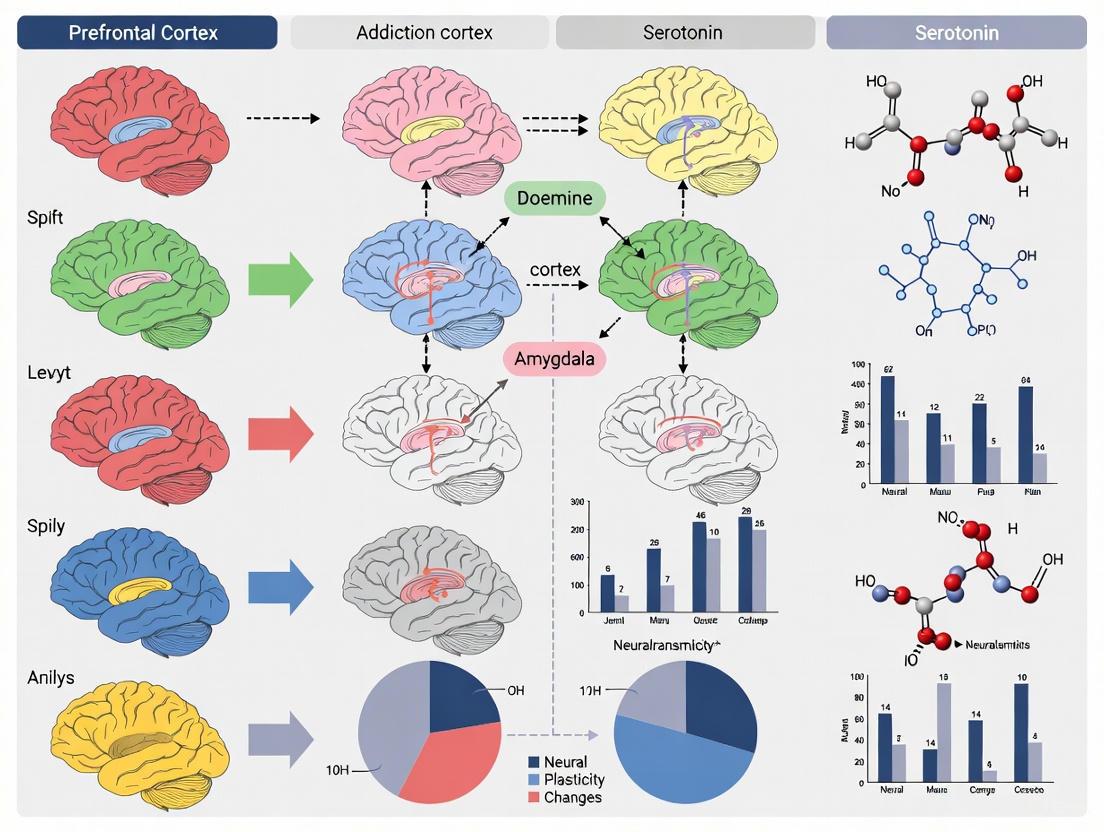
This article synthesizes current neuroimaging research to delineate the distinct and shared neural circuitry underlying different addiction subtypes.
Mapping the Addicted Brain: A Comparative Review of Neuroimaging Biomarkers Across Addiction Subtypes
Abstract
This article synthesizes current neuroimaging research to delineate the distinct and shared neural circuitry underlying different addiction subtypes. Aimed at researchers, scientists, and drug development professionals, it explores the foundational neurobiology of substance and behavioral addictions, reviews advanced methodological approaches for identifying biomarkers, and addresses key challenges in subtyping reproducibility. By comparing neuroimaging findings across disorders such as Internet Gaming Disorder, Cocaine Use Disorder, and Alcohol Use Disorder, we highlight the emergence of transdiagnostic, mechanism-based subtypes like the 'Reward,' 'Cognitive,' and 'Relief' types. The review concludes that leveraging these data-driven subtypes is crucial for advancing personalized, neurobiologically-informed addiction treatments and improving clinical trial outcomes.
The Neurobiological Landscape of Addiction: From General Circuits to Specific Subtypes
Drug addiction is conceptualized as a chronically relapsing disorder characterized by a compulsive pattern of drug seeking and taking, loss of control over intake, and emergence of a negative emotional state during withdrawal [1] [2]. Contemporary neurobiological research has revealed that addiction represents a dramatic dysregulation of motivational circuits driven by neuroplastic changes in specific brain networks [1]. The disorder can be understood through a three-stage cycle—binge/intoxication, withdrawal/negative affect, and preoccupation/anticipation—that worsens over time and involves distinct but interacting neurocircuits [2] [3]. This framework provides a heuristic for understanding how addictive substances hijack brain systems governing reward, executive control, and stress responses [1]. Advancements in neuroimaging and neuromodulation techniques have enabled researchers to identify not only core addiction-related circuitry but also individual differences in neurobehavioral profiles, supporting a move toward personalized addiction medicine [4]. This review synthesizes comparative neuroimaging findings across addiction subtypes, highlighting the quantitative data and experimental protocols that illuminate the shared and distinct neurocircuitry dysfunctions underlying addictive disorders.
The Three-Stage Addiction Cycle: Core Neurocircuitry and Neurotransmitters
The addiction cycle is mediated by three primary neurocircuits that undergo specific neuroadaptations [3]. Each stage involves distinct brain regions and neurotransmitter systems, summarized in the table below.
Table 1: Neurobiological Correlates of the Three-Stage Addiction Cycle
| Addiction Stage | Key Brain Regions | Primary Neurotransmitter Changes | Behavioral Manifestations |
|---|---|---|---|
| Binge/Intoxication | Ventral Tegmental Area (VTA), Nucleus Accumbens (NAc), Dorsal Striatum [1] [3] | ↑ Dopamine, ↑ Opioid peptides, ↑ GABA [1] | Euphoria, incentive salience, positive reinforcement [3] |
| Withdrawal/Negative Affect | Extended Amygdala (BNST, CeA), Habenula, Hypothalamus [1] [2] [3] | ↑ CRF, ↑ Dynorphin, ↑ Norepinephrine; ↓ Dopamine, ↓ Serotonin [1] | Dysphoria, anxiety, irritability, stress surfeit, negative reinforcement [3] |
| Preoccupation/Anticipation | Prefrontal Cortex (dlPFC, vmPFC, OFC), Anterior Cingulate, Insula, Hippocampus [1] [2] | ↑ Glutamate, ↑ Corticotropin-releasing factor [1] | Craving, impaired executive function, compulsivity, relapse [2] |
The binge/intoxication stage is centered on the basal ganglia, particularly the reward and habit-forming circuits originating from the ventral tegmental area (VTA) and projecting to the nucleus accumbens and dorsal striatum [3]. The reinforcing effects of drugs are primarily mediated by robust increases in dopamine and opioid peptides in these regions [1]. As addiction progresses, the motivational drive shifts from the substance itself to drug-associated cues, a process known as incentive salience [3].
The withdrawal/negative affect stage is characterized by recruitment of the extended amygdala and its stress systems [2] [3]. This stage involves a decrease in the function of the dopamine reward system and a concomitant recruitment of brain stress neurotransmitters, including corticotropin-releasing factor (CRF), dynorphin, and norepinephrine [1]. These neuroadaptations create a persistent negative emotional state that drives drug seeking through negative reinforcement [3].
The preoccupation/anticipation (craving) stage involves dysregulation of the prefrontal cortex, including key afferent projections to the basal ganglia and extended amygdala [1]. This stage is marked by compromised executive function, resulting in deficits in inhibitory control, emotional regulation, and decision-making, which collectively predispose to relapse [2] [3]. The insula is also critically involved in interoceptive awareness of craving states [2].
Figure 1: The addiction cycle involves three recurring stages, each mediated by distinct neurocircuits and neurotransmitter systems. CRF: Corticotropin-Releasing Factor; VTA: Ventral Tegmental Area; NAc: Nucleus Accumbens; BNST: Bed Nucleus of the Stria Terminalis; CeA: Central Nucleus of the Amygdala; dlPFC: dorsolateral Prefrontal Cortex; vmPFC: ventromedial Prefrontal Cortex.
Neuroimaging Evidence: Cross-Disorder Comparative Findings
Structural and functional neuroimaging studies have quantitatively documented brain alterations associated with substance use disorders, enabling cross-disorder comparisons.
Table 2: Cross-Disorder Comparison of Structural Brain Abnormalities (ENIGMA Consortium Findings)
| Brain Region | Alcohol Use Disorder (AUD) Effect Size (Hedge's g) | Cannabis Use Disorder (CUD) Effect Size (Hedge's g) | Schizophrenia (SCZ) Effect Size (Hedge's g) | Major Depressive Disorder (MDD) Effect Size (Hedge's g) |
|---|---|---|---|---|
| Thalamus | -0.47* | -0.17 | -0.32 | -0.14 |
| Hippocampus | -0.33* | -0.21* | -0.46 | -0.14 |
| Amygdala | -0.30* | -0.25* | -0.31 | -0.10 |
| Accumbens | -0.23* | -0.23* | -0.22 | -0.11 |
| Pallidum | -0.31 | -0.14 | -0.50 | -0.11 |
| Caudate | -0.14 | -0.08 | -0.23 | -0.09 |
| Putamen | -0.25 | -0.14 | -0.42 | -0.11 |
*Significant after multiple comparisons correction [5]
Meta-analytic findings from the ENIGMA Consortium demonstrate that Alcohol Use Disorder (AUD) is associated with significant volume reductions in multiple subcortical regions, with effect sizes generally equivalent to or larger than those observed in other psychiatric disorders such as schizophrenia and major depressive disorder [5]. Notably, AUD showed significantly greater alterations than MDD in the thalamus, hippocampus, amygdala, and accumbens [5]. Cannabis Use Disorder (CUD) was associated with more modest but significant reductions in the amygdala, accumbens, and hippocampus, with the latter effect size approximately half of that reported for AUD and schizophrenia [5].
Functionally, adolescents vulnerable to substance use disorders demonstrate hyperactivation of the dorsal striatum (putamen) during reward processing tasks, suggesting this may be a premorbid neural vulnerability marker [6]. This striatal dysfunction appears to be a more primary neural feature of vulnerability than prefrontal cortex deficits, particularly in individuals with co-occurring externalizing psychopathology [6].
Addiction Subtypes: Distinct Neurobehavioral Profiles
Recent research has moved beyond conceptualizing addiction as a unitary disorder, instead identifying neurobehaviorally distinct subtypes with unique clinical presentations and neurobiological correlates.
Table 3: Neurobehavioral Subtypes in Substance Use Disorders
| Subtype Characteristic | Reward Type | Cognitive Type | Relief Type |
|---|---|---|---|
| Primary Domain | Approach-related behavior | Executive function | Negative emotionality |
| Core Mechanism | Altered incentive salience [4] | Lower executive function [4] | Increased negative emotionality [4] |
| Neurocircuitry Profile | Value/Reward, Ventral-Frontoparietal, and Salience Networks [4] | Auditory, Parietal Association, Frontoparietal and Salience Networks [4] | Parietal Association, Higher Visual and Salience Networks [4] |
| Substance Use Motivation | Pleasure seeking, euphoria [4] | Impulsivity, poor inhibitory control [4] | Relief from negative affect, coping [4] |
| Behavioral Manifestations | Heightened reward sensitivity, drug cue reactivity [4] | Poor decision-making, cognitive deficits [4] | Anxiety, dysphoria, stress reactivity [4] |
A latent profile analysis of 593 participants, including 173 with past substance use disorders, identified three distinct subtypes with unique phenotypic and resting-state functional connectivity profiles [4]. These subtypes were equally distributed across different primary substance use disorders and genders, suggesting they represent trans-diagnostic neurobehavioral dimensions rather than substance-specific categories [4].
The Reward Type is characterized by heightened approach-related behavior and altered incentive salience attribution, with substance use mapping onto connectivity in value/reward and ventral-frontoparietal networks [4]. The Cognitive Type exhibits executive dysfunction, with substance use associated with connectivity alterations in frontoparietal and parietal association networks that support cognitive control [4]. The Relief Type demonstrates high negative emotionality, with substance use linked to connectivity in parietal association and higher visual networks, potentially reflecting heightened interoceptive awareness and stress reactivity [4].
Figure 2: Three neurobehavioral subtypes of addiction exhibit distinct primary impairments, underlying mechanisms, and associated neural network alterations.
Experimental Protocols and Neuromodulation Therapies
Neuroimaging Methodologies
Different neuroimaging techniques provide complementary windows into the neurobiology of addiction:
Positron Emission Tomography (PET): Utilizes radiotracers (e.g., [¹¹C]raclopride for D2 receptors, [¹¹C]cocaine for dopamine transporters) to quantify receptor availability, neurotransmitter dynamics, and drug distribution in the human brain [7]. Limitations include relatively low temporal resolution and radiation exposure [7].
Functional Magnetic Resonance Imaging (fMRI): Measures blood-oxygen-level-dependent (BOLD) signals to map brain activity during cognitive tasks or at rest. Typically conducted on 3T scanners, it provides superior spatial resolution without radiation exposure [7]. Effective connectivity analyses can model directional influences between brain regions [8].
Electroencephalography (EEG): Records electrical activity from the scalp with millisecond temporal resolution, ideal for capturing rapid neural dynamics during cognitive processing [7].
Emerging Neuromodulation Protocols
Neuromodulation approaches target specific addiction-related circuits with increasing precision:
Deep Transcranial Magnetic Stimulation (dTMS) Protocol: A randomized, single-blind, sham-controlled crossover trial targets two cortico-striatal circuits in Alcohol Use Disorder (AUD) using the BrainsWay H-coil [8]. Participants receive either intermittent theta-burst stimulation (iTBS) to the dorsolateral prefrontal cortex (dlPFC) to enhance executive control circuitry or continuous theta-burst stimulation (cTBS) to the ventromedial prefrontal cortex (vmPFC) to dampen hyperactive limbic circuitry [8]. Primary outcomes include changes in effective connectivity measured via spectral dynamic causal modeling (spDCM) of resting-state fMRI data [8].
Accelerated TMS Protocols: Compress the full course of TMS into 5 days instead of the traditional 4-6 weeks, potentially improving retention and efficacy [9]. Theta-burst stimulation patterns mimic endogenous neural firing, potentially enhancing plasticity with shorter treatment durations [9].
The Scientist's Toolkit: Research Reagent Solutions
Table 4: Essential Research Reagents and Materials for Addiction Neurocircuitry Research
| Research Tool | Primary Application | Key Function in Addiction Research |
|---|---|---|
| [¹¹C]Raclopride | PET Imaging [7] | Competitive antagonist for quantifying D2/D3 receptor availability and indirect measurement of dopamine release [7] |
| [¹¹C]Cocaine | PET Imaging [7] | Radiolabeled ligand for measuring dopamine transporter (DAT) occupancy and pharmacokinetics of cocaine [7] |
| BrainsWay H-Coil | Deep TMS [8] | Enables modulation of deeper cortical and subcortical structures (up to 5cm depth) compared to traditional figure-eight coils [8] |
| Spectral Dynamic Causal Modeling (spDCM) | fMRI Analysis [8] | Models effective connectivity (direction and valence of neural influences) between nodes of targeted neurocircuits [8] |
| Structured Clinical Interview for DSM-5 (QuickSCID-5) | Clinical Phenotyping [8] | Standardized diagnostic assessment for substance use disorders and psychiatric comorbidities [8] |
| ENIGMA Protocols | Structural MRI Analysis [5] | Harmonized methods for processing and parcellating brain data enabling cross-disorder effect size comparisons [5] |
The core neurocircuitry of addiction involves dynamic interactions between reward systems centered on the basal ganglia, stress systems within the extended amygdala, and executive control networks in the prefrontal cortex. Comparative neuroimaging reveals both shared neural vulnerabilities across substance use disorders and distinct neurobehavioral subtypes that may require personalized intervention approaches. Quantitative meta-analyses demonstrate that alcohol use disorder produces structural brain alterations comparable in effect size to those observed in schizophrenia, while addiction subtypes show distinct patterns of network connectivity corresponding to their primary functional impairments. Emerging neuromodulation protocols are increasingly targeting these specific circuit dysfunctions, with dTMS approaches now capable of differentially modulating dissociable cortico-striatal pathways. Future research integrating multimodal neuroimaging with precisely targeted interventions promises to advance mechanism-based subtyping and develop more effective, personalized treatments for addictive disorders.
Substance use disorders (SUDs) represent a major public health challenge, characterized by compulsive drug seeking and use despite harmful consequences. Modern neuroimaging research has revolutionized our understanding of SUDs as chronic brain diseases, revealing that while all addictive substances disrupt core brain networks, the specific nature and topography of these disruptions vary considerably across substance classes [10] [11]. This review provides a systematic comparison of neuroimaging findings across three prevalent substance use disorders: alcohol use disorder (AUD), cocaine use disorder (CUD), and opioid use disorder (OUD).
The neurobiological framework of addiction primarily implicates three key brain systems: the basal ganglia (reward and habit formation), the extended amygdala (stress and negative affect), and the prefrontal cortex (executive control) [10]. These systems undergo substance-induced neuroadaptations that drive the transition from voluntary use to compulsive addiction. However, the specific pharmacological profiles of different substances—alcohol (a depressant), cocaine (a stimulant), and opioids (analgesics)—engage these circuits in distinct ways, leading to both shared and substance-specific neural alterations [12] [13]. Understanding these differences is crucial for developing targeted interventions and personalized treatment approaches.
Comparative Structural Alterations Across Substance Classes
Voxel-based morphometry (VBM) studies have revealed complex patterns of gray and white matter pathology that show both convergence and divergence across SUDs. These structural changes represent potential neural correlates of the cognitive, emotional, and behavioral impairments characteristic of addiction.
Table 1: Gray Matter Alterations in Alcohol, Cocaine, and Opioid Use Disorders
| Brain Region | Alcohol Use Disorder | Cocaine Use Disorder | Opioid Use Disorder |
|---|---|---|---|
| Prefrontal Cortex | Consistent volume reductions [12] | Volume reductions in OFC and ACC [12] | Limited evidence, potential reductions |
| Anterior Cingulate Cortex | Volume loss [12] | Volume loss [12] | Volume loss [12] |
| Insula | Volume reductions [12] | Volume reductions [12] | Volume reductions [12] |
| Striatum | Mixed findings; some volume loss | Higher volume in putamen reported [12] | - |
| Thalamus | Significant volume loss [12] | Volume loss [12] | Volume loss [12] |
| Cerebellum | Significant volume loss | Limited changes | Limited changes |
Table 2: White Matter Alterations Across Substance Use Disorders
| White Matter Tract/Region | Alcohol Use Disorder | Cocaine Use Disorder | Opioid Use Disorder |
|---|---|---|---|
| Corpus Callosum | Significant volume loss [12] | Volume loss [12] | Volume loss [12] |
| Thalamic Radiations | Reductions [12] | Reductions [12] | Reductions [12] |
| Internal Capsule | Reductions [12] | Reductions [12] | Reductions [12] |
| Corticospinal Tract | Reductions [12] | Reductions [12] | - |
|
Meta-analytic findings indicate convergent gray matter pathology across AUD, CUD, and OUD in regions including the insula, anterior cingulate cortex, putamen, and thalamus [12]. Similarly, white matter alterations consistently affect the thalamic radiation and internal capsule bundle across these disorders [12]. However, divergent patterns are also evident. AUD demonstrates particularly pronounced cerebellar volume loss, whereas CUD has been associated with higher striatal volume in some studies, potentially reflecting neuroinflammatory processes or pre-existing vulnerability factors [12]. The pattern of structural pathology appears to progress with disease severity, moving from primarily cortical alterations in occasional use to widespread cortical-subcortical involvement in severe addiction [12].
Experimental Protocols in Structural Neuroimaging
The primary methodology for investigating structural brain alterations in SUDs is voxel-based morphometry (VBM), a whole-brain, voxel-wise technique that quantifies tissue concentration or volume without requiring a priori region-of-interest definitions [12]. The standard experimental workflow involves:
- Data Acquisition: High-resolution T1-weighted magnetic resonance imaging (MRI) scans are collected from both SUD patients and carefully matched healthy control participants.
- Preprocessing: Images are spatially normalized to a standard template, segmented into gray matter, white matter, and cerebrospinal fluid components, and smoothed using an isotropic Gaussian kernel.
- Statistical Analysis: Group comparisons between patients and controls are conducted using mass-univariate approaches (e.g., parametric or non-parametric tests) with appropriate multiple comparison corrections (e.g., family-wise error or false discovery rate).
- Meta-Analytic Integration: For systematic reviews and meta-analyses, the anatomic likelihood estimation (ALE) method is commonly employed to identify consistent findings across independent studies by modeling reported coordinates as Gaussian probability distributions [12].
Figure 1: Experimental workflow for structural neuroimaging studies in substance use disorders.
Functional Connectivity Profiles
Resting-state functional magnetic resonance imaging (rs-fMRI) has revealed distinctive patterns of functional dysregulation across SUDs, particularly within the cortical-striatal-thalamic-cortical circuit [14]. A comprehensive seed-based meta-analysis of 53 rs-fMRI studies encompassing 1,700 SUD patients and 1,792 healthy controls identified both shared and substance-specific functional connectivity patterns.
Table 3: Resting-State Functional Connectivity Patterns in Substance Use Disorders
| Seed Region | Common Alterations Across SUDs | Substance-Specific Findings |
|---|---|---|
| Anterior Cingulate Cortex (ACC) | Hyperconnectivity with inferior frontal gyrus, lentiform nucleus, and putamen [14] | - |
| Prefrontal Cortex (PFC) | Hyperconnectivity with superior frontal gyrus and striatum; hypoconnectivity with inferior frontal gyrus [14] | Alcohol: reduced frontal-striatal connectivityCocaine: altered PFC-amygdala connectivity |
| Striatum | Hyperconnectivity with superior frontal gyrus; hypoconnectivity with median cingulate gyrus [14] | Opioids: reduced striatal connectivity with limbic regions |
| Thalamus | Hypoconnectivity with superior frontal gyrus, dorsal ACC, and caudate nucleus [14] | - |
| Amygdala | Hypoconnectivity with superior frontal gyrus and ACC [14] | Cocaine: heightened amygdala reactivity to drug cues |
The striatum demonstrates particularly notable substance-specific profiles. In CUD, chronic cocaine exposure produces increases in mu-opioid receptor (MOP-r) levels in the nucleus accumbens and dorsal striatum, as observed in both rodent models and human PET imaging studies [13]. This upregulation persists during abstinence and may contribute to increased sensitivity to reward cues. Conversely, OUD involves direct activation of opioid receptors, fundamentally altering the endogenous opioid system including dynorphin and kappa-opioid receptor (KOP-r) function, which creates a dysphoric state during withdrawal that reinforces drug seeking [13] [15]. AUD appears to involve a different mechanism, with alcohol primarily acting as an indirect modulator of dopamine through its effects on GABA and glutamate systems.
Molecular Pathways and Neurotransmitter Systems
At the molecular level, the three substance classes exert their effects through distinct neuropharmacological mechanisms, though all ultimately converge on the mesolimbic dopamine pathway.
Opioids primarily act as agonists at mu-opioid receptors (MOP-r), disinhibiting GABAergic interneurons in the ventral tegmental area (VTA), thereby increasing dopamine release in the nucleus accumbens [13]. Chronic opioid use leads to counter-adaptations, including upregulation of the kappa-opioid receptor (KOP-r)/dynorphin system, which produces aversive, dysphoric states that contribute to negative reinforcement [13] [15].
Cocaine acts primarily as a dopamine transporter inhibitor, increasing extracellular dopamine by blocking reuptake in the nucleus accumbens and other striatal regions [13]. Binge cocaine administration produces successive "spikes" in dopamine concentration, and chronic use induces neuroadaptations including changes in opioid receptor expression and alterations in glutamate receptor function [13].
Alcohol has a more complex, multi-target mechanism, enhancing GABAergic inhibition, reducing glutamatergic excitation, and indirectly modulating dopamine release through its effects on these systems. The rewarding effects of alcohol are partially mediated by opioid systems, as demonstrated by the efficacy of naltrexone (an opioid receptor antagonist) in treating AUD [13].
Figure 2: Molecular pathways for opioids, cocaine, and alcohol in the ventral tegmental area (VTA) and nucleus accumbens (NAc).
The Scientist's Toolkit: Essential Research Reagents and Methodologies
Table 4: Key Research Reagents and Methodologies in Addiction Neuroimaging
| Reagent/Methodology | Primary Function | Application in SUD Research |
|---|---|---|
| Voxel-Based Morphometry (VBM) | Quantifies regional gray/white matter volume and density | Identifies structural alterations in AUD, CUD, OUD [12] |
| Resting-State fMRI (rs-fMRI) | Measures spontaneous brain activity and functional connectivity | Maps network disruptions in reward, executive, salience networks [14] |
| Seed-Based Functional Connectivity | Analyzes temporal correlations between seed region and whole brain | Investigates specific circuit dysfunction (e.g., striatal-cortical) [14] |
| Positron Emission Tomography (PET) | Visualizes receptor distribution and neurotransmitter dynamics | Quantifies receptor changes (e.g., MOP-r upregulation in CUD) [13] |
| Anatomic Likelihood Estimation (ALE) | Meta-analytic technique for spatial convergence | Identifies consistent findings across multiple neuroimaging studies [12] |
| Mu-Opioid Receptor Agonists/Antagonists | Pharmacological probes of opioid system function | Investigates opioid system role in alcohol and cocaine effects [13] |
| Dopamine Transporter Ligands | Labels dopamine transporters for PET imaging | Measures DAT availability in CUD and therapeutic effects |
Implications for Targeted Therapeutic Development
The substance-specific neural alterations described above have profound implications for developing targeted treatment strategies. The neurobiological distinctions suggest that single treatment approaches are unlikely to be equally effective across all SUD types.
For OUD, medications that target the opioid system—including methadone (full MOP-r agonist), buprenorphine (partial MOP-r agonist), and naltrexone (MOP-r antagonist)—represent evidence-based standard of care that directly counter the underlying neuropharmacological disruptions [13]. These medications help stabilize the opioid system, reducing withdrawal and craving while blocking the euphoric effects of illicit opioids.
For AUD, the efficacy of naltrexone further supports the involvement of opioidergic mechanisms in alcohol reinforcement, though other medications like acamprosate (modulating glutamate systems) and disulfiram (producing aversive response) offer alternative mechanisms of action [13].
For CUD, the development of effective pharmacotherapies has been more challenging, reflecting the complex neuroadaptations in both dopaminergic and opioid systems [13]. Current approaches target various neurotransmitter systems, including dopamine, glutamate, GABA, and opioids, but no medications have yet received FDA approval specifically for cocaine addiction.
The identification of neurobehavioral subtypes that cut across traditional substance categories—such as Reward, Cognitive, and Relief types—suggests an alternative approach to treatment matching that acknowledges both shared mechanisms and individual differences in the expression of addiction [16]. This framework could help guide the selection of existing treatments and the development of novel interventions that target specific neuropsychological dimensions rather than simply the substance class.
Neuroimaging research reveals that alcohol, cocaine, and opioid use disorders produce distinct patterns of neural alteration alongside common disruptions in shared reward, executive control, and stress circuitry. AUD typically demonstrates widespread cortical and subcortical damage, particularly affecting frontal regions and white matter tracts. CUD shows more specific alterations in frontostriatal circuits and dopamine-rich regions, with notable involvement of the opioid system. OUD directly engages endogenous opioid circuitry, producing characteristic adaptations in MOP-r and KOP-r systems. These substance-specific signatures, superimposed on common addiction-related networks, highlight the need for both personalized and disorder-specific treatment approaches. Future research integrating multimodal neuroimaging with genetics and clinical phenomenology will be essential for advancing our understanding of these complex disorders and developing more effective, biologically-informed interventions.
Behavioral addictions, encompassing conditions such as Internet Gaming Disorder (IGD) and the proposed Social Networks Use Disorder (SNUD), represent a growing area of clinical and neurobiological research. The recognition of gaming disorder in the ICD-11 and its placement within the DSM-5's research framework has accelerated investigations into their underlying neural mechanisms [17] [18]. This review synthesizes comparative neuroimaging findings for IGD and SNUD, focusing on the distinct neural signatures that characterize these conditions. Evidence suggests that while both disorders share common features of behavioral addiction, they also demonstrate unique patterns of brain dysfunction, particularly within frontostriatal circuits and networks governing reward processing, executive control, and emotional regulation [19] [18] [20]. Understanding these neurobiological distinctions is crucial for developing targeted interventions and personalized treatment approaches for these increasingly prevalent conditions.
Comparative Neuroimaging Findings: IGD vs. SNUD
Neuroimaging research has revealed both overlapping and distinct neural abnormalities in IGD and SNUD. The table below summarizes key comparative findings from structural and functional studies.
Table 1: Comparative Neuroimaging Findings in IGD and SNUD
| Brain Metric | Internet Gaming Disorder (IGD) | Social Networks Use Disorder (SNUD) |
|---|---|---|
| Ventral Striatum (VS) | Increased activity during gaming cues; altered reward processing [21] [20] | Limited direct evidence; hypothesized similarity to other behavioral addictions [18] |
| Orbitofrontal Cortex (OFC) | Hyperactivity associated with motivational salience and craving [22] | Not consistently reported; less research available [18] |
| Dorsolateral Prefrontal Cortex (DLPFC) | Reduced activity and cortical thickness; impaired cognitive control [22] | Preliminary evidence suggests impaired inhibitory control [18] |
| Anterior Cingulate Cortex (ACC) | Reduced gray matter volume and functional connectivity; error processing deficits [23] [24] | Insufficient neuroimaging data specifically for SNUD [18] |
| White Matter Integrity | Reduced in tracts connecting frontal, striatal, and limbic regions [23] | Fewer studies; requires further investigation [18] |
| Default Mode Network (DMN) | Disrupted functional connectivity [19] | Disrupted functional connectivity similar to IGD [18] |
Neural Mechanisms of Internet Gaming Disorder
IGD demonstrates relatively consistent neurobiological abnormalities across multiple imaging modalities. Structural imaging studies frequently report reduced gray matter volume in the bilateral caudate, a dorsal striatal region implicated in habit formation [17]. Furthermore, lower gray matter volume in frontal regions, including the OFC, anterior cingulate, and dorsolateral prefrontal cortices, has been associated with symptoms of behavioral disinhibition and impaired emotional regulation [23] [24].
Functionally, individuals with IGD exhibit dysregulated prefrontal-striatal circuits [19]. During resting state, increased activity and functional connectivity within the OFC is a common finding, reflecting heightened attribution of motivational salience to gaming-related stimuli [22]. Conversely, reduced activity and connectivity in the DLPFC is thought to underlie diminished top-down control over compulsive gaming behaviors [22]. Task-based fMRI studies using cue-reactivity and decision-making paradigms consistently reveal hyperactivation of the reward system, including the ventral striatum and OFC, in response to gaming cues, paralleling findings in substance use disorders [21] [20].
Neural Mechanisms of Social Networks Use Disorder
In contrast to IGD, the neurobiological basis of SNUD is far less established. The limited existing research suggests similarities with IGD, particularly regarding impairments in inhibitory control and related frontal networks [18]. One of the key challenges in SNUD research is the heterogeneity of platforms and activities encompassed by "social media use," which may engage different neural systems compared to the reward structures activated by gaming.
Based on theoretical models and the scant empirical data, SNUD is hypothesized to involve an imbalance between impulsive and reflective systems, as described in the I-PACE model [18]. However, the specific pattern of brain dysfunction may differ from IGD. For instance, the cue-reactivity profile in SNUD might be more closely tied to social reward and validation processing, potentially involving regions like the social brain network (e.g., temporoparietal junction, medial prefrontal cortex). A critical research gap is the lack of studies directly comparing IGD and SNUD using identical neuroimaging tasks and analyses.
Methodological Approaches in Neuroimaging Research
Common Experimental Protocols
Neuroimaging studies of behavioral addictions typically employ standardized protocols to probe specific cognitive and affective processes. The workflow below outlines a typical multimodal neuroimaging study design.
Key fMRI Tasks and Paradigms
Table 2: Experimental fMRI Paradigms in Behavioral Addiction Research
| Paradigm Type | Cognitive Process Measured | Task Description | Key Brain Regions Implicated |
|---|---|---|---|
| Cue-Reactivity | Craving, Incentive Salience | Presentation of disorder-specific cues (e.g., game visuals, social media notifications) vs. neutral cues [21] | Ventral Striatum, OFC, Anterior Cingulate Cortex [20] |
| Inhibitory Control (e.g., Go/No-Go, Stop-Signal) | Response Inhibition, Impulsivity | Withholding prepotent motor responses to specific stimuli [18] | Inferior Frontal Gyrus, Dorsolateral PFC, Supplementary Motor Area [24] |
| Monetary Incentive Delay | Reward Anticipation and Feedback | Task where cues signal potential monetary gain or loss [20] | Ventral Striatum, Midbrain, Medial Prefrontal Cortex [20] |
| Risk-Taking Tasks (e.g., Balloon Analogue Risk Task) | Risk Decision-Making | Progressive risk-taking with potential for greater reward or loss [19] | Ventromedial PFC, Insula, Dorsolateral PFC [19] |
The Scientist's Toolkit: Essential Research Reagents and Materials
Table 3: Key Reagents and Materials for Neuroimaging Research in Behavioral Addictions
| Item Category | Specific Examples | Research Function |
|---|---|---|
| Clinical Assessment Tools | Internet Gaming Disorder Scale-Short Form (IGDS9-SF), Internet Addiction Test (IAT), Liebowitz Social Anxiety Scale (LSAS) [17] [19] | Standardized quantification of symptom severity and comorbid psychopathology |
| Experimental Task Software | E-Prime, PsychoPy, Presentation | Precisely controlled presentation of cognitive paradigms and stimulus delivery during fMRI |
| MRI Acquisition Sequences | T1-weighted MPRAGE, T2*-weighted echoplanar imaging (EPI), Diffusion Spectrum Imaging (DSI) [17] [19] | High-resolution structural, functional, and white matter integrity data collection |
| Neuroimaging Analysis Packages | SPM, FSL, AFNI, CONN, FreeSurfer | Data preprocessing, statistical analysis, and visualization of brain structure and function |
| Computational Modeling Tools | Dynamic Causal Modeling (DCM), Graph Theory Analysis | Investigating effective connectivity between brain regions and network topology properties |
Neurobiological Mechanisms and Theoretical Frameworks
The neuroimaging findings in behavioral addictions are conceptually organized through several prominent theoretical frameworks. The I-PACE model (Interaction of Person-Affect-Cognition-Execution) provides a comprehensive framework that integrates predisposing variables with affective and cognitive responses to explain the development and maintenance of addictive behaviors [18]. This model emphasizes the interaction between predisposing factors (e.g., genetics, personality, psychopathology), affective and cognitive responses to triggers (e.g., cue reactivity, craving, attentional bias), and executive functions (e.g., inhibitory control, decision-making) in the addiction process.
Additionally, the tripartite model of gaming disorder proposes an imbalance between three neurofunctional systems: (1) an impulsive system (hyperactive, automatic behaviors), (2) a reflective system (hypoactive, top-down control), and (3) an interoceptive awareness system (craving experiences) [18]. This model effectively accounts for the neural signature observed in IGD of hyperactive ventral striatum and OFC coupled with hypoactive DLPFC.
The diagram below illustrates the core neurocircuitry and neurotransmitter systems implicated in these models.
Implications for Research and Therapeutics
The identification of distinct neural signatures in IGD and SNUD has significant implications for targeted drug development and personalized treatment approaches. Neuroimaging biomarkers could potentially guide the selection of pharmacological interventions that target specific neurotransmitter systems, such as dopaminergic agents for reward system hyperactivity or glutamatergic modulators for cognitive control enhancement [20].
Furthermore, understanding the unique neural profiles of these disorders informs the development of neuromodulation techniques such as transcranial magnetic stimulation (TMS) and transcranial direct current stimulation (tDCS) [19]. For instance, protocols targeting the DLPFC might be particularly beneficial for addressing cognitive control deficits common to both disorders, while the specific application to SNUD requires further investigation.
The methodological advancements in multivariate analytic approaches, such as Source-Based Morphometry (SBM), offer improved sensitivity for detecting neurostructural correlates and understanding how variations in brain structure mediate relationships between IGD and comorbid conditions like social anxiety [17]. Future research should prioritize direct comparative studies and longitudinal designs to elucidate causal relationships between neural alterations and disorder progression, ultimately informing more effective, neuroscience-based interventions for behavioral addictions.
Substance Use Disorders (SUDs) represent a major global health challenge, with high rates of relapse following treatment. Up to 85% of individuals return to substance use within one year of treatment completion [25] [16]. This treatment crisis stems partly from the considerable individual heterogeneity underlying addiction, where different neurobehavioral mechanisms drive substance use in different people [26] [27]. Traditional subtyping approaches have primarily focused on clinical symptom severity rather than underlying functional mechanisms, limiting their utility for developing targeted treatments [25] [26].
Mechanism-based subtyping represents a paradigm shift that addresses the core "heterogeneity problem" in addiction [26]. Prominent addiction theories stress the importance of three neurobehavioral mechanisms of persistence: (1) altered incentive salience (approach-related behavior), (2) lower executive function, and (3) increased negative emotionality [25] [16]. Unlike symptom-based classifications, mechanism-based subtyping identifies subgroups based on data reflecting these fundamental functional processes, offering potential targets for personalized interventions [26] [27]. This approach recognizes that these three domains are partially independent, allowing for distinct combinations of impairments across individuals [25] [26].
Neuroimaging technologies provide critical windows into the neural substrates of these mechanisms, assessing brain activity, structure, and metabolism across scales from neurotransmitter receptors to large-scale brain networks [28]. The growing application of neuroimaging in addiction research facilitates the identification of biomarkers that may indicate vulnerability, separate disease subtypes, predict treatment response, or provide objective measures of recovery [28]. This review comprehensively examines the comparative neuroimaging findings across the three primary addiction subtypes—Reward, Cognitive, and Relief—and details the methodological frameworks for their identification and characterization.
Comparative Neuroimaging Findings Across Subtypes
Distinct Neurobehavioral Profiles
A pivotal 2023 study published in Translational Psychiatry provided empirical validation for mechanism-based subtyping by identifying three distinct neurobehavioral profiles in a community sample of 173 individuals with past SUDs [25] [16] [29]. The study utilized latent profile analysis on comprehensive phenotypic data (74 subscales from 18 measures) and characterized resting-state brain function for each discovered subtype. The table below summarizes the core behavioral and neural characteristics of these subtypes:
Table 1: Neurobehavioral Profiles of Mechanism-Based Subtypes
| Subtype | Prevalence in Sample | Primary Behavioral Characteristics | Associated Brain Network Alterations |
|---|---|---|---|
| Reward Type | 69 individuals | Higher approach-related behavior, sensation seeking, social risk-taking, unethical behavior [25] [27] | Substance use mapped to connectivity in Value/Reward, Ventral-Frontoparietal, and Salience networks [25] [16] |
| Cognitive Type | 70 individuals | Lower executive function, effortful control, and openness/sensitivity [25] [27] | Substance use linked to connectivity in Auditory, Parietal Association, Frontoparietal, and Salience networks [25] [16] |
| Relief Type | 34 individuals | High negative emotionality, internalizing behaviors, psychiatric symptoms, and negative affect [25] [27] | Substance use associated with connectivity in Parietal Association, Higher Visual, and Salience networks [25] [16] |
Critically, these subtypes were equally distributed across individuals with different primary substances of abuse (Alcohol Use Disorder only, Cannabis Use Disorder only, and Multiple SUDs) and gender, indicating that the subtypes represent transdiagnostic functional impairments rather than being linked to a specific substance [25] [16]. Demographic and clinical data further validated these profiles: the "Reward Type" showed higher current levels of drug use, the "Cognitive Type" had lower educational attainment, and the "Relief Type" exhibited higher rates of internalizing disorders like anxiety and depression [27].
Subtype-Specific Neural Circuitry
Each subtype demonstrated a unique pattern of resting-state functional connectivity that correlated with their current level of substance use, providing neurobiological validation for the distinct mechanisms involved.
Reward Type: This subtype exhibited substance-use-related connectivity in brain networks specialized for reward processing and incentive salience. The Value/Reward network is crucial for assigning motivational value to stimuli, while the Salience network helps direct attention toward biologically relevant events [25] [16]. These findings align with the subtype's behavioral profile of heightened sensation-seeking and reward-driven behavior [27].
Cognitive Type: Individuals in this category showed connectivity patterns in networks supporting cognitive control and higher-order association processes. The Frontoparietal network is essential for executive functions, including cognitive flexibility, working memory, and goal-directed behavior [25] [16]. Its disruption correlates with the executive function challenges observed in this subgroup [27].
Relief Type: This subtype's connectivity was altered in regions involved in sensory integration, self-awareness, and vigilance. The involvement of the Parietal Association and Higher Visual networks may reflect heightened interoceptive awareness and vigilance to threat—neural correlates of the negative emotionality and anxiety characteristic of this group [25] [16]. The Salience network's role here may relate to its function in coordinating responses to emotionally salient stimuli [28].
Table 2: Neuroimaging Correlates and Potential Interventions by Subtype
| Subtype | Key Neuroimaging Findings | Implicated Brain Regions/Networks | Potential Targeted Interventions |
|---|---|---|---|
| Reward Type | Altered connectivity linked to current drug use in reward-processing regions [25] [16] | Value/Reward Network, Ventral-Frontoparietal Network, Salience Network [25] [16] | Naltrexone to reduce pleasure of use [26], neuromodulation of reward circuits [28] |
| Cognitive Type | Connectivity changes in networks critical for cognitive control [25] [16] | Auditory Network, Parietal Association Network, Frontoparietal Network [25] [16] | Cognitive remediation therapy, neuromodulation to enhance prefrontal control [28] |
| Relief Type | Altered connectivity in regions related to vigilance and emotional processing [25] [16] | Parietal Association Network, Higher Visual Network, Salience Network [25] [16] | Anxiety-focused pharmacotherapy (e.g., SSRIs), mindfulness-based interventions [26] |
The diagram below illustrates the conceptual relationship between the three core functional domains, their underlying mechanisms, and the resulting subtypes, along with their primary associated brain networks.
Experimental Protocols and Methodologies
Foundational Subtyping Study Protocol
The seminal study by Drossel et al. (2023) established a rigorous methodological framework for mechanism-based subtyping [25] [16]. The experimental workflow involved sequential stages of data processing and analysis, as detailed below.
Participants and Phenotypic Assessment
- Sample: The study leveraged the enhanced Nathan Kline Institute-Rockland Sample (NKI-RS), a large, community-representative dataset [25] [16]. The final analysis included 593 participants (ages 18-59), comprising 420 controls and 173 individuals with past SUDs (AUD only, CUD only, and Multiple SUDs) [25].
- Phenotypic Measures: A comprehensive phenotypic assessment included 74 subscales derived from 18 different self-report and task-based measures without prior selection, aiming to model the entire phenotypic space. Examples include scales assessing impulsivity, sensation-seeking, emotional regulation, and cognitive control [16].
Data Analysis Pipeline
- Factor Analysis: An Exploratory Factor Analysis (EFA) was conducted on all participants (N=593) to reduce the 74 phenotypic variables to a set of latent constructs. The analysis used maximum likelihood extraction with oblimin rotation, yielding 12 statistically significant factors (e.g., internalizing, sensation seeking, executive function) that represented different aspects of the three broad functional domains [16].
- Latent Profile Analysis (LPA): To identify subtypes within the group with past SUDs (N=173), an LPA was performed using the factor scores from the EFA. LPA is a form of Gaussian-mixture modeling that identifies underlying subgroups within multi-dimensional data [16]. The analysis supported a three-class solution, which aligned with the a priori hypothesis and showed the best statistical fit [25] [27].
- Neuroimaging Validation: Resting-state functional MRI (rs-fMRI) data were analyzed to characterize the brain function of each discovered subtype. The study examined how current substance use mapped onto resting-state functional connectivity within each subtype, revealing distinct neural signatures [25] [16].
The Scientist's Toolkit: Key Research Reagents and Materials
Conducting mechanism-based subtyping research requires a specific set of methodological tools and resources. The table below details essential components of the research toolkit as employed in the featured study.
Table 3: Essential Research Toolkit for Mechanism-Based Subtyping Studies
| Tool Category | Specific Tool/Resource | Function in Research |
|---|---|---|
| Participant Dataset | Enhanced Nathan Kline Institute-Rockland Sample (NKI-RS) [25] [16] | A large, community-representative, deeply phenotyped dataset including neuroimaging and behavioral data. |
| Clinical Assessment | Structured Clinical Interview for DSM-IV (SCID) [25] | Provides standardized, reliable clinical diagnoses for Substance Use Disorders and comorbidities. |
| Phenotypic Measures | Battery of 18 behavioral/clinical measures (74 subscales) e.g., assessing impulsivity, affect, cognition [16] | Comprehensively captures the phenotypic space across the three core functional domains. |
| Statistical Software | R programming language with specific packages (e.g., psych for EFA, mclust for LPA) [16] |
Performs critical data reduction and clustering analyses to identify latent factors and subtypes. |
| Neuroimaging Platform | Functional Magnetic Resonance Imaging (fMRI) - Resting State [25] [16] | Measures intrinsic brain connectivity and identifies neural correlates of each behavioral subtype. |
| Neuroimaging Analysis Tools | Functional connectivity analysis software (e.g., FSL, CONN, AFNI) [28] | Processes and analyzes neuroimaging data to map subtype-specific network alterations. |
Discussion and Future Directions
Implications for Personalized Treatment
The empirical validation of Reward, Cognitive, and Relief subtypes provides a concrete framework for advancing personalized medicine in addiction [26] [27]. This approach directly addresses the critical need to move beyond one-size-fits-all treatments. For instance, a post-randomized controlled trial analysis demonstrated that individuals with Alcohol Use Disorder who primarily drank to experience pleasure (Reward subtype) benefited from the pleasure-reducing medication naltrexone, while those who drank to relieve negative emotions (Relief subtype) did not [26]. Similarly, the Cognitive subtype, characterized by executive dysfunction, might benefit most from cognitive remediation therapies or neuromodulation approaches targeting the frontoparietal network [28] [30].
Precision medicine in SUDs is evolving toward multifactorial models that integrate behavioral, neural, and environmental data to better predict treatment outcomes [30]. Neuroimaging biomarkers are particularly promising for guiding these targeted interventions. For example, real-time functional neuroimaging could be combined with neuromodulation techniques like transcranial magnetic stimulation (TMS) to create closed-loop systems that directly normalize pathological activity in subtype-specific circuits [28].
Validation and Extension to Behavioral Addictions
The mechanism-based subtyping model shows significant transdiagnostic utility. Recent research has successfully applied the same tri-domain framework to binge eating (BE), identifying three analogous subtypes: a 'Negative Emotionality' subtype, an 'Approach' subtype, and a 'Restrained' subtype (the latter reflecting a specific manifestation of executive dysfunction) [31]. This replication across different diagnostic categories strengthens the validity of the underlying model and suggests that these neurobehavioral mechanisms represent fundamental dimensions across compulsive behaviors.
Furthermore, the subtyping approach holds promise for clarifying the neurobiological underpinnings of behavioral addictions, such as gambling disorder, internet gaming disorder, and compulsive sexual behavior disorder [32]. These conditions share core features with SUDs, including impaired impulse control and disrupted reward processing, but research into their neural substrates is less advanced [32]. Applying the same mechanism-based subtyping framework could parse heterogeneity within these populations and accelerate the development of targeted interventions, including novel approaches like psychedelic-assisted therapy and neuromodulation [32].
Challenges and Translational Hurdles
Despite its promise, several challenges remain in translating mechanism-based subtyping from a research tool to a clinical application. Key hurdles include:
- Standardization: Developing brief, clinically feasible assessments that reliably place an individual into one of the subtypes.
- Validation: Conducting longitudinal and treatment-outcome studies to confirm that subtype-specific interventions indeed lead to improved outcomes.
- Complexity: Integrating neuroimaging with other biomarkers (e.g., genetic, epigenetic) and environmental factors to create comprehensive predictive models [30].
Overcoming these challenges will require a concerted effort, but the potential payoff is substantial. Mechanism-based subtyping offers a viable path to solving the heterogeneity problem in addiction, ultimately aiming for a future where individuals receive treatments tailored to the specific neurobehavioral mechanisms driving their disorder [26] [30].
Genetic and Environmental Influences on Neurobiological Vulnerability
Substance use disorders (SUDs) represent a significant global health challenge, characterized by high relapse rates and heterogeneous treatment responses. Contemporary research has shifted from viewing addiction as a unitary disorder to understanding it as a multifaceted condition arising from complex interactions between genetic predispositions and environmental factors. This review synthesizes current evidence on the neurobiological substrates of addiction, highlighting comparative findings across addiction subtypes. We examine how genetic factors, including heritability estimates and specific polymorphisms, interact with environmental influences to shape the brain's reward, executive control, and stress systems. By integrating data from neuroimaging, genetic, and behavioral studies, this guide provides a framework for developing personalized intervention strategies that account for the substantial neurobehavioral heterogeneity observed in SUDs.
Addiction is increasingly recognized as a chronic, relapsing brain disorder with profound societal impacts. The transition from voluntary substance use to compulsive addiction involves complex adaptations in brain circuitry that vary considerably across individuals. Modern conceptualizations, as reflected in the DSM-5, acknowledge diverse substance addictions alongside behavioral addictions like gambling disorder, recognizing their shared neurobiological features [33]. Understanding the interplay between genetic vulnerability and environmental factors is crucial for elucidating why some individuals develop addictive disorders while others do not, despite similar exposure to addictive agents.
Research indicates that addiction cannot be attributed to a single cause but rather emerges from the “synchronicity between intrinsic factors (genotype, sex, age, preexisting addictive disorder, or other mental illness), extrinsic factors (childhood, level of education, socioeconomic status, social support, entourage, drug availability) and the nature of the addictive agent” [33]. This review explores how these factors converge to create neurobiological vulnerability, with particular emphasis on comparative findings across addiction subtypes and implications for targeted therapeutic development.
Genetic Factors in Neurobiological Vulnerability
Heritability and Genetic Architecture
Twin and family studies provide compelling evidence for the substantial heritability of addiction. Population studies indicate that genetic factors account for approximately 40-60% of the variability in susceptibility to developing substance use disorders [33]. This genetic contribution does not stem from a single "addiction gene" but rather from numerous genetic variants that collectively influence neurobiological systems governing reward processing, impulse control, stress response, and metabolic pathways of substance processing.
Genome-wide association studies (GWAS) have identified specific single nucleotide polymorphisms (SNPs) associated with addiction risk. The first GWAS conducted on addiction focused on nicotine dependence, revealing multiple risk loci [33]. These genetic variants typically have small individual effect sizes but collectively contribute to an individual's overall vulnerability. For instance, a polymorphism of Taq1A (rs1800497) affects the density of dopamine D2 receptors, with the A1 allele associated with lower D2 receptor availability and consequently greater addiction risk [33].
Table 1: Key Genetic Factors in Neurobiological Vulnerability to Addiction
| Genetic Factor | Function/Mechanism | Associated Phenotype |
|---|---|---|
| Taq1A (rs1800497) polymorphism | Regulates dopamine D2 receptor density; A1 allele associated with fewer D2 receptors | Increased vulnerability to various addictions [33] |
| Dopamine receptor genes (DRD1, DRD2) | D1-like receptors regulate reward, learning, memory; D2-like receptors inhibit cAMP production | Altered reward processing, executive function [33] |
| Serotonin transporter gene (5HTTLPR) | Modulates serotonin transporter activity and reuptake | Stress sensitivity, depression vulnerability, differential response to environment [34] |
| Epigenetic mechanisms (DNA methylation, histone modification) | Regulate gene expression without altering DNA sequence | Stress-induced vulnerability, intergenerational transmission of risk [33] |
Epigenetic Mechanisms
Beyond the fixed genetic code, epigenetic processes dynamically regulate gene expression in response to environmental exposures. DNA methylation and histone modifications represent the most extensively studied epigenetic mechanisms in addiction research [33]. These modifications can alter the accessibility of genes to transcriptional machinery, thereby influencing an individual's neurobiological response to substances of abuse.
Repeated stressful life events can induce persistent epigenetic changes that increase vulnerability to addiction. Research suggests that individuals experiencing chronic stress may undergo neuroplastic changes that make them "more vulnerable to neuroplastic changes induced by drugs, changes that constitute the substrate of addiction" [33]. Importantly, epigenetic modifications may be transmitted across generations, as evidenced by studies showing that both maternal and paternal stress experiences can affect DNA methylation patterns in offspring [33].
Environmental Modifiers of Genetic Vulnerability
Environmental factors interact with genetic predispositions throughout the lifespan to either amplify or mitigate addiction risk. These factors operate at multiple levels, from broad societal influences to individual lived experiences.
Table 2: Environmental Factors Influencing Neurobiological Vulnerability
| Environmental Factor Category | Specific Examples | Impact on Vulnerability |
|---|---|---|
| Early Life Experiences | Childhood adversity, maternal/paternal stress, quality of parental monitoring | Epigenetic programming of stress response systems; altered brain development [33] [34] |
| Social and Educational Factors | Level of education, socioeconomic status, social support, peer influences | Modulates expression of genetic risk; buffering or exacerbating effects [33] |
| Stress and Life Events | Chronic stress, traumatic experiences, daily hassles | Alters dopaminergic and serotonergic systems; increases craving and relapse risk [33] |
| Drug-Specific Factors | Availability, pharmacokinetics, route of administration, psychoactive properties | Interacts with individual neurobiology to determine addiction trajectory [33] |
Gene-environment interactions (GxE) explain why individuals respond differently to similar environmental exposures. For example, one study found that "genetic influences were decreased in adolescent smoking twins when the parental monitoring increased" [33]. Similarly, childhood adversity, stressful life events, and educational attainment have been shown to interact with alcohol-metabolizing, dopaminergic, and serotonin transporter genes [33]. Contemporary research has shifted from a diathesis-stress perspective to differential susceptibility models, which propose that individuals with greater genetic "vulnerability" may actually be more responsive to both negative and positive environmental conditions [34].
Neurobiological Substrates and Addiction Subtypes
Common Neural Pathways
Neuroimaging studies have identified consistent alterations in brain structure and function across multiple addictive disorders. A meta-analysis of voxel-based morphometry studies revealed that gray matter reductions in the dorsal anterior cingulate cortex (dACC) and bilateral anterior insular cortices (AIC) represent a "common substrate for major psychiatric disorders" including addiction [35]. These regions constitute hub nodes of the salience network, which mediates stimulus selection, attention control, and detection of behaviorally relevant stimuli [35].
The dopamine-mesolimbic motivation-reward-reinforcement cycle remains the most coherent physiological theory explaining addiction development [33]. Addictive substances, despite their diverse molecular targets, share the property of enhancing dopaminergic signaling in the mesolimbic pathway. This chronic dopamine elevation eventually leads to compensatory neuroadaptations, resulting in a "hypo-dopaminergic dysfunctional state within the reward circuitry" characterized by reduced D2 receptor availability [33].
Mechanism-Based Addiction Subtypes
Recent research challenges the notion of addiction as a homogeneous disorder, instead identifying distinct subtypes with characteristic neurobehavioral profiles. A 2025 study on Cocaine Use Disorder (CUD) identified three neurobiologically distinct subtypes using Latent Profile Analysis [36]:
Relief Type: Characterized by high negative emotionality, more comorbid psychiatric diagnoses, and aberrant resting-state functional connectivity in Limbic/Memory and Salience networks.
Cognitive Type: Distinguished by lower executive function and altered connectivity in Frontoparietal, higher visual, Motor Planning, Salience, and Parietal Association networks.
Undefined Type: Exhibiting no apparent neurobehavioral impairments in the measured domains but showing distinct connectivity alterations in Motor Planning, Ventral Frontoparietal, Salience, and Default-Mode networks [36].
Importantly, all three subtypes demonstrated equivalent CUD severity despite their divergent underlying mechanisms, highlighting the importance of mechanism-based subtyping for treatment development [36].
Similar heterogeneity has been observed across other addictive disorders. Internet addiction subtypes show distinct neural patterns, with Internet Gaming Disorder associated with "widespread abnormalities in both structural and functional connectivity within the reward network, whereas excess social media use primarily affects the amygdala-striatal system" [37].
Experimental Approaches and Methodologies
Neuroimaging Protocols
The Human Connectome Project (HCP) has established a paradigm-shifting approach to neuroimaging data acquisition, analysis, and sharing. The HCP-style paradigm encompasses seven core tenets: (1) collecting multimodal data from many subjects; (2) high spatial and temporal resolution; (3) preprocessing to minimize distortions and artifacts; (4) representing data using the natural geometry of brain structures; (5) accurate cross-subject alignment of brain areas; (6) analysis using neurobiologically accurate parcellations; and (7) sharing published data via accessible databases [38].
Advanced neuroimaging techniques, particularly resting-state functional connectivity (rsFC) and structural MRI, enable researchers to identify neural signatures associated with different addiction subtypes. In the CUD subtyping study, researchers analyzed data from the SUDMEX CONN dataset, employing rsFC to characterize distinct network alterations across the identified subtypes [36].
Genetic and Molecular Methodologies
Genome-wide association studies (GWAS) represent the gold standard for identifying genetic variants associated with complex traits like addiction vulnerability. GWAS compares DNA of individuals with different phenotypes for a specific trait or condition against control groups without the disease, identifying single nucleotide polymorphisms (SNPs) and other DNA variants associated with the disorder [33].
Epigenetic research employs techniques such as bisulfite sequencing to assess DNA methylation and chromatin immunoprecipitation to examine histone modifications. These approaches have revealed how environmental exposures, particularly during sensitive developmental periods, can produce lasting changes in gene expression that influence addiction vulnerability [33].
Diagram 1: Gene-Environment Interplay in Addiction Vulnerability
The Scientist's Toolkit: Research Reagent Solutions
Table 3: Essential Research Materials and Platforms for Addiction Neurobiology
| Research Tool/Platform | Function/Application | Specific Examples/Features |
|---|---|---|
| Genotyping Arrays | Genome-wide association studies of addiction vulnerability | Illumina and Affymetrix microarrays; imputation to 1000 Genomes reference panel [35] |
| Neuroimaging Databases | Shared data for large-scale analyses of brain structure and function | Human Connectome Project (ConnectomeDB); SUDMEX CONN dataset; OpenNeuro [36] [38] |
| Data Processing Pipelines | Standardized analysis of neuroimaging data | HCP Pipelines (GitHub); Connectome Workbench software; VBM8 toolbox for voxel-based morphometry [35] [38] |
| Latent Profile Analysis | Data-driven identification of addiction subtypes | Statistical approach to uncover homogeneous subgroups within heterogeneous populations [36] |
| Epigenetic Assays | Analysis of DNA methylation and histone modifications | Bisulfite sequencing for DNA methylation; ChIP for histone modifications [33] |
Integrated Experimental Workflow
A comprehensive approach to investigating genetic and environmental influences on neurobiological vulnerability incorporates multiple methodological streams, from genetic analysis to neuroimaging and behavioral assessment.
Diagram 2: Integrated Research Workflow for Addiction Vulnerability Studies
The field of addiction research is undergoing a paradigm shift from one-size-fits-all approaches toward precision medicine frameworks that account for substantial neurobiological heterogeneity. Genetic factors establishing a 40-60% heritability baseline interact with environmental exposures throughout development to shape distinct neurobehavioral pathways to addiction. The identification of mechanism-based subtypes, such as the Relief, Cognitive, and Undefined types in CUD, provides a foundation for developing targeted interventions matched to individuals' specific neurobiological profiles.
Future research priorities should include: (1) longitudinal studies tracking the developmental trajectory of different addiction subtypes; (2) increased diversity in genetic studies to understand population-specific risk factors; (3) integration of multimodal data across genetics, neuroimaging, and behavioral assessment using advanced computational approaches; and (4) translation of subtype-specific mechanisms into personalized prevention and treatment strategies. As precision medicine approaches continue to advance, they hold transformative potential for addressing the complex challenge of substance use disorders by targeting interventions to individuals' unique genetic backgrounds, environmental contexts, and neurobiological vulnerabilities.
Neuroimaging Modalities and Analytical Frameworks in Addiction Research
Neuroimaging technologies have revolutionized our understanding of the neurobiological underpinnings of addiction, providing unprecedented insights into both substance use disorders (SUDs) and behavioral addictions (BAs). These techniques enable researchers to visualize brain structure, function, and connectivity, revealing how addictive substances and behaviors alter neural circuitry. Addiction is now recognized as a chronic brain disorder characterized by functional and structural changes in key neural networks involving reward, motivation, memory, and cognitive control [39]. The identification of these specific alterations has become crucial for developing targeted interventions and objective biomarkers for diagnosis and treatment monitoring.
Research has consistently demonstrated that addiction involves multiple brain circuits, including the reward circuit (nucleus accumbens, ventral pallidum), motivation/drive circuit (orbitofrontal cortex, subcallosal cortex), memory/learning circuit (amygdala, hippocampus), and control circuit (prefrontal cortex, anterior cingulate gyrus) [39]. These interconnected networks receive direct innervation from dopamine neurons and communicate via glutamatergic projections, creating a complex system that becomes dysregulated in addiction. This article provides a comprehensive comparison of five principal neuroimaging techniques—fMRI, PET, sMRI, EEG, and DTI—focusing on their applications, experimental protocols, and findings in addiction subtypes research.
The following table summarizes the core characteristics, applications, and advantages of the five neuroimaging techniques discussed in this guide.
Table 1: Core Neuroimaging Techniques for Addiction Research
| Technique | Primary Measures | Spatial Resolution | Temporal Resolution | Key Applications in Addiction | Main Advantages |
|---|---|---|---|---|---|
| fMRI | Blood-oxygen-level-dependent (BOLD) signal | High (mm) | Moderate (seconds) | Mapping brain networks, cue reactivity, functional connectivity | No radiation, widely available, excellent spatial resolution |
| PET | Receptor binding, glucose metabolism, neurotransmitter dynamics | High (mm) | Low (minutes) | Dopamine release, receptor availability, drug distribution | Molecular imaging, quantifiable biochemical data |
| sMRI | Gray matter volume, cortical thickness | High (sub-mm) | Static (single measurement) | Brain structure, atrophy, morphological changes | Excellent structural detail, no radiation |
| EEG | Electrical brain activity | Low (cm) | Excellent (milliseconds) | Cognitive event-related potentials, resting-state oscillations, treatment prediction | Direct neural measurement, portable, low cost |
| DTI | White matter microstructure, fiber tracking | High (mm) | Static (single measurement) | White matter integrity, neural pathways, structural connectivity | Unique white matter assessment, tract visualization |
Technique-Specific Methodologies and Addiction Findings
Functional Magnetic Resonance Imaging (fMRI)
Experimental Protocols
Functional MRI measures brain activity by detecting hemodynamic changes linked to neural activity through the blood-oxygen-level-dependent (BOLD) contrast. In resting-state fMRI (rs-fMRI), participants lie quietly in the scanner with their eyes open or closed while spontaneous low-frequency fluctuations in the BOLD signal are recorded, allowing researchers to map intrinsic functional brain networks without any specific task [40]. For task-based fMRI, participants perform cognitive paradigms (e.g., cue-reactivity, inhibitory control, or decision-making tasks) while brain activation patterns are recorded. Data processing typically involves spatial normalization to a standard template, motion correction, and statistical analysis to identify condition-specific activations or group differences in functional connectivity.
Key Findings in Addiction
Resting-state fMRI meta-analyses have revealed that both SUD and BA are associated with hyperconnectivity in putamen, caudate, and middle frontal gyrus relative to healthy controls, suggesting dysregulated reward and executive control networks [40]. These alterations in salience and emotion-processing areas may underlie the heightened sensitivity to drug-related stimuli and deficits in cognitive control characteristic of addiction. The reward circuit, particularly the ventral striatum including the nucleus accumbens, shows particularly strong activation during drug intoxication and in response to drug-related cues, contributing to the enhanced salience value of drugs at the expense of natural reinforcers [39].
Positron Emission Tomography (PET)
Experimental Protocols
PET imaging utilizes radiotracers labeled with short-lived positron-emitting isotopes (e.g., carbon-11, fluorine-18) to measure specific molecular targets at very low concentrations (nanomolar to picomolar range) without perturbing physiological function [39]. In addiction research, common applications include measuring dopamine receptor availability (using D2/D3 receptor antagonists like [¹¹C]raclopride), dopamine release (through competition between endogenous dopamine and radiotracer binding), glucose metabolism (using [¹⁸F]FDG), and drug distribution in the brain. Participants undergo intravenous administration of the radiotracer followed by dynamic scanning to capture the uptake and binding kinetics of the radioligand over time. Quantitative modeling approaches then generate parametric images of binding potential, distribution volume, or other kinetic parameters.
Key Findings in Addiction
PET studies have fundamentally demonstrated that addictive drugs produce large and fast increases in dopamine concentrations in the striatum, with the intensity of subjective "high" or "rush" correlating with the magnitude and speed of dopamine increase [39]. Conversely, chronic drug consumption leads to a marked decrease in baseline dopamine activity and D2 receptor availability that persists months after detoxification. This hypodopaminergic state is associated with reduced sensitivity to natural reinforcers and contributes to anhedonia and negative emotional states during withdrawal, potentially driving compulsive drug seeking to restore dopamine homeostasis.
Structural Magnetic Resonance Imaging (sMRI)
Experimental Protocols
Structural MRI employs high-resolution T1-weighted sequences to obtain detailed anatomical images of the brain. Voxel-based morphometry (VBM) is a widely used computational approach that allows voxel-wise comparison of gray matter volume or concentration between groups, typically involving spatial normalization, tissue segmentation, smoothing, and statistical analysis [41]. Surface-based morphometry can additionally measure cortical thickness, surface area, and gyrification. In a representative study of methamphetamine users, T1-weighted images were acquired with a 3.0-T Siemens scanner using a magnetization-prepared rapid acquisition gradient echo (MPRAGE) sequence with the following parameters: repetition time = 2,000 ms, echo time = 2.26 ms, slice thickness = 1 mm, matrix size = 256×256, and field of view = 256×256 mm² [41].
Key Findings in Addiction
sMRI studies have identified structural abnormalities in multiple brain regions in addiction. For instance, in methamphetamine users, insula cortex gray matter volume differences have been found to distinguish individuals with craving from those without, with the insula GMV showing a positive correlation with craving scores [41]. ROC analysis demonstrated that insula GMV could detect craving state with good discrimination (AUC = 0.82/0.80 for left/right insula), suggesting its potential as a structural biomarker [41]. More broadly, addiction has been associated with morphological changes in prefrontal regions involved in executive control and decision-making, potentially contributing to the loss of inhibitory control over drug-seeking behavior.
Electroencephalography (EEG)
Experimental Protocols
EEG records electrical brain activity from electrodes placed on the scalp, providing direct measurement of neural dynamics with millisecond temporal resolution. In addiction research, common EEG approaches include recording event-related potentials (ERPs) during cognitive tasks (e.g., oddball paradigms, inhibitory control tasks), analyzing resting-state oscillations in different frequency bands (delta, theta, alpha, beta, gamma), and measuring time-frequency responses to drug-related cues. Standard protocols involve application of an electrode cap following the 10-20 system, impedance checking, continuous EEG recording with specific task paradigms, and preprocessing steps including filtering, artifact removal, and epoching. Advanced analysis may include source localization and functional connectivity measures.
Key Findings in Addiction
EEG research has identified several reliable biomarkers associated with addiction and treatment outcomes. Reduced oddball P3 amplitude and elevated resting-state beta power at baseline have been shown to predict negative treatment outcomes and relapse vulnerability [42]. Conversely, abstinence-mediated longitudinal decreases in cue-elicited P3 amplitude and resting beta power have been observed, suggesting potential normalization of brain function with sustained recovery [42]. Other promising EEG markers include changes in late positive potential (LPP) and N2 amplitudes, as well as modifications in delta and theta power, which may index alterations in attentional allocation and cognitive control processes in addiction [43] [42].
Diffusion Tensor Imaging (DTI)
Experimental Protocols
DTI is a specialized MRI technique that measures the directionality of water molecule diffusion in brain tissue to infer the microstructural organization of white matter. The most commonly derived metric is fractional anisotropy (FA), which quantifies the degree of directional preference in water diffusion (ranging from 0 for perfectly isotropic to 1 for perfectly anisotropic diffusion) and serves as an index of white matter "coherence" or integrity [44] [45]. Additional measures include mean diffusivity (MD), radial diffusivity (RD), and axial diffusivity (AD), which provide complementary information about tissue properties. Standard DTI protocols acquire diffusion-weighted images in multiple directions (typically 30+), along with non-diffusion-weighted images, using echo-planar imaging sequences. Processing involves eddy-current correction, tensor fitting, and tract-based spatial statistics or tractography.
Key Findings in Addiction
DTI studies have revealed substance-dependent alterations in white matter microstructure. Individuals who abuse alcohol or opiates typically exhibit lower FA in the corpus callosum and other major white matter pathways, suggesting reduced structural integrity [44] [45]. However, the direction of effects appears substance-dependent, with some studies reporting increased FA in certain populations or regions. These white matter differences are thought to reflect disruptions in myelination, axonal integrity, or membrane permeability, potentially compromising efficient neural communication between brain regions involved in reward, control, and decision-making circuits.
Integrated Neural Model of Addiction
The following diagram illustrates the key brain circuits implicated in addiction and their interactions, based on converging evidence from multiple neuroimaging modalities:
Figure 1: Key Brain Circuits in Addiction Pathology
This model proposes that in addiction, the saliency value of drugs and drug-related cues becomes enhanced through conditioned learning in the memory circuit and neuroadaptations in the reward circuit, while the value of natural reinforcers diminishes [39]. During exposure to drugs or drug cues, the memory of expected reward triggers overactivation of reward and motivation circuits while simultaneously decreasing activity in the cognitive control circuit [39]. This imbalance creates a positive-feedback loop that compromises the ability to inhibit drug-seeking behavior, resulting in compulsive use. The insula cortex has been identified as a crucial region for craving, with structural abnormalities detected in this area potentially contributing to interoceptive awareness of drug craving states [41].
The Scientist's Toolkit: Essential Research Reagents and Materials
Table 2: Essential Research Materials for Neuroimaging Studies in Addiction
| Category | Specific Items | Research Function | Example Applications |
|---|---|---|---|
| MRI Contrast/Radiotracers | [¹¹C]Raclopride, [¹⁸F]FDG, Gd-based contrast agents | Molecular targeting, metabolic imaging, vascular enhancement | Dopamine D2/D3 receptor quantification (PET), glucose metabolism measurement |
| EEG Equipment | Ag/AgCl electrodes, conductive gel, amplifier systems, EEG caps | Electrical signal acquisition, impedance reduction, signal amplification | Event-related potential recording, resting-state oscillation analysis |
| Cognitive Task Paradigms | Oddball tasks, cue-reactivity tasks, attentional network test, inhibitory control tasks | Eliciting specific cognitive processes, measuring behavioral performance | P3 amplitude measurement (EEG), craving response assessment (fMRI) |
| Clinical Assessment Tools | Visual Analog Scale for Craving, Structured Clinical Interview for DSM-5, Addiction Severity Index | Subjective craving measurement, diagnostic confirmation, symptom severity quantification | Craving state classification, participant characterization |
| Data Processing Software | SPM, FSL, FreeSurfer, EEGLAB, DTIStudio | Spatial normalization, tensor calculation, source localization, statistical analysis | Voxel-based morphometry (sMRI), tract-based spatial statistics (DTI) |
Neuroimaging techniques provide complementary insights into the neurobiological basis of addiction, with each modality offering unique strengths for investigating different aspects of brain structure and function. The integration of multiple neuroimaging approaches—such as combining fMRI's spatial resolution with EEG's temporal resolution, or correlating DTI's white matter measures with fMRI's functional connectivity—represents a powerful strategy for advancing our understanding of addiction mechanisms. Future research directions include the development of standardized EEG biomarkers for tracking treatment outcomes [42], improved multimodal integration approaches, the identification of neuroimaging predictors of treatment response and relapse vulnerability, and the translation of these findings into clinical applications for personalized treatment planning. As neuroimaging technologies continue to evolve, they hold promise for revolutionizing addiction diagnosis, treatment monitoring, and the development of novel therapeutic interventions.
Data-driven subtyping approaches are revolutionizing the understanding of heterogeneous disorders like addiction by identifying distinct patient subgroups based on underlying neurobehavioral mechanisms. This guide compares two pivotal methodologies—Latent Profile Analysis (LPA) and Semi-Supervised Machine Learning (SSL)—within the context of addiction neuroimaging research. LPA, a model-based clustering technique, excels at identifying latent subgroups from multivariate data, while SSL leverages both labeled and unlabeled data to build predictive models, mitigating challenges associated with limited annotated datasets in medical research. The selection between these methods depends on research goals, data availability, and desired outcomes, with each offering unique advantages for advancing personalized addiction medicine.
Methodological Comparison at a Glance
Table 1: Core Characteristics of LPA and SSL
| Feature | Latent Profile Analysis (LPA) | Semi-Supervised Learning (SSL) |
|---|---|---|
| Primary Objective | Identify homogeneous, latent subgroups within a population [46] [25] | Improve model accuracy by leveraging both labeled and unlabeled data [47] [48] |
| Core Methodology | Probabilistic, model-based clustering using finite mixture models [49] | Self-training, co-training, or tri-training algorithms that iteratively exploit unlabeled data [48] |
| Typical Input | Multivariate data (e.g., symptom scales, brain activation) [46] [25] | Features (e.g., clinical records, neuroimaging) with a mix of labeled and unlabeled instances [50] [48] |
| Key Output | Participant classification into distinct subtypes/profiles [25] [49] | A trained classifier for predicting outcomes (e.g., dropout, relapse) [48] |
| Data Requirement | Relies on a fully characterized (labeled) dataset for clustering | Designed for scenarios with scarce labeled data but abundant unlabeled data [48] [51] |
Table 2: Performance and Application Context
| Aspect | Latent Profile Analysis (LPA) | Semi-Supervised Learning (SSL) |
|---|---|---|
| Representative Performance | Identified 3 neurobehavioral addiction subtypes (Reward, Cognitive, Relief) with distinct connectivity [25] | Achieved ~86% accuracy in health QA; comparable to supervised models with only 4% labeled data in MOOC dropout prediction [47] [48] |
| Interpretability | High; provides clear profiles based on input variables [52] | Moderate to low; model focus is on prediction rather than subgroup characterization |
| Handling of Unlabeled Data | Not designed for unlabeled data | Core strength; utilizes unlabeled data to improve learning [48] [51] |
| Primary Research Context | Exploratory subtyping to inform disease heterogeneity [25] [53] | Predictive modeling when labeled data is limited [47] [48] |
Detailed Experimental Protocols
Protocol for Latent Profile Analysis (LPA) in Neuroimaging
Objective: To identify data-driven subtypes of addiction based on neurobehavioral data and characterize their associated neural circuitry [25].
Workflow Overview:
- Data Collection and Feature Extraction: Collect phenotypic and neuroimaging data. Input features for LPA often include scores from multiple scales measuring core domains such as approach-related behavior (reward), executive function, and negative emotionality [25]. For instance, a study on Substance Use Disorders (SUDs) utilized 74 subscales from 18 different measures [25].
- Model Fitting and Selection: Run LPA models specifying varying numbers of classes (e.g., 1 through 5). Determine the optimal number of subtypes using fit indices such as the Bayesian Information Criterion (BIC), the Lo-Mendell-Rubin (LMR) test, and entropy. A lower BIC and a significant LMR test suggest a better-fitting model [46] [49].
- Profile Interpretation and Labeling: Interpret the resulting classes by examining the mean scores of the input variables for each profile. Assign meaningful labels based on these characteristics. For example, profiles may be labeled "Reward type" (high approach), "Cognitive type" (low executive function), and "Relief type" (high negative emotionality) [25].
- Subtype Validation and Characterization: Validate the subtypes by testing for differences in demographics, clinical characteristics, and substance use patterns not used in the clustering [46]. Furthermore, characterize the neurobiological underpinnings of each subtype by examining differences in resting-state functional connectivity within specific brain networks (e.g., Salience, Frontoparietal) [25].
Protocol for Semi-Supervised Learning (SSL)
Objective: To develop a predictive model for a clinical outcome (e.g., treatment response) using a small set of labeled data and a larger set of unlabeled data [47] [48].
Workflow Overview (using a Self-Training Algorithm):
- Data Preparation: Split the available data into labeled (L) and unlabeled (U) sets. The labeled set is often small, representing a scenario where annotations are costly or difficult to obtain [48].
- Base Model Training: Train an initial supervised classifier (e.g., Logistic Regression, Random Forest) on the labeled set (L).
- Iterative Self-Training Loop: a. Prediction: Use the current classifier to predict labels for the unlabeled set (U). b. Selection: From these predictions, select the instances with the highest confidence (e.g., highest predicted probability). c. Augmentation: Add these newly labeled, high-confidence instances from U to the training set L. d. Re-training: Re-train the classifier on the newly augmented labeled set.
- Termination: Repeat steps 3a-3d until a stopping criterion is met, such as a performance plateau or the exhaustion of unlabeled data [48]. The final model is evaluated on a held-out test set.
The Scientist's Toolkit: Research Reagent Solutions
Table 3: Essential Resources for Data-Driven Subtyping Research
| Reagent/Resource | Function | Example Use Case |
|---|---|---|
| Structured Clinical Interviews (e.g., SCID) | Provides reliable clinical diagnoses (e.g., DSM criteria for SUDs) for phenotyping and sample characterization [25]. | Defining participant inclusion criteria and assessing comorbid psychiatric conditions [25]. |
| Functional MRI (fMRI) Tasks | Measures task-based brain activation in circuits relevant to addiction (e.g., inhibition, reward). | Serving as input features for LPA; e.g., Go/No-Go and Monetary Incentive Delay tasks [46]. |
| Multi-scale Phenotypic Batteries | Comprehensive assessment of behavioral traits across multiple theoretical domains (e.g., impulsivity, mood). | Providing the multivariate input for LPA to define behaviorally distinct subtypes [25]. |
| Unified Medical Language System (UMLS) | A controlled vocabulary of biomedical concepts used for semantic feature extraction from text. | Enhancing similarity measures in automated QA systems by identifying overlapping health-related terms [47]. |
| Dynamic Time Warping (DTW) Algorithm | A technique for measuring similarity between two temporal sequences that may vary in speed or length. | Quantifying the similarity between longitudinal patient records for progression subtyping [50]. |
| Semi-Supervised Learning Libraries (e.g., scikit-learn) | Software implementations of self-training, co-training, and other SSL algorithms. | Building predictive models for treatment outcomes with limited labeled data [48]. |
The Research Domain Criteria (RDoC) framework, initiated by the National Institute of Mental Health (NIMH) in 2009, represents a fundamental shift in the study of mental illnesses, including substance use disorders (SUDs). It moves away from traditional categorical diagnoses and instead focuses on dimensional aspects of functioning across multiple levels of analysis, from genes to behavior [54]. The framework is organized as a matrix, with its rows consisting of core functional domains (Negative Valence Systems, Positive Valence Systems, Cognitive Systems, Social Processes, Arousal and Regulatory Systems, and Sensorimotor Systems) and its columns representing different units of analysis (e.g., genes, molecules, circuits, physiology, behavior) [55]. A foundational principle of RDoC is that psychopathology arises from dysregulation in these fundamental, neurobiologically defined behavioral systems.
In the context of addiction research, this transdiagnostic and dimensional approach is particularly powerful. It allows investigators to deconstruct heterogeneous disorders like Cocaine Use Disorder (CUD) into more homogenous components based on specific dysfunctions in core domains such as approach-related behavior (Positive Valence), executive function (Cognitive Systems), and negative emotionality (Negative Valence) [36]. By linking specific neuroimaging biomarkers to these domains, researchers can identify mechanism-based subtypes within a diagnostic category, paving the way for personalized and more effective interventions.
Comparative Neuroimaging of Addiction Subtypes within the RDoC Framework
Applying the RDoC framework through advanced neuroimaging reveals that traditional diagnostic categories like "Cocaine Use Disorder" encompass distinct subgroups with unique neurobiological profiles. The following section provides a comparative analysis of these subtypes, detailing their defining characteristics and neural correlates.
Table 1: Neurobehavioral Subtypes of Cocaine Use Disorder (CUD) Within the RDoC Framework
| Subtype Name | Core RDoC Domain Dysfunction | Behavioral and Clinical Profile | Resting-State Functional Connectivity (rsFC) Profile |
|---|---|---|---|
| Relief Type | Negative Valence Systems: High negative emotionality. | High negative affect; greater number of comorbid psychiatric diagnoses; substance use for relief from negative states. | Aberrant connectivity in Limbic/Memory and Salience networks [36]. |
| Cognitive Type | Cognitive Systems: Lower executive function. | Deficits in cognitive control, working memory, and decision-making. | Aberrant connectivity in Frontoparietal Network (executive control), higher visual, Motor Planning, Salience, and Parietal Association networks [36]. |
| Undefined Type | No pronounced deficits in the tested domains. | No apparent impairments in negative emotionality, approach behavior, or executive function. | Aberrant connectivity in Motor Planning, Ventral Frontoparietal, Salience, and Default-Mode Networks [36]. |
This data-driven subtyping demonstrates that individuals with the same DSM diagnosis exhibit significant neurobehavioral heterogeneity. Crucially, all three subtypes demonstrated equivalent CUD severity, underscoring that different underlying mechanisms can lead to the same severe clinical outcome [36]. This finding argues strongly for a movement beyond one-size-fits-all treatments and toward therapies that target an individual's specific domain-based dysfunction.
The utility of this approach extends beyond cocaine to other substance use disorders and their comorbidities. A systematic review of neuroimaging findings in subjects with Axis I disorders (e.g., schizophrenia, depression) and comorbid SUD found that co-occurring psychopathology can distinctly alter the neurobiology of addiction [56]. For instance, co-occurring schizophrenia and personality disorders tend to amplify neurobiological changes in SUD, while depression shows no or even dampening effects [56]. This further validates the RDoC premise that understanding the specific interactions between transdiagnostic domains is key to parsing neurobiological heterogeneity.
Experimental Protocols and Methodologies for RDoC-Informed Addiction Research
Identifying neurobehaviorally distinct subtypes requires rigorous experimental protocols that integrate behavioral phenotyping with advanced neuroimaging. The following workflow, derived from recent studies, outlines a standardized pipeline for this research.
Diagram 1: Experimental workflow for RDoC-based subtyping in addiction research.
Deep Behavioral Phenotyping
The initial phase involves quantitatively assessing participants across multiple RDoC-relevant functional domains. In a study on CUD, this included:
- Approach-Related Behavior: Measured using the Behavioral Activation System (BAS) scale.
- Executive Function: Assessed through a battery of cognitive tasks targeting cognitive control and working memory.
- Negative Emotionality: Evaluated using the Negative Affect subscale of the Positive and Negative Affect Schedule (PANAS) or similar instruments [36].
This multi-domain assessment generates a phenotypic profile for each participant, which serves as the input for identifying data-driven subgroups.
Latent Profile Analysis (LPA) for Subtyping
LPA is a statistical, person-centered technique used to identify unobserved subgroups within a population based on their pattern of responses across continuous variables [36]. Researchers apply LPA to the behavioral data collected during phenotyping. The optimal number of subtypes is determined using statistical fit indices (e.g., AIC, BIC, entropy). This analysis reveals distinct "profiles" or "types" of individuals, such as the "Relief," "Cognitive," and "Undefined" types identified in CUD [36].
Multimodal Neuroimaging Acquisition and Analysis
Once subtypes are identified, their distinct neurobiological bases are characterized using multimodal neuroimaging.
- Resting-State Functional MRI (fMRI): Participants undergo a resting-state fMRI scan to investigate intrinsic functional brain connectivity. Data is preprocessed (motion correction, normalization) and then analyzed using independent component analysis (ICA) or seed-based connectivity to identify large-scale brain networks [36].
- Structural MRI (sMRI): T1-weighted images are acquired to assess brain morphometry (cortical thickness, volume). This can be analyzed using techniques like voxel-based morphometry (VBM) or surface-based analysis.
- Diffusion MRI (dMRI): This modality assesses white matter integrity. Advanced methods like fixel-based analysis are increasingly used to overcome the limitations of traditional tensor-based models, providing more sensitive measures of fiber density and cross-section in regions with complex fiber architecture [57].
The resulting neuroimaging biomarkers (e.g., patterns of functional connectivity) are then compared across the behavioral subtypes to establish their unique neurobiological signatures [36].
Table 2: Key Research Reagents and Solutions for RDoC-Informed Neuroimaging Studies
| Tool Category | Specific Examples | Function in Research |
|---|---|---|
| Behavioral Assessment Tools | Behavioral Activation System (BAS) Scale, Positive and Negative Affect Schedule (PANAS), NIH Toolbox Cognition Battery | Quantifies behavior and self-report across RDoC domains (e.g., positive valence, negative valence, cognition) for phenotypic profiling [36]. |
| Data Processing Software | FSL, FreeSurfer, AFNI, SPM, MRtrix3 (for fixel-based analysis) | Processes and analyzes structural, functional, and diffusion MRI data to extract robust neuroimaging biomarkers [57] [58]. |
| Statistical Modeling Packages | R (e.g., 'tidyLPA' package), Mplus, MICE (for data imputation) | Performs Latent Profile Analysis (LPA) and other advanced statistical models to identify data-driven subgroups and test associations [36]. |
| Large-Scale Neuroimaging Databases | UK Biobank, Adolescent Brain Cognitive Development (ABCD) Study, ENIGMA Consortium datasets | Provides large, open-access datasets for discovery, replication, and testing of neuroimaging biomarkers across the lifespan [59] [60]. |
| Computational Frameworks | Predictive Processing (PP) models, Machine Learning (e.g., SVM, cross-validation) | Provides theory-driven and data-driven models to link neural circuits to behavior and validate biomarker predictive power [55] [58]. |
Validation and Refinement of the RDoC Framework Using Neuroimaging Data
As the RDoC framework is applied, neuroimaging data are also being used to test and refine its structure. A key question is whether the brain's functional organization aligns with the RDoC matrix's proposed domains. Recent large-scale studies employing latent variable approaches on task-based fMRI data suggest potential revisions to the framework.
One such study analyzed 84 whole-brain task-fMRI activation maps from over 6,000 participants. It found that a bifactor model, which includes a general factor accounting for brain activity common across many tasks along with specific factors, provided a better fit to the data than a model based strictly on RDoC domains [60]. This suggests the need for a "task-general" domain in addition to domain-specific systems.
Furthermore, the study revealed that the Cognitive Systems domain might be overly broad, as its associated activation maps loaded onto multiple distinct specific factors. Conversely, the Arousal and Regulatory Systems domain was found to be underrepresented in available task-fMRI data, indicating a gap in current research [60]. This data-driven validation process is crucial for ensuring that the RDoC framework accurately reflects the functional architecture of the human brain.
Another promising direction is the integration of the RDoC framework with the Predictive Processing (PP) theory, a unifying theory of brain function. PP posits that the brain is a hierarchical prediction engine, constantly updating its models of the world based on sensory input. Dysfunctions in the weighting of predictions and prediction errors (precision) have been linked to a range of psychiatric conditions, including ADHD and psychosis [55]. This computational theory can provide a mechanistic groundwork for RDoC constructs, helping to explain how dysregulations at the circuit or molecular level lead to the behavioral manifestations observed across different RDoC domains [55].
The integration of neuroimaging biomarkers with the RDoC framework is fundamentally advancing addiction research by reframing it as a study of dysregulated core neurobehavioral systems. The evidence clearly shows that mechanism-based subtyping can resolve the profound heterogeneity of substance use disorders, revealing distinct subgroups with unique functional and neurobiological profiles. The comparative data between "Relief," "Cognitive," and "Undefined" subtypes of CUD provides a compelling template for this approach.
Future progress will depend on several key developments. First, the adoption of multimodal data fusion techniques, which combine information from various imaging modalities (sMRI, fMRI, dMRI), is essential for creating psychometrically robust biomarkers that more completely capture the complexity of brain circuitry [59]. Second, as the framework evolves, data-driven validation studies will be critical for refining RDoC domains to better align with the actual organization of human brain function [60]. Finally, linking these findings to computational theories like Predictive Processing will provide a deeper, mechanistic understanding of the pathophysiological processes underlying addiction [55]. Ultimately, this refined, biomarker-driven understanding promises to unlock a new era of personalized and effective interventions for substance use disorders.
Neuroimaging technologies have revolutionized the assessment of brain structure and function in psychiatric drug development, offering unique windows into the core neural processes implicated in substance use disorders (SUDs) and other neurological conditions [61] [62]. These technologies assess brain activity, structure, physiology, and metabolism at scales ranging from neurotransmitter receptors to large-scale brain networks, providing objective biomarkers for target engagement and treatment response [62]. The pressing need to improve probability of success in drug development, increase mechanistic diversity, and enhance clinical efficacy has driven the integration of neuroimaging into a precision psychiatry framework [63]. This approach enables researchers to measure drug effects on the brain early in clinical development to understand dosing and indication, and subsequently in later-stage trials to identify likely drug responders and enrich clinical trials [63].
Functional magnetic resonance imaging (fMRI), positron emission tomography (PET), and electroencephalography (EEG) represent the three principal neuroimaging modalities used in contemporary clinical trials [63] [7]. These techniques provide complementary information about brain function, from molecular target engagement to large-scale network dynamics, offering a multifaceted assessment of how therapeutic interventions modulate neural circuitry [7]. As of 2024, ClinicalTrials.gov registered 409 protocols incorporating neuroimaging paradigms as outcome measures in addiction medicine alone, with the majority (N=268) employing fMRI, followed by PET (N=71), EEG (N=50), structural MRI (N=35), and magnetic resonance spectroscopy (MRS) (N=35) [61]. This substantial investment reflects growing recognition of neuroimaging's potential to de-risk drug development and improve clinical outcomes.
Comparative Analysis of Neuroimaging Modalities
Table 1: Technical Specifications of Major Neuroimaging Modalities
| Modality | Spatial Resolution | Temporal Resolution | Primary Measures | Key Applications in Clinical Trials |
|---|---|---|---|---|
| fMRI | ~1-3 mm | ~1-5 seconds | Blood oxygenation level-dependent (BOLD) signal, functional connectivity | Target engagement, circuit modulation, dose-response relationships [63] [64] |
| PET | ~2-5 mm | Minutes to hours | Receptor occupancy, neurotransmitter release, glucose metabolism | Molecular target engagement, pharmacokinetics, bioavailability [63] [7] |
| EEG/ERP | ~10-20 mm | Milliseconds | Electrical brain activity, event-related potentials | Functional target engagement, cognitive processes, safety monitoring [63] [7] |
| Structural MRI | ~0.5-1 mm | N/A | Brain volume, cortical thickness, white matter integrity | Disease progression, neuroplasticity, treatment effects [61] |
| MRS | ~5-10 mm | Minutes | Metabolic concentrations (GABA, glutamate, etc.) | Neurochemical changes, treatment response [61] |
Table 2: Comparative Advantages and Limitations in Clinical Trial Applications
| Modality | Strengths for Clinical Trials | Limitations for Clinical Trials | Regulatory Considerations |
|---|---|---|---|
| fMRI | Non-invasive, no ionizing radiation; rich functional network data; extensive normative databases | Indirect neural measure; sensitive to motion artifacts; complex analysis pipelines | No qualified biomarkers yet; EMA has issued letters of support for specific task-based fMRI paradigms [64] |
| PET | Direct molecular target engagement; quantifiable receptor occupancy | Radiation exposure; limited temporal resolution; tracer availability constraints | Qualified biomarkers for specific contexts (e.g., dopamine transporter); considered for enrichment strategies [63] [64] |
| EEG/ERP | Direct neural activity measurement; high temporal resolution; low cost; portable systems | Poor spatial resolution; limited depth penetration; sensitivity to non-neural artifacts | Increasingly accepted for pharmacodynamic assessment; suitable for large-scale trials [63] |
Each neuroimaging modality offers distinct advantages for specific applications within the drug development pipeline. fMRI provides comprehensive assessment of brain network function and has demonstrated particular utility for measuring pharmacological effects on clinically relevant brain systems [63] [64]. PET imaging remains the gold standard for establishing brain penetration and target occupancy at the molecular level, though its application is limited by tracer availability and radiation exposure [63] [7]. EEG offers superior temporal resolution for capturing rapid neurophysiological effects of interventions and is increasingly accessible for multi-site trials [63]. The strategic selection and integration of these modalities depends on the specific research questions, phase of clinical development, and mechanism of action of the investigational therapeutic.
Neuroimaging Biomarkers for Target Engagement
Target engagement biomarkers provide critical early-phase decision points in drug development by verifying that a therapeutic agent interacts with its intended biological target. Neuroimaging modalities offer complementary approaches for establishing target engagement across molecular, circuit, and system levels.
PET imaging represents the most direct approach for establishing molecular target engagement, measuring drug occupancy at specific receptor sites through displacement of radioactive tracers [63] [7]. This technique can determine brain penetration and establish relationships between drug concentration, target occupancy, and functional effects. However, PET applications are constrained by the limited availability of tracers for novel targets and the technical challenges of tracer development [63]. For targets with available tracers, PET occupancy studies typically require small sample sizes (often 4-6 participants per dose) to generate robust pharmacokinetic-pharmacodynamic relationships [63].
Functional MRI and EEG provide measures of functional target engagement, assessing how pharmacological interventions modulate brain activity and connectivity within specific neural circuits [63] [64]. These approaches can establish dose-response relationships for functional effects even when molecular occupancy data is unavailable. For instance, in the development of phosphodiesterase 4 inhibitors (PDE4i's) for cognitive impairment associated with schizophrenia, EEG measures revealed pro-cognitive effects at lower doses (∼30% target occupancy) than would have been recommended based on PET occupancy data alone [63]. This demonstration of functional effects at sub-emetic doses enabled a more favorable therapeutic window than previously recognized.
The integration of molecular and functional target engagement assessment creates a comprehensive framework for decision-making in early-phase clinical trials. This approach addresses fundamental questions about brain penetration, functional impact on relevant brain systems, dose-response relationships, and optimal indication selection [63]. Regulatory agencies including the FDA and EMA have established pathways for biomarker qualification, though no neuroimaging biomarkers have yet been fully qualified for specific contexts of use in drug development [64]. The European Autism Interventions project has made progress toward qualification of fMRI biomarkers for stratifying autism spectrum disorder populations, receiving a letter of support from the EMA to further explore these biomarkers [64].
Neuroimaging Biomarkers of Treatment Response in Addiction
Treatment response biomarkers provide objective measures of intervention effectiveness, enabling patient stratification, dose optimization, and early go/no-go decisions in clinical development. In addiction medicine, neuroimaging biomarkers have demonstrated particular utility for identifying neural predictors of treatment outcome and measuring normalization of addiction-related circuitry.
A landmark study utilizing latent profile analysis identified three neurobehavioral subtypes in substance use disorders with distinct neural correlates: a "Reward type" with heightened approach-related behavior and altered connectivity in Value/Reward, Ventral-Frontoparietal and Salience networks; a "Cognitive type" with executive function deficits and connectivity alterations in Auditory, Parietal Association, Frontoparietal and Salience networks; and a "Relief type" characterized by high negative emotionality and connectivity changes in Parietal Association, Higher Visual and Salience networks [16]. These subtypes were equally distributed across different primary substance use disorders and genders, suggesting transdiagnostic applications for treatment matching [16].
Table 3: Neuroimaging Biomarkers of Addiction Subtypes and Treatment Implications
| Addiction Subtype | Behavioral Profile | Neural Correlates | Potential Treatment Strategies |
|---|---|---|---|
| Reward Type | Higher approach-related behavior, incentive salience | Altered connectivity in Value/Reward, Ventral-Frontoparietal, and Salience networks [16] | Interventions targeting reward processing (e.g., neuromodulation of reward circuits) [16] [62] |
| Cognitive Type | Lower executive function, impaired response inhibition | Connectivity alterations in Auditory, Parietal Association, Frontoparietal and Salience networks [16] | Cognitive remediation, executive function training, neuromodulation of cognitive control networks [16] [62] |
| Relief Type | High negative emotionality, distress-based substance use | Connectivity changes in Parietal Association, Higher Visual and Salience networks [16] | Interventions targeting emotional regulation, distress tolerance, negative affect [16] [62] |
Resting-state functional connectivity (rsFC) has emerged as a particularly promising biomarker for treatment response prediction in addiction and other psychiatric disorders. Multicenter studies have demonstrated that machine learning algorithms applied to rsFC data can identify individual-level biomarkers with generalizability across sites [65]. These approaches effectively prioritize disease effects over participant-related variabilities (individual differences, within-subject across-run variations) through optimal selection of functional connections, weighted summation, and ensemble averaging [65]. Advanced analytical frameworks have improved the signal-to-noise ratio (disorder effect/participant related variabilities) nearly 15-fold, making rsFC biomarkers increasingly practical for clinical applications [65].
The development of reliable treatment response biomarkers requires careful attention to numerous sources of variance in neuroimaging data. Analysis of traveling-subject datasets has revealed hierarchical variations in individual functional connectivity, ranging from within-subject across-run variations, individual differences, disease effects, inter-scanner discrepancies, and protocol differences [65]. Participant-related factors show the largest effects in frontal and parietal regions, while within-subject variation is prominent across the entire brain, particularly in visual, somatosensory and motor cortices [65]. Understanding these sources of variance is essential for designing adequately powered clinical trials and interpreting treatment effects.
Experimental Protocols and Methodologies
fMRI Protocols for Addiction Clinical Trials
Task-based fMRI protocols for addiction research typically target specific cognitive and affective processes implicated in substance use disorders. Common paradigms include reward processing tasks (e.g., monetary incentive delay), cue-reactivity tasks (presenting drug-related cues), cognitive control tasks (e.g., Go/No-Go, Stop-Signal), and emotional processing tasks [7] [64]. These paradigms probe the neural substrates of impaired response inhibition and salience attribution (iRISA) that characterize addiction [7]. Standardized protocols typically employ block or event-related designs with 3T MRI scanners, acquiring T2*-weighted BOLD images with whole-brain coverage, 2-3 mm isotropic voxels, and TR=1-2 seconds [64].
Resting-state fMRI protocols acquire data during ostensible rest, typically for 6-10 minutes with eyes open or closed [65] [64]. These data enable quantification of functional connectivity between brain regions without task demands. Multicenter studies have demonstrated that 10-minute resting-state acquisitions provide sufficient data for reliable functional connectivity metrics, though longer acquisitions improve reliability [65]. Consistent positioning, head motion restriction, and instruction standardization are critical for minimizing unwanted variance [65].
Pharmacological fMRI (phMRI) examines neural responses to acute drug challenges or chronic administration [64]. These studies typically employ within-subject, placebo-controlled designs with careful timing of image acquisition relative to drug administration. phMRI can demonstrate functional target engagement and establish dose-response relationships for brain effects [64].
PET Imaging Protocols for Target Engagement
PET occupancy studies utilize radiolabeled tracers specific to the molecular target of interest (e.g., [11C]raclopride for D2 receptors, [11C]cocaine for dopamine transporters) [7]. These studies typically employ a baseline scan followed by one or more post-dose scans at predetermined timepoints to characterize the relationship between plasma concentration, target occupancy, and time [63]. Sample sizes for these studies are typically small (4-8 participants per dose level) but must be adequately powered to detect occupancy relationships [63].
Advanced PET designs incorporate pharmacodynamic measures alongside occupancy to establish relationships between target engagement and functional outcomes. These studies may combine PET with simultaneous EEG or separate fMRI sessions to link molecular occupancy to neural system effects [63]. Such multi-modal approaches provide a more comprehensive assessment of target engagement than either modality alone.
EEG Protocols for Functional Pharmacodynamics
EEG protocols for clinical trials include resting-state EEG, event-related potentials (ERPs), and quantitative EEG analyses [63] [7]. Resting-state EEG typically collects 5-10 minutes of eyes-open and eyes-closed data for spectral analysis. ERP studies commonly utilize cognitive tasks probing attention (P300), error processing (error-related negativity), or reward processing (reward positivity) [7]. These measures provide high-temporal-resolution assessment of neurophysiological drug effects.
Standardized electrode placement (typically 32-64 channels) and consistent amplifier settings across sites are essential for multi-center trials [63]. Rigorous artifact rejection and preprocessing pipelines ensure data quality. Sample sizes for Phase 1 EEG studies must be sufficient to detect dose-response effects, typically requiring larger samples than traditional Phase 1 safety studies [63].
Table 4: Essential Research Resources for Neuroimaging Clinical Trials
| Resource Category | Specific Examples | Function/Purpose | Key Considerations |
|---|---|---|---|
| Multimodal Brain Atlases | Glasser's Multimodal Parcellation (MMP), Harvard-Oxford Atlas | Regional definition for analysis, standardized coordinates | Parcellation choice affects connectivity metrics and results interpretation [65] |
| Quality Control Tools | MRIQC, fMRIPrep, EEGLAB | Automated quality assessment, preprocessing standardization | Critical for multi-site studies; ensures data consistency [65] [64] |
| Analysis Packages | FSL, SPM, FreeSurfer, CONN, AFNI | Image processing, statistical analysis, visualization | Pipeline selection affects outcomes; should be pre-specified [65] [64] |
| Radiotracers | [11C]raclopride, [11C]cocaine, [18F]FDG, [11C]PBR28 | Molecular imaging targets (receptors, transporters, metabolism) | Tracer availability limits PET applications; development is costly [63] [7] |
| Task Paradigms | Monetary Incentive Delay, Stop-Signal, N-back, Cue-Reactivity | Probe specific cognitive/affective processes | Task selection should align with mechanism of action [7] [64] |
| Biomarker Databases | SRPBS, BMB, ENIGMA, ADNI | Normative references, disease patterns, validation | Multicenter databases enhance generalizability [65] |
Implementation of neuroimaging biomarkers in clinical trials requires careful consideration of technical specifications and standardization procedures. For fMRI, consistent pulse sequences, scanner platforms, and head coils across sites improve data harmonization [65] [64]. The adoption of harmonized protocols (e.g., HARP, CRHD) reduces inter-scanner variability, which can otherwise introduce significant noise into multi-center studies [65]. For EEG, standardized electrode placement, amplifier settings, and impedance thresholds are essential for consistent data quality [63].
Data processing pipelines must be established prior to trial initiation and applied consistently across all data. For fMRI, this typically includes motion correction, spatial normalization, and appropriate filtering [65] [64]. For resting-state fMRI, denoising strategies addressing physiological signals, motion artifacts, and scanner drift are particularly important [65]. For PET, consistent reconstruction algorithms, motion correction, and reference region selection are critical for reliable outcome measures [7].
Integration in Clinical Development Pathways
The strategic implementation of neuroimaging biomarkers across clinical development phases requires alignment with phase-specific objectives and decision points. In Phase 0 and early Phase 1 studies, neuroimaging establishes proof-of-mechanism, brain penetration, and initial dose-response relationships [63] [64]. These studies typically employ small sample sizes but must be adequately powered to detect functional effects, requiring larger samples than traditional Phase 1 safety trials [63].
In Phase 1b and Phase 2 studies, neuroimaging biomarkers inform dose selection and provide early evidence of efficacy through demonstration of target engagement and pathway modulation [64]. These studies increasingly employ patient populations to establish disease-relevant effects and identify potential biomarkers for patient stratification [63]. Adaptive designs may incorporate neuroimaging biomarkers for interim decision-making or enrichment strategies.
Phase 3 trials utilize neuroimaging primarily as secondary or exploratory endpoints to provide mechanistic support for clinical efficacy [64]. While not typically primary endpoints for regulatory approval, these biomarkers can provide compelling supporting evidence of disease modification and biological plausibility. The successful integration of neuroimaging across these development phases requires early strategic planning, standardized operating procedures across sites, and careful attention to regulatory considerations.
The future of neuroimaging in clinical trials will likely see increased application of machine learning approaches to identify multimodal biomarker signatures, integration with other biomarker modalities (e.g., genetics, fluid biomarkers), and development of portable technologies (e.g., portable EEG) for decentralized trial designs [63] [65]. As the field matures, qualified neuroimaging biomarkers will play an increasingly central role in de-risking drug development and advancing personalized therapeutic approaches for addiction and other neuropsychiatric disorders.
Addiction is increasingly recognized as a disorder of brain connectivity, where communication between key neural circuits governing reward, decision-making, and behavioral control becomes compromised. White matter, which constitutes over half of human brain volume, plays a vital role in governing communication between cortical areas [44] [45]. Comprised of myelinated axon bundles, white matter forms the structural infrastructure for efficient neural signaling. Diffusion Tensor Imaging (DTI) has emerged as a primary non-invasive magnetic resonance imaging (MRI) technique for investigating the microstructural integrity of white matter in vivo [44] [45]. By measuring the directionality and magnitude of water diffusion within neural tissue, DTI provides sensitive indices of axonal integrity and myelination. The most commonly reported DTI metric is fractional anisotropy (FA), which quantifies the degree to which water diffusion is directionally constrained [44] [45]. Additional eigenvalues include axial diffusivity (AD) (diffusion parallel to axonal fibers, potentially indicating axonal integrity), radial diffusivity (RD) (diffusion perpendicular to fibers, potentially sensitive to myelin integrity), and mean diffusivity (MD) (overall magnitude of diffusion) [44] [45].
This review synthesizes comparative DTI findings across substance use disorders, detailing specific methodological approaches and presenting quantitative data to inform researchers and drug development professionals. Understanding these white matter alterations provides crucial insights into the neurobiological mechanisms underlying addiction and may reveal potential targets for novel therapeutic interventions.
Comparative DTI Findings Across Substance Use Disorders
DTI research reveals that individuals with substance use disorders consistently exhibit microstructural alterations in major white matter pathways compared to non-users, though the direction and specificity of these changes vary considerably by substance [44] [45]. The most consistently affected regions include the corpus callosum, frontal association fibers, and corticostriatal and frontolimbic pathways [66] [67] [44]. These pathways are critical for cognitive control, reward processing, and emotional regulation—functions notoriously impaired in addiction.
Table 1: White Matter Microstructural Alterations in Substance Use Disorders
| Substance | Primary DTI Findings | Most Affected White Matter Tracts | Clinical Correlations |
|---|---|---|---|
| Alcohol | ↓ FA, ↑ MD, ↑ RD [66] [44] | Corpus callosum, frontal lobe tracts, cingulum, superior longitudinal fasciculus [66] | Associated with impaired cognitive control and duration of use [66] |
| Cocaine | ↓ FA, ↑ RD [67] | Prefrontal corpus callosum, anterior corona radiata, internal capsule [67] [68] | Poorer white matter integrity correlated with shorter abstinence and poorer treatment retention [68] |
| Methamphetamine | ↓ FA [67] | Prefrontal regions, corpus callosum [67] | Associated with duration and severity of use [67] |
| Cannabis | Inconsistent FA findings (↑, ↓, or ns) [44] | Corpus callosum, superior longitudinal fasciculus [44] | Varies with age of onset and use patterns |
| Opiates | ↓ FA, ↑ MD, ↑ RD [44] [45] | Corpus callosum, frontal lobe tracts [44] [45] | Associated with impulsivity and duration of use |
The table above summarizes key directional changes; however, effect sizes and specific regional patterns offer deeper insights. A meta-analysis of stimulant use disorders (encompassing cocaine and methamphetamine) found a significant overall decrease in FA with a small-to-moderate effect size (Hedges' g = -0.37) compared to healthy controls [67]. This analysis further revealed a significant increase in radial diffusivity (RD) (Hedges' g = 0.24), but no significant effect for axial diffusivity (AD) or mean diffusivity (MD), suggesting myelin-related pathology may be a primary feature in stimulant abuse [67].
In Alcohol Use Disorder (AUD), a study of young adults combining DTI with the more advanced technique Neurite Orientation Dispersion and Density Imaging (NODDI) found decreased axial diffusivity in frontolimbic and corticostriatal tracts, alongside increased orientation dispersion in overlapping regions [66]. This pattern may represent early-stage neural immune activation and axonal reorganization, indicating that even in early-stage AUD, significant microstructural alterations are detectable [66].
It is critical to note that several factors beyond the specific substance can influence DTI findings. These include age of onset, duration and severity of use, polydrug use, periods of abstinence, and demographic variables like age and sex [44] [45]. For instance, in some young adult and adolescent samples with heavy alcohol use, paradoxical increases in FA have been observed, potentially reflecting neurodevelopmental adaptations or inflammatory processes that differ from the degenerative patterns seen in chronic, middle-aged populations [66].
Detailed Experimental Protocols and Methodologies
To critically evaluate DTI findings in addiction and potentially replicate results, researchers must understand standard methodologies. The following section outlines typical experimental protocols, from participant selection to data analysis.
Participant Characterization and Clinical Assessment
Rigorous participant characterization is paramount. Studies typically include individuals meeting formal diagnostic criteria (DSM-5 or ICD-11) for a specific substance use disorder, with a matched control group of light drinkers or non-users. For example, a study on early-stage AUD recruited 25 participants (age 21-30) meeting DSM-IV criteria for alcohol abuse or dependence, reporting at least five binge episodes in the prior month, and having no history of treatment or severe withdrawal [66]. Controls were 33 social drinkers whose consumption did not surpass at-risk drinking criteria [66].
Standard Exclusion Criteria often include:
- History of significant neurological disorder or traumatic brain injury
- Current use of psychotropic medications
- Major psychiatric comorbidities (e.g., schizophrenia, psychosis)
- Substance dependence on drugs other than the primary substance of interest (though some studies control for nicotine/cannabis)
- MRI contraindications [66] [69]
Clinical assessment typically includes structured interviews (e.g., SCID, MINI), substance use timelines, and measures of addiction severity, withdrawal, and craving. Comprehensive cognitive and psychological testing (e.g., impulsivity, anxiety, depression) is also common to correlate with imaging measures [70] [69].
DTI Data Acquisition Parameters
DTI data is acquired using spin-echo echo-planar imaging (EPI) sequences on 3T MRI scanners (superior signal-to-noise to 1.5T). Key acquisition parameters from reviewed studies include:
- Diffusion Directions: 25-35+ non-collinear diffusion-sensitizing directions to robustly estimate the diffusion tensor [66] [44]
- b-values: Typically two b-values; b=0 s/mm² (non-diffusion-weighted) and b=1000 s/mm² (diffusion-weighted). Higher b-values are used in advanced models like DKI [71]
- Repetition Time (TR) / Echo Time (TE): TR ~ 17000 ms, TE ~ 85 ms [72], though these vary by scanner and protocol
- Spatial Resolution: Isotropic voxels of 2-3 mm (e.g., 2.2×2.2×3.0 mm³) [71]
- Additional Measures: Most studies also acquire high-resolution T1-weighted anatomical scans (e.g., MPRAGE) for co-registration and anatomical reference [71]
Data Preprocessing and Analysis Workflows
Preprocessing of DTI data follows established pipelines to correct for artifacts and prepare data for statistical analysis. The workflow can be visualized as follows:
Figure 1: DTI Data Processing and Analysis Workflow
Key Preprocessing Steps [69] [71]:
- Denoising: Using techniques like Marchenko-Pastur Principal Component Analysis (MP-PCA) to improve signal-to-noise ratio.
- Gibbs Ringing Artifact Correction: Removing ringing artifacts at tissue boundaries.
- Eddy Current and EPI Distortion Correction: Correcting for distortions induced by diffusion-sensitizing gradients and the EPI readout.
- Head Motion Correction: Realigning volumes to correct for subject movement during scanning.
- Skull Stripping: Removing non-brain tissue from the images.
Primary Analysis Methods:
- Tract-Based Spatial Statistics (TBSS): A widely used voxelwise approach that projects FA data onto a mean FA skeleton to overcome alignment issues and facilitate cross-subject comparison [69]. This method was used, for instance, to identify widespread FA reductions in Internet Addiction Disorder [69].
- Region-of-Interest (ROI) Analysis: Manually or automatically placing ROIs on specific white matter tracts (e.g., corpus callosum, uncinate fasciculus) to extract mean diffusion metrics for group comparisons [67] [72].
- Tractography: Reconstructing 3D trajectories of white matter pathways to assess their microstructural properties along their length.
The Scientist's Toolkit: Essential Research Reagents and Materials
Table 2: Key Reagents and Materials for DTI Addiction Research
| Category | Item | Specific Function / Example |
|---|---|---|
| Imaging Equipment | 3 Tesla MRI Scanner | High-field strength provides superior signal-to-noise for DTI (e.g., Siemens Prisma, GE Signa) [71] |
| Multi-channel Head Coil (e.g., 32-channel) | Increases signal-to-noise and accelerates image acquisition [71] | |
| Data Processing Software | FSL (FMRIB Software Library) | Contains TBSS for voxelwise analysis, FDT for diffusion modeling [69] |
| FreeSurfer | Automated cortical reconstruction and subcortical segmentation for ROI analysis | |
| SPM (Statistical Parametric Mapping) | Statistical analysis and co-registration with anatomical images [72] | |
| ANTs (Advanced Normalization Tools) | Advanced nonlinear image registration for spatial normalization [71] | |
| Clinical Assessment Tools | SCID (Structured Clinical Interview for DSM) | Gold-standard for diagnosing substance use disorders [66] |
| Timeline Followback (TLFB) | Calendar-based method for detailed assessment of substance use patterns [68] | |
| Addiction Severity Index (ASI) | Quantifies severity of addiction across multiple domains [68] | |
| BIS-11 (Barratt Impulsiveness Scale) | Measures trait impulsivity, a key personality correlate of addiction [70] | |
| Advanced Modeling Tools | NODDI (Neurodesk) | Estimates neurite density and orientation dispersion [66] |
| DKI (Diffusion Kurtosis Imaging) | Captures non-Gaussian water diffusion for more nuanced microstructural data [71] |
Beyond DTI: Advanced Modeling and Biological Interpretations
While DTI is sensitive to microstructural changes, its metrics are not highly specific to underlying biological mechanisms. To address this, advanced diffusion models are increasingly employed. Neurite Orientation Dispersion and Density Imaging (NODDI) is one such technique that models the diffusion signal as arising from three compartments: intra-neurite, extra-neurite, and free water (cerebrospinal fluid) [66]. This provides more biologically specific metrics like the Neurite Density Index (NDI) and Orientation Dispersion Index (ODI). In young adults with AUD, for example, NODDI revealed increased orientation dispersion in frontolimbic tracts, suggesting compensatory fiber reorganization not fully captured by DTI alone [66].
Another advanced approach is Diffusion Kurtosis Imaging (DKI), which quantifies the non-Gaussianity of water diffusion, providing metrics like mean kurtosis (MK) that are sensitive to tissue complexity. In schizophrenia and early psychosis, studies using DKI and the biophysical model White Matter Tract Integrity (WMTI-W) have found alterations primarily in the extra-axonal compartment, consistent with abnormal myelin integrity [71]. While less studied in addiction, these approaches represent the future of microstructural imaging.
The biological interpretation of DTI findings remains an area of active research, but general consensus suggests:
- Decreased FA often reflects reduced white matter "integrity" or "coherence," which can stem from axonal damage, dysmyelination, or altered fiber organization.
- Increased RD is frequently interpreted as a potential marker of myelin disruption, as myelin sheaths form primary barriers to radial diffusion [67] [45].
- Increased MD suggests overall increased water mobility, often observed in damaged tissues with expanded extracellular space or cellular loss [44] [45].
These microstructural alterations are thought to disrupt efficient communication within brain networks critical for cognitive control and reward processing, thereby contributing to the compulsive drug-seeking and loss of control that characterize addiction [44] [68]. The relationship between specific biological mechanisms and DTI metrics can be conceptualized as follows:
Figure 2: Biological Interpretation of DTI Metric Changes
DTI research has consistently demonstrated that substance use disorders are associated with microstructural alterations in white matter tracts critical for behavioral control, reward processing, and decision-making. While general patterns emerge—particularly decreased FA in the corpus callosum and frontal circuits of alcohol, stimulant, and opiate users—the direction and extent of changes are substance-dependent and influenced by numerous demographic and clinical variables [44] [45].
The field is moving beyond traditional DTI to more sophisticated biophysical models like NODDI and DKI/WMTI-W, which promise greater biological specificity in characterizing axonal integrity, myelin pathology, and extracellular changes [66] [71]. Furthermore, the consistent finding that better white matter integrity at treatment onset predicts longer abstinence in cocaine dependence [68] highlights the potential clinical relevance of these measures.
Future research should prioritize longitudinal designs to disentangle pre-existing vulnerabilities from substance-induced effects, integrate multi-modal imaging (fMRI, DTI, PET) to link structure with function, and explore whether white matter integrity measures can serve as predictive biomarkers for treatment response or targets for novel interventions aimed at promoting neural repair in recovery.
Addressing Heterogeneity and Reproducibility in Addiction Neuroimaging
The pursuit of mechanistically defined subtypes in addiction research represents a paradigm shift toward personalized medicine. However, this endeavor is significantly complicated by the replication crisis in neuroimaging, where analytical flexibility, small sample sizes, and methodological variability often lead to non-reproducible findings. This guide objectively compares neuroimaging modalities and analytical approaches used in addiction subtyping, synthesizing quantitative data on their performance, reliability, and predictive validity. By detailing experimental protocols and key reagents, we provide a framework for evaluating the robustness of neuro-subtyping findings across different datasets and methodological choices, which is crucial for the development of reliable biomarkers for drug development.
Addiction is a heterogenous disorder, and subtyping individuals based on neurobehavioral mechanisms is critical for advancing treatment. Prominent theories emphasize three core neurobehavioral domains: altered incentive salience (Reward), lower executive function (Cognitive), and increased negative emotionality (Relief) [25]. Evidence suggests these domains are functionally independent, allowing for distinct addiction subtypes [25]. Nonetheless, identifying consistent, replicable neuroimaging biomarkers for these subtypes has proven challenging.
The replication crisis in neuroimaging stems from several factors. These include inadequate statistical power, analytical flexibility (e.g., "p-hacking," where researchers try multiple analyses until a significant result is found), and HARKing (Hypothesizing After the Results are Known) [73]. In brain imaging, the combination of low power and countless analytical pipelines can generate a statistically significant result for practically any hypothesis, threatening the validity of identified subtypes [73]. Embracing and quantifying this analytical variability, rather than ignoring it, is now seen as a crucial step toward generalizable results [74].
Comparative Performance of Neuroimaging Modalities
Different neuroimaging modalities offer unique advantages and limitations for characterizing the brain. The choice of modality can significantly influence the identified neural correlates of addiction subtypes.
Structural and Functional Magnetic Resonance Imaging (MRI/fMRI)
- Principles and Protocols: MRI provides high-resolution structural images of brain anatomy (volume, cortical thickness), while fMRI measures brain activity indirectly via the Blood-Oxygen-Level-Dependent (BOLD) signal, which reflects changes in blood flow and oxygenation related to neural activity.
- Performance in Predictive and Subtyping Studies:
- A study comparing neuroimaging modalities for predicting conversion from Mild Cognitive Impairment to Alzheimer's dementia found that MRI had the highest predictive accuracy (67%) individually, which increased to 76% when combined with amyloid PET imaging [75].
- A large-scale study (n=~10,000) using structural MRI from the Adolescent Brain Cognitive Development (ABCD) Study identified distinct differences in the brain structures of adolescents who initiated substances before age 15. Substance initiation was associated with 5 global and 39 regional structural differences, primarily in the cortex, some of which existed prior to substance use [76].
- Considerations: fMRI is often considered a gold standard for in-vivo functional brain imaging but is expensive, sensitive to motion, and restricts participants to a scanner environment, limiting the ecological validity of some tasks [77].
Functional Near-Infrared Spectroscopy (fNIRS)
- Principles and Protocols: fNIRS measures the same hemodynamic response as fMRI but uses near-infrared light to assess relative concentration changes in oxygenated and deoxygenated hemoglobin. It is portable, robust to motion, and allows for more naturalistic study designs [77].
- Performance in Validation Studies: Studies directly comparing fNIRS and fMRI have shown strong correlations between the signals measured by both modalities during motor and cognitive tasks, validating fNIRS as a reliable alternative for measuring cortical activation [77].
- Considerations: fNIRS has a lower spatial resolution than fMRI and cannot image deep subcortical structures (e.g., the amygdala). It also does not provide inherent anatomical information, requiring co-registration with structural images for precise localization [77].
Positron Emission Tomography/Computed Tomography (PET/CT)
- Principles and Protocols: PET imaging uses radioactive tracers (e.g., FDG for metabolism, Pittsburgh compound-B for amyloid) to measure specific molecular processes. It is often combined with CT for anatomical localization.
- Performance in Tumor Delineation and Consistency: A study on gross tumor volume (GTV) delineation in head and neck cancer found that PET/CT-derived GTVs had the smallest volumes and were the most consistent among observers (Volume Overlap Ratio, VOR=46%) compared to CT (VOR=34%) and MRI (VOR=36%) [78]. This highlights the potential of PET to improve reliability in biomarker identification.
Table 1: Comparison of Key Neuroimaging Modalities
| Modality | Key Measured Signal | Spatial Resolution | Temporal Resolution | Key Advantages | Key Limitations |
|---|---|---|---|---|---|
| sMRI/fMRI | Brain structure (sMRI), BOLD signal (fMRI) | High (mm) | Moderate (seconds) | High spatial resolution; whole-brain coverage | Expensive; sensitive to motion; non-portable |
| fNIRS | Hemoglobin concentration changes | Low (cortical only) | High (milliseconds) | Portable; robust to motion; affordable | Limited to cortical surface; low spatial resolution |
| PET/CT | Metabolic activity / molecular targets | Moderate-High | Low (minutes) | Provides unique molecular data | Involves ionizing radiation; lower temporal resolution |
Variability in Subtyping Methodologies and Findings
The methods used to define subtypes themselves introduce another layer of variability, impacting the replicability of findings across studies.
Mechanism-Based vs. Symptom-Based Subtyping
Much early subtyping work in Substance Use Disorders (SUDs) focused on clinical symptoms and severity, consistently identifying subtypes like a milder "late-onset" type and a more severe "early-onset" type with high psychiatric comorbidity [25] [52]. In contrast, mechanism-based subtyping uses data on core functional domains to define subgroups. A latent profile analysis in a community sample (N=593) identified three distinct neurobehavioral subtypes in individuals with past SUDs [25]:
- Reward Type (N=69): Characterized by higher approach-related behavior.
- Cognitive Type (N=70): Characterized by lower executive function.
- Relief Type (N=34): Characterized by high negative emotionality.
These subtypes were distributed across different primary substances and genders and showed distinct patterns of resting-state brain connectivity, validating their unique neurobiological underpinnings [25].
The Impact of Analytical Variability
An analysis is not a single path but a tree of decision points. Multiverse analysis—the practice of testing all plausible analytical choices—demonstr that results can be highly conditional on these decisions [74]. Sources of variation include:
- Data Selection: Participant sampling and inclusion criteria.
- Tool Selection: Choice of software pipelines (e.g., FMRIPrep, HCP Pipelines).
- Analytic Decisions: Preprocessing steps, statistical models, and neuroanatomical parcellations.
- Computational Infrastructure: Even the operating system can introduce incidental variation in results [74].
Table 2: Comparison of Addiction Subtyping Approaches
| Subtyping Approach | Basis for Classification | Example Typologies | Replicability & Generalizability |
|---|---|---|---|
| Symptom/Severity-Based | Clinical symptoms, age of onset, severity | Babor's Type A/B; Moss et al. clusters (Young Adult, Functional, etc.) [52] | Moderate; clinically intuitive but may not reflect underlying mechanisms. |
| Mechanism-Based | Neurobehavioral domains (Reward, Cognition, Relief) | Reward, Cognitive, and Relief subtypes [25] | Promising; directly links to neurobiology, but requires robust, multi-modal assessment. |
| Genetics-Based | Pharmacogenetics | OPRM1 gene and response to naltrexone [52] | High biological plausibility for treatment matching; requires genetic data. |
Diagram 1: Analytical variability in neuro-subtyping. The path from study conception to a reported finding is fraught with decision points that introduce variability, threatening replicability.
Essential Research Reagents and Tools for Robust Neuro-Subtyping
To navigate the replication crisis, researchers require a toolkit designed for transparency, reproducibility, and the capture of variability.
Table 3: The Scientist's Toolkit for Replicable Neuro-Subtyping Research
| Tool/Solution Category | Example | Function |
|---|---|---|
| Data & Analysis Platforms | ABCD Study [76], OpenNeuro [74] | Provide large-scale, publicly available datasets to test hypotheses and assess generalizability across samples. |
| Standardized Processing Software | fMRIPrep [74], HCP Pipelines [74] | Automate and standardize the preprocessing of neuroimaging data, reducing pipeline-related variability. |
| Preregistration Platforms | Center for Open Science (COS) [73] | Allow researchers to publicly register their hypotheses, methods, and analysis plans before data collection to prevent p-hacking and HARKing. |
| Multiverse Analysis Frameworks | Custom scripts in R or Python | Enable the systematic evaluation of how results change across a range of plausible analytical choices. |
| High-Performance Computing | Local clusters, cloud computing | Handle the intensive computational demands of multiverse analyses and processing of large datasets (e.g., ABCD). |
Experimental Protocols for Key Findings
- Objective: To test the hypothesis that distinct neurobehavioral subtypes exist within individuals with past SUDs.
- Participants: N = 593 from the enhanced Nathan Kline Institute-Rockland Sample (NKI-RS), including N=420 controls and N=173 with past SUDs.
- Phenotypic Assessment: 74 subscales from 18 measures assessing approach-related behavior, executive function, and negative emotionality.
- Analytical Method: Latent profile analysis (LPA) with all phenotypic data as input to identify distinct subgroups.
- Neuroimaging Validation: Resting-state functional connectivity was characterized for each discovered subtype and linked to specific brain networks (Value/Reward, Frontoparietal, Salience).
- Key Outcome: Three distinct subtypes (Reward, Cognitive, Relief) with unique behavioral profiles and neural correlates were validated.
- Objective: To determine if differences in brain structure are associated with early substance use initiation.
- Participants: n=9,804 children from the ABCD Study, aged 9-11 at baseline.
- Imaging Protocol: Structural MRI scans at baseline, with follow-up over three years to monitor substance initiation.
- Analytical Method: Comparison of global and regional brain structure (volume, thickness, surface area) between initiators and non-initiators.
- Key Outcome: Five global and 39 regional structural differences were identified, many present before substance use, suggesting a potential pre-existing neural risk factor.
Diagram 2: Workflow for mechanism-based subtyping. The process begins with broad phenotypic characterization to define subgroups, which are then validated and refined through neuroimaging.
The path toward clinically useful neuro-subtyping in addiction requires a concerted effort to overcome the replication crisis. The evidence indicates that:
- Mechanism-based subtypes show strong promise for parsing the heterogeneity of addiction by linking behavior to distinct neural circuits [25].
- No single modality is superior for all questions; rather, the choice involves trade-offs between spatial/temporal resolution, cost, and ecological validity [77] [75] [78].
- Methodological variability is a major source of irreproducibility, but it can be managed through preregistration, multiverse analyses, and the use of large, publicly available datasets [73] [74].
For researchers and drug development professionals, this means that confidence in a neuroimaging finding is increased not by a single, "perfect" analysis, but by demonstrating its robustness across multiple analytical pathways and independent samples. The future of addiction neuroscience depends on embracing this complexity to build a cumulative, reproducible, and ultimately clinically actionable science.
Substance use disorders (SUDs) represent a significant global public health challenge, characterized by high relapse rates and considerable heterogeneity in treatment response. Neuroimaging research seeks to unravel the neurobiological underpinnings of addiction to inform the development of more effective, targeted interventions. However, this field faces substantial methodological complexities that can compromise the validity and generalizability of findings. Three interrelated challenges—polydrug use, psychiatric comorbidity, and the limitations of cross-sectional designs—create significant obstacles for researchers attempting to identify coherent addiction subtypes with distinct neurobiological profiles. This review examines these methodological pitfalls, summarizes comparative neuroimaging findings within addiction subtypes research, and proposes integrated strategies to advance the field toward more personalized treatment approaches.
The Polydrug Use Conundrum in Addiction Typologies
Epidemiology and Neurobiological Implications
Polydrug use, the concurrent or sequential use of multiple psychoactive substances, represents the norm rather than the exception in clinical populations with SUDs. Epidemiological data reveals alarming patterns: a Helsinki-based study of 4,817 individuals seeking treatment for drug abuse reported an average concurrent use of 3.5 substances [79]. Furthermore, data from the U.S. National Survey on Drug Use and Health indicates that approximately half of all overdose deaths in 2019 were linked to polysubstance use [79]. This prevalence presents fundamental challenges for neuroimaging studies that typically focus on single substances.
The clinical severity of polydrug use is well-established. A 2025 study examining Spanish young adults found that individuals with problematic polydrug use demonstrated significantly higher levels of depressive symptoms and suicide behavior compared to both single-substance users and non-users [80]. Anxiety symptoms were elevated in both single and polydrug users compared to non-users, suggesting that any problematic use correlates with anxiety, while the cumulative substance burden particularly exacerbates depressive symptomatology [80].
Table 1: Clinical Severity Across Substance Use Profiles
| Substance Use Profile | Anxiety Symptoms | Depressive Symptoms | Suicide Behavior |
|---|---|---|---|
| Non-users (n=880) | Baseline | Baseline | Baseline |
| Single substance users (n=316) | Significantly higher | Moderately higher | Moderately higher |
| Polydrug users (n=111) | Significantly higher (similar to single users) | Significantly higher than both other groups | Significantly higher than both other groups |
Analytical Approaches to Polydrug Use Heterogeneity
Latent class analysis (LCA) has emerged as a powerful person-centered statistical approach for identifying meaningful patterns of polysubstance use. A large-scale study of 28,526 individuals entering SUD treatment in the United States identified seven distinct polysubstance use patterns [81]. These patterns ranged from primary alcohol use to complex polysubstance combinations involving multiple drug classes.
Crucially, individuals in classes characterized by greater polysubstance use demonstrated elevated risks for co-occurring psychiatric conditions, including depression, anxiety, PTSD, self-harm, and overdose [81]. This graded relationship between substance complexity and clinical severity underscores the limitations of single-substance research frameworks and highlights the need for study designs that accommodate this real-world complexity.
Table 2: Common Polysubstance Use Patterns and Associated Clinical Features
| Pattern Name | Substance Use Characteristics | Associated Clinical Features |
|---|---|---|
| Alcohol Primary | Primarily alcohol, limited other substances | Lower clinical complexity, fewer comorbidities |
| Opioid Primary with Lifetime Polysubstance Use | Opioids as primary, with lifetime use of multiple other substances | Elevated risk of overdose, psychiatric symptoms |
| High Past-Month Polysubstance Use | Concurrent use of multiple substances | Highest levels of depression, anxiety, PTSD, self-harm, and unstable housing |
Psychiatric Comorbidity as a Confounding Variable
Prevalence and Diagnostic Challenges
Psychiatric comorbidity represents another fundamental challenge in addiction neuroimaging research. The co-occurrence of SUDs with other mental health conditions is substantial, with international data indicating that 7.9% of U.S. adults experience both a mental health and substance use disorder [80]. Among people who inject drugs (PWID), the prevalence of psychiatric comorbidities is strikingly high, reaching 88.1% in a recent sample, with the majority (68.6%) having more than one psychiatric comorbidity [82].
Anxiety disorders appear particularly prevalent among individuals with SUDs, with panic disorder (41.2%) and social anxiety disorder (40.5%) representing the most common comorbidities in opioid injectors [82]. These findings highlight the exceptional rarity of "pure" SUD cases without comorbid psychiatric conditions in clinical populations, raising questions about the external validity of studies that exclude participants with comorbidities.
Neurobiological Overlap Between Addiction and Psychiatric Disorders
The high rates of comorbidity between SUDs and psychiatric conditions may reflect shared neurobiological substrates. The I-PACE (Interaction of Person-Affect-Cognition-Execution) model provides a theoretical framework for understanding these overlaps, suggesting that addictive behaviors develop through interactions between emotional and cognitive responses to specific stimuli, impaired self-control, and disadvantageous decision-making [83].
Neuroimaging meta-analyses support this conceptualization, revealing that behavioral addictions are associated with altered activation in fronto-striatal circuits, including the right inferior frontal gyrus, bilateral caudate, and left middle frontal gyrus [83]. These neural systems are also implicated in various psychiatric disorders, potentially explaining the high comorbidity rates and complicating attempts to identify disorder-specific neural signatures.
Cross-Sectional Design Limitations
The Temporal Ambiguity Problem
Cross-sectional neuroimaging studies, which represent the majority of research in the field, face inherent limitations in establishing causal relationships and developmental trajectories. The fundamental ambiguity of cross-sectional data is particularly problematic for disentangling the complex relationships between substance use, psychiatric symptoms, and neurobiological alterations.
Three primary theoretical models attempt to explain the temporal relationships between SUDs and psychiatric comorbidities, each with distinct implications for neuroimaging research:
- The self-medication hypothesis suggests that substance use represents a strategy to relieve mental health symptoms [80].
- The substance-induced model posits that substance use triggers mental disorders through neurological changes [80].
- The shared vulnerability model emphasizes common genetic, psychological, and environmental risk factors underlying both conditions [80].
Cross-sectional neuroimaging data cannot definitively distinguish between these alternative explanations, as they provide only a snapshot of brain structure and function without information about developmental trajectories.
Toward Longitudinal and Mechanistic Approaches
Emerging research methodologies offer promising alternatives to traditional cross-sectional designs. Precision medicine approaches integrate behavioral, environmental, and biological insights to account for the high variability in SUD presentation and treatment response [30]. These multifactorial models recognize that single-factor approaches cannot adequately address SUD complexity or effectively predict outcomes.
Longitudinal studies that track individuals across different stages of addiction and recovery provide particularly valuable insights into the dynamic nature of addiction-related neuroadaptations. Additionally, mechanistic studies that employ experimental manipulations or target specific neural systems offer enhanced inferential power for establishing causal relationships.
Integrative Methodological Approaches
Subtyping Frameworks for Heterogeneity Resolution
Addressing the challenges of polydrug use and comorbidity requires sophisticated subtyping approaches that can accommodate clinical complexity. A 2025 study on Cocaine Use Disorder (CUD) exemplifies this approach, identifying three distinct subtypes through latent profile analysis [36]:
- Relief Type (n=22): Characterized by high negative emotionality and more comorbid psychiatric diagnoses, with aberrant resting-state functional connectivity in Limbic/Memory and Salience networks.
- Cognitive Type (n=15): Exhibiting lower executive function, with aberrant connectivity in Frontoparietal, higher visual, Motor Planning, Salience, and Parietal Association networks.
- Undefined Type (n=24): With no apparent neurocognitive impairments, showing aberrant connectivity in Motor Planning, Ventral Frontoparietal, Salience, and Default-Mode networks.
Importantly, all three subtypes demonstrated equivalent CUD severity despite their distinct neurobehavioral profiles, highlighting the limitations of relying solely on diagnostic criteria or use patterns for patient stratification [36].
Mechanism-Based Subtyping Approach
Multimodal Assessment and Experimental Protocols
Comprehensive assessment protocols are essential for characterizing the complex presentations of individuals with SUDs. The following experimental approaches represent methodological advancements for addressing current limitations:
Neurobehavioral Assessment Protocol for Addiction Subtyping
- Clinical Characterization: Structured diagnostic interviews (e.g., MINI-7) for SUDs and psychiatric comorbidities [82], complemented by dimensional measures of anxiety, depression, and psychological distress.
- Substance Use Profiling: Comprehensive assessment of substance use history, patterns, and severity using standardized instruments (e.g., AUDIT for alcohol, FTND for nicotine, CAST for cannabis) [80].
- Neurocognitive Testing: Evaluation of executive function, decision-making, and impulse control using standardized behavioral tasks.
- Neuroimaging Acquisition: Multi-modal MRI protocols including structural, resting-state functional connectivity, and task-based fMRI during reward processing and inhibitory control paradigms.
- Longitudinal Follow-up: Repeated assessments to track clinical course, treatment response, and neurobiological changes over time.
Table 3: Research Reagent Solutions for Addiction Neuroimaging
| Assessment Domain | Key Instruments/Measures | Primary Function | Evidence of Utility |
|---|---|---|---|
| Substance Use Patterns | AUDIT, FTND, CAST, WHO-ASSIST | Quantifies use severity and patterns for polysubstance characterization | Spanish validation studies show good reliability (Cronbach's α: 0.75-0.88) [80] |
| Psychiatric Comorbidity | MINI-7, HADS, K6, PANAS | Standardized assessment of co-occurring psychiatric conditions | MINI-7 effectively identifies comorbidities in PWID (88.1% prevalence) [82] |
| Neurocognitive Function | Go/No-Go, Stroop, Delay Discounting, Iowa Gambling Task | Measures executive function, inhibitory control, decision-making | Deficits in inhibitory control documented in behavioral addictions [83] |
| Neural Circuit Function | fMRI, rsfMRI, DTI, PET | Quantifies brain structure, function, and connectivity | Identifies distinct connectivity patterns in CUD subtypes [36] |
Visualizing Complex Relationships
Methodological Challenges and Solutions Framework
Discussion and Future Directions
The field of addiction neuroimaging stands at a methodological crossroads. Traditional approaches that focus on single substances, exclude comorbid conditions, and rely exclusively on cross-sectional designs have yielded important foundational knowledge but increasingly appear inadequate for capturing the clinical complexity of real-world addiction. The high prevalence of polydrug use and psychiatric comorbidity, far from being exclusion criteria, represents essential features of SUDs that must be incorporated into research frameworks.
Future research should prioritize several key directions. First, mechanism-based subtyping approaches that cut across traditional diagnostic boundaries offer promise for identifying neurobiologically distinct subgroups with different treatment needs. Second, longitudinal designs that track individuals across developmental periods and transitions in substance use patterns can help disentangle cause-effect relationships. Third, experimental manipulations that target specific neural systems can provide stronger causal inference about mechanism. Finally, integrative analytical approaches that combine multiple data modalities (e.g., neuroimaging, genetics, clinical phenomenology) within a precision medicine framework may ultimately yield the most clinically actionable insights.
The methodological challenges outlined in this review—polydrug use, psychiatric comorbidity, and cross-sectional design limitations—represent significant but surmountable obstacles. By adopting more sophisticated, clinically-informed research approaches, the field can overcome these pitfalls and make substantial progress toward the ultimate goal of personalized, effective interventions for substance use disorders.
Substance Use Disorders (SUDs) represent a significant global health challenge, characterized by high relapse rates and heterogeneous treatment responses. This heterogeneity has driven the field toward a precision medicine approach, seeking to define clinically meaningful neurobiological subtypes to inform targeted interventions. Neuroimaging serves as a powerful tool for this subtyping, with structural, resting-state, and task-based functional magnetic resonance imaging (fMRI) each providing distinct yet complementary windows into the brain alterations associated with addiction. This review synthesizes current evidence to objectively compare the capabilities of these modalities in identifying addiction subtypes, detailing their experimental protocols, and highlighting the concordance and discordance in the subtypes they reveal. The overarching goal is to assess their individual and collective utility in advancing a more mechanistic and personalized understanding of SUDs.
The table below summarizes the core applications, strengths, and limitations of each neuroimaging modality in the context of addiction subtyping.
Table 1: Comparative Analysis of Neuroimaging Modalities for Addiction Subtyping
| Modality | Primary Subtyping Applications | Key Advantages | Inherent Limitations |
|---|---|---|---|
| Structural MRI | - Identifying patterns of gray matter volume/density reduction [84]- Relating cortical thickness to clinical severity | - High spatial resolution for anatomy- Robust, standardized processing pipelines- Less susceptible to motion artifacts | - Cannot infer brain function- Changes are often slow and diffuse, limiting sensitivity to state-specific subtypes |
| Resting-State fMRI (rs-fMRI) | - Defining subtypes based on intrinsic network connectivity (DMN, SN, ECN) [40] [84]- Correlating hyper/hypo-connectivity with behavioral profiles (e.g., relief vs. cognitive types) [36] | - Reveals large-scale functional networks without task demands [85]- Ideal for clinical populations with cognitive impairments [84]- High translational potential for biomarkers | - Susceptible to physiological noise (e.g., heart rate, respiration) [84]- Inferences about cognitive processes are indirect |
| Task-Based fMRI | - Parsing heterogeneity based on neural responses to specific processes (e.g., reward anticipation, inhibitory control, drug cues) [30] | - Directly links brain function to specific cognitive/affective processes- High sensitivity to state-dependent neural changes | - Task performance confounds can complicate interpretation- Findings are paradigm-specific, limiting generalizability |
Subtype Definitions and Supporting Experimental Evidence
Different modalities capture unique aspects of brain organization, leading to distinct, though sometimes overlapping, subtype definitions.
Subtypes from Resting-State Functional Connectivity
Resting-state fMRI has been particularly fruitful in identifying subtypes based on the intrinsic organization of large-scale brain networks. A pivotal study on Cocaine Use Disorder (CUD) used Latent Profile Analysis (LPA) on behavioral data and then characterized the resulting subgroups with rs-fMRI, revealing three distinct subtypes [36]:
- Relief Type: Characterized by high negative emotionality, more comorbid psychiatric diagnoses, and aberrant rsFC in the Limbic/Memory and Salience networks.
- Cognitive Type: Defined by lower executive function and showing aberrant rsFC in the Frontoparietal, Motor Planning, and Salience networks.
- Undefined Type: Lacking apparent behavioral impairments but demonstrating a unique neurobiological profile involving the Default-Mode and Motor Planning networks [36].
A large-scale meta-analysis confirmed that network dysfunctions are a hallmark of SUDs, with consistent hyperconnectivity in regions like the putamen and caudate, and hypoconnectivity in prefrontal regions, which are thought to reflect a core addiction phenotype of enhanced salience for drugs and weakened cognitive control [40]. These findings are replicated across substances, including opioids [84] and cannabis [86].
Subtypes from Task-Based Functional Connectivity
Task-based fMRI can parse heterogeneity by probing specific neurofunctional domains. The Addictions Neuroclinical Assessment (ANA) framework provides a structure for this approach, focusing on three domains: Executive Function, Incentive Salience, and Negative Emotionality [30] [84]. While less work has formally derived subtypes using task-based fMRI, studies show that individuals with SUDs can be stratified based on their neural responses to tasks probing these domains. For example, patients can be grouped by whether their drug use is primarily driven by reward-seeking (hyperactive reward circuit reactivity) or relief-seeking (hyperactive amygdala and insula reactivity to negative stimuli). This aligns with the "Relief Type" identified in rs-fMRI studies but is defined by a direct response to an experimental task [30].
Subtypes from Structural Imaging
Structural MRI often reveals subtypes based on the severity and spatial pattern of gray matter alterations. For instance, in Opioid Use Disorder, some individuals may exhibit pronounced gray matter reductions in prefrontal regions linked to cognitive deficits, while others show more significant alterations in limbic regions associated with emotional dysregulation [84]. These structural subtypes may represent the long-term neuroadaptations that underpin the functional subtypes identified with fMRI, offering a more stable trait-like biomarker.
Detailed Experimental Protocols
To ensure the reproducibility of findings, a clear understanding of standard experimental protocols for each modality is essential.
Resting-State fMRI Protocol
Objective: To measure spontaneous, low-frequency fluctuations in the BOLD signal to map intrinsic functional brain networks without a task [85] [84].
Table 2: Key Research Reagents and Tools for rs-fMRI
| Item/Tool | Function in Experiment |
|---|---|
| 3T MRI Scanner | Standard field strength for acquiring BOLD signal with good signal-to-noise ratio. |
| T2*-weighted EPI Sequence | Standard fMRI pulse sequence for acquiring BOLD-sensitive images. |
| CONN / AFNI / FSL | Software toolboxes for data preprocessing and connectivity analysis [87] [84]. |
| Seed-Based Correlation Analysis | Hypothesis-driven method to compute connectivity between a pre-defined region (seed) and all other brain voxels [85] [40]. |
| Independent Component Analysis (ICA) | Data-driven method to identify large-scale, spatially distributed resting-state networks without prior seeds [84]. |
Procedure:
- Data Acquisition: Participants are instructed to rest quietly with their eyes closed or fixated on a crosshair for approximately 6-10 minutes (e.g., 180-200 whole-brain volumes) [85]. A T2*-weighted echo-planar imaging (EPI) sequence is used (e.g., TR=2s, TE=30ms).
- Preprocessing: Using tools like AFNI or CONN, key steps include:
- Removal of initial time points to achieve steady-state magnetization.
- Slice-time correction and realignment for head motion.
- Spatial smoothing (e.g., with a 4mm Gaussian kernel) and temporal filtering (band-pass typically 0.01-0.08 Hz) to isolate low-frequency fluctuations [85].
- Nuisance regression to remove signals from white matter, cerebrospinal fluid, and motion parameters.
- Connectivity Analysis:
- Seed-Based: A time series is extracted from a seed region (e.g., nucleus accumbens). The correlation coefficient between this time series and the time series of every other voxel in the brain is computed, creating a connectivity map [85] [86].
- Network-Based: ICA is applied to decompose the data into independent spatial components corresponding to networks like the DMN, SN, and ECN [84].
The following diagram illustrates the core workflow for a seed-based rs-fMRI analysis:
Task-Based fMRI Protocol
Objective: To measure changes in BOLD signal in response to a specific cognitive, affective, or sensory task, linking brain function to a process of interest.
Procedure:
- Task Design: A block or event-related design is created to probe a specific domain (e.g., an N-back task for working memory, a monetary incentive delay task for reward processing).
- Data Acquisition: Similar to rs-fMRI, T2*-weighted EPI sequences are used during task performance. The task is presented using stimulus delivery software (e.g., Presentation, E-Prime).
- Preprocessing: Steps are similar to rs-fMRI preprocessing, including realignment, normalization, and smoothing.
- Activation Analysis: A general linear model (GLM) is used to identify voxels whose activity time course is significantly correlated with the task paradigm.
- Functional Connectivity Analysis: Techniques like psychophysiological interactions (PPI) or beta-series correlation can be used to assess how task demands modulate the connectivity between brain regions [87].
Structural MRI Protocol
Objective: To acquire high-resolution images of brain anatomy for measuring gray matter volume, density, and cortical thickness.
Procedure:
- Data Acquisition: A high-resolution T1-weighted anatomical scan is acquired (e.g., MPRAGE or SPGR sequence).
- Preprocessing: Using tools like FSL-VBM or FreeSurfer, processing typically includes:
- Brain extraction (skull-stripping).
- Tissue segmentation into gray matter, white matter, and CSF.
- Spatial normalization to a standard template.
- Analysis: For voxel-based morphometry (VBM), smoothed gray matter segments are compared across groups to find regional volume differences. Surface-based analysis with FreeSurfer allows for precise measurement of cortical thickness.
Integrated Data and Comparative Analysis
The concordance between modalities is most evident when structural deficits underpin functional abnormalities. For example, reduced gray matter volume in the dorsolateral prefrontal cortex (DLPFC) in OUD [84] often co-occurs with its functional disconnection from other cognitive control regions, as seen in rs-fMRI [40] and its hypoactivation during executive tasks [30]. This triangulates evidence toward a "Cognitive Deficit" subtype across modalities.
However, discordance is equally informative. The "Undefined Type" in the CUD rs-fMRI study had no apparent behavioral impairments but showed distinct connectivity profiles [36]. This suggests that rs-fMRI may detect neurobiological vulnerability that is not yet manifest in behavior or brain structure. Furthermore, a direct comparison in Major Depressive Disorder (a common SUD comorbidity) found that resting-state and task-based fMRI revealed distinct, partially overlapping connectivity patterns, emphasizing that they capture different brain states [87].
Table 3: Concordance and Discordance in Neuroimaging-Derived Subtypes
| Subtype Dimension | Resting-State fMRI Evidence | Task-Based fMRI Evidence | Structural MRI Evidence | Interpretation of Alignment |
|---|---|---|---|---|
| Cognitive/Executive | Hypoconnectivity in Frontoparietal Network (Cognitive Type) [36] | Reduced DLPFC activation during executive tasks [30] | Gray matter reduction in DLPFC and ACC [84] | Strong Concordance: All modalities point to a substrate of impaired cognitive control. |
| Negative Emotionality/Relief | Aberrant Limbic/Salience network connectivity (Relief Type) [36] | Hyperactive amygdala/insula response to negative stimuli [30] | - | Partial Concordance: Functional modalities align; structural correlates are less defined. |
| Reward/Salience | Hyperconnectivity in striatal (NAc, putamen) pathways [40] [86] | Hyperreactivity of ventral striatum to drug cues [30] | - | Strong Concordance: Both functional methods reveal heightened reward/salience processing. |
| Clinically Undefined | Distinct rsFC profile without behavioral impairment (Undefined Type) [36] | - | - | Discordance/Dissociation: rs-fMRI detects a neurobiological subtype not captured by behavior. |
The Scientist's Toolkit
Table 4: Essential Research Reagents and Solutions for fMRI Subtyping Studies
| Category | Item | Specific Function |
|---|---|---|
| Imaging Acquisition | 3T MRI Scanner with Head Coil | Standard hardware for acquiring BOLD and structural images. |
| Pulse Sequences | T2*-weighted EPI Sequence for fMRI; T1-weighted MPRAGE for structural imaging | Defines the MRI physics parameters for image contrast and resolution. |
| Stimulation & Response | fMRI-Compatible Display System & Response Boxes | Presents visual/auditory stimuli and records participant behavioral responses. |
| Data Preprocessing | CONN Toolbox, AFNI, FSL, SPM | Software suites for preprocessing steps (realignment, normalization, smoothing). |
| Connectivity & Analysis | Seed-Based Correlation, Independent Component Analysis (ICA) | Primary algorithms for computing functional connectivity. |
| Statistical Modeling | MATLAB, R, Python with specialized libraries (e.g., Nilearn) | Platforms for implementing general linear models (GLM), machine learning, and group-level statistics. |
| Clinical Phenotyping | Structured Clinical Interviews (e.g., SCID), DSM-5/ICD-11 Criteria | Essential for defining the patient population and linking neural subtypes to clinical profiles. |
The quest to define mechanistically grounded subtypes in addiction is advanced by a multi-modal neuroimaging approach. Resting-state fMRI excels at identifying stable, intrinsic network phenotypes like the Relief and Cognitive types, offering high clinical translatability. Task-based fMRI directly links these subtypes to dysfunction in specific cognitive and motivational processes, as outlined in frameworks like the ANA. Structural MRI provides a foundation by identifying the stable neuroanatomical scaffolds associated with these functional alterations. While concordance across modalities strengthens the validity of a subtype, discordance often reveals critical insights, such as the presence of a neurobiological vulnerability preceding overt behavioral or structural changes. Future research integrating these modalities using advanced data fusion and machine learning techniques holds the greatest promise for developing a comprehensive, biologically grounded taxonomy of addiction that can truly personalize treatment.
{# The Search Results and Topic Framing}
::: {.callout-note} This article is framed within the context of a broader thesis on comparative neuroimaging findings in addiction subtypes. The principles of biomarker standardization and validation discussed herein are directly applicable to the development of reliable neuroimaging biomarkers for differentiating addiction subtypes and monitoring treatment response. :::
In the evolving landscape of precision medicine, particularly in complex fields like addiction neurobiology, the journey of a biomarker from discovery to clinical application is long and arduous. A biological marker (biomarker) is formally defined as "a defined characteristic that is measured as an indicator of normal biological processes, pathogenic processes, or responses to an exposure or intervention" [88] [89]. The clinical utility of biomarkers in addiction research encompasses risk estimation, diagnostic clarification, prognostic stratification, prediction of therapeutic benefit, and disease monitoring. However, the translation rate of candidate biomarkers into routine clinical use is remarkably low; for example, only about 0.1% of potentially clinically relevant cancer biomarkers described in literature progress to routine clinical use, highlighting the critical importance of rigorous validation [90]. This guide details the essential steps for standardizing and validating biomarkers, providing a framework for researchers aiming to develop clinically useful tools for differentiating addiction subtypes and personalizing treatment interventions.
Biomarker Validation Frameworks and Regulatory Pathways
Defining the Context of Use and Intended Use
The foundation of any successful biomarker validation is a precise definition of its intended use and context of use (COU). The intended use statement comprehensively outlines the biomarker's purpose, specifying the intended patient population, the type of specimen required, the clinical question the test will inform, the intended user, and the potential benefits and risks to patients [91]. The COU, a term central to regulatory qualification, defines the specific application and interpretation of the biomarker within drug development and regulatory review [89]. For neuroimaging biomarkers in addiction, this could mean specifying whether a functional MRI (fMRI) connectivity pattern is intended for diagnosing a specific addiction subtype, predicting response to a particular pharmacotherapy, or monitoring relapse risk.
The Multi-Stage Validation Pipeline
Biomarker validation is not a single event but a multi-stage process that gradually increases the level of evidence and rigor. The following workflow illustrates the key phases from discovery to clinical application, which can be adapted for neuroimaging biomarkers in addiction research.
- Biomarker Discovery: Initial identification of candidate biomarkers using technologies like next-generation sequencing, proteomics, or neuroimaging. Findings must be reproducible in independent datasets [88] [91].
- Analytical Validation: Determination of the assay's performance characteristics, establishing that it reliably measures the biomarker. This includes assessing sensitivity, specificity, accuracy, precision, and dynamic range [91] [90]. For an fMRI biomarker, this would involve testing scan-rescan reliability and quantifying the signal-to-noise ratio.
- Clinical Validation: Assessment of the biomarker's ability to accurately identify, measure, or predict the clinical outcome it is intended to reflect. This establishes clinical sensitivity and specificity by correlating the biomarker with clinical endpoints in the target population [91] [90].
- Regulatory Qualification: A formal, collaborative process with agencies like the FDA where the biomarker is evaluated for a specific COU. This is a multi-stage submission process involving a Letter of Intent, Qualification Plan, and Full Qualification Package [89].
- Post-Market Surveillance: The ongoing, systematic collection and analysis of performance data after the biomarker test is in clinical use to ensure its continued safety and effectiveness [91].
The FDA Biomarker Qualification Process
For biomarkers intended to support regulatory decisions, the FDA's Biomarker Qualification Program offers a structured pathway. The 21st Century Cures Act formalized a three-stage submission process [89]:
- Stage 1: Letter of Intent (LOI): Submitting initial information on the biomarker, the drug development need it addresses, and the proposed COU.
- Stage 2: Qualification Plan (QP): Developing a detailed proposal that summarizes existing evidence, identifies knowledge gaps, and outlines a plan to address them, including analytical method performance.
- Stage 3: Full Qualification Package (FQP): Submitting a comprehensive compilation of supporting evidence for the FDA's final qualification decision.
Comparative Analysis of Biomarker Validation Technologies
The choice of analytical platform is critical for successful biomarker validation. While traditional methods like Enzyme-Linked Immunosorbent Assay (ELISA) have been the gold standard, advanced technologies offer superior performance for complex validation tasks, including the analysis of multiplexed protein panels relevant to neuroinflammation in addiction.
Table 1: Comparison of Biomarker Analytical Validation Technologies
| Technology | Key Principle | Key Performance Metrics | Best Suited For | Key Advantages | Key Limitations |
|---|---|---|---|---|---|
| ELISA [90] | Antibody-based colorimetric detection | High specificity and sensitivity; Narrow dynamic range | Single-analyte quantification in serum/plasma | Versatility, robustness, high-throughput capability | Limited multiplexing, antibody-dependent, costly new assay development |
| Meso Scale Discovery (MSD) [90] | Electrochemiluminescence (ECL) detection | Up to 100x greater sensitivity than ELISA; Broader dynamic range | Multiplexed biomarker panels (e.g., cytokines) in small sample volumes | High sensitivity, custom multiplex panels, cost-efficient for multiple analytes | Requires specialized instrumentation and reagents |
| Liquid Chromatography Tandem Mass Spectrometry (LC-MS/MS) [90] | Physical separation and mass-based detection | Superior sensitivity and specificity; Freedom from matrix effects | Discovery and validation of novel protein/peptide biomarkers; High-plex analysis | Unbiased detection, high plexity, can analyze hundreds to thousands of proteins | High operational complexity, significant upfront cost, requires expert operators |
The economic and operational efficiency of advanced multiplexed technologies like MSD is significant. For instance, measuring a panel of four inflammatory biomarkers (IL-1β, IL-6, TNF-α, IFN-γ) costs approximately $61.53 per sample using individual ELISAs, compared to $19.20 per sample using an MSD multiplex assay, representing a saving of $42.33 per sample without sacrificing quality [90].
Experimental Protocols for Key Validation Studies
Protocol for a Retrospective Clinical Validation Study
This protocol is designed to assess a biomarker's performance using archived samples and is a critical step before prospective interventional trials [91].
- Study Design and Sample Cohort Definition:
- Acquire a representative clinical sample cohort reflective of the intended use population. For addiction subtypes, this would include well-phenotyped patients from different subtypes (e.g., opioid vs. stimulant use disorder) and healthy controls.
- Ensure diversity and inclusivity in the patient population. A priori power calculations must be performed to ensure a sufficient number of events for adequate statistical power [88] [91].
- Blinded Data Generation and Analysis:
- Implement blinding by keeping the individuals who generate the biomarker data (e.g., from neuroimaging analysis or lab assays) unaware of the clinical outcomes to prevent assessment bias [88].
- Use randomization to control for batch effects when processing samples or data across multiple plates or scanning sessions [88].
- Statistical Analysis Plan:
- Pre-specify the analytical plan, including the outcomes of interest, hypotheses, and success criteria, prior to data analysis to avoid data-driven results [88].
- For prognostic biomarkers, use a main effect test of association between the biomarker and the clinical outcome. For predictive biomarkers, use an interaction test between the treatment and the biomarker in a statistical model [88].
- Evaluate performance using metrics like sensitivity, specificity, positive/negative predictive value, and receiver operating characteristic (ROC) area under the curve (AUC) [88]. Control for multiple comparisons if multiple biomarkers are evaluated.
Protocol for Analytical Validation of an Assay
This protocol establishes the technical robustness of the biomarker measurement method itself [91] [90].
- Precision and Accuracy Testing:
- Conduct repeatability (within-run) and intermediate precision (between-run, between-day, between-operator) experiments using quality control samples at low, medium, and high concentrations.
- Assess accuracy by comparing results to a reference method or a spiked sample with a known concentration.
- Sensitivity and Specificity Determination:
- Establish the limit of detection (LoD) and limit of quantification (LoQ).
- Test for cross-reactivity or interference from similar molecules or matrix components.
- Stability Studies:
- Evaluate the stability of the biomarker under various conditions, including freeze-thaw cycles, short-term bench-top storage, and long-term frozen storage.
- Reportable Range:
- Define the range of biomarker concentrations over which the assay provides accurate and precise results.
The Scientist's Toolkit: Essential Reagents and Materials
Successful biomarker validation relies on a suite of high-quality reagents and materials. The following table details key solutions for setting up robust validation experiments.
Table 2: Essential Research Reagent Solutions for Biomarker Validation
| Reagent / Material | Function and Importance in Validation | Key Considerations |
|---|---|---|
| Validated Antibody Pairs | Core recognition elements for immunoassays (ELISA, MSD). Bind specifically to the target biomarker. | Specificity, affinity, lot-to-lot consistency, and compatibility with the detection platform must be rigorously validated. |
| Calibrators and Standards | Create a standard curve for quantifying the biomarker concentration in unknown samples. | Should be matrix-matched and traceable to a reference material. Stability and preparation protocol are critical. |
| Quality Control (QC) Samples | Monitor assay performance and ensure consistency across runs. | Include at least two levels (low and high). Values must be established prior to validation and monitored with Westgard rules or similar. |
| Matrix-Matched Assay Diluents | Dilute samples and standards while mimicking the sample matrix (e.g., serum, plasma, CSF). | Reduces matrix effects that can interfere with the assay, improving accuracy and precision. |
| Electrochemiluminescent Labels (for MSD) | Tags for detection in MSD assays. Emit light upon electrochemical stimulation. | Offer high sensitivity and a broad dynamic range compared to enzymatic or fluorescent labels used in other platforms. |
Visualization and Data Presentation in Biomarker Research
Effective data visualization is paramount for communicating complex biomarker data. Adherence to best practices ensures clarity and accurate interpretation [92].
- Know Your Audience and Message: Tailor the complexity of the visualization to the audience, whether it is for a regulatory submission, a scientific publication, or a clinical report.
- Select Appropriate Visual Encodings: Use visual attributes that the human brain processes preattentively. For quantitative information, position and length are highly precise, while color intensity and size are less precise [92].
- Use Color Effectively: Select color palettes based on data properties.
- Use Qualitative palettes for categorical data (e.g., different addiction subtypes).
- Use Sequential palettes for ordered numeric data (e.g., biomarker concentration from low to high).
- Use Diverging palettes for numeric data that deviates from a central value (e.g., normalized brain activity compared to a control group) [92].
- Avoid Chartjunk: Eliminate unnecessary non-data ink and clutter to keep the visualization simple and the message clear [92].
The following diagram illustrates the logical relationships and decision points in differentiating biomarker types, a crucial concept in validation study design.
Substance Use Disorders (SUDs) represent a major global health challenge, with high rates of return to use following treatment indicating an urgent need for more effective, personalized interventions [16]. The field of neuroimaging has provided critical insights into the brain mechanisms underlying addiction, revealing that SUDs lead to substantial structural and functional changes in key neural circuits involving reward, motivation, memory, and cognitive control [93]. Neuroimaging technologies offer scientific and intuitive methods to non-invasively study these addiction mechanisms, building a crucial bridge between observable addictive behaviors and their underlying neural substrates [93]. This guide compares the performance of various neuroimaging modalities and analytical approaches in identifying addiction subtypes and their neural correlates, providing researchers with experimental data and protocols to advance the translation of neuroimaging findings into clinical applications.
Comparative Neuroimaging Modalities and Applications
Performance Comparison of Major Neuroimaging Techniques
Table 1: Comparison of Neuroimaging Modalities in Addiction Research
| Modality | Primary Measured Parameters | Spatial Resolution | Temporal Resolution | Key Addiction Findings | Limitations |
|---|---|---|---|---|---|
| fMRI | BOLD signal (blood oxygenation) | High (1-3 mm) | Moderate (1-3 seconds) | Altered functional connectivity in corticostriatal circuits; predictive of relapse risk [93] | Indirect neural measure; susceptible to motion artifacts |
| PET | Receptor binding, metabolism, neurotransmitter systems | High (2-4 mm) | Low (minutes) | Reduced DA D2 receptors, DA release, and DAT in striatum [93] | Radiation exposure; limited availability; high cost |
| sMRI | Gray matter volume, cortical thickness, white matter integrity | Very high (sub-mm) | Static | Thalamus, hippocampus, amygdala volume reductions in AUD equivalent to schizophrenia effect sizes [5] | Static measure only; does not capture dynamic processes |
| EEG | Electrical brain activity | Low (cm) | Very high (milliseconds) | Not covered in search results | Poor spatial localization; limited depth penetration |
| Multimodal | Combines structural, functional, and neurochemical data | Varies by technique | Varies by technique | Significantly higher predictive accuracy than unimodal approaches for relapse risk [93] | Complex data integration; increased acquisition time |
Neuroimaging Findings Across Addiction Types and Psychiatric Disorders
Table 2: Cross-Disorder Comparison of Structural Brain Abnormalities (ENIGMA Consortium Findings)
| Brain Region | Alcohol Use Disorder | Cannabis Use Disorder | Schizophrenia | Major Depression | Bipolar Disorder |
|---|---|---|---|---|---|
| Thalamus | (0.23) | - | (0.23) | (0.10) | (0.16) |
| Hippocampus | (0.23) | (0.16) | (0.25) | (0.17) | (0.19) |
| Amygdala | (0.23) | (0.23) | (0.22) | (0.07) | (0.14) |
| Accumbens | (0.23) | (0.23) | (0.15) | (0.06) | (0.10) |
| Frontal Cortex | (thinning) | (medial OFC) | (thinning) | (thinning) | (thinning) |
Effect sizes (Cohen's d) shown in parentheses; = small effect, = medium effect, = large effect; based on ENIGMA consortium meta-analyses [5]
Experimental Protocols for Addiction Neuroimaging
Multimodal Neuroimaging Protocol for Subtype Identification
Purpose: To identify neurobehavioral subtypes in addiction and characterize their distinct neural signatures [16].
Population: Community sample including controls (N=420) and individuals with past SUDs (N=173), ages 18-59 [16].
Phenotypic Assessment:
- 74 subscales from 18 different measures assessing approach-related behavior, executive function, and negative emotionality
- No a priori selection of measures to model the entire phenotypic space
- Exploratory Factor Analysis (EFA) with maximum likelihood extraction and oblimin rotation
- Latent Profile Analysis (LPA) using Gaussian-mixture modeling on EFA factor scores
Neuroimaging Acquisition:
- Resting-state fMRI for functional connectivity analysis
- T1-weighted structural MRI for cortical thickness and subcortical volumetry
- Acquisition parameters should follow ENIGMA consortium protocols for cross-study comparability
Analysis Pipeline:
- Data reduction via EFA to identify latent constructs from phenotypic measures
- Latent Profile Analysis to identify distinct subtypes within SUD population
- Functional connectivity analysis using predefined networks (Value/Reward, Ventral-Frontoparietal, Salience, Auditory, Parietal Association, Frontoparietal, Higher Visual)
- Subtype-specific connectivity analysis with false discovery rate correction (pFDR < 0.05)
Predictive Neuroimaging Protocol for Relapse Risk
Purpose: To predict relapse risk in substance-dependent individuals using multimodal neuroimaging [93].
Population: Treatment-seeking individuals with SUDs, assessed at treatment initiation and followed for 6-12 months to document relapse outcomes.
Imaging Modalities:
- Structural MRI for tractography (e.g., anterior insula to NAcc pathway)
- Resting-state fMRI for functional connectivity (dorsolateral PFC-circuits)
- Task-based fMRI for cue reactivity and cognitive control tasks
Predictive Features:
- Structural connectivity between anterior insula and nucleus accumbens [93]
- Functional connectivity in dorsolateral PFC-circuits [93]
- Functional network implicated in cognitive/executive control and reward responsiveness [93]
- Combination of all modalities for improved predictive performance [93]
Analytical Approach:
- Machine learning classifiers (e.g., support vector machines, random forests)
- Cross-validation to assess prediction accuracy
- Multimodal data fusion techniques to integrate information across imaging modalities
- Assessment of prediction accuracy for individualized treatment planning
Neuroimaging Subtyping Protocol: This workflow outlines the experimental approach for identifying neurobehavioral subtypes in addiction and characterizing their distinct neural signatures [16].
Signaling Pathways and Neural Circuits in Addiction
Key Neurocircuitry in Substance Use Disorders
Addiction involves complex alterations in multiple neurotransmitter systems and neural circuits. The primary pathways include:
Dopaminergic System: All major drugs of abuse cause supraphysiologic surges of dopamine in the nucleus accumbens, directly activating striatal-related DA pathways and indirectly inhibiting striatal-cortical pathways [93]. Chronic use leads to reduced DA release, DA D2 receptors, and DA transporters in the bilateral striatum [93].
Corticostriatal Circuits: Parallel loops connecting different prefrontal cortex areas to striatal subregions mediate cognitive, impulsivity, compulsivity, and reward processing in addictive behaviors [93]. These circuits show significant structural and functional impairments in addiction, particularly in ventral and dorsal striatum-PFC pathways [93].
Other Neurotransmitter Systems: Beyond dopamine, addiction involves dysregulation of glutamate, serotonin, γ-aminobutyric acid (GABA), and endocannabinoid systems. These alterations affect executive function circuits, reward circuits, and stress circuits, contributing to vulnerability, perpetuation, and relapse of addiction [93].
Addiction Neurocircuitry Model: This diagram illustrates the primary neural pathways and neurotransmitter systems implicated in Substance Use Disorders, showing how different systems contribute to core addiction domains [93].
The Scientist's Toolkit: Research Reagent Solutions
Essential Materials for Addiction Neuroimaging Research
Table 3: Key Research Reagents and Tools for Addiction Neuroimaging
| Tool/Reagent | Function/Purpose | Example Applications | Performance Considerations |
|---|---|---|---|
| NeuroMark Pipeline | Automated ICA-based functional network identification | Individualized functional network decomposition; cross-study comparison [94] | Hybrid approach balances individual variability with cross-subject generalizability |
| ENIGMA Protocols | Standardized processing and analysis pipelines | Cross-disorder structural comparisons; large-scale meta-analyses [5] | Enables optimal comparability of effect sizes across disorders and studies |
| Spatially Constrained ICA | Functional network identification with spatial priors | Single-subject network estimation while maintaining cross-subject correspondence [94] | Provides more faithful representation of underlying patterns than fixed atlases |
| Multimodal Fusion Techniques | Integration of structural, functional, and neurochemical data | Improved predictive accuracy for clinical outcomes [93] [94] | Statistically superior to unimodal approaches; addresses missing data challenges |
| Dynamic Functional Network Connectivity | Time-varying connectivity analysis | Capturing reconfigurations of brain networks during abstinence [93] | Reveals neuroplastic changes during recovery not visible in static analyses |
| Paul Tol's Color Maps | Color-blind accessible data visualization | Creating inclusive figures for publications and presentations [95] | Ensures accessibility for readers with color vision deficiencies |
The integration of advanced neuroimaging methodologies with mechanism-based subtyping approaches represents a promising path for advancing addiction treatment. The identification of distinct neurobehavioral subtypes—Reward, Cognitive, and Relief types—each with their specific neural connectivity patterns, provides a framework for developing personalized intervention strategies [16]. Multimodal neuroimaging approaches have demonstrated superior predictive power for identifying relapse risk compared to single-modality methods, offering potential biomarkers for targeted treatment selection [93].
While significant technical hurdles remain in standardizing methodologies across sites and translating laboratory findings to clinical settings, the continued refinement of analytical approaches like hybrid decomposition methods and dynamic connectivity analysis is steadily bridging this gap. The future of addiction medicine will likely involve the integration of neuroimaging biomarkers with clinical assessments to match individuals with the interventions most likely to address their specific pattern of neurobehavioral impairments, ultimately improving treatment outcomes for this devastating disorder.
Cross-Validation of Addiction Subtypes and Their Clinical Translation
The pursuit of personalized treatments for addiction is increasingly focused on identifying stable, neurobiologically-defined subtypes that transcend traditional diagnostic boundaries. This guide compares research strategies and empirical findings validating the existence of such subtypes across independent cohorts, measurement modalities, and disorders. Evidence converges on a multi-dimensional framework categorizing individuals into "Reward," "Cognitive," and "Relief" subtypes based on distinct neurobehavioral profiles, with emerging support from neuroimaging, genetic, and behavioral data. This comparative analysis synthesizes the methodological approaches and validating evidence shaping this paradigm shift in addiction research.
The Three-Subtype Framework: Core Constructs and Cross-Study Validation
Addiction subtyping has evolved from clinical descriptors toward mechanism-based classifications derived from data-driven analytics. The dominant framework that emerges across independent studies proposes three primary subtypes characterized by specific functional impairments.
Table 1: Core Definitions of the Three Neurobehavioral Subtypes in Addiction
| Subtype | Primary Dysfunction | Characteristic Features | Supporting Evidence |
|---|---|---|---|
| Reward Type | Altered incentive salience/approach-related behavior | Heightened sensitivity to drug cues, increased reward-seeking, substance use for pleasure | Latent Profile Analysis [16]; Frontostriatal hyperactivation [83] [96] |
| Cognitive Type | Lower executive function | Impaired inhibitory control, deficits in working memory, prefrontal dysfunction | Multi-dimensional assessment [16]; Fronto-striatal circuit alterations [83] [97] |
| Relief Type | Increased negative emotionality | Substance use to alleviate negative affect, high anxiety/stress reactivity | Phenotypic clustering [16]; Altered connectivity in affective networks [97] |
This tripartite model gains robust support from a community sample study (N=593) that conducted latent profile analysis on 74 phenotypic subscales, clearly identifying these three distinct subgroups with large effect size separations (Cohen's D: 0.4–2.8) [16]. The subtypes were equally distributed across different primary substance use disorders and gender, suggesting they represent transdiagnostic vulnerability factors rather than substance-specific effects.
Comparative Neuroimaging Signatures Across Addiction Subtypes and Disorders
Neuroimaging provides convergent biological validation for addiction subtypes, revealing both shared and distinct neural circuitry patterns across substance and behavioral addictions.
Table 2: Neural Correlates of Addiction Subtypes and Disorders
| Domain | Reward Type | Cognitive Type | Relief Type | Shared SUD/BEA Alterations | SUD-Specific Alterations |
|---|---|---|---|---|---|
| Resting-State Connectivity | Value/Reward, Ventral-Frontoparietal, and Salience networks [16] | Auditory, Parietal Association, Frontoparietal and Salience networks [16] | Parietal Association, Higher Visual and Salience networks [16] | FPN-DMN, FPN-AN, FPN-SN connectivity [97] | DMN and FPN within-network connectivity [97] |
| Neural Activity (ReHo/ALFF) | - | - | - | ↑ Striatum, SMA; ↓ ACC, vmPFC [96] | Differential activity in cingulate cortex, vmPFC, OFC [96] |
| Molecular Systems | - | - | - | - | Dopaminergic, GABAergic, acetylcholine systems (SUD); + Serotonergic (BEA) [96] |
A comprehensive meta-analysis of resting-state activity across 46 studies (55 contrasts) found that both substance use disorders (SUD) and behavioral addictions (BEA) share increased neural activity in the right striatum and bilateral supplementary motor area, with decreased activity in the anterior cingulate cortex and ventral medial prefrontal cortex [96]. These common alterations recapitulate the spatial distribution of key neurotransmitter systems, particularly implicating dopamine receptor signaling pathways across addictive disorders.
Methodological Approaches for Subtype Validation
Analytical Frameworks for Identifying and Validating Subtypes
Latent Profile Analysis (LPA) has emerged as a primary statistical method for identifying subtypes in addiction populations. This approach uses finite mixture models to recover distinct subgroups within multi-dimensional data variable spaces [16]. In practice, researchers first conduct exploratory factor analysis to reduce extensive phenotypic measures to latent constructs, then apply LPA to these factor scores to identify discrete subtypes with distinct neurobehavioral profiles.
Cohort-Sequential Designs enable the disentanglement of age-based developmental trajectories from cohort effects, which is crucial for validating subtype stability across different generational groups. Nonlinear multilevel growth models can simultaneously control for cohort and age trends in substance use trajectories, examining whether identified subtypes maintain consistent characteristics across birth cohorts [98]. This approach is particularly valuable for establishing whether subtypes represent stable vulnerability factors rather than temporal phenomena.
Multi-Modal Data Integration combines phenotypic assessment with neuroimaging measures to establish biologically-plausible subtypes. The validation process typically follows a sequential approach: (1) identify subtypes based on behavioral and self-report data, (2) examine distinct neural signatures for each subtype using resting-state functional connectivity, and (3) test whether these neural patterns correlate with specific functional impairments characteristic of each subtype [16].
Cross-Disorder Validation Strategies
Comparative Meta-Analysis quantitatively synthesizes findings across both substance and behavioral addiction studies to identify transdiagnostic neural alterations. Voxel-wise meta-analyses of resting-state functional connectivity conducted separately for behavioral addictions and substance use disorders, followed by conjunction analyses, can identify common and distinct alterations across these diagnostic categories [97]. This approach has revealed that both addiction types share altered connectivity between the frontoparietal network and other high-level neurocognitive networks.
Psychometric Validation establishes whether assessment tools demonstrate consistent properties across different populations. Cross-national validation of instruments like the Internet Severity and Activities Addiction Questionnaire (ISAAQ) examines factor structure invariance, internal consistency reliability, and convergent validity across diverse cultural contexts [99]. Successful cross-validation supports the measurement invariance of constructs used to define subtypes.
Experimental Protocols and Research Workflows
Protocol for Multi-Dimensional Subtyping Studies
The established workflow for mechanism-based subtyping involves sequential phases of data collection, dimension reduction, subgroup identification, and neurobiological validation [16]:
Neuroimaging Data Acquisition and Analysis Parameters
Resting-state functional MRI protocols for addiction subtyping typically employ standardized parameters to ensure cross-study comparability:
- Image Acquisition: 3T MRI scanners, gradient-echo EPI sequence, TR=2000ms, TE=30ms, voxel size=3×3×3mm³, 240 volumes (8 minutes) [96]
- Preprocessing: Slice-time correction, realignment, normalization to MNI space, smoothing (6mm FWHM), nuisance regression (white matter, CSF, motion parameters)
- Functional Connectivity Analysis: Seed-based correlation or independent component analysis to identify large-scale networks; graph theory metrics for network topology
- Statistical Analysis: Case-control comparisons (addiction vs. healthy controls); correlation with clinical measures; pattern classification for subtype discrimination
For studies incorporating molecular imaging, PET protocols utilize radiotracers such as [¹¹C]raclopride for D2 receptor availability and [¹¹C]cocaine for dopamine transporter availability, with binding potential as the primary outcome measure [7].
Signaling Pathways and Neurotransmitter Systems in Addiction Subtypes
The neurobiological substrates of addiction subtypes implicate distinct but overlapping neurotransmitter systems. Molecular analyses indicate that altered resting-state neural activity patterns correspond to the spatial distribution of multiple neurotransmitter systems.
The diagram illustrates that substance use disorders primarily involve dysregulation of dopaminergic, GABAergic, and acetylcholine systems, while behavioral addictions additionally implicate serotonergic system alterations [96]. These neurotransmitter systems modulate activity in fronto-striatal circuits that are central to addiction pathophysiology, including the anterior cingulate cortex, orbitofrontal cortex, and ventral striatum.
Table 3: Key Methodological Resources for Addiction Subtyping Research
| Resource Category | Specific Tools/Measures | Research Application | Technical Considerations |
|---|---|---|---|
| Phenotypic Assessment | 74 subscales from 18 measures (e.g., SCID, impulsivity scales, affect measures) [16] | Comprehensive profiling across three core domains | Requires data reduction via EFA; <10% missing data threshold |
| Neuroimaging Modalities | Resting-state fMRI (ReHo, ALFF/ fALFF), PET ([¹¹C]raclopride), EEG/ERP [7] [63] [96] | Neural signature identification; target engagement; molecular imaging | fMRI: Superior spatial resolution; EEG: Superior temporal resolution |
| Statistical Packages | R "psych" & "mclust" packages; M-plus; IBM SPSS [16] [100] | EFA, LPA, CFA, and growth modeling | Parallel analysis for factor retention; model fit indices for LPA |
| Validation Instruments | Internet Severity and Activities Addiction Questionnaire (ISAAQ) [99]; KAP-based NPS questionnaire [100] | Cross-population validation; specific behavior assessment | Establish cutoff scores; test-retest reliability; cross-cultural adaptation |
This methodological toolkit enables a systematic approach to subtype identification and validation. The combination of comprehensive phenotypic assessment with multi-modal neuroimaging and advanced statistical analysis represents the current state-of-the-art in mechanism-based addiction subtyping research.
The accumulating evidence from independent cohorts and multiple research modalities strongly supports the existence of three neurobehaviorally distinct addiction subtypes characterized by reward dominance, cognitive impairment, and negative emotionality. The convergence of findings across substance and behavioral addictions suggests these subtypes represent transdiagnostic vulnerability factors rather than disorder-specific categories.
Future research priorities include establishing the temporal stability of these subtypes across the lifespan, determining their predictive validity for treatment selection, and developing more efficient assessment protocols for clinical application. The continued integration of neuroimaging with deep phenotypic characterization promises to further refine these subtypes and accelerate the development of personalized interventions for addictive disorders.
Comparative Neurobehavioral Profiles: Relief Type vs. Cognitive Type vs. Reward Type
The high rates of return to use following addiction treatment highlight the critical need to understand the significant individual heterogeneity in Substance Use Disorders (SUDs). Emerging research demonstrates that this heterogeneity can be systematically categorized into distinct, mechanism-based neurobehavioral subtypes, each defined by unique functional impairments, clinical correlates, and underlying neurocircuitry [25] [36]. This guide provides a comparative analysis of three primary subtypes—Relief, Cognitive, and Reward—to inform targeted drug development and personalized therapeutic strategies.
Subtype Definitions and Core Behavioral Profiles
Table 1 summarizes the defining phenotypic characteristics and clinical correlates of the three primary addiction subtypes, which are distributed across various substance use disorders [25] [27].
Table 1: Comparative Phenotypic Profiles of Addiction Subtypes
| Profile Aspect | Reward Type | Cognitive Type | Relief Type |
|---|---|---|---|
| Primary Functional Impairment | Approach-related behavior [25] | Executive function [25] | Negative emotionality [25] |
| Key Behavioral Characteristics | ↑ Sensation seeking, ↑ Social risk-taking, ↑ Unethical behavior [27] | ↓ Effortful control, ↓ Executive function, ↓ Openness/Sensitivity [27] | ↑ Internalizing, ↑ Psychiatric symptoms, ↑ Negative affect [27] |
| Clinical & Demographic Correlates | Higher current levels of substance use [27] | Lower levels of education [27] | Higher rate of internalizing disorders (e.g., anxiety, depression) [27] |
| Substance Use Distribution | Equally distributed across different primary SUDs (AUD, CUD, Multiple SUDs) [25] | Equally distributed across different primary SUDs (AUD, CUD, Multiple SUDs) [25] | Equally distributed across different primary SUDs (AUD, CUD, Multiple SUDs) [25] |
Figure 1: Neurobehavioral Addiction Subtypes and Their Defining Profiles. The three subtypes are defined by distinct primary impairments, behavioral characteristics, and clinical correlates [25] [27].
Distinct Neural Circuitry Underpinnings
Resting-state functional connectivity (rsFC) analyses reveal that each subtype exhibits a unique neurobiological signature underlying substance use, implicating distinct large-scale brain networks [25] [36] [40].
Table 2 compares the neural networks and key brain regions associated with each subtype's substance use patterns.
Table 2: Comparative Neural Substrates of Addiction Subtypes
| Neural Aspect | Reward Type | Cognitive Type | Relief Type |
|---|---|---|---|
| Associated Resting-State Networks | Value/Reward, Ventral-Frontoparietal, Salience [25] | Auditory, Parietal Association, Frontoparietal, Salience [25] | Parietal Association, Higher Visual, Salience [25] |
| Subtype-Specific Network Findings (Cocaine Use Disorder) | Information not available in current search | Frontoparietal, Higher Visual, Motor Planning, Salience, Parietal Association [36] | Limbic/Memory, Salience [36] |
| Meta-Analysis Support | Putamen, caudate, and middle frontal gyrus hyperconnectivity common in SUD [40] | Frontoparietal network involvement aligns with executive dysfunction [40] | Limbic and salience network involvement aligns with emotional processing [40] |
Figure 2: Distinct Neural Networks Underlying Addiction Subtypes. Each subtype demonstrates unique patterns of resting-state functional connectivity, implicating brain networks that correspond to their primary behavioral impairments [25] [36] [40].
Experimental Protocols and Methodologies
Latent Profile Analysis (LPA) for Subtype Identification
The discovery of Reward, Cognitive, and Relief subtypes was achieved through Latent Profile Analysis (LPA), a person-centered statistical approach that identifies unobserved subgroups within a population based on their responses to observed continuous variables [25] [36].
Core Protocol Steps:
- Participant Selection and Phenotypic Assessment: The study analyzed data from 593 participants from the enhanced Nathan Kline Institute-Rockland Sample (NKI-RS), including 173 individuals with past Substance Use Disorders (SUDs) and 420 controls. All participants underwent comprehensive phenotypic assessment using 74 subscales from 18 different measures [25].
- Data Reduction via Factor Analysis: The 74 phenotypic variables were first reduced to 12 underlying factors (e.g., internalizing, sensation seeking, executive function, effortful control) to mitigate multicollinearity and reduce dimensionality for the subsequent LPA [25] [27].
- Latent Profile Analysis: The 12 factors were used as input variables in the LPA conducted specifically on the 173 individuals with past SUDs. The analysis tests the a priori hypothesis that distinct neuro-behavioral subtypes exist. Model fit indices (e.g., Bayesian Information Criterion) are used to determine the optimal number of subtypes that best explain the observed data [25].
- Subtype Validation and Characterization: The identified subtypes were characterized and validated by:
- Examining demographic and clinical differences (e.g., substance use patterns, education, comorbid diagnoses) across the subtypes [27].
- Investigating whether subtypes were independent of the primary substance of choice [25].
- Analyzing subtype-specific neurobiological profiles using resting-state functional magnetic resonance imaging (fMRI) [25].
Resting-State Functional Connectivity (rsFC) Analysis
rsFC measures temporal correlations in blood-oxygen-level-dependent (BOLD) signal fluctuations across different brain regions while a subject is at rest, providing insight into intrinsic functional brain architecture [40].
Core Protocol Steps:
- Data Acquisition: MRI data is collected using a standardized protocol. For the NKI-RS sample, data was acquired on a Siemens Tim Trio 3.0T scanner. Participants are instructed to keep their eyes open and fixate on a crosshair, remaining awake for approximately 10-15 minutes of scanning [25].
- Preprocessing: Standard preprocessing pipelines are applied, including slice-timing correction, realignment for head motion correction, normalization to a standard stereotactic space (e.g., MNI), and spatial smoothing. Nuisance regressors (e.g., white matter, cerebrospinal fluid signals, motion parameters) are included to reduce non-neural fluctuations [25] [40].
- Connectivity Analysis: The preprocessed data is used to compute functional connectivity. This can be done via seed-based correlation analysis (selecting a region of interest and correlating its time series with all other voxels in the brain) or independent component analysis (ICA) to identify large-scale networks without a priori seeds [40].
- Subtype-Specific Mapping: For each identified behavioral subtype, the relationship between current substance use levels and functional connectivity patterns is examined. Statistical maps are thresholded at a false discovery rate (FDR) of p < 0.05 to correct for multiple comparisons [25].
The Scientist's Toolkit: Essential Research Reagents and Materials
Table 3 catalogs key resources and methodologies essential for research in neurobehavioral subtyping of addiction.
Table 3: Essential Research Tools for Addiction Subtyping Studies
| Tool/Category | Specific Examples & Functions | Research Context |
|---|---|---|
| Phenotypic Assessment | 74 subscales from 18 measures (e.g., for impulsivity, negative affect, executive function) [25] | Comprehensive behavioral profiling for factor analysis and LPA input |
| Clinical Diagnostic Tools | Structured Clinical Interview for DSM-IV (SCID) [25] | Standardized diagnosis of SUDs and comorbid psychiatric disorders |
| Neuroimaging Hardware | 3.0T Siemens Tim Trio MRI Scanner [25] | High-resolution structural and functional brain data acquisition |
| Functional Connectivity Methods | Seed-based correlation analysis; Independent Component Analysis (ICA) [40] | Mapping intrinsic functional networks and their alterations |
| Statistical Analysis Software | Latent Profile Analysis (LPA) software (e.g., Mplus, R packages) [25] [36] | Data-driven identification of homogenous subgroups within heterogeneous populations |
| Meta-Analytic Tools | Activation Likelihood Estimation (ALE); Multilevel Kernel Density Analysis (MKDA) [40] | Quantitative synthesis of findings across multiple neuroimaging studies |
Figure 3: Essential Research Workflow and Tools for Addiction Subtyping. The methodology progresses from comprehensive behavioral assessment through advanced statistical classification to neurobiological validation and large-scale synthesis [25] [40].
Discussion and Research Implications
The validation of Reward, Cognitive, and Relief subtypes provides a mechanism-based framework for redefining addiction taxonomy. These subtypes transcend traditional substance-based classifications, as they are equally distributed across alcohol, cannabis, and multiple substance use disorders [25] [36]. This suggests that targeted treatments could be developed based on an individual's primary neurobehavioral impairment rather than their specific drug of choice.
From a drug development perspective, these findings suggest that therapeutic efficacy may be substantially improved by aligning pharmacological mechanisms with subtype-specific pathways. For instance, the Reward type, characterized by hyperconnectivity in value and reward networks, may respond best to treatments that modulate reward sensitivity [25] [27]. In contrast, the Relief type, with its prominent negative emotionality and limbic/memory network involvement, may benefit from therapeutics targeting stress and affective regulation [36]. The Cognitive type's broad executive dysfunction and frontoparietal network alterations suggest that cognitive enhancers or therapies aimed at improving cognitive control could be particularly effective [25] [101].
Future research must address key questions, including the longitudinal stability of these subtypes, their predictive validity for treatment outcomes, and whether they can be identified using simpler, clinically feasible assessments. Furthermore, the neurobehavioral profiles are not mutually exclusive; individuals may exhibit mixed characteristics, necessitating more dimensional approaches [102].
Distinct Functional Connectivity Patterns Underlying Validated Subtypes
Substance Use Disorders (SUDs) represent a significant global health challenge, with a lifetime prevalence as high as 30% in the United States and approximately 40.3 million people currently diagnosed [25] [16]. The persistent challenge in treatment is the high rate of return to use, affecting over two-thirds of individuals within weeks to months of initiating treatment and up to 85% within one year of treatment completion [25] [16]. This alarming statistic underscores the limitations of our current one-size-fits-all diagnostic and treatment approaches. We argue that alleviating this urgent situation requires a better understanding of the heterogeneous mechanisms underlying SUDs [25].
Prominent addiction theories emphasize three core neurobehavioral mechanisms of persistence: (1) altered incentive salience or approach-related behavior, (2) lower executive function, and (3) increased negative emotionality [25] [16]. While early subtyping efforts focused primarily on clinical characteristics such as age of onset and addiction severity, emerging research has demonstrated that these clinical subtypes correspond with distinct neurobiological substrates, particularly in patterns of functional connectivity [52]. Functional connectivity, defined as the temporal correlation between spatially remote neurophysiological events, provides a critical window into the brain's intrinsic network organization and has become a forefront method in elucidating the neuronal underpinnings of addiction [103] [104].
This review synthesizes comparative neuroimaging findings across validated addiction subtypes, focusing specifically on the distinct functional connectivity patterns that characterize each subgroup. By integrating phenotypic characterization with resting-state functional connectivity (rsFC) data, we present a evidence-based framework for mechanism-driven subtyping that promises to inform the development of personalized addiction medicine approaches.
Historical and Contemporary Typology Frameworks
Evolution of Addiction Subtyping Systems
The conceptualization of addiction subtypes has evolved significantly over decades of research. Early typologies were based primarily on clinical observations and demographic characteristics, while contemporary approaches integrate neurobiological measures including functional connectivity.
Table 1: Historical Evolution of Addiction Typologies
| Typology System | Subtypes Identified | Basis for Classification | Key Characteristics |
|---|---|---|---|
| Jellinek Typology [52] | Alpha, Beta, Gamma, Delta, Epsilon | Symptom patterns and drinking styles | Ranged from psychologically-driven use to loss of control and physical dependence |
| Cloninger et al. [52] | Type I and Type II | Family history, severity, and personality traits | Type I: Late onset, environmentally influenced; Type II: Early onset, hereditary, antisocial traits |
| Babor et al. [52] | Type A and Type B | Clinical severity and psychopathology | Type A: Less severe, later onset; Type B: Early onset, behavioral problems, comorbidity |
| Moss, Chen, and Yi [52] | 5 Clusters (Young Adult, Functional, etc.) | Comprehensive demographic and clinical factors | Ranged from young adult with minimal impairment to chronic severe with extensive comorbidity |
From Phenomenology to Neurobiology
While these historical typologies provided valuable clinical frameworks, they were limited by their reliance on surface-level characteristics rather than underlying neurobiological mechanisms. The emerging paradigm shift toward neurobehavioral subtyping represents a significant advancement, linking observable clinical presentations to distinct patterns of brain network organization and function [25] [16]. This approach aligns with the Research Domain Criteria (RDoC) framework, which emphasizes neurobiological dimensions that cut across traditional diagnostic categories.
Methodological Foundations: Assessing Functional Connectivity in Addiction Subtypes
Fundamental Principles of Functional Connectivity
Functional connectivity (FC) quantifies the statistical dependencies between neurophysiological time series recorded from different brain regions [103]. In functional magnetic resonance imaging (fMRI), this typically refers to temporal correlations in blood-oxygenation-level-dependent (BOLD) signals between spatially distinct brain areas [105]. It is crucial to distinguish functional connectivity from effective connectivity; while FC describes statistical associations, effective connectivity attempts to infer directional causal influences between regions [103] [105].
Resting-state functional connectivity (rsFC) specifically examines these correlations when subjects are not performing any explicit task, revealing the brain's intrinsic functional architecture [103] [40]. The assumption underlying this approach is that spontaneous low-frequency fluctuations in the BOLD signal (<0.1 Hz) reflect functionally relevant neural activity, and that synchrony in these fluctuations between regions indicates they are functionally coupled [105].
Primary Methodological Approaches
Several analytical techniques have been developed to assess functional connectivity, each with distinct strengths and applications in addiction research:
Table 2: Methodological Approaches for Functional Connectivity Analysis
| Method | Analytical Approach | Key Applications in Addiction Research | Considerations |
|---|---|---|---|
| Seed-Based Correlation Analysis [105] | Calculates correlation between a pre-defined seed region and all other voxels | Mapping network alterations associated with specific addiction-relevant regions (e.g., striatum, PFC) | Simple interpretation but requires a priori hypothesis; results depend on seed selection |
| Independent Component Analysis (ICA) [103] [40] | Data-driven approach to identify spatially independent components with synchronous activity | Identifying large-scale network alterations without a priori regions of interest | Captures multiple networks simultaneously but component interpretation can be subjective |
| Graph Theory Analysis [40] | Models brain as a network of nodes (regions) and edges (connections) | Quantifying global and local network efficiency, hub organization in addiction | Provides comprehensive network metrics but requires parameter selection (e.g., thresholding) |
| Psychophysiological Interactions (PPI) [105] | Tests how connectivity between regions changes with task condition or context | Examining how drug cues modulate network connectivity in addiction | Models context-dependent connectivity but requires task-based fMRI |
Experimental Protocols in Subtype Research
The seminal study by the enhanced Nathan Kline Institute-Rockland Sample (NKI-RS) exemplifies rigorous methodology in addiction subtyping research [25] [16]. Their protocol included:
Participant Recruitment and Assessment: The study included 593 participants (ages 18-59, 67% female) from a community sample, comprising 420 controls and 173 individuals with past SUDs [25] [16]. Comprehensive phenotypic assessment included 74 subscales from 18 measures assessing behavior, affect, clinical symptoms, and cognition.
Data Reduction and Subtyping: Exploratory factor analysis was conducted to reduce the phenotypic space to latent constructs, followed by latent profile analysis (LPA) to identify distinct subgroups within individuals with past SUDs [16]. LPA, a form of Gaussian-mixture modeling, identifies subtypes within multi-dimensional data by building a model that finds the optimal grouping of participants based on their factor scores.
Neuroimaging Acquisition and Analysis: Resting-state fMRI data were acquired to characterize functional brain networks for each discovered subtype. Connectivity analyses focused on predefined networks including Value/Reward, Ventral-Frontoparietal, Salience, Auditory, Parietal Association, Frontoparietal, and Higher Visual networks [25] [16].
Statistical Validation: Subtype differences were statistically validated using appropriate metrics (p < 0.05, Cohen's D: 0.4-2.8), and the distribution of subtypes across different primary SUDs and gender was assessed using chi-square tests [25] [16].
Validated Neurobehavioral Subtypes and Their Distinct Connectivity Signatures
Three Primary Addiction Subtypes
The NKI-RS study identified three distinct neurobehavioral subtypes within individuals with past SUDs, each characterized by specific phenotypic profiles and unique functional connectivity patterns [25] [16]:
Reward Type: Characterized by heightened approach-related behavior and incentive salience. This subtype demonstrates excessive motivation toward drug-related rewards and associated cues.
Cognitive Type: Defined by executive function deficits, including impairments in cognitive control, working memory, and decision-making processes.
Relief Type: Marked by high negative emotionality, with substance use primarily serving to alleviate negative affective states.
These subtypes were equally distributed across individuals with different primary SUDs (χ² = 4.71, p = 0.32) and gender (χ² = 3.44, p = 0.18), supporting their transdiagnostic nature [25] [16].
Distinct Functional Connectivity Patterns Across Subtypes
Each neurobehavioral subtype demonstrates a unique pattern of resting-state functional connectivity, linking behavioral phenotypes to specific neural network alterations:
Table 3: Functional Connectivity Patterns Across Validated Addiction Subtypes
| Subtype | Primary Behavioral Profile | Associated Functional Networks | Specific Brain Connectivity Patterns |
|---|---|---|---|
| Reward Type (N=69) [25] [16] | Higher approach-related behavior, enhanced incentive salience | Value/Reward, Ventral-Frontoparietal, Salience Networks | Substance use mapped onto resting-state connectivity in value/reward circuits; heightened connectivity between ventral striatum and prefrontal regions |
| Cognitive Type (N=70) [25] [16] | Lower executive function, impaired cognitive control | Auditory, Parietal Association, Frontoparietal, Salience Networks | Altered connectivity in frontoparietal executive control network; reduced anti-correlation between default mode and executive networks |
| Relief Type (N=34) [25] [16] | High negative emotionality, affective distress | Parietal Association, Higher Visual, Salience Networks | Enhanced connectivity between amygdala and medial prefrontal regions; altered salience network dynamics in response to emotional stimuli |
Meta-analytic evidence further supports network-specific alterations in addiction, with SUD patients consistently showing hyperconnectivity in the putamen, caudate, and middle frontal gyrus relative to healthy controls [40]. These findings confirm that SUD and behavioral addictions are characterized by dysfunctions in specific brain networks, particularly those implicated in core cognitive and affective functions [40].
Comparative Neuroimaging Across Substance Classes and Behavioral Addictions
Commonalities and Differences Across Substance Classes
While the neurobehavioral subtypes appear to transdiagnostically cut across different substance classes, neuroimaging research has also identified both common and distinct functional connectivity patterns associated with specific substances:
Meta-analyses of rsFC studies have confirmed that SUDs broadly share hyperconnectivity in the putamen, caudate, and middle frontal gyrus relative to healthy controls [40]. These regions form critical components of the brain's reward and executive control systems, suggesting common neural pathways in addiction despite different primary substances of abuse.
Behavioral Addictions and Neural Specificity
Research on behavioral addictions (BA) such as internet gaming disorder and pathological gambling has revealed both overlapping and distinct neural correlates compared to substance addictions. A coordinate-based meta-analysis of fifty-two studies found that BA showed hyperconnectivity clusters within the putamen and medio-temporal lobe, similar to SUD patterns but with notable differences in the extent and direction of connectivity changes [40].
For instance, one study reported increased corticolimbic connectivity in cocaine dependence but decreased connectivity in pathological gambling, suggesting that SUD and BA may be associated with distinct brain abnormalities despite shared behavioral manifestations [40]. This neural specificity may explain the phenomenon of addiction specificity, where individuals develop one addictive pattern but not others [40].
A recent longitudinal study on internet gaming disorder (IGD) identified three subtypes with distinct functional connectome gradient patterns, with one subtype exhibiting a 20% occurrence rate of IGD two years later, associated with abnormal FCG in the inferior frontal gyrus and posterior cingulate cortex correlated with impulsivity [106]. This highlights the potential of neuroimaging biomarkers for predicting addiction vulnerability.
The Scientist's Toolkit: Essential Research Reagents and Methodologies
Table 4: Essential Research Reagents and Methodologies for Addiction Subtyping Research
| Research Tool Category | Specific Examples | Primary Function/Application | Key Considerations |
|---|---|---|---|
| Neuroimaging Platforms | 3T/7T MRI scanners with fMRI capabilities | Acquisition of BOLD signal for functional connectivity analysis | Higher field strengths provide improved signal-to-noise ratio; standardized protocols essential for multi-site studies |
| Phenotypic Assessment Tools [25] [16] | Structured Clinical Interview for DSM (SCID), Addiction Severity Index, Behavioral inhibition/approach scales | Comprehensive characterization of clinical profiles and neurobehavioral traits | Must cover three core domains: approach behavior, executive function, negative emotionality |
| Data Analysis Software | SPM, FSL, AFNI, CONN, GingerALE | Preprocessing and analysis of neuroimaging data; coordinate-based meta-analyses | Different packages have distinct strengths; standardization of pipelines enhances reproducibility |
| Statistical Modeling Packages | R "mclust" package for Latent Profile Analysis, Mplus | Data-driven subtyping and validation of subgroup models | Model selection criteria (e.g., AIC, BIC) crucial for determining optimal number of subtypes |
| Connectivity Modeling Tools | MATLAB-based custom scripts, Brain Connectivity Toolbox | Implementation of seed-based correlation, ICA, graph theory metrics | Multiple comparison correction essential; both functional and effective connectivity approaches valuable |
Clinical Implications and Future Directions
Toward Personalized Addiction Medicine
The identification of validated subtypes with distinct functional connectivity patterns has profound implications for developing targeted interventions. Rather than applying uniform treatment approaches to all individuals with SUDs, mechanism-based subtyping enables:
Targeted Pharmacotherapy: Medications can be matched to underlying neurobiological mechanisms. For instance, the Reward subtype might benefit more from dopamine-modulating agents, while the Relief subtype might respond better to antidepressants or anxiolytics.
Personalized Neuromodulation: Non-invasive brain stimulation techniques (e.g., TMS, tDCS) can be targeted to subtype-specific network abnormalities, such as stimulating executive control networks in the Cognitive subtype.
Mechanism-Focused Psychotherapy: Behavioral interventions can be tailored to address the core deficits of each subtype, such as emotion regulation training for the Relief subtype or cognitive remediation for the Cognitive subtype.
Emerging Research Frontiers
Several promising research directions are emerging from the integration of subtyping and neuroconnectivity approaches:
Pharmacogenetics and Subtyping: Early evidence suggests that individuals with certain genotypes may respond better to specific pharmacological approaches. For example, individuals with alcohol dependence who possess the OPRM1 mu opioid receptor gene AS40 show better treatment response to naltrexone [52].
Psychedelic-Assisted Therapy: Emerging research on psilocybin has demonstrated its ability to alter brain network organization, particularly impacting the default mode network, with potential therapeutic applications for depression and alcohol use disorder [107]. The differential effects of such interventions across addiction subtypes remain an important area for future research.
Longitudinal Predictive Studies: Research identifying neural predictors of addiction vulnerability, such as the functional connectome gradient abnormalities predicting internet gaming disorder development [106], opens possibilities for early intervention in high-risk individuals.
Advanced Neuroimaging Techniques: The development of methods such as dual-energy CT, photon-counting CT, perfusion MRI, and MRI fingerprinting promises enhanced characterization of brain lesions and network alterations associated with addiction [108].
In conclusion, the integration of neurobehavioral subtyping with functional connectivity analysis represents a paradigm shift in addiction research. By moving beyond symptom-based classification to mechanism-driven subtypes with distinct neural signatures, this approach holds significant promise for developing personalized interventions that target the specific neurobiological processes maintaining addiction in different individuals. As these methodologies continue to refine and validate subtype classifications, we anticipate substantial advances in both our understanding of addiction heterogeneity and our ability to provide effective, individualized treatment.
Substance Use Disorders (SUDs) remain a major global health challenge, with high rates of return to use following treatment—up to 85% within one year of treatment completion [16] [25]. This persistent challenge has prompted a paradigm shift in addiction research toward precision medicine approaches that account for considerable individual heterogeneity in neurobiological mechanisms underlying addiction [16] [61]. Neuroimaging technologies provide unique windows into core neural processes implicated in SUDs, assessing brain activity, structure, and physiology across scales from neurotransmitter receptors to large-scale brain networks [61] [109]. The emerging promise of this approach lies in identifying neurobehaviorally distinct subtypes that may predict treatment response and prognosis, ultimately informing personalized intervention strategies that target specific underlying mechanisms rather than relying on one-size-fits-all approaches [16] [110].
Neurobehavioral Subtypes in Addiction: A Three-Type Framework
Groundbreaking research has established that individuals with SUDs can be categorized into distinct neurobehavioral subtypes based on multidimensional impairments across three functional domains: approach-related behavior, executive function, and negative emotionality [16]. A landmark study analyzing 593 participants from the Nathan Kline Institute-Rockland Sample community dataset identified three primary subtypes through latent profile analysis of 74 phenotypic subscales from 18 measures [16] [25].
Table 1: Neurobehavioral Subtypes in Substance Use Disorders
| Subtype Name | Prevalence in SUD Sample | Primary Functional Impairment | Characteristic Features |
|---|---|---|---|
| Reward Type | 40% (N=69/173) | Higher approach-related behavior | Altered incentive salience; heightened reward sensitivity |
| Cognitive Type | 40% (N=70/173) | Lower executive function | Impaired cognitive control; reduced inhibitory capacity |
| Relief Type | 20% (N=34/173) | High negative emotionality | Substance use for coping with negative affect; elevated distress |
These subtypes were equally distributed across different primary substance use disorders (alcohol, cannabis, or multiple substances) and gender, suggesting they represent transdiagnostic vulnerability factors rather than substance-specific patterns [16]. Each subtype demonstrates distinct patterns of resting-state brain connectivity, supporting their neurobiological validity and providing potential biomarkers for identification and targeted intervention [16] [25].
Methodological Framework for Subtype Identification
Experimental Protocols and Analytical Pipelines
The identification of neurobehavioral subtypes follows a systematic methodological pipeline combining comprehensive phenotypic assessment with neuroimaging validation:
Participant Recruitment and Assessment:
- Community sample inclusion with structured clinical interviews for SUD diagnoses (DSM-IV criteria)
- Exclusion of current SUDs to focus on trait-like vulnerability factors rather than acute intoxication or withdrawal effects
- Comprehensive phenotypic assessment using 74 subscales from 18 validated measures with <10% missing data [16]
Data Processing and Analysis:
- Exploratory Factor Analysis (EFA) with oblimin rotation to reduce phenotypic space to latent constructs
- Latent Profile Analysis (LPA) using Gaussian-mixture modeling to identify distinct subgroups within individuals with past SUDs
- Resting-state functional connectivity analysis to identify neural correlates of each subtype
- Statistical validation with permutation testing and correction for multiple comparisons (pFDR < 0.05) [16] [25]
Figure 1: Experimental Workflow for Neurobehavioral Subtyping in Addiction
The Scientist's Toolkit: Essential Research Reagents and Materials
Table 2: Essential Research Materials for Addiction Subtyping Studies
| Tool Category | Specific Instrument/Assessment | Primary Function | Key Considerations |
|---|---|---|---|
| Diagnostic Tools | Structured Clinical Interview for DSM-IV (SCID) | Standardized diagnostic classification | Provides reliable SUD and comorbid diagnoses |
| Phenotypic Assessment | 74 subscales from 18 behavioral measures | Comprehensive profiling of functional domains | Covers approach behavior, executive function, negative emotionality |
| Neuroimaging Hardware | 3T MRI Scanner with fMRI capabilities | Resting-state functional connectivity assessment | Enables identification of neural network correlates |
| Data Processing Software | R Statistical Package with "psych" and "mclust" packages | Factor analysis and latent profile analysis | Open-source tools for reproducible statistical modeling |
| Connectivity Analysis Tools | FSL, AFNI, or CONN toolbox | Functional connectivity mapping | Identifies network-specific alterations for each subtype |
Neuroimaging Biomarkers Across Addiction Subtypes
Each neurobehavioral subtype demonstrates distinct patterns of resting-state brain connectivity, providing potential biomarkers for identification and treatment targeting:
Reward Type Connectivity Profile:
- Altered connectivity in Value/Reward networks
- Changes in Ventral-Frontoparietal network functionality
- Salience network dysregulation [16]
Cognitive Type Connectivity Profile:
- Auditory network connectivity alterations
- Parietal Association network disruptions
- Frontoparietal and Salience network abnormalities [16]
Relief Type Connectivity Profile:
- Parietal Association network disturbances
- Higher Visual processing network alterations
- Salience network dysregulation [16]
These distinct connectivity patterns suggest different neural mechanisms underlie each subtype's vulnerability to SUDs, with implications for both prognosis and treatment selection [16] [61].
Figure 2: Neural Network Correlates of Addiction Subtypes
Predictive Utility for Treatment Outcomes and Prognosis
Current Evidence for Treatment Response Prediction
While research directly linking neuroimaging subtypes to treatment outcomes is still emerging, several promising findings highlight the potential predictive utility of this approach:
General Prognostic Indicators:
- Individuals with the Cognitive subtype (executive dysfunction) may show poorer response to treatments requiring high cognitive engagement
- Relief subtype individuals (high negative emotionality) may benefit preferentially from interventions targeting emotion regulation and distress tolerance
- Reward subtype individuals may respond better to interventions that modify incentive salience and reward processing [16]
Neuroimaging Biomarker Prediction Potential:
- Functional connectivity patterns may indicate treatment vulnerability or separate disease subtypes
- Resting-state network alterations may predict response to pharmacological, neuromodulatory, and psychotherapeutic interventions
- Large-scale brain structure and activity markers may provide objective measures of treatment response or recovery [61] [109]
Machine Learning Approaches for Outcome Prediction
Advanced computational methods are increasingly being applied to develop predictive models for addiction treatment outcomes:
Methodological Approaches:
- Semi-supervised clustering methods (HYDRA, CHIMERA, Smile-GAN, MAGIC) to identify neuroanatomically distinct patient subgroups
- "1-to-k" mapping between healthy controls and patient subgroups to identify pathology-oriented clusters
- Integration of multimodal data (neuroimaging, genetic, behavioral) for improved prediction accuracy [110]
Clinical Translation Challenges:
- Addressing bias and fairness in predictive models to ensure generalizability across diverse populations
- Handling "dirty data" complexities including comorbidity, medication effects, and symptomatic fluctuations
- Developing interpretable models that provide clinically actionable insights rather than black-box predictions [111]
Table 3: Machine Learning Methods for Addiction Subtyping and Outcome Prediction
| Method Category | Specific Algorithms | Key Advantages | Clinical Applications |
|---|---|---|---|
| Unsupervised Clustering | K-means, Hierarchical Clustering, NMF | Data-driven subtype discovery without predefined labels | Identifying naturally occurring patient subgroups |
| Semi-supervised Clustering | HYDRA, CHIMERA, Smile-GAN, MAGIC | Pathology-focused clustering using healthy controls as reference | Dissecting disease heterogeneity based on deviation from healthy patterns |
| Predictive Modeling | SVM, Random Forests, Deep Neural Networks | Individualized outcome prediction using multimodal data | Forecasting treatment response and long-term prognosis |
Comparative Analysis with Other Behavioral Addictions
Neuroimaging research on behavioral addictions reveals both shared and distinct neural correlates compared to substance-based addictions:
Exercise Addiction Findings:
- Structural and functional differences in reward processing regions (OFC, ACC)
- Altered functional connectivity within default mode network
- White matter abnormalities in frontal-subcortical circuits [24]
- Lower gray matter volume in orbitofrontal cortex consistently linked to symptoms [24]
Common Neural Pathways:
- Executive control network impairments across addiction types
- Reward processing system alterations in both substance and behavioral addictions
- Emotional regulation network dysregulation as a transdiagnostic feature [24]
These parallels suggest that the subtyping approach may have utility beyond substance use disorders, potentially extending to behavioral addictions with similar underlying mechanisms.
Future Directions and Clinical Translation
The pathway from neuroimaging subtypes to clinically actionable biomarkers requires addressing several key challenges:
Validation and Standardization Needs:
- Large-scale prospective studies validating subtype-treatment matching hypotheses
- Standardization of neuroimaging protocols across research sites and clinical settings
- Development of cost-effective assessment protocols feasible for routine clinical implementation [61] [111]
Intervention Development Priorities:
- Targeted neuromodulation approaches (TMS, tDCS) tailored to subtype-specific network alterations
- Cognitive training protocols addressing subtype-specific cognitive deficits
- Pharmacological approaches targeting subtype-specific neurotransmitter systems [61] [109]
Implementation Considerations:
- Integration of subtyping assessments into existing clinical workflows
- Training for clinicians in interpretation and application of neuroimaging biomarkers
- Development of decision support tools for subtype-informed treatment selection [16] [61]
The identification of neurobehaviorally distinct subtypes in addiction represents a paradigm shift toward precision psychiatry with significant potential to improve treatment outcomes. The three primary subtypes—Reward, Cognitive, and Relief—exhibit distinct neural connectivity patterns that may serve as biomarkers for prognosis and treatment selection. While direct evidence linking these subtypes to differential treatment outcomes remains limited, the theoretical foundation and preliminary findings strongly support continued investigation into this approach. As research advances, the integration of neuroimaging subtypes with other biological and clinical markers promises to transform addiction treatment from a one-size-fits-all model to a targeted, personalized approach that addresses the specific neurobehavioral mechanisms underlying each individual's disorder.
Substance Use Disorders (SUDs) represent a significant global health challenge, characterized by high rates of return to use following treatment. Current interventions for Cocaine Use Disorder (CUD) demonstrate limited efficacy, with up to 85% of individuals returning to use long-term [36]. Similarly, Alcohol Use Disorder (AUD) imposes substantial morbidity and mortality worldwide [112]. The consistently high relapse rates across SUDs suggest that a one-size-fits-all treatment approach is insufficient for these heterogeneous conditions [16].
Addressing this functional heterogeneity is crucial for improving therapeutic outcomes. Contemporary research has shifted toward mechanism-based subtyping, moving beyond traditional diagnostic categories that primarily assess symptom severity. This approach hypothesizes that distinct neurobehavioral mechanisms underlie addiction persistence, primarily across three functional domains: approach-related behavior (reward processing), executive function (cognitive control), and negative emotionality (affect regulation) [16]. This review presents case studies demonstrating successful validation of such subtypes in CUD and AUD, highlighting comparative neuroimaging findings and their implications for targeted therapeutic development.
Comparative Neuroimaging Methodologies in Subtype Validation
Identifying Neurobehavioral Subtypes: Analytical Frameworks
The validation of addiction subtypes relies on sophisticated analytical techniques that link behavioral phenotypes with neurobiological substrates. Two primary methodological approaches are prominent in the recent literature:
- Latent Profile Analysis (LPA): This statistical technique identifies unobserved subgroups (subtypes) within a population based on their responses to multiple observed variables. In the featured studies, LPA was applied to extensive phenotypic data encompassing measures of the three core functional domains to derive distinct subtypes [16].
- Resting-State Functional Connectivity (rsFC): This neuroimaging method measures spontaneous, low-frequency fluctuations in the blood-oxygen-level-dependent (BOLD) signal to investigate the functional organization of brain networks. It reveals how different brain regions communicate at rest, providing insights into intrinsic network architecture and its alterations in psychiatric disorders [113].
Experimental Workflow for Subtype Validation
The following diagram illustrates the standardized research pipeline employed in the featured case studies to identify and validate neurobehavioral subtypes.
Case Study 1: Subtypes in Cocaine Use Disorder
Subtype Characteristics and Neurobehavioral Profiles
A 2025 study investigated mechanism-based subtyping in CUD, analyzing data from 61 individuals with CUD and 48 controls. The LPA revealed three distinct subtypes with equivalent CUD severity but divergent functional impairments [36] [114].
Table 1: Neurobehavioral Subtypes in Cocaine Use Disorder
| Subtype Name | Sample Size (N=61) | Core Behavioral Profile | Key Clinical Correlates |
|---|---|---|---|
| Relief Type | 22 | High negative emotionality | Greater comorbid psychiatric diagnoses |
| Cognitive Type | 15 | Lower executive function | Primary impairment in cognitive control |
| Undefined Type | 24 | No apparent neurobehavioral impairments | Fewer comorbid psychiatric conditions |
Distinct Neurobiological Substrates
Each CUD subtype demonstrated a unique pattern of resting-state functional connectivity (rsFC), providing neurobiological validation for the behaviorally-derived classifications (pFDR < 0.05) [36].
Table 2: Neurobiological Correlates of CUD Subtypes
| Subtype | Aberrant Resting-State Functional Connectivity Networks |
|---|---|
| Relief Type | Limbic/Memory and Salience networks |
| Cognitive Type | Frontoparietal, higher visual, Motor Planning, Salience, and Parietal Association networks |
| Undefined Type | Motor Planning, Ventral Frontoparietal, Salience, and Default-Mode networks |
The Relief Type's connectivity pattern aligns with its clinical profile of high negative emotionality, implicating dysregulation in brain regions critical for emotional processing and salience detection. The Cognitive Type's widespread alterations in frontoparietal and association networks reflect deficits in executive control and higher-order cognitive processing. The Undefined Type, despite a lack of clear behavioral impairments, still showed distinct neurobiological deviations, suggesting potential compensatory mechanisms or different pathological pathways [36].
Case Study 2: Transdiagnostic Subtypes Across Substance Use Disorders
A Generalized Typology in Addiction
Supporting the generalizability of this approach, a 2023 transdiagnostic study of 173 individuals with past SUDs (including AUD, CUD, and multiple SUDs) also identified three analogous subtypes using the same methodological framework. This confirms that the identified subtypes represent fundamental neurobehavioral dimensions that cut across different substance categories [16].
Table 3: Transdiagnostic Subtypes Across Substance Use Disorders
| Subtype Name | Sample Size (N=173) | Core Behavioral Profile | Substance Use Distribution |
|---|---|---|---|
| Reward Type | 69 | Higher approach-related behavior | Equally distributed across AUD, CUD, and multiple SUDs (χ² = 4.71, p = 0.32) |
| Cognitive Type | 70 | Lower executive function | Equally distributed across AUD, CUD, and multiple SUDs |
| Relief Type | 34 | High negative emotionality | Equally distributed across AUD, CUD, and multiple SUDs |
Network-Level Dysfunction Across Subtypes
The transdiagnostic nature of these subtypes was further validated by their unique neurobiological signatures. The aberrant rsFC patterns mapped onto the Triple Network Model, which posits that interactions between the Default-Mode (DMN), Salience (SN), and Executive-Control (ECN) networks are crucial for healthy brain function and are disrupted in psychiatric disorders [113].
For the Reward Type, substance use was linked to aberrant connectivity in value/reward processing pathways. The Cognitive Type showed disruptions in networks critical for cognitive control, while the Relief Type displayed alterations in regions governing emotional and interoceptive processing [16]. These distinct network profiles suggest different pathways to addiction persistence, necessitating different treatment targets for each subtype.
The following table details key reagents, methodologies, and analytical tools essential for research in the field of addiction subtyping.
Table 4: Essential Research Resources for Addiction Subtyping Studies
| Category / Resource | Specific Tool / Method | Research Application & Function |
|---|---|---|
| Phenotypic Assessment | Multidimensional Personality Questionnaire; PANAS (Positive and Negative Affect Schedule) | Quantifies trait-level affect and personality dimensions underlying negative emotionality and approach behavior [16]. |
| Cognitive Testing | MicroCog Assessment of Cognitive Functioning; NIH Toolbox | Provides standardized, computer-based assessment of executive function, memory, attention, and processing speed [115]. |
| Neuroimaging Acquisition | Resting-state fMRI (rs-fMRI); Structural MRI (sMRI); Proton Magnetic Resonance Spectroscopy (¹H-MRS) | rs-fMRI measures functional connectivity; sMRI quantifies brain volume; ¹H-MRS assesses neurometabolites (e.g., NAA for neuronal health) [115] [116] [117]. |
| Data Analysis Pipeline | Latent Profile Analysis (LPA); Exploratory Factor Analysis (EFA); Functional Connectivity Dynamic Analysis | LPA identifies unobserved subgroups; EFA reduces phenotypic data to latent constructs; dynamic analysis captures temporal changes in network interactions [16] [113]. |
| Clinical Diagnostics | Structured Clinical Interview for DSM-5 (SCID-5); DSM-5-TR Criteria | Provides standardized diagnostic assessment for SUDs and comorbid psychiatric conditions for participant characterization [112]. |
| Key Conceptual Model | Triple Network Model (DMN, SN, ECN) | Provides a theoretical framework for interpreting neuroimaging findings in the context of large-scale brain network dysfunction [113]. |
Comparative Discussion and Future Directions
The convergent findings from CUD-specific and transdiagnostic studies provide compelling evidence for at least three mechanistically distinct subtypes of addiction. The Relief Type (high negative emotionality) is characterized by emotional dysregulation and prominent comorbidity, suggesting therapies targeting stress response and negative affect. The Cognitive Type (executive dysfunction) demonstrates primary deficits in cognitive control, indicating potential responsiveness to cognitive remediation and neuromodulation. The Reward Type (high approach behavior) is defined by incentive salience, potentially benefiting from interventions that modulate reward processing [36] [16].
Notably, these subtypes were distributed across different primary substance use disorders, indicating they represent fundamental vulnerabilities rather than substance-specific effects. This has profound implications for drug development, suggesting that future clinical trials should stratify participants by these underlying mechanisms rather than solely by their primary substance of use.
Future research must focus on developing reliable biomarker panels for subtype identification in clinical settings and testing subtype-specific interventions in longitudinal treatment trials. The ultimate goal is to replace the current trial-and-error treatment approach with a precision medicine framework that matches individuals to therapies based on their specific neurobehavioral subtype, thereby improving the abysmally high rates of return to use that have long characterized addiction treatment.
Conclusion
The integration of comparative neuroimaging with data-driven subtyping marks a paradigm shift in addiction research, moving beyond substance-specific diagnoses toward a mechanism-based classification of individuals. The consistent identification of 'Reward,' 'Cognitive,' and 'Relief' subtypes across different substance and behavioral addictions provides a robust, transdiagnostic framework for understanding the neurobehavioral heterogeneity of these disorders. Future research must prioritize longitudinal designs, multi-modal imaging integration, and large-scale collaborative efforts to validate these subtypes and establish their clinical utility. For biomedical and clinical research, this evolving taxonomy offers a direct path to precision medicine—enabling the development of targeted neuromodulation, pharmacotherapies, and psychotherapeutic interventions tailored to an individual's specific neurobiological profile, ultimately aiming to improve treatment efficacy and reduce relapse rates.
References
- 1. Neurobiology of addiction: a neurocircuitry analysis - PMC [https://pmc.ncbi.nlm.nih.gov/articles/PMC6135092/]
- 2. Neurocircuitry of Addiction | Neuropsychopharmacology [https://www.nature.com/articles/npp2009110]
- 3. Neurobiology of Addiction - StatPearls - NCBI Bookshelf [https://www.ncbi.nlm.nih.gov/books/NBK597351/]
- 4. in Subtypes and their neurobehavioral profiles across three... addiction [https://www.nature.com/articles/s41398-023-02426-1?error=cookies_not_supported&code=32b55451-2935-4473-8961-0fcfdebad3a0]
- 5. How do substance use disorders compare to other psychiatric... [https://pubmed.ncbi.nlm.nih.gov/32643841/]
- 6. Meta-analysis and review of functional neuroimaging ... [https://www.sciencedirect.com/science/article/pii/S1053811919310675]
- 7. Neuroimaging for drug addiction and related behaviors - PMC [https://pmc.ncbi.nlm.nih.gov/articles/PMC3462350/]
- 8. A deep TMS/fMRI trial in people with alcohol use disorder [https://pmc.ncbi.nlm.nih.gov/articles/PMC12273219/]
- 9. Emerging neuromodulation treatments for opioid and ... [https://www.frontiersin.org/journals/human-neuroscience/articles/10.3389/fnhum.2025.1570555/full]
- 10. THE NEUROBIOLOGY OF SUBSTANCE USE, MISUSE, AND ... [https://www.ncbi.nlm.nih.gov/books/NBK424849/]
- 11. Substance use disorders - PubMed Central - NIH [https://pmc.ncbi.nlm.nih.gov/articles/PMC10168177/]
- 12. Gray and white matter morphology in substance use ... [https://www.nature.com/articles/s41398-020-01128-2]
- 13. underlying molecular neurobiology and genetics [https://www.jci.org/articles/view/60390]
- 14. Common neural patterns of substance use disorder: a seed ... [https://www.nature.com/articles/s41398-025-03396-2]
- 15. Neurobiological convergence of pain and substance use ... [https://www.sciencedirect.com/science/article/pii/S2772392525000264]
- 16. Subtypes in addiction and their neurobehavioral profiles ... [https://www.nature.com/articles/s41398-023-02426-1]
- 17. Associations between levels of Internet Gaming Disorder ... [https://pmc.ncbi.nlm.nih.gov/articles/PMC10917202/]
- 18. Cognitive Correlates in Gaming Disorder and Social ... [https://link.springer.com/article/10.1007/s40429-020-00314-y]
- 19. Functional magnetic resonance imaging in adolescent ... [https://www.sciencedirect.com/science/article/pii/S2352853225000550]
- 20. A Targeted Review of the Neurobiology and Genetics ... [https://pmc.ncbi.nlm.nih.gov/articles/PMC3762982/]
- 21. New developments in brain research of internet and ... [https://www.sciencedirect.com/science/article/abs/pii/S0149763416302925]
- 22. Comparison of Behavioral Changes and Brain Activity ... [https://www.mdpi.com/1660-4601/17/2/441]
- 23. An Update Overview on Brain Imaging Studies of Internet ... [https://pmc.ncbi.nlm.nih.gov/articles/PMC5626837/]
- 24. Exercise Addiction: A Systematic Review of Neuroimaging ... [https://link.springer.com/article/10.1007/s40429-025-00693-0]
- 25. Subtypes in addiction and their neurobehavioral profiles ... [https://pmc.ncbi.nlm.nih.gov/articles/PMC10113211/]
- 26. Towards personalized medicine: subtyping using ... [https://pmc.ncbi.nlm.nih.gov/articles/PMC10700316/]
- 27. A new approach to personalized treatments in addiction [https://communities.springernature.com/posts/a-new-approach-to-personalized-treatments-in-addiction]
- 28. Neuroimaging Biomarkers in Addiction - PMC - PubMed Central [https://pmc.ncbi.nlm.nih.gov/articles/PMC11398440/]
- 29. Subtypes in addiction and their neurobehavioral profiles ... [https://pubmed.ncbi.nlm.nih.gov/37072391/]
- 30. Precision medicine in substance use disorders: Integrating ... [https://www.sciencedirect.com/science/article/pii/S0149763425003124]
- 31. Mechanism-based subtyping in binge eating [https://www.nature.com/articles/s41398-025-03408-1]
- 32. Emerging Interventions in Behavioral Addictions: A Narrative ... [https://pmc.ncbi.nlm.nih.gov/articles/PMC12467898/]
- 33. Understanding the genetics and neurobiological pathways ... [https://pmc.ncbi.nlm.nih.gov/articles/PMC8014976/]
- 34. Vulnerability or Sensitivity to the Environment? ... [https://www.frontiersin.org/journals/psychiatry/articles/10.3389/fpsyt.2017.00106/full]
- 35. Genetic factors influencing a neurobiological substrate for ... [https://www.nature.com/articles/s41398-021-01317-7]
- 36. Subtypes of cocaine use disorder and their ... [https://www.nature.com/articles/s41398-025-03739-z]
- 37. Differential neural reward processes in internet addiction [https://pubmed.ncbi.nlm.nih.gov/40186989/]
- 38. The Human Connectome Project's Neuroimaging Approach [https://pmc.ncbi.nlm.nih.gov/articles/PMC6172654/]
- 39. The addicted human brain: insights from imaging studies [https://pmc.ncbi.nlm.nih.gov/articles/PMC155054/]
- 40. a meta-analysis of resting-state functional connectivity [https://www.nature.com/articles/s41398-022-01792-6]
- 41. Structural Imaging-Based Biomarkers for Detecting Craving ... [https://pmc.ncbi.nlm.nih.gov/articles/PMC7874235/]
- 42. A scoping review of electroencephalographic (EEG) ... [https://www.frontiersin.org/journals/human-neuroscience/articles/10.3389/fnhum.2022.995534/full]
- 43. Neuroimaging Insights into the Public Health Burden of ... [https://pmc.ncbi.nlm.nih.gov/articles/PMC12194819/]
- 44. Substance Abuse and White Matter: Findings, Limitations, and ... [https://pmc.ncbi.nlm.nih.gov/articles/PMC6440853/]
- 45. Substance abuse and white matter: Findings, limitations ... [https://www.sciencedirect.com/science/article/abs/pii/S0376871618304939]
- 46. A latent profile analysis of brain imaging data - PubMed - NIH [https://pubmed.ncbi.nlm.nih.gov/33973159/]
- 47. A Semi-Supervised Learning Approach to Enhance Health ... [https://pmc.ncbi.nlm.nih.gov/articles/PMC4987493/]
- 48. Comparative Analysis of Self-Labeled Algorithms for ... [https://www.mdpi.com/2076-3417/15/22/12025]
- 49. Identifying Internet addiction profiles among adolescents ... [https://www.sciencedirect.com/science/article/abs/pii/S0165032724008188]
- 50. Data-Driven Subtyping of Parkinson's Disease Using ... [https://www.nature.com/articles/s41598-018-37545-z]
- 51. Comparative analysis of supervised and self ... [https://www.nature.com/articles/s41598-025-99000-0]
- 52. Typology: Guide to Addiction Subtypes [https://www.recoveryanswers.org/resource/typology-addiction-subtypes/]
- 53. Comparing Data-Driven Subtypes of Depression Informed ... [https://www.sciencedirect.com/science/article/pii/S2667174325000278]
- 54. The Contributions of the RDoC Research Framework on ... [https://pmc.ncbi.nlm.nih.gov/articles/PMC8940667/]
- 55. RDoC Framework Through the Lens of Predictive Processing [https://cpsyjournal.org/articles/10.5334/cpsy.119]
- 56. Psychiatric comorbidity in substance use disorders, a ... [https://www.sciencedirect.com/science/article/pii/S0149763425003264]
- 57. Neuroimaging and plasma biomarker differences ... [https://pmc.ncbi.nlm.nih.gov/articles/PMC12097529/]
- 58. Unveiling Promising Neuroimaging Biomarkers for ... [https://pmc.ncbi.nlm.nih.gov/articles/PMC11365900/]
- 59. Dr Narun Pat: Toward building neuroimaging biomarkers to ... [https://neuroquebec.com/en/evenement/cog-neuro-conferences-dr-narun-pat-toward-building-neuroimaging-biomarkers-to-capture-the-cognition-mental-health-relationship-across-the-lifespan/]
- 60. A data-driven latent variable approach to validating the ... [https://www.nature.com/articles/s41467-025-55831-z]
- 61. Neuroimaging Biomarkers in Addiction - PubMed - NIH [https://pubmed.ncbi.nlm.nih.gov/39281741/]
- 62. Neuroimaging biomarkers of addiction | Nature Mental Health [https://www.nature.com/articles/s44220-024-00334-x]
- 63. Opportunities for use of neuroimaging in de-risking drug ... [https://www.nature.com/articles/s41386-024-01970-8]
- 64. The role of fMRI in drug development - PMC - PubMed Central [https://pmc.ncbi.nlm.nih.gov/articles/PMC5931333/]
- 65. Computational mechanisms of neuroimaging biomarkers ... [https://www.nature.com/articles/s41380-025-03134-6]
- 66. White Matter Differences in Early‐Stage Alcohol Use Disorder [https://pmc.ncbi.nlm.nih.gov/articles/PMC11924133/]
- 67. Regional differences in white matter integrity in stimulant ... [https://pmc.ncbi.nlm.nih.gov/articles/PMC6660908/]
- 68. White Matter Integrity is Associated with Treatment ... [https://www.nature.com/articles/npp201025]
- 69. Abnormal White Matter Integrity in Adolescents with Internet ... [https://journals.plos.org/plosone/article?id=10.1371/journal.pone.0030253]
- 70. White matter integrity and functional connectivity in ... [https://www.sciencedirect.com/science/article/pii/S2666956021000350]
- 71. White matter microstructure alterations in early psychosis ... [https://www.nature.com/articles/s41398-025-03397-1]
- 72. A Combined fMRI and DTI Study [https://www.frontiersin.org/journals/psychiatry/articles/10.3389/fpsyt.2019.00983/full]
- 73. Replicability in Brain Imaging - PMC [https://pmc.ncbi.nlm.nih.gov/articles/PMC8946129/]
- 74. Why experimental variation in neuroimaging should be ... [https://www.nature.com/articles/s41467-024-53743-y]
- 75. Comparison of neuroimaging modalities for the prediction of ... [https://pubmed.ncbi.nlm.nih.gov/23954175/]
- 76. Brain structure differences are associated with early use of ... [https://nida.nih.gov/news-events/news-releases/2024/12/brain-structure-differences-are-associated-with-early-use-of-substances-among-adolescents]
- 77. Comparison of fNIRS with other neuroimaging modalities [https://www.artinis.com/blogpost-all/comparison-fnirs-vs-fmri]
- 78. Interobserver and intermodality variability in GTV ... [https://pmc.ncbi.nlm.nih.gov/articles/PMC4283948/]
- 79. Impact of Polysubstance Use on Major Depression ... [https://link.springer.com/article/10.1007/s11469-025-01520-3]
- 80. The Roots of Problematic Polydrug Use in Emotional ... [https://pmc.ncbi.nlm.nih.gov/articles/PMC12468127/]
- 81. Patterns of polysubstance use and clinical comorbidity ... [https://www.sciencedirect.com/science/article/abs/pii/S2949875922000030]
- 82. Psychiatric comorbidities and concurrent substance use ... [https://www.nature.com/articles/s41598-023-45633-y]
- 83. Neural mechanisms of behavioral addiction: An ALE meta- ... [https://pmc.ncbi.nlm.nih.gov/articles/PMC11974436/]
- 84. Functional connectivity in resting-state fMRI (rs- ... [https://link.springer.com/article/10.1140/epjs/s11734-025-01591-2]
- 85. Addiction Related Alteration in Resting-state Brain Connectivity [https://pmc.ncbi.nlm.nih.gov/articles/PMC2764798/]
- 86. The addiction neurocircuitry during Resting-State ... [https://www.medrxiv.org/content/10.1101/2025.03.31.25324487v1.full-text]
- 87. Resting-State and Task-Based Functional Connectivity ... [https://www.mdpi.com/2076-3425/15/11/1133]
- 88. Biomarker Discovery and Validation: Statistical Considerations [https://pmc.ncbi.nlm.nih.gov/articles/PMC8012218/]
- 89. About Biomarkers and Qualification [https://www.fda.gov/drugs/biomarker-qualification-program/about-biomarkers-and-qualification]
- 90. Beyond ELISA: the future of biomarker validation [https://www.drugtargetreview.com/article/154316/beyond-elisa-the-future-of-biomarker-validation/]
- 91. A Guide to Biomarker Validation [https://sonraianalytics.com/a-guide-to-biomarker-validation/]
- 92. Designing Effective Data Visualizations [https://guides.library.jhu.edu/datavisualization/design]
- 93. Implications of neuroimaging findings in addiction - PMC [https://pmc.ncbi.nlm.nih.gov/articles/PMC10917371/]
- 94. Data-guided neuroimaging and visualization [https://apertureneuro.org/article/140427-data-guided-neuroimaging-and-visualization-from-functional-decomposition-to-dynamic-fusion]
- 95. A Detailed Guide to Color Blind Friendly Palettes [+ Hex ... [https://visme.co/blog/color-blind-friendly-palette/]
- 96. The resting-state brain activity signatures for addictive ... [https://www.sciencedirect.com/science/article/pii/S2666634024000382]
- 97. Similarity and difference in large-scale functional network ... [https://www.cambridge.org/core/journals/psychological-medicine/article/similarity-and-difference-in-largescale-functional-network-alternations-between-behavioral-addictions-and-substance-use-disorder-a-comparative-metaanalysis/73027EC7C1144FC02866C1C3BD59CFA8]
- 98. Examining Cohort Effects in Developmental Trajectories of ... [https://pmc.ncbi.nlm.nih.gov/articles/PMC5646831/]
- 99. A cross-national validation of the Internet Severity and ... [https://www.sciencedirect.com/science/article/pii/S0010440X23000159]
- 100. Development and validation of a questionnaire to assess ... [https://pmc.ncbi.nlm.nih.gov/articles/PMC11571878/]
- 101. Examining neurobehavioral differences that support ... [https://pmc.ncbi.nlm.nih.gov/articles/PMC10193587/]
- 102. Predictive modeling of neurobehavioral state and trait ... [https://www.sciencedirect.com/science/article/pii/S1878929320301055]
- 103. Functional Connectivity - an overview [https://www.sciencedirect.com/topics/medicine-and-dentistry/functional-connectivity]
- 104. Similarities and Differences in Neuroimaging [https://pubmed.ncbi.nlm.nih.gov/41171562/]
- 105. Assessing Functional Connectivity in the Human Brain by ... [https://pmc.ncbi.nlm.nih.gov/articles/PMC2169499/]
- 106. Functional connectome gradient of prefrontal cortex as ... [https://www.sciencedirect.com/science/article/pii/S1053811925000102]
- 107. Neurocognitive effects of psilocybin: A systematic and ... [https://www.sciencedirect.com/science/article/abs/pii/S0149763425002398]
- 108. Diagnostics | Special Issue : Brain/Neuroimaging 2025–2026 [https://www.mdpi.com/journal/diagnostics/special_issues/Q45T545OEG]
- 109. Neuroimaging Biomarkers in Addiction [https://www.medrxiv.org/content/10.1101/2024.09.02.24312084v1]
- 110. Subtyping Brain Diseases from Imaging Data - NCBI - NIH [https://www.ncbi.nlm.nih.gov/books/NBK597476/]
- 111. Predicting the future of neuroimaging predictive models in ... [https://www.nature.com/articles/s41380-022-01635-2]
- 112. The Neuropathology of Alcohol Use Disorder: Cellular Insights ... [https://pmc.ncbi.nlm.nih.gov/articles/PMC12424107/]
- 113. Disrupted dynamic interactions between large-scale brain ... [https://pmc.ncbi.nlm.nih.gov/articles/PMC12238966/]
- 114. Subtypes of cocaine use disorder and their neurobehavioral ... [https://pubmed.ncbi.nlm.nih.gov/41266358/]
- 115. Cortical metabolite alterations in abstinent cocaine and ... [https://pmc.ncbi.nlm.nih.gov/articles/PMC2893339/]
- 116. Multi-modal neuroimaging reveals differences in alcohol ... [https://www.sciencedirect.com/science/article/abs/pii/S0376871624001753]
- 117. Structural brain differences in alcohol-dependent ... [https://pmc.ncbi.nlm.nih.gov/articles/PMC4280666/]