Research Articles
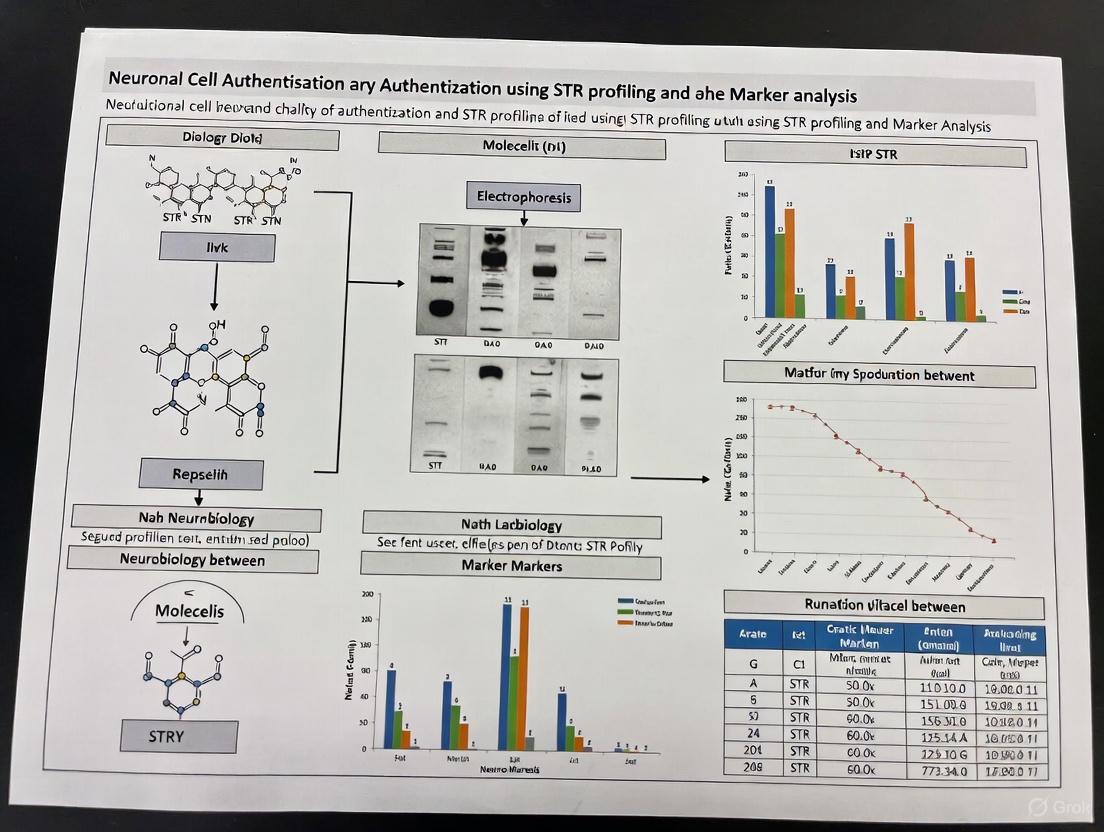
STR Profiling vs. Marker Analysis: Choosing the Right Tool for Neuronal Cell Authentication
Accurate cell authentication is a critical pillar of reproducibility in neuroscience and drug development.
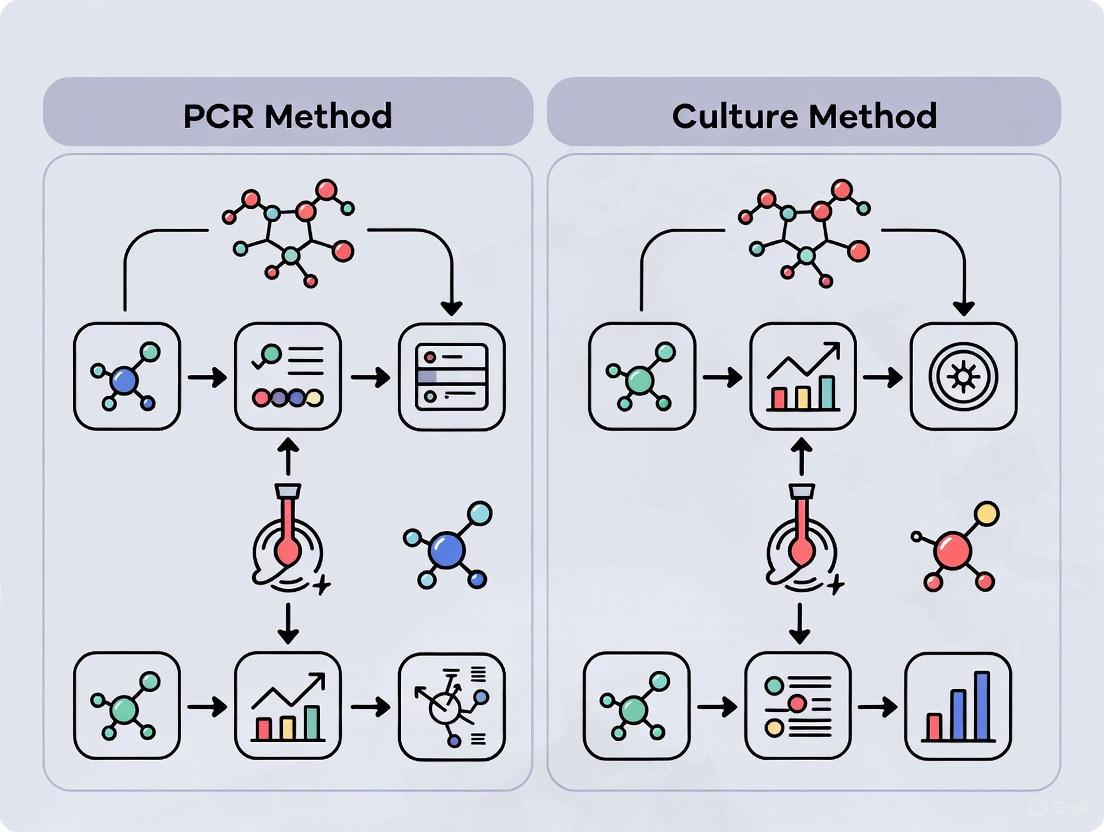
PCR vs. Culture for Mycoplasma Detection: A Modern Sensitivity Comparison for Researchers
This article provides a comprehensive comparison of Polymerase Chain Reaction (PCR) and traditional culture methods for detecting mycoplasma contamination, a critical concern in biopharmaceutical manufacturing and cell therapy.
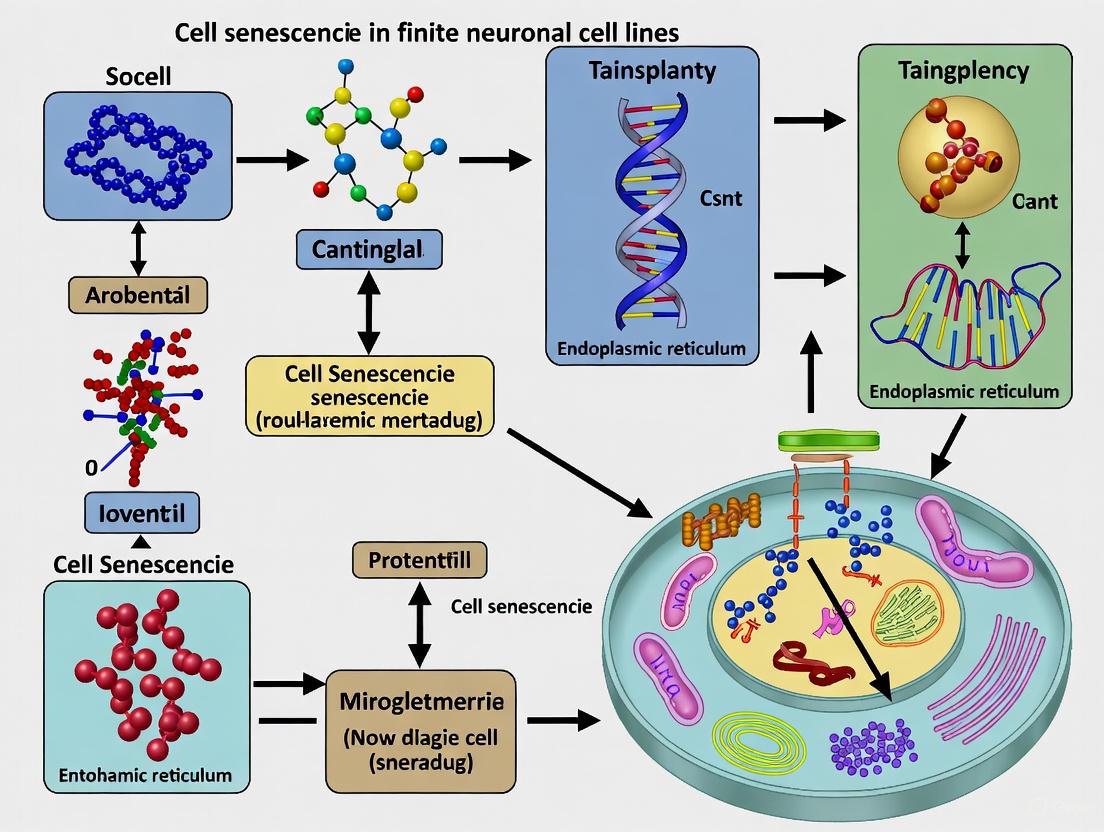
Targeting Neuronal Senescence: Advanced Models and Therapeutic Strategies for Neurodegenerative Drug Development
Cellular senescence, once associated primarily with mitotic cells, is now recognized as a critical driver of aging and dysfunction in post-mitotic neurons.
A Researcher's Guide to Eliminating Blackworm Contamination in Neuronal Cell Cultures
Blackworm contamination presents a unique and challenging threat to the integrity of neuronal cell culture research.
Sustaining Neuronal Health: A Comprehensive Guide to Controlling Evaporation and Hyperosmolality in Long-Term Cultures
Maintaining physiological osmotic pressure is a critical, yet often overlooked, factor for the health and functionality of long-term neuronal cultures.
Optimizing CO2 and Bicarbonate Balance: A Guide to pH Stability in Neuronal Cell Cultures
Maintaining physiological pH in neuronal media is critical for replicating in vivo-like neuronal excitability, synaptic activity, and overall cell health.
Solving Uneven Cell Distribution in 3D Neuronal Cultures: A Troubleshooting Guide for Reproducible Research
This article provides a comprehensive guide for researchers and drug development professionals tackling the pervasive challenge of uneven cell distribution in 3D neuronal cultures.
Strategies for Managing Batch-to-Batch Variation in Primary Neuronal Isolations: A Guide for Reproducible Neuroscience Research
Primary neuronal cultures are indispensable tools for neuroscience and drug development, offering high physiological relevance.
Solving 293T Cell Adhesion Problems: A Complete Guide for Neuronal Research and Drug Development
This article provides a comprehensive guide for researchers and drug development professionals addressing the prevalent challenge of poor cell attachment in 293T cell lines, a crucial tool in neuronal and...
Breaking the Cycle: A Scientist's Guide to Preventing Persistent Mycoplasma Contamination in Shared Incubators
Mycoplasma contamination poses a severe and persistent threat to cell culture integrity, especially in environments utilizing shared incubators where cross-contamination can rapidly escalate.