A Researcher's Guide to Eliminating Blackworm Contamination in Neuronal Cell Cultures
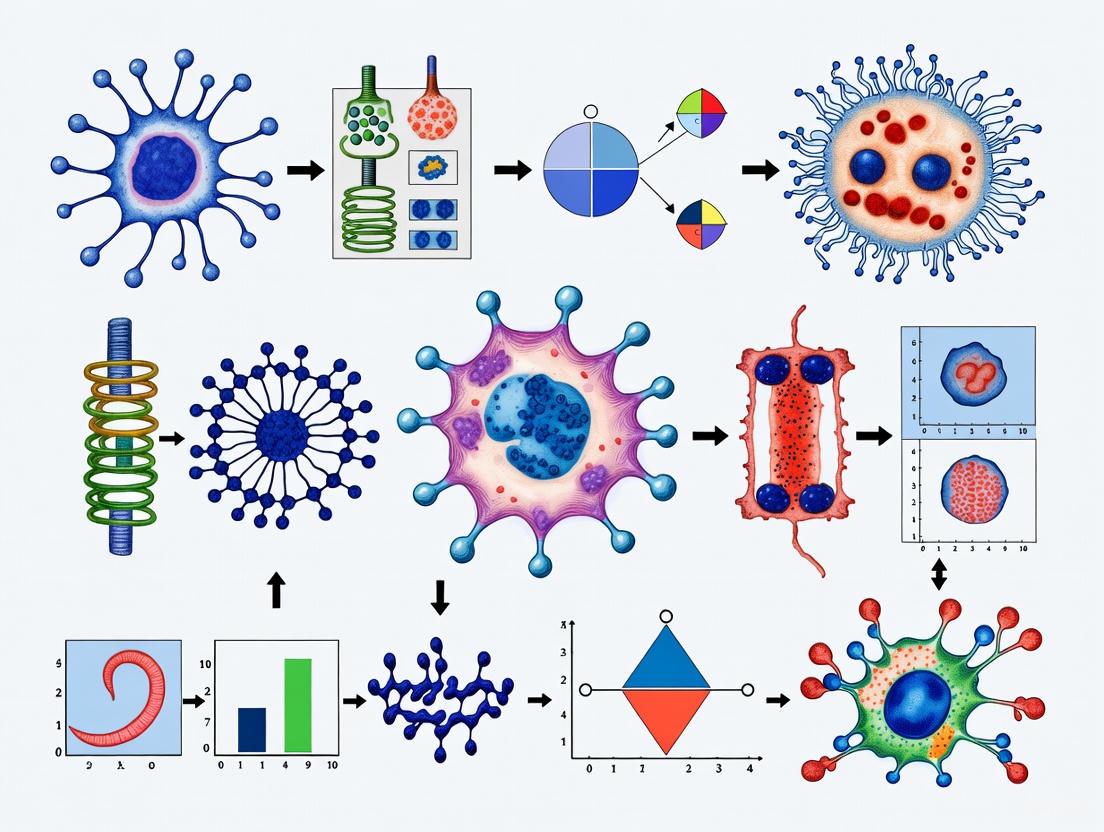
Blackworm contamination presents a unique and challenging threat to the integrity of neuronal cell culture research.
A Researcher's Guide to Eliminating Blackworm Contamination in Neuronal Cell Cultures
Abstract
Blackworm contamination presents a unique and challenging threat to the integrity of neuronal cell culture research. This article provides a comprehensive, evidence-based framework for researchers and drug development professionals to understand, prevent, detect, and eradicate blackworm contamination. We cover foundational knowledge on contamination sources and impacts, detailed protocols for establishing aseptic techniques and culture media safeguards, a troubleshooting guide for common optimization challenges, and methods for validating a contamination-free culture system to ensure reliable experimental outcomes.
Understanding the Threat: Sources and Impacts of Blackworm Contamination
Biological Profile & Significance in Research
What is Lumbriculus variegatus and why is it a model organism? Lumbriculus variegatus, also known as the California blackworm, is an aquatic oligochaete worm inhabiting shallow freshwater environments like ponds, lakes, and marshes [1]. It is a well-established model organism in toxicology, regeneration studies, and behavioral research due to several key characteristics [1] [2] [3].
Key Biological Characteristics Table
| Characteristic | Description | Relevance to Research |
|---|---|---|
| Habitat | Shallow freshwater (ponds, lakes, marshes) [1] | Defines potential contamination sources in lab settings. |
| Size | ~2-8 cm in length [1]; commonly 3-4 cm [4] | Visible to the naked eye, aiding in identification. |
| Regeneration | High capacity for segmental regeneration of both anterior and posterior ends via epimorphosis (blastema formation) and morphallaxis (tissue remodeling) [2] [3]. | Contaminant fragments can regenerate into whole organisms, complicating eradication. |
| Reactive Oxygen Species (ROS) in Regeneration | ROS (e.g., H₂O₂) accumulate at amputation sites within 15 minutes. Chemical inhibition of ROS delays regeneration [2]. | Suggests antioxidant strategies could disrupt its regenerative lifecycle in cultures. |
| Collective Behavior | Forms shape-shifting "worm blobs" comprising tens to thousands of individuals [5]. | Explains how contaminants can persist as cohesive units and spread. |
| Blob Survival Advantage | Worms in a blob survive desiccation out of water 10 times longer than individual worms [5]. | Highlights enhanced resilience of aggregated contaminants against cleaning protocols. |
What are the primary signaling pathways involved in its regeneration? The regeneration process in L. variegatus is a complex sequence initiated and sustained by key signaling events, particularly a rapid Reactive Oxygen Species (ROS) burst.
Troubleshooting Guides & FAQs for Cell Culture Contamination
Frequently Asked Questions (FAQs)
Q1: How could blackworms possibly contaminate my neuronal cell cultures? Contamination is unlikely to be from adult worms but from micro-fragments or cocoons introduced via impure water sources, unsterilized tools, or airborne vectors in labs that also culture the worms. Its extraordinary regenerative biology means even a small tissue fragment can survive and proliferate [2] [3]. A single fragment can regenerate a complete worm under permissive conditions, and collective "blob" behavior enhances fragment survival against stressors like desiccation [5].
Q2: What are the definitive morphological markers to identify blackworm contamination? Look for these signs under standard microscopy:
- Motile, worm-like structures: Elongated, segmented bodies that are macroscopic (cm-scale) [1] [4].
- Regenerating fragments: Tissue pieces with developing, unpigmented blastomas at one or both ends [2] [3].
- Worm "blobs": Tightly entangled aggregates of multiple worms, especially when exposed to environmental stress [5].
Q3: Why are conventional antibiotics and antifungals ineffective against this contaminant? L. variegatus is a complex, multicellular eukaryote. Standard antimicrobials targeting prokaryotic cell walls or specific fungal pathways do not affect metazoan physiology. Eradication requires strategies that specifically target animal-specific processes, such as neuro-muscular function or stem cell regeneration [1].
Q4: We've removed visible worms, but contamination recurs. Why? This is a classic sign of incomplete eradication of regenerative fragments. The root cause is the worm's morphallactic and epimorphic capabilities [3]. Surviving tissue fragments undergo cellular reorganization and blastema formation to regenerate entire organisms, effectively re-establishing the contaminant population.
Troubleshooting Guides
Problem: Suspected microscopic fragment contamination in cell culture media.
Step-by-Step Protocol: Detection and Eradication
This protocol uses the worm's positive phototaxis and regenerative capacity as detection and eradication tools.
Detailed Eradication Steps:
- Physical Removal: For larger blobs or worms, use fine-tipped tools. Their negative phototaxis can be exploited by shining light to one side of a container, encouraging migration to the opposite side for easier extraction [5] [6].
- Chemical Treatment with Lidocaine: Prepare a 0.5-1 mM lidocaine solution in your culture media or a balanced salt solution [1]. Lidocaine blocks voltage-gated sodium channels in the worm's nervous system.
- Incubation: Immerse the contaminated culture in the lidocaine solution for 10 minutes. This will anesthetize and kill worms and fragments by disrupting neural signaling [1].
- Rescue Wash: Remove the lidocaine solution and wash thoroughly with fresh, sterile medium. Note that the effects of lidocaine are largely reversible after 10 minutes of washing, but the goal is sustained disruption during treatment [1].
- Validation of Eradication: Repeat the detection protocol on a sample of the treated culture. Successful eradication will show no motile organisms or regenerating fragments after 48 hours of incubation.
Problem: Persistent contamination in laboratory equipment or water systems.
Solution: Targeted Oxidative Stress and Culture Disruption
- ROS Pathway Inhibition: Since ROS are essential for regeneration [2], treat equipment or non-cell-culture solutions with specific ROS inhibitors (e.g., Apocynin or Diphenyleneiodonium chloride). Note: Cytotoxicity must be evaluated for your specific cell lines before use near cultures.
- Environmental Manipulation:
- Temperature: Raise the temperature of the contaminated environment to >25°C if possible. Higher temperatures cause worm blobs to disintegrate as individuals become more active, making them more susceptible to other treatments [5] [6].
- Desiccation: Thoroughly dry all equipment. While blob formation extends survival, individuals eventually succumb to prolonged desiccation [5].
The Scientist's Toolkit: Key Research Reagents & Materials
This table details essential reagents used in research with L. variegatus, which can inform the development of targeted eradication agents.
Table: Research Reagent Solutions for Experimental Manipulation
| Reagent | Function/Mechanism of Action | Experimental Evidence in L. variegatus |
|---|---|---|
| Lidocaine | Voltage-gated sodium channel blocker. Causes anesthesia and loss of movement. | Reduces both stimulated and unstimulated movement at ≥0.5 mM. Effects are largely reversible after 10 min washout [1]. |
| Quinine | Nonselective sodium and potassium channel blocker. | Reduces movement at ≥0.5 mM. Effects persist for up to 24 hours after removal, indicating prolonged action [1]. |
| Dantrolene | Ryanodine receptor antagonist. Alters intracellular calcium release. | Alters unstimulated movement at 5 μM and inhibits stimulated movement at ≥25 μM [1]. |
| Boric Acid | Inhibits segmental regeneration and asexual fission. Mechanism in worms is not fully defined. | Disrupts the maintenance of neural morphallaxis and long-term consolidation of regenerative processes [3]. |
| ROS Inhibitors (e.g., Apocynin) | Inhibits NADPH oxidases, preventing the generation of superoxide radicals. | Chemical inhibition of the post-amputation ROS burst delays regeneration [2]. |
| Dimethyl Sulfoxide (DMSO) | Common solvent for water-insoluble drugs. | Used as a vehicle control for compounds like dantrolene and quinine, typically at 0.5% final concentration [1]. |
Troubleshooting Guide and FAQs
Frequently Asked Questions
Q1: What are "Blackworms" in the context of cell culture contamination? The term "Blackworms" or "Black Jelly Worms" in cell culture does not refer to the aquatic annelid Lumbriculus variegatus but is a common laboratory slang for a specific type of microbial contamination. This contamination is characterized by tiny, black, oval-shaped dots observed under microscopy, which exhibit active swimming, rotating, or trembling in place movements [7]. Sequencing data from contamination samples has identified these "blackworms" as mycoplasma species, such as Mycoplasma hyorhinis and Mycoplasma bovis [7].
Q2: What are the primary vectors for blackworm (mycoplasma) contamination? The primary vectors for this contamination are animal-derived cell culture reagents. The two most common sources are:
- Trypsin: Particularly trypsin extracted from pig pancreas. Improperly filtered trypsin solutions may carry swine mycoplasma (M. hyorhinis) [7].
- Fetal Bovine Serum: This nutrient-rich medium, derived from cattle, can be a source of bovine mycoplasma (M. bovis) if the blood source is contaminated or filtration during manufacturing is inadequate [7].
Q3: How can I definitively identify a blackworm (mycoplasma) contamination in my neuronal cell cultures? Mycoplasma contamination can be challenging to detect as it does not cause turbidity in media like bacterial contamination. The primary identification method involves direct microscopic observation of the characteristic trembling black dots floating outside of cells [7]. For definitive confirmation, specific tests are required, as mycoplasmas are too small to be seen in detail with standard light microscopes. These tests include PCR, sequencing, or using fluorescent dyes that bind to mycoplasma DNA [7].
Q4: My cells are contaminated. What is the protocol for eradication? You can use a dedicated mycoplasma elimination reagent to treat contaminated cultures. One such reagent (abs9375) has been tested on over 100 cell types, including common neuronal models, and can effectively clear mycoplasma in 3-6 days [7]. The table below summarizes the properties of an example reagent.
Table: Example Reagent for Mycoplasma Eradication
| Reagent Property | Details |
|---|---|
| Action | Specifically eliminates mycoplasma from culture medium [7] |
| Treatment Duration | 3-6 days [7] |
| Active Ingredients | Peptide-based, leading to no resistance development [7] |
| Cytotoxicity | Very low toxicity to cells [7] |
| Spectrum of Activity | Broad-spectrum; can also replace double antibiotics for common Gram-negative and Gram-positive bacteria [7] |
| Application | Can be directly added to serum or culture medium [7] |
Q5: What are the best practices to prevent blackworm (mycoplasma) contamination? Prevention is the most effective strategy. Key practices include:
- Source Reagents from Reputable Brands: Purchase trypsin and fetal bovine serum from well-known, trusted suppliers to reduce the risk of contamination from the source [7].
- Use Mycoplasma Elimination Reagents Prophylactically: These reagents can be used not just for treatment but also as a preventative measure in routine culture, replacing standard antibiotics [7].
- Maintain Aseptic Technique: Strict adherence to sterile procedures remains fundamental to preventing all forms of contamination.
- Regularly Monitor Cultures: Routinely check cultures, especially neuronal cells intended for sensitive research, under the microscope for signs of the trembling black dots.
The Scientist's Toolkit: Key Research Reagent Solutions
Table: Essential Materials for Managing Mycoplasma Contamination
| Item | Function/Explanation |
|---|---|
| Mycoplasma Elimination Reagent | A specialized reagent used to proactively prevent or actively remove mycoplasma contamination from cell cultures without significant cytotoxicity [7]. |
| Mycoplasma-Tested Fetal Bovine Serum | Fetal bovine serum that has been certified through rigorous testing to be free of mycoplasma and other contaminants, reducing a major contamination vector [7]. |
| Mycoplasma-Tested Trypsin | Trypsin that has been certified to be free of swine mycoplasma, addressing a common source of introduction [7]. |
| Contrast Checker Tool | A digital tool to ensure any diagnostic diagrams or interfaces created have sufficient color contrast for clear readability, adhering to WCAG guidelines (minimum 4.5:1 for small text) [8]. |
Experimental Workflow for Identification and Resolution
The following diagram outlines the diagnostic and remediation workflow for a suspected "blackworm" contamination event in your cell culture lab.
"Blackworm" contamination is a persistent and challenging issue in cell culture laboratories. This contamination, characterized by tiny, motile black dots under the microscope, can severely compromise cellular health and the integrity of experimental data, particularly in sensitive neuronal research. This technical guide provides researchers with clear protocols for identification, eradication, and prevention to safeguard your cell lines and ensure the reliability of your findings.
FAQ: Understanding Blackworm Contamination
1. What exactly are "blackworms" in cell culture? The term "blackworm" in cell culture does not refer to a macroscopic animal but to a specific type of microbial contamination. There is ongoing debate, but it is frequently identified as bacterial in nature. Sequencing studies have identified contaminants such as Achromobacter and Sphingomonas species as common culprits behind the "black swimming dots" observed in cultures [9].
2. What are the key characteristics of blackworm contamination?
- Visual Appearance: Under the microscope, they appear as tiny, dark, rod-shaped, spherical, or oval dots that exhibit active swimming, rotating, or vibrating in place, often mimicking Brownian motion [9] [10].
- Culture Medium: The culture medium typically remains clear and non-turbid, unlike many bacterial contaminations [11] [9].
- Impact on Cells: A key indicator is an inverse relationship with cell growth; the contamination becomes more apparent when cell density is low and tends to diminish as cells proliferate. Contamination competes with cells for nutrients, leading to slowed cell growth, poor cell health, and potentially cell death [11] [9].
3. Why is this contamination particularly problematic for neuronal research? Neuronal cells are often sensitive and slow-growing. Blackworm contamination competes for essential nutrients, impairing neuronal health and function. This can lead to unreliable data in studies measuring neurotoxicity, neurite outgrowth, and electrophysiological activity. The clear medium means contamination can go unnoticed until significant experimental damage has occurred.
4. Are standard antibiotics effective against blackworms? No, traditional antibiotics like penicillin and streptomycin are typically ineffective against these contaminants, necessitating specialized removal agents [11].
Troubleshooting Guide: Identification and Eradication
Step 1: Confirm the Diagnosis
Before proceeding with eradication, confirm that you are dealing with blackworms and not cell debris.
- Method: Observe the culture under high magnification (40x objective). Look for the characteristic motile, dot-shaped bodies [9] [10]. True blackworms will show active, directed movement or vibration, unlike random Brownian motion of inert particles.
Step 2: Choose an Eradication Strategy
The appropriate course of action depends on the value and state of your contaminated cell line.
If the cell line is not essential: The safest and most recommended action is to discard the culture and decontaminate the work area. This prevents the spread of contamination to other cultures [11].
If the cell line is valuable and must be salvaged:
- Recommended Reagent: Use a commercial Blackworm Remover. These products contain specific peptide active ingredients that are more effective than traditional antibiotics and can typically clear contamination within 3-6 days [11] [9].
- Supporting Actions:
- Replace the culture medium with fresh medium containing the remover.
- Ensure the new serum used in your medium is certified and of high quality to prevent reintroduction [11].
- Increase the cell density and continue to passage the cells for 2-3 generations after the contamination appears gone to fully eliminate the problem [11].
Step 3: Implement Rigorous Prevention Protocols
Prevention is the most effective strategy against blackworm contamination.
- Source Control: Use high-quality, certified serum and media from reputable suppliers, as serum is a common source of this contaminant [11].
- Aseptic Technique: Adhere strictly to good cell culture practice (GCCP), including regular use of a biosafety cabinet and proper disinfection protocols [12].
- Quarantine: Newly acquired cell lines should be quarantined and tested for contamination before introduction into your main cell culture space.
- Quality Control: Routinely inspect all cultures under the microscope for early signs of contamination.
Research Reagent Solutions
The following table summarizes key reagents mentioned in this guide for managing blackworm contamination.
| Reagent Name | Function/Brief Explanation | Key Consideration |
|---|---|---|
| Blackworm Remover [11] [9] | Specifically formulated to eliminate blackworm contaminants; contains peptide active ingredients. | More effective than traditional antibiotics; clearance period is typically 3-6 days. |
| Certified Sera [11] | High-quality serum (e.g., Fetal Bovine Serum) certified to be free of blackworms and other contaminants. | Critical for prevention; a common source of initial contamination. |
| Leibovitz's L-15 Medium [13] | A commonly used medium for maintaining cell viability during procedures like cell isolation. | Used in general cell culture workflows that can be impacted by contamination. |
| Antibiotics (Penicillin/Streptomycin) [13] [12] | Standard antibiotics used in cell culture to prevent bacterial growth. | Ineffective against blackworm contamination [11]. |
Experimental Workflow: Validating a Contamination-Free System for Neuronal Studies
For researchers conducting sensitive neuronal assays, ensuring a contamination-free system is paramount. Below is a detailed protocol for passaging and maintaining clean cultures, a critical foundational practice.
Protocol: Aseptic Passaging of Adherent Cells for Neuronal Research
Objective: To maintain healthy, contaminant-free cell cultures with minimal stress on cells, preserving their physiological state for downstream neuronal assays.
Materials:
- Certified cell culture medium and supplements [11] [12]
- Pre-warmed DPBS (without Ca2+/Mg2+)
- Mild cell dissociation reagent (e.g., Accutase, Accumax, or EDTA-based solution) [12]
- Trypsin-EDTA (0.25%) is less desirable for neuronal cultures due to its harsher effect on surface proteins.
- Centrifuge tubes
- Culture flasks/plates
Methodology:
- Pre-passage Inspection: Visually inspect the culture flask for medium clarity. Then, observe the cells under an inverted microscope at high magnification for any signs of motile contaminants and to assess overall cell health and confluence [10].
- Aseptic Media Exchange: Inside a biosafety cabinet, aspirate and discard the spent culture medium. Gently rinse the cell monolayer with pre-warmed DPBS to remove residual serum and dead cells [12].
- Gentle Cell Detachment:
- Add a sufficient volume of the pre-warmed mild dissociation reagent (e.g., Accutase) to cover the monolayer.
- Incubate at 37°C for the optimal time (typically 3-10 minutes). Avoid over-digestion, which is particularly damaging to sensitive neuronal and glial cells [12].
- Monitor detachment under the microscope. Tap the flask gently to dislodge cells once they round up.
- Reaction Neutralization & Cell Collection:
- Once cells are detached, immediately add a double volume of complete medium containing serum to neutralize the dissociation enzyme.
- Transfer the cell suspension to a centrifuge tube and pellet the cells at a low relative centrifugal force (e.g., 200-300 x g) for 5 minutes [13].
- Reseeding and Culture:
- Aspirate the supernatant and resuspend the cell pellet in fresh, pre-warmed complete medium.
- Count the cells using an automated counter or hemocytometer and seed them at an appropriate density into new culture vessels [13].
- Quality Control: Document the passage, including seeding density and cell morphology. Confirm the absence of contamination 24 hours post-passaging before proceeding with experiments.
Cell culture contamination represents a significant challenge in biomedical research, particularly in sensitive fields like neuronal cell culture studies. The presence of unwanted microorganisms or chemical agents can compromise experimental integrity, leading to unreliable data and costly delays. For researchers focused on eliminating blackworm contamination in neuronal cultures, early identification is paramount. This guide provides comprehensive visual and microscopic identification techniques to help scientists recognize contamination at its earliest stages, enabling prompt intervention and preserving valuable research outcomes.
Common Contaminants and Their Identification
Effective contamination control begins with accurate identification. Different contaminants exhibit distinct visual and microscopic characteristics that experienced researchers can learn to recognize.
Bacterial Contamination
Bacterial contamination is among the most common issues encountered in cell culture laboratories. Under microscopic examination, bacterial contamination often appears as numerous moving particles that may resemble "quicksand" [14]. The culture medium typically undergoes visible changes, turning yellowish as bacterial metabolic byproducts acidify the environment [14] [15]. At the macroscopic level, turbidity or cloudiness in the medium often provides the first indication of bacterial presence. Gram staining and culture methods can confirm contamination and help identify the specific bacterial species involved [15].
Fungal Contamination
Fungal contaminants encompass both yeast and mold species, each with distinct characteristics. Yeast contamination appears microscopically as single round or oval cells that may show budding, forming smaller particles [14]. The culture medium may remain clear initially but turns yellowish over time [14]. Mold contamination presents with filamentous hyphae structures that may create dense spore clusters under microscopy [14]. Macroscopically, mold often appears as fuzzy or cotton-like formations floating in the medium, which may become cloudy as contamination progresses [14].
Mycoplasma Contamination
Mycoplasma contamination presents a particular challenge as it often evades visual detection without specialized techniques. These microorganisms appear as tiny black dots under standard microscopy [14]. Unlike many other contaminants, mycoplasma typically doesn't cause obvious medium color changes [14] [15]. Instead, researchers may observe indirect signs including slow cell growth, abnormal cell morphology, and premature yellowing of medium at advanced stages [15] [16]. Confirmation typically requires specific detection methods such as fluorescence staining, PCR, or specialized mycoplasma detection kits [14] [15].
Blackworm Contamination
Although less common in standard cell culture, blackworm contamination (referencing the annelid Lumbriculus variegatus) can introduce specific complications in neuronal research. Studies have shown that environmentally relevant concentrations of certain chemical stressors can significantly affect blackworm physiology, including reduced pulse rate and suppressed escape response [17]. In cell culture contexts, blackworm contamination might manifest as unexpected physiological responses or interference with experimental endpoints.
Table 1: Visual and Microscopic Characteristics of Common Contaminants
| Contaminant Type | Microscopic Appearance | Culture Medium Changes | Other Indicators |
|---|---|---|---|
| Bacteria | Moving particles, "quicksand" appearance, rod or cocci shapes | Yellowish turbidity, acidic pH | Reduced cell growth, abnormal morphology [14] [15] |
| Yeast | Round or oval budding cells | Initially clear, turns yellow over time | - |
| Mold | Filamentous hyphae, thread-like structures | Cloudy or fuzzy appearance, unchanged initially | Dense spore clusters [14] |
| Mycoplasma | Tiny black dots | No obvious color change, premature yellowing later | Slow cell growth, abnormal morphology [14] [16] |
Troubleshooting Guide: Frequently Asked Questions
How can I distinguish between bacterial contamination and normal cellular debris?
Bacterial contamination typically presents with continuous, random movement of small particles under microscopy, unlike stationary cellular debris [14]. The medium color change to yellow or brown provides another distinguishing factor, as does increasing turbidity over time [15]. When in doubt, Gram staining or culture methods can provide definitive confirmation [15].
What are the earliest signs of mycoplasma contamination that I might miss?
The most easily missed early signs of mycoplasma include slightly slowed cell proliferation and subtle changes in cell morphology [15] [16]. Since the medium may not show obvious turbidity, researchers should monitor for minor alterations in cellular growth rates and unexpected morphological changes. Regular testing using fluorescence staining or PCR detection is recommended for susceptible cell lines [15].
My culture medium is cloudy but shows no particles under microscope. What could this indicate?
Cloudy medium without visible particles under standard microscopy could suggest several issues. It might indicate the presence of very small bacteria or mycoplasma that require higher magnification or specialized staining techniques to visualize [16]. Alternatively, it could signal chemical contamination or the presence of precipitates in reagents [14]. Further investigation through culture methods or reagent testing is advised.
How can I confirm whether suspected contamination is affecting my experimental results?
Systematic testing is essential to confirm contamination impact. Compare results from suspected contaminated cultures with backup clean cultures when possible. Implement regular mycoplasma testing using detection kits [14]. For neuronal studies specifically, monitor for unexpected changes in physiological responses similar to those observed in blackworm studies, such as altered pulse rates or suppressed stress responses [17]. When contamination is confirmed, repeat critical experiments with fresh, clean cultures.
What immediate steps should I take when I first notice potential contamination?
Upon suspecting contamination, immediately isolate the affected culture to prevent cross-contamination [15]. Visually inspect other cultures from the same batch or handled simultaneously. For mild bacterial contamination, washing with PBS and treating with 10× penicillin/streptomycin may be attempted, though discarding is often safer [14]. For fungal contamination, discard the culture promptly and thoroughly disinfect the incubator and work area [14]. Document the incident including potential sources to prevent recurrence.
Table 2: Contamination Response Protocols
| Contamination Type | Immediate Action | Possible Treatment | Prevention Strategies |
|---|---|---|---|
| Bacteria | Isolate culture, inspect others | For mild cases: PBS wash, 10× penicillin/streptomycin; For severe: discard | Strict aseptic technique, quality reagents, regular cleaning [14] |
| Fungi (Yeast/Mold) | Discard immediately, disinfect area | Often not recommended to treat; if attempted: amphotericin B or fluconazole for yeast | Copper sulfate in water pan, strong disinfectants, proper sealing [14] |
| Mycoplasma | Isolate, test other cultures | Mycoplasma removal reagents; consider discarding valuable lines | Regular testing every 1-2 months, quarantine new lines, prevention kits [14] [15] |
| Blackworm | Assess source, evaluate impact on endpoints | Remove source, clean environment | Environmental control, reagent screening [17] |
Experimental Protocols for Contamination Detection
Standardized Microscopic Examination Protocol
Regular microscopic examination represents the first line of defense against contamination. Implement this systematic approach:
- Daily Observation: Examine cultures daily using both low (10×) and high (40×) magnification objectives.
- Methodical Scanning: Systematically scan the entire culture vessel, paying special attention to edges and medium surface.
- Focus Variation: Continuously adjust fine focus to detect contaminants at different focal planes.
- Comparison: Always compare suspected contaminated cultures with known clean controls.
- Documentation: Record findings with images and notes for future reference and trend identification.
This protocol enables early detection of most bacterial and fungal contaminants, though mycoplasma requires specialized techniques [14] [15].
Mycoplasma Detection Using Fluorescence Staining
Mycoplasma contamination requires specific detection methods due to its elusive nature. Fluorescence staining provides a reliable approach:
- Sample Preparation: Culture cells on sterile coverslips until 60-70% confluent.
- Fixation: Fix cells with fresh Carnoy's fixative (methanol:glacial acetic acid, 3:1) for 10 minutes.
- Staining: Apply fluorescent DNA-binding dyes such as Hoechst 33258 according to manufacturer specifications.
- Incubation: Incubate for 15-30 minutes in the dark at room temperature.
- Washing: Gently rinse with PBS or distilled water to remove excess stain.
- Mounting: Mount coverslips on slides using mounting medium.
- Examination: Examine under fluorescence microscopy using appropriate filters.
Interpretation: Mycoplasma appears as fine, particulate or filamentous fluorescence on the cell surface or in intercellular spaces, distinct from nuclear staining [15].
Monitoring Physiological Parameters in Neuronal Cultures
Based on blackworm research methodologies, monitoring specific physiological parameters can provide early contamination indicators:
- Pulse Rate Monitoring: Adapt methodologies from blackworm studies to monitor physiological rhythms in neuronal cultures [17].
- Stress Response Assessment: Evaluate response to controlled stimuli to identify suppressed reactivity.
- Growth Pattern Analysis: Quantify proliferation rates compared to established baselines.
- Metabolic Activity Measurement: Assess changes in metabolic markers that might indicate stress responses.
These techniques can provide early warning of subtle contamination effects that might otherwise go unnoticed until more obvious signs appear.
Visualization: Contamination Identification Workflow
Visual Identification Workflow for Common Contaminants
The Scientist's Toolkit: Essential Research Reagents
Table 3: Research Reagent Solutions for Contamination Management
| Reagent/Category | Function/Application | Examples/Specifications |
|---|---|---|
| Antibiotics/Antimycotics | Treatment of bacterial/fungal contamination | Penicillin/streptomycin for bacteria; Amphotericin B for fungi [14] |
| Mycoplasma Detection Kits | Regular monitoring for mycoplasma contamination | MycAway Plus Color One-Step Detection Kit (30 min protocol) [14] |
| Mycoplasma Removal Reagents | Treatment of mycoplasma-contaminated cultures | Specific formulations for cultured cells [14] |
| Disinfectants | Surface and equipment decontamination | 70% ethanol, benzalkonium chloride, MycAway Spray [14] [15] |
| Water Pan Additives | Preventing fungal growth in incubators | Copper sulfate solution specifically formulated for incubator water trays [14] |
| Fluorescent Stains | Detection of microorganisms and viability | Hoechst 33258 for mycoplasma; EthD-1, PI for cell death [15] [18] |
Advanced Monitoring Techniques
Genetically Encoded Death Indicators (GEDI)
Emerging technologies offer sophisticated approaches for monitoring cell health. Genetically encoded death indicators (GEDI) represent a class of biosensors that detect early irreversible commitment to cell death [18]. These indicators are based on reengineered calcium indicators that respond when cytosolic Ca²⁺ levels approach those of intracellular organelles, marking a catastrophic event for the neuron [18]. GEDI signals often precede standard markers of neuronal death such as TUNEL, ethidium homodimer D1, propidium iodide, or morphological changes [18]. Implementation of such systems can provide early warning of contamination effects before they become widespread.
Systematic Environmental Monitoring
Prevention remains the most effective contamination control strategy. Implement these monitoring practices:
- Equipment Maintenance: Regular cleaning and validation of incubators, biosafety cabinets, and water baths [14] [15].
- Reagent Quality Control: Use trusted suppliers and aliquot reagents to minimize contamination risk [14].
- Personnel Training: Ensure consistent aseptic technique across all laboratory personnel.
- Culture Quarantine: Isolate new cell lines until mycoplasma testing is complete [14].
- Documentation Systems: Maintain accurate records of contamination incidents and their resolution.
Contamination Prevention Framework
Vigilant monitoring and early identification of contamination are essential skills for researchers working with neuronal cell cultures. By mastering visual and microscopic recognition techniques, implementing systematic detection protocols, and maintaining rigorous preventive measures, scientists can significantly reduce the impact of contamination on their research. Particularly for studies focused on eliminating blackworm contamination or other specialized models, these practices preserve data integrity and ensure research progress. When contamination does occur, prompt and appropriate response following the guidelines presented here will minimize disruption to valuable research programs.
Proactive Defense: Protocols for Preventing and Eradicating Contamination
In neuronal cell culture research, maintaining sterility is not merely a best practice but an absolute necessity for data integrity and experimental success. While standard aseptic techniques form the foundation, many researchers lack knowledge of the critical reinforcements necessary to combat persistent contamination challenges, particularly from troublesome sources like blackworms. This technical support center provides targeted guidance to help researchers eliminate contamination in sensitive neuronal culture work, ensuring the reliability of your experimental outcomes and protecting valuable research investments.
Troubleshooting Guides & FAQs
Frequently Asked Questions
Q1: Our neuronal cultures are consistently showing fine, sand-like particles under the microscope despite using antibiotics. What could be the issue? This description is characteristic of bacterial contamination [19]. Standard antibiotics in your culture medium may be insufficient or the contaminants may have developed resistance. Furthermore, if you are using primary neuronal cultures isolated from animals, the contamination may have been introduced during the dissection or cell isolation process [13] [20]. Implement a decontamination protocol for primary tissue sources and consider using antibiotic-free media after the initial establishment of cultures to identify persistent contaminants.
Q2: We've verified our techniques are sterile, but our 293T cell lines still show poor attachment and unusual morphology. What steps should we take? Poor cell attachment in 293T cells often results from excessive trypsinization time, which damages adhesion proteins on the cell membrane [19]. Additionally, this could indicate mycoplasma contamination, which does not cause medium cloudiness but accelerates color changes and ultimately leads to cell death [19]. Test for mycoplasma contamination and optimize your passage protocol by reducing trypsin exposure time and ensuring proper seeding concentration.
Q3: How can we distinguish between chemical toxicity and microbial contamination in our neuronal cultures? Chemical toxicity typically presents with uniform effects across the culture and correlates with recent media changes or experimental treatments [21]. Microbial contamination often shows focal points of infection that spread, and in the case of fungi, may display filamentous structures [19]. Viral contamination may show specific cytopathic effects like cell rounding or syncytia formation [22]. Document morphological changes systematically and conduct specific tests for different contaminant types when uncertain.
Q4: What are the most critical differences between medical asepsis and surgical asepsis for cell culture work? Medical asepsis involves practices like hand washing and wearing clean gloves to reduce pathogen numbers and prevent spread [23]. Surgical asepsis (sterile technique) eliminates all microbes entirely from an area and requires strict procedures like surgical hand scrubs, sterile gowns and gloves, and meticulous management of the sterile field [23] [24]. For neuronal culture, particularly with primary cells, the more rigorous surgical asepsis standard should be implemented.
Troubleshooting Common Sterile Field Breaches
Table: Identifying and Rectifying Sterile Field Contaminations
| Contamination Sign | Potential Causes | Corrective Actions |
|---|---|---|
| Bacterial growth (cloudy medium, fine particles) [19] | Unsterile equipment, compromised solutions, inadequate personal technique | Quarantine affected cultures; review sterilization logs; implement stricter border control (1-inch rule) [23] |
| Fungal contamination (floating mycelium) [19] | Spores in HVAC systems, contaminated incubator seals | Deep-clean incubators & water baths; use HEPA filtration; increase air exchange rates |
| Mycoplasma (accelerated medium color change) [19] | Fetal bovine serum, cross-contamination from infected lines | Test all new cell lines; use mycoplasma-free serum; implement antibiotic protocols |
| Blackworm contamination (small moving dots) [19] | Contaminated water baths, unsterile humidification systems | Filter all water bath additives; clean & disinfect water jars; use sealed containers |
| Consistent contamination in specific cell types | Age-dependent sensitivity, special nutrient requirements | Adjust protocols for sensitive lines; validate techniques with robust cells first |
Enhanced Sterile Technique Protocols
Critical Reinforcement 1: Surgical-Level Hand Antisepsis
Beyond standard hand washing, surgical hand antisepsis is crucial for neuronal culture work:
- Perform a surgical scrub using an antimicrobial agent for the full recommended time (typically 5 minutes) [25] [26].
- Use the counted brush stroke method: 30 strokes for nails, 10 strokes for each of the four sides of each finger, 30 strokes for palms and backs of hands [25].
- Keep hands elevated above elbows during rinsing to prevent contamination from water flowing back over cleansed areas [25].
- Don sterile gloves immediately after scrubbing without touching any non-sterile surfaces [26].
Critical Reinforcement 2: Sterile Field Management for Cell Culture
- Establish the sterile field immediately before use and never leave it unattended [25] [23].
- Arrange all equipment before opening sterile supplies to minimize movement during critical procedures [25].
- Open sterile packages correctly: position the top flap to open away from your body first, then side flaps, and finally the flap closest to you [23] [26].
- Maintain a 1-inch border around the sterile field as a safety margin, considering this area non-sterile [23].
- Consider anything below waist level and above chest level as non-sterile [23].
Critical Reinforcement 3: Neuronal Culture-Specific Sterility Measures
When working with sensitive neuronal cultures, these additional measures are essential:
- Implement a sterile dissection protocol for primary neuronal tissue incorporating multiple antibiotic washes and sterile filtration steps [13] [20].
- Use supplemented Leibovitz's L-15 medium with fetal bovine serum and penicillin-streptomycin during cell isolation to maintain sterility [13].
- Perform all dissociation steps in a Class II biosafety cabinet with strict adherence to sterile technique [13].
- Validate sterility regularly through microbiological testing of media, supplements, and cell samples [21] [22].
Research Reagent Solutions for Enhanced Sterility
Table: Essential Reagents for Maintaining Sterile Neuronal Cultures
| Reagent/Category | Specific Function | Sterility Considerations |
|---|---|---|
| Neurobasal/BrainPhys Media [20] | Supports neuronal survival & physiological activity | Formulated to reduce microbial growth; aliquot to minimize repeated warming/cooling |
| Antibiotic-Antimycotics | Suppresses bacterial/fungal contamination | Use judiciously; may mask low-level contamination; consider antibiotic-free periods |
| Trypsin/Accutase [21] | Detaches adherent cells | Filter-sterilize aliquots; minimize exposure time to preserve surface proteins |
| Fetal Bovose Serum | Provides essential growth factors | Source from reputable suppliers; heat-inactivate when necessary; test for contaminants |
| SDS-DTT Lysis Buffer [13] | Disrupts worm cuticle during isolation | Prepare fresh before each experiment; use sterile technique during preparation |
| Protease Mixtures [13] | Digests structural proteins | Dissolve in sterile isolation buffer; limit exposure time to prevent cellular damage |
Experimental Workflow for Sterile Neuronal Culture
The following diagram illustrates the critical sterile technique reinforcement points in a typical neuronal culture workflow:
Critical Sterile Technique Reinforcement Points in Neuronal Culture Workflow
Advanced Contamination Prevention Strategies
Environmental Monitoring and Control
- Implement regular air quality testing in cell culture areas using settle plates or active air sampling.
- Monitor water baths weekly for microbial contamination and treat with appropriate additives.
- Establish cleaning protocols for incubators with documented logs of decontamination schedules.
- Use HEPA-filtered biosafety cabinets with regular certification and maintenance.
Process Validation Techniques
- Perform media-only controls to identify contamination from reagents rather than technique.
- Use DNA barcoding or STR profiling to confirm cell line identity and detect cross-contamination [21].
- Implement a quarantine system for new cell lines until sterility and identity are verified.
- Document all contamination events with root cause analysis to identify recurring issues.
Implementing these reinforced sterile techniques requires diligence and attention to detail but pays significant dividends in research reliability. By moving beyond standard practices to incorporate surgical-level asepsis, meticulous sterile field management, and neuronal culture-specific measures, researchers can successfully eliminate blackworm and other contaminations, protecting valuable experiments and ensuring the integrity of research outcomes in neuronal cell culture studies.
Troubleshooting Guides
FAQ: Addressing Blackworm Contamination in Neuronal Cell Cultures
1. What are blackworm contaminants and how do I identify them? Blackworm contaminants (also referred to as black glue worms) are a common cellular pollutant often originating from serum. They are characterized by dot-shaped swimming bodies visible under high magnification microscopy that can mimic the Brownian motion of cell fragments. The culture medium typically appears normal—not turbid and with no significant change in color or transparency. A key identifying characteristic is an inverse relationship with cell density; they become more numerous when cells are sparse and diminish when cells are dense [11].
2. What is the most effective immediate action to treat a culture with blackworm contamination? The fastest and most effective method is to use a specialized blackworm remover. Simultaneously, you must ensure that the serum in your culture system is high-quality and certified free of blackworm and protozoan contamination. Following treatment, increase your cell density and continue culturing for 2-3 passages to ensure complete elimination. If the cell state is already poor, it is recommended to discard the cultures after proper disinfection and sterilization [11].
3. How can I prevent blackworm contamination in my neuronal cultures? Prevention is centered on rigorous quality control of your serum. The use of high-quality serum that is certified free of blackworms is the primary preventative measure. Furthermore, adhering to strict aseptic techniques during all cell handling procedures, including media preparation and passaging, is essential to minimize all risks of contamination [11] [27].
4. My neurons are not displaying healthy neurites after seeding. What quality control steps should I check? First, verify the quality and concentration of your surface coating agent (e.g., poly-L-lysine or poly-D-lysine). Ensure all excess coating solution has been thoroughly rinsed away, as it can be toxic to cells [28] [29]. Second, confirm the quality of your serum and growth supplements like B-27. Using improperly stored or outdated supplements can severely impact neuronal health and neurite outgrowth [28] [12].
5. How do I monitor the health of my neuronal cultures beyond contamination? Regularly monitor both cell viability and neurite outgrowth. Fluorescence staining kits are available that allow for simultaneous visualization and quantification of these parameters in the same sample. This enables you to distinguish whether experimental factors are affecting survival, function, or both [30].
Quantitative Data on Common Cell Culture Contaminants
The table below summarizes key characteristics of common contaminants to aid in identification and response [11] [27] [12].
| Contaminant Type | Visible Signs | Effect on Medium | Impact on Cells | Recommended Action |
|---|---|---|---|---|
| Blackworms | Black dots under high magnification; swimming motion | No turbidity; normal color | Competes for nutrients; slow growth; cell death | Use specific remover; replace serum; increase cell density [11] |
| Bacteria | Turbidity; fine granules under microscope; pH drop (yellow) | Cloudy; color change | Rapid cell death | Discard culture; decontaminate incubator [27] [12] |
| Fungi/Yeast | Floating fuzzy or spherical particles; pH increase (purple) | Cloudy; possible film | Slow growth; cell death | Discard culture; review sterile technique [27] [12] |
| Mycoplasma | No visible change; detected by PCR | No change | Altered metabolism; genetic changes | Regularly test stocks; use antibiotics; discard if positive [12] |
Experimental Protocol: Rescuing Blackworm-Contaminated Neuronal Cultures
Objective: To eliminate blackworm contamination from a precious neuronal culture and restore a healthy, contaminant-free line.
Materials and Reagents:
- Blackworm remover (commercial preparation) [11]
- High-quality serum, certified free of blackworm and protozoan contamination [11]
- Fresh, pre-warmed neuronal culture medium (e.g., Neurobasal Plus with B-27 supplement) [28]
- Poly-L-lysine or poly-D-lysine coated culture vessels [28] [29]
- Phosphate-Buffered Saline (PBS), sterile
- 0.25% Trypsin-EDTA or appropriate neuronal cell dissociation reagent
Procedure:
- Assessment: Confirm blackworm contamination under high-power magnification. Assess the health and confluency of your neuronal cells. Proceed only if >50% of cells appear healthy.
- Treatment Application: Aspirate the existing culture medium from the dish. Gently rinse the cells with sterile PBS to remove debris. Add fresh culture medium containing the recommended concentration of the blackworm remover, as per the manufacturer's instructions. Return the culture to the incubator for the specified treatment duration [11].
- Post-Treatment Passage: After treatment, aspirate the medium. Gently wash the cells with PBS and dissociate them using Trypsin-EDTA or a neutral dissociation buffer to preserve surface proteins [12].
- Re-plating with Quality Materials: Resuspend the cell pellet in fresh, pre-warmed neuronal medium prepared with the new, high-quality serum. Plate the cells at a higher density than usual onto newly prepared poly-L-lysine coated vessels [11] [28].
- Monitoring and Expansion: Refresh the medium every 2-3 days. The blackworms should be absent. Continue to culture the cells, passaging as necessary while maintaining higher cell densities for 2-3 full passages to ensure the contamination is fully eliminated [11].
Visual Workflows
Diagram: Blackworm Contamination Identification and Management
Diagram: Comprehensive Media & Reagent Safeguard Strategy
The Scientist's Toolkit: Key Research Reagent Solutions
The following table details essential materials and their critical functions in preventing and managing contamination in neuronal cell culture [11] [28] [29].
| Reagent/Material | Primary Function | Key Quality Control Consideration |
|---|---|---|
| Certified Serum | Provides essential growth factors and nutrients. | The primary safeguard; must be certified free of blackworms and protozoans. Source from reputable suppliers [11]. |
| Blackworm Remover | Specifically eliminates blackworm contaminants from established cultures. | Used as a rescue agent for valuable contaminated cultures. Follow manufacturer's instructions precisely [11]. |
| Poly-L-Lysine (PLL) / Poly-D-Lysine (PDL) | Coats culture surfaces to promote neuronal adhesion and neurite outgrowth. | Ensure proper preparation and storage. Rinse coated surfaces thoroughly with water before use to remove any toxic excess [28] [29]. |
| B-27 Supplement | Serum-free supplement optimized for neuronal survival and growth. | Check expiration date and avoid multiple freeze-thaw cycles. Improper storage compromises activity [28]. |
| Neurite Outgrowth Staining Kit | Fluorescently labels live cells and their membranes for simultaneous quantification of viability and neurite length. | Enables functional monitoring of neuronal health beyond simple contamination checks [30]. |
| Trypsin Inhibitor | Neutralizes trypsin-EDTA activity after cell dissociation to prevent over-digestion and damage. | Critical for maintaining high cell viability after passaging, especially for sensitive primary neurons [31]. |
Within neuronal cell culture research, the inadvertent introduction of microbial contaminants can compromise experimental integrity. A persistent and often misunderstood challenge is the appearance of "blackworm contamination," characterized microscopically by trembling black dots in the culture medium. Emerging evidence suggests this phenomenon is frequently not caused by actual worms but by mycoplasma contamination, with colonies of Mycoplasma hyorhinis or Mycoplasma bovis manifesting as these observed black dots [7]. This guide provides targeted decontamination workflows to identify, eliminate, and prevent such contamination in cell culture systems.
Frequently Asked Questions (FAQs)
1. What is "blackworm contamination" in cell culture, and is it actually a worm? In most reported cases, what appears as "blackworm contamination" under a light microscope—described as small, black, oval-shaped dots trembling in place—is not a metazoan worm but a bacterial infection. Sequencing data has identified these contaminants as mycoplasma species, including Mycoplasma hyorhinis (sourced from porcine trypsin) and Mycoplasma bovis (sourced from bovine serum) [7]. True annelid blackworms (Lumbriculus variegatus) are macroscopic freshwater organisms used in ecotoxicology research and are not a cell culture contaminant [32] [1] [17].
2. What are the primary sources of mycoplasma contamination in my cell culture lab? The two most common vectors are:
- Trypsin: Trypsin is often purified from porcine pancreas. Improperly filtered trypsin solutions may carry swine mycoplasma [7].
- Fetal Bovine Serum: As a product of animal origin, fetal bovine serum can be a source of bovine mycoplasma if not properly filtered and sterilized [7].
3. My incubator has been contaminated. What is the correct procedure to clean it? A thorough decontamination process is essential [33]:
- Power Down: Turn off and unplug the incubator.
- Disassemble: Remove all interior components (shelves, humidifying tray, ducts, fans) in the correct order.
- Clean Components: Wash all removed parts with a neutral detergent, rinse thoroughly with distilled water, and wipe dry with a sterile, non-woven cloth or paper towel.
- Disinfect Chamber: Spray 70% ethanol throughout the interior chamber, taking care not to spray directly into sensor holes. Wipe all surfaces clean.
- Reassemble: Replace all interior components in the reverse order of removal. Refill the humidifying tray with sterilized distilled water.
- Dry: Let the incubator air-dry completely with the door ajar before restoring power.
4. What aseptic techniques are most critical for preventing contamination? Strict adherence to aseptic technique is your primary defense [34]:
- Work Area: Always work in a laminar flow hood that is free from drafts and thoroughly disinfected with 70% ethanol before and during work.
- Personal Hygiene: Wear appropriate personal protective equipment (PPE), tie back long hair, and wash hands.
- Reagent Handling: Sterilize all non-commercial reagents, wipe all container exteriors with 70% ethanol, and never use a pipette more than once.
- General Handling: Work deliberately and avoid speaking during sterile procedures to minimize aerosol generation.
Troubleshooting Guides
Guide 1: Identifying and Confirming "Blackworm" (Mycoplasma) Contamination
| Step | Action | Expected Outcome/Observation |
|---|---|---|
| 1. Microscopic Observation | Examine cultures daily under high magnification (e.g., 400X). | Look for small, black, oval dots that display a characteristic "trembling in place" motion. They typically float outside the cells [7]. |
| 2. Culture Medium Check | Inspect the culture medium for turbidity and color change. | Mycoplasma contamination often does not cause the medium to become cloudy, unlike bacterial contamination. It may, however, accelerate the rate of medium acidification (color change) [35]. |
| 3. Professional Authentication | If contamination is suspected, send a sample for professional mycoplasma testing (e.g., PCR, sequencing). | This is the definitive step. Confirmation via sequencing can identify the specific mycoplasma species (e.g., M. hyorhinis, M. bovis) [7]. |
Guide 2: Systematic Decontamination Workflow for a Contaminated Incubator
The following diagram outlines the logical decision-making process for tackling incubator contamination.
Experimental Protocols
Protocol 1: Routine Aseptic Technique and Work Area Maintenance
Objective: To maintain a sterile cell culture environment and prevent the introduction of contaminants [34].
Materials:
- Laminar flow biosafety cabinet
- 70% Ethanol
- Personal Protective Equipment (lab coat, gloves)
- Sterile pipettes and tips
Methodology:
- Preparation: Turn on the biosafety cabinet and wipe down all interior surfaces with 70% ethanol. Gather all necessary reagents and equipment.
- Personal Hygiene: Wash hands thoroughly and don PPE.
- Reagent Introduction: Wipe the outside of all media bottles, flasks, and other containers with 70% ethanol before placing them in the cabinet.
- Aseptic Handling:
- Work slowly and deliberately.
- Never uncover a sterile flask until ready for use, and replace the cap immediately.
- If a cap must be placed down, position it with the opening face-down.
- Use a pipettor with sterile disposable pipettes; use each pipette only once.
- Avoid leaning or breathing directly into the sterile field.
- Completion: Cap all containers before removing them from the hood. Wipe down the work surface again with 70% ethanol.
Protocol 2: Mycoplasma Eradication from Cell Cultures
Objective: To eliminate mycoplasma contamination from valuable cell stocks using a targeted reagent [7].
Materials:
- Mycoplasma removal reagent (e.g., abs9375)
- Infected cell culture
- Appropriate cell culture medium and supplements
Methodology:
- Preparation: Culture the contaminated cells as usual, ensuring they are in a healthy logarithmic growth phase.
- Treatment: Add the mycoplasma removal reagent directly to the culture medium at the manufacturer's recommended concentration.
- Incubation: Continue to culture the cells for 3-6 days with the reagent present. The peptide-based active ingredients will clear the mycoplasma without leading to resistance [7].
- Monitoring & Validation: Observe cells daily for morphology and the disappearance of "trembling" particles. After the treatment period, passage the cells into reagent-free medium and confirm eradication via a mycoplasma test.
Key Research Reagent Solutions
The following table details essential materials for the decontamination and eradication workflows described.
| Item | Function/Application | Key Characteristics |
|---|---|---|
| 70% Ethanol [34] [33] | General surface disinfectant for biosafety cabinets, incubator interiors, and reagent bottles. | Effective against a broad spectrum of microbes; evaporates quickly without residue. |
| Mycoplasma Removal Reagent [7] | Specifically eliminates mycoplasma contamination from cell cultures. | Peptide-based, broad-spectrum, effective in 3-6 days, low cytotoxicity to a wide range of cell lines. |
| Sterile Disposable Pipettes [34] | For handling all liquids (media, reagents, etc.) in a sterile manner. | Single-use to prevent cross-contamination between samples and reagents. |
| Neutral Detergent [33] | For initial cleaning of incubator parts and other equipment to remove organic residue. | Non-corrosive and safe for stainless steel and other lab equipment materials. |
FAQ: Managing a Contamination Event
Q1: I suspect my neuronal cell culture is contaminated. What are the immediate first steps I should take?
A1: Immediate action is crucial to contain the contamination and prevent its spread.
- Isolate the Culture: Immediately remove the affected culture vessel from the incubator and the cell culture hood. Place it in a separate, quarantined area to avoid cross-contamination of other cultures [12].
- Do Not Open the Vessel: Under no circumstances should you open the culture dish or flask, as this can aerosolize the contaminant [12].
- Document Observations: Note the date, time, and all visible signs of contamination (e.g., unusual turbidity, color change in the medium, unexpected sediment under the microscope) [36].
Q2: How can I confirm that my culture is contaminated with a biological agent like blackworms or microbes?
A2: Confirmation involves a combination of visual and microscopic examination.
- Macroscopic Observation: Check for cloudiness in the culture medium (turbidity) or a rapid, unexpected change in the color of the pH indicator (e.g., Phenol red turning yellow due to acidic metabolites) [36].
- Microscopic Observation: Observe the culture under a phase-contrast microscope. Look for signs of microbial contamination like bacteria (a shimmering "sea of dots") or fungi (hyphal structures) [12] [22]. While whole blackworms may be visible to the naked eye, microscopic fragments or associated microorganisms would be detected at this stage.
Q3: What is the definitive protocol for decontaminating an affected culture and the workspace?
A3: The only safe and definitive protocol for a contaminated culture is its complete destruction.
- Decontaminate the Culture: The standard procedure is to autoclave the entire culture vessel—with its lid securely closed—before disposal. Autoclaving at high temperature and pressure ensures the destruction of all biological contaminants [12] [36].
- Decontaminate the Workspace: After removing the contaminated vessel, thoroughly clean the cell culture hood and all equipment with a sporicidal disinfectant, such as 70% ethanol, followed by UV irradiation for at least 30 minutes before proceeding with other work [12].
Troubleshooting Guide: Identifying Contaminants
The table below summarizes common contaminants and their key characteristics to aid in identification.
Table 1: Identification Guide for Common Cell Culture Contaminants
| Contaminant Type | Macroscopic Signs | Microscopic Signs | Primary Prevention Method |
|---|---|---|---|
| Bacterial | Rapid turbidity of medium; color change to yellow [36]. | Fine, shimmering granules in background; may move with Brownian motion [12]. | Strict aseptic technique; use of antibiotics in media (with caution) [12]. |
| Fungal/Yeast | Cloudiness; visible floating colonies [12]. | Thin, filamentous hyphae or budding yeast cells [12]. | Proper sterilization of reagents and workspace [36]. |
| Viral | Often no visible change; potential unexplained cell death [22]. | May cause cytopathic effects (cell rounding, syncytia); requires PCR for confirmation [22]. | Sourcing cells from certified repositories; routine screening [12] [22]. |
| Cross-Cell | No change; discovered via aberrant growth or genetic testing [12]. | Altered or unexpected cell morphology [12]. | Routine cell authentication (e.g., STR profiling) [12]. |
Experimental Protocol: Post-Decontamination Culture Re-establishment
After a contamination event, re-establishing a clean culture requires meticulous technique. The following workflow outlines the critical steps for thawing and culturing a new vial of frozen stock, such as primary neurons, to replace the lost culture.
Title: Cell Culture Revival Workflow Post-Decontamination
Detailed Methodology:
- Prepare Workspace: Ensure the biological safety cabinet has been thoroughly disinfected with 70% ethanol and irradiated with UV light for at least 30 minutes prior to use [12] [36].
- Thaw Cryovial: Remove a cryovial from liquid nitrogen storage and immediately place it in a 37°C water bath. Gently agitate until only a small ice crystal remains. This should be completed as quickly as possible to minimize the toxic effects of the cryoprotectant (e.g., DMSO) [36].
- Transfer & Dilute: Wipe the cryovail with 70% ethanol, move it into the sterile hood. Using a pipette, gently transfer the cell suspension to a sterile centrifuge tube containing at least 10 volumes of pre-warmed complete growth medium. This dilutes the cryoprotectant [36].
- Centrifuge: Centrifuge the cell suspension at 200–250 x g for 5 minutes to form a pellet. Carefully aspirate and discard the supernatant, which contains the diluted cryoprotectant [36].
- Resuspend & Plate: Resuspend the cell pellet in fresh, pre-warmed complete growth medium. Plate the cells at the recommended density into a culture vessel that has been pre-coated with the appropriate substrate (e.g., poly-D-lysine for neuronal cultures) [37] [36].
- Incubate: Place the culture vessel in a 37°C incubator with a humidified atmosphere of 5% CO₂.
- Daily Monitoring: Check the cultures daily under a microscope for cell attachment, health, and any signs of contamination. Monitor the color of the medium, as a shift to yellow indicates metabolic activity and the need for a medium change soon [36].
The Scientist's Toolkit: Essential Reagents for Culture Maintenance and Decontamination
Table 2: Key Research Reagent Solutions for Cell Culture Maintenance
| Reagent / Material | Function / Purpose | Application Notes |
|---|---|---|
| 70% Ethanol | Surface disinfectant; used for wiping down hood, equipment, and vial exteriors [36]. | Essential for aseptic technique; does not deactivate all bacterial spores. |
| Cryoprotectant (e.g., DMSO) | Prevents ice crystal formation during the freezing of cell stocks [36]. | Can be toxic to cells at room temperature; cells should be washed after thawing. |
| Phenol Red | pH indicator in culture media; yellow (acidic) suggests high metabolism/contamination, purple (basic) suggests CO₂ loss [36]. | A first-line, visual diagnostic tool for culture health. |
| Cell Dissociation Agents (e.g., Trypsin, Accutase) | Detaches adherent cells from the culture vessel surface for subculturing [12]. | Trypsin can damage surface proteins; milder agents like Accutase are preferred for sensitive cells [12]. |
| Antibiotic/Antimycotic | Suppresses the growth of bacterial and fungal contaminants [38]. | Use is controversial; can mask low-level contamination. GCCP recommends limited use [12]. |
| Sodium Hypochlorite (Bleach) | Chemical decontaminant for liquid waste and non-autoclavable materials [38]. | Standard concentration for surface decontamination is 10% (v/v). |
Troubleshooting Persistent Contamination and Optimizing Culture Health
Blackworm contamination is a pervasive and challenging issue in neuronal cell culture research, capable of compromising experimental integrity and derailing drug discovery pipelines. This guide provides a systematic, root-cause-based approach to investigating and eliminating this specific contaminant, ensuring the reliability of your in vitro models.
FAQ: Addressing Blackworm Contamination in Neuronal Cell Cultures
Q1: What are the definitive signs of a blackworm contamination in my neuronal cultures? Blackworm contamination typically presents as small, vibrating black dots under a standard light microscope [39]. Unlike bacterial contamination, which often turns the medium yellow and turbid, the culture medium may retain its normal color, making visual inspection without a microscope unreliable [39] [14]. Accompanying these particles, you may observe unexplained slow cell growth and abnormal neuronal morphology [39] [12].
Q2: I've confirmed blackworm contamination. What is the immediate first step? The immediate first step is to safely quarantine the affected culture vessel. Do not open the dish inside a biosafety cabinet used for clean cultures. Promptly and safely autoclave the entire culture to prevent the contamination from becoming an aerosol and spreading to other experiments [14].
Q3: After disposing of the contaminated culture, where should my investigation begin? Your investigation should begin with a rigorous review of your aseptic technique. Contamination most frequently originates from a lapse in sterile practice [40]. Use a root cause analysis method like the 5 Whys to dig deeper [41] [42]. For example:
- Why was the culture contaminated? → Because a non-sterile item entered the biosafety cabinet.
- Why did a non-sterile item enter the cabinet? → Because the surface of a reagent bottle was not adequately wiped down with 70% ethanol before being introduced.
- Why was the bottle not adequately wiped? → Because the researcher was rushing. This line of questioning can reveal underlying procedural or training gaps [41].
Q4: My aseptic technique is sound. What other common sources should I investigate? If your technique is confirmed to be robust, the investigation should expand to your reagents and equipment. Focus on liquid reagents like media, serum, and water, which are common culprits for introducing contamination [40] [14]. Furthermore, thoroughly decontaminate your incubator and water bath, as these are ideal environments for contaminants to proliferate and spread [14]. Always use quality-tested reagents from trusted suppliers and consider aliquoting to minimize contamination risk [14].
Q5: How can I prevent blackworm contamination from recurring in the future? Prevention is multi-layered and requires consistent adherence to the following protocols:
- Master Aseptic Technique: This is the most critical factor. Avoid rapid movements, always work within a sterilized biosafety cabinet, and ensure all items surfaces are disinfected before entry [40] [14].
- Quality Control Reagents: Aliquot all media, serum, and buffers to avoid repeated freeze-thaw cycles and cross-contamination. Test new lots of critical reagents when possible [40] [14].
- Rigorous Equipment Maintenance: Implement a strict schedule for cleaning and disinfecting incubators, water baths, and biosafety cabinets. Adding copper sulfate to incubator water pans can help discourage fungal and worm growth [14].
- Quarantine New Cell Lines: Any new cell line introduced to the lab should be cultured separately and tested for contaminants like mycoplasma (and by extension, other microbes) before being integrated with existing cultures [14].
Diagnostic Flowchart: Systematic Investigation of Contamination
The following flowchart provides a step-by-step, root-cause-based methodology for diagnosing the source of blackworm contamination in your laboratory. This structured approach helps move beyond treating single incidents to implementing systemic solutions.
The Scientist's Toolkit: Essential Reagents for Contamination Control
The following table details key reagents and materials essential for preventing, identifying, and managing contamination in cell culture workflows.
Table 1: Essential Research Reagents for Contamination Control
| Item | Primary Function | Application Note |
|---|---|---|
| Penicillin/Streptomycin | Antibiotic mixture to prevent bacterial growth [39]. | Used as a prophylactic in culture media. Ineffective against fungal, viral, or worm contamination [39]. |
| Amphotericin B | Antifungal agent [14]. | Can be toxic to cells. Typically considered for emergency rescue of valuable cultures rather than routine use [14]. |
| Mycoplasma Detection Kit | To test for mycoplasma contamination, a common and invisible contaminant [12] [14]. | Regular testing (e.g., every 1-2 months) is a critical quality control measure in shared labs [14]. |
| Mycoplasma Removal Reagent | To treat cultures confirmed to be infected with mycoplasma [14]. | Used according to manufacturer's protocol; requires subsequent validation of contamination clearance [14]. |
| Copper Sulfate | Additive to incubator water pans to inhibit fungal and microbial growth [14]. | A preventative measure to keep the humidified incubator environment clean [14]. |
| 70% Ethanol | Standard disinfectant for surfaces, gloves, and exterior of reagent bottles [14]. | The cornerstone of aseptic technique; used to wipe down all items before introducing them to the biosafety cabinet [40]. |
| Benzalkonium Chloride | A strong disinfectant for surface decontamination [14]. | Used for thorough cleaning of incubators and work areas after a contamination event is discovered [14]. |
| Phosphate-Buffered Saline (PBS) | A balanced salt solution for washing cells [39]. | Can be used in an attempt to wash away mild, early-stage contamination, though success is not guaranteed [39]. |
Optimizing the Neuronal Microenvironment to Outcompete Contaminants
In neuronal cell culture research, contamination presents a significant challenge, potentially compromising weeks of valuable work and leading to unreliable data. Blackworm contamination, in particular, can be introduced into cultures through contaminated reagents, media, or laboratory environments. This guide provides targeted troubleshooting and FAQs to help researchers optimize their neuronal microenvironment, proactively preventing contamination and ensuring the integrity of their research.
Troubleshooting Guides
Blackworm Contamination: Identification and Initial Response
Blackworm contamination manifests as small, moving black dots under the microscope [43]. If you suspect your neuronal cultures are contaminated, follow these immediate steps:
- Isolate Cultures: Immediately move the contaminated culture vessel away from your clean lines and other critical experiments to prevent cross-contamination.
- Assess Contamination Level: Under a microscope, assess the extent of the contamination. If it is widespread, disposal is often the safest option [40].
- Dispose of Compromised Cultures: For severely contaminated cultures, autoclaving is the most reliable disposal method [15]. Attempting to rescue them risks spreading the problem.
- Decontaminate Workspace and Equipment: Thoroughly clean and disinfect all work surfaces, incubators, and biosafety cabinets that may have been exposed [40].
Proactive Prevention of Blackworm Contamination
Preventing contamination is more effective than treating it. Implement these strategies to protect your neuronal cultures:
- Maintain Sterile Technique: Strict aseptic technique is the first line of defense. This includes proper use of personal protective equipment, avoiding talking over open vessels, and using sterile pipettes and utensils [15] [40].
- Ensure Reagent and Media Quality: Use high-quality, sterile-filtered culture media and serum. Regularly inspect reagents and consider testing new lots before full adoption [15] [43].
- Control the Laboratory Environment: Implement a regular cleaning and disinfection schedule for incubators, water baths, and biosafety cabinets. Maintain a clean and organized workspace [15] [44].
- Validate Cell Lines: Source cell lines from reputable repositories and regularly test their properties to ensure they are uncontaminated [15].
Frequently Asked Questions (FAQs)
Q1: Can I salvage a neuronal culture that shows early signs of blackworm contamination? It is generally not recommended to continue experiments with contaminated cell cultures. The contamination can produce misleading results and poses a risk to other cultures in the lab. The safest course of action is to dispose of the contaminated culture and start anew [15].
Q2: What is the most effective way to prevent recurring contamination issues? Recurring contamination is best addressed through a comprehensive review of lab practices. This includes reinforcing strict aseptic techniques among all personnel, ensuring rigorous environmental control, implementing quality control for all reagents, and providing continuous staff training [15] [40].
Q3: How can I optimize my neuronal culture conditions to make them more resilient? Optimizing the microenvironment is key. Using specialized media like Brainphys Imaging Medium, which contains light-protective compounds and a rich antioxidant profile, can support neuron viability under stressful conditions like live-cell imaging [45]. Furthermore, plating cells at an appropriate density fosters cell-to-cell exchange of protective neurotrophins, enhancing culture health [45].
Q4: Are there specific conditions that make neuronal cultures more susceptible to contaminants? Yes, cultures that are stressed are more vulnerable. Sparse cultures are generally more sensitive to pro-apoptotic mediators and free radicals [45]. Protocols that involve prolonged physical stimulation or light exposure during imaging can also increase oxidative stress, potentially weakening cells [17] [45].
The table below summarizes toxicity data for Per- and polyfluoroalkyl substances (PFAS) on Lumbriculus variegatus (blackworms), highlighting key physiological and oxidative stress endpoints.
Table 1: Toxicity of Environmentally Relevant PFAS (1 μg/L) in Blackworms [17]
| PFAS Type | Pulse Rate (beats/min) | Normal Escape Response | Total Dry Biomass | Lipid Peroxidation (MDA) | Catalase Activity |
|---|---|---|---|---|---|
| Control (No PFAS) | 9.6 | 99.0% | Baseline | Baseline | Baseline |
| PFOA (Long Chain) | 6.2* | Reduced | Reduced by 26.3%* | Markedly Increased | Markedly Increased |
| PFOS (Long Chain) | 7.0* | 90.6%* | Reduced | Markedly Increased | Markedly Increased |
| PFDA (Long Chain) | Reduced | Reduced | Reduced by 28.5%* | Markedly Increased | Markedly Increased |
| PFHxA (Short Chain) | No change | No change | No change | No detectable effect | No detectable effect |
Indicates a statistically significant difference (P < 0.05) from the control group.
Experimental Protocols
Protocol 1: Testing Anti-Contaminant Reagents
Objective: To evaluate the efficacy of potential anti-contaminant agents on blackworms in a controlled laboratory setting.
Materials:
- Lumbriculus variegatus (blackworms)
- Test compounds (e.g., long-chain PFAS like PFOA, PFOS)
- Control solution (appropriate culture medium)
- Multi-well plates
- Dissecting microscope with recording capability
- Pulse rate analysis software
- Physical stimulation probe (e.g., soft bristle)
Methodology:
- Acclimation: Maintain blackworms in control medium for 48 hours prior to experimentation.
- Exposure: Expose groups of worms to either the control solution or the test compound at a pre-determined, environmentally relevant concentration (e.g., 1 μg/L) for 12 days [17].
- Pulse Rate Measurement:
- Anesthetize worms slightly if necessary for clear observation.
- Under a dissecting microscope, locate the dorsal blood vessel.
- Record the pulse (vasoconstriction waves) for 60 seconds.
- Compare the mean pulse rate (beats/minute) of exposed groups to the control group [17].
- Escape Response Assay:
- Using a physical probe, gently touch the posterior of each worm.
- Record the responsiveness (e.g., normal escape, slowed response, no response) for each worm.
- Calculate the percentage of worms in each group showing a normal escape behavior [17].
Protocol 2: Co-culture Stress Assay
Objective: To assess the resilience of optimized neuronal cultures against stressors that may predispose them to contamination.
Materials:
- Human iPSC-derived neurons (e.g., ioGlutamatergic Neurons)
- Specialized media (e.g., Brainphys Imaging Medium, Neurobasal Medium)
- Extracellular matrix (e.g., human-derived LN511 laminin, murine laminin)
- Multi-electrode array (MEA) system or standard culture plates
- Cell viability assay (e.g., PrestoBlue)
- Live-cell imaging setup
Methodology:
- Microenvironment Optimization:
- Coat culture plates with Poly-D-Lysine and different laminin isoforms (e.g., human-derived vs. murine).
- Plate neurons at different seeding densities (e.g., 1x10^5 vs. 2x10^5 cells/cm²) in different media (e.g., Brainphys vs. Neurobasal) [45].
- Application of Stress:
- Expose the cultures to a controlled stressor, such as a defined period of intense light during live-cell imaging to induce phototoxic stress [45].
- Viability and Morphological Analysis:
Signaling Pathways and Workflows
PFAS Toxicity Pathway
Contamination Response Protocol
The Scientist's Toolkit: Research Reagent Solutions
Table 2: Essential Materials for Neuronal Culture and Contamination Control
| Item | Function / Application | Example / Note |
|---|---|---|
| Brainphys Imaging Medium | Specialized medium designed to reduce phototoxicity during live-cell imaging via a rich antioxidant profile [45]. | Supports neuron viability and outgrowth better than classic media under phototoxic stress [45]. |
| Laminin Isoforms (e.g., LN511) | Biological ECM protein that provides anchorage and bioactive cues for neuron adherence, maturation, and self-organisation [45]. | Human-derived laminin can show superior functional development of neurons compared to murine-derived [45]. |
| Antibiotics (e.g., Penicillin-Streptomycin) | Added to culture media to prevent bacterial contamination [13]. | Use judiciously; overuse can mask contamination. Not effective against mycoplasma or fungi [15]. |
| Antimycotics (e.g., Amphotericin B) | Used to prevent or treat fungal contamination in cell culture [15]. | Typically used as a short-term preventative measure, not in long-term cultures. |
| Mycoplasma Detection Kit | Used for regular monitoring of cell cultures for mycoplasma contamination, which is difficult to detect visually [15]. | Essential for quality control of master cell banks and valuable cell lines. |
| SDS-DTT Lysis Buffer | Used in worm cell isolation protocols for enzymatic and mechanical disruption of the collagenous cuticle [13]. | Critical for creating a single-cell slurry from organisms like C. elegans for subsequent isolation of specific neurons [13]. |
In neuronal cell culture research, the introduction of live organisms like blackworms (Lumbriculus variegatus) presents a unique contamination challenge. These organisms are natural hosts to diverse microbial communities, creating a significant risk of co-contamination with bacteria and fungi in sterile culture environments. This guide provides targeted troubleshooting protocols to identify, manage, and prevent these complex contamination events, safeguarding the integrity of your neuroscientific research.
FAQ: Blackworms and Contamination
Q1: How can bacterial or fungal contamination from blackworms be visually identified in my cell cultures? Contamination from blackworms can manifest in your cultures in several ways. Bacterial contamination often causes the culture medium to become cloudy or turbid and may lead to a sudden, sharp drop in pH (visible as a yellow color change in phenol-red-containing media). An unpleasant or sour odor may also be present. Under the microscope, you may observe small (1–5 µm), motile particles [46]. Fungal or yeast contamination typically appears as filamentous, "fuzzy" structures or visible colonies (white, green, or dark patches) floating in the medium or on the surfaces of flasks and dishes [46].
Q2: What are the primary sources of blackworm-associated contamination in the lab? The primary sources are the blackworms themselves and their environment. Blackworms host complex gut microbiota, predominantly from the phylum Proteobacteria [47]. Furthermore, their behavior contributes to spread; they secrete mucus to clump organic and inorganic particles, which can also trap and disperse environmental bacteria and fungi [4]. Secondary sources include poor lab hygiene, inadequate sterilization of tools, and contaminated water or feed used in maintaining blackworm stocks [46] [48].
Q3: Are antibiotics a recommended long-term solution for preventing bacterial contamination from blackworms? No, long-term or routine use of antibiotics is not recommended. While they may seem like a safeguard, antibiotics can mask low-level contamination, promote the development of antibiotic-resistant strains, and have been shown to alter gene expression in cultured cells, potentially compromising your experimental data. Rigorous aseptic technique is a far more reliable prevention method than chemical dependency [46] [49].
Q4: What specific steps should be taken to clean and quarantine new blackworms before their use in research? Newly acquired blackworms should be treated as potentially contaminated and isolated.
- Quarantine: Maintain new blackworms in a dedicated, separate area for a period of time before introducing them to your main lab space [46].
- Surface Decontamination: Gently rinse the worms in sterile water followed by a brief wash with 70% ethanol to reduce transient surface microbes, though this will not eliminate internal gut bacteria [47].
- Water Quality: House them in clean, well-filtered water, as blackworms are sensitive to poor water quality and can die off, exacerbating microbial growth [48].
- Monitor Feed: Use high-quality, sterile food sources to avoid introducing contamination through their diet [48].
Troubleshooting Guide: Common Contamination Scenarios
- Potential Cause: Rapid bacterial proliferation from the blackworms or their environment.
- Solution:
- Discard the contaminated culture immediately to protect other cultures.
- Disinfect incubators and work surfaces thoroughly.
- Review Aseptic Technique: Ensure you are working in a properly maintained laminar flow hood and using sterile tools and reagents. Limit the time cultures are open and exposed [46] [49].
- Test Blackworm Stock: Consider screening the blackworm maintenance system for bacterial load.
Problem 2: Fungal Growth in Co-culture Systems
- Potential Cause: Introduction of airborne fungal spores from the blackworms' habitat or the lab environment.
- Solution:
- Improve Air Filtration: Ensure culture rooms and laminar flow hoods are equipped with certified HEPA filters.
- Increase Incubator Maintenance: Decontaminate CO₂ incubators, including shelves, door gaskets, and humidifying water trays, on a weekly basis. Stagnant water in incubator pans is a frequent source of fungal growth [46].
- Inspect Microscopically: Perform regular microscopic inspections of cultures for early detection of hyphae or budding yeast cells [46].
Problem 3: Unexplained Changes in Neuronal Cell Health
- Potential Cause: Covert contamination with microbes like Mycoplasma, which do not cause medium turbidity but can alter cell metabolism and growth, or chemical contamination from endotoxins.
- Solution:
- Test for Mycoplasma: Use specific detection methods such as PCR, fluorescence staining (e.g., DAPI), or ELISA. Routine screening every 1-2 months is advised [46] [49].
- Check Reagents: Use certified, endotoxin-tested reagents and high-quality laboratory-grade water to rule out chemical contaminants [49].
Experimental Protocols for Contamination Assessment
Protocol 1: Assessing Microbial Load from Blackworms
This protocol helps quantify the bacterial and fungal contribution from a blackworm stock.
- Preparation: Work under a sterile laminar flow hood. Pre-warm sterile Hank's Buffered Salt Solution (HBSS) or similar. Have ready sterile Petri dishes containing general-purpose bacterial and fungal growth media (e.g., LB Agar, Sabouraud Dextrose Agar) [46].
- Sample Collection:
- Rinse several blackworms sequentially in sterile water and 70% ethanol to remove loosely attached surface microbes [47].
- Transfer the worms to a sterile tube containing 1 mL of sterile HBSS.
- Homogenization: Gently homogenize the worms using a sterile micropestle to release internal and tightly associated microbes.
- Plating and Incubation:
- Serially dilute the homogenate in sterile HBSS.
- Spread plate 100 µL of each dilution onto the bacterial and fungal agar plates.
- Incubate the plates at appropriate temperatures (e.g., 30-37°C for bacteria, 25-30°C for fungi) for 24-48 hours.
- Analysis: Count the colony-forming units (CFU) to estimate the microbial load per blackworm.
Table: Microbial Load Assessment from Blackworm Homogenate
| Dilution Factor | CFU on Bacterial Plate | CFU on Fungal Plate | Calculated CFU/Worm |
|---|---|---|---|
| 10⁻¹ | TNTC | 15 | (Calculation Required) |
| 10⁻² | 250 | 2 | (Calculation Required) |
| 10⁻³ | 30 | 0 | (Calculation Required) |
Protocol 2: Testing the Efficacy of Decontamination Steps
This protocol validates the effectiveness of rinsing and antibiotic treatments.
- Experimental Groups: Divide blackworms into several groups:
- Group 1: No rinse control.
- Group 2: Rinse with sterile water only.
- Group 3: Rinse with sterile water followed by 70% ethanol.
- Group 4: Rinse with water/ethanol and incubate in an antibiotic/antimycotic solution.
- Treatment: Apply the respective treatments to each group for a standardized duration (e.g., 30-second ethanol dip, 1-hour antibiotic incubation).
- Assessment: Following treatment, homogenize the worms from each group and perform microbial plating as described in Protocol 1.
- Comparison: Compare the CFU counts between groups to determine the relative reduction in microbial load achieved by each decontamination step.
Table: Efficacy of Decontamination Treatments
| Treatment Group | Mean Bacterial CFU/Worm | Reduction vs. Control | Mean Fungal CFU/Worm | Reduction vs. Control |
|---|---|---|---|---|
| 1. Control (No Treatment) | 5,000 | -- | 150 | -- |
| 2. Sterile Water Rinse | 2,100 | 58% | 80 | 47% |
| 3. Water + 70% Ethanol Rinse | 950 | 81% | 25 | 83% |
| 4. Water/Ethanol + Antibiotics | 50 | 99% | 5 | 97% |
The Scientist's Toolkit: Key Reagents and Materials
Table: Essential Research Reagents for Contamination Management
| Reagent/Material | Function in Contamination Control | Example Use Case |
|---|---|---|
| Laminar Flow Hood | Provides a sterile, HEPA-filtered workspace to prevent introduction of airborne contaminants during experiments [46]. | All procedures involving open cell cultures or blackworm manipulation. |
| 70% Ethanol (v/v) | A broad-spectrum disinfectant for sterilizing work surfaces, tools, and external equipment [46] [49]. | Wiping down hood surfaces; brief external rinse of tools. |
| Sterile HBSS | A balanced salt solution used for rinsing tissues and cells without altering osmotic balance [50]. | Rinsing blackworms; preparing homogenates. |
| Penicillin-Streptomycin | A common antibiotic mixture used to suppress bacterial growth in cell cultures. Use judiciously, not as a crutch [13]. | Added to cell culture media for short-term experiments where risk is high. |
| Trypsin-EDTA | A protease solution used to dissociate adherent cells from culture vessels. Also used in tissue digestion [50]. | Digesting blackworm tissue for primary cell isolation. |
| DNase I | An enzyme that degrades DNA, reducing viscosity caused by released genomic DNA during tissue homogenization [47]. | Added during worm homogenization to create a less viscous lysate. |
| Mycoplasma Detection Kit | Contains reagents (e.g., for PCR or DNA staining) to detect the presence of covert mycoplasma contamination [46] [49]. | Quarterly or bi-annual screening of neuronal cell cultures. |
Visual Guide: Contamination Pathways and Management
The following diagram illustrates the primary pathways through which blackworms can introduce contamination into neuronal cell cultures and the key points for intervention.
Within the context of neuronal cell culture research, even minor contaminants can compromise intricate experimental outcomes. The intrusion of organisms like blackworms (Lumbriculus variegatus) or their microorganisms presents a unique challenge, potentially altering the culture environment and jeopardizing data integrity. This technical support center provides a structured guide for researchers and drug development professionals to proactively maintain healthy cultures and troubleshoot contamination events, ensuring the reliability of your research.
FAQs: Understanding and Managing Contamination
Q1: How can I distinguish blackworm contamination from common cell culture debris? Blackworm contamination often involves mobile organisms or their larvae. Under the microscope, you may observe slow-moving worms or, in cases of associated microbial contamination, rapidly moving dots indicating bacteria. In contrast, harmless cell debris or apoptotic bodies typically exhibit only slow Brownian motion and do not show directed movement [51].
Q2: My culture medium has become cloudy and is turning yellow quickly. Is this related to blackworms? While blackworms themselves may not directly cause this, their presence can introduce or exacerbate bacterial contamination, which leads to cloudy, rapidly acidifying (yellow) media. This is a classic sign of bacterial growth and should be addressed immediately [51].
Q3: Are there specific reagents that can eliminate blackworms without harming neuronal cells? Specialized reagents, often referred to as "cell black fungus removers," are available. Their main components are typically broad-spectrum antibiotics that are effective against contaminating organisms but are formulated to be non-toxic to the cultured cells themselves. Always verify the compatibility of any such reagent with your specific neuronal cell line before full-scale application [52].
Troubleshooting Guides
Troubleshooting Common Contamination Issues
| Observed Problem | Potential Causes | Corrective & Preventive Actions |
|---|---|---|
| Mobile worms in culture | Introduction via contaminated reagents or poor aseptic technique. | Immediately isolate the culture. Discard contaminated flasks and media. Review sterile technique; use fresh pipettes for each cell line [51]. |
| Cloudy medium & rapid pH shift | Bacterial contamination, potentially introduced by a vector like blackworms. | Discard culture. Check sterility of media batches via microbial plating. Disinfect incubators and workspaces thoroughly [51]. |
| Unexplained cell death | Stress from competition for resources, metabolic by-products from contaminants, or associated fungal/mycoplasma contamination. | Discard culture. Test for mycoplasma via PCR if suspected. Use pre-screened, low-endotoxin serum and avoid overgrowth [51]. |
Preventive Maintenance Schedules
Adherence to a strict maintenance schedule is the most effective strategy for preventing contamination.
Weekly Maintenance Checklist
- Visual Inspection: Check all cultures daily for clarity of medium and abnormal morphology.
- Equipment Sanitation: Clean and disinfect water baths and incubator interiors with 75% ethanol [51].
- Reagent Management: Ensure all media, buffers, and supplements are within expiration dates and have been stored sterilely.
Monthly & Quarterly Maintenance
- Culture Authentication: Periodically validate cell line identity and check for mycoplasma contamination.
- Inventory Audit: Review and restock key reagents to avoid using outdated materials.
Experimental Protocols for Contamination Management
Protocol 1: Validation of Sterility for New Reagent Batches
Before using any new batch of media or serum in critical neuronal cultures, it is prudent to confirm its sterility.
- Inoculation: Aseptically transfer 1 mL of the reagent into a sterile tube containing 5-10 mL of LB broth.
- Incubation: Incubate the tube overnight at 37°C.
- Assessment: Observe the broth for cloudiness. Clear broth indicates sterility, while cloudiness confirms bacterial contamination, and the reagent batch should be discarded [51].
Protocol 2: Decontamination of Cultures with Specialized Reagents
This protocol outlines the general process for using a commercial "cell black fungus remover," which can be applied to blackworm and associated microbial contamination.
- Preparation: Bring the decontamination reagent to room temperature and centrifuge briefly per the manufacturer's instructions.
- Culture Wash: Aspirate and discard the old, contaminated medium from the culture vessel. Gently wash the cells with a sterile PBS solution to remove residual contaminants [52] [51].
- Reagent Application: Add the fresh culture medium containing the decontamination reagent at the manufacturer's recommended dilution ratio (often between 1:200 and 1:2000) [52].
- Incubation & Monitoring: Return the culture to the incubator. Continuous treatment over multiple passages is often required to ensure complete decontamination. Monitor cell health and contamination levels closely throughout the process [52].
The Scientist's Toolkit: Key Research Reagent Solutions
| Reagent / Material | Primary Function | Application Notes |
|---|---|---|
| Cell Black Fungus Remover | Eliminates blackworm and associated microbial contamination. | Typically contains broad-spectrum antibiotics; non-toxic to cells at recommended dilutions [52]. |
| PBS (Phosphate Buffered Saline) | Washing cells to remove residual media and contaminants. | Used as a gentle washing solution before applying decontamination reagents [51]. |
| LB Broth (Luria-Bertani) | Rapid detection of bacterial contamination in reagents. | Cloudiness after inoculation indicates bacterial growth [51]. |
| Artificial Pondwater | Maintenance of L. variegatus for controlled studies. | Used in culturing blackworms; composition can be adjusted to mimic various environments [1]. |
| Antibiotic/Antimycotic Solutions | Prevention of bacterial and fungal growth in cell cultures. | Common addition to media for prophylaxis; may not be effective against established worm infestations. |
Workflow and Signaling Pathways
The following diagram illustrates the critical decision-making pathway for identifying and addressing potential blackworm-related contamination in a neuronal cell culture lab.
Figure 1: Contamination Response Workflow for Neuronal Cell Culture.
Validating a Clean Culture: Confirmation Methods and Impact Assessment
Functional and Morphological Benchmarks for Healthy Neuronal Cultures
Troubleshooting Guides and FAQs
Frequently Asked Questions
Q1: What are the key functional benchmarks for a healthy primary neuronal culture? A healthy culture should exhibit stable electrophysiological properties, appropriate neurotransmitter responses, and minimal oxidative stress. Cultured adult CNS neurons, for example, should develop polarity with segregated dendritic and axonal compartments, maintain resting membrane potentials, and exhibit both spontaneous and evoked electrical activity, forming functional neural networks [53]. Furthermore, neurons should respond appropriately to excitatory stimuli like KCl and glutamate, but not to unrelated neurotransmitters like acetylcholine, demonstrating functional receptor expression [54].
Q2: Which morphological features should I regularly quantify to monitor neuronal health? Key morphological benchmarks include soma area, along with the lengths of main and secondary dendrites. For a comprehensive assessment in both 2D and 3D cultures, you should also measure the area and perimeter of neurospheres. These parameters are strong indicators of neuronal maturity and structural integrity [55].
Q3: My neuronal cultures are contaminated. Could organisms from my aquatic toxicology studies be a source? Yes, cross-contamination is a significant risk. The aquatic blackworm, Lumbriculus variegatus, is a common model in ecotoxicology [17] and should be maintained in a completely separate facility from neuronal cell culture labs. Key precautions include:
- Dedicated Equipment: Use separate water baths, hoods, and incubators.
- Spatial Separation: Maintain worm cultures in a different room with negative air pressure.
- Workflow Linearity: Ensure lab workflow moves from neuronal culture areas to aquatic organism areas, never the reverse.
Q4: I am studying the impact of environmental toxins on neuronal function. What is a relevant concentration to use? Your experimental concentrations should reflect environmentally relevant levels. For instance, studies on Per- and polyfluoroalkyl substances (PFAS) have shown significant toxic effects on model organisms at concentrations as low as 1 μg/L, which inhibits pulse rate and escape response [17]. Using such realistic doses is critical for translating your findings.
Troubleshooting Common Problems
Problem: Low Neuronal Yield or Viability After Isolation
- Potential Cause: Overly harsh enzymatic or mechanical dissociation.
- Solution: Optimize your dissociation protocol. For adult CNS neurons, use a gentle mechanical dissociator with heaters (e.g., GentleMACS Octo Dissociator) and a tailored enzyme mix (e.g., papain and DNAse). Avoid chopping tissue into very small pieces and omit harsh steps like ammonium chloride lysis, which can damage mature neurons [53].
Problem: Poor Neurite Outgrowth or Unhealthy Morphology
- Potential Cause: Suboptimal culture medium or substrate coating.
- Solution:
- Substrate: Ensure culture vessels are properly coated with poly-L-lysine. Prepare a 100 μg/mL working solution from a 1 mg/mL stock in boric acid buffer (pH 8.5) for sterilization and effective coating [56].
- Medium: Use a validated neuronal maintenance medium. A common and effective recipe is Neurobasal Medium supplemented with 1x B-27, 0.5 mM L-glutamine, and 1x Penicillin-Streptomycin. B-27 is light-sensitive, so protect the medium from light [56].
Problem: High Glial Cell Contamination
- Potential Cause: Non-neuronal cells outcompeting neurons.
- Solution: Implement an immunomagnetic negative selection process. Incubate your cell suspension with a cocktail of biotinylated antibodies against astrocytes, oligodendrocytes, microglia, and endothelial cells. Then, pass the cells through a magnetic column. Non-neuronal cells will bind to the column, yielding a highly enriched neuronal population in the flow-through [53].
Problem: Neuronal Hyperactivation or Unusual Network Activity
- Potential Cause: This could be an age-related phenomenon or a response to specific culture conditions, akin to in vivo findings.
- Solution: Research on C. elegans has shown that hyperactivation of specific neurons (e.g., AWC and AIA) with age can disrupt normal network function and behavior. If this is not the phenotype you are studying, consider dietary or medium modifications, as changing the food source (bacteria) in worms suppressed hyperactivation and prevented behavioral decline [57].
Quantitative Benchmarks for Healthy Neurons
Table 1: Functional Benchmarks from Various Models
This table summarizes key functional metrics for assessing health across different experimental models.
| Model System | Key Functional Benchmark | Measurement Technique | Expected Healthy Readout |
|---|---|---|---|
| Mammalian CNS Neurons (Cultured) | Electrical Activity | Electrophysiology | Spontaneous and evoked action potentials; establishment of neural networks [53] |
| Mammalian CNS Neurons (Cultured) | Calcium Dynamics | Fura-2 Ca²⁺ recording | Immediate excitability in response to KCl and glutamate [54] |
| Turtle Cerebrocortical Neurons | Anoxia Tolerance & ROS Management | CM-H2DCFDA fluorescence | Avoidance of excessive Reactive Oxygen Species (ROS) production post-anoxia [54] |
| L. variegatus (Blackworm) | Circulatory & Escape Behavior | Pulse rate; response to tactile stimulus | ~9.6 beats/min pulse rate; >99% with normal escape response (vs. PFAS-exposed: ~6.2 beats/min and ~90% response) [17] |
Table 2: Morphological Benchmarks for hPSC-Derived Neurons
This table outlines core morphological parameters for quantifying neuronal development and structure.
| Morphological Parameter | Description | Measurement Tool | Significance |
|---|---|---|---|
| Soma Area | The cross-sectional area of the neuronal cell body. | Fluorescence microscopy & image analysis (e.g., ImageJ) [55] | Indicates general health and metabolic activity. |
| Main Dendrite Length | The length of the primary dendrite. | Fluorescence microscopy & image analysis (e.g., ImageJ) [55] | Reflects early stages of neuronal polarization and connectivity. |
| Secondary Dendrite Length | The length of the branching dendrites. | Fluorescence microscopy & image analysis (e.g., ImageJ) [55] | Indicates maturation and complexity of the dendritic arbor. |
| Neurosphere Area & Perimeter | The overall size and boundary length of 3D structures. | Immunostaining & image analysis [55] | Benchmarks the growth and organization of 3D neural cultures. |
Experimental Protocols for Key Assays
Protocol 1: Isolation and Culture of Primary Cortical Neurons from E17 Rats
Goal: To obtain high-purity, viable cortical neurons from embryonic rat brain. Source: Adapted from an optimized protocol for rat cortex, hippocampus, spinal cord, and DRG [58].
Dissection:
- Sacrifice a pregnant (E17) rat dam according to approved ethical guidelines. Extract embryos and place in cold Hanks’ Balanced Salt Solution (HBSS) on ice.
- Under a microscope, immobilize an embryo and carefully remove the skin and skull to expose the brain.
- Separate the cerebral hemispheres, remove the meninges, and isolate the cortical tissue from the hippocampal structure.
- Critical: Limit dissection time to 2-3 minutes per embryo to maintain neuron health.
Tissue Dissociation:
- Collect cortical tissues in a tube with cold HBSS.
- Incubate tissue with a digestion medium (e.g., Trypsin-EDTA) for 7 minutes at 37°C.
- Terminate digestion with a medium containing serum. Dissociate tissue mechanically by gentle trituration with a fire-polished Pasteur pipette.
Plating:
- Centrifuge the cell suspension, resuspend the pellet in neuronal plating medium (e.g., MEM with 5% FBS and glucose).
- Count cells and plate at a density of 0.5–1 x 10^5 cells/cm² on poly-L-lysine-coated plates or coverslips.
Maintenance:
- After 2-4 hours, replace the plating medium with neuronal maintenance medium (e.g., Neurobasal Plus medium supplemented with 1x B-27, 1x GlutaMAX, and 1x Penicillin-Streptomycin).
- Change half of the culture medium every 3-4 days.
Protocol 2: Morphometric Analysis of Neuronal Dendrites and Soma
Goal: To quantitatively analyze the morphology of neurons, such as those derived from human pluripotent stem cells (hPSCs) [55].
Neuron Transfection:
- Transfert neurons with a plasmid encoding a fluorescent protein (e.g., GFP) to visualize morphology. Both electroporation (for high efficiency in fresh neurons) and cationic lipid transfection (for lower efficiency but higher expression in adherent neurons) are suitable methods [56].
Image Acquisition:
- Culture transfected neurons on glass coverslips. Fix cells and mount for microscopy.
- Acquire high-resolution fluorescence images (z-stacks recommended) using a confocal or epifluorescence microscope.
Image Analysis:
- Use free software like ImageJ or Fiji.
- Soma Area: Manually trace the outline of the GFP-positive cell body and measure the area.
- Dendrite Length: Use the "Simple Neurite Tracer" plugin or similar to trace the main and secondary dendrites from the soma to their termini. The software will calculate the lengths.
Protocol 3: Enriching Specific Neuron Types using Fluorescence-Activated Cell Sorting (FACS)
Goal: To isolate a specific population of neurons from a heterogeneous mixture for bulk or single-cell RNA sequencing, as demonstrated in C. elegans protocols [59].
Sample Preparation:
- Synchronize a population of worms (larval or adult).
- Dissociate the worms into a single-cell suspension using enzymatic and mechanical methods.
FACS Isolation:
- Load the cell suspension into a FACS sorter.
- Isolate the target neuron population based on specific fluorescent markers (e.g., from a cell-specific GFP reporter strain).
- The protocol has been validated for reliable RNA extraction from as few as 5,000 isolated cells.
The Scientist's Toolkit: Key Research Reagent Solutions
Table 3: Essential Reagents for Primary Neuronal Culture
A curated list of critical reagents and their functions for establishing and maintaining healthy neuronal cultures.
| Reagent / Material | Function / Application | Example from Protocol |
|---|---|---|
| Poly-L-Lysine | Coating substrate that promotes neuronal adhesion to culture surfaces. | Diluted to 100 μg/mL in boric acid buffer for coating plates [56]. |
| Neurobasal Medium | A optimized basal medium for the long-term survival of mature neurons. | Used as a base for neuronal maintenance medium, often with B-27 [58] [56]. |
| B-27 Supplement | A serum-free supplement containing hormones, antioxidants, and other survival factors crucial for neurons. | Added at 1x concentration to Neurobasal medium to support neuronal health [56] [53]. |
| Papain Enzyme Mix | A proteolytic enzyme blend for gentle dissociation of delicate neural tissues. | Used with a gentle dissociator for isolating adult CNS neurons [53]. |
| Brain-Derived Neurotrophic Factor (BDNF) | A key survival factor for mature cortical neurons, preventing cell death during isolation. | Added at 20 ng/mL to the cell solution during adult neuron culture [53]. |
| MACS Neural Tissue Dissociation Kit | A commercial kit containing optimized enzymes for the reproducible dissociation of neural tissue. | Part of a successful protocol for culturing adult CNS neurons [53]. |
| Anti-Astrocyte, -Oligodendrocyte, -Microglia Biotinylated Antibody Cocktail | For negative selection to deplete non-neuronal cells and enrich for a pure neuronal population. | Used with magnetic columns to purify neurons from a mixed cell suspension [53]. |
Visualized Workflows and Pathways
Neuron Health Assessment Workflow
Neuron Isolation & Purity Pipeline
Microscopy and Staining Techniques for Confirming Eradication
FAQs: Identifying and Managing Cell Culture Contamination
Q1: What are the most common signs that my neuronal cell culture is contaminated?
The most common signs can be visual and morphological [15] [60]:
- Turbidity: The culture medium appears cloudy. This is a classic sign of bacterial or yeast contamination [14] [60].
- Color Change: A rapid shift in the color of the pH indicator (phenol red) in the medium. A yellow color indicates acidic conditions typical of bacterial growth, while a purple hue may suggest fungal contamination [15] [60].
- Visible Filaments: Fuzzy, web-like structures on the surface of the culture are a clear indicator of mold [14].
- Altered Cell Health: Your neuronal cells may show slow growth, abnormal morphology, massive cell death, or vacuolation without an obvious cause [15].
Q2: How can I detect mycoplasma, given that it's often invisible under a standard microscope?
Mycoplasma is a stealthy contaminant because the cells are too small to be seen with a standard light microscope and do not cause the medium to become cloudy [14] [60]. Detection requires specific methods [14] [15]:
- Fluorescence Staining: Using DNA-binding dyes like Hoechst 33258 to reveal mycoplasma DNA in and around your cultured cells.
- PCR Detection: Using polymerase chain reaction (PCR) to amplify specific mycoplasma gene sequences. Commercial kits (e.g., MycAway kits) are available for this purpose [14].
- Immunofluorescence: Employing antibodies that target mycoplasma antigens.
Q3: I've confirmed contamination. What is the immediate step-by-step response?
Act quickly to prevent the contamination from spreading [60]:
- Isolate: Immediately move the contaminated culture to a designated "quarantine" area.
- Decontaminate: Thoroughly clean and disinfect all equipment, including the incubator, laminar flow hood, and water baths. Use strong disinfectants like 70% ethanol or benzalkonium chloride [14].
- Discard: In most cases, the safest and most recommended action is to autoclave and discard the contaminated culture [15].
- Review: Analyze your aseptic technique and lab procedures to identify the potential source of the contamination.
Q4: Is it ever advisable to try and rescue a contaminated culture?
The general consensus is no. Attempting to rescue a culture with antibiotics or antifungals is often time-consuming, can select for resistant microbes, and may still leave your cells compromised, leading to unreliable experimental results [14] [60]. For valuable or irreplaceable cells, treatment might be considered, but the rescued cells should be quarantined and rigorously tested before any further use [15]. Starting fresh from a clean, cryopreserved stock is almost always the better choice.
Q5: What are the most critical practices for preventing contamination in neuronal cell cultures?
Prevention is the most effective strategy [14] [15] [60]:
- Master Aseptic Technique: Always work in a certified biosafety cabinet, wear proper personal protective equipment, and sterilize all equipment.
- Maintain a Clean Environment: Regularly disinfect incubators, work surfaces, and water pans. Consider adding copper sulfate to incubator water to discourage fungal growth [14].
- Use High-Quality Reagents: Source sterile media, sera, and supplements from trusted suppliers.
- Quarantine New Cell Lines: Test new arrivals for mycoplasma and other contaminants before introducing them to your main cell culture space.
- Avoid Relying on Antibiotics: Do not use antibiotics as a crutch for poor technique, as this can mask low-level contamination and promote resistance.
Table 1: Characteristics of Common Cell Culture Contaminants
| Contaminant Type | Visual Clues in Medium | Microscopic Appearance | Recommended Action |
|---|---|---|---|
| Bacteria [14] [15] | Yellowish, cloudy | Small, rod-shaped or spherical particles in motion | Discard; clean incubator and hood thoroughly |
| Yeast [14] | Clear initially, turns yellow over time | Single, round or oval cells, sometimes budding | Discard (or attempt rescue with antifungals, not recommended) |
| Mold [14] | Cloudy or fuzzy appearance | Thin, thread-like filamentous structures (hyphae) | Discard immediately; clean incubator with strong disinfectant |
| Mycoplasma [14] [15] | No obvious change; premature yellowing possible | Tiny black dots; slow cell growth, abnormal morphology | Confirm with detection kit (PCR/fluorescence); discard and start fresh |
Experimental Protocol: Confirming Eradication via Staining and Microscopy
This protocol outlines a method to process and examine a potentially contaminated culture to identify the contaminant, a critical step before deciding on eradication.
Materials:
- Contaminated and control culture flasks
- Phosphate-Buffered Saline (PBS)
- Fixative (e.g., 4% Paraformaldehyde or IC Fixation Buffer [61])
- Permeabilization buffer (e.g., 0.1% Triton X-100 in PBS)
- Staining dyes (e.g., Hoechst 33258 for DNA, specific bacterial stains)
- Microscope slides and coverslips
- Fluorescence microscope
Methodology:
- Sample Collection: Aseptically remove a small sample of medium from the culture showing signs of contamination.
- Slide Preparation: For adherent neuronal cultures, you can grow cells directly on charged microscopy slides (e.g., Superfrost Plus) for easier handling [61]. Alternatively, cytospin centrifugation can concentrate cells from suspension onto a slide.
- Fixation: Apply a fixative to the cells on the slide to preserve morphology. For example, use IC Fixation Buffer for 5 minutes at room temperature [61].
- Staining:
- Microscopy: Examine the slides under a fluorescence or bright-field microscope. Compare the morphology and staining patterns with uncontaminated control cultures to identify the contaminant.
Workflow for Contamination Confirmation and Eradication
The following diagram illustrates the logical process from suspecting contamination to confirming eradication.
Research Reagent Solutions for Contamination Management
Table 2: Essential Reagents for Detection and Prevention of Cell Culture Contamination
| Reagent / Kit | Function | Example / Supplier |
|---|---|---|
| Mycoplasma Detection Kit | Rapidly detects mycoplasma contamination via PCR or fluorescence. | MycAway Plus Detection Kit [14] |
| Penicillin-Streptomycin (P/S) | Antibiotic solution used to prevent bacterial growth in cultures. | Common component of cell culture media [61] |
| Amphotericin B | Antifungal agent used to treat yeast or mold contamination (can be toxic to cells). | Available from biological suppliers [14] |
| Hoechst 33258 / DAPI | Fluorescent DNA-binding dyes used to stain nuclei and detect mycoplasma. | Available from Thermo Fisher Scientific [62] [15] |
| IC Fixation Buffer | A fixative used for cells prior to staining, compatible with various surface markers. | Available from Invitrogen [61] |
| Superfrost Plus Microscope Slides | Charged slides that enhance cell adhesion for microscopy, eliminating the need for cytospin in some cases [61]. | Available from Fisher Scientific [61] |
Troubleshooting Guide: Identifying and Resolving Blackworm Contamination
This guide helps you identify and troubleshoot blackworm contamination in neuronal cell cultures.
Table: Identifying Common Cell Culture Contaminants
| Contaminant Type | Microscopic Appearance | Culture Medium Indicators | Impact on Neuronal Cells |
|---|---|---|---|
| Blackworm | Small, vibrating black dots [63] | May not cause immediate cloudiness [63] | Competes for nutrients; potential source of molecular interference. |
| Bacteria | Fine, sandy granules [63] | Cloudy and yellowish medium [63] | Rapid pH change, cell death. |
| Fungi/Mold | Filamentous, fuzzy mycelium structures [63] | Floating clumps or films [63] | Overgrowth and consumption of nutrients. |
| Mycoplasma | No visible change [63] | Accelerated color change of pH indicator [63] | Alters cell growth and function; can cause cell death. |
Immediate Action Steps for Suspected Contamination
- Isolate: Immediately separate the suspected culture from other cell culture vessels.
- Document: Record all observations regarding medium clarity and cell morphology.
- Discard: The most reliable action for confirmed contamination is to autoclave the entire culture. Decontamination is often not feasible for neuronal cultures due to high sensitivity.
Proactive Prevention Protocols
- Aseptic Technique: Strict adherence to sterile procedures is the first line of defense [63].
- Regular Sterilization: Consistently clean and sterilize incubators, work surfaces, and water baths [63].
- Quality Reagents: Use high-quality culture media, serum, and reagents certified sterile [63].
- Environmental Control: Regularly check and maintain incubator conditions (temperature, CO₂, humidity) [63].
Frequently Asked Questions (FAQs)
Q1: My culture medium is clear, but I see tiny moving dots under the microscope. Is this blackworm contamination? A1: Yes, the description of "small black dots of vibration" is characteristic of blackworm contamination [63]. You should immediately isolate and discard the culture to prevent spread.
Q2: My primary neuronal cells are not adhering properly. Is this a sign of contamination? A2: Poor adhesion can have several causes. While contamination can affect cell health, other common issues are more likely. These include excessive trypsinization during preparation, which damages adhesion proteins, or an inappropriate cell seeding concentration [63]. Review your dissociation and plating protocol.
Q3: How can I ensure my cultures are free of mycoplasma, which is invisible? A3: Mycoplasma requires specific detection methods. You can use PCR-based tests, commercial detection kits, or fluorescent staining. Sourcing media and serum from reputable suppliers that test for mycoplasma is a critical preventive measure [63].
Q4: Are there any specific concerns for isolating and culturing primary neurons regarding contamination? A4: Yes. The isolation process for primary brain cells involves multiple steps (dissection, mechanical disruption, enzymatic digestion), each representing a potential contamination source [64]. Their limited lifespan and sensitivity also mean that even low-level contamination can ruin an entire preparation, making strict aseptic technique more critical than with robust cell lines.
Experimental Protocols for Contamination-Free Neuronal Culture
The following protocols are adapted from established methodologies for primary cell isolation and co-culture, emphasizing steps critical for maintaining sterility.
Protocol 1: Isolation of Specific Neuronal Populations from C. elegans
This protocol is used to isolate specific neurons for transcriptional analysis and requires a sterile environment to prevent bacterial or fungal overgrowth that can consume the cell sample [13].
Key Reagents:
- SDS-DTT Lysis Buffer: Disrupts the outer cuticle [13].
- Isolation Buffer: Ionic solution to maintain cell stability after digestion [13].
- Leibovitz’s L-15 Medium with FBS: Provides nutrients to keep cells viable after isolation [13].
Detailed Workflow:
Critical Sterility Steps:
- Step 1: Maintain sterile conditions throughout to prevent bacterial/fungal contamination [13].
- Step 2: Include antibiotics (e.g., 50 μg/mL ampicillin) in the wash buffer to reduce bacterial load [13].
- Step 3: Use supplemented L-15 medium with penicillin-streptomycin after digestion to inhibit microbial growth [13].
Protocol 2: Primary Mouse Hindbrain Neuron Culture
This protocol for dissociating and culturing fetal hindbrain neurons highlights the importance of sterile technique for long-term culture viability [65].
Key Reagents:
- Neurobasal Plus Medium: Optimized for neuronal health and growth [65].
- B-27 Plus Supplement: Provides essential hormones and nutrients for neuronal survival [65].
- CultureOne Supplement: A defined, serum-free supplement used to control astrocyte expansion without introducing variability from batch serum [65].
Detailed Workflow:
Critical Sterility Steps:
- Before Begin: Perform all dissections with sterile instruments in a biosafety cabinet [65].
- Step 1: Sterile-filter all solutions and media through a 0.22 μm filter before use [65].
- Step 2: Use antibiotics (e.g., penicillin-streptomycin) in the complete culture medium [65].
The Scientist's Toolkit: Key Research Reagent Solutions
Table: Essential Materials for Neuronal Cell Culture and Isolation
| Reagent/Material | Function/Purpose | Example from Protocol |
|---|---|---|
| B-27 Supplement | Serum-free supplement designed to support the survival and growth of primary neurons. | Added to Neurobasal Plus Medium for culturing mouse hindbrain neurons [65]. |
| CultureOne Supplement | A defined supplement used to control the expansion of glial cells (like astrocytes) in primary neuronal cultures. | Added at Day 3 In Vitro to hindbrain neuron cultures to prevent astrocyte overgrowth [65]. |
| Leibovitz’s L-15 Medium | A medium formulated for use in a CO₂-free environment, often used during cell isolation procedures. | Used to quench the protease reaction and resuspend cells after C. elegans dissociation [13]. |
| Trypsin-EDTA | A protease (trypsin) solution used to digest intercellular proteins and dissociate tissue into single cells. | Used for enzymatic digestion of mouse hindbrain tissue [65]. |
| CD11b (ITGAM) Microbeads | Magnetic beads conjugated to an antibody for a microglial surface protein, used to isolate microglia via immunocapture. | Key reagent for the positive selection of microglial cells from a mixed brain cell suspension [64]. |
| Fluorescence-Activated Cell Sorting (FACS) | A technology that uses fluorescent tags to identify and sort specific cell types from a heterogeneous mixture. | Method for isolating GFP-positive neurons from a dissociated C. elegans preparation [59] [13]. |
In neuronal cell culture research, the integrity of your experiments hinges on the purity of your cultures. Contamination, particularly from persistent biological agents like blackworms, represents a significant threat to data reliability and experimental reproducibility. This guide provides a comprehensive framework for incorporating robust contamination checks into routine laboratory workflows, specifically addressing the challenge of eliminating blackworm contamination. By implementing these quality control metrics, researchers can protect their neuronal cultures from compromise and ensure the validity of their findings in neuroscience and drug development.
FAQ: Understanding Contamination in Cell Culture
What are the most common types of cell culture contamination?
Cell culture contaminants can be divided into two main categories: biological and chemical. Biological contaminants include bacteria, molds, yeasts, viruses, and mycoplasma, as well as cross-contamination by other cell lines [66]. Less common biological contaminants can also include organisms like blackworms (Lumbriculus variegatus), which are freshwater annelids that can inadvertently introduced into certain culture environments [17] [1].
Why is blackworm contamination particularly problematic for neuronal research?
Blackworms (Lumbriculus variegatus) are not typical cell culture contaminants but are sometimes used as model organisms in toxicology and pharmacology research [17] [1]. If inadvertently introduced into research environments, they can indicate broader systemic contamination issues. Furthermore, studies on these organisms have shown they are highly sensitive to environmental contaminants like PFAS chemicals, which can suppress blood circulation, reduce escape responsiveness, inhibit growth and reproduction, and markedly increase oxidative stress [17]. These findings underscore the importance of controlling for even unconventional biological variables in sensitive neuronal research.
How often should routine contamination checks be performed?
All cell cultures should be examined daily for visual signs of contamination [67]. More comprehensive testing, including for mycoplasma, should be performed every 1-2 months [46] [67]. Critical points for mandatory testing include: before beginning new experiments, upon receiving new cell lines, before preserving cell stocks, and whenever contamination is suspected [66].
Are antibiotics recommended for preventing contamination?
Antibiotics and antimycotics should not be used routinely in cell culture [66] [67]. Their continuous use encourages the development of antibiotic-resistant strains, allows low-level contamination to persist, and can interfere with cellular processes under investigation [66]. If used, they should be considered a short-term solution only, with antibiotic-free cultures maintained in parallel as controls [66] [46].
Troubleshooting Guides
Identifying Contamination Types
Table 1: Common Contaminants and Identification Characteristics
| Contaminant Type | Visual Signs | Microscopic Appearance | Medium Changes | Specific Tests |
|---|---|---|---|---|
| Bacteria | Cloudy/turbid culture, thin film on surface [66] | Tiny, moving granules between cells [66] | Sudden pH drop (yellow color) [66] [46] | Microbial culture, PCR [68] |
| Mycoplasma | No visible signs [46] | None directly observable [46] | Accelerated color changes [69] | PCR, fluorescence staining, ELISA [46] [67] |
| Yeast | Turbid culture, especially in advanced stages [66] | Individual ovoid or spherical particles that may bud off smaller particles [66] | Little pH change initially, then usually increases [66] | PCR, microbial culture [68] |
| Mold | Filamentous, fuzzy structures floating in medium [46] | Thin, wisp-like filaments (hyphae) or denser clumps of spores [66] | Usually stable pH initially, then increases with heavy contamination [66] | PCR, microbial culture [68] |
| Blackworms | Visible worm-like organisms in culture | Segmented worm structures under magnification | Variable, depending on organism load | Visual inspection, microscopic examination |
Mycoplasma Contamination: The Silent Threat
Problem: Unexplained changes in cell growth rate or morphology, reduced transfection efficiency, with no visible signs of contamination in the medium [46].
Solution:
- Test Regularly: Implement routine mycoplasma screening every 1-2 months using PCR, fluorescence staining, or ELISA [46] [67].
- Use Certified Materials: Source only certified mycoplasma-free cell lines and reagents [46].
- Quarantine New Lines: Isolate and test all new cell lines before integrating them into your main culture space [46] [67].
- Avoid Cross-Use: Prevent sharing media or equipment between different cell lines [46].
Blackworm Contamination Prevention and Control
Problem: Introduction of multicellular organisms into research environments, potentially compromising experimental conditions.
Solution:
- Environmental Controls: Maintain strict separation between different research models and laboratory areas.
- Culture Isolation: Ensure neuronal cell cultures are physically isolated from areas where whole organisms are handled.
- Sterile Technique: Enhance aseptic practices specifically around culture vessels and medium preparation.
- Visual Inspection: Implement rigorous visual checks of cultures before experimental use.
Decontaminating Precious Cultures
Problem: Irreplaceable culture becomes contaminated, but salvage is attempted as a last resort.
Solution:
- Identify Contaminant: First determine if the contamination is bacteria, fungus, mycoplasma, or yeast [66].
- Isolate Culture: Immediately separate the contaminated culture from other cell lines [66].
- Clean Environment: Decontaminate incubators and laminar flow hoods with laboratory disinfectant, and check HEPA filters [66].
- Determine Antibiotic Toxicity: Perform a dose response test to determine the level at which an antibiotic or antimycotic becomes toxic to your cell line [66].
- Treat Systematically: Culture cells for 2-3 passages using antibiotics at a concentration one- to two-fold lower than the toxic concentration, then culture in antibiotic-free media to determine if contamination has been eliminated [66].
Experimental Protocols for Contamination Control
Routine Monitoring Protocol for Bacterial and Fungal Contamination
Principle: Regular microscopic examination can detect contamination in early stages before it becomes widespread.
Procedure:
- Daily, observe culture vessels against a light background to detect turbidity or unusual particles [66].
- Examine cultures under an inverted microscope at 100-400x magnification.
- For adherent cells, focus on spaces between cells to detect tiny, moving granules (bacteria) or filamentous structures (fungi) [66].
- Check for sudden pH changes indicated by medium color (yellow for acidic) [66].
- Document findings in laboratory contamination log.
Mycoplasma Detection by PCR
Principle: Polymerase chain reaction (PCR) amplifies specific mycoplasma DNA sequences for sensitive detection.
- Extract DNA from culture supernatant or cell pellets.
- Prepare reaction mix with mycoplasma-specific primers.
- Run real-time PCR with appropriate positive and negative controls.
- Analyze amplification curves; specific fluorescence increase indicates mycoplasma contamination.
- Frequency: Test every 1-2 months and for all new cell lines [46].
Cell Line Authentication by STR Profiling
Principle: Short Tandem Repeat (STR) profiling creates a genetic fingerprint to verify cell line identity and detect cross-contamination.
- Extract DNA from cell culture.
- Amplify multiple STR loci by PCR.
- Analyze fragment sizes by capillary electrophoresis.
- Compare profile to reference databases.
- Frequency: Authenticate upon receipt, before freezing stocks, and every 6-12 months thereafter [46].
Quality Control Workflows
Routine Contamination Prevention Workflow
Comprehensive Cell Line Authentication Workflow
The Scientist's Toolkit: Essential Reagents and Materials
Table 2: Key Research Reagent Solutions for Contamination Control
| Reagent/Equipment | Function | Application Notes |
|---|---|---|
| PCR Mycoplasma Detection Kit | Sensitive detection of mycoplasma contamination [68] [46] | Use quarterly and for all new cell lines; more reliable than staining methods |
| STR Profiling Kit | Genetic authentication of cell lines [12] [46] | Prevents cross-contamination issues; essential before publication |
| Antibiotic/Antimycotic Solutions | Suppress microbial growth [66] | Use sparingly for short-term applications only; avoid routine use |
| Laminar Flow Hood | Provides sterile workspace [46] [67] | Regular certification and maintenance required; primary contamination barrier |
| CO₂ Incubator with HEPA Filtration | Maintains optimal cell growth environment [46] | Prevents airborne contamination; requires regular decontamination |
| Defined Culture Media | Supports cell growth without undefined components [46] | Redces contamination risk from serum; enables more reproducible conditions |
| Cell Dissociation Reagents | Detaches adherent cells for passaging [12] | Non-enzymatic options preserve surface markers for authentication |
Implementing robust contamination checks into routine workflows is not merely a technical requirement but a fundamental aspect of scientific rigor in neuronal cell culture research. By adopting the quality control metrics outlined in this guide—regular monitoring, systematic testing, disciplined aseptic technique, and comprehensive documentation—researchers can significantly reduce the risk of contamination, including challenging scenarios like blackworm introduction. This proactive approach to contamination control ensures the reliability of your data, the reproducibility of your findings, and the overall success of your research program in neuroscience and drug development.
Conclusion
Eliminating blackworm contamination is not a single action but a continuous commitment to rigorous aseptic technique and systematic culture management. By integrating the foundational knowledge, methodological protocols, troubleshooting strategies, and validation frameworks outlined in this guide, researchers can protect their neuronal cultures from this invasive threat. Successfully maintaining a contamination-free environment is paramount for generating reliable, reproducible data in neuroscience research and preclinical drug development, ultimately safeguarding the validity of scientific discoveries and their translation into clinical applications. Future directions should focus on developing rapid, specific detection kits for uncommon contaminants and establishing shared, standardized biobank protocols to minimize cross-contamination risks across the scientific community.
References
- 1. Lumbriculus variegatus: A novel organism for in vivo ... [https://pmc.ncbi.nlm.nih.gov/articles/PMC8380063/]
- 2. Regeneration of Lumbriculus variegatus requires post‐ ... [https://pmc.ncbi.nlm.nih.gov/articles/PMC11842891/]
- 3. Effects of Nerve Injury and Segmental Regeneration on the ... [https://pmc.ncbi.nlm.nih.gov/articles/PMC2754161/]
- 4. Collecting–Gathering Biophysics of the Blackworm ... [https://pmc.ncbi.nlm.nih.gov/articles/PMC10755170/]
- 5. Collective Worm and Robot “Blobs” Protect Individuals, ... [https://news.gatech.edu/news/2021/02/10/collective-worm-and-robot-blobs-protect-individuals-swarm-together]
- 6. Worming their way into a blob | Nature Reviews Physics [https://www.nature.com/articles/s42254-021-00295-5]
- 7. Characteristics of 'Black Jelly Worm' Contamination in Cell ... [https://www.absin.net/article-1315.html]
- 8. Use sufficient contrast | Technical Writing [https://developers.google.com/tech-writing/accessibility/self-study/sufficient-contrast]
- 9. Characteristics of 'Black Jelly Worm' Contamination in Cell ... [https://www.absin.net/article-1314.html]
- 10. Common cell culture problems and causes [https://www.bocsci.com/resources/common-cell-culture-problems-and-causes.html?srsltid=AfmBOor5s84cflhZJl-uRGEGsobWXzmedjWDMO41iOFIDAsduDYOqjQ2]
- 11. How to solve the pollution caused by black glue worms ... [https://www.life-ilab.com/en/news/show-1290.html]
- 12. A Beginner's Guide to Cell Culture: Practical Advice for ... [https://pmc.ncbi.nlm.nih.gov/articles/PMC10000895/]
- 13. Isolation of Specific Neuron Populations from Roundworm Caenorhabditis Elegans - PMC [https://pmc.ncbi.nlm.nih.gov/articles/PMC7227805/]
- 14. Troubleshooting Cell Culture Contamination: A Practical ... [https://www.yeasenbio.com/blogs/cell/troubleshooting-cell-culture-contamination-a-practical-solution-guide]
- 15. Troubleshooting Cell Culture Contamination [https://www.creative-bioarray.com/support/troubleshooting-cell-culture-contamination-a-comprehensive-guide.htm]
- 16. Common cell culture problems and causes [https://www.bocsci.com/resources/common-cell-culture-problems-and-causes.html?srsltid=AfmBOoqV60Yi1jJO7uW0SECFvMbv4dF1BfttYl5BYfa2Lq-03eLQp7fJ]
- 17. Toxicity of environmentally relevant concentration of PFAS ... [https://www.sciencedirect.com/science/article/pii/S0147651323012265]
- 18. Genetically encoded cell-death indicators (GEDI) to detect ... [https://www.nature.com/articles/s41467-021-25549-9]
- 19. Common cell culture problems and causes [https://www.bocsci.com/resources/common-cell-culture-problems-and-causes.html?srsltid=AfmBOoobr1mDUF8mkk4H-JeTYMpePZINvihP7tPI-xmwEWKLRvkAV4AW]
- 20. Procedures for Culturing and Genetically Manipulating ... [https://www.frontiersin.org/journals/synaptic-neuroscience/articles/10.3389/fnsyn.2020.00019/full]
- 21. A Beginner's Guide to Cell Culture: Practical Advice for ... [https://www.mdpi.com/2073-4409/12/5/682]
- 22. Viral contamination in cell culture: analyzing the impact of ... [https://www.frontiersin.org/journals/microbiology/articles/10.3389/fmicb.2025.1442321/full]
- 23. Sterile Field - Indications, Best Practices, and Preparation [https://leveluprn.com/blogs/fundamentals-of-nursing/skills-4-sterile-field-indications-best-practices-preparation?srsltid=AfmBOooa8WpP8_AaAASaY7jekn_--GUrXMf32NZyIR-izdjXGahzJb0E]
- 24. Sterile Technique: Concept and Practices | Research Starters [https://www.ebsco.com/research-starters/health-and-medicine/sterile-technique-concept-and-practices]
- 25. Sterile Technique - StatPearls - NCBI Bookshelf [https://www.ncbi.nlm.nih.gov/books/NBK459175/]
- 26. AORNs Recommended Practices for Maintaining a Sterile ... [https://www.infectioncontroltoday.com/view/aorns-recommended-practices-maintaining-sterile-field-review-and-public-comment-through]
- 27. Cell Culture Quality Control: Best Practices [https://cellculturecompany.com/cell-culture-quality-control-best-practices/]
- 28. Protocol for the culturing of primary hippocampal mouse ... [https://pmc.ncbi.nlm.nih.gov/articles/PMC11017351/]
- 29. Optimized protocol for obtaining and characterizing primary ... [https://pmc.ncbi.nlm.nih.gov/articles/PMC9558106/]
- 30. Measuring Neuronal Cell Health through Viability and ... [https://www.thermofisher.com/us/en/home/references/protocols/neurobiology/neurobiology-protocols/measuring-neuronal-cell-health.html]
- 31. Neural Stem Cell Culture Protocols [https://www.sigmaaldrich.com/US/en/technical-documents/protocol/cell-culture-and-cell-culture-analysis/stem-cell-culture/neural-stem-cell-culture-protocols?srsltid=AfmBOoqfTq02a-1BXidMSwE4W9uLiZhj_UfpdDyT7ZjR3ufn3xWE5EuY]
- 32. It Cuts Both Ways: An Annelid Model System for the Study of ... [https://pmc.ncbi.nlm.nih.gov/articles/PMC8667080/]
- 33. How to Properly Clean Cell Culture Incubators [https://www.labrepco.com/2022/09/07/how-to-properly-clean-cell-culture-incubators/?srsltid=AfmBOorblQLDnasDcuMvjRg11hR_1FcMC-APm1vWG2UVxu13bTVgeKWM]
- 34. Aseptic Laboratory Techniques and Safety in Cell Culture [https://www.thermofisher.com/us/en/home/references/gibco-cell-culture-basics/aseptic-technique.html]
- 35. Common cell culture problems and causes [https://www.bocsci.com/resources/common-cell-culture-problems-and-causes.html?srsltid=AfmBOor264fJzIne6jIDBQYWZwa1FYopgCvaASRQvumQpi6nMaWcYzQ6]
- 36. Cell culture and maintenance protocol [https://www.abcam.com/en-us/technical-resources/protocols/cell-culture-and-maintenance-protocol]
- 37. Optimized Protocols for the Isolation and Culture of Primary ... [https://www.integrmed.org/journal/view.php?number=64]
- 38. Cell isolation and culture - WormBook - NCBI Bookshelf [https://www.ncbi.nlm.nih.gov/books/NBK153594/]
- 39. Common cell culture problems and causes [https://www.bocsci.com/resources/common-cell-culture-problems-and-causes.html?srsltid=AfmBOoqV4CfTjotpn1Y3_q9xLfxlL1FLP5XRjYn2902WEF3lw2QIBXzc]
- 40. Troubleshooting Common Cell Culture Contamination Issues [https://cellculturecompany.com/troubleshooting-common-cell-culture-contamination-issues/]
- 41. Root Cause Analysis Steps: A Practical Guide to the RCA ... [https://businessmap.io/lean-management/lean-manufacturing/root-cause-analysis/perform]
- 42. Master Root Cause Analysis: Step-by-Step Problem ... [https://everhour.com/blog/root-cause-analysis/]
- 43. Common cell culture problems and causes [https://www.bocsci.com/resources/common-cell-culture-problems-and-causes.html?srsltid=AfmBOoqnFsXHdXx8PHkkPVhplBBjClp-TyDAXLy2nUIPYFZICLMU38Gr]
- 44. Cell Culture Contamination | Technical Resources [https://www.corning.com/worldwide/en/products/life-sciences/resources/infographics/infographic-top-10-ways-to-reduce-contamination-risk.html]
- 45. Optimizing the in vitro neuronal microenvironment to mitigate ... [https://stemcellres.biomedcentral.com/articles/10.1186/s13287-025-04591-0]
- 46. Cell Culture Contamination: 5 Common Sources and How to Prevent Them [https://www.capricorn-scientific.com/knowledge-center/cell-culture-contamination]
- 47. Differences of Gut Microbiota in the Freshwater Blackworm ... [https://pmc.ncbi.nlm.nih.gov/articles/PMC8508024/]
- 48. Learning about Blackworms [https://www.ukaps.org/forum/threads/learning-about-blackworms.76329/]
- 49. Cell Culture Contamination Troubleshooting [https://www.sigmaaldrich.com/US/en/technical-documents/technical-article/cell-culture-and-cell-culture-analysis/mammalian-cell-culture/cell-culture-troubleshooting-contamination]
- 50. Primary Culture of Hippocampal Neurons from P0 ... [https://pmc.ncbi.nlm.nih.gov/articles/PMC2872976/]
- 51. Preventing and Handling Black Dots in Cell Culture [https://www.huankaigroup.com/news/preventing-and-handling-black-dots-in-cell-culture/]
- 52. The main components of cell black fungus remover [https://www.life-ilab.com/en/news/show-1539.html]
- 53. Methods for culturing adult CNS neurons reveal a CNS conditioning... [https://pmc.ncbi.nlm.nih.gov/articles/PMC9308166/]
- 54. A primary neuron culture system for functional studies of ... [https://pubmed.ncbi.nlm.nih.gov/41164998/]
- 55. Protocol for morphometric analysis of neurons derived from ... [https://pmc.ncbi.nlm.nih.gov/articles/PMC9214874/]
- 56. Primary Neuronal and Transient Transfection Culture [https://bio-protocol.org/en/bpdetail?id=5169&type=0]
- 57. Worm study shows hyperactivated neurons cause aging ... [https://www.sciencedaily.com/releases/2025/02/250213144621.htm]
- 58. Optimized Protocols for the Isolation and Culture of Primary Neurons ... [https://integrmed.org/journal/view.php?number=64]
- 59. Protocol for isolating specific C. elegans neuron types ... [https://www.sciencedirect.com/science/article/pii/S266616672400604X]
- 60. Your Cell Culture is Contaminated: A Scientist's Guide to ... [https://www.clyte.tech/post/your-cell-culture-is-contaminated-a-scientist-s-guide-to-recovery?srsltid=AfmBOooTRQWR2caIU4wzY890ulNETYfmg21mtsezjHSmvm5iBsacJT27]
- 61. New Approaches to Old Techniques in Cell Handling ... [https://pmc.ncbi.nlm.nih.gov/articles/PMC12385152/]
- 62. Protocol for mouse adult neural stem cell isolation and ... [https://pmc.ncbi.nlm.nih.gov/articles/PMC8121769/]
- 63. Common cell culture problems and causes [https://www.bocsci.com/resources/common-cell-culture-problems-and-causes.html?srsltid=AfmBOoqp7bnfwnCMkF2-EgeRO8GctPPaEirixZkKeyTtb1h7lfRhiy4U]
- 64. Isolation of Primary Brain Cells: Challenges and Solutions [https://pmc.ncbi.nlm.nih.gov/articles/PMC12320896/]
- 65. Optimized Protocol for Culture of Mouse Fetal Hindbrain ... [https://pmc.ncbi.nlm.nih.gov/articles/PMC12153581/]
- 66. Cell Culture Contamination | Thermo Fisher Scientific - US [https://www.thermofisher.com/us/en/home/references/gibco-cell-culture-basics/biological-contamination.html]
- 67. Prevention of Contaminations in Cell Culture [https://ibidi.com/content/436-prevention-of-contaminations]
- 68. Development of a new real-time PCR system for ... [https://pmc.ncbi.nlm.nih.gov/articles/PMC4713704/]
- 69. Common cell culture problems and causes [https://www.bocsci.com/resources/common-cell-culture-problems-and-causes.html?srsltid=AfmBOood2ae1ihGASrYrfkmrNC4xozNmj3OWIb5ctETXQQY9Zn2gkwg9]