Research Articles
Cross-National Harmonization of Cognitive Aging Data: Best Practices for Global Research and Drug Development
This article provides a comprehensive guide for researchers and drug development professionals on the theory, methodology, and application of cross-national cognitive data harmonization.
Beyond Movement: Using Actigraphy Data as an Objective Biomarker for Social Interaction Monitoring in Clinical Research
This article explores the innovative application of actigraphy, traditionally used for measuring sleep and physical activity, for the objective monitoring of social interaction in clinical and research settings.
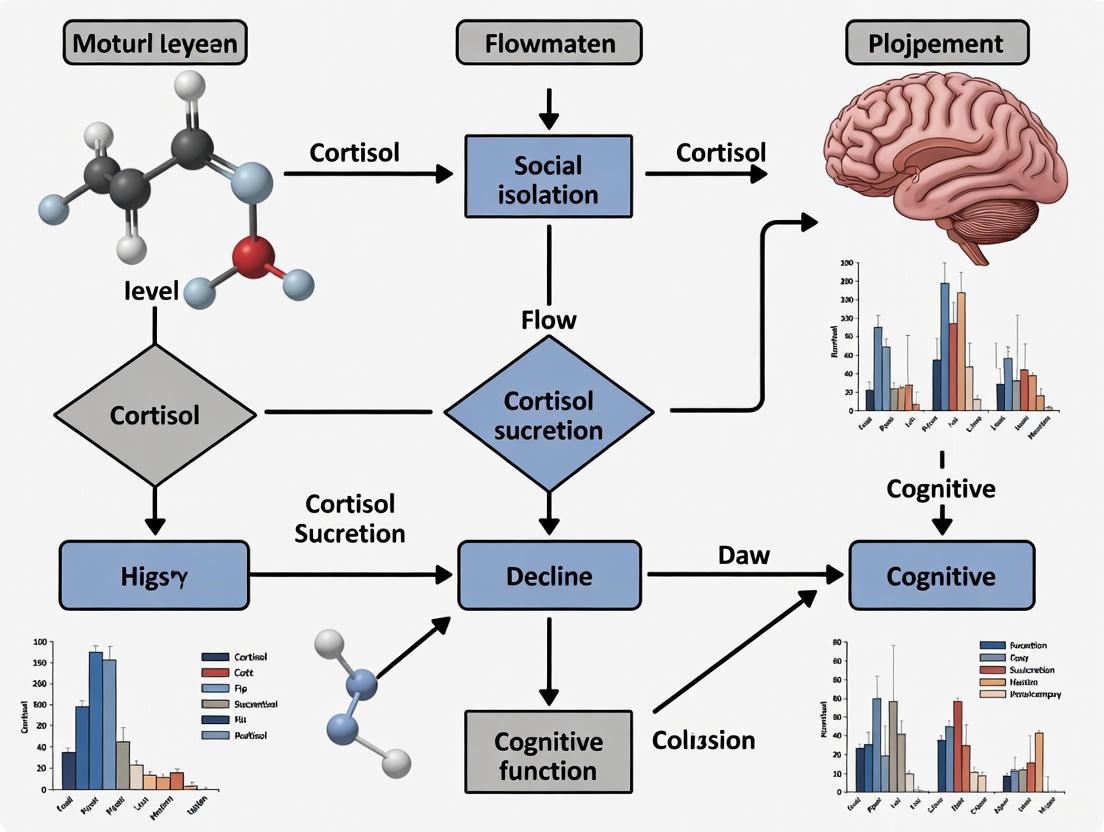
The Neurobiological Link: How Social Isolation Elevates Cortisol to Drive Cognitive Decline
This article synthesizes current evidence on the pathway from social isolation to cognitive impairment, with a focus on cortisol as a key mechanistic mediator.
Social Isolation, Neural Circuitry, and Cognitive Stimulation: Mechanisms and Interventions for Cognitive Resilience
This article synthesizes current research on the detrimental effects of social isolation on brain structure and function, and the potential of cognitive stimulation as a therapeutic intervention.
Cognitive Outcomes in Older Adults Following COVID-19 Confinement: A Scientific Review of Longitudinal Data, Mechanisms, and Research Implications
This article synthesizes longitudinal and cohort study findings on the impact of COVID-19 confinement on cognitive function in older adults, with a specific focus on vulnerable populations with pre-existing mild...
Social Isolation and Cognitive Decline in the Oldest-Old: Mechanisms, Vulnerabilities, and Intervention Pathways
This article synthesizes current evidence on the relationship between social isolation and cognitive decline in the oldest-old adults (typically ≥80 years).
Social Isolation and Cognitive Reserve Depletion: Mechanisms, Measurement, and Therapeutic Implications
This article synthesizes current evidence on the detrimental impact of social isolation on cognitive reserve and cognitive function.
Social Isolation as a Modifiable Risk Factor for Dementia: Mechanisms, Interventions, and Therapeutic Implications
This article synthesizes current evidence establishing chronic social isolation as a significant and modifiable risk factor for cognitive decline and dementia.
Isolating Neurobiological Pathways in Cognitive Aging: From Foundational Mechanisms to Therapeutic Translation
This article synthesizes current research on the distinct neurobiological pathways underlying cognitive aging, separating these processes from those in neurodegenerative diseases.
Distinct Neurocognitive Impacts: Unraveling the Separate Pathways of Loneliness and Social Isolation in Dementia and Cognitive Decline
This article synthesizes current research to delineate the distinct and joint effects of loneliness (subjective feeling) and social isolation (objective state) on cognitive health.