Research Articles
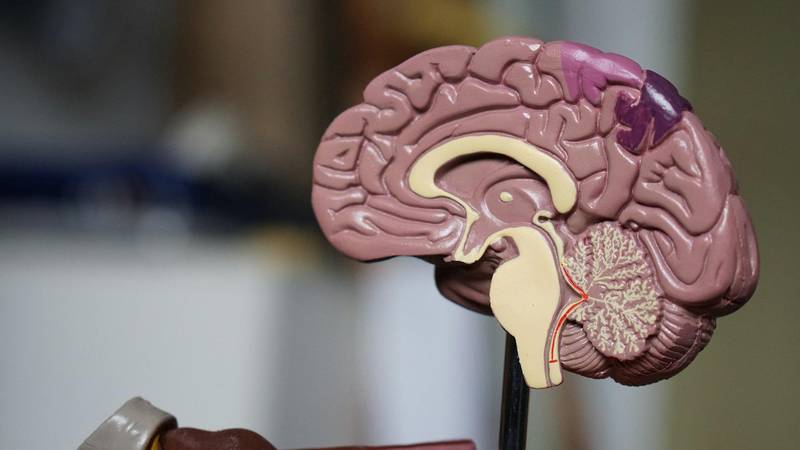
Posttraumatic Stress Disorder as a Physical Injury: How Trauma Reshapes Your Brain and Body
Explore how PTSD functions as a physical injury to the brain's fear-processing system, altering neural pathways and stress response mechanisms.
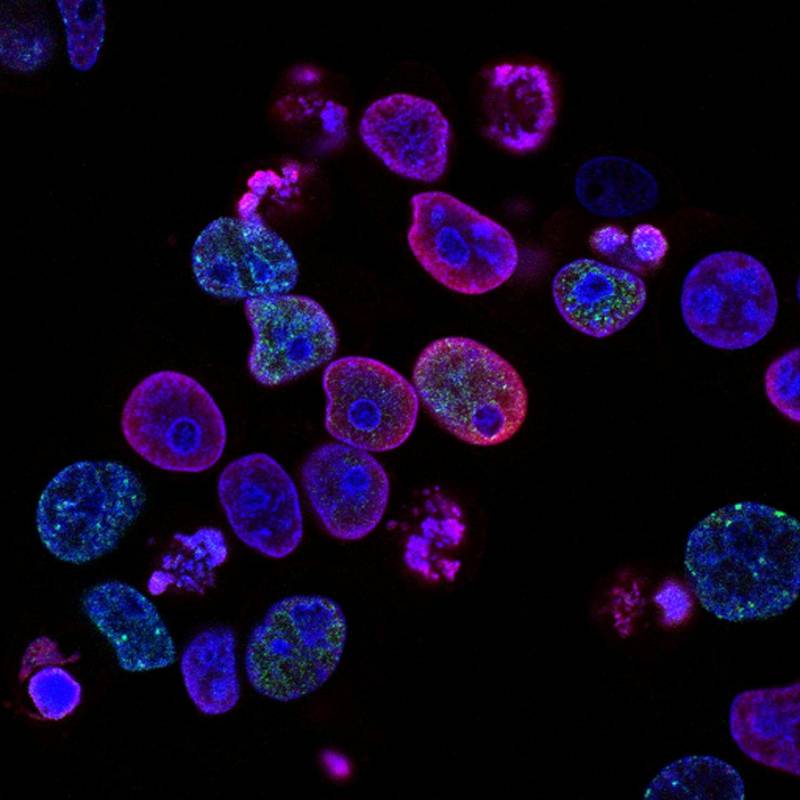
Beyond the Invisible Wound: Decoding PTSD's Molecular Secrets
Explore the cutting-edge research revealing PTSD's biological fingerprints and molecular mechanisms that explain why trauma leaves deep imprints on some people.
The Hidden Link: How Trauma Reshapes the Brain and Drives the Need to Smoke
Exploring the biological connection between PTSD and smoking, including recent research on nicotine's effect on fear extinction and recovery from trauma.
Unlocking Fear Memories: How Epigenetics Could Revolutionize PTSD Treatment
Explore how histone deacetylases and epigenetic mechanisms could transform PTSD treatment by reprogramming traumatic memories at the molecular level.
Beyond Bad Memories: How Stress Rewires the Brain for PTSD
Explore how extreme stress physically alters the brain's architecture and chemical systems, leading to Post-Traumatic Stress Disorder (PTSD).

The Invisible Scar: How Trauma Reshapes the Brain and New Pathways to Healing
Exploring the neurobiology of PTSD and the latest pharmacological treatments for trauma-related disorders.
Decoding the Brain: How Brain Scans Could Predict PTSD Treatment Success
Discover how fMRI brain scans are revolutionizing PTSD treatment by predicting which therapies will work for individual patients based on their unique brain activity patterns.
The Invisible Wound: How Trauma Rewires the Female Brain
Exploring the neurobiological alterations in female PTSD brains through advanced neuroscience research.
The Silent Saboteur: How Astrocytes Hijack the Brain in PTSD and the Drugs That Could Stop Them
Groundbreaking research reveals how star-shaped brain cells called astrocytes drive PTSD by flooding circuits with GABA, and the promising new drugs targeting this mechanism.