The Neurobiology of OCD: From Circuits to Novel Therapeutics
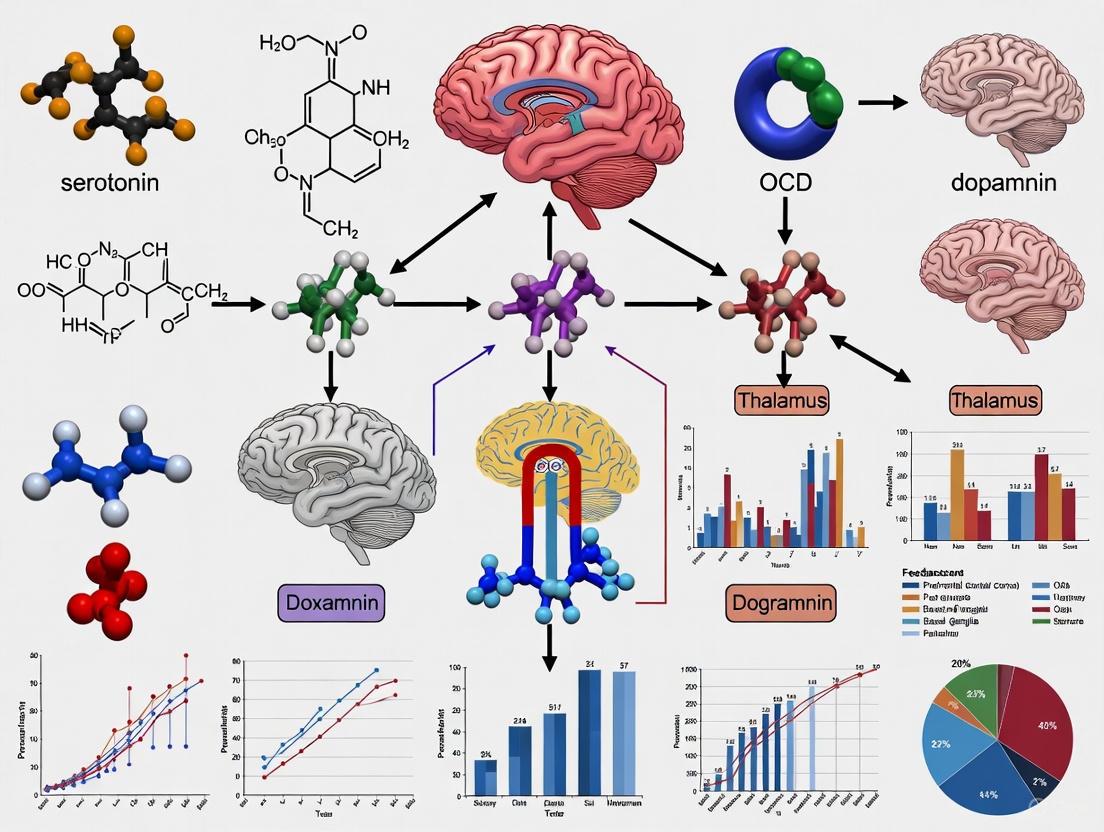
This article synthesizes current research on the neurobiological underpinnings of Obsessive-Compulsive Disorder (OCD), a chronic and disabling condition affecting 1-3% of the population.
The Neurobiology of OCD: From Circuits to Novel Therapeutics
Abstract
This article synthesizes current research on the neurobiological underpinnings of Obsessive-Compulsive Disorder (OCD), a chronic and disabling condition affecting 1-3% of the population. Aimed at researchers and drug development professionals, it provides a comprehensive overview spanning foundational neuroanatomy, methodological approaches in preclinical and clinical research, challenges in treating refractory cases, and the validation of emerging therapeutic targets. We explore the central role of cortico-striato-thalamo-cortical (CSTC) circuit dysfunction, the limited translation of genetic findings, the utility and limitations of animal models for studying compulsivity, and the promise of neuromodulation and glutamatergic agents for treatment-resistant OCD. The review concludes by identifying critical knowledge gaps and future directions for accelerating therapeutic innovation.
Unraveling Core Neurobiological Systems in OCD Pathophysiology
The cortico-striato-thalamo-cortical (CSTC) circuit represents a system of neural circuits that form a critical pathway for information processing in the brain, governing functions including motor control, habit formation, reward, and cognitive processes [1] [2]. This circuit forms a closed loop, with projections originating from the cortex to the striatum, which then relays information through the thalamus before completing the loop back to the cortex [1]. Within the context of obsessive-compulsive disorder (OCD), decades of research have consistently identified this circuit as the core neurobiological substrate for the disorder's pathophysiology [3] [4]. The lifetime prevalence of OCD is estimated at 1-3% in the general population, making it a common and often debilitating neuropsychiatric condition [3] [5] [4]. For the significant proportion of patients (approximately 20-40%) who prove resistant to conventional pharmacotherapy and cognitive-behavioral therapy, understanding the intricacies of CSTC dysfunction provides the most promising avenue for developing novel therapeutic interventions [5] [6].
The following diagram illustrates the fundamental anatomy and primary pathways of the CSTC circuit:
Figure 1: Core CSTC Circuit Anatomy. This diagram shows the basic synaptic connections within the CSTC loop, highlighting the excitatory (glutamatergic) and inhibitory (GABAergic) pathways. GPi: globus pallidus internus; SNr: substantia nigra pars reticulata.
Neuroanatomy and Functional Organization of the CSTC Circuit
Key Anatomical Components
The CSTC circuit is composed of several strategically organized brain regions, each contributing distinct functional roles to the circuit's overall operation. The striatum serves as the primary input structure, receiving excitatory glutamatergic projections from widespread areas of the cerebral cortex and modulatory dopaminergic inputs from the substantia nigra pars compacta (SNc) [1]. The striatum itself is organized along a rostro-caudal axis, with rostral regions (putamen and caudate) mediating associative and cognitive functions, while caudal areas are predominantly involved in sensorimotor processing [1]. This topographic organization is preserved throughout the circuit, forming segregated parallel loops that subserve distinct neurological functions [1].
Current organizational schemes typically divide the CSTC circuitry into five parallel functional loops:
- Motor circuit: Originating in the supplementary motor area, motor cortex, and somatosensory cortex
- Oculomotor circuit: Originating in the frontal eye fields
- Dorsolateral prefrontal circuit: Involved in executive functions
- Lateral orbitofrontal circuit: Involved in reward valuation and decision-making
- Anterior cingulate circuit: Involved in emotional regulation and motivation [1]
In the context of OCD, the lateral orbitofrontal circuit and anterior cingulate circuit appear particularly relevant, mediating the emotional and cognitive disturbances characteristic of the disorder [1] [7].
Direct, Indirect, and Hyperdirect Pathways
The functional dynamics of the CSTC circuit are governed by the balanced interaction of multiple pathways within the basal ganglia. The direct pathway (Go pathway) facilitates desired movements and behaviors through a net disinhibition of the thalamus, while the indirect pathway (NoGo pathway) suppresses competing or unwanted movements through net inhibition of the thalamus [1]. A hyperdirect pathway provides a rapid, direct cortical input to the subthalamic nucleus (STN), enabling global suppression of ongoing actions [1]. The coordinated activity of these pathways allows for the appropriate selection and execution of motor programs and behaviors while suppressing irrelevant or inappropriate ones.
Table 1: Key Pathways Within the CSTC Circuit
| Pathway | Neural Trajectory | Primary Neurotransmitters | Functional Role | Receptor Involvement |
|---|---|---|---|---|
| Direct (Go) | Cortex → Striatum → GPi/SNr → Thalamus → Cortex | Glutamate (excitatory), GABA (inhibitory) | Facilitates desired actions/behaviors | D1, A1, M4 [1] |
| Indirect (NoGo) | Cortex → Striatum → GPe → STN → GPi/SNr → Thalamus → Cortex | Glutamate (excitatory), GABA (inhibitory) | Suppresses competing/unwanted actions | D2, A2A, M1 [1] |
| Hyperdirect | Cortex → STN → GPi/SNr → Thalamus → Cortex | Glutamate (excitatory), GABA (inhibitory) | Rapid global action suppression | Glutamate receptors [1] |
CSTC Circuit Dysfunction in OCD Pathophysiology
The Imbalance Model of OCD
The predominant model of OCD pathophysiology proposes that symptoms arise from an imbalance between the direct and indirect pathways of the CSTC circuit, leading to a state of generalized hyperactivity throughout the loop [5] [2]. Specifically, this model suggests that excessive activation of the direct pathway relative to the indirect pathway results in hyperactivation of the orbitofrontal cortex (OFC) and anterior cingulate cortex (ACC) [4]. This hyperactivation manifests clinically as the intrusive thoughts and persistent anxieties characteristic of OCD obsessions, while concomitant hyperactivity in motor regions drives the compulsive, repetitive behaviors aimed at reducing the associated distress [4]. Functional neuroimaging studies have consistently demonstrated abnormally increased metabolic activity in the bilateral OFC, basal ganglia, and thalamus of OCD patients during rest, with these abnormalities exacerbating during symptom provocation [7].
The following diagram illustrates the proposed neurophysiological imbalance in OCD:
Figure 2: Proposed Pathway Imbalance in OCD. This diagram illustrates the hypothesized overactivity of the direct pathway (D1-MSNs) and underactivity of the indirect pathway (D2-MSNs), leading to excessive inhibition of the GPi/SNr, disinhibition of the thalamus, and ultimately cortical hyperactivity. Solid lines indicate strengthened pathways; dashed lines indicate weakened pathways.
Recent computational modeling has provided insights into how shifts in the excitation/inhibition (E/I) balance within the CSTC circuit can lead to the hyperactive states observed in OCD. Modeling based on coupled Wilson-Cowan equations demonstrates that a global and proportionate increase in E/I across the circuit pushes the system into a state of generalized hyperactivity [2]. Furthermore, specific disproportionate changes in E/I can trigger network oscillations, while local changes in the E/I balance of medium spiny neurons (MSNs) can generate specific oscillatory behaviors throughout the CSTC pathway [2]. These findings suggest that subtle alterations in the relative strength of E/I onto D1- and D2-MSNs can powerfully regulate the network dynamics of the CSTC circuit in ways that directly contribute to OCD pathophysiology.
Neurochemical and Molecular Insights
At the molecular level, dysfunction within the CSTC circuit in OCD involves multiple neurotransmitter systems. While the serotonergic system has historically been the primary focus of pharmacotherapy, growing evidence implicates dopaminergic and glutamatergic systems as playing crucial roles [3] [7]. Genetic studies have identified several candidate risk genes for OCD that encode proteins involved in glutamatergic synaptic function, including SAPAP3, SLITRK5, and SLC1A1 [3] [5]. These proteins are localized to the postsynaptic density of excitatory synapses, particularly in the striatum, where they regulate synaptic structure, function, and plasticity. Abnormalities in these molecules can disrupt the fine-tuning of cortico-striatal transmission, leading to the behavioral manifestations of OCD.
Table 2: Key Molecular Alterations in CSTC Circuit Dysfunction
| Molecular Component | Function | Alteration in OCD | Consequence |
|---|---|---|---|
| SAPAP3 | Postsynaptic scaffolding protein at cortico-striatal synapses | Rare heterozygous mutations; decreased expression [3] | Defective glutamatergic transmission; compulsive grooming in mice |
| SLITRK5 | Transmembrane protein regulating neurite outgrowth | Decreased expression [3] | Altered glutamate receptor expression; reduced striatal volume |
| SLC1A1 (EAAC1) | Neuronal glutamate transporter | Gene variants associated with OCD [3] | Disrupted glutamate clearance and signaling |
| Dopamine D1 Receptors | Direct pathway modulation | Possible hypersensitivity [7] | Enhanced direct pathway activity |
| Dopamine D2 Receptors | Indirect pathway modulation | Possible hyposensitivity [7] | Reduced indirect pathway activity |
| Serotonin Transporters | Serotonin reuptake | Altered binding [5] [7] | Disrupted modulation of CSTC activity |
Experimental Methodologies for Investigating CSTC Circuit Dysfunction
Genetic Mouse Models
Several genetic mouse models have been developed that recapitulate core features of OCD, particularly compulsive-like behaviors, and have provided invaluable insights into CSTC circuit dysfunction. These models typically exhibit behaviors such as excessive self-grooming leading to facial hair loss and skin lesions, as well as increased anxiety-like behaviors [3] [5]. The table below summarizes key transgenic mouse models used in OCD research:
Table 3: Genetic Mouse Models of CSTC Circuit Dysfunction
| Model | Genetic Manipulation | Behavioral Phenotype | Neural Circuit Defects | Pharmacological Response |
|---|---|---|---|---|
| Sapap3-KO | Deletion of SAP90/PSD95-associated protein 3 | Compulsive grooming, increased anxiety [3] | Defective cortico-striatal glutamatergic transmission [3] | Rescued by chronic fluoxetine [3] |
| Slitrk5-KO | Deletion of Slit and Trk-like protein 5 | Compulsive grooming, increased anxiety [3] | Reduced striatal volume, altered glutamate receptors, elevated OFC activity [3] | Rescued by chronic fluoxetine [3] |
| Hoxb8-KO | Deletion of Hoxb8 gene | Compulsive grooming, allogrooming [3] | Microglia dysfunction, altered circuitry [3] | Not specified |
| Slc1a1-KO | Deletion of neuronal glutamate transporter EAAC1 | OCD-like behaviors [3] | Dysregulated glutamate signaling, oxidative stress [3] | Not specified |
| D1CT-7 | Cholera toxin expression in D1 receptor-containing neurons | Tic-like movements, stereotypic behaviors [8] | Cortico-striatal glutamate hyperfunction [8] | Improved by glutamate antagonists [8] |
Optogenetics and Circuit Manipulation
Optogenetic techniques have enabled precise manipulation of specific neural pathways within the CSTC circuit, establishing causal relationships between circuit activity and OCD-like behaviors. The seminal experiment by Ahmari et al. demonstrated that repeated optogenetic stimulation of cortico-striatal glutamatergic afferents could generate persistent OCD-like behaviors in mice [9] [2]. This protocol involves:
- Virus Injection: Stereotaxic delivery of AAV vectors encoding channelrhodopsin-2 (ChR2) into the orbitofrontal cortex (OFC) of mice
- Optic Fiber Implantation: Placement of optic fibers above the ventral striatum to allow light delivery
- Stimulation Protocol: Repeated daily stimulation sessions (e.g., 5-30 Hz, 5-10 minutes per day for 5-7 days)
- Behavioral Assessment: Quantification of compulsive grooming and marble-burying behaviors post-stimulation
Conversely, optogenetic stimulation of feed-forward inhibition onto both D1- and D2-MSNs has been shown to alleviate OCD-like behaviors in the Sapap3-KO model [2], highlighting the potential therapeutic value of restoring E/I balance in the striatum.
Human Neuroimaging and Electrophysiology
In human patients, advanced neuroimaging techniques have been instrumental in characterizing CSTC circuit abnormalities in OCD. Resting-state functional magnetic resonance imaging (fMRI) has consistently revealed hyperactivity and hyperconnectivity within CSTC circuits in OCD patients [9] [4]. One particularly innovative approach involves using deep brain stimulation (DBS) devices capable of both delivering therapeutic stimulation and recording neural activity, allowing researchers to correlate circuit dynamics with symptom severity in real-time [6].
A key experimental protocol for investigating functional connectivity in OCD involves:
- Participant Selection: Recruitment of unmedicated OCD patients and matched healthy controls
- fMRI Acquisition: Resting-state BOLD fMRI scans (e.g., TR=2000ms, TE=30ms, 33 slices, 240 time points)
- Preprocessing: Removal of initial time points, slice timing correction, realignment, normalization, smoothing (4-6mm FWHM), bandpass filtering (0.01-0.08 Hz)
- fALFF Calculation: Computation of fractional amplitude of low-frequency fluctuations (fALFF) to assess regional spontaneous brain activity
- Seed-Based Connectivity: Placement of seeds in regions with altered fALFF (e.g., cerebellum, striatum) and correlation with all other voxels
- Statistical Analysis: Group comparisons of connectivity strength and correlation with Y-BOCS scores
Recent studies utilizing these methodologies have identified a distinctive 9 Hz oscillatory activity in the ventral striatum that follows a pronounced circadian rhythm in OCD patients, with loss of this predictable pattern correlating with symptom improvement following DBS treatment [6].
Table 4: Key Research Reagents and Tools for CSTC Circuit Investigation
| Reagent/Tool | Specific Examples | Research Application | Key Function in CSTC Research |
|---|---|---|---|
| Genetic Models | Sapap3-KO, Slitrk5-KO, Hoxb8-KO, D1CT-7 mice [3] [8] | Pathophysiology studies | Recapitulate OCD-like behaviors and circuit dysfunction |
| Viral Vectors | AAV-CaMKIIa-ChR2-EYFP, AAV-hSyn-hM4D(Gi)-mCherry [2] | Circuit mapping and manipulation | Enable cell-type specific neuromodulation |
| DBS Devices | Medtronic Activa PC+S, Summit RC+S [6] | Human neural recording and stimulation | Simultaneous therapeutic stimulation and biomarker identification |
| Calcium Indicators | GCaMP6f, GCaMP7g | In vivo calcium imaging | Monitor neural population activity in behaving animals |
| fMRI Sequences | Resting-state BOLD, DTI, ASL | Human neuroimaging | Assess functional and structural connectivity |
| Behavioral Assays | Marble-burying, open field, grooming quantification [3] | Phenotypic characterization | Quantify compulsive and anxiety-like behaviors |
| Glutamate Modulators | Riluzole, NMDA antagonists, AMPA antagonists [8] | Pharmacological challenges | Test hyperglutamatergic hypothesis of OCD |
| Dopamine Ligands | Raclopride (D2 antagonist), SKF38393 (D1 agonist) | Receptor binding studies | Investigate dopaminergic contribution to pathway imbalance |
Therapeutic Implications and Future Directions
The detailed understanding of CSTC circuit dysfunction in OCD has directly informed the development of novel therapeutic approaches, particularly for treatment-resistant cases. Deep brain stimulation (DBS) targeting key nodes within the CSTC circuit (e.g., ventral striatum/nucleus accumbens, subthalamic nucleus) has emerged as an effective intervention for approximately two-thirds of treatment-resistant OCD patients [9] [6]. The identification of specific neural biomarkers, such as the 9 Hz ventral striatal rhythm, is now enabling more precise programming of DBS parameters and objective monitoring of treatment response [6].
Additionally, repetitive transcranial magnetic stimulation (rTMS) of the dorsomedial prefrontal cortex has shown promise, with treatment efficacy correlating with decreased functional connectivity between the dmPFC and ventral striatum [9]. As our understanding of the molecular basis of CSTC dysfunction deepens, novel pharmacological approaches targeting glutamatergic transmission, including N-acetylcysteine and riluzole, are being explored to restore E/I balance within the circuit [3].
Future research directions include developing more sophisticated closed-loop DBS systems that can adapt stimulation parameters in response to real-time fluctuations in neural biomarkers of symptom severity [6]. Additionally, investigating the role of non-traditional structures such as the cerebellum, which shows altered connectivity with the CSTC circuit in OCD patients [4], may provide a more comprehensive understanding of the distributed network dysfunction in OCD and identify new therapeutic targets.
The paradigm of CSTC circuit dysfunction has provided a robust neurobiological framework for understanding OCD, integrating evidence from genetic, molecular, systems, and clinical neuroscience. The central hypothesis of imbalanced direct/indirect pathway activity leading to circuit hyperactivity has consistently been supported by multiple lines of investigation, from optogenetic studies in animal models to human neuroimaging and electrophysiological recordings. As research methodologies continue to advance, enabling increasingly precise manipulation and monitoring of circuit activity, our understanding of this complex disorder will continue to deepen, promising more effective and personalized therapeutic interventions for those suffering from OCD.
Obsessive-Compulsive Disorder (OCD) is a chronic and often debilitating neuropsychiatric condition affecting 1-3% of the population. While the neurobiological underpinnings of OCD are complex, dysfunction within cortico-striato-thalamo-cortical (CSTC) circuits is widely implicated. For decades, the primary neurotransmitter models focused on serotonin and dopamine systems. However, a growing body of genetic, neuroimaging, and pharmacological evidence now highlights a critical role for glutamate dysregulation in OCD pathophysiology. This whitepaper provides an in-depth technical review of the evidence for serotonin, dopamine, and the emerging glutamate hypothesis, synthesizing quantitative data from key studies, detailing experimental protocols, and outlining essential research tools. The integration of these systems within a coherent neurobiological framework is essential for the development of novel, targeted therapeutic interventions.
OCD is characterized by the presence of intrusive, unwanted thoughts (obsessions) and repetitive, ritualized behaviors (compulsions) [10]. The disorder is highly heterogeneous, with symptoms often classified into partially distinct subtypes including contamination/cleaning, harm/checking, symmetry/ordering, and hoarding [10]. Neurobiologically, OCD is conceptualized as a disorder of dysfunctional neural circuits, with substantial evidence pointing toward abnormalities in the cortico-striato-thalamo-cortical (CSTC) loops [10] [7] [11]. This model proposes that hyperactivity in a network involving the orbitofrontal cortex (OFC), anterior cingulate cortex (ACC), striatum (caudate and putamen), and thalamus underlies symptom generation [7] [11]. The neurotransmitters serotonin, dopamine, and glutamate are the primary chemical modulators of this circuitry, and their imbalance is central to current pathophysiological models and treatment approaches.
The Serotonin Hypothesis: Foundational Evidence and Evolving Perspectives
Core Evidence and Mechanistic Insights
The serotonin (5-HT) hypothesis of OCD arose from the consistent clinical observation that selective serotonin reuptake inhibitors (SSRIs) and the non-selective serotonergic agent clomipramine are effective treatments for the disorder [11]. The foundational premise is that diminished synaptic serotonin signaling contributes to OCD symptoms, which is partially remedied by SRI-mediated increases in extracellular serotonin.
Critical evidence comes from a positron emission tomography (PET) study investigating brain serotonin synthesis capacity using the tracer α-[11C]methyl-l-tryptophan (α-[11C]MTrp). This study found that successful treatment—whether with the SSRI sertraline or cognitive behavioral therapy (CBT)—was associated with brain-wide increases in serotonin synthesis capacity in treatment responders/partial responders [12]. Furthermore, baseline serotonin synthesis capacity in the raphe nuclei positively correlated with the degree of subsequent clinical improvement, suggesting that a robust serotonergic system may predict better treatment outcomes [12].
Quantitative Synthesis of Serotonin System Findings
Table 1: Key Findings from Serotonin System Research in OCD
| Study Type | Key Finding | Implication |
|---|---|---|
| Treatment Response [12] | Responders to sertraline or CBT showed brain-wide increases in serotonin synthesis capacity. | Serotonergic tone may be crucial for symptom remediation. |
| Predictive Biomarker [12] | Baseline serotonin synthesis in the raphe nuclei correlated with clinical improvement. | Pretreatment serotonergic function may predict treatment success. |
| Receptor Imaging | Varied findings for 5-HTT and 5-HT2A receptor availability in CSTC circuitry [12]. | Serotonin's role is complex and not fully explained by receptor density alone. |
Detailed Experimental Protocol: PET Imaging of Serotonin Synthesis
Objective: To quantify regional brain serotonin synthesis capacity in OCD patients before and after 12 weeks of treatment with either sertraline or CBT [12].
Methodology:
- Participants: Medication-free OCD patients (n=16) were randomly assigned to sertraline or CBT.
- Tracer: α-[11C]methyl-l-tryptophan (α-[11C]MTrp), a tracer analogous to the 5-HT precursor tryptophan.
- PET/MRI Procedure:
- Participants adhered to a low-protein diet and overnight fast to minimize variability in plasma amino acids.
- A baseline PET scan was performed using an ECAT HR+ scanner.
- Following 12 weeks of treatment, the PET scan was repeated.
- High-resolution MRI was co-registered with PET data for anatomical localization.
- Data Analysis: The trapping constant, K* (ml/g/min), representing the unidirectional uptake of the tracer, was calculated. This serves as an index of serotonin synthesis capacity. Changes in K* were correlated with symptom improvement on the Yale-Brown Obsessive Compulsive Scale (Y-BOCS).
The Dopamine Hypothesis: Interactions with the CSTC Circuitry
Evidence for Dopaminergic Involvement
While less dominant than serotonin, dopamine is implicated in OCD, particularly given the high comorbidity with disorders involving dopaminergic dysfunction like Tourette's syndrome [11]. The primary evidence stems from:
- Pharmacology: The adjunctive use of antipsychotics (dopamine D2 receptor antagonists) can augment the response to SRIs in treatment-refractory patients [10].
- Neuroimaging: SPECT and PET studies have identified abnormalities in the dopamine transporter (DAT) in the striata of OCD patients. One study found increased DAT binding in the putamen and caudate of treatment-naive patients, which normalized following SSRI treatment [7]. This suggests a reciprocal interaction between the serotonin and dopamine systems in the subcortex.
The dopaminergic influence is understood within the framework of the direct and indirect pathways of the basal ganglia. It is hypothesized that an imbalance, potentially with overactivity in the direct pathway (mediated by dopamine D1 receptors), may disinhibit the thalamus and promote the repetitive behavioral sequences characteristic of OCD [13].
Quantitative Synthesis of Dopamine System Findings
Table 2: Key Findings from Dopamine System Research in OCD
| Study Type | Key Finding | Implication |
|---|---|---|
| DAT Imaging [7] | Increased dopamine transporter binding in putamen/caudate of treatment-naive patients. | Suggests dysregulated dopaminergic neurotransmission in striatum. |
| Pharmacological Augmentation [10] | Dopamine D2 antagonists improve symptoms in some SRI-refractory patients. | Supports role for dopamine in a treatment-resistant subtype. |
| Circuit Model [13] | Proposed overactivity of D1R-mediated direct pathway in CSTC loops. | Provides a mechanistic model for how dopamine drives compulsivity. |
The Glutamate Hypothesis: An Emerging Paradigm
Converging Lines of Evidence
Glutamate, the brain's primary excitatory neurotransmitter, has become a major focus in OCD research. Evidence for its involvement is multi-faceted:
- Genetic Studies: Polymorphisms in genes encoding glutamate system components have been associated with OCD. These include the glutamate transporter gene SLC1A1 and genes encoding postsynaptic density proteins like DLGAP3 (the human analog of Sapap3) [13] [14].
- Magnetic Resonance Spectroscopy (MRS): A high-field (7-Tesla) 1H-MRS study found elevated glutamate and an increased glutamate/GABA ratio in the anterior cingulate cortex (ACC) of individuals with OCD. This indicates a shift in the excitatory/inhibitory (E/I) balance toward excitation [15].
- Cerebrospinal Fluid (CSF) Analysis: Studies have found higher levels of glutamate in the CSF of unmedicated OCD patients compared to healthy controls [14].
- Animal Models: Sapap3 knockout mice, which lack a key scaffolding protein at glutamatergic synapses in the striatum, exhibit compulsive grooming and increased anxiety, behaviors that are reduced by chronic SSRI administration [13] [14].
Quantitative Synthesis of Glutamate System Findings
Table 3: Key Findings from Glutamate System Research in OCD
| Study Type | Key Finding | Implication |
|---|---|---|
| 7T 1H-MRS [15] | ↑ ACC glutamate & ↑ Glu/GABA ratio in OCD; SMA Glu correlated with compulsion severity. | Direct evidence of E/I imbalance in cortical nodes of CSTC circuit. |
| Genetic Studies [13] [14] | Associations with genes: SLC1A1 (transporter), DLGAP3 (SAPAP3 post-synaptic scaffolding). | Suggests glutamatergic synaptic defects can be a primary cause. |
| Animal Model [13] | Sapap3 KO mice show compulsive grooming; reversed by intra-striatal SAPAP3 infusion. | Confirms striatal glutamatergic dysfunction can drive compulsive behavior. |
| Therapeutic Trials [14] | Glutamate-modulators (riluzole, memantine) show promise in open-label SRI-refractory studies. | Glutamate is a viable target for novel therapeutic development. |
Detailed Experimental Protocol: 7-Tesla MRS for Glutamate and GABA
Objective: To quantify cortical levels of glutamate and GABA in participants with OCD and healthy volunteers, and to correlate these levels with compulsive behavior [15].
Methodology:
- Participants: 31 OCD participants and 30 healthy controls.
- 1H-MRS Protocol:
- Scanning was performed using a 7-Tesla MRI scanner.
- An optimized MRS sequence (semi-LASER) was used for reliable quantification of Glu, Gln, and GABA.
- Voxels were placed on the anterior cingulate cortex (ACC), supplementary motor area (SMA), and occipital cortex (OCC) as a control region.
- Behavioral Correlates: Participants completed the Obsessive-Compulsive Inventory (OCI) and the Yale-Brown Obsessive Compulsive Scale (Y-BOCS). A contingency degradation task was used as a behavioral index of habitual control.
- Data Analysis: Metabolite levels were quantified and compared between groups. Correlations between metabolite levels (and Glu/GABA ratio) and clinical/behavioral scores were computed.
Integrated Neurocircuitry and Signaling Pathways
The CSTC circuit provides the architectural framework for understanding how these neurotransmitter systems interact. In this model, the orbitofrontal cortex (OFC) and anterior cingulate cortex (ACC) send glutamatergic projections to the striatum. The striatum, in turn, exerts its output via the direct and indirect pathways, which are modulated by dopamine from the substantia nigra. The thalamus completes the loop by sending projections back to the cortex. Hyperactivity in this loop, potentially driven by glutamatergic excess and failures in inhibitory control (GABA), is thought to underlie OCD symptoms [10] [13] [11]. The following diagram illustrates this integrated circuitry and neurotransmitter influence.
The glutamatergic hypothesis is further supported by molecular insights into the post-synaptic density at striatal synapses. Key scaffolding proteins are critical for maintaining synaptic integrity and regulating signal transduction. The following diagram details the molecular consequences of SAPAP3 deletion, an established model for compulsive behavior.
The Scientist's Toolkit: Essential Research Reagents and Models
Table 4: Key Research Reagents and Models for OCD Investigation
| Tool / Model | Function/Description | Utility in OCD Research |
|---|---|---|
| Sapap3 KO Mouse [13] [14] | Genetic model lacking a post-synaptic density scaffold protein at striatal synapses. | Validated model exhibiting compulsive grooming; used for mechanistic studies & drug screening. |
| α-[11C]MTrp PET Tracer [12] | Radiolabeled tracer for PET imaging of serotonin synthesis capacity (K*). | Allows in vivo quantification of serotonergic dynamics in human brain. |
| 7-Tesla 1H-MRS [15] | High-field magnetic resonance spectroscopy for quantifying Glu, Gln, and GABA. | Enables precise measurement of excitatory/inhibitory neurotransmitter balance in specific brain regions. |
| Riluzole & Memantine [14] | FDA-approved glutamate-modulating agents (inhibits release; NMDA receptor antagonist). | Investigational therapeutics for SRI-refractory OCD; tools for probing glutamate system. |
| Contingency Degradation Task [15] | Behavioral paradigm to assess goal-directed vs. habitual action control. | Provides a behavioral index of compulsivity (habit bias) for correlation with neurobiological measures. |
| DLGAP3/SLC1A1 Genotyping [13] [14] | Genetic analysis of polymorphisms in glutamate-related genes. | Identifies genetic risk factors and enables stratification of OCD into biologically distinct subgroups. |
The neuropharmacology of OCD has evolved beyond a singular focus on serotonin. While serotonergic dysfunction remains a key component, particularly for predicting and understanding treatment response, it is now integrated into a more complex model. This model incorporates dopaminergic modulation of striatal pathways and, most significantly, a central role for glutamatergic excitotoxicity and E/I imbalance in the CSTC circuit. Genetic findings and high-field MRS studies provide compelling evidence that glutamatergic dysregulation may be a primary driver of pathology in a substantial subset of patients.
This integrated view opens promising avenues for drug development. The exploration of glutamate-modulating agents like riluzole, memantine, and N-acetylcysteine, while still requiring double-blind validation, represents a direct translation of this biological insight [14]. Furthermore, the pursuit of NMDA receptor modulators like ketamine, which has shown rapid antidepressant effects, raises the compelling question of whether similarly rapid anti-obsessional effects can be achieved [14]. Future research must focus on stratifying OCD patients based on genetic, neurochemical, and cognitive biomarkers to enable targeted, personalized therapeutics. The convergence of human neuroimaging, genetic studies, and sophisticated animal models continues to illuminate the intricate neurobiological underpinnings of OCD, paving the way for more effective and mechanistically grounded treatments.
Obsessive-compulsive disorder (OCD) is a chronic and disabling neuropsychiatric condition affecting 1-3% of the population, characterized by persistent intrusive thoughts (obsessions) and repetitive behaviors (compulsions) [16]. The neurobiological underpinnings of OCD have been extensively investigated through structural and functional neuroimaging, revealing complex abnormalities spanning specific brain regions and large-scale networks. This technical guide synthesizes current neuroimaging findings, focusing on the orbitofrontal cortex (OFC) as a critical node while expanding to encompass distributed network abnormalities that characterize OCD pathology. Understanding these neural correlates is essential for researchers and drug development professionals aiming to develop targeted interventions for this heterogeneous disorder.
Structural Neuroimaging Findings
Orbitofrontal Cortex Abnormalities
Structural MRI studies consistently identify the orbitofrontal cortex as a key region in OCD pathology. A 2025 study directly investigating the relationship between OFC volumes and metacognition found significantly reduced bilateral OFC volumes in patients with OCD compared to healthy controls [17]. This volumetric reduction was specifically correlated with dysfunctional metacognitive beliefs measured by the Metacognition Questionnaire-30 (MCQ-30), with a substantial negative correlation observed between MCQ-30 scores and left OFC volume [17]. These findings suggest that structural deficits in the OFC may underlie cognitive distortions characteristic of OCD.
Table 1: Key Structural Findings in OCD
| Brain Region | Structural Alteration | Clinical/Behavioral Correlation | Study Reference |
|---|---|---|---|
| Orbitofrontal Cortex (OFC) | Bilateral volume reduction | Negative correlation with metacognitive dysfunction | [17] |
| Left OFC | Significant volume reduction | Correlation with immature defense mechanisms | [17] |
| Cortico-Striato-Thalamo-Cortical (CSTC) Circuit | Gray matter volume reductions | Associated with compulsivity and intrusive thoughts | [18] |
| Anterior Cingulate Cortex | Gray matter reduction | Impaired emotional regulation and error processing | [18] |
| Basal Ganglia | Volume alterations | Habitual vs. goal-directed behavior imbalance | [18] |
Striatal Subregions and CSTC Circuit
Beyond the OFC, the cortico-striato-thalamo-cortical (CSTC) circuit represents a core network in OCD pathology. Structural abnormalities within this circuit contribute to the imbalance between habitual and goal-directed behavioral systems [19]. While early studies reported contradictory findings regarding striatal volumes, recent evidence with finer partitioning reveals distinct contributions of striatal subregions to OCD pathology. The caudate is particularly involved in goal-directed behaviors through connections with the prefrontal cortex, while the putamen mediates habitual behaviors via connections with the supplementary motor area [19].
Functional Neuroimaging Findings
Task-Based Functional Abnormalities
Decision-Making and Prediction Error Signaling
Functional MRI studies during cognitive tasks reveal distinctive neural patterns in OCD patients during decision-making processes. Research using a two-step Markov decision-making task during fMRI scanning employed hierarchical Bayesian modeling to demonstrate that while OCD patients and controls similarly relied on model-free decision-making strategies, patients showed significantly greater activation for model-based reward prediction error in the lateral orbitofrontal cortex (OFC) [20]. Importantly, this increased lateral OFC activity was associated with lower obsessive symptoms and better cognitive functioning, potentially indicating compensatory mechanisms [20].
Inhibitory Control and Glutamatergic System
Functional magnetic resonance spectroscopy (fMRS) studies examining the glutamatergic system during cognitive tasks reveal important neurochemical alterations in OCD. During inhibitory control tasks such as the Stroop task, early-onset OCD patients show significantly different metabolite levels in the anterior cingulate cortex (ACC) compared to healthy controls and non-early-onset OCD patients [21]. Specifically, the early-onset group demonstrates lower glutathione (GSH) levels and higher Glx (glutamate-glutamine complex) levels during task performance, correlated with impaired inhibitory function [21]. These findings highlight the neurobiological heterogeneity of OCD and the value of subgroup analyses based on age of onset.
Resting-State Network Abnormalities
Large-Scale Network Dysfunction
Resting-state fMRI studies reveal widespread functional network abnormalities in OCD. Edge functional connectivity (eFC) analysis, which provides more refined assessment of brain network interactions than traditional node-based approaches, demonstrates significant differences in network entropy between OCD patients and healthy controls [22]. Specifically, patients with OCD show significantly reduced entropy in the dorsal attention network (DAN) and increased entropy in the control network (CN) and default mode network (DMN) [22]. These entropy alterations reflect fundamental disruptions in information processing capacity across large-scale brain networks.
Table 2: Functional Connectivity Findings in OCD
| Network/Region | Functional Alteration | Proposed Functional Significance | Study Reference |
|---|---|---|---|
| Dorsal Attention Network (DAN) | Reduced entropy | Attention deficits, difficulty with attention shifting | [22] |
| Control Network (CN) | Increased entropy | Impaired cognitive control, behavioral rigidity | [22] |
| Default Mode Network (DMN) | Increased entropy | Excessive self-referential thinking, intrusive thoughts | [22] |
| Lateral Orbitofrontal Cortex | Hyperactivity during model-based decision-making | Compensatory mechanism; correlates with reduced symptoms | [20] |
| Striatal Subregions | Altered effective connectivity | Enhanced top-down control, diminished bottom-up regulation | [19] |
Effective Connectivity in Striatal Subregions
Effective connectivity analyses using Granger causality analysis (GCA) reveal directional abnormalities in information flow between striatal subregions and cortical areas in drug-naïve OCD patients [19]. These studies demonstrate an enhanced top-down control and diminished bottom-up regulation in untreated OCD patients [19]. Following 4-week paroxetine treatment, bottom-up effective connectivity improves alongside clinical symptom improvement, suggesting normalization of aberrant connectivity as a mechanism of treatment response [19].
Methodological Approaches and Experimental Protocols
Structural MRI Protocol
The structural neuroimaging findings discussed herein typically employ high-resolution T1-weighted imaging protocols. A representative protocol from recent studies includes: 3-T MRI scanner (Signa; GE Medical Systems), flip angle = 20°, field of view [FOV] = 240 mm, echo time [TE] = 15.6 ms, bandwidth = 20.8, slice thickness = 2.4 mm, repetition time [TR] = 2000 ms, with final resolution of 0.9375 mm × 0.9375 mm × 1.328 mm [17]. Image processing typically involves conversion of 3D T1A data from DICOM to NIfTI format, followed by automated segmentation using platforms like VolBrain (vol2Brain pipeline) and validation by experienced neuroradiologists [17].
Functional MRI Protocols
Task-Based fMRI
For decision-making tasks such as the two-step Markov task, imaging parameters typically include: whole-brain fMRI acquisition with repetition time (TR) = 2000-2500 ms, echo time (TE) = 30-35 ms, field of view = 192-220 mm, and voxel size = 3×3×3 mm³ [20]. Preprocessing pipelines include realignment, normalization to standard stereotactic space, and spatial smoothing. Analysis employs parametric regressors for model-free and model-based reward prediction errors, with Bayesian Multilevel Modeling (BML) approaches for group comparisons [20].
Resting-State fMRI
Resting-state protocols typically involve: 6-10 minutes of resting-state data acquisition with eyes open or closed, TR = 2000-2500 ms, TE = 30-35 ms, slice thickness = 3-4 mm, and voxel size = 3×3×3 mm³ [22] [19]. Analysis methods include amplitude of low-frequency fluctuation (ALFF), regional homogeneity (ReHo), degree centrality (DC), functional connectivity (FC), and effective connectivity (EC) analyses using approaches like Granger causality analysis [19].
Functional Magnetic Resonance Spectroscopy (fMRS)
fMRS protocols for assessing neurometabolite fluctuations during tasks typically involve: acquisition before, during, and after cognitive tasks (e.g., Stroop task) using single-voxel spectroscopy positioned in regions of interest like the anterior cingulate cortex [21]. Parameters include: TR = 2000 ms, TE = 30-35 ms, with 64 averages for baseline and 32 averages during task conditions [21]. Metabolite quantification uses LCModel or similar software with water referencing, assessing metabolites including glutamate, glutamine, glutathione, and Glx (glutamate-glutamine complex) [21].
Advanced Analytical Approaches
Machine Learning and Deep Learning Applications
Machine learning algorithms, particularly deep learning approaches, are increasingly applied to neuroimaging data for improved OCD diagnosis and classification. These methods can achieve diagnostic accuracies exceeding 80% by identifying subtle neurobiological patterns that differentiate OCD patients from healthy controls [18]. Convolutional Neural Networks (CNNs) and Support Vector Machines (SVMs) have demonstrated robust performance in analyzing structural and functional neuroimaging data [18] [23]. Transfer learning approaches show particular promise in overcoming dataset limitations and heterogeneity, enhancing predictive modeling for personalized treatment strategies [18].
Edge Functional Connectivity Analysis
Traditional node-based functional connectivity approaches are limited in capturing complex network interactions. Edge functional connectivity (eFC) analysis represents an advanced method that enables more refined assessment of brain network interactions by examining connectivity between individual voxels or small regions rather than predefined nodes [22]. This approach provides more detailed information about functional connectivity and is particularly useful for exploring interregional interactions and multidimensional network dynamics in OCD [22].
The Scientist's Toolkit: Research Reagent Solutions
Table 3: Essential Research Materials and Methods for OCD Neuroimaging Studies
| Item/Resource | Function/Application | Example Implementation |
|---|---|---|
| 3-T MRI Scanner | High-resolution structural and functional imaging | GE Signa 3T systems with 8-channel head coils [17] |
| VolBrain/vol2Brain | Automated MRI segmentation and volumetry | Online pipeline for segmenting brain into >100 regions [17] |
| ITK-Snap (v4.0.1) | 3D image visualization and manual segmentation validation | Verification of automated segmentation accuracy [17] |
| Bayesian Multilevel Modeling | Advanced statistical analysis of neural activation | Analysis of reward prediction error signaling [20] |
| Granger Causality Analysis | Effective connectivity assessment of directional influences | Analyzing top-down vs. bottom-up information flow in striatal subregions [19] |
| LCModel | MR spectroscopy data quantification | Quantification of glutamate, glutathione, and Glx levels [21] |
| Convolutional Neural Networks | Deep learning approach for pattern recognition in neuroimages | Classification of OCD vs. healthy controls with >80% accuracy [23] |
| Two-Step Markov Task | Decision-making paradigm for model-based vs. model-free learning | Dissociating neural correlates of different decision strategies [20] |
Structural and functional neuroimaging research has substantially advanced our understanding of OCD neuropathology, revealing abnormalities spanning from specific regions like the orbitofrontal cortex to distributed networks including the CSTC circuit and large-scale functional networks. The integration of multimodal imaging with advanced analytical approaches such as machine learning, edge functional connectivity, and effective connectivity analysis provides increasingly sophisticated insights into the complex neural basis of OCD. These findings not only enhance our theoretical understanding of OCD pathophysiology but also offer promising avenues for developing biomarkers for diagnosis, subtyping, and treatment prediction. Future research directions should focus on integrating genetic and molecular findings with neuroimaging data, optimizing multimodal imaging techniques, and enhancing the clinical applicability of these advanced methodologies for personalized treatment approaches.
Obsessive-Compulsive Disorder (OCD) is a debilitating psychiatric condition characterized by intrusive thoughts (obsessions) and repetitive behaviors (compulsions) that affects 1-3% of the population worldwide [24]. The neurobiological underpinnings of OCD research have increasingly focused on understanding the complex interplay between genetic susceptibility and environmental triggers in the development and expression of the disorder. Mounting evidence from neuroimaging, neuropsychological, and pharmacological studies suggests a primary dysfunction in the cortico-striato-thalamo-cortical (CSTC) circuitry, creating an imbalance between direct and indirect pathways from cortical brain regions to the thalamus [24]. Within this neurobiological framework, genetic factors establish susceptibility thresholds, while environmental factors such as infections can act as triggers, potentially converging on shared pathophysiological pathways that disrupt normal brain circuit function and lead to the heterogeneous phenotypic expression observed in OCD.
This whitepaper provides a comprehensive technical overview of the principal genetic and environmental risk factors in OCD, with particular focus on heritability estimates, the potential role of the SLC1A1 gene, and the autoimmune mechanisms underlying PANDAS/PANS. Designed for researchers, scientists, and drug development professionals, this review synthesizes current evidence, summarizes quantitative data in structured tables, details key experimental methodologies, and identifies essential research tools to facilitate ongoing investigation into the neurobiological basis of OCD.
Genetic Architecture of OCD
Heritability and Twin Studies
Decades of genetic epidemiological research have firmly established that OCD is a familial and heritable disorder. Twin studies consistently demonstrate significantly higher concordance rates in monozygotic (identical) twins compared to dizygotic (fraternal) twins, providing compelling evidence for a substantial genetic component in OCD etiology [25].
Table 1: Twin Study Concordance Rates and Heritability Estimates for OCD
| Authors, Year | Number of Twin Pairs | MZ Concordance Rate | DZ Concordance Rate | Heritability Estimate |
|---|---|---|---|---|
| Clifford et al., 1984 | 419 | 0.50 (male)0.44 (female) | 0.22 (male)0.11 (female) | 47% |
| Eley et al., 2003 | 4,564 | 0.59 (male)0.58 (female) | 0.19 (male)0.28 (female) | 54% |
| Mataix-Cols et al., 2013 | 16,383 | 0.4 (male)0.5 (female) | 0.2 (male)0.15 (female) | 47% |
| Monzani et al., 2014 | 5,409 | 0.52 | 0.21 | 48% |
The most robust and recent twin studies, utilizing large sample sizes and advanced structural equation modeling approaches, estimate the heritability of OCD to be approximately 45-65% in children and adolescents and roughly 48% across the lifespan [24] [25]. The stability of symptoms across development appears to be predominantly influenced by genetic factors, with common environmental factors playing a more significant role only in early adolescence [26]. Notably, early-onset OCD has been associated with a stronger genetic component compared to late-onset forms, suggesting that childhood-onset OCD may represent a distinct etiological subtype of the disorder [24].
Symptom Dimension Heritability
OCD presents with substantial phenotypic heterogeneity, with symptoms typically clustering into distinct dimensions. Research indicates that these symptom dimensions have both shared and unique genetic influences, reflecting the genetic heterogeneity underlying the disorder.
Table 2: Heritability Estimates of OCD Symptom Dimensions in Youth
| Symptom Dimension | Heritability Estimate | Key Genetic Features |
|---|---|---|
| Total OC Traits | 74% | Captures overall genetic liability |
| Hoarding | 77% | Considerable unique genetic factors |
| Symmetry/Ordering | 45% | Shared genetic effects with other dimensions |
| Counting/Checking | 51% | Shared genetic effects with other dimensions |
| Cleaning/Contamination | 48% | Shared genetic effects with other dimensions |
| Rumination | 30% | Moderate heritability, significant environmental influence |
| Superstition | 43% | Moderate heritability |
A population-based study of 16,718 youth utilizing the Toronto Obsessive-Compulsive Scale (TOCS) found that obsessive-compulsive traits and individual dimensions were highly heritable, though the degree of shared and dimension-specific etiological factors varied considerably by dimension [26]. Hoarding demonstrated particularly high heritability (77%) with considerable unique genetic factors, while other dimensions like symmetry/ordering and cleaning/contamination showed more shared genetic influences [26]. Multivariate twin modeling indicates that shared genetics account for most of the covariance among dimensions, whereas unique environmental factors account for the majority of dimension-specific variance [26].
Molecular Genetic Studies
OCD is recognized as a polygenic disorder with contributions from both common and rare genetic variants, including de novo deleterious variations [24]. Genome-wide association studies (GWAS) have yet to identify statistically significant loci, largely due to insufficient sample sizes, though larger meta-analyses are forthcoming [24]. Candidate gene studies have extensively investigated genes involved in the dopamine, serotonin, and glutamate systems, though consistent results have been elusive [27].
The SLC1A1 gene, which encodes a neuronal glutamate transporter, represents a candidate gene of interest for OCD, particularly in early-onset forms. While the specific search results provided do not contain detailed information on SLC1A1, it is important to note that previous literature has suggested associations between SLC1A1 polymorphisms and OCD susceptibility, potentially through effects on glutamatergic signaling in cortico-striatal pathways. Future studies with larger sample sizes are needed to confirm and elucidate the role of SLC1A1 in OCD pathogenesis.
Beyond SLC1A1, whole exome and whole genome sequencing studies have begun to identify ultra-rare variants in genes that converge into two broad functional categories: those regulating peripheral immune responses and microglia, and those expressed primarily at neuronal synapses [28]. This genetic architecture supports a model in which multiple risk variants, each with relatively small effect sizes, collectively contribute to OCD susceptibility through disruptions in specific neurobiological pathways.
PANDAS/PANS as an Autoimmune Environmental Trigger
Clinical Presentation and Diagnostic Criteria
Pediatric Autoimmune Neuropsychiatric Disorders Associated with Streptococcal Infections (PANDAS) and the broader classification of Pediatric Acute-onset Neuropsychiatric Syndromes (PANS) describe conditions characterized by the abrupt onset of severe neuropsychiatric symptoms in children, often following infections [29]. PANDAS is specifically triggered by Group A β-hemolytic streptococcal (GAS) infection, while PANS may be associated with various infectious and non-infectious triggers [29] [30].
The diagnostic criteria for PANDAS include:
- Presence of obsessive-compulsive disorder and/or tic disorder
- Pediatric onset of symptoms (between 3 years of age and puberty)
- Abrupt, dramatic onset of symptoms or episodic course of symptom severity
- Temporal association between symptom exacerbation and GAS infection
- Association with neurological abnormalities during symptom exacerbation (e.g., motor hyperactivity, choreiform movements) [29]
PANS diagnostic criteria require:
- Abrupt, dramatic onset of obsessive-compulsive symptoms or severely restricted food intake
- Concurrent presence of at least two additional severe neuropsychiatric symptoms from categories including anxiety, emotional lability, irritability, aggression, behavioral regression, deterioration in school performance, sensory or motor abnormalities, and somatic signs [29] [28]
Pathophysiological Mechanisms
The predominant hypothesis for PANDAS pathophysiology involves molecular mimicry, wherein antibodies produced against streptococcal proteins cross-react with neuronal antigens in the brain, particularly in the basal ganglia [29] [30].
Table 3: Key Autoantibodies and Neural Targets in PANDAS/PANS
| Autoantibody Target | Proposed Mechanism | Experimental Evidence |
|---|---|---|
| Dopamine D1/D2 Receptors | Cross-reaction with streptococcal antigens; disruption of dopaminergic signaling | Demonstrated in mouse models; passive transfer produces neuropsychiatric symptoms [29] |
| Cholinergic Interneurons (CINs) | IgG binding to CINs in striatum; alteration of CIN activity and electrophysiological responses | Strong evidence from ex vivo studies with human and mouse brain slices [30] |
| Lysoganglioside-GM1 | Molecular mimicry with streptococcal N-acetyl-beta-D-glucosamine | Identified in studies of PANDAS sera [29] |
| Tubulin | Cross-reaction with streptococcal antigens; potential disruption of neuronal cytoskeleton | Detected in some PANDAS studies [30] |
Recent research has provided compelling evidence that IgG antibodies from children with PANDAS specifically bind to cholinergic interneurons (CINs) in the striatum, but not to other neuron types, and alter their electrophysiological responses [30]. These CINs are key regulators of striatal function, and their experimental depletion in mice produces repetitive behavioral pathology, suggesting a causal relationship to symptomatology [30]. Intravenous immunoglobulin (IVIG) treatment reduces IgG binding to CINs, with this reduction correlating with symptom improvement, further supporting the pathogenic role of these autoantibodies [30].
Diagram 1: Integrated Pathophysiological Model of PANDAS/PANS. This diagram illustrates the proposed interaction between genetic susceptibility and environmental triggers in PANDAS/PANS, culminating in autoimmune-mediated neural circuit dysfunction and neuropsychiatric symptoms. The model highlights key pathophysiological steps from initial infection to clinical presentation, with particular emphasis on striatal cholinergic interneuron (CIN) dysfunction and cortico-striato-thalamo-cortical (CSTC) circuit disruption.
Genetic Susceptibility to PANDAS/PANS
While PANDAS/PANS are triggered by environmental factors, genetic susceptibility plays a crucial role in determining individual vulnerability. Family studies indicate that first-degree relatives of children with PANDAS have increased rates of OCD, tic disorders, and acute rheumatic fever, suggesting inherited susceptibility to post-streptococcal sequelae [29] [31]. A National Institute of Mental Health (NIMH) study found a 10-fold increase in rates of OCD and tic disorders among first-degree relatives of PANDAS probands [31].
Recent whole exome and whole genome sequencing studies have identified ultra-rare genetic variants in patients with PANS that converge into two broad functional categories: genes regulating peripheral immune responses and microglia (PPM1D, CHK2, NLRC4, RAG1, PLCG2), and genes expressed primarily at neuronal synapses (SHANK3, SYNGAP1, GRIN2A, GABRG2, CACNA1B, SGCE) [28]. These genetic findings support a model in which PANS represents a genetically heterogeneous condition that can either exist as a stand-alone neuropsychiatric condition or be superimposed on preexisting neurodevelopmental disorders [28].
Experimental Approaches and Methodologies
Key Experimental Protocols
Serum Antibody Binding Assays in PANDAS Research
Objective: To evaluate binding of IgG antibodies from children with PANDAS to specific neuronal targets in brain tissue.
Methodology Details:
- Human Serum Collection: Sera obtained from rigorously characterized PANDAS patients and matched controls, aliquoted and stored at -80°C until use [30].
- Brain Tissue Preparation: 50 μm coronal sections of caudate and putamen from formalin-fixed normal human brain tissue or fresh mouse brain tissue [30].
- Immunostaining Procedure:
- Incubate brain sections with human serum samples
- Detect bound IgG using fluorophore-conjugated secondary antibodies
- Counterstain for specific neuronal markers (e.g., choline acetyltransferase for CINs, parvalbumin for GABAergic interneurons)
- Image using confocal microscopy and quantify binding intensity [30]
- IgG Depletion: Remove IgG from serum using protein G sepharose beads to confirm antibody-mediated effects [30].
Applications: This protocol enables researchers to identify specific neuronal targets of autoantibodies in PANDAS and assess changes in antibody binding following immunomodulatory treatments.
Electrophysiological Recording of Neuronal Activity
Objective: To assess functional effects of PANDAS sera on striatal cholinergic interneurons.
Methodology Details:
- Brain Slice Preparation: Prepare acute coronal brain slices (300 μm thick) from mice containing striatum [30].
- Serum Incubation: Incubate slices with PANDAS or control sera for 6-24 hours.
- Electrophysiological Recording:
- Use whole-cell patch-clamp configuration to record from visually identified CINs
- Measure spontaneous activity, firing rates, and responses to glutamate receptor agonists (e.g., AMPA)
- Compare electrophysiological properties between treatment conditions [30]
- Molecular Activity Markers: Assess CIN activity using immediate-early gene expression (e.g., c-Fos) as a complementary approach [30].
Applications: This approach allows researchers to determine whether PANDAS sera directly alter the electrophysiological properties of specific neuronal populations, providing functional validation of antibody-mediated pathology.
The Scientist's Toolkit: Essential Research Reagents
Table 4: Key Research Reagents for Investigating OCD and PANDAS/PANS Mechanisms
| Reagent/Category | Specific Examples | Research Applications | Technical Considerations |
|---|---|---|---|
| Animal Models | D1-DARPP-32-FLAG/D2-DARPP-32-Myc transgenic mice; GAS-immunized mice | Pathophysiology studies, behavioral testing, drug screening | Select models based on specific research questions; consider species-specific limitations |
| Immunological Assays | Cunningham Panel (anti-neuronal antibodies); cytokine profiling; flow cytometry | Autoantibody detection, immune cell characterization, inflammatory status assessment | Commercial panels available but require validation; establish lab-specific reference ranges |
| Neurological Stains | ChAT immunofluorescence; parvalbumin staining; c-Fos activity markers | Neuronal identification, activity mapping, circuit tracing | Optimize antibody concentrations for specific tissue types; include appropriate controls |
| Genetic Tools | Whole exome sequencing kits; SNP arrays; CRISPR-Cas9 gene editing systems | Genetic risk variant identification, functional validation of candidate genes | Consider coverage depth for sequencing; validate editing efficiency for CRISPR approaches |
| Neuroimaging Tracers | FDG-PET; D2 receptor ligands; TSPO PET for microglial activation | Circuit connectivity assessment, receptor quantification, neuroinflammation mapping | Requires specialized facilities; consider radiotracer kinetics and binding specificity |
Implications for Drug Development and Future Research
The evolving understanding of genetic and environmental risk factors in OCD has significant implications for therapeutic development. The recognition of OCD as a heritable, polygenic disorder with contributions from both common and rare variants suggests that targeted treatments may need to be tailored to specific genetic subtypes or symptom dimensions [24] [26]. The elucidation of autoimmune mechanisms in PANDAS/PANS provides a rationale for immunomodulatory interventions in appropriate patient subsets [30] [28].
Future research directions should focus on:
- Expanding genome-wide association studies to identify common variants contributing to OCD risk
- Integrating multi-omics data to elucidate functional consequences of genetic risk variants
- Developing animal models that recapitulate specific genetic and immune aspects of OCD and PANDAS/PANS
- Designing clinical trials that stratify patients based on genetic profile and autoimmune markers
- Investigating gene-environment interactions in larger, ancestrally diverse populations [24]
The convergence of evidence from genetic, immunological, and neurobiological studies promises to advance our understanding of OCD pathogenesis and pave the way for more targeted, effective therapeutic interventions for this debilitating disorder.
Methodological Approaches: From Animal Models to Human Neuroimaging
Obsessive-compulsive disorder (OCD) is a disabling neuropsychiatric condition with a lifetime prevalence of 1-3% that consistently ranks among the world's leading causes of illness-related disability [32] [33]. Despite its significant public health burden, approximately 40-60% of patients respond inadequately to first-line treatments such as selective serotonin reuptake inhibitors (SSRIs), creating an urgent need for better therapeutic options and a more comprehensive understanding of the disorder's pathophysiology [32] [5] [33]. Animal models provide indispensable tools for addressing this challenge, enabling researchers to investigate genetic, neurochemical, and neuroanatomical substrates underlying compulsive behaviors through experimental approaches not feasible in human subjects [32] [34].
The development and validation of animal models for psychiatric disorders present unique challenges, particularly for OCD where intrusive thoughts—internal experiences inaccessible in non-verbal species—constitute a core diagnostic feature [32]. Consequently, contemporary animal models primarily target the behavioral component of compulsivity, defined as the performance of repetitive, unwanted, functionally impairing behaviors without adaptive function, executed in a habitual or stereotyped fashion [32]. These models are evaluated against three principal validation criteria: face validity (phenomenological similarity to human symptoms), predictive validity (response to treatments effective in humans), and construct validity (shared underlying neurobiological mechanisms) [32] [35]. As this technical guide will demonstrate, while no single model fully recapitulates the OCD syndrome, collectively they provide powerful experimental platforms for elucidating specific endophenotypes and developing novel therapeutic strategies [34].
Validation Frameworks for Animal Models
The utility of animal models in psychiatric research depends on rigorous validation against established criteria. McKinney and Bunney (1969) established that animal models must demonstrate reasonable symptomatic analogy to the human condition (face validity), respond to effective treatments (predictive validity), and share underlying neurobiological mechanisms (construct validity) [32] [35]. These complementary forms of validation ensure that models yield translatable insights into OCD pathology and treatment.
Face validity primarily concerns behavioral similarity, with compulsive-like behaviors in animals typically characterized by their repetitive, excessive, and inappropriate nature [32] [35]. However, compulsion-like behaviors occur across multiple psychiatric and neurological conditions, making specific face validity challenging to establish. Predictive validity remains the most clinically relevant standard, requiring that treatments effective in humans (particularly SSRIs) ameliorate compulsive behaviors in models [32]. The gold standard for predictive validity in OCD models is response to SRIs with the characteristic 8-12 week delay seen in patients [33]. Construct validity represents the most sophisticated form of validation, requiring homology in etiological mechanisms between model and disorder, such as shared genetic risk factors, neurocircuitry abnormalities, or neurotransmitter system dysregulations [32] [33].
The following diagram illustrates the relationships between these validation criteria and their assessment approaches:
Major Animal Model Categories and Their Characteristics
Genetic Models
Genetic models leverage identified OCD risk genes or pathways to create constructs with strong construct validity. These models have been instrumental in elucidating the neurobiological pathways involved in compulsive behaviors.
Table 1: Key Genetic Mouse Models of Compulsivity
| Model | Genetic Manipulation | Behavioral Phenotype | Neurobiological Correlates | Pharmacological Response |
|---|---|---|---|---|
| Sapap3-KO | Knockout of SAPAP3 (DLGAP3) gene | Excessive self-grooming leading to facial lesions, anxiety-like behaviors | CSTC circuit dysfunction; reduced corticostriatal synaptic transmission; glutamate system abnormalities | Improved with SSRIs (fluoxetine) [5] |
| Slitrk5-KO | Knockout of SLITRK5 gene | Excessive self-grooming; increased anxiety | Reduced striatal volume; orbitofrontal cortex (OFC) hyperactivity | Responsive to fluoxetine [5] |
| Hoxb8-KO | Knockout of HOXB8 gene | Pathological grooming; reduced pain sensitivity | Microglial dysfunction; altered development of CSTC circuits | Limited data available [5] |
| Slc1a1-KO | Knockout of glutamate transporter gene SLC1A1 | Compulsive behaviors; cognitive inflexibility | Glutamatergic dysfunction; particularly in CSTC circuits | Responds to glutamatergic modulators [5] |
The SAPAP3 knockout model represents one of the most extensively characterized genetic models. SAPAP3 is a postsynaptic scaffolding protein highly expressed in striatal neurons, and its deletion results in compulsive grooming behaviors that are ameliorated by SSRIs and restoration of SAPAP3 expression in the striatum [5]. Similarly, the SLITRK5 knockout model demonstrates parallel corticostriatal dysfunction with grooming phenotypes responsive to fluoxetine, providing convergent evidence for striatal involvement in compulsive behaviors [5].
Pharmacological Models
Pharmacological models induce compulsive-like behaviors through systematic administration of specific receptor agonists or antagonists, enabling precise investigation of neurotransmitter systems.
Table 2: Pharmacological Models of Compulsivity
| Model | Pharmacological Agent | Mechanism of Action | Induced Behaviors | Validity Assessment |
|---|---|---|---|---|
| Quinpirole sensitization | D2/D3 dopamine receptor agonist | Chronic activation of dopamine receptors | Compulsive checking; increased ritualistic behaviors | Good predictive validity (responds to SSRIs); face validity (repetitive behavior patterns) [35] [34] |
| 8-OHDPAT-induced decreased alternation | 5-HT1A receptor agonist | Serotonin receptor activation | Perseverative behavior; reduced spontaneous alternation | Predictive validity (reversed by SSRIs); face validity (perseveration) [35] |
| mCPP-induced compulsions | 5-HT2C receptor agonist | Serotonin receptor activation | Increased compulsive behaviors in various species | Mixed predictive validity [36] |
| Dopamine agonist-induced stereotypy | Apomorphine, amphetamine | Dopamine receptor activation | Stereotyped sniffing, licking, gnawing | Limited predictive validity for OCD specifically [5] |
The quinpirole sensitization model involves repeated administration of the D2/D3 agonist quinpirole, resulting in progressively ritualized checking behavior where animals repeatedly visit specific locations in a fixed pattern [34]. This model demonstrates high predictive validity, as these behaviors are attenuated by chronic SSRI treatment but not by acute administration, mirroring the therapeutic delay observed in OCD patients [34].
Behavioral Models
Behavioral models leverage naturally occurring or environmentally induced repetitive behaviors that resemble compulsions, providing ethologically relevant platforms for investigation.
Deer mouse spontaneous stereotypy: Deer mice (Peromyscus maniculatus) develop spontaneous stereotypical behaviors such as pattern running, backward somersaulting, and repetitive jumping when housed in standard laboratory cages [36] [34]. These behaviors emerge spontaneously without experimental manipulation, show heterogeneous distribution within populations, and are reduced by chronic SSRI administration, offering strong face and predictive validity [34].
Marble burying: This widely used model capitalizes on the natural tendency of mice to bury novel objects in their environment. Excessive marble burying is interpreted as compulsive-like behavior, particularly when it persists despite being non-functional [35] [36]. The behavior is sensitive to SSRI administration, though this effect may be acute rather than chronic [35].
Signal attenuation: This operant model proposes that compulsions arise from a failure to recognize that one's actions have produced their intended outcome. Rats experience "signal attenuation" where the outcome of their lever-pressing is no longer signaled, leading to perseverative checking behavior [35]. This model has demonstrated sensitivity to SSRIs and offers a cognitive theory of compulsion generation [35].
Bidirectional nest-building selection: Mice have been selectively bred for high levels of nest-building behavior, resulting in stable lines that exhibit excessive compulsive-like nesting [36]. These lines demonstrate heterogeneous expression of compulsive and adjunct behaviors that may mirror the clinical heterogeneity of OCD, providing a valuable platform for investigating gene-environment interactions [36].
Neurobiological Substrates: Insights from Animal Models
Cortico-Striato-Thalamo-Cortical (CSTC) Circuit Dysfunction
Converging evidence from multiple animal models strongly implicates dysfunction in parallel cortico-striato-thalamo-cortical (CSTC) circuits in compulsivity [32] [34]. The CSTC model proposes an imbalance between hyperactivated affective/ventral cognitive circuits and hypoactivated dorsal cognitive circuits [32]. Optogenetic studies in mice have provided causal evidence for this model by demonstrating that direct manipulation of specific circuit nodes can induce compulsive behaviors [34].
Hyperactivity in the orbitofrontal cortex (OFC) and its projections to the striatum has been consistently observed across multiple models. For instance, optogenetic stimulation of OFC-striatal projections induces compulsive grooming in mice, while inhibition reduces such behaviors [34]. Similarly, the anterior cingulate cortex (ACC) shows altered activity patterns in multiple models, with human studies confirming glutamate system abnormalities in this region, particularly in early-onset OCD [21].
The following diagram illustrates the key nodes and connections within the CSTC circuit implicated in compulsivity:
Neurotransmitter Systems
Animal models have been instrumental in elucidating the roles of multiple neurotransmitter systems in compulsivity:
Glutamate: The glutamatergic system has emerged as a central player in OCD pathophysiology, with genetic studies consistently implicating the glutamate transporter gene SLC1A1 [32] [33]. The SAPAP3 knockout model demonstrates corticostriatal synaptic deficits and glutamatergic dysfunction, while pharmacological models using NMDA receptor agonists induce stereotyped behaviors [5]. Recent human studies using magnetic resonance spectroscopy (MRS) have confirmed glutamatergic abnormalities in the ACC of OCD patients, particularly in early-onset forms, with altered Glx (glutamate+glutamine) levels correlating with symptom severity [21].
Serotonin: The serotonergic system was historically implicated in OCD due to the therapeutic efficacy of SSRIs, and animal models support its modulatory role. However, the relationship is complex, with different 5-HT receptor subtypes exerting potentially opposing effects [35]. For instance, 5-HT1A receptor activation induces perseverative behaviors, while 5-HT2C activation may also promote compulsions [35] [36].
Dopamine: Dopaminergic systems interact with serotonergic pathways in regulating compulsive behaviors. Quinpirole sensitization models demonstrate that D2/D3 receptor activation can induce compulsive checking, while antipsychotics that block dopamine receptors can augment SSRI effects in treatment-resistant OCD [35] [33].
Experimental Protocols and Methodologies
Quinpirole Sensitization Model
Protocol: Adult Sprague-Dawley rats receive subcutaneous injections of quinpirole HCl (0.5 mg/kg) twice weekly for 5 weeks. Compulsive checking behavior is assessed in a large open field with 3-5 conspicuous objects [34].
Behavioral Analysis: Following each injection, rats are placed in the open field for 60 minutes while their movement trajectories are recorded. Checking behavior is quantified when animals repeatedly visit specific objects or locations in a fixed pattern, with key measures including checking frequency (number of checks per minute), checking duration (time spent at check locations), and return time (latency to return to a check location) [34].
Pharmacological Validation: Chronic administration of SSRIs (e.g., fluoxetine, 10 mg/kg/day for 4-6 weeks) attenuates checking behavior, while acute administration has minimal effect, mirroring the therapeutic delay observed in OCD patients [34].
SAPAP3 Knockout Model
Genetic Engineering: SAPAP3 knockout mice are generated by replacing exons 4-6 of the Sapap3 gene with a neomycin resistance cassette, resulting in a complete loss of SAPAP3 protein expression [5].
Behavioral Phenotyping:
- Grooming assessment: Mice are videotaped in their home cages for 30-60 minutes following habituation. Cumulative grooming time and grooming bout duration are quantified. SAPAP3-KO mice exhibit excessive facial grooming leading to hair loss and skin lesions.
- Anxiety-like behaviors: Assessed using elevated plus maze, open field test, and light-dark transition tests.
- Cognitive flexibility: Evaluated using reversal learning tasks, demonstrating perseverative tendencies [5].
Neurobiological Assessment: Electrophysiological recordings of corticostriatal synapses reveal impaired synaptic transmission and plasticity. Immunohistochemical analysis shows reduced dendritic spine density in striatal neurons [5].
Deer Mouse Spontaneous Stereotypy
Housing Conditions: Deer mice are housed in standard laboratory cages (30 × 15 × 14 cm) with ad libitum food and water. Stereotypical behaviors develop spontaneously within 2-4 weeks of individual housing [34].
Behavioral Scoring: Mice are observed for 60-minute sessions during their active dark cycle. Stereotypy is defined as repetitive motor patterns (pattern running, jumping, backward somersaulting) performed in a invariant, repetitive manner. Behaviors are scored using duration, frequency, and topography [34].
Pharmacological Testing: Chronic SSRI administration (e.g., escitalopram, 10 mg/kg/day for 4 weeks) significantly reduces stereotypy frequency and duration in high-stereotypy mice, validating predictive validity [34].
The Scientist's Toolkit: Essential Research Reagents
Table 3: Key Research Reagents for Studying Compulsivity in Animal Models
| Reagent/Category | Specific Examples | Research Application | Function in Compulsivity Research |
|---|---|---|---|
| Genetic Models | SAPAP3-KO, SLITRK5-KO, Hoxb8-KO, Slc1a1-KO mice [5] | Investigation of specific gene contributions to compulsive behaviors | Target validation; pathway analysis; circuit mapping |
| Pharmacological Agents | Quinpirole (D2/D3 agonist), 8-OHDPAT (5-HT1A agonist), mCPP (5-HT2C agonist) [35] [36] | Induction of compulsive-like behaviors; testing therapeutic interventions | Neurotransmitter system manipulation; drug screening |
| Behavioral Assessment Tools | Open field with objects, grooming scoring systems, marble burying apparatus [35] [34] | Quantification of compulsive-like behaviors | Phenotypic characterization; treatment efficacy assessment |
| Neuromodulation Tools | Optogenetic constructs (Channelrhodopsin, Halorhodopsin), DREADDs [34] | Circuit manipulation and causality testing | Establishing causal circuit-behavior relationships |
| Neural Circuit Tracers | Anterograde/retrograde tracers, c-Fos immunohistochemistry [34] | Mapping neural circuits engaged during compulsive behaviors | Identifying relevant circuit nodes and connectivity |
| In Vivo Monitoring | Fiber photometry, miniscopes, in vivo electrophysiology [34] | Monitoring neural activity during compulsive behaviors | Real-time circuit dynamics analysis |
Emerging Frontiers and Future Directions
Genetic Insights from Large-Scale Studies
Recent genome-wide association studies (GWAS) have identified 30 independent loci significantly associated with OCD, providing new molecular targets for model development [37]. Gene-based approaches have prioritized 249 potential effector genes, with 25 classified as the most likely causal candidates, including WDR6, DALRD3, and CTNND1 [37]. These findings highlight the polygenic architecture of OCD and point to novel biological pathways beyond traditional neurotransmitter systems.
Circuit-Based Approaches
Optogenetic and chemogenetic techniques have enabled precise manipulation of specific neural circuits, moving beyond correlational observations to establish causal relationships between circuit dysfunction and compulsive behaviors [34]. For example, specific manipulation of orbitofrontal-striatal projections can both induce and suppress compulsive grooming in mice, providing direct evidence for this circuit's role in OCD pathophysiology [34].
Dimension-Based and Endophenotype Approaches
Rather than modeling OCD as a unitary disorder, contemporary approaches focus on specific endophenotypes such as cognitive inflexibility, habit formation, or sensorimotor gating that cut across diagnostic categories [34]. This dimensional approach may enhance translational validity and facilitate identification of specific neurobiological mechanisms underlying distinct symptom dimensions.
Environmental Interactions
Emerging evidence highlights the importance of gene-environment interactions in OCD etiology. The COVID-19 pandemic, for instance, exacerbated OCD symptoms in many individuals, with bibliometric analyses showing subsequent shifts in research focus toward younger populations and immune-inflammatory mechanisms [16]. Future animal models will need to incorporate relevant environmental factors such as immune activation and early life stress to fully capture the disorder's complexity.
Animal models of compulsivity have evolved from simple behavioral screens to sophisticated tools for investigating neurobiological mechanisms. While limitations remain—particularly in modeling the cognitive aspects of obsessions—current models provide robust platforms for studying the neural circuits, genetic factors, and neurotransmitter systems underlying compulsive behaviors. The complementary strengths of genetic, pharmacological, and behavioral models enable researchers to triangulate key mechanisms and test novel therapeutic approaches. As genetic discoveries advance and circuit manipulation technologies become increasingly precise, animal models will continue to provide indispensable insights into the neurobiological underpinnings of compulsivity, ultimately guiding the development of more effective treatments for OCD.
The neurobiological underpinnings of obsessive-compulsive disorder (OCD) and related conditions have been progressively elucidated through the development of targeted experimental models. Among these, the SAP90/PSD95-associated protein 3 (SAPAP3) has emerged as a critical focus of investigation due to its fundamental role in cortico-striatal synapse function and its robust linkage to compulsive-like behaviors in model organisms [38]. SAPAP3 is a postsynaptic scaffolding protein highly enriched in the striatum that facilitates the organization of glutamate receptor signaling complexes at excitatory synapses [38]. Disruption of this protein leads to profound alterations in synaptic transmission and plasticity within circuits now recognized as central to OCD pathophysiology, particularly those involving orbitofronto-striatal projections [39]. This technical guide synthesizes current knowledge regarding genetic, pharmacological, and optogenetic manipulations of SAPAP3-related circuitry, providing researchers with comprehensive methodologies and conceptual frameworks for advancing therapeutic development for OCD and related disorders.
Genetic Models: SAPAP3 Knockout and Beyond
The foundational genetic model for SAPAP3 research involves mice with targeted deletion of the Sapap3 gene (Sapap3-KO). These mice exhibit a well-characterized behavioral phenotype that closely mirrors core aspects of obsessive-compulsive and related disorders.
Core Phenotypic Characteristics of Sapap3-KO Mice
Table 1: Behavioral and Neurobiological Phenotypes of Sapap3-KO Mice
| Phenotype Category | Specific Manifestations | Quantitative Measures | Technical Notes |
|---|---|---|---|
| Compulsive-like Behaviors | Excessive self-grooming leading to facial hair loss and skin lesions; Aberrant hindpaw scratching; Increased marble-burying | Grooming duration increased 2-3 fold; ~70% develop visible lesions by 4 months | Behaviors persist despite negative consequences, indicating compulsivity |
| Additional Repetitive Behaviors | Sudden, rapid body/head twitches (tic-like movements); Increased syntactic grooming chains | Head/body twitches: ~15-20 events/10 min observation period | Aripiprazole reduces twitches but not syntactic grooming [40] |
| Anxiety-like Behaviors | Increased anxiety in open field, elevated zero maze, and dark/light emergence tests | ~40% reduction in open field center time; ~50% reduction in light compartment time | Reversible with chronic fluoxetine treatment [38] |
| Cognitive Alterations | Deficit in behavioral response inhibition; Impaired reversal learning; Altered habit formation | ~60% failure rate in delayed conditioning inhibition; Significant perseverative errors | Associated with defective down-regulation of striatal projection neuron activity [39] |
| Neurophysiological Abnormalities | Elevated baseline firing rates of striatal medium spiny neurons (MSNs); Reduced striatal parvalbumin-positive interneurons; Cortico-striatal synaptic defects | ~30% increase in MSN firing rates; ~25% reduction in PV+ interneurons | Rescue possible with lentiviral Sapap3 expression in striatum [38] [39] |
Experimental Protocol: Comprehensive Behavioral Phenotyping
For standardized assessment of the Sapap3-KO phenotype, the following methodological approach is recommended:
Animals: Use adult Sapap3-KO mice and wild-type littermate controls (age >4 months), group-housed under standard conditions. Sample sizes of n=9-15 per genotype provide sufficient power based on previous publications [40].
Video Acquisition: Employ multi-angle video recording in custom-made behavioral boxes (20×20×25 cm) with side and top cameras for continuous 24-hour recording sessions. This allows for detection of both frequent and rare behavioral events [40].
Behavioral Coding and Analysis:
- Grooming Analysis: Score both syntactic grooming (cephalocaudal sequences) and single-phase grooming separately using established ethograms.
- Tic-like Movements: Count sudden, rapid head/body twitches that occur outside normal behavioral sequences.
- Lesion Assessment: Document location and severity of skin lesions using standardized scoring systems.
- Automated Tracking: Utilize systems like EthoVision for locomotor activity and position tracking.
Pharmacological Validation: Include acute administration of aripiprazole (3-6 mg/kg, i.p.) as a positive control to distinguish between different types of repetitive behaviors [40].
Pharmacological Interventions: From Standard Care to Novel Approaches
Pharmacological manipulation of the Sapap3-KO model has revealed important insights into potential therapeutic mechanisms and provided validation of its translational relevance.
Table 2: Pharmacological Interventions in SAPAP3 Models
| Compound | Mechanism of Action | Dosing Protocol | Behavioral Effects | Neurobiological Correlates |
|---|---|---|---|---|
| Fluoxetine | Selective serotonin reuptake inhibitor (SSRI) | Chronic administration (10-20 mg/kg/day for 4-6 weeks) | Reduces excessive grooming and anxiety-like behaviors | Restores cortico-striatal synaptic function; Prevents and reverses phenotype [38] |
| Aripiprazole | Partial D2 and 5-HT1A receptor agonist | Acute administration (3-6 mg/kg, i.p.) | Reduces head/body twitches and scratching but not syntactic grooming | Supports differentiation of tic-like vs. compulsive behaviors [40] |
| Psilocybin | Serotonergic psychedelic; 5-HT1A/2A/2C receptor partial agonist | Acute administration (1 mg/kg, i.p.); assessment at 1, 3, 8 days post-injection | Enduring reduction in compulsive grooming (up to 8 days); No effect on anxiety-like behaviors | Increases head-twitch response; Restores locomotor response in KO mice [41] [42] |
Experimental Protocol: Psilocybin Administration in Sapap3-KO Mice
Animals: Use adult male and female Sapap3-KO mice and wild-type littermates (age 4-6 months) with baseline assessment of grooming behavior. House in standard conditions with ad libitum access to food and water.
Drug Preparation: Prepare psilocybin solution in saline at concentration of 0.1 mg/mL. Administer intraperitoneally at 1 mg/kg dose. Prepare fresh for each experiment.
Behavioral Testing Timeline:
- Baseline (Pre-injection): 5-minute habituation in testing apparatus followed by 5-minute baseline recording.
- Acute Phase (0-60 minutes): Immediately administer psilocybin or vehicle and record behavior continuously for 60 minutes.
- Enduring Effects (Days 1, 3, 8): Test animals at 24 hours, 3 days, and 8 days post-injection in standard behavioral paradigms.
Primary Outcome Measures:
- Head Twitch Response: Quantify number of head twitches in 20-minute period post-injection (hallucinogenic effect indicator).
- Grooming Behavior: Score duration and frequency of grooming bouts in 10-minute open field sessions.
- Locomotor Activity: Measure total distance traveled in open field.
- Anxiety-like Behavior: Assess using elevated zero maze or light/dark transition tests.
Statistical Analysis: Employ repeated measures ANOVA with genotype, treatment, and sex as factors, followed by appropriate post-hoc tests. Sample sizes of n=10-15 per group provide sufficient power based on previous studies [42].
Optogenetic and Circuit Manipulation Studies
Optogenetic approaches have enabled precise dissection of the neural circuits underlying the Sapap3-KO phenotype and identified potential targets for therapeutic intervention.
Key Circuitry Findings
Orbitofronto-Striatal Pathway Dysfunction: Sapap3-KO mice exhibit defective behavioral response inhibition associated with impaired down-regulation of striatal projection neuron activity. The lateral orbitofrontal cortex (lOFC) and its projections to the centromedial striatum are particularly implicated [39].
Striatal Microcircuit Alterations: There is a significant reduction in parvalbumin-positive fast-spiking interneurons (FSIs) in the striatum of Sapap3-KO mice, leading to disrupted feed-forward inhibition of medium spiny neurons (MSNs) [39].
Indirect Pathway Involvement: Specific inhibition of indirect pathway neurons in the dorsomedial striatum reduces excessive grooming in Sapap3-KO mice, suggesting an imbalance in direct and indirect pathway activity contributes to the compulsive phenotype [43].
Experimental Protocol: Optogenetic Restoration of lOFC-Striatal Function
Viral Vector Preparation: Utilize adeno-associated virus (AAV5) expressing Channelrhodopsin-2 (ChR2) under the CaMKII promoter to target cortical pyramidal neurons. Prepare control virus expressing fluorescent protein only.
Stereotaxic Surgery: Inject virus bilaterally into lOFC (coordinates: +2.8 mm AP, ±1.6 mm ML, -2.2 mm DV from bregma) of Sapap3-KO mice. Implant optical fibers above lOFC or striatum for light delivery.
Optogenetic Stimulation Parameters:
- For Behavioral Rescue: 473 nm blue light, 5 mW, 10 Hz pulses (5 ms pulse width) for 2.5 s starting at tone onset in conditioning paradigm.
- For Spontaneous Behavior: 5 Hz, 5 mW, 5-ms pulses for 3 min continuously.
- Control Conditions: Include wildtypes expressing ChR2 and Sapap3-KO mutants expressing control virus.
Neural Recording During Stimulation: Use tetrodes to record spike and local field potential activity simultaneously in lOFC and striatum during optogenetic stimulation. Isolate FSI-MSN pairs recorded on the same tetrode to assess microcircuit effects.
Behavioral Assessment: Employ delay-conditioning task with tone-water drop pairing to assess behavioral inhibition, or measure spontaneous grooming behavior during stimulation.
The Scientist's Toolkit: Essential Research Reagents
Table 3: Key Research Reagents for SAPAP3 Studies
| Reagent / Resource | Specifications / Applications | Key Function in SAPAP3 Research |
|---|---|---|
| Sapap3-KO Mouse Line | C57BL/6J background; Available from JAX or original Feng lab | Primary model for compulsive-like behaviors; Validated face, predictive, and construct validity |
| AAV5-CaMKII-ChR2-EYFP | Serotype 5 AAV with CaMKII promoter; ~10^12 GC/mL titer | Targets cortical pyramidal neurons for optogenetic excitation of lOFC-striatal pathway |
| AAV-Control Fluorophore | Matching serotype with EYFP/mCherry only; Same titer | Critical control for optogenetic experiments accounting for viral expression and light effects |
| Fluoxetine HCl | Selective serotonin reuptake inhibitor; 10-20 mg/kg/day i.p. or oral | First-line pharmacological comparator; Validates predictive validity of model |
| Psilocybin | Serotonergic psychedelic; 1 mg/kg i.p. in saline | Investigational compound with potential rapid and enduring anti-compulsive effects |
| Aripiprazole | Atypical antipsychotic; 3-6 mg/kg acute i.p. administration | Differentiates tic-like from compulsive behaviors; Assesses comorbidity modeling |
| Tetrode Recording Systems | 16-32 tetrode drives; Multichannel acquisition systems | Enables in vivo recording of ensemble neural activity during behavior |
| Multi-Angle Video Setup | Custom behavioral boxes with side/top cameras; 24h recording capability | Captures full spectrum of repetitive behaviors including rare events |
Signaling Pathways and Experimental Workflows
SAPAP3 Pathophysiology and Intervention Map
SAPAP3 Research Experimental Workflow
The genetic, pharmacological, and optogenetic models centered on SAPAP3 dysfunction have provided unprecedented insights into the circuit-level mechanisms underlying compulsive behaviors. The convergence of evidence from these complementary approaches strongly implicates orbitofronto-striatal circuitry and its modulation by serotonin and glutamate systems in OCD pathophysiology. Recent findings demonstrating that a single dose of psilocybin can produce enduring reductions in compulsive-like behaviors in Sapap3-KO mice [41] [42] suggest promising new therapeutic directions that merit further investigation. Similarly, the ability to precisely normalize circuit dysfunction through targeted optogenetic stimulation [43] [39] provides a roadmap for developing more specific neuromodulation approaches. Future research should focus on elucidating the developmental trajectory of SAPAP3-related circuit dysfunction, exploring sex-specific effects in these models, and translating these findings into targeted therapies for OCD and related disorders characterized by pathological repetitive behaviors.
Obsessive-Compulsive Disorder (OCD) affects 1-3% of the population worldwide and is characterized by intrusive thoughts (obsessions) and repetitive behaviors (compulsions) that significantly impair daily functioning [44] [45]. The traditional diagnostic approach, based primarily on clinical symptoms, has faced significant challenges in predicting treatment response and developing novel therapeutics. Approximately 50% of patients do not respond adequately to first-line treatments such as cognitive-behavioral therapy and serotonin reuptake inhibitors, highlighting the critical need for biomarkers that can inform diagnosis and guide treatment selection [45] [46]. Translational neuroimaging aims to bridge this gap by identifying quantifiable biological measures that reflect the underlying neurocircuitry of OCD, ultimately facilitating the development of targeted, circuit-based interventions.
The neurobiological understanding of OCD has evolved substantially from early models focused exclusively on cortico-striato-thalamo-cortical (CSTC) circuits to more comprehensive frameworks incorporating multiple large-scale brain networks [44] [46]. Resting-state functional magnetic resonance imaging (rs-fMRI) has emerged as a particularly powerful tool for investigating these networks, as it captures spontaneous brain activity and functional organization without requiring task performance—a significant advantage when studying clinically impaired populations [47]. When combined with mega-analytic approaches that pool data across multiple sites, rs-fMRI offers unprecedented statistical power to detect robust biomarkers and parse the clinical heterogeneity of OCD.
Large-Scale Mega-Analyses: The ENIGMA-OCD Consortium
Methodological Framework and Experimental Protocol
The Enhancing Neuro-Imaging Genetics through Meta-Analysis (ENIGMA) OCD working group represents a global collaboration that has harmonized data from 34 institutes across 15 countries, comprising over 2,300 OCD patients and 2,300 healthy controls [48]. This consortium employs a standardized mega-analytic approach to overcome the limitations of small-scale studies, which have typically been underpowered and prone to publication bias. The functional connectome analysis published in 2023 included 1,024 OCD patients and 1,028 healthy controls from 28 independent samples, making it the largest rs-fMRI study of OCD to date [44].
The experimental protocol for the ENIGMA-OCD resting-state analysis involves several rigorously harmonized steps:
- Data Acquisition: Each site collects T1-weighted structural images and resting-state functional MRI data using locally established protocols, with acquisition times ranging from 4-12 minutes and repetition times between 700-3500 ms [44].
- Preprocessing: Data are processed through the Harmonized Analysis of Functional MRI Pipeline (HALFpipe), based on fMRIPrep, which includes motion correction, slice timing correction, susceptibility distortion correction (when field maps are available), and spatial normalization to standard space [44].
- Denoising: The pipeline implements ICA-AROMA to regress out motion artifacts, along with regression of white matter and cerebrospinal fluid signals. Spatial smoothing (6mm FWHM kernel) and temporal filtering (band-pass or high-pass) are applied to enhance signal-to-noise ratio [44].
- Feature Extraction: Time series are extracted from 434 regions of interest (ROIs) combining the Schaefer atlas (400 ROIs matched to 17 resting-state networks), Harvard-Oxford subcortical atlas (17 ROIs), and Buckner cerebellar atlas (17 ROIs). Additional ROIs for amygdala and accumbens are defined using 6-mm spheres around peak coordinates from NeuroSynth when coverage is insufficient [44].
Table 1: ENIGMA-OCD Functional Connectome Mega-Analysis Sample Characteristics
| Sample Group | Number of Participants | Number of Sites | Age Range | Key Quality Control Measures |
|---|---|---|---|---|
| Adult OCD Patients | 912 | 28 | ≥18 years | Exclusion for excessive motion, insufficient coverage |
| Adult Healthy Controls | 923 | 28 | ≥18 years | Free of psychopathology and psychotropic medication |
| Pediatric OCD Patients | 112 | Multiple sites | <18 years | Same exclusion criteria as adults |
| Pediatric Healthy Controls | 105 | Multiple sites | <18 years | Free of psychopathology and psychotropic medication |
Key Findings on Functional Connectivity in OCD
The ENIGMA-OCD mega-analysis revealed a pattern of widespread functional connectivity alterations in OCD, characterized primarily by global hypo-connectivity with limited regions of hyper-connectivity [44]. Effect sizes for these connectivity differences ranged from small to moderate (Cohen's d: -0.27 to -0.13 for hypo-connections; d: 0.19 to 0.22 for hyper-connections). Contrary to the historical focus on fronto-striatal circuits, the most consistent hypo-connections were observed within the sensorimotor network, while hyper-connections primarily involved the thalamus. Notably, the analysis found no significant alterations in fronto-striatal pathways, challenging long-standing neurobiological models of OCD [44].
The clinical utility of these connectivity patterns was tested using machine learning classification. Overall performance was poor for distinguishing all OCD patients from controls (AUC range: 0.567-0.673), suggesting that resting-state connectivity alone has limited value as a diagnostic biomarker at the individual level. However, classification improved substantially when considering medication status, with better discrimination for medicated (AUC = 0.702) versus unmedicated patients (AUC = 0.608) [44]. This finding highlights the importance of accounting for clinical heterogeneity in biomarker development and suggests that medication may normalize or alter brain connectivity in ways that make patients more distinguishable from healthy controls.
Figure 1: ENIGMA-OCD Mega-Analysis Workflow and Key Findings
Neurocircuit-Based Taxonomy: From Symptoms to Circuits
Linking Clinical Profiles to Neurocircuit Dysfunctions
The heterogeneity of OCD symptoms has prompted researchers to develop a neurocircuit-based taxonomy that links specific clinical presentations to dysfunctions in distinct brain networks [45] [46]. This approach moves beyond the traditional diagnostic categories to identify trans-diagnostic dimensions that may better align with underlying neurobiology and facilitate targeted treatment selection.
Table 2: Clinical Profiles of OCD and Their Proposed Neurocircuit Bases
| Clinical Profile | Symptom Presentation | Implicated Neurocircuits | Neurocognitive Alterations |
|---|---|---|---|
| Dysregulated Fear | Excessive fear responses to obsessions, autonomic symptoms | Fronto-limbic circuit (amygdala, vmPFC) | Impaired fear extinction, hyperactive threat response |
| Intolerance of Uncertainty | Need for control, repetitive behaviors to attenuate uncertainty | Fronto-limbic circuit | Elevated uncertainty-driven anxiety |
| Sensory Phenomena | "Not just right" experiences, sensory triggers | Sensorimotor circuit, insula | Abnormal sensory processing and integration |
| Excessive Habit Formation | Automatic compulsive behaviors | Sensorimotor circuit | Hyperactive habit systems |
| Impaired Response Inhibition | Difficulty suppressing inappropriate thoughts/behaviors | Ventral cognitive circuit (IFG, vlPFC) | Deficient inhibitory control |
| Altered Reward Responsiveness | Reduced reward sensitivity, exaggerated punishment anticipation | Ventral affective circuit (OFC, NAcc) | Atypical reward processing |
| Executive Dysfunction | Planning, working memory deficits | Dorsal cognitive circuit (dlPFC, dmPFC) | Impaired cognitive control |
This neurocircuit-based framework proposes that different clinical profiles reflect distinct patterns of dysfunction across five primary circuits: fronto-limbic, sensorimotor, ventral cognitive, dorsal cognitive, and ventral affective circuits [45] [46]. For example, patients with prominent "dysregulated fear" or "intolerance of uncertainty" typically show hyperactivation in fronto-limbic circuits involving the amygdala and ventromedial prefrontal cortex, whereas those with "sensory phenomena" or "excessive habit formation" demonstrate alterations in sensorimotor circuits [45]. This refined taxonomy enables a more precise mapping between observable clinical presentations and their underlying neural substrates.
Circuit-Based Treatment Implications
The neurocircuit-based taxonomy not only provides a framework for understanding OCD heterogeneity but also suggests specific treatment approaches tailored to circuit dysfunctions [45] [46]. For fronto-limbic hyperactivity underlying dysregulated fear and intolerance of uncertainty, effective interventions may include cognitive-behavioral therapy, SSRIs, amygdala-targeted neurofeedback, or deep brain stimulation of the anterior limb of the internal capsule. For sensorimotor circuit dysfunction driving sensory phenomena and habits, treatments might include habit reversal training, repetitive transcranial magnetic stimulation targeting the supplementary motor area, or medications affecting sensorimotor integration [45].
This approach represents a significant shift toward personalized medicine in psychiatry, where treatment selection is guided by individual patterns of neurocircuit dysfunction rather than generic diagnostic categories. Proof-of-concept studies have begun to test whether normalizing specific circuit dysfunctions leads to symptomatic improvement, a crucial step in validating these circuits as therapeutic targets rather than mere correlates of pathology [47].
Figure 2: OCD Neurocircuit-Based Taxonomy Linking Clinical Profiles to Targeted Treatments
Biomarker Development: Classification and Prediction
Machine Learning Approaches for Diagnostic Biomarkers
The development of diagnostic biomarkers for OCD has increasingly incorporated machine learning algorithms to distinguish patients from healthy controls at the individual level. These approaches typically use features derived from rs-fMRI, such as whole-brain functional connectivity matrices, to train classifiers that can generalize to new datasets. A 2017 study by Takagi and colleagues demonstrated the feasibility of this approach, achieving an area under the curve (AUC) of 0.81 for an internal dataset (N=108) and maintaining generalizability to an external dataset (AUC=0.70, N=28) [49].
The experimental protocol for developing such biomarkers typically involves:
- Feature Construction: Calculating pairwise functional connectivity between multiple brain regions (e.g., 140 ROIs covering the entire brain) using Pearson correlation coefficients of BOLD time series [49].
- Dimensionality Reduction: Applying principal component analysis to reduce the feature space from nearly 10,000 connections to a manageable number of components, mitigating multicollinearity and overfitting [49].
- Feature Selection: Implementing regularized canonical correlation analysis (L1-SCCA) to identify features associated specifically with diagnosis while controlling for nuisance variables (age, sex, medication status) [49].
- Classification: Training sparse logistic regression models with automatic relevance determination to classify individuals while objectively pruning non-informative features [49].
- Validation: Using leave-one-out cross-validation and external validation with completely independent datasets to assess generalizability [49].
Despite these sophisticated approaches, the classification performance for OCD has generally been modest, particularly in large, heterogeneous samples. The ENIGMA-OCD machine learning analysis of structural MRI data found that models validated on data from other sites performed no better than chance, highlighting the challenge of developing generalizable biomarkers [50]. However, fair classification performance (AUC ≥0.70) was achieved when patients were stratified by medication status, suggesting that clinical heterogeneity significantly impacts biomarker validity [50].
Predictive Biomarkers for Treatment Response
Beyond diagnostic classification, neuroimaging biomarkers show promise for predicting treatment outcomes in OCD. A 2025 study investigated pre-treatment functional connectivity and white matter integrity as predictors of response to cognitive-behavioral therapy [51]. The study used functional connectivity multivariate pattern analysis (fc-MVPA), which provides an unbiased, data-driven approach to identifying connectivity patterns associated with treatment remission.
The experimental protocol included:
- Multimodal Imaging: Acquiring both resting-state fMRI to assess functional connectivity and diffusion tensor imaging to evaluate white matter integrity before CBT initiation [51].
- Fc-MVPA: Applying multivariate pattern analysis to identify whole-brain connectivity patterns associated with remission status following treatment [51].
- Tractography: Using TRActs Constrained by UnderLying Anatomy (TRACULA) for probabilistic reconstruction of white matter pathways and analysis of diffusion metrics (fractional anisotropy, mean diffusivity) [51].
- Outcome Definition: Defining remission based on Y-BOCS score ≤12 following treatment, consistent with established clinical thresholds [51].
The results indicated that remission was associated with higher pre-treatment functional connectivity between visual processing regions (occipital pole and lateral occipital cortex), suggesting that preserved sensory processing networks may facilitate engagement with CBT techniques [51]. Although these findings require replication in larger samples, they illustrate the potential for neuroimaging biomarkers to guide treatment selection and personalize therapeutic approaches.
Table 3: Key Research Reagents and Computational Tools for OCD Neuroimaging
| Resource Category | Specific Tools/Methods | Primary Function | Application in OCD Research |
|---|---|---|---|
| Analysis Pipelines | HALFpipe, fMRIPrep | Standardized preprocessing of fMRI data | Harmonized analysis across ENIGMA-OCD sites [44] |
| Atlases & Parcellations | Schaefer (400 ROI), Harvard-Oxford, Buckner cerebellar | Brain parcellation for feature extraction | Whole-brain functional connectivity analysis [44] |
| Denoising Methods | ICA-AROMA, aCompCor | Removal of motion and physiological artifacts | Improved signal quality in multi-site data [44] |
| Machine Learning Algorithms | Sparse Logistic Regression, L1-SCCA | Feature selection and classification | Individual-level diagnosis prediction [49] |
| Multivariate Pattern Analysis | Fc-MVPA | Identification of distributed connectivity patterns | Prediction of CBT treatment response [51] |
| Tractography Methods | TRACULA, TBSS | White matter pathway reconstruction | Structural connectivity analysis in OCD [51] |
| Quality Control Frameworks | ENIGMA protocols, visual inspection | Standardized quality assessment | Ensuring data quality across sites [44] [50] |
Translational neuroimaging in OCD has made significant strides through large-scale collaborative efforts like the ENIGMA consortium, which have provided unprecedented statistical power to characterize neural circuit alterations. The identification of widespread hypo-connectivity, particularly within sensorimotor networks, has expanded our understanding beyond traditional fronto-striatal models and highlighted the complex network-level dysfunction in OCD [44]. The development of neurocircuit-based taxonomies offers a promising framework for parsing the clinical heterogeneity of OCD and linking specific symptom dimensions to distinct patterns of neural circuit dysfunction [45] [46].
Despite these advances, significant challenges remain in developing clinically applicable biomarkers. Current classification algorithms show limited diagnostic accuracy at the individual level, particularly when applied across diverse populations and imaging protocols [44] [50]. Future research should prioritize the development of "theranostic biomarkers" that not only identify disease status but also serve as actionable treatment targets [47]. This will require longitudinal intervention studies that test whether normalizing specific circuit dysfunctions leads to symptomatic improvement, thereby establishing causal rather than correlational relationships between circuit function and clinical presentation.
As the field moves forward, integrating multi-modal imaging data with genetic, molecular, and clinical measures will be essential for developing comprehensive biomarkers that capture the complexity of OCD. The continued growth of global collaborations like ENIGMA-OCD, coupled with advances in computational methods and circuit-based interventions, holds promise for transforming how OCD is diagnosed and treated, ultimately paving the way for personalized, neurobiologically-informed approaches to this debilitating disorder.
A growing body of evidence indicates that disturbances in biological regulatory systems, particularly sleep-wake cycles and circadian rhythms, represent a significant component of the neurobiological underpinnings of obsessive-compulsive disorder (OCD) [52]. Circadian rhythms are autonomous 24-hour cycles in processes ranging from gene expression to behavior that occur independent of environmental input [53]. These rhythms allow organisms to anticipate environmental demands and maintain synchrony between numerous physiological processes [53]. In psychiatric research, there is increasing recognition that the circadian system interfaces with numerous processes that underlie healthy brain function, and that its disruption may contribute to pathological processes in neuropsychiatric disorders including OCD [54].
The molecular components of circadian clocks are broadly expressed throughout the brain, where they orchestrate circadian control over neuronal gene expression and activity, influencing the function of neurotransmitters and receptors involved in the regulation of emotion and cognition [55]. For individuals with OCD, emerging data suggests that circadian misalignment may represent not merely a comorbid condition but a fundamental factor influencing symptom severity, treatment response, and potentially even disease mechanisms [53] [56]. This review synthesizes current evidence of circadian abnormalities in OCD, explores underlying mechanisms, and discusses implications for therapeutic development.
Clinical and Epidemiological Evidence of Circadian Disruption in OCD
Delayed Circadian Rhythms and Sleep-Wake Patterns
Multiple studies have consistently identified delayed circadian rhythms across various metrics in individuals with OCD compared to healthy controls. A multimethod characterization found that those with OCD exhibited significantly higher eveningness (a preference for later sleep/wake schedules), later mid-sleep timing, and higher rates of delayed sleep-wake phase disorder (DSWPD) [53]. These delayed rhythms were not merely episodic but represented persistent patterns observed across continuous monitoring.
The table below summarizes key clinical findings on circadian rhythm alterations in OCD:
Table 1: Clinical Evidence of Circadian Rhythm Disruptions in OCD
| Circadian Metric | Findings in OCD | Study Details | Citation |
|---|---|---|---|
| Chronotype (Morningness-Eveningness) | Significantly higher eveningness preference | Compared to healthy controls; associated with OCD severity | [53] |
| Mid-Sleep Timing | Significantly later midpoint of sleep | Measured via sleep diary; approximates intrinsic circadian phase | [53] |
| Delayed Sleep-Wake Phase Disorder | 40-42% prevalence in OCD samples | Much higher than general population prevalence | [53] |
| Dim Light Melatonin Onset (DLMO) | Approximately 1 hour later than general population | Measured in patients undergoing residential treatment (10:38 PM vs. ~9:30 PM population norm) | [56] |
| Neural Circadian Periodicity | Highly predictable 9 Hz power rhythm in ventral striatum | Found in symptomatic OCD state; predictability decreases with clinical improvement | [57] |
Sleep Disturbances and Insomnia Symptoms
Beyond circadian timing disruptions, individuals with OCD frequently experience significant sleep quality impairments and insomnia symptoms. A meta-analysis of sleep in adults with OCD confirmed that their sleep differs significantly from healthy controls, even after accounting for psychotropic medication use and comorbid depression [52]. Network analysis has identified specific bridge symptoms connecting insomnia and OCD, with compulsive behaviors and daytime dysfunction acting as central connectors between these conditions [58]. This suggests that treating sleep disturbances may have direct benefits for OCD symptoms and vice versa.
The relationship between sleep and OCD symptoms appears to be functionally significant. Insomnia symptoms have been identified as a potential mediator in the relationship between delayed circadian rhythms and OCD symptoms [53]. This mediating role suggests that circadian delays may contribute to OCD symptoms specifically through their disruptive effects on sleep initiation and maintenance.
Neurobiological Mechanisms Linking Circadian Rhythms and OCD
Molecular Clock Networks and Neural Circuits
At the molecular level, circadian rhythms are generated by transcriptional-translational feedback loops involving core clock genes. The central mechanism involves CLOCK and BMAL1 proteins forming heterodimers that activate transcription of Period (PER) and Cryptochrome (CRY) genes, whose proteins then repress CLOCK-BMAL1 activity, completing an approximately 24-hour cycle [54]. These molecular clocks operate not only in the suprachiasmatic nucleus (SCN) but throughout the brain, including regions implicated in OCD pathology.
The molecular clock mechanism can be visualized as follows:
Diagram 1: Molecular Clock Mechanism. Core clock genes form transcriptional-translational feedback loops with approximately 24-hour periodicity.
Recent intracranial recordings in OCD patients have identified a specific neural signature of circadian disruption in the striato-limbic region. Beta activity (9 Hz) within the ventral striatum demonstrates prominent circadian fluctuations that are abnormally predictable and periodic in symptomatic OCD states [59] [57]. This predictable pattern breaks down as patients improve with deep brain stimulation (DBS), suggesting that neural periodicity may serve as both biomarker and potential mechanism in OCD pathophysiology.
The Role of the Suprachiasmatic Nucleus and Secondary Oscillators
The suprachiasmatic nucleus (SCN) serves as the master circadian pacemaker, organizing daily rhythms in sleep-wake cycles, activity, and other physiological processes [54]. The SCN receives light input directly from the retina and synchronizes peripheral oscillators throughout the body and brain. Importantly, many brain regions implicated in OCD—including frontal cortex, limbic regions, ventral tegmentum, and ventral striatum—contain autonomous circadian oscillators [54].
Projections from the SCN to the locus coeruleus facilitate circadian regulation of noradrenergic activity, which is important for transitions from focused attention to behavioral flexibility [55]. This circuit may be particularly relevant to OCD, where cognitive inflexibility is a core feature. Dysregulation of this system could contribute to the perseverative thoughts and behaviors characteristic of the disorder.
Experimental Approaches and Methodologies
Circadian Rhythm Assessment in Human Subjects
Research on circadian rhythms in OCD employs multiple complementary methodologies to capture different aspects of circadian function. The table below outlines key experimental approaches and their applications in OCD research:
Table 2: Experimental Methods for Assessing Circadian Rhythms in OCD Research
| Method Category | Specific Measures | Parameters Assessed | Applications in OCD |
|---|---|---|---|
| Self-Report Measures | Morningness-Eveningness Questionnaire (MEQ) | Chronotype preference | Higher eveningness in OCD vs. controls [53] |
| Sleep Diaries | Sleep timing, duration, quality | Later mid-sleep time in OCD [53] | |
| Clinical Interviews | Diagnostic Interview for Sleep Patterns and Disorders | Delayed sleep-wake phase diagnosis | 40-42% DSWPD prevalence in OCD [53] |
| Objective Sleep/Circadian Monitoring | Actigraphy | Sleep-wake patterns, rest-activity cycles | Altered sleep parameters in OCD [52] |
| Polysomnography | Sleep architecture, microarchitecture | Changes in sleep continuity and architecture [52] | |
| Biological Rhythm Assessment | Dim Light Melatonin Onset (DLMO) | Circadian phase timing | Later melatonin onset in OCD (~10:38 PM) [56] |
| Cortisol rhythm | Hypothalamic-pituitary-adrenal axis | Potential alterations in stress response system | |
| Neural Recording | Intracranial local field potentials | Neural circadian rhythms | 9 Hz power periodicity in ventral striatum [57] |
The Scientist's Toolkit: Essential Research Reagents
OCD chronobiology research requires specialized reagents and tools for investigating circadian mechanisms. The following table details key methodological components:
Table 3: Research Reagent Solutions for Circadian Rhythm Investigation in OCD
| Reagent/Tool | Primary Function | Research Application | Technical Notes |
|---|---|---|---|
| Salivary Melatonin Assays | Measure DLMO timing | Determine circadian phase position | Samples collected in dim light; establishes phase angle [56] |
| Actigraphy Devices | Continuous monitoring of rest-activity cycles | Assess circadian rhythm patterns in natural environment | Provides objective measure of sleep-wake patterns [53] |
| Medtronic Percept PC DBS System | Record intracranial local field potentials | Chronic neural monitoring in striato-limbic regions | Enables long-term recording of 9 Hz oscillations [57] |
| Morningness-Eveningness Questionnaire | Assess chronotype preference | Categorize individuals as morning/evening types | 19-item scale; lower scores indicate eveningness [53] |
| Consensus Sleep Diary | Subjective sleep parameters | Sleep timing, quality, and duration | Calculates mid-sleep time as circadian marker [53] |
| Circadian Gene Expression Assays | Analyze clock gene rhythms | Molecular circadian function in model systems | Assess PER, CRY, CLOCK, BMAL1 expression patterns [54] |
The experimental workflow for a comprehensive circadian assessment in OCD research typically involves multiple parallel measurements, as illustrated below:
Diagram 2: Multi-Method Circadian Assessment Workflow. Comprehensive evaluation integrates clinical, behavioral, and neural measures.
Therapeutic Implications and Chronotherapeutic Approaches
Chronobiology-Informed Treatment Strategies
The recognition of circadian abnormalities in OCD has prompted investigation into chronotherapeutic interventions that target these disruptions. Several approaches show promise:
Circadian-Focused Interventions: Residential treatment with regulated sleep-wake schedules has been shown to shift DLMO earlier (from ~10:38 PM to 9:25 PM) and advance bedtime (from 11:58 PM to 10:46 PM) in OCD patients [56]. These changes were associated with clinical improvement, suggesting that circadian realignment may support recovery.
Deep Brain Stimulation (DBS): Response to DBS of the ventral striatum is associated with decreased periodicity and predictability of 9 Hz neural activity [57]. This neural signature may serve as a biomarker for guiding stimulation parameters and optimizing therapy.
Timed Light Exposure: Although less studied in OCD specifically, light therapy is an established chronobiological intervention for other psychiatric conditions. Given the eveningness preference in OCD, morning light exposure may help advance circadian phase.
Melatonin Supplementation: While direct evidence in OCD is limited, melatonin has proven effective for circadian rhythm disorders and sleep disturbances in other neuropsychiatric conditions [55].
The relationship between neural periodicity and clinical status in DBS treatment can be visualized as follows:
Diagram 3: Neural Periodicity as Biomarker of DBS Response. Symptomatic OCD shows highly predictable 9 Hz oscillations that normalize with successful treatment.
Implications for Drug Development and Research
Understanding circadian influences on OCD opens several promising avenues for therapeutic development:
Chronopharmacology: The timing of medication administration based on circadian rhythms may optimize efficacy and minimize side effects. This approach considers diurnal variations in drug metabolism, target receptor expression, and blood-brain barrier permeability.
Novel Therapeutic Targets: Components of the molecular clock machinery represent potential targets for new pharmacological interventions. For instance, compounds that modulate PER or CRY stability could potentially reset aberrant circadian rhythms in OCD.
Biomarker Development: Neural circadian signatures, such as ventral striatal 9 Hz periodicity, could serve as objective biomarkers for patient stratification, treatment selection, and monitoring therapeutic response [57].
Combination Therapies: Integrating circadian-focused interventions with established treatments (e.g., CBT with chronotherapy) may produce synergistic effects by addressing multiple pathophysiological mechanisms simultaneously.
Circadian rhythm abnormalities and sleep-wake cycle disruptions represent significant components of OCD neurobiology that have been underrecognized until recently. The evidence consistently demonstrates delayed circadian timing, altered neural periodicity, and disrupted sleep in individuals with OCD. These disturbances are not merely epiphenomena but appear to contribute to symptom severity and treatment response.
Future research should focus on elucidating the causal relationships between circadian disruptions and OCD symptoms, potentially through experimental manipulation of circadian rhythms in conjunction with neuroimaging and behavioral measures. Longitudinal studies tracking circadian parameters from prodromal stages to full disorder could clarify whether circadian disruption represents a risk factor for OCD development. Additionally, mechanistic studies in animal models could identify specific neural circuits through which circadian signals influence compulsive behaviors and cognitive inflexibility.
From a therapeutic perspective, developing chronobiological interventions specifically tailored for OCD represents a promising frontier. Whether through timed light exposure, melatonin supplementation, circadian-focused psychotherapy, or DBS optimization using neural circadian biomarkers, addressing circadian misalignment may offer new avenues for improving outcomes in treatment-resistant OCD.
For researchers and drug development professionals, these findings highlight the importance of considering circadian factors in clinical trial design, therapeutic development, and treatment implementation. Incorporating circadian metrics as covariates or outcome measures may enhance sensitivity in detecting treatment effects and help identify patient subgroups most likely to respond to chronobologically-informed interventions.
Addressing Treatment Resistance and Therapeutic Gaps
Obsessive-Compulsive Disorder (OCD) is a chronic and disabling psychiatric condition affecting approximately 2-3% of the population worldwide, characterized by the presence of intrusive, unwanted thoughts (obsessions) and repetitive behaviors or mental acts (compulsions) [60] [61]. The World Health Organization has ranked OCD among the ten most disabling medical illnesses worldwide, creating substantial functional impairment and increased mortality risk [62] [60]. Despite the availability of evidence-based treatments, a significant proportion of patients—approximately 40%—fail to respond adequately to first-line therapeutic interventions [62] [63]. This treatment resistance represents a major clinical challenge and substantial burden on healthcare systems.
The operational definition of treatment resistance in OCD has evolved considerably. The International Treatment Refractory OCD Consortium proposes specific criteria based on the Yale-Brown Obsessive-Compulsive Scale (YBOCS) reduction percentages: a full response is defined as ≥35% YBOCS reduction with a Clinical Global Impression (CGI) score ≤2; a partial response represents 25-35% reduction; and non-response is defined as <25% reduction [62] [63]. True treatment resistance typically requires failure of adequate trials of both first-line pharmacological approaches (serotonin reuptake inhibitors) and psychotherapeutic interventions (cognitive-behavioral therapy with exposure and response prevention) [64] [65].
Neurobiological Underpinnings of Treatment Resistance
Genetic and Molecular Substrates
The heritability of OCD is estimated at 35-50%, based on twin and family aggregation studies [60] [61]. Genome-wide association studies (GWAS) have yet to identify specific single-nucleotide polymorphisms at genome-wide significance levels, though larger meta-analyses are ongoing [60]. The strongest candidate gene to date is SLC1A1, which encodes the neuronal glutamate transporter EAAT3, supporting the involvement of glutamatergic dysfunction in OCD pathophysiology [60]. Copy number variation studies have revealed a 3.3-fold increased burden of large deletions on chromosome 16p13.11 in OCD patients compared to controls [60].
Beyond genetic factors, neurotransmitter system abnormalities contribute significantly to treatment resistance. While serotonergic disruption has long been implicated—evidenced by the preferential efficacy of serotonin reuptake inhibitors—the precise serotonergic abnormalities remain unclear [62] [60]. Additionally, dopaminergic hyperactivation and glutamatergic dysfunction have been proposed as key mechanisms in treatment-resistant cases [60] [61]. Postmortem studies have found evidence of reduced neuronal density in the orbitofrontal cortex and lower excitatory synaptic gene expression in cortico-striatal pathways in OCD patients [60].
Cortico-Striato-Thalamo-Cortical Circuit Dysfunction
Converging evidence from neuroimaging studies implicates dysfunction within the cortico-striato-thalamo-cortical (CSTC) circuits as the core neurobiological substrate of OCD [60] [61]. Functional imaging studies consistently show increased activity in brain regions forming this loop, including the orbitofrontal cortex, caudate nucleus, and thalamus [60]. This circuit-based understanding provides a framework for understanding why conventional pharmacological interventions may fail and guides the development of targeted neuromodulation approaches.
The CSTC model posits that obsessive thoughts and compulsive behaviors arise from dysregulated communication between cortical and subcortical structures, creating a self-reinforcing loop of pathological activity [60]. Successful treatments—whether pharmacological, behavioral, or neuromodulatory—appear to share a common final pathway of normalizing activity within these circuits, though through different mechanisms and entry points [60].
Figure 1: Cortico-Striato-Thalamo-Cortical Circuit in OCD. This diagram illustrates the primary neural circuitry implicated in OCD pathophysiology, showing key excitatory (glutamatergic) and inhibitory (GABAergic) pathways. Dysregulation within this loop is associated with treatment resistance.
Current Therapeutic Algorithm for Treatment-Resistant OCD
First-Line Treatment Modalities
First-line treatments for OCD include cognitive-behavioral therapy with exposure and response prevention (CBT/ERP) and serotonin reuptake inhibitors (SRIs), including selective serotonin reuptake inhibitors (SSRIs) and clomipramine [62] [61]. CBT with ERP demonstrates a number needed to treat (NNT) of 3, compared to an NNT of 5 for SSRIs, with the additional benefit of fewer side effects and lower relapse rates [62]. However, significant barriers limit accessibility to CBT, including financial cost, difficulty attending sessions, and fear of anxiety-provoking exercises [62].
Pharmacological first-line treatment requires adequate dosing and duration. SSRIs typically require higher doses for OCD than for depression (e.g., fluoxetine up to 80mg/day, sertraline up to 200mg/day, with occasional off-label prescribing of even higher doses) and longer trial periods of 8-12 weeks at the maximum tolerated dose [62] [64]. Table 1 summarizes the recommended dosing for anti-obsessive pharmacotherapy.
Table 1: Pharmacological First-Line Treatment for OCD - Dosing Guidelines
| Medication | Standard Maximum Dose (Depression) | Maximum Anti-Obsessive Dose | Occasionally Prescribed (Rapid Metabolizers) |
|---|---|---|---|
| Escitalopram | 20 mg/day | 40 mg/day | 60 mg/day |
| Fluoxetine | 60-80 mg/day | 80 mg/day | 120 mg/day |
| Fluvoxamine | 300 mg/day | 300 mg/day | 450 mg/day |
| Paroxetine | 40 mg/day | 60 mg/day | 100 mg/day |
| Sertraline | 200 mg/day | 200 mg/day | 400 mg/day |
| Clomipramine | 250 mg/day | 250 mg/day | Monitor plasma levels (combined clomipramine + desmethylclomipramine <500ng/mL) |
Second-Line and Augmentation Strategies
When initial SRI therapy fails, evidence-based next-step strategies include switching to another SRI, switching to clomipramine, or augmentation with antipsychotic medications [64] [66] [61]. Antipsychotic augmentation represents the most extensively studied pharmacologic augmentation strategy, with risperidone and aripiprazole demonstrating the strongest evidence [64] [61]. Approximately one-third of treatment-resistant patients respond to antipsychotic augmentation, with higher response rates in patients with comorbid tic disorders [64]. Low-dose antipsychotics are recommended (e.g., risperidone up to 3mg/day, aripiprazole up to 15mg/day) due to potential adverse effects including weight gain, metabolic syndrome, and tardive dyskinesia [64].
For patients with inadequate response to initial approaches, glutamate modulators represent a promising avenue. N-acetylcysteine (NAC) has the strongest supporting evidence among glutamatergic agents, with doses ranging from 600mg to 3000mg/day showing efficacy in randomized controlled trials [64]. Other glutamate modulators with preliminary evidence include memantine (up to 20mg/day), riluzole (up to 100mg/day), and topiramate (up to 400mg/day) [64]. Intravenous ketamine has demonstrated rapid anti-obsessional effects in early trials, though evidence remains limited to a single controlled trial [64].
Table 2: Pharmacological Augmentation Strategies for Treatment-Resistant OCD
| Augmentation Agent | Class | Evidence Level | Recommended Dosage | Response Rate |
|---|---|---|---|---|
| Risperidone | Atypical Antipsychotic | Multiple RCTs | 1-3 mg/day | ~30-35% |
| Aripiprazole | Atypical Antipsychotic | Multiple RCTs | 5-15 mg/day | ~30-35% |
| N-Acetylcysteine (NAC) | Glutamate Modulator | 3/5 RCTs positive | 600-3000 mg/day (divided doses) | Variable |
| Memantine | Glutamate Modulator | 3 RCTs | 10-20 mg/day | Limited data |
| Topiramate | Glutamate Modulator | 3 RCTs | 100-400 mg/day | Limited data |
Experimental and Novel Interventions
For patients who remain refractory to multiple medication trials and CBT, neuromodulation approaches offer alternative therapeutic pathways. Deep Brain Stimulation (DBS) represents the most invasive option, typically reserved for the most severe, treatment-refractory cases [62] [67]. DBS targets specific nodes within the CSTC circuit, such as the ventral capsule/ventral striatum or subthalamic nucleus, with response rates of approximately 60% in carefully selected patients [62].
Non-invasive neuromodulation techniques include repetitive Transcranial Magnetic Stimulation (rTMS), which has received FDA approval for OCD treatment [65]. rTMS typically targets the dorsolateral prefrontal cortex or orbitofrontal cortex, with treatment courses consisting of daily sessions over several weeks [64] [65].
Novel pharmacological targets under investigation include anti-inflammatory agents (e.g., celecoxib), serotonergic agents with 5HT1A activity (e.g., vortioxetine), and stimulants (e.g., d-amphetamine) [64]. However, evidence for these approaches remains preliminary, consisting primarily of small trials or case reports.
Methodological Approaches for Investigating Treatment Resistance
Experimental Models and Protocols
Animal Models of OCD-like Behavior: SAPAP3 knockout mice exhibit excessive self-grooming behaviors that are alleviated by chronic fluoxetine administration, providing a model for screening potential anti-obsessional agents [60]. The marble-burying test represents another commonly used behavioral paradigm for assessing compulsive-like behaviors in rodents. These models enable investigation of fundamental neurobiological mechanisms and preliminary screening of novel therapeutic compounds.
Neuroimaging Protocols: Functional magnetic resonance imaging (fMRI) studies employ task-based paradigms (e.g., symptom provocation, cognitive flexibility tasks) and resting-state functional connectivity analyses to characterize CSTC circuit dysfunction in treatment-resistant OCD [60]. The ENIGMA OCD Working Group has coordinated large-scale structural neuroimaging analyses, though no detectable structural differences have been identified between unmedicated OCD patients and controls in samples exceeding 2,000 participants [60]. Molecular imaging using positron emission tomography (PET) with radioligands targeting serotonin transporters, dopamine D2 receptors, and glutamate receptors provides insights into neurotransmitter system abnormalities.
Genetic Study Designs: Family-based aggregation studies and genome-wide association studies require large sample sizes to detect common variants with small effects. Current efforts by the Psychiatric Genomics Consortium aim to meta-analyze data from at least 14,000 individuals with OCD and over 560,000 controls [60]. Whole-exome and whole-genome sequencing approaches identify rare variants with larger effect sizes that may contribute to treatment resistance.
Figure 2: Experimental Protocol for Treatment Resistance Studies. This workflow outlines a standardized approach for identifying treatment-resistant OCD patients and implementing subsequent intervention strategies in clinical research settings.
The Scientist's Toolkit: Essential Research Reagents
Table 3: Key Research Reagent Solutions for OCD Investigation
| Reagent/Resource | Function/Application | Example Use Cases |
|---|---|---|
| SAPAP3 KO Mouse Model | Genetic animal model of OCD-like behaviors | Study compulsive grooming; test novel therapeutics |
| Yale-Brown Obsessive Compulsive Scale (YBOCS) | Gold-standard clinical assessment | Quantify symptom severity; define treatment response |
| fMRI Task Paradigms | Probe CSTC circuit dysfunction | Symptom provocation; cognitive flexibility assessment |
| SLC1A1 Antibodies | Investigate glutamate transporter expression | Postmortem studies; cellular localization |
| Radioligands (e.g., [11C]MADAM, [11C]raclopride) | PET imaging of neurotransmitter systems | Serotonin/dopamine transporter availability; receptor binding |
| iPSC-derived Neurons | Model patient-specific cellular pathophysiology | Drug screening; cellular signaling studies |
Future Directions and Research Priorities
Advancements in understanding and addressing treatment-resistant OCD will require multidimensional approaches. Genomic studies with sufficiently large sample sizes to detect common variants with small effects are underway, with the Psychiatric Genomics Consortium currently working on a meta-analysis including at least 14,000 individuals with OCD [60]. Neuroimaging research is evolving toward circuit-based targeting for neuromodulation therapies, with the goal of personalizing stimulation parameters based on individual connectivity profiles [60].
The investigation of glutamatergic system dysfunction has prompted testing of several promising glutamate-modulating agents, though larger controlled trials are needed to establish efficacy [60] [64]. Immuno-psychiatric approaches exploring the role of neuroinflammation in treatment resistance represent another promising direction, with preliminary evidence supporting anti-inflammatory augmentation strategies [64].
Technology-based interventions, including digital health tools for CBT delivery and monitoring, may improve accessibility to evidence-based psychotherapies and provide real-time data on symptom fluctuations [61]. Integration of multimodal data—including genetic, neuroimaging, clinical, and digital phenotyping—using machine learning approaches may enable prediction of treatment response and personalized intervention selection.
The development of valid biomarker-based definitions of treatment resistance, rather than solely relying on retrospective treatment histories, represents a critical step toward advancing the field. Such biomarkers could enable earlier identification of at-risk patients and more targeted intervention before chronicity ensues.
Treatment-resistant OCD affects a substantial proportion of patients and presents a complex clinical challenge rooted in diverse neurobiological mechanisms. Current evidence supports a systematic approach to management, beginning with optimization of first-line treatments, followed by SRI switching and antipsychotic augmentation. For the most refractory cases, neuromodulation approaches and glutamatergic agents offer promising alternatives. Future research integrating genetic, circuit-based, and biomarker approaches holds potential for personalized intervention strategies that can effectively target the multifactorial nature of treatment resistance in OCD.
Obsessive-Compulsive Disorder (OCD) is a chronic and disabling psychiatric condition affecting approximately 2-3% of the general population, with a significant proportion of patients (40-60%) exhibiting only partial response to first-line treatments such as selective serotonin reuptake inhibitors (SSRIs) and cognitive-behavioral therapy [61]. The neurobiological underpinnings of OCD increasingly highlight dysfunction beyond serotonergic systems, particularly involving dopaminergic pathways and glutamatergic neurotransmission within the cortico-striato-thalamo-cortical (CSTC) circuits [68] [61]. Genetic studies have identified specific polymorphisms in NMDA receptor subunits (NR2B) and glutamate transporter proteins (SLC1A1) associated with OCD risk, particularly in males [68]. The CSTC circuit, which maintains balance through direct (excitatory) and indirect (inhibitory) pathways, demonstrates glutamatergic signaling abnormalities in key regions including the orbitofrontal cortex, anterior cingulate cortex, and striatal structures in OCD patients [68]. It is within this neurobiological context that augmentation strategies—combining medications with different mechanisms of action to enhance therapeutic efficacy—have emerged as essential approaches for treatment-resistant OCD [68] [69].
Antipsychotic Augmentation Strategies
Mechanism of Action and Evidence Base
Antipsychotic augmentation represents the most extensively studied strategy for treatment-resistant OCD, operating primarily through dopamine D2 receptor antagonism. This approach targets the hypothesized dopaminergic hyperactivation that contributes to OCD pathophysiology, particularly within CSTC circuits [61]. While these agents remain off-label for OCD, their prescription prevalence is increasing in clinical practice for augmentation purposes [61].
The evidence supporting antipsychotic augmentation derives from multiple randomized controlled trials and meta-analyses. Aripiprazole and risperidone demonstrate the most consistent effectiveness as augmenting agents for SSRI-resistant OCD [69] [61]. A recent clinical correspondence emphasizes that "antipsychotics are evidence-based augmentation therapies for obsessive-compulsive disorder," with aripiprazole and risperidone having the most consistent evidence of effectiveness [69]. These agents are typically administered at lower doses than those used for psychotic disorders and require adequate trial periods of 4-8 weeks to assess effectiveness.
Clinical Considerations and Adverse Effects
While effective, antipsychotic augmentation introduces specific safety considerations that necessitate careful clinical monitoring. These agents carry a higher risk of adverse effects compared to SSRIs and several other augmenting agents, including metabolic effects such as weight gain, impaired glucose tolerance, and potential extrapyramidal symptoms [69] [61]. The side effect profile varies between agents, with second-generation antipsychotics generally exhibiting lower incidence of extrapyramidal symptoms but greater metabolic concerns.
Clinical guidelines recommend antipsychotic augmentation particularly for patients with comorbid tics or schizotypal features [61]. One correspondence notes that "although augmentation is more likely to be prescribed by psychiatrists than primary care clinicians, recognizing that antipsychotic augmentation is an evidence-based practice would foster a good therapeutic alliance and follow-up" [69]. This highlights the importance of interdisciplinary collaboration and careful monitoring when implementing these strategies.
Glutamatergic Modulator Augmentation Strategies
Glutamatergic Dysfunction in OCD
The glutamatergic system represents a promising target for OCD treatment augmentation, with accumulating evidence indicating abnormalities in glutamate signaling within CSTC circuits [68] [21]. Proton magnetic resonance spectroscopy (1H-MRS) studies have revealed altered glutamate levels in key brain regions including the anterior cingulate cortex (ACC) and striatum in OCD patients, though findings have been inconsistent, with some studies reporting elevated levels and others reduced concentrations [68] [21]. These discrepancies may reflect methodological differences, clinical heterogeneity, or variations in patient characteristics such as age of onset [68]. Recent research suggests that early-onset OCD may represent a distinct neurobiological subtype, with one study finding higher Glx (glutamate+glutamine) levels in the ACC during cognitive tasks in early-onset patients compared to healthy controls [21].
Specific Glutamatergic Agents
Memantine
Memantine acts as a non-competitive NMDA receptor antagonist that preferentially targets extrasynaptic NMDA receptors, blocking ion channel pores and reducing calcium influx [68]. Research suggests it may modulate hyperactivity in the direct pathway of the CSTC circuit and regulate connectivity between the anterior cingulate cortex, orbitofrontal cortex, and aberrant activity between amygdala and hippocampus [68].
Clinical evidence for memantine augmentation includes open-label studies demonstrating modest reductions in YBOCS scores (27-40%) and randomized controlled trials reporting significantly greater response rates [68]. Two Iranian RCTs demonstrated efficacy of memantine as an augmenting agent, with one reporting response rates up to 100% [68]. Memantine is generally well-tolerated, with specific adverse effects including dizziness, headache, and constipation [68].
Riluzole and Other Glutamatergic Agents
Riluzole represents another promising glutamatergic modulator with a multifaceted mechanism of action that includes enhancing glutamate reuptake, reducing glutamate release, and potentiating AMPA receptor trafficking [70]. A systematic review noted that riluzole, along with other glutamatergic agents such as N-acetylcysteine and sarcosine, demonstrates measurable effects on brain chemistry, particularly reducing glutamate concentrations in frontal and hippocampal regions as measured by 1H-MRS [70].
Other glutamatergic agents investigated for OCD augmentation include topiramate, lamotrigine, and N-acetylcysteine, each with distinct mechanisms targeting different aspects of glutamatergic signaling [69]. These agents generally exhibit favorable side effect profiles compared to antipsychotics, though specific adverse effects vary by agent [68].
Comparative Clinical Data and Experimental Protocols
Clinical Efficacy and Tolerability Data
Table 1: Comparative Efficacy of Augmentation Agents in Treatment-Resistant OCD
| Agent | Mechanism of Action | Optimal Dose Range | Response Rate | Key Adverse Effects |
|---|---|---|---|---|
| Aripiprazole | Dopamine D2 partial agonist | 5-15 mg/day | Consistent efficacy in meta-analyses | Akathisia, weight gain, metabolic effects |
| Risperidone | Dopamine D2 antagonist | 1-3 mg/day | Consistent efficacy in meta-analyses | Extrapyramidal symptoms, hyperprolactinemia, weight gain |
| Memantine | NMDA receptor antagonist | 10-20 mg/day | 27-100% reduction in YBOCS in RCTs | Dizziness, headache, constipation |
| Riluzole | Glutamate release inhibitor, reuptake enhancer | 100-200 mg/day | Modest reduction in small studies | Fatigue, liver enzyme elevations |
| Topiramate | AMPA/kainate receptor antagonist | 100-200 mg/day | Modest efficacy in limited studies | Cognitive slowing, paresthesia, weight loss |
Table 2: Neuroimaging Findings in Glutamatergic Dysfunction in OCD
| Brain Region | Glutamatergic Alterations in OCD | Assessment Method | Clinical Correlations |
|---|---|---|---|
| Anterior Cingulate Cortex (ACC) | Mixed findings: ↑ Glx in some studies, ↓ glutamate in others | 1H-MRS | Positive correlation with compulsion severity |
| Striatum (Caudate) | ↑ Glutamate in pediatric OCD, normalizing post-treatment | 1H-MRS | Associated with symptom improvement |
| External Globus Pallidus (GPe) | ↑ Delta/alpha power during compulsions | Intracranial LFP recording | Correlated with OCD symptom severity |
| Orbitofrontal Cortex | Dysregulated glutamatergic signaling in CSTC circuit | fMRI, 1H-MRS | Associated with obsessive thoughts |
Key Experimental Protocols and Methodologies
Proton Magnetic Resonance Spectroscopy (1H-MRS)
Protocol Purpose: To quantify regional brain glutamate levels in OCD patients and assess treatment effects [71] [21].
Detailed Methodology:
- Voxel Placement: Primary voxels placed in anterior cingulate cortex (20×20×20 mm, centered 13 mm above genu of corpus callosum) and striatum [71] [21]
- Acquisition Parameters: PRESS sequence; TE=30 ms; TR=3000 ms; 96 averages [71]
- Quantification Method: LCModel analysis with metabolite concentrations expressed as ratios to total creatine [71]
- Quality Control: Cramer-Rao lower bounds <20%; signal-to-noise ratio ≥10; linewidth of FWHM <0.1 ppm [71]
- Functional MRS: Acquisition during cognitive tasks (e.g., Stroop task) to assess glutamate dynamics [21]
Application: This protocol enables investigation of glutamatergic abnormalities in OCD and their normalization following effective treatment, serving as a potential biomarker for target engagement [21].
Intracranial Local Field Potential (LFP) Recording
Protocol Purpose: To identify electrophysiological biomarkers of OCD symptoms during deep brain stimulation [72].
Detailed Methodology:
- Patient Population: 11 treatment-resistant OCD patients implanted with sensing DBS electrodes [72]
- Recording Targets: Anterior limb of internal capsule (ALIC), external globus pallidus (GPe), nucleus accumbens (NAc) [72]
- Experimental Paradigm: 3-minute baseline (neutral movie), obsession provocation, compulsion performance, relief period [72]
- Symptom Assessment: Visual analog scales for obsession, compulsion, agitation, anxiety, depressive mood, and avoidance [72]
- Signal Analysis: Time-frequency analysis of LFP power across delta (1-4 Hz), theta (4-8 Hz), alpha (8-13 Hz), beta (13-30 Hz), and gamma (30-100 Hz) bands [72]
Key Finding: Compulsions universally increased delta and alpha LFP power across all recorded basal ganglia structures, suggesting potential biomarkers for closed-loop DBS [72].
Signaling Pathways and Neural Circuits in OCD
Cortico-Striato-Thalamo-Cortical Circuit Dysregulation
CSTC Circuit in Normal Function and OCD Pathophysiology
The CSTC circuit maintains a delicate balance through direct and indirect pathways. In the normal state, the direct pathway facilitates desired behaviors through disinhibition of the thalamus, while the indirect pathway suppresses unwanted behaviors [68]. In OCD, this balance is disrupted, resulting in hyperactivity of the direct pathway and reduced output from inhibitory nuclei (GPi/SNr), leading to thalamic disinhibition and excessive cortical feedback [68] [72]. Glutamatergic agents like memantine may reduce this hyperactivity by modulating NMDA receptor function, while antipsychotics likely modulate downstream dopaminergic influences on this circuit [68].
Glutamatergic Signaling and Pharmacological Targets
Glutamatergic Synapse and Pharmacological Targets
Glutamatergic neurotransmission involves multiple regulatory mechanisms targeted by augmentation agents. Glutamate is released from presynaptic vesicles via VGlut transporters and activates postsynaptic NMDA, AMPA, and metabotropic glutamate receptors [68] [73]. Memantine acts as a non-competitive NMDA receptor antagonist that preferentially blocks extrasynaptic receptors, while riluzole modulates glutamate release and enhances reuptake via EAAT transporters [68] [70]. Topiramate antagonizes AMPA/kainate receptors, representing another mechanism for modulating excitatory signaling [68].
The Researcher's Toolkit: Key Reagents and Methodologies
Table 3: Essential Research Tools for Investigating OCD Augmentation Strategies
| Research Tool | Specific Application | Key Functions | Example Use in OCD Research |
|---|---|---|---|
| 1H-MRS | Quantifying brain glutamate levels | Measures neurometabolites (Glu, Glx, GSH) non-invasively | Identifying elevated ACC glutamate in early-onset OCD [21] |
| Intracranial LFP Recording | Sensing deep brain stimulation | Records oscillatory activity from implanted electrodes | Identifying delta/alpha power increases during compulsions [72] |
| fMRI Task Paradigms | Assessing brain activation during symptoms | Measures BOLD signal during symptom provocation | Identifying reduced dlPFC activation during executive tasks [21] |
| Y-BOCS | Quantifying symptom severity | Gold-standard clinical rating scale for OCD symptoms | Primary outcome measure in augmentation trials [68] |
| Genetic Analysis | Identifying risk polymorphisms | Sequencing glutamate-related genes (SLC1A1, GRIN2B) | Associating specific SNPs with OCD risk and symptom dimensions [68] |
The development of augmentation strategies for treatment-resistant OCD represents a paradigm shift from exclusive serotonergic targeting toward multi-system approaches addressing the complex neurobiology of this disorder. Future research directions include optimizing patient selection through biomarker identification, developing novel compounds with enhanced target specificity, and implementing closed-loop neuromodulation systems that respond to detected pathological activity [70] [72]. The integration of neuroimaging, electrophysiology, and genetic approaches will enable more personalized treatment strategies targeting specific OCD subtypes and underlying neurobiological mechanisms.
Recent advances in understanding glutamatergic dysfunction and dopaminergic modulation in OCD have paved the way for more mechanistically targeted augmentation approaches. As research continues to elucidate the complex interplay between neurotransmitter systems and neural circuits, augmentation strategies will increasingly reflect the multidimensional neuropathology of OCD, offering new hope for patients with this challenging and often treatment-refractory condition.
Deep Brain Stimulation (DBS) represents a pivotal therapeutic and investigative tool in modern neuromodulation, offering both intervention for treatment-resistant neuropsychiatric disorders and a unique window into the neurobiological underpinnings of these conditions. For obsessive-compulsive disorder (OCD), a condition where approximately 10% of patients remain severely disabled despite exhaustive conventional treatments [74], DBS provides both clinical rescue and a means to test circuit-based hypotheses of pathology. By delivering electrical stimulation through implanted electrodes to specific deep brain structures, DBS enables researchers to observe causal relationships between circuit modulation and symptomatic change. The evolution of DBS from a movement disorders treatment to a psychiatric intervention reflects growing recognition that both conditions share dysfunction in basal ganglia-thalamocortical circuits, albeit in different sub-circuits [75] [76]. This whitepaper synthesizes current evidence on DBS targets and efficacy, framing findings within the broader context of OCD neurobiology to inform future research and therapeutic development.
Current DBS Targets and Efficacy Outcomes in OCD
Established Targets and Mechanism-Based Rationale
DBS targets for OCD collectively converge on nodes within the cortico-striato-thalamo-cortical (CSTC) circuitry, albeit through different entry points and potentially distinct mechanisms. The table below summarizes the primary targets, their anatomical characteristics, and proposed mechanisms of action.
Table 1: Established DBS Targets for Treatment-Resistant OCD
| Target | Anatomical Description | Proposed Mechanism | FDA Status |
|---|---|---|---|
| Anterior Limb of Internal Capsule (ALIC) | White matter tract connecting prefrontal cortex to thalamus | Modulation of hyperactive prefrontal-thalamic feedback loops; disruption of pathological oscillations | Approved under Humanitarian Device Exemption [77] |
| Ventral Capsule/Ventral Striatum (VC/VS) | Ventral portion of ALIC with extensions into nucleus accumbens | Normalization of reward processing and motivation; disruption of compulsive drive | Approved under Humanitarian Device Exemption [75] [77] |
| Subthalamic Nucleus (STN) | Small lens-shaped structure in basal ganglia | Modulation of associative and limbic territories of STN; inhibition of hyperdirect pathway | Investigational for OCD [75] |
| Nucleus Accumbens (NAc) | Ventral striatal region integral to reward circuitry | Restoration of reward responsiveness; reduction of anxiety associated with obsessions | Investigational for OCD [46] |
The therapeutic efficacy across these targets demonstrates meaningful convergence. A 2025 meta-analysis of nine randomized sham-controlled trials involving 91 patients revealed a significant decrease of 5.1 points on the Yale-Brown Obsessive-Compulsive Scale (YBOCS) in favor of active DBS compared to sham stimulation (Hedges' g = 0.56) [78]. The odds ratio for response was 4.7, with a number needed to treat (NNT) of 3.9, indicating a robust treatment effect for this treatment-resistant population.
Quantitative Efficacy Outcomes Across Time
The temporal pattern of therapeutic response provides crucial insights into DBS mechanisms, with effects unfolding across different timescales from immediate to long-term adaptations.
Table 2: Time Course of DBS Effects Across Disorders Including OCD
| Disorder | Target | Immediate Effects (Seconds-Minutes) | Short-Term Effects (Days-Weeks) | Long-Term Effects (Months-Years) |
|---|---|---|---|---|
| OCD | VC/VS, ALIC | Improved mood, anxiety reduction [75] | Gradual reduction in OCD symptoms over months [75] | Maximum symptom reduction at 12-14 months; sustained improvement [74] |
| Parkinson's Disease | STN, GPi | Tremor suppression within seconds [75] | Rigidity and bradykinesia improvement over hours-days [75] | Axial symptoms show delayed response [75] |
| Dystonia | GPi | - | Early improvement in phasic movements [75] | Tonic symptoms improve over months [75] |
Long-term outcomes for OCD DBS demonstrate particularly promising durability. A systematic review of 29 short-term studies (230 patients, mean follow-up 18.5 months) and 11 long-term studies (155 patients, mean follow-up 63.7 months) found similar Y-BOCS reductions of approximately 47% in both groups, with response rates (>35% Y-BOCS reduction) increasing from 60.6% in short-term studies to 70.7% in long-term reports [74]. This pattern suggests that while maximum symptom reduction typically occurs within the first year, these gains are largely maintained over extended periods.
Neurobiological Underpinnings: Circuit Models of OCD and DBS Mechanisms
Evolving Neurocircuit Models of OCD Pathophysiology
Contemporary understanding of OCD has progressed beyond unitary circuit models to more nuanced frameworks that account for clinical heterogeneity through distinct neurocognitive profiles and their underlying circuits. Shephard et al. (2021) proposed a multi-circuit model that links specific clinical manifestations to dysfunction in separable yet interconnected networks [46]:
- Dysregulated Fear Circuit: Characterized by excessive fear responses driven by fronto-limbic (amygdala, vmPFC) hyperactivity with inadequate dorsal cognitive circuit top-down control.
- Sensorimotor Circuit Dysfunction: Manifests as sensory phenomena and "not just right" experiences mediated by hyperactivity in sensorimotor circuits including supplementary motor area and posterior putamen.
- Ventral Cognitive Circuit Dysfunction: Underpins impaired response inhibition through hypoactivity in inferior frontal gyrus and ventral prefrontal regions.
- Affective Circuit Dysregulation: Produces altered reward responsiveness through dysfunction in orbitofrontal cortex-nucleus accumbens-thalamus loops.
This model provides a more precise framework for understanding how different DBS targets may address specific components of OCD phenomenology, potentially explaining why no single target demonstrates universal efficacy.
Diagram 1: OCD Neurocircuit-Clinical Symptom Relationships. This diagram illustrates the proposed relationships between specific OCD clinical profiles and dysfunction in distinct neurocircuits, as conceptualized by Shephard et al. (2021) [46].
Multimodal Mechanisms of DBS Action
The therapeutic mechanisms of DBS extend beyond simple excitation or inhibition of neural elements, encompassing a spectrum of electrophysiological, neurochemical, and network-level effects:
Immediate Neuromodulation: DBS directly influences local neuronal elements, potentially activating axonal fibers while simultaneously inhibiting somatic activity, creating complex modulation patterns that disrupt pathological oscillations [75] [76]. In OCD, this may manifest as suppression of beta-frequency oscillations in CSTC circuits.
Neurotransmitter Modulation: DBS of the ventral striatum induces striatal dopamine release in OCD patients, suggesting catecholaminergic mechanisms beyond traditional serotonergic models of OCD pathology [76].
Network-Level Effects: DBS acts as an "information lesion," overriding pathological network activity patterns and permitting restoration of more adaptive physiological states [76]. Functional imaging demonstrates that effective DBS normalizes not only activity in directly stimulated structures but also in distributed networks connected to the target.
Neuroplastic Adaptation: The delayed response pattern in OCD suggests that DBS induces synaptic reorganization and long-term potentiation/depression mechanisms that evolve over months of continuous stimulation [75].
Experimental Protocols and Methodological Considerations
Standardized DBS Protocol for OCD Research
Implementation of DBS in research settings requires meticulous methodology to ensure both scientific rigor and patient safety. The following workflow represents a consolidated experimental protocol derived from current clinical trials and surgical practice:
Diagram 2: Comprehensive DBS Research Implementation Workflow. This diagram outlines the standardized protocol for DBS implantation and follow-up in research contexts, highlighting key stages from patient selection to long-term outcome assessment.
Eligibility criteria for research participation typically include: (1) primary OCD diagnosis for ≥5 years; (2) severity marked by Y-BOCS ≥25; (3) documented failure of adequate trials of cognitive-behavioral therapy with exposure/response prevention and pharmacotherapy with ≥3 SSRIs/clomipramine; and (4) absence of contraindications such as cognitive impairment, psychotic disorders, or significant personality pathology [79].
Sham-Controlled Trial Methodology
Recent meta-analyses highlight the critical importance of rigorous controlled trial designs in DBS research. The 2025 individual participant data meta-analysis established that optimization strategy significantly impacts efficacy outcomes, with trials using gradual adjustments of DBS parameters guiding toward maximal improvement showing superior outcomes (β=5.1, 95% CI 0.59-9.5, p=0.026) [78]. Optimal blinding in crossover trials requires careful management of potential sensory effects during active stimulation versus sham conditions.
Adverse Effects and Risk Mitigation Strategies
Hardware-Related Complications and Surgical Risks
DBS implantation carries inherent procedural risks that must be carefully weighed against potential benefits. Analysis of 478 Parkinson's disease patients undergoing DBS revealed hardware-related complications in 4.6% of cases, including immune rejection reactions (2.3%), infection (1.9%), and hardware failure (0.4%) [80]. Surgical risks include intracranial hemorrhage (0.4-1.0%), infection (1.9-3.0%), and perioperative seizures [80] [79]. Mitigation strategies include prophylactic antibiotics, meticulous surgical technique, and experienced surgical teams.
Stimulation-Limited Side Effects and Psychiatric Considerations
Stimulation-induced adverse effects in OCD DBS trials most commonly include hypomania and cognitive problems [78], which are typically reversible with parameter adjustment. The relationship between DBS and suicide risk remains controversial, with some reports indicating increased risk that may reflect the underlying treatment-resistant population rather than a direct DBS effect [74]. Comprehensive pre-implantation screening and post-operative monitoring are essential for risk mitigation.
Research Reagents and Technical Toolkit
Table 3: Essential Research Reagents and Technical Solutions for DBS Investigation
| Category | Specific Reagents/Technologies | Research Application |
|---|---|---|
| Neuroimaging | High-resolution structural MRI (T1/T2 weighted), Diffusion tensor imaging (DTI), Resting-state fMRI | Surgical planning, target verification, network connectivity analysis [75] |
| Electrophysiology | Microelectrode recording systems, Local field potential recording, Intraoperative macrostimulation | Physiological confirmation of target, identification of functional borders [75] |
| Stimulation Hardware | Directional DBS electrodes (e.g., Medtronic 3387/3389), Implantable pulse generators (e.g., Soletra, Kinetra) | Precise current delivery, current steering capabilities [80] |
| Stimulation Parameters | Customizable amplitude (1-10V), pulse width (60-450μs), frequency (100-185Hz) programming software | Therapy optimization, dose-response investigations [75] |
| Clinical Assessment | Yale-Brown Obsessive-Compulsive Scale (Y-BOCS), Structured Clinical Interviews (SCID), Neuropsychological batteries | Standardized outcome measurement, comorbidity assessment [74] |
| Computational Modeling | Volume of tissue activated (VTA) models, Patient-specific computational phantoms | Prediction of stimulation fields, target engagement verification [76] |
Future Directions and Translational Applications
The evolving understanding of DBS mechanisms and targets informs several promising research directions. First, the development of closed-loop DBS systems that respond to pathological neural signatures rather than providing continuous stimulation offers potential for enhanced efficacy and reduced side effects [76]. Second, the exploration of multi-target stimulation approaches, already showing promise in movement disorders [81], may address the heterogeneity of OCD pathophysiology through simultaneous modulation of complementary circuits. Third, advances in individual connectomic targeting based on patient-specific white matter pathways rather than standardized anatomical coordinates may improve precision and consistency of outcomes.
From a therapeutic development perspective, DBS research provides unique insights into circuit-level pathology that can inform novel pharmacological targets. The neurochemical changes observed with successful DBS, including dopamine release in the striatum [76], suggest specific receptor systems that might be leveraged for less invasive interventions. Furthermore, the temporal patterns of response to DBS—with different symptom dimensions improving across distinct timecourses—provide a natural experiment for decomposing the neurobiological components of therapeutic change.
Deep Brain Stimulation represents both a therapeutic modality for severe, treatment-refractory OCD and a powerful investigative tool for elucidating the neurobiological underpinnings of the disorder. The convergence of clinical outcomes across multiple targets underscores the network-based nature of OCD pathology, while differences in response patterns and side effect profiles highlight the functional specialization within affected circuits. As research progresses toward more personalized targeting, adaptive stimulation paradigms, and integration with other treatment modalities, DBS will continue to provide critical insights into the circuit basis of OCD while offering hope for those with the most severe forms of this disabling condition. The continued refinement of DBS represents a paradigm case of translational neuroscience, where therapeutic innovation and mechanistic understanding progress in tandem.
Circadian-based chronotherapies represent an emerging frontier in the treatment of psychiatric disorders, offering novel mechanisms to optimize therapeutic outcomes by aligning interventions with biological rhythms. Circadian rhythms are endogenous ∼24-hour oscillations governing fundamental physiological processes, including sleep-wake cycles, hormone secretion, metabolism, and neural activity [54] [82]. These rhythms originate from a conserved molecular feedback loop involving core clock genes such as CLOCK, BMAL1, PER, and CRY, which function as transcriptional regulators throughout the body [54] [82] [83]. The suprachiasmatic nucleus (SCN) of the hypothalamus serves as the master pacemaker, synchronizing peripheral clocks via neural and humoral signals to maintain temporal organization across biological systems [54] [82] [83].
Within psychiatric neuroscience, compelling evidence establishes that circadian disruption represents both a symptom and potential neurobiological mechanism in obsessive-compulsive disorder (OCD) [84] [52] [85]. Patients with OCD demonstrate measurable alterations in circadian parameters, including hormonal secretion patterns, sleep architecture, and daily symptom fluctuations [86]. The investigation of chronotherapies for OCD emerges from this pathophysiological understanding, proposing that resynchronization of circadian rhythms may ameliorate core symptoms, particularly for treatment-refractory cases [84] [86]. This whitepaper examines the scientific foundation, methodological approaches, and therapeutic applications of circadian-based interventions, specifically contextualized within advanced OCD research and drug development.
Neurobiological Foundations of Circadian Rhythms in OCD
Molecular Clock Mechanisms and Psychiatric Relevance
The molecular architecture of circadian timing comprises transcriptional-translational feedback loops (TTFL) that maintain approximately 24-hour rhythmicity in cellular function. The core mechanism involves CLOCK and BMAL1 proteins forming heterodimers that activate transcription of PER and CRY genes via E-box enhancer elements [54] [82]. Accumulating PER/CRY proteins then suppress CLOCK/BMAL1 activity, completing an oscillatory cycle with precise periodicity. This molecular clock operates ubiquitously throughout neural circuits implicated in OCD pathology, including cortical-striatal-thalamic-cortical (CSTC) pathways [54] [83].
Genetic association studies reveal significant correlations between clock gene polymorphisms and OCD susceptibility. Variations in TIMELESS, PER3, and CLOCK genes demonstrate particular relevance, potentially disrupting circadian synchronization in neural circuits governing compulsive behaviors and inhibitory control [82] [83]. Postmortem investigations further identify altered expression patterns of circadian clock components in brain regions central to OCD pathophysiology, suggesting molecular misalignment may contribute to disease phenotypes [82] [83].
Diagram Title: Molecular and Neural Circadian Pathways in OCD
Circadian Disruption Phenotypes in OCD
Research consistently identifies characteristic circadian abnormalities in OCD populations across multiple physiological domains. Hormonal dysregulation manifests as altered cortisol secretion profiles, with elevated nocturnal levels indicating potential HPA axis hyperactivity [86]. The melatonin rhythm demonstrates phase delay and amplitude reduction in medication-free OCD patients, correlating with symptom severity on the Yale-Brown Obsessive Compulsive Scale (Y-BOCS) [86]. This endocrine disruption coincides with sleep architecture alterations, including delayed sleep phase, reduced sleep efficiency, and increased wake after sleep onset (WASO) [52] [86].
Table 1: Circadian Abnormalities in Obsessive-Compulsive Disorder
| Circadian Domain | Specific Alteration | Measurement Approach | Research Findings |
|---|---|---|---|
| Hormonal Rhythms | Cortisol Dysregulation | Serial plasma/saliva sampling | Elevated nocturnal cortisol; altered stress response [86] |
| Melatonin Phase Shift | Dim-light melatonin onset (DLMO) | 2-hour phase delay; reduced amplitude [86] | |
| Sleep-Wake Patterns | Delayed Sleep Phase | Actigraphy, PSG | Later sleep onset; normal sleep duration [52] [85] |
| Sleep Architecture | Polysomnography (PSG) | Reduced efficiency; increased WASO [52] | |
| Symptom Expression | Diurnal Variation | Ecological momentary assessment | Evening symptom exacerbation in subsets [85] |
| Molecular Rhythms | Clock Gene Expression | Postmortem brain analysis | Altered PER and CRY rhythms in cortical regions [82] |
The temporal organization of OCD symptom intensity frequently demonstrates diurnal patterns, with subjective compulsions and anxiety often escalating throughout the day toward evening hours [85] [86]. This symptom trajectory may reflect underlying circadian misalignment rather than simply cumulative daytime stress. Importantly, these circadian disruptions persist after accounting for comorbid depression and medication status, suggesting they constitute intrinsic features of OCD pathophysiology [52] [86].
Experimental Methodologies for Circadian Phenotyping
Core Assessment Technologies
Advanced circadian phenotyping requires multidimensional assessment across molecular, physiological, and behavioral domains. Actigraphy provides objective measurement of rest-activity cycles using wrist-worn accelerometers, generating key metrics including interdaily stability, intradaily variability, and relative amplitude [54] [52]. For neural circuits specifically relevant to OCD, molecular rhythm assessment in peripheral tissues and postmortem brain samples quantifies oscillation characteristics of core clock components [54] [87].
The high-throughput deep phenotyping platform represents a transformative approach for evaluating circadian parameters in experimental models. This integrated methodology combines live-cell imaging of reporter constructs with computational analysis to simultaneously characterize circadian clock strength, cellular growth dynamics, and drug sensitivity rhythms [87]. The system employs complementary analytical techniques including autocorrelation for rhythm stability, continuous wavelet transform for non-stationary dynamics, and multiresolution analysis for signal decomposition across frequency domains [87].
Table 2: Experimental Methods for Circadian Rhythm Assessment
| Method Category | Specific Techniques | Measured Parameters | Applications in OCD Research |
|---|---|---|---|
| Behavioral Monitoring | Actigraphy, Sleep diaries | Rest-activity patterns, Sleep parameters | Objective sleep measurement, Treatment response monitoring [52] |
| Endocrine Assays | Serial cortisol/cortisol sampling, Dim-light melatonin onset | Hormonal rhythm phase/amplitude | HPA axis function, Circadian phase assessment [86] |
| Molecular Profiling | qPCR of clock genes, Transcriptomic analysis | Gene expression oscillations, Phase mapping | Clock gene mutations, Peripheral rhythm assessment [54] [87] |
| Computational Analysis | Cosinor analysis, Wavelet transforms, Multiresolution analysis | Acrophase, Mesor, Amplitude, Rhythm strength | Phenotype classification, Biomarker identification [87] |
Diagram Title: Circadian Phenotyping Experimental Workflow
The Scientist's Toolkit: Essential Research Reagents
Table 3: Research Reagent Solutions for Circadian Chronotherapy Studies
| Reagent Category | Specific Examples | Research Applications | Experimental Function |
|---|---|---|---|
| Circadian Reporters | Bmal1-Luc, Per2-Luc | Live-cell imaging, Oscillation monitoring | Real-time clock activity assessment, Rhythm characterization [87] |
| Chronobiotic Compounds | Agomelatine, Melatonin | Phase-resetting experiments, Adjunctive therapy | Circadian rhythm resynchronization, Phase response curve analysis [84] [86] |
| Gene Editing Tools | CRISPR/Cas9 (Clock, Cry1/2) | Molecular mechanism studies, Isogenic cell lines | Core clock gene knockout, Circuit manipulation [87] |
| Nanomaterial Carriers | Liposomes, Polymeric nanoparticles | Targeted drug delivery, Sustained release systems | Temporal precision in drug availability, Tissue-specific targeting [88] |
Chronotherapy Implementation and Protocols
Chronotherapeutic Intervention Strategies
Circadian-based interventions for OCD encompass three primary modalities: timed light exposure, pharmacological chronotherapy, and behavioral rhythm regularization. Timed light administration protocols typically employ 10,000 lux light boxes with morning delivery to advance circadian phase in patients with delayed rhythms [54] [83]. The precise timing is determined relative to individual dim-light melatonin onset (DLMO), with light exposure scheduled during phase advance regions of the light phase response curve [83].
Pharmacological chronotherapy utilizes existing medications with novel timing approaches to optimize efficacy and minimize side effects. This includes agomelatine augmentation, which demonstrates particular promise for treatment-refractory OCD through its dual melatonergic agonist and 5-HT2C antagonist properties [84] [86]. Conventional SSRIs may also benefit from circadian-informed administration schedules aligned with target engagement rhythms and metabolic clearance oscillations [82] [83]. The emerging field of chronopharmacology recognizes that drug absorption, distribution, metabolism, and excretion exhibit significant 24-hour variation influenced by circadian regulation of enzyme systems and transport mechanisms [82] [83].
Table 4: Chronotherapy Protocols for OCD Intervention
| Intervention Type | Specific Protocol | Mechanism of Action | Evidence Status |
|---|---|---|---|
| Timed Light Therapy | 10,000 lux, 30-60 min morning exposure | Phase advance of circadian timing, SCN entrainment | Preliminary efficacy in phase-delayed subsets [83] |
| Medication Timing | SSRIs administered relative to circadian phase | Alignment with target rhythm peaks, Optimized tolerance | Theoretical basis established; limited OCD-specific trials [82] [83] |
| Agomelatine Augmentation | 25-50 mg evening administration (refractory OCD) | MT1/MT2 agonist + 5-HT2C antagonism, Rhythm resynchronization | Case reports and small series show benefit [84] [86] |
| Sleep-Wake Scheduling | Fixed bed/wake times, gradual phase adjustments | Stabilization of rest-activity rhythms, Reinforced zeitgebers | Clinical observation supports utility [52] [85] |
Nanotechnology-Enabled Chronotherapeutic Delivery
Advanced drug delivery systems represent a transformative approach for implementing precise chronotherapeutic interventions. Nanomaterial-based carriers including liposomes, polymeric nanoparticles, and mesoporous silica nanoparticles enable temporal control of drug release profiles through their unique physicochemical properties [88]. These systems can be engineered for sustained release mimicking endogenous circadian rhythms or stimulus-responsive activation triggered by physiological cues such as temperature fluctuations or enzymatic activity [88].
The development of smart drug delivery systems (SDDS) offers particular promise for circadian medicine through their ability to respond to time-specific biological signals. For OCD treatment, such systems could theoretically provide optimized neurotransmitter modulation aligned with symptom fluctuation patterns throughout the 24-hour cycle [88]. While organ-specific timed delivery remains largely conceptual for psychiatric applications, the theoretical framework supports continued investment in this technological frontier [88].
Circadian-based chronotherapies represent a promising adjunctive approach for obsessive-compulsive disorder, particularly for cases demonstrating treatment resistance or prominent circadian disruption phenotypes. The integration of multidimensional circadian assessment with targeted rhythm regularization strategies aligns with precision psychiatry frameworks that acknowledge biological heterogeneity within diagnostic categories. Future research priorities include prospective validation of circadian biomarkers for treatment selection, optimization of nanoparticle delivery systems for CNS applications, and mechanistic investigation of clock gene variants in OCD pathophysiology.
The methodological advances in high-throughput circadian phenotyping [87] and temporally precise drug delivery [88] create unprecedented opportunities to translate circadian biology into clinically meaningful interventions. By aligning therapeutic strategies with individual circadian organization, circadian-based chronotherapies offer a novel dimension for optimizing outcomes in obsessive-compulsive disorder through resonance with fundamental biological rhythms.
Validating Models and Comparing Therapeutic Mechanisms
The development of effective pharmacological treatments for obsessive-compulsive disorder (OCD) relies heavily on animal models that accurately predict clinical efficacy. Predictive validity refers to a model's ability to correctly identify treatments that will be therapeutic in humans, a crucial criterion for translational research [89]. Serotonin reuptake inhibitors (SRIs), including selective serotonin reuptake inhibitors (SSRIs), represent the first-line pharmacotherapy for OCD [90] [91]. This review examines the neurobiological underpinnings of OCD and assesses how animal models with demonstrated predictive validity for SRI response are advancing our understanding of the disorder and therapeutic development.
Neurobiological Framework of OCD and Serotonergic Targets
Circuitry of OCD
OCD is characterized by dysfunction within the cortico-striatal-thalamo-cortical (CSTC) circuitry [92] [3]. Neuroimaging studies consistently identify structural and functional abnormalities in this pathway, particularly involving the orbitofrontal cortices, basal ganglia (including caudate nucleus and putamen), and thalamus [92]. The prevailing hypothesis suggests that OCD symptoms manifest from hyperactivity within orbitofrontal-subcortical loops, potentially due to an imbalance between direct (facilitatory) and indirect (inhibitory) basal ganglia pathways [3].
Serotonergic Pharmacotherapy
SRIs, including SSRIs and the non-selective agent clomipramine, are uniquely effective treatments for OCD [90]. These medications increase synaptic concentrations of serotonin (5-HT), a key neurotransmitter modulating the CSTC circuit. Clinical data indicate that SRIs require higher doses and longer duration (8-12 weeks) for optimal effect in OCD compared to depression, suggesting distinct neurobiological mechanisms [90]. Approximately 60% of patients experience significant improvement with SRI treatment, though complete symptom remission occurs in fewer than 20% with medication alone [90] [91].
Table 1: First-Line Serotonin Reuptake Inhibitors for OCD
| Medication | Selectivity | Typical OCD Dosage | Key Considerations |
|---|---|---|---|
| Clomipramine (Anafranil) | Non-selective SRI | Higher than for depression | More complex side effect profile; requires ECG monitoring |
| Fluoxetine (Prozac) | SSRI | Higher than for depression | |
| Fluvoxamine (Luvox) | SSRI | Higher than for depression | |
| Paroxetine (Paxil) | SSRI | Higher than for depression | |
| Sertraline (Zoloft) | SSRI | Higher than for depression | |
| Citalopram (Celexa) | SSRI | Higher than for depression | |
| Escitalopram (Lexapro) | SSRI | Higher than for depression |
Animal Models with Demonstrated Predictive Validity for SRI Response
Genetic Mouse Models
Recent genetic models have provided compelling evidence for predictive validity through their response to chronic SSRI treatment.
Table 2: Genetic Mouse Models of Compulsive-like Behaviors with SRI Response
| Model | Genetic Alteration | Behavioral Phenotype | Neural Defects | Response to Fluoxetine |
|---|---|---|---|---|
| Sapap3 KO | Deletion of SAP90/PSD95-associated protein 3 | Compulsive grooming; Increased anxiety | Defective cortico-striatal glutamatergic transmission | Chronic treatment reduces compulsive grooming [3] |
| Slitrk5 KO | Deletion of Slit and Trk-like protein 5 | Compulsive grooming; Increased anxiety | Altered glutamate receptor expression; Reduced striatal volume; Elevated OFC activity | Chronic treatment ameliorates compulsive grooming [3] |
| Hoxb8 KO | Deletion of Hoxb8 transcription factor | Pathological grooming of self and cage-mates | Microglia dysfunction in CSTC circuitry | Not explicitly tested in cited literature |
| Three-Hit Concept Model | PACAP heterozygous + maternal deprivation + chronic stress | Depression- and anxiety-like behaviors | Functional-morphological changes in CRH, serotonergic, and dopaminergic systems | Reverses behavioral and morphological anomalies [89] |
Environmental/Developmental Models
The "three-hit" concept model integrates genetic predisposition (PACAP heterozygosity), early life adversity (maternal deprivation), and chronic stress in adulthood [89]. This comprehensive approach demonstrates that fluoxetine treatment effectively reverses behavioral abnormalities and normalizes functional-morphological alterations in multiple brain regions, including the dorsal raphe nucleus (serotonergic), ventral tegmental area (dopaminergic), and extended amygdala (CRH systems) [89]. Importantly, the study revealed that early life stress history significantly influences therapeutic efficacy, highlighting the importance of developmental factors in treatment response [89].
Experimental Protocols for Assessing Predictive Validity
Behavioral Paradigms for Compulsive-like Behaviors
- Marble Burying Test: Mice are placed in a cage with a layer of bedding and evenly spaced glass marbles. Compulsive digging and burying behavior is quantified. SRI response is measured as reduction in marbles buried.
- Self-Grooming Test: Mice are placed in a novel, clean arena and videotaped for 10 minutes. Grooming frequency, duration, and sequencing are analyzed. Compulsive grooming manifests as prolonged bouts and facial hair loss.
- Tail Suspension Test: Mice are suspended by the tail and immobility time is measured as an indicator of depression-like behavior, often comorbid with compulsive behaviors [89].
Drug Administration Protocols
- Chronic Fluoxetine Treatment: Animals receive daily injections of fluoxetine (10-20 mg/kg, i.p.) or vehicle control for 4-8 weeks [3].
- Dosage Considerations: Effective doses in animal models typically correspond to higher human OCD doses rather than antidepressant regimens [90].
- Treatment Duration: Behavioral assessments are conducted after 4-6 weeks of continuous treatment, reflecting the delayed therapeutic onset observed clinically [90] [3].
Neural Circuitry and Molecular Analyses
- Ex vivo Electrophysiology: Cortico-striatal brain slice preparations assess glutamatergic transmission and synaptic plasticity.
- Immunohistochemistry: FosB expression mapping identifies chronically activated circuits; analysis of serotonergic markers in dorsal raphe projections.
- Histone Acetylation Profiling: Examination of epigenetic modifications in CSTC circuitry regions following combined stress and treatment [89].
Signaling Pathways and Neurobiological Mechanisms
Figure 1: SSRI Mechanisms in OCD-Relevant Neural Circuits. SSRIs increase synaptic serotonin by blocking SERT, leading to altered receptor signaling and subsequent normalization of CSTC circuit function and glutamatergic transmission.
Table 3: Key Research Reagents for Investigating SRI Response in OCD Models
| Reagent/Resource | Function/Application | Example Use in OCD Research |
|---|---|---|
| Fluoxetine HCl | Selective serotonin reuptake inhibitor | Chronic administration to reverse compulsive behaviors in Sapap3 and Slitrk5 models [3] |
| Anti-Serotonin Transporter Antibody | Immunohistochemical detection of SERT | Mapping serotonergic innervation in CSTC circuitry |
| Anti-c-Fos/FosB Antibody | Neural activity marker | Identifying chronically activated circuits in CSTC regions [3] |
| Sapap3/Slitrk5 Mutant Mice | Genetic models of compulsive grooming | Testing novel compounds for anti-compulsive efficacy [3] |
| Cortico-striatal Brain Slice Preparations | Ex vivo electrophysiology | Assessing synaptic function and plasticity in OCD circuits [3] |
| EBRAINS Knowledge Graph | Data sharing and analysis platform | Accessing quantitative neuroanatomical data for basal ganglia regions [93] |
Animal models with strong predictive validity for SRI response, particularly genetic models exhibiting compulsive grooming behaviors, have significantly advanced our understanding of OCD pathophysiology. These models demonstrate that chronic SSRI treatment normalizes dysfunctional cortico-striatal circuitry and related neurobiological abnormalities, providing crucial insights for developing novel therapeutic strategies. Future research should focus on standardizing behavioral assessments, improving reporting practices for quantitative neuroscience data [94], and exploring treatment-resistant forms of OCD to address the substantial proportion of patients who remain inadequately treated by current SRI-based approaches.
Obsessive-Compulsive Disorder (OCD) is a prevalent and chronic neuropsychiatric disorder characterized by intrusive thoughts (obsessions) and repetitive behaviors (compulsions) [5]. A significant proportion of patients respond inadequately to first-line treatments, underscoring an urgent need to elucidate the underlying neurobiological mechanisms to develop novel therapies [5]. A core insight in modern psychiatry is that numerous psychiatric disorders, including OCD, schizophrenia, and autism, have neurodevelopmental origins [95]. The Research Domain Criteria (RDoC) project was initiated to address the limitations of traditional diagnostic categories by classifying mental disorders based on dimensions of observable behavior and neurobiological measures, thus facilitating translational research across species and diagnostic boundaries [95]. This whitepaper adopts this RDoC-informed, cross-species framework to examine two critical cognitive domains implicated in OCD: Inhibitory Control and Cognitive Flexibility. We synthesize findings from human patients and animal models, detail experimental protocols, and present quantitative data to guide researchers and drug development professionals.
Neurobiological Underpinnings: Circuits and Mechanisms
The pathophysiology of OCD is linked to dysregulation in the cortico-striato-thalamo-cortical (CSTC) circuit [5]. Within this circuit, a complex imbalance between the direct and indirect pathways is thought to underlie most OCD-related symptoms [5]. Key prefrontal regions implicated in cognitive control include the orbitofrontal cortex (OFC) and the anterior cingulate cortex (ACC) [5] [96].
At a molecular level, genetic studies point to abnormalities in several neurotransmitter systems and synaptic proteins. Genes associated with glutamatergic signaling (e.g., DLGAP3 (SAPAP3), GRIN2B, SLC1A1) and serotonergic transmission (e.g., SLC6A4) have been frequently linked to OCD [5]. Recent bibliometric analyses indicate that research interest in serotonin has increased compared to dopamine in the post-COVID-19 era, alongside a growing focus on inflammation-related pathways like oxidative stress [16]. The Sapap3 knockout (KO) mouse model, which lacks a postsynaptic scaffolding protein highly expressed in the striatum, has become a predominant genetic model for compulsive-like behavior, recapitulating excessive grooming, neurophysiological impairments in prefronto-striatal circuits, and response to fluoxetine treatment [96].
The following diagram illustrates the primary signaling pathways and neural circuits implicated in OCD, integrating genetic, molecular, and neuroanatomical findings.
Cross-Species Assessment of Cognitive Flexibility
Behavioral flexibility, the ability to adapt behavior to changing environmental contingencies, is commonly assessed using reversal learning tasks. Deficits in this domain are theorized to contribute to the rigid, compulsive behaviors seen in OCD.
Experimental Protocol: Visual Reversal Learning
A key cross-species study employed a similarly-designed visual reversal learning task for both humans and Sapap3 KO mice to ensure translational comparability [96].
- Species: Humans and
Sapap3KO Mice. - Task Principle: Subjects first learn to discriminate between two visual stimuli (S1 and S2), where one is consistently rewarded. After reaching a learning criterion, the reward contingencies are reversed without warning (e.g., S1 is now unrewarded, and S2 is rewarded). This reversal phase probes behavioral flexibility.
- Key Workflow:
- Habituation: Subjects are acclimated to the testing apparatus.
- Visual Discrimination Training: Learn S1+ (rewarded) vs. S2- (unrewarded).
- Criterion: Reach a pre-defined performance accuracy.
- Reversal Phase: Contingencies are switched (S1- vs. S2+).
- Primary Metrics:
- Trials to Criterion (Post-Reversal): Number of trials needed to re-learn the new rule.
- Reversal Errors: Choices made to the previously rewarded stimulus after reversal.
- Spontaneous Strategy Changes (SSC): Erratic, non-perseverative errors indicating response lability.
The experimental workflow for this cross-species paradigm is outlined below.
Quantitative Findings on Cognitive Flexibility
Contrary to the simple hypothesis that compulsivity is universally linked to inflexibility, the cross-species study revealed a more nuanced picture, highlighting heterogeneity within compulsive populations [96].
Table 1: Cross-Species Findings on Cognitive Flexibility in Reversal Learning
| Parameter | OCD Patients vs. Controls | Sapap3 KO vs. WT Mice | Conclusion |
|---|---|---|---|
| Overall Group Difference | No significant difference in trials to criterion or errors [96]. | No significant difference in trials to criterion or errors [96]. | Compulsivity is not universally linked to a flexibility deficit. |
| Correlation with Symptom Severity | No correlation between Y-BOCS score and task performance [96]. | No correlation between grooming severity and task performance [96]. | Compulsivity and flexibility dimensions can be distinct. |
| Subgroup Analysis | "Checkers" (n=21) needed more trials to criterion than "non-checkers" (n=19) and healthy controls (n=40) [96]. | Cluster analysis identified an "impaired" KO subgroup (n=12) with more trials to criterion than "unimpaired" KOs (n=14) and WTs (n=26) [96]. | A distinct subgroup of compulsive individuals exhibits flexibility deficits. |
| Nature of Deficit | The deficit in "checkers" was associated with increased response lability, not perseveration [96]. | The deficit in "impaired" KOs was driven by increased spontaneous strategy changes (SSC) [96]. | The core deficit may be erratic responding, not rigid perseveration. |
The Scientist's Toolkit: Key Research Reagents and Models
This section details essential materials and models used in the featured cross-species research.
Table 2: Essential Research Tools for Cross-Species OCD Research
| Item / Model | Function and Rationale | Example Use in Research |
|---|---|---|
| Sapap3 KO Mouse | A genetic model lacking the SAP90/PSD95-associated protein 3, leading to compulsive-like grooming and CSTC circuit dysfunction. High face validity for OCD [96]. | Used to study the neurobiology of compulsivity and test pro-cognitive treatments; cross-species validation in reversal learning tasks [96]. |
| Visual Reversal Learning Task | A cross-species behavioral paradigm designed to assess cognitive flexibility by measuring the ability to unlearn a previously rewarded rule [96]. | Directly compared performance deficits between OCD patients and Sapap3 KO mice, revealing subgroup-specific impairments [96]. |
| Selective Serotonin Reuptake Inhibitors (SSRIs) | First-line pharmacological treatment for OCD. Used to validate animal models based on predictive validity [5]. | Chronic administration reduces excessive grooming in Sapap3 KO mice, confirming the model's responsiveness to first-line OCD therapy [96]. |
| Deep Brain Stimulation (DBS) | A neuromodulatory intervention for treatment-resistant OCD. Targets specific nodes within the dysregulated CSTC circuit [5]. | Used in clinical settings to modulate neural activity in pathways homologous to those studied in animal models, providing translational therapeutic insights [5]. |
Discussion and Future Directions
The cross-species approach demonstrates that a deficit in cognitive flexibility is not a universal feature of compulsivity but is instead a specific endophenotype present in a distinct subgroup, notably OCD "checkers" and a subset of Sapap3 KO mice. Crucially, this deficit manifests as increased response lability rather than simple perseveration, challenging traditional concepts of cognitive rigidity in OCD [96]. This has profound implications for drug development, suggesting that pro-cognitive therapies targeting cognitive control may only be effective for a specific patient subset and should be designed to address unstable, rather than just rigid, responding.
Future research must continue to leverage the RDoC framework, deconstructing OCD into neurobiologically validated dimensions like "cognitive control" and "positive valence systems" [95]. Integrating other translational models, such as Slitrk5-KO and Spred2-KO mice, will further elucidate the heterogeneity of the disorder [5]. Furthermore, the emerging focus on neuroinflammation and oxidative stress, potentially exacerbated by environmental factors like the COVID-19 pandemic, presents a new frontier for exploring molecular mechanisms and novel therapeutic targets [16].
The brain exhibits a remarkable capacity for self-regulation and adaptation, a property often described as normalization. In neuroscience, normalization refers to a canonical neural computation where a neuron's response is divided by the summed activity of a pool of neurons [97]. This divisive normalization mechanism operates across sensory systems, decision-making circuits, and higher-order cognitive processes, serving to optimize neural coding efficiency through gain control and redundancy reduction [98] [97]. In the context of psychiatric therapeutics, this concept extends to the functional normalization of pathological brain circuits, wherein treatments mitigate aberrant neural activity patterns associated with mental disorders.
This review examines the distinct yet complementary mechanisms through which pharmacotherapy and psychotherapy achieve normalization of brain activity, with particular emphasis on obsessive-compulsive disorder (OCD) as a model neuropsychiatric condition. OCD provides an ideal framework for this comparison, as it involves well-characterized dysfunction within specific neural circuits, particularly the cortico-striatal-thalamo-cortical (CSTC) pathways [92] [3]. Understanding how different therapeutic modalities normalize these dysfunctional circuits offers critical insights for developing more targeted and effective treatments.
Theoretical Framework: Neural Circuits Implicated in OCD
The CSTC Circuit in OCD Pathophysiology
Research consistently implicates dysfunction within the cortico-striatal-thalamo-cortical (CSTC) circuit in OCD pathophysiology [92] [3]. This circuit comprises parallel loops that integrate cortical regions with subcortical structures, facilitating the regulation of motor, cognitive, and emotional processes. In OCD, structural and functional neuroimaging studies have identified abnormalities within several key nodes of this circuit:
- Orbitofrontal cortex (OFC): Often shows reduced grey matter volume and metabolic hyperactivity [92]
- Anterior cingulate cortex (ACC): Involved in error detection and conflict monitoring, frequently hyperactive in OCD [99]
- Basal ganglia (particularly caudate nucleus): Demonstrates volume alterations and functional abnormalities [92] [3]
- Thalamus: Shows altered regulatory function within the CSTC loop [3]
The prevailing model suggests that OCD symptoms arise from an imbalance in the direct versus indirect pathways through the basal ganglia, resulting in excessive activity within the orbitofrontal-subcortical loops [3]. This hyperactivity manifests as the intrusive thoughts and repetitive behaviors characteristic of the disorder.
Genetic and Molecular Insights
Recent large-scale genetic studies have substantially advanced our understanding of OCD's neurobiological underpinnings. The largest-ever genome-wide association study of OCD, analyzing 53,660 cases and over 2 million controls, identified 30 independent genetic risk loci containing 25 genes likely contributing to OCD susceptibility [100]. These findings confirm that OCD is not a disorder of a single gene or specific brain region, but rather "a disease of circuits and hundreds of genes, which together contribute to the development of the disorder" [100].
At the molecular level, research has highlighted the importance of glutamatergic signaling within the CSTC circuit. Genetic animal models of OCD-like behaviors, including Sapap3 and Slitrk5 null mice, demonstrate defects in glutamatergic transmission at cortico-striatal synapses, resulting in compulsive grooming behaviors that are reversible with fluoxetine treatment [3]. These findings suggest that normalization of glutamatergic dysfunction may represent a common therapeutic mechanism.
Normalization Mechanisms: Pharmacotherapy versus Psychotherapy
Distinct Neural Pathways to Normalization
Both pharmacotherapy and psychotherapy demonstrate efficacy in treating OCD and related disorders, yet they appear to achieve therapeutic effects through distinct neural mechanisms. A systematic review comparing these treatment modalities across anxiety disorders and major depressive disorder revealed a fundamental dichotomy in their mechanisms of action [101]:
Table 1: Comparative Mechanisms of Pharmacotherapy and Psychotherapy
| Treatment Modality | Primary Mechanism | Key Brain Regions Affected | Direction of Effect |
|---|---|---|---|
| Pharmacotherapy | Bottom-up limbic regulation | Amygdala, hippocampus, subcortical structures | Decreases over-activity in limbic structures |
| Psychotherapy | Top-down cortical regulation | Prefrontal cortex, anterior cingulate cortex, paracingulate gyrus | Increases activity and recruitment of frontal areas |
This dichotomy aligns with their distinct approaches to symptom management: pharmacotherapy directly modulates neurotransmitter systems to reduce bottom-up emotional reactivity, while psychotherapy engages higher-order cognitive processes to exert top-down control over maladaptive emotional responses.
Neurobiological Evidence for Distinct Mechanisms
Meta-analyses of functional neuroimaging studies provide empirical support for these distinct normalization pathways. In patients undergoing psychotherapy, consistent increases in prefrontal activation are observed, particularly in the right paracingulate gyrus [99]. This enhanced top-down regulation likely facilitates improved cognitive control over intrusive thoughts and compulsive urges.
Conversely, pharmacotherapy primarily produces decreased activation in limbic structures, including the amygdala, hippocampus, and insula [101] [99]. This bottom-up effect corresponds with reduced emotional reactivity and decreased salience attribution to anxiety-provoking stimuli.
Table 2: Brain Normalization Effects in OCD Treatment
| Brain Region | OCD Pathophysiology | Pharmacotherapy Effect | Psychotherapy Effect |
|---|---|---|---|
| Orbitofrontal Cortex | Hyperactivity | Normalizes activity | Normalizes activity |
| Anterior Cingulate | Hyperactivity | Normalizes activity | Enhances regulatory function |
| Amygdala | Hyperactivity | Decreases activation | Indirect normalization via prefrontal regulation |
| Striatum | Structural & functional abnormalities | Morphological changes | Functional normalization |
| Prefrontal Cortex | Reduced recruitment | Minimal direct effect | Increases activation and connectivity |
Experimental Approaches and Methodologies
Neuroimaging Protocols for Assessing Normalization
Research investigating brain normalization effects employs standardized neuroimaging protocols to quantify structural and functional changes following therapeutic interventions:
Structural MRI Protocols:
- High-resolution T1-weighted imaging: For voxel-based morphometry assessing grey matter volume changes
- Diffusion tensor imaging (DTI): For evaluating white matter integrity through fractional anisotropy
- Cortical thickness analysis: Measuring cortical thinning or thickening in specific regions
Functional MRI Protocols:
- Task-based fMRI: Employing OCD-relevant paradigms (e.g., symptom provocation, inhibitory control tasks) to assess pre- and post-treatment activation changes
- Resting-state fMRI: Measuring functional connectivity within and between neural networks at rest
- Effective connectivity analysis: Using techniques like dynamic causal modeling to investigate directional influences between brain regions
Experimental designs typically employ longitudinal approaches with pre-treatment, post-treatment, and sometimes follow-up assessments to track temporal changes in neural metrics. Control conditions (waitlist, treatment-as-usual, or healthy controls) help distinguish treatment-specific effects from non-specific changes.
Molecular and Genetic Methodologies
Advanced genetic and molecular techniques provide additional insights into normalization mechanisms:
Genome-wide Association Studies (GWAS): Identifying common genetic variants associated with treatment response [100] Neuropharmacological imaging: Combining receptor-specific radioligands with PET imaging to quantify target engagement Gene expression analysis: Examining how treatments alter gene expression patterns in relevant neural circuits Animal model electrophysiology: Using optogenetics and in vivo recordings to directly manipulate and monitor circuit activity
The following diagram illustrates the distinct neural pathways through which pharmacotherapy and psychotherapy achieve brain normalization in OCD:
Table 3: Key Research Reagents and Resources for Studying Brain Normalization
| Resource Type | Specific Examples | Research Application |
|---|---|---|
| Genetic Databases | OCD GWAS data [100], SAPAP3/Slitrk5 mutation data [3] | Identifying genetic risk factors and potential treatment targets |
| Animal Models | Sapap3 null mice, Slitrk5 null mice, Hoxb8 mutants [3] | Investigating circuit mechanisms and testing novel therapeutics |
| Therapeutic Ontologies | Thera-Py [102], RxNorm, HemOnc, DrugBank | Standardizing therapeutic terminology and enabling data harmonization |
| Neuroimaging Tools | ES-SDM for meta-analysis [99], FSL, SPM, FreeSurfer | Quantifying structural and functional brain changes |
| Behavioral Paradigms | Stop-signal task, probabilistic reversal learning, symptom provocation | Assessing cognitive domains relevant to OCD pathology |
Clinical Implications and Future Directions
The distinct normalization mechanisms of pharmacotherapy and psychotherapy carry important clinical implications. The bottom-up action of pharmacological treatments may provide more immediate relief from emotional hyperarousal, making them particularly valuable for severe symptoms. Conversely, the top-down regulation fostered by psychotherapy may promote longer-lasting adaptive changes through enhanced cognitive control, potentially contributing to sustained recovery.
Future research should focus on predicting treatment response based on individual neurobiological profiles. While preliminary studies have attempted to build algorithms using baseline neuroimaging to predict treatment outcomes, these approaches have yet to demonstrate utility at the individual subject level in clinical practice [92]. The integration of genetic data with neuroimaging metrics may enhance these predictive models, ultimately guiding personalized treatment selection.
Additionally, emerging neuromodulation approaches—such as deep brain stimulation (DBS) and transcranial magnetic stimulation (TMS)—leverage our understanding of brain normalization mechanisms to directly target dysfunctional circuits [92]. These interventions provide further opportunities to test causal models of normalization in treatment-resistant cases.
Normalization of brain activity represents a fundamental process through which both pharmacotherapy and psychotherapy alleviate OCD symptoms. While these treatments converge on restoring balance to dysfunctional CSTC circuits, they achieve this normalization through distinct yet complementary mechanisms: pharmacotherapy primarily employs a bottom-up approach that dampens limbic hyperactivity, whereas psychotherapy engages a top-down mechanism that enhances prefrontal regulatory control.
This mechanistic understanding provides a neurobiological foundation for the strategic combination and sequencing of therapeutic modalities. Future research integrating genetic, molecular, and circuit-level approaches will further elucidate these normalization processes, ultimately advancing toward personalized interventions that precisely target the neurobiological underpinnings of OCD.
Obsessive-compulsive disorder (OCD) is a severe and debilitating neuropsychiatric condition affecting 2-3% of the population, characterized by recurrent, intrusive thoughts (obsessions) and repetitive behaviors or mental acts (compulsions) [103]. Despite advances in neurobiological research, no diagnostic biomarkers are currently available for clinical use in OCD, with diagnosis relying entirely on characteristic symptoms assessed through clinical interview [103] [104]. The pursuit of biomarkers—particularly neuroimaging biomarkers—has become a key priority in mental health research, driven by the expectation that understanding biological underpinnings will lead to a more rational classification system based on objective measures rather than clinical signs and symptoms alone [104].
This whitepaper examines the significant limitations of current neuroimaging biomarkers, focusing specifically on their inability to accurately classify individual patients with OCD. While group-level neuroimaging differences have been consistently demonstrated, the translation of these findings to individual-level diagnosis has proven challenging due to technical limitations, clinical heterogeneity, and methodological constraints. We present a critical analysis of the current evidence, structured data on classification performance, and methodological considerations for researchers and drug development professionals working within the context of OCD's neurobiological underpinnings.
Neuroimaging Biomarkers: From Group Differences to Individual Classification
Structural Neuroimaging Findings
Structural magnetic resonance imaging (MRI) has identified distributed brain alterations in OCD, extending beyond the traditionally implicated cortico-striato-thalamo-cortical (CSTC) circuits to include limbic, parietal, and cerebellar regions [103]. Mega-analyses by the ENIGMA-OCD consortium, which includes 46 datasets from 36 international research institutes with 4,372 participants, have confirmed these group-level differences with unprecedented statistical power [103].
The central paradox emerges from these findings: while highly significant group-level differences exist between OCD patients and healthy controls, these differences demonstrate small effect sizes that preclude clinical application at the individual level [103]. Multivariate pattern analysis (MVPA) techniques, which can extract subtle and spatially distributed effects by utilizing inter-regional correlations, have shown promise in research settings with reported accuracies ranging from 66-100% in single-site studies [103]. However, these apparently promising results fail to generalize when applied to multi-site samples with broader technical and clinical heterogeneity.
Table 1: ENIGMA-OCD Consortium Structural MRI Classification Performance
| Classification Approach | Sample Size | Performance Metrics | Key Limitations |
|---|---|---|---|
| Multi-site classification (all patients vs. controls) | 2,304 OCD patients, 2,068 healthy controls | AUC at chance level; performance did not exceed chance when validated on data from other sites | Large technical and clinical heterogeneity across sites |
| Single-site classification | Varies by site (typically smaller samples) | Accuracies ranging from 66-100% in literature | Poor generalizability to other populations and sites |
| Medication-stratified analysis | Subgroups of medicated vs. unmedicated patients | Fair classification performance (AUC ≥0.8) achieved | Medication effects confound disease signatures |
Functional and Molecular Neuroimaging
Beyond structural measures, functional magnetic resonance imaging (fMRI), positron emission tomography (PET), and magnetic resonance spectroscopy (MRS) have revealed functional and neurochemical alterations in OCD. These include dysregulation in the serotonergic, glutamatergic, dopaminergic, and neurotrophic systems [105] [106], as well as abnormal activation patterns in fronto-striatal circuits during cognitive and emotional processing tasks [107].
Functional neuroimaging studies investigating treatment prediction have shown more promise than those focused on diagnosis, with some success in predicting response to cognitive-behavioral therapy (CBT), medication, and neurosurgical interventions [107]. For instance, baseline metabolic activity in the orbitofrontal cortex has been associated with response to behavioral therapy and pharmacotherapy [107], and resting-state functional connectivity of the amygdala has predicted response to CBT [107]. However, these findings remain inconclusive and have not been translated to clinical practice.
Key Limitations in Neuroimaging Biomarker Development
Clinical and Technical Heterogeneity
The substantial heterogeneity in OCD presentation represents a fundamental challenge for biomarker development. OCD encompasses multiple, potentially overlapping syndromes rather than a single nosological entity [105]. Symptom-based subtypes—including contamination/cleaning, symmetry/ordering, hoarding, taboo thoughts, and obsessions/checking—have distinct neurobiological correlates [105]. For example, the contamination/cleaning subtype is associated with increased activation in regions involved in disgust processing, while the symmetry/ordering subtype shows alterations in regions supporting cognitive control and visual processing [105].
Technical heterogeneity across research sites introduces additional variability. Differences in scanner hardware, acquisition protocols, and diagnostic assessment methodologies create noise that obscures biologically meaningful signals [103]. The ENIGMA-OCD consortium's leave-one-site-out cross-validation analysis demonstrated that models trained on multiple sites failed to generalize to unseen sites, with performance dropping to chance level [103]. This indicates that classifiers may be learning site-specific technical artifacts rather than robust disease signatures.
Methodological Challenges and Biases
Several methodological issues plague the current neuroimaging biomarker literature for OCD:
- Circular analysis ("double-dipping"): Inflates reported classification accuracies by using the same data for feature selection and validation [107]
- Small sample sizes: Single-site studies typically include small samples that lead to overfitted models with high variance in estimated accuracy [103]
- Inconsistent validation practices: Many studies use internal validation without external validation on independent datasets [103]
- Clinical confounding: Medication status, illness chronicity, and comorbid conditions significantly affect brain measures and are rarely adequately controlled [103]
Table 2: Methodological Limitations in OCD Neuroimaging Studies
| Limitation | Impact on Biomarker Development | Potential Solutions |
|---|---|---|
| Circular analysis | Inflated classification accuracies | Independent test sets, nested cross-validation |
| Small sample sizes | Overfitted models, poor generalizability | Multi-site collaborations, data sharing |
| Clinical heterogeneity | Reduced effect sizes, inconsistent findings | Subtype stratification, precise phenotyping |
| Medication effects | Confounded brain differences | Medication-naïve cohorts, longitudinal designs |
| Site effects | Technical artifacts mistaken for biological signals | Harmonized protocols, batch effect correction |
An umbrella review of potential diagnostic biomarkers for OCD, encompassing 24 systematic reviews and meta-analyses based on 352 individual studies and over 10,000 OCD patients, found that while more than 60% of investigated biomarkers showed significant associations with OCD, the evidence was highly heterogeneous [104]. The review also identified hints of excess significance bias, suggesting the literature may contain inflated effect sizes and selective reporting [104].
Experimental Protocols and Methodological Considerations
Multivariate Pattern Analysis Protocol
For researchers conducting MVPA studies in OCD, the following protocol derived from the ENIGMA-OCD consortium's methodology provides a robust framework:
Data Acquisition and Processing:
- Acquire structural T1-weighted brain MRI scans following standardized protocols
- Process images using FreeSurfer with ENIGMA-standardized protocols for harmonization
- Extract mean values for 34 cortical and 7 subcortical structures per hemisphere, plus lateral ventricles and intracranial volume [103]
Feature Selection and Engineering:
- Include cortical thickness, surface area, and subcortical volumes
- Concatenate with covariates (age, sex, site) using one-hot encoding for categorical variables
- Handle missing data through median imputation (for <10% missing entries) [103]
Classifier Implementation and Validation:
- Implement multiple classifier types: support vector machines (linear and RBF kernels), logistic regression (L1 and L2 regularization), Gaussian processes classification, random forests, XGBoost, and neural networks
- Apply appropriate cross-validation strategies: site-stratified CV, leave-one-site-out CV, and single-site CV with repeated folds
- Use nested cross-validation for hyperparameter optimization to avoid overfitting [103]
Performance Assessment:
- Primary metric: Area under the receiver operating characteristic curve (AUC)
- Secondary metrics: Balanced accuracy, sensitivity, specificity
- Statistical significance testing via Mann-Whitney U statistic with Bonferroni correction [103]
Figure 1: Experimental Workflow for OCD Neuroimaging Classification Studies
Addressing Clinical Heterogeneity
To account for the clinical heterogeneity of OCD, researchers should implement stratified analyses based on:
- Medication status: Compare unmedicated vs. medicated patients separately [103]
- Symptom dimensions: Stratify by contamination/cleaning, symmetry/ordering, hoarding, and taboo thoughts subtypes [105]
- Illness characteristics: Analyze separately by age of onset (early vs. late), illness duration, and symptom severity [103]
The ENIGMA-OCD consortium demonstrated that fair classification performance (AUC ≥0.8) could be achieved when patients were grouped according to medication status, whereas classification across all patients versus controls performed at chance level [103]. This highlights the critical importance of accounting for clinical covariates in biomarker development.
The Scientist's Toolkit: Research Reagent Solutions
Table 3: Essential Research Materials for OCD Neuroimaging Biomarker Studies
| Research Tool | Function/Application | Key Considerations |
|---|---|---|
| Structural T1-weighted MRI | High-resolution anatomical imaging for quantifying brain structure | Protocol harmonization across sites essential for multi-center studies |
| FreeSurfer Software Suite | Automated cortical reconstruction and subcortical segmentation | Standardized ENIGMA protocols ensure cross-site compatibility |
| Support Vector Machines (SVM) | Multivariate pattern classification | Linear and non-linear (RBF) kernels capture different feature relationships |
| XGBoost Algorithm | Ensemble tree-based classification | Handles mixed data types well; requires careful hyperparameter tuning |
| Yale-Brown Obsessive Compulsive Scale (Y-BOCS) | Clinical assessment of OCD symptom severity | Essential for phenotype characterization and severity stratification |
| Structured Clinical Interview for DSM (SCID) | Diagnostic confirmation | Ensures diagnostic accuracy and exclusion of comorbid conditions |
The current state of neuroimaging biomarkers for OCD reveals a significant disconnect between group-level neurobiological findings and individual-level diagnostic utility. The modest effect sizes of structural brain alterations, combined with technical and clinical heterogeneity, present substantial barriers to clinical translation [103] [104]. While multivariate pattern analysis approaches have shown promise in optimized single-site studies, their performance drops to chance level when applied to heterogeneous multi-site samples that better represent real-world clinical populations [103].
Future research should prioritize several key areas:
- Refined phenotyping: Moving beyond syndromal diagnosis to identify biologically homogeneous subtypes through integration of multi-level data (genetic, neuroimaging, neuropsychological) [105]
- Longitudinal designs: Tracking biomarker trajectories across illness course and treatment response to identify state versus trait markers [107]
- Multi-modal integration: Combining structural, functional, and molecular imaging with peripheral biomarkers and genetic data [106]
- Advanced computational methods: Developing models that explicitly account for site effects and clinical heterogeneity [103]
The path forward for OCD biomarker research lies not in seeking a single definitive diagnostic test, but in developing a multidimensional assessment framework that incorporates neuroimaging alongside other biological, cognitive, and clinical measures to advance personalized treatment approaches for this complex and heterogeneous disorder.
Figure 2: OCD Biomarker Research Framework and Key Challenges
Conclusion
The neurobiology of OCD is characterized by dysfunction within and beyond the classic CSTC circuits, involving complex interactions between genetic vulnerability, multiple neurotransmitter systems, and circadian regulation. While animal models have been instrumental in dissecting the neural circuitry of compulsivity, a significant translational gap remains between these models and the development of novel, effective therapeutics. First-line treatments have remained largely unchanged for decades, underscoring the urgent need for target discovery. Future research must leverage larger genetic consortia, refine circuit-based neuromodulation through individualized targeting, and integrate findings across biological rhythms, immune function, and neurodevelopment. The convergence of these multidisciplinary approaches holds the greatest promise for moving beyond serendipitous discovery to a principled, pathophysiology-informed era of treatment development for OCD.
References
- 1. Cortico-basal ganglia-thalamo-cortical loop [https://en.wikipedia.org/wiki/Cortico-basal_ganglia-thalamo-cortical_loop]
- 2. Global and local excitation and inhibition shape the ... [https://www.nature.com/articles/s41598-017-07527-8]
- 3. Neurobiology of obsessive-compulsive disorder: insights into ... [https://pmc.ncbi.nlm.nih.gov/articles/PMC3192923/]
- 4. Altered Functional Connectivity Between the Cerebellum ... [https://www.frontiersin.org/journals/psychiatry/articles/10.3389/fpsyt.2019.00522/full]
- 5. Advancing Obsessive–Compulsive Disorder Research [https://pmc.ncbi.nlm.nih.gov/articles/PMC11764274/]
- 6. Researchers discover a new neural biomarker for OCD [https://www.texaschildrens.org/content/research/researchers-discover-new-neural-biomarker-for-ocd]
- 7. A closer look to neural pathways and psychopharmacology ... [https://www.frontiersin.org/journals/behavioral-neuroscience/articles/10.3389/fnbeh.2023.1282246/full]
- 8. "Hyperglutamatergic cortico-striato-thalamo-cortical circuit" ... [https://www.sciencedirect.com/science/article/pii/S0006899315007301]
- 9. Cortico-Striato-Thalamo-Cortical Circuitry, Working ... [https://pmc.ncbi.nlm.nih.gov/articles/PMC4854867/]
- 10. Obsessive‐compulsive disorder: Etiology, neuropathology, ... [https://pmc.ncbi.nlm.nih.gov/articles/PMC10275553/]
- 11. Understanding Obsessive-Compulsive and Related Disorders [https://med.stanford.edu/ocd/about/understanding.html]
- 12. effects of cognitive behavioral therapy and sertraline [https://www.nature.com/articles/s41398-018-0128-4]
- 13. Investigating the Role of Glutamate in Obsessive-Compulsive ... [https://pmc.ncbi.nlm.nih.gov/articles/PMC7173854/]
- 14. New Horizons in OCD Research and the Potential ... [https://iocdf.org/expert-opinions/expert-opinion-glutamate/]
- 15. Cortical glutamate and GABA are related to compulsive ... [https://www.nature.com/articles/s41467-023-38695-z]
- 16. Mapping research trends in obsessive-compulsive disorder ... [https://www.frontiersin.org/journals/psychiatry/articles/10.3389/fpsyt.2025.1615497/full]
- 17. Metacognition and Its Relationship With Orbitofrontal Cortex ... [https://pmc.ncbi.nlm.nih.gov/articles/PMC12321949/]
- 18. Neuroimaging and Machine Learning in OCD - PubMed Central [https://pmc.ncbi.nlm.nih.gov/articles/PMC12562320/]
- 19. Decoding the striatum of drug-naive patients with ... [https://www.nature.com/articles/s41398-025-03475-4]
- 20. Altered model-based prediction error signaling in the ... [https://www.sciencedirect.com/science/article/pii/S1053811925003611]
- 21. Neurobiological differences in early-onset obsessive ... [https://www.sciencedirect.com/science/article/abs/pii/S0165032725004343]
- 22. Brain Network Abnormalities in Obsessive–Compulsive ... [https://www.mdpi.com/2076-328X/15/4/488]
- 23. Deep learning in obsessive-compulsive disorder [https://www.frontiersin.org/journals/psychiatry/articles/10.3389/fpsyt.2025.1581297/full]
- 24. Genetics of obsessive-compulsive disorder - PMC [https://pmc.ncbi.nlm.nih.gov/articles/PMC8477226/]
- 25. Genetics of Obsessive-Compulsive Disorder and Related ... [https://pmc.ncbi.nlm.nih.gov/articles/PMC4143777/]
- 26. Heritability of obsessive–compulsive trait dimensions in ... [https://www.nature.com/articles/s41398-018-0249-9]
- 27. Current understanding of the genetics of Tourette syndrome [https://www.sciencedirect.com/science/article/pii/S2319417022000087]
- 28. Identification of ultra-rare genetic variants in pediatric acute ... [https://www.nature.com/articles/s41598-022-15279-3]
- 29. Pediatric Autoimmune Neuropsychiatric Disorders Associated ... [https://www.ncbi.nlm.nih.gov/books/NBK606088/]
- 30. Antibodies from children with PANDAS bind specifically to ... [https://pmc.ncbi.nlm.nih.gov/articles/PMC8573771/]
- 31. Is PANDAS Hereditary or Genetic? [https://pandasnetwork.org/pandas-hereditary-or-genetic/]
- 32. Animal models of obsessive–compulsive disorder [https://pmc.ncbi.nlm.nih.gov/articles/PMC4531004/]
- 33. Assessing the validity of current mouse genetic models of ... [https://pmc.ncbi.nlm.nih.gov/articles/PMC2762389/]
- 34. Obsessive-compulsive disorder: Insights from animal models [https://pmc.ncbi.nlm.nih.gov/articles/PMC5833926/]
- 35. Animal models of obsessive-compulsive disorder [https://www.sciencedirect.com/science/article/abs/pii/S0149763411000728]
- 36. Bidirectional Behavioral Selection in Mice: A Novel Pre- ... [https://www.frontiersin.org/journals/psychiatry/articles/10.3389/fpsyt.2021.716619/full]
- 37. Genome-wide analyses identify 30 loci associated with ... [https://www.nature.com/articles/s41588-025-02189-z]
- 38. Sapap3 and pathological grooming in humans [https://pmc.ncbi.nlm.nih.gov/articles/PMC10885776/]
- 39. Optogenetic Stimulation of Lateral Orbitofronto-Striatal ... [https://pmc.ncbi.nlm.nih.gov/articles/PMC3876800/]
- 40. The Sapap3−/− mouse reconsidered as a comorbid model ... [https://www.nature.com/articles/s41398-023-02323-7]
- 41. Psilocybin reduces grooming in the SAPAP3 knockout ... [https://pubmed.ncbi.nlm.nih.gov/39489287/]
- 42. Psilocybin reduces grooming in the SAPAP3 knockout ... [https://www.sciencedirect.com/science/article/abs/pii/S002839082400371X]
- 43. Optogenetic inhibition of indirect pathway neurons in the ... [https://pubmed.ncbi.nlm.nih.gov/34417544/]
- 44. The functional connectome in obsessive-compulsive disorder [https://www.nature.com/articles/s41380-023-02077-0]
- 45. Toward a neurocircuit-based taxonomy to guide treatment of ... [https://pmc.ncbi.nlm.nih.gov/articles/PMC8260628/]
- 46. Neurocircuit models of obsessive-compulsive disorder [https://pmc.ncbi.nlm.nih.gov/articles/PMC9041967/]
- 47. Resting-State Functional Connectivity-Based Biomarkers ... [https://pmc.ncbi.nlm.nih.gov/articles/PMC5632305/]
- 48. ENIGMA-OCD [https://enigma.ini.usc.edu/ongoing/enigma-ocd-working-group/]
- 49. A Neural Marker of Obsessive-Compulsive Disorder from ... [https://pmc.ncbi.nlm.nih.gov/articles/PMC5548868/]
- 50. Structural neuroimaging biomarkers for obsessive ... [https://www.nature.com/articles/s41398-020-01013-y]
- 51. Pre-CBT resting-state connectivity and white matter integrity in ... [https://pmc.ncbi.nlm.nih.gov/articles/PMC12489777/]
- 52. Sleep, arousal, and circadian rhythms in adults with ... [https://www.sciencedirect.com/science/article/abs/pii/S0149763415000044]
- 53. Delayed Circadian Rhythms and Insomnia Symptoms in ... [https://pmc.ncbi.nlm.nih.gov/articles/PMC10201922/]
- 54. Neurobiological and behavioral mechanisms of circadian ... [https://pmc.ncbi.nlm.nih.gov/articles/PMC9149148/]
- 55. Chronobiology in Paediatric Neurological and ... [https://www.mdpi.com/2077-0383/13/24/7737]
- 56. OCD in Owls and Larks [https://iocdf.org/expert-opinions/ocd-in-owls-and-larks/]
- 57. Disruption of neural periodicity predicts clinical response ... [https://www.nature.com/articles/s41591-024-03125-0]
- 58. Bridge symptoms of insomnia, obsessive-compulsive ... [https://bmcpsychiatry.biomedcentral.com/articles/10.1186/s12888-025-06998-8]
- 59. Intracranial beta activity is a biomarker of circadian and ... [https://pmc.ncbi.nlm.nih.gov/articles/PMC11539915/]
- 60. Harmonizing the Neurobiology and Treatment of Obsessive ... [https://pmc.ncbi.nlm.nih.gov/articles/PMC8091795/]
- 61. Clinical Advances in Treatment Strategies for Obsessive- ... [https://www.cpn.or.kr/view.html?uid=1558&vmd=Full]
- 62. for Therapies - obsessive : Current state of the... compulsive disorder [https://pmc.ncbi.nlm.nih.gov/articles/PMC9978117/]
- 63. Therapies for obsessive-compulsive disorder: Current state ... [https://www.frontiersin.org/journals/psychiatry/articles/10.3389/fpsyt.2023.1065812/full]
- 64. Pharmacotherapy for Treatment-Resistant Obsessive- ... [https://pmc.ncbi.nlm.nih.gov/articles/PMC7495343/]
- 65. Treatment-resistant OCD: Causes, management, and more [https://www.medicalnewstoday.com/articles/treatment-resistant-ocd]
- 66. -resistent Treatment - obsessive ( compulsive ): current... disorder OCD [https://iris.unito.it/handle/2318/87217]
- 67. A guideline-based perspective on neurostimulation in... | CoLab [https://colab.ws/articles/10.1016%2Fj.genhosppsych.2025.10.014]
- 68. Glutamatergic augmentation strategies in obsessive ... [https://pmc.ncbi.nlm.nih.gov/articles/PMC6343415/]
- 69. Antipsychotics for Obsessive-Compulsive Disorder [https://www.aafp.org/pubs/afp/issues/2025/1100/letter-antipsychotics-obsessive-compulsive-disorder.html]
- 70. Glutamatergic Modulation of Brain Function in Psychosis [https://www.sciencedirect.com/science/article/pii/S2451902225002204]
- 71. Neuroimaging glutamatergic mechanisms differentiating ... [https://www.nature.com/articles/s41598-022-26702-0]
- 72. Intracranial electrophysiological biomarkers of compulsivity ... [https://www.nature.com/articles/s44220-025-00457-9]
- 73. Glutamatergic Antipsychotic Drugs: A New Dawn in the ... [https://pmc.ncbi.nlm.nih.gov/articles/PMC3736896/]
- 74. Deep brain stimulation for obsessive-compulsive disorder [https://pmc.ncbi.nlm.nih.gov/articles/PMC8474989/]
- 75. Mechanisms of deep brain stimulation - PMC - PubMed Central [https://pmc.ncbi.nlm.nih.gov/articles/PMC4760496/]
- 76. Insights into the mechanisms of deep brain stimulation [https://www.nature.com/articles/nrneurol.2017.105]
- 77. Deep Brain Stimulation - StatPearls - NCBI Bookshelf [https://www.ncbi.nlm.nih.gov/books/NBK557847/]
- 78. Deep brain stimulation for obsessive-compulsive-disorder [https://pubmed.ncbi.nlm.nih.gov/40579425/]
- 79. Deep Brain Stimulation for Obsessive-Compulsive Disorder [https://www.mountsinai.org/care/psychiatry/services/ocd-tics/dbs]
- 80. The safety issues and hardware-related complications of ... [https://pmc.ncbi.nlm.nih.gov/articles/PMC5472429/]
- 81. Efficacy and safety of multiple-target deep brain stimulation ... [https://pubmed.ncbi.nlm.nih.gov/40526321/?utm_source=SimplePie&utm_medium=rss&utm_campaign=pubmed-2&utm_content=1pq-4TZ0w1pIimA2HHLJZYTkSjaU335U-aRSFRxJ31Blahz9sN&fc=20220524061305&ff=20250617172059&v=2.18.0.post9+e462414]
- 82. The Impact of Circadian Rhythms on Medication Timing and ... [https://pmc.ncbi.nlm.nih.gov/articles/PMC11586979/]
- 83. Circadian attributes of neurological and psychiatric ... [https://www.sciencedirect.com/science/article/abs/pii/S0169409X25000614]
- 84. Circadian rhythms in obsessive-compulsive disorder [https://pubmed.ncbi.nlm.nih.gov/22543530/]
- 85. Circadian Rhythms in Obsessive-Compulsive Disorder [https://pubmed.ncbi.nlm.nih.gov/31165330/]
- 86. Circadian rhythms in obsessive–compulsive disorder [https://link.springer.com/article/10.1007/s00702-012-0805-z]
- 87. Time-of-day effects of cancer drugs revealed by high- ... [https://www.nature.com/articles/s41467-024-51611-3]
- 88. Nanomaterial-enabled drug delivery systems for circadian ... [https://pubs.rsc.org/en/content/articlehtml/2025/ra/d5ra04137f]
- 89. Fluoxetine treatment supports predictive validity of the three hit ... [https://pmc.ncbi.nlm.nih.gov/articles/PMC9537566/]
- 90. Medications for OCD - UF Department of Psychiatry [https://psychiatry.ufl.edu/patient-care-services/uf-ocd-anxiety-related-disorders-treatment-program/medications-for-ocd/]
- 91. Obsessive-compulsive disorder (OCD): Learn More - NCBI [https://www.ncbi.nlm.nih.gov/books/NBK279561/]
- 92. Exploring the neurobiology of OCD: clinical implications [https://pmc.ncbi.nlm.nih.gov/articles/PMC7334048/]
- 93. Improve reporting practices for quantitative neuroscience ... [https://www.humanbrainproject.eu/en/follow-hbp/news/improve-reporting-practices-for-quantitative-neuroscience-data/]
- 94. Improve reporting practices for quantitative neuroscience ... [http://researchdata.springernature.com/users/ingvild-bjerke/posts/improve-reporting-practices-for-quantitative-neuroscience-data]
- 95. Modeling neurodevelopmental cognitive deficits in tasks ... [https://pmc.ncbi.nlm.nih.gov/articles/PMC4961087/]
- 96. A cross-species assessment of behavioral flexibility in ... [https://www.nature.com/articles/s42003-020-01611-y]
- 97. Normalization as a canonical neural computation - PMC [https://pmc.ncbi.nlm.nih.gov/articles/PMC3273486/]
- 98. Normalization is a general neural mechanism for context- ... [https://pmc.ncbi.nlm.nih.gov/articles/PMC3625302/]
- 99. Neural Correlates of Outcome of the Psychotherapy ... [https://www.frontiersin.org/journals/psychology/articles/10.3389/fpsyg.2017.00927/full]
- 100. Worldwide OCD genetics study offers clues for higher risk [https://mbi.ufl.edu/2025/05/13/worldwide-ocd-genetics-study-offers-clues-for-higher-risk/]
- 101. Differences between effects of psychological versus ... [https://pubmed.ncbi.nlm.nih.gov/21963442/]
- 102. Normalization of drug and therapeutic concepts with Thera- ... [https://pmc.ncbi.nlm.nih.gov/articles/PMC10637840/]
- 103. Structural neuroimaging for biomarkers - obsessive ... compulsive [https://www.nature.com/articles/s41398-020-01013-y?error=cookies_not_supported&code=291b9260-3231-4a2c-92fe-1099c990380c]
- 104. Diagnostic biomarkers for obsessive-compulsive disorder [https://www.sciencedirect.com/science/article/abs/pii/S0149763420305467]
- 105. Biomarkers of Obsessive-Compulsive Disorder Subtypes [https://pmc.ncbi.nlm.nih.gov/articles/PMC12428820/]
- 106. Potential biomarkers and therapeutic targets for obsessive ... [https://pmc.ncbi.nlm.nih.gov/articles/PMC10731732/]
- 107. The Potential Use of Neuroimaging in the Treatment of... Biomarkers [https://link.springer.com/article/10.1007/s40501-016-0087-4]