Stereotaxic Surgery for Deep Brain Stimulation: Current Techniques, Clinical Applications, and Future Directions in Neuromodulation
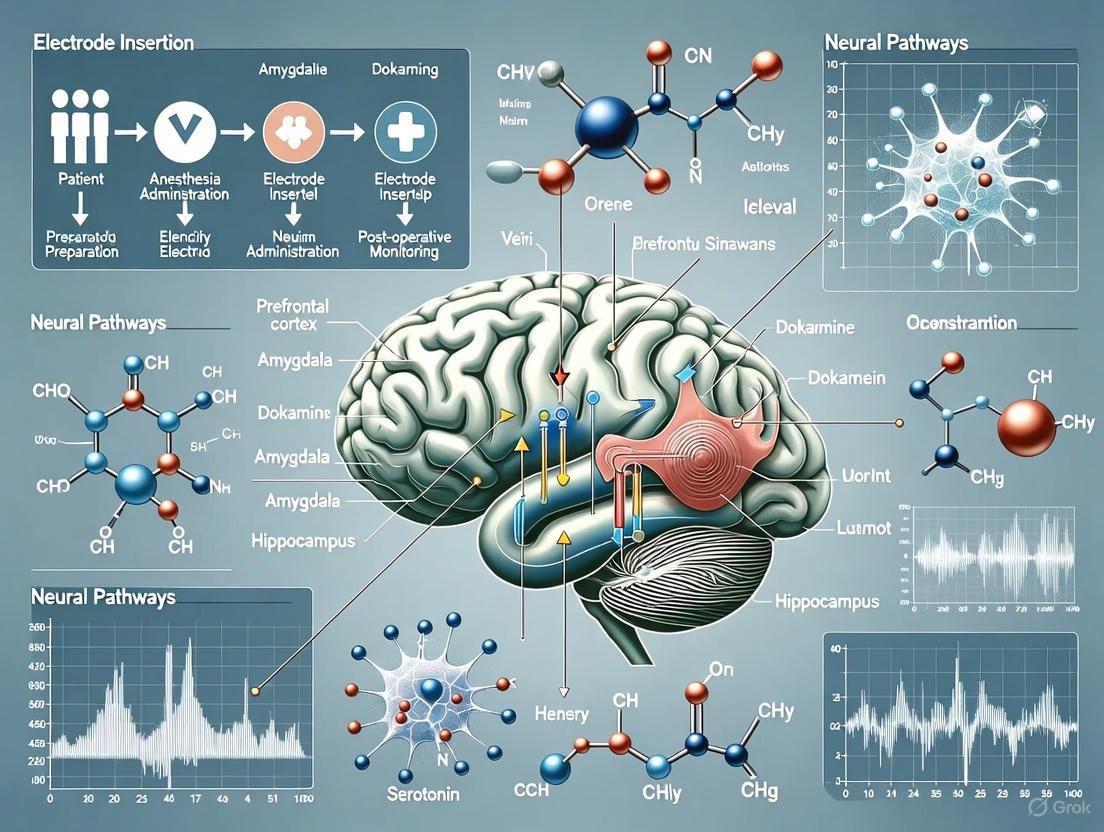
This article provides a comprehensive overview of stereotaxic surgery for Deep Brain Stimulation (DBS), addressing the needs of researchers, scientists, and drug development professionals.
Stereotaxic Surgery for Deep Brain Stimulation: Current Techniques, Clinical Applications, and Future Directions in Neuromodulation
Abstract
This article provides a comprehensive overview of stereotaxic surgery for Deep Brain Stimulation (DBS), addressing the needs of researchers, scientists, and drug development professionals. It covers the foundational principles and mechanistic theories of DBS, explores advanced methodological approaches including robotic systems and AI-integrated neuroimaging, analyzes hardware-related challenges and optimization strategies for safety and cost-effectiveness, and evaluates validation frameworks through clinical trials and comparative outcome studies. The synthesis of current evidence and emerging trends aims to inform research agendas and clinical trial design for next-generation neuromodulation therapies.
Foundational Principles and Evolving Mechanisms of Deep Brain Stimulation
The treatment of neurological disorders through targeted intervention in deep brain circuits represents a cornerstone of functional neurosurgery. The paradigm has evolved significantly from early ablative procedures, which created permanent lesions in dysfunctional neural circuits, to modern deep brain stimulation (DBS), which offers a reversible and adjustable neuromodulatory approach. This evolution has been driven by advances in understanding brain circuitry, neuroimaging, and surgical technology, fundamentally transforming patient outcomes. DBS involves the therapeutic use of chronic electrical stimulation delivered via implanted electrodes to specific deep brain structures, enabling bidirectional modulation of dysfunctional nervous system circuits [1]. Unlike its ablative predecessors, which aimed to irreversibly disrupt pathological pathways, DBS provides a sophisticated tool for modulating neural activity in a controlled and adaptable manner, permitting therapy to be tailored to individual patient needs and disease states.
The transition from ablation to stimulation mirrors broader trends in neuroscience toward circuit-based understanding of brain function and dysfunction. Whereas pallidotomy and thalamotomy provided the foundational evidence that discrete brain regions could be safely targeted to alleviate neurological symptoms, DBS has expanded this principle into a dynamic therapeutic platform. Modern DBS systems typically consist of three primary components: an implanted pulse generator (IPG) placed in the chest wall, extension wires that tunnel beneath the skin, and stimulating electrodes with multiple contacts that are stereotactically implanted in targeted brain regions [1]. This technological framework supports the delivery of controlled electrical impulses that therapeutically disrupt pathological activity while promoting more normalized neural firing patterns, establishing DBS as a powerful tool for managing a spectrum of neurological and neuropsychiatric conditions.
From Lesioning to Electrical Modulation: Historical Technical Foundations
The historical development of circuit-based neuromodulation reveals a progressive refinement of technique and precision. Ablative procedures, particularly pallidotomy and thalamotomy, demonstrated that targeted destruction of specific brain nuclei could effectively ameliorate symptoms of movement disorders like Parkinson's disease and essential tremor. These procedures established the foundational anatomical targets and surgical approaches that would later inform DBS target selection. However, the irreversible nature of tissue destruction, coupled with the risk of permanent neurologic deficits such as hemiballismus from subthalamic nucleus (STN) lesions, highlighted the need for safer, reversible alternatives [1].
The emergence of DBS in the late 1980s represented a transformative advance, offering comparable efficacy to ablation while minimizing permanent risks. Early DBS systems targeted the same structures that had been successfully ablated—the ventral intermediate nucleus (Vim) of the thalamus for tremor, the globus pallidus internus (GPi) for dystonia and Parkinson's disease, and later the STN for Parkinson's disease [1]. The initial mechanism of DBS was conceptualized as a "virtual lesion," disrupting pathologically elevated and oversynchronized informational flow in misfiring brain networks through high-frequency stimulation [1]. This perspective has since evolved to recognize more complex mechanisms involving local and network-wide electrical effects, modulation of oscillatory activity, and synaptic plasticity [2]. The reversibility and adjustability of DBS have proven particularly valuable, allowing clinicians to titrate therapy to optimal effect and adapt to disease progression or side effects—a critical advantage over permanent ablation.
Table: Comparison of Ablative Surgery and Deep Brain Stimulation
| Feature | Ablative Surgery | Deep Brain Stimulation |
|---|---|---|
| Nature of Intervention | Permanent tissue destruction | Reversible electrical modulation |
| Mechanism | Physical disruption of neural pathways | Complex effects on neural activity, oscillations, and plasticity [2] |
| Reversibility | Irreversible | Reversible (can be turned off) [1] |
| Adjustability | Fixed effect post-procedure | Programmable parameters (frequency, pulse width, voltage) [1] |
| Risks | Permanent neurological deficits | Hardware-related complications, infection, program-dependent side effects |
| Target Structures | Vim, GPi, STN | GPi, Vim, STN, VC/VS, ALIC, NAc [2] [1] |
Fundamental Mechanisms: From Neural Circuits to Clinical Effects
The therapeutic mechanisms of DBS operate across multiple spatial and temporal scales, reflecting the complexity of neural network dysfunction in neurological disorders. Early conceptualizations of DBS as a simple "neural jamming" or inhibitory process have given way to more nuanced models that account for its diverse effects on local cells, afferent and efferent fibers, glial cells, and network-wide oscillations [2]. Rather than a single unifying mechanism, DBS likely acts via several non-exclusive pathways including local and network-wide electrical and neurochemical effects, modulation of oscillatory activity, synaptic plasticity, and potentially neuroprotection and neurogenesis [2]. The relative importance of these mechanisms varies depending on the condition being treated and the specific target being stimulated.
The time course of clinical effects provides important clues to the underlying mechanisms of DBS. Symptoms respond to stimulation with characteristically different temporal profiles: essential tremor improves within seconds of Vim stimulation, while Parkinsonian rigidity and bradykinesia respond over minutes to hours with STN stimulation, and dystonic symptoms may require months of GPi stimulation for maximal benefit [2]. Similarly, in psychiatric applications, obsessive-compulsive disorder symptoms typically improve gradually over months of ventral capsule/ventral striatum (VC/VS) stimulation [2]. These varied response trajectories suggest that different mechanisms predominate for different symptoms—rapidly reversible effects like disruption of pathological oscillations for immediate symptom control, and longer-term mechanisms such as synaptic plasticity and structural remodeling for delayed benefits [2]. The therapeutic effect ultimately arises from integrated processes across local, circuit, and network levels, modulating the aberrant neural activity that underlies specific neurological and psychiatric symptoms.
Modern DBS Workflow: From Preoperative Planning to Postoperative Programming
The implementation of DBS therapy requires meticulous preoperative planning, precise surgical execution, and careful postoperative management. Modern DBS workflows integrate advanced neuroimaging, stereotactic targeting, and neurophysiological confirmation to optimize electrode placement and therapeutic outcomes. Preoperative identification of target structures has been revolutionized by advances in magnetic resonance imaging (MRI), particularly high-field MRI, susceptibility-weighted imaging (SWI), and quantitative susceptibility mapping (QSM), which enable enhanced visualization of deep brain nuclei and critical vascular structures [3]. These imaging techniques, combined with connectomics-based approaches, facilitate patient-specific targeting based on individual anatomy and structural connectivity, moving beyond standardized atlas coordinates.
Surgical implantation employs either frame-based or frameless stereotactic systems to achieve submillimeter accuracy in electrode placement. Robotic-assisted stereotaxy has emerged as a valuable tool for enhancing precision and reducing human error, with reported radial placement errors of less than 1.14±0.11mm in experienced centers [4]. Intraoperative confirmation of target localization may incorporate microelectrode recording (MER) to map electrophysiological signatures of target structures, macrostimulation to assess therapeutic effects and side effects, and in some cases, intraoperative MRI to verify lead position [1]. For awake procedures, patient feedback during temporary stimulation provides valuable information about therapeutic efficacy and potential adverse effects before permanent implantation [1]. This multimodal approach to surgical targeting maximizes the likelihood of optimal electrode placement while minimizing risks.
Table: Key Technical Components in Modern DBS Procedures
| Component | Technical Specifications | Function in DBS Procedure |
|---|---|---|
| Implantable Pulse Generator (IPG) | Battery-powered, titanium housing; programmable parameters (frequency, pulse width, amplitude) [1] | Generates controlled electrical pulses for therapeutic stimulation |
| DBS Lead | Four platinum-iridium electrodes; insulated polyurethane coating [1] | Delivers electrical stimulation to targeted brain regions |
| Microelectrode Recording | 1-5 microelectrodes; single-neuron resolution [1] | Maps electrophysiological signatures for target confirmation |
| Stereotactic Systems | Frame-based or frameless; robotic assistance (e.g., ROSA) [4] | Enables precise trajectory planning and electrode navigation |
| High-Field MRI | 3T or higher; SWI, QSM sequences [3] | Visualizes target nuclei and vasculature for surgical planning |
Stereotaxic Surgical Workflow
Experimental and Clinical Applications: Expanding Indications and Approaches
The therapeutic applications of DBS have expanded considerably from initial focus on movement disorders to include various neurological and psychiatric conditions. For Parkinson's disease, DBS typically targets either the STN or GPi, with both targets providing significant improvement in motor symptoms, though with differential effects—STN allows greater reduction in dopaminergic medication, while GPi may offer better control of dyskinesias [1]. Essential tremor is most effectively treated with Vim thalamus stimulation, providing rapid tremor suppression within seconds of activation [2]. Dystonia responds well to GPi stimulation, though unlike tremor, maximal benefit often requires months of continuous therapy [2]. These applications represent the best-established indications for DBS, with robust evidence supporting their efficacy.
Beyond movement disorders, DBS has received humanitarian device exemption approval or is under active investigation for numerous other conditions. The anterior limb of the internal capsule (ALIC) and VC/VS are targeted for obsessive-compulsive disorder, while the subgenual cingulate (Cg25) and other nodes in the depression network are stimulated for treatment-resistant depression [2]. The anterior thalamic nucleus is an established target for refractory epilepsy, and the CM thalamus and GPi are stimulated for Tourette's syndrome [2]. Emerging applications include stimulation of the fornix or nucleus basalis of Meynert for Alzheimer's disease, the nucleus accumbens for addiction, and various targets for chronic pain, cluster headache, and disorders of consciousness [2]. This expanding therapeutic landscape reflects growing understanding of the circuit basis of diverse brain disorders and the potential for targeted neuromodulation to restore normal function.
Multi-Target Neurostimulation for Complex Disorders
Network-level approaches represent the frontier of DBS therapy, moving beyond single-target stimulation to address the distributed circuit abnormalities underlying many neurological and psychiatric disorders. Multi-target neurostimulation involves simultaneous implantation of electrodes in two or more distinct anatomical regions to modulate broader neural networks [5]. This approach recognizes that many neurological and psychiatric diseases arise from dysfunction in distributed networks rather than isolated brain regions, potentially offering superior efficacy for complex symptom profiles. Clinical studies have explored multi-target approaches for Parkinson's disease with gait disturbances, combining STN with pedunculopontine nucleus (PPN) stimulation; for essential tremor and multiple sclerosis tremor targeting both Vim and GPi; and for obsessive-compulsive disorder with depression, stimulating both VC/VS and Cg25 [5].
The technological requirements for multi-target DBS are more complex than conventional approaches, requiring advanced IPGs capable of managing multiple independent stimulation programs and sophisticated programming strategies to optimize interactions between targets. Current research focuses on developing system-on-chip micro-stimulators, distributed interface systems, and advanced programming algorithms to make multi-target stimulation clinically practical [5]. While most clinical evidence for multi-target DBS currently comes from small case series rather than large randomized trials, preliminary results suggest potential benefits for patients with complex or treatment-resistant symptoms. The future clinical implementation of multi-target approaches will depend on both technological advances and improved understanding of network-level dysfunction across neurological and psychiatric disorders.
Table: DBS Targets and Applications for Neurological and Psychiatric Disorders
| Disorder | Primary DBS Targets | Clinical Effects | Response Time Course |
|---|---|---|---|
| Parkinson's Disease | STN, GPi, Vim [2] [1] | Improves tremor, rigidity, bradykinesia; reduces medication needs | Tremor: seconds; Rigidity/Bradykinesia: minutes-hours; Axial symptoms: days [2] |
| Essential Tremor | Vim [2] | Tremor suppression | Seconds [2] |
| Dystonia | GPi [2] | Reduces involuntary movements, improves posture | Phasic movements: early; Tonic symptoms: months [2] |
| Obsessive-Compulsive Disorder | VC/VS, ALIC, NAc [2] | Reduces compulsions, improves mood and anxiety | Mood/anxiety: immediate; OCD symptoms: months [2] |
| Epilepsy | Anterior Thalamic Nucleus [2] | Seizure reduction | Variable |
| Depression | Cg25, ALIC, NAc [2] | Improves mood, anhedonia | Immediate calmness; Mood improvement: days-weeks [2] |
Advanced Programming Paradigms: From Static to Adaptive DBS
Traditional DBS programming involves manual adjustment of stimulation parameters—frequency, pulse width, and voltage—based on clinical observation during periodic clinic visits. This static approach fails to address the dynamic nature of brain states and symptom fluctuations throughout the day. Recent advances have focused on developing adaptive DBS (aDBS) systems that automatically adjust stimulation parameters in response to changing neural activity [6]. These closed-loop systems continuously monitor local field potentials (LFPs) or other biomarkers and modulate stimulation in real time, creating a more responsive and personalized therapeutic approach.
The development of adaptive DBS has been enabled by technological advances in sensing capable IPGs, such as the Medtronic Percept PC with BrainSense technology, which can simultaneously stimulate and record neural activity [6]. A key biomarker driving aDBS for Parkinson's disease is beta-band oscillatory activity (13-30 Hz), which correlates with rigidity and bradykinesia severity [6]. When elevated beta activity is detected, indicating worsening symptoms, the system automatically increases stimulation intensity; as beta activity normalizes, stimulation is reduced. Clinical studies including the ADAPT-PD trial have demonstrated that aDBS can improve symptom control while reducing total energy delivery compared to conventional continuous stimulation [6]. Future directions for adaptive stimulation include integrating multiple biomarkers, combining neural signals with wearable sensor data, and implementing artificial intelligence algorithms to predict symptom fluctuations before they occur, enabling preemptive stimulation adjustments.
Experimental Protocol: Closed-Loop DBS for Parkinson's Disease
The advancement of circuit-based neuromodulation research depends on specialized tools and methodologies that enable precise investigation of neural circuits and their modulation. The research toolkit spans from molecular probes to complete clinical systems, each playing a critical role in elucidating mechanisms and optimizing therapies. Microelectrode recording systems provide the foundation for intraoperative neurophysiological mapping, allowing researchers to identify target structures based on their characteristic firing patterns and to validate electrode placement [1]. These systems typically incorporate 1-5 microelectrodes that can record single-neuron activity, enabling precise functional mapping of brain regions during DBS implantation procedures.
Advanced neuroimaging resources represent another essential component of the neuromodulation research toolkit. High-field MRI (3T or higher) with specialized sequences including susceptibility-weighted imaging (SWI) and quantitative susceptibility mapping (QSM) enables detailed visualization of deep brain nuclei and their structural connectivity [3]. Connectomics approaches analyze white matter pathways and network connectivity to optimize target selection and understand variability in treatment response. For postoperative verification of electrode placement, computed tomography (CT) and MRI are used to reconstruct lead positions and model the volume of tissue activated, correlating stimulation fields with clinical effects [8]. Computational modeling platforms complete the toolkit, enabling simulation of electric fields, neural activation, and network effects of stimulation to guide parameter selection and target optimization.
Table: Essential Research Resources for Circuit-Based Neuromodulation Studies
| Research Tool | Specifications | Experimental Application |
|---|---|---|
| Microelectrode Recording System | 1-5 microelectrodes; single-unit resolution [1] | Intraoperative neurophysiological mapping and target confirmation |
| High-Field MRI with SWI/QSM | 3T or higher; susceptibility-weighted sequences [3] | Preoperative target visualization and vascular anatomy mapping |
| Robotic Stereotactic System | e.g., ROSA Brain; submillimeter accuracy [4] | Precise electrode implantation with reduced human error |
| Computational Modeling Platform | Volume of tissue activated (VTA) models; connectomic analysis [8] | Simulation of stimulation effects and optimization of parameters |
| Local Field Potential Recording | Sensing-capable IPG (e.g., Percept PC); beta-band oscillation detection [6] | Biomarker identification for adaptive DBS algorithms |
| Multi-Target Neurostimulation Platform | System-on-chip technology; independent current control [5] | Investigation of network-level modulation for complex disorders |
Future Directions: Precision Neuromodulation and Distributed Interfaces
The future of circuit-based neuromodulation lies in advancing toward increasingly precise, personalized, and network-oriented approaches. Emerging technologies including genetics-based tools (optogenetics, chemogenetics), materials-based approaches (photothermal, photoelectric nanoparticles), and physics-based techniques (temporal interference, focused ultrasound) offer potential for enhanced spatiotemporal resolution and cell-type specificity [9]. While most of these approaches remain experimental for human application, they represent promising directions for next-generation neuromodulation that can target specific neural populations within complex circuits.
Another significant frontier involves the development of distributed brain interfaces that can simultaneously modulate multiple nodes within a pathological network. Current DBS systems typically target one or two brain regions, but many neurological disorders involve distributed network dysfunction that may be more effectively addressed with multi-target approaches [5]. Technological barriers to implementing distributed interfaces include power management for multiple stimulators, miniaturization of hardware, and development of closed-loop algorithms capable of integrating signals from multiple recording sites [5]. As these technologies mature, they may enable fundamentally new approaches to treating complex brain disorders by modulating entire networks rather than discrete targets. The successful translation of these advanced approaches will require close collaboration between neuroengineers, computational neuroscientists, and clinicians to ensure that technological innovations address genuine clinical needs and can be practically implemented in patient care.
The evolution from ablative surgery to modern deep brain stimulation represents a paradigm shift in how we approach the surgical treatment of neurological and psychiatric disorders. This journey has transformed irreversible lesioning procedures into adjustable, reversible neuromodulatory interventions that can be personalized to individual patient needs and disease states. The field has progressed from conceptualizing brain circuits as simple pathways requiring disruption to understanding them as complex, dynamic networks that can be therapeutically modulated. Current DBS technology, with its capacity for targeted electrical stimulation of specific brain regions, has established itself as a powerful therapeutic tool for a growing spectrum of conditions, with an expanding evidence base supporting its efficacy and safety.
Looking ahead, the convergence of advanced neuroimaging, closed-loop stimulation algorithms, distributed interface technology, and precision neuromodulation approaches promises to further transform the field. Adaptive DBS systems that respond in real time to neural biomarkers represent the immediate future of the technology, while multi-target approaches and novel stimulation modalities offer potential for addressing more complex and treatment-resistant conditions. As these technologies develop, maintaining focus on equitable access will be essential, ensuring that the benefits of advancing neuromodulation therapies are available to all patient populations regardless of geographic, socioeconomic, or demographic factors [10]. The continued evolution of circuit-based neuromodulation will undoubtedly further blur the boundaries between neurological and psychiatric treatments, offering new hope for patients with disorders previously considered untreatable.
Deep Brain Stimulation (DBS) represents a cornerstone of neuromodulatory therapy for movement disorders and is increasingly applied to neuropsychiatric conditions. Despite its clinical success, the precise neurophysiological mechanisms through which DBS exerts its therapeutic effects remain an area of intense investigation. This whitepaper synthesizes current mechanistic theories, focusing on three principal frameworks: the informational lesion hypothesis, network modulation, and antidromic drive. Understanding these mechanisms is critical for advancing stereotaxic surgical approaches, optimizing target engagement, and developing next-generation adaptive DBS systems. The integration of these theories provides a cohesive model that explains both immediate neuromodulatory effects and long-term neuroadaptive changes observed across neurological and psychiatric patient populations.
Informational Lesion Hypothesis
Theoretical Foundation
The informational lesion theory proposes that high-frequency DBS does not inhibit neural activity but rather creates a functional deafferentation by disrupting the transmission of pathological neural signals through the stimulated region [11] [12]. Unlike surgical ablation, which permanently destroys tissue, DBS creates a reversible, "informational" block that prevents faulty neural information from propagating through brain networks while preserving anatomical integrity. This theory explains why DBS effects often mimic those of lesioning procedures (e.g., pallidotomy or thalamotomy) while offering the advantage of adjustability and reversibility [11].
Cellular Mechanisms and Experimental Evidence
Recent experimental studies have provided direct evidence for the informational lesion mechanism through cellular-level investigations. Research in awake, behaving mice has demonstrated that DBS generates powerful somatic membrane depolarization that interferes with neuronal information processing capabilities [13].
Table 1: Key Experimental Findings Supporting Informational Lesion Theory
| Experimental Parameter | Finding | Significance |
|---|---|---|
| Somatic Membrane Potential | Powerful depolarization during DBS | Creates state of reduced responsiveness to synaptic inputs |
| Spike Rate | No suppression during 140 Hz DBS | Challenges simple inhibitory mechanism |
| Neuronal Responsiveness | Reduced response to optogenetically evoked theta-rhythmic inputs | Direct evidence of input processing disruption |
| Stimulation Frequency | 140 Hz more effective than 40 Hz | Correlates with clinical efficacy of high-frequency DBS |
| Voltage Entrainment | Membrane potential and spike timing paced to stimulation frequency | Imposes regular activity pattern, disrupting intrinsic rhythms |
In these experiments, high-speed membrane voltage fluorescence imaging of individual hippocampal CA1 neurons during DBS (40 Hz or 140 Hz) revealed that DBS powerfully depolarized somatic membrane potentials without suppressing spike rate, particularly at the clinically effective 140 Hz frequency [13]. This depolarization was correlated with DBS-mediated suppression of neuronal responses to optogenetically evoked inputs, demonstrating that DBS creates a functional lesion by interfering with the ability of individual neurons to respond to their natural synaptic inputs [13].
Experimental Protocol: Membrane Voltage Imaging During DBS
The following methodology outlines the key experimental approach for investigating informational lesions:
Animal Preparation: Awake, head-fixed mice navigating a spherical treadmill with chronically implanted optical imaging windows over hippocampal CA1 region.
Viral Vector Expression: AAV9-Syn-SomArchon-p2A-CoChR-Kv2.1 infusion to co-express the genetically encoded voltage indicator SomArchon and channelrhodopsin CoChR in the same neurons.
Optical Setup: Widefield microscope with 40X objective (NA = 0.8), 637 nm red laser for SomArchon excitation through a 620/60 nm filter, and high-speed sCMOS camera collecting near-infrared fluorescence at 828 Hz.
DBS Electrode Placement: Stimulation electrode positioned ~200 µm below the imaging plane, ~0.2-2 mm from recorded neurons, with skull screw over cerebellum as ground.
Stimulation Protocol: DBS delivered at 40 Hz or 140 Hz for 1-second duration every 12 seconds, with biphasic pulses of 400 µs total width at amplitudes ranging 10-60 µA.
Optogenetic Activation: Blue light pulses delivered to evoke theta-rhythmic (3-12 Hz) membrane depolarization at soma to test neuronal responsiveness during DBS.
Data Analysis: SomArchon fluorescence traces analyzed for membrane potential dynamics, spike identification, and response to optogenetic inputs with and without DBS.
Figure 1: Informational Lesion Mechanism. High-frequency DBS causes membrane depolarization and entrainment, disrupting normal integration of synaptic inputs and resulting in patterned output that masks pathological activity.
Network Modulation in Cortico-Striatal-Thalamo-Cortical Circuits
Circuit-Level Pathophysiology
The network modulation theory posits that DBS acts by altering pathological activity patterns within distributed neural circuits rather than through localized effects alone. This mechanism is particularly relevant for understanding DBS efficacy in obsessive-compulsive disorder (OCD), where dysfunction within cortico-striatal-thalamo-cortical (CSTC) circuits is well-established [12] [14]. In OCD, prefrontal cortical hyperactivity—particularly in the orbitofrontal cortex (OFC) and anterior cingulate cortex (ACC)—creates a pathological imbalance between direct and indirect pathways within CSTC loops, leading to characteristic symptoms of obsessive thoughts and compulsive behaviors [12].
DBS-Induced Network Normalization
Effective DBS targeting key nodes within these circuits produces a normalization of pathological network activity. Neuroimaging studies demonstrate that successful DBS for OCD reduces the overconnectivity between the prefrontal cortex and its striatal targets, with the degree of reduction correlating with symptom improvement [12] [14]. This network modulation occurs through several potential mechanisms:
Disruption of Pathological Oscillations: High-frequency stimulation interferes with abnormal low-frequency oscillations that maintain pathological circuit states.
Activation of Fiber Tracts: DBS activates passing fiber systems that modulate distant network nodes through orthodromic and antidromic signaling.
Synaptic Plasticity: Chronic stimulation induces long-term changes in synaptic strength that gradually reshape circuit function.
Table 2: DBS Targets and Network Effects in OCD
| Stimulation Target | Circuit Modulated | Clinical Effects | Time Course |
|---|---|---|---|
| Anterior Limb of Internal Capsule (ALIC) | Affective, ventral cognitive CSTC circuits | Reduced anxiety, improved mood | Immediate mood effects, gradual OCD reduction over months |
| Ventral Capsule/Ventral Striatum (VC/VS) | Affective, dorsal cognitive CSTC circuits | Reduced compulsions, improved executive function | Similar to ALIC with gradual symptom improvement |
| Subthalamic Nucleus (STN) | Sensorimotor, associative CSTC circuits | Reduced repetitive behaviors, decreased compulsions | Rapid reduction in OCD symptoms in blinded studies |
| Nucleus Accumbens (NAc) | Affective, reward-related circuits | Reduced anxiety, decreased reward-based compulsions | Mixed immediate and gradual effects depending on symptoms |
| Bed Nucleus of Stria Terminalis (BNST) | Extended amygdala circuits | Reduced anxiety, improved threat assessment | Investigational target with promising early results |
Experimental Protocol: Network Modulation Imaging
Research into network-level effects of DBS employs multi-modal imaging and electrophysiological approaches:
Patient Selection: Treatment-refractory OCD patients meeting strict criteria for DBS implantation.
Preoperative Imaging: High-resolution structural MRI (T1, T2, FLAIR, SWI) for direct targeting, with quantitative analysis of signal-to-noise ratio (SNR), contrast, and signal difference-to-noise ratio (SDNR) for optimal nucleus delineation [15]. FLAIR sequences typically provide optimal STN visualization with highest contrast and SDNR.
Intraoperative Recording: Single-track multipass microelectrode recording using platinum-iridium microelectrodes to identify sensorimotor regions through characteristic firing patterns.
Postoperative Assessment: Resting-state functional MRI to measure changes in functional connectivity between prefrontal cortical regions and striatal targets following stimulation.
Clinical Outcome Measures: Standardized rating scales (Y-BOCS for OCD, MADRS for depression) correlated with connectivity changes across short-term (weeks), medium-term (months), and long-term (years) follow-up periods.
Figure 2: CSTC Circuit Modulation in OCD DBS. DBS targets like ALIC/VC/VS modulate pathological hyperactivity in CSTC circuits through combined antidromic and orthodromic effects, restoring balance between direct and indirect pathways.
Antidromic Drive and Circuit Mechanisms
Antidromic Activation Theory
The antidromic drive hypothesis suggests that DBS activates axons passing near the electrode in a retrograde direction, influencing upstream neural populations that project to the stimulated region [12] [2]. This antidromic activation can recruit inhibitory interneurons that impose rhythmic activity on local circuits based on DBS stimulation parameters. Rather than simply inhibiting or exciting local neurons, DBS creates a new, artificial pattern of neural activity that overrides or disrupts pathological oscillations [12].
Multimodal Circuit Engagement
Antidromic effects work in concert with orthodromic activation (stimulation in the forward direction) and synaptic plasticity to produce both immediate and long-term therapeutic benefits. The combination of these mechanisms explains the varied temporal dynamics of DBS effects across different disorders:
Table 3: Temporal Dynamics of DBS Effects Across Disorders
| Condition | DBS Target | Rapid Effects (seconds-minutes) | Delayed Effects (hours-days) | Long-term Effects (weeks-months) |
|---|---|---|---|---|
| Essential Tremor | Vim thalamus | Tremor suppression | - | - |
| Parkinson's Disease | STN/GPi | Tremor reduction, rigidity/bradykinesia improvement | Axial symptom relief | Possible synaptic plasticity |
| Dystonia | GPi | Phasic movement improvement | Tonic symptom relief | Marked progressive improvement |
| OCD | ALIC/VC/VS | Mood, anxiety improvement | - | Gradual OCD symptom reduction |
| Depression | Cg25 | Immediate calmness, lightness | Improved interest, activity | Remission in some patients |
The immediate effects of DBS are likely mediated by direct neuromodulatory mechanisms including antidromic drive, while the more gradual and long-lasting benefits involve synaptic plasticity and potentially neurotrophic effects [2]. In Parkinson's disease, for instance, STN-DBS provides rapid relief of tremor (seconds), with improvements in rigidity and bradykinesia occurring over minutes to hours, and axial symptoms showing delayed improvement over hours or days [2]. Similarly, in OCD, DBS produces immediate improvements in mood and anxiety, while reduction in core OCD symptoms evolves gradually over months of stimulation [12] [2].
Experimental Protocol: Differentiating Antidromic vs. Orthodromic Effects
To investigate antidromic mechanisms, researchers employ combined electrophysiological and optogenetic approaches:
Retrograde Tracer Injection: Fluorescent retrograde tracers injected into DBS target regions to identify presynaptic neuronal populations.
Optogenetic Sensitization: Channelrhodopsin expression in presynaptic neurons via retrograde-transporting viral vectors (e.g., CAV2-Cre).
Combined Stimulation Paradigm: DBS delivered simultaneously with optogenetic activation of presynaptic neurons while recording from postsynaptic targets.
Spike-Triggered Averaging: Analysis of temporal relationships between presynaptic and postsynaptic spiking to distinguish antidromic from orthodromic activation.
Pharmacological Blockade: Application of synaptic transmission blockers (e.g., TTX, glutamate receptor antagonists) to isolate direct (antidromic) from indirect (orthodromic) effects.
The Scientist's Toolkit: Research Reagent Solutions
Table 4: Essential Research Reagents for DBS Mechanism Investigation
| Reagent/Tool | Category | Primary Research Application | Key Features & Considerations |
|---|---|---|---|
| SomArchon Voltage Sensor | Genetically Encoded Voltage Indicator | Real-time membrane potential imaging during DBS | Artifact-free recording during electrical stimulation; sub-millisecond temporal resolution [13] |
| Channelrhodopsins (CoChR) | Optogenetic Actuator | Controlled neuronal activation during DBS protocols | Compatible with voltage imaging; enables input-output relationship testing [13] |
| Microelectrodes (Platinum-Iridium) | Electrophysiology | Intraoperative recording and microstimulation | Single-unit recording for sensorimotor region identification; typical impedance: 1 MΩ [16] |
| 3D Stereotactic MRI Sequences | Neuroimaging | Preoperative targeting and postoperative lead localization | FLAIR provides optimal STN contrast; SWI offers highest SNR [15] |
| Retrograde Tracers (CAV2-Cre) | Neural Circuit Tracing | Identification of afferent projections to DBS targets | Enables optogenetic sensitization of presynaptic neurons for antidromic studies |
Implications for Stereotaxic Surgery and Future Directions
The integration of these mechanistic theories has profound implications for stereotaxic surgical approaches in DBS research and clinical practice. Understanding that DBS acts through informational lesions, network modulation, and antidromic drive suggests that optimal electrode placement should consider not only anatomical nuclei but also key white matter pathways and network nodes. The emergence of connectomic targeting—which uses structural and functional connectivity information to personalize electrode placement—represents a direct clinical application of these mechanistic insights [11].
Future directions in DBS research include the development of closed-loop systems that adapt stimulation parameters in real-time based on detected neural signatures of pathology [11]. The combination of advanced sensing capabilities with directional leads allows for more precise targeting of pathological circuit dynamics while minimizing side effects. Furthermore, the progressive elucidation of DBS mechanisms across different disorders will enable more personalized target selection based on individual symptom profiles and underlying circuit dysfunction.
As mechanistic understanding advances, stereotaxic surgery for DBS continues to evolve from pure anatomical targeting toward circuit-based neuromodulation, with the ultimate goal of delivering the right stimulation to the right neural circuits at the right time for each individual patient.
Anatomical target selection represents a cornerstone of deep brain stimulation (DBS), fundamentally influencing therapeutic efficacy across neurological and psychiatric disorders. This technical guide examines the established targets for movement disorders—the subthalamic nucleus (STN) and globus pallidus internus (GPi)—and explores emerging nodes for psychiatric conditions, framed within the advanced context of stereotaxic surgery research. The evolution from pure anatomical targeting toward patient-specific, symptom-informed, and circuit-based approaches marks a paradigm shift in the field, enabled by sophisticated neuroimaging, electrophysiological monitoring, and a deepening understanding of brain network dysfunction [17] [18]. This document provides researchers and drug development professionals with a comprehensive overview of current target selection methodologies, quantitative outcome data, detailed experimental protocols, and the essential toolkit required for contemporary DBS research.
Established Targets for Movement Disorders
Subthalamic Nucleus (STN)
The STN is a predominant DBS target for Parkinson's disease (PD), particularly effective for treating tremor, bradykinesia, and rigidity. Its efficacy is linked to the modulation of pathological beta oscillatory activity (8-35 Hz) within the basal ganglia-thalamocortical (BGTC) network [19]. STN-DBS allows for significant postoperative reduction of dopaminergic medication, often by approximately 50% on average [20].
Globus Pallidus Internus (GPi)
GPi-DBS provides comparable overall motor improvement to STN-DBS but is distinguished by its potent anti-dyskinetic effect [20]. This target often permits the maintenance of pre-operative levodopa equivalent doses, making it a preferred option for patients with troublesome, medication-induced dyskinesias. Its modulation also influences abnormal beta oscillatory activity within the BGTC circuit [19].
Table 1: Comparison of Primary DBS Targets for Parkinson's Disease
| Feature | Subthalamic Nucleus (STN) | Globus Pallidus Internus (GPi) |
|---|---|---|
| Overall Motor Improvement | 30-60% improvement in UPDRS-III scores [20] | 30-60% improvement in UPDRS-III scores [20] |
| Medication Reduction | ~50% average reduction possible [20] | Medication doses typically remain similar [20] |
| Key Distinctive Benefit | Effective for tremor; significant medication reduction | Powerful anti-dyskinetic effect [20] |
| Considerations | Generally avoided in patients with depression or cognitive impairment [20] | May be preferred when neuropsychiatric concerns exist [20] |
| Pathophysiological Marker | Associated with elevated beta power in the BGTC network [19] | Associated with elevated beta power in the BGTC network [19] |
Symptom-Specific Network Targeting
Modern DBS research has moved beyond treating Parkinson's disease as a monolithic entity. Investigations now focus on identifying and modulating discrete neural circuits that underlie specific symptom domains. A 2024 study analyzed data from 237 patients across five centers to map the white matter tracts associated with improvement in each of the four cardinal motor symptoms [17].
This research revealed a distinct rostrocaudal gradient of symptom-response tracts at the subthalamic level:
- Tremor: Improvement is associated with stimulation of tracts connected to the primary motor cortex and the cerebellum (decussating cerebellothalamic pathway) [17].
- Rigidity: Improvement is linked to stimulation of tracts connected to the pre-Supplementary Motor Area (pre-SMA) [17].
- Bradykinesia: Improvement is associated with stimulation of tracts connected to the Supplementary Motor Area (SMA) [17].
- Axial Symptoms (e.g., gait): Improvement is linked to stimulation of tracts connected to the SMA and a pathway to the brainstem near the pedunculopontine nucleus (PPN) [17].
This symptom-tract model enables the development of algorithms that personalize stimulation parameters based on a patient's unique symptom profile, a strategy known as "network blending" [17].
Emerging Targets for Psychiatric Disorders
While STN and GPi are well-established for movement disorders, DBS is also being investigated for treatment-resistant psychiatric conditions. A 2025 meta-analysis of treatment-resistant obsessive-compulsive disorder (TROCD) evaluated the efficacy of various anatomical targets [21].
Table 2: Emerging DBS Targets for Treatment-Resistant Obsessive-Compulsive Disorder (TROCD)
| Anatomical Target | Therapeutic Efficacy (Y-BOCS Reduction) | Key Findings |
|---|---|---|
| Nucleus Accumbens (NAc) | Significant improvement | Effective for OCD symptoms, comorbid depression, and anxiety [21]. |
| Anterior Limb of Internal Capsule (ALIC) | Significant improvement | Demonstrated efficacy in multiple studies; a commonly targeted region [21]. |
| Ventral ALIC (vALIC) | Significant improvement | A sub-region of the ALIC showing promise for symptom alleviation [21]. |
| Multiple Targets | Variable | Seven different targets were evaluated across seven randomized controlled trials (RCTs), indicating ongoing exploration [21]. |
The meta-analysis found that in RCTs, DBS for TROCD reduced Y-BOCS scores by 18% (7.3 points), while open-label trials showed a 43% improvement (14.5 points). At the last follow-up, 59.5% of participants were responders (≥35% Y-BOCS reduction), and 35.6% achieved remission (Y-BOCS ≤14) [21].
Experimental Protocols in DBS Research
Protocol: Investigating Beta Oscillations in a Progressive Non-Human Primate Model of Parkinson's Disease
This protocol is designed to study the evolution of abnormal beta oscillatory activity across the BGTC network as parkinsonian motor signs emerge [19].
1. Subjects and Surgical Procedures:
- Subjects: Two adult female rhesus macaques (Macaca mulatta).
- Preoperative Planning: Co-register preoperative cranial CT and 7-T MRI images using a neurosurgical navigation program (e.g., Monkey Cicerone) [19].
- Implantation: Implant scaled-down human DBS leads bilaterally into the STN and GPi/GPe. Confirm lead locations using fused pre-implantation MRI and post-implantation CT with 3D Slicer software. In a separate procedure, implant a 96-channel microelectrode array targeting the primary motor cortex (M1) and motor thalamus [19].
2. Progressive Parkinsonism Model:
- Neurotoxin Administration: Induce parkinsonism progressively via weekly systemic intramuscular injections of low-dose MPTP (0.2-0.4 mg/kg) [19].
- Behavioral Assessment: After each injection and a 72-hour biohazard isolation period, assess the presence and severity of PD motor signs using a modified Unified Parkinson's Disease Rating Scale (mUPDRS). A mild parkinsonian state is defined as an mUPDRS score of 3-15 [19].
3. Neural Signal Acquisition and Processing:
- Data Collection: Perform simultaneous neural recordings from the STN, GPi, GPe, motor thalamus, and M1 during rest using a TDT workstation operating at ~24 kHz [19].
- Signal Processing:
- Bandpass filter raw signals (0.5-300 Hz) and down-sample.
- Extract Local Field Potential (LFP) activity from DBS leads using a bipolar montage of adjacent contacts within each target.
- Obtain a mean M1 LFP from multiple microelectrodes in the arm area.
- Divide LFPs into 5-second segments during awake, non-movement states, z-score normalize, and exclude segments with movement artifacts [19].
- Power Analysis: Characterize beta oscillatory power (8-35 Hz) in each node of the BGTC network across conditions and correlate changes with emerging motor signs.
Protocol: Intraoperative Monitoring for Target Verification
This protocol details the use of intraoperative physiological monitoring to refine final electrode placement, a critical step for successful DBS outcomes [22].
1. Preoperative Planning:
- Define the initial surgical target based on fused preoperative MRI and CT imaging. For STN, a common initial target is 12.5 mm lateral, 1.8 mm posterior, and 3.5 mm ventral to the midcommissural point [23].
2. Intraoperative Microelectrode Recording (MER):
- Advance microelectrodes to the planned target.
- Record extracellular activity to identify characteristic neuronal discharge patterns (e.g., kinesthetic cells in motor territories) to delineate the anatomical borders of the target nucleus (STN, GPi) and surrounding structures [22].
3. Intraoperative Test Stimulation:
- Deliver test stimulation through the macroelectrode or microelectrode.
- Assess for:
- Therapeutic Effects: Improvement in rigidity or tremor.
- Side Effects: Induction of motor, sensory, or visual phenomena that indicate proximity to adjacent structures like the internal capsule or optic tract [22].
4. Electrode Repositioning:
- Based on integrated data from MER and test stimulation, adjust the final electrode position if the initial placement is suboptimal. This occurs in approximately 40% of cases, though the rate decreases with surgical experience [22].
The Scientist's Toolkit: Essential Research Reagents and Materials
Table 3: Key Research Reagents and Materials for DBS Investigations
| Item | Function/Application | Example/Specification |
|---|---|---|
| Non-Human Primate (NHP) Model | Progressive model of parkinsonism for studying disease evolution and therapy. | Rhesus macaque with sequential low-dose MPTP injections [19]. |
| DBS Leads | Implantable multi-contact electrodes for chronic stimulation and recording. | 8- or 12-contact leads (e.g., NuMED, Inc.; Heraeus Medical Components) [19]. |
| Microelectrode Arrays | High-density neural recording from cortical and subcortical structures. | 96-channel array with tungsten microelectrodes (e.g., Gray Matter Research, LLC) [19]. |
| Stereotactic Navigation System | Precise surgical planning and electrode trajectory calculation. | Frameless stereotaxy systems integrating pre-op MRI/CT (e.g., Monkey Cicerone) [19]. |
| Neural Signal Processing Platform | Data acquisition, filtering, and analysis of local field potentials (LFPs) and single-unit activity. | TDT (Tucker Davis Technologies) workstation and customized MATLAB scripts [19]. |
| Lead-DBS Software Platform | Open-source toolbox for electrode localization, stimulation modeling, and connectomic analysis. | Lead-DBS v3.0 for image preprocessing, lead reconstruction, and VTA modeling [23]. |
| Unified Parkinson's Disease Rating Scale (UPDRS) | Standardized clinical assessment of Parkinson's disease motor signs. | Modified UPDRS (mUPDRS) for NHP models; Part III (motor) for patients [19] [20]. |
| Levodopa Challenge Test | Preoperative predictor of DBS motor outcome. | Administration of a single supra-threshold dose of levodopa after a 12-hour medication-free period; >30% improvement in UPDRS-III suggests favorable outcome [20] [18]. |
Neural oscillations, or brain rhythms, refer to the synchronized, periodic electrical activity generated by ensembles of neurons. These rhythmic fluctuations are a fundamental mechanism for neural communication and are crucial for coordinating activity across distributed brain networks. They serve as a vital biological bridge connecting the micro and macro levels of brain activity, playing significant roles in various cognitive behaviors including attention, memory, and learning, as well as internal states such as sleep and emotion [24]. In pathological states, these oscillations become dysregulated, leading to what is termed abnormal neural oscillations—alterations in the frequency, amplitude, phase, or spatial synchronization of rhythmic brain activity that disrupt normal information processing.
The theoretical framework for understanding these disruptions posits that the brain operates near a critical point between weakly synchronized states (dominated by noise that prevents information flow) and globally synchronized states (that are static and have no behavioral value) [25]. This criticality allows for multistability (switching among multiple available phase states) and metastability (the simultaneous realization of individual brain regions functioning autonomously while constrained by their interactions) [25]. When structural or functional impairments disrupt this delicate balance, pathological oscillations emerge that are increasingly recognized as causal factors in numerous neurological and psychiatric disorders, including Parkinson's disease, attention-deficit/hyperactivity disorder (ADHD), Tourette syndrome, depression, and Alzheimer's disease [26] [24].
Technical Approaches for Measuring Neural Oscillations
Measurement Modalities and Methodologies
Investigating abnormal neural oscillations requires multimodal approaches that capture activity across different spatial and temporal scales. Each technique offers distinct advantages and limitations, with the choice dependent on the specific research question, required spatial resolution, and temporal precision.
Table 1: Technical Modalities for Measuring Neural Oscillations
| Modality | Temporal Resolution | Spatial Resolution | Primary Applications | Key Limitations |
|---|---|---|---|---|
| Electroencephalography (EEG) | Millisecond range | Low (cm) | Recording cortical oscillatory activity, clinical diagnosis, cognitive studies | Limited to cortical regions, poor spatial resolution |
| Magnetoencephalography (MEG) | Millisecond range | Moderate (mm-cm) | Mapping cortical rhythms, source localization | Expensive, limited accessibility |
| Functional MRI (fMRI) | Seconds | High (mm) | Localizing network activity via BOLD signal, resting-state networks | Indirect measure of neural activity, poor temporal resolution |
| Local Field Potentials (LFP) | Millisecond range | High (microns-mm) | Intracranial recordings in animals and DBS patients, circuit mechanisms | Invasive, limited coverage |
| Positron Emission Tomography (PET) | Minutes | High (mm) | Metabolic activity (FDG), cerebral blood flow ([15O]H2O) | Radioactive tracers, poor temporal resolution |
Quantitative Analysis Methods
Advanced computational approaches are essential for extracting meaningful information from neural oscillation data. Graph theory has been widely applied to assess the topological properties of structural and functional brain networks, revealing that healthy functional brain networks exhibit economical small-world topology and a hierarchical modular organization that provides efficient global information exchange at relatively low wiring costs [25]. In pathological states, these optimal configurations break down. Synchronization analysis quantifies phase-locking between neural signals across different frequency bands, while spectral power analysis examines alterations in oscillatory magnitude. Cross-frequency coupling assesses interactions between different oscillation frequencies (e.g., phase-amplitude coupling), which often becomes aberrant in conditions like Parkinson's disease, where excessive beta-band synchronization in the subthalamic nucleus correlates with motor symptoms [27].
Computational Modeling of Neural Network Dynamics
Whole-Brain Computational Models
Computational approaches have emerged as powerful tools for simulating whole-brain dynamics and understanding the mechanisms governing abnormal neural oscillations. These models typically combine empirical structural connectivity (often derived from diffusion imaging) with mathematical models of neural dynamics to simulate functional networks that can be compared with empirical functional connectivity [25]. The Kuramoto model is considered the most representative model of coupled phase oscillators and is widely used in neuroscience research [25]. This model represents each brain region as an oscillator with a specific phase and intrinsic frequency, connected to other regions according to the empirical structural connectome.
The phase evolution at each node is described by the differential equation:
dθi(t)/dt = ωi + k∑j=1N Cij sin(θj - θi) + ηi(t)
where θi and ωi denote the phase and intrinsic frequency of region i, Cij is the relative coupling strength based on empirical structural connectivity, k is the global coupling strength scaling all connections, and ηi(t) represents noise [25].
Model Parameterization and Validation
Table 2: Key Parameters in Computational Modeling of Neural Oscillations
| Parameter | Biological Correlate | Experimental Manipulation | Impact on Dynamics |
|---|---|---|---|
| Global Coupling Strength (k) | Overall connection strength between brain regions | Varying in simulations | Determines transition from desynchronized to synchronized states |
| Intrinsic Frequency (ωi) | Native oscillatory rhythm of specific brain regions | Derived from empirical spectral data | Influences dominant frequencies of network activity |
| Structural Connectivity (Cij) | White matter pathways between regions | From diffusion spectrum imaging | Constrains possible functional connections |
| Signal Propagation Delay | Axonal conduction velocity | Varied in sensitivity analyses | Affects synchronization stability |
| Noise (ηi(t)) | Stochastic neural activity | Manipulated in models | Can disrupt or drive pattern formation |
These computational models have provided key insights into structure-function relationships, demonstrating that resting-state activity emerges from local dynamics propagating through a small-world organized structural network [25]. They have also identified the role of local network oscillations and the contributions of coupling strength, signal propagation delay, and noise to the organization of resting-state networks. When applied to neurological and psychiatric disorders, these models can examine the impact of disrupted structural connectivity on neural dynamics, revealing how focal lesions or diffuse pathology can produce network-level dysfunction [25].
Diagram 1: Computational Modeling Workflow for Neural Oscillations
Network Dysregulation in Neurological Disorders
Cortical-Striatal-Thalamo-Cortical Circuit Dysfunction
Abnormal neural oscillations manifest differently across neurological disorders, with specific frequency alterations and spatial distributions characterizing each condition. In Tourette syndrome (TS), structural and functional abnormalities in the cortical-striatal-thalamo-cortical (CSTC) circuits disrupt oscillatory activity within the basal ganglia, leading to transient hyperpolarization of selected thalamocortical regions [26]. This dysrhythmia gives rise to various deficits in motor control (tics) and, when comorbid with ADHD, to impulsivity and attention deficits [26]. The compensatory systems within the prefrontal cortex may be activated to modulate the misguided striatal and thalamocortical oscillations, potentially explaining why tic severity often decreases with age [26].
In Parkinson's disease, excessive beta-band (13-30 Hz) synchronization throughout the basal ganglia-thalamocortical motor circuit is a hallmark feature that correlates with motor symptom severity [27]. This pathological synchronization is disrupted by both dopaminergic therapies and deep brain stimulation (DBS), with clinical improvement correlating with decreased beta synchronization between the subthalamic nucleus (STN) and primary motor cortex [27]. A 2024 study analyzing 237 Parkinson's patients from five centers identified distinct white matter tracts associated with improvements in each of the four cardinal motor symptom categories following DBS [17]:
Table 3: Symptom-Specific Networks in Parkinson's Disease DBS
| Symptom Domain | Associated White Matter Tracts | Connected Cortical Regions | Spatial Organization in STN |
|---|---|---|---|
| Tremor | Tracts connected to primary motor cortex and cerebellum; decussating cerebellothalamic pathway | Primary motor cortex, cerebellum | Most posterior region of motor STN |
| Bradykinesia | Tracts from medial surface of STN | Supplementary motor area (SMA) and laterally adjacent cortical regions | Anteroposterior axis overlapping with axial symptoms |
| Rigidity | Tracts from anterior part of subthalamic premotor region | Pre-supplementary motor area (pre-SMA) | Anterior part of subthalamic premotor region |
| Axial Symptoms | Tracts from lateral aspect of STN; connections to brainstem (PPN region) | SMA, laterally adjacent cortical regions, brainstem (PPN) | Lateral aspect of STN; anteroposterior axis overlapping with bradykinesia |
Symptom-Specific Circuitry and Therapeutic Implications
The identification of symptom-specific networks has profound implications for stereotaxic surgery and DBS research. The concept of "network blending" involves stimulating multiple segregated circuits with a single DBS electrode by simultaneous stimulation of different contacts to address the specific symptom profile of individual patients [17]. This approach represents a shift from the traditional model of targeting the same brain region to treat different symptoms of the disease, moving toward personalized stimulation treatment based on the symptoms that are most burdensome for each patient.
The "human dysfunctome" is a theoretical framework describing the entirety of dysfunctional tracts that may become dysfunctional in the human brain and lead to disorders [17]. In STN-DBS for PD, the general connection that emerged was a specific cortical projection from premotor cortices to the STN (hyperdirect pathway), as well as indirect pathway connections from the pallidum to the motor STN [17]. The symptom-response breakdown of this connection reveals a distinct rostrocaudal gradient of symptom improvements at the subthalamic level, with tremor-associated tracts in the most posterior region and rigidity-associated tracts in the anterior part [17].
Diagram 2: Symptom-Specific Circuits in Parkinson's Disease
Stereotaxic Surgery and Deep Brain Stimulation
Stereotaxic Principles and Network-Based Targeting
Stereotaxic surgery is a minimally invasive surgical technique that utilizes three-dimensional coordinate systems to precisely target specific areas within the body, particularly the brain [28]. The procedure involves three main components: (1) a stereotactic planning system including atlas, multimodality image matching tools, and coordinates calculator; (2) a stereotactic device or apparatus; and (3) a stereotactic localization and placement procedure [28]. Modern stereotactic planning systems are computer-based and enable neurosurgeons to position probes (electrodes, cannulae) inside the brain at calculated coordinates for desired structures through small trephined holes in the skull.
The advancement of imaging technologies, particularly magnetic resonance imaging (MRI), has been crucial for enhancing the accuracy of stereotaxic techniques [29]. Surgeons combine MRI images of the brain with the coordinate system of the stereotaxic device to align surgical instruments that will perform the procedure. In DBS for Parkinson's disease, electrodes are typically placed into the thalamus, globus pallidus internus (GPi), or subthalamic nucleus (STN)—parts of the brain involved in motor control that are affected by Parkinson's disease [28]. The electrode is connected to a small battery-operated stimulator placed under the collarbone [28].
Network Effects of Deep Brain Stimulation
Despite the established efficacy of DBS for movement disorders, the mechanisms through which DBS produces therapeutic effects are not fully understood [27]. Several hypotheses have been proposed:
- Informational Lesion Hypothesis: DBS acts as a functional lesion by blocking pathological information flow [17]
- Neural Oscillation Modulation: DBS alters the rhythmic interaction of targeted networks, effectively changing information flow without clearly inhibiting or activating neural tissue [27]
- Synaptic Depression: Axonal and synaptic failures induced by short-term depression following axonal excitation by DBS suppress information transfer [27]
- Pathological Rhythm Override: DBS induces a regular rhythm driven by high-frequency stimulation that overrides the pathological rhythm present in the target area [27]
The network effects of DBS have been studied using various neuroimaging techniques. Functional MRI and PET studies during STN DBS have revealed that stimulation differentially affects resting-state networks compared with functional motor networks [27]. At rest, STN DBS decreases activation in motor networks including primary motor cortex, premotor cortex, dorsolateral prefrontal cortex, supplementary motor area, and anterior cingulate cortex [27]. In contrast, during self-initiated movement, STN DBS is associated with increased metabolism in rostral SMA, ACC, and DLPFC [27].
Diagram 3: Proposed Mechanisms of Deep Brain Stimulation
Experimental Protocols and Research Methods
DBS Fiber Filtering and Symptom-Response Circuit Mapping
The identification of symptom-specific networks in Parkinson's disease has been made possible through advanced methodologies like "DBS fiber-filtering" [17]. This technique involves several methodical steps:
Patient Recruitment and Clinical Assessment: A large cohort of patients (N = 237 from five centers in the 2024 study) undergoing STN-DBS for PD is recruited [17]. Baseline symptom severity is assessed using standardized rating scales (UPDRS-III), with evaluations of tremor, bradykinesia, rigidity, and axial symptoms.
Imaging and Electrode Localization: Patients undergo pre-operative structural MRI and post-operative CT imaging. Electrodes are localized in standard stereotactic space, and the volume of tissue activated (VTA) by stimulation is modeled for each contact configuration [17].
Tractography and Pathway Identification: An extended version of the DBS Tractography atlas is used to define anatomical connections from, to, and passing through the STN [17]. Diffusion MRI-based tractography identifies white matter pathways potentially modulated by stimulation.
Fiber-Filtering Analysis: The DBS fiber-filtering method analyzes which stimulated streamlines correlate with improvements in specific symptom domains across the patient cohort [17]. Statistical analyses with false discovery rate correction identify tracts significantly associated with symptom improvements.
Cross-Validation and Robustness Testing: The resulting symptom-response tract models are subjected to permutation analyses and cross-validation to test robustness [17]. Spatial accuracy is tested by recalculating models after simulated electrode placement errors.
Algorithm Development for Personalized DBS: Based on the symptom-tract library, algorithms are developed that can suggest optimal stimulation parameters as a function of the baseline symptom severity profile in each patient [17].
Research Reagent Solutions and Experimental Tools
Table 4: Essential Research Reagents and Tools for Neural Oscillation Studies
| Reagent/Tool | Function/Application | Example Use Cases | Technical Considerations |
|---|---|---|---|
| Kuramoto Model | Computational model of coupled phase oscillators | Simulating whole-brain dynamics based on structural connectivity | Requires empirical structural connectivity matrix; sensitive to coupling parameters |
| DBS Tractography Atlas | Atlas of white matter pathways in DBS targets | Identifying which fiber tracts associate with symptom improvement | Dependent on diffusion imaging quality and tracking algorithms |
| FieldTrip/SimBio Pipeline | Biophysical modeling of DBS effects | Estimating volume of tissue activated by stimulation | Accounts for tissue conductivity and electrode properties |
| OSS-DBS | Alternative pipeline for pathway activation modeling | Independent validation of DBS models | Uses different approaches to estimate activation effects |
| Graph Theory Metrics | Quantitative analysis of network topology | Characterizing small-world properties, modularity | Sensitive to network thresholding and node definition |
The pathophysiological basis of neurological disorders is increasingly understood through the lens of abnormal neural oscillations and network dysregulation. These rhythmic disturbances in brain activity represent a fundamental mechanism underlying diverse symptoms across multiple disorders. The development of sophisticated computational models, particularly whole-brain simulations using the Kuramoto model constrained by empirical structural connectivity, has provided powerful tools for investigating these mechanisms [25].
The identification of symptom-specific networks in Parkinson's disease represents a significant advance with direct implications for stereotaxic surgery and DBS research [17]. This finding enables a more personalized approach to DBS targeting and programming, moving beyond one-size-fits-all stimulation parameters toward tailored treatments based on individual symptom profiles. The concept of "network blending"—simultaneously stimulating multiple segregated circuits with a single DBS electrode—holds particular promise for addressing the complex symptom combinations present in many patients [17].
Future research directions should focus on further elucidating the oscillatory signatures of specific symptoms across disorders, developing closed-loop DBS systems that can adapt stimulation parameters in real-time based on detected neural states, and integrating multimodal data to create more comprehensive computational models of brain dynamics in health and disease. As our understanding of abnormal neural oscillations continues to grow, so too will our ability to develop precisely targeted interventions that restore normal network function and alleviate debilitating neurological symptoms.
Deep Brain Stimulation (DBS) represents a paradigm shift in functional neurosurgery, evolving from a treatment for movement disorders to a transformative intervention for neuropsychiatric conditions. This evolution reflects advances in our understanding of brain circuitry and the precision of stereotaxic surgery. Initially developed for tremor management, DBS now demonstrates efficacy for conditions including Parkinson's disease (PD), obsessive-compulsive disorder (OCD), and treatment-resistant depression (TRD) through modulation of specific neural networks [30]. The core principle remains the delivery of electrical stimulation to targeted brain structures via stereotactically implanted electrodes, connected to subcutaneous pulse generators. This whitepaper examines the technical foundations, comparative outcomes, and methodological protocols driving the expansion of DBS indications, providing researchers and drug development professionals with a current analysis of this rapidly advancing field.
Comparative Efficacy Across Indications
Table 1: Quantitative Outcomes of DBS Across Primary Indications
| Indication | Primary Targets | Key Efficacy Metrics | Outcome Data | Evidence Level |
|---|---|---|---|---|
| Parkinson's Disease | Subthalamic Nucleus (STN), Globus Pallidus internus (GPi) | Improvement in MDS-UPDRS-III (off-medication) [31] | 46.7% ± 14.1% improvement (n=1,717) [31] | Large-scale multicenter cohort |
| Improvement in Quality of Life (PDQ-39) [31] | 47.9% ± 17.8% improvement [31] | |||
| Obsessive-Compulsive Disorder | Anterior Limb of Internal Capsule (ALIC), Nucleus Accumbens (NAc), Subthalamic Nucleus (STN) | Reduction in Y-BOCS score [32] | Mean Difference: 14.12 (95% CI: 12.43, 15.82); p < 0.00001 [32] | Umbrella review & meta-analysis (29 studies) |
| Improvement in Global Assessment of Functioning [32] | Mean Difference: 5.20 (95% CI: 4.51, 5.89); p < 0.00001 [32] | |||
| Treatment-Resistant Depression | Medial Forebrain Bundle (MFB), Subcallosal Cingulate Gyrus (SCG), Ventral Capsule/Ventral Striatum (VC/VS) | Responder Rate (MFB target) [33] | 86% (MFB) [33] | Network meta-analysis (22 trials) |
| Remission Rate (rEPFC target) [33] | 60% (rEPFC) [33] |
Target Localization and Surgical Methodology
Anatomical Targeting and Surgical Procedure
The foundation of successful DBS lies in precise stereotaxic targeting. The procedure involves several stages:
- Frame-Based Stereotaxy: Following local anesthetic application, a stereotactic head frame is fixed to the patient's skull. Preoperative neuroimaging (MRI or CT) is performed with fiducial markers to create a coordinate system for the target [30].
- Target Coordinate Calculation: Using the imaging data, surgeons calculate the three-dimensional coordinates of the desired nucleus (e.g., STN, GPi, ALIC) relative to the midcommissural point [30].
- Burr Hole Trephination: A small burr hole is made in the skull under local anesthesia to allow electrode passage [30].
- Microelectrode Recording (MER): To refine anatomical targeting, microelectrodes are often advanced to record single-neuron activity. Characteristic discharge patterns help delineate nuclear boundaries and sensorimotor territories [30] [34].
- Macrostimulation and Lead Implantation: Test stimulation is conducted through the DBS lead to assess therapeutic benefit and rule out side effects. The final DBS lead is then implanted once the optimal location is confirmed [30].
- Internal Pulse Generator (IPG) Implantation: In a separate procedure, the IPG is typically implanted in the subclavicular region and connected to the intracranial leads via subcutaneous extension wires [30].
Disease-Specific Target Engagement
Parkinson's Disease: The predominant targets are the subthalamic nucleus (STN) and globus pallidus internus (GPi). High-frequency stimulation of these nodes within the cortico-basal ganglia-thalamo-cortical circuit reduces the pathological activity underlying tremor, rigidity, and bradykinesia [30]. Recent research emphasizes the existence of a stimulation "sweet spot" within the dorsolateral STN, which is connected to primary motor (M1) and supplementary motor areas (SMA). Stimulation in this region is associated with slower motor progression, while stimulation extending into the pre-SMA is linked to poorer outcomes [34].
Obsessive-Compulsive Disorder: Effective targets include the anterior limb of the internal capsule (ALIC), nucleus accumbens (NAc), and ventral capsule/ventral striatum (VC/VS) [32] [35]. These structures are components of the cortico-striato-thalamo-cortical (CSTC) circuit, where aberrant activity is hypothesized to drive OCD symptoms [35]. Recent intracranial local field potential (LFP) studies have identified increased delta and alpha power in the external globus pallidus (GPe) and ALIC as generalizable electrophysiological biomarkers of compulsivity across patients [35].
Treatment-Resistant Depression: Promising targets are the subcallosal cingulate gyrus (SCG), ventral capsule/ventral striatum (VC/VS), and medial forebrain bundle (MFB) [33] [36]. A recent network meta-analysis identified MFB stimulation as the most effective, with an 86% responder rate, likely due to its central role in the dopaminergic reward and motivation pathways [33] [36]. Stimulation of the rostral extension of the prefrontal cortex was associated with the highest remission rate (60%) [33].
Figure 1: Neural Circuits for DBS. The diagram illustrates key nodes in the cortico-basal ganglia-thalamo-cortical circuit, with disease-specific DBS targets highlighted. STN and GPe (red) are primary targets for Parkinson's disease. ALIC/NAc, MFB, and SCG (green) represent expanding targets for OCD and depression.
Experimental Protocols for DBS Research
Protocol for Assessing Electrophysiological Biomarkers in OCD
This protocol is based on a recent study investigating LFP correlates of OCD symptoms [35].
- Objective: To identify generalizable, group-level LFP biomarkers of obsessions and compulsions in sensing-enabled DBS patients.
- Patient Population: 11 patients with treatment-resistant OCD implanted with bilateral sensing DBS systems (e.g., Medtronic Activa PC+S or Percept) targeting basal ganglia structures [35].
- Experimental Workflow:
- Baseline Recording (3 mins): Patients watch a neutral movie while LFPs are recorded from all DBS electrode contacts [35].
- Symptom Provocation (3 mins): Patient-specific obsessions are provoked in a controlled setting. LFP and patient-reported Visual Analog Scale (VAS) scores for obsession, compulsion, and anxiety severity are recorded [35].
- Compulsion Execution (≥3 mins): Patients perform their compulsions until the urge subsides. LFP and VAS data are continuously acquired [35].
- Relief Phase (3 mins): LFPs are recorded as patients experience symptom relief [35].
- Data Analysis:
- Preprocessing: LFP data is filtered and preprocessed to remove artifacts.
- Spectral Analysis: Time-frequency representations are generated for each behavior state.
- Statistical Testing: A non-parametric randomization test is used to compare spectral power between states (e.g., compulsion vs. baseline). Power is analyzed across standard frequency bands (delta, theta, alpha, beta, gamma) [35].
- Key Outcome: The study identified a significant increase in delta and alpha power in the GPe and ALIC during compulsions, even in non-motor/mental compulsions, suggesting these as universal biomarkers of compulsivity [35].
Figure 2: OCD Biomarker Research Workflow. The experimental protocol for identifying electrophysiological biomarkers of OCD symptoms using a sensing DBS system and structured behavioral task.
Protocol for a Randomized Controlled Trial in TRD (TRANSCEND)
The TRANSCEND trial exemplifies rigorous design for evaluating DBS in neuropsychiatric indications [37] [38].
- Objective: To evaluate the safety and efficacy of DBS for treatment-resistant depression (TRD) in a randomized, placebo-controlled, multi-site design [37].
- Study Design: Randomized, placebo-controlled, double-blind crossover design. Participants are implanted with the DBS system and then randomized to receive either active or sham (zero-amplitude) stimulation for a predefined period, after which they cross over to the other condition [38].
- Patient Population: Adults with severe, chronic TRD who have not responded to multiple adequate trials of antidepressants, psychotherapy, and often electroconvulsive therapy [37] [38].
- Intervention:
- Surgical Implantation: Bilateral DBS leads are implanted in the target (e.g., MFB or SCG). The IPG is implanted in the subclavicular region [37].
- Stimulation Optimization: Following a post-operative recovery, stimulation parameters are systematically optimized in an open-label phase to identify therapeutically effective settings [38].
- Crossover Blinded Phase: Participants enter the double-blind phase where they are randomly assigned to receive either active or sham stimulation [38].
- Primary Outcomes: Change in depression severity scores on standardized scales (e.g., Montgomery-Asberg Depression Rating Scale - MADRS). Secondary outcomes include responder/remission rates and functional improvement [37] [38].
- Ethical Considerations: The trial employs a multidisciplinary team and has explicit criteria for prematurely exiting a sham condition if a participant experiences significant clinical deterioration [38].
The Scientist's Toolkit: Essential Research Reagents and Materials
Table 2: Key Reagents and Materials for DBS Research
| Item | Specification / Function | Research Application |
|---|---|---|
| Stereotactic System | Frameless or frame-based stereotactic system with high precision. | Precise navigation and electrode placement in 3D brain space [30]. |
| Microelectrode Recording (MER) System | Single-unit or multi-unit recording capabilities. | Physiological confirmation of target nuclei, delineation of sensorimotor regions [30]. |
| DBS Lead (Sensing-enabled) | Directional or omnidirectional leads with capability for chronic Local Field Potential (LFP) recording. | Therapeutic stimulation and concurrent recording of neural biomarkers (e.g., Percept PC system) [35]. |
| Internal Pulse Generator (IPG) | Implantable, rechargeable battery with programmable stimulation parameters. | Delivery of chronic therapeutic electrical stimulation [30]. |
| Neuroimaging Software | High-resolution MRI/CT fusion, tractography (DTI). | Pre-operative planning, target visualization, and lead localization post-implantation [30] [34]. |
| Visual Analog Scale (VAS) | Patient-reported outcome measure for symptom severity. | Quantifying subjective states (e.g., urge, anxiety) during behavioral tasks in OCD research [35]. |
| Standardized Clinical Scales | MDS-UPDRS-III (PD), Y-BOCS (OCD), MADRS/HAM-D (Depression). | Objective, quantitative assessment of disease severity and treatment response [32] [31]. |
The indication for DBS is rapidly expanding beyond movement disorders, driven by refined stereotaxic techniques, a deeper understanding of brain networks, and robust clinical trials. Key to this expansion is the identification of specific targets within the CSTC and limbic circuits, such as the MFB for depression and the ALIC/GPe for OCD, supported by emerging electrophysiological biomarkers. Future progress hinges on personalized targeting, the development of closed-loop systems that adapt stimulation to symptom states, and a concerted effort to address geographic, racial, and socioeconomic disparities in access to these advanced therapies [10] [35] [38]. For researchers and drug development professionals, these advances underscore the potential of circuit-based neuromodulation to treat some of the most challenging neuropsychiatric conditions.
Methodological Advances and Surgical Applications in Stereotaxic DBS
Stereotactic neurosurgery for Deep Brain Stimulation (DBS) requires exceptional precision in surgical planning and electrode trajectory. The integration of frameless stereotactic systems with high-field intraoperative Magnetic Resonance Imaging (iMRI) represents a significant advancement over traditional frame-based methodologies, offering enhanced accuracy and improved patient comfort [39] [40]. This technical guide examines the core principles, quantitative accuracy data, and procedural protocols for this integrated approach, contextualized within stereotaxic surgery for DBS research. For researchers and drug development professionals, understanding these technological synergies is crucial for evaluating surgical outcomes in clinical trials and advanced therapeutic interventions.
Frameless systems minimize patient discomfort and simplify preoperative workflows, while high-field iMRI provides real-time, high-resolution anatomical verification [41] [40]. Evidence confirms that frameless techniques achieve targeting accuracy and long-term clinical outcomes equivalent to established frame-based procedures, establishing them as a viable and often superior platform for modern functional neurosurgery research [40].
Quantitative Analysis of Targeting Accuracy
Comparative Accuracy: iMRI vs. Preoperative MRI
A critical study directly compared frameless stereotactic accuracy using high-field iMRI against standard preoperative MRI, with results summarized in Table 1 [41].
Table 1: Frameless Stereotactic Accuracy Metrics
| Measurement Parameter | Standard Preoperative MRI Group (Mean ± SEM) | High-Field iMRI Group (Mean ± SEM) | P-value |
|---|---|---|---|
| System-Generated Accuracy (mm) | 1.82 ± 0.09 mm | 1.04 ± 0.05 mm | < 0.001 |
| Measured Fiducial Error (mm) | 3.17 ± 0.22 mm | 1.72 ± 0.10 mm | < 0.001 |
| Deep Target Accuracy (Phantom Model) | 2.28 ± 0.14 mm | 1.67 ± 0.12 mm | 0.003 |
The data demonstrates a statistically significant improvement in all accuracy metrics when using high-field iMRI. This enhanced precision is attributed to imaging the patient after final positioning in the operating room, thereby eliminating errors from scalp shift that can occur between preoperative imaging and surgical fixation [41].
Long-Term Clinical Efficacy of Frameless DBS
The accuracy of a surgical technique must ultimately be validated by long-term clinical outcomes. A study on frameless bilateral subthalamic nucleus (STN) DBS for Parkinson's disease (PD) demonstrated persistent motor efficacy at the 5-year follow-up, as detailed in Table 2 [40].
Table 2: Long-Term Clinical Outcomes of Frameless STN-DBS (5-Year Follow-up)
| Clinical Parameter | Baseline (Preoperative) | 1-Year Post-Op | 3-Years Post-Op | 5-Years Post-Op |
|---|---|---|---|---|
| UPDRS III (Off-Med/On-Stim) | 35.7 ± 11.4 | 24.9 ± 9.3 (↓ 30.1%) | Sustained Improvement | 37.6% Improvement vs. Baseline (P < 0.001) |
| Levodopa Equivalent Daily Dose (LEDD) | 1265.4 ± 519.8 mg | 856.1 ± 476 mg (↓ 32.3%) | Significantly Reduced | 21.6% Reduction vs. Baseline (P = 0.036) |
| Procedure-Related Serious Adverse Events | - | None Reported | None Reported | None Reported |
The study concluded that the frameless system is a safe and well-tolerated technique with persistent motor efficacy and a significant reduction in dopaminergic medication over the long term [40].
Experimental and Surgical Protocols
Protocol for High-Field iMRI Frameless Stereotaxy
The following methodology is synthesized from reported clinical studies [41] [40].
- Patient Registration and Imaging: Apply fiducial marker screws to the patient's skull. Perform a volumetric CT angiogram. For iMRI group, position the patient in final surgical orientation and secure the head using a Mayfield clamp or similar system.
- Data Fusion and Target Planning: Fuse CT and high-resolution MRI datasets (T1-weighted, T2-weighted) using the neuronavigation software (e.g., StealthStation Framelink). Identify the target (e.g., STN at 12 mm lateral to midline, ~2 mm posterior to midcommissural point, ~4 mm ventral to AC-PC line). Plan an extraventricular trajectory, avoiding cortical vessels.
- Frameless System Registration and Alignment: Affix the frameless platform (e.g., Nexframe) to the patient's skull. Register the platform to the imaging data using a probe to touch the fiducial screws. Adjust the platform's trajectory guidance according to the software's plan.
- Intraoperative Verification and Execution: For iMRI protocols, acquire a high-field (e.g., 1.5T) MRI scan after final positioning to update neuronavigation and confirm accuracy. For non-iMRI cases, rely on the preoperative plan. Drill a burr hole and insert microelectrodes for recording (MER) to physiologically confirm the target. Implant the DBS lead.
- Post-Implantation Confirmation: Acquire a postoperative CT scan to rule out hemorrhage and verify final lead location via fusion with the preoperative plan.
Innovative Protocol for Intraoperative X-ray Control
An alternative method for visual verification uses intraoperative X-ray control with a C-arm apparatus, which is more accessible than iMRI [39]. This protocol involves two key innovations:
- Radiopaque Fiducial System: A flat radiopaque metal ring is applied to the skull skin, with its center representing the target point on the lateral X-ray view. This allows for real-time 2D verification of instrument progression.
- Custom "Rocket" Guide: A custom amagnetic stainless steel cylinder is fitted into the frameless platform's tower. This device ensures a precise trajectory and allows for measurement of the distance from the bone plane to the target.
This technique enables direct visualization of the electrode guide tube's progression, verification of trajectory accuracy, and confirmation of target attainment, thereby reducing the risk of electrode misplacement [39].
Workflow Visualization
The following diagram illustrates the integrated surgical workflow for frameless stereotaxy with high-field iMRI.
Diagram Title: Frameless Stereotaxy with iMRI Integration Workflow
The Scientist's Toolkit: Essential Research Reagents and Materials
For researchers designing experiments or clinical trials around frameless DBS, familiarity with the core technological components is essential. Table 3 details the key materials and their functions.
Table 3: Key Research Reagents and Materials for Frameless DBS Investigations
| Item Name | Type/Model Examples | Primary Function in Research Context |
|---|---|---|
| Frameless Stereotactic System | Nexframe (Medtronic) | Provides a bone-mounted platform for precise trajectory guidance without a traditional frame. |
| High-Field Intraoperative MRI | 1.5T or 3T MRI Scanners | Enables real-time, high-resolution anatomical imaging after final positioning to update navigation and verify accuracy. |
| Neuronavigation System | StealthStation (Medtronic) | Software platform for fusing multi-modal images (CT, MRI), planning targets and trajectories, and guiding the surgical instrument. |
| Fiducial Markers | Bone-anchored screws (e.g., Medtronic) | Serve as reference points for co-registering the patient's anatomy to the pre-acquired medical images. |
| Microelectrode Recording System | Leadpoint (Medtronic) | Used for single-unit electrophysiological recording to map and physiologically confirm the target structure (e.g., STN). |
| Deep Brain Stimulation Lead | Model 3389 (Medtronic) | The final implanted quadripolar or octapolar electrode for chronic electrical stimulation. |
| Intraoperative X-ray System | C-arm Apparatus | Provides an alternative, cost-effective method for 2D real-time visual verification of electrode placement [39]. |
The integration of frameless stereotactic systems with high-field iMRI establishes a new standard for precision in deep brain stimulation research and practice. Quantitative evidence confirms that this approach significantly improves targeting accuracy over systems relying on preoperative imaging alone [41]. Furthermore, long-term clinical studies validate the safety and sustained efficacy of frameless DBS, with outcomes persisting at least five years post-implantation [40]. For the research community, this integrated platform offers a robust methodology for investigating novel DBS targets and optimizing therapeutic outcomes for neurological disorders, providing both unparalleled anatomical precision and a streamlined, patient-tolerant surgical workflow.
Stereotactic surgery, the cornerstone of deep brain stimulation (DBS), is in a period of technological transition. The long-established gold standard of frame-based systems is now challenged by the rise of robotic assistance. This whitepaper provides a comparative analysis of these two paradigms, focusing on quantitative accuracy metrics and procedural workflows critical to DBS research and development. Data synthesized from recent clinical studies and meta-analyses indicate that robotic systems can offer statistically superior anatomical accuracy, achieving sub-millimeter to low millimeter-range precision [42] [43] [44]. Furthermore, robotic platforms facilitate streamlined, frameless workflows that integrate seamlessly with advanced imaging and planning software [45] [46]. However, frame-based systems remain highly accurate and safe, boasting a long-proven track record [47]. The choice between these technologies extends beyond mere precision, impacting surgical efficiency, clinical outcomes, and the very design of neurosurgical research protocols.
The development of DBS relies on the precise and accurate delivery of therapeutic agents or devices to deeply situated brain nuclei. Since its inception, frame-based stereotaxy has provided the fundamental principle for this targeting, utilizing a rigid coordinate system fixed to the patient's skull for unparalleled mechanical stability [47]. The Leksell stereotactic frame, in particular, has been considered the gold standard for procedures like DBS electrode implantation [43] [48].
In recent years, robotic arm systems—such as the ROSA (Zimmer Biomet), Neuromate (Renishaw), and Remebot—have emerged as viable alternatives [42] [43] [49]. These systems offer a "frameless" approach, potentially enhancing patient comfort and surgical workflow. For researchers in drug development and medical devices, understanding the nuanced performance differences between these platforms is critical. The accuracy of target engagement directly influences therapeutic efficacy and safety profiles in clinical trials, while workflow efficiency can affect procedural scalability and data consistency. This document analyzes the current evidence to inform these strategic research decisions.
Quantitative Accuracy Comparison
Accuracy, typically measured as the deviation between the planned and the achieved surgical trajectory, is the paramount metric in stereotaxy. The table below synthesizes key accuracy outcomes from recent comparative studies.
Table 1: Comparative Accuracy of Robotic and Frame-Based Stereotactic Systems
| Study Type | Robotic System | Frame System | Accuracy Metric | Robotic Result (mm) | Frame Result (mm) | P-value |
|---|---|---|---|---|---|---|
| Phantom Study [42] | ROSA | Leksell G | Target Point Error (TPE) | 0.53 (mean) | 0.72 (mean) | < 0.05 |
| Clinical DBS [43] | Neuromate | Leksell G | Radial Error | 1.01 ± 0.5 | 1.32 ± 0.6 | 0.03 |
| Clinical DBS [43] | Neuromate | Leksell G | Vector Error | 1.23 ± 0.4 | 1.56 ± 0.5 | 0.007 |
| Meta-Analysis (DBS) [44] | Multiple (ROSA, Neuromate) | N/A | Vector Error | 1.09 (pooled) | N/A | N/A |
| Clinical DBS [47] | N/A | Leksell (iMRI-guided) | Targeting Error | 0.9 ± 0.3 (mean) | N/A | N/A |
Analysis: Robotic assistance demonstrates a statistically significant improvement in mechanical and anatomical-radiological accuracy across experimental and clinical settings. The phantom study, which isolates the systems' inherent mechanical precision by minimizing clinical confounders, shows a clear robotic advantage [42]. This is corroborated by clinical DBS studies, where the robotic arm achieved significantly lower radial and vector errors [43]. It is crucial to note that frame-based systems, especially when augmented with intraoperative MRI verification, also achieve high levels of accuracy and safety, as evidenced by a large series of 650 procedures [47].
Comparative Workflow Analysis
The integration of a stereotactic system into the surgical workflow significantly impacts procedural efficiency, flexibility, and the potential for integration with other technologies.
Table 2: Stereotactic Workflow Comparison: Robotic vs. Frame-Based
| Workflow Component | Robotic Arm (e.g., ROSA, Neuromate) | Stereotactic Frame (e.g., Leksell G) |
|---|---|---|
| Head Fixation | Frameless (skull clamp or fiducials) [50] | Rigid frame fixed with skeletal pins [50] |
| Image Acquisition | Can be separate from surgery; often uses fiducial markers or laser facial scanning [42] [50] | Must be performed after frame application on the day of surgery [50] |
| Registration | Laser surface scan or fiducial-based registration to pre-op images [42] | Direct readout from frame and localizer on CT/MRI [42] |
| Trajectory Execution | Automated alignment of robotic arm; guidance of instruments [46] | Manual setting of arc and ring angles on the frame [42] |
| Key Advantages | • Streamlined workflow, decouples imaging from surgery.• Potential for faster setup after learning curve.• Enhanced flexibility for multiple trajectories and integration with other tech (e.g., AI) [45]. | • Proven, robust mechanical stability.• Consistent accuracy without a significant learning curve.• Lower upfront cost. |
| Key Limitations | • High capital investment.• Significant learning curve (~12 cases) [43].• Dependency on integrated software and navigation. | • Patient discomfort due to invasive pin fixation.• Less flexible for trajectory planning.• Longer "skin-to-skin" time in some protocols. |
The Workflow Diagram below visualizes the core pathways for both systems, highlighting key decision points and technological dependencies.
Diagram 1: Comparative Stereotactic Workflows
Detailed Experimental Protocols
To critically evaluate the data, understanding the underlying experimental methodology is essential for researchers.
This protocol is designed to isolate and measure the inherent mechanical accuracy of the systems.
- Objective: To compare the pure mechanical accuracy of the ROSA robot and the Leksell stereotactic frame, minimizing clinical and procedural variables.
- Materials:
- Acrylic phantom with predefined target rods.
- Leksell Coordinate Frame G.
- ROSA Brain robot.
- Thin-slice CT scanner.
- X-ray unit for verification.
- Methods:
- Setup: The phantom is fixed within the Leksell frame with a CT localizer.
- Imaging & Planning: A thin-slice CT scan (0.67 mm) is performed. Data is transferred to planning software (iPS), where the center of spherical targets is identified, and trajectories are planned.
- Execution:
- Robotic Arm: The frame-phantom assembly is attached to ROSA. Referencing is done via localizer disks on the frame. The robot automatically aligns to the planned trajectory.
- Frame-Based: Stereotactic coordinates from the planning software are manually transferred to the Leksell arc.
- Measurement: The final probe position is verified with X-ray and fused with the planning data. The Euclidean distance (Target Point Error) between the planned target and the achieved probe tip is calculated.
- Outcome: The primary outcome is the Target Point Error (TPE). This study found a statistically significant lower TPE for robotics (0.53 mm) versus the frame (0.72 mm).
This protocol reflects a real-world clinical application relevant to therapeutic development.
- Objective: To assess the radiological accuracy and clinical safety of the Neuromate robotic arm versus the Leksell G frame in DBS for movement disorders.
- Study Design: Retrospective cohort study.
- Participants: 77 patients (30 robotic, 47 frame-based).
- Methods:
- Planning: For both groups, targets (e.g., for Parkinson's disease) were planned using direct targeting on fused MRI and CT images.
- Registration & Execution:
- Robotic Group: The Neuromate arm was registered and used to guide the DBS lead to the target under general anesthesia.
- Frame Group: The Leksell frame was applied, and coordinates were set manually on the arc.
- Verification: Electrode placement was verified intraoperatively with an O-arm and postoperatively with CT/MRI fusion.
- Outcome Measures:
- Primary: Radial error (2D deviation in axial plane) and vector error (3D Euclidean distance).
- Secondary: Clinical improvement (UPDRS-III score), surgical time, complication rates.
The Scientist's Toolkit: Essential Research Reagents & Materials
For researchers designing pre-clinical or clinical stereotactic studies, the following core components are fundamental.
Table 3: Essential Components of a Modern Stereotactic Research Platform
| Item | Function & Research Utility |
|---|---|
| Stereotactic Robot (e.g., ROSA, Neuromate) | Provides a frameless platform for automated, highly precise instrument guidance. Essential for testing the limits of accuracy and developing complex, multi-trajectory procedures [42] [43]. |
| Stereotactic Frame (e.g., Leksell G) | The gold-standard reference device. Critical as a control in comparative accuracy studies and for procedures requiring maximum mechanical rigidity [42] [47]. |
| High-Resolution Imaging Phantom | A physical model with known geometric targets. Used for in vitro validation of system accuracy, protocol calibration, and training without clinical variability [42]. |
| Planning Software Suite (e.g., iPS, Brainlab Elements) | Enables multi-modal image fusion (MRI, CT), 3D trajectory planning, and atlas integration. The digital environment for pre-surgical simulation and target selection [42] [43]. |
| Intraoperative Verification Modality (e.g., O-arm, iMRI) | Provides immediate feedback on target accuracy. iMRI, as used in large frame-based series, allows for lead verification before concluding surgery, mitigating the risk of suboptimal placement [47]. |
The comparative analysis reveals a nuanced landscape in stereotactic technology. Robotic arms offer a measurable, though modest, improvement in anatomical accuracy and a potentially more efficient, flexible surgical workflow. These advantages come with a requirement for significant capital investment and a non-trivial learning curve. Conversely, frame-based systems remain a highly accurate, reliable, and cost-effective technology, particularly when enhanced with intraoperative imaging verification.
For the research community, the implications are profound. The choice between systems should be dictated by the specific research question. Studies demanding the utmost mechanical precision or those exploring novel, complex targeting approaches may benefit from robotic flexibility and integration with AI and advanced imaging [45]. Meanwhile, trials prioritizing procedural standardization across multiple centers with varying resources may find the simplicity and proven track record of frame-based systems more advantageous. Ultimately, the technology should serve the workflow, not the other way around [46]. As both platforms continue to evolve, their continued refinement will undoubtedly push the boundaries of what is possible in neuromodulation and stereotactic neurosurgery.
In the realm of stereotaxic surgery for deep brain stimulation (DBS), precise electrode placement within deeply situated nuclei, such as the subthalamic nucleus (STN) for Parkinson's disease (PD), is paramount for achieving optimal therapeutic outcomes. Intraoperative techniques for target validation have thus become a cornerstone of the procedure. While preoperative magnetic resonance imaging (MRI) provides an initial anatomical roadmap, functional validation of the target through microelectrode recording (MER) and awake-testing via microelectrode test-stimulation is widely regarded as the gold standard for ensuring accurate lead placement [51] [52]. These techniques are particularly crucial within the context of "awake DBS," where the patient is under local anesthesia, enabling direct electrophysiological recording and real-time neurological assessment to guide final trajectory selection [51]. Despite the emergence of "asleep DBS" performed entirely under general anesthesia based on imaging alone, evidence confirms that MER and physiological testing remain critical for confirming optimal target location and predicting the clinical efficacy of stimulation [22] [52]. This technical guide delves into the methodologies, data interpretation, and protocols that underpin these vital intraoperative procedures.
Core Technical Principles
Microelectrode Recording (MER)
Microelectrode recording involves the use of fine-gauge electrodes to monitor the extracellular activity of single neurons or small neuronal populations along a predetermined surgical trajectory. Its primary objective is to identify the characteristic electrophysiological signature of the target structure, such as the STN, and to delineate its boundaries relative to surrounding anatomical structures.
- Physiological Signatures: As the microelectrode descends, it traverses various structures. The transition from silent or low-activity regions into the STN is marked by a sudden increase in background noise and the appearance of irregular, high-frequency (20–30 Hz) discharges from neurons that are responsive to passive or active movement of contralateral limbs [51] [52]. Further descent leads to the substantia nigra (SN), which is characterized by more regular, continuous high-frequency discharges with a lower density of local neurons compared to the STN [51].
- Data Acquisition: Recordings typically begin 10 mm above the radiologically defined target and proceed in 0.5–1.0 mm increments until the characteristic STN activity disappears and SN signals are encountered [51] [52]. The length of the recorded STN signal is a key intraoperative metric.
Awake-Testing (Microelectrode Test-Stimulation)
Following MER, test-stimulation is performed through the same or a parallel microelectrode to assess the therapeutic window and potential side effects of stimulation prior to permanent lead implantation.
- Therapeutic Effect: Stimulation is applied at various frequencies and amplitudes while the patient is examined for improvement in Parkinsonian symptoms (e.g., rigidity, tremor) in the contralateral limbs [52].
- Side Effect Profiling: Crucially, the patient is monitored for stimulation-induced adverse effects. These can include muscular contractions from current spread to the internal capsule, paresthesias from involvement of the medial lemniscus, or diplopia from affecting the oculomotor nerves [52]. The absence of adverse effects at amplitudes that provide therapeutic benefit indicates an optimal trajectory.
Quantitative Data and Outcomes
The utility of MER and awake-testing is demonstrated through quantitative data on their impact on surgical decision-making and patient outcomes.
Table 1: Impact of MER and Test-Stimulation on Electrode Placement and Outcomes
| Metric | Findings | Source |
|---|---|---|
| Electrode Repositioning Rate | Change in final electrode placement based on MER/test-stimulation in 39.7% of electrodes (56/141) across PD, dystonia, and essential tremor. | [22] |
| STN Signal Length (Awake vs. Asleep) | LA (Awake) Group: 5.48 ± 1.39 mmGA (Asleep) Group: 4.38 ± 1.43 mm (p < 0.01). The longer signal under local anesthesia suggests a more pronounced electrophysiological signature. | [51] |
| Clinical Outcome (Surgical Index) | A Surgical Index (comparing pre-op levodopa improvement to post-op stimulation improvement) of 0.99 (± 0.24) was achieved, indicating outcomes comparable to best medical therapy. | [52] |
| Decision-Making Driver | In analysis of 134 leads, test-stimulation overruled MER data in 37 cases for final trajectory selection, with adverse effects during testing being the decisive factor in 27 of these. | [52] |
Table 2: Comparative Outcomes: Awake DBS vs. Asleep DBS
| Parameter | Awake DBS (under LA) | Asleep DBS (under GA) |
|---|---|---|
| MER Characteristics | Longer recorded STN length (5.48 mm) [51] | Shorter recorded STN length (4.38 mm) [51] |
| MER vs. Post-op Electrode Length | MER length was significantly longer than post-op electrode length in STN (p < 0.01) [51] | No significant difference between MER length and post-op electrode length (p = 0.61) [51] |
| Target Accuracy | No significant difference between groups [51] | No significant difference between groups [51] |
| Postoperative UPDRS-III Scores | No significant difference in primary and secondary outcome scores between the two groups (p > 0.05) [51] | No significant difference in primary and secondary outcome scores between the two groups (p > 0.05) [51] |
Detailed Experimental Protocols
Preoperative Planning and Patient Selection
- Imaging: A preoperative MRI (T1 with gadolinium, T2, and susceptibility-weighted imaging) is co-registered with a frame-based intraoperative CT scan. Direct targeting of the dorsolateral STN is performed relative to the anterior-posterior commissure (AC-PC) line and the red nucleus [51] [52].
- Patient Suitability: Awake surgery is recommended for patients who can tolerate drug withdrawal and remain supine for an extended period. Contraindications include severe anxiety, uncontrolled hypertension, significant mass effect (>1 cm midline shift), morbid obesity (BMI >40), and an inability to perform language tasks with an error rate greater than 10-25% [53]. For children under ~10 years, a two-stage procedure with extraoperative mapping may be preferred [53].
Intraoperative MER Protocol
- Burr Hole and Trajectory: After a burr hole is created, a microdrive system is attached to the stereotactic frame.
- Electrode Descent: Microelectrodes are advanced to a point 10 mm above the target.
- Incremental Recording: Beginning at 5-10 mm above the target, MER is performed in 0.5–1.0 mm steps.
- Signal Analysis: Two specialized electrophysiologists analyze the recordings in real-time, identifying the onset of characteristic STN signals and the subsequent entry into the SN [51].
- Multi-Trajectory Mapping: Up to five parallel trajectories may be used to map the physiological boundaries of the target and identify the optimal entry point [52].
Intraoperative Test-Stimulation Protocol
- Trajectory Selection: The trajectories with the most promising MER signals (longest STN length, appropriate somatotopy) are selected for testing.
- Stimulation Parameters: Stimulation is typically initiated at low amplitudes (e.g., 1-2 V) with a high frequency (e.g., 130-185 Hz) and pulse width of 60-90 μs, then gradually increased [52].
- Neurological Examination: The patient undergoes a focused motor and sensory exam to assess for therapeutic effects (reduction in tremor, rigidity) and adverse effects (muscle twitching, paresthesia).
- Decision Point: The trajectory that yields the widest therapeutic window (highest amplitude without side effects) is chosen for the permanent DBS lead implantation [52].
Workflow and Decision Pathways
The following diagram illustrates the integrated intraoperative workflow for MER and awake-testing, culminating in the final decision on DBS lead placement.
The Scientist's Toolkit: Research Reagent Solutions
Table 3: Essential Materials and Equipment for Intraoperative DBS Validation
| Item | Function / Explanation |
|---|---|
| Microelectrodes | Fine-gauge electrodes for recording extracellular single-unit neuronal activity. Essential for identifying the electrophysiological signature of the target nucleus (e.g., STN). |
| Stereotactic Frame System | Provides a rigid coordinate system to translate preoperatively planned targets to precise intracranial locations. (e.g., Leksell G-frame). |
| Microdrive System | Allows for controlled, precise advancement of the microelectrode in sub-millimeter increments along the trajectory. |
| Neuronal Signal Acquisition System | Amplifies, filters, and displays the recorded neuronal signals. Often includes audio output for real-time aural analysis (e.g., LeadPoint, Medtronic). |
| Stimulation Generator | Delivers controlled electrical pulses for microelectrode test-stimulation to assess therapeutic and side effects prior to permanent lead implantation. |
| Intraoperative CT/MRI | Enables co-registration with preoperative planning images to verify accuracy and perform "electrode reconstruction" for post-implantation measurement. |
| Standardized Patient Assessment Protocol | A battery of motor and sensory tasks (e.g., UPDRS-III) used during test-stimulation to objectively quantify therapeutic effects and adverse events. |
MER and awake-testing constitute a powerful synergistic methodology for target validation in stereotaxic DBS surgery. MER provides an objective, electrophysiological map of the target region, confirming anatomy and defining boundaries. Awake-testing provides the indispensable functional correlate, establishing the link between a specific location and clinical outcome by directly assessing the therapeutic window. While technical advancements continue to refine "asleep" techniques, the integrated use of MER and awake-testing remains the benchmark for precision, directly influencing final electrode placement in a significant proportion of cases and thereby laying the foundation for achieving maximal clinical benefit for patients undergoing DBS.
Deep brain stimulation (DBS) has evolved from a crude experimental technique to a sophisticated therapeutic modality for neurological disorders. The modern era of DBS began in 1987 with treatments for essential tremor and Parkinson's disease tremor, utilizing technology borrowed from cardiac pacemakers [54]. For decades, standard DBS systems employed quadripolar electrodes with cylindrical contacts that delivered stimulation omnidirectionally, limiting precision and often causing side effects through current spread to adjacent structures [54].
Directional DBS leads represent a transformative advancement in electrode technology, enabling current steering capabilities that significantly enhance therapeutic precision. Unlike conventional cylindrical contacts, directional leads feature segmented electrodes that allow current to be directed toward specific anatomical targets while avoiding non-therapeutic areas [55] [54]. This technological innovation addresses a fundamental challenge in DBS: maximizing therapeutic benefit while minimizing adverse effects through precise spatial targeting of neural circuits.
Framed within stereotaxic surgery research, directional lead technology bridges improved anatomical targeting with enhanced stimulation control. This article provides a comprehensive technical examination of directional electrode configurations, their computational modeling, clinical implementation, and integration with contemporary stereotactic techniques.
Technical Specifications and Operating Principles
Directional Lead Architecture
Directional DBS leads maintain the standard 1.27mm diameter of conventional leads but feature a radically different contact arrangement. A common configuration employs a 1-3-3-1 pattern: one cylindrical contact at the most distal level, followed by two levels of three segmented contacts each, and a final proximal cylindrical contact [56]. Each segmented contact covers approximately 120° of circumference, enabling current steering in three radial directions at each level [54].
The segmented electrodes are constructed from platinum-iridium wires and nickel alloy connectors encased in a polyurethane sheath, chosen for minimal toxicity and excellent conduction properties [54]. The surface area of individual directional contacts is typically smaller than conventional cylindrical contacts, which affects current density and requires adjustments in stimulation parameters.
Current Steering Mechanisms
Directional stimulation operates on the principle of focal current steering, where specific segmented electrodes are activated as cathodes (negative terminals) while neighboring electrodes or the implantable pulse generator (IPG) case serve as anodes (positive terminals). This configuration shapes the electric field to extend preferentially toward the targeted neural structures [57].
The technical implementation relies on current fractionation across multiple contacts. Modern DBS systems allow clinicians to control the current distribution among adjacent segmented contacts, creating a composite electric field that can be oriented toward any radial direction. This steering capability is particularly valuable for avoiding stimulation-induced side effects when leads are positioned close to functional boundaries [55].
Table 1: Comparison of Directional Lead Configurations
| Lead Characteristic | Conventional Cylindrical Leads | Directional Segmented Leads |
|---|---|---|
| Contact Arrangement | Four cylindrical contacts | Multiple segmented contacts (e.g., 1-3-3-1 pattern) |
| Stimulation Pattern | Omnidirectional | Directional and customizable |
| Spatial Resolution | Limited along lead axis only | Both axial and radial control |
| Programming Complexity | Lower | Higher due to increased parameter space |
| Therapeutic Window | Standard | 43% wider with directional stimulation [57] |
Computational Modeling and Optimization
Volume Conductor Models
Computational modeling is essential for understanding and optimizing directional DBS. Finite element method (FEM) volume conductor models simulate the voltage distribution generated by DBS in brain tissue [58]. These models solve Laplace's equation for the extracellular voltage potential, incorporating tissue conductivity properties, encapsulation layers around the electrode, and the specific geometry of directional contacts.
Model complexity varies significantly, with explicit representations of electrode contacts providing greater accuracy but requiring more computational resources. Studies comparing 15 different FEM variants found that while simpler models solved 2-3 times faster, complex models with explicit contact representation provided more accurate predictions of neural activation [58]. The choice of current source representation (point source, boundary condition, current density, electric potential, or floating potential) also substantially influences activation threshold predictions, with variations of -24% to +47% across different implementations [58].
Activation Maximization Algorithms
Efficient programming of directional leads requires sophisticated optimization approaches. Convex optimization algorithms can determine electrode configurations that maximize activation of target structures while minimizing off-target stimulation [57]. These methods leverage the principle of voltage superposition, where the electric field from each contact is modeled independently and then combined to predict the net effect of multipolar configurations.
The optimization process typically involves:
- Target Volume Definition: Reconstruction of target and avoidance regions from patient imaging
- Grid Discretization: Representation of the target volume with points aligned to axonal pathways
- FEM Simulation: Calculation of voltage distributions for each contact individually
- Configuration Optimization: Identification of current fractions for each contact that maximize activation in the target while minimizing side effects
This approach achieves global optima within seconds, making it clinically feasible for patient-specific programming [57]. The algorithm only requires a number of FEM simulations equal to the number of electrodes, dramatically reducing computational burden compared to exhaustive parameter searches.
Research Reagent Solutions
Table 2: Essential Research Tools for Directional DBS Investigation
| Research Tool | Function/Application | Implementation Example |
|---|---|---|
| Finite Element Modeling Software (COMSOL) | Solving voltage distribution in brain tissue | 3D simulation of directional stimulation fields [58] |
| Volume Conductor Models | Predicting tissue voltage during DBS | Homogeneous isotropic brain models (0.2 S/m conductivity) with encapsulation layers (0.13 S/m) [58] |
| Activating Function Calculation | Estimating neural activation thresholds | Second spatial derivative of extracellular voltage potential [57] |
| Convex Optimization Algorithms | Identifying optimal electrode configurations | Maximizing AF values in target volume using voltage superposition [57] |
| Clinical Programming Interfaces | Translating models to patient therapy | Boston Scientific, Medtronic, Abbott clinical software with directional capabilities [55] |
Clinical Implementation and Surgical Integration
Stereotactic Targeting and Lead Placement
Directional lead implantation follows established stereotactic protocols, with both frame-based and robotic-assisted approaches demonstrating high accuracy. A retrospective cohort study comparing robotic arm versus stereotactic frame placement found both methods achieved excellent clinical outcomes, with robotic approaches offering slightly improved anatomical-radiological accuracy (radial error: 1.01±0.5mm vs. 1.32±0.6mm, P=0.03) [59].
Contemporary surgical planning integrates multiple data sources:
- Direct targeting via high-resolution MRI visualization
- Atlas-based segmentation normalized to patient space
- Diffusion tractography delineating critical pathways like the dentatorubrothalamic tract
- Functional boundaries identified through microelectrode recording [56]
The integration of directional leads does not fundamentally alter trajectory planning, with most surgeons (n=35/44) reporting no differences in planning for directional versus conventional leads [55].
Intraoperative Decision-Making
Awake DBS surgery with microelectrode recording and test stimulation remains valuable for confirming lead placement, particularly when using directional leads. A study of 137 thalamic DBS leads found that intraoperative feedback prompted adjustments in 64% of cases, with 15% requiring placement on a parallel trajectory [56]. Importantly, most off-center adjustments (76%) moved the lead away from the planned target, reflecting adaptations to patient-specific physiology rather than correction of targeting error [56].
Directional leads enhance the flexibility of intraoperative decision-making by providing additional options for managing suboptimal placements. When test stimulation reveals narrow therapeutic windows, directional programming can sometimes compensate without physical lead repositioning.
Table 3: Clinical Outcomes with Directional DBS
| Outcome Measure | Conventional DBS | Directional DBS | Significance/Notes |
|---|---|---|---|
| Therapeutic Current Threshold | Baseline | 43% lower [57] | Enables battery conservation |
| Therapeutic Window | Standard | Significantly wider [57] | Better separation of benefits from side effects |
| Programming Time | Lower | Increased [55] | 24/44 specialists report time-consuming programming |
| Side Effect Management | Limited options | Superior control through current steering [55] | Avoidance of stimulation-induced adverse effects |
| Adaptability to Suboptimal Lead Placement | Limited | Enhanced through directional capabilities [56] | Reduced need for surgical revision |
Future Directions and Research Applications
Technological Innovations
The future of directional DBS involves several promising technological developments:
- Full 3T MRI compatibility for enhanced post-operative imaging and lead localization
- Closed-loop systems that adapt stimulation parameters based on sensed neural signals
- Remote programming capabilities allowing expert optimization without clinic visits
- Advanced current control with shorter pulse widths (as low as 10μs) and higher frequencies (up to 10,000Hz) [55] [54]
European DBS specialists have identified these innovations as highly valuable for advancing the field, particularly closed-loop technology that could automate parameter selection and adjustment [55].
Research Applications
For neuroscientists and drug development professionals, directional DBS offers unique research applications:
- Circuit mapping through selective activation of neural pathways
- Dose-response characterization for specific neural targets
- Combination therapies with pharmacological agents targeting stimulated circuits
- Disease modification studies using precise neuromodulation of vulnerable circuits
The enhanced spatial specificity of directional leads makes them particularly valuable for investigating small or irregularly shaped brain targets, such as the pedunculopontine nucleus for gait control in Parkinson's disease [57].
Directional DBS leads represent a significant advancement in electrode technology, offering unprecedented control over stimulation fields. Their segmented design enables current steering capabilities that enhance therapeutic precision, widen therapeutic windows, and manage stimulation-induced side effects more effectively than conventional cylindrical leads.
Integration of directional technology with sophisticated computational modeling, optimized surgical placement, and patient-specific programming creates a powerful framework for precision neuromodulation. While challenges remain—particularly the increased complexity of clinical programming—the benefits of directional stimulation have been widely recognized by DBS specialists [55].
As stereotactic techniques continue to evolve alongside directional electrode technology, researchers and clinicians can anticipate further improvements in the precision and efficacy of DBS for neurological and psychiatric disorders. The ongoing development of closed-loop systems, advanced programming algorithms, and enhanced compatibility with neuroimaging will solidify the role of directional DBS as a cornerstone of precision neuromodulation.
Postoperative management is a critical determinant of therapeutic success in deep brain stimulation (DBS). The processes of parameter titration and long-term programming represent a complex optimization challenge, requiring balancing maximal symptom control against side effects and battery conservation. Unlike pharmaceutical interventions with standardized dosing, DBS programming encompasses an expansive parameter space including electrode configuration, amplitude, pulse width, and frequency, all of which must be individually tailored to patient-specific anatomy and clinical presentation [60] [61]. Within stereotactic surgery research, the postoperative phase represents where precise anatomical targeting meets functional neuromodulation, translating surgical accuracy into clinical outcomes. This technical guide synthesizes current evidence and emerging methodologies for optimizing DBS therapy following surgical implantation, with particular emphasis on protocol standardization, technological innovations, and biomarker-driven approaches that represent the forefront of research in the field.
Current Clinical Paradigms and Challenges
Standard Titration Practices
Traditional DBS programming relies heavily on systematic, often empirical, trial-and-error assessment of stimulation parameters. The standard approach involves methodically sampling combinations of device settings—including electrode polarity (monopolar or bipolar), amplitude, pulse width, and frequency—while assessing acute clinical effects [60]. This process is typically conducted during clinical visits, with clinicians making iterative adjustments based on observable patient responses.
For movement disorders such as Parkinson's disease, this method benefits from immediate, observable feedback (e.g., tremor reduction, rigidity improvement) following parameter adjustment [61]. The titration process for Parkinson's patients typically focuses on identifying the therapeutic window where stimulation ameliorates motor symptoms without inducing side effects such as muscle contractions, paresthesia, or speech difficulties [61]. However, this empirical approach becomes significantly more challenging when treating behavioral disorders where symptoms may not be objectively observable in clinical settings and therapeutic effects can take weeks or months to manifest [60].
Limitations of Current Approaches
The conventional trial-and-error titration paradigm presents several substantial limitations:
- Time Consumption: Optimization often requires numerous clinical visits over extended periods. One study reported optimization periods averaging 88.5±33.1 days even with restricted patient access to programming controls [62].
- Subjective Assessment: Reliance on patient-reported symptoms and clinician observation introduces subjectivity, particularly for non-motor symptoms [60].
- Delayed Response Evaluation: For conditions such as dystonia and psychiatric disorders, clinical responses to parameter adjustments may not manifest for weeks or months, dramatically prolonging optimization [60].
- Parameter Space Complexity: With multiple contacts, configurations, and stimulation parameters to test, comprehensively exploring all possibilities is practically impossible within clinical time constraints [61].
These limitations are particularly pronounced in research contexts where standardized, reproducible protocols are essential for valid cross-trial comparisons and outcome measurements.
Emerging Biomarker-Guided Approaches
Cognitive Task Performance
Research indicates that cognitive testing during titration can provide objective, immediate feedback on stimulation efficacy, particularly for behavioral disorders. A seminal study investigating DBS of the nucleus accumbens for morbid obesity demonstrated that specific stimulation parameters producing acute cognitive improvement on the flanker task—a measure of inhibitory control—correlated with superior long-term weight loss (47.8 lbs lost in 129 days) [60].
The experimental protocol involved:
- Task Administration: Patients completed 1-5 blocks of the flanker task during titration visits, with each block containing 36 trials (12 congruent, 12 incongruent, 12 neutral) [60].
- Parameter Testing: Different stimulation settings were applied for 5-15 minutes each while task performance was measured [60].
- Outcome Measures: Reaction time and accuracy on the incongruent condition specifically measured inhibitory control engagement [60].
- Correlative Analysis: Task performance was retrospectively correlated with long-term clinical outcomes [60].
This approach demonstrated that targeted cognitive testing can capture acute effects of DBS stimulation during titration and predict long-term treatment outcomes, potentially addressing the critical need for immediate feedback in disorders without observable motor symptoms [60].
Functional Neuroimaging
Advanced neuroimaging techniques show promise as objective biomarkers for DBS optimization. A groundbreaking study utilizing 3T functional magnetic resonance imaging (fMRI) in 67 Parkinson's disease patients established that clinically optimal stimulation produces a characteristic fMRI brain response pattern marked by preferential engagement of the motor circuit [63].
The experimental protocol comprised:
- fMRI Acquisition: 3T fMRI data were prospectively acquired during 203 sessions using a 30-second DBS-ON/OFF cycling paradigm repeated six times, with unilateral stimulation delivered at clinically defined optimal and non-optimal parameters [63].
- Region of Interest Analysis: BOLD signal was extracted from 16 motor and non-motor regions of interest determined a priori based on existing literature [63].
- Machine Learning Classification: Normalized BOLD changes from 39 clinically optimized patients were used to train a machine learning model to distinguish optimal versus non-optimal settings, achieving 88% accuracy [63].
- Validation: The model successfully predicted optimal stimulation settings in unseen datasets including both clinically optimized and stimulation-naïve patients [63].
This methodology represents a paradigm shift from purely symptom-based titration toward physiology-guided programming based on network engagement.
Table 1: Emerging Biomarker Approaches for DBS Titration
| Biomarker Approach | Experimental Protocol | Key Outcome Measures | Research Applications |
|---|---|---|---|
| Cognitive Task Performance [60] | Flanker task administered during stimulation parameter testing; 1-5 blocks of 36 trials each | Reaction time, accuracy (especially incongruent trials); EEG correlates (error-related negativity) | Disorders with inhibitory control deficits (obesity, OCD, addiction); NAcc, VC/VS targets |
| fMRI Pattern Recognition [63] | 3T fMRI with 30s ON/OFF cycling paradigm; unilateral stimulation at test parameters | BOLD signal changes in motor circuit (thalamus, motor cortex, cerebellum); machine learning classification | Parkinson's disease (STN, GPi targets); network engagement validation |
| Diffusion Tensor Imaging [60] | Pre- and post-operative DTI with tractography; connectivity analysis | Connectivity to dorsal attention networks; decreased default mode network connectivity | Target engagement verification; mechanism investigation |
| Electroencephalography [60] | EEG recorded during cognitive or motor tasks under different parameter settings | Frontal engagement metrics; spectral power changes | Real-time cortical effects of stimulation; cognitive side effect monitoring |
Connectomic Mapping
The growing understanding of brain network architecture has facilitated connectomic approaches to DBS programming. Research demonstrates that clinical outcomes correlate more strongly with stimulation of specific white matter pathways than with anatomical nuclei alone [64]. For essential tremor, shorter distances between the stimulation lead and the dentatorubrothalamic tract (DRTT) resulted in better clinical outcomes, even at lower amplitudes [64]. This suggests that tractographic location may provide superior targeting information compared to conventional anatomic landmarks.
The research protocol for connectomic mapping includes:
- Tractography Reconstruction: Diffusion tensor imaging (DTI) data are used to reconstruct relevant white matter pathways (e.g., DRTT for tremor, medial forebrain bundle for depression) [64].
- Lead Localization: Post-operative imaging coregistered with preoperative planning identifies the precise location of implanted electrodes relative to network anatomy [56].
- Stimulation Modeling: Patient-specific models of stimulation spread are computed and correlated with clinical outcomes to identify optimal pathways for engagement [64].
- Parameter Selection: Programming recommendations are generated based on maximal engagement of therapeutic pathways while avoiding problematic connections [64].
This approach moves beyond the "where" of stimulation to address "what" networks are being modulated, potentially explaining variability in outcomes despite similar anatomical targeting.
Technological Innovations in Programming
Directional Lead Technology
Contemporary DBS systems have evolved beyond simple ring electrodes to directional leads with segmented contacts that enable current steering. This technology allows for more precise shaping of the stimulation field to match individual patient anatomy and avoid side effects [61]. The research implications are substantial, as directional systems permit investigation of how stimulation of distinct subregions within a target structure produces differential effects on symptom domains.
The research protocol for directional lead programming includes:
- Current Steering Methodologies: Systematic testing of different directional configurations to optimize therapeutic window [61].
- Anatomical Correlation: Co-registration of lead location with patient-specific anatomy to understand structural bases of response patterns [56].
- Field Modeling Computational approaches to model the volume of tissue activated by different parameter sets [64].
Closed-Loop and Adaptive DBS
Closed-loop DBS systems represent a revolutionary advance in neuromodulation, delivering stimulation responsive to neural biomarkers rather than according to fixed parameters [64]. These systems typically use local field potentials (LFPs) recorded from the stimulating electrode itself as control signals, allowing moment-to-moment adjustment of stimulation intensity based on pathological neural signatures.
Research protocols for investigating adaptive DBS include:
- Biomarker Identification: Characterizing pathological neural patterns (e.g., beta oscillations in Parkinson's disease) that correlate with symptom severity [64].
- Algorithm Development: Creating control systems that appropriately modulate stimulation parameters in response to biomarker fluctuations [64].
- Outcome Validation: Comparing efficacy of adaptive versus conventional stimulation through controlled trials [64].
Preliminary research indicates that adaptive DBS may provide equivalent symptomatic control with reduced energy delivery, potentially extending battery life and reducing side effects [64].
Surgical Targeting and Postoperative Programming Interrelationship
The relationship between surgical accuracy and programming efficiency represents a critical research consideration in stereotactic surgery. Contemporary studies demonstrate that awake DBS surgery with microelectrode recording and test stimulation frequently informs surgical adjustments that deviate from the planned trajectory in response to patient-specific physiology not captured by imaging [56].
In a retrospective analysis of 137 thalamic DBS leads for essential tremor, only 36% were implanted at the planned target without adjustment, while 49% required depth adjustment and 15% were placed along a parallel trajectory based on intraoperative findings [56]. Importantly, analysis of these adjustments revealed that the majority (76%) moved the lead further from the planned target, indicating deliberate deviation based on physiological findings rather than correction of targeting error [56].
This has significant implications for postoperative programming, as suboptimal lead placement dramatically increases programming complexity and may limit therapeutic efficacy. Research indicates that radial errors as small as 1.32±0.6 mm with frame-based systems can impact outcomes, with robotic assistance potentially improving accuracy to 1.01±0.5 mm [65]. These findings underscore the importance of precise stereotactic targeting as a foundation for efficient postoperative management.
Diagram 1: Interrelationship between surgical targeting and postoperative programming
Research Reagent Solutions for DBS Programming Studies
Table 2: Essential Research Materials and Analytical Tools for DBS Programming Studies
| Research Tool Category | Specific Examples | Research Application | Technical Considerations |
|---|---|---|---|
| Cognitive Testing Platforms | Flanker task [60]; Stop Signal Task; N-back Task | Objective assessment of stimulation effects on cognitive domains; predictive biomarker development | Should be sensitive to acute changes; parallel forms needed for repeated measures |
| Neuroimaging Analysis Suites | FSL; SPM; DSI Studio; Lead-DBS [63] | Electrode localization; network engagement analysis; tractography | Requires compatibility with DBS artifact mitigation; multimodal registration capabilities |
| Electrophysiology Systems | Microelectrode recording systems [56]; EEG with DBS-compatible amplifiers [60] | Physiological characterization during surgery; cortical effects of stimulation | Specialized filtering needed for stimulation artifacts; high temporal resolution |
| Stimulation Modeling Software | Sim4Life; COMETS; FieldTrip | Volume of tissue activated modeling; network effects of parameter changes | Patient-specific models require accurate lead localization and tissue conductivity parameters |
| Clinical Rating Instruments | UPDRS-III [65] [63]; BFMDRS [66]; GDS [66]; MADRS | Standardized outcome assessment; cross-study comparisons | Rater training and certification; video documentation for reliability |
| Data Analytics Platforms | MATLAB; Python ML libraries; R statistical packages | Machine learning model development [63]; outcome prediction; parameter optimization | Integration with electronic health records; handling of high-dimensional data |
Long-Term Programming and Maintenance Protocols
Chronic Optimization Strategies
Long-term DBS management extends beyond initial titration to include adjustments for disease progression, tolerance development, and changing patient needs. Research indicates that the initial therapeutic window established during early programming may require modification over time, necessitating periodic reassessment [61]. For Parkinson's disease, this often involves managing the interplay between medication and stimulation as the disease evolves.
Long-term research protocols should incorporate:
- Scheduled Re-evaluation: Systematic assessment at predetermined intervals (e.g., 3, 6, 12 months initially, then annually) using standardized rating scales [66].
- Disease Progression Tracking: Documentation of symptom evolution to distinguish between suboptimal stimulation and disease-related decline [61].
- Quality of Life Metrics: Inclusion of patient-reported outcomes beyond motor symptoms to capture holistic treatment effects [61].
Hardware Management
DBS system maintenance represents a practical consideration with significant research implications, particularly regarding battery replacement strategies and device longevity. Recent epidemiologic data from 1,158 patients over 12 years indicates a median time to implantable pulse generator (IPG) replacement of 3.5 years, with 3-year replacement probabilities of 14.9% for non-rechargeable systems versus 2.4% for rechargeable systems [67]. This has substantial implications for cost-effectiveness analyses and patient burden in long-term studies.
Research protocols should address:
- Battery Technology Selection: Rechargeable versus non-rechargeable systems based on study duration and patient population [67].
- Replacement Criteria: Standardized thresholds for battery replacement to prevent interruption of therapy [67].
- Adverse Event Monitoring: Systematic tracking of hardware-related complications including infection (1.2% 90-day incidence), lead fracture, or migration [67].
Diagram 2: Long-term DBS management workflow
Postoperative DBS management is evolving from empirical art toward scientifically-guided precision medicine. The integration of biomarker-guided approaches, connectomic mapping, and advanced technologies such as directional leads and adaptive systems represents a paradigm shift in how researchers and clinicians approach parameter titration and long-term programming. For the stereotactic surgery research community, these advances offer opportunities to standardize protocols, improve reproducibility, and deepen understanding of neuromodulation mechanisms.
Future research directions should prioritize:
- Multimodal Biomarker Integration: Combining neuroimaging, electrophysiology, and behavioral measures to create comprehensive response profiles [60] [63].
- Automated Programming Algorithms: Development of artificial intelligence systems that can recommend optimal parameters based on individual patient characteristics [63].
- Remote Monitoring Technologies: Implementation of telemedicine platforms and wearable sensors to capture real-world symptom fluctuations between clinic visits [67].
- Target-Specific Protocols: Establishment of disorder-specific and target-specific programming guidelines based on accumulated research evidence [64].
As DBS expands to new indications and more complex targets, the importance of systematic, research-driven postoperative management will only increase. Through continued refinement of titration and programming protocols, the field can maximize the therapeutic potential of this powerful neuromodulation approach.
Troubleshooting Complications and Optimizing DBS Outcomes and Accessibility
Deep brain stimulation (DBS) has established itself as a safe and effective neurosurgical treatment for a variety of neurological and psychiatric disorders. However, the implantation of foreign hardware—including electrodes, extension cables, and implantable pulse generators (IPGs)—inevitably introduces risks of complications. Hardware-related challenges such as infection, skin erosion, and device failure remain significant concerns that can compromise therapeutic outcomes, increase patient morbidity, and impose substantial economic burdens on healthcare systems. Within the context of stereotaxic surgery research, understanding the rates, mechanisms, and mitigating strategies for these adverse events is paramount for advancing the safety and efficacy of DBS technologies. This technical guide synthesizes current clinical data and experimental evidence to provide researchers and drug development professionals with a comprehensive overview of these critical challenges, with emphasis on quantitative analysis, underlying biological mechanisms, and emerging solutions.
Epidemiology and Risk Factors of Hardware-Related Complications
Complication Rates: A Synthetic Analysis
Reported rates of hardware-related complications vary considerably across the literature due to differences in surgical protocols, patient populations, follow-up durations, and definitions of adverse events. The table below summarizes key findings from recent clinical studies, providing a quantitative overview of infection, skin erosion, and hardware failure rates.
Table 1: Reported Rates of Hardware-Related Complications in DBS
| Complication Type | Reported Incidence | Study Details | Key Findings / Common Causes |
|---|---|---|---|
| Overall Infection | 8.7% (15/172 patients) [68] | 23-year retrospective study (n=172); STN-DBS for PD [68] | Most infections (63.6%) involved the IPG pocket, often after device replacements [68]. |
| 2.8% (12/426 patients) [69] | 21-year experience (n=426); bilateral DBS for movement disorders [69] | Infection was the most common complication requiring revision surgery [69]. | |
| Surgical Site Infection (SSI) | 9.95% (20/201 procedures) [70] | 10-year single-center experience (n=200 patients) [70] | Aggressive treatment required for multi-site infections or S. aureus [70]. |
| Hardware Failure | 1.99% (4/201 procedures) [70] | 10-year single-center experience (n=200 patients) [70] | Includes lead or other component fracture/failure [70]. |
| 0.7% (3/426 patients) [69] | 21-year experience (n=426) [69] | All cases were impedance problems from extension cable fracture/disconnection [69]. | |
| Skin Erosion | 1.0% (2/201 procedures) [70] | 10-year single-center experience (n=200 patients) [70] | Often associated with hardware exposure and potential infection [70]. |
| Lead Migration | 0.52% (2/386 electrode sites) [70] | 10-year single-center experience [70] | - |
| Hematoma | 0.52% (2/386 electrode sites) [70] | 10-year single-center experience [70] | - |
Identified Risk Factors
Several patient-specific and procedure-related factors have been correlated with an increased risk of complications, particularly infections.
Table 2: Risk Factors for Hardware-Related Infections in DBS
| Risk Factor Category | Specific Factor | Impact / Association |
|---|---|---|
| Procedure-Related | Number of IPG Replacements | Risk peaks notably after the third replacement (3.3 ± 1.5 incidence) [68]. |
| Duration of Implant | Risk increases with the number of years elapsed since the initial DBS implantation [68]. | |
| Type of IPG | All long-term infections in one study involved non-rechargeable IPGs [68]. | |
| Patient-Related | Low Body Mass Index (BMI) | A significant decrease in BMI is correlated with a higher infection risk [68]. A high preoperative BMI is also associated with higher infection rates and lead revision [71]. |
| Disease Severity | Infected patients showed a more severe PD profile pre-operatively, with a significantly higher UPDRS II score [68]. | |
| Comorbidities | Hypertension, heart disease, and depression were associated with longer postoperative stays [71]. | |
| Microbiological | Pathogen Type | Staphylococcus epidermidis is a commonly isolated pathogen. Staphylococcus aureus infections are particularly difficult to eradicate and often require aggressive treatment [68] [70]. |
Mechanisms of Hardware Rejection and Tissue Response
The term "rejection" in DBS typically refers not to a classic immune rejection but to a foreign body response (FBR) that can culminate in complications like skin erosion or chronic neuroinflammation. The following diagram illustrates the key cellular and molecular pathways involved in this response to implanted DBS hardware.
Diagram 1: Neuroinflammation and Pyroptosis Post-DBS
The foreign body response begins with surgical trauma and the adsorption of host proteins to the device surface, followed by a series of immune cell interactions. The diagram above outlines the core pathway, which is driven by the crosstalk between activated microglia and astrocytes.
Microglia Activation: The initial surgical trauma and breach of the blood-brain barrier (BBB) trigger the release of Damage-Associated Molecular Patterns (DAMPs). Microglia, the resident immune cells of the central nervous system, are activated into a pro-inflammatory M1 phenotype via pathways such as TLR4/NF-κB. These activated microglia release pro-inflammatory cytokines like TNF-α and IL-1β, which further amplify the inflammatory cascade [72].
Astrocyte Activation and Crosstalk: The inflammatory factors released by microglia, particularly TNF-α, directly trigger the activation of astrocytes into a deleterious A1 phenotype. This crosstalk is reinforced by signaling pathways like Notch1/Jagged1. Activated A1 astrocytes, in turn, release their own barrage of inflammatory mediators, creating a positive feedback loop that sustains and amplifies the neuroinflammatory state [72].
Neuronal Pyroptosis: The sustained inflammatory environment, characterized by high levels of cytokines like IL-1β, can lead to the activation of the caspase-1 pathway in neurons. This pathway is a key mediator of pyroptosis, a highly inflammatory form of programmed cell death. This process is hypothesized to contribute to the loss of neuronal function and the manifestation of neurological deficits such as speech or cognitive impairments observed in some patients post-DBS [72].
At the skin level, a chronic FBR can lead to skin erosion, where the overlying skin becomes thin and necrotic, eventually exposing the underlying hardware. This can be exacerbated by mechanical stress from bulky hardware, inadequate subcutaneous tissue, or tension on the wound [73].
Emerging Technologies and Experimental Solutions
Advanced Electrode Materials and Coatings
Research is focused on developing new electrode materials and coatings to improve the biointegration and electrochemical performance of DBS hardware.
Conductive Hydrogels (CHs): CH coatings, such as poly(ethylene dioxythiophene) (PEDOT) integrated into a poly(vinyl alcohol) (PVA) hydrogel network, are engineered to lower impedance and increase the charge injection limit (CIL) of electrodes. This allows for safer stimulation, especially critical as electrodes become smaller. Recent in vivo studies in rat models have demonstrated that low-swelling CH formulations maintain superior electrochemical performance (lower impedance, higher CIL) over 8 weeks of implantation compared to bare platinum electrodes, without significantly increasing the tissue response [74].
Graphene-Based Electrodes: Flexible high-density microelectrode arrays fabricated from nanoporous reduced graphene oxide (rGO) are being investigated. This technology offers significant advantages, including a high signal-to-noise ratio for neural recording and the ability to deliver focal stimulation with high charge density. The flexibility of these arrays may also help mitigate the foreign body response and mechanical mismatch with brain tissue [75].
Surgical and Hardware Management Strategies
IPG and Extension Cable Management: To prevent skin erosion, creating an adequately sized subcutaneous pocket for the IPG is crucial to avoid tension on the wound. The thickness of the subcutaneous tissue overlying the hardware must be sufficient. For complex, recurrent erosions without infection, advanced plastic surgery techniques such as local rotation flaps or pedicled pectoralis major myocutaneous flaps (PMMF) have been employed to provide durable coverage, though success is not guaranteed [73].
Adaptive DBS (aDBS): While not directly preventing hardware failure, closed-loop aDBS systems can optimize therapeutic efficacy and potentially extend battery life by delivering stimulation only when needed, based on neurophysiological feedback. This could reduce the number of IPG replacement surgeries, thereby lowering the cumulative risk of infection associated with these procedures [76].
Experimental Protocols for Preclinical Evaluation
In Vivo Electrode Performance and Biocompatibility Testing
This protocol assesses the stability and tissue response of novel electrode coatings, such as conductive hydrogels, in an animal model.
- Animal Model and Implantation: Subjects (e.g., Sprague-Dawley rats) are anesthetized and placed in a stereotactic frame. After a craniotomy, the electrode array is implanted into the target brain structure (e.g., the subthalamic nucleus). The array is fixed to the skull using dental cement [74].
- Electrochemical Performance Monitoring: At regular intervals (e.g., weekly for 8 weeks), the following parameters are measured in vivo:
- Electrochemical Impedance Spectroscopy (EIS): To assess charge transfer properties.
- Voltage Transient (VT) Measurement: To calculate access voltage, ohmic drop, and charge storage capacity.
- Charge Injection Limit (CIL): Determined by injecting biphasic current pulses and ensuring electrode polarization remains within the water window [74].
- Histological Analysis: After the implantation period, animals are perfused, and brains are harvested. Tissue sections around the electrode track are analyzed using:
- Immunofluorescence Staining: For markers like GFAP (astrocytes), Iba1 (microglia), and NeuN (neurons) to quantify glial scarring and neuronal survival.
- Quantitative Analysis: Cell counts and fluorescence intensity are measured at varying distances from the electrode track to assess the extent of the tissue response [74].
Protocol for Infection Management and Salvage Surgery
This clinical protocol outlines a stepwise approach to managing skin erosion without overt infection, aiming to salvage the DBS system.
- Preoperative Assessment: Evaluate for signs of infection (redness, warmth, purulent drainage, systemic symptoms) and obtain swab cultures from the erosion site. Blood tests (C-reactive protein, white blood cell count) are conducted [73].
- Surgical Technique:
- Excision and Debridement: The margins of the eroded skin and any necrotic or compromised tissue are meticulously excised.
- Hardware Assessment: The IPG and extension cables are isolated and inspected. Intraoperative swabs are taken from the pocket for culture.
- Irrigation: The pocket is copiously irrigated with antibacterial solution (e.g., physiological saline).
- Coverage and Closure:
- For simple cases, primary closure may be attempted.
- For complex or recurrent cases, a flap (e.g., a pedicled pectoralis major myocutaneous flap) is raised and tunneled to cover the hardware, providing a robust, vascularized tissue layer [73].
- Postoperative Care: Administer prophylactic antibiotics based on culture results. Monitor wound healing closely and check device impedances and function [73].
The Scientist's Toolkit: Key Research Reagents and Materials
Table 3: Essential Materials for DBS Hardware and Biocompatibility Research
| Item | Function / Application | Specific Examples / Notes |
|---|---|---|
| Conductive Hydrogel (CH) | Electrode coating to improve charge injection and reduce mechanical mismatch at the electrode-tissue interface. | PEDOT-PVA-Taurine blends; tailored for low swelling to enhance stability during implantation [74]. |
| Graphene-Based Microelectrodes | High-resolution bidirectional neural interfaces for recording and stimulation. | Nanoporous reduced graphene oxide (rGO) arrays (25 µm diameter electrodes) [75]. |
| Dissolvable Adhesive Polymer | Temporarily attaches a flexible electrode array to a rigid shuttle for implantation into deep brain structures. | Polyvinyl alcohol (PVA)-based polymers; must remain stable during insertion and dissolve post-implantation [75]. |
| Stereotactic Frame System | Precise targeting and navigation during electrode implantation in both humans and animal models. | Leksell stereotactic frame G (for human surgery); rodent stereotactic frames for preclinical research [69] [74]. |
| Microelectrode Recording System | Intraoperative physiological confirmation of the target brain structure. | MicroTargeting Drive System and Single Insertion Electrode (e.g., from FHC, Inc.) [69]. |
| Immunohistochemistry Reagents | Labeling and quantification of specific cell types in brain tissue to assess the foreign body response. | Antibodies against GFAP (astrocytes), Iba1 (microglia), and NeuN (neurons) [74]. |
| Local Field Potential (LFP) Sensing System | Core component of adaptive DBS; records neurophysiological biomarkers for feedback-controlled stimulation. | Integrated sensing-enabled IPGs (e.g., Medtronic Percept); used for capturing signals like subthalamic beta power [76]. |
Managing Surgical and Stimulation-Related Adverse Events
Stereotaxic surgery for Deep Brain Stimulation (DBS) is a well-established treatment for movement disorders, but its efficacy is intrinsically linked to the successful management of associated adverse events. These events, which can arise from the surgical procedure itself, the implanted hardware, or the electrical stimulation, present a significant challenge in both clinical practice and research settings. For researchers and drug development professionals, a precise understanding of these adverse events—including their incidence, underlying mechanisms, and management protocols—is crucial for refining surgical techniques, developing new technologies, and improving patient safety profiles in clinical trials. This guide provides a technical overview of the classification, incidence, and evidence-based management strategies for these complications, contextualized within modern stereotactic research.
Classification and Incidence of Adverse Events
Adverse events in DBS can be systematically categorized into three primary domains: surgical/procedural, hardware-related, and stimulation-related. Understanding their frequencies, derived from large clinical series, establishes a baseline for risk assessment and process improvement.
A retrospective review of 510 consecutive DBS procedures provides robust, long-term data on adverse event incidence. The findings are summarized in the table below.
Table 1: Adverse Event Incidence from a 10-Year Retrospective Review (n=510 procedures) [77]
| Category | Specific Adverse Event | Incidence (n, %) |
|---|---|---|
| Surgical/Procedural | Perioperative Mental Status Change | 18 (3.5%) |
| Symptomatic Intracranial Hemorrhage | 4 (0.78%) | |
| Seizure | 4 (0.78%) | |
| Pneumonia | 4 (0.78%) | |
| Hardware-Related | Skin Erosion | 13 (2.5%) |
| Infection | 9 (1.8%) | |
| Lead Fracture | 5 (1.0%) | |
| Stimulation-Related | Speech Disturbance | 16 (3.1%) |
| Ballism | 4 (0.78%) | |
| Corticospinal Effects | 3 (0.59%) |
The timing of postoperative events is also critical. Survival analysis reveals that the cumulative probability of a hardware-related event (e.g., infection or electrode repositioning) increases over time, occurring in 4.7% of electrodes at 1 year, 9.3% at 4 years, and 12.4% at 7 years post-operatively [77]. Furthermore, the surgical approach modulates risk; staged bilateral DBS was associated with approximately twice the risk of requiring repeat surgery for electrode replacement compared to unilateral procedures [77].
Comparative Analysis of Surgical Modalities
The choice between "awake" (with local anesthesia) and "asleep" (under general anesthesia) DBS, as well as the use of robotic assistance, has implications for surgical planning and potential complications.
Table 2: Comparative Outcomes of Different Surgical Modalities
| Surgical Modality | Key Metric | Findings | Source |
|---|---|---|---|
| Awake vs. Asleep DBS | 30-Day Complication Rate | 2.3% (Asleep) vs. 0.7% (Awake); p=0.062 (Not Significant) | [78] |
| 30-Day Readmission Rate | 3.5% vs. 3.5%; No significant difference | [78] | |
| Robotic vs. Frame-Based | Radial Implantation Error | 1.01 ± 0.5 mm (Robot) vs. 1.32 ± 0.6 mm (Frame); p=0.03 | [43] |
| Perioperative Complications | 4% (Robot) vs. 4.3% (Frame); No significant difference | [43] |
Management Protocols and Mitigation Strategies
Preoperative Planning and Target Verification
Accurate lead placement is the primary strategy for preventing stimulation-related adverse events and minimizing the number of surgical trajectories, thereby reducing procedural risk.
Experimental Protocol: Integration of Advanced Imaging for Targeting Advanced magnetic resonance imaging (MRI) sequences can provide superior visualization of DBS targets. The following protocol outlines their use for targeting the Ventral Intermediate nucleus (VIM) for essential tremor [79]:
- Image Acquisition: Acquire a high-resolution Fast Gray Matter Acquisition T1 Inversion Recovery (FGATIR) sequence preoperatively. This sequence enhances contrast at the borders of deep gray matter structures.
- Identification of Hypointensity: On the FGATIR sequence, identify a distinct oval hypointensity at the ventral border of the motor thalamus. Anatomical characterization suggests this marker corresponds to the terminal part of the dentato-rubro-thalamic tract (DRT), a fiber pathway whose stimulation is associated with tremor suppression.
- Surgical Planning: Use this hypointense marker as a visual guide for direct targeting, moving beyond traditional indirect atlas-based methods that rely on the anterior and posterior commissures (AC-PC).
- Validation: Postoperatively, co-register the postoperative CT with the preoperative MRI and localize the active stimulation contact. Voxel-based mapping can then be used to confirm that stimulation volumes overlapping with the hypointensity region correlate with superior clinical outcomes (tremor improvement).
Experimental Protocol: Awake Surgery with Physiological Verification For targets where electrophysiological signature is critical, an awake protocol provides real-time feedback [80]:
- Preoperative Planning: Perform MRI-based stereotactic planning to define an initial target.
- Intraoperative Microelectrode Recording (MER): Advance a microelectrode along the planned trajectory to record single-neuron activity. Characteristic patterns of spike activity (e.g., high-frequency bursting in the STN) confirm entry into the target structure.
- Test Stimulation: After macroelectrode placement, perform test stimulation at increasing amplitudes. Systematically assess for:
- Therapeutic Effects: Reduction in tremor or rigidity.
- Adverse Effects: Induction of paresthesia (indicating proximity to sensory pathways), muscle contractions (proximity to corticospinal tract), or speech disturbances.
- Lead Adjustment: If adverse effects are elicited at low thresholds, reposition the lead to a new trajectory or depth where a wider therapeutic window is achieved. A retrospective analysis found that this process led to adjustments in a significant number of cases, often moving the lead away from the initial plan to optimize for functional anatomy [80].
The following workflow diagram illustrates the decision-making process for lead placement based on intraoperative findings.
Diagram: Intraoperative Lead Adjustment Workflow. A workflow for physiological verification and lead adjustment during awake DBS surgery, based on microelectrode recording and test stimulation to maximize the therapeutic window [80].
Managing Hardware-Related Complications
Hardware-related events such as infection and erosion require systematic postoperative care and vigilance.
- Infection Management: Most superficial infections can be managed with oral antibiotics. However, deep infections involving the hardware typically require explanation of the entire system (lead, extension, and implantable pulse generator), a course of intravenous antibiotics, and delayed reimplantation after the infection has fully cleared [77].
- Skin Erosion Prevention and Management: This often occurs over the connector site or IPG. Risk is mitigated by implanting the IPG in a sub-fascial pocket and ensuring there is no tension on the skin closures. Once erosion occurs, it often requires surgical revision of the affected component and, in some cases, explanation [77].
Mitigating Stimulation-Related Adverse Events
Stimulation-induced side effects are typically reversible with adjustment of stimulation parameters.
- Systematic Parameter Titration: Following implantation, chronic programming is performed after a recovery period. The process involves:
- Using the contact with the widest therapeutic window as the cathode (negative).
- Systematically increasing voltage or current amplitude until therapeutic benefit is observed.
- Further increasing amplitude until adverse effects (e.g., paresthesia, muscle tightness, dysarthria) are elicited. The difference between the therapeutic and side-effect thresholds is the therapeutic window.
- If the window is narrow, adjusting other parameters such as pulse width (often narrowing it to increase selectivity) and frequency can be beneficial. For example, frequencies between 130-185 Hz are standard for Parkinson's disease, while lower frequencies (e.g., 60-90 Hz) may be less likely to cause speech deficits in some patients [81].
- Utilizing Directional Leads: Modern directional DBS leads allow current to be "steered" away from neural structures causing side effects and towards those mediating therapeutic benefit. When a side effect is induced, shifting the current vector to an adjacent sector can often alleviate the adverse effect while maintaining efficacy.
The Scientist's Toolkit: Research Reagents and Essential Materials
For researchers investigating adverse events and refining DBS technologies, a core set of tools and methodologies is essential.
Table 3: Essential Research Toolkit for DBS Adverse Event Investigation
| Tool/Reagent | Function/Explanation | Experimental Context |
|---|---|---|
| FGATIR MRI Sequence | Provides superior gray-white matter contrast for direct visualization of thalamic and basal ganglia borders. | Validated as a visual marker for the DRT tract; predicts tremor improvement in VIM-DBS [79]. |
| Microelectrode Recording (MER) | Records single-unit neuronal activity to functionally confirm anatomical target and borders. | Used intraoperatively to map STN and GPi; helps refine final lead placement to optimize therapeutic effect [80]. |
| Lead DBS Software | Open-source software platform for lead localization, visualization, and volume of tissue activated (VTA) modeling. | Correlates clinical outcomes or adverse events with lead location and stimulation fields in a standardized space [79]. |
| Diffusion Tensor Imaging (DTI) | Maps white matter tracts (tractography) in the human brain in vivo. | Used to visualize the corticospinal tract (to avoid contractions) and DRT (to target for tremor); guides asleep DBS planning [81]. |
| Intraoperative CT/O-arm | Provides rapid 3D imaging for verification of lead placement accuracy before surgical closure. | Used in both frame-based and robotic surgeries to measure radial error and correct major deviations immediately [43]. |
| Directional DBS Leads | Implantable leads with segmented contacts allowing for shaped electrical fields. | Research tool for investigating the effects of current steering on therapeutic window and mitigation of stimulation side effects. |
The successful management of surgical and stimulation-related adverse events is a cornerstone of advancing DBS therapy. A comprehensive strategy—integrating meticulous preoperative planning with advanced imaging, intraoperative physiological verification, precise surgical technique, and systematic post-operative programming—is essential for minimizing risks. For the research community, quantitative data on adverse event rates provides a critical benchmark, while emerging technologies in imaging, robotics, and directional stimulation offer powerful tools to further understand, prevent, and manage these complications. Continued research into the neural circuits underlying both therapeutic and side effects will enable more personalized DBS approaches, ultimately widening the therapeutic window and improving patient outcomes.
The economic sustainability of advanced neuromodulation therapies, particularly deep brain stimulation (DBS), is a critical consideration for healthcare systems worldwide. This technical analysis provides a comprehensive evaluation of the cost-effectiveness between rechargeable (R) and non-rechargeable (NR) implantable pulse generators (IPGs) within the context of stereotaxic DBS surgery. Through systematic review of current literature, threshold analysis, and economic modeling, we demonstrate that rechargeable battery systems offer substantial long-term economic advantages across multiple neurological and psychiatric indications, despite higher initial acquisition costs. The findings provide researchers and healthcare policymakers with evidence-based frameworks for device selection and health economic planning.
Deep brain stimulation has evolved from a specialized treatment for movement disorders to an investigational therapy for numerous neurological and psychiatric conditions, including Parkinson's disease (PD), essential tremor, dystonia, treatment-resistant depression (TRD), and obsessive-compulsive disorder (OCD) [64]. The economic evaluation of DBS encompasses not only the initial surgical procedure but also long-term costs associated with device maintenance, battery replacements, and management of adverse events [82].
Implantable pulse generator battery technology represents a significant cost driver in DBS therapy. Traditional non-rechargeable devices require surgical replacement every 2-5 years depending on stimulation parameters, leading to recurrent surgical costs and patient risk exposure [83]. Advances in rechargeable battery systems, particularly lithium-ion technology, have extended device longevity to 9-15 years, potentially altering the cost-benefit calculus of DBS therapy [84] [85].
This analysis examines the cost-effectiveness differential between rechargeable and non-rechargeable DBS devices through systematic literature review, quantitative threshold analysis, and methodological framework development for researchers conducting health economic evaluations in stereotaxic surgery.
Quantitative Data Comparison
Table 1: Cost-Effectiveness Comparison of Rechargeable vs. Non-Rechargeable DBS Devices Across Indications
| Disease Area | Device Type | Required Remission Rate for Cost-Effectiveness | Time Horizon | Incremental Cost-Effectiveness Ratio (ICER) |
|---|---|---|---|---|
| Treatment-Resistant Depression | Non-rechargeable | 55% (healthcare), 35% (societal) | 5-year | Dominated* |
| Treatment-Resistant Depression | Rechargeable | 11% (healthcare), 8% (societal) | 5-year | $31,879/QALY (healthcare), -$43,924/QALY (societal) |
| Obsessive-Compulsive Disorder | Non-rechargeable | Not cost-effective | 5-year | $203,202/QALY |
| Obsessive-Compulsive Disorder | Rechargeable | Cost-effective | 5-year | $41,495/QALY |
| Parkinson's Disease | Non-rechargeable | N/A | 15-year | Positive incremental net benefit of $40,505 |
| Spinal Cord Stimulation | Non-rechargeable | N/A | Lifetime | Reference |
| Spinal Cord Stimulation | Rechargeable | N/A | Lifetime | 43% cost savings |
*"Dominated" indicates higher costs and worse outcomes compared to alternatives. [85] [64] [83]
Table 2: Component Cost Analysis of DBS Procedures
| Cost Component | Mean Cost (USD, 2022-adjusted) | Standard Deviation | Percentage of Total Surgical Cost |
|---|---|---|---|
| DBS Device (IPG, leads, extensions) | $21,496 | $8,944 | 52.5% |
| Surgical Procedure | $14,685 | $8,480 | 35.9% |
| Total Surgical Cost | $40,943 | $17,987 | 100% |
| Total Treatment (1-year follow-up) | $47,632 | $23,068 | 116.3% |
Data sourced from systematic review of 26 studies (2001-2021) on DBS costs. [86]
Methodological Protocols for Economic Evaluation
Cost-Identification Methodology
Research teams should employ a micro-costing approach to capture all relevant resource utilization associated with DBS therapy:
Capital Equipment Costs: Stereotactic frames, surgical planning stations, and intraoperative monitoring equipment should be annuitized based on expected lifespan and procedural volume [82].
Consumables and Implants: Document exact model numbers of IPGs, electrodes, and extension leads with acquisition costs.
Personnel Costs: Calculate weighted time investments across all team members (neurosurgeons, neurologists, anesthesiologists, nurses, technologists).
Facility Costs: Operating room time, inpatient stay duration, and day-hospital utilization.
Follow-up Costs: Programming sessions, medication adjustments, imaging studies, and management of adverse events.
Indirect Cost Considerations: Productivity losses, caregiver burden, and transportation expenses should be included from a societal perspective [82].
Effectiveness Measurement Protocol
Standardized outcome assessment is critical for valid cost-effectiveness analysis:
Clinical Outcomes: Utilize disease-specific rating scales (e.g., UPDRS-III for PD, HDRS-17/MADRS for depression, Y-BOCS for OCD) at predefined intervals (baseline, 6 months, 12 months, then annually).
Quality of Life Metrics: Employ generic (EQ-5D, SF-36) and condition-specific quality of life instruments to calculate quality-adjusted life years (QALYs).
Utility Values: Derive health state utilities from published literature or primary patient-level data using standard gamble, time trade-off, or visual analog scale methodologies.
Long-term Modeling: For time horizons exceeding available data, develop Markov models with appropriate health states (e.g., "responsive," "non-responsive," "complication") and transition probabilities.
Diagram 1: Economic Evaluation Workflow for DBS Devices. This flowchart illustrates the comprehensive methodology for conducting cost-effectiveness analyses of DBS devices, encompassing both cost identification and effectiveness measurement components.
Technical Specifications and Research Reagents
Table 3: Essential Research Reagents for DBS Economic Analysis
| Research Tool Category | Specific Instrument/DataSource | Application in DBS Economic Evaluation |
|---|---|---|
| Clinical Outcome Measures | UPDRS-III (Parkinson's), HDRS-17 (Depression), Y-BOCS (OCD) | Disease-specific effectiveness measurement for cost-utility calculations |
| Quality of Life Metrics | EQ-5D, SF-36, PDQ-39 (Parkinson's specific) | Quality-adjusted life year (QALY) derivation for cost-effectiveness ratios |
| Cost Databases | Medicare reimbursement schedules, hospital chargemasters, device manufacturer pricing | Micro-costing of procedural and device components |
| Economic Modeling Software | TreeAge Pro, R (heemod package), Microsoft Excel with sensitivity analysis add-ins | Decision analytic modeling and probabilistic sensitivity analysis |
| Utility Measurement Tools | Standard gamble, time trade-off, visual analog scale protocols | Health state utility valuation for QALY calculations |
| Literature Synthesis Tools | PRISMA guidelines, CONSORT criteria for economic evaluations | Systematic review of existing cost-effectiveness evidence |
Threshold Analysis and Device Selection Algorithms
For DBS in treatment-resistant depression, rechargeable devices demonstrate substantially lower remission rate thresholds for cost-effectiveness compared to non-rechargeable systems. From a healthcare sector perspective, non-rechargeable devices require 55% remission rates for moderate cost-effectiveness ($100,000/QALY threshold), while rechargeable devices require only 11% remission rates under the same conditions [85]. This differential narrows but persists when adopting a societal perspective (35% vs. 8% remission rates required).
The economic advantage of rechargeable systems emerges primarily from reduced replacement surgery frequency. Non-rechargeable IPGs typically require replacement every 58 months on average [83], while rechargeable devices offer functional longevity of 9-10 years before requiring replacement [83] [84]. This extended service life translates to significant reduction in surgical replacement costs over patient lifetime.
Diagram 2: Device Selection Algorithm for DBS Implants. This decision pathway illustrates the key considerations for selecting between rechargeable and non-rechargeable IPGs in DBS applications, incorporating patient factors, device capabilities, and economic modeling outcomes. WTP = Willingness-to-Pay.
The economic evidence consistently demonstrates superior cost-effectiveness profiles for rechargeable IPGs across multiple DBS applications, particularly for psychiatric indications requiring high-energy stimulation parameters and younger patients with longer life expectancies. The initial cost premium for rechargeable technology is offset by reduced replacement surgery frequency, with break-even points typically occurring within 2-4 years for active devices [83] [85].
Future developments in battery technology, including solid-state electrolytes and advanced lithium-ion formulations, promise further extensions of device longevity and safety profiles [87] [88]. Additionally, the integration of cost-effectiveness assessment early in DBS trial design for emerging indications will facilitate appropriate device selection and health technology assessment outcomes.
Researchers should prioritize prospective economic evaluations alongside clinical trials of DBS for novel indications, employing standardized methodology to enable cross-study comparability. The continued evolution of rechargeable battery technology represents a critical enabling factor for the sustainable implementation of neuromodulation therapies across expanding neurological and psychiatric indications.
Deep Brain Stimulation (DBS) has evolved from an open-loop therapeutic intervention to a sophisticated neuromodulation approach capable of recording and responding to neural signatures in real-time. This evolution is intrinsically linked to advances in stereotaxic surgical precision, which enables the reliable placement of electrodes in deep brain structures. The emergence of closed-loop sensing and DBS electrode-guided neurofeedback represents a paradigm shift in how researchers and clinicians approach circuit-based neurological and psychiatric disorders [89] [11]. These novel approaches leverage the unique capability of modern DBS systems to stream local field potentials (LFPs) from implanted electrodes, providing an unprecedented window into the pathological neural oscillations that underlie conditions such as Parkinson's disease (PD) [89]. Within stereotaxic surgery research, these technologies raise the stakes for targeting accuracy, as the therapeutic efficacy of adaptive systems depends fundamentally on precise electrode placement within specific functional subregions of target nuclei [90] [15].
The foundational principle of these advanced paradigms rests on the pathological role of neural oscillations. Research in PD has established that synchronised beta-oscillatory activity (13-30 Hz) in the subthalamic nucleus (STN) is correlated with motor symptom severity [89]. This mechanistic understanding has enabled the development of interventions that target these specific oscillations, moving beyond static stimulation toward dynamic, state-dependent modulation. The integration of these approaches into stereotaxic practice represents the cutting edge of neuromodulation, offering the potential for more personalized, effective, and efficient therapies that work in concert with the brain's own physiological processes [11].
Technical Foundations and Key Principles
Core Physiological Targets and Signals
Table 1: Key Neural Oscillations Targeted in Closed-Loop DBS and Neurofeedback
| Oscillation Band | Frequency Range | Associated Pathological States | Therapeutic Modulation Goal |
|---|---|---|---|
| Beta Oscillations | 13-30 Hz | Parkinsonian bradykinesia and rigidity [89] | Power downregulation [91] |
| Low Beta | 13-20 Hz | Prominent in STN at rest in PD [89] | Suppression via stimulation or neurofeedback |
| High Beta | 21-30 Hz | Associated with motor status quo maintenance [89] | Movement-dependent modulation |
| Burst Patterns | Aperiodic | Possibly more pathologically relevant than sustained oscillations [89] | Pattern-specific intervention |
The efficacy of closed-loop DBS and neurofeedback approaches depends critically on targeting well-validated physiological signatures. The most extensively studied target is the exaggerated beta-band synchronisation in the basal ganglia-thalamocortical circuits in Parkinson's disease [89]. Multiple lines of evidence support the pathological relevance of beta oscillations: they correlate with motor symptom severity in the OFF-medication state, suppress with therapeutic interventions (levodopa or high-frequency DBS), and when entrained in healthy subjects through 20 Hz stimulation, can slow voluntary movement [89]. This causal link makes beta power an ideal biomarker for both monitoring disease state and guiding therapeutic intervention.
Beyond simple oscillatory power, advanced signal features are increasingly investigated for their potential clinical utility. Bursting patterns of beta activity may carry more specific pathological information than tonic power increases [89]. Furthermore, the movement-dependent modulation of beta oscillations is heavily context-dependent, with externally-cued movements inducing pro-kinetic beta modulations while self-paced movements (often more impaired in PD) do not [89]. This nuanced understanding of neural signatures enables more sophisticated intervention strategies that can be tailored to specific behavioral contexts and symptom patterns, moving beyond one-dimensional biomarkers toward multi-dimensional neural signatures.
Stereotaxic Precision for Advanced Neuromodulation
The successful implementation of closed-loop and neurofeedback approaches depends fundamentally on the precision of stereotaxic surgical placement. Modern targeting employs multi-modal imaging protocols to precisely localize deep nuclei like the STN and globus pallidus internus (GPi). Research demonstrates that 3T MRI with specific sequences provides optimal delineation for direct targeting, with fluid-attenuated inversion recovery (FLAIR) sequences showing the highest contrast and signal difference-to-noise ratio for STN visualization [15].
Table 2: Quantitative Analysis of MRI Sequences for STN Delineation in DBS Surgical Planning
| MRI Sequence | Signal-to-Noise Ratio (SNR) | Contrast | Signal Difference-to-Noise Ratio (SDNR) | Delineation Capability |
|---|---|---|---|---|
| T2-weighted Imaging (T2WI) | 94.23 ± 31.63 (Lowest) | Not specified | 32.14 ± 17.23 (Lowest) | Suboptimal |
| T2-FLAIR | Not specified | 0.33 ± 0.07 (Highest) | 98.65 ± 51.37 (Highest) | Optimal |
| Susceptibility-Weighted Imaging (SWI) | 276.16 ± 115.5 (Highest) | Not specified | Lower than FLAIR | Good, but lower SDNR |
Technical advances in surgical approach continue to refine placement accuracy. While frame-based stereotaxy achieves high accuracy with a mean radial deviation of approximately 1.32-1.40 mm from planned trajectory [92] [93], frameless systems demonstrate equivalent clinical outcomes with advantages for patient comfort and procedural efficiency [16]. However, research indicates that accuracy varies systematically within procedures, with the second implanted lead typically showing greater deviation [92] [90]. This has important implications for closed-loop systems, as inconsistent electrode placement across hemispheres could create asymmetries in signal quality and therapeutic response.
Experimental Protocols and Workflows
DBS Electrode-Guided Neurofeedback for Beta Power Downregulation
The experimental workflow for DBS electrode-guided neurofeedback leverages fully implanted systems capable of streaming local field potentials (LFPs) from deep brain targets [89]. The protocol typically begins with establishing a baseline beta power level recorded from the implanted DBS electrodes, usually from the sensorimotor region of the STN or GPi while the patient is at rest [89] [91]. Patients then perform standardized motor tasks from the Unified Parkinson's Disease Rating Scale (UPDRS), such as foot stomping and hand pronation-supination, while wearing inertial measurement units (IMUs) to quantitatively assess movement quality [91].
During the neurofeedback phase, patients receive a real-time visual or auditory representation of their beta power and are instructed to employ mental strategies to reduce this signal [89]. The feedback is typically provided through an external system that wirelessly communicates with the implanted pulse generator. A typical single neurofeedback session involves multiple trials of beta downregulation training, with patients learning to volitionally modulate their pathological oscillations through operant conditioning principles [89] [91].
The critical outcome measures include both neural changes (magnitude of beta power reduction) and motor improvements quantified through IMU-derived metrics. Recent studies have demonstrated that patients can achieve significant beta power reductions (approximately -12.42% on average) in a single session, with these neural changes correlating strongly with improvements in lower limb movement quality, including acceleration magnitude, movement speed, and reduced halts [91]. This protocol can be repeated across multiple sessions to assess learning effects and long-term benefits, with some evidence suggesting rapid learning capabilities in PD patients [89].
Closed-Loop DBS for Gait Improvement in Parkinson's Disease
Advanced closed-loop DBS protocols for addressing gait impairment and freezing of gait in Parkinson's disease involve sophisticated multi-node sensing and stimulation approaches. Current research explores adaptive stimulation of the pallidum based on neural signatures decoded from both cortical and subcortical recordings during natural walking and gait adaptation tasks [94]. The experimental protocol typically involves two distinct phases: system calibration and therapeutic stimulation.
During the system calibration phase, researchers simultaneously record neural activities from motor cortical areas and the globus pallidus (or other target nuclei) while patients perform standardized gait tasks. This enables the decoding of physiological signatures specific to gait impairment and freezing episodes [94]. The identification of these biomarkers is crucial for developing effective triggering algorithms for adaptive stimulation.
In the therapeutic stimulation phase, the implanted system continuously monitors these predefined neural biomarkers. When a signature predictive of freezing of gait or severe gait impairment is detected, stimulation is automatically triggered or adjusted in intensity [94]. Unlike traditional continuous DBS, this approach delivers stimulation only when needed, potentially reducing habituation effects and optimizing therapeutic efficacy. The stimulation parameters may be further refined based on real-time assessment of gait parameters through wearable sensors or IMUs, creating a fully integrated biofeedback system [91] [94].
This approach represents a significant advancement over open-loop DBS for axial symptoms, which often provides suboptimal therapeutic effects for gait impairment and postural instability [89]. By targeting the specific neural dynamics associated with gait disturbances, closed-loop systems offer the potential for more effective management of these disabling symptoms.
Quantitative Outcomes and Efficacy Metrics
Table 3: Quantitative Outcomes of DBS Neurofeedback and Closed-Loop Approaches
| Intervention Type | Primary Neural Outcome | Primary Clinical Outcome | Statistical Significance | Study Details |
|---|---|---|---|---|
| DBS Neurofeedback for Beta Downregulation | -12.42% average reduction in beta power [91] | Improved lower limb metrics: Acceleration (p=0.037), Speed (p=0.010), Reduced halts (p=0.020) [91] | Strong coupling between beta reduction and speed gain (Spearman ρ=0.976, p<0.001) [91] | Single session effects in 10 PD patients [91] |
| Frameless Bilateral STN-DBS | Not applicable | 30.1% improvement in OFF-med UPDRS-III at 1 year (p=0.003) [16] | 31.2% reduction in LEDD at 1 year (p=0.003) [16] | 18 PD patients with 3-year follow-up [16] |
| Accuracy of Electrode Placement | Mean radial deviation: 1.40 mm (bilateral group) [92] | Reduced therapeutic efficacy with inaccurate placement [92] [90] | Significant difference in accuracy between first and second implanted leads [92] | 52 patients with 128 leads [92] |
The quantitative assessment of novel DBS paradigms extends beyond traditional clinical rating scales to include objective movement metrics and neural signal features. Research demonstrates that inertial measurement units (IMUs) can capture subtle changes in movement quality following neurofeedback interventions, providing sensitive outcome measures that may detect improvements before they are clinically apparent on standard rating scales [91]. Specifically, studies have shown significant improvements in lower limb movement metrics following beta-power downregulation training, including acceleration magnitude, movement speed (steps per second and mean peak velocity), and reduced halts [91].
Notably, the relationship between neural changes and clinical improvements appears to be symptom-specific and region-dependent. Beta-power reduction through neurofeedback has demonstrated particularly strong effects on lower limb function, while upper limb improvements have been less consistently observed [91]. This specificity highlights the potential for targeted therapeutic approaches that address particular symptom constellations based on their underlying neural signatures.
For closed-loop DBS approaches, efficacy is measured not only by symptom improvement but also by system performance characteristics. Stimulation time represents a key metric, with effective adaptive systems demonstrating significant reduction in total stimulation delivery while maintaining therapeutic benefits compared to continuous open-loop stimulation [11]. Furthermore, the accuracy of biomarker detection—measured by sensitivity, specificity, and latency—critically determines system efficacy, particularly for symptoms like freezing of gait that have discrete, time-limited episodes requiring rapid intervention [94].
The Scientist's Toolkit: Essential Research Reagents and Materials
Table 4: Essential Research Materials for DBS Neurofeedback and Closed-Loop Studies
| Category | Specific Tool/Reagent | Research Function | Technical Specifications |
|---|---|---|---|
| Implanted Hardware | Directional DBS Leads (e.g., Medtronic 6170, Boston Scientific Cartesia) [90] | Sensing and stimulation with directional specificity | Multiple segmented contacts enabling directional current steering [90] |
| Implantable Pulse Generator with Sensing Capability (e.g., Medtronic Percept) [94] | Continuous LFP recording and storage | Sampling rate of 250 Hz for LFPs; wireless streaming capability [89] | |
| Surgical Planning | 3T MRI with FLAIR Sequences [15] | Direct targeting of STN | Provides optimal contrast and SDNR for STN delineation [15] |
| Stereotactic Planning Software (e.g., BrainLab, StealthStation FrameLink) [16] [15] | Trajectory planning and visualization | Multi-modal image fusion; atlas integration; risk structure avoidance | |
| Signal Processing | Lead-DBS Toolbox [90] | Electrode localization and reconstruction | Open-source platform for electrode localization in standard space [90] |
| Volume of Tissue Activated Modeling [90] | Estimation of stimulation field effects | Finite element modeling based on individual tissue conductivity properties [90] | |
| Behavioral Assessment | Inertial Measurement Units (IMUs) [91] | Quantitative movement analysis | Objective metrics: acceleration, velocity, movement smoothness [91] |
| Standardized Motor Tasks (UPDRS) [91] | Clinical symptom assessment | Foot stomping, hand pronation-supination tasks [91] |
The implementation of closed-loop sensing and DBS electrode-guided neurofeedback research requires specialized tools and analytical approaches. The core component is a sensing-enabled implantable pulse generator capable of streaming local field potentials from implanted electrodes. Modern systems like the Medtronic Percept provide this functionality, allowing researchers to access neural signals in real-time or near-real-time [94]. These devices are typically coupled with directional DBS leads that feature multiple independent contacts, enabling both precise stimulation targeting and improved signal acquisition through selective contact configuration [90].
For stereotaxic surgical planning, 3T MRI with optimized sequences is essential for direct target visualization. Research indicates that FLAIR sequences provide the highest contrast and signal difference-to-noise ratio for STN delineation, followed by susceptibility-weighted imaging and T2-weighted sequences [15]. These imaging data are processed through specialized planning software (e.g., StealthStation FrameLink) that enables multi-modal image fusion, trajectory planning, and integration with probabilistic atlases [16].
Analytical tools for processing neural signals and localizing electrodes are equally critical. The Lead-DBS toolbox has emerged as a widely used open-source platform for reconstructing electrode locations in standard space based on post-operative imaging [90]. This enables quantitative assessment of placement accuracy and its relationship to clinical outcomes. For modeling stimulation effects, finite element methods are employed to estimate the volume of tissue activated based on individual tissue conductivity properties and stimulation parameters [90].
Finally, objective behavioral assessment tools like inertial measurement units provide quantitative movement metrics that are more sensitive to change than traditional clinical rating scales alone [91]. These wearable sensors capture kinematic parameters such as acceleration, velocity, and movement smoothness, providing robust outcome measures for interventional studies.
Future Directions and Research Applications
The integration of closed-loop sensing and neurofeedback approaches with stereotaxic surgery opens numerous promising research avenues. Connectomic-guided targeting represents an emerging paradigm that moves beyond anatomical landmarks to optimize electrode placement based on individual structural and functional connectivity profiles [11]. This approach leverages advances in neuroimaging and computational modeling to personalize target selection, potentially enhancing therapeutic outcomes across neurological and psychiatric indications.
For psychiatric applications, current research explores multi-site stimulation and sensing approaches for conditions including major depression, obsessive-compulsive disorder, and bipolar depression [94]. These studies typically involve implantation of both cortical and subcortical electrodes to monitor network-level dynamics and deliver coordinated stimulation across nodes of the mood regulation circuit. The development of valid neural biomarkers for psychiatric states represents a significant challenge but could revolutionize treatment for refractory cases.
Technological advancements continue to expand the capabilities of implanted systems. Explainable machine learning pipelines are being developed to enhance the interpretability of adaptive stimulation algorithms, increasing clinical transparency and trust [11]. Furthermore, the integration of peripheral physiological signals with central neural recordings may provide a more comprehensive understanding of behavioral states, enabling more nuanced and responsive stimulation approaches.
Finally, long-term ecological monitoring through implanted systems offers unprecedented opportunities to understand disease progression and symptom fluctuation in naturalistic environments. This rich longitudinal data could reveal previously unappreciated patterns of neural activity associated with symptom expression, informing both basic neuroscience and therapeutic development across a spectrum of neurological and psychiatric conditions.
The Core Assessment Program for Surgical Interventional Therapies in Parkinson's Disease (CAPSIT-PD), established in 1999, has served for over two decades as the foundational framework for selecting candidates for Deep Brain Stimulation (DBS) [95]. While providing crucial initial standardization for clinical trials, these criteria have become increasingly restrictive and outdated in light of substantial advances in understanding Parkinson's disease (PD) heterogeneity, progression, and phenotyping [95]. According to current literature, only approximately 1.6% of PD patients would qualify for DBS under strict CAPSIT-PD criteria, expanding to just 4.5% even with more flexible interpretations [95].
The growing recognition of PD's complex heterogeneity in presentation, course, and genotypic expression has made refined patient selection a critical research priority [95]. Furthermore, the invasive nature, substantial costs, and potential for serious adverse events associated with DBS necessitate increasingly accurate prediction of clinical outcomes when counseling patients about surgical suitability [95]. This technical guide examines the evidence-driven refinements to DBS selection criteria that have emerged beyond the CAPSIT-PD framework, providing researchers and clinicians with modernized protocols for identifying optimal candidates in the contemporary therapeutic landscape.
Limitations of Traditional CAPSIT-PD Criteria
The CAPSIT-PD protocol established several cornerstone requirements that have been systematically re-evaluated in contemporary practice. The framework initially mandated a minimum five-year disease duration primarily to exclude atypical parkinsonism, given the poor response of these conditions to DBS [95]. This conservative approach reflected the limited diagnostic precision available at the time and concerns about inadvertently harming patients without idiopathic PD [95].
The levodopa challenge test, another CAPSIT-PD cornerstone requiring a minimum 33% improvement in Unified Parkinson's Disease Rating Scale (UPDRS) Part III scores, has demonstrated significant limitations in clinical practice [95]. While this threshold provides valuable predictive information about likely DBS response and helps establish realistic patient expectations, notable exceptions exist—particularly for tremor-dominant phenotypes where levodopa-resistant tremor may respond excellently to DBS regardless of the deep nuclei targeted [95]. Additionally, the transition from traditional UPDRS to the Movement Disorders Society-sponsored MDS-UPDRS has introduced scoring discrepancies, with a 30% UPDRS variation now equivalent to approximately 24% in MDS-UPDRS [95].
Modern Refinements to Patient Selection Criteria
Timing of Intervention: Reconsidering Disease Duration Requirements
The paradigm for DBS timing has shifted substantially from last-resort intervention toward earlier implementation during the disease course. The landmark EARLY-STIM trial demonstrated the superiority of subthalamic nucleus (STN) DBS compared to medical therapy alone in patients with at least four years of PD diagnosis and fluctuations or dyskinesia present for four years or less [95]. This evidence prompted the U.S. Food and Drug Administration to extend DBS indication to patients with a four-year PD diagnosis and at least four months of uncontrolled motor complications [95].
The conceptual foundation for earlier intervention rests upon three key considerations: (1) confirmed long-term DBS safety profile, (2) demonstrated efficacy in improving quality of life superior to levodopa alone, and (3) potential for earlier intervention to preserve functional capacity [95]. Analysis of the EARLY-STIM cohort revealed that STN-DBS successfully improved freezing of gait in the OFF medication condition, which affected 52% of patients at baseline [95]. Additionally, behavioral complications linked to dopaminergic overmedication demonstrated better outcomes in the neurostimulation group [95].
Table 1: Evolution of DBS Timing Considerations
| Consideration | Traditional CAPSIT-PD Approach | Modern Refined Approach | Key Evidence |
|---|---|---|---|
| Disease Duration | Minimum 5 years | 4+ years with motor complications | EARLY-STIM Trial [95] |
| Motor Complications | Severe, disabling fluctuations | Earlier fluctuations impacting QoL | EARLY-STIM analysis [95] |
| Axial Symptoms | Limited consideration | Focus on levodopa-responsive axial symptoms | Freezing of gait improvement data [95] |
| Phenotype Consideration | One-dimensional | Heterogeneous phenotypes and trajectories | Genotype-phenotype correlations [95] |
Expanded Phenotypic and Genotypic Considerations
Contemporary selection criteria recognize the critical importance of PD heterogeneity in predicting DBS outcomes. While axial symptoms such as gait impairment, postural instability, and balance difficulties were previously undervalued in selection paradigms, current protocols emphasize quantitative measurement of these domains, particularly regarding their levodopa responsiveness [95]. Similarly, non-motor symptoms now receive dedicated assessment during pre-surgical evaluation, recognizing that DBS may exert adjunctive benefits on specific non-motor manifestations while leaving others unaffected [95].
Genotypic characterization has emerged as a significant factor in predicting DBS outcomes. Specific genotypes, such as severe and complex glucocerebrosidase (GBA) gene variants, associate with poorer functional outcomes following DBS [95]. This growing understanding of genotype-phenotype correlations enables more precise candidate selection and prognostic counseling.
Quantitative Methodologies for Symptom Assessment
Modern selection protocols implement standardized quantitative assessments across multiple domains:
Levodopa Challenge Test Refinements: Beyond the traditional 33% UPDRS-III improvement threshold, contemporary interpretation incorporates qualitative analysis of which specific symptoms demonstrate responsiveness, particularly for axial features and tremor [95]. The transition between UPDRS and MDS-UPDRS scoring requires appropriate threshold adjustment to 24% improvement when using the updated scale [95].
Non-Motor Symptom Assessment: Comprehensive evaluation now includes validated instruments for cognitive function, psychiatric symptoms, autonomic dysfunction, and sensory symptoms, recognizing that non-motor manifestations significantly impact quality of life and post-surgical outcomes [95].
Axial Symptom Quantification: Standardized gait, posture, and balance assessments using instrumented measures provide objective data regarding levodopa responsiveness of these clinically crucial domains [95].
Emerging Technologies and Their Impact on Selection Criteria
Adaptive Deep Brain Stimulation
The recent development of adaptive deep brain stimulation (aDBS) represents a paradigm shift in neurostimulation technology. Unlike traditional DBS systems that deliver constant stimulation, aDBS functions similarly to a cardiac pacemaker by responding to individual brain signals to control electrical pulse delivery [96]. This closed-loop system "listens" to brain activity and adjusts stimulation accordingly, correcting brain rhythms only when needed and providing personalized therapeutic correction [96].
The integration of aDBS has implications for patient selection, potentially expanding candidates to include those with fluctuating symptoms that might respond better to adaptive rather than static stimulation. The technology specifically targets abnormal beta waves in the brain, which correlate with Parkinsonian symptoms, and modulates stimulation based on real-time biomarker detection [96]. The U.S. Food and Drug Administration has recently approved aDBS technology for use in Parkinson's disease, marking a significant advancement in therapeutic precision [96].
Figure 1: Adaptive Deep Brain Stimulation Feedback Mechanism
Advanced Stereotactic Techniques
Refinements in stereotactic surgical techniques have concurrently improved precision and safety profiles. Stereotactic surgery utilizes three-dimensional coordinate systems to precisely target specific brain areas for medical interventions [29]. Originally developed in rudimentary form in 1908, the technique has evolved significantly with advancements in imaging technologies including X-rays, computed tomography, and magnetic resonance imaging [29].
Modern stereotactic approaches incorporate several technical refinements:
Image Registration: This process involves transposing different imaging modalities into a unified coordinate system, allowing surgeons to accurately locate anatomical targets [29]. Perfect accuracy is vital in stereotactic surgery, as misdirected stimulation could damage healthy tissue.
Surgical Planning: Integration of preoperative imaging with stereotactic device coordinates enables precise instrument alignment with patient-specific anatomy [29].
Aseptic Technique Implementation: Contemporary protocols emphasize strict aseptic techniques with designated "dirty" and "clean" zones, surgical handwashing, sterile gowning and gloving, and comprehensive animal preparation when applicable to research settings [97].
Structured Selection Tools and Screening Instruments
The development of standardized screening tools addresses documented practice variation and undertreatment in advanced PD [98]. These instruments aim to facilitate appropriate referral from general neurologists to specialized centers while balancing sensitivity and specificity to avoid both under-referral and inappropriate candidate identification [98].
Table 2: Comparison of Modern Screening Tools for Device-Aided Therapies
| Screening Tool | Targeted Therapies | Key Development Features | Clinical Utility |
|---|---|---|---|
| 5-2-1 Criteria | Any DAT | Simple, memorable screening criteria | Identifies patients for referral discussion [98] |
| MANAGE-PD | Any DAT | AbbVie-supported project | Tool for identifying DAT candidates [98] |
| CDEPA | Any DAT | Comprehensive assessment | Referral guidance [98] |
| FLASQ-PD | DBS specifically | Focused on surgical candidates | DBS-specific screening [98] |
| Stimulus | DBS specifically | Medtronic-funded development | Surgical candidate identification [98] |
The 5-2-1 criteria represent a particularly influential screening approach, referring to the presence of: 5 or more daily levodopa doses, 2 or more hours of daily OFF symptoms, or 1 or more hours of troublesome dyskinesia [98]. This simple mnemonic facilitates rapid assessment of potential treatment escalation needs.
Contemporary selection paradigms increasingly incorporate patient-centered outcome measures and quantitative preference assessment. The Discrete Choice Experiment (DCE) methodology has emerged as a robust approach to quantifying patient preferences, particularly valued by regulatory agencies for minimizing bias and reflecting real-world decision-making contexts [99] [100]. This approach recognizes that patients make treatment decisions through trade-offs, where good performance on some characteristics compensates for poorer performance on others [99].
In DBS selection, understanding patient tolerance for specific risks and acceptance of particular benefit profiles enables more personalized shared decision-making [98]. Research demonstrates that patients with significant symptom burden and diminished quality of life may accept higher levels of risk than clinicians might anticipate [100]. Quantitative preference assessment therefore provides crucial data for aligning treatment recommendations with individual patient values and priorities.
Experimental Protocols and Methodological Standards
Stereotactic Neurosurgery Refinement Protocol
Modern stereotactic techniques incorporate comprehensive protocols to ensure reproducibility and minimize morbidity:
Pre-surgical Procedures:
- Clinical examination to ensure optimal health status before proceeding [97]
- Careful weight measurement for anesthesia dosage adjustment and post-surgical monitoring baseline [97]
- Anesthesia induction using standardized protocols (e.g., intraperitoneal sodium pentobarbital 50 mg/kg supplemented with atropine sulfate) [97]
Surgical Techniques:
- Implementation of go-forward principle to limit contact between soiled and sterile instruments [97]
- Designation of distinct "dirty" and "clean" zones with strict boundary adherence [97]
- Thermally controlled heating blanket with rectal probe for optimal body temperature maintenance [97]
- Systematic use of scale on ear bars as progression index with eyelid blink observation for accurate positioning [97]
Post-surgical Management:
- Appropriate analgesia management during recovery period [97]
- Regular monitoring of weight and general health status [97]
- Implementation of humane endpoints in accordance with ethical guidelines [97]
Long-Term Outcome Assessment Protocol
The INTREPID trial established comprehensive methodology for assessing long-term DBS outcomes:
Study Design: Prospective, randomized, double-blind, sham-controlled design transitioning to open-label follow-up, conducted across multiple centers with standardized protocols [101].
Primary Endpoints: Changes in UPDRS scores across all sections, dyskinesia rating scales, quality-of-life measures, and comprehensive safety assessments [101].
Exploratory Analyses: Medication reduction quantification, DBS association with specific motor signs, and subgroup analyses to identify outcome predictors [101].
Statistical Analysis: Linear mixed models for repeated measures using autoregressive covariance structure to compare assessments across time points adjusting for study site [101].
The Scientist's Toolkit: Essential Research Reagents and Materials
Table 3: Essential Research Materials for Stereotactic DBS Research
| Item | Function | Technical Specifications |
|---|---|---|
| Stereotactic Frame | Precise head fixation for surgical targeting | Compatible with imaging modalities; adjustable ear and incisor bars [29] [97] |
| Guide Cannulas | Targeted intracerebral access for drug administration or recording | Sterilizable materials; precise diameter matching target structures [97] |
| Dental Drill | Cranial access with minimal tissue damage | Controlled speed settings; compatible with stereotactic apparatus [97] |
| Thermoregulated Heating Blanket | Maintenance of physiological body temperature during surgery | Rectal probe integration; adjustable temperature settings [97] |
| Leksell Perfexion Gamma Knife | Radiosurgical applications for comparative studies | Precision radiation delivery; MRI-compatible planning [102] |
| Vercise DBS System | Multiple independent constant current-controlled stimulation | Bilateral STN targeting; programmable parameters [101] |
The evolution beyond CAPSIT-PD criteria represents a fundamental shift from restrictive, one-dimensional selection toward personalized, multidimensional assessment. Modern protocols integrate earlier intervention timing, refined levodopa response interpretation, comprehensive phenotypic and genotypic characterization, quantitative axial and non-motor symptom assessment, and systematic incorporation of patient preferences [95].
These refinements enable more precise candidate identification while optimizing functional outcomes and quality of life following DBS intervention. Future directions will likely include increasingly sophisticated biomarker development, genetic profiling integration, and continued technological advancement in stimulation devices [96]. The research community must maintain this trajectory toward increasingly personalized therapeutic approaches while ensuring equitable access to advanced Parkinson's disease treatments.
Figure 2: Modern Patient Selection and Stratification Workflow
Validation Frameworks and Comparative Efficacy in DBS Therapy
Deep brain stimulation (DBS) represents a transformative therapeutic modality for neuropsychiatric disorders, distinguished from traditional ablative neurosurgical procedures by its reversibility and tunability. While DBS has established therapeutic roles in movement disorders like Parkinson's disease, essential tremor, and dystonia, its application in neuropsychiatric conditions constitutes an emerging frontier [38] [103]. The fundamental premise of DBS involves the surgical implantation of electrodes within specific brain regions to deliver controlled electrical pulses via an implantable pulse generator, enabling targeted neuromodulation of dysregulated neural circuits [38]. The landscape of active clinical investigations reflects growing interest in DBS for diverse psychiatric indications, with ongoing trials examining its potential for treatment-refractory obsessive-compulsive disorder (OCD), major depressive disorder (MDD), schizophrenia, addiction, and post-traumatic stress disorder, among others [103].
The development of DBS for psychiatric applications occurs within a complex historical context of neurosurgical interventions for mental illness, necessitating heightened ethical vigilance and methodological rigor [104]. Contemporary DBS research must navigate challenges including participant vulnerability due to severe, treatment-refractory conditions; the technical complexities of surgical intervention; and the psychosocioethical implications of modulating neural circuits underlying mood, thought, and behavior [38] [104]. This technical guide synthesizes current best practices and ethical considerations for clinical trial designs investigating DBS for neuropsychiatric indications, with particular attention to their integration within stereotaxic surgical research paradigms.
Ethical Foundations and Stakeholder Perspectives
Core Ethical Principles and Historical Context
The ethical conduct of neuropsychiatric DBS trials must be anchored in the foundational principles outlined in the Belmont Report: respect for persons, beneficence, and justice [38] [103]. These principles translate to practical requirements including meaningful informed consent processes, risk-benefit analyses that favor participant welfare, and equitable selection of research participants. The historical legacy of neurosurgical interventions for psychiatric conditions, particularly the problematic implementation of procedures like prefrontal lobotomies, imposes special responsibilities on contemporary researchers to demonstrate scientific rigor, transparency, and ethical vigilance [104].
Specific ethical challenges in psychiatric DBS include the vulnerability of potential participants who have experienced limited benefit from conventional treatments and may approach DBS with disproportionate hope or desperation [38] [104]. Additional considerations include the management of unrealistic therapeutic expectations, the potential for altered self-perception following symptom amelioration, and the complex process of consenting individuals with severe psychiatric symptoms that may affect decision-making capacity [38]. International consensus guidelines mandate that DBS for psychiatric indications should only be conducted by multidisciplinary teams with expertise in stereotactic and functional neurosurgery, psychiatry, neurology, neuropsychology, and neuroethics [38] [104].
Stakeholder Perspectives on DBS Acceptability
Recent investigations into stakeholder perceptions reveal substantial support for DBS as a therapeutic option for severe, treatment-refractory psychiatric conditions. Research involving patients with schizophrenia or schizoaffective disorder, patients with Parkinson's disease approved for DBS, caregivers, and medical professionals found that 83% of stakeholders agreed that DBS should be an available option for treatment-refractory schizophrenia [104]. Approximately 40% of respondents believed the potential benefits of DBS outweigh its risks with at least a 41-60% response rate [104]. Interestingly, approval rates for DBS were similar for Parkinson's disease (30%), schizophrenia (52%), and OCD with psychosis (56%), but higher for OCD where compulsions involved self-harm (77%) [104]. A significant majority (73-86%) indicated they would personally consider trying DBS if they had treatment-refractory Parkinson's disease, OCD, or schizophrenia [104].
Table 1: Stakeholder Perspectives on DBS for Psychiatric Indications
| Stakeholder Group | Support DBS as Option for TR-SZ | Believe Benefits Outweigh Risks | Would Personally Try DBS |
|---|---|---|---|
| Patients with SZ/SAD | 83% | ~40% | 73-86% |
| Caregivers | 83% | ~40% | 73-86% |
| TR-PD Patients | 83% | ~40% | 73-86% |
| Medical Professionals | 83% | ~40% | 73-86% |
Clinical Trial Designs and Methodological Considerations
Trial Designs for Neuropsychiatric DBS
Clinical trials investigating DBS for psychiatric disorders face unique methodological challenges, particularly regarding control conditions and blinding. Traditional sham-controlled designs with surgical placebo present significant ethical concerns, as they expose participants to surgical risks without potential therapeutic benefit [38]. Consequently, alternative designs have been implemented:
- Within-participant crossover designs (AB/BA): Participants serve as their own controls, receiving both active and sham stimulation in randomized sequence [38]. This design increases statistical power with smaller sample sizes but requires careful management of participant expectations during sham periods.
- Alternate crossover designs (AA/BA): One arm receives active stimulation throughout, while another crosses over from sham to active stimulation, reducing exposure to potentially ineffective treatment [38].
- Open-label single-group assignments: Common in early-phase trials to establish preliminary safety and feasibility, though limited by absence of control conditions [103].
- Double-blind randomized parallel designs: The gold standard for efficacy trials when ethically feasible, comparing active DBS to sham stimulation in parallel groups [103].
The high interaction intensity and long duration of neuropsychiatric DBS trials introduce additional methodological considerations. Studies typically involve multi-year relationships between participants and research staff, frequent interactions, substantial participant burden from assessment schedules, and disclosure of sensitive psychiatric information [38] [103]. These factors necessitate careful attention to boundary maintenance, management of therapeutic misconceptions, and protocols for handling clinical deterioration during trial participation.
Stereotaxic Surgical Protocol Refinements
Stereotaxic neurosurgical techniques provide the foundation for precise DBS electrode placement, with continuous refinements improving accuracy, safety, and reproducibility. Contemporary stereotaxic approaches incorporate several critical enhancements:
- Advanced robotic positioning systems: Automated stereotaxic platforms utilizing 3D computer vision and 6-degree-of-freedom robotic positioning significantly improve targeting accuracy and reduce surgical time [105]. These systems reconstruct skull surface profiles using structured illumination and geometrical triangulation, achieving sub-millimeter precision in electrode placement [105].
- Aseptic technique refinements: Implementation of strict "go-forward" principles with delineated "dirty" and "clean" zones minimizes infection risk [97]. Comprehensive sterilization protocols for surgical instruments combined with meticulous surgeon preparation (surgical handwashing, sterile gowning and gloving) further reduce infectious complications [97].
- Anesthesia and physiological monitoring optimization: Refined anesthesia protocols using isoflurane with active temperature regulation prevent procedure-related hypothermia, a significant factor in surgical mortality [106]. Thermostatically controlled heating blankets with rectal probes maintain normothermia, while ophthalmic ointment prevents corneal desiccation during prolonged procedures [97] [106].
- Implant fixation improvements: Secure device fixation using combinations of cyanoacrylate tissue adhesive and UV light-curing resin enhances stability while minimizing complications like skin necrosis or implant detachment [107]. Miniaturization of implantable devices relative to patient size further reduces surgery-related morbidity [107].
Table 2: Stereotaxic Surgical Refinements and Their Impact
| Refinement Area | Traditional Approach | Refined Approach | Impact |
|---|---|---|---|
| Positioning | Manual alignment based on anatomical landmarks | Robotic platforms with 3D skull reconstruction | Improved accuracy (sub-millimeter), reduced surgery time [105] |
| Temperature Management | Passive warming or no temperature regulation | Active warming pads with feedback control | Reduced mortality, faster recovery [106] |
| Device Fixation | Dental cement alone | Cyanoacrylate adhesive with UV-curing resin | Reduced detachment, better healing [107] |
| Aseptic Technique | Basic sterilization | "Go-forward" principle with space segregation | Lower infection rates [97] |
Stereotaxic Surgical Workflow for DBS Implementation
Implementation Framework: Best Practices in Neuropsychiatric DBS Trials
Key Practice Recommendations
Through extensive experience with the Presidio clinical trial investigating personalized closed-loop DBS for treatment-refractory MDD, researchers have identified five key practices essential for successfully conducting interaction-intensive DBS studies in vulnerable psychiatric populations [38] [103]:
Setting Explicit Expectations with Participants: Prospective DBS recipients often approach trials with disproportionate hope born of therapeutic desperation, viewing DBS as a "last resort" [38]. Researchers must clearly communicate that DBS represents one component within a comprehensive treatment approach rather than a definitive cure. The possibility of partial or non-response should be explicitly discussed during informed consent and reiterated throughout trial participation. Development of a "Research Engagement Agreement" separate from the consent form can delineate mutual expectations regarding communication protocols, visit attendance, and symptom reporting [38].
Delineating Scope of Staff Responsibilities: Clinical research coordiners (CRCs) frequently serve as primary points of contact in long-term DBS trials, developing close relationships with participants through frequent interaction [38]. Clear role definitions are essential, particularly regarding crisis management. CRCs should recognize clinical deterioration but defer intervention to clinical staff according to established decision trees [38]. This division of labor protects both participants and research staff from boundary violations while ensuring appropriate clinical care.
Establishing and Maintaining Appropriate Boundaries: The multi-year duration and frequent interaction characteristic of neuropsychiatric DBS trials create potential for boundary confusion between professional relationships and personal attachments [38]. Researchers should establish explicit guidelines regarding communication channels, response time expectations, and appropriate topics for discussion. These boundaries protect both participant welfare and staff emotional well-being while maintaining research integrity.
Managing Dual-Role Challenges: The integration of clinical care within research protocols creates inherent dual-role tensions, particularly when clinical team members also serve as investigators [38]. Transparency regarding these dual responsibilities, with clear documentation of when actions serve clinical versus research purposes, helps mitigate potential conflicts. Separate procedures for clinical decision-making versus research data collection should be maintained whenever feasible.
Incorporating Family and Caregiver Support: Family members and caregivers provide crucial support for participants navigating the intensive demands of DBS trials [38]. Involving designated support persons in appropriate aspects of trial education and procedures enhances participant safety and protocol adherence. However, researchers must balance this inclusion with respect for participant confidentiality and autonomy, establishing clear guidelines regarding information sharing with family members.
Multidisciplinary Team Composition
The ethical conduct of neuropsychiatric DBS trials requires specialized multidisciplinary expertise extending beyond conventional clinical trial teams. Essential team members include [38] [104]:
- Stereotactic and functional neurosurgeons with specific expertise in DBS implantation techniques
- Psychiatrists specializing in the target disorder with psychopharmacology expertise
- Neurologists to manage potential neurological side effects of stimulation
- Neuropsychologists to conduct comprehensive cognitive and emotional assessments
- Clinical research coordinators trained in psychiatric crisis recognition and management
- Neurophysiologists and signal processing experts for closed-loop systems
- Neuroethicists to address unique ethical challenges in psychiatric neurosurgery
This team composition ensures comprehensive candidate selection, meticulous surgical planning, careful postoperative management, and appropriate ethical oversight throughout trial participation.
Multidisciplinary Team Structure for DBS Trials
The Scientist's Toolkit: Essential Research Reagents and Materials
Table 3: Essential Research Reagents and Materials for DBS Research
| Item | Function | Application Notes |
|---|---|---|
| Robotic Stereotaxic System | Precise electrode implantation guided by 3D skull reconstruction | Systems with 6-degree-of-freedom robotic platforms and structured illumination improve accuracy to sub-millimeter precision [105] |
| DBS Electrodes | Delivery of therapeutic electrical stimulation to target structures | Segmented leads allow current steering; variety of configurations target different neural structures [104] |
| Implantable Pulse Generator | Generation and delivery of controlled electrical pulses | Devices for closed-loop systems incorporate sensing capabilities for neural signal recording [38] |
| UV Light-Curing Resin | Secure device fixation to skull | Used in combination with cyanoacrylate tissue adhesive to minimize cannula detachment in long-term implantations [107] |
| Active Warming Systems | Maintenance of normothermia during surgical procedures | Prevents hypothermia from anesthetic-induced peripheral vasodilation; significantly improves survival rates [106] |
| Aseptic Preparation Materials | Surgical site sterilization and maintenance of sterile field | Iodine/chlorhexidine solutions with proper drying time; implementation of "go-forward" principle reduces infection [97] |
| Welfare Assessment Scoresheets | Standardized monitoring of animal well-being postoperatively | Customized assessment tools track recovery, complications, and anxiety-like behaviors following implantation [107] |
| 3D Skull Profiling System | Reconstruction of skull surface for precise coordinate calculation | Uses structured illumination and geometrical triangulation to create accurate 3D skull models [105] |
The evolving landscape of deep brain stimulation for neuropsychiatric disorders demands sophisticated clinical trial methodologies that integrate stereotaxic surgical precision with robust ethical frameworks. Successful trial implementation requires multidisciplinary collaboration, meticulous attention to participant vulnerability, and innovative approaches to address the unique methodological challenges inherent in surgical psychiatric interventions. The best practices outlined in this guide provide a foundation for conducting scientifically rigorous and ethically sound research that advances the therapeutic potential of DBS while respecting the complex dimensions of psychiatric suffering and recovery. As technology continues to evolve with closed-loop systems and personalized targeting approaches, ongoing refinement of both technical protocols and ethical guidelines will be essential to responsibly translate neuroscientific advances into meaningful clinical benefits for treatment-refractory psychiatric populations.
Deep Brain Stimulation (DBS) represents a cornerstone in the surgical management of advanced Parkinson's disease (PD), offering significant symptomatic relief for patients experiencing inadequate control with pharmacological interventions. The procedure involves the implantation of electrodes into specific deep brain structures to modulate neural circuits disrupted by PD pathology [108]. The two most established and commonly targeted structures are the subthalamic nucleus (STN) and the globus pallidus internus (GPi). Despite decades of clinical use, the comparative efficacy of these two targets for specific motor symptoms and their differential impact on medication requirements remains a critical area of investigation for researchers, clinicians, and drug development professionals seeking to optimize therapeutic outcomes. This whitepaper synthesizes current evidence from recent systematic reviews, meta-analyses, and clinical studies to provide a comprehensive, technical comparison of STN-DBS and GPi-DBS, with a focus on motor symptom control and medication reduction.
Comparative Analysis of Motor Symptom Improvement
Motor symptoms in Parkinson's disease, including tremor, bradykinesia, rigidity, and postural instability, are quantitatively assessed using Part III of the Unified Parkinson's Disease Rating Scale (UPDRS-III). The efficacy of STN-DBS and GPi-DBS in ameliorating these symptoms has been evaluated across multiple timescales, from short-term to long-term outcomes.
A recent systematic review and meta-analysis specifically focused on tremor outcomes found that both STN-DBS and GPi-DBS yield substantial and durable tremor reductions, typically ranging from 70% to 90% improvement from baseline [109]. The meta-analytic pooling revealed no significant long-term difference between the two targets (Hedges' g = –0.08; 95% CI, –0.53 to 0.38; p = 0.74), with minimal inter-study heterogeneity (I² = 0%) [109]. This suggests that for long-term tremor control, both targets are equally effective.
However, the same analysis identified a modest but consistent early advantage for STN-DBS in achieving faster tremor relief in the short-term postoperative period [109]. This indicates that while the ultimate tremor control may be equivalent, the trajectory of improvement may differ between targets.
Long-Term Motor Outcomes
A 2024 meta-analysis evaluated the long-term (>5 years) effects of DBS on UPDRS-III scores, providing critical insights into the sustainability of motor benefits [110]. The analysis included 1321 patients (1179 STN-DBS, 142 GPi-DBS) and assessed outcomes at 5–8 years and 10–15 years postoperatively.
Table 1: Long-Term UPDRS-III Motor Outcomes for STN-DBS and GPi-DBS
| Target | Time Frame | Medication State | Efficacy Conclusion |
|---|---|---|---|
| STN | 5-8 years | Off-medication | Effective motor symptom reduction [110] |
| STN | 10-15 years | Off-medication | Effective motor symptom reduction [110] |
| STN | 5-10 years | On-medication | Possible wearing off of efficacy [110] |
| GPi | 5-8 years | Off-medication | Effective motor symptom reduction [110] |
| GPi | 10-15 years | Off-medication | Insufficient data for conclusive evaluation [110] |
The findings indicate that STN stimulation is effective at reducing motor symptoms during off-medication periods for up to 15 years, whereas GPi stimulation demonstrates efficacy for up to at least 8 years [110]. Both targets may experience a wearing off of benefit during the on-medication phase between 5 and 10 years of treatment, highlighting the progressive nature of Parkinson's disease and potential long-term adaptation to DBS therapy.
Bradykinesia and Specific Motor Parameters
Beyond global motor scores, specific motor parameters respond differently to each target. A sophisticated observational study utilizing deep learning models to analyze finger tapping (FT) tasks provided granular insights into bradykinesia improvement [111]. The study reconstructed 2D hand motions from video recordings into 3D meshes to extract 21 motion parameters characterizing hand bradykinesia.
The results demonstrated that GPi DBS significantly improved speed and acceleration parameters compared to medication alone [111]. This suggests that GPi-DBS and dopaminergic medication might act through different neural mechanisms, with GPi-DBS more directly influencing pathways related to speed control in fine rhythmic hand movements. This finding is particularly relevant for researchers designing outcome measures for clinical trials, as it underscores the value of quantitative motor analysis beyond standard rating scales.
Medication Reduction and Non-Motor Effects
A well-established differential effect between STN-DBS and GPi-DBS lies in their capacity for postoperative medication reduction, which has significant implications for managing drug-induced side effects.
Levodopa Equivalent Daily Dose (LEDD) Reduction
Consistent evidence shows that STN-DBS allows for a significant reduction in dopaminergic medication, typically in the range of 40%–50% reduction in Levodopa Equivalent Daily Dose (LEDD) [110] [112]. This substantial reduction can mitigate medication-related side effects, most notably levodopa-induced dyskinesia (LID).
In contrast, GPi-DBS does not typically permit a significant reduction in LEDD [110]. This represents a fundamental trade-off in target selection: STN-DBS offers greater pharmacologic independence, while GPi-DBS provides direct suppression of dyskinesia without substantial medication change.
Management of Levodopa-Induced Dyskinesia (LID)
GPi-DBS has a particular advantage in treating dyskinesia [110] [112]. Pallidal stimulation directly improves LID, whereas STN-DBS reduces LID indirectly by allowing a decrease in dopaminergic medication. For patients with troublesome, medically refractory dyskinesia, GPi-DBS may therefore be the preferred target.
Impact on Sensory Complaints and Central Opioid Systems
Emerging research indicates that DBS targets differentially affect non-motor symptoms, including sensory complaints and central opioid systems. A 2024 study found that STN-DBS reduced sensory complaints related to parkinsonism and bodily discomfort, while also increasing central beta-endorphin levels in the cerebrospinal fluid [112].
Conversely, GPi-DBS decreased bodily discomfort but significantly decreased central beta-endorphin expression [112]. Furthermore, beta-endorphin levels were negatively correlated with unexplained pain and bodily discomfort, suggesting that the opioid system may mediate some of the differential effects on sensory symptoms. This neurochemical evidence provides a potential mechanism for the clinical observations and highlights the complex, system-wide effects of DBS target selection.
Table 2: Key Differential Effects Between STN-DBS and GPi-DBS
| Parameter | STN-DBS | GPi-DBS |
|---|---|---|
| LEDD Reduction | 40-50% reduction [110] [112] | Not significant [110] |
| Dyskinesia Management | Indirect (via medication reduction) [110] | Direct improvement [110] [112] |
| Sensory Complaints | Significant reduction [112] | No significant reduction [112] |
| Bodily Discomfort | Significant reduction [112] | Significant reduction [112] |
| Central Beta-Endorphin | Increases levels [112] | Decreases levels [112] |
| Early Tremor Control | Faster short-term improvement [109] | More gradual improvement [109] |
Methodological Approaches in Contemporary DBS Research
Surgical Targeting and Intraoperative Monitoring
The technical execution of DBS surgery has evolved significantly, with ongoing debate regarding optimal methodologies. Modern techniques include:
Asleep, Robotic, Image-Guided Surgery: A single-centre experience of 50 patients demonstrated the safety and efficacy of an asleep protocol using robotic guidance and intraoperative imaging [113]. This approach reported no hemorrhagic complications, with 30% of patients requiring intraoperative lead adjustments. Notably, GPi targets had higher odds of requiring adjustment to electrode depth, often to avoid visual side effects from stimulation of adjacent optic tracts [113].
Awake Surgery with Microelectrode Recording (MER): A retrospective analysis of 137 Vim thalamic DBS leads for essential tremor assessed the utility of awake surgery with MER [56]. The findings revealed that 15% of leads were implanted in a non-central trajectory based on intraoperative neurophysiological feedback. Importantly, in 76% of these cases, the adjustment moved the lead away from the planned target, indicating a deliberate deviation based on patient-specific physiology rather than correction of a targeting error [56]. This underscores the value of physiologic confirmation in addition to anatomic targeting.
Quantitative Motor Analysis Protocols
The previously mentioned study on bradykinesia [111] provides an exemplary methodology for quantifying motor outcomes:
- Video Acquisition: Record patients performing FT tasks in four states: preoperatively off/on medication, and postoperatively off/on stimulation.
- Hand Pose Reconstruction: Use the Mesh Graphormer deep learning model (pre-trained on the FreiHAND dataset) to reconstruct 3D hand poses from 2D video frames.
- Keypoint Extraction: Process cropped frames to obtain 21 3D hand keypoints, following the OpenPose numbering system.
- Motion Parameter Calculation: Calculate 3D Euclidean distances between fingertips (e.g., keypoints 4 and 8) over time to create a time-series signal of finger movement.
- Feature Extraction: Extract 21 distinct motion parameters from the time-series data to characterize bradykinesia.
- Machine Learning Modeling: Train models to predict UPDRS FT scores from the motion parameters, achieving expert-level accuracy (0.70).
- Statistical Comparison: Compare motion parameters across the four states to isolate medication versus stimulation effects.
Research Reagent Solutions and Experimental Tools
Table 3: Essential Research Tools for DBS Investigation
| Tool / Reagent | Primary Function | Example Use / Note |
|---|---|---|
| Mesh Graphormer Model [111] | 3D hand pose reconstruction from 2D video | Quantifies bradykinesia from clinical footage; pre-trained on FreiHAND dataset. |
| OpenPose (v1.7.0) [111] | 2D hand keypoint detection | Automates video cropping for hand-centered analysis. |
| Alpha Omega Neuromega System [56] | Microelectrode recording (MER) | Provides neurophysiological confirmation of target during awake surgery. |
| Boston Scientific Segmented Leads [56] | Directional DBS stimulation | Allows current steering (1-3-3-1 contact pattern) to optimize therapy. |
| Leksell G-Frame [56] | Stereotactic guidance | Provides rigid coordinate system for precise lead implantation. |
| Beta-Endorphin CSF Analysis [112] | Biomarker quantification | Correlates DBS target selection with central opioid system changes. |
The choice between STN and GPi as a DBS target for advanced Parkinson's disease involves a nuanced trade-off between medication reduction and direct symptom control. STN-DBS offers superior medication reduction (40-50% LEDD decrease) and may provide faster initial tremor control, making it suitable for patients with significant medication-related side effects or for whom drug reduction is a priority. Conversely, GPi-DBS provides robust, direct control of dyskinesia and may offer superior improvement in specific parameters of bradykinesia, beneficial for patients with troublesome, medically refractory dyskinesia.
Critically, long-term data confirm that both targets provide sustained motor benefit for at least 5-8 years, with STN-DBS demonstrating efficacy up to 15 years. Emerging evidence also highlights differential effects on non-motor systems, including sensory complaints and central opioid pathways, suggesting that the therapeutic influence of DBS extends beyond the motor circuit.
Future research should prioritize long-term (>10 year) outcomes for GPi-DBS, further exploration of non-motor mechanisms, and continued refinement of quantitative, objective outcome measures. The integration of advanced imaging, robotic assistance, and neurophysiological monitoring will further personalize target selection and lead placement, ultimately optimizing outcomes for this transformative therapy.
Long-Term Outcomes and Survival Analysis in Parkinson's Disease Cohorts
Within the broader context of stereotaxic surgery for deep brain stimulation (DBS) research, understanding the natural history of Parkinson's disease (PD) and long-term outcomes following therapeutic intervention is paramount for researchers and drug development professionals. This whitepaper provides an in-depth technical analysis of survival patterns in PD cohorts, synthesizing recent evidence from population-based studies, clinical trials of DBS, and advanced analytical methodologies. The progressive nature of PD necessitates long-term evaluation of both medical and surgical interventions to properly assess their impact on mortality, morbidity, and quality of life. This analysis aims to equip researchers with comprehensive data on PD survival trends, methodological considerations for outcomes assessment, and quantitative evidence for DBS efficacy, thereby informing future clinical trial design and therapeutic development strategies in the field of stereotactic neurosurgery.
Mortality Analysis in Parkinson's Disease Populations
All-Cause and Cause-Specific Mortality Risk
Comprehensive meta-analyses of mortality patterns provide crucial insights into the survival trajectory of PD patients. A recent systematic review and meta-analysis of 21 studies encompassing 26,114 PD patients and 10,247 deaths demonstrated that PD patients exhibit a 1.617-fold higher risk of all-cause mortality compared to the general population (SMR 1.617, 95% CI 1.295–2.020, p < 0.001) [114]. This elevated risk was consistent across geographic regions and both sexes, with women showing a slightly higher standardized mortality ratio (SMR 1.702, 95% CI 1.426–2.033) than men (SMR 1.588, 95% CI 1.365–1.848) [114].
Cause-specific mortality analysis reveals distinct patterns of vulnerability in the PD population:
- Pneumonia: SMR 3.414, 95% CI 2.227–5.234, p < 0.001
- Cerebrovascular accidents: SMR 1.484, 95% CI 1.048–2.102, p = 0.026
- Cardiovascular disease: SMR 1.449, 95% CI 1.156–1.816, p = 0.001
- Suicide: SMR 2.049, 95% CI 1.383–3.035, p < 0.001
- Cancer mortality: No significant increase observed [114]
Table 1: Cause-Specific Mortality in Parkinson's Disease
| Cause of Death | Standardized Mortality Ratio | 95% Confidence Interval | P-value |
|---|---|---|---|
| Pneumonia | 3.414 | 2.227–5.234 | <0.001 |
| Suicide | 2.049 | 1.383–3.035 | <0.001 |
| Cerebrovascular Accidents | 1.484 | 1.048–2.102 | 0.026 |
| Cardiovascular Disease | 1.449 | 1.156–1.816 | 0.001 |
| All-Cause Mortality | 1.617 | 1.295–2.020 | <0.001 |
Real-world evidence from population-level studies corroborates these findings. Research conducted in Shanghai Pudong analyzing 4,218 PD-related deaths among a population of 3.17 million people identified cerebrovascular disease (18.94%) and coronary heart disease (13.54%) as the leading comorbidities contributing to mortality [115]. The same study reported an average of 7.56 years of life lost (YLL) per individual due to PD-related causes, with the highest mortality burden occurring in individuals aged ≥80 years (crude mortality rate: 112.29/100,000) [115].
Predictive Modeling of PD Mortality
Recent advances in artificial intelligence have enabled more accurate prediction of long-term mortality risk in PD patients. An explainable AI (XAI) model applied to administrative healthcare data collected at PD diagnosis demonstrated high predictive accuracy for mortality, with XGBoost algorithm achieving an area under the receiver operating characteristic curve (AUROC) of 0.894 for 5-year mortality and 0.836 for 10-year mortality [116].
The model identified age as the most important predictive feature, followed by male sex and pneumonia. Through application of SHapley Additive exPlanations (SHAP) values, researchers were able to elucidate nonlinear associations between contributing factors and PD mortality, enabling identification of optimal target values to reduce mortality risk [116]. This approach demonstrates the feasibility of using preexisting healthcare data to predict individualized long-term mortality risk in PD patients, with potential applications in clinical trial stratification and personalized therapeutic approaches.
Deep Brain Stimulation Long-Term Outcomes
Five-Year Outcomes from STN-DBS
The Implantable Neurostimulator for the Treatment of Parkinson's Disease (INTREPID) trial, a randomized, double-blind, sham-controlled study of subthalamic nucleus (STN) deep brain stimulation for PD, provides high-quality evidence of long-term outcomes. The trial reported significant sustained improvements in motor function and activities of daily living over a 5-year follow-up period [117].
Table 2: Five-Year Outcomes of STN Deep Brain Stimulation in PD (INTREPID Trial)
| Outcome Measure | Baseline (Mean ± SD) | Year 1 (Mean ± SD) | Improvement (%) | Year 5 (Mean ± SD) | Improvement (%) |
|---|---|---|---|---|---|
| UPDRS-III (off-medication) | 42.8 ± 9.4 | 21.1 ± 10.6 | 51%* | 27.6 ± 11.6 | 36%* |
| UPDRS-II (off-medication) | 20.6 ± 6.0 | 12.4 ± 6.1 | 41%* | 16.4 ± 6.5 | 22%* |
| Dyskinesia Scores | 4.0 ± 5.1 | 1.0 ± 2.1 | 75%* | 1.2 ± 2.1 | 70%* |
| Levodopa Equivalent Dose | Baseline | - | 28% reduction* | - | 28% reduction* |
*P < 0.001
The study enrolled 313 patients with 191 receiving the DBS system, and 137 participants (72%) completed the 5-year follow-up. The stable reduction in anti-parkinsonian medication (28% reduction in levodopa equivalent dose maintained at both year 1 and year 5) alongside significant motor improvement demonstrates the durable effect of STN-DBS on PD symptomatology [117]. Although a slight decline in outcomes was observed between year 1 and year 5, possibly reflecting disease progression, the sustained significant improvements highlight the long-term therapeutic value of DBS intervention.
Surgical Timing and Outcomes
A Chinese retrospective multicenter cohort study provided insights into the relationship between surgical timing and outcomes following DBS. The study classified patients into short (<5 years), mid (5-10 years), and long (≥10 years) PD duration groups and assessed outcomes using the Movement Disorder Society-sponsored revision of the Unified Parkinson's Disease Rating Scale (MDS-UPDRS-III), Hamilton Anxiety Rating Scale (HAM-A), Hamilton Depression Rating Scale (HAM-D), and Parkinson Disease Questionnaire-39 (PDQ-39) scales [7].
Analysis of 1,717 patients revealed that all groups showed significant improvement in primary outcomes, though the magnitude of benefit varied according to disease duration at time of surgery. This large-scale real-world evidence supports the importance of careful patient selection and timing optimization for DBS interventions to maximize long-term outcomes.
Longevity of DBS Therapy
A comprehensive scoping review of DBS longevity examined outcomes beyond 10 years post-implantation. The analysis revealed that patients with PD maintain considerable long-term benefit in motor scores 7 to 10 years after implant, although the percentage improvement decreases over time [118]. Stimulation-off scores in PD show worsening consistent with disease progression, indicating that DBS does not alter the underlying disease course but provides sustained symptomatic control [118].
The review highlighted a paucity of literature extending beyond 10 years, with limited data on the impact of new device technology on long-term outcomes. The most common surgical intervention following initial implantation is internal pulse generator (IPG) replacement, with battery life historically estimated between 3-5 years for non-rechargeable systems [118]. Longevity of DBS therapy across all disease states was reported at 96% at 5 years, 91% at 10 years, and 85% at 15 years, demonstrating the generally durable nature of the intervention [118].
Methodological Approaches in Survival Analysis
Novel Statistical Methods
Traditional survival analysis in PD has relied on incident cohort studies with extended follow-up periods, creating logistical and resource constraints. A novel methodological approach proposed in the context of the Canadian Longitudinal Study on Aging (CLSA) enables estimation of survival using only current disease durations for prevalent PD cases at study baseline, without requiring extended follow-up [119].
This approach, which leverages the "stationarity assumption" (that incidence rates remain constant over time), analyzed data from 110 CLSA participants classified as having prevalent PD at baseline. The estimated median survival was 5.72-5.94 years, depending on how uncertainty in recalled diagnosis dates was accounted for, with a probability of at least 0.12 of surviving more than 15 years with PD [119]. These estimates are lower than those from studies with lengthy follow-up, suggesting potential methodological differences in survival estimation.
Technical Considerations in DBS Surgery
Surgical technique and technology continue to evolve, potentially influencing long-term outcomes. Comparative studies between robotic arm assistance and traditional stereotactic frames have demonstrated similar clinical efficacy and safety profiles, with robotic approaches offering slightly improved anatomical-radiological accuracy [59] [65].
One study reported radial error of 1.01 ± 0.5 mm with robotic assistance compared to 1.32 ± 0.6 mm with stereotactic frames (P = 0.03), with similar improvements in vector error [65]. Importantly, this enhanced precision did not translate to significant differences in clinical outcomes at 3-month follow-up, with both groups showing comparable improvement in UPDRS-III scores (robot: 71.4 ± 18% vs. frame: 72.6 ± 17%, P = 0.82) [65]. The study noted a significant learning curve effect for robotic procedures, with precision stabilizing after approximately 13 cases [65].
The utility of awake surgery with microelectrode recording and test stimulation continues to be debated in the era of advanced imaging. A retrospective analysis of 137 consecutively implanted VIM DBS leads found that intraoperative physiologic feedback frequently informed surgical adjustments, with 15% of leads ultimately placed along a parallel trajectory based on intraoperative findings [48]. Post-operative analysis revealed that the majority of these adjustments moved leads away from the planned target in response to patient-specific physiology not captured by imaging, suggesting that awake surgery facilitates tailoring therapy to individual functional anatomy [48].
Visualizing Research Approaches
The following diagram illustrates the methodological relationships between different research approaches in Parkinson's disease survival analysis and their connection to stereotactic surgery research:
Diagram 1: Research Approaches in PD Outcomes and DBS
Essential Research Reagents and Materials
Table 3: Key Research Reagent Solutions for PD Outcomes Research
| Research Tool | Application in PD Research | Technical Specifications |
|---|---|---|
| Unified Parkinson's Disease Rating Scale (UPDRS) | Quantitative assessment of motor symptoms and disease progression | Part III (motor examination) used as primary outcome in DBS trials; validated across multiple languages and cultures |
| Explainable AI (XAI) Models | Prediction of long-term mortality risk and identification of risk factors | XGBoost algorithm with SHAP values for interpretability; AUROC 0.836-0.894 for 5-10 year mortality prediction |
| Microelectrode Recording Systems | Intraoperative physiological confirmation of target localization | Alpha Omega Neuromega system; identifies characteristic patterns in different brain structures |
| Stereotactic Robotic Systems | Precise implantation of DBS electrodes | Neuromate robotic arm (Renishaw); achieves radial error of 1.01±0.5mm in electrode placement |
| Segmented DBS Leads | Directional stimulation for optimized therapy | Boston Scientific rechargeable system with 1-3-3-1 pattern (1.5mm levels with 0.5mm between contacts) |
| Current-Controlled DBS Systems | Consistent therapeutic stimulation despite impedance changes | Vercise DBS system with multiple independent constant current-controlled devices |
The synthesis of recent evidence on long-term outcomes in Parkinson's disease cohorts reveals several key insights for researchers and drug development professionals. First, PD continues to confer significantly increased mortality risk compared to general populations, with pneumonia representing the most prominent cause-specific risk. Second, deep brain stimulation of the subthalamic nucleus provides durable motor benefit and medication reduction for at least 5-10 years, though slight decline may occur potentially reflecting underlying disease progression. Third, emerging methodologies including explainable AI and novel statistical approaches offer new avenues for predicting individual patient trajectories and analyzing survival patterns without extended follow-up requirements.
These findings have important implications for stereotactic surgery research, particularly in optimizing patient selection, surgical timing, and outcome measurement in DBS trials. The demonstrated longevity of DBS therapeutic benefit supports its role as a long-term management strategy for appropriately selected PD patients, while identified mortality patterns highlight the importance of comprehensive care addressing non-motor complications. Future research should prioritize extended follow-up beyond 10 years, integration of novel technologies such as directional leads and automated programming, and continued refinement of predictive models to personalize therapeutic approaches throughout the disease course.
Deep brain stimulation (DBS) represents one of the most significant therapeutic innovations in clinical neuroscience over the past three decades [120]. The development and refinement of DBS have been intrinsically linked to the use of animal models, which provide a critical bridge between fundamental research and clinical application. Animal experimentation has contributed to multiple facets of DBS development, including fundamental research on brain anatomy and physiology, preclinical testing of safety and efficacy, investigation of mechanism of action, and optimization of stimulation parameters and new device technology [120] [121]. This whitepaper examines the translational contributions and ongoing challenges of utilizing animal models in DBS research, with particular focus on their essential role within stereotaxic surgical frameworks.
The controversy surrounding animal experimentation in DBS development highlights the complexity of this research domain [120] [122]. While some critics have questioned the centrality of animal models in DBS history, prominent neuroscientists and DBS developers have emphasized their indispensable role in the therapeutic success of this technology [120]. This paper synthesizes the scientific evidence regarding how animal models have driven DBS innovation, the methodological considerations for their effective use, and the persistent translational challenges that remain to be addressed.
Historical Contributions of Animal Models to DBS Development
Foundational Research in Non-Human Primate Models
The development of STN-DBS for Parkinson's disease (PD) exemplifies a successful translational pathway enabled by animal models. This process began with the creation of the MPTP (1-methyl-4-phenyl-1,2,3,6-tetrahydropyridine)-treated non-human primate model of PD, which replicated key human disease features including motor symptoms (akinesia, rigidity, postural tremor) and pathological changes (loss of dopaminergic neurons in the substantia nigra) [123]. Neurophysiological investigations in this model revealed a significant increase in tonic neuronal discharge in the GPi and STN, alongside decreased mean tonic discharge rate in the GPe neurons [123]. These findings led to the formulation of the basal ganglia model proposing that hypokinetic symptoms in PD resulted from excessive inhibition of thalamocortical projections due to excitatory drive from the STN [123].
Subsequent interventional studies in the MPTP primate model demonstrated that lesioning of the STN using ibotenic acid could reduce motor disturbances in contralateral limbs [123]. This foundational work established the theoretical basis for surgical interventions targeting the STN. The critical translational step occurred when high-frequency DBS, which causes reversible incapacitation of the target nucleus, was applied to the STN in MPTP-treated monkeys, alleviating rigidity and bradykinesia without inducing dyskinesia [123]. These promising animal results were rapidly translated to human patients, with the first application of STN-DBS in PD patients reported in 1993 [123] and subsequent larger trials leading to regulatory approvals in Europe (1998) and by the US FDA (2002).
Rodent Models in DBS Research
Rodent models have substantially contributed to our understanding of DBS mechanisms and applications. A systematic review of 407 original articles revealed that DBS effects have been investigated in 16 rat models and 13 mouse models of neurological, developmental, and neuropsychiatric disorders [124]. The research landscape has diversified substantially over time, with studies initially focusing on Parkinson's disease, epilepsy, and healthy animals, but gradually expanding to include various neuropsychiatric conditions.
Table 1: Rodent Models in DBS Research (2000-2022)
| Category | Rat Models (% of studies) | Mouse Models (% of studies) |
|---|---|---|
| Movement Disorders | Parkinson's disease (24.2%), Motor impairments (1.1%), Dyskinesia (0.8%), Tremor (0.6%) | Parkinson's disease (9.8%), Ataxia (3.9%), Tremor (2.0%) |
| Psychiatric Disorders | Depression, Substance use disorders (Cocaine 2.8%, Morphine 2.8%, Alcohol 0.8%) | Depression, Substance use disorders (Alcohol 2.0%, Cocaine 3.9%) |
| Other Conditions | Epilepsy, Dementia/cognition, Physical injury, Eating disorders | Dementia/cognition (AD 9.8%, cognitive performance 3.9%), Neurodevelopmental disorders (Rett syndrome 5.9%, ASD 2.0%) |
The unilateral 6-hydroxydopamine (6-OHDA) nigrostriatal lesion PD model was the most commonly used rat model (>87% of included studies), while transgenic mouse models accounted for nearly half (44.2%) of mouse studies [124]. The choice of animal strain and model type reflects a balance between practical considerations and validity for representing human disease mechanisms.
Methodological Framework for DBS Research in Animal Models
Stereotaxic Surgical Protocol for DBS Electrode Implantation
Stereotaxic surgery represents the cornerstone procedure for precise DBS electrode implantation in animal models. The following protocol outlines the standard methodology:
Preoperative Preparation:
- Anesthetize the animal using appropriate anesthetic agents (e.g., ketamine/xylazine for rodents)
- Secure the animal in a stereotaxic frame with ear bars and nose clamp
- Shave the scalp and perform antiseptic preparation of the surgical site
- Administer preoperative analgesics (e.g., buprenorphine) and eye lubricant
Surgical Procedure:
- Make a midline incision on the scalp to expose the skull
- Gently retract soft tissues and clear the skull surface
- Identify bregma and lambda landmarks and ensure the skull is level
- Calculate target coordinates relative to bregma based on stereotaxic atlas
- Drill a bilateral craniotomy at the calculated coordinates
- Lower the DBS electrode assembly slowly to the target depth
- Secure electrodes to the skull using bone screws and dental acrylic
- Close the surgical incision in layers around the implant
Postoperative Care:
- Monitor animals until fully recovered from anesthesia
- Provide postoperative analgesics for 48-72 hours
- Allow 1-2 weeks recovery before beginning experimental procedures
Electrodes for DBS in animal models have been developed using translational principles to allow stimulation under anesthesia and in freely moving conditions [121]. Stimulation parameters are typically adjusted for animals using current density calculations to maintain biological relevance [121].
DBS Stimulation Parameters in Animal Models
Programming DBS parameters in animal models requires careful consideration of species-specific neuroanatomy and physiology. The fundamental parameters include amplitude (measured in milliamperes or volts), pulse width (microseconds to milliseconds), and frequency (Hertz).
Table 2: Typical DBS Parameters in Animal Models
| Parameter | Range in Rodent Studies | Range in NHP Studies | Clinical Equivalent |
|---|---|---|---|
| Frequency | 10-130 Hz (most common: 100-130 Hz) [124] | 100-185 Hz [123] | 100-185 Hz [125] |
| Pulse Width | 60-200 μs [124] | 60-120 μs | 60-450 μs |
| Amplitude | 50-400 μA [124] | 1-4 V | 1-10 V |
| Stimulation Duration | Variable: acute (minutes-hours) to chronic (days-weeks) | Variable, including chronic protocols | Continuous |
Most rodent DBS studies target telencephalic structures, with stimulation settings varying substantially across studies [124]. Positive behavioral outcomes have been reported in 85.8% of included rodent studies, though methodological standardization remains a challenge [124].
Translational Workflow in DBS Development
The following diagram illustrates the integrated translational workflow incorporating animal models in DBS development:
This workflow demonstrates the bidirectional nature of translational DBS research, where insights from animal models inform human trials, and clinical observations generate new hypotheses for backtranslation to preclinical models [123].
The Scientist's Toolkit: Essential Research Reagents and Materials
Table 3: Essential Research Reagents and Materials for DBS Animal Research
| Category | Specific Examples | Function/Application |
|---|---|---|
| Animal Models | MPTP-treated non-human primates [123]; 6-OHDA lesioned rats [124]; Transgenic mice (e.g., MECP2, Shank3, Sapap3) [124] | Disease modeling with face, predictive, and construct validity for human disorders |
| Stereotaxic Equipment | Stereotaxic frame; Drill system; Electrode holders; Bone screws | Precise electrode implantation targeting specific brain nuclei |
| DBS Electrodes | Microelectrodes; Macroelectrodes; Directional leads | Delivery of electrical stimulation to target structures |
| Stimulation Systems | Programmable pulse generators; Constant current/voltage sources; Connecting wires | Controlled delivery of stimulation parameters |
| Neurochemical Tools | 6-OHDA; MPTP; Kainic acid; Pilocarpine [124] | Creation of disease models through specific neurochemical lesions |
| Behavioral Assessment | Open field tests; Rotarod; Cylinder test; Elevated plus maze; Force plate actometer | Quantification of behavioral changes following DBS |
| Neural Recording | EEG systems; Single/multi-unit recording; Fast-scan cyclic voltammetry | Monitoring neural activity and neurotransmitter dynamics |
| Histological Materials | Perfusion equipment; Cryostat; Antibodies for IHC; Microscopy systems | Verification of electrode placement and tissue analysis |
Mechanisms of Action: Insights from Animal Studies
Animal research has been instrumental in elucidating the complex mechanisms underlying DBS therapeutic effects. Multiple complementary theories have emerged from preclinical studies:
Direct Inhibition/Excitation: Early theories proposed that DBS either directly inhibited neural activity through depolarization blockade or excited neural elements [125]. Evidence from somatic recordings near stimulating electrodes supported the inhibition hypothesis, while biophysical studies of axonal responses suggested excitation mechanisms [125].
Synaptic Modulation: The synaptic filtering hypothesis suggests that high-frequency stimulation imposes a pattern of activity that overrides pathological neural rhythms [125]. This is supported by biophysical studies showing limitations in high-frequency synaptic transmission fidelity.
Network-Level Effects: Contemporary understanding emphasizes that DBS effects emerge from network-level modulation rather than localized changes [125]. Animal studies demonstrate that DBS modulates pathological oscillatory activity across brain networks, disrupting synchronized rhythms associated with disease states [124].
Neurochemical Mechanisms: In movement disorders, DBS improves symptoms via modulation of the striatal dopaminergic system [124]. For psychiatric disorders, DBS-induced effects are associated with changes in monoamines and neuronal activity along the mesocorticolimbic circuit [124].
The following diagram illustrates the multilevel mechanisms of DBS action revealed through animal studies:
Current Challenges and Future Directions
Translational Challenges
Despite the substantial contributions of animal models to DBS development, significant translational challenges persist:
Species Differences: Anatomical and physiological differences between animal models and humans complicate direct translation of findings. The smaller brain size of rodents, differences in neural circuitry, and variations in disease pathophysiology all present obstacles to straightforward translation [126] [127].
Model Limitations: While animal models replicate certain aspects of human diseases, they rarely capture the full complexity and heterogeneity of human disorders. For example, the MPTP primate model and 6-OHDA rodent model of Parkinson's disease replicate motor symptoms but may not fully represent non-motor aspects or the progressive nature of the human condition [123] [124].
Parameter Translation: Determining equivalent stimulation parameters across species remains challenging. Current approaches often rely on current density calculations, but these may not fully account for species-specific differences in neural tissue properties and network organization [121].
Technical Limitations: Electrode design, implantation techniques, and stimulation protocols developed in animal models may not directly scale to human applications. Artifacts from animal movement, limitations in chronic recording stability, and tissue response to implanted electrodes present additional methodological challenges [121].
Ethical Considerations
The use of animal models in DBS research raises important ethical considerations that intersect with scientific and translational challenges [120] [122]. The debate between animal rights advocates and neuroscientists highlights the tension between scientific progress and ethical concerns regarding animal experimentation [120] [122]. Future directions should include continued refinement of animal models to minimize suffering, implementation of the 3R principles (Replacement, Reduction, Refinement), and development of complementary alternatives such as advanced in vitro models and computational simulations.
Future Research Directions
Promising future directions for animal research in DBS include:
Closed-Loop Systems: Animal studies are crucial for developing next-generation closed-loop DBS systems that adapt stimulation parameters in response to neural signals [125].
Novel Targets: Continued exploration of new stimulation targets for treatment-resistant symptoms and disorders, leveraging the flexibility of animal models for target screening and validation [125] [124].
Disease Modification: Investigating the potential of DBS to modify disease progression rather than merely alleviating symptoms, requiring long-term studies in progressive animal models [123].
Personalized Approaches: Developing strategies for patient-specific stimulation parameters and targets based on individual circuit dysfunction, enabled by detailed circuit mapping in animal models [125].
Animal models have provided indispensable contributions to the development and refinement of DBS therapy, from foundational pathophysiological insights to direct translation of novel targets and parameters. The integrated workflow combining animal and human research has proven highly productive, exemplified by the successful development of STN-DBS for Parkinson's disease. Despite persistent translational challenges, animal models continue to offer unique opportunities to investigate DBS mechanisms, screen novel targets, and develop next-generation stimulation technologies. As the field advances toward more personalized and adaptive DBS approaches, animal models will remain an essential component of the translational research ecosystem, provided their use is guided by rigorous methodology and thoughtful ethical consideration.
Within the rigorous framework of stereotaxic surgery research for Deep Brain Stimulation (DBS), establishing economic validation is not merely an administrative afterthought; it is a fundamental pillar that determines the translational potential and societal accessibility of these advanced therapies. The incremental cost-effectiveness ratio (ICER), quantified as the cost per quality-adjusted life-year (QALY) gained, serves as the primary metric for this validation. It provides a standardized means to evaluate whether the significant clinical benefits of DBS, demonstrated in controlled trials, justify its substantial upfront investment across different healthcare economies and for various neurological and psychiatric indications. This whitepaper synthesizes the most current economic evidence, detailing ICERs, the methodologies behind them, and the key variables that dictate the cost-effectiveness of DBS, thereby providing researchers and developers with a critical toolkit for structuring economically viable clinical studies.
ICER Data Synthesis Across DBS Indications
The cost-effectiveness of DBS varies significantly based on the clinical indication, the specific healthcare system, and the time horizon of the analysis. The following tables consolidate quantitative ICER data from recent studies, providing a clear comparison across different disorders.
Table 1: ICERs for Established and Investigational Neurological Indications
| Indication | Country/Region | ICER (vs. Best Medical Therapy) | Time Horizon | Key Cost Drivers & Notes | Source |
|---|---|---|---|---|---|
| Parkinson's Disease (Advanced) | Egypt | 830,726 EGP (≈ $18,322) / QALY | 15 years | Exceeded local cost-effectiveness threshold; device & implantation cost was 70% of total. | [128] |
| Parkinson's Disease | Sweden (Registry Model) | Cost-saving & more QALYs | >20 years | Included caregiver and nursing home costs; demonstrated long-term societal benefit. | [64] |
| Parkinson's Disease | Global (Meta-Analysis) | Positive INMB* of $40,505 | ≥15 years | Favorable in long-horizon models; INMB reflects net societal benefit. | [64] |
| Refractory Epilepsy | - | 46,640 EUR / QALY | - | More cost-effective than Vagus Nerve Stimulation (47,155 EUR/QALY). | [64] |
INMB: Incremental Net Monetary Benefit
Table 2: ICERs for Psychiatric and Behavioral Indications
| Indication | Intervention | ICER (vs. Treatment-as-Usual) | Time Horizon | Key Cost Drivers & Notes | Source |
|---|---|---|---|---|---|
| Treatment-Resistant Depression (TRD) | DBS (Rechargeable Device) | Remission rates of 8-19% required for cost-effectiveness | 5 years | Highly dependent on device type; societal perspective lowers required remission rate. | [85] |
| Treatment-Resistant Depression (TRD) | DBS (Non-Rechargeable Device) | Remission rates of 35-85% required for cost-effectiveness | 5 years | Deemed unlikely to be cost-effective without transformative battery improvements. | [85] |
| Treatment-Resistant Depression (TRD) | DBS | $31,879 / QALY (Healthcare perspective); Cost-saving (Societal perspective) | - | Societal perspective includes caregiver and nursing home costs. | [64] |
| Obsessive-Compulsive Disorder (OCD) | DBS (Rechargeable Device) | 41,495 USD / QALY | 5 years | Considered cost-effective within standard WTP thresholds. | [64] |
| Obsessive-Compulsive Disorder (OCD) | DBS (Non-Rechargeable Device) | 203,202 USD / QALY | 5 years | Less cost-effective due to high costs of battery replacement surgeries. | [64] |
| Alcohol Use Disorder (AUD) | DBS for AUD alone | Not cost-effective at any success rate | 1-2 years | - | [129] |
| AUD with Advanced Alcoholic Liver Disease | DBS | >53% success rate for cost-effectiveness (WTP $100,000/QALY) | 2 years | Cost-effective by preventing costly liver disease progression. | [129] |
Methodological Protocols for DBS Economic Evaluation
The economic data presented above are generated through standardized analytical frameworks. Below are the detailed methodologies for the key experiment types cited in this whitepaper.
Markov Model for Long-Term Cost-Effectiveness Analysis
1. Objective: To simulate the long-term economic and health outcomes of DBS compared to a control therapy (e.g., Best Medical Therapy) for chronic conditions like Parkinson's disease. [128]
2. Model Structure:
- States: Patients transition between mutually exclusive health states (e.g., "DBS," "BMT," "Death") in discrete cycles (e.g., 1 year).
- Time Horizon: The model runs for a defined period (e.g., 15 years) to capture long-term costs and outcomes.
- Transition Probabilities: The probability of moving from one state to another in each cycle is derived from clinical literature (e.g., survival rates, treatment failure rates).
3. Input Parameters:
- Clinical Effectiveness: Measured as improvement in disease-specific scales (e.g., UPDRS for PD) and converted to utility values for QALY calculation. [128]
- Costs: Includes direct medical costs (device, surgery, medications, follow-up), informal care costs, and indirect costs (productivity loss). A societal perspective is most comprehensive. [128] [82]
- Discounting: Future costs and utilities are discounted at an annual rate (e.g., 3.5%) to reflect present value.
4. Outcome Calculation: The model aggregates the total costs and QALYs for each strategy over the time horizon. The ICER is calculated as: ICER = (Total Cost DBS - Total Cost BMT) / (Total QALYs DBS - Total QALYs BMT) [128]
Systematic Review for Global Cost Analysis
1. Objective: To systematically identify, appraise, and synthesize all relevant literature on the costs associated with DBS surgery. [86]
2. Search Strategy:
- Databases: Query major databases (e.g., PubMed, Embase) using structured search terms combining "deep brain stimulation" with cost-related MeSH terms.
- Screening: Follow PRISMA guidelines to screen titles, abstracts, and full texts against pre-defined inclusion/exclusion criteria.
3. Data Extraction and Standardization:
- Qualitative Data: Extract study characteristics (country, indication, sample size).
- Quantitative Cost Data: Categorize costs (e.g., device, surgery, total treatment to 1 year).
- Currency Standardization: Convert all costs to a single currency (e.g., USD) using historical exchange rates (e.g., OANDA) and then adjust for inflation to a common reference year. [86]
4. Analysis: Report mean/median costs and variations. Analyze differences across indications and countries, and identify gaps and inconsistencies in cost reporting. [86]
Threshold Analysis for Investigational Therapies
1. Objective: To determine the minimum effectiveness (e.g., remission rate) a new therapy like DBS for TRD must achieve to be cost-effective, given its expected costs. [85]
2. Model Framework: A decision-analytic model (e.g., decision tree or Markov model) is built to compare the investigational therapy to the standard of care.
3. Input Parameterization:
- Costs: Estimate all costs associated with the new therapy (device, implantation, programming, management of complications) and the standard of care.
- Utilities: Assign utility values for key health states (e.g., remission, non-remission) from published literature or validated mapping algorithms. [85]
- Willingness-to-Pay (WTP): Define cost-effectiveness thresholds (e.g., $50,000 and $100,000 per QALY).
4. Iterative Simulation: The model is run iteratively, varying the key effectiveness parameter (e.g., remission rate for DBS) until the resulting ICER meets the pre-defined WTP threshold. This identifies the critical effectiveness value required for cost-effectiveness. [85]
Visualization of Economic Evaluation Workflows
Core Cost-Effectiveness Analysis Workflow
The following diagram illustrates the standard workflow for conducting a cost-effectiveness analysis of DBS, integrating the key methodological components described in Section 3.
Diagram 1: Cost-Effectiveness Analysis Workflow
Markov Model Structure for Chronic Disease
This diagram outlines the structure of a Markov model, which is commonly used to evaluate the long-term cost-effectiveness of DBS for progressive, chronic conditions like Parkinson's disease.
Diagram 2: Markov Model State Transition
The Scientist's Toolkit: Key Reagents & Materials for DBS Research
Table 3: Essential Materials for Preclinical and Clinical DBS Research
| Item | Category | Function in Research |
|---|---|---|
| Implantable Pulse Generator (IPG) | Hardware | The core battery and computing unit; rechargeable vs. non-rechargeable models are a critical variable in cost-effectiveness models. [86] [85] |
| DBS Electrodes & Extension Leads | Hardware | Stereotactically implanted to deliver electrical stimulation to target structures; target selection (STN, GPi, VC/VS) is indication-specific. [86] [64] |
| Stereotactic Frame & Planning Station | Capital Equipment | Enables precise targeting based on pre-operative imaging; essential for surgical accuracy and patient safety. [82] |
| Microelectrode Recording (MER) | Procedure / Data | Used intra-operatively to refine target localization by mapping neuronal activity; practice patterns vary. [130] |
| Unified Parkinson's Disease Rating Scale (UPDRS) | Clinical Assessment | Gold-standard tool for quantifying motor symptoms and improvements in PD DBS trials. [128] |
| Hamilton Depression Rating Scale (HDRS) | Clinical Assessment | Standardized scale used to measure severity of depressive symptoms and define remission in TRD trials. [85] |
| Quality of Life (QoL) Metrics | Health Economic Tool | Instruments like EQ-5D are used to map clinical scores to utility values for QALY calculation. [128] [85] |
| Markov Modeling Software | Analytical Tool | Software platforms (e.g., TreeAge, R) used to construct and run simulation models for cost-effectiveness analysis. [128] [131] |
The economic validation of DBS through ICER analysis reveals a complex landscape where long-term value often supersedes short-term cost. For established indications like Parkinson's disease, long-horizon analyses consistently demonstrate cost-effectiveness, particularly when adopting a societal perspective that accounts for reduced informal care and delayed institutionalization. For emerging psychiatric indications, the choice of technology—specifically, rechargeable implants—is a pivotal determinant of economic viability, transforming potentially prohibitive ICERs into figures within accepted thresholds. Future research must prioritize the collection of real-world cost and utility data, the standardization of economic reporting, and the development of adaptive DBS systems that maximize therapeutic efficiency. By integrating robust economic evaluation into the core of stereotaxic DBS research, scientists and developers can ensure that these transformative therapies are not only clinically effective but also sustainably delivered to the patients who need them.
Conclusion
Stereotaxic surgery for DBS is undergoing a transformative shift, moving from open-loop stimulation towards personalized, network-based therapies. Key takeaways include the critical role of advanced neuroimaging and robotic assistance in enhancing surgical precision, the demonstrated long-term efficacy and cost-effectiveness of DBS for select indications, and the growing potential of closed-loop systems and neurofeedback. Future progress hinges on overcoming translational challenges between animal models and human trials, validating new targets for psychiatric disorders through rigorous clinical trials, and integrating AI-driven analytics with connectomics to create fully adaptive neuromodulation systems. For researchers and drug development professionals, these advancements highlight promising avenues for innovation in device technology, biomarker discovery, and targeted therapeutic applications.
References
- 1. Deep brain stimulation [https://en.wikipedia.org/wiki/Deep_brain_stimulation]
- 2. Mechanisms of deep brain stimulation - PMC - PubMed Central [https://pmc.ncbi.nlm.nih.gov/articles/PMC4760496/]
- 3. Neuroimaging in deep brain stimulation: Bridging technical ... [https://www.sciencedirect.com/science/article/pii/S2949669125000077]
- 4. Robotic-Assisted Stereotaxy for Deep Brain Stimulation Lead ... [https://pmc.ncbi.nlm.nih.gov/articles/PMC8223249/]
- 5. Multitarget Neurostimulation of the Deep Brain - PubMed Central [https://pmc.ncbi.nlm.nih.gov/articles/PMC12453607/]
- 6. Adaptive DBS: A New Era in Parkinson's Disease Treatment [https://www.apdaparkinson.org/article/adaptive-deep-brain-stimulation-dbs/]
- 7. Deep brain stimulation surgical timing, outcomes, and ... [https://journals.plos.org/plosmedicine/article?id=10.1371/journal.pmed.1004670]
- 8. A technology framework for distributed preoperative ... [https://www.sciencedirect.com/science/article/abs/pii/S0895611125000424]
- 9. Emerging techniques for precision neuromodulation [https://www.the-innovation.org/article/doi/10.59717/j.xinn-life.2025.100150]
- 10. Deep brain stimulation access in 2025: geographic, gender ... [https://pubmed.ncbi.nlm.nih.gov/40377666/]
- 11. Deep Brain Stimulation: Mechanisms, Cost-Effectiveness ... [https://pmc.ncbi.nlm.nih.gov/articles/PMC12650342/]
- 12. Mechanisms of DBS: from informational lesions to circuit ... [https://pmc.ncbi.nlm.nih.gov/articles/PMC12095183/]
- 13. Deep brain stimulation creates informational lesion through ... [https://www.nature.com/articles/s41467-022-35314-1]
- 14. Mechanisms of DBS: from informational lesions to circuit ... [https://www.frontiersin.org/journals/human-neuroscience/articles/10.3389/fnhum.2025.1492744/full]
- 15. Quantitative Analysis for the Delineation of the Subthalamic ... [https://www.frontiersin.org/journals/human-neuroscience/articles/10.3389/fnhum.2022.829198/full]
- 16. Frameless stereotaxy in subthalamic deep brain stimulation [https://pmc.ncbi.nlm.nih.gov/articles/PMC7819924/]
- 17. Deep brain stimulation of symptom-specific networks in ... [https://www.nature.com/articles/s41467-024-48731-1]
- 18. Patient, target, device, and program selection for DBS in ... [https://www.nature.com/articles/s41531-025-01015-x]
- 19. Alterations in beta oscillatory activity occur with the ... [https://pmc.ncbi.nlm.nih.gov/articles/PMC12604085/]
- 20. Considerations for Patient and Target Selection in Deep Brain ... [https://www.ncbi.nlm.nih.gov/books/NBK536714/]
- 21. Efficacy of Deep Brain Stimulation Anatomical Targets for ... [https://papers.ssrn.com/sol3/papers.cfm?abstract_id=5118871]
- 22. The role of intraoperative monitoring in target selection ... [https://www.sciencedirect.com/science/article/pii/S2590112525000039?via%3Dihub]
- 23. Lead-DBS v3.0: Mapping Deep Brain Stimulation Effects to ... [https://pmc.ncbi.nlm.nih.gov/articles/PMC10144063/]
- 24. Mechanism of Neural Oscillations and Their Relationship ... [https://www.frontiersin.org/research-topics/60988/mechanism-of-neural-oscillations-and-their-relationship-with-multiple-cognitive-functions-and-mental-disorders/magazine]
- 25. Quantitative evaluation of simulated functional brain networks ... [https://pmc.ncbi.nlm.nih.gov/articles/PMC5312789/]
- 26. The Role of Abnormal Neural Oscillations in ... [https://pubmed.ncbi.nlm.nih.gov/17665283/]
- 27. Network effects of deep brain stimulation - PubMed Central - NIH [https://pmc.ncbi.nlm.nih.gov/articles/PMC4595613/]
- 28. Stereotactic surgery [https://en.wikipedia.org/wiki/Stereotactic_surgery]
- 29. Stereotaxic surgery | Research Starters [https://www.ebsco.com/research-starters/health-and-medicine/stereotaxic-surgery]
- 30. The Next Frontier in Parkinson's Disease Treatment [https://pmc.ncbi.nlm.nih.gov/articles/PMC12391019/]
- 31. Deep brain stimulation surgical timing, outcomes, and ... [https://pmc.ncbi.nlm.nih.gov/articles/PMC12342336/]
- 32. Efficacy of deep brain stimulation for obsessive-compulsive ... [https://www.sciencedirect.com/science/article/pii/S0165178125002999]
- 33. Deep brain stimulation for treatment-resistant major ... [https://pubmed.ncbi.nlm.nih.gov/40911913/]
- 34. Highly Targeted DBS Yields Benefit in Advanced Parkinson's [https://discoveries.vanderbilthealth.com/2025/04/highly-targeted-dbs-yields-benefit-in-advanced-parkinsons/]
- 35. Intracranial electrophysiological biomarkers of compulsivity ... [https://www.nature.com/articles/s44220-025-00457-9]
- 36. Deep Brain Stimulation Offers New Hope for Treatment ... [https://med.uth.edu/psychiatry/2025/09/08/deep-brain-stimulation-offers-new-hope-for-treatment-resistant-depression/]
- 37. Emory joins national study investigating deep brain ... [https://news.emory.edu/stories/2025/08/hs_bhc_national_study_dbs/story.html]
- 38. Best practices for clinical trials of deep brain stimulation ... [https://www.frontiersin.org/journals/human-neuroscience/articles/10.3389/fnhum.2025.1572972/full]
- 39. Frameless Stereotaxis for Subthalamic Nucleus Deep ... [https://www.mdpi.com/2076-3425/8/5/90]
- 40. Long-term safety and efficacy of frameless subthalamic ... [https://link.springer.com/article/10.1007/s10072-023-07059-2]
- 41. Increased Frameless Stereotactic Accuracy With High-Field ... [https://pubmed.ncbi.nlm.nih.gov/22843131/]
- 42. Accuracy of Robotic and Frame-Based Stereotactic Neurosurgery in a Phantom Model - PMC [https://pmc.ncbi.nlm.nih.gov/articles/PMC9063629/]
- 43. Robotic arm vs. stereotactic frame in deep brain stimulation ... [https://pmc.ncbi.nlm.nih.gov/articles/PMC12343702/]
- 44. Efficacy and safety of robot-assisted deep brain stimulation for ... [https://pmc.ncbi.nlm.nih.gov/articles/PMC11176545/]
- 45. The rise of robotics and AI-assisted surgery in modern ... [https://pmc.ncbi.nlm.nih.gov/articles/PMC12181090/]
- 46. It's the Surgical Workflow That Matters—Not the Robot [https://www.brainlab.com/beyond-the-lab/issue-02/the-importance-of-the-workflow-in-robotic-surgery]
- 47. Accuracy, precision, and safety of stereotactic, frame-based ... [https://pubmed.ncbi.nlm.nih.gov/36308483/]
- 48. The Modern Utility of Awake Deep Brain Stimulation Surgery [https://pmc.ncbi.nlm.nih.gov/articles/PMC12486036/]
- 49. Robot assisted stereotactic surgery improves hematoma ... [https://www.nature.com/articles/s41598-025-97738-1]
- 50. Frame-based versus frameless stereotactic brain biopsies [https://pmc.ncbi.nlm.nih.gov/articles/PMC7911151/]
- 51. Clinical Study of Intraoperative Microelectrode Recordings ... [https://pmc.ncbi.nlm.nih.gov/articles/PMC9688350/]
- 52. The role of intraoperative microelectrode recording and ... [https://pmc.ncbi.nlm.nih.gov/articles/PMC7647091/]
- 53. Clinical Pearls and Methods for Intraoperative Awake ... [https://pmc.ncbi.nlm.nih.gov/articles/PMC8279835/]
- 54. Technology of deep brain stimulation: current status and future directions - PMC [https://pmc.ncbi.nlm.nih.gov/articles/PMC7116699/]
- 55. Directional electrodes in deep brain stimulation: Results of a survey by the European Association of Neurosurgical Societies (EANS) - ScienceDirect [https://www.sciencedirect.com/science/article/pii/S2772529424000122]
- 56. The Modern Utility of Awake Deep Brain Stimulation Surgery [https://www.medrxiv.org/content/10.1101/2025.09.25.25336654v1.full-text]
- 57. Theoretical Optimization of Stimulation Strategies for a Directionally Segmented Deep Brain Stimulation Electrode Array - PMC [https://pmc.ncbi.nlm.nih.gov/articles/PMC4732574/]
- 58. Comparison of methodologies for modeling directional ... [https://pmc.ncbi.nlm.nih.gov/articles/PMC8673613/]
- 59. Robotic arm vs. stereotactic frame in deep brain stimulation ... [https://pubmed.ncbi.nlm.nih.gov/40794297/]
- 60. Cognitive Task Performance During Titration Predicts Deep ... [https://pmc.ncbi.nlm.nih.gov/articles/PMC7043267/]
- 61. An update on best practice of deep brain stimulation in ... [https://pmc.ncbi.nlm.nih.gov/articles/PMC6440024/]
- 62. Self-adjustment of deep brain stimulation delays ... [https://www.sciencedirect.com/science/article/pii/S1935861X21000711]
- 63. Predicting optimal deep brain stimulation parameters for ... [https://www.nature.com/articles/s41467-021-23311-9]
- 64. Deep Brain Stimulation: Mechanisms, Cost-Effectiveness ... [https://www.mdpi.com/2227-9059/13/11/2691]
- 65. Robotic arm vs. stereotactic frame in deep brain stimulation ... [https://link.springer.com/article/10.1007/s00701-025-06618-0]
- 66. Surgical Management for Dystonia: Efficacy of Deep Brain ... [https://www.mdpi.com/2035-8377/13/3/37]
- 67. Deep brain stimulation within a multi-center US-based ... [https://www.sciencedirect.com/science/article/abs/pii/S0967586825004011]
- 68. Long-term infective complications of deep brain stimulation ... [https://pmc.ncbi.nlm.nih.gov/articles/PMC12099455/]
- 69. Complications After Deep Brain Stimulation: A 21-Year ... [https://www.frontiersin.org/journals/aging-neuroscience/articles/10.3389/fnagi.2022.819730/full]
- 70. Surgical and Hardware-Related Adverse Events of Deep ... [https://www.sciencedirect.com/science/article/abs/pii/S1094715921069890]
- 71. The Rate and Risk Factors of Deep Brain Stimulation ... [https://pmc.ncbi.nlm.nih.gov/articles/PMC12273650/]
- 72. Insights into Advanced Neurological Dysfunction ... [https://www.mdpi.com/1467-3045/45/5/284]
- 73. Hardware-Related Skin Erosion in Deep Brain Stimulation ... [https://www.mdpi.com/2076-3425/12/12/1715]
- 74. Improving Deep Brain Stimulation Electrode Performance ... [https://www.frontiersin.org/journals/neuroscience/articles/10.3389/fnins.2021.761525/full]
- 75. Flexible graphene-based neurotechnology for high- ... [https://www.nature.com/articles/s41467-025-58156-z]
- 76. Chronic adaptive deep brain stimulation for Parkinson's ... [https://pmc.ncbi.nlm.nih.gov/articles/PMC12397205/]
- 77. Adverse Events Associated With Deep Brain Stimulation for ... [https://pmc.ncbi.nlm.nih.gov/articles/PMC12129402/]
- 78. Short-term 30-day adverse events following awake versus ... [https://www.sciencedirect.com/science/article/pii/S2772529425002127]
- 79. Personalizing deep brain stimulation using advanced ... [https://www.medrxiv.org/content/10.1101/2021.10.04.21264488v1.full-text]
- 80. The Modern Utility of Awake Deep Brain Stimulation Surgery [https://www.medrxiv.org/content/10.1101/2025.09.25.25336654v1]
- 81. Functional Neuroimaging During Asleep DBS Surgery [https://pmc.ncbi.nlm.nih.gov/articles/PMC8273165/]
- 82. Perspective on the Economic Evaluation of Deep Brain ... [https://www.frontiersin.org/journals/integrative-neuroscience/articles/10.3389/fnint.2011.00019/full]
- 83. A Cost-Consequence Analysis Examining the Differences ... [https://pmc.ncbi.nlm.nih.gov/articles/PMC7158244/]
- 84. Rechargeable vs Disposable Batteries: Which Saves More ... [https://www.large-battery.com/blog/rechargeable-vs-disposable-batteries-which-saves-more-in-medical-equipment-2025/]
- 85. Cost-effectiveness and threshold analysis of deep brain ... [https://www.nature.com/articles/s41398-024-02951-7]
- 86. Global Economic Evaluation of the Reported Costs of Deep ... [https://pmc.ncbi.nlm.nih.gov/articles/PMC11309055/]
- 87. Rechargeable Battery Market Size, Share, 2025-2030 ... [https://www.mordorintelligence.com/industry-reports/rechargeable-battery-market]
- 88. Rechargeable Battery Market Size, Industry Share [https://www.fortunebusinessinsights.com/industry-reports/rechargeable-battery-market-101350]
- 89. Opportunities and challenges for deep brain stimulation ... [https://pmc.ncbi.nlm.nih.gov/articles/PMC12273401/]
- 90. Increased variance in second electrode accuracy during ... [https://pmc.ncbi.nlm.nih.gov/articles/PMC9560590/]
- 91. Lower limb motor effects of DBS neurofeedback in ... [https://www.nature.com/articles/s41598-025-28378-8]
- 92. Accuracy of Deep brain stimulation (DBS) lead Placement [https://www.sciencedirect.com/science/article/pii/S2214751925000544]
- 93. Accuracy of stereotactic electrode placement in deep brain ... [https://www.sciencedirect.com/science/article/abs/pii/S1353802008000308]
- 94. Deep Brain Stimulation clinical trials at UCSF [https://clinicaltrials.ucsf.edu/deep-brain-stimulation]
- 95. Deep Brain Stimulation Selection Criteria for Parkinson's ... [https://pmc.ncbi.nlm.nih.gov/articles/PMC7761824/]
- 96. The research behind adaptive deep brain stimulation for ... [https://med.stanford.edu/news/all-news/2025/02/deep-adaptive-brain-stimulation-parkinsons.html]
- 97. Improving Stereotaxic Neurosurgery Techniques and ... [https://pmc.ncbi.nlm.nih.gov/articles/PMC8465152/]
- 98. Tools and criteria to select patients with advanced ... [https://link.springer.com/article/10.1007/s00702-023-02656-z]
- 99. Quantitative analysis of patient preferences - NCBI - NIH [https://www.ncbi.nlm.nih.gov/books/NBK424108/]
- 100. How Quantitative Patient Preferences Are Helping Clinical ... [https://theconferenceforum.org/editorial/how-quantitative-patient-preferences-are-helping-clinical-and-regulatory-decision-making]
- 101. Five-Year Outcomes from Deep Brain Stimulation of the ... [https://pmc.ncbi.nlm.nih.gov/articles/PMC12439180/]
- 102. A contemporary dose selection algorithm for stereotactic ... [https://pmc.ncbi.nlm.nih.gov/articles/PMC5658834/]
- 103. Best practices for clinical trials of deep brain stimulation for ... [https://pmc.ncbi.nlm.nih.gov/articles/PMC12041084/]
- 104. Ethical considerations of deep brain stimulation for ... [https://pmc.ncbi.nlm.nih.gov/articles/PMC12362889/]
- 105. Robotic stereotaxic system based on 3D skull ... [https://www.sciencedirect.com/science/article/abs/pii/S0165027020303782]
- 106. Modified stereotactic neurosurgery techniques for rodent ... [https://www.nature.com/articles/s41598-025-05328-y]
- 107. Refining Stereotaxic Neurosurgery Techniques and ... [https://www.mdpi.com/2076-2615/13/16/2627]
- 108. A comprehensive review of deep brain stimulation for ... [https://www.sciencedirect.com/science/article/pii/S259009352500013X]
- 109. A Systematic Review and Meta-Analysis of tremor outcome [https://www.medrxiv.org/content/10.1101/2025.10.22.25338560v1.full]
- 110. Comparison of the Long-Term Efficacy of Targeting the ... [https://pmc.ncbi.nlm.nih.gov/articles/PMC11614509/]
- 111. Medication versus globus pallidus internus deep brain ... [https://www.nature.com/articles/s41598-025-02098-5]
- 112. Efficacy of deep brain stimulation of the subthalamic ... [https://www.nature.com/articles/s41531-024-00689-z]
- 113. A single centre experience of asleep, robotic, ... [https://pubmed.ncbi.nlm.nih.gov/40947589/]
- 114. All-Cause and Cause-Specific Mortality in Parkinson's ... [https://pmc.ncbi.nlm.nih.gov/articles/PMC12140589/]
- 115. Real-world analysis and future trends of parkinson's disease ... [https://bmcpublichealth.biomedcentral.com/articles/10.1186/s12889-025-25146-1]
- 116. Prediction of all-cause mortality in Parkinson's disease with ... [https://pmc.ncbi.nlm.nih.gov/articles/PMC12130259/]
- 117. Five-Year Outcomes from Deep Brain Stimulation of the ... [https://pubmed.ncbi.nlm.nih.gov/40952750/]
- 118. How Long Does Deep Brain Stimulation Give Patients ... [https://www.sciencedirect.com/science/article/abs/pii/S1094715924001284]
- 119. Estimation of Survival with Parkinson's disease in the ... [https://www.medrxiv.org/content/10.1101/2025.06.30.25329557v1.full-text]
- 120. and Animal Experimentation in the Development of... Models Animal [https://pmc.ncbi.nlm.nih.gov/articles/PMC6548025/]
- 121. Deep brain stimulation in animal models [https://pubmed.ncbi.nlm.nih.gov/24112881/]
- 122. Animal Models and Animal Experimentation in the ... [https://www.frontiersin.org/journals/neuroanatomy/articles/10.3389/fnana.2019.00051/full]
- 123. A framework for translational therapy development in deep ... [https://www.nature.com/articles/s41531-024-00829-5]
- 124. Systematic review of rodent studies of deep brain ... [https://www.nature.com/articles/s41398-023-02727-5]
- 125. Deep brain stimulation: current challenges and future directions [https://pmc.ncbi.nlm.nih.gov/articles/PMC6397644/]
- 126. Contribution of animal models to DBS research in ... [https://www.sciencedirect.com/science/article/pii/S2949669125000090]
- 127. Contribution of animal models to deep brain stimulation ... [https://www.sciencedirect.com/science/article/pii/S2949669125000053]
- 128. Cost-Effectiveness of Deep Brain Stimulation for Advanced ... [https://pubmed.ncbi.nlm.nih.gov/40853538/]
- 129. Cost-effectiveness analysis of deep brain stimulation for ... [https://www.sciencedirect.com/science/article/pii/S1935861X25000166]
- 130. Survey of practice preferences in deep brain stimulation ... [https://www.sciencedirect.com/science/article/pii/S2214751921003753]
- 131. The costs and benefits of deep brain stimulation in Parkinson's ... [https://pmc.ncbi.nlm.nih.gov/articles/PMC12270636/]