Sources and Solutions: Understanding and Preventing Bacterial Contamination in Neuronal Cell Culture
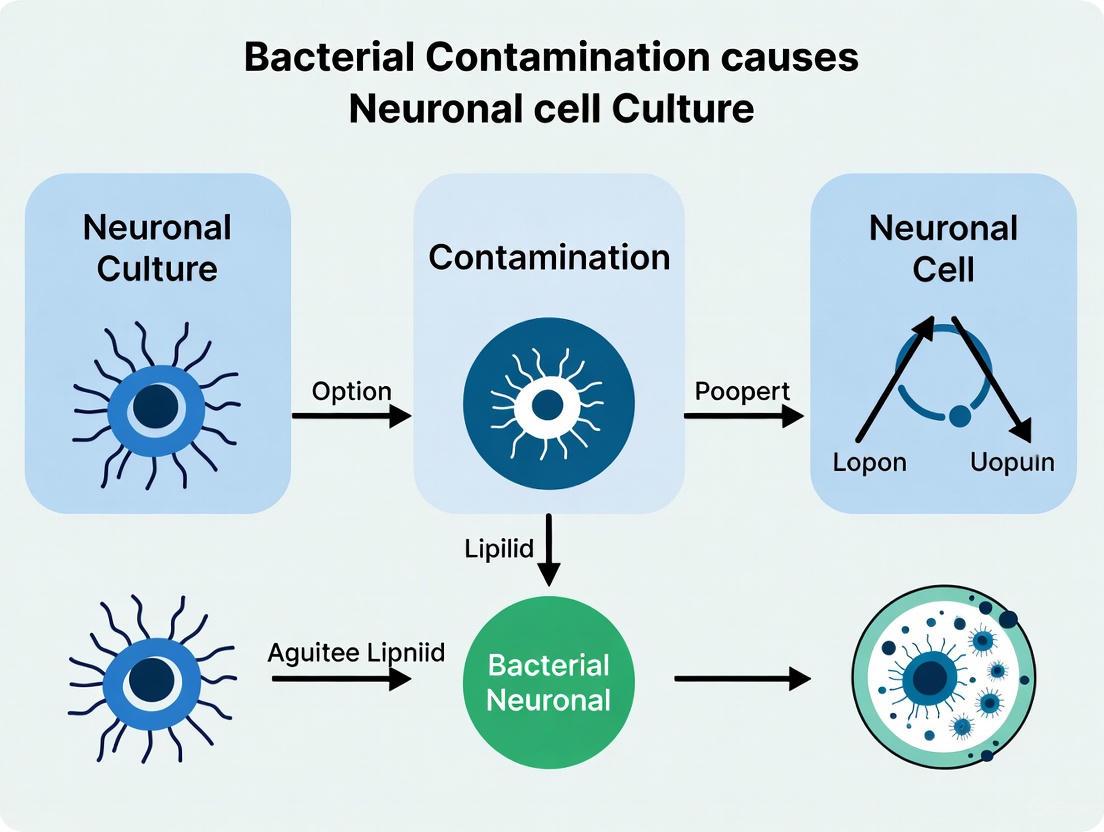
Bacterial contamination poses a significant threat to the integrity and reproducibility of neuronal cell culture research, leading to experimental failure and substantial resource loss.
Sources and Solutions: Understanding and Preventing Bacterial Contamination in Neuronal Cell Culture
Abstract
Bacterial contamination poses a significant threat to the integrity and reproducibility of neuronal cell culture research, leading to experimental failure and substantial resource loss. This article provides a comprehensive guide for researchers and drug development professionals on the causes, detection, prevention, and management of bacterial contaminants. Drawing on the latest research, we explore foundational concepts of how bacteria invade and persist, evaluate traditional and cutting-edge methodological approaches for detection, offer a systematic troubleshooting and optimization framework, and review validation techniques to ensure data credibility. By integrating foundational knowledge with practical applications, this resource aims to empower scientists to safeguard their cultures and enhance the reliability of their neurological findings.
Unseen Invaders: Foundational Routes of Bacterial Contamination in Neural Cultures
In neuronal cell culture research, even minor bacterial contamination can compromise experimental integrity, alter cellular functions, and lead to irreproducible results. The post-mitotic nature of neurons makes these cultures particularly vulnerable, as contaminated cells cannot be simply replaced and long-term studies are especially at risk [1]. Understanding the specific bacterial contaminants, their sources, and their impact on neuronal systems is therefore fundamental to producing reliable neuroscience data. This technical guide provides a comprehensive overview of common bacterial contaminants in neuronal cell culture, detailing their sources, mechanisms of damage, and robust prevention methodologies essential for maintaining sterile conditions in research settings.
Common Bacterial Contaminants and Their Impact on Neuronal Cultures
Bacterial contamination in cell culture typically originates from five primary sources: laboratory personnel, unclean surfaces, non-sterile reagents, improper aseptic technique, and contaminated equipment [2]. The most prevalent bacterial contaminants can be categorized as follows.
Table 1: Common Bacterial Contaminants in Cell Culture
| Contaminant Type | Common Examples | Key Characteristics | Visible Signs in Culture |
|---|---|---|---|
| General Bacteria | Staphylococcus spp. | Rapid growth; often introduced via improper handling [2]. | Cloudy/turbid medium; sudden pH drop (yellow color); unpleasant odor [2]. |
| Mycoplasma | M. pneumoniae, M. orale | Lack cell wall; small size (0.15–0.3 µm) escapes standard 0.22 µm filtration [3]. | No visible signs; subtle effects: changed cell growth, reduced transfection efficiency [2] [3]. |
Mycoplasma species represent a particularly insidious threat. Due to their small size and lack of a cell wall, they are resistant to many common antibiotics and can pass through standard sterilization filters [2]. They can reach high concentrations (up to 10^8/mL) without causing medium turbidity, and their presence can induce chromosomal aberrations, alter metabolism, and disrupt neuronal function without triggering immediate cell death [3].
Mechanisms of Neuronal Damage by Bacteria
Bacterial pathogens can inflict damage on neuronal cells through both direct and indirect mechanisms, which is of particular concern when studying the potential links between bacterial infection and neurodegenerative diseases [1].
- Direct Damage via Bacterial Toxins: Specific bacterial toxins directly interact with neuronal components. Streptococcus pneumoniae produces pneumolysin (Ply), a pore-forming cytotoxin that binds to cholesterol in neuronal membranes [1]. This creates ~300 Å pores, leading to uncontrolled calcium (Ca²⁺) influx, mitochondrial dysfunction, and activation of apoptotic pathways [1]. Furthermore, the pneumococcal pilus-1 component RrgA and Ply can cooperatively disrupt the neuronal cytoskeleton by interacting with β-actin filaments, facilitating bacterial internalization and exacerbating neuronal damage [1].
- Indirect Damage via Neuroinflammation: Beyond direct toxicity, bacteria trigger a harmful neuroinflammatory response. Bacterial components like lipopolysaccharides (LPS) and toxins activate microglia and astrocytes, prompting the release of pro-inflammatory cytokines and cytotoxic compounds such as reactive oxygen species [1]. This chronic inflammatory state can lead to collateral neuronal damage and has been implicated in long-term neurological sequelae [1].
Table 2: Bacterial Virulence Factors and Their Effects on Neurons
| Bacterial Pathogen | Key Virulence Factor(s) | Molecular Mechanism of Neuronal Damage | Documented Outcome in Neural Context |
|---|---|---|---|
| Streptococcus pneumoniae | Pneumolysin (Ply) [1] | Pore formation in neuronal membrane; Ca²⁺ influx; mitochondrial disruption [1]. | Neuronal apoptosis; cochlear damage; impaired synaptic function [1]. |
| Streptococcus pneumoniae | RrgA (Pilus-1), H₂O₂ [1] | Disruption of β-actin cytoskeleton; induction of oxidative stress [1]. | Enhanced bacterial internalization; neuronal apoptosis [1]. |
| Clostridium botulinum | Botulinum Neurotoxin (BoNT) [4] | Proteolytic cleavage of SNARE proteins (e.g., SNAP-25) [4]. | Inhibition of neurotransmitter release; flaccid paralysis [4]. |
Figure 1: Mechanisms of Bacterial Damage to Neurons
Detection and Identification of Contaminants
Robust and regular screening is the cornerstone of maintaining healthy neuronal cultures. Different contaminants require specific detection strategies.
Standard Microbiological Detection
Routine microscopic inspection is the first line of defense. Bacterial contamination often reveals itself as small, motile particles (1–5 µm) under magnification, accompanied by cloudy medium and a sharp pH shift [2]. However, many contaminants require more specialized techniques for identification.
Advanced and Molecular Detection Methods
For contaminants like mycoplasma that evade visual detection, advanced methods are essential.
- PCR Assays: Highly sensitive and specific for detecting mycoplasma DNA and viral contaminants [2] [3].
- DNA Staining (e.g., DAPI, Hoechst): Used with fluorescence microscopy to visualize mycoplasma DNA, which appears as particulate or filamentous extranuclear fluorescence [3].
- Microbiological Culture: The historical gold standard for mycoplasma, though it can be slow, requiring specialized growth media and weeks for results [3].
- Real-time Sensor Technology: Emerging methods show promise for unprecedented early detection. One feasibility study demonstrated that total volatile organic compound (TVOC) sensors could detect bacterial contamination (e.g., Staphylococcus aureus) inside a cell culture incubator within 2 hours of onset, far earlier than conventional methods [5].
Table 3: Methods for Detecting Bacterial Contamination
| Detection Method | Target Contaminant | Principle | Key Advantage | Limitation |
|---|---|---|---|---|
| Microscopy | General bacteria, fungi | Direct visual observation | Rapid, low-cost, routine use [2]. | Limited sensitivity; misses mycoplasma/viruses [2]. |
| PCR | Mycoplasma, viruses [2] [3] | Amplification of unique DNA sequences | High sensitivity and specificity; fast [2]. | Requires specific primers and equipment. |
| DNA Staining | Mycoplasma [3] | Fluorescent staining of extracellular DNA | Visual confirmation; more accessible than PCR [3]. | Semi-quantitative; can have artifacts. |
| TVOC Sensing | General bacteria [5] | Detection of bacterial volatile compounds | Real-time, very early detection (≤2 hours); automation-compatible [5]. | Emerging technology; requires sensor integration. |
Protocols for Prevention and Contamination Control
Preventing contamination is vastly more effective than addressing it after the fact. This requires a multi-layered approach combining rigorous technique, environmental control, and systematic quality checks.
Aseptic Technique and Workflow
Meticulous aseptic technique is non-negotiable. Key practices include:
- Working within a properly maintained and certified laminar flow hood or biological safety cabinet, ensuring unhindered airflow and decontaminating all surfaces and items with 70% ethanol before use [2] [3].
- Handling only one cell line at a time to prevent cross-contamination, with clear labeling of all vessels [2].
- Using sterile, single-use pipettes with aerosol-resistant tips to minimize the risk of aerosol formation and cross-contamination [3].
- Avoiding the routine use of antibiotics in culture media, as they can mask low-level contamination and promote the development of antibiotic-resistant strains [2].
Environmental and Quality Control
The laboratory environment itself must be actively managed.
- Incubator Maintenance: CO₂ incubators are a common contamination source. They should be decontaminated weekly, including shelves, door gaskets, and humidity-generating water trays, which are a frequent fungal source [2].
- Reagent and Serum Sourcing: Use only certified, endotoxin-tested reagents and Mycoplasma-free sera from reliable suppliers. All new cell lines should be quarantined and verified for contaminants before integration into the main culture facility [2] [3].
- Cell Line Authentication: Implement routine authentication (e.g., STR profiling every 6–12 months) to guard against misidentification and cross-contamination, a serious but often overlooked problem that can invalidate research [2].
Sample Collection and Low-Biomass Considerations
For studies involving primary neuronal cultures or low-biomass samples, even more stringent protocols are required, as the target DNA signal can be easily overwhelmed by contaminant noise [6]. Recommendations include:
- Decontaminate all sources of potential contaminants, such as equipment and tools, with 80% ethanol followed by a nucleic acid-degrading solution (e.g., bleach) [6].
- Use personal protective equipment (PPE) including gloves, masks, and cleansuits to limit sample contact with operators, who are a major contamination source [6].
- Collect and process sampling controls such as empty collection vessels and swabs of the sampling environment to identify the nature and sources of any background contamination [6].
Figure 2: Contamination Prevention and Control Workflow
The Scientist's Toolkit: Essential Reagents and Materials
Successful isolation and culture of primary neurons, as required for many neuroscience applications, depends on a carefully selected set of reagents and materials tailored to support neuronal viability and minimize contamination risk [7] [8].
Table 4: Essential Reagents for Primary Neuronal Culture and Contamination Control
| Reagent/Material | Function/Purpose | Example from Protocols |
|---|---|---|
| Poly-L-Lysine | Coats culture surfaces to promote neuronal attachment [7] [8]. | Coated onto coverslips or plates (100 µg/mL in borate buffer) [7]. |
| Neurobasal Plus Medium | A serum-free medium optimized for long-term survival of primary neurons [7] [8]. | Base for cortical, hippocampal, and spinal cord neuron cultures [7] [8]. |
| B-27 Supplement | Provides essential hormones, antioxidants, and other neuronal survival factors [7]. | Added to Neurobasal Plus medium (e.g., 0.02% final concentration) [7]. |
| Papain | Protease for enzymatic dissociation of neural tissues during isolation [7]. | Used to digest hippocampal and cortical tissues from embryos [7]. |
| DNase I | Degrades DNA released from damaged cells, reducing clumping during dissociation [7]. | Added during the enzymatic dissociation step [7]. |
| Hank's Balanced Salt Solution (HBSS) | Isotonic buffer for tissue dissection and washing; maintains physiological pH and ion balance [8]. | Used to hold and wash brain tissue during dissection [8]. |
| Adeno-Associated Virus (AAV) | Common gene delivery vector for neuronal transduction due to high neuronal tropism [7]. | AAV8 with hSyn1 promoter for neuron-specific expression [7]. |
| Trypan Blue | Dye exclusion test to assess cell viability after dissociation [8]. | Used to count and determine viability of isolated neurons [8]. |
| Antibiotics (e.g., Gentamicin) | Suppress bacterial growth in primary culture preparations where absolute sterility is challenging [7]. | Added to primary culture medium (e.g., 2 mM) [7]. |
The integrity of the central nervous system (CNS) is protected by sophisticated barriers, yet bacterial pathogens have evolved sophisticated mechanisms to bypass these defenses. Emerging research reveals that bacteria do not merely breach physical barriers but actively hijack communication pathways between nerve cells and immune cells to facilitate invasion [9] [10]. This neuro-immune crosstalk, essential for maintaining homeostasis, becomes a vulnerability exploited by pathogens. In the context of neuronal cell culture research, understanding these mechanisms is critical for identifying contamination sources and developing effective prevention strategies. Bacterial contamination in neuronal cultures can compromise experimental integrity and lead to misleading conclusions about neuronal signaling and immune responses. This review examines the specific molecular pathways through which bacteria manipulate neuro-immune signaling, with particular focus on implications for in vitro research models and the maintenance of sterile neuronal culture conditions.
Molecular Mechanisms of Bacterial Hijacking
The CGRP-RAMP1 Neuro-Immune Axis
At the core of this exploitation is the calcitonin gene-related peptide (CGRP) and its receptor component, Receptor Activity Modifying Protein 1 (RAMP1). Under normal conditions, nociceptive neurons in the meninges release CGRP in response to harmful stimuli, modulating local immune activity [9]. However, pathogenic bacteria such as Streptococcus pneumoniae and Streptococcus agalactiae subvert this pathway through a coordinated sequence of molecular events:
- Bacterial Toxin Activation: S. pneumoniae releases the pore-forming toxin pneumolysin, which directly activates Nav1.8+ nociceptors in the dura mater [9] [11]. This activation not only generates pain signals but initiates the neuro-immune cascade.
- CGRP Release and Signaling: Activated neurons release CGRP, which binds to RAMP1 receptors on meningeal macrophages [9] [12]. This receptor is particularly abundant on the surface of these immune cells.
- Immunosuppressive Polarization: CGRP-RAMP1 engagement triggers intracellular signaling that polarizes macrophages toward an immunosuppressive phenotype, suppressing their chemokine expression and impairing neutrophil recruitment [9] [11].
- Barrier Breakdown: With innate immune defenses suppressed, bacteria can proliferate and spread into deeper meningeal layers and brain parenchyma [9].
This mechanism demonstrates how bacteria convert a protective sensory-neuroimmune pathway into a vulnerability, effectively disarming the first line of CNS defense at the meningeal barrier.
Bacterial Adhesion and Direct Neuronal Modulation
Beyond manipulating existing signaling pathways, bacteria also engage in direct physical interactions with neuronal cells. Research using Lactiplantibacillus plantarum and rat cortical neural cultures has revealed that bacteria can adhere to neuronal surfaces without penetrating the soma [13]. This adhesion is time-dependent, with significant binding observed within 30 minutes of exposure, and triggers functional neuronal responses including altered calcium signaling and changes in neuroplasticity-related proteins such as Synapsin I and pCREB [13]. Transcriptomic analyses further show that bacterial contact modifies the expression of neuronal genes linked to neurological conditions and bioelectrical signaling [13]. These direct interactions represent a more immediate pathway of bacterial influence on neuronal function, particularly relevant to contamination scenarios in cell culture systems where physical barriers between bacteria and neurons are compromised.
Table 1: Key Bacterial Factors in Neuro-Immune Hijacking
| Bacterial Pathogen | Virulence Factor | Neuronal Target | Immune Consequence |
|---|---|---|---|
| Streptococcus pneumoniae | Pneumolysin toxin | Nav1.8+ nociceptors | Suppressed macrophage chemokine expression |
| Streptococcus agalactiae | β-hemolysin/cytolysin | Trigeminal nociceptors | Reduced neutrophil recruitment |
| Staphylococcus aureus | Pore-forming toxins | Neuronal TRPV1 channels | Local immune suppression |
| Lactiplantibacillus plantarum | Surface adhesion molecules | Cortical neuronal membranes | Altered calcium signaling and gene expression |
Experimental Models and Methodologies
In Vivo Meningeal Invasion Models
The investigation of neuro-immune hijacking employs sophisticated animal models that recapitulate human bacterial meningitis. The following methodologies from key studies provide insights into bacterial invasion mechanisms:
- Intravenous Infection Model: Mice are intravenously injected with S. pneumoniae or S. agalactiae to simulate hematogenous spread to the CNS [11]. Bacterial loads in meninges and brain are quantified at 6, 12, 24, and 48-hour post-infection through tissue homogenization and plating [11].
- Nociceptor Ablation Models: Two primary approaches are used to study nociceptor involvement: (1) Genetic ablation using Nav1.8-Cre mice crossed with Cre-dependent diphtheria toxin A (DTA) mice [11]; (2) Chemical ablation using resiniferatoxin (RTX), a high-affinity TRPV1 agonist that selectively targets nociceptors [11].
- Localized Meningeal Denervation: For targeted manipulation of meningeal nerves, RTX or diphtheria toxin is injected above skull suture sites, affecting extracranial branches of meningeal nociceptors without systemic effects [11].
- CGRP-RAMP1 Blockade: Pharmacological inhibition using RAMP1 receptor antagonists is administered both preventively and therapeutically to assess impact on bacterial clearance [9] [10].
These models have demonstrated that nociceptor ablation reduces bacterial invasion of the meninges and brain, with Nav1.8-DTA mice showing 10-100 fold reductions in bacterial loads in CNS tissues but unchanged bacterial counts in peripheral organs [11].
In Vitro Neuro-Bacterial Interface Models
To complement in vivo findings and establish direct causality, researchers have developed innovative in vitro systems:
- Meningeal Explant Cultures: Freshly isolated meningeal tissues are maintained ex vivo and exposed to bacteria, with CGRP release measured via ELISA over time [11].
- Trigeminal Neuron Cultures: Primary trigeminal ganglia neurons are cultured and calcium imaging techniques used to quantify neuronal responses to bacterial application [11].
- Cortical Neuron-Bacteria Co-culture: Rat cortical neurons are cultured for 14 days to establish mature networks before introducing bacteria at controlled multiplicity of infection (MOI) ratios [13]. Bacterial adhesion is quantified through percentage adhesion calculations at various time points (5, 15, 30, 60 minutes) [13].
- Calcium Imaging: Neurons are loaded with Fluo-4 calcium dye, and real-time fluorescence changes are monitored following bacterial exposure to assess functional neuronal responses [13].
These reductionist approaches enable precise dissection of molecular mechanisms while controlling for the complexity of intact organisms, providing complementary evidence for direct neuro-bacterial interactions.
Table 2: Quantitative Effects of Nociceptor Manipulation on Bacterial Invasion
| Experimental Manipulation | Bacterial Pathogen | Reduction in Meningeal Bacterial Load | Reduction in Brain Bacterial Load | Effect on Neutrophil Recruitment |
|---|---|---|---|---|
| Nav1.8+ nociceptor ablation | S. pneumoniae | 10-100 fold | 10-100 fold | Increased |
| Nav1.8+ nociceptor ablation | S. agalactiae | Significant reduction | Significant reduction | Increased |
| RTX treatment (chemical ablation) | S. pneumoniae | Significant reduction | Significant reduction | Increased |
| Localized meningeal denervation | S. pneumoniae | Significant reduction | Significant reduction | Not reported |
| RAMP1 pharmacological blockade | S. pneumoniae | Enhanced clearance | Enhanced clearance | Increased |
Signaling Pathways and Neuro-Immune Communication
The molecular dialogue between neurons and immune cells involves sophisticated signaling mechanisms that bacteria exploit. The following diagram illustrates the key pathway through which bacteria hijack neuro-immune communication to facilitate brain invasion:
Figure 1: Bacterial Hijacking of the Neuro-Immune Axis
Bacterial Recognition and Neural Activation
Pathogen recognition occurs through multiple mechanisms. Bacterial toxins such as pneumolysin from S. pneumoniae directly activate nociceptors by forming pores in cell membranes [9]. Additionally, bacteria can be recognized by pattern recognition receptors on neural cells, including Toll-like receptors (TLRs) and NOD-like receptors, though the precise mechanisms in neurons remain less characterized than in immune cells [14]. Following recognition, nociceptors depolarize and release CGRP from dense-core vesicles in their nerve terminals [11]. This neuropeptide release occurs within minutes of bacterial exposure and creates a concentration gradient in the meningeal tissue microenvironment [11].
Immune Cell Modulation and Suppression
CGRP signaling through RAMP1 receptors on meningeal macrophages initiates an immunosuppressive program through several intracellular mechanisms:
- Transcriptional Reprogramming: CGRP-RAMP1 signaling polarizes macrophages toward a transcriptional profile characterized by suppressed chemokine expression, particularly those involved in neutrophil recruitment like CXCL1 and CXCL2 [9].
- Repressor Induction: Evidence suggests CGRP signaling may induce transcriptional repressors such as ICER (Inducible cAMP Early Repressor) that suppress pro-inflammatory gene expression [9].
- Phagocytic Dysfunction: While not directly measured in the meningeal context, analogous systems show impaired bacterial engulfment and killing capacity in CGRP-exposed macrophages.
The cumulative effect is a localized immune suppression that creates a permissive niche for bacterial expansion and subsequent invasion into deeper CNS compartments.
Implications for Neuronal Cell Culture Research
Contamination Pathways in Experimental Systems
The understanding of bacterial neuroinvasion mechanisms has direct relevance for preventing and addressing contamination in neuronal cell culture research:
- Neuro-Immune Axis in Culture: Primary neuronal cultures maintain fundamental aspects of neuro-immune signaling, including CGRP release and macrophage interactions, creating potential vulnerabilities to bacterial manipulation [13].
- Direct Bacterial-Neuron Interactions: Studies demonstrate that bacteria can adhere directly to neuronal surfaces in culture systems, altering calcium signaling and gene expression even without invasion [13]. This suggests that contamination may directly modulate experimental outcomes beyond simple culture overgrowth.
- Barrier Compromise: In vitro models that incorporate barrier systems (such as blood-brain barrier models) may be particularly susceptible to bacterial hijacking mechanisms similar to those observed in meningeal invasion [15].
Methodological Considerations for Contamination Control
Based on these mechanisms, several strategic approaches can enhance contamination control in neuronal culture research:
- CGRP Pathway Modulation: For cultures studying bacterial-neuronal interactions, inclusion of CGRP or RAMP1 antagonists in experimental designs could help distinguish direct bacterial effects from neuro-immune mediated consequences [9] [10].
- Validation of Sterility: The finding that bacteria can establish presence in CNS tissues without causing overt contamination [15] underscores the need for more sensitive sterility validation in long-term neuronal cultures.
- Antibiotic Considerations: While antibiotics can reduce bacterial presence, long-term use may disrupt natural neuro-immune interactions and potentially worsen functional outcomes in some culture systems [15].
The Scientist's Toolkit: Research Reagent Solutions
Table 3: Essential Research Reagents for Investigating Bacterial Neuro-Immune Hijacking
| Reagent/Cell Line | Primary Function | Application Context |
|---|---|---|
| Nav1.8-Cre mice | Enables cell-specific ablation of nociceptors | In vivo models of bacterial meningitis |
| CGRPα–GFP-DTRflox mice | Permits selective ablation of CGRP+ neurons | Mapping neuro-immune contributions to infection |
| RAMP1 antagonists | Blocks CGRP-RAMP1 interaction | Testing therapeutic targeting of neuro-immune axis |
| Primary meningeal macrophages | Isolated immune cells from meninges | In vitro studies of bacterial-immune interactions |
| Trigeminal ganglion neurons | Primary nociceptors from meningeal innervation | Calcium imaging and CGRP release assays |
| Fluo-4 calcium dye | Indicators of neuronal activation | Real-time monitoring of neuronal responses to bacteria |
| Anti-CGRP antibodies | Detection and quantification of CGRP | ELISA and immunohistochemical analysis |
| Resiniferatoxin (RTX) | Chemical ablation of TRPV1+ neurons | Selective nociceptor depletion studies |
The hijacking of neuro-immune pathways represents a sophisticated bacterial strategy for bypassing CNS barriers. By exploiting the natural communication between nociceptive neurons and immune cells, particularly through the CGRP-RAMP1 axis, pathogens can suppress local immune defenses and facilitate invasion. For neuronal cell culture research, these mechanisms highlight potential vulnerabilities to contamination and suggest novel approaches for maintaining culture integrity. Future research should focus on developing more sophisticated in vitro models that recapitulate the neuro-immune interface, allowing for better dissection of these mechanisms while reducing reliance on animal models. Additionally, exploring the translational potential of neuro-immune modulators in preventing culture contamination may yield dual benefits for both basic research and therapeutic development.
In neuronal cell culture research, the integrity of experimental data is paramount. Contamination poses a significant threat to reliability, with laboratory practices themselves serving as critical vectors for introducing microbial contaminants. Bacterial contamination, including insidious mycoplasma infections, can compromise cellular function, alter gene expression, and ultimately invalidate research findings. This technical guide examines how environmental and procedural factors contribute to contamination in neuronal cell cultures, providing evidence-based detection methodologies, prevention protocols, and eradication strategies to support research validity within the broader context of identifying contamination causes in neuronal cell culture research.
The challenge is particularly acute when working with primary neuronal cultures, which are inherently sensitive and require precise conditions to maintain physiological relevance. These cultures, isolated directly from neural tissue, retain characteristic properties but have limited lifespan and heightened sensitivity to environmental stressors, making them vulnerable to contamination [16]. Unlike immortalized cell lines, primary neurons do not undergo extensive divisions, but their maintenance demands specific growth factors and culture conditions where any contamination can rapidly compromise results [16] [17]. Understanding these vectors is essential for maintaining the integrity of neuroscience research, particularly in studies investigating fundamental neural processes, disease mechanisms, and therapeutic development.
Common Contamination Vectors in Laboratory Practice
Contamination in cell culture laboratories primarily originates from two sources: the laboratory environment and personnel. Research indicates that "the human operator is potentially the greatest hazard in the laboratory" [18]. Personnel can introduce contaminants through shedding, improper technique, or inadequate use of personal protective equipment. Mycoplasma contamination, particularly problematic due to its resistance to common antibiotics and difficulty in detection, often enters cultures through these human-derived vectors [19]. Laboratory studies show that cell cultures within a single lab typically become infected with the same mycoplasma species, demonstrating cross-contamination resulting from improper technique [18].
Environmental factors constitute the second major contamination source. Contaminated reagents, inadequate sterilization protocols, and poorly maintained equipment can all introduce microbes into cell cultures. Water baths used for warming media represent particular risk factors when not regularly cleaned and maintained [18]. Airflow disruptions in biological safety cabinets can compromise the sterile field, while crowded incubators with infrequent cleaning schedules facilitate the spread of contamination between cultures [19].
Impact on Neuronal Cultures
Bacterial contamination produces particularly detrimental effects in primary neuronal cultures. Mycoplasma infection, while not always causing immediate cell death, significantly alters cell proliferation, metabolism, and induces chromosomal aberrations [19]. These contaminants compete for essential nutrients in culture media; for instance, Mycoplasma orale depletes arginine, impeding host cell growth and creating inconsistencies in experimental results [19]. This nutrient competition is especially problematic for neuronal cultures, which require precisely balanced media formulations to maintain viability and functionality.
The functional consequences extend to fundamental neuronal properties. Contamination can dysregulate hundreds of host genes, potentially interfering with neurotransmission, synaptic formation, and neuronal excitability - key parameters in neurobiological research [19]. Primary hindbrain neurons, for example, develop extensive axonal and dendritic branching and form functional synapses in culture, processes highly vulnerable to disruption by microbial contaminants [17]. The table below summarizes major contamination types and their specific impacts on neuronal cultures:
Table 1: Common Contaminants and Their Impact on Neuronal Cell Cultures
| Contaminant Type | Size Range | Primary Detection Methods | Impact on Neuronal Cultures |
|---|---|---|---|
| Mycoplasma | 0.3-0.8 μm | PCR, ELISA, DNA staining | Alters cell proliferation and metabolism; causes chromosomal aberrations; competes for arginine [19] |
| Bacteria | 1-5 μm | Visual inspection (cloudy medium), pH change, microscopy | Rapid pH shift; cellular stress; nutrient depletion [20] [18] |
| Fungi | Variable | Visual inspection (mycelial mats), microscopy | Overgrowth of culture; metabolic competition [18] |
Detection and Diagnosis Methodologies
Established Detection Protocols
Regular monitoring using reliable detection methods is crucial for identifying contamination before it compromises experimental results. Polymerase chain reaction (PCR)-based assays offer high sensitivity and specificity for mycoplasma detection, providing results within 3-4 hours [19]. This method amplifies mycoplasma-specific DNA sequences from cell culture supernatant, with primers targeting conserved genomic regions. The standard protocol involves collecting 200μL of cell culture supernatant after at least 12 hours of culture, incubating the sample at 95°C for 5 minutes to release DNA, then performing PCR amplification with specific primers [19].
Visual inspection remains the first line of defense for gross bacterial contamination. Macroscopic indicators include increased turbidity (cloudiness) of culture medium and rapid color change in phenol red-containing media to yellow, indicating acidification from bacterial metabolism [20]. Microscopic analysis at 100x-400x magnification reveals bacteria as dark rod-like structures, spheres, or spiral formations, which may exist singly, in pairs, chains, or clusters [20]. Phase contrast microscopy facilitates detection at lower contamination levels, and observing motile bacteria can help distinguish them from harmless debris or precipitates [20].
Advanced Detection Technologies
Emerging technologies offer innovative approaches for rapid contamination detection. Researchers have developed machine learning-assisted methods that combine UV absorbance spectroscopy with pattern recognition to identify microbial contamination in cell cultures within 30 minutes [21]. This technique measures ultraviolet light absorbance patterns of cell culture fluids, using machine learning algorithms to recognize signatures associated with microbial contamination. The approach provides a label-free, non-invasive detection method that eliminates the need for cell staining or extraction processes [21].
For comprehensive monitoring, DNA staining methods and ELISA-based tests provide additional detection capabilities. These methods are particularly valuable for identifying mycoplasma contamination that would otherwise remain undetected in routine visual inspection [19]. The following workflow diagram illustrates the relationship between common contaminants and their detection methods:
Figure 1: Contamination Sources and Detection Method Workflow
Prevention Protocols and Best Practices
Aseptic Technique and Laboratory Workflow
Rigorous aseptic technique forms the foundation of contamination prevention. All personnel should wear clean lab coats designated exclusively for cell culture use and properly fitted nitrile gloves that haven't touched contaminated surfaces [18] [19]. Before beginning work, spray gloves, lab coat sleeves, and the biological safety cabinet interior with 70% ethanol, which effectively denatures proteins and dissolves lipids in contaminating organisms [18]. The efficiency of 70% ethanol stems from its optimal concentration balance - sufficient alcohol content for microbial penetration without causing rapid surface protein coagulation that would create a protective barrier [18].
Maintaining unidirectional workflow is essential to prevent cross-contamination. Laboratories should implement physical separation between newly acquired or untested cell lines and established cultures, ideally using designated incubators [19]. Reagents should never be shared between different cell lines, as this practice can lead to cross-contamination where faster-growing cells overtake a culture, potentially resulting in misidentification [18]. Each researcher should maintain individual media aliquots and reagents to minimize this risk.
Equipment and Environmental Controls
Proper equipment maintenance significantly reduces contamination risks. Biological safety cabinets require regular certification to ensure correct airflow patterns and filtering efficiency. Water baths, used for warming culture media, represent frequent contamination sources and should be cleaned and disinfected weekly according to manufacturer instructions [18]. Incubators need scheduled decontamination cycles, typically involving spraying with 70% ethanol, wiping dry, and optional high-temperature incubation (60°C for 16 hours) to eliminate mold and bacteria [18].
Cell culture hood organization directly impacts contamination prevention. Limit items brought into the cabinet to essential materials only, as overcrowding disrupts laminar airflow patterns [18]. Always maintain a clear, organized workspace, avoiding passing arms or hands over open dishes and flasks. Promptly clean any spills within the cabinet or incubator, and implement strict cleaning schedules for all shared equipment with documented compliance.
Table 2: Essential Research Reagents for Contamination Prevention and Detection
| Reagent/Equipment | Specific Function | Application Notes |
|---|---|---|
| 70% Ethanol | Surface decontamination through protein denaturation | Most effective concentration; doesn't cause rapid protein coagulation [18] |
| PCR Master Mix | Amplification of mycoplasma DNA for detection | Use with mycoplasma-specific primers; extremely sensitive and specific [19] |
| Mycoplasma Detection Kits | Commercial tests (e.g., MycoStrip) | Rapid detection; some include eradication capabilities [19] |
| Neurobasal Plus Medium | Optimized medium for neuronal cultures | Supports primary neurons while limiting glial expansion [17] |
| B-27 Plus Supplement | Serum-free supplement for neuronal health | Used in hindbrain neuron cultures to maintain viability [17] |
| CultureOne Supplement | Controls astrocyte expansion in co-cultures | Added at day 3 in vitro for hindbrain cultures [17] |
| Antibiotic-Antimycotic Solutions | Broad-spectrum protection | Limited efficacy against mycoplasma; not recommended as primary prevention [18] |
Eradication Protocols and Experimental Considerations
Decontamination Procedures
Once contamination is detected, immediate action is required to prevent spread. For bacterial and fungal contamination, discard affected cultures according to biological safety protocols and perform comprehensive decontamination of all associated equipment and surfaces [18]. Incubators housing contaminated cultures require complete decontamination - first spray with 70% ethanol and wipe dry, followed by high-temperature treatment if available (60°C for 16 hours) to eliminate persistent spores [18].
Mycoplasma eradication presents greater challenges, as these organisms are resistant to standard antibiotics like penicillin and streptomycin [19]. Commercial eradication products are available, but their efficacy varies. The most reliable approach involves discarding infected cultures, thoroughly decontaminating the workspace, and resuscitating new cultures from properly preserved, contamination-free stocks [19]. This conservative approach prevents persistent low-level contamination that can chronically affect experimental results.
Impact on Experimental Data Quality
The consequences of contamination extend beyond culture loss to fundamentally compromise data integrity. Mycoplasma infection significantly alters host cell biology, affecting "virtually all aspects of cell biology and pathogenesis" [19]. These contaminants can modulate immune signaling pathways, potentially confounding studies of neuroinflammation or immune responses in neurological diseases [19]. Mycoplasma-related endonucleases degrade internucleosomal DNA, altering intracellular signaling pathways, enzymatic activities, and metabolic fluxes in neuronal cultures [19].
The impact on genomic and epigenomic studies is particularly severe. Mycoplasma contamination contaminates genomic DNA preparations, leading to sequencing failure or misalignment in genomic DNA sequencing [19]. For chromatin accessibility studies like ATAC-seq, mycoplasma infection substantially compromises results as the method employs Tn5 transposase to detect genome-wide chromatin accessibility, making sequencing results vulnerable to mycoplasma DNA contamination [19]. RNA sequencing samples are somewhat protected through poly(A) enrichment, but remain susceptible to artifacts from mycoplasma-induced changes in gene expression [19].
The following diagram illustrates how contamination affects key neuronal processes and experimental outcomes:
Figure 2: Impact of Contamination on Neuronal Cultures and Data Quality
Environmental and procedural vectors represent significant, often overlooked sources of contamination in neuronal cell culture research. Laboratory practices themselves can introduce contaminants that compromise data quality and experimental reproducibility. Effective contamination control requires a comprehensive approach integrating rigorous aseptic technique, regular monitoring with sensitive detection methods, proper equipment maintenance, and prompt eradication protocols when contamination occurs. For researchers working with sensitive neuronal cultures, where functional properties like synaptic formation and electrophysiological characteristics are central to experimental questions, maintaining contamination-free conditions is not merely a technical concern but a fundamental requirement for generating valid, reproducible scientific knowledge. Implementing the protocols and best practices outlined in this guide provides a systematic framework for minimizing contamination risks and preserving the integrity of neuroscience research.
The integrity of neuronal cell culture research is paramount for advancing our understanding of brain function and disease. Traditionally, the focus has been on avoiding exogenous contamination. However, emerging research on the gut-brain axis (GBA) reveals a more insidious challenge: endogenous bacterial translocation and its impact on in vitro models. This whitepaper synthesizes current evidence demonstrating how microbial metabolites, bacterial components, and systemic inflammation can fundamentally alter the neuronal cell culture microenvironment. We detail the mechanisms by which these endogenous factors contaminate research outcomes through induction of neuroinflammation, disruption of barrier integrity, and direct changes to neuronal and glial cell physiology. Furthermore, we provide a standardized experimental framework for identifying and mitigating these confounding signals, equipping researchers with the tools to enhance the validity and reproducibility of neuroscientific research.
The gut-brain axis represents a complex, bidirectional communication network linking the gastrointestinal tract and the central nervous system (CNS). This communication occurs through multiple pathways, including neural, endocrine, immune, and metabolic routes [22] [23]. A critical component of this axis is the gut microbiota, the vast community of microorganisms residing in the gut, which produces a myriad of metabolites and signaling molecules that can influence brain development, function, and behavior [23] [24]. Key microbial metabolites include short-chain fatty acids (SCFAs) like butyrate, acetate, and propionate; neurotransmitters such as serotonin, dopamine, and gamma-aminobutyric acid (GABA); and immune-modulating components like lipopolysaccharide (LPS) [23] [24] [25].
In neuronal cell culture research, the traditional paradigm of contamination control focuses predominantly on exogenous sources—maintaining sterile technique, using antibiotic supplements, and ensuring aseptic laboratory conditions. However, the GBA concept introduces a novel contamination pathway: the endogenous transfer of microbial products and live bacteria from the host organism to the cell culture system. This can occur during tissue harvest for primary cell cultures or through the use of host-derived supplements like serum [26] [27]. For instance, studies have shown that chronic stress can increase intestinal permeability, leading to bacterial translocation into the systemic circulation [26]. These translocated bacteria or their components, such as LPS, can then activate toll-like receptors (e.g., TLR-4) on microglia and astrocytes in the CNS, triggering a neuroinflammatory cascade characterized by the release of pro-inflammatory cytokines like TNF-α, IL-1β, and IL-6 [26] [27]. This endogenous, GBA-mediated "contamination" represents a significant and often unaccounted-for variable that can confound experimental results and their interpretation.
Mechanisms of Endogenous Contamination
The gut microbiota influences the CNS through several well-defined mechanisms. When these processes are active in a donor organism, they can introduce confounding variables into subsequent neuronal cell cultures. The primary pathways are summarized in the diagram below, illustrating how gut-derived signals are transmitted to the brain and can consequently affect in vitro models.
Microbial Metabolites and Neuroactive Compounds
Gut bacteria produce a range of metabolites that can enter the systemic circulation and cross the blood-brain barrier (BBB), directly influencing neuronal and glial cell function.
- Short-Chain Fatty Acids (SCFAs): SCFAs like butyrate, propionate, and acetate are produced by bacterial fermentation of dietary fiber. They can cross the BBB via monocarboxylate transporters and are detectable in human cerebrospinal fluid [23] [25]. Butyrate, in particular, functions as a histone deacetylase (HDAC) inhibitor, potentially altering gene expression in neuronal cells [24]. SCFAs also interact with specific G-protein coupled receptors (GPCRs) such as GPR41 and GPR43, which are expressed on immune cells and neurons, modulating neuroinflammation and neurotransmitter release [28] [25].
- Neurotransmitters: Gut microbes can synthesize and modulate key neurotransmitters. Approximately 90% of the body's serotonin is produced in the gut by enterochromaffin cells, influenced by microbial metabolites [23] [24]. Bacteria like Lactobacillus and Bifidobacterium can produce GABA, while Bacillus and Enterococcus can produce dopamine [24]. Although these gut-derived neurotransmitters may not cross the BBB in significant quantities, they can influence the brain indirectly via the vagus nerve and by altering the peripheral immune environment [23] [24].
Bacterial Translocation and Immune Activation
A compromised intestinal barrier, or "leaky gut," allows for the translocation of bacterial components and even live bacteria into the host's circulation, which can be a potent source of contamination.
- Lipopolysaccharide (LPS) and Neuroinflammation: LPS, a component of the outer membrane of Gram-negative bacteria, is a potent endotoxin. Increased intestinal permeability allows LPS to enter the bloodstream, where it can trigger a systemic inflammatory response [26] [24]. LPS is recognized by Toll-like receptor 4 (TLR-4) on microglia, the resident immune cells of the CNS. This activation leads to the production of pro-inflammatory cytokines such as TNF-α, IL-1β, and IL-6, creating a neuroinflammatory environment [26] [27]. In a cell culture context, primary cells harvested from an animal with elevated systemic LPS would carry this pre-activated, inflammatory state into the in vitro system.
- Live Bacterial Translocation: Experimental models have demonstrated that chronic mild stress can increase intestinal permeability and lead to the measurable translocation of bacteria to extra-intestinal sites [26]. While the presence of live bacteria in brain tissue is less common, their presence in the circulation or in other host tissues used for co-culture or serum preparation is a direct contamination vector.
Table 1: Key Microbial Metabolites and Their Potential Impact on Cell Culture
| Metabolite/Component | Primary Microbial Source | Mechanism of Action in CNS | Potential Impact on Cell Culture |
|---|---|---|---|
| Short-Chain Fatty Acids (SCFAs) | Firmicutes, Bacteroidetes [24] | HDAC inhibition; GPCR (GPR41/43) signaling; modulation of microglial function [23] [28] | Altered gene expression; reduced neuroinflammation; modified neuronal excitability [22] |
| Lipopolysaccharide (LPS) | Gram-negative bacteria (e.g., Proteobacteria) [24] | TLR-4 activation on microglia/astrocytes; induction of pro-inflammatory cytokines (TNF-α, IL-1β, IL-6) [26] [27] | Induction of neuroinflammation; activation of glial cells; neuronal toxicity [27] |
| GABA | Lactobacillus, Bifidobacterium, Bacteroides [23] [24] | Binding to GABAA receptors; modulation of vagal nerve signaling [24] | Altered inhibitory synaptic transmission; potential reduction in network activity |
| Serotonin | Enterochromaffin cells (microbiota-modulated) [24] | Modulation of ENS and vagal nerve signaling; precursor for central synthesis [23] | Changes in gut-serum-brain axis; altered developmental signaling in culture |
Impact on Blood-Brain Barrier and Cell Culture Physiology
The gut microbiota is essential for the development and maintenance of the BBB. Germ-free mice exhibit increased BBB permeability, which can be restored by reconstitution with SCFA-producing bacteria or through fecal microbiota transplantation [23] [25]. A compromised BBB in the donor organism allows for greater influx of microbial products, cytokines, and other peripheral factors into the brain parenchyma. This altered state is then reflected in primary neural cells harvested from these animals, which may exhibit baseline abnormalities in metabolism, receptor expression, and inflammatory tone that are not intrinsic to the neurons or glia themselves, but rather a consequence of the in vivo gut-brain dialogue [22] [25].
Experimental Evidence and Data Correlation
Empirical data from preclinical models provides compelling evidence for endogenous contamination pathways. The following table summarizes quantitative findings from key studies that link gut-derived factors to measurable changes in the CNS relevant to cell culture systems.
Table 2: Experimental Evidence of Gut-Mediated Effects on Brain and Culture-Relevant Pathways
| Experimental Model | Gut/Bacterial Insult | Measured Outcome in CNS/Culture | Key Findings | Citation |
|---|---|---|---|---|
| Chronic Mild Stress (Rat) | Increased intestinal permeability & bacterial translocation | ↑ Activated p38 MAPK in prefrontal cortex; ↓ antioxidant transcription factor Nrf2 | Antibiotic treatment prevented p38 MAPK activation, implicating translocated bacteria in neuroinflammation. | [26] |
| Primary Neural Tri-Culture (Rat) | LPS exposure (5 μg/mL) | Significant astrocyte hypertrophy; ↑ caspase 3/7 activity; secretion of TNF, IL-1α, IL-1β, IL-6 | Demonstrated direct glial activation and neuroinflammatory response to bacterial component in a multicellular culture system. | [27] |
| Germ-Free (GF) Mice | Absence of gut microbiota | Increased BBB permeability; altered microglial density and morphology | Highlights the microbiota's role in maintaining basic CNS infrastructure integrity. | [23] [25] |
| Human Depression Studies | Gut dysbiosis & "leaky gut" | Increased IgA/IgM responses against gut commensals; systemic inflammation | Correlative human evidence for bacterial translocation and its link to inflammatory pathophysiology. | [26] |
Detailed Experimental Protocol for Mitigation
To investigate and control for GBA-mediated endogenous contamination, researchers must adopt standardized protocols that account for the donor's gut microbiota status. The following workflow outlines a comprehensive experimental approach.
Animal Model Preparation and Conditioning
Group Allocation: Utilize rodent models (e.g., Sprague-Dawley rats) and allocate them into three experimental groups at weaning:
- Control Group: Fed a standard laboratory diet.
- Antibiotic-treated Group: Administer a broad-spectrum antibiotic cocktail (e.g., ampicillin 1 g/L, vancomycin 500 mg/L, neomycin 1 g/L, metronidazole 1 g/L) in drinking water ad libitum for 4-6 weeks to deplete the gut microbiota [28].
- Probiotic-supplemented Group: Supplement with a defined probiotic mixture (e.g., Lactobacillus and Bifidobacterium strains) via oral gavage or fortified feed for the same duration.
Monitoring Gut Status: Prior to sacrifice, collect fecal samples for 16S rRNA sequencing to confirm microbial composition changes. Measure systemic markers of bacterial translocation and inflammation, such as plasma LPS levels using a Limulus Amebocyte Lysate (LAL) assay and pro-inflammatory cytokines (e.g., IL-6, TNF-α) via ELISA [26].
Primary Neural Cell Culture and Tri-Culture Establishment
The following protocol, adapted from [27], is designed to establish a physiologically relevant multiculture system that can accurately model neuroinflammatory responses.
Primary Cortical Cell Isolation:
- Sacrifice postnatal day 0 (P0) rat pups from each experimental group using methods approved by the institutional animal care and use committee.
- Rapidly dissect out the neocortices and pool tissues by group.
- Mechanically and enzymatically dissociate the cortical tissue using papain or trypsin to create a single-cell suspension.
- Plate cells on poly-L-lysine coated surfaces at a density of 650 cells/mm² in a serum-free plating medium (e.g., Neurobasal-A supplemented with B27, GlutaMAX, and 10% heat-inactivated horse serum). After 4 hours, replace the plating medium with the appropriate culture medium.
Culture Media Formulation:
- Co-culture Medium: Supports neurons and astrocytes. Use Neurobasal-A supplemented with 2% B27 and 1x GlutaMAX [27].
- Tri-culture Medium: Supports neurons, astrocytes, and microglia. Supplement the co-culture medium with 100 ng/mL IL-34 (to support microglia survival), 2 ng/mL TGF-β, and 1.5 μg/mL cholesterol [27]. This formulation maintains a physiologically relevant mix of all three cell types for at least 14 days in vitro (DIV).
Experimental Challenges:
- At DIV 7, challenge replicate cultures from each donor group with:
- LPS (5 μg/mL): To simulate bacterial infection.
- Glutamate (50-100 μM): To model excitotoxicity.
- Mechanical Scratch: To simulate physical trauma.
- Incubate for 24-48 hours post-challenge before analysis.
- At DIV 7, challenge replicate cultures from each donor group with:
Downstream Analysis and Validation
- Immunocytochemistry: Fix cultures and stain for cell-type-specific markers: β-III-tubulin (neurons), GFAP (astrocytes), and Iba1 (microglia). Analyze changes in morphology (e.g., astrocyte hypertrophy, microglial process retraction) [27].
- Cytokine Profiling: Collect conditioned media and analyze using multiplex ELISA for pro-inflammatory cytokines (TNF-α, IL-1β, IL-6, IL-10).
- Cell Death Assay: Quantify apoptosis using a caspase-3/7 activity assay.
- Functional Analysis: Perform live-cell imaging or electrophysiology (e.g., multi-electrode arrays) to assess neuronal network activity.
The Scientist's Toolkit: Essential Research Reagents
Successfully modeling the gut-brain axis in neuronal cell culture requires specific reagents to support complex multicellular environments and apply relevant stimuli. The following table catalogues key materials.
Table 3: Essential Research Reagents for Studying GBA in Cell Models
| Reagent / Material | Function / Purpose | Example Usage in Protocol | Key Considerations |
|---|---|---|---|
| Antibiotic Cocktail | Depletes host gut microbiota in vivo | Administered in drinking water to create a microbiota-depleted animal model for comparison. | Use broad-spectrum combination (e.g., ampicillin, vancomycin, neomycin); monitor animal health. [28] |
| IL-34 & TGF-β | Cytokines for microglia support in culture | Essential components of serum-free "tri-culture" medium to maintain microglia alongside neurons and astrocytes. [27] | Short shelf-life; prepare medium fresh weekly. |
| Lipopolysaccharide (LPS) | TLR-4 agonist; induces neuroinflammation | Used at 5 μg/mL in culture to simulate bacterial infection and study glial inflammatory responses. [27] | Source and purity (e.g., E. coli O111:B4) can affect potency; use a consistent batch. |
| Poly-L-Lysine | Substrate for cell adhesion | Coats culture surfaces to facilitate attachment of primary neurons and glia. | Molecular weight can affect coating efficiency. |
| SCFAs (Sodium Butyrate, etc.) | Microbial metabolites for direct stimulation | Added directly to culture medium to study the direct effects of microbial metabolites on neuronal and glial function. | Dose-dependent effects (low vs. high); prepare fresh stock solutions. |
| LAL Assay Kit | Detects and quantifies endotoxin/LPS | Used on donor serum or culture media to quantify bacterial contamination. | Critical for validating "leaky gut" in animal models and sterility of culture conditions. [26] |
Impact of Bacterial Contamination on Neuronal Viability and Experimental Data
Bacterial contamination represents a critical, albeit often underexplored, confounding variable in neuronal cell culture research. This technical guide examines the multifaceted impact of bacterial presence on neuronal health and function, framing the discussion within the broader context of a thesis investigating the root causes of contamination in neuronal cultures. For researchers and drug development professionals, understanding these mechanisms is paramount for ensuring data integrity and developing effective contamination mitigation strategies.
Both pathogenic and commensal bacteria can directly interfere with neuronal function through specific molecular mechanisms. Recent evidence suggests that even transient bacterial exposure can alter neuronal calcium signaling, gene expression, and viability [4] [13]. These disruptions compromise experimental outcomes by introducing unintended variables that can obscure genuine treatment effects and lead to erroneous conclusions in neuropharmacology and toxicology studies.
Mechanisms of Bacterial Impact on Neuronal Function
Direct Bacterial Signaling to Neurons
Bacteria employ sophisticated molecular strategies to interface directly with neuronal cells, bypassing traditional immune and epithelial intermediaries.
Toxin-Mediated Neurotransmission Blockade: Clostridial neurotoxins, including botulinum (BoNT) and tetanus (TeNT) neurotoxins, are among the most potent bacterial effectors. These toxins selectively target the SNARE complex, essential for synaptic vesicle fusion, thereby blocking neurotransmitter release. BoNTs achieve this through dual receptor binding—first to polysialogangliosides (PSGs) and subsequently to proteinaceous receptors like SV2 or synaptotagmin—followed by endocytosis and zinc-dependent proteolytic cleavage of SNARE proteins [4].
Direct Modulation of Neuronal Excitability: Beyond toxins, bacteria can directly alter neuronal bioelectrical properties. Lactiplantibacillus plantarum adheres to neuronal surfaces without invading the soma, inducing concentration-dependent enhancements in Ca²⁺ signaling and changes in neuroplasticity-related proteins like Synapsin I and pCREB. Transcriptomic profiling reveals significant alterations in genes linked to neurological conditions and bioelectrical signaling [13].
Activation of Sensory Neurons: Nociceptor sensory neurons innervating barrier tissues express receptors for bacterial products, including formyl peptides and lipopolysaccharides (LPS). Pathogen activation of these neurons directly triggers pain responses, while gut symbionts can modulate visceral, neuropathic, and inflammatory pain through direct secretion of metabolites or neurotransmitters, or indirect signaling via epithelial or immune cells [29].
Molecular Pathways of Bacterial-Neuronal Interaction
The following diagram illustrates the key direct pathways through which bacteria interfere with neuronal function, based on established mechanisms from the literature.
Figure 1: Direct pathways of bacterial interference with neuronal function. Bacteria impact neurons through toxin-mediated cleavage of SNARE proteins, direct modulation of calcium signaling and gene expression, and activation of sensory pain pathways.
Quantifying Bacterial Impact on Neuronal Health
Assessment of Neuronal Viability and Function
Researchers employ multiple methodologies to quantify bacterial effects on neuronal health. The table below summarizes key assessment approaches and their applications.
Table 1: Methods for Assessing Neuronal Viability and Function in Contamination Studies
| Assessment Method | Measured Parameters | Key Insights from Bacterial Exposure Studies |
|---|---|---|
| Calcium Imaging [13] | Real-time Ca²⁺ signaling dynamics | Live L. plantarum induces enhanced, concentration-dependent Ca²⁺ signaling in cortical neurons within 15-30 minutes of exposure. |
| Cell Viability Assays [30] [31] | Membrane integrity, metabolic activity | Fluorescence-based viability staining (e.g., calcein AM for live cells) quantifies cytotoxicity; MTT assay measures mitochondrial activity. |
| Neurite Outgrowth Staining [30] | Neurite length, branching complexity | Dual-color fluorescence staining quantifies neurite architecture and viability simultaneously in the same sample. |
| Transcriptomic Profiling [13] | Genome-wide expression changes | Exposure to L. plantarum significantly alters expression of genes linked to neurological conditions and bioelectrical signaling. |
| Immunostaining [13] [32] | Protein expression and localization (e.g., Synapsin I, pCREB) | Bacteria induce changes in neuroplasticity-related proteins, indicating functional modulation beyond mere cell death. |
Experimental Workflow for Contamination Assessment
The following diagram outlines a standardized experimental workflow for detecting and quantifying the impact of bacterial contamination on neuronal cultures, incorporating established protocols from recent studies.
Figure 2: Experimental workflow for assessing bacterial contamination impact. This protocol outlines key steps from neuronal culture establishment through molecular analysis of contamination effects.
The Scientist's Toolkit: Essential Research Reagents and Materials
Successful investigation of bacterial contamination effects requires specific reagents and materials tailored for neuronal culture systems. The following table details essential components and their functions.
Table 2: Essential Research Reagents for Neuronal-Bacterial Interaction Studies
| Reagent/Material | Specific Function | Application Notes |
|---|---|---|
| Poly-D-Lysine (PDL) [8] [32] | Substrate coating for neuronal attachment | Promotes monolayer adhesion in serum-free conditions; essential for healthy neuronal culture. |
| Neurobasal Plus Medium [8] | Serum-free neuronal culture medium | Prevents astrocyte differentiation; supplemented with B-27 and GlutaMAX for optimal growth. |
| Neurite Outgrowth Staining Kit [30] | Dual-color fluorescence visualization | Simultaneously stains viable cells (green) and neuronal membranes (orange) for integrated analysis. |
| Trypsin/Collegenase [8] [32] | Enzymatic tissue dissociation | Critical for primary neuron isolation; collagenase is gentler than trypsin for neural tissue. |
| CD11b/ACSA-2 Magnetic Beads [16] | Cell-type specific isolation | Enriches neuronal populations by negative selection; improves culture purity. |
| Fluo-4 Calcium Dye [13] | Real-time Ca²⁺ signaling monitoring | Detects rapid functional neuronal responses to bacterial exposure in live-cell imaging. |
| Antibiotics (Penicillin/Streptomycin) [32] | Routine contamination control | Used judiciously to prevent microbial growth without masking low-level contamination effects. |
Understanding contamination pathways is essential for prevention. The primary sources include:
Inadequate Aseptic Technique During Isolation: The complex dissection and mechanical disruption of neural tissue presents multiple contamination entry points. Extended processing times (>1 hour) increase risk significantly [16] [8].
Non-Sterile Reagents and Substrates: Culture media, enzymes for dissociation, and coating substrates like poly-D-lysine can introduce bacteria if not properly sterilized and quality-controlled [8] [32].
Compromised Cellular Microenvironment: Suboptimal conditions including incorrect pH, CO₂ levels, temperature fluctuations, and insufficient growth factors weaken neuronal health, increasing susceptibility to bacterial effects [16].
The diagram below maps the primary contamination pathways from source to experimental consequence, highlighting critical control points.
Figure 3: Contamination pathways from source to experimental consequence. Bacterial contamination enters cultures through multiple pathways, ultimately producing diverse functional and molecular alterations that compromise data integrity.
Bacterial contamination exerts multifaceted effects on neuronal viability and function through direct molecular interactions that extend beyond simple cytotoxicity. These interactions—including toxin-mediated SNARE complex disruption, altered calcium signaling, and modified gene expression profiles—represent significant confounding variables that can compromise experimental data integrity and lead to erroneous conclusions in neuropharmacology and toxicology studies.
Within the context of a thesis investigating contamination origins, this guide underscores that prevention through optimized aseptic technique, environmental control, and rigorous reagent validation remains the most effective strategy. Furthermore, incorporating systematic viability and functional assessments into standard experimental workflows provides essential safeguards for detecting subtle contamination effects that might otherwise go unrecognized. For the research and drug development community, heightened awareness of these mechanisms and implementation of robust contamination monitoring protocols are essential for ensuring the reliability and translational value of neuronal cell culture data.
Advanced Detection: Methodologies for Identifying Microbial Intruders
Bacterial contamination represents a pervasive and critical challenge in biomedical research, with the potential to compromise experimental integrity, lead to erroneous conclusions, and result in significant resource loss. Within the specialized field of neuronal cell culture, where cells often exhibit extended maturation periods and heightened sensitivity to microenvironmental changes, the implications of bacterial contamination are particularly severe. Estimates suggest that biological contaminants, including bacteria, affect a substantial proportion of cell cultures, with some studies indicating that 5-30% of cell cultures are contaminated by microorganisms such as mycoplasma alone [33]. The physiological temperature, high humidity of cell culture incubators, and nutrient-rich media provide ideal conditions for the rapid proliferation of contaminating microorganisms [34].
Traditional culture-based methods remain a cornerstone for detecting and identifying bacterial contaminants in cell culture systems. These methods rely on the principle of supporting microbial growth in artificial media to demonstrate the presence of viable bacteria. Within the context of neuronal cell culture, the application of these methods is framed by the need to protect often irreplaceable primary neuronal cultures and sensitive neuronal cell lines from contamination events that can alter neurite outgrowth, synaptic function, and cellular viability. This technical guide examines the strengths, limitations, and specific protocols of traditional culture-based methods, providing researchers with the foundational knowledge necessary to implement these techniques effectively within a neuronal cell culture research environment.
Fundamentals of Bacterial Contamination in Cell Culture
Bacterial contamination in cell culture laboratories typically involves ubiquitous, fast-growing unicellular microorganisms. Common contaminants include Gram-positive bacteria such as Staphylococcus species (often from human skin) and Gram-negative bacteria such as Escherichia coli and Pseudomonas species [35] [36]. These contaminants can originate from multiple sources, broadly categorized as originating from laboratory personnel (through inadequate aseptic technique), environmental exposure (through contaminated air flow or surfaces), reagents and media (through non-sterile preparation), and equipment (such as incubators, water baths, and biological safety cabinets with compromised function) [35] [37].
The experimental workflow for identifying and addressing bacterial contamination begins with vigilant monitoring and follows a logical progression from detection to confirmation and remediation, as outlined in the following diagram:
Impact of Bacterial Contamination on Neuronal Cell Cultures
Bacterial contamination exerts multiple detrimental effects on neuronal cell cultures, which can be categorized as follows:
- Metabolic Interference: Bacteria compete for nutrients in the culture medium and release metabolic waste products, leading to rapid acidification of the medium, often visible through a yellow color change in phenol red-containing media [36] [38]. This pH shift creates a suboptimal environment for neuronal cells, which are particularly sensitive to extracellular pH fluctuations.
- Cellular Toxicity: Many bacterial species release endotoxins and exotoxins that can directly damage neuronal membranes, disrupt intracellular signaling, and induce apoptosis [36]. The presence of these toxins can alter neuronal gene expression, protein synthesis, and ultimately cell viability.
- Morphological and Functional Alterations: Contaminated neuronal cultures often exhibit degenerative changes including neurite retraction, soma shrinkage, and eventual detachment from the substrate [39] [36]. These morphological changes precede cell death and render the cultures useless for electrophysiological studies or morphological analyses.
- Experimental Artifacts: Bacterial contamination can interfere with specific neuronal assays by introducing non-specific enzymatic activities, generating background signals in imaging studies, and depleting specific nutrients or substrates required for neuronal function [33].
Traditional Culture-Based Detection Methods
Principles and Methodologies
Traditional culture-based methods for detecting bacterial contamination rely on inoculating samples from cell cultures into nutrient-rich media that support the growth of a broad spectrum of bacteria. The fundamental principle involves providing optimal conditions (nutrients, temperature, pH, and atmosphere) to allow any present bacteria to proliferate to detectable levels. These methods are based on the visual confirmation of microbial growth through turbidity, colony formation, or metabolic activity indicators [39] [35].
The most straightforward approach involves broth culture systems, where aliquots of cell culture supernatant are transferred into nutrient broths such as tryptic soy broth, thioglycollate medium, or brain-heart infusion broth. These media are formulated to support the growth of diverse bacterial species, including aerobes, anaerobes, and facultative organisms. Tubes are incubated at appropriate temperatures (typically 25°C for environmental organisms and 37°C for mammalian commensals) and examined daily for signs of turbidity, which indicates bacterial growth [39].
Agar-based methods provide an alternative approach with the advantage of enabling visual enumeration and preliminary identification based on colony morphology. Techniques include:
- Streak plate method: Samples are streaked across the surface of nutrient-rich agar plates (such as blood agar or tryptic soy agar) to isolate individual colonies.
- Pour plate method: The sample is mixed with molten agar and poured into a petri dish, allowing for quantification of bacterial load.
- Membrane filtration: For samples with low bacterial load, large volumes can be filtered through a membrane that retains bacteria, which is then placed on an agar plate for colony development.
Detailed Experimental Protocol for Bacterial Detection
The following protocol outlines the standard procedure for detecting bacterial contamination in neuronal cell cultures using traditional culture-based methods:
Materials Required:
- Sterile bacteriological culture media (e.g., tryptic soy broth, thioglycollate broth, blood agar plates)
- Sterile pipettes and tips
- Biological safety cabinet
- Bacteriological incubators (set at 25°C and 37°C)
- Negative control (sterile culture medium)
- Positive control (known non-pathogenic bacterial strain)
Procedure:
- Sample Collection:
- Under a biological safety cabinet, aseptically remove 1-2 mL of supernatant from the neuronal cell culture suspected of contamination.
- For adherent neuronal cultures, carefully pipette the medium without disturbing the cell layer.
- For suspension cultures, gently mix the culture before sampling.
Inoculation:
- Inoculate 0.5-1.0 mL of the sample into 10-15 mL of sterile bacteriological broth medium.
- Alternatively, streak 100-200 μL of sample across the surface of agar plates using a sterile loop, employing standard quadrant streaking technique to achieve isolated colonies.
- Include negative controls (sterile cell culture medium) and positive controls (medium inoculated with a known bacterial species) with each batch of testing.
Incubation:
- Incubate inoculated broths and plates at both 25°C and 37°C to support the growth of both environmental and mammalian-associated bacteria.
- Maintain cultures for at least 14 days to detect slow-growing organisms, with daily examination for the first 7 days and every 2-3 days thereafter.
Observation and Interpretation:
- Examine broth cultures daily for visual turbidity, which indicates positive growth.
- Check for surface pellicle formation or sediment at the bottom of tubes.
- On agar plates, look for the development of individual colonies, noting their size, shape, color, and texture.
- Compare with negative controls to rule out media-related changes.
Documentation:
- Record the date of first visible growth.
- Document the morphological characteristics of any bacterial growth.
- Note the incubation temperature at which growth occurred.
This protocol should be performed regularly as part of a comprehensive quality control program, with frequency determined by the specific requirements of the research and the historical contamination rate in the laboratory.
Research Reagent Solutions for Contamination Detection
The following table details essential reagents and materials required for implementing traditional culture-based detection methods in a neuronal cell culture laboratory:
Table 1: Essential Research Reagents for Bacterial Detection in Cell Culture
| Reagent/Material | Function/Application | Specific Examples | Considerations for Neuronal Cultures |
|---|---|---|---|
| Liquid Culture Media | Supports growth of diverse bacterial species for detection | Tryptic Soy Broth, Thioglycollate Medium, Brain-Heart Infusion | Use supplemented media for fastidious organisms; include oxygen gradient for aerobes/anaerobes |
| Solid Agar Plates | Allows colony formation for visual identification | Blood Agar, Tryptic Soy Agar, Nutrient Agar | Enriched media support growth of nutritionally demanding bacteria; selective media can target specific groups |
| Incubators | Maintains optimal temperature for bacterial growth | Dual-temperature incubators (25°C & 37°C) | Separation from cell culture incubators prevents cross-contamination; temperature variation detects different organisms |
| Sampling Equipment | Enables aseptic sample collection | Sterile pipettes, loops, cryovials | Dedicated equipment for contamination testing prevents introduction of contaminants to sterile cultures |
| Control Organisms | Validates method performance | E. coli (ATCC 25922), S. epidermidis (ATCC 12228) | Use non-pathogenic strains with predictable growth patterns; maintain separate from cell culture areas |
Strengths and Limitations of Culture-Based Methods
Advantages in Neuronal Cell Culture Research
Traditional culture-based methods offer several distinct advantages that maintain their relevance in modern neuronal cell culture laboratories:
- High Sensitivity: When properly executed, culture methods can detect very low levels of bacterial contamination (as few as 1-10 CFU/mL) given sufficient incubation time and appropriate media selection [39]. This sensitivity is particularly valuable for identifying early-stage or low-grade contamination in precious neuronal cultures.
- Broad Spectrum Detection: Unlike molecular methods that often target specific pathogens, culture-based methods with appropriate media can detect a wide range of Gram-positive, Gram-negative, aerobic, and anaerobic bacteria without prior knowledge of the contaminant's identity [35].
- Viability Assessment: These methods specifically detect viable, replicating microorganisms, providing functionally relevant information about the potential for contamination to expand and affect experiments [39]. This is a distinct advantage over DNA-based methods that may detect non-viable organisms.
- Isolation for Further Characterization: Positive cultures provide material for further analysis, including antibiotic susceptibility testing, species identification, and studies of contamination sources, which can inform preventative measures [36].
- Cost-Effectiveness: The reagents and equipment required for basic culture-based detection are generally less expensive than those needed for molecular or immunoassay-based methods, making them accessible to laboratories with limited budgets [39].
Limitations and Challenges
Despite their utility, traditional culture-based methods present several significant limitations that researchers must acknowledge:
- Time to Results: Most culture methods require 24-72 hours for initial detection, with negative results typically requiring 14 days of incubation to confirm sterility [39] [35]. This delay can be problematic when making time-sensitive decisions about using neuronal cultures for experiments.
- Inability to Detect Non-Culturable Organisms: Some bacteria enter a viable but non-culturable (VBNC) state under stress conditions or have fastidious growth requirements that standard media cannot support, leading to false-negative results [33].
- Specialized Media Requirements: No single culture medium supports all potential bacterial contaminants, necessitating the use of multiple media types for comprehensive screening, which increases labor and cost [35].
- Potential for Secondary Contamination: The manipulation of cultures for testing introduces opportunities for introducing new contaminants during sample handling if aseptic technique is compromised [37].
- Subjectivity in Interpretation: The assessment of turbidity or colony morphology requires experience and can be subjective, potentially leading to misinterpretation, particularly with mixed or slow-growing contaminants [39].
Comparison with Alternative Detection Methods
The relative performance of culture-based methods must be considered in the context of available alternative detection technologies. The following table provides a comparative analysis of different approaches to bacterial detection in cell culture systems:
Table 2: Comparison of Bacterial Detection Methods for Cell Culture
| Method | Detection Principle | Time to Result | Sensitivity | Advantages | Limitations |
|---|---|---|---|---|---|
| Traditional Culture | Growth in nutrient media | 1-14 days | High (1-10 CFU/mL) | Detects viable organisms, broad spectrum, provides isolate | Slow, cannot detect VBNC state, requires multiple media |
| Microscopy | Direct visual observation | Minutes to hours | Low (>10^5 CFU/mL) | Rapid, simple, provides morphological context | Low sensitivity, requires experience for interpretation |
| PCR-Based Methods | DNA amplification | 2-4 hours | Very high (1-10 genome copies) | Extremely sensitive, rapid, specific | Detects DNA not necessarily viable organisms, limited by primer specificity |
| ATP Bioluminescence | Detection of microbial ATP | 5-15 minutes | Moderate (>10^4 CFU/mL) | Very rapid, simple to perform | Cannot differentiate cell types, affected by sanitizers |
| Flow Cytometry | Light scattering/fluorescence | 30-60 minutes | Moderate (10^3-10^4 cells/mL) | Rapid, can quantify and characterize | Requires specialized equipment, may miss small particles |
Integrated Prevention and Control in Neuronal Cell Culture
Comprehensive Contamination Prevention Strategy
Preventing bacterial contamination requires a multi-faceted approach that addresses all potential sources of introduction. The following diagram illustrates a comprehensive protocol for maintaining sterile conditions specifically tailored to neuronal cell culture laboratories:
Quality Control and Monitoring Programs
Implementing a systematic quality control program is essential for maintaining sterile neuronal cell cultures and early detection of contamination events:
- Environmental Monitoring: Regular sampling of critical areas including biological safety cabinet surfaces, incubator interiors, water baths, and refrigerator surfaces using contact plates or swabs followed by culture-based methods [37].
- Media and Reagent Testing: Prior to use, test batches of culture media, supplements, and other reagents by incubating samples at both 25°C and 37°C for at least 14 days to confirm sterility [35].
- Cell Culture Surveillance: Implement a scheduled testing regimen for all neuronal cell cultures, with frequency determined by the value and vulnerability of the cultures. High-value primary neuronal cultures should be tested more frequently than established cell lines [36].
- Personnel Monitoring: Periodic assessment of aseptic technique through structured observation and environmental monitoring during actual cell culture manipulations [37].
- Antibiotic Policy: Establish clear guidelines for antibiotic use, recognizing that while they may suppress contamination, they can also mask low-level infections and promote the development of resistant strains [34] [36]. Many experts recommend maintaining neuronal cultures without routine antibiotics whenever possible to ensure contamination is readily apparent.
Troubleshooting Common Culture-Based Detection Issues
Researchers may encounter several challenges when implementing traditional culture-based detection methods:
- Consistent False Positives: If control samples consistently show contamination, investigate the sterility of media preparation techniques, efficiency of sterilization equipment (autoclaves, filters), and environmental contamination sources. Review aseptic technique of personnel performing the testing [37].
- Delayed Detection: For slow-growing contaminants, extend incubation periods to at least 14 days and consider using enriched media or supplementary growth factors to support fastidious organisms [39].
- Variable Results Between Media Types: Different bacterial species have distinct nutritional requirements. If inconsistent results are obtained across different media types, use the combination that provides the highest sensitivity for the specific contaminants historically encountered in the laboratory [35].
- Difficulty Distinguishing Contamination from Cellular Debris: In neuronal cultures, particularly those with high cell death or extensive neurite fragmentation, cellular debris can be mistaken for bacterial contamination. Microscopic examination with phase contrast at high magnification (400-1000X) can help distinguish bacteria (uniform size, characteristic shapes, independent movement) from cellular particles [36].
Traditional culture-based methods remain an essential component of comprehensive contamination control programs in neuronal cell culture research. While these methods have limitations, particularly in time-to-detection and inability to cultivate all bacterial species, their strengths in detecting viable organisms across a broad spectrum, providing isolates for further characterization, and their cost-effectiveness maintain their relevance in modern laboratories. The successful implementation of these methods requires understanding their principles, recognizing their limitations, and integrating them with other detection technologies and rigorous aseptic technique. For neuronal cell culture research, where the consequences of contamination can mean the loss of months of specialized culture work, a multi-layered approach to contamination detection and prevention that includes traditional culture-based methods provides the most robust protection for valuable experimental systems.
In the field of neuronal cell culture research, bacterial contamination presents a significant and persistent challenge that can compromise experimental integrity, lead to erroneous conclusions, and result in substantial resource losses. Traditional methods for detecting microbial contamination often require days to yield results, during which time irreversible damage to sensitive neuronal cultures may occur. Within this context, real-time monitoring of total volatile organic compounds (TVOC) has emerged as a transformative technological approach for the early detection of bacterial contamination, potentially within hours of its onset [5].
This technical guide explores the cutting-edge application of TVOC sensor technology for safeguarding neuronal cell cultures. We examine the fundamental principles of bacterial volatile organic compound emission, detail experimental protocols for implementation, present quantitative performance data, and position this methodology within a comprehensive contamination control strategy. For researchers and drug development professionals, this whitepaper provides the necessary framework for integrating TVOC monitoring into existing neuronal cell culture workflows, thereby enhancing both the reliability and efficiency of critical research endeavors.
Bacterial Contamination in Neuronal Cell Culture: A Critical Challenge
Bacterial contamination represents one of the most common setbacks in cell culture laboratories [40]. For neuronal cell cultures specifically, contamination can be catastrophic due to the often irreplaceable nature of specialized neuronal lines and primary cultures. The vulnerability of these in vitro systems stems from their rich nutrient media, which provides an ideal growth environment for inadvertently introduced microorganisms [5].
Common bacterial contaminants such as Staphylococcus aureus and Staphylococcus epidermidis can rapidly multiply in culture conditions, competing for nutrients and releasing metabolic byproducts that alter the cellular environment and directly harm neuronal cells [5]. The sources of contamination are multifaceted, including non-sterile surfaces, improper aseptic technique, operator-related factors, and contaminated reagents or sera [39] [41]. Unlike some other cell types, neuronal cultures are particularly sensitive to subtle environmental changes, making early contamination detection paramount for valid experimental outcomes.
TVOC Sensing: Principles and Technological Basis
The Science of Bacterial VOC Emissions
Bacteria, as part of their metabolic processes, release a diverse array of volatile organic compounds (VOCs). These compounds include various alcohols, aldehydes, ketones, and sulfur-containing organics that can serve as chemical signatures of microbial presence and activity [5]. The fundamental premise of TVOC monitoring is that the onset of bacterial contamination triggers a detectable change in the composition and concentration of these volatile compounds in the headspace of cell culture vessels.
When bacteria contaminate a neuronal cell culture, they begin metabolizing nutrients from the medium, producing VOCs as waste products and signaling molecules. The composition of this VOC profile can be species-specific, while the total concentration (TVOC) provides a general indicator of microbial load [5]. Semiconductor-based TVOC sensors are designed to detect these collective volatile organic compounds, offering a non-invasive means of monitoring culture sterility in real-time.
TVOC Sensor Technology
Semiconductor gas sensors operate on the principle that when VOC molecules interact with a metal oxide surface (typically SnO₂, ZnO, or WO₃), they cause a measurable change in electrical resistance [5]. The technology functions as follows:
- The sensor surface is maintained at an elevated temperature (200-400°C) to facilitate oxidation reactions.
- When VOC molecules adsorb to the sensor surface, they react with oxygen ions, releasing electrons into the metal oxide material.
- This electron transfer decreases electrical resistance in proportion to VOC concentration.
- The collective response to various VOCs produces a TVOC reading, typically reported in parts per billion (ppb) or as a relative percentage.
It is important to note that TVOC represents a sum parameter rather than a toxicologically specific measurement [42]. While this makes it excellent for screening purposes, TVOC values cannot be directly correlated with health effects or used to identify specific bacterial species without additional validation.
Table 1: Key Sensor Types for Contamination Monitoring
| Sensor Type | Target Analytes | Detection Principle | Applications in Cell Culture |
|---|---|---|---|
| TVOC Sensor | Broad-spectrum VOCs | Metal oxide semiconductor resistance change | Early detection of bacterial contamination |
| Ammonia Sensor | NH₃ | Electrochemical or semiconductor | Specific bacterial metabolite detection |
| Hydrogen Sulfide Sensor | H₂S | Electrochemical or semiconductor | Detection of sulfate-reducing bacteria |
| UV Absorbance Sensor | Nucleic acids, proteins | UV light absorption patterns | Direct contamination assessment in culture media [21] |
Experimental Implementation and Protocols
TVOC Monitoring Setup for Neuronal Cell Cultures
Implementing TVOC monitoring requires integration of gas sensors directly within the cell culture incubator environment. The following protocol outlines the essential steps for establishing this system:
Materials and Equipment:
- Semiconductor-based TVOC sensor (e.g., Figaro series)
- Cell culture incubator with data logging capability
- Sterile neuronal cell cultures with appropriate media
- Positive control bacterial strains (e.g., Staphylococcus aureus)
- Aseptic technique equipment and reagents
Procedure:
- Sensor Calibration and Placement: Calibrate the TVOC sensor according to manufacturer specifications. Place the sensor inside the cell culture incubator in a position that ensures adequate air circulation around the sensing element without disrupting culture vessels.
Baseline Establishment: Monitor uncontaminated neuronal cultures for a minimum of 24 hours to establish baseline TVOC levels specific to your cell type and media formulation. Record measurements at regular intervals (e.g., every 15 minutes).
Experimental Monitoring: Continue monitoring throughout the culture period, noting any deviations from baseline TVOC levels. Implement automated alerts for significant increases (e.g., >50% above baseline).
Data Interpretation: Analyze TVOC trends rather than absolute values. A sustained increase in TVOC levels, particularly when exceeding twice the baseline, indicates potential contamination [5].
Validation: Correlate TVOC alerts with standard contamination checks (microscopy, media turbidity, pH changes) to establish the predictive value for your specific system.
Complementary Detection Methodology: UV Absorbance Spectroscopy
While TVOC sensing offers early warning capabilities, it can be complemented by other rapid detection methods. Recent research has demonstrated an alternative approach using UV absorbance spectroscopy coupled with machine learning [21].
Protocol Summary:
- Collect cell culture medium samples at designated intervals.
- Measure UV light absorbance patterns across multiple wavelengths.
- Apply trained machine learning algorithms to recognize absorbance signatures associated with microbial contamination.
- Obtain definitive yes/no contamination assessment within 30 minutes [21].
This method provides a rapid, label-free approach that eliminates the need for cell extraction or staining procedures, making it particularly valuable for quality control checkpoints in neuronal culture workflows.
Performance Data and Technical Validation
Quantitative Performance Metrics
Rigorous evaluation of TVOC sensor technology has demonstrated its potential for early contamination detection. The following table summarizes key performance characteristics based on published feasibility studies:
Table 2: TVOC Sensor Performance in Bacterial Contamination Detection
| Performance Metric | Result | Experimental Conditions | Significance |
|---|---|---|---|
| Detection Timeline | 2 hours post-contamination | Human cell cultures contaminated with S. aureus | Significantly faster than traditional methods [5] |
| Specificity for Bacterial Contamination | TVOC sensors showed specificity | Comparison of contaminated vs. non-contaminated cultures | Can distinguish bacterial presence from normal culture VOCs [5] |
| Ammonia/H₂S Sensor Performance | Inconclusive for early detection | Same experimental conditions | TVOC more reliable than specific gas sensors [5] |
| UV Absorbance Method Timeline | 30 minutes | Machine learning-aided UV spectroscopy | Extremely rapid assessment for point-in-time testing [21] |
| Traditional Culture Method Timeline | 7-14 days | Microbiological sterility testing | Highlights dramatic time savings with new methods [21] |
Comparison of Detection Technologies
The integration of TVOC monitoring represents a paradigm shift in contamination detection strategy. The following diagram compares this approach against other detection methodologies across the critical dimensions of detection speed and technological complexity:
Research Reagent Solutions
Implementing effective contamination monitoring requires specific materials and reagents. The following table details essential components for establishing TVOC monitoring in neuronal cell culture research:
Table 3: Essential Research Reagents and Materials for TVOC Monitoring
| Item | Function/Application | Implementation Notes |
|---|---|---|
| Semiconductor TVOC Sensor | Detection of total volatile organic compounds | Place directly in incubator; calibrate according to manufacturer specs [5] |
| Staphylococcus aureus Control | Positive control for contamination studies | Used to validate TVOC sensor response to bacterial contamination [5] |
| Serum-Free Cell Culture Media | Reduced background VOC emissions | Minimizes interference with bacterial VOC detection [43] |
| Antibiotic-Free Media | Prevents masking of low-level contamination | Essential for accurate baseline TVOC measurement [40] |
| Data Logging System | Continuous monitoring of sensor outputs | Enables trend analysis and automated alerting [5] |
| HEK293 Cell Line | Model system for protocol development | Useful for establishing baseline parameters [43] |
Integration Strategy for Neuronal Cell Culture Research
For research involving neuronal cell cultures, TVOC monitoring should be integrated as part of a comprehensive contamination control strategy. This multilayered approach includes:
Preventive Measures: Strict aseptic technique, regular equipment maintenance, environmental monitoring, and careful reagent qualification [40] [41].
Early Detection: Implementation of TVOC sensors for continuous, real-time monitoring within cell culture incubators.
Confirmatory Testing: Utilization of rapid confirmation methods (e.g., UV absorbance spectroscopy) when TVOC alerts are triggered [21].
Corrective Actions: Pre-established protocols for culture isolation, decontamination, and equipment sterilization when contamination is confirmed [39] [41].
This integrated framework enables neuronal cell culture researchers to detect potential contamination at the earliest possible stage while maintaining the stringent sterility standards required for reproducible neuroscience research.
TVOC sensor technology represents a significant advancement in the real-time monitoring of bacterial contamination for neuronal cell culture systems. With the capability to detect contamination within hours rather than days, this approach offers researchers an unprecedented opportunity to intervene before valuable neuronal cultures are compromised. While further refinement is needed to optimize sensitivity and specificity for diverse culture conditions, the technology already provides a viable early warning system that complements traditional sterility testing methods.
For the drug development pipeline, where neuronal cultures often play crucial roles in toxicity screening and mechanism-of-action studies, implementing TVOC monitoring can enhance both efficiency and reliability. As this technology continues to evolve alongside other rapid detection methodologies, it promises to become an indispensable component of the modern cell culture laboratory, safeguarding both scientific investments and the integrity of research outcomes.
In neuronal cell culture research, bacterial contamination represents a significant and recurring challenge that can compromise experimental integrity, lead to erroneous conclusions, and result in substantial resource loss. The cultivation of neurons provides a controlled environment for studying central nervous system (CNS) function and for drug discovery, but its sensitivity to microbial contamination necessitates robust identification techniques [44] [45]. Primary neuronal cultures, immortalized cell lines, and stem cell-derived neurons all require meticulous aseptic technique, yet contamination events persist due to their nutrient-rich media and often extended culture periods [44]. When contamination occurs, rapid and accurate identification of the contaminating organism is crucial for implementing targeted decontamination protocols and preventing future incidents.
Traditional culture-based methods for bacterial identification, while cost-effective, are limited by their dependence on bacterial viability, extended turnaround times, and inability to identify unculturable or fastidious species [46]. These limitations have driven the adoption of molecular identification techniques that offer superior speed, accuracy, and resolution. Among these, Matrix-Assisted Laser Desorption/Ionization Time-of-Flight Mass Spectrometry (MALDI-TOF MS) and 16S ribosomal RNA (rRNA) gene sequencing have emerged as powerful tools for microbial identification in research settings [47] [46]. When applied to neuronal cell culture contamination, these technologies enable researchers to quickly pinpoint contamination sources—whether from laboratory reagents, technician handling, or environmental factors—and take corrective action, thereby safeguarding valuable experimental systems and ensuring the reliability of research outcomes in neuroscience and drug development.
Technical Foundations of MALDI-TOF MS
Principles and Mechanism
Matrix-Assisted Laser Desorption/Ionization Time-of-Flight Mass Spectrometry (MALDI-TOF MS) has revolutionized microbial identification in clinical and research laboratories by enabling rapid, accurate analysis of protein fingerprints from microorganisms [47]. The technique operates on the principle of soft ionization, where bacterial proteins are converted into gas-phase ions with minimal fragmentation, preserving the integrity of the molecular information [48]. The process begins with mixing the bacterial sample with an organic matrix compound, typically α-cyano-4-hydroxycinnamic acid (CHCA), which facilitates desorption and ionization when exposed to a laser beam [49] [47]. As the matrix crystallizes upon drying, the microbial sample entrapped within co-crystallizes, forming a uniform surface for analysis.
When the laser strikes the target, the energy-absorbing matrix transfers protons to the bacterial proteins, generating singly charged ions [47]. These protonated ions are then accelerated through an electric field into a flight tube where they separate based on their mass-to-charge ratio (m/z), with lighter ions reaching the detector faster than heavier ones. The time taken for each ion to travel the length of the flight tube is measured and converted into an m/z value, producing a characteristic mass spectrum or peptide mass fingerprint (PMF) in the 2,000-20,000 Da range [47]. This PMF predominantly represents highly abundant ribosomal proteins, which constitute approximately 60-70% of the dry weight of a microbial cell, along with some housekeeping proteins [47]. The resulting spectrum serves as a unique molecular signature that is compared against a database of known organisms for identification.
Experimental Protocol for Contaminant Identification
The following protocol details the standard procedure for identifying bacterial contaminants from neuronal cell cultures using MALDI-TOF MS:
Sample Collection: Using a sterile loop, pick a single bacterial colony from the contaminated culture media. For low-biomass contamination, concentrate bacteria by centrifuging 1-2 mL of media at 10,000 × g for 2 minutes [47].
Spot Preparation: Transfer a small aliquot (~1 μL) of the bacterial sample directly onto a polished steel MALDI target plate. Air dry at room temperature for approximately 2-5 minutes to form a thin film [49].
Matrix Application: Overlay the dried sample spot with 1 μL of matrix solution (saturated solution of α-cyano-4-hydroxycinnamic acid in 50% acetonitrile and 2.5% trifluoroacetic acid). Allow the spot to dry completely until crystals form [49] [47].
Mass Spectrometry Analysis: Insert the target plate into the MALDI-TOF mass spectrometer. Acquire spectra in linear positive mode with a mass range of 2,000-20,000 Da. Set laser intensity to 3,500 units and accumulate spectra from multiple shots (typically 200-500) across different positions of each sample spot to ensure representative sampling [49].
Spectral Processing and Database Matching: Process raw spectra using the instrument software to smooth noise, remove background, and normalize peak intensities. Compare the resulting PMF against a reference database (e.g., Bruker Biotyper or VITEK MS) using algorithm-based matching. A score ≥2.000 indicates confident species-level identification, while scores between 1.700-1.999 indicate genus-level identification [47].
For Gram-positive bacteria, which can be more resistant to direct analysis, a formic acid extraction step is recommended prior to matrix application to improve protein extraction and spectral quality [47].
Research Reagent Solutions for MALDI-TOF MS
Table 1: Essential Reagents for MALDI-TOF MS Bacterial Identification
| Reagent/Material | Function | Specifications |
|---|---|---|
| α-Cyano-4-hydroxycinnamic Acid (CHCA) | Energy-absorbing matrix that facilitates soft ionization of bacterial proteins | Saturated solution in 50% acetonitrile with 2.5% trifluoroacetic acid [49] [47] |
| Bruker Biotyper or VITEK MS Database | Reference spectral library for matching unknown bacterial samples | Contains thousands of reference spectra for bacterial species identification [47] |
| Polished Steel Target Plate | Platform for sample deposition and analysis | Compatible with MALDI-TOF MS instruments [49] |
| Formic Acid | Extraction solvent for Gram-positive bacteria | Enhances protein extraction from resistant bacterial cell walls [47] |
| Acetonitrile | Organic solvent for matrix preparation | Facilitates co-crystallization of sample and matrix [47] |
Technical Foundations of 16S rRNA Sequencing
Principles and Mechanism
16S ribosomal RNA gene sequencing represents a powerful molecular technique for bacterial identification and phylogenetic analysis that has transformed microbial diagnostics and environmental microbiology [46]. The 16S rRNA gene is a component of the prokaryotic ribosome's 30S subunit and contains approximately 1,500 base pairs. This gene possesses several characteristics that make it ideal for bacterial identification: it is present in all bacteria, contains both highly conserved and variable regions, and evolves at a relatively slow rate, preserving phylogenetic relationships [50] [46]. The conserved regions flanking the variable regions provide universal primer binding sites for polymerase chain reaction (PCR) amplification, while the variable regions (V1-V9) contain sequence differences unique to different bacterial taxa, enabling discrimination at the genus and species levels [51] [46].
The principle behind 16S rRNA sequencing for bacterial identification involves extracting genomic DNA from a bacterial sample, amplifying the 16S rRNA gene using universal primers, sequencing the amplified product, and comparing the resulting sequence to large curated databases [52] [46]. Next-generation sequencing (NGS) technologies have significantly enhanced the throughput and efficiency of this approach, allowing simultaneous analysis of multiple samples and detection of mixed contaminants in a single run [50] [52]. Unlike culture-based methods, 16S rRNA sequencing does not depend on bacterial viability and can identify fastidious, slow-growing, or unculturable bacteria that might contaminate neuronal cultures [46]. This technique is particularly valuable for investigating recurrent contamination events of unknown origin or when MALDI-TOF MS fails to provide species-level identification for novel or rare bacterial species.
Experimental Protocol for Contaminant Identification
The following protocol describes the standard workflow for identifying bacterial contaminants in neuronal cultures using 16S rRNA sequencing:
DNA Extraction:
- For contaminated cell culture media: Centrifuge 1-2 mL of media at 10,000 × g for 10 minutes to pellet bacterial cells.
- Resuspend pellet in TE buffer (10 mM Tris pH 8.0, 1 mM EDTA) and extract DNA using phenol-chloroform-isoamyl alcohol followed by chloroform extraction.
- Precipitate DNA with ethanol in the presence of 0.2 M NaCl, wash with 70% ethanol, and air-dry before resuspending in 50 μL TE buffer [51].
- Alternatively, use commercial DNA extraction kits following manufacturer's protocols.
PCR Amplification:
- Design universal bacterial primers targeting conserved regions of the 16S rRNA gene. Primer pair 1 (F342: 5'-CCTACGGGAGGCAGCAG and 518R: 5'-ATTACCGCGGCTGCTGG) provides broad taxonomic coverage [51].
- Prepare 50 μL PCR reaction containing: 1× Platinum Taq buffer, 1.5 mM MgCl₂, 200 μM of each dNTP, 1 μM of each primer, 0.2 μL Platinum Taq, and 700 ng of template DNA.
- Use the following thermal cycling conditions: initial denaturation at 95°C for 5 minutes; 40 cycles of 95°C for 30 seconds, 65°C for 30 seconds, 72°C for 30 seconds; final extension at 72°C for 7 minutes [51].
Sequencing and Analysis:
- Purify PCR products using commercial cleanup kits to remove primers and enzymes.
- Prepare sequencing libraries following NGS platform-specific protocols (e.g., Illumina, Ion Torrent).
- Sequence the amplified 16S rRNA gene fragments using an appropriate NGS platform.
- Process raw sequencing data: perform quality filtering, remove chimeric sequences, and cluster into operational taxonomic units (OTUs) at 97% similarity.
- Compare sequences to reference databases (e.g., SILVA, Greengenes, or RDP) using tools like BLAST for taxonomic assignment [50] [51] [52].
Research Reagent Solutions for 16S rRNA Sequencing
Table 2: Essential Reagents for 16S rRNA Sequencing-Based Bacterial Identification
| Reagent/Material | Function | Specifications |
|---|---|---|
| Universal 16S rRNA Primers | Amplification of 16S rRNA gene from diverse bacterial species | e.g., F342 (5'-CCTACGGGAGGCAGCAG) and 518R (5'-ATTACCGCGGCTGCTGG) [51] |
| DNA Extraction Kit | Isolation of high-quality genomic DNA from bacterial samples | Commercial kits (e.g., Qiagen DNeasy) or phenol-chloroform protocol [51] |
| PCR Master Mix | Amplification of target 16S rRNA gene regions | Contains Taq polymerase, dNTPs, MgCl₂, and reaction buffers [51] |
| Sequencing Library Prep Kit | Preparation of amplified DNA for next-generation sequencing | Platform-specific (e.g., Illumina, Ion Torrent) [50] |
| Reference Database | Taxonomic classification of sequenced 16S rRNA genes | SILVA, Greengenes, or RDP databases containing curated 16S sequences [52] |
Comparative Analysis: Application in Neuronal Cell Culture Research
Technical Comparison of Key Parameters
When implementing bacterial identification techniques in neuronal cell culture research, understanding the comparative strengths and limitations of MALDI-TOF MS and 16S rRNA sequencing is essential for selecting the appropriate method based on the specific contamination scenario and available resources.
Table 3: Comparative Analysis of MALDI-TOF MS and 16S rRNA Sequencing for Bacterial Identification
| Parameter | MALDI-TOF MS | 16S rRNA Sequencing |
|---|---|---|
| Principle | Analysis of protein mass fingerprints [47] | Sequencing of conserved ribosomal RNA gene [46] |
| Turnaround Time | 10-30 minutes after colony isolation [47] | 24-48 hours (including PCR and sequencing) [46] |
| Cost per Sample | Low (<$5 per sample) [47] | Moderate to high ($50-$150 per sample) [46] |
| Species-Level Identification | Excellent for most culturable species [47] | Excellent, with potential for novel species detection [46] |
| Strain-Level Differentiation | Limited without specialized analysis [49] | Possible with full-length sequencing or hypervariable region analysis [52] |
| Database Dependence | High (requires extensive spectral library) [47] | High (requires comprehensive sequence database) [46] |
| Hands-on Time | Minimal (<10 minutes) [47] | Significant (2-4 hours) [51] |
| Detection of Mixed Contaminations | Challenging, as dominant species may mask others | Excellent, can detect multiple species in same sample [52] |
| Ideal Use Case in Neuronal Culture | Rapid identification of known contaminants during routine quality control | Investigation of persistent, polymicrobial, or novel contaminants [46] |
Integration with Machine Learning and Advanced Analytics
Both MALDI-TOF MS and 16S rRNA sequencing have benefited from integration with machine learning approaches that enhance their analytical capabilities. For MALDI-TOF MS, traditional principal component analysis (PCA) often fails to distinguish closely related bacterial strains, as demonstrated by a study on 48 Escherichia coli strains where PCA could only distinguish one strain from the others [49]. However, the application of Long Short-Term Memory (LSTM) neural networks to MALDI-TOF MS data achieved a remarkable 92.24% accuracy in strain-level identification, highlighting the potential of advanced machine learning to overcome the technique's traditional limitations [49]. Similarly, large-scale benchmarking studies have demonstrated that machine learning methods can maintain acceptable identification rates even for novel bacterial species not present in training data, though performance is typically lower than in controlled studies with limited species [48].
For 16S rRNA sequencing, machine learning algorithms such as random forests have been successfully applied to analyze the complex, multi-dimensional data generated by microbial community studies [52]. These approaches can distinguish subtle differences in bacterial communities from different body sites or environmental sources, which is particularly valuable for tracing the origin of contaminants in neuronal cultures. The integration of supervised learning with 16S rRNA data has enabled classification accuracy of up to 100% for skin microbiomes from specific individuals, demonstrating the power of these computational approaches to extract meaningful patterns from complex microbial data [52]. For neuronal cell culture facilities, these advanced analytical methods can help identify persistent contamination sources by matching contaminant profiles to specific environmental or human reservoirs.
Practical Implementation Strategy for Neuronal Culture Laboratories
Implementing an effective bacterial identification system in neuronal cell culture research requires a strategic approach that leverages the complementary strengths of both techniques. A recommended workflow begins with MALDI-TOF MS as the first-line identification method for routine contamination events due to its speed, low cost, and simplicity [47]. This approach is particularly effective for common laboratory contaminants such as Staphylococcus, Pseudomonas, and Bacillus species that are well-represented in commercial databases. For recurrent contamination, polymicrobial infections, or when MALDI-TOF MS provides low-confidence identification, 16S rRNA sequencing should be employed as a secondary, more powerful tool [46].
This integrated approach leverages the strengths of both technologies: the speed and efficiency of MALDI-TOF MS for routine identification, and the resolution and comprehensiveness of 16S rRNA sequencing for challenging cases. Furthermore, establishing an internal database of common laboratory contaminants using both techniques can significantly enhance identification accuracy and speed over time. For research facilities handling particularly valuable neuronal cultures or conducting long-term experiments, proactive environmental monitoring using 16S rRNA sequencing of air, water, and surface samples can help identify potential contamination sources before they affect cell cultures, representing a shift from reactive to preventive contamination management [52].
The maintenance of sterile neuronal cell cultures is fundamental to advancing our understanding of nervous system function and developing novel therapeutics for neurological disorders. Bacterial contamination represents a persistent threat to these endeavors, requiring sophisticated identification methods that surpass the limitations of traditional culture-based techniques. MALDI-TOF MS and 16S rRNA sequencing have emerged as complementary powerful technologies that enable rapid, accurate identification of bacterial contaminants, each with distinct advantages for specific scenarios in neuronal culture research.
MALDI-TOF MS offers unparalleled speed and efficiency for routine identification of common contaminants, enabling researchers to quickly implement targeted decontamination measures. Meanwhile, 16S rRNA sequencing provides comprehensive analysis capabilities for complex contamination events, including polymicrobial infections and novel bacterial species. The integration of machine learning with both techniques further enhances their analytical power, enabling strain-level discrimination and origin tracking that can help identify and eliminate persistent contamination sources in research facilities. By implementing a strategic approach that combines both technologies according to their strengths, neuronal cell culture researchers can significantly reduce the impact of bacterial contamination on their experiments, safeguarding valuable cellular models and ensuring the reliability of research outcomes in neuroscience and drug development.
Bacterial contamination represents a significant and persistent challenge in neuronal cell culture research, capable of compromising experimental integrity, altering cellular functions, and leading to erroneous conclusions in studies of neural mechanisms and drug development. The detection and monitoring of such contamination rely heavily on effective surface sampling methodologies, with the contact plate and swab techniques emerging as the predominant approaches. This technical guide provides an in-depth comparative analysis of these two sampling methods, situating the discussion within the context of maintaining sterile conditions for neuronal cell culture research. We examine the quantitative performance characteristics, detailed experimental protocols, and practical implementation considerations for each method, supported by structured data presentation and visual workflows to assist researchers in selecting appropriate contamination monitoring strategies for their specific experimental needs.
Quantitative Comparison of Method Performance
A recent comparative study conducted in a hospital environment provides robust quantitative data on the performance characteristics of contact plate versus swab methods for sampling microbial contamination on fabric surfaces, which offers relevant insights for laboratory settings [53] [54]. The research analyzed 24 privacy curtains in an obstetrics ward, with sampling performed at intervals (1st, 7th, 14th, and 28th days) after the curtains were hung, using both methods simultaneously on adjacent areas [53].
Table 1: Performance Metrics of Contact Plate vs. Swab Methods
| Performance Metric | Contact Plate Method | Swab Method | Statistical Significance |
|---|---|---|---|
| Colony Count Recovery | Lower colony counts | Higher colony counts | P < 0.001 [53] |
| Species Isolation Capability | Isolated more microbial species | Isolated fewer microbial species | P < 0.001 [53] |
| Pathogenic Strain Isolation | 291 pathogenic strains isolated | 133 pathogenic strains isolated | Not specified [53] |
| Gram-Negative Bacteria Detection | No significant difference | No significant difference | P = 0.089 [53] |
| General Applicability | Superior for strain isolation | More suitable for evaluating bacterial contamination of fabrics | Based on study conclusions [53] |
The linear mixed-effects model analysis, which excluded the effects of time, room type, and curtain location, demonstrated that the contact plate method yielded statistically significant lower colony counts compared to the swab method (P < 0.001) [53]. Despite this quantitative disadvantage in colony count recovery, the contact plate method demonstrated superior capability in isolating diverse microbial species, isolating a greater number of pathogenic strains (291 versus 133), and displaying no significant difference in gram-negative bacteria detection (P = 0.089) compared to the swab method [53] [54].
Experimental Protocols for Method Implementation
Contact Plate Method Protocol
The contact plate method employs specialized agar plates designed for direct surface contact sampling [53]. The following protocol details the specific implementation used in the comparative study:
Materials: TSAWLPZS contact plates (produced by Guangdong Huankai Microbial Co., Ltd., China) containing chlorine-containing and iodine-containing disinfectant neutralizing agents. Key components include pancreatic cheese peptone, soybean papain hydrolysate, sodium chloride, AGAR, lecithin, Tween 80, histidine, and sodium thiosulfate [53].
Sampling Area: Each contact plate has a surface area of 25cm², with four plates used per sample curtain to cover a total area of 100 cm² [53].
Procedure: The convex surface of the plate is pressed for 5–10 seconds onto the surface of the curtain. For fabric surfaces, the sampling area corresponds to the high-touch area, typically "foot of the bed," ranging from 60 to 140 cm from the ground. Two samples are collected from each side of the curtain [53].
Incubation and Analysis: After sampling, plates are covered and transported for analysis. Contact plates are incubated at 35°C for 48 hours for bacterial colony counting and identification. The total colony number from the four contact plates is divided by the sampling area to calculate the average colony number [53].
Swab Method Protocol
The swab method utilizes traditional swabbing techniques with neutralization solutions [53]. The implementation protocol is as follows:
Materials: Chlorine and iodine-containing disinfectant neutralization sterile sampling solution (produced by Wenzhou Kangtai Biotechnique Co., Ltd., China) with main components including beef powder, peptone, sodium chloride, and sodium thiosulfate [53].
Sampling Procedure: In the adjacent area to the contact plate sampling site, a cotton swab soaked with sterile sampling solution is used to horizontally and vertically swipe five times within a 5 cm × 5 cm sterile culture dish. The cotton swab is rotated after each swipe, with four culture dish areas continuously sampled to cover a total area of 100 cm² [53].
Processing: The cotton swab tip is cut off and inoculated into a test tube containing 9 ml of sterile sampling solution for transport. After thorough shaking, 1.0 ml of the sampling solution is inoculated onto a sterile nutrient agar culture medium [53].
Incubation and Analysis: Culture dishes are incubated at 35°C for 48 hours to count and identify bacterial colonies. The average colony count of each curtain is calculated directly after culture [53].
Method Selection Workflow
The following diagram illustrates the decision-making process for selecting between contact plate and swab methods based on research objectives:
Research Reagent Solutions
The implementation of either sampling method requires specific reagents and materials to ensure proper execution and reliable results. The following table details key research reagent solutions identified in the experimental protocols:
Table 2: Essential Research Reagents for Sampling Methods
| Reagent/Material | Function/Purpose | Method Applicability |
|---|---|---|
| TSAWLPZS Contact Plates | Contains disinfectant neutralizing agents for improved microbial recovery; provides growth medium for direct incubation | Contact Plate Method [53] |
| Disinfectant Neutralization Solution | Neutralizes residual disinfectants on sampled surfaces to prevent microbial inhibition | Swab Method [53] |
| Nutrient Agar Culture Medium | Provides nutrition for microbial growth after swab transfer; supports colony formation for counting | Swab Method [53] |
| VITEK MS Identification System | Automated rapid microbial mass spectrometry detection for strain identification | Both Methods [53] |
Bacterial Contamination in Neuronal Cell Culture Context
Understanding the implications of bacterial contamination in neuronal cell culture research provides critical context for the importance of effective monitoring methods. Bacterial contamination can directly impact neuronal function through multiple mechanisms, potentially compromising research outcomes.
Recent investigations into bacterial-neuronal interactions have revealed that bacteria can directly adhere to neuronal surfaces without penetrating the soma, yet still induce functional changes [13]. Studies using Lactiplantibacillus plantarum and rat cortical neural cultures demonstrated that bacterial exposure leads to enhanced Ca²⁺ signaling dependent on bacterial concentration and active metabolism [13]. Neurons exhibited changes in neuroplasticity-related proteins such as Synapsin I and pCREB, indicating functional modulation despite the absence of intracellular invasion [13].
The vulnerability of neuronal cultures to contamination underscores the need for rigorous environmental monitoring [55]. Bacterial contamination in cell cultures typically manifests as turbidity (cloudiness) in the culture medium, sometimes with a thin film on the surface, and often accompanied by sudden drops in pH [55]. Under microscopy, bacteria appear as tiny, moving granules between cells, with higher magnification revealing individual bacterial morphology [55].
Traditional sterility testing methods based on microbiological approaches are labor-intensive and require up to 14 days to detect contamination, creating significant challenges for time-sensitive neuronal culture research [21]. Novel detection methods using ultraviolet light absorbance spectroscopy and machine learning have shown promise for rapid contamination detection within 30 minutes, offering potential solutions for monitoring neuronal culture purity [21].
The comparative analysis of contact plate and swab techniques reveals a clear performance trade-off: while the swab method demonstrates superior quantitative recovery of bacterial colonies, the contact plate method excels in qualitative isolation of microbial diversity and pathogenic strains. This distinction carries particular significance for neuronal cell culture research, where specific contaminating species may exert distinct effects on neuronal function and experimental outcomes. The selection between these methods should be guided by primary research objectives—whether quantitative contamination assessment or comprehensive microbial identification. Implementation of systematic surface sampling protocols using either method represents an essential component of quality control in neuronal cell culture laboratories, serving to identify contamination sources, validate sterilization procedures, and ultimately protect the integrity of neuroscience research. Future methodological developments in rapid detection technologies may enhance contamination monitoring, but the fundamental choice between contact and swab sampling will continue to depend on the specific information requirements of the research context.
Implementing a Rigorous Aseptic Technique and Environmental Monitoring Plan
In the context of neuronal cell culture research, bacterial contamination represents a catastrophic failure that can compromise scientific validity, lead to false conclusions, and destroy irreplaceable experimental models. The unique vulnerability of neuronal cultures stems from several factors: their extended differentiation timelines, frequent use of antibiotics that can mask low-level contamination, and the particular sensitivity of post-mitotic neurons to microbial toxins [15] [56]. Within the broader thesis investigating causes of bacterial contamination in neuronal cell culture, this guide establishes that improper technique and inadequate environmental monitoring represent significant, yet preventable, causative factors.
Recent research has revealed that the consequences of contamination extend beyond mere culture loss. Bacteria can actively invade neural tissue through multiple mechanisms. After microelectrode implantation, which shares traumatic characteristics with neuronal culture procedures, bacterial sequences—including gut-related ones—have been identified in brain tissue, triggering neuroinflammatory responses that alter neuronal function and recording performance [15]. Separately, studies have demonstrated that certain pathogens can hijack neuro-immune signaling by releasing toxins that activate pain neurons in the meninges, causing them to release CGRP (Calcitonin Gene-Related Peptide), which subsequently suppresses macrophage-mediated bacterial clearance [10]. These findings underscore that bacterial presence is not merely a passive contaminant but can actively disrupt neural environments through specific molecular mechanisms.
Foundational Principles of Aseptic Technique
Core Sterility Guidelines
Aseptic technique comprises a system of procedures that create a barrier between the cell culture and the contaminated external environment. The implementation of these practices is non-negotiable for reliable neuronal culture outcomes, as neurons are particularly vulnerable to subtle changes in their microenvironment that can alter differentiation and function [34] [56].
- Workspace Management: All surfaces, especially within biosafety cabinets, must be thoroughly disinfected with 70% isopropanol or ethanol before and after all operations. Surfaces should be kept free of clutter and unnecessary items to minimize potential contamination vectors [34].
- Personal Protective Practices: Humans represent the most frequent source of contamination. Researchers must bind long hair, avoid talking, coughing, or sneezing during cell handling, and refrain from touching their face. The number of people in the cell culture room should be regulated, with separate clothing and gloves worn exclusively in the laboratory [34].
- Reagent and Equipment Control: All media supplements and equipment must be properly sterilized through autoclaving or filtration. Water baths and incubator humidity reservoirs require regular cleaning and potentially the addition of decontamination agents, as these warm, aqueous environments serve as ideal breeding grounds for microorganisms [34].
- Process Discipline: Only one cell line should be handled at a time using dedicated media to prevent cross-contamination. All cells from new sources should undergo quarantine and comprehensive quality control before incorporation into critical experiments [34].
Strategic Antibiotic Use
While penicillin and streptomycin are commonly added to cell culture media to prevent bacterial contamination, their continuous use presents significant drawbacks for neuronal culture research. Antibiotics can mask low-level contaminations, tempt researchers toward less stringent aseptic practices, and potentially lead to the development of resistant organisms [34]. More concerningly for neuronal research, a study on intracortical microelectrodes found that while antibiotic treatment temporarily reduced bacterial presence and improved recording performance, long-term administration worsened outcomes and disrupted neurodegenerative pathways [15].
For these reasons, it is advisable to culture cells without antibiotics for 2-3 week periods periodically to reveal any hidden contaminations. For long-term neuronal differentiations, which may extend 40 days or more, establishing antibiotic-free cultures from the outset provides greater confidence in culture purity and experimental outcomes [34] [56].
Designing an Effective Environmental Monitoring Program
Core Components and Sampling Strategy
An Environmental Monitoring (EM) program provides meaningful information on the quality of the aseptic processing environment and identifies potential routes of contamination before they impact cellular products [57]. For academic neuronal culture laboratories, which often function as early-phase manufacturing facilities for cellular therapies, the program should be designed according to International Standards Organization (ISO) classifications, with sampling points and frequency determined through risk assessment [58].
Table 1: Key Components of an Environmental Monitoring Program
| Monitoring Category | Target Parameter | Sampling Method | Frequency |
|---|---|---|---|
| Nonviable Particles | Airborne particles ≥0.5µm and ≥5.0µm | Laser particle counter | Weekly & during operations |
| Viable Particles | Living microorganisms (bacteria, molds, fungi) | Active air sampling (e.g., impaction) | Weekly |
| Surface Monitoring | Microbial contamination on critical surfaces | Contact plates (RODAC) | Weekly |
| Personnel Monitoring | Microorganisms on personnel apparel | Finger plates & garment contact plates | Each session |
| Facility Controls | Temperature, humidity, pressure differentials | Continuous monitoring | Continuous |
The establishment of Alert and Action Levels is critical for data interpretation. Alert levels indicate a potential drift from normal operating conditions, while action levels represent a deviation requiring immediate corrective measures. These limits should be established based on initial cleanroom qualification and historical EM data [57] [58].
Real-World Performance Data
Analysis of nearly 10 years of EM data from a cell therapy manufacturing facility provides valuable benchmarks for academic laboratories. Of 3,780 surface touch plates analyzed between 2013-2022, positivity rates showed a clear correlation with ISO classification stringency [58]:
Table 2: Surface Monitoring Contamination Rates by ISO Classification
| ISO Classification | Total Samples | Samples Exceeding Limits | Positivity Rate |
|---|---|---|---|
| ISO 5 (Biosafety Cabinets) | 846 | 5 | 0.59% |
| ISO 7 | 1,463 | 14 | 0.96% |
| ISO 8 | 1,471 | 40 | 2.72% |
This data demonstrates that critical processing areas (ISO 5 biosafety cabinets) maintained the lowest contamination rates, validating their essential role in aseptic processing. The most commonly identified microorganisms in these facilities included Bacillus spp., Micrococcus spp., Staphylococcus spp., and Acinetobacter spp.—organisms typically associated with human skin and environmental sources [59] [58].
Diagram 1: Environmental Monitoring Program Workflow. This diagram illustrates the continuous cycle of an effective environmental monitoring program, from initial risk assessment to corrective actions based on data trends.
Advanced Detection Methods for Bacterial Contamination
Traditional and Molecular Detection
While bacterial contamination is often immediately apparent through microscopic observation of turbidity or pH changes, some contaminations require specific detection methods [34]:
- Mycoplasma Testing: Mycoplasma contamination, occurring in approximately 5-15% of cell cultures, often remains undetected without specific testing yet can cause significant alterations in neuronal function. Regular testing via PCR or ELISA is recommended every 1-2 months for actively growing cultures [44] [34].
- Microbiological Identification: When contamination is detected, identification of the specific microorganisms can help identify the contamination source. Commonly identified genera in buffer solutions and cell culture environments include Bacillus, Micrococcus, Kocuria, Staphylococcus, and Acinetobacter [59].
Emerging Technologies
Recent advances in contamination detection focus on real-time monitoring systems that can identify contamination before it becomes established:
- Volatile Organic Compound (VOC) Sensing: Semiconductor-based sensors can detect total volatile organic compounds (TVOC) produced by bacterial metabolism. Early feasibility studies have demonstrated detection of Staphylococcus aureus and Staphylococcus epidermidis contamination within 2 hours of onset, offering potential for non-invasive, real-time monitoring inside cell culture incubators [5].
- Statistical Process Control: Advanced statistical methods, including Laney's U-chart and Bell distribution models, can be applied to bioburden data to identify process deviations before they exceed acceptable limits. Research has shown the Bell distribution to be particularly effective for monitoring buffer solutions used in biological production [59].
Special Considerations for Neuronal Cell Culture
Unique Vulnerabilities and Handling Requirements
Neuronal cultures present specific challenges for contamination control due to their extended timelines and special handling requirements. Protocols for differentiating human pluripotent stem cells into excitatory cortical neurons typically require approximately 40 days from initiation to functional maturity, creating an extended window of contamination vulnerability [56].
The removal of meninges during primary neuronal isolation represents a critical step for preventing contamination, as these membranes can harbor microbial sequences. In mouse cortical neuron isolation protocols, researchers carefully anchor tissue with a needle and use forceps to meticulously peel away meninges from the outer surface of brain hemispheres [60]. Additionally, the use of enzymatic dissociation reagents like TrypLE Select requires precise temperature control (37°C for 25-30 minutes) and subsequent inhibition with specialized solutions to maintain cell viability while preventing introduction of contaminants [60].
Coating and Substrate Preparation
The preparation of culture surfaces with poly-D-lysine and Matrigel requires strict aseptic technique throughout the multi-day process. Proper execution includes reconstituting lyophilized poly-D-lysine in sterile UltraPure distilled water, diluting to working concentrations (typically 0.05 mg/mL), and ensuring complete air drying (approximately 4 hours) before sterile wrapping and storage at 4°C for up to two weeks [60] [56]. Research has demonstrated that this specific coating method results in superior neuronal morphology and MAP2 staining compared to alternatives, making its proper aseptic preparation essential for experimental success [56].
Diagram 2: Bacterial Invasion Mechanisms in Neural Tissue. Bacteria can compromise neural environments through multiple pathways, including direct toxin release, immune system subversion, and blood-brain barrier disruption.
The Scientist's Toolkit: Essential Reagents and Materials
Table 3: Research Reagent Solutions for Aseptic Neuronal Culture
| Reagent Category | Specific Examples | Function in Neuronal Culture |
|---|---|---|
| Dissociation Reagents | TrypLE Select, Accutase | Gentle enzymatic separation of neural tissue and cells while preserving surface proteins |
| Inhibition Solutions | Trypsin Inhibitor/BSA | Neutralizes dissociation enzymes to prevent over-digestion |
| Culture Media | Neurobasal Plus with B-27 Plus Supplement | Provides optimized environment for neuronal survival and growth |
| Surface Coatings | Poly-D-Lysine, GFR Matrigel | Creates adherent surface mimicking extracellular matrix for neuronal attachment |
| Cryopreservation Aids | DMSO, Fetal Bovine Serum | Protects cells during freezing while maintaining viability |
| Quality Control Agents | Trypan Blue, Mycoplasma PCR Kits | Assesses cell viability and detects cryptic contaminations |
Implementing rigorous aseptic technique and a comprehensive environmental monitoring program is not merely a procedural requirement but a fundamental scientific necessity in neuronal cell culture research. The extended differentiation timelines, unique vulnerabilities of neural cells, and devastating consequences of bacterial contamination on experimental outcomes demand nothing less than meticulous attention to contamination control. Furthermore, emerging research revealing how bacteria can actively invade neural tissue and disrupt neuro-immune signaling underscores the critical importance of these protective measures. By adopting the practices outlined in this guide—from foundational aseptic principles to advanced monitoring technologies—researchers can significantly reduce this significant source of variability and loss in neuronal research, thereby enhancing the reliability and reproducibility of their scientific findings.
Contamination Control: A Troubleshooting Guide for Pristine Cultures
Cell culture contamination represents a critical challenge in biomedical research, with estimates suggesting that 5-30% of all cell cultures are contaminated by mycoplasma alone [61]. In neuronal cell culture research, where experiments may span weeks or months and cells are often terminally differentiated and irreplaceable, bacterial contamination can be particularly devastating, resulting in the loss of invaluable experimental models and compromising research validity. The physiological temperature and nutrient-rich environment of cell culture incubators provide ideal conditions for the proliferation of contaminating microorganisms [34]. Understanding the sources and mechanisms of bacterial contamination is essential for developing effective decontamination protocols and safeguarding research integrity.
Bacterial contamination in neuronal cultures can originate from multiple sources, with human operators being the most frequent cause [34]. Other common sources include contaminated reagents, inadequate sterilization techniques, and improper handling practices. Certain bacterial pathogens have evolved sophisticated mechanisms to interact with neural tissues. For instance, Streptococcus pneumoniae and Streptococcus agalactiae can release toxins that activate pain neurons in the meninges, leading to the release of signaling chemicals that suppress immune responses and facilitate bacterial survival [10]. This neuroimmune axis represents a specialized mechanism through which bacteria can circumvent host defenses in neural environments.
Classification of Common Contaminants
Contaminants in neuronal cell culture systems can be broadly categorized into biological contaminants (bacteria, mycoplasma, fungi, yeast, viruses) and chemical contaminants. Each class presents distinct challenges for detection and eradication, with bacterial contaminants being among the most rapidly destructive to delicate neuronal cultures.
Table 1: Common Contaminants in Cell Culture and Their Characteristics
| Contaminant Type | Size Range | Visible Effects | Detection Methods |
|---|---|---|---|
| Bacteria | 0.5-5 μm | Medium turbidity, pH change | Microscopy, culture tests |
| Mycoplasma | 0.15-0.3 μm | None (covert) | PCR, DNA staining, ELISA |
| Fungi/Yeast | 2-10 μm | Filaments, cloudy medium | Microscopy |
| Viruses | 0.02-0.3 μm | None (usually) | PCR, immunoassays |
| Chemical | N/A | Cytotoxicity | Bioassays, LAL testing |
Special Considerations for Neuronal Cultures
Neuronal cultures present unique vulnerabilities to bacterial contamination. Primary neurons are generally post-mitotic and cannot be repassaged, making them irreplaceable once contaminated. The extended differentiation periods required for stem cell-derived neurons (7-21 days) create extended windows of vulnerability [62] [63]. Furthermore, the complex media formulations required for neuronal health, often containing growth factors and neural supplements, provide rich nutrient environments for bacterial growth [44].
Research has shown that certain bacteria specifically target neural tissues through sophisticated mechanisms. For example, bacterial pathogens such as Streptococcus pneumoniae can hijack neuroimmune signaling in the meninges by triggering the release of CGRP (calcitonin gene-related peptide) from pain neurons, which subsequently suppresses macrophage immune function via the RAMP1 receptor [10]. This mechanism highlights the specialized interactions between bacteria and neural tissues that can exacerbate contamination consequences.
Systematic Decontamination Protocols
Detection and Identification
Effective decontamination begins with accurate contamination identification. The following protocols enable comprehensive detection of bacterial contaminants:
Microscopic Examination Protocol:
- Daily observe cultures using phase-contrast microscopy at 100-400× magnification
- For bacterial contamination: Look for rapid movement of small particles between cells
- Confirm findings by Gram staining: Heat-fix sample, apply crystal violet (30 sec), iodine (30 sec), decolorize with ethanol (5 sec), counterstain with safranin (30 sec)
- Examine under oil immersion at 1000× magnification
- Bacteria appear as distinct Gram-positive (purple) or Gram-negative (pink) organisms
Mycoplasma Detection by DNA Staining:
- Grow cells on glass coverslips to 50-70% confluency
- Fix cells with fresh Carnoy's fixative (3:1 methanol:glacial acetic acid) for 5 minutes
- Stain with DNA-specific fluorochrome (Hoechst 33258 or DAPI) at 0.1-0.5 μg/mL for 15-30 minutes
- Mount and examine under fluorescence microscopy
- Positive result: Fine particulate or filamentous fluorescence in cytoplasm and outside cell boundaries [61]
PCR-Based Mycoplasma Detection:
- Extract DNA from culture supernatant using commercial kit
- Use primers targeting mycoplasma 16S rRNA gene:
- Forward: 5'-TGCACCATCTGTCACTCTGTTAACCTC-3'
- Reverse: 5'-GGGACCAACCAAAACATCTCTCAAGAC-3'
- Amplify with 35 cycles: 94°C (30 sec), 55°C (30 sec), 72°C (45 sec)
- Analyze products on 1.5% agarose gel
- Expected band: 500-600 bp indicates contamination [64]
Culture Rescue Techniques
When valuable neuronal cultures become contaminated, rescue attempts may be warranted:
Antibiotic Treatment Protocol:
- Identify bacterial sensitivity through antibiotic testing
- Prepare antibiotic cocktail in neural culture medium:
- Gentamicin (50-100 μg/mL) OR
- Ciprofloxacin (10-20 μg/mL) for broad-spectrum coverage
- Consider adding Amphotericin B (2.5 μg/mL) for fungal coverage
- Filter-sterilize antibiotic solution (0.22 μm)
- Treat cultures for minimum 14 days, changing medium daily
- Monitor contamination daily via microscopy
- Maintain treated cultures in quarantine for 2 weeks post-treatment [61] [34]
Mycoplasma Eradication Protocol:
- Confirmed mycoplasma-positive cultures can be treated with:
- BM-Cyclin (1-5 μg/mL tiamulin + 10 μg/mL minocycline), OR
- Mycoplasma Removal Agent (MRA) following manufacturer's protocol
- Treat for 2-3 weeks with medium changes every 2-3 days
- Passage cells during treatment to expose all cells to antibiotics
- Confirm eradication by PCR 1-2 weeks post-treatment [64]
Limiting Dilution Cloning for Culture Rescue:
- Trypsinize contaminated culture and prepare single-cell suspension
- Count cells and dilute to 5-10 cells/mL in conditioned medium
- Plate 100 μL/well in 96-well plates (0.5-1 cell/well)
- Screen wells daily for isolated colonies without contamination
- Expand contamination-free colonies in separate quarantine vessels
- Authenticate rescued cells through STR profiling [61]
The following workflow outlines a systematic approach for dealing with suspected contamination:
Systematic Decontamination Workflow
Laboratory Sanitization Procedures
Equipment and Surface Decontamination
Effective laboratory sanitization requires comprehensive approaches targeting all potential contamination reservoirs:
Biological Safety Cabinet Decontamination:
- Remove all items from cabinet
- Wipe all surfaces with sterile water to remove residue
- Apply 70% ethanol or isopropanol to all surfaces, allowing 5-minute contact time
- Follow with 1:10 dilution of sodium hypochlorite (0.5% final), allowing 10-minute contact time
- Rinse with sterile water to remove residue
- Wipe with 70% alcohol as final step
- Turn on UV light for minimum 30 minutes before use [61] [34]
Incubator Decontamination Protocol:
- Remove and clean all shelves and accessories with detergent
- Autoclave accessories at 121°C for 30 minutes
- Wipe incubator interior with 70% ethanol
- Follow with hydrogen peroxide (3%) application to all surfaces
- Replace water in humidity pan with sterile distilled water containing copper sulfate (0.1%) to inhibit microbial growth
- Run empty incubator at 90°C for 24 hours if feature available [34]
Water Bath Decontamination:
- Drain and scrub water bath with detergent weekly
- Refill with sterile distilled water containing commercial water bath disinfectant
- Change water at least monthly, more frequently if heavily used [34]
Sterile Technique and Contamination Prevention
Prevention remains the most effective decontamination strategy:
Aseptic Technique Protocol:
- Disinfect hands and gloves with 70% alcohol before procedures
- Disinfect all surfaces of materials entering biological safety cabinet
- Allow cabinet to run for 15 minutes before starting work
- Work within sterile field and avoid passing non-sterile items over sterile areas
- Use separate medium for each cell line to prevent cross-contamination
- Limit talking and movement during procedures [34]
Cell Culture Quarantine Protocol:
- Maintain new cell lines in separate incubator for first 2-3 passages
- Test for mycoplasma, bacteria, and fungi before integration with main culture collection
- Use separate media and reagents for quarantined cultures
- Handle quarantined cultures after main cultures [34]
Table 2: Laboratory Sanitization Agents and Applications
| Agent | Concentration | Contact Time | Advantages | Limitations |
|---|---|---|---|---|
| Ethanol/Isopropanol | 70% | 5 minutes | Broad spectrum, rapid | No residual activity |
| Sodium Hypochlorite | 0.5-1% | 10-30 minutes | Effective against viruses | Corrosive to metals |
| Hydrogen Peroxide | 3% | 10 minutes | Good sporicidal activity | May damage some plastics |
| Quaternary Ammonium | 0.1-0.5% | 10 minutes | Surface active, persistent | Less effective against fungi |
| Formaldehyde | 2-5% | 30 minutes | Broad spectrum, penetrating | Toxic, requires ventilation |
The Scientist's Toolkit: Research Reagent Solutions
Table 3: Essential Reagents for Decontamination Protocols
| Reagent/Category | Specific Examples | Function/Application |
|---|---|---|
| Detection Reagents | Hoechst 33258, DAPI, Mycoplasma PCR kits | Identification of covert contaminants |
| Antibiotic Reagents | Gentamicin, Ciprofloxacin, BM-Cyclin | Elimination of bacterial contaminants |
| Disinfection Agents | 70% Ethanol, 0.5% Sodium hypochlorite | Surface and equipment sanitization |
| Culture Media | Neural Stem Cell Basal Medium, Neurobasal Plus | Specialized media for neural cultures |
| Decontamination Kits | Mycoplasma removal kits, Antibiotic cocktails | Comprehensive contamination treatment |
| Sterility Testing | Blood agar plates, Thioglycollate broth | Validation of sterility |
Systematic decontamination in neuronal cell culture research requires integrated approaches combining vigilant monitoring, rapid response protocols, and comprehensive laboratory sanitization. The specialized nature of neuronal cultures demands particular attention to their unique vulnerabilities, including extended culture periods, complex media requirements, and irreplaceable primary cells. By implementing the detection, rescue, and sanitization protocols outlined in this guide, researchers can significantly reduce contamination-related losses and maintain the integrity of their neurological research models. Future directions in contamination control will likely include more rapid detection methods, targeted antibacterial agents with reduced cellular toxicity, and improved closed-system culture technologies to minimize environmental exposure.
Bacterial contamination represents a frequent and critical failure point in neuronal cell culture research, capable of invalidating experimental results and compromising invaluable cellular resources. The strategic use of antibiotics has long been the primary defense against such contamination; however, this practice carries significant pitfalls, including the potential emergence of antibiotic-resistant strains and unintended cytotoxic effects [44] [65]. Within the specialized context of neuronal cell culture, where cellular phenotypes are particularly sensitive to environmental perturbations, understanding the nuanced interplay between antibiotic efficacy, cellular health, and resistance development is paramount. This technical guide examines the core principles governing antibiotic use in cell culture systems, with specific consideration for neuronal models, to empower researchers in making informed decisions that preserve both culture integrity and scientific validity.
The Problem of Contamination in Neuronal Cell Culture
Cell cultures, including neuronal models, are inherently vulnerable to bacterial, fungal, yeast, and mycoplasma contamination [44]. These incursions compromise cellular integrity, alter transcriptional and metabolic profiles, and generate irreproducible data. The consequences are particularly severe in neuronal research, where experiments are often long-term, cells may be post-mitotic and irreplaceable, and subtle physiological readouts are easily masked by subclinical contamination.
The traditional reliance on prophylactic antibiotics, while seemingly convenient, introduces a false sense of security. A major pitfall is that antibiotics can suppress but not eliminate low-level contamination, leading to persistent, cryptic infections that resurface upon antibiotic withdrawal. Furthermore, the laboratory environment itself serves as a selective pressure for the development of antibacterial resistance [44] [66]. When bacterial contaminants are exposed to sub-lethal concentrations of antibiotics—a common scenario in routine culture—organisms with intrinsic or acquired resistance mechanisms are selected for, leading to the establishment of resistant populations that are exceedingly difficult to eradicate [66].
Mechanisms of Antibacterial Resistance: Implications for the Cell Culture Lab
Understanding the molecular mechanisms by which bacteria evade antibiotics is crucial for diagnosing and managing contamination in research settings. These mechanisms, which arise from both intrinsic and acquired resistance, are summarized in the table below.
Table 1: Fundamental Mechanisms of Antibacterial Drug Resistance
| Mechanism | Biochemical Principle | Common Examples in Bacteria |
|---|---|---|
| Enzymatic Inactivation/Modification [66] | Production of enzymes that degrade or chemically modify the antibiotic, rendering it ineffective. | β-lactamases (inactivating penicillins), aminoglycoside-modifying enzymes. |
| Target Site Modification [66] | Mutation or alteration of the bacterial protein or structure that the antibiotic targets. | Modified penicillin-binding proteins (PBP) conferring resistance to β-lactams; mutated DNA gyrase conferring resistance to fluoroquinolones. |
| Reduced Intracellular Accumulation [66] |
|
Porin loss in Pseudomonas aeruginosa; Tetracycline and macrolide resistance via Tet(K) and Mef(A) efflux pumps, respectively. |
| Biofilm Formation [66] | Formation of a protective extracellular polymeric substance (EPS) matrix that acts as a physical barrier, limiting antibiotic penetration and creating a heterogeneous, slow-growing population. | Biofilms formed by Staphylococcus epidermidis and Pseudomonas aeruginosa are highly tolerant to antibiotics. |
The following diagram illustrates how these core mechanisms function at the cellular level to confer resistance.
Efficacy and Documented Pitfalls of Routine Antibiotic Use
The prophylactic inclusion of antibiotics like penicillin/streptomycin in cell culture media is a widespread practice. While intended to prevent contamination, a growing body of evidence reveals significant drawbacks that can directly impact research outcomes, particularly in sensitive neuronal cultures.
Adverse Effects on Mammalian Cells
Antibiotics are not exclusively toxic to bacteria. Numerous studies demonstrate measurable effects on the biology of mammalian cells in culture, which can confound experimental data.
- Altered Proliferation and Differentiation: Studies show that antibiotic supplements can reduce the growth rate and impair the differentiation capacity of embryonic stem cells (ESCs) and other primary cells [65]. For neuronal cultures, where precise differentiation and maturation are often the experimental goals, this effect is particularly detrimental.
- Metabolic and Proteomic Shifts: Recent proteomic analyses comparing HepG2 cells cultured with and without penicillin/streptomycin revealed significant differences in protein expression, indicating that antibiotics can rewire core metabolic and ribosomal programs [65]. Such shifts could mask or mimic genuine experimental manipulations in neuronal cell metabolism or synaptic function.
- Cytotoxicity and Stress: Gentamicin, an aminoglycoside, has been linked to increased lactate production, lactate dehydrogenase (LDH) release, and activation of the caspase cascade, indicating elevated cellular stress and apoptosis [65]. These markers of cytotoxicity are incompatible with healthy, functional neuronal networks.
Masking and Promoting Contamination
The routine use of antibiotics can create two problematic and paradoxical scenarios regarding contamination itself.
- Masking Low-Level Contamination: Antibiotics can suppress bacterial growth to undetectable levels without fully sterilizing the culture. This leads to "cryptic" contamination, which can alter cell behavior and resurface upon antibiotic removal, for instance, during critical experiments or cell banking [44].
- Selection for Resistant Strains: The constant presence of low-level antibiotics exerts a powerful selective pressure, favoring the overgrowth of resistant bacterial or mycoplasma contaminants [44] [66]. These resistant strains are often more difficult to treat and can become established in laboratory incubators and water baths, leading to recurrent cross-contamination issues.
Table 2: Pitfalls of Prophylactic Antibiotic Use in Cell Culture
| Pitfall | Underlying Cause | Consequence for Research |
|---|---|---|
| Cellular Toxicity | Off-target effects on mammalian cell mitochondria, metabolism, and gene expression. | Altered cell viability, proliferation, differentiation, and metabolic readouts [65]. |
| Cryptic Contamination | Suppression of bacterial growth below visual detection thresholds without full eradication. | Experimental variability, release of confounding bacterial factors, and culture collapse [44]. |
| Selection for Resistance | Continuous sub-lethal antibiotic exposure selects for resistant mutants. | Establishment of difficult-to-eradicate, resistant contaminant populations in the lab [66]. |
| Antibiotic Carry-Over | Residual antibiotics from culture media can be carried over into subsequent assays. | Confounds cell-based antimicrobial research by inhibiting bacterial growth in downstream experiments [65]. |
A Strategic Framework for Antibiotic Use in Neuronal Cell Culture
Given the documented pitfalls, a more nuanced and strategic approach to antibiotic use is required. The following workflow outlines a decision-making protocol for establishing and maintaining sterile neuronal cultures.
Foundational Principle: Aseptic Technique as the Primary Defense
The single most effective strategy for preventing contamination is rigorous and consistent aseptic technique, not reliance on antibiotics [44]. This includes:
- Regular cleaning of work surfaces, incubators, and water baths.
- Proper use of certified biosafety cabinets.
- Correct handling of sterile pipettes and reagents.
- Use of personal protective equipment (PPE) to prevent human-derived contamination.
Recommended Indications for Antibiotic Use
Antibiotics should be viewed as a therapeutic tool for specific situations, not a prophylactic crutch. Justified uses include:
- Primary Culture Initiation: During the dissection and initial plating of primary neuronal tissues, which have a high risk of contamination, a short-term (24-48 hour), high-dose pulse of antibiotics may be used. The media should be replaced entirely with antibiotic-free media thereafter [65].
- Eradicating Identified Contaminants: When a specific bacterial contaminant is identified and its antibiotic susceptibility is known (e.g., through sensitivity testing), a targeted, time-limited course of the appropriate antibiotic can be administered to rescue a valuable culture [44].
- Irrecoverable Biological Material: In the rare case of working with a unique, irreplaceable cell line or primary culture where absolute risk mitigation is paramount, continuous use may be justified, with the clear understanding that cellular physiology may be altered.
Experimental Protocol: Validating an Antibiotic-Free Culture
For most established neuronal cell lines and when working with primary cultures after the initial plating phase, transitioning to antibiotic-free conditions is the gold standard for physiological experiments.
Objective: To establish and maintain a sterile neuronal cell culture without the use of prophylactic antibiotics. Materials:
- Neuronal cell line or primary neurons.
- Complete neuronal growth media (antibiotic-free).
- Phosphate Buffered Saline (PBS), sterile.
- Trypsin-EDTA or appropriate neuronal detachment reagent (for cell lines).
- Tissue culture flasks/plates.
- Class II Biosafety Cabinet.
- CO2 Incubator.
Procedure:
- Preparation: Ensure all work surfaces and equipment are thoroughly disinfected. Pre-warm all media and reagents.
- Subculturing: For an existing culture grown with antibiotics, perform a standard subculture procedure under sterile conditions.
- Aspirate the media containing antibiotics.
- Rinse the cell monolayer gently with sterile PBS to remove residual antibiotics.
- Detach cells using a mild enzyme-free dissociation buffer to preserve surface proteins [44].
- Centrifuge the cell suspension and aspirate the supernatant.
- Seeding and Maintenance:
- Resuspend the cell pellet in fresh, pre-warmed, antibiotic-free growth media.
- Seed cells at the desired density into new culture vessels.
- Place cultures in a dedicated, clean incubator to minimize cross-contamination risk.
- Monitoring:
- Observe cultures daily under phase-contrast microscopy for signs of contamination (e.g., rapid pH change, granularity in the media, unusual cell lysis).
- Confirm sterility periodically by testing the culture media in a nutrient-rich bacterial broth (e.g., LB broth) or using a commercial mycoplasma detection kit.
Advanced Strategies: Detection and Sustainable Practice
Next-Generation Contamination Detection
Moving beyond visual inspection, new technologies offer real-time monitoring for contamination.
- Volatile Organic Compound (VOC) Sensing: Emerging technologies use semiconductor-based sensors to detect total volatile organic compounds (TVOCs) produced by metabolizing bacteria inside cell culture incubators. This method has shown feasibility for detecting contamination within 2 hours of onset, allowing for rapid intervention [5].
- Machine Learning and AI: Artificial intelligence is being leveraged to analyze complex datasets, such as electronic health records, to predict bacterial infections and resistance patterns in clinical settings [67] [68]. While directly translating to cell culture is nascent, the potential for AI-driven analysis of culture parameters (e.g., media pH, dissolved O2) to predict contamination events is a future direction.
The Scientist's Toolkit: Essential Reagents and Materials
Table 3: Research Reagent Solutions for Sterile Cell Culture
| Reagent/Material | Function | Strategic Consideration |
|---|---|---|
| Antibiotic-Free Media | Standard growth medium for routine culture maintenance. | Prevents cellular toxicity and selective pressure for resistance; essential for physiological experiments [65]. |
| PBS (Sterile) | Washing solution to remove residual antibiotics and serum. | Critical step when transitioning a culture from antibiotic-containing to antibiotic-free conditions. |
| Non-Enzymatic Dissociation Buffer | Detaches adherent cells for passaging without degrading surface proteins. | Preferred over trypsin for maintaining cellular receptor integrity during subculturing [44]. |
| Mycoplasma Detection Kit | Regularly tests for cryptic mycoplasma contamination. | Essential for quality control, as mycoplasma is not inhibited by standard antibiotics and profoundly alters cell function. |
| Selective Antibiotics (e.g., Gentamicin, Plasmocin) | Used therapeutically for short courses to eradicate identified contaminants. | More effective and less prone to inducing resistance than continuous, broad-spectrum prophylaxis [44]. |
The strategic use of antibiotics in neuronal cell culture demands a paradigm shift from routine prophylaxis to informed, situational application. The documented pitfalls—including direct effects on neuronal cell health, the masking of contamination, and the driving of antibacterial resistance—outweigh the perceived convenience. The cornerstone of sterile culture remains impeccable aseptic technique. Antibiotics should be reserved for specific, justified scenarios, with a default practice of maintaining cultures in antibiotic-free media to ensure the most physiologically relevant and reproducible experimental outcomes. By adopting this strategic framework, researchers in neurobiology and drug development can better safeguard the integrity of their cellular models and the validity of their scientific discoveries.
Cell line authentication stands as a critical foundation for reproducible neuroscience research, ensuring that experimental results accurately reflect the biological systems under investigation. The challenges of misidentification and cross-contamination present particular risks in neuronal cell culture research, where the subtle interplay between neural cells and microbial organisms can significantly influence experimental outcomes. Within the context of neuronal studies, bacterial contamination represents not only a technical failure but a potential confounding variable that can directly modulate neuronal function through mechanisms recently elucidated by gut-brain axis research [13]. Recent findings have revealed that bacteria can adhere to neuronal surfaces and directly influence calcium signaling and neuronal function, establishing a compelling link between contamination control and experimental validity in neural studies [13].
The consequences of inadequate authentication extend beyond mere inconvenience, with estimates suggesting that 10-20% of preclinical effort is wasted due to misidentified cell lines, costing an estimated $28 billion annually [69]. The International Cell Line Authentication Committee (ICLAC) currently lists 576 misidentified or cross-contaminated cell lines in its register, highlighting the pervasive nature of this challenge [44]. In neuronal research, where cells may be exposed to bacterial constituents through intentional co-culture experiments or unintentional contamination, maintaining line purity becomes paramount for distinguishing true neurobiological phenomena from artifactual responses.
Bacterial Contamination in Neuronal Cell Cultures
Bacterial contamination represents one of the most common and rapidly destructive threats to cell culture integrity. In neuronal research, the implications of bacterial contamination extend beyond simple culture loss, as emerging evidence demonstrates that bacteria can directly influence neuronal function through physical interaction and signaling modulation [13]. Bacteria typically enter cultures through unclean surfaces, contaminated reagents, or compromised aseptic technique, with effects that are often rapidly noticeable through medium turbidity, pH fluctuation, and unusual cell morphology [2].
The recently discovered capacity of bacteria to invade brain tissue following blood-brain barrier disruption presents a particularly relevant concern for neuronal cell culture models [15]. Studies implanting intracortical microelectrodes in mice have demonstrated that bacterial sequences, including gut-related ones, can be found in brain tissue following barrier disruption, establishing a paradigm-shifting mechanism that may contribute to chronic neuroinflammatory responses [15]. This finding underscores the critical importance of contamination control in neuronal research, where bacterial presence may actively alter the neuroinflammatory environment and neuronal signaling properties.
Cross-Contamination and Misidentification
Cross-contamination occurs when cells from one line infiltrate another, typically due to handling errors or inadequate procedural controls. Unlike microbial contamination, cross-contamination doesn't produce visible signs like cloudiness or odor, instead quietly invalidating research through gradual overgrowth of a faster-growing line [2]. The problem is widespread, with rough estimates suggesting that approximately 16.1% of published papers have used problematic cell lines [44].
In neuronal research, where cell phenotypes may be subtle and functionally defined, cross-contamination can be particularly difficult to detect without rigorous authentication protocols. The consequences extend beyond mere misidentification, as different neuronal cell types may exhibit varying susceptibility to bacterial influences, potentially creating complex confounding variables in experiments examining neuro-bacterial interactions [13].
Mycoplasma Contamination
Mycoplasma species represent a particularly insidious threat to cell culture systems due to their small size (~0.3 µm) and lack of a cell wall, allowing them to pass through standard sterilization filters and resist many antibiotics [2]. In neuronal cultures, mycoplasma contamination can persistently alter cell physiology and behavior without producing the visible turbidity associated with other bacterial contaminants [70]. The absence of obvious symptoms means mycoplasma contamination frequently goes undetected through multiple passages, during which time it can influence virtually all aspects of cell physiology, from metabolism to gene expression [2] [70].
Table 1: Common Contamination Types and Their Characteristics in Cell Culture
| Contamination Type | Detection Methods | Visible Signs | Impact on Neuronal Research |
|---|---|---|---|
| Bacterial | Microscopy, medium turbidity, pH change [2] | Cloudy medium, yellow color change [2] | Alters neuronal signaling; may activate immune responses [13] |
| Mycoplasma | PCR, fluorescence staining, ELISA [2] [71] | None typically; may cause reduced growth rate [2] | Modifies neuronal metabolism and function without visible signs [70] |
| Cross-Contamination | STR profiling, karyotyping, isoenzyme analysis [70] [71] | None; requires authentication testing [2] | Replaces neuronal population with different cell type, invalidating results [44] |
| Fungal/Yeast | Microscopy, visual colony inspection [2] | Fuzzy structures, visible patches, fermented odor [2] | Competes for nutrients, may secrete metabolites affecting neuronal health |
Authentication Methods and Quality Control Protocols
Morphological Analysis
Regular morphological assessment represents the first line of defense in authentication and quality control. Frequent, brief observations of culture morphology can identify deviations from expected characteristics that may indicate contamination or cross-contamination [71]. Neuronal cultures should exhibit expected characteristics such as neurite outgrowth, synaptic connections, and appropriate soma size and distribution. Any sudden changes in these morphological features warrant further investigation through more specific authentication methods.
Advanced approaches now employ deep neural networks to automate morphological analysis, with one study achieving 99.8% accuracy in identifying 30 different cell lines from brightfield images [69]. This technology not only authenticates cell lines but can also predict incubation durations with a coefficient of determination score of 0.927, providing a powerful tool for monitoring culture consistency [69]. For neuronal research, such automated systems could potentially detect subtle morphological changes induced by bacterial exposure or contamination.
Short Tandem Repeat (STR) Profiling
STR profiling stands as the gold standard method for authenticating human cell lines, establishing a unique DNA "fingerprint" for each line based on polymorphic markers throughout the genome [69] [71]. The technique uses multiplex PCR to simultaneously amplify multiple loci, creating a profile that can be compared against reference databases [71]. The American Type Culture Collection (ATCC) Standards Development Organization Workgroup recommends STR profiling as the authentication standard, emphasizing its importance for verifying cell line identity [69].
Despite its reliability, STR profiling has limitations in neuronal research. Microsatellite instability and genetic drift, particularly in cancer cell lines or long-term cultures, can challenge validation efforts [69]. In one study involving hematopoietic cancer cell lines, long-term culture and selection led to genetic drift that altered DNA fingerprints over time [69]. For neuronal lines, which may be maintained for extended periods to allow maturation, this represents a particular concern requiring periodic re-authentication.
Table 2: Comparative Analysis of Cell Authentication Methods
| Method | Principle | Applications | Limitations | Frequency Recommendation |
|---|---|---|---|---|
| STR Profiling [69] [71] | DNA fingerprinting via polymorphic short tandem repeats | Human cell line authentication; reference standard | Genetic drift in long-term cultures; cannot detect interspecies contamination [69] | When establishing new cultures; every 6 months for continuous lines [71] |
| Isoenzyme Analysis [71] | Electrophoretic separation of species-specific enzymes | Species verification; detects interspecies contamination | Limited discrimination power for closely related species; cannot identify intraspecies contamination [71] | When acquiring new lines; following suspected contamination |
| Growth Curve Analysis [71] | Monitoring population doubling time and proliferation patterns | Consistency monitoring; detects physiological changes | Does not specifically identify contamination source; normal variations may occur [71] | With each passage; when establishing new experimental protocols |
| Mycoplasma Testing [2] [71] | DNA staining, PCR, or ELISA detection | Specific detection of mycoplasma contamination | Requires specific testing protocols; not detectable through routine observation [2] | Every 1-2 months; when acquiring new lines [2] |
Mycoplasma Detection Protocols
Regular mycoplasma testing represents an essential component of quality control, particularly in neuronal research where subtle functional changes could compromise experimental validity. Recommended protocols include:
Hoechst Staining Method: This biochemical approach uses Hoechst 33258, a fluorescent DNA-binding dye, to detect mycoplasma contamination through characteristic patterns of extracellular particulate or filamentous fluorescence at 500X magnification [71]. The method requires growing cells on coverslips, fixing with fresh Carnoy's fixative, staining with Hoechst dye, and examining under fluorescence microscopy [71]. Contaminated cultures show distinctive speckled fluorescence patterns between cells, while negative cultures show fluorescence confined to nuclei.
PCR-Based Detection: Molecular methods offer greater sensitivity and specificity for mycoplasma detection, with commercial kits available that amplify conserved mycoplasma sequences [2]. This approach can detect multiple mycoplasma species simultaneously and is particularly valuable for neuronal cultures where low-level contamination might persist undetected by staining methods. Regular screening every 1-2 months is recommended, with additional testing when introducing new cell lines [2].
Emerging Authentication Technologies
Recent technological advances have expanded the authentication toolkit, offering complementary approaches to traditional methods:
Real-Time VOC Monitoring: Emerging sensor technology can detect bacterial contamination through volatile organic compound (VOC) emissions within 2 hours of contamination onset [5]. Semiconductor-based sensors for total volatile organic compounds (TVOC) show promise for specific detection of bacterial contamination in cell cultures, providing non-invasive, continuous monitoring inside incubators [5]. For neuronal research requiring long-term culture maintenance, this approach offers early warning of contamination events that might compromise extended experiments.
Automated Image Analysis: Deep learning approaches applied to brightfield images now enable rapid, non-invasive authentication without the need for destructive sampling [69]. These systems can identify cell lines with remarkable accuracy (99.8% in one study) and simultaneously monitor incubation timing, providing both authentication and quality control in a single platform [69]. As these systems become more accessible, they offer particular value for neuronal cultures where maintaining sterile conditions is paramount.
The Neurobacterial Interface: Experimental Models and Implications
Direct Neurobacterial Interactions
Recent research has revealed that neurons and bacteria can engage in direct communication, establishing a neurobacterial interface with significant implications for contamination protocols in neuronal cell culture. Studies have demonstrated that Lactiplantibacillus plantarum adheres to neuronal surfaces without penetrating the soma, with adhesion rates increasing significantly within 30 minutes of exposure [13]. This physical interaction produces functional consequences, as neurons exhibit enhanced Ca²⁺ signaling dependent on bacterial concentration and active metabolism [13].
At the molecular level, bacterial exposure triggers changes in neuroplasticity-related proteins including Synapsin I and pCREB, indicating functional modulation beyond mere physiological stress [13]. Transcriptomic profiling reveals significant alterations in gene expression networks linked to neurological conditions and bioelectrical signaling, suggesting that bacterial presence can actively reshape neuronal transcriptional programs [13]. These findings fundamentally reframe bacterial contamination not merely as a culture management issue, but as a potential variable that can directly influence experimental outcomes in neuronal research.
Bacterial Invasion Through Compromised Barriers
Research involving intracortical microelectrode implantation has demonstrated that blood-brain barrier disruption facilitates the invasion of bacterial sequences into brain tissue, establishing a novel mechanism for bacterial influence on neural systems [15]. In mouse models, implantation injury allowed bacterial sequences, including gut-related ones, to enter the brain, where they changed over time and influenced neuroinflammatory responses [15]. Antibiotic treatment reduced bacterial presence and altered neuroinflammatory profiles, temporarily improving microelectrode recording performance but worsening long-term outcomes through disruption of neurodegenerative pathways [15].
This research demonstrates that the consequences of bacterial presence in neural tissues extend beyond simple infection, potentially contributing to chronic performance limitations in neural interfaces through modulation of neuroinflammatory cascades [15]. For neuronal cell culture researchers, these findings highlight the importance of accounting for potential bacterial influences even in the absence of overt contamination, particularly when modeling compromised barrier conditions.
Diagram 1: Neurobacterial interface pathway showing how blood-brain barrier disruption enables bacterial invasion, triggering neuroinflammation and neuronal dysfunction. Antibiotic treatment provides short-term improvement but long-term decline.
Practical Implementation: A Comprehensive Authentication Framework
Sterile Technique and Contamination Prevention
Maintaining sterility represents the foundation of effective cell culture authentication, with specific practices essential for preserving neuronal culture integrity:
Aseptic Protocols: Always work under a properly maintained laminar flow hood, disinfect surfaces with 70% ethanol before and after each session, and use sterile pipette tips, flasks, and reagents [2] [34]. Limit antibiotic use to avoid masking low-level contamination and potentially promoting resistance [2]. For neuronal cultures, which may be more sensitive to environmental fluctuations, maintain strict environmental control and minimize exposure to non-sterile conditions.
Incubator Management: Decontaminate CO₂ incubators weekly, including shelves, door gaskets, and water trays, as these represent common sources of fungal contamination [2]. Monitor and regulate humidity, particularly in warm environments conducive to microbial growth. For neuronal research involving extended culture periods, consider dedicated incubator space to minimize traffic-related contamination risks.
Personnel Training: Humans represent the most frequent source of contamination, making proper technique essential [34]. Bind hair, avoid talking, coughing, or sneezing during cell handling, and do not touch face or skin while working with cultures [34]. Implement regular training and competency assessments to maintain technique standards, particularly in shared facilities where neuronal cultures may be maintained.
Authentication Scheduling and Documentation
Implementing a systematic authentication schedule ensures consistent monitoring of cell line integrity:
New Culture Acquisition: Perform full authentication including STR profiling, species verification, and mycoplasma testing before introducing new cell lines into core facilities [71]. Maintain new lines in quarantine until authentication is complete [34]. For neuronal lines, establish baseline morphological documentation and growth characteristics for future reference.
Routine Monitoring: Conduct mycoplasma testing every 1-2 months, with morphological assessment at each passage [2] [71]. Perform growth curve analysis periodically to detect deviations from established proliferation patterns [71]. For neuronal cultures, document functional characteristics such as electrical activity or calcium signaling patterns as additional validation metrics.
Experimental Endpoints: Include authentication verification as part of experimental documentation, particularly for publication-bound research. The ATCC recommends referencing cell lines with catalog numbers and passage ranges in methods sections [71]. For neuronal studies, consider including bacterial screening data when relevant to experimental models.
Diagram 2: Cell authentication workflow showing the comprehensive testing required before introducing new cell lines into core facilities, with ongoing monitoring during experimental use.
Table 3: Research Reagent Solutions for Cell Authentication and Contamination Control
| Reagent/Resource | Function | Application in Neuronal Research |
|---|---|---|
| STR Profiling Kits [69] [71] | DNA fingerprinting for human cell lines | Authenticate human neuronal lines; establish reference profiles for stem cell-derived neurons |
| Mycoplasma Detection Kits [2] [71] | Specific detection of mycoplasma contamination | Regular screening of neuronal cultures where contamination may alter function without visible signs |
| Hoechst 33258 Stain [71] | Fluorescent DNA binding for mycoplasma detection | Cost-effective screening method for routine monitoring of neuronal culture purity |
| Isoenzyme Analysis Kits [71] | Species verification through electrophoretic patterns | Verify species origin of neuronal lines, particularly when using mixed-species facilities |
| Defined Media Systems | Serum-free formulations reduce contamination risk | Support specialized neuronal cultures while minimizing unknown variables and contamination sources |
| TVOC Sensors [5] | Real-time bacterial detection through VOC emissions | Continuous monitoring of incubator environments for early contamination detection in long-term neuronal cultures |
Quality control and cell line authentication represent non-negotiable foundations for rigorous neuronal cell culture research, particularly in light of emerging evidence regarding direct neurobacterial interactions. The established practices of STR profiling, morphological monitoring, and mycoplasma screening provide essential tools for verifying cell line identity and purity. Meanwhile, recent discoveries demonstrating that bacteria can directly adhere to neuronal surfaces and modulate calcium signaling [13], and that bacterial sequences can invade brain tissue following barrier disruption [15], highlight the profound implications of contamination control in neuroscience research.
Moving forward, researchers must integrate comprehensive authentication protocols into standard practice, recognizing that bacterial contamination represents not merely a technical failure but a potential confounding variable capable of directly influencing neuronal function. By implementing the systematic approaches outlined in this guide—including regular monitoring, documentation, and emerging technologies—the neuroscience community can safeguard research integrity while advancing our understanding of the complex interplay between neuronal systems and microbial organisms.
Optimizing Culture Media and Incubation Conditions to Inhibit Bacterial Growth
Bacterial contamination presents a significant and costly challenge in biomedical research, particularly in the field of neuronal cell culture. The integrity of neuronal experiments is paramount, as microbial invasion can alter morphological, functional, and transcriptomic profiles of neural cells, thereby compromising data validity and reproducibility [13]. Contamination can arise from multiple sources, including non-sterile reagents, inadequate aseptic technique, or cross-contamination from other cell lines. Within the context of a broader thesis on contamination sources in neuronal research, this guide addresses the critical control points where culture media optimization and incubation condition modulation can proactively inhibit bacterial growth.
The consequences of contamination extend beyond mere cell loss. As demonstrated in co-culture models, certain bacteria like Lactiplantibacillus plantarum can adhere to neuronal surfaces without penetrating the soma, yet still induce significant functional changes, including enhanced Ca²⁺ signaling and alterations in neuroplasticity-related proteins such as Synapsin I and pCREB [13]. These findings underscore that even non-invasive bacterial presence can fundamentally alter experimental outcomes in neurological studies. Furthermore, traditional post-contamination detection methods often require up to 14 days, creating unacceptable delays in research timelines [21]. Therefore, proactive inhibition strategies integrated directly into culture protocols are essential for maintaining the sterility and quality of neuronal cultures.
Understanding Microbial Growth and Contamination Mechanisms
Fundamental Requirements for Bacterial Growth
To effectively inhibit bacterial growth, one must first understand its fundamental requirements. Bacteria require specific physical and chemical conditions for proliferation, which can be targeted for suppression. The core nutritional requirements include:
- Water: Serves as a universal solvent for nutrient transport and hydrolysis reactions [72].
- Carbon sources: Essential for producing cellular components like fats, carbohydrates, proteins, and nucleic acids; bacteria may utilize inorganic carbon (e.g., CO₂) or organic sources (e.g., sugars, alcohols) [72].
- Nitrogen sources: Required for protein synthesis; available in organic forms (e.g., protein hydrolysates, tryptone) or inorganic forms (e.g., nitrates) [72].
- Energy sources: Phototrophic bacteria utilize light, while chemotrophic bacteria oxidize mineral or organic compounds [72].
- Growth factors: Specific elements bacteria cannot synthesize themselves, including purine/pyrimidine bases for nucleic acid synthesis and essential amino acids for protein production [72].
Growth Limitation Principles in Natural Environments
In natural environments, microbial growth is typically severely limited by nutrient availability and environmental conditions, following "feast and famine" cycles [73]. This principle can be applied to culture media design by creating "famine" conditions for potential contaminants while maintaining essential nutrients for neuronal cells. Microbial growth rates are influenced by multiple factors:
- Biotic factors: Competition with other microorganisms, grazing by protists, and viral infection [73].
- Abiotic factors: Temperature, pH, water content, and the presence of inhibitors or pollutants [73].
- Carrying capacity: The environment's maximum sustainable microbial population, which can be manipulated through nutrient limitation [73].
Under growth-limiting conditions, microorganisms may activate pathways for secondary metabolite production, some of which possess antimicrobial properties that could further affect neuronal cultures [73].
Strategic Approaches for Inhibiting Bacterial Growth
Culture Media Optimization Strategies
Strategic modification of culture media composition represents the most direct approach to creating selective environments that discourage bacterial proliferation while supporting neuronal health.
Table 1: Culture Media Components and Their Manipulation for Bacterial Inhibition
| Media Component | Standard Function | Optimization Strategy for Bacterial Inhibition | Considerations for Neuronal Cultures |
|---|---|---|---|
| Carbon Sources | Energy provision and carbon skeleton supply | Reduce concentration to near-starvation levels for bacteria; use non-preferred carbon sources | Maintain glucose at neuronal requirement levels; monitor for metabolic stress |
| Nitrogen Sources | Protein and nucleic acid synthesis | Limit available nitrogen; use sources less utilizable by common contaminants | Ensure adequate arginine and other neuro-essential amino acids |
| Growth Factors | Enable growth of fastidious organisms | Omit specific bacterial growth factors (e.g., certain vitamins) | Supplement with neuron-specific factors (BDNF, GDNF, NGF) |
| Salt Composition | Osmotic balance and enzyme function | Adjust osmolarity to levels inhibitory to bacteria but tolerable to neurons | Maintain physiological osmolarity for neuronal electrical activity |
| pH Indicators | Visual pH monitoring | Incorporate pH shifts as early contamination detection | Neurons require strict pH control (typically 7.2-7.4) |
Advanced optimization techniques include computational approaches such as Response Surface Methodology (RSM) and machine learning-assisted active learning. RSM uses statistical and mathematical techniques to model and optimize multiple media components simultaneously, having been successfully applied to optimize growth media for various bacterial species [74]. More recently, machine learning models combined with active learning cycles have demonstrated remarkable precision in fine-tuning medium compositions to selectively promote desired bacterial strains while inhibiting others [75]. These methodologies could be adapted to design neuronal culture media that inherently suppress common contaminants.
Incubation Condition Modifications
Physical incubation parameters offer additional control points for bacterial inhibition without chemical modification of media:
Table 2: Incubation Parameters for Bacterial Inhibition
| Parameter | Standard Conditions | Antibacterial Optimization | Implementation in Neuronal Research |
|---|---|---|---|
| Temperature | 37°C (mammalian optimum) | Lower temperatures (30-33°C) to slow bacterial division | Assess neuronal tolerance; may affect synaptic function and development |
| Atmosphere | 5% CO₂, 95% air | Modified O₂/CO₂ ratios inhibitory to specific contaminants | Carefully control as neuronal cells are oxygen-sensitive |
| Humidity Control | High humidity to prevent evaporation | Reduce humidity to limit bacterial mobility and nutrient diffusion | Balance with prevention of media evaporation and concentration changes |
| Light Exposure | Typically dark | Apply specific UV wavelengths bactericidal to contaminants | Shield neuronal cells from DNA-damaging UV radiation |
| Physical Separation | Open culture vessels | Use semi-permeable membranes for nutrient exchange while excluding bacteria | Compatible with various neuronal culture formats |
The principle of incubation as an inhibitory factor finds support in ecological studies. Research on avian incubation demonstrated that natural incubation processes can inhibit both the growth and diversification of bacterial assemblages on eggs, primarily through moisture regulation and possibly other physical factors [76]. While direct translation to cell culture incubators requires modification, this biological precedent validates the concept of physical parameter manipulation for contamination control.
Detection and Monitoring Technologies
Early detection of contamination is crucial for preventing widespread culture loss. Traditional sterility testing methods based on microbiological culture require 7-14 days, creating unacceptable delays in research timelines [21]. Recent advances offer faster alternatives:
Volatile Organic Compound (VOC) Sensing
Semiconductor-based sensors can detect total volatile organic compounds (TVOCs) produced by microbial metabolism, potentially identifying contamination within 2 hours of onset [5]. This method shows promise for specific detection of common contaminants like Staphylococcus aureus and Staphylococcus epidermidis [5].
UV Absorbance Spectroscopy with Machine Learning
A novel method combining UV absorbance spectroscopy with machine learning can provide label-free, non-invasive contamination detection in under 30 minutes [21]. This approach recognizes light absorption patterns associated with microbial contamination and offers a simple "yes/no" assessment suitable for automation in cell culture workflows [21].
Experimental Protocols for Validation
Protocol 1: Medium Optimization Using Response Surface Methodology
Purpose: To systematically optimize culture medium components to inhibit bacterial growth while maintaining neuronal viability.
Materials:
- Basal neuronal culture medium (e.g., Neurobasal)
- Medium supplements (B-27, N-2, L-glutamine)
- Test compounds (potential antibacterial agents)
- Primary neuronal cells or neuronal cell lines
- Bacterial strains common in lab contamination
- Sterile 96-well plates
- Plate reader capable of absorbance and fluorescence measurements
Methodology:
- Experimental Design: Using Central Composite Design (CCD), select 3-5 key medium components to optimize simultaneously. Assign five coded levels (-α, -1, 0, +1, +α) for each factor [74].
- Preparation of Medium Variations: Prepare medium combinations according to the experimental design matrix. Maintain constant pH (7.2-7.4) and osmolarity (290-320 mOsm) appropriate for neuronal cultures.
- High-Throughput Screening: Inoculate neuronal cells and test bacterial strains separately in each medium variation (n=4-6 replicates). Include control groups with standard antimicrobials.
- Growth Monitoring: Measure bacterial growth parameters (OD₆₀₀) and neuronal viability (MTT assay, Calcein-AM) at 24-hour intervals for 3-5 days.
- Data Analysis:
- For bacterial growth: Calculate exponential growth rate (r) and maximum yield (K) from growth curves [75].
- For neuronal health: Assess viability, morphological integrity, and functionality (e.g., calcium imaging for neuronal activity).
- Model Building: Construct a polynomial model (Eq. 1) to represent the relationship between medium components and both bacterial inhibition and neuronal health:
(Y = a0 + \sum{i=1,n} ai xi + \sum{i=1,n} a{ii} xi^2 + \sum{i,j=1,n} a{ij} xi x_j + c) [74]
where Y is the predicted response, (a0) is the intercept, (ai) are linear coefficients, (a{ii}) are quadratic coefficients, (a{ij}) are interaction coefficients, (x_i) are the coded variables of medium components, and c is the error term.
- Validation: Test the optimized medium formulation predicted by the model in extended neuronal culture (14-21 days) with periodic challenge with low levels of bacterial contaminants.
Protocol 2: Evaluation of Physical Incubation Parameters
Purpose: To determine the effects of modified incubation conditions on bacterial growth inhibition and neuronal culture health.
Materials:
- Standard neuronal cultures
- Contaminant bacterial strains
- Programmable incubators with precise parameter control
- Environmental monitoring equipment (CO₂, O₂, temperature, humidity sensors)
- Live/dead cell viability assay kits
- Time-lapse imaging system
Methodology:
- Parameter Selection: Choose 2-3 key incubation parameters to test (e.g., temperature, O₂/CO₂ levels, humidity).
- Experimental Setup: Establish neuronal cultures in standard medium. Divide into experimental groups with different incubation parameters.
- Contamination Challenge: Introduce low levels (10-100 CFU/mL) of common laboratory contaminants (e.g., S. aureus, E. coli, Pseudomonas spp.) to simulate accidental contamination.
- Monitoring:
- Duration: Maintain cultures for 14 days to evaluate long-term effects.
- Analysis: Compare bacterial growth kinetics and neuronal health parameters across different incubation conditions.
Implementation Guide for Neuronal Culture Laboratories
Integrated Workflow for Contamination Prevention
The following workflow diagram illustrates a comprehensive strategy for implementing these antibacterial approaches in neuronal culture research:
Integrated Contamination Prevention Workflow
The Scientist's Toolkit: Essential Reagents and Materials
Table 3: Key Research Reagent Solutions for Bacterial Inhibition in Neuronal Cultures
| Reagent/Material | Function | Example Application | Implementation Considerations |
|---|---|---|---|
| Selective Media Components | Create growth disadvantage for contaminants | Custom formulations targeting bacterial nutritional requirements | Must maintain neuronal health and functionality |
| Semi-Permeable Membranes | Physical barrier allowing nutrient exchange | Diffusion chambers, transwell systems | Pore size must exclude bacteria while allowing nutrient passage |
| VOC Sensors | Early detection of microbial metabolism | Real-time monitoring in incubators | Specificity for bacterial VOCs versus cellular metabolites |
| UV Spectroscopy System | Label-free contamination detection | Automated sterility testing | Integration into existing culture workflows |
| Antibiotic Alternatives | Inhibit bacteria without resistance concerns | Bacteriocins, antimicrobial peptides | Neuronal toxicity screening required |
| Environmental Monitors | Track incubation parameters | CO₂, O₂, temperature, humidity loggers | Calibration and validation against gold standards |
| Machine Learning Algorithms | Predictive optimization and detection | Medium design, contamination recognition | Training data quality and computational requirements |
Optimizing culture media and incubation conditions to inhibit bacterial growth requires a multifaceted approach that balances antibacterial efficacy with neuronal culture health. By combining strategic media formulation based on response surface methodology or machine learning with precise environmental control and advanced monitoring technologies, researchers can create robust systems that proactively prevent contamination rather than merely detecting it after the fact. The protocols and frameworks presented here provide a foundation for developing laboratory-specific strategies to maintain the integrity of neuronal cultures, ultimately supporting the generation of reliable and reproducible data in neuroscience research.
The progressive integration of automated monitoring systems and machine learning promises to further enhance our ability to maintain sterile neuronal culture conditions, potentially detecting contamination before it becomes established. As these technologies advance, they will become increasingly accessible to research laboratories, transforming how we protect valuable neuronal cultures from microbial threats.
Developing a Proactive Contamination Response Plan for the Lab
In neuronal cell culture research, the integrity of experimental data is paramount. Bacterial contamination represents a pervasive threat that can compromise months of valuable research, leading to erroneous conclusions and significant financial losses. Unlike generic cell culture, neuronal cultures present unique vulnerabilities due to their complex, often long-term differentiation protocols and specialized media requirements. A proactive contamination response plan moves beyond reactive measures to establish systematic detection, response, and prevention protocols specifically tailored to the neuroscientific context. The development of such a plan must be framed within a thorough understanding of contamination sources and pathways specific to neuronal research, enabling researchers to implement targeted defensive strategies at critical points in their experimental workflows.
Recent advances in detection technologies now allow for identification of microbial presence within minutes to hours rather than days, fundamentally shifting contamination management from reactive to proactive paradigms [21]. This technical guide establishes a comprehensive framework for developing a robust contamination response plan, integrating current methodologies for detection, validated response procedures, and preventive measures specifically designed for neuronal cell culture laboratories.
Understanding Bacterial Contamination in Neuronal Cell Cultures
Bacterial contamination in neuronal cultures typically originates from both environmental and procedural sources. Primary pathways include:
- Laboratory personnel through improper aseptic technique during media changes or cell passaging
- Contaminated reagents such as growth factors, differentiation compounds, or basal media
- Environmental exposure from airflow, surfaces, or water baths in incubators
- Cross-contamination from shared equipment or adjacent cell lines
The vulnerability of neuronal cultures is particularly acute during extended differentiation protocols where cultures may be maintained for weeks or months, significantly increasing exposure risk. Furthermore, the complex morphology of neurons with extensive processes creates substantial surface area for potential bacterial adhesion. Research has demonstrated that certain bacteria, such as Lactiplantibacillus plantarum, can directly adhere to neuronal surfaces within minutes of exposure, initiating functional changes even without intracellular invasion [13]. This direct interaction pathway represents a specialized contamination risk distinct from general culture overgrowth.
Impact on Neuronal Research Outcomes
Bacterial contamination exerts multifactorial effects on neuronal cultures that extend beyond simple culture loss:
- Altered neuronal function: Studies show bacteria can directly modulate calcium signaling in neural networks, fundamentally changing functional readouts [13]
- Transcriptomic changes: Bacterial exposure triggers significant gene expression alterations affecting neurological condition pathways and bioelectrical signaling networks [13]
- Morphological impacts: Bacterial adhesion to neurites and soma can induce structural changes that compromise network integrity
- Metabolic interference: Bacterial consumption of nutrients and release of waste products alters the specialized microenvironment required for neuronal health
These subtle yet profound effects mean that low-level, undetected contamination can produce systematically biased results without manifesting as complete culture collapse, representing a particular threat to the validity of neuroscientific findings.
Modern Detection Technologies for Early Contamination Identification
Traditional sterility testing methods relying on microbiological culture require up to 14 days for contamination detection, creating unacceptable delays for neuronal culture research [21]. Modern approaches enable detection within minutes to hours, allowing for timely intervention.
UV Absorbance Spectroscopy with Machine Learning
This novel method combines ultraviolet light absorbance measurements of cell culture fluids with machine learning algorithms to recognize contamination-associated light absorption patterns:
- Detection time: Provides definitive yes/no contamination assessment within 30 minutes [21]
- Key advantages: Label-free, non-invasive, and requires no cell extraction or staining
- Automation compatibility: Enables continuous automated sampling at designated intervals
- Workflow simplicity: Eliminates need for specialized equipment or complex sample preparation
The methodology functions as an ideal preliminary screening step in manufacturing processes, allowing researchers to implement corrective actions immediately upon detection and reserving more resource-intensive confirmation methods only when potential contamination is identified [21].
TVOC and Gas Sensing Technologies
Semiconductor-based sensors can detect bacterial emissions of volatile organic compounds directly inside cell culture incubators:
- Detection timeframe: Identifies contamination within 2 hours from onset [5]
- Monitoring parameters: Total volatile organic compounds (TVOC), ammonia, and hydrogen sulfide
- Implementation: Continuous real-time monitoring inside incubator environment
- Specificity: TVOC sensors demonstrate particular promise for distinguishing bacterial contamination in cell cultures
While ammonia and hydrogen sulfide measurements have shown variable results, TVOC-level analysis provides a non-invasive, real-time monitoring approach that ensures sterility and quality throughout the culture period rather than only at endpoint assessment [5].
Comparative Analysis of Detection Methods
Table 1: Quantitative Comparison of Contamination Detection Technologies
| Method | Detection Time | Key Advantages | Limitations | Suitable Applications |
|---|---|---|---|---|
| Traditional Sterility Testing | 7-14 days [21] | Standardized, familiar | Extremely slow, labor-intensive | Final product validation only |
| UV Absorbance + Machine Learning | 30 minutes [21] | Non-invasive, automatable, low cost | Preliminary screening only | Continuous process monitoring |
| TVOC Gas Sensing | 2 hours [5] | Real-time, incubator integration | Requires specificity refinement | Incubator environment monitoring |
| Microbiological Methods (RMMs) | 7 days [21] | Regulatory acceptance | Complex processes, skilled labor required | Regulatory compliance testing |
Core Components of a Proactive Contamination Response Plan
Detection and Alert Protocols
A robust response plan begins with standardized detection and alert procedures:
- Tiered testing approach: Implement rapid screening methods (UV absorbance, TVOC) for continuous monitoring complemented by confirmatory methods for potential positives
- Alert escalation: Establish clear thresholds for contamination indicators that trigger immediate investigator notification
- Documentation standards: Maintain comprehensive records of all testing results, including negative data, for trend analysis
- Response coordination: Designate specific personnel responsibilities for assessment, containment, and communication
The planning phase should include developing a Distribution System Contamination Response Procedure that outlines specific steps for different contamination scenarios, from single-culture incidents to widespread facility contamination [77].
Containment and Eradication Procedures
Upon confirmed contamination detection, immediate containment actions must be implemented:
- Physical isolation: Immediately relocate contaminated cultures to designated quarantine areas
- Equipment restriction: Dedicate specific biosafety cabinets and incubators for contaminated culture handling
- Decontamination protocols: Establish validated procedures for culture disposal, surface disinfection, and equipment sterilization
- Root cause analysis: Implement systematic investigation to identify contamination source and prevent recurrence
Response guidance should follow a established framework for managing contamination incidents, emphasizing coordination with facility-wide response partners and clear decision-making authority [77].
Communication and Documentation Strategies
Effective communication protocols are essential during contamination events:
- Stakeholder notification: Establish clear chains for informing laboratory leadership, collaborating researchers, and institutional biosafety committees
- Risk communication: Develop pre-prepared templates for communicating with response partners and potentially affected research teams [77]
- Documentation system: Maintain comprehensive incident logs including contamination source, affected cultures, corrective actions, and outcome assessment
- Post-incident review: Conduct formal analysis of response effectiveness and plan modifications after resolution
Experimental Protocols for Contamination Assessment
Protocol: UV Absorbance Spectroscopy for Bacterial Detection
This protocol adapts the methodology described by SMART CAMP researchers for neuronal culture applications [21]:
Materials:
- UV spectrophotometer with microvolume capability
- Sterile phosphate-buffered saline (PBS)
- Cell culture supernatant from neuronal cultures
- Machine learning classification algorithm (described below)
Procedure:
- Collect 1-2 μL of cell culture supernatant from neuronal culture media without disturbing cells
- Transfer supernatant to spectrophotometer measurement surface
- Measure absorbance spectrum across 200-300 nm range
- Input spectral data into trained machine learning classifier
- Record contamination probability score and binary (yes/no) classification
Machine Learning Implementation:
- Training data should incorporate absorbance profiles from clean neuronal cultures and cultures spiked with common contaminants (S. aureus, S. epidermidis, etc.)
- Algorithm should be validated against neuronal-specific culture conditions and media formulations
- Regular model retraining with new contamination instances improves predictive accuracy over time
Protocol: Real-time TVOC Monitoring in Neuronal Culture Incubators
Based on semiconductor sensor technology for continuous contamination monitoring [5]:
Materials:
- TVOC semiconductor sensors (e.g., SGX Sensortech MiCS-6814)
- Ammonia and hydrogen sulfide sensors (optional)
- Data acquisition system with continuous logging capability
- Calibration standards for volatile organic compounds
Procedure:
- Install TVOC sensors inside cell culture incubators in proximity to neuronal cultures
- Establish baseline TVOC levels for clean neuronal cultures over 24-48 hours
- Set contamination threshold at 3 standard deviations above established baseline
- Implement continuous monitoring with 5-minute sampling intervals
- Program automated alerts when TVOC levels exceed threshold for 3 consecutive readings
- Correlate TVOC spikes with visual inspection and secondary confirmation testing
Prevention Strategies for Neuronal Culture Contamination
Aseptic Technique Enhancements for Neuronal Cultures
Specialized aseptic practices are required for the extended timelines and complex manipulations involved in neuronal culture:
- Antibiotic limitation: Use antibiotics selectively during initial establishment but avoid continuous administration to prevent masking low-level contamination
- Media supplementation: Implement scheduled media component quality control testing, particularly for neural differentiation factors
- Incubator management: Establish dedicated incubators for neuronal cultures with restricted access and enhanced environmental monitoring
- Laminar flow maintenance: Regular certification of biosafety cabinets with particular attention to neuronal culture work areas
Environmental Monitoring Program
A comprehensive environmental monitoring program establishes baseline contamination levels and identifies potential sources:
- Regular surface sampling: Weekly swabbing of incubator interiors, biosafety cabinet surfaces, and water baths
- Air quality assessment: Monthly settle plate exposure during typical working conditions
- Personnel monitoring: Glove fingerprint testing following critical manipulations
- Media component screening: Pre-use testing of all neural differentiation components including growth factors and small molecule inducters
Quality Control Testing Framework
Table 2: Research Reagent Solutions for Contamination Control
| Reagent/Category | Function in Contamination Control | Application Notes for Neuronal Cultures |
|---|---|---|
| Trypsin-EDTA (0.05%) [78] | Cell passaging | Limit exposure to 10-20 minutes maximum to maintain neuronal viability |
| Poly-L-ornithine/Laminin [78] | Culture surface coating | Provides optimal matrix for neuronal adhesion while limiting contamination niches |
| N2 Supplement [78] | Serum-free neuronal culture | Quality control each lot for sterility before use in long-term cultures |
| B27 Supplement [78] | Neuronal differentiation | High lipid content requires careful sterile handling and aliquoting |
| FGF-2/EGF [78] | Neural stem cell expansion | Filter sterilize after aliquoting to prevent repeated freeze-thaw contamination risk |
| Penicillin-Streptomycin [78] | Antibiotic control | Use selectively during establishment phase only to avoid masking contamination |
Visualization of Contamination Response Workflows
Comprehensive Contamination Response Pathway
Contamination Response Decision Pathway
Technology Integration Framework
Multi-Layer Contamination Defense System
Developing a proactive contamination response plan for neuronal cell culture research requires integration of modern detection technologies, validated response protocols, and preventive measures specifically designed for the unique vulnerabilities of neural cells. The framework presented in this guide enables laboratories to transition from reactive contamination management to proactive contamination prevention, preserving valuable research resources and ensuring experimental integrity.
By implementing the structured approach outlined—incorporating rapid detection methods, clear response pathways, and comprehensive prevention strategies—research teams can significantly reduce contamination-related losses and maintain the integrity of their neuronal culture systems. The most effective plans combine technological solutions with rigorous training and continuous monitoring, creating a culture of contamination awareness that extends throughout the research organization.
As detection technologies continue advancing toward greater sensitivity and faster response times, the potential for truly predictive contamination management emerges. Laboratories that establish robust response frameworks today will be optimally positioned to incorporate these future innovations, further strengthening the foundation of reliable neuronal culture research.
Ensuring Integrity: Validation and Comparative Analysis for Reliable Data
In neuronal cell culture research, bacterial contamination represents a frequent and catastrophic event, capable of compromising experimental validity and destroying irreplaceable primary cells. The unique vulnerabilities of neuronal cultures—often involving primary cells with limited expansion capacity and complex, serum-free media—demand rigorous sterility validation frameworks. Contamination control extends beyond simple aseptic technique; it requires a systematic approach to validating that sterility testing methods themselves are capable of detecting low-level contaminants that could devasticate delicate neuronal networks [2] [44].
This technical guide establishes a comprehensive framework for comparing sterility testing methods and implementing lab-specific standards within the context of neuronal cell culture research. We address the particular challenges of preventing bacterial contamination in primary neuronal cultures, where the absence of antibiotics—a recommended practice to avoid masking low-level contamination—heightens the critical importance of reliable sterility validation [2] [36]. By implementing robust validation protocols and understanding contamination pathways, researchers can protect the integrity of their neurological research models from the cellular to the systems level.
Bacterial Contamination in Neuronal Cell Culture: Specific Vulnerabilities
Neuronal cell cultures present distinct contamination challenges compared to standard cell lines. Primary neurons isolated from rodent cortex, hippocampus, spinal cord, or dorsal root ganglia require optimized protocols with specialized media and dissociation techniques that create unique vulnerabilities to microbial invasion [8] [17]. These cultures typically utilize nutrient-rich media such as Neurobasal formulations supplemented with B-27, creating an ideal environment not only for neuronal survival but also for rapid bacterial growth if introduced [8] [17].
The consequences of contamination in neuronal research extend beyond routine cell loss. For primary neuronal cultures, a single contamination event can mean the loss of weeks of preparation time and irreplaceable tissue samples, significantly delaying research progress [2]. Bacterial contaminants consume nutrients, alter pH, and release metabolic byproducts that are particularly toxic to post-mitotic neurons, potentially leading to rapid neuronal death and complete culture loss within hours [36]. Perhaps most insidiously, low-level contamination can cause subtle effects on neuronal morphology, synapse formation, and electrophysiological properties without obvious culture turbidity, leading to misinterpretation of experimental results [2] [79].
Common Contamination Pathways in Neural Culture Workflows
The complex procedures required for primary neuronal culture establishment present multiple potential introduction points for bacterial contaminants. The table below outlines key vulnerability points and recommended preventive measures specific to neuronal culture workflows.
Table 1: Bacterial Contamination Vulnerabilities in Neuronal Cell Culture Protocols
| Culture Stage | Specific Vulnerability Points | Preventive Measures |
|---|---|---|
| Tissue Dissection | Non-sterile dissection surfaces, inadequate instrument sterilization between steps, tissue contamination from animal skin [8] [17] | Multiple sterile rinses, instrument sterilization between specimens, use of antibiotics in dissection solutions only [17] |
| Enzymatic Dissociation | Contaminated enzyme stocks (trypsin, papain), improper storage of aliquots [8] | Use of sterile-filtered, single-use aliquots; quality verification of enzymatic reagents [8] |
| Plating & Maintenance | Serum-free media without antibiotic protection, extended culture periods, frequent feeding schedules [8] [17] | Strict aseptic technique, media component quality control, regular sterility testing [2] |
| Long-term Culture | Water bath contamination, incubator fungal spores, cross-contamination during handling [2] [36] | Regular incubator decontamination, use of sealed vessels, single-use media aliquots [2] |
Sterility Testing Methods: Comparison and Technical Specifications
Compendial versus Rapid Methodologies
Sterility testing represents the critical quality control checkpoint for detecting viable contaminating microorganisms in cell culture media and reagents. The United States Pharmacopeia (USP) Chapter <71> establishes the gold standard methods, requiring 14-day incubation periods to detect slow-growing contaminants [80]. However, the extended quarantine period this necessitates for neuronal culture reagents has driven the development and adoption of Rapid Microbial Methods (RMMs) that can provide equivalent detection with significantly reduced time-to-result [80] [81].
The validation of any alternative microbiological method must follow the framework established in USP <1223>, which requires demonstration that the alternative method exhibits equivalent or superior performance compared to compendial methods [81]. For neuronal culture applications, this validation must specifically address the culture matrices and potential contaminants most relevant to neural research environments.
Table 2: Sterility Testing Method Comparison for Neuronal Culture Applications
| Method | Detection Principle | Time to Result | Key Applications in Neuronal Research | Sensitivity |
|---|---|---|---|---|
| USP <71> Membrane Filtration | Culture-based growth in liquid media (TSB & FTM) with visual turbidity detection [80] | 14 days | Validation of final culture media, critical reagents [80] | 1-3 CFU/mL [82] |
| Automated Blood Culture Systems (e.g., BD BACTEC) | CO₂ production detection during microbial metabolism [82] [80] | 5-7 days | Routine media screening, serum and supplement testing [82] | 3 CFU/mL demonstrated [82] |
| ScanRDI | Fluorescent staining combined with laser scanning [80] | 1-2 days | Time-critical media batches, crisis investigation [80] | Single-cell detection [80] |
| Adenosine Triphosphate (ATP) Bioluminescence (e.g., Celsis) | Detection of microbial ATP [80] | 7 days | In-process testing, environmental monitoring [80] | 1-10 CFU/mL [80] |
Validation Framework According to USP <1223>
The implementation of any sterility testing method beyond USP <71> requires rigorous validation following USP <1223> guidelines to ensure method suitability, accuracy, and reliability [81]. This validation framework establishes seven key performance characteristics that must be demonstrated for any alternative microbiological method:
- Accuracy: The closeness of test results obtained by the alternative method to the compendial method's results [81].
- Precision: The degree of agreement among individual test results when the method is applied repeatedly to multiple samplings [81].
- Specificity: The ability to detect a range of microorganisms particularly those likely to be found in the test material [81].
- Limit of Detection: The lowest number of microorganisms that can be detected under stated experimental conditions [81].
- Linearity and Range: The ability to elicit test results that are directly proportional to the concentration of microorganisms in the sample [81].
- Robustness: The capacity to remain unaffected by small, deliberate variations in method parameters [81].
- Ruggedness: The degree of reproducibility of test results obtained by the analysis of the same samples under a variety of conditions [81].
For neuronal culture applications, specificity validation should prioritize microorganisms commonly encountered in laboratory environments, including Pseudomonas, Staphylococcus, and Bacillus species, which represent frequent contaminants in cell culture settings [79].
Establishing Lab-Specific Standards: A Practical Framework
Risk Assessment and Method Selection
Developing laboratory-specific sterility standards begins with a comprehensive risk assessment that evaluates the unique aspects of neuronal culture work. This assessment should categorize risks based on culture type (primary neurons vs. cell lines), experimental duration (acute vs. long-term studies), and consequence of contamination (irreplaceable primary cultures vs. readily available cell lines) [2] [44].
For high-risk scenarios such as primary neuronal cultures intended for long-term differentiation studies or electrophysiological characterization, implementing a tiered sterility testing approach provides optimal protection:
- Tier 1 (Critical Materials): Full compendial sterility testing (USP <71>) or validated rapid method equivalent for base media, serum-free supplements, and key reagents [80] [81].
- Tier 2 (Routine Monitoring): Rapid microbial methods for in-process testing of prepared media and environmental monitoring samples [80].
- Tier 3 (Crisis Response): Same-day testing for contamination event investigation using fastest available methods [80].
This stratified approach balances practical constraints with rigorous quality control, ensuring that the most vulnerable cultures receive the highest level of protection while maintaining workflow efficiency.
Experimental Protocol: Method Suitability Testing
Before implementing any sterility testing method for neuronal culture applications, method suitability must be established according to USP <1223> guidelines [81]. This critical validation step demonstrates that the test method supports microbial growth and that the neuronal culture materials themselves do not possess inherent antimicrobial properties that would interfere with contamination detection.
Materials Required:
- Sterile neuronal culture medium (e.g., Neurobasal/B-27 complete medium)
- Reference microorganisms (Staphylococcus aureus, Pseudomonas aeruginosa, Bacillus subtilis, Candida albicans, Aspergillus brasiliensis)
- Culture media for sterility testing (Fluid Thioglycollate Medium and Tryptic Soy Broth)
- Membrane filtration apparatus or direct inoculation materials
Procedure:
- Inoculate separate containers of neuronal culture medium with each reference microorganism at a concentration of ≤100 CFU per container.
- Process inoculated media according to the proposed sterility testing method (membrane filtration or direct inoculation).
- Transfer to appropriate culture media and incubate according to compendial conditions.
- Compare growth in test samples to positive controls (culture media inoculated with same microorganisms without neuronal culture medium).
- Validate method suitability by demonstrating that test samples show equivalent growth to positive controls within specified timeframes.
This suitability testing must be repeated whenever significant changes occur in neuronal culture medium formulation or sterility testing methodology [81].
Protocol for Comparative Equivalency Testing
Establishing equivalency between alternative and compendial methods requires a structured comparative study using intentionally contaminated samples. The following protocol adapts the approach used in recent studies of automated blood culture systems [82] for neuronal culture applications:
Sample Preparation:
- Prepare sterile neuronal culture medium (e.g., Neurobasal-based complete medium) as for routine culture.
- Inoculate with reference strains at low contamination levels (approximately 3 CFU/mL) to simulate realistic contamination scenarios [82].
- Include negative controls (uninoculated medium) to confirm initial sterility.
Parallel Testing:
- Split each contaminated sample for parallel testing by the alternative method (e.g., BD BACTEC, ScanRDI) and the compendial method (USP <71>).
- Process samples according to each method's standard operating procedures.
- Incubate for designated time periods (e.g., 5 days for rapid methods, 14 days for compendial).
- Record time to detection for each positive sample.
Data Analysis:
- Compare detection capabilities between methods for each microorganism.
- Establish statistical equivalency using appropriate tests (e.g., chi-square for detection rates).
- Validate that the alternative method demonstrates non-inferiority to the compendial method for all challenge organisms.
This comparative approach provides the empirical evidence required to justify implementation of rapid methods while maintaining regulatory and scientific rigor [82] [81].
The Scientist's Toolkit: Essential Reagents and Materials
Implementing robust sterility testing protocols requires specific reagents and equipment designed for microbial detection and quantification. The selection of appropriate materials directly impacts the reliability and reproducibility of sterility validation efforts.
Table 3: Essential Research Reagents for Sterility Testing Validation
| Reagent/Category | Specific Examples | Function in Sterility Testing | Application Notes |
|---|---|---|---|
| Culture Media | Tryptic Soy Broth (TSB), Fluid Thioglycollate Medium (FTM), Sabouraud Dextrose Agar [82] [80] | Supports growth of aerobic/anaerobic bacteria and fungi | Quality control each lot with reference microorganisms [80] |
| Reference Strains | Staphylococcus aureus, Pseudomonas aeruginosa, Bacillus subtilis, Candida albicans, Aspergillus brasiliensis [82] [81] | Validation of method suitability and detection limits | Maintain proper storage and passage records [81] |
| Rapid Detection Kits | ScanRDI fluorescent viability stains, ATP bioluminescence reagents [80] | Enables rapid detection via fluorescence or luminescence | Validate with intended neuronal culture matrices [80] |
| Filtration Systems | Sterile membrane filtration apparatus (0.45µm porosity) [80] | Concentrates microorganisms from large volume samples | Essential for media and reagent testing [80] |
| Quality Control Organisms | Bacteroides vulgatus, Clostridium sporogenes [82] | Challenge anaerobic detection capability | Critical for validation completeness [82] |
Sterility testing represents one essential component of a comprehensive contamination control strategy for neuronal cell culture laboratories. Effective contamination prevention requires a multi-layered approach that includes environmental monitoring, rigorous aseptic technique, and careful quality control of all incoming materials [2] [36].
For neuronal culture laboratories, several specific practices deserve emphasis. First, the careful quarantine and validation of all new cell lines—including mycoplasma testing—before introduction into main culture areas is essential [2] [44]. Second, the limited use of antibiotics in neuronal cultures, while increasing vulnerability to contamination, actually serves as a best practice by ensuring low-level contamination is not masked, thus allowing for early detection and intervention [2] [36]. Finally, rigorous environmental monitoring, including regular sampling of water baths, incubators, and biosafety cabinet surfaces, provides early warning of potential contamination sources before they impact critical neuronal cultures [2].
Documentation represents another critical element of sustainable contamination control. Maintaining detailed records of all sterility testing results, reagent lot numbers, and equipment maintenance enables trend analysis and facilitates rapid root cause investigation when contamination events occur [81]. This documented evidence also supports method validation efforts and demonstrates regulatory compliance when required.
Validating sterility testing methods and establishing laboratory-specific standards represents a fundamental investment in research quality and reproducibility, particularly in the vulnerable domain of neuronal cell culture. By implementing a systematic approach to method comparison, following established validation frameworks, and integrating sterility testing within a comprehensive contamination control strategy, researchers can significantly reduce the risk of bacterial contamination that compromises precious neuronal cultures.
The dynamic nature of microbiological contamination necessitates ongoing vigilance rather than one-time validation. As new neuronal culture techniques emerge and sterility testing technologies advance, laboratories must periodically re-evaluate and update their standards and practices. Through this commitment to continuous quality improvement, neuronal culture researchers can protect their valuable experimental systems and generate reliable, reproducible data that advances our understanding of neural function and dysfunction.
The protocols, comparisons, and frameworks presented in this technical guide provide a foundation for developing rigorous, lab-specific sterility standards that address the unique vulnerabilities of neuronal culture systems while maintaining the flexibility to adapt to specific research programs and emerging technological capabilities.
Within the specialized field of neuronal cell culture research, undetected bacterial contamination can compromise experimental integrity, leading to unreliable data and failed drug development campaigns. Confident microbial identification is therefore not merely a diagnostic step but a critical component of quality control. Two powerful technologies dominate the landscape of modern bacterial identification: proteomic analysis via Matrix-Assisted Laser Desorption/Ionization Time-of-Flight Mass Spectrometry (MALDI-TOF MS) and genomic analysis through sequencing-based methods. This guide provides an in-depth technical comparison of these platforms, evaluating their resolution, cost, throughput, and applicability within the context of a research laboratory focused on maintaining sterile neuronal cultures. The choice between these methods directly impacts a laboratory's ability to rapidly identify contamination sources, implement effective corrective actions, and safeguard valuable cellular models.
MALDI-TOF MS: Proteomic Profiling
MALDI-TOF MS identifies microorganisms by analyzing their unique protein fingerprints, primarily from highly abundant ribosomal proteins. The process involves mixing a microbial colony with a chemical matrix, which is then irradiated by a laser. This process generates protonated ions that are accelerated and separated based on their mass-to-charge ratio (m/z), producing a characteristic Peptide Mass Fingerprint (PMF) in the 2,000-20,000 Da range [83]. This PMF is instantly compared against a database of reference spectra for identification [83].
Genomic Sequencing: Genetic Identification
Genomic techniques identify microbes by sequencing and analyzing genetic material. The methods used can range from sequencing the 16S rRNA gene—a staple for phylogenetic studies—to more comprehensive Whole Genome Sequencing (WGS). WGS provides the entire DNA blueprint of a microorganism, enabling unparalleled strain-level discrimination and the detection of specific genes, such as those conferring antimicrobial resistance [84] [85]. Metagenomic Next-Generation Sequencing (mNGS) offers a culture-free approach, allowing for the direct detection of a wide range of pathogens from complex clinical samples like cerebrospinal fluid [86].
Quantitative Performance Comparison
The table below summarizes the key performance metrics of each technology based on recent studies.
Table 1: Performance Comparison of Microbial Identification Platforms
| Feature | MALDI-TOF MS | 16S rRNA Sequencing | Whole Genome Sequencing (WGS) | Metagenomic NGS (mNGS) |
|---|---|---|---|---|
| Identification Principle | Protein mass fingerprint | Sequence of 16S rRNA gene | Full genomic sequence | Full meta-genomic sequence |
| Species-Level Resolution | 86.2% - 97.9% [87] [88] | ~64.3% [89] [90] | High (Gold Standard) [84] | High (Varies by organism) [86] |
| Typical Cost per Isolate | < $1 [84] | Moderate | ~$400 [84] | High |
| Turnaround Time | Minutes to hours [83] | 1-2 days | Days to a week | Several days (median lab TAT: 3.6 days) [86] |
| Throughput | High (100s/hour) [84] | Low to Moderate | Moderate | Moderate to High |
| Key Advantage | Speed, low cost, ease of use | Useful for uncultivable organisms | Ultimate resolution for strain typing | Culture-free, hypothesis-free |
| Key Limitation | Database-dependent, limited novel species ID | Poor resolution for some genera (e.g., Bacillus) [84] | High cost, complex data analysis | High host background, complex bioinformatics [86] |
Detailed Experimental Protocols
To ensure reproducibility, this section outlines standard operating procedures for both identification platforms as applied in contemporary research.
Standard MALDI-TOF MS Workflow for Bacterial Isolates
The following protocol is adapted from studies investigating cleanroom and environmental isolates [84] [87] [89].
Step 1: Sample Preparation (Intact Cell Method)
- Harvest a single bacterial colony from a fresh culture (e.g., 24-48 hours old) using a sterile loop.
- Smear the colony directly onto a polished steel MALDI target plate to form a thin film.
- Overlay the smear with 1 µL of 70% Formic Acid and allow it to air dry completely. Formic acid disrupts the bacterial cell wall, extracting ribosomal proteins.
- Once dry, add 1 µL of Matrix Solution (saturated α-cyano-4-hydroxycinnamic acid (HCCA) in 50% acetonitrile/2.5% trifluoroacetic acid) over the spot and allow it to crystallize.
Step 2: Data Acquisition
- Load the target plate into the MALDI-TOF mass spectrometer.
- Acquire mass spectra in linear positive ion mode within a mass range of 2,000 to 20,000 Da.
- The instrument laser fires at multiple points on each sample spot, generating a spectrum that is an average of 240 laser shots (e.g., 40-shot steps from 6 random positions) [89].
Step 3: Data Analysis and Identification
- The acquired PMF is automatically compared against the instrument's reference database (e.g., Bruker Biotyper or bioMérieux VITEK MS).
- Identification is based on a statistical similarity score (e.g., a score ≥ 2.000 indicates confident species-level identification).
Standard mNGS Workflow for Complex Samples
This protocol, based on a 7-year clinical study of CNS infections, is applicable for identifying contaminants in complex samples like cell culture media or co-culture systems [86].
Step 1: Nucleic Acid Extraction
- Extract total nucleic acid (DNA and RNA) from the sample (e.g., 500-1000 µL of cell culture supernatant) using a commercial kit.
- Split the extract into two aliquots: one for DNA and one for RNA library preparation.
Step 2: Library Preparation
- DNA Library: The DNA aliquot is enzymatically treated to deplete methylated host DNA (e.g., using the NEBNext Microbiome DNA Enrichment Kit). The remaining DNA is then used to prepare a sequencing library.
- RNA Library: The RNA aliquot is treated with DNase to remove genomic DNA contamination. The RNA is then reverse-transcribed into cDNA, which is used to construct the RNA library.
- Both DNA and RNA libraries are amplified and tagged with unique index sequences for multiplexing.
Step 3: Sequencing and Bioinformatic Analysis
- Pooled libraries are sequenced on a high-throughput platform (e.g., Illumina).
- The resulting millions of sequencing reads are processed through a bioinformatics pipeline:
- Quality Control & Host Depletion: Low-quality reads and sequences aligning to the host genome (e.g., human or mouse) are removed.
- Taxonomic Classification: The remaining reads are aligned against comprehensive microbial databases (e.g., NCBI RefSeq) to identify the microorganisms present.
- Result Interpretation: Detected organisms are reported, with careful consideration given to potential laboratory or reagent contaminants.
Table 2: Essential Research Reagents and Kits for Microbial Identification
| Item | Function/Application | Example Usage |
|---|---|---|
| Polished Steel MALDI Target Plate | Platform for sample spotting and laser irradiation. | Required for all MALDI-TOF MS analyses. |
| HCCA Matrix Solution | Energy-absorbing compound for laser desorption/ionization. | Overlaid on bacterial smears for PMF generation [89]. |
| Formic Acid (70%) | Protein extraction from intact bacterial cells. | Applied to bacterial smears on the target plate prior to matrix [89]. |
| Total Nucleic Acid Extraction Kit | Simultaneous isolation of DNA and RNA from complex samples. | First step in mNGS workflow from cell culture supernatant [86]. |
| DNase I, RNase-free | Degradation of DNA in RNA samples to prevent gDNA contamination. | Used during RNA library preparation for mNGS [86]. |
| NEBNext Microbiome DNA Enrichment Kit | Selective depletion of host (e.g., mammalian) DNA. | Increases microbial sequencing depth in mNGS of eukaryotic cell cultures [86]. |
Workflow and Decision Pathway
The following diagram illustrates the logical workflow for selecting and applying these identification methods in a neuronal cell culture research setting.
Diagram 1: Microbial ID Workflow for Cell Culture Research
The confidence in microbial identification is directly tied to the strategic selection of technological platforms. For the vast majority of routine contamination checks in a neuronal cell culture lab, where speed and cost are paramount, MALDI-TOF MS is the superior first-line tool. Its ability to provide accurate, species-level identification of common environmental contaminants like Bacillus, Pseudomonas, and Acinetobacter within minutes is unmatched [84] [89]. However, its success is contingent on comprehensive reference databases; novel or poorly characterized environmental species may not be identified.
In contrast, genomic sequencing should be deployed for specific, high-value investigations. WGS is the definitive method for root-cause analysis, providing the strain-level resolution needed to trace the source of persistent contamination, such as differentiating between two closely related Bacillus strains [84]. Furthermore, culture-free mNGS is a powerful tool for diagnosing complex, polymicrobial infections or when the contaminant cannot be easily cultured [86] [91]. It is particularly relevant when investigating the contamination of precious, non-replaceable cell cultures.
In conclusion, a tiered approach maximizes confidence and resource efficiency. Implement MALDI-TOF MS for daily monitoring and rapid diagnosis. Reserve the power of genomic sequencing for solving the most stubborn contamination mysteries and for conducting thorough, retrospective quality control audits. By understanding the strengths and limitations of each platform, researchers can best protect their neuronal cell cultures and ensure the integrity of their scientific discoveries.
Assessing the Impact of Contamination on Key Neuronal Phenotypes and Assay Outcomes
Bacterial contamination represents a pervasive and devastating threat to the integrity of neuronal cell culture research. Within the context of a broader thesis examining the root causes of such contamination, this technical guide examines its profound consequences on critical neuronal phenotypes and experimental outcomes. Contamination events introduce confounding variables that compromise morphological, metabolic, and functional assessments of neuronal health, ultimately generating irreproducible data and misleading conclusions [44]. The vulnerability of post-mitotic neurons to irreversible damage amplifies these concerns, as contaminated cultures cannot simply be replaced without significant time and resource investments [1]. This review synthesizes current understanding of contamination-induced neuronal pathophysiology, provides methodologies for its detection and prevention, and offers a framework for validating culture integrity to ensure research reliability in both academic and drug development settings.
The Vulnerability of Neuronal Cultures to Contamination
Neuronal cultures present unique vulnerabilities to bacterial contamination that distinguish them from other cell culture systems. The post-mitotic nature of mature neurons means that once damaged or lost, they cannot be regenerated within the culture environment, making cultures particularly susceptible to irreversible damage from contamination events [1]. Primary neuronal cultures, which are indispensable for investigating neuronal function, development, and pathology, require specialized media and culture conditions that can inadvertently support microbial growth [8]. The complex cellular interactions essential for neuronal survival—including neuron-neuron interactions, neuron-glial cell relationships, and synapse formation—create a delicate equilibrium that bacterial contamination can rapidly disrupt [8].
The extensive handling required for establishing and maintaining neuronal cultures further increases contamination risk. The process of tissue dissection, enzymatic dissociation, mechanical trituration, and medium changes provides multiple entry points for contaminants [8]. Additionally, the optimal culture conditions for neurons—including specific temperature, pH, and nutrient availability—can also favor bacterial proliferation. The high metabolic demands of neurons and their sensitivity to subtle environmental changes make them excellent biosensors for culture compromise, but also render them vulnerable to irreversible damage long before contamination becomes visually apparent [92].
Bacterial Contamination: Mechanisms of Neuronal Damage
Bacterial pathogens inflict damage on neuronal cultures through both direct cytotoxic mechanisms and indirect neuroinflammatory pathways. Understanding these mechanisms is crucial for predicting how contamination will manifest in experimental outcomes.
Direct Bacterial Cytotoxicity
Numerous bacterial species employ direct mechanisms to compromise neuronal viability and function:
Pore-forming toxins: Streptococcus pneumoniae produces pneumolysin (Ply), a 53 kDa cholesterol-dependent cytotoxin that generates pores approximately 300 Å in diameter in neuronal membranes [1]. This pore formation leads to uncontrolled calcium influx, disrupting mitochondrial function and activating apoptotic pathways [1]. The detection of Ply in cerebrospinal fluid of meningitis patients correlates with poor clinical outcomes, underscoring its neurotoxic potential [1].
Enzymatic disruption: Bacterial pathogens such as Porphyromonas gingivalis and Salmonella typhimurium can upregulate β- and γ-secretase activity in neural cells, promoting amyloid-beta peptide formation—a key pathological feature in Alzheimer's disease research models [93].
Oxidative stress: S. pneumoniae generates hydrogen peroxide (H₂O₂) that induces neuronal apoptosis through inhibition of mTOR signaling and causes DNA damage in neural cells [1].
Cytoskeletal disruption: The pneumococcal pilus-1 component RrgA interacts with β-actin on neuronal membranes, disrupting actin filaments and enhancing bacterial internalization while promoting calcium-mediated excitotoxicity [1].
Table 1: Bacterial Pathogens and Their Direct Mechanisms of Neuronal Damage
| Bacterial Pathogen | Key Virulence Factors | Direct Neuronal Impact | Cellular Consequences |
|---|---|---|---|
| Streptococcus pneumoniae | Pneumolysin, H₂O₂, Pilus-1 | Pore formation, oxidative stress, cytoskeletal disruption | Ca²⁺ influx, mitochondrial dysfunction, apoptosis |
| Porphyromonas gingivalis | Gingipains, LPS | Increased Aβ peptide formation | Altered protein processing, synaptic dysfunction |
| Salmonella typhimurium | Unknown | Enhanced Aβ deposition | Protein aggregation, compromised neuronal homeostasis |
| Chlamydia pneumoniae | Unknown | Upregulated β- and γ-secretase | Altered amyloid precursor protein processing |
Indirect Neuroinflammatory Damage
Beyond direct cytotoxicity, bacterial contamination triggers neuroinflammatory cascades that secondarily damage neuronal cultures:
Microglial and astrocytic activation: Bacterial components such as lipopolysaccharide (LPS) activate microglia, leading to increased production of pro-inflammatory cytokines including IL-1β, TNF-α, and IL-6 [93]. This inflammatory milieu alters neuronal function and viability, potentially confounding studies of neuroinflammation in neurodegenerative disease models.
Blood-brain barrier dysfunction: In more complex culture systems that incorporate vascular components, bacterial pathogens can compromise barrier function, permitting entry of additional inflammatory mediators into the neural environment [93].
Ependymal cell damage: Pneumolysin damages ciliary ependymal cells, reducing ciliary beating frequency and impairing cerebrospinal fluid flow dynamics—a particularly relevant consideration for ventricular slice cultures [1].
Reactive oxygen species: Activated immune cells produce reactive oxygen and nitrogen species that cause oxidative damage to neurons, disrupting metabolic processes and potentially inducing apoptosis [1].
The diagram below illustrates the coordinated direct and indirect pathways through which bacterial contamination compromises neuronal cultures:
Impact on Critical Neuronal Phenotypes and Functional Assays
Bacterial contamination systematically distorts key neuronal phenotypes across multiple experimental domains, potentially generating misleading conclusions in research studies.
Morphological and Structural Alterations
Neuronal morphology serves as a fundamental readout in neurodevelopmental, toxicological, and neurodegenerative studies. Contamination-induced changes can manifest as:
Neurite retraction and simplification: Bacterial cytotoxins such as pneumolysin can induce rapid neurite retraction and simplification of arborization patterns, confounding studies of neurite outgrowth, synaptic connectivity, and neuroregeneration [1].
Synaptic density reduction: Both direct bacterial toxins and inflammation-mediated damage reduce synaptic density and complexity, potentially misrepresenting the efficacy of neuroactive compounds in drug screening assays [1].
Cytoskeletal disruption: Bacterial interactions with neuronal β-actin filaments compromise structural integrity, affecting measurements of growth cone dynamics and neuronal maturation [1].
Metabolic and Bioenergetic Dysregulation
Neuronal cultures exhibit particular metabolic vulnerabilities to bacterial contamination:
Glycolytic dominance: Contamination stress can shift neuronal metabolism toward glycolytic dominance, mirroring alterations observed in high-glucose culture conditions that create artificially hyperglycemic environments [92]. This metabolic shift confounds studies of neuronal bioenergetics, particularly in neurodegenerative disease models where mitochondrial dysfunction is a key pathological feature.
Oxidative phosphorylation impairment: Bacterial toxins directly compromise mitochondrial function, reducing oxygen consumption rates and reserve capacity [92] [1]. This contamination effect can be misattributed to genetic or pharmacologic interventions targeting mitochondrial processes.
Calcium homeostasis disruption: Pore-forming toxins create unregulated calcium influx, disrupting the precise calcium signaling essential for synaptic function, neurotransmitter release, and activity-dependent plasticity [1].
Table 2: Contamination-Induced Phenotypic Changes and Their Experimental Impact
| Phenotypic Domain | Contamination Effect | Assays Compromised | Potential Misinterpretation |
|---|---|---|---|
| Neuronal Morphology | Neurite retraction, simplified arborization | Neurite outgrowth, connectivity mapping, neuroregeneration studies | False positive/negative drug effects, misinterpreted developmental mechanisms |
| Synaptic Function | Reduced synaptic density, altered vesicle cycling | Immunocytochemistry, electrophysiology, calcium imaging | Misattributed synaptic pathology, incorrect mechanism of action |
| Metabolic Function | Glycolytic shift, impaired OXPHOS | Seahorse assays, glucose uptake studies, mitochondrial diagnostics | Confounded metabolic studies, inaccurate disease modeling |
| Calcium Signaling | Disrupted Ca²⁺ homeostasis, elevated baseline | Calcium imaging, synaptic plasticity assays, electrophysiology | Misinterpreted signaling pathology, incorrect drug efficacy |
| Gene Expression | Altered inflammatory and stress pathways | RNA-seq, qPCR, single-cell transcriptomics | False transcriptional signatures, confused disease mechanisms |
Functional and Electrophysiological Alterations
Bacterial contamination profoundly impacts functional assessments of neuronal networks:
Network synchrony disruption: Neuroinflammatory responses to bacterial presence alter network synchrony and bursting patterns in multielectrode array (MEA) recordings, potentially leading to incorrect conclusions about neuroactive compounds or disease phenotypes [1].
Excitability changes: Toxin-mediated membrane damage and ionic imbalance alter neuronal excitability, action potential properties, and synaptic transmission, confounding electrophysiological drug screening and channelopathy studies [1].
Neurotransmitter system dysregulation: Bacterial contamination can selectively impact specific neurotransmitter systems, as evidenced by dopaminergic neuron vulnerability in Parkinson's disease models exposed to H. pylori and other pathogens [93].
Detection and Monitoring Strategies for Bacterial Contamination
Early detection of bacterial contamination requires specialized approaches beyond routine visual inspection.
Real-Time Volatile Organic Compound (VOC) Monitoring
Advanced detection systems leverage bacterial metabolic byproducts for early contamination identification:
TVOC sensor technology: Semiconductor-based total volatile organic compound (TVOC) sensors can detect bacterial contamination within 2 hours of onset by monitoring culture headspace gases, providing a non-invasive, real-time monitoring solution [5].
Gas specificity: While TVOC sensors show promise for specific bacterial detection in neuronal cultures, ammonia and hydrogen sulfide sensors have demonstrated less consistent performance, suggesting the need for multi-analyte approaches [5].
Integration potential: These automated systems enable continuous sterility monitoring within incubators, preventing the use of compromised cultures for sensitive endpoint assays [5].
Conventional and Molecular Detection Methods
Traditional and molecular approaches provide complementary detection strategies:
Microbiological cultures: Routine culturing of aliquots on nutrient media remains the gold standard for contamination identification, though with significant time delays [44].
Molecular diagnostics: PCR-based detection of bacterial 16S rRNA genes offers rapid, specific identification of contaminating species, enabling targeted responses [44].
Metabolic indicators: Shifts in medium pH, glucose consumption, or lactate production can indicate microbial growth before visible turbidity develops [44].
The following workflow outlines an integrated approach to contamination detection and response:
Experimental Protocols for Contamination Impact Assessment
Protocol 1: Validating Neuronal Culture Purity
Purpose: To establish and maintain contaminant-free neuronal cultures for reproducible research outcomes.
Materials:
- Primary neuronal tissue (cortex, hippocampus, spinal cord, or DRG) [8]
- Neurobasal Plus medium supplemented with B-27 and GlutaMAX [8]
- Hanks' Balanced Salt Solution (HBSS) for dissection [8]
- Poly-D-lysine or poly-L-lysine coated culture vessels [8]
- Enzymatic dissociation solution (papain or trypsin-based) [8]
Procedure:
- Perform dissections in a dedicated, sterilized area using aseptic technique
- Isolate target neural tissue (e.g., embryonic day 17-18 rat cortex) in cold HBSS [8]
- Carefully remove meninges to reduce non-neuronal cell contamination [8]
- Dissociate tissue using optimized enzymatic protocols (e.g., papain at 0.5mg/mL for 15min at 37°C) [8]
- Triturate gently with fire-polished glass pipettes to achieve single-cell suspension
- Plate cells at optimized densities (e.g., 50,000-100,000 cells/cm² for cortical neurons) on pre-coated surfaces [8]
- Maintain cultures in specialized neuronal medium with half-medium changes every 3-4 days [8]
- Implement routine contamination screening via microbiological culture and molecular methods
Quality Control:
- Document neuronal morphology and viability at each passage
- Confirm neuronal identity via immunostaining (MAP2, βIII-tubulin)
- Screen for mycoplasma monthly via PCR or enzymatic assay
- Validate absence of bacterial 16S rRNA via periodic PCR testing
Protocol 2: Assessing Contamination-Induced Neuronal Damage
Purpose: To quantify the functional and structural consequences of bacterial contamination on neuronal phenotypes.
Materials:
- Established neuronal cultures (≥14 days in vitro)
- Live-cell imaging system with environmental control
- Calcium indicators (e.g., Fluo-4 AM, Fura-2)
- Mitochondrial dyes (e.g., TMRM, JC-1)
- Fixation and immunostaining reagents
Procedure:
- Establish baseline measurements of neuronal morphology, calcium dynamics, and mitochondrial function
- Introduce defined bacterial challenges or screen naturally contaminated cultures
- Monitor real-time neuronal responses using VOC sensors where available [5]
- Quantify neurite integrity via live-cell imaging of transfected fluorescent markers
- Assess mitochondrial membrane potential using potentiometric dyes
- Measure calcium homeostasis using ratiometric indicators
- Fix cultures for immunocytochemical analysis of synaptic markers (PSD-95, synapsin)
- Process samples for bacterial identification via 16S rRNA sequencing
Analysis:
- Compare morphological parameters between contaminated and control cultures
- Quantify changes in network activity and synchrony
- Assess alterations in metabolic function and stress pathway activation
- Correlate specific bacterial species with phenotypic severity
The Scientist's Toolkit: Essential Reagents and Solutions
Table 3: Research Reagent Solutions for Contamination Management
| Reagent/Category | Function | Application Notes | References |
|---|---|---|---|
| Neurobasal Plus Medium | Optimized basal medium for neuronal culture | Supports long-term neuronal viability with reduced glial overgrowth; use with B-27 supplement | [8] |
| B-27 Supplement | Serum-free formulation for neuronal support | Provides essential antioxidants, hormones, and lipids; critical for reducing background cell death | [8] |
| Poly-D-Lysine | Substrate coating for cell attachment | Enhances neuronal adhesion and process outgrowth; superior to poly-L-lysine for some neuronal types | [8] |
| Papain Dissociation System | Enzymatic tissue dissociation | Gentle neuronal isolation with improved viability over trypsin-based methods | [8] |
| TVOC Sensors | Real-time contamination monitoring | Detects bacterial VOCs within 2 hours of contamination; enables early intervention | [5] |
| Mycoplasma Detection Kit | Molecular screening | Essential for detecting this common, cryptic contaminant; monthly screening recommended | [44] |
| Accutase/Accumax | Gentle cell detachment | Preserves surface epitopes for subsequent analysis while minimizing stress | [44] |
| Nerve Growth Factor (NGF) | Trophic support for specific neurons | Critical for DRG neuron survival and function; use at 20-50ng/mL | [8] |
Bacterial contamination represents a significant confounding variable in neuronal cell culture research, with the capacity to systematically distort key phenotypic readouts across morphological, metabolic, and functional domains. The post-mitotic nature of neurons renders them uniquely vulnerable to irreversible damage from both direct bacterial cytotoxicity and indirect neuroinflammatory pathways. Implementation of robust detection methods, including emerging VOC sensor technology, combined with strict adherence to aseptic technique and regular culture authentication, provides the foundation for contamination mitigation. As neuronal models increase in complexity—incorporating 3D architectures, multiple cell types, and advanced functional assessments—maintaining culture integrity becomes increasingly critical for research reproducibility and translational relevance. By recognizing contamination as an experimental variable rather than merely a technical failure, researchers can design more rigorous studies and draw more reliable conclusions about neuronal function in health and disease.
In neuronal cell culture research, the integrity of scientific findings is fundamentally linked to the rigor of laboratory practices, with comprehensive documentation and reporting serving as the primary defense against irreproducibility. Bacterial contamination presents a particularly insidious threat to neuronal cultures, capable of altering cellular function, skewing experimental results, and rendering data unreliable. The financial impact of irreproducibility in preclinical research is estimated at $28 billion annually, a figure significantly influenced by the use of contaminated or unauthenticated cell lines [44] [94]. This guide establishes best practices for documentation and reporting specifically framed within the context of identifying, preventing, and managing bacterial contamination in neuronal cell culture research. Adherence to these protocols ensures not only the credibility of individual studies but also the collective advancement of neuroscience by providing a foundation for reproducible science.
The vulnerability of neuronal cultures to bacterial compromise is well-established. Research shows that bacteria can directly modulate neuronal function, with real-time calcium imaging demonstrating enhanced Ca²⁺ signaling in neuronal cultures exposed to specific bacterial strains [13]. Furthermore, bacterial invasion of neural tissue following mechanical disruption, such as from intracortical microelectrode implantation, can trigger neuroinflammatory responses that fundamentally alter the experimental environment [15]. These findings underscore that bacterial presence is not merely a technical nuisance but a critical variable that must be meticulously documented and controlled for. Without transparent reporting of contamination control measures, the scientific community cannot accurately interpret findings related to neuronal signaling, neuroinflammation, or therapeutic efficacy in disease models.
Fundamental Principles of Documentation
Core Ethical and Quality Management Frameworks
Robust documentation practices are underpinned by established ethical principles and international quality standards. The International Society for Stem Cell Research (ISSCR) emphasizes that integrity in the research enterprise requires processes for "independent peer review and oversight, replication, institutional oversight, and accountability at each stage of research" [95]. These principles translate directly to maintaining trustworthy data in neuronal cell culture studies. Furthermore, standards such as ISO 24603:2022 specify requirements for biobanking pluripotent stem cells, including meticulous documentation of microbiological testing, cell line authentication, and characterization [94]. For neuronal cultures derived from stem cells, this translates to maintaining immutable records of source material, differentiation protocols, and quality control checks specifically designed to detect microbial compromise.
Adherence to Good Cell Culture Practice (GCCP) principles provides a systematic framework for preventing contamination through documentation. The GCCP guidelines highlight issues of "quality management, background on culture systems, documentation and reporting, general safety instructions, information about education and training, and ethical issues" [44]. Implementing these principles requires documenting every variable that could introduce bacterial contaminants: from donor information (sex, age, health status) and tissue origin to reagent sourcing, sterilization methods, and environmental monitoring of incubators and water baths [44] [34] [94]. This comprehensive approach creates an auditable trail that enables researchers to trace the origins of contamination when it occurs and implement targeted corrective actions.
Essential Documentation Elements for Contamination Control
The following table summarizes critical documentation elements specifically for preventing and managing bacterial contamination in neuronal cell cultures:
Table 1: Essential Documentation Elements for Bacterial Contamination Control in Neuronal Cell Culture
| Documentation Element | Specific Data Points to Record | Significance for Contamination Control |
|---|---|---|
| Cell Line Provenance | Donor/source information, authentication method (STR profiling), passage number, genetic stability data | Prevents cross-contamination; ensures identity of neuronal cells [44] [94] |
| Reagent & Media Records | Lot numbers, expiration dates, sterilization methods (filtration, autoclaving), quality control tests (endotoxin, sterility) | Identifies contamination sources from supplies; enables recall if contaminated [34] [36] |
| Culture Environment Monitoring | Incubator temperature/CO₂ logs, cleaning schedules, water bath maintenance, humidity levels | Documents environmental conditions favoring bacterial growth [34] |
| Aseptic Technique Protocols | Specific procedures for biosafety cabinet use, personal protective equipment, disinfection methods | Standardizes practices to prevent human-introduced contamination [44] [34] |
| Contamination Event Logs | Date of detection, description of symptoms (turbidity, pH change), affected cultures, corrective actions taken | Creates database for identifying pattern failures [36] |
| Antibiotic Usage Records | Antibiotic types, concentrations, duration of use, toxicity testing results | Prevents masking of low-level contamination; documents resistance development [34] [36] |
| Quality Control Testing | Regular mycoplasma testing results, bacterial/fungal sterility tests, viral testing | Provides objective evidence of culture purity [44] [94] |
Experimental Documentation: From Protocol to Data
Documenting Neuronal Culture Establishment and Maintenance
The isolation and culture of primary neurons requires meticulous documentation of region-specific protocols to establish a reliable baseline for experimentation and contamination monitoring. Optimized protocols for rat cortex, hippocampus, spinal cord, and dorsal root ganglia demonstrate that even minor variations in embryonic day selection, enzymatic dissociation techniques, or substrate coating can significantly impact neuronal viability and susceptibility to contamination [8]. For example, cortical neurons isolated from E17-E18 rat embryos require careful meninges removal to increase neuron-specific purity, a critical step that must be documented with precise methodology [8]. Similarly, the composition of neuronal culture media—whether Neurobasal plus with B-27 supplement for central nervous system neurons or F-12 medium with nerve growth factor for DRG neurons—must be recorded with exact component lot numbers, as variations can selectively promote or inhibit bacterial growth [8] [36].
The following workflow diagram illustrates a documented neuronal culture establishment process with critical control points for contamination prevention:
Detecting and Documenting Bacterial Contamination
Bacterial contamination manifests through specific observable characteristics that must be systematically documented. Visual inspection typically reveals turbidity (cloudiness) in the culture medium, sometimes accompanied by a thin surface film and sudden pH drops [36]. Under microscopy, bacteria appear as "tiny, moving granules between the cells" at low power, with distinct shapes (rods, spheres, spirals) becoming visible at higher magnification [36]. Advanced detection methods now include real-time monitoring technologies, such as total volatile organic compound (TVOC) sensors, which can detect bacterial contamination in cell cultures within 2 hours of onset by recognizing microbial emissions [5]. Documentation of these observations should include quantitative measures whenever possible, such as pH readings, time-lapse imaging, or sensor output data, to provide objective evidence of contamination status.
Differentiating bacterial contamination from other biological contaminants requires precise documentation of distinctive characteristics:
Table 2: Documentation of Common Biological Contaminants in Cell Culture
| Contaminant Type | Visual/Microscopic Characteristics | Culture Medium Changes | Recommended Tests |
|---|---|---|---|
| Bacteria | Tiny, moving granules between cells; distinct shapes (rods, spheres) under high power [36] | Rapid turbidity; sharp pH drop [36] | Microbial culture, PCR, TVOC sensors [5] [34] |
| Mycoplasma | No visible change; may cause subtle cellular changes [44] [34] | Minimal visible change; may alter cell function [44] | Specific PCR, ELISA, DNA staining [34] [36] |
| Yeast | Ovoid or spherical particles; budding observed [36] | Turbidity; pH usually stable initially then increases [36] | Microbial culture, microscopy |
| Mold | Thin, wisp-like filaments (hyphae); denser clumps of spores [36] | Turbidity; pH usually increases with heavy contamination [36] | Microscopy, microbial culture |
| Cross-contamination | Altered morphology; unexpected growth patterns [44] | No direct changes | STR profiling, karyotype analysis [44] [36] |
Reporting Standards for Publication
Essential Methodological Details for Publication
Transparent reporting in scientific publications requires comprehensive methodological details that enable other researchers to assess and replicate contamination control measures. For neuronal cell culture studies, this includes explicit documentation of the source and authentication methods for all cell lines, whether primary isolates or established neuronal lines [44] [94]. The methods section should specify the "antibiotic-free culture periods" implemented to prevent masking of low-level contamination, as recommended by good cell culture practice guidelines [34]. Furthermore, complete descriptions of culture medium components, including serum sources and all supplements with their lot numbers, allow others to identify potential contamination sources when replicating experiments [44] [36].
Critical to neuronal research is the reporting of quality control testing performed to verify culture purity. Publications should explicitly state the methods and frequency of "mycoplasma testing for all cultures" and sterility testing results [34] [94]. For studies involving direct neuron-bacteria interactions, such as investigations of the gut-brain axis, documentation should include bacterial strain information, multiplicity of infection (MOI), and duration of exposure, as demonstrated in studies of Lactiplantibacillus plantarum interactions with rat cortical neurons [13]. These details are essential for interpreting findings related to bacterial modulation of neuronal function, including changes in calcium signaling and gene expression [13].
Reporting Contamination Events and Remediation
When contamination occurs during experimental sequences, transparent reporting of these events and subsequent remediation efforts is crucial for scientific integrity. Rather than excluding these instances from publications, researchers should document the contamination characteristics, the point in the experimental timeline when it was detected, and the corrective actions implemented [36]. This information provides valuable data for the scientific community regarding vulnerability points in methodological protocols and effective remediation strategies. For instance, reporting the successful use of specific antibiotic regimens for decontaminating irreplaceable neuronal cultures, along with documentation of any cellular toxicity observed, offers practical guidance for addressing similar challenges in other laboratories [36].
The following diagram illustrates the decision pathway for addressing contamination events, highlighting critical documentation points:
The Scientist's Toolkit: Essential Reagents and Materials
Implementing robust contamination control requires specific research reagents and materials with clearly documented functions. The following table summarizes essential items for maintaining sterile neuronal cultures and investigating neuron-bacteria interactions:
Table 3: Research Reagent Solutions for Neuronal Cell Culture and Contamination Control
| Reagent/Material | Function | Application Notes |
|---|---|---|
| Penicillin-Streptomycin Antibiotics | Inhibit bacterial growth in culture media [34] [36] | Use short-term only; can mask low-level contamination; determine optimal concentration empirically [34] |
| Neurobasal Medium with B-27 Supplement | Serum-free optimized medium for neuronal culture [8] | Supports neuronal growth while reducing contamination risk from serum; document lot numbers [8] [36] |
| Poly-D-Lysine/Laminin Coating | Substrate for neuronal attachment and differentiation [8] | Essential for primary neuron viability; prepare under sterile conditions [8] |
| Mycoplasma Detection Kit (PCR-based) | Regular screening for mycoplasma contamination [34] | Perform monthly; essential for neuronal cultures as mycoplasma alters function [44] [34] |
| Accutase/Enzyme-free Dissociation Reagents | Gentle cell detachment preserving surface proteins [44] | Preferable to trypsin for neuronal cultures; maintains receptor integrity [44] |
| CGRP/RAMP1 Blockers | Investigational compounds for bacterial meningitis research [10] | In study; block nerve cell signaling hijacked by bacteria to suppress immunity [10] |
| TVOC Sensors | Real-time detection of bacterial volatile compounds [5] | Emerging technology for early contamination detection in incubators [5] |
| 70% Ethanol/Isopropanol | Surface disinfection in biosafety cabinets [34] | Primary disinfectant for aseptic technique; document preparation and usage [34] |
Comprehensive documentation and transparent reporting constitute the foundation of credible and reproducible neuronal cell culture research, particularly when investigating or controlling for bacterial contamination. By implementing the structured frameworks outlined in this guide—from meticulous protocol documentation and contamination monitoring to transparent reporting of both successful and compromised experiments—researchers can significantly enhance the reliability of their findings. The adoption of international standards, such as those from ISO and ISSCR, provides a consistent framework for quality management that transcends individual laboratories [95] [94]. As research continues to reveal the complex interactions between bacteria and neuronal function, from direct modulation of calcium signaling to bacterial invasion following blood-brain barrier disruption [15] [10] [13], rigorous documentation practices become increasingly critical. Ultimately, these practices protect substantial investments in research funding and effort—estimated at billions of dollars annually—while accelerating the development of effective therapies for neurological disorders through more reliable and reproducible science [94].
Bacterial contamination represents a significant and persistent challenge in neuronal cell culture research, capable of compromising experimental integrity, confounding results, and destroying valuable biological samples. The unique vulnerability of primary neuronal cultures, which require specialized media and extended maturation periods, makes them particularly susceptible to microbial invasion [16]. Within the context of a broader thesis on contamination sources, this case study examines how bacterial contaminants directly interfere with neuronal function and identifies the most effective decontamination strategies for maintaining sterile conditions in live lab settings.
The challenge is particularly acute when working with primary neurons, which lack the competitive advantage of rapidly dividing cell lines and are highly sensitive to their microenvironment [16]. Recent research has demonstrated that certain bacteria, including foodborne strains like Lactiplantibacillus plantarum, can directly adhere to neuronal surfaces and modulate neuronal function through calcium signaling and transcriptional changes, even without intracellular invasion [13]. This direct neurobacterial interaction underscores the critical importance of robust decontamination protocols that address not only gross contamination but also subtle functional interference.
Understanding the pathways of contamination is fundamental to developing effective prevention strategies. Bacterial invasion of neuronal cultures typically occurs through several mechanisms, with the primary sources being improper aseptic technique, contaminated reagents or equipment, and environmental exposure during critical procedures such as media changes or imaging.
Laboratory equipment and surfaces present a particular challenge due to their complex geometries and material compositions. Research has shown that different surface materials exhibit varying capacities to retain proteinaceous contaminants, with aluminum and plastic surfaces demonstrating particularly high adherence for fibrillar assemblies compared to glass and stainless steel [96]. This adherence variability necessitates tailored decontamination approaches based on laboratory material types.
The isolation process for primary neurons introduces additional contamination risks. Techniques involving mechanical disruption and enzymatic digestion of brain tissue create multiple opportunities for microbial introduction if not performed under strictly aseptic conditions [16]. Furthermore, the specialized culture media required for neuronal viability, often rich in nutrients and growth factors, provides an ideal environment for bacterial proliferation once contamination occurs.
Decontamination Methodologies: Efficacy and Applications
Chemical Decontamination Agents
Table 1: Efficacy of Chemical Decontamination Methods for Laboratory Surfaces
| Decontamination Method | Mechanism of Action | Efficacy Against Bacterial Contamination | Material Compatibility Concerns | Optimal Use Cases |
|---|---|---|---|---|
| SDS (1%) | Surfactant action disrupts lipid membranes and protein assemblies | Highly effective for detaching fibrillar assemblies from glass (>99% removal) [96] | Limited efficacy on aluminum surfaces (37-60% residual contamination) [96] | General laboratory surface cleaning; glassware decontamination |
| Hellmanex II (1%) | Commercial alkaline detergent with surfactant properties | Excellent broad-spectrum efficacy on multiple surfaces (>99% removal from glass) [96] | Corrosive to aluminum surfaces; requires compatibility testing [96] | Complex equipment; optics; general laboratory surfaces excluding aluminum |
| Sodium Hypochlorite (20,000 ppm) | Oxidative chlorine action denatures proteins and nucleic acids | Historical standard for prion decontamination; broad-spectrum antimicrobial [96] | Highly corrosive to metals and plastics; material degradation concerns | High-risk biological contamination; not recommended for sensitive equipment |
| Sodium Hydroxide (1N) | Alkaline hydrolysis disrupts cellular integrity and protein structures | Effective for most bacterial contaminants; variable efficacy on proteins [96] | Corrodes aluminum and other sensitive materials [96] | Chemical-resistant surfaces; waste treatment |
| ionized Hydrogen Peroxide (iHP) | Plasma arc generates hydroxyl radicals that oxidize cellular components | 6-log (99.9999%) reduction on microorganisms including spores [97] | Low material incompatibility concerns; no residue [97] | Sensitive equipment; cleanrooms; automated disinfection systems |
Physical and Mechanical Decontamination Methods
Table 2: Physical Decontamination Methods and Applications
| Decontamination Method | Mechanism of Action | Efficacy & Applications | Limitations & Considerations |
|---|---|---|---|
| Autoclaving (121-134°C, 1 hour) | Thermal denaturation of proteins and nucleic acids | Historical standard for prion decontamination; effective for heat-resistant materials [96] | Not suitable for heat-sensitive equipment; may fix certain contaminants to surfaces |
| Ultrasonic Cleaning with Alkaline Multi-enzyme | Cavitation and enzymatic degradation of organic matter | 7% improvement in first-pass cleaning qualification vs. manual cleaning alone [98] | Requires specialized equipment; efficacy depends on solution contact and enzyme specificity |
| Automatic Reprocessing Machines | Automated sequence of washing, disinfection, and rinsing | 8% improvement in qualified decontamination rates vs. manual cleaning [98] | High initial investment; requires validation for specific contaminants |
| Dry Wipe Decontamination | Mechanical removal through abrasion and absorption | Removes >99% of chemical contaminants in canine models; prevents transfer [99] | May not eliminate all microorganisms; potential for cross-contamination if not properly executed |
Beyond traditional chemical methods, physical decontamination approaches offer complementary strategies. Automated reprocessing systems provide consistent, validated cleaning cycles that reduce human error, while ultrasonic cleaning enhances the efficacy of enzymatic solutions through cavitation effects [98]. The emerging "dry decontamination" approach, demonstrated in canine models using sequential dry-wet-dry wiping, shows promise for preventing contaminant transfer to sensitive surfaces—a principle that may translate to specialized laboratory equipment that cannot tolerate liquid immersion [99].
Experimental Protocols for Decontamination Efficacy Testing
Standardized Surface Contamination and Cleaning Assessment
To evaluate decontamination efficacy in a controlled laboratory setting, researchers can implement the following protocol adapted from validated methodologies [96]:
Surface Preparation:
- Select representative materials commonly used in the laboratory (plastic, glass, stainless steel, aluminum).
- Treat surfaces with sandpaper to create standardized roughness, increasing attachment potential.
- Clean surfaces thoroughly with 1% Hellmanex II solution followed by rinsing with MilliQ water.
- Sterilize surfaces using appropriate methods (autoclaving, irradiation, or chemical sterilization).
Contamination Procedure:
- Prepare bacterial suspensions or protein assemblies (e.g., α-synuclein fibrils, Tau fibrils) in relevant buffers.
- Label assemblies with fluorescent markers (e.g., Atto-550 succinimidyl ester) for quantification.
- Spot 10μL droplets of bacterial suspension or protein assemblies onto prepared surfaces.
- Allow droplets to dry overnight at room temperature to simulate typical laboratory contamination scenarios.
Decontamination and Assessment:
- Immerse contaminated surfaces in test cleaning solutions under gentle agitation on an orbital shaker for specified durations.
- Remove surfaces, rinse with MilliQ water, and air dry.
- Quantify residual contamination using fluorescence measurements or ATP bioluminescence.
- Express results as percentage removal compared to non-decontaminated controls.
This protocol enables systematic comparison of decontamination agents across different material types and contamination scenarios, providing empirical data to inform laboratory safety procedures.
Efficacy Validation in Neuronal Culture Systems
For direct assessment of decontamination impact on neuronal cultures, the following experimental approach can be implemented:
Culture Establishment:
- Isolate cortical neurons from E18 rat embryos using established protocols [8].
- Plate neurons on poly-D-lysine coated surfaces at appropriate densities (50,000-100,000 cells/cm²).
- Maintain cultures in Neurobasal Plus medium supplemented with B-27 and GlutaMAX for 14 days to establish mature networks [13].
Contamination and Decontamination Challenge:
- Introduce controlled bacterial challenges (e.g., Lactiplantibacillus plantarum at MOI 10) to mature neuronal cultures.
- Implement decontamination protocols at specified time points post-contamination.
- Assess neuronal viability using calcein-AM/propidium iodide staining.
- Evaluate functional integrity through calcium imaging (Fluo-4 AM) and electrophysiological measurements.
- Analyze transcriptional changes via RNA sequencing to detect subtle functional impacts.
This comprehensive approach assesses not only microbial elimination but also preservation of neuronal health and function—critical considerations for meaningful research outcomes.
Figure 1: Relationship Between Contamination Sources, Impacts, and Decontamination Strategies in Neuronal Cell Culture Research
The Scientist's Toolkit: Essential Reagents and Materials
Table 3: Research Reagent Solutions for Decontamination and Neuronal Culture
| Reagent/Material | Function/Application | Specific Use Cases | Technical Considerations |
|---|---|---|---|
| Hellmanex II (1%) | Alkaline detergent for general surface decontamination | Effective removal of protein assemblies from glass and stainless steel [96] | Corrosive to aluminum; requires rinsing with purified water |
| SDS (1%) | Ionic surfactant for protein denaturation and removal | Dismantling fibrillar assemblies; general surface cleaning [96] | Limited efficacy on aluminum surfaces; may require extended contact time |
| ionized Hydrogen Peroxide (iHP) | Advanced oxidation technology for equipment decontamination | Sensitive equipment; automated disinfection systems [97] | 7.8% concentration activated by cold plasma; no residue |
| Neurobasal Plus Medium | Optimized culture medium for primary neurons | Maintaining neuronal viability during and after decontamination challenges [13] | Requires supplementation with B-27 and GlutaMAX |
| Poly-D-Lysine | Substrate coating for neuronal adhesion | Creating reproducible neuronal culture platforms for contamination testing [8] | Molecular weight and concentration affect coating efficacy |
| Fluo-4 AM | Calcium-sensitive fluorescent dye | Functional assessment of neuronal health post-decontamination [13] | Requires proper AM ester dissolution and loading conditions |
| Accutase | Enzymatic cell dissociation reagent | Gentle passaging of neuronal precursor cells [100] | Preferred over trypsin for sensitive stem cell cultures |
| Matrigel | Extracellular matrix preparation | Supportive substrate for iPSC-derived neuronal cultures [100] | Requires cold handling to prevent polymerization |
Implementation Framework and Best Practices
Successful implementation of decontamination strategies requires a systematic approach that integrates methodology selection, validation, and continuous improvement. Based on the comparative analysis conducted in this case study, the following framework is recommended:
Risk Assessment and Protocol Selection:
- Categorize laboratory activities based on contamination risk (e.g., primary tissue manipulation vs. established cell line maintenance)
- Match decontamination protocols to specific risk categories and surface types
- Consider both efficacy and material compatibility when selecting methods
Validation and Quality Control:
- Implement regular monitoring of decontamination efficacy using ATP bioluminescence, protein residue tests, or microbial cultures
- Establish quantitative acceptance criteria for cleanliness based on intended use
- Maintain detailed records of decontamination cycles and validation results
Integrated Contamination Control:
- Combine multiple decontamination approaches in a layered defense strategy
- Train personnel on both preventive techniques and corrective decontamination procedures
- Regularly review and update protocols based on emerging technologies and research findings
The evidence suggests that combined cleaning methods provide clinically meaningful improvements over single-approach methodologies [98]. Healthcare and research facilities should consider implementing enhanced protocols while weighing resource availability, training requirements, and local infection prevention priorities.
This comparative analysis demonstrates that effective decontamination in neuronal cell culture research requires a multifaceted approach tailored to specific experimental contexts. The direct modulation of neuronal function by bacterial contaminants [13] underscores the critical importance of robust decontamination protocols that address both overt contamination and subtle functional interference. While traditional methods like SDS and commercial detergents remain effective for many applications [96], advanced technologies such as ionized hydrogen peroxide offer promising alternatives for sensitive equipment [97].
The integration of systematic decontamination protocols, validated through quantitative assessment methods, provides a foundation for maintaining the integrity of neuronal culture research. By implementing the structured framework outlined in this case study, researchers can significantly reduce contamination-related artifacts and enhance the reliability of their findings in the challenging context of neuronal cell culture.
Conclusion
Safeguarding neuronal cell cultures from bacterial contamination is a multi-faceted challenge that requires a deep understanding of both novel invasion pathways, such as the hijacking of neuro-immune axes, and foundational aseptic practices. The integration of advanced, real-time detection technologies with robust validation and comparative methodologies is critical for ensuring data integrity. Moving forward, the field must adopt more holistic contamination control strategies that extend beyond traditional antibiotics, given the concerning rise of antimicrobial resistance and the fragility of the antibiotic development pipeline. Future research should focus on developing smarter, non-invasive monitoring systems integrated into incubators and exploring the long-term implications of low-level, non-cytotoxic contaminants on neuronal function and disease modeling. By embracing these integrated approaches, researchers can significantly enhance the reliability and translational potential of neuroscientific discoveries.
References
- 1. Neuronal Damage and Neuroinflammation, a Bridge ... [https://www.frontiersin.org/journals/cellular-neuroscience/articles/10.3389/fncel.2021.680858/full]
- 2. Cell Culture Contamination: 5 Common Sources and How ... [https://www.capricorn-scientific.com/knowledge-center/cell-culture-contamination]
- 3. Cell Culture Contamination Troubleshooting [https://www.sigmaaldrich.com/US/en/technical-documents/technical-article/cell-culture-and-cell-culture-analysis/mammalian-cell-culture/cell-culture-troubleshooting-contamination?srsltid=AfmBOortSdf-B4B_TIXQNAxG5COOzQSikDot_1yZ3v7vK-YzaWwZ4qGB]
- 4. Bacterial Signaling to the Nervous System via Toxins and ... [https://pmc.ncbi.nlm.nih.gov/articles/PMC5325782/]
- 5. Real-time monitoring of cell culture contamination via ... [https://www.sciencedirect.com/science/article/pii/S0039914025014493]
- 6. Guidelines for preventing and reporting contamination in ... [https://www.nature.com/articles/s41564-025-02035-2]
- 7. Protocol for the culturing of primary hippocampal mouse ... [https://pmc.ncbi.nlm.nih.gov/articles/PMC11017351/]
- 8. Optimized Protocols for the Isolation and Culture of Primary ... [https://www.integrmed.org/journal/view.php?number=64]
- 9. Bacteria hijack a meningeal neuroimmune axis to facilitate ... [https://www.nature.com/articles/s41586-023-05753-x]
- 10. How Bacteria Invade the Brain [https://hms.harvard.edu/news/how-bacteria-invade-brain]
- 11. Bacteria hijack a meningeal neuroimmune axis to facilitate ... [https://pmc.ncbi.nlm.nih.gov/articles/PMC10593113/]
- 12. Bacteria hijack a meningeal neuroimmune axis to ... - PubMed [https://pubmed.ncbi.nlm.nih.gov/36859544/]
- 13. An in vitro neurobacterial interface reveals direct ... [https://www.nature.com/articles/s41598-025-10382-7]
- 14. Immunity Against Bacterial Infection of the Central Nervous ... [https://www.frontiersin.org/journals/molecular-neuroscience/articles/10.3389/fnmol.2019.00057/full]
- 15. Bacteria invade the brain following intracortical microelectrode ... [https://pmc.ncbi.nlm.nih.gov/articles/PMC11842729/]
- 16. Isolation of Primary Brain Cells: Challenges and Solutions [https://pmc.ncbi.nlm.nih.gov/articles/PMC12320896/]
- 17. Primary Cell Cultures in Neurobiology: Optimized Protocol ... [https://www.mdpi.com/2073-4409/14/11/758]
- 18. Techniques and Practices to Avoid Cell by... Culture Contamination [https://www.jove.com/t/64769/cell-culture-techniques-practices-to-avoid-contamination-fungi]
- 19. Prevention, Diagnosis and Eradication of Mycoplasma Contamination ... [https://pmc.ncbi.nlm.nih.gov/articles/PMC10668599/]
- 20. How to recognize bacterial in your contamination cell culture [https://www.eppendorf.com/gb-en/lab-academy/life-science/cell-biology/bacterial-contamination/]
- 21. Novel method detects microbial contamination in cell cultures [https://news.mit.edu/2025/novel-method-detects-microbial-contamination-smart-0425]
- 22. The microbiota–gut–brain axis in mental and ... [https://pmc.ncbi.nlm.nih.gov/articles/PMC12521449/]
- 23. Bidirectional crosstalk between the gut microbiota and ... [https://www.nature.com/articles/s41398-025-03504-2]
- 24. The Bidirectional Relationship Between the Gut Microbiome ... [https://pmc.ncbi.nlm.nih.gov/articles/PMC12007925/]
- 25. Microbiome Gut-Brain-Axis: Impact on Brain Development and ... [https://pmc.ncbi.nlm.nih.gov/articles/PMC12289773/]
- 26. Bacterial translocation affects intracellular ... [https://www.sciencedirect.com/science/article/abs/pii/S0028390815301994]
- 27. A primary neural cell culture model to study neuron, astrocyte ... [https://jneuroinflammation.biomedcentral.com/articles/10.1186/s12974-020-01819-z]
- 28. decoding the gut–immune–brain axis in health and disease [https://www.nature.com/articles/s41423-025-01333-3]
- 29. Mechanisms of microbial–neuronal interactions in pain and ... [https://www.sciencedirect.com/science/article/pii/S2452073X20300143]
- 30. Measuring Neuronal Cell Health through Viability and ... [https://www.thermofisher.com/us/en/home/references/protocols/neurobiology/neurobiology-protocols/measuring-neuronal-cell-health.html]
- 31. Cell Viability Assay - an overview [https://www.sciencedirect.com/topics/nursing-and-health-professions/cell-viability-assay]
- 32. 7 Tips to successfully culture primary rodent neurons [https://www.ptglab.com/news/blog/7-tips-to-successfully-culture-primary-rodent-neurons/?srsltid=AfmBOoqcGir36LTBXE3B2XvaaJIeNHBjqzEKJ8vv3qaeIsOrAplPGyGB]
- 33. 细胞培养污染故障排除 [https://www.sigmaaldrich.com/HK/zh/technical-documents/technical-article/cell-culture-and-cell-culture-analysis/mammalian-cell-culture/cell-culture-troubleshooting-contamination?srsltid=AfmBOoq3gtLq2zQyoP0NmkG0Y5mU3lN24gxAWUtiqZdfcpJlLZFvhZyP]
- 34. Prevention of Contaminations in Cell Culture [https://ibidi.com/content/436-prevention-of-contaminations]
- 35. 哪些因素会造成细胞培养的污染 [https://www.do-gene.com/industry/337.html]
- 36. Cell Culture Contamination | Thermo Fisher Scientific - US [https://www.thermofisher.com/us/en/home/references/gibco-cell-culture-basics/biological-contamination.html]
- 37. 细胞培养的常见污染原因及其预防 [https://www.aichi-panel.com/Article-2790121.html]
- 38. Cell culture and maintenance protocol [https://www.abcam.com/en-us/technical-resources/protocols/cell-culture-and-maintenance-protocol]
- 39. 细胞培养常见问题_细胞污染原因_解决方法 [https://www.detaibio.com/topics/cell-culture-faq.html]
- 40. 细胞培养污染| Thermo Fisher Scientific - CN - 赛默飞 [https://www.thermofisher.cn/cn/zh/home/references/gibco-cell-culture-basics/biological-contamination.html]
- 41. 细胞培养污染问题排查,微生物污染的常见原因和预防措施 [https://www.sohu.com/a/912950200_122103191]
- 42. TVOC - Revisited [https://www.sciencedirect.com/science/article/pii/S0160412022003671]
- 43. Hek293 cell line adapted to serum-free suspension culture ... [https://patents.google.com/patent/WO2023061409A1/en]
- 44. A Beginner's Guide to Cell Culture: Practical Advice for ... [https://pmc.ncbi.nlm.nih.gov/articles/PMC10000895/]
- 45. Real-Time Analysis of Neuronal Cell Cultures for CNS ... [https://www.mdpi.com/2076-3425/14/8/770]
- 46. How 16S rRNA Can Be Used For Identification of Bacteria [https://www.cosmosid.com/blog/how-16s-rrna-can-be-used-for-identification-of-bacteria/]
- 47. MALDI-TOF mass spectrometry: an emerging technology ... [https://www.frontiersin.org/journals/microbiology/articles/10.3389/fmicb.2015.00791/full]
- 48. Bacterial species identification using MALDI-TOF mass ... [https://www.sciencedirect.com/science/article/pii/S2001037021004694]
- 49. Identification of Escherichia coli strains using MALDI-TOF ... [https://www.aging-us.com/article/205995/text]
- 50. High resolution 16S rRNA gene Next Generation Sequencing ... [https://pmc.ncbi.nlm.nih.gov/articles/PMC9780557/]
- 51. 16S rRNA Next Generation Sequencing Analysis Shows ... [https://www.frontiersin.org/journals/aging-neuroscience/articles/10.3389/fnagi.2017.00195/full]
- 52. Research progress on the application of 16S rRNA gene ... [https://pmc.ncbi.nlm.nih.gov/articles/PMC10869621/]
- 53. Comparative performance of contact plate metod and swab ... [https://pmc.ncbi.nlm.nih.gov/articles/PMC11129454/]
- 54. Comparative performance of contact plate metod and swab ... [https://pubmed.ncbi.nlm.nih.gov/38802763/]
- 55. Cell Culture Contamination | Thermo Fisher Scientific - BR [https://www.thermofisher.com/br/en/home/references/gibco-cell-culture-basics/biological-contamination.html]
- 56. A Reproducible Protocol for Differentiation of Human ... [https://pmc.ncbi.nlm.nih.gov/articles/PMC10753927/]
- 57. Environmental Monitoring Program for Aseptic Processing [https://www.ncbionetwork.org/course-catalog/environmental-monitoring-program-aseptic-processing]
- 58. Environmental monitoring of current good manufacturing ... [https://www.sciencedirect.com/science/article/abs/pii/S146532492400759X]
- 59. Special Issue : Microbiological Environmental Monitoring in ... [https://www.mdpi.com/journal/processes/special_issues/3BNPA0298T]
- 60. Isolation and Transfection of Mouse Primary Neurons [https://www.thermofisher.com/us/en/home/references/protocols/neurobiology/neurobiology-protocols/isolation-of-mouse-primary-neurons.html]
- 61. Cell Culture Contamination Troubleshooting [https://www.sigmaaldrich.com/US/en/technical-documents/technical-article/cell-culture-and-cell-culture-analysis/mammalian-cell-culture/cell-culture-troubleshooting-contamination?srsltid=AfmBOopTjIu8JsSGb4Vw7mVccWCn3ZN0tRK753du7IuhIyNuhnxMAzS-]
- 62. | Thermo Fisher Scientific - US Neural Cell Culture Protocols [https://www.thermofisher.com/us/en/home/references/protocols/cell-culture/neural-cell-culture-protocols.html]
- 63. Stem Neural Cell Culture Protocols [https://www.sigmaaldrich.com/US/en/technical-documents/protocol/cell-culture-and-cell-culture-analysis/stem-cell-culture/neural-stem-cell-culture-protocols]
- 64. Service - Altogen Labs Cell Culture Decontamination [https://altogenlabs.com/biology-laboratory-cro-services/cell-culture-decontamination-service/]
- 65. The relevance of antibiotic supplements in mammalian cell ... [https://www.semanticscholar.org/paper/The-relevance-of-antibiotic-supplements-in-cell-a-Hassan-Ahmad/edc48ec07a2e2ea6240300c808cc937e43c8108d]
- 66. Mechanism of antibacterial resistance, strategies and next- ... [https://pmc.ncbi.nlm.nih.gov/articles/PMC11362070/]
- 67. How AI can help us beat AMR - PMC [https://pmc.ncbi.nlm.nih.gov/articles/PMC11906734/]
- 68. Prediction of antibiotic resistance from ... [https://www.nature.com/articles/s41598-025-14078-w]
- 69. An automated cell line authentication method for ... - Nature [https://www.nature.com/articles/s41598-022-12099-3]
- 70. Biocontainment and Safety [https://www.atcc.org/the-science/culturing-cells/biocontainment-and-safety]
- 71. Cell Line Authentication Test Recommendations [https://www.atcc.org/resources/technical-documents/cell-line-authentication-test-recommendations]
- 72. Bacterial culture through selective and non ... [https://pmc.ncbi.nlm.nih.gov/articles/PMC6961714/]
- 73. Microbial Growth under Limiting -Future Perspectives... Conditions [https://pmc.ncbi.nlm.nih.gov/articles/PMC10383181/]
- 74. Optimization of culture medium to improve bio-cementation ... [https://www.nature.com/articles/s41598-024-58063-1]
- 75. Employing Active Learning in Medium Optimization for ... [https://www.mdpi.com/2673-8007/3/4/91]
- 76. Avian Incubation Inhibits Growth and Diversification of Bacterial ... [https://journals.plos.org/plosone/article?id=10.1371/journal.pone.0004522]
- 77. Water Contamination Response Resources [https://www.epa.gov/waterresilience/water-contamination-response-resources]
- 78. Neural Stem Cell Culture Protocols [https://www.sigmaaldrich.com/TH/en/technical-documents/protocol/cell-culture-and-cell-culture-analysis/stem-cell-culture/neural-stem-cell-culture-protocols?srsltid=AfmBOopSz2ImavhSoCmdVKOPKlDnlL2Z71HP3uYOJ7E54IoJ4Ivg23g4]
- 79. Cell Culture Contamination: Causes and Consequences [https://www.numberanalytics.com/blog/cell-culture-contamination-causes-consequences]
- 80. Sterility testing methods and their comparison. [https://eagleanalytical.com/sterility/]
- 81. A Guide to USP <1223> and Validation of Rapid Methods [https://www.americanpharmaceuticalreview.com/Featured-Articles/613587-Validating-Alternative-Microbiological-Methods-A-Guide-to-USP-1223-and-Validation-of-Rapid-Methods/]
- 82. Comparison of Analytical Methods for the Validation ... [https://pubmed.ncbi.nlm.nih.gov/40015309/]
- 83. MALDI-TOF mass spectrometry: an emerging technology for ... [https://pmc.ncbi.nlm.nih.gov/articles/PMC4525378/]
- 84. Resolution of MALDI-TOF compared to whole genome ... [https://pmc.ncbi.nlm.nih.gov/articles/PMC12017291/]
- 85. An ISO-certified genomics workflow for identification and ... [https://www.nature.com/articles/s41467-022-35713-4]
- 86. Seven-year performance of a clinical metagenomic next- ... [https://www.nature.com/articles/s41591-024-03275-1]
- 87. A MALDI-ToF mass spectrometry database for ... - Nature [https://www.nature.com/articles/s41597-025-04504-z]
- 88. Proteomic Diversity in Bacteria: Insights and Implications ... [https://pmc.ncbi.nlm.nih.gov/articles/PMC11919601/]
- 89. Comparing the Efficacy of MALDI-TOF MS and Sequencing ... [https://pmc.ncbi.nlm.nih.gov/articles/PMC9960253/]
- 90. Comparing the Efficacy of MALDI-TOF MS and Sequencing ... [https://www.mdpi.com/2076-2607/11/2/287]
- 91. Comparison of microbial culture, metagenomic next ... [https://pmc.ncbi.nlm.nih.gov/articles/PMC12343261/]
- 92. Low‐Glucose Culture Conditions Bias Neuronal Energetics ... [https://pmc.ncbi.nlm.nih.gov/articles/PMC12178110/]
- 93. Microbial Infections Are a Risk Factor for Neurodegenerative ... [https://pmc.ncbi.nlm.nih.gov/articles/PMC8292681/]
- 94. Promoting the adoption of best practices and standards ... [https://pmc.ncbi.nlm.nih.gov/articles/PMC12277813/]
- 95. Guidelines — International Society for Stem Cell Research [https://www.isscr.org/guidelines]
- 96. Assessment of the efficacy of different procedures that ... [https://www.nature.com/articles/s41598-018-28856-2]
- 97. What is the Best Disinfection Method? [https://www.steramist.com/our-company/blogs-insights/what-is-the-best-disinfection-method/]
- 98. Comparative efficacy of decontamination methods for ... [https://www.frontiersin.org/journals/cellular-and-infection-microbiology/articles/10.3389/fcimb.2025.1591478/full]
- 99. Canine decontamination, a laboratory study evaluating ... [https://pmc.ncbi.nlm.nih.gov/articles/PMC12511782/]
- 100. Protocol for generating a human iPSC-derived tri-culture ... [https://pmc.ncbi.nlm.nih.gov/articles/PMC12590421/]