Neuroplasticity in Traumatic Brain Injury: Molecular Mechanisms, Therapeutic Applications, and Future Directions for Research and Drug Development
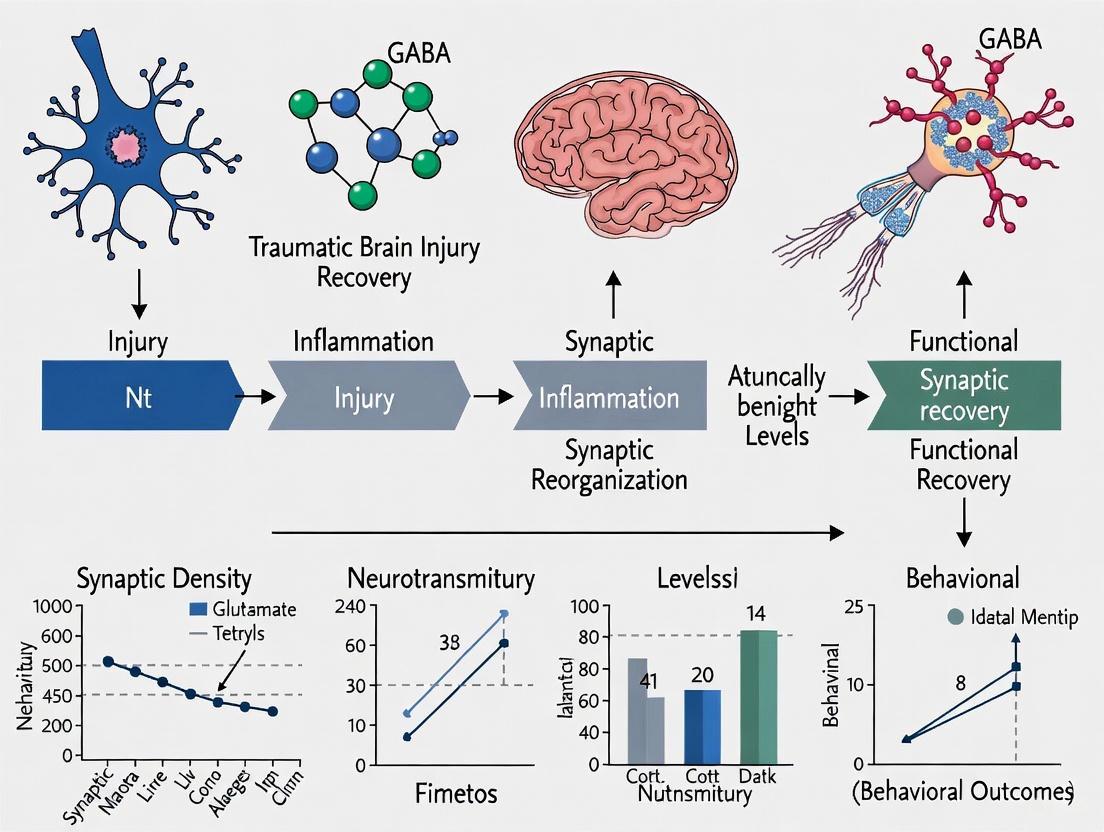
This review synthesizes current research on the critical role of neuroplasticity in recovery from traumatic brain injury (TBI), addressing the needs of researchers and drug development professionals.
Neuroplasticity in Traumatic Brain Injury: Molecular Mechanisms, Therapeutic Applications, and Future Directions for Research and Drug Development
Abstract
This review synthesizes current research on the critical role of neuroplasticity in recovery from traumatic brain injury (TBI), addressing the needs of researchers and drug development professionals. It explores foundational mechanisms, including synaptic and structural plasticity, and evaluates advanced methodologies such as neuromodulation, AI-driven therapies, and pharmacological interventions that harness neuroplasticity for recovery. The article also addresses key challenges in optimizing and personalizing these interventions and discusses the use of functional neuroimaging and biomarker validation to assess treatment efficacy. By integrating insights across these domains, this review aims to inform the development of next-generation, neuroplasticity-based therapeutics for TBI.
The Neuroplastic Brain: Unraveling Core Mechanisms of Recovery Post-TBI
Neuroplasticity, defined as the ability of the nervous system to adapt its activity structurally and functionally in response to environmental interactions and injuries, represents a cornerstone of recovery in both the central (CNS) and peripheral nervous systems (PNS) [1]. For researchers investigating traumatic brain injury (TBI), understanding these adaptive mechanisms is paramount for developing targeted therapeutic interventions. The historical perception of the brain as a static organ has been fundamentally replaced by evidence demonstrating its remarkable dynamic capacity to reorganize itself throughout an organism's lifespan [2]. This whitepaper delineates the core forms of neuroplasticity—synaptic, structural, and functional—within the specific context of the injured brain, providing a technical framework for advancing research and therapeutic development in TBI recovery.
The clinical significance of neuroplasticity in TBI is profound. Following injury, the brain initiates a complex cascade of compensatory mechanisms, enabling it to adapt and recover from damage through the reorganization of function and structure [3]. This process underpins the restoration of cognitive, motor, and sensory functions that were disrupted by the initial insult. Cutting-edge research continues to reveal that neuroplasticity is not a single phenomenon but a multifaceted collection of processes operating at molecular, cellular, and systems levels, each offering potential targets for therapeutic intervention [1] [4]. This document synthesizes current understanding of these mechanisms, with a specific focus on their implications for TBI research and drug development.
Core Forms of Neuroplasticity in the Injured Brain
In the context of traumatic brain injury, neuroplasticity manifests through three primary, interconnected adaptation modes. Each form operates at a distinct biological scale yet converges to facilitate overall functional recovery.
Synaptic Plasticity
Synaptic plasticity refers to the activity-dependent modification of the strength or efficacy of synaptic transmission at pre-existing synapses [3]. This form of plasticity is considered a fundamental cellular mechanism underlying learning, memory, and, crucially, the functional reorganization following brain injury.
- Long-Term Potentiation (LTP) and Depression (LTD): LTP, a persistent strengthening of synapses based on recent patterns of activity, is the most extensively studied mechanism. Its core principles include [5]:
- State-dependence: Concurrent activation of pre- and postsynaptic neurons within approximately 100 milliseconds is required.
- Input specificity: LTP induction only affects synapses that are actively stimulated, not inactive synapses on the same neuron.
- Associativity: Strong activation of one pathway can potentiate a co-active, weaker pathway.
- Molecular Mechanisms: The NMDA (N-methyl-D-aspartate) receptor serves as a critical molecular detector for coincident activity. Its activation triggers calcium influx, initiating biochemical cascades that lead to the insertion of more neurotransmitter receptors (e.g., AMPA receptors) into the postsynaptic density, thereby strengthening the synaptic connection [5]. Following TBI, the precise regulation of these mechanisms is disrupted, and therapeutic strategies often aim to re-establish an environment conducive to beneficial LTP.
Structural Plasticity
Structural plasticity involves physical changes to the brain's architecture, including alterations in neuronal morphology, dendritic arborization, axonal sprouting, and neurogenesis [5] [6]. After TBI, the brain undergoes significant structural remodeling to rewire damaged circuits.
- Dendritic Spine Remodeling: Dendritic spines, the primary sites of excitatory synapses, exhibit dynamic structural changes. In vivo imaging studies, such as those using two-photon microscopy, reveal that pyramidal neuron dendritic spines can form or disappear at a rate of 5-10% per week under normal conditions. This rate increases dramatically during intense learning or after injury [5].
- Axonal Rewiring and Synaptogenesis: In response to injury, surviving axons can sprout new branches (collateral sprouting) to form new connections with denervated targets. This process is guided by molecular cues and activity patterns, effectively bypassing damaged areas [1].
- Neurogenesis: The generation of new neurons continues in specific brain regions throughout adulthood, most notably the hippocampus, where approximately 700 to 1,500 new neurons are generated daily [5]. These new neurons must then migrate, differentiate, and integrate into existing neural circuits to become functional. After TBI, enhancing this endogenous neurogenic response is a major focus of regenerative medicine.
Functional Plasticity
Functional plasticity denotes the brain's ability to adapt its physiological properties and reassign functions from damaged areas to healthy regions [5] [6]. This large-scale reorganization is vital for recovering lost functions after TBI.
- Functional Reassignment: A key example is the relocation of motor or language functions from damaged hemispheres to homologous regions in the contralateral hemisphere. This shift can be tracked using functional neuroimaging techniques like fMRI, which show altered activation patterns during task performance in recovering individuals [4].
- Cortical Map Reorganization: The cerebral cortex contains topographic maps of the body (motor and sensory homunculi). Following injury, for instance, to a limb, the cortical area previously dedicated to that limb can be "taken over" by adjacent body part representations. This remapping is driven by behavioral experience and is a primary target for constraint-induced movement therapy and other rehabilitation paradigms [4].
Table 1: Core Types of Neuroplasticity and Their Roles in TBI Recovery
| Plasticity Type | Primary Locus | Key Mechanisms | Functional Role in TBI Recovery |
|---|---|---|---|
| Synaptic Plasticity | Synapse | Long-Term Potentiation (LTP), Long-Term Depression (LTD) | Recalibrating synaptic weights for circuit re-optimization and memory reconsolidation [5]. |
| Structural Plasticity | Neuron/Circuit | Dendritic spine dynamics, axonal sprouting, neurogenesis | Rewiring damaged neural connections and generating new neurons to replace lost ones [5] [1]. |
| Functional Plasticity | Neural Systems/Network | Cortical map reorganization, functional reassignment | Compensating for damaged brain areas by shifting functions to healthy regions [5] [4]. |
Quantitative Metrics in Neuroplasticity Research
Empirical research into neuroplasticity relies on quantifying changes across molecular, cellular, and systems levels. The following table summarizes key quantitative findings from recent studies that illustrate the brain's adaptive potential.
Table 2: Quantitative Metrics of Neuroplasticity from Preclinical and Clinical Research
| Metric / Finding | Quantitative Value | Experimental Context | Significance for TBI Recovery |
|---|---|---|---|
| Neurogenesis Rate | 700 - 1,500 new neurons/day | Adult human hippocampus [5] | Represents endogenous capacity for neuronal replacement; potential target for enhancement post-TBI. |
| Dendritic Spine Turnover (Basal) | 5 - 10% per week | Pyramidal neurons in mouse cortex (in vivo imaging) [5] | Baseline structural dynamism that can be harnessed for circuit restructuring. |
| Dendritic Spine Turnover (Post-Lesion) | Up to 90% change | Mouse visual cortex after retinal lesion [5] | Demonstrates massive structural reorganization potential following injury. |
| Cognitive Flexibility Improvement | Significant increase (p<0.05) in correct trials & reward acquisition | Mice 2-3 weeks after single-dose 25CN-NBOH (psychedelic) [7] | Suggests potential for sustained enhancement of adaptive learning, relevant for TBI cognitive rehab. |
| Projected Global Impact of Delayed Dementia Onset | 9.2 million fewer Alzheimer's cases by 2050 | With a 1-year delay in onset [5] | Highlights profound long-term benefits of modulating plasticity in neurodegenerative processes, which can be secondary to TBI. |
Methodologies for Investigating Neuroplasticity
A multidisciplinary approach is essential for comprehensively capturing the multifaceted nature of neuroplasticity. The following experimental workflows and reagents are critical for contemporary research in this field.
Experimental Protocols and Workflows
1. Protocol for Assessing Cognitive Flexibility via Reversal Learning: This behavioral paradigm, adapted from the study on psychedelics, tests the prefrontal cortex-dependent ability to adapt to changing rules [7].
- Apparatus: Automated operant conditioning chambers equipped with stimulus lights, response levers/ports, and a liquid reward delivery system.
- Habituation: Animals are habituated to the chamber and trained to associate a stimulus (e.g., light A) with a reward for a nosepoke response.
- Acquisition Phase: Animals learn the initial rule (e.g., "light A = reward, light B = no reward") until a performance criterion is reached (e.g., >80% correct trials in a session).
- Reversal Phase: The contingency rule is reversed without warning (e.g., "light B = reward, light A = no reward"). The number of trials and errors required to reach the performance criterion again is recorded.
- Key Metrics: Percentage of correct trials, perseverative errors (continuing to respond to the previously correct stimulus), and reward acquisition rate during the reversal phase are quantified. This protocol directly measures cognitive flexibility, a common deficit after TBI.
2. Workflow for Single-Cell Proteomic Analysis of Plasticity: This cutting-edge approach moves beyond genomics to directly profile proteins, offering a more functional view of neuronal states, particularly in aging and injury [8].
- Tissue Preparation: Fresh or rapidly frozen brain tissue from a specific region of interest (e.g., hippocampus) is dissociated into a single-cell suspension.
- Cell Sorting: Using fluorescence-activated cell sorting (FACS), individual neurons are isolated into separate plates based on specific surface markers or transgenic labels.
- Mass Spectrometry: Single cells are lysed, and their proteins are digested into peptides. The peptides are analyzed using a high-sensitivity mass spectrometer (e.g., Bruker timsTOF Ultra 2).
- Data Analysis: Computational pipelines identify and quantify thousands of proteins per cell. Bioinformatic analyses then correlate protein expression profiles with cellular phenotypes, neuronal activity history, or exposure to therapeutic compounds. This reveals the proteomic underpinnings of neuroplasticity.
Research Workflow for Single-Cell Proteomics
Research Reagent Solutions for Neuroplasticity Studies
Table 3: Essential Research Reagents and Tools for Neuroplasticity Investigation
| Research Tool / Reagent | Category | Primary Function in Research |
|---|---|---|
| Bruker timsTOF Ultra 2 | Instrumentation | Enables high-sensitivity, single-cell resolution proteomic and lipidomic analysis to study protein-level changes in plasticity [8]. |
| 25CN-NBOH | Pharmacological Probe | A selective serotonin 2A (5-HT2A) receptor agonist used to investigate the role of this receptor in inducing sustained cognitive flexibility and neuroplasticity [7]. |
| Tabernanthalog (TBG) | Pharmacological Probe | A non-hallucinogenic psychoplastogen used to study mechanisms of neuroplasticity promotion independent of immediate early gene activation [9]. |
| Patch-seq | Integrated Methodology | Combines electrophysiological patch-clamp recording with single-cell RNA sequencing to link neuronal function with gene expression patterns in plasticity [8]. |
| fMRI / DTI / MEG | Neuroimaging Suite | Functional MRI (brain activity), Diffusion Tensor Imaging (white matter connectivity), and Magnetoencephalography (real-time neural dynamics) for systems-level plasticity assessment [4]. |
Key Signaling Pathways and Therapeutic Targeting
The molecular orchestration of neuroplasticity involves convergent signaling pathways that can be modulated for therapeutic benefit. Research into psychoplastogens has been instrumental in elucidating one such core pathway.
Core Psychoplastogen Signaling Pathway
This pathway, delineated through pharmacological and genetic studies, shows that both classic psychedelics and non-hallucinogenic psychoplastogens like Tabernanthalog (TBG) promote cortical neuroplasticity through a conserved biochemical cascade [9] [2]. The pathway involves sequential engagement of the 5-HT2A receptor, the TrkB neurotrophin receptor (a target for Brain-Derived Neurotrophic Factor, BDNF), downstream activation of the mTOR growth and translation pathway, and ultimately, the enhanced trafficking and function of AMPA-type glutamate receptors at synapses [9]. This series of molecular events culminates in measurable structural changes, such as the growth of new dendritic spines (spinogenesis), which are required for sustained behavioral improvements, such as antidepressant-like effects in animal models [9]. A critical finding for therapeutic development is that non-hallucinogenic compounds like TBG can promote this plasticity without inducing an immediate glutamate burst or activating immediate early genes, effects previously assumed to be necessary for classic psychedelic-induced neuroplasticity [9].
The definitive understanding of neuroplasticity—encompassing synaptic, structural, and functional adaptations—provides a robust scientific framework for developing novel interventions for traumatic brain injury. The quantitative data, methodological tools, and molecular insights summarized in this whitepaper highlight a dynamic and targetable system for promoting brain repair. Future research directions are poised to transform this knowledge into clinical applications. Key areas include the rational development of non-hallucinogenic neuroplastogens that safely promote beneficial plasticity [9] [10], the personalization of neuromodulation therapies (e.g., TMS, tDCS) based on individual neuroimaging profiles [4], and the integration of single-cell multi-omics to create a high-resolution map of the recovering brain [8]. For researchers and drug development professionals, the challenge and opportunity lie in leveraging these mechanistic insights to design the next generation of therapies that can precisely guide the brain's innate adaptive potential to overcome the devastating consequences of traumatic injury.
Traumatic brain injury (TBI) represents a significant global public health challenge, causing not only immediate neural cell death but also enduring functional deficits through disruption of synaptic networks and neural circuits [11] [12]. The recovery of nervous system functionality following TBI relies fundamentally on neuroplasticity—the ability of the nervous system to adapt structurally and functionally in response to experience and injury [1]. This adaptive capacity occurs at multiple levels, from molecular and cellular changes to systems-level reorganization. At the cellular level, key mechanisms of neuroplasticity include long-term potentiation (LTP) and long-term depression (LTD) of synaptic transmission, axonal sprouting to establish new connections, and dendritic remodeling to modify existing circuits [1] [11]. These processes are not isolated events but rather work in concert to reshape neural networks in response to experience and injury. Understanding these core mechanisms provides the foundation for developing targeted therapeutic interventions that can enhance functional recovery after TBI. This review synthesizes current knowledge of the cellular and molecular mechanisms underlying LTP, LTD, axonal sprouting, and dendritic remodeling, with particular emphasis on their roles in recovery from traumatic brain injury.
Molecular Mechanisms of Long-Term Potentiation and Depression
NMDA Receptor-Dependent Signaling in Synaptic Plasticity
Long-term potentiation and long-term depression represent two complementary forms of synaptic plasticity that are fundamental to learning, memory, and brain repair. Both LTP and LTD are primarily induced through activation of N-methyl-D-aspartate receptors (NMDARs), which function as molecular coincidence detectors [13]. The NMDAR exhibits a unique voltage-dependent block by magnesium ions (Mg²⁺), which is relieved upon sufficient postsynaptic depolarization [14]. This property enables the NMDAR to detect coincident presynaptic glutamate release and postsynaptic depolarization, triggering calcium influx that initiates intracellular signaling cascades.
The magnitude and temporal pattern of calcium influx through NMDARs determines whether LTP or LTD is induced. Brief, high-frequency stimulation leading to substantial calcium influx activates calcium/calmodulin-dependent protein kinase II (CaMKII) and other kinases, promoting LTP [15] [13]. Conversely, prolonged, low-frequency stimulation resulting in modest calcium elevation activates protein phosphatases, leading to LTD [13] [16]. This calcium threshold hypothesis provides a fundamental mechanism for bidirectional synaptic plasticity.
Table 1: Key Molecular Determinants of LTP versus LTD
| Parameter | Long-Term Potentiation (LTP) | Long-Term Depression (LTD) |
|---|---|---|
| Induction Pattern | Brief, high-frequency stimulation | Prolonged, low-frequency stimulation |
| Calcium Signal | Large, rapid increase | Modest, sustained increase |
| NMDA Receptor Activation | Strong | Moderate |
| Primary Kinases/Phosphatases | CaMKII, PKA, PKC | Calcineurin, PP1 |
| AMPA Receptor Trafficking | Synaptic insertion | Internalization |
| Spine Morphology | Enlargement and stabilization | Shrinkage and retraction |
AMPA Receptor Trafficking and Maintenance Mechanisms
The expression of both LTP and LTD primarily involves changes in the number and function of α-amino-3-hydroxy-5-methyl-4-isoxazolepropionic acid receptors (AMPARs) at the postsynaptic membrane [17] [13]. LTP induction promotes rapid trafficking of GluA1-containing AMPARs to the synapse, followed later by incorporation of GluA2-containing receptors that confer stability [17]. In contrast, LTD involves activity-dependent removal of GluA2-containing AMPARs through clathrin-mediated endocytosis [17] [13].
Recent research has revealed sophisticated maintenance mechanisms that sustain synaptic changes. CaMKII, a critical mediator of LTP, can form a reciprocally-activating kinase-effector complex with its substrate proteins including Tiam1, thereby regulating persistence of downstream signaling [15]. Furthermore, activated CaMKII can condense at the synapse through liquid-liquid phase separation (LLPS), increasing its binding capacity and potentially serving as a "synapse tag" that captures newly synthesized proteins to stabilize long-term synaptic changes [15].
Phosphoinositide Signaling in LTD
The spatial and temporal regulation of membrane lipids, particularly phosphoinositides, plays a crucial role in synaptic plasticity. Phosphatidylinositol-4,5-bisphosphate (PIP₂) demonstrates distinct dynamics during LTD induction, with rapid PIP5K-dependent increases forming nanoclusters in spine heads during early phases, followed by PTEN-mediated accumulation, and finally PLC-dependent degradation that provides timely termination of PIP₂ signaling [16]. These precise lipid cues coordinate the structural and functional reorganization of dendritic spines during synaptic depression.
Figure 1: PIP2 Signaling Dynamics in Long-Term Depression. Phosphatidylinositol-4,5-bisphosphate (PIP₂) shows distinct temporal dynamics during LTD induction, with sequential involvement of PIP5K, PTEN, and PLC enzymes coordinating AMPAR removal and spine structural changes.
Structural Plasticity: Dendritic Remodeling and Axonal Sprouting
Dendritic Spine Dynamics in Learning and Memory
Dendritic spines are small protrusions from dendritic shafts that serve as the primary postsynaptic sites for excitatory synapses. These structures are highly dynamic and undergo activity-dependent structural changes that correlate with synaptic strength [11]. Spine plasticity follows a consistent pattern: enlargement of spine heads and formation of new spines associate with LTP, while spine shrinkage and retraction associate with LTD [11]. Consolidation of memory is associated with remodeling and growth of preexisting synapses and the formation of new synapses [11].
In traumatic brain injury, dendritic spines represent vulnerable subcellular targets. TBI not only causes neural cell death but also induces significant dendritic spine degeneration in spared neurons [11]. This includes dendritic beading and fragmentation, decreased dendritic branching, and reduced spine density, particularly affecting mature mushroom-shaped spines [11]. These subcellular changes disrupt neurocircuits and significantly contribute to functional impairment following TBI, even in neurons that survive the initial injury.
Axonal Sprouting and Regenerative Responses
Axonal sprouting represents a crucial regenerative mechanism whereby intact neurons form new axonal projections and synaptic connections to compensate for damaged pathways. Following nervous system injury, Schwann cells in the peripheral nervous system undergo remarkable phenotypic transitions, dedifferentiating into repair cells that clear myelin debris, recruit macrophages, and form Büngner bands that guide axonal regrowth [1]. This repair process is tightly regulated by molecular pathways including activation of c-Jun, which promotes the Schwann cell repair phenotype and enhances nerve regeneration [1].
In the central nervous system, axonal sprouting is more limited but can be facilitated by specific growth factors. Growth and differentiation factor-10 (GDF-10) has been identified as a key regulator that promotes axonal outgrowth through TGFβ receptor signaling [18]. GDF-10 is upregulated in the brain after ischemia and enhances axonal sprouting in the peri-infarct cortex, improving motor recovery [18]. This represents an endogenous repair mechanism that could be therapeutically enhanced for TBI recovery.
Table 2: Structural Plasticity Mechanisms in TBI Recovery
| Mechanism | Cellular Process | Key Molecular Mediators |
|---|---|---|
| Dendritic Spine Remodeling | Changes in spine morphology and density | CaMKII, Rho GTPases, Actin regulators |
| Axonal Sprouting | Formation of new axonal projections | GDF-10, NGF, p75NTR, c-Jun |
| Myelination | Ensheathment of axons by glial cells | Schwann cells, Oligodendrocytes |
| Synapse Formation | Establishment of new synaptic contacts | AMPARs, NMDARs, Adhesion molecules |
| Cytoskeletal Reorganization | Rearrangement of neuronal architecture | Microtubules, Neurofilaments, Tau |
Experimental Models and Methodologies
TBI Models and Plasticity Assessment
The study of neuroplasticity in TBI recovery employs specialized experimental models and methodologies. Controlled cortical impact (CCI) in rodents is widely used to model human TBI, producing graded injury severity from mild to severe [11]. Larger animals with gyrencephalic brains closer in size and physiology to humans have been increasingly used for preclinical TBI study, though lissencephalic rodents remain most common due to practical advantages [11].
To investigate dendritic spine dynamics, researchers combine TBI models with advanced imaging techniques. Golgi-Cox staining allows visualization of complete dendritic arbors and spines, while two-photon in vivo imaging enables longitudinal tracking of the same spines over time [11]. Spine analysis typically categorizes spines based on morphology (mushroom, thin, stubby) and quantifies density, size, and dynamics across different dendritic regions.
Electrophysiological Assessment of LTP/LTD
Synaptic plasticity is directly measured using electrophysiological techniques. Field potential recordings in hippocampal slices monitor changes in synaptic strength following induction protocols [13]. High-frequency stimulation (e.g., 100 Hz tetanus) typically induces LTP, while low-frequency stimulation (1 Hz for 15 minutes) induces LTD [13] [19]. Whole-cell patch-clamp recordings provide additional detail on AMPAR and NMDAR currents, receptor trafficking, and underlying mechanisms.
The induction and expression of synaptic plasticity are influenced by multiple factors including strain differences, stress levels, and novelty exposure [19]. For example, LTD is more readily induced in Wistar rats compared to Hooded Lister rats, and exposure to novel environments facilitates LTD induction, potentially through cholinergic mechanisms [19].
Molecular Visualization Techniques
Advanced techniques enable visualization of molecular processes during plasticity. Rapid cryofixation followed by freeze-fracture immunogold labeling allows ultrahigh resolution localization of signaling lipids like PIP₂ in dendritic spine membranes [16]. This approach preserves native membrane organization and reveals nanodomain-specific lipid dynamics during LTD.
Engram labeling techniques employ immediate-early gene promoters (e.g., c-fos) coupled with fluorescent reporters to tag and manipulate specific neuronal ensembles activated during learning [17]. Combined with optogenetics, this enables causal testing between engram activation and memory recall, revealing how synaptic plasticity mechanisms contribute to memory storage and retrieval.
Therapeutic Targeting of Plasticity Mechanisms
Pharmacological Interventions
Several pharmacological approaches target synaptic plasticity mechanisms to enhance TBI recovery. Microtubule-stabilizing agents like epothilone D prevent microtubule misalignment and dissolution after TBI, increasing mushroom spine density and improving functional outcomes [11]. RhoA-ROCK pathway inhibitors such as fasudil alleviate motor and cognitive deficits while preventing TBI-induced mature spine loss [11].
Neurotrophic factor mimetics represent another promising approach. 7,8-Dihydroxyflavone, a small molecule that mimics brain-derived neurotrophic factor (BDNF) through activating TrkB receptors, reduces dendritic swelling and prevents spine loss after TBI while improving rotarod performance [11]. Additionally, spinogenic compounds like BTA-EG4 block Aβ-induced activation of Cofilin, thereby reducing spine loss and potentially counteracting TBI-related pathology [11].
Biomarker Monitoring in Rehabilitation
Blood biomarkers of neuroplasticity provide objective measures of recovery during rehabilitation. Serum levels of endostatin, GDF-10, and uPAR show promise as biomarkers that correlate with rehabilitation outcomes after stroke [18]. Specifically, decreased endostatin or increased GDF-10 during the first month of rehabilitation associates with greater sensorimotor and functional improvements [18]. These biomarkers could guide personalized rehabilitation protocols for TBI patients.
Table 3: Research Reagent Solutions for Neuroplasticity Studies
| Reagent/Category | Specific Examples | Primary Research Application |
|---|---|---|
| Plasticity Inducers | High-frequency stimulation, 1 Hz low-frequency stimulation, Chemical LTP/LTD protocols | Induction of synaptic strengthening or weakening |
| Molecular Inhibitors | FK506 (calcineurin inhibitor), Fasudil (Rho-kinase inhibitor), Anisomycin (protein synthesis inhibitor) | Dissecting molecular pathways of plasticity |
| Genetically Encoded Sensors | SomaGCaMP7 (calcium), PIP2 biosensors, pHluorin-tagged receptors | Monitoring molecular dynamics in live cells |
| Viral Vectors | AAV-RAM-d2TTA::TRE-EGFP (engram labeling), Channelrhodopsin (optogenetics) | Targeted manipulation of specific neuronal populations |
| Antibodies | Anti-GFP, Anti-RFP, Anti-MAP2, Anti-PIP2 | Visualization and quantification of plasticity-related molecules |
The cellular and molecular mechanisms of LTP, LTD, axonal sprouting, and dendritic remodeling represent fundamental processes through which the brain adapts following traumatic injury. These mechanisms work in concert to reshape neural circuits in response to experience, forming the biological basis for rehabilitation and recovery. Current research continues to elucidate the sophisticated molecular cascades, structural adaptations, and regulatory systems that govern neuroplasticity, revealing increasingly complex interactions between neurons, glia, and the extracellular environment.
Future directions in TBI plasticity research include developing more specific pharmacological agents that target key plasticity pathways without disruptive side effects, optimizing timing and parameters of plasticity-based interventions, and creating personalized approaches based on individual biomarker profiles. The integration of advanced techniques such as optogenetics, in vivo imaging, and ultrahigh resolution molecular visualization will continue to expand our understanding of how neural circuits reorganize after injury. By harnessing the brain's inherent plastic capacity through targeted interventions that engage these fundamental mechanisms, we can develop more effective strategies to promote recovery and restore function following traumatic brain injury.
Figure 2: Integrated Plasticity Mechanisms in TBI Recovery. Traumatic brain injury triggers coordinated cellular and molecular responses that engage multiple plasticity mechanisms, ultimately leading to structural and functional recovery through interrelated pathways.
Traumatic brain injury (TBI) initiates a complex and dynamic sequence of neuroplastic changes that evolve over time, comprising immediate, delayed, and chronic phases of reorganization. This adaptive process represents the brain's inherent capacity to remodel its structure and function in response to injury [20]. Within the context of neuroplasticity's role in recovery, understanding these temporal phases is paramount for developing targeted therapeutic interventions. The structural and functional changes that occur during these phases can either facilitate recovery through compensatory mechanisms or contribute to long-term deficits via maladaptive reorganization [21]. For researchers and drug development professionals, elucidating the precise molecular, cellular, and systems-level mechanisms governing each phase offers critical insights for timing-specific treatments that harness the brain's plastic potential while minimizing maladaptive outcomes.
Temporal Phases of Neuroplasticity After TBI
Following traumatic brain injury, neuroplasticity unfolds in three distinct yet overlapping temporal phases, each characterized by unique cellular processes, molecular events, and functional consequences. The table below summarizes the key characteristics, primary mechanisms, and functional implications of each phase.
Table 1: Temporal Phases of Neuroplasticity Following Traumatic Brain Injury
| Temporal Phase | Time Frame | Primary Mechanisms | Key Cellular Events | Functional Implications |
|---|---|---|---|---|
| Immediate | First 48 hours [20] | Decreased cortical inhibition [20]; Altered synaptic strength [21] | Cell death [22] [20]; Unmasking of secondary networks [22] [20] | Initial attempts to maintain function using secondary pathways [20] |
| Delayed | Following weeks [20] | Shift from inhibitory to excitatory signaling [20]; Axonal sprouting [21] | Synaptic plasticity [20]; Gliotic scar formation [22]; Revascularization [22] | Recruitment of support cells; formation of new connections [20] |
| Chronic | Weeks to months onward [22] [20] | Cortical remodeling [20]; Upregulation of synaptic markers [22] | Axonal sprouting [22] [20]; Dendritic remodeling [21]; Morphological changes in hippocampus [22] | Long-lasting reorganization; can be adaptive or maladaptive [21] |
The sequential relationship of these phases, along with their key outcomes, can be visualized as a flow of events leading to divergent functional results.
Immediate Phase (First 48 Hours)
The immediate phase represents the brain's initial response to trauma, characterized by rapid but often inefficient adaptive mechanisms. Within this period, primary damage culminates in cell death and the loss of specific cortical pathways associated with the deceased neurons [20]. A crucial early event is the reduction in cortical inhibitory pathways, which is thought to facilitate the recruitment or unmasking of secondary neuronal networks that were previously latent [22] [20]. This disinhibition provides a temporary window for alternative circuits to maintain basic function. Simultaneously, studies indicate rapid alterations in synaptic strength and neurotransmitter release at affected neuronal circuits, reflecting the brain's attempt to stabilize network activity amidst the crisis [21]. The immediate phase primarily involves functional shifts rather than structural changes, setting the stage for subsequent plastic reorganization.
Delayed Phase (The Following Weeks)
The delayed phase marks a transition toward more structural reorganization. During this period, the activity of cortical pathways shifts from inhibitory to excitatory, followed by neuronal proliferation and synaptogenesis [22]. There is active recruitment of both neuronal and non-neuronal cells, including endothelial progenitors, glial cells, and inflammatory cells, which work to replace damaged cells, facilitate gliotic scar tissue, and revascularize the affected area [22] [20]. A hallmark of this phase is axonal sprouting, where undamaged axons develop new branches or sprouts, and dendritic remodeling, which involves changes in dendritic length, branching patterns, and spine density [21]. These processes enable the creation of new connections and pathways, allowing neural networks to reorganize around injured regions [21]. This phase represents a critical window for therapeutic intervention, as the brain is highly responsive to experience-driven plasticity.
Chronic Phase (Weeks to Months Onward)
The chronic phase involves long-lasting morphological and functional changes that can continue for months after the initial injury. Key processes include the upregulation of new synaptic markers and continued axonal sprouting, which permit sustained remodeling and cortical changes for recovery [22]. Animal models demonstrate long-lasting changes in hippocampal structure, including growth of cell soma and recruitment of neurons [22]. The neuroplasticity occurring in this extended period can have divergent functional consequences: it can be adaptive, leading to meaningful functional recovery, or maladaptive, resulting in pathological outcomes such as inappropriate neuronal connections that hinder recovery or contribute to disorders like epilepsy or chronic pain [21] [20]. The outcome depends on a complex interplay of factors, including injury location, severity, age, and the nature of rehabilitative interventions.
Experimental Models and Methodologies for Investigating Neuroplasticity
Preclinical models are indispensable for elucidating the mechanisms of neuroplasticity following TBI. The controlled cortical impact (CCI) model is widely used to investigate pediatric and adult TBI, generating reproducible cortical lesions that mimic clinically relevant histopathological, neurophysiological, and behavioral characteristics of moderate-to-severe injuries [23]. The following diagram illustrates a typical experimental workflow from injury induction to analysis in a CCI model studying neuroplasticity.
Table 2: Key Research Reagents and Experimental Tools for Investigating Post-TBI Neuroplasticity
| Reagent / Tool | Primary Function | Experimental Application | Key Insights Provided |
|---|---|---|---|
| Controlled Cortical Impact (CCI) Device | Induces reproducible focal brain injury | Used in rodents to model human TBI; parameters adjustable for injury severity [23] | Reproduces clinical histopathology and behavioral deficits for testing interventions [23] |
| BrdU, ³H-thymidine, ¹⁴C | Cell division labeling agents | Injected systemically to label newly generated cells; brains analyzed post-mortem [22] | Direct visualization of cell division/turnover; evidence for neurogenesis/plasticity [22] |
| Whole-Cell Patch Clamp Electrophysiology | Measures intracellular neuronal activity | Records from neurons in brain slices; assesses synaptic strength & plasticity (e.g., LTP/LTD) [23] | Reveals changes in spontaneous firing and capacity for synaptic strengthening post-TBI [23] |
| Diffusion Tensor Imaging (DTI) | Maps white matter tract integrity | Non-invasive in vivo imaging; measures water diffusion directionality (Fractional Anisotropy) [22] [23] | Detects white matter abnormalities (e.g., corpus callosum damage) after injury [23] |
| Functional MRI (fMRI / fNCI) | Infers neuronal activity via blood flow | Subjects perform tasks in scanner; BOLD signal indicates active regions [22] [24] | Maps functional reorganization and neurovascular coupling (NVC) health [22] [24] |
A representative study employing this methodology utilized postnatal day 16-18 Sprague-Dawley rats (equivalent to human toddler age) subjected to CCI with a 6-mm impactor tip at 5.5 m/sec velocity and 1.5 mm depth [23]. At 2-3 weeks post-injury, researchers conducted a multimodal analysis:
- Electrophysiology: Extracellular in vivo recordings in the primary somatosensory cortex (S1) measured multi-unit activity and local field potentials. Intracellular whole-cell patch clamp recordings on brain slices from layer V pyramidal neurons assessed spontaneous firing rates and long-term potentiation by stimulating the corpus callosum [23].
- Neuroimaging: In vivo fMRI measured functional responses to forepaw stimulation. Diffusion tensor imaging assessed the integrity of the corpus callosum by measuring fractional anisotropy [23].
- Histological Analysis: Post-mortem tissue analysis verified myelination volume and structural changes in the corpus callosum and cortical regions [23].
This integrated approach revealed significant decreases in neurophysiological responses (e.g., 86.4% decrease in multi-unit activity, 77.6% decrease in fMRI signal) and impaired LTP (82% decrease) in TBI animals, suggesting that post-TBI plasticity can lead to inappropriate neuronal connections and network dysfunction [23].
Molecular Mechanisms and Signaling Pathways
The neuroplastic changes observed across all temporal phases are governed by intricate molecular mechanisms and signaling pathways. Key molecular players include:
- Synaptic Plasticity (LTP and LTD): Long-term potentiation and long-term depression represent experience-dependent long-lasting changes in the strength of neuronal connections [20]. Repetitive stimulation of presynaptic fibers results in high responses of postsynaptic neurons, a process theorized to involve the postsynaptic neuron adding more neurotransmitter receptors, thereby lowering the stimulation threshold [20]. Calcium ions, second messengers like cyclic adenosine monophosphate, and protein kinases regulate these synaptic changes [21].
- Structural Plasticity: This encompasses dynamic alterations in neuronal architecture, including dendritic remodeling (changes in dendritic length, branching patterns, and spine density) and axonal sprouting (the expansion of new axonal branches from existing neurons) [21]. These processes facilitate circuit rewiring and are particularly active in the delayed and chronic phases post-TBI.
- Neurotrophins and Growth Factors: Molecules such as brain-derived neurotrophic factor assist post-concussion recovery and are released in response to interventions like aerobic exercise [24]. These factors support neuronal survival, differentiation, and synaptic plasticity.
- Inflammatory Mediators: Following TBI, proteins such as interleukin-1β and tumor necrosis factor α contribute to the neuroinflammatory response, which can influence plasticity both positively and negatively [25].
The following diagram illustrates the core signaling pathways that underlie synaptic plasticity, a fundamental mechanism operating across all phases of post-TBI recovery.
The trajectory of recovery from traumatic brain injury is fundamentally shaped by the temporal dynamics of neuroplasticity. The immediate, delayed, and chronic phases each present distinct opportunities and challenges for therapeutic intervention. The immediate phase offers a window for neuroprotective strategies, the delayed phase is optimal for initiating experience-dependent plasticity through rehabilitation, and the chronic phase requires approaches that encourage adaptive while discouraging maladaptive reorganization. For researchers and drug development professionals, successful translation of these mechanistic insights will depend on the development of temporally-targeted therapies that align with the brain's endogenous plastic processes. Future research must focus on refining our understanding of how specific molecular pathways influence these plastic phases, ultimately enabling more precise and effective interventions for TBI recovery.
Traumatic brain injury (TBI) initiates a complex cascade of cellular events that can lead to widespread neurodegeneration and functional impairment. Within this pathological context, the brain's inherent capacity for repair and adaptation—neuroplasticity—is critically supported by three key cellular elements: glial cells, neural stem cells (NSCs), and neurotrophic factors (NTFs). Understanding the dynamic interactions between these components provides a foundation for developing innovative therapeutic strategies aimed at enhancing recovery after TBI [22] [26].
Neuroplasticity, once considered exclusive to development, is now recognized as a lifelong process involving structural and functional reorganization of neural circuits in response to experience and injury. Following TBI, neuroplasticity occurs in a sequence of phases: initial cell death and disinhibition, followed by a shift to excitatory cortical pathways, and ultimately neuronal proliferation and synaptogenesis [22]. This review will explore how glial cells, NSCs, and NTFs collectively mediate these processes, offering promising targets for therapeutic intervention in the context of traumatic brain injury.
Glial Cells: The Dynamic Support System
Beyond Passive Support: Active Partners in Neural Function
Historically viewed as mere "glue" providing structural support, glial cells are now recognized as active participants in brain function and recovery. They comprise several cell types—including astrocytes, microglia, oligodendrocytes, and others—that perform essential roles in supporting neurological and anatomical structures, neurophysiological functions, cognition, and behavior [27].
The contemporary understanding positions glial cells as crucial regulators of synaptic communication, neurogenesis, and neural circuit modulation rather than simply serving as structural elements [27]. They form an integral component of the "tripartite synapse," wherein presynaptic and postsynaptic neurons are accompanied by astrocytes that actively participate in synaptic transmission [27]. This dynamic two-way communication between glia and neurons is fundamental for synaptic modulation and plasticity.
Glial Diversity and Functions in TBI
Table 1: Key Glial Cell Types and Their Functions in TBI Recovery
| Glial Cell Type | Primary Functions | Role in TBI Context |
|---|---|---|
| Astrocytes | Synaptic homeostasis, blood-brain barrier regulation, metabolic support [27] [26]. | Form glial scars to isolate damage; release trophic factors; modulate neuroinflammation [26]. |
| Microglia | CNS immune surveillance, phagocytosis of debris, inflammatory mediation [28] [26]. | Clear cellular debris; shift between pro-inflammatory (M1) and anti-inflammatory/neuroprotective (M2) phenotypes [28]. |
| Oligodendrocytes | Myelination of axons, enabling efficient signal conduction [26]. | Vulnerable to injury; their death leads to demyelination and conduction failure. |
| NG2 Glia | Oligodendrocyte precursor cells [26]. | Can be reprogrammed to support post-injury neurogenesis [26]. |
Following TBI, glial cells undergo reactive gliosis, a process with dual consequences. While reactive gliosis aids tissue repair, immune modulation, and homeostasis, it can also exacerbate neuroinflammation and neurological deficits if dysregulated [26]. This dual nature makes glial cells promising but complex therapeutic targets. Current research explores glia-targeted treatments, including senolytic compounds to remove senescent cells and transcription factors to reprogram astrocytes or NG2 glia to support neurogenesis after injury [26].
Neural Stem Cells: Seeds of Regeneration
Neurogenesis in the Adult Brain
The discovery of adult neurogenesis overturned the long-held dogma that the adult mammalian brain is incapable of generating new neurons. Neural stem cells with self-renewal and multilineage potential reside primarily in the subventricular zone (SVZ) of the lateral ventricle and the subgranular zone (SGZ) of the hippocampal dentate gyrus [29] [30]. These reservoirs of NSCs contribute to brain plasticity by continuously introducing immature neurons that exhibit hyper-excitability and form new synaptic connections, playing a homeostatic role in functional restoration following brain injury [30].
NSC Mechanisms in TBI Recovery
In TBI models, human neural stem cell (hNSC) interventions have demonstrated promise by reducing tissue damage and promoting functional recovery through neuroprotective and regenerative signaling and cell replacement [31]. Meta-analyses of pre-clinical studies show that hNSC transplantation reduces lesion volume and enhances cognitive performance, as measured by tests like the Morris Water Maze [31].
The therapeutic effect of NSCs extends beyond direct cell replacement. A significant mechanism involves their paracrine activity—the secretion of bioactive factors collectively known as the secretome [29] [32]. This secretome includes growth factors, cytokines, and extracellular vesicles (like exosomes) that mediate immunomodulation, inhibit apoptosis, suppress inflammation, and ultimately create a favorable microenvironment for regeneration [29] [32]. The shift toward exploiting the NSC secretome or NSC-derived exosomes presents a promising cell-free therapeutic strategy that may circumvent challenges associated with direct cell transplantation, such as poor survival, limited integration, and immune rejection [32].
Table 2: Key Bioactive Factors in the Neural Stem Cell Secretome and Their Functions
| Secretome Factor | Category | Documented Function in Neurogenesis |
|---|---|---|
| BDNF | Neurotrophic Factor | Stimulates NSC proliferation and differentiation; enhances neuroblast migration and survival [29]. |
| VEGF-A | Growth Factor | Promotes neuroblast proliferation; controls NSC quiescence/proliferation balance [29]. |
| GDNF | Neurotrophic Factor | Stimulates axonal growth and survival of new neurons [29]. |
| PDGF-AA | Growth Factor | Promotes neuroblast differentiation and proliferation [29]. |
| CNTF | Cytokine | Acts as a chemoattractant to guide neuroblast migration [29]. |
| Exosomes | Extracellular Vesicles | Carry proteins, lipids, and miRNAs; modulate neuronal function and glial activity; cross the BBB [32]. |
Neurotrophic Factors: Molecular Messengers of Plasticity
Classification and Signaling Mechanisms
Neurotrophic factors (NTFs) are secreted proteins that are crucial for neuronal growth, survival, differentiation, and synaptic functionality [33]. They activate specific receptor complexes on the cell surface, triggering intracellular signaling cascades that promote neuronal survival, axon/dendrite growth, synaptic plasticity, and neural repair [33]. Their ability to modulate inflammation and glial responses makes them particularly relevant in the context of TBI [28].
Table 3: Major Neurotrophic Factor Families and Their Characteristics
| NF Category | Key Members | Primary Receptors | Major Roles in the CNS |
|---|---|---|---|
| Neurotrophins | BDNF, NGF, NT-3, NT-4/5 | TrkA, TrkB, TrkC, p75NTR | Neuronal survival/differentiation; synaptic plasticity and memory; neural repair/regeneration [33]. |
| GDNF Family | GDNF, Neurturin, Artemin | GFRα1-4, RET kinase | Survival of dopaminergic and motor neurons; axonal regeneration; neuromuscular junction maintenance [33]. |
| Neurokines | CNTF, LIF, IL-6 | CNTFRα, LIFRβ, gp130 | Neuronal survival; glial differentiation; regulation of neuroinflammation; synaptic plasticity [33]. |
| Other NTFs | IGF-1, VEGF, FGFs | IGF1R, VEGFR, FGFR | Neurogenesis, angiogenesis, neuroprotection, axonal guidance, and synaptogenesis [33]. |
NTFs as Therapeutic Agents in TBI
After TBI, altered levels of NTFs are observed, and modulating these levels represents a promising therapeutic strategy [33]. For instance, Brain-Derived Neurotrophic Factor (BDNF) is key for synaptic plasticity and survival of cortical and dopaminergic neurons, and is highly expressed in the hippocampus, cortex, and cerebellum [33]. Beyond direct neuronal support, NTFs can direct microglial and astrocytic activation toward neuroprotective, anti-inflammatory phenotypes, thereby mitigating the chronic neuroinflammation that impedes recovery [28].
However, clinical application of NTFs faces challenges, primarily their inability to cross the blood-brain barrier (BBB) and short half-life [33]. Consequently, innovative delivery methods are being explored, including viral vectors (e.g., adeno-associated viruses), stem cell-mediated delivery, and engineered exosomes or nanoparticles to ensure targeted and sustained NTF delivery to the brain [33] [26].
Experimental Approaches and Methodologies
Research Reagent Solutions
Table 4: Essential Research Reagents and Models for Investigating Post-TBI Plasticity
| Reagent / Model | Category | Primary Research Application |
|---|---|---|
| Pre-clinical TBI Models | In Vivo Model | Used to evaluate the efficacy of hNSC interventions on lesion volume and functional recovery [31]. |
| Morris Water Maze | Behavioral Test | A standard test for assessing spatial learning and memory in rodent models of TBI [31]. |
| Modified Neurological Severity Score | Functional Assessment | A composite score used to evaluate neurological motor and sensory deficits in rodent TBI models [31]. |
| Adeno-Associated Virus | Delivery Vector | Used to deliver genes of NTFs or other therapeutic agents to specific brain regions [33]. |
| Nanoparticles | Delivery System | Engineered to transport active pharmaceutical ingredients across the BBB to target glia and neurons [26]. |
| Senolytic Compounds | Pharmaceutical Agent | Used to target and eliminate senescent cells to improve cognitive outcomes [26]. |
Key Experimental Workflows and Signaling Pathways
The following diagrams visualize core experimental workflows and signaling pathways discussed in this field, generated using Graphviz DOT language.
In Vivo Assessment of NSC Therapy for TBI illustrates the standard workflow for evaluating neural stem cell therapies in traumatic brain injury models, showing primary and secondary outcome measures at different recovery phases [31].
Neurotrophic Factor Signaling Pathways maps the major neurotrophic factor families and their primary intracellular signaling cascades, which lead to distinct cellular outcomes critical for recovery [33].
The intricate interplay between glial cells, neural stem cells, and neurotrophic factors forms the cornerstone of the brain's plastic response to traumatic injury. Glial cells create and modulate the microenvironment, neural stem cells provide the substrate for regeneration, and neurotrophic factors act as the molecular signals orchestrating the process. Moving beyond viewing these components in isolation to understanding their integrated networks is crucial for advancing the field.
Future therapeutic strategies for TBI will likely involve multi-target approaches: modulating reactive glia to a restorative phenotype, harnessing the regenerative potential of endogenous or transplanted NSCs, and delivering specific neurotrophic factors via advanced delivery systems to promote synaptic rewiring and neuronal survival. The continued elucidation of these cellular players and their interactions promises to unlock new frontiers in promoting meaningful recovery after traumatic brain injury.
Impact of Injury Severity and Location on Endogenous Plasticity Potential
Traumatic brain injury (TBI) represents a complex and heterogeneous neurological condition, posing significant challenges for recovery and therapeutic intervention. The brain's inherent capacity for adaptive change, known as neuroplasticity, serves as the fundamental biological substrate for functional recovery following TBI. This whitepaper examines the critical influence of two key variables—injury severity and injury location—on the endogenous potential for neuroplasticity within the context of TBI research and drug development. Understanding these relationships is paramount for developing targeted strategies that effectively harness the brain's self-repair mechanisms.
The pathophysiology of TBI evolves through distinct temporal phases: acute, subacute, and chronic [34]. In the acute phase, primary mechanical damage triggers immediate cellular disruption and blood-brain barrier (BBB) compromise. The subacute phase is characterized by secondary injury cascades involving neuroinflammation, excitotoxicity, and oxidative stress, which significantly influence the plasticity environment. Finally, chronic phase pathology may involve persistent low-grade inflammation and incomplete BBB recovery, establishing a long-term milieu that either supports or inhibits adaptive plasticity [34]. Within this pathological framework, injury severity and location act as critical determinants shaping the capacity for endogenous reorganization, guiding research priorities toward precision medicine approaches in neurotherapeutics.
Impact of Injury Severity on Endogenous Plasticity
Injury severity, commonly classified using the Glasgow Coma Scale (GCS) as mild (GCS 13-15), moderate (GCS 9-12), or severe (GCS 3-8), establishes the initial boundary conditions for plasticity potential [35]. The mechanical forces involved in TBI—including strain magnitude, strain rate, and loading mode—directly correlate with severity and induce distinct cellular responses that either facilitate or impede neuroplasticity.
Cellular and Biomechanical Thresholds
At the cellular level, pathological mechanical loading beyond physiological thresholds triggers distinct injury cascades. Table 1 summarizes the relationship between mechanical loading parameters and cellular injury outcomes observed in experimental models.
Table 1: Biomechanical Thresholds for Cellular Injury in TBI Models
| Loading Parameter | Physiological Range | Pathological Threshold | Cellular Injury Outcome | Experimental Model |
|---|---|---|---|---|
| Strain Magnitude | 0.04-0.12 (lung breathing) [12] | >0.2 [12] | Plasma membrane disruption, cytoskeletal damage | In vitro neuronal cultures |
| Strain Rate | <0.01 s⁻¹ [12] | >0.1 s⁻¹ [12] | Organelle dysfunction, impaired cellular repair | In vitro shear models |
| Loading Frequency | ~1 Hz (heartbeat) [12] | >10 Hz [12] | Cumulative membrane failure | Computational models |
Mechanical trauma at these thresholds initiates subcellular failure mechanisms. Strain rates exceeding 0.1 s⁻¹ overwhelm the turnover capacity of cellular structures like the plasma membrane and cytoskeleton, leading to irreversible damage [12]. The cytoskeleton, particularly microtubules and microfilaments, undergoes mechanical failure under excessive strain, disrupting intracellular transport and synaptic signaling essential for plasticity [12].
Molecular Plasticity Responses Across Severity Gradients
Injury severity differentially regulates molecular mediators of plasticity throughout recovery phases. Brain-derived neurotrophic factor (BDNF), a critical regulator of synaptic strengthening and axonal growth, demonstrates severity-dependent expression patterns. Polymorphisms in the BDNF gene significantly influence recovery trajectories, with certain variants associated with poorer outcomes following moderate-severe TBI [36].
The neuroinflammatory response represents a double-edged sword for plasticity, exhibiting both supportive and detrimental effects depending on severity and timing. In moderate injuries, controlled microglial activation clears cellular debris and may support circuit reorganization [34]. However, in severe TBI, excessive microglial activation drives persistent neuroinflammation, releasing pro-inflammatory cytokines (e.g., IL-1β, TNF-α) that inhibit neurogenesis and synaptogenesis [34]. Astrocytes similarly display severity-dependent phenotypes, transitioning from supportive functions in milder injuries to reactive states in severe TBI that may form glial scars impeding axonal growth [34].
Impact of Injury Location on Endogenous Plasticity
The neuroanatomical location of TBI dictates which functional networks are directly impaired and influences the potential for reorganization through alternative pathways. The brain's regional specialization means that injuries to distinct areas engage different reserve capacities and reorganization mechanisms.
Regional Vulnerability and Reorganization Capacity
Table 2: Location-Specific Plasticity Patterns in TBI
| Brain Region | Vulnerability Factors | Plasticity Mechanisms | Functional Consequences |
|---|---|---|---|
| Hippocampus | High metabolic demand, sensitivity to excitotoxicity [1] | Adult neurogenesis, synaptic remodeling [1] | Memory deficits, learning impairments |
| White Matter Tracts | Mechanical susceptibility to shear forces [12] | Axonal sprouting, remyelination [1] | Processing speed, connectivity disruption |
| Prefrontal Cortex | Complex connectivity, prolonged maturation | Cortical remapping, network reorganization | Executive dysfunction, behavioral changes |
| Motor Cortex | Topographic organization | Contralesional recruitment, peri-lesional expansion [37] | Motor deficits, recovery with targeted rehab |
The hippocampus exemplifies region-specific plasticity capabilities, maintaining throughout life a capacity for adult neurogenesis that contributes to memory function. Following TBI, hippocampal neurogenesis is often impaired, particularly after moderate-severe injuries, contributing to persistent cognitive deficits [1]. In contrast, motor cortex injuries demonstrate remarkable adaptability, with recovery supported by both peri-lesional reorganization and recruitment of homologous regions in the contralateral hemisphere [37]. This location-dependent plasticity is modulated by regional differences in gene expression, growth factor availability, and circuit-specific inhibitory constraints.
Network-Level Reorganization Patterns
Advanced neuroimaging techniques, including functional MRI (fMRI) and diffusion tensor imaging (DTI), have revealed characteristic network-level reorganization patterns following region-specific injuries. The default mode network (DMN), particularly vulnerable following midline TBI, shows injury location-dependent connectivity changes that correlate with cognitive outcomes [38]. Resting-state fMRI studies demonstrate that preservation of DMN connectivity in the acute phase predicts better long-term recovery [38].
The structural connectome, mapped via DTI, reveals how focal injuries disrupt distributed networks through diaschisis—remote dysfunction in areas connected to the site of primary injury. The pattern of network disruption varies by injury location, with hub regions (highly connected nodes) demonstrating particular vulnerability and influencing global network efficiency [36]. Recovery of function depends largely on the reorganization of these large-scale networks, with successful compensation often involving the recruitment of alternative pathways that bypass damaged regions.
Experimental Protocols for Assessing Plasticity
Rigorous assessment of plasticity potential requires multimodal approaches integrating behavioral, structural, functional, and molecular measures. The following protocols provide standardized methodologies for evaluating endogenous plasticity in preclinical and clinical TBI research.
Neuroimaging Assessment of Structural and Functional Plasticity
Protocol 1: Multimodal Neuroimaging for Plasticity Biomarkers
Objective: To quantify structural and functional connectivity changes following TBI of varying severity and location.
Materials: 3T MRI scanner with fMRI capability, diffusion-weighted imaging sequences, standardized stimulus presentation system, analysis software (e.g., FSL, SPM).
Procedure:
- Acute Assessment (1-7 days post-injury):
- Acquire T1-weighted structural images, resting-state fMRI (rs-fMRI), and DTI sequences.
- For rs-fMRI: Collect 10-minute eyes-open resting state with physiological monitoring.
- For DTI: Use at least 32 diffusion directions, b-value=1000 s/mm².
- Analyze structural integrity using volumetric segmentation (e.g., Freesurfer).
- Compute functional connectivity matrices from rs-fMRI data.
- Calculate diffusion metrics (fractional anisotropy, mean diffusivity) for white matter tracts.
Chronic Assessment (3-6 months post-injury):
- Repeat acute imaging protocol with identical parameters.
- Add task-based fMRI using motor or cognitive paradigms appropriate to injury location.
- For motor cortex injuries: Use finger-tapping paradigm.
- For hippocampal injuries: Use memory encoding task.
Analysis:
- Perform longitudinal registration to align serial scans.
- Calculate change in connectivity strength within affected networks.
- Quantify cortical thickness changes in peri-lesional regions.
- Correlate imaging metrics with behavioral outcomes.
Interpretation: Increased functional connectivity in peri-lesional regions and structural preservation of key white matter tracts indicate positive plasticity responses. Maladaptive plasticity may manifest as excessive contralesional recruitment that interferes with recovery [38] [36].
Molecular Assessment of Plasticity Mediators
Protocol 2: Biomarker Profiling for Plasticity Potential
Objective: To quantify molecular mediators of plasticity in biofluids and correlate with injury characteristics.
Materials: ELISA kits for BDNF, GFAP, NF-L, S100B; plasma/serum collection tubes; cerebrospinal fluid collection kits; multiplex cytokine arrays.
Procedure:
- Sample Collection:
- Collect plasma/serum at admission (acute), 24h, 72h, and 3 months post-injury.
- For severe TBI with clinical indication, collect CSF via ventricular catheter.
- Process samples within 2 hours of collection; store at -80°C.
Biomarker Assays:
- Perform duplicate measurements for each biomarker.
- Use standardized ELISA protocols with appropriate controls.
- For inflammatory profiling, use multiplex arrays for IL-1β, IL-6, TNF-α.
Analysis:
- Calculate biomarker trajectories across time points.
- Correlate peak levels with injury severity (GCS, imaging findings).
- Examine association between biomarker levels and functional outcomes.
- Perform genotype analysis for BDNF and APOE polymorphisms.
Interpretation: Sustained elevation of BDNF correlates with improved recovery, while persistently elevated GFAP and NF-L indicate ongoing injury and reduced plasticity potential. Specific genetic polymorphisms (e.g., APOE ε4) modify these relationships [35] [36].
Signaling Pathways Governing Severity and Location-Dependent Plasticity
The molecular pathways regulating neuroplasticity demonstrate nuanced modulation by injury severity and location. The following diagram illustrates key signaling cascades that integrate these inputs to determine plasticity outcomes:
Diagram 1: Signaling Pathways Integrating Injury Severity and Location in Plasticity Regulation. This diagram illustrates how injury severity and location converge on molecular pathways that ultimately determine plasticity outcomes. Severity primarily drives neuroinflammatory responses and trophic factor availability, while location influences region-specific inhibitory signaling and connectivity constraints.
The BDNF/TrkB pathway exemplifies severity-dependent regulation, with optimal activation occurring in moderate injuries that provide sufficient stimulation without triggering destructive feedback mechanisms [36]. In severe injuries, truncated TrkB receptors and elevated proBDNF may shift signaling toward apoptosis rather than plasticity. Regional specialization is evident in GABAergic signaling, with hippocampal and cortical interneurons displaying distinct responses to injury that create permissive or restrictive environments for reorganization [1].
The Scientist's Toolkit: Research Reagent Solutions
Table 3: Essential Research Reagents for Investigating Severity and Location-Dependent Plasticity
| Reagent/Category | Specific Examples | Research Application | Considerations for Severity/Location |
|---|---|---|---|
| Biomarker Assays | GFAP, UCH-L1, NF-L, S100B ELISA kits [35] [36] | Quantifying injury severity and astrocytic response | GFAP elevation correlates with severity; location-specific patterns possible |
| Molecular Probes | BDNF ELISA, TrkB inhibitors, p75NTR antibodies [36] | Assessing trophic factor signaling pathways | Severity-dependent BDNF expression; regional receptor distribution varies |
| Immunostaining Markers | Iba1 (microglia), GFAP (astrocytes), NeuN (neurons) [34] [1] | Cellular localization and activation states | Regional density differences; severity-dependent morphology changes |
| Genetic Models | APOE ε4 knock-in, BDNF Val66Met mutants [36] | Investigating genetic modifiers of plasticity | Genotype effects vary by injury severity and location |
| Tract Tracing | Biotinylated dextran amines, viral tracers (AAV) [1] | Mapping connectivity changes | Location-dependent anterograde/retrograde transport efficiency |
| Activity Reporters | GCaMP, c-Fos antibodies, immediate early gene probes [38] | Monitoring neural circuit activation | Severity-dependent activation thresholds; region-specific patterns |
This curated toolkit enables comprehensive investigation of how injury severity and location interact to shape plasticity potential. When designing studies, researchers should select reagents that permit spatial resolution of molecular responses and temporal tracking of plasticity evolution across recovery phases.
Injury severity and location serve as fundamental organizers of endogenous plasticity potential following TBI, creating a complex landscape of permissive and restrictive environments for functional recovery. Severity establishes biochemical and cellular boundary conditions through dose-dependent effects on trophic factor signaling, neuroinflammation, and cellular viability. Location dictates reorganization capacity through region-specific specializations, connectivity constraints, and network-level vulnerabilities.
Future research directions should prioritize the development of precision neurorehabilitation approaches that account for these multidimensional interactions. Promising strategies include biomarker-guided timing of interventions, location-informed neuromodulation targets, and severity-adapted rehabilitation paradigms. The integration of advanced neuroimaging with molecular profiling and genetic characterization will enable increasingly personalized therapeutic strategies that optimally leverage the brain's inherent plasticity mechanisms while respecting the biological constraints imposed by specific injury characteristics.
For drug development professionals, these findings highlight the importance of considering injury heterogeneity in clinical trial design and targeting therapies to specific severity-location profiles where they are most likely to engage endogenous plasticity mechanisms effectively.
Harnessing Neuroplasticity: Cutting-Edge Therapeutic Strategies and Interventions
Traumatic Brain Injury (TBI) represents a significant public health challenge, with an estimated annual incidence of 47 to 280 cases per 100,000 children and over 1.5 million people affected in the United States alone [39] [22] [40]. The pathophysiology of TBI involves a complex sequence of events, beginning with primary mechanical damage to brain tissue, followed by secondary injury processes that include impaired cell function, cell death, and the dissemination of damage [40]. Within this context, neuroplasticity—the nervous system's intrinsic ability to adapt its structure and function in response to experience and injury—serves as the fundamental mechanism underlying functional recovery [22] [40]. The recovery process unfolds in three sequential phases: an immediate phase involving cell death and decreased cortical inhibition; a subsequent phase where cortical pathway activity shifts from inhibitory to excitatory, accompanied by neuronal proliferation and synaptogenesis; and finally, a chronic phase characterized by upregulated synaptic markers and axonal sprouting that enables cortical remodeling [22].
Non-invasive brain stimulation (NIBS) techniques, particularly Transcranial Magnetic Stimulation (TMS) and Transcranial Direct Current Stimulation (tDCS), have emerged as promising therapeutic tools designed to modulate this innate neuroplasticity [41] [40]. These techniques offer the potential to guide maladaptive plasticity toward restorative outcomes, decrease cortical hyperexcitability in the acute phase after TBI, and—when combined with physical and behavioral therapy—facilitate cortical reorganization and consolidation of learning within specific neural networks [41]. The ultimate research objective is to develop individualized neuromodulation protocols that can effectively enhance recovery and decrease the burden of disabling sequelae following brain injury [40].
Technical Foundations and Mechanisms of Action
Transcranial Magnetic Stimulation (TMS)
TMS is based on the principle of electromagnetic induction [40]. A brief, large electric current passed through a coil placed on the scalp generates a rapidly changing magnetic field that penetrates the skull unimpeded. This magnetic field secondarily induces electric currents in targeted cortical regions, which can depolarize neurons and modulate brain activity [40]. The effects of TMS on cortical excitability are profoundly influenced by the stimulation parameters, particularly the frequency of stimulation:
- High-Frequency rTMS (>1 Hz): Enhances cortical excitability and promotes synaptic potentiation [39].
- Low-Frequency rTMS (≤1 Hz): Suppresses cortical excitability and induces synaptic depression [39].
The differential effects of various TMS protocols are quantified in the table below.
Table 1: TMS Protocols and Their Effects on Cortical Excitability
| Protocol Type | Stimulation Frequency | Primary Effect | Key Mechanism |
|---|---|---|---|
| High-Frequency rTMS | >1 Hz (e.g., 5Hz, 10Hz, 20Hz) | Increases cortical excitability | Promotes long-term potentiation (LTP)-like plasticity |
| Low-Frequency rTMS | ≤1 Hz | Decreases cortical excitability | Promotes long-term depression (LTD)-like plasticity |
| Intermittent Theta-Burst (iTBS) | Bursts at 5Hz (Theta range) | Increases cortical excitability | Mimics endogenous theta rhythms to potentiate synapses |
| Continuous Theta-Burst (cTBS) | Continuous 5Hz bursting | Decreases cortical excitability | Theta-patterned stimulation to depress synaptic efficacy |
Transcranial Direct Current Stimulation (tDCS)
tDCS modulates cortical excitability by applying a weak direct current (typically 1-2 mA) via two or more electrodes placed on the scalp [42] [43]. Unlike TMS, tDCS does not induce neuronal action potentials but rather modifies the resting membrane potential of neurons, influencing their likelihood of firing [42]. The direction of modulation depends on the electrode polarity:
- Anodal Stimulation: Increases neuronal excitability by depolarizing the resting membrane potential [42] [43].
- Cathodal Stimulation: Decreases neuronal excitability by hyperpolarizing the resting membrane potential [42].
The after-effects of tDCS can be long-lasting, with a single session of 13-minute continuous stimulation producing effects that persist for up to 90 minutes [42]. The mechanisms underlying these enduring changes involve NMDA receptor-dependent synaptic plasticity, similar to long-term potentiation (LTP) and depression (LTD) [42]. The effects are influenced by multiple factors, including current intensity, stimulation duration, electrode size, and placement (montage) [42] [43].
Table 2: tDCS Parameters and Their Neurophysiological Impact
| Parameter | Typical Range | Physiological Impact | Considerations for TBI |
|---|---|---|---|
| Current Intensity | 1-2 mA (up to 4 mA tested) | Higher currents may produce stronger/longer-lasting effects [44] | Dose-response relationship; careful titration needed [44] |
| Stimulation Duration | 10-30 minutes | Longer durations prolong after-effects [42] | Session length must be balanced with safety and tolerability |
| Electrode Montage | Bi-cephalic, Mono-cephalic, Extra-cephalic | Determines current path and brain regions affected [42] | Critical for targeting specific networks impaired by TBI |
| Session Frequency | Single to multiple sessions | Cumulative effects with repeated sessions [43] | Protocol optimization needed for long-term rehabilitation |
Experimental Protocols and Methodological Considerations
Protocol for High-Frequency rTMS in Pediatric DOC
A recent randomized controlled trial (2025) investigated 5 Hz rTMS for consciousness recovery in children with Disorders of Consciousness (DOC) following TBI [39]. The detailed methodology provides an excellent template for rigorous NIBS research.
Participant Selection:
- Inclusion Criteria: Diagnosis of TBI and DOC; age 2-18 years; disease duration <3 months; clinically stable; no prior formal rehabilitation training for DOC; informed consent from legal guardian [39].
- Exclusion Criteria: Large skull defects; history of epilepsy; metallic implants; critically unstable vital signs; pre-existing motor or intellectual developmental disorders; medications affecting cortical excitability [39].
Intervention Protocol:
- Experimental Group: Received 5 Hz rTMS targeting the left dorsolateral prefrontal cortex (DLPFC) at 80% of resting motor threshold, delivering 1,000 pulses per session over 20 minutes. This was combined with conventional rehabilitation therapy (passive limb exercises, sensory stimulation, acupuncture) once daily for 3 weeks [39].
- Control Group: Received only conventional rehabilitation therapy without rTMS [39].
Outcome Measures:
- Primary Efficacy Outcomes: Serum neuron-specific enolase (NSE) levels, Coma Recovery Scale-Revised (CRS-R) scores, Glasgow Coma Scale (GCS) scores, and level of consciousness before and after treatment [39].
- Safety Monitoring: Continuous assessment for adverse events, including seizures [39].
Protocol for tDCS in ADHD
A 2025 meta-analysis of tDCS for Attention Deficit Hyperactivity Disorder (ADHD) provides insights into standardized tDCS protocols for neurodevelopmental disorders [43].
Typical Stimulation Parameters:
- Current Intensity: 1-2 mA [43].
- Electrode Placement: Typically targets the dorsolateral prefrontal cortex (DLPFC) or inferior frontal gyrus (IFG), often using the international 10-20 electrode placement system [43].
- Electrode Configuration: Rubber electrodes (25-35 cm²) wrapped in saline-soaked sponge pockets [42].
- Session Structure: Includes 30-second ramp-up and ramp-down periods at beginning and end of session to minimize discomfort [42].
Research Design Considerations:
- Control Condition: Sham stimulation with identical electrode placement but no significant current flow [43].
- Outcome Measures: Standardized scales for impulsivity and inattention; cognitive performance metrics; adverse effect monitoring [43].
- Blinding: Triple-blinding (participant, therapist, outcome assessor) is ideal to minimize bias [44].
Figure 1: Experimental workflow for a randomized controlled trial (RCT) investigating NIBS in neurological disorders.
Quantitative Efficacy and Safety Profiles
Therapeutic Efficacy Across Conditions
Recent meta-analyses and clinical trials provide robust quantitative data on the effects of NIBS techniques.
Table 3: Quantitative Efficacy of NIBS Across Neurological and Psychiatric Conditions
| Condition | Technique | Outcome Measure | Effect Size (SMD/OR) | Significance | Source |
|---|---|---|---|---|---|
| ADHD (Impulsivity) | tDCS | Symptom Reduction | SMD = -0.60 | 95% CI: -1.04 to -0.16 | [43] |
| ADHD (Inattention) | tDCS | Symptom Reduction | SMD = -1.00 | 95% CI: -1.95 to -0.04 | [43] |
| Youth Depression | HF-rTMS | Depression Severity | SMD = -1.90 | 95% CI: -2.42 to -1.37 | [45] |
| OCD | Accelerated TMS | Symptom Reduction | SMD = 0.63 | Favors active treatment | [46] |
| Pediatric DOC (TBI) | 5Hz rTMS | CRS-R, GCS Scores | p < 0.05 | Statistically significant | [39] |
Safety and Adverse Event Profiles
Safety considerations are paramount when applying NIBS, particularly in vulnerable populations with neurological injuries.
tDCS Safety:
- A comprehensive meta-analysis of tDCS for ADHD found no significant increase in adverse effects compared to sham stimulation (OR = 1.26, 95% CI: 0.67 to 2.38) [43].
- Common side effects are typically mild and include tingling, itching, or mild discomfort at electrode sites [42].
- A phase 2 trial of tDCS for post-stroke motor recovery (TRANSPORT2) confirmed the safety and tolerability of currents up to 4 mA when combined with rehabilitation therapy [44].
TMS Safety:
- In pediatric DOC patients, 5 Hz rTMS targeting the left DLPFC was administered without observed adverse events, including no seizures [39].
- A meta-analysis of TMS for youth depression found the technique to be generally safe (OR = 1.713, 95% CI: 1.422 to 2.064, p < 0.001) [45].
- For TBI patients specifically, safety considerations include the potential for triggering seizures (particularly in those with late post-traumatic seizures) and the unknown effects of stimulation in individuals with skull defects or plates [40].
The Scientist's Toolkit: Essential Research Reagents and Materials
Table 4: Essential Research Materials for TMS and tDCS Investigations
| Item | Function/Application | Technical Specifications | Research Purpose |
|---|---|---|---|
| TMS Device with Figure-8 Coil | Focal brain stimulation | Capable of single-pulse, paired-pulse, and repetitive TMS protocols | Probing cortical excitability and inducing neuroplasticity |
| tDCS Stimulator | Delivery of constant direct current | Programmable current (1-4 mA) with ramp-up/down features | Modulating resting membrane potentials |
| Saline Solution | Electrolyte medium for tDCS | 0.9% sodium chloride for sponge saturation | Maintaining conductivity and minimizing skin resistance |
| EEG Cap (10-20 System) | Standardized electrode positioning | Compatible with tDCS electrodes and TMS neuronavigation | Ensuring precise and reproducible targeting |
| Neuronavigation System | Individualized targeting | MRI-based, infrared tracking of coil/electrode position | Relating stimulation effects to individual anatomy |
| Clinical Rating Scales | Standardized outcome measures | CRS-R, GCS for DOC; FM-UE for motor function | Quantifying behavioral and functional outcomes |
| EMG System | Measuring motor evoked potentials | Surface electrodes, amplifiers, recording software | Objective quantification of corticospinal excitability |
Neuroplasticity Mechanisms and TBI Recovery Pathways
The therapeutic potential of NIBS in TBI recovery operates through the modulation of specific neuroplasticity mechanisms that unfold across different temporal phases after injury.
Figure 2: Temporal alignment of NIBS interventions with post-TBI neuroplasticity phases.
The diagram illustrates how NIBS interventions can be strategically timed to target specific neuroplasticity phases following TBI. In the acute phase, decreased cortical inhibitory pathways recruit or unmask secondary neuronal networks [22]. TMS and tDCS may decrease pathological cortical hyperexcitability during this period [41]. In the subacute phase, activity shifts from inhibitory to excitatory, accompanied by neuronal proliferation and synaptogenesis [22]. NIBS can enhance adaptive synaptic plasticity through LTP-like and LTD-like mechanisms during this critical window [42]. In the chronic phase, upregulated synaptic markers and axonal sprouting enable cortical remodeling [22]. When combined with physical and behavioral therapy, NIBS can facilitate this network reorganization and consolidation of learning [41].
The biological mechanisms through which NIBS promotes these changes include:
- NMDA Receptor-Dependent Plasticity: tDCS after-effects involve glutamatergic NMDA receptor transmission, similar to LTP and LTD [42].
- Membrane Potential Modulation: tDCS produces polarity-dependent changes in resting membrane potential, altering neuronal firing thresholds [42].
- Network-Level Reorganization: Both TMS and tDCS can modulate functional connectivity within distributed neural networks affected by TBI [22].
- Neurochemical Changes: NIBS influences various neurotransmitter systems, including GABA, glutamate, and monoamines, which are frequently disrupted following TBI [40].
TMS and tDCS represent powerful tools for modulating cortical excitability and harnessing neuroplasticity for recovery from TBI. The evidence indicates that both techniques can safely and effectively modulate brain function, with measurable behavioral improvements across multiple neurological conditions. However, critical questions remain regarding optimal stimulation parameters, individualization of protocols based on TBI characteristics, and the long-term sustainability of benefits.
Future research directions should focus on:
- Multi-Technique Integration: Combining TMS/tDCS with neuroimaging (fMRI, DTI) and electrophysiology (EEG) to personalize targets and parameters based on individual network pathology [42].
- Protocol Optimization: Systematic exploration of current intensities, frequencies, session durations, and timing relative to injury to establish dose-response relationships [44].
- Combination Therapies: Investigating synergistic effects of NIBS with pharmacological interventions, physical therapy, and cognitive rehabilitation [41] [40].
- Translational Studies: More animal research to elucidate the biological and physiological mechanisms of stimulation effects, particularly in injury models [42].
- Long-Term Outcomes: Extended follow-up studies to determine durability of effects and potential for progressive improvement with maintenance therapy [46].
As research advances, NIBS techniques are poised to transition from investigational tools to established components of comprehensive neurorehabilitation protocols for TBI, offering hope for enhanced recovery through the targeted modulation of the brain's innate plastic capacity.
The human brain possesses a remarkable capacity for adaptation and reorganization, a fundamental characteristic known as neuroplasticity. This process, which involves structural and functional changes in the nervous system in response to experience and injury, forms the central pillar of modern neurorehabilitation [1]. Following a Traumatic Brain Injury (TBI), the brain can undergo a cascade of neuroplastic changes, including synaptogenesis (formation of new connections between brain cells), angiogenesis (development of new blood vessels), and dendritic branching (growth of neuronal extensions) [47]. The goal of contemporary technology-assisted rehabilitation is to strategically harness and amplify these innate plastic mechanisms to maximize functional recovery.
Technological interventions such as Virtual Reality (VR), robotic exoskeletons, and gamified cognitive training create controlled, intensive, and engaging environments that provide the necessary sensory, motor, and cognitive stimulation to promote neural repair [48]. These tools enable the delivery of high-dose, high-intensity, and task-specific training—key parameters known to drive neuroplasticity [49] [1]. By leveraging the brain's inherent adaptive capabilities, these technologies offer a powerful, non-pharmacological approach to improving outcomes for individuals with TBI, targeting a wide spectrum of impairments from motor deficits to cognitive dysfunction.
Virtual Reality and Gamified Cognitive Training
Virtual Reality (VR) creates simulated environments that allow users to interact in a multi-sensory, immersive experience. In neurorehabilitation, VR is deployed in various formats, from fully immersive VR using head-mounted displays to non-immersive systems on standard screens and augmented reality (AR) that overlays digital elements onto the real world [48]. These systems are particularly effective for cognitive rehabilitation, as they can be designed to target specific cognitive domains such as attention, executive function, and memory in an engaging, game-like manner.
Efficacy and Key Outcomes
A 2025 meta-analysis quantitatively synthesized the effects of digital cognitive interventions (including both computer-based and VR-based training) on cognitive function in TBI patients. The analysis demonstrated significant improvements across several key cognitive domains, with effect sizes summarized in the table below [50].
Table 1: Effects of Digital Cognitive Interventions on Cognitive Function in TBI (Adapted from [50])
| Cognitive Domain | Standardized Mean Difference (SMD) | 95% Confidence Interval | Statistical Significance |
|---|---|---|---|
| Global Cognitive Function | 0.64 | 0.44 to 0.85 | Yes |
| Executive Function | 0.32 | 0.17 to 0.47 | Yes |
| Attention | 0.40 | 0.02 to 0.78 | Yes |
| Social Cognition | 0.46 | 0.20 to 0.72 | Yes |
| Memory | - | - | Not Significant |
| Processing Speed | - | - | Not Significant |
The meta-analysis further found that VR-based interventions were more effective than traditional cognitive therapy, and that a greater number of training sessions was associated with enhanced cognitive benefits [50]. Another randomized controlled trial specifically investigated VR for sustained attention, processing speed, and working memory in TBI, using the Connors Continuous Performance Test (CPT-3) and other standardized measures, confirming the utility of this approach [51].
Experimental Protocol for VR-Based Attention Training
Objective: To evaluate the efficacy of an immersive VR intervention for improving sustained attention and processing speed in adults with moderate TBI.
Population: Adults (18-65 years) with a diagnosis of moderate TBI, at least 6 months post-injury, with documented attentional deficits.
Intervention Group:
- Tool: Fully immersive VR system with head-mounted display and motion tracking.
- Task: A gamified "clear the asteroids" task in which patients must respond to specific target stimuli (e.g., red asteroids) while ignoring distractors (e.g., blue asteroids).
- Dosage: 45-minute sessions, 3 times per week for 8 weeks.
- Progression: Task difficulty adapts in real-time based on performance; variables include stimulus speed, number of distractors, and required response complexity [51].
Control Group: Receives conventional, non-computerized attention training exercises (e.g., cancellation tasks, digit vigilance) for an equivalent duration and frequency.
Outcome Measures:
- Primary: Change in score on the Connors Continuous Performance Test-3 (CPT-3) and the Attention subscale of the Cognitive Failures Questionnaire.
- Secondary: Changes in functional MRI (fMRI) metrics of frontoparietal network connectivity, assessed pre- and post-intervention.
Data Analysis: Between-group differences in primary outcome measures will be analyzed using Analysis of Covariance (ANCOVA), adjusting for baseline scores.
Neurobiological Mechanisms of VR-Induced Plasticity
The therapeutic effects of VR are mediated through specific molecular and systems-level mechanisms that promote neuroplasticity. The following diagram illustrates the proposed pathway through which VR training translates into cognitive functional improvement.
Diagram 1: VR-Induced Neuroplasticity Pathway. BDNF: Brain-Derived Neurotrophic Factor.
VR environments provide enriched experiences that enhance sensory feedback and cognitive engagement. This leads to increased synaptic activity in critical brain networks, such as the frontoparietal network involved in attention and executive function. This activity, in turn, triggers molecular cascades, including the upregulation of Brain-Derived Neurotrophic Factor (BDNF), a key protein that supports neuronal survival, differentiation, and synaptic plasticity. The final result is the strengthening of neural connections and the formation of new synapses, which underpin measurable improvements in cognitive function [1] [48].
Robotic-Assisted Motor Rehabilitation
Robotic devices have emerged as a powerful tool for delivering high-intensity, repetitive, and task-specific motor training, which is crucial for driving use-dependent neuroplasticity after TBI [49] [52]. These systems can be broadly categorized into upper-limb exoskeletons (e.g., Armeo Spring) and lower-limb exoskeletons for gait training (e.g., Lokomat, Ekso GT). They provide precise assistance-as-needed, objective quantification of movement metrics, and can reduce the physical burden on therapists [49] [53].
Efficacy and Key Outcomes
Evidence supports the use of robotic therapy for improving motor function in acquired brain injury, including TBI. A case study on a patient with severe acquired brain injury used the Armeo Spring exoskeleton for upper limb rehabilitation. The patient's performance was quantified by the system's internal metrics, showing clear progress over time, as detailed in the table below [49].
Table 2: Upper Limb Motor Recovery Metrics Using Armeo Spring Exoskeleton [49]
| Armeo Spring Exercise | First Cycle (6 months post-stroke) | Second Cycle (1 year post-stroke) |
|---|---|---|
| Vertical Capture | 75% to 100% | 85% to 100% |
| Horizontal Capture | 44% to 94% | 72% to 100% |
| Reaction Time | 5% to 100% | Maintained at 100% |
Concurrently, the patient's Motricity Index (MI) scores for the upper limb showed improvement, particularly in pinch grip and shoulder strength, indicating that gains in the robotic environment transferred to standard clinical measures [49].
For gait rehabilitation, a retrospective study on patients with ABI (including TBI) compared robotic-assisted gait training (RAGT) using the Ekso GT device to traditional physical therapy. While both groups showed significant improvements in Functional Independence Measure (FIM) scores from admission to discharge, the study concluded that RAGT led to similar improvements without any negative effects, establishing it as a safe and viable adjunct to traditional therapy [52]. A separate feasibility study protocol also aims to investigate the effects of Lokomat training on gait speed and social participation after severe TBI [54].
Experimental Protocol for Robotic-Assisted Gait Training
Objective: To determine the feasibility and efficacy of robot-assisted gait training (RAGT) with the Lokomat system for improving walking ability and social participation after severe TBI.
Population: Individuals with severe TBI (as defined by Glasgow Coma Scale score ≤ 8 in acute phase), medically stable, and able to follow basic commands.
Intervention:
- Device: Lokomat robotic gait orthosis integrated with a treadmill and body-weight support system.
- Protocol: Training sessions lasting 30 minutes, conducted 3 times per week for 5 consecutive weeks.
- Progression: The level of robot-assisted guidance and body-weight support is systematically decreased as the patient's strength and coordination improve, based on continuous performance feedback from the device's sensors [54].
Outcome Measures:
- Feasibility: Recruitment rates, adherence to the protocol, and incidence of adverse events.
- Efficacy: Assessed at weeks 0 (baseline), 5 (post-intervention), and 9 (follow-up). Primary efficacy measures include the 10-Meter Walk Test for gait speed and the Community Integration Questionnaire for social participation.
Data Analysis: Feasibility outcomes will be reported descriptively (percentages, means, standard deviations). Efficacy will be analyzed using repeated-measures ANOVA to detect changes in primary outcome measures over time.
System Workflow for Robotic Rehabilitation
The application of robotic systems in neurocritical care, from patient selection to the therapeutic session, follows a structured workflow to ensure safety and efficacy. The following diagram outlines this process.
Diagram 2: Robotic Rehabilitation Workflow. RASS: Richmond Agitation-Sedation Scale.
This workflow begins with a critical screening process to ensure patient safety and suitability, often requiring a minimum level of consciousness (e.g., RASS score ≥ 0) [53]. Following screening, the robot is matched to the patient's body dimensions and calibrated. During the session, the device provides adjustable support, and its embedded sensors monitor performance in real-time, allowing for dynamic adjustment of assistance levels. Finally, the quantitative data generated is exported, providing clinicians with objective metrics to track patient progress over time [49] [53].
The Scientist's Toolkit: Research Reagent Solutions
For researchers designing and evaluating technology-assisted rehabilitation interventions, the following table details key tools and their functions in both experimental and clinical contexts.
Table 3: Essential Research Tools for Technology-Assisted Rehabilitation Studies
| Tool / Solution | Primary Function in Research | Example Use Case |
|---|---|---|
| Immersive VR Platform (HMD) | Creates controlled, multi-sensory environments for cognitive and motor training; allows precise control of stimuli and task parameters. | Studying neural correlates of attention using fMRI after a VR-based attention training protocol [50] [48]. |
| Robotic Exoskeleton (e.g., Lokomat, Armeo) | Delivers standardized, high-repetition motor training; provides objective kinematic and kinetic data (e.g., joint angles, force, smoothness). | Quantifying dose-response relationships between movement repetitions and upper-limb functional recovery in TBI [49] [52]. |
| Standardized Neuropsychological Batteries | Provides validated, reliable measures of cognitive function across multiple domains (executive function, memory, attention). | Serving as primary outcome measures in RCTs to assess efficacy of cognitive interventions [49] [50]. |
| BDNF ELISA Kits | Quantifies levels of Brain-Derived Neurotrophic Factor (BDNF) in serum or plasma, a key biomarker of synaptic plasticity. | Correlating changes in serum BDNF with functional improvements after a robotic or VR intervention [1] [48]. |
| fMRI / fNIRS Systems | Measures task-related or resting-state brain activity and functional connectivity non-invasively. | Investigating cortical reorganization and changes in network connectivity following a technology-assisted training program [55] [48]. |
Technology-assisted rehabilitation, grounded in the principles of neuroplasticity, represents a paradigm shift in the treatment of Traumatic Brain Injury. VR, robotics, and gamified training are not merely novel gadgets but are sophisticated tools that enable the precise, intensive, and engaging stimulation required to promote the brain's innate capacity to rewire and recover. The growing body of evidence, including quantitative meta-analyses and controlled studies, confirms that these technologies can lead to significant functional improvements in both cognitive and motor domains.
Future research directions include the integration of artificial intelligence to further personalize therapy in real-time, the exploration of combination therapies that pair technology with techniques like non-invasive brain stimulation, and a greater focus on long-term outcomes and community reintegration. By continuing to leverage and refine these technological tools within a neuroplasticity framework, researchers and clinicians can unlock new potentials for recovery and significantly improve the quality of life for individuals living with the consequences of TBI.
Brain-Computer Interfaces and Neuromodulation Devices for Motor and Cognitive Recovery
The human brain's inherent capacity for neuroplasticity—the ability to adapt structurally and functionally in response to experience and injury—serves as the fundamental biological principle underpinning modern neurorehabilitation technologies. This adaptive capability persists throughout adulthood and is increasingly recognized as the cornerstone of recovery from traumatic brain injury (TBI), stroke, and other neurological conditions [1]. In moderate-to-severe TBI, this complex, multifactorial condition affects over 64 million individuals annually worldwide, creating a substantial need for effective rehabilitation strategies that harness the brain's innate plastic potential [55]. Brain-computer interfaces (BCIs) and neuromodulation devices represent two technological frontiers that actively leverage neuroplastic mechanisms to facilitate recovery across motor, cognitive, and functional domains.
These advanced technologies move beyond traditional compensation strategies to promote restitution of function through targeted activation of specific neural circuits and large-scale network reorganization. The growing understanding of neuroplasticity's role in recovery has catalyzed the development of these interventions, which show promise for enhancing outcomes in TBI populations where conventional approaches often yield incomplete recovery [56] [1]. This technical guide examines the operational principles, experimental methodologies, and clinical applications of BCIs and neuromodulation devices within the context of neuroplasticity-mediated recovery from traumatic brain injury.
Theoretical Framework: Neuroplasticity Mechanisms and Technological Modulation
Cellular and Molecular Foundations of Neural Repair
At the cellular level, neuroplasticity encompasses a spectrum of structural and functional adaptations including synaptic strengthening, axonal sprouting, neurogenesis, and cortical remapping. Following TBI, the brain initiates endogenous repair processes that technologies can potentially enhance. Schwann cells play an essential role in peripheral nerve regeneration, transitioning into a repair phenotype that clears myelin debris, recruits macrophages, and forms Büngner bands that guide axonal regrowth [1]. Molecular pathways such as those involving c-Jun activation promote this repair phenotype and enhance nerve regeneration through neurotrophic factor secretion [1].
Concurrently, multiple molecular mediators regulate neuroplastic processes. Recent research has identified several blood biomarkers associated with neuroplasticity and recovery, including:
- Growth and Differentiation Factor-10 (GDF-10): A secreted growth factor that promotes axonal outgrowth through TGFβ receptor signaling, upregulated in the brain after ischemia to enhance axonal sprouting in the peri-infarct cortex [18].
- Endostatin: A proteolytic fragment of Collagen XVIII that modulates matrix remodeling and neurogenesis mechanisms crucial during brain repair [18].
- Urokinase-type plasminogen activator (uPA) and its receptor (uPAR): These molecules promote neurological recovery through reorganization of the actin cytoskeleton and neurite remodeling in the peri-infarct region [18].
The diagram below illustrates the core neuroplasticity pathways that rehabilitation technologies target:
Neuroimaging Correlates of Recovery
Advanced neuroimaging techniques provide critical biomarkers for tracking neuroplastic changes and predicting recovery trajectories. In TBI research, specific structural correlates have demonstrated prognostic value:
Table 1: Neuroimaging Biomarkers of Cognitive Recovery in TBI
| Biomarker | Region of Interest | Correlation with Recovery | Measurement Technique |
|---|---|---|---|
| Fractional Anisotropy (FA) | Genu of corpus callosum | Strong correlation with attention improvement (rs=0.811, p=0.004) [57] | Diffusion Tensor Imaging |
| Fractional Anisotropy (FA) | Splenium of corpus callosum | Correlation with attention improvement (rs=0.744, p=0.009) [57] | Diffusion Tensor Imaging |
| Fractional Anisotropy (FA) | Left tapetum | Correlation with visuospatial/constructional improvement (rs=0.744, p=0.011) [57] | Diffusion Tensor Imaging |
| Grey Matter Volume | Left temporal fusiform cortex | Correlation with attention improvement (rs=0.756, p=0.011) [57] | T1-weighted MRI |
These neuroimaging biomarkers reflect microstructural integrity and volumetric preservation in regions vulnerable to TBI, providing quantitative metrics for assessing intervention efficacy and recovery trajectories.
Brain-Computer Interfaces: Principles and Applications
Operational Framework and System Components
BCIs establish a direct communication pathway between the brain and external devices, bypassing conventional neuromuscular pathways. In motor imagery-based BCIs, users imagine specific movements without physically executing them, generating characteristic neural patterns that the system translates into control signals for assistive devices or provides as feedback to promote neuroplasticity [58] [59].
The typical BCI system comprises several integrated components:
- Signal Acquisition: Electroencephalography (EEG) using multichannel caps (10-20 system) records electrical activity from the scalp, with specific focus on central motor regions (C3, C4 electrodes) [58].
- Signal Processing: Algorithms analyze power spectral density (PSD) in the 8-30 Hz frequency band and detect event-related desynchronization (ERD) during motor imagery [58].
- Classification: Machine learning classifiers translate neural signals into commands with accuracy measured by classification accuracy (CA) metrics [58].
- Output Interface: Visual displays, robotic exoskeletons, or functional electrical stimulation devices provide real-time feedback and assistance [58] [59].
The following diagram illustrates the closed-loop nature of BCI systems for neurorehabilitation:
Experimental Protocol for Motor Imagery-Based BCI Training
A recent study demonstrates a standardized protocol for BCI intervention in patients with brain injury [58]:
Participant Selection:
- Inclusion: Adults with brain injury confirmed by MRI/CT, within 1-12 months post-injury, Mini-Mental State Examination (MMSE) score ≥20, ability to understand basic instructions.
- Exclusion: Severe psychiatric/cognitive disorders, significant cardiac/hepatic/renal/pulmonary disease, limb deformities, profound sensory impairments, MRI contraindications.
Intervention Parameters:
- Session Duration: 25 minutes
- Frequency: Approximately 5 times per week
- Total Intervention Period: 5-6 weeks
- Task Structure: Approximately 60 motor imagery tasks per session, alternating left-right hand videos with auditory cues, structured in 20-task sets with 1-minute rest intervals.
Data Collection Timeline:
- Baseline: 1 week pre-intervention
- Process Data: Within 24 hours of each session
- Endpoint: 48 hours post-intervention
- Follow-up: 2 months post-intervention (via telephone and outpatient visits)
Outcome Measures:
- Primary: Fugl-Meyer Assessment Scale (FMA), Modified Ashworth Scale (MAS)
- Secondary: Western Aphasia Battery (WAB), Mini-Mental State Examination (MMSE)
- Neurophysiological: Classification accuracy (CA), power spectral density (PSD), EEG topography
- Neuroimaging: Resting-state fMRI, diffusion tensor imaging (DTI), functional connectivity analyses
Quantitative Outcomes from BCI Interventions
Table 2: Efficacy Metrics from BCI Interventions for Brain Injury Recovery
| Outcome Domain | Assessment Tool | Pre-intervention Mean | Post-intervention Mean | Change |
|---|---|---|---|---|
| Motor Imagery Accuracy | Classification Accuracy (CA) | Baseline variable | +14.2% average increase [58] | Significant improvement |
| Motor Function | Fugl-Meyer Assessment (FMA) | Not reported | Not reported | Significant improvement in upper/lower limbs [58] |
| Language Function | Western Aphasia Battery (WAB) | Not reported | Not reported | Improvement in aphasia symptoms [58] |
| Cognitive Function | Mini-Mental State Examination (MMSE) | Not reported | Not reported | Improvement in cognitive metrics [58] |
| Neural Activation | Event-Related Desynchronization (ERD) | Not reported | Not reported | PSD flattening and ERD in central motor regions [58] |
Neuromodulation Techniques: Principles and Applications
Technical Specifications and Mechanisms
Neuromodulation techniques apply targeted electrical or magnetic stimulation to specific brain regions to modulate neural excitability and promote adaptive plasticity. These approaches are particularly valuable in TBI rehabilitation where altered cortical excitability and network dysfunction impede recovery [56].
Table 3: Technical Specifications of Primary Neuromodulation Modalities
| Parameter | Transcranial Magnetic Stimulation (TMS) | Transcranial Direct Current Stimulation (tDCS) | Vagus Nerve Stimulation (VNS) |
|---|---|---|---|
| Physical Principle | Electromagnetic induction | Weak direct current application | Electrical stimulation of vagus nerve |
| Typical Parameters | Single pulse, paired pulse, or repetitive TMS (rTMS) | 1-2 mA current, 20-30 min sessions | Paired with rehabilitation exercises |
| Cellular Effects | Neuronal depolarization, synaptic plasticity | Modulation of resting membrane potential | Alteration of neurotransmitter release |
| Network Effects | Modulation of cortical excitability, connectivity changes | Regional blood flow modulation, network effects | Widespread neuromodulator release |
| Stimulation Target | Focal cortical regions (e.g., dorsolateral prefrontal cortex) | Cortical surfaces via scalp electrodes | Cervical vagus nerve (invasive or non-invasive) |
| Inhibitory Protocols | Low-frequency rTMS (≤1 Hz) | Cathodal stimulation | Not typically categorized as inhibitory/excitatory |
| Excitatory Protocols | High-frequency rTMS (≥5 Hz) | Anodal stimulation | Not typically categorized as inhibitory/excitatory |
Neuroplasticity Mechanisms of Neuromodulation
Neuromodulation techniques promote recovery through multiple synergistic mechanisms that enhance neuroplasticity:
- Synaptic Plasticity: Both TMS and tDCS can modulate long-term potentiation (LTP) and long-term depression (LTD)-like mechanisms, strengthening beneficial neural connections while weakening maladaptive pathways [56].
- Network Reorganization: By altering oscillatory activity in neural networks, these techniques facilitate communication between brain regions, particularly enhancing connectivity between prefrontal regions and other cortical areas [56].
- Neurochemical Modulation: Techniques influence neurotransmitter systems including glutamate, GABA, dopamine, and norepinephrine, creating permissive conditions for plasticity [56].
- Gene Expression Changes: Repeated stimulation modulates expression of neurotrophic factors (e.g., BDNF) and immediate early genes associated with synaptic plasticity [1].
The following diagram illustrates the primary mechanisms through which neuromodulation techniques influence neuroplasticity:
Integrated Approaches and Clinical Translation
Multimodal Rehabilitation Framework
The most promising rehabilitation paradigms integrate multiple technologies to synergistically enhance neuroplasticity. Combined BCI and neuromodulation approaches can potentially accelerate recovery by simultaneously promoting targeted neural activation and creating optimal cortical states for learning [58] [56]. Research indicates that a critical 3-week time window exists for intensive intervention to maximize neural plasticity, emphasizing the importance of timely, intensive therapy initiation [58].
Personalized rehabilitation strategies that account for individual lesion characteristics, residual network architecture, and specific functional deficits yield superior outcomes. Advanced neuroimaging and electrophysiological biomarkers guide therapy personalization by identifying preserved neural pathways that can be harnessed for recovery [57]. Functional connectivity analyses reveal strengthened interactions among sensorimotor, language, and attention networks following targeted interventions, with distinct patterns of reorganization observed between patients with cortical versus subcortical lesions [58].
Table 4: Essential Research Resources for BCI and Neuromodulation Investigations
| Resource Category | Specific Tools/Assessments | Research Application |
|---|---|---|
| Neurophysiological Recording | 16-channel EEG cap (10-20 system), Power spectral density analysis, Event-related desynchronization metrics | Quantification of neural activity patterns during motor imagery and task performance [58] |
| Neuroimaging | 3.0-T MRI scanner, Resting-state fMRI, Diffusion Tensor Imaging (DTI), Human Connectome Project Multimodal Parcellation | Assessment of structural and functional connectivity changes, white matter integrity [58] [57] |
| Clinical Outcome Measures | Fugl-Meyer Assessment Scale (FMA), Western Aphasia Battery (WAB), Mini-Mental State Examination (MMSE), Disability Rating Scale (DRS) | Standardized quantification of motor, language, cognitive, and functional recovery [58] [55] |
| Biomarker Assays | Enzyme-Linked Immunosorbent Assay (ELISA) for GDF-10, endostatin, uPAR, S100B protein analysis | Molecular tracking of neuroplasticity and neural injury responses [18] [35] |
| Stimulation Hardware | Repetitive TMS systems, tDCS devices with EEG electrode positioning, Vagus nerve stimulators | Application of targeted neuromodulation with precise parameter control [56] |
| Data Analysis Platforms | Functional connectivity matrices, Classification algorithms for BCI, Statistical mixed linear models | Advanced computational analysis of neural and behavioral data [58] [18] |
Brain-computer interfaces and neuromodulation devices represent promising technological approaches that leverage the brain's innate neuroplastic capacity to promote recovery after traumatic brain injury. Through precise neural interfacing and targeted stimulation, these interventions facilitate adaptive reorganization across motor, cognitive, and language domains. The integration of multimodal assessment techniques—including advanced neuroimaging, electrophysiological monitoring, and molecular biomarker analysis—provides comprehensive insights into treatment-induced neuroplasticity and enables personalization of rehabilitation protocols.
Future directions in this field include optimizing timing and parameters of interventions, identifying patient-specific factors that predict treatment responsiveness, developing closed-loop systems that automatically adjust stimulation based on neural activity, and combining neuromodulation with other emerging technologies such virtual reality and robotics. As research continues to elucidate the complex mechanisms underlying experience-dependent plasticity, these technologies hold considerable promise for enhancing functional outcomes and quality of life for individuals recovering from traumatic brain injury.
Traumatic brain injury (TBI) represents a significant global health challenge, resulting in persistent cognitive, sensory, and motor impairments for millions of individuals worldwide [22]. The brain's inherent capacity for neuroplasticity—the ability to reorganize its structure, function, and connections—provides the fundamental biological substrate for recovery following injury [22] [60]. This adaptive process occurs through a sequence of phases: initial unmasking of secondary neuronal networks, a shift from inhibitory to excitatory cortical pathway activity, and subsequent neuronal proliferation and synaptogenesis that ultimately enables remodeling and cortical reorganization [22]. However, spontaneous recovery is often incomplete, particularly in moderate to severe cases [61].
The growing understanding of neuroplasticity mechanisms has catalyzed research into pharmacological interventions designed to enhance the brain's innate repair processes. This technical review examines three key targets for promoting neuroplasticity after TBI: brain-derived neurotrophic factor (BDNF) signaling, the tissue-type plasminogen activator (tPA) system, and monoaminergic neurotransmitter pathways. We synthesize current evidence from preclinical and clinical studies, provide detailed experimental methodologies, and identify promising directions for therapeutic development aimed at optimizing functional outcomes following neural injury.
Molecular Targets and Mechanisms
Brain-Derived Neurotrophic Factor (BDNF) Signaling
BDNF is a critical member of the neurotrophin family that plays an essential role in neuronal survival, synaptic plasticity, and cognitive function [62] [63]. Its genotypic variations significantly influence clinical outcomes and brain structural integrity following TBI. The BDNF Val66Met polymorphism (rs6265) results in a valine (Val) to methionine (Met) substitution at codon 66, which affects activity-dependent BDNF secretion and is associated with diverse neurological outcomes [62]. Recent clinical research demonstrates that Met allele carriers with mild TBI (mTBI) exhibit more extensive alterations in cortical thickness, particularly in regions associated with cognitive and emotional regulation, along with poorer cognitive performance in the acute phase post-injury compared to Val homozygotes [62].
BDNF exerts its effects primarily through binding to the tropomyosin receptor kinase B (TrkB) receptor, which activates three major intracellular signaling cascades: the phosphatidylinositol 3-kinase (PI3K)/Akt pathway promoting neuronal survival, the Ras/mitogen-activated protein kinase (MAPK) pathway supporting differentiation and synaptic plasticity, and the phospholipase Cγ (PLCγ) pathway modulating synaptic transmission and plasticity [63]. The interplay between TrkB and the p75 neurotrophin receptor (p75NTR) further fine-tunes cellular responses, with p75NTR potentially augmenting Trk receptor signaling or initiating apoptotic pathways when bound by proneurotrophins [63].
Table 1: BDNF Polymorphism Effects on TBI Recovery Trajectories
| Parameter | BDNF Val Carriers | BDNF Met Carriers |
|---|---|---|
| Cognitive Flexibility (Acute Phase) | Significantly better performance (p=0.028) [62] | Impaired performance [62] |
| Clinical Symptom Improvement (1 Month) | Greater improvement (p=0.035) [62] | Reduced improvement [62] |
| Cortical Thickness Alterations | Limited and less significant changes [62] | Extensive and statistically significant alterations (p<0.01) [62] |
| Recovery Trajectory | More favorable [62] | Less favorable, risk for persistent symptoms [62] |
Tissue-Type Plasminogen Activator (tPA) System
The tPA system represents another promising target for enhancing neuroplasticity after brain injury. tPA is a serine protease that catalyzes the conversion of plasminogen to plasmin, initiating proteolytic cascades that impact extracellular matrix composition, inflammatory responses, and tissue remodeling mechanisms critical for recovery [18]. Beyond its fibrinolytic activity, tPA interacts with its receptor (uPAR) to promote neurological recovery through reorganization of the actin cytoskeleton and neurite remodeling in the peri-infarct region [18].
Emerging evidence indicates that neurons release tPA while astrocytes recruit uPAR to their plasma membranes during recovery from hypoxic injury, facilitating astrocytic activation and synaptic recovery through a plasmin-independent mechanism [18]. This exceptional crosstalk between cell types highlights the complex regulatory functions of the tPA/uPAR system in coordinating repair processes. Clinical studies further support the prognostic value of soluble uPAR (suPAR) levels, which are associated with ischemic stroke occurrence and 5-year mortality, positioning this system as both a therapeutic target and potential biomarker [18].
Monoaminergic Neurotransmitter Systems
Monoaminergic systems, including noradrenergic and serotonergic pathways, play crucial modulatory roles in mood, cognition, and neuroplasticity following TBI. Research in rodent models of mild blast-induced TBI (mbTBI) has revealed transient but significant alterations in these systems, characterized by increased mRNA expression of tyrosine hydroxylase (TH) in the locus coeruleus and tryptophan hydroxylase 2 (TPH2) in the dorsal raphe nucleus as early as 2 hours post-exposure [64]. These molecular changes correspond with elevated noradrenaline levels in several forebrain regions and behavioral manifestations including increased anxiety-like behavior in the forced swim test [64].
The overlap between mbTBI symptomatology and post-traumatic stress disorder (PTSD) underscores the importance of monoaminergic dysregulation, particularly given the established roles of noradrenaline in hyperarousal symptoms and sleep disturbances [64]. The temporal dynamics of these changes—typically acute or subacute—suggest a critical window for intervention targeting noradrenergic and serotonergic transmission to mitigate persistent neuropsychiatric sequelae following TBI.
Experimental Approaches and Methodologies
Assessing BDNF Polymorphisms and Cortical Structure
Objective: To investigate the relationship between BDNF Val66Met polymorphisms, cognitive outcomes, and cortical structural changes following mild traumatic brain injury.
Participants: 61 acute mTBI patients (34 males, mean age 33.74±13.51 years) assessed within one week post-injury, with 46 followed up at one month. 52 age-, sex-, and education-matched healthy controls served as comparison [62].
Genotyping Method:
- Collected 20 mL blood samples via peripheral venipuncture
- Centrifuged samples at 5000 rpm for 10 minutes
- Stored plasma at -40°C until analysis
- Performed BDNF genotyping using TaqMan SNP genotyping assay for BDNFMet/Met, BDNFMet/Val, and BDNFVal/Val genotypes
- Classified patients into Met carriers (n=41) and Val homozygotes (n=20) [62]
Clinical and Neuropsychological Assessment Battery:
- Processing speed: Trail-Making Test Part A (TMT-A), Digit Symbol Coding (DSC)
- Working memory and executive function: Forward and Backward Digit Span (FDS, BDS)
- Verbal fluency: Verbal Fluency Test (VFT)
- Post-concussive symptoms: Post-Concussion Syndrome Scale (PSS)
- PTSD symptoms: PTSD Checklist-Civilian Version (PCL-C)
- Insomnia severity: Insomnia Severity Index (ISI)
- Administered within 24 hours of MRI scans at acute and sub-acute phases [62]
MRI Acquisition and Cortical Thickness Analysis:
- Scanned using GE 750 MRI scanner with specific parameters: TE=3.43 ms, TR=7.68 ms, TI=450 ms, slice thickness=1 mm, FOV=256×256 mm, matrix size=256×256, flip angle=9°, voxel size=1.0×1.0×1.0 mm
- Analyzed cortical thickness using FreeSurfer's longitudinal pipeline (v7.1.1)
- Performed vertex-wise general linear models with cluster-wise family-wise error correction (p<0.05) for whole-brain exploration
- Extracted mean thickness values from 34 regions per hemisphere (Desikan-Killiany atlas)
- Analyzed using repeated-measures ANOVA with timepoint as within-subjects factor, BDNF genotype as between-subjects factor, and age, sex, and education as covariates
- Applied FDR correction (q<0.05) for multiple comparisons [62]
Evaluating Monoaminergic Changes in Blast TBI
Objective: To examine anxiety-like behavior and monoaminergic system alterations in a rodent model of mild blast-induced TBI.
Animals: 78 male Sprague-Dawley rats (10-12 weeks old, 290-320 g) housed under standardized conditions (12h light/dark cycle, 22±0.5°C, 40-50% relative humidity) [64].
Blast Exposure Protocol:
- Anesthetized animals with isoflurane inhalation plus intraperitoneal injection of midazolam/fentanyl mixture
- Placed animals in rigid metallic holders protecting all body parts except head
- Positioned animals in transverse prone position 1m from explosive charge
- Detonated 5g plastic explosive (86% pentaerythritol tetranitrate) generating Friedlander-type wave with peak pressure of 550 kPa and duration of 0.2 msec
- Monitored animals for 1 hour post-exposure until awakening [64]
Forced Swim Test (FST) Methodology:
- Conducted at 1 day pre-exposure (baseline) and 1, 14, and 35 days post-exposure
- Individually placed rats in vertical plastic cylinder (50cm height, 18cm diameter) with water to 30cm height at 25±0.5°C
- Performed two swimming sessions: 10-min pre-test and 5-min test 24 hours apart
- Recorded total duration of immobility (passive floating) and climbing behavior (vigorous forepaw movements directed toward walls) during test session [64]
Molecular Analysis Techniques:
- In Situ Hybridization: Used oligonucleotides complementary to rat TPH2 and TH mRNA, labeled with α-P32-dATP, purified with ProbeQuant G-50 Micro Columns, exposed to slides for 72h (TPH2) or 1 week (TH), developed with D19 developer, and quantified using phosphoimager analysis [64]
- High-Performance Liquid Chromatography (HPLC): Quantified NA, dopamine, 5-HT, and metabolites in brain regions 1 day and 7 days post-exposure [64]
Neuroimaging Biomarkers of Recovery
Objective: To identify neuroimaging biomarkers correlating with cognitive recovery in TBI patients.
Participants: 16 participants with moderate to severe TBI (mean age 41.02±13.83 years) enrolled from acute rehabilitation hospital setting (mean time since injury: 22.27±39.74 months) [57].
MRI Acquisition Parameters:
- T1-weighted MPRAGE: TR=2300 ms, TE=2 ms, flip angle=9°, FOV=230 mm, slice thickness=1 mm, 160 slices, matrix size=224×224
- Diffusion Tensor Imaging: TR=10,900 ms, TE=95 ms, slice thickness=2 mm, 82 slices, matrix size=122×122, 64 diffusion directions with b=1000 s/mm², 5 b=0 images [57]
Processing and Analysis Pipeline:
- Performed bias-field correction using FSL tools
- Conducted brain extraction using optiBET technique
- Segmented grey matter using FMRIB's Automated Segmentation Tool (FAST)
- Selected 17 temporal lobe ROIs from Harvard-Oxford cortical structural atlas
- Calculated grey matter volume for each ROI after non-linear registration to MNI space
- Analyzed DTI data to compute fractional anisotropy (FA) in white matter tracts, particularly corpus callosum (genu and splenium) and left tapetum [57]
Cognitive and Functional Assessment:
- Repeatable Battery for the Assessment of Neuropsychological Status (RBANS)
- Disability Rating Scale (DRS)
- Montreal Cognitive Assessment (MoCA)
- Administered at enrollment and 6-month follow-up [57]
Table 2: Neuroimaging Correlates of Cognitive Recovery in TBI
| Imaging Biomarker | Cognitive Domain | Correlation Strength | Statistical Significance |
|---|---|---|---|
| FA in Genu of Corpus Callosum | RBANS - Attention | rₛ = 0.811 | p = 0.004 [57] |
| FA in Splenium of Corpus Callosum | RBANS - Attention | rₛ = 0.744 | p = 0.009 [57] |
| FA in Left Tapetum | RBANS - Visuospatial/Constructional | rₛ = 0.744 | p = 0.011 [57] |
| Grey Matter Volume in Left Temporal Fusiform Cortex | RBANS - Attention | rₛ = 0.756 | p = 0.011 [57] |
Visualization of Key Mechanisms
BDNF Signaling Pathway and Experimental Protocol
Diagram 1: BDNF signaling through TrkB and p75NTR receptors activates multiple downstream pathways regulating neuronal survival, synaptic plasticity, and neurotransmission. The Val66Met polymorphism affects activity-dependent BDNF secretion, influencing recovery trajectories after TBI [62] [63].
Experimental Workflow for TBI Plasticity Research
Diagram 2: Integrated experimental approaches for investigating neuroplasticity mechanisms in TBI, combining human neuroimaging and genetic studies with animal models of blast-induced injury to elucidate molecular and structural correlates of recovery [62] [64] [57].
Research Reagent Solutions
Table 3: Essential Research Reagents for Neuroplasticity Studies
| Reagent/Assay | Application | Experimental Function |
|---|---|---|
| TaqMan SNP Genotyping Assay | BDNF Val66Met polymorphism screening | Identifies genetic variants affecting BDNF secretion and recovery trajectories [62] |
| FreeSurfer Longitudinal Pipeline (v7.1.1) | Cortical thickness analysis | Quantifies structural changes in brain regions following injury [62] |
| Forced Swim Test (FST) | Behavior assessment in rodent models | Measures anxiety-/depression-like behavior following blast exposure [64] |
| Radiolabeled Oligonucleotides (α-P32-dATP) | In situ hybridization | Detects mRNA expression of TH and TPH2 in brainstem nuclei [64] |
| High-Performance Liquid Chromatography (HPLC) | Neurotransmitter quantification | Measures monoamine levels (NA, DA, 5-HT) and metabolites in brain tissue [64] |
| Diffusion Tensor Imaging (DTI) | White matter integrity assessment | Calculates fractional anisotropy to evaluate microstructural damage and recovery [57] |
| Harvard-Oxford Cortical Atlas | Region of interest (ROI) definition | Standardizes anatomical parcellation for volumetric analyses [57] |
The pharmacological promotion of neuroplasticity through targeted modulation of BDNF, tPA, and monoaminergic systems represents a promising therapeutic strategy for enhancing recovery after traumatic brain injury. Current evidence indicates that BDNF polymorphisms significantly influence cognitive outcomes and cortical structural integrity, while tPA/uPAR interactions facilitate neurite remodeling and synaptic recovery. Concurrently, monoaminergic dysregulation contributes to neuropsychiatric symptoms that impede rehabilitation progress.
Future research should prioritize the development of small molecule TrkB agonists that bypass the limitations of BDNF polymorphisms, optimized delivery systems for tPA that maximize benefits while minimizing hemorrhagic risks, and targeted monoaminergic interventions calibrated to specific post-injury phases. Combining these pharmacological approaches with neuromodulation techniques and personalized rehabilitation paradigms based on genetic and neuroimaging biomarkers offers the greatest potential for advancing functional recovery. As our understanding of neuroplasticity mechanisms evolves, so too will opportunities for developing increasingly sophisticated interventions that harness the brain's innate capacity for adaptation and repair.
This technical guide examines the synergistic application of Constraint-Induced Movement Therapy (CIMT) and task-specific training within the framework of neuroplasticity for traumatic brain injury (TBI) recovery. We analyze the cellular and molecular mechanisms underpinning experience-dependent plasticity and detail how targeted rehabilitation paradigms drive cortical reorganization. Supported by quantitative data synthesis and standardized protocols, this review provides researchers and drug development professionals with methodologies to evaluate and enhance neurorehabilitation strategies. The integration of advanced technologies with traditional approaches presents a promising frontier for precision medicine in neurological recovery.
The brain's inherent capacity for neuroplasticity—the ability to reorganize its structure and function in response to experience—forms the fundamental basis for recovery following traumatic brain injury [22]. This adaptive capability occurs through intricate cellular and molecular processes, including synaptic strengthening, axonal sprouting, and dendritic remodeling [21]. Following TBI, the brain undergoes a sequence of neuroplastic changes, beginning with immediate alterations in synaptic efficacy and progressing to delayed structural adaptations that can continue for months post-injury [22] [21].
Rehabilitation paradigms designed to harness these neuroplastic principles demonstrate significantly improved functional outcomes. Among the most evidence-based approaches, Constraint-Induced Movement Therapy (CIMT) and task-specific training employ principles of massed practice, forced use, and behavioral shaping to promote targeted neural reorganization [65] [66]. This whitepaper examines the mechanistic foundations, practical applications, and research considerations for these advanced rehabilitation strategies within the context of TBI recovery.
Neuroplastic Mechanisms in TBI Recovery
Cellular and Molecular Substrates of Neuroplasticity
Neuroplasticity following TBI operates through coordinated mechanisms at multiple biological levels. Table 1 summarizes the key processes and their functional significance in recovery.
Table 1: Neuroplastic Mechanisms Following Traumatic Brain Injury
| Mechanism | Process Description | Timeline Post-Injury | Functional Significance |
|---|---|---|---|
| Long-Term Potentiation (LTP) | Persistent strengthening of synapses based on recent activity patterns [21] | Hours to days [21] | Enhances signal transmission in neural pathways; foundation for motor learning [21] |
| Long-Term Depression (LTD) | Weakening of synaptic connections [21] | Hours to days [21] | Refines neural circuits by eliminating ineffective connections [21] |
| Axonal Sprouting | Outgrowth of new axonal branches from intact neurons [21] | Weeks to months [21] | Forms new connections; rewires circuits around damaged areas [21] |
| Dendritic Remodeling | Changes in dendritic length, branching patterns, and spine density [21] | Weeks to months [21] | Increases receptive surface; facilitates new synapse formation [21] |
| Neurogenesis | Birth of new neurons (primarily in hippocampus) [22] | Days to weeks [22] | May contribute to cognitive recovery; role still being elucidated [22] |
The interplay between these mechanisms facilitates both immediate adaptive responses and long-term structural reorganization. The initial phase after injury involves a decrease in cortical inhibitory pathways, potentially unmasking secondary neuronal networks [22]. This is followed by a shift toward excitatory activity, neuronal proliferation, and synaptogenesis [22]. In subsequent weeks, markers for synaptic growth and axonal sprouting are upregulated, enabling substantial cortical remodeling [22].
Maladaptive vs. Adaptive Neuroplasticity
Neuroplastic changes do not uniformly benefit recovery. Maladaptive plasticity can occur when compensatory mechanisms inadvertently hinder optimal recovery, such as through overreliance on alternative neural pathways that prevent reactivation of original circuits [21]. In contrast, adaptive plasticity promotes functional recovery through targeted reorganization that restores efficient neural processing [21]. Rehabilitation paradigms must therefore be carefully designed to encourage beneficial plasticity while minimizing maladaptive compensation.
Constraint-Induced Movement Therapy (CIMT): Principles and Protocols
Theoretical Foundation and Key Components
CIMT originated from research with deafferented monkeys that developed "learned non-use" of an affected limb—a compensatory behavior that Taub hypothesized was a learned mechanism [66]. This principle translates to human patients who, following neurological injury, avoid using their impaired extremity due to early unsuccessful attempts, leading to progressive functional deterioration [65].
CIMT addresses this learned non-use through three core components:
- Repetitive, task-oriented training of the affected limb using "shaping" techniques—gradually increasing task difficulty based on patient performance [65] [66]
- Constraint of the less-affected limb using mitts, slings, gloves, or splints to force use of the impaired extremity [66]
- Behavioral transfer package including home practice assignments, daily activity logs, and problem-solving strategies to promote real-world application [65]
CIMT's effectiveness is attributed to its ability to induce cortical reorganization. Neuroimaging studies demonstrate increased cortical representation of the affected limb following intervention, with transcranial magnetic stimulation showing expansion of the ipsilateral motor cortex region corresponding to the affected hand muscles [66].
Candidate Selection Criteria
Not all patients are appropriate candidates for CIMT. The following eligibility criteria ensure patient safety and intervention efficacy [65] [66]:
- 10 degrees active wrist extension on the affected hand
- 10 degrees active thumb abduction on the affected hand
- 10 degrees active extension of any two other digits on the affected hand
- Limited spasticity (scores of 0, 1, or 1⁺ on the Modified Ashworth Scale)
- Adequate balance and walking ability while wearing the constraint
- Minimal cognitive dysfunction to follow instructions and engage in therapy
- Ability to move the affected arm to 45 degrees of shoulder flexion and abduction and 90 degrees of elbow flexion and extension
CIMT Protocol Specifications
Table 2 compares traditional and modified CIMT protocols, highlighting variations in intensity and application.
Table 2: Comparison of Traditional and Modified CIMT Protocols
| Parameter | Traditional CIMT | Modified CIMT (mCIMT) |
|---|---|---|
| Constraint Time | 90% of waking hours [65] | Reduced hours (e.g., 30-50% of waking hours) [65] |
| Training Duration | 6 hours daily for 2 weeks (total 60 hours) [65] | 30 minutes to 3 hours daily [65] |
| Program Length | 10-14 consecutive days [65] | 2-12 weeks [65] |
| Setting | Clinical/laboratory [65] | Clinic, home, or hybrid models [65] |
| Patient Population | Higher-functioning patients meeting strict motor criteria [66] | Broader application, including moderate impairments [66] |
| Key Advantages | High intensity; robust evidence base [65] | Improved feasibility; better tolerance [65] |
The behavioral "transfer package" is a critical differentiator from conventional therapy. This component employs behavioral techniques such as home practice diaries, problem-solving discussions, and a behavioral contract to ensure carryover of gains into real-world activities [65] [66]. Research indicates that this package contributes significantly to CIMT's superior outcomes compared to traditional rehabilitation [65].
CIMT Mechanism and Outcome Relationships
Task-Specific Training: Principles and Integration with CIMT
Theoretical Basis and Neuroplastic Mechanisms
Task-specific training involves the repetitive, intensive practice of functionally meaningful activities to promote skill reacquisition following neurological injury [21]. This approach leverages the principle of experience-dependent neuroplasticity, wherein specific neural circuits are strengthened through patterned activation [21].
The neurophysiological basis for task-specific training includes:
- Hebbian plasticity: "Neurons that fire together, wire together"—the repeated co-activation of neural networks strengthens their synaptic connections [21]
- Cortical remapping: Extended practice of specific tasks expands their cortical representation areas [22]
- Long-term potentiation (LTP): Repetitive activation of synaptic pathways enhances their efficiency and responsiveness [21]
Task-specific training directly complements CIMT by providing the structured, repetitive practice necessary to drive neuroplastic changes while the unaffected limb is constrained [65] [21]. The combination addresses both the behavioral component of learned non-use (via constraint) and the neural component of impaired motor control (via targeted practice).
Protocol Implementation and Progression
Effective task-specific training protocols share these characteristics:
- Task Relevance: Activities are personally meaningful and functionally significant to the individual [65]
- Progressive Challenge: Task difficulty is systematically increased using shaping techniques [66]
- High Repetition: Massed practice with hundreds of movement repetitions per session [65]
- Performance Feedback: Continuous knowledge of results to guide movement refinement [66]
Common task-specific exercises for upper extremity rehabilitation include [65]:
- Reaching for objects on shelves or in cabinets
- Grasping and lifting cups or glasses of varying weights and sizes
- Manipulating utensils for eating (forks, spoons)
- Picking up coins, marbles, or buttons of decreasing size
- Folding towels, clothes, or napkins
- Opening and closing jars or containers with different resistance levels
Research Reagent Solutions and Methodological Tools
Table 3 catalogues essential research reagents and methodological tools for investigating CIMT and task-specific training outcomes in preclinical and clinical studies.
Table 3: Research Reagent Solutions for Neurorehabilitation Investigation
| Reagent/Tool | Category | Research Application | Functional Significance |
|---|---|---|---|
| BrdU, ³H-thymidine, ¹⁴C | Cell labeling agents [22] | Visualization of cell division and turnover [22] | Tracks neurogenesis and cell migration post-injury [22] |
| Diffusion Tensor Imaging (DTI) | Neuroimaging [22] | White matter structural integrity assessment [22] | Maps axonal sprouting and connectivity changes [22] |
| Functional MRI (fMRI) | Neuroimaging [22] | Blood oxygenation level-dependent (BOLD) signal measurement [22] | Identifies cortical reorganization and network activation [22] |
| Transcranial Magnetic Stimulation (TMS) | Electrophysiology [66] | Cortical excitability and mapping [66] | Measures changes in motor cortex representation [66] |
| Motor Activity Log (MAL) | Behavioral assessment [66] | Self-reported real-world arm use [66] | Quantifies transfer of gains to daily activities [66] |
| Wolf Motor Function Test (WMFT) | Performance measure [67] | Lab-based functional task assessment [67] | Objectively measures quality and speed of movement [67] |
| Modified Ashworth Scale | Clinical assessment [65] | Spasticity evaluation [65] | Determines patient eligibility for CIMT [65] |
Advanced Protocol Implementation and Assessment
Integrated CIMT and Task-Specific Training Protocol
A comprehensive 2-week intensive protocol for TBI patients demonstrates the integration of these approaches:
Weeks 1-2: Intensive Phase
- Days 1-5 (Clinical Setting):
- 9:00-10:30: Task-specific training block 1 (reaching/grasping tasks)
- 10:30-12:00: Task-specific training block 2 (object manipulation)
- 13:00-14:30: Task-specific training block 3 (bimanual activities with constraint)
- 14:30-16:00: Transfer package activities (problem-solving, home assignment review)
- Days 6-14 (Home-Based with Clinical Supervision):
- 6 hours daily constraint of unaffected limb during waking hours
- 3 hours of structured task practice using home items
- Daily motor activity log completion
- Therapist visits 3x/week for progression and shaping adjustments
Assessment Timepoints:
- Baseline (pre-intervention)
- Post-intervention (2 weeks)
- Retention (3 months post-intervention)
Quantitative Outcomes and Efficacy Measures
Table 4 presents synthesized efficacy data from recent studies on CIMT and task-specific training applications across neurological conditions.
Table 4: Efficacy Outcomes of CIMT and Combined Interventions
| Study/Population | Sample Size | Intervention | Primary Outcome Measures | Key Findings |
|---|---|---|---|---|
| Chronic Stroke Patients [67] | 30 | CIMT vs. Conventional Therapy | Quality of Life, Functionality | Both protocols showed substantial improvement; CIMT group demonstrated greater gains in real-world arm use [67] |
| Stroke with Hemineglect [67] | 30 | mCIMT vs. Conventional Therapy | Neglect Symptoms, Motor Function | mCIMT produced clinically significant improvements in hemineglect symptoms [67] |
| Cerebral Palsy (Children) [68] | 10 studies meta-analysis | mCIMT | Upper Limb Function | Positive effect on upper limb function (g=0.58, 95% CI [0.02, 1.14], P=0.043); effect moderated by constraint type [68] |
| Chronic Stroke [67] | 21 | Expanded CIMT (eCIMT) | Motor Control, Daily Function | eCIMT proved effective for patients with severe upper extremity hemiparesis [67] |
| Stroke Rehabilitation [67] | 64 | Botulinum toxin + mCIMT vs. BTX + Conventional | Motor Control, ADLs | BTX-mCIMT showed higher benefits than BTX with high-dose conventional therapy [67] |
Neuroplasticity Timeline and Rehabilitation Impact
Future Directions and Research Implications
The evolving landscape of CIMT and task-specific training research reveals several promising avenues for advancement:
Technology-Enhanced Rehabilitation
Emerging technologies are creating new paradigms for neurorehabilitation:
- Virtual Reality (VR) and Gamification: Immersive environments provide controlled, motivating contexts for repetitive task practice while enabling precise performance metrics [21]
- Brain-Computer Interfaces (BCIs): Direct neural feedback systems reinforce targeted activation of specific cortical areas during therapy [21]
- Robotic Assistive Devices: Provide consistent, high-volume movement practice with adjustable support and detailed performance data [21]
- Telehealth Delivery: Remote supervision increases accessibility while maintaining adherence through regular monitoring and feedback [65] [67]
Individualized Rehabilitation Approaches
Precision medicine principles are being applied to neurorehabilitation through:
- Biomarker-Guided Protocols: Neuroimaging and neurophysiological markers may soon guide patient-specific therapy selection and dosing [22] [21]
- Genetic Profiling: Identification of genetic factors influencing neuroplastic response could optimize treatment timing and approach [21]
- Multimodal Combination Therapies: Strategic integration of CIMT with neuromodulation (tDCS, TMS), pharmacological agents, and robotic assistance shows promise for synergistic effects [67] [21]
CIMT and task-specific training represent paradigm-shifting approaches to neurological rehabilitation that directly engage neuroplastic mechanisms to promote functional recovery after TBI. The efficacy of these interventions stems from their ability to simultaneously address behavioral adaptations (learned non-use) while driving specific neural reorganization through intensive, goal-directed practice. For researchers and drug development professionals, understanding these protocols provides not only methodological templates for clinical trials but also insights into the fundamental processes through which experience shapes brain recovery. Future advancements will likely emerge from targeted combinations of these behavioral approaches with neuromodulatory techniques, pharmacological interventions, and technology-enhanced delivery systems, ultimately enabling more precise and personalized neurorehabilitation strategies.
Overcoming Clinical Hurdles: Personalization, Maladaptation, and Access in Neuroplasticity-Based Therapies
Identifying and Mitigating Maladaptive Plasticity and Learned Non-Use
Neuroplasticity, the nervous system's inherent capacity to adapt its structure and function in response to experience, constitutes the fundamental biological substrate for recovery following traumatic brain injury (TBI) [21]. This remarkable adaptability operates through sophisticated mechanisms including synaptic plasticity (changes in connection strength between neurons), structural plasticity (formation of new synapses and neural pathways), and functional reorganization (recruitment of alternative brain regions) [22] [21]. Within the context of TBI rehabilitation, neuroplasticity manifests as a double-edged sword: while adaptive plasticity facilitates functional recovery through constructive neural reorganization, maladaptive plasticity reinforces inefficient pathways and behaviors that ultimately impede progress [21]. A critically related phenomenon, learned non-use, emerges when individuals unconsciously suppress movements or cognitive strategies that have become difficult or effortless post-injury, leading to a detrimental cycle of decreased use and further functional degradation [69].
Understanding and distinguishing these opposing plasticity outcomes is paramount for researchers and clinicians aiming to develop targeted interventions. Maladaptive changes can manifest as overreliance on compensatory neural pathways that prevent the reactivation of original circuits, the consolidation of abnormal movement patterns, or the persistence of neuropathic pain [21]. Similarly, learned non-use, initially described in motor deficits after stroke and spinal cord injury, represents a behaviorally conditioned suppression that prevents individuals from discovering their residual capabilities despite potential neurological recovery [69]. This technical guide examines the mechanisms underlying these pathological processes, presents quantitative evidence of their impact, details experimental methodologies for their investigation, and outlines evidence-based strategies for their mitigation within the broader thesis of harnessing neuroplasticity for optimal TBI recovery.
Mechanisms and Manifestations
The Neurobiology of Maladaptive Plasticity
Maladaptive plasticity following TBI arises from aberrant reorganization processes that, while intended to compensate for injury, ultimately result in inefficient or detrimental outcomes. Key mechanisms include:
Inappropriate Neuronal Connectivity: Post-TBI plasticity can translate into misguided synaptic formation and dramatic alterations in neuronal network function. Research in pediatric rat models of TBI demonstrates significant decreases in neurophysiological responses across the primary somatosensory cortex, with impaired long-term potentiation (LTP) and reduced spontaneous firing rates, suggesting disrupted connectivity and network synchronization [23].
Maladaptive Cortical Reorganization: The phenomenon of learned non-use provides a classic example of maladaptive reorganization. Following injury, unsuccessful attempts to use an affected limb are behaviorally punished by failure, leading to suppression of use. In the motor cortex, this decreased use is associated with the hand region being invaded by cortical areas representing more proximal arm control, establishing a persistent cycle of decreased use and disadvantageous cortical reorganization [69].
Imbalance in Synaptic Plasticity Mechanisms: The cellular foundations of plasticity, long-term potentiation (LTP), and long-term depression (LTD) can become dysregulated after TBI. While LTP strengthens synaptic connections through coordinated pre- and postsynaptic activity, and LTD weakens connections via low-frequency stimulation, injury can disrupt this delicate balance, leading to either excessive strengthening of inefficient pathways or inappropriate weakening of beneficial circuits [21].
Table 1: Characteristics of Adaptive vs. Maladaptive Plasticity Following TBI
| Feature | Adaptive Plasticity | Maladaptive Plasticity |
|---|---|---|
| Functional Outcome | Improved performance & recovery | Persistent deficits, compensatory strategies that limit recovery |
| Cortical Reorganization | Re-establishment of near-normal representation | Invasion of cortical areas by adjacent regions (e.g., hand region by arm area) |
| Synaptic Changes | Appropriate LTP/LTD supporting learning | Impaired LTP, disrupted balance between excitatory and inhibitory signals |
| Network Impact | Restoration of efficient neural synchronization | Decreased spontaneous firing, inappropriate neuronal connections |
Quantitative Evidence of Impaired Plasticity Post-TBI
Advanced neurophysiological and imaging techniques have quantified the profound impact of TBI on plasticity mechanisms, particularly in the developing brain. Studies employing the controlled cortical impact (CCI) model in pediatric rats reveal significant functional impairments weeks after injury [23].
Table 2: Quantitative Evidence of Impaired Neuroplasticity in a Pediatric Rat TBI Model
| Measurement Technique | Parameter Assessed | Change vs. Control | Functional Implication |
|---|---|---|---|
| Extracellular Electrophysiology | Multi-Unit Activity (MUA) | 86.4% decrease | Drastically reduced neuronal spiking in response to stimulation |
| Local Field Potential (LFP) | 75.3% decrease | Impaired synaptic integration and network synchronization | |
| Functional MRI (fMRI) | Blood Oxygenation Level-Dependent (BOLD) Signal | 77.6% decrease | Markedly reduced hemodynamic response to neural activation |
| Diffusion Tensor Imaging (DTI) | Fractional Anisotropy in Corpus Callosum | 9.3% decrease | White matter integrity loss, affecting interhemispheric communication |
| Histopathological Analysis | Myelination Volume in Corpus Callosum | 14% decrease | Structural demyelination contributing to impaired signal conduction |
| Whole-Cell Patch Clamp | Spontaneous Firing Rate | 57% decrease | Reduced baseline excitability and information processing |
| Long-Term Potentiation (LTP) | 82% decrease | Profound impairment of experience-dependent synaptic strengthening |
These data collectively demonstrate that TBI induces a state of impaired plasticity characterized by widespread reductions in neuronal responsiveness, structural connectivity, and synaptic adaptability. This hypofunctional state not only limits the capacity for beneficial reorganization but also predisposes toward maladaptive patterns that fail to support recovery.
Experimental Protocols for Investigation
Assessing Maladaptive Plasticity and Learned Non-Use in Animal Models
Objective: To quantify neurophysiological, behavioral, and structural correlates of maladaptive plasticity and learned non-use following experimental TBI.
Subjects: Male Sprague-Dawley rats (postnatal days 16-18), representing a developmental stage analogous to human toddlers. Age-matched controls are essential [23].
TBI Model: Controlled Cortical Impact (CCI) injury.
- Procedure: Under isoflurane anesthesia, perform a left parietal craniotomy. Induce CCI using a 6-mm flat metal impactor tip (velocity: 5.5 m/sec, duration: 50 msec, depth: 1.5 mm). Reseal craniotomy and close incision [23].
- Rationale: The CCI model produces reproducible focal lesions mimicking clinical moderate-to-severe TBI and damages cortical sensory representations, enabling precise assessment of altered processing.
Outcome Measures (2-3 weeks post-TBI):
Extracellular In Vivo Electrophysiology:
- Preparation: Under urethane anesthesia, fix the head in a stereotaxic frame. Create a 1 mm² craniotomy over the right primary somatosensory cortex (S1). Insert needle electrodes into the contralateral (right) forepaw for electrical stimulation.
- Recording: Insert a 12-site microelectrode array into S1 to a depth of 1800 μm. Record Multi-Unit Activity (MUA) and Local Field Potentials (LFP) in response to forepaw stimulation.
- Analysis: Identify stimulus-evoked MUA (spikes >4 SD of baseline occurring within 40 ms post-stimulus). Calculate summed MUA and LFP amplitude for each cortical layer [23].
Intracellular Whole-Cell Patch Clamp Recording:
- Preparation: Prepare coronal brain slices (350 μm) containing S1 and corpus callosum. Maintain in artificial cerebrospinal fluid (ACSF).
- Recording: Target pyramidal neurons in layer V of S1. Stimulate the corpus callosum electrically. After establishing a stable baseline, induce Long-Term Potentiation (LTP) using high-frequency stimulation (HFS: 100 Hz).
- Analysis: Measure changes in postsynaptic potential amplitude pre- and post-HFS to quantify LTP magnitude [23].
Neuroimaging:
- Functional MRI (fMRI): Acquire BOLD signals in S1 during forepaw stimulation.
- Diffusion Tensor Imaging (DTI): Calculate Fractional Anisotropy in the corpus callosum to assess white matter integrity [23].
Behavioral Analysis of Learned Non-Use:
- Forelimb Preference Test: Assess spontaneous forelimb use during vertical exploration in a transparent cylinder. Calculate the percentage of wall contacts made with the impaired (ipsilateral to injury) vs. non-impaired forelimb.
- Training/Punishment Paradigm: Quantify the number of unsuccessful attempts to use the impaired limb for a skilled task (e.g., pellet retrieval) before the animal switches to compensatory strategies. This models the "punishment" that reinforces non-use [69].
This multi-modal approach directly links cellular and systems-level neurophysiology with quantifiable behavior, providing a comprehensive assessment of post-TBI plasticity.
Investigating Digital Cognitive Interventions in Human TBI
Objective: To evaluate the efficacy of digital cognitive interventions (computer-based and virtual reality) for mitigating cognitive deficits and promoting adaptive plasticity in TBI patients.
Study Design: Randomized Controlled Trial (RCT) or quasi-RCT.
Participants: Individuals with a confirmed diagnosis of TBI. Stratify by injury severity (e.g., using Glasgow Coma Scale score) [50].
Intervention Groups:
- Experimental Group 1: Computer-Based Cognitive Intervention (CCI). Self-administered programs targeting memory, attention, problem-solving via adaptive exercises on a 2D monitor.
- Experimental Group 2: Virtual Reality-Based Cognitive Intervention (VR-CI). Immersive, interactive training in 3D simulated environments using head-mounted displays.
- Control Group: Passive control (waitlist), active control (non-structured activities), or traditional therapist-led cognitive rehabilitation [50].
Intervention Parameters:
- Session Duration: 30-60 minutes.
- Frequency: 3-5 sessions per week.
- Total Duration: 6-12 weeks.
- Key Principle: Adaptive difficulty – tasks dynamically adjust based on patient performance [50].
Primary Outcomes (Pre- and Post-Intervention):
- Global Cognition: Standardized neuropsychological batteries.
- Specific Cognitive Domains: Tests of executive function, attention, memory, processing speed, and social cognition.
- Psychosocial Measures: Self-efficacy, anxiety, depression scales.
- Activities of Daily Living (ADL): Functional independence measures [50].
Data Analysis: Calculate standardized mean differences (SMDs) for continuous outcomes. Meta-analytic techniques can pool results from multiple RCTs to determine overall effect sizes, as demonstrated in a 2025 meta-analysis which found significant improvements in global cognition (SMD: 0.64), executive function (SMD: 0.32), and attention (SMD: 0.40) with digital interventions [50].
Mitigation Strategies and Interventions
Principle-Driven Rehabilitation to Counteract Maladaptive Patterns
Effective rehabilitation strategies explicitly target the reversal of maladaptive plasticity and learned non-use by leveraging the principles of experience-dependent neuroplasticity: intensity, specificity, salience, and repetition [70] [21].
Constraint-Induced Movement Therapy (CIMT): This paradigm directly counteracts learned non-use by physically constraining the less-affected limb, forcing functional use of the affected limb. The protocol involves intensive, task-specific training (shaping) of the impaired limb for several hours per day over a period of consecutive weeks. The resulting dramatic improvements in motor function are correlated with measurable functional and structural reorganization in sensorimotor cortices, reversing the maladaptive cortical map shifts that underpin non-use [69] [21].
Repetitive Task Training (RTT): This approach promotes adaptive plasticity through massed practice of specific, meaningful motor tasks. The high number of repetitions (often hundreds to thousands) helps to strengthen and stabilize new, efficient neural circuits, while simultaneously competitive with and weakening maladaptive pathways [21].
Digital Cognitive and Virtual Reality Interventions: These technologies provide controlled, engaging, and ecologically valid environments for intensive training. A 2025 meta-analysis confirms that both computer-based and VR-based cognitive interventions significantly improve global cognitive function, executive function, and attention in TBI patients. VR was notably more effective than traditional therapy, likely due to its enhanced immersion and capacity for precise, real-time performance feedback, which promotes greater neural engagement and reorganization [50] [47].
Non-Invasive Brain Stimulation: Techniques like Transcranial Magnetic Stimulation (rTMS) and Transcranial Direct Current Stimulation (tDCS) are used to modulate cortical excitability. By priming neural circuits, they can increase responsiveness to subsequent therapy. A 2025 review indicated significant improvement in over 70% of patients when these techniques were combined with conventional rehabilitation [47] [71].
The Scientist's Toolkit: Key Research Reagents and Materials
Table 3: Essential Research Reagents and Materials for Investigating Post-TBI Plasticity
| Reagent / Material | Primary Function | Research Application |
|---|---|---|
| Controlled Cortical Impact (CCI) Device | Produces standardized, reproducible focal brain impact. | Essential for creating a valid and reliable preclinical TBI model in rodents [23]. |
| Multi-Electrode Array (e.g., 12-site) | Records neuronal activity (MUA, LFP) across cortical layers. | Enables in vivo electrophysiological mapping of sensory responses and network activity post-TBI [23]. |
| Patch Clamp Electrophysiology Setup | Measures intrinsic properties and synaptic plasticity (LTP/LTD) in single neurons. | Critical for investigating cellular and synaptic mechanisms of impaired or maladaptive plasticity in brain slices [23]. |
| Diffusion Tensor Imaging (DTI) | Non-invasively assesses white matter integrity (via Fractional Anisotropy). | Tracks TBI-related axonal injury and structural changes in connective pathways like the corpus callosum [22] [23]. |
| Functional MRI (fMRI/BOLD) | Maps brain activity indirectly via hemodynamic changes. | Visualizes functional reorganization and cortical remapping in human patients and animal models during tasks [22]. |
| Head-Mounted Display VR System | Creates immersive, interactive 3D environments for cognitive and motor training. | Used in clinical studies to deliver ecologically valid, engaging rehabilitation that promotes adaptive plasticity [50] [47]. |
| Transcranial Magnetic Stimulator (TMS) | Applies focused magnetic pulses to induce currents in targeted cortical areas. | Investigated as a therapeutic tool to modulate cortical excitability and enhance response to therapy in TBI patients [47] [71]. |
The intricate interplay between adaptive and maladaptive plasticity fundamentally shapes recovery trajectories after traumatic brain injury. Maladaptive plasticity and learned non-use represent significant, yet reversible, barriers to optimal outcomes. As detailed in this review, these phenomena are underpinned by quantifiable neurophysiological deficits—including impaired LTP, reduced cortical responsiveness, and disadvantageous cortical reorganization—and manifest in behavior as a persistent avoidance of affected functions. The definitive investigation of these processes requires a multi-modal approach, integrating sophisticated electrophysiology, neuroimaging, and behavioral analysis in valid preclinical models, complemented by rigorous clinical trials of emerging interventions.
Promisingly, research indicates that principle-driven rehabilitation strategies, including constraint-induced therapy, intensive repetitive training, and technologically augmented interventions like virtual reality and non-invasive brain stimulation, can effectively counteract these detrimental processes. By forcing use, engaging salience, and delivering high-intensity, task-specific practice, these interventions promote experience-dependent plasticity that competes with and can ultimately reverse maladaptive patterns. Future research must continue to refine these interventions, personalize their application based on individual patient profiles and injury characteristics, and further elucidate the molecular and cellular mechanisms that distinguish beneficial from detrimental plasticity, thereby unlocking the full potential of the brain's innate capacity for change in the service of recovery.
Strategies for Breaking through Rehabilitation Plateaus in Chronic TBI
A rehabilitation plateau in Traumatic Brain Injury (TBI) is characterized by a period where a patient stops demonstrating noticeable functional improvements despite continued therapeutic efforts. Historically, these plateaus were misinterpreted as the conclusion of the brain's recovery capacity, often leading to premature termination of intensive therapy [72]. Modern neuroplasticity research has fundamentally challenged this notion, revealing that the brain retains significant adaptive potential throughout life, and apparent plateaus often represent consolidation phases rather than permanent cessation of progress [73] [72].
The persistence of neuroplasticity beyond the initial "critical window" of recovery underscores that plateaus are dynamic neurobiological states, not final endpoints. The brain continues to possess the ability to form new neural connections, reorganize cortical maps, and adapt structurally and functionally, even years post-injury [74] [73]. This understanding reframes the clinical challenge from accepting diminished recovery to actively designing targeted interventions that re-engage latent neuroplastic mechanisms to overcome stagnation and reinitiate functional gains. This guide details the evidence-based strategies and experimental protocols to achieve this breakthrough.
Neurobiological Basis of Plateaus and the Role of Neuroplasticity
The emergence of a rehabilitation plateau is not indicative of a cessation of neuroplasticity, but rather a shift in its expression. Recovery plateaus can be attributed to several interconnected neurobiological and methodological factors.
- Synaptic Efficiency vs. Structural Reorganization: The initial, rapid recovery phase is largely driven by spontaneous recovery mechanisms, such as the resolution of edema and restored cerebral blood flow, alongside a period of heightened synaptic plasticity [74] [73]. As this phase subsides, progress becomes more dependent on slower, experience-dependent structural plasticity, including synaptogenesis, dendritic branching, and axonal sprouting, which require more intensive and targeted stimulation to manifest [73] [1].
- Habituation to Therapy: Repeated use of the same therapeutic exercises leads to diminished returns as the neural circuits required become highly efficient and no longer sufficiently challenged. Introducing novel, complex tasks is necessary to stimulate new rounds of synaptic formation and cortical reorganization [74].
- Metabolic and Inflammatory Factors: Chronic neuroinflammation, alterations in neurotrophic factor signaling (such as BDNF), and other metabolic constraints can create a suboptimal environment for robust plastic change [1]. Interventions that address these systemic factors can help re-establish a permissive state for neuroplasticity.
Understanding these underlying mechanisms is critical for developing rational strategies to overcome plateaus. The subsequent sections outline interventions designed to directly target these neurobiological principles.
Quantitative Evidence for Breakthrough Interventions
Recent meta-analyses and clinical studies provide robust quantitative data on the efficacy of various interventions for overcoming plateaus in TBI rehabilitation. The table below summarizes key findings from the literature, offering a comparative view for researchers and clinicians.
Table 1: Quantitative Efficacy of Digital Cognitive Interventions for TBI (Meta-Analysis Data) [50]
| Cognitive Domain | Intervention Type | Standardized Mean Difference (SMD) | 95% Confidence Interval | Heterogeneity (I²) |
|---|---|---|---|---|
| Global Cognition | Digital (Computer & VR) | 0.64 | 0.44 to 0.85 | 0% |
| Executive Function | Digital (Computer & VR) | 0.32 | 0.17 to 0.47 | 15% |
| Attention | Digital (Computer & VR) | 0.40 | 0.02 to 0.78 | 0% |
| Social Cognition | Digital (Computer & VR) | 0.46 | 0.20 to 0.72 | 0% |
| Executive Function | Conventional Therapy | 0.48 | -- | -- |
Table 2: Efficacy of Technology-Assisted Motor Rehabilitation [75] [76]
| Intervention | Target Domain | Reported Outcome | Clinical Measure |
|---|---|---|---|
| Associative BCI | Motor Control | Significant Improvement | Gait Speed, LE-FM, Spasticity (ASS) |
| High-Repetition Motor Training | Motor Function | Reactivated Progress | Hundreds of movements/session |
| Dual-Task Training | Cognitive-Motor Integration | Improved Cognitive Flexibility & Motor Gains | N/A |
The data indicates that digital cognitive interventions, particularly those utilizing VR, produce small to moderate significant effects on key cognitive domains. Furthermore, technology-driven motor rehabilitation strategies show clinically meaningful improvements in chronic stages, reinforcing the potential for progress beyond traditional recovery timelines.
Experimental Protocols for Breaking Rehabilitation Plateaus
Protocol: Dual-Task Training to Enhance Cognitive-Motor Integration
Objective: To improve cognitive flexibility and functional mobility by simultaneously engaging cognitive and motor pathways, thereby promoting integrated neural network reorganization [74].
Methodology:
- Baseline Assessment: Independently assess cognitive (e.g., digit span, Stroop test) and motor (e.g., gait speed, balance time) performance.
- Task Selection & Grading:
- Primary Motor Task: Walking on a flat surface.
- Secondary Cognitive Task: Begin with simple arithmetic (counting backward from 100 by 3s) and progress to complex tasks like verbal fluency (naming animals) or problem-solving.
- Procedure: The patient performs the motor task alone first. Then, they perform the motor and cognitive tasks simultaneously. Safety is paramount; use a gait belt and spotter as needed.
- Progression: Increase difficulty by complicating the cognitive task, increasing motor demand (e.g., walking on a line, uneven surface), or both. Sessions should be 30-45 minutes, 3-5 times per week.
- Outcome Measures: Dual-task cost (difference in performance between single and dual-task conditions), Functional Gait Assessment, Trail Making Test B.
Protocol: Associative Brain-Computer Interface (BCI) for Motor Recovery
Objective: To restore motor function by creating artificial synapses through the precise temporal pairing of movement intention (detected via EEG) with peripheral electrical stimulation, thereby reinforcing damaged efferent pathways [76].
Methodology:
- Participant Setup: Apply EEG electrodes over the primary motor cortex (e.g., C3, C4) contralateral to the affected limb. Place stimulation electrodes over the relevant peripheral nerve (e.g., common peroneal nerve for foot dorsiflexion).
- Signal Acquisition & Processing: The patient is cued to attempt a specific movement (e.g., ankle dorsiflexion). The BCI system records EEG in real-time to detect Movement-Related Cortical Potentials (MRCPs), which are signatures of motor intention.
- Associative Stimulation: Upon detection of the peak negativity of the MRCP, the BCI system triggers a single electrical stimulation to the peripheral nerve. This pairing of central intent with peripheral afferent feedback is designed to induce Hebbian plasticity.
- Control Condition: A sham or non-associative control involves random stimulation that is not time-locked to the MRCP.
- Parameters: Typical sessions last 60 minutes, conducted 3-5 times per week for several weeks. Stimulation intensity is set to produce a visible muscle twitch without discomfort.
- Outcome Measures: Fugl-Meyer Assessment (Lower Extremity), 10-Meter Walk Test, Ashworth Spasticity Scale.
Protocol: Immersive Virtual Reality (VR) for Executive Function
Objective: To improve executive functions (e.g., planning, working memory, cognitive flexibility) and psychosocial outcomes by providing ecologically valid, engaging, and adaptable training environments that promote sustained cognitive effort and neural circuit engagement [50] [47].
Methodology:
- System Setup: Use a head-mounted display (HMD) with head-tracking capabilities to provide a fully immersive, 3D environment.
- Task Design: Implement tasks that require complex executive processing. Examples include:
- Virtual Supermarket Task: Planning a shopping trip based on a budget and a recipe, navigating aisles, and selecting items.
- Multiple Errands Test: Completing a series of tasks in a virtual city center under time constraints while adhering to rules.
- Adaptive Difficulty: The VR software should dynamically adjust task difficulty (e.g., adding distractions, increasing working memory load, complicating rules) based on the patient's real-time performance to maintain an optimal challenge level.
- Procedure: Sessions are typically 30-60 minutes, 2-3 times per week. The therapist observes performance and can provide guidance within the virtual environment or during post-session debriefing.
- Outcome Measures: Dysexecutive Questionnaire (DEX), Trail Making Test, Virtual Reality Functional Capacity Assessment Tool (VRFCAT).
The Scientist's Toolkit: Key Research Reagents & Materials
The translation of these protocols from research to practice relies on a specific toolkit of technologies and materials. The following table details essential items for implementing the described experimental interventions.
Table 3: Essential Research Reagents and Solutions for Neuroplasticity Protocols
| Item Name / Technology | Function / Application | Experimental Role in Breaking Plateaus |
|---|---|---|
| High-Density EEG System with BCI Software | Records and decodes brain activity in real-time. | Core component of Associative BCI protocols; detects motor intent to trigger peripheral stimulation. [76] |
| Peripheral Nerve Electrical Stimulator | Delivers precise electrical pulses to peripheral nerves. | Provides paired afferent input in BCI training, reinforcing the intended motor command to induce plasticity. [76] |
| Immersive VR Headset & Software Platform | Creates interactive, 3D simulated environments for training. | Provides ecologically valid, engaging contexts for cognitive and motor training that enhance patient motivation and cortical engagement. [50] [47] |
| Transcranial Direct Current Stimulation (tDCS) | Modulates cortical excitability using low electrical currents. | An adjunct therapy to prime the brain (e.g., M1) before rehabilitation, potentially lowering the threshold for neuroplastic change. [73] [47] |
| Neurotrophic Factors (e.g., BDNF Assays) | Proteins that support neuron growth, survival, and differentiation. | Used as a biomarker to measure the molecular response to interventions and correlate with functional outcomes. [73] [1] |
| fMRI/MRI Imaging Protocols | Non-invasive imaging of brain structure and function. | Tracks structural (e.g., grey matter volume) and functional (connectivity) changes in the brain as a result of intervention. [73] [75] |
Breaking through rehabilitation plateaus in chronic TBI requires a paradigm shift from generic, sustained therapy to a dynamic, targeted, and multimodal approach grounded in the principles of neuroplasticity. The strategies outlined—ranging from dual-task training and associative BCIs to immersive VR—demonstrate that the chronic brain remains a plastic organ capable of functional reorganization when provided with the appropriate stimuli.
Future research must focus on identifying biomarkers that predict individual responsiveness to specific interventions, enabling truly personalized neurorehabilitation. Furthermore, the integration of these advanced technologies with conventional therapies, within a framework of continuous assessment and adaptation, represents the most promising pathway to unlocking the latent recovery potential in individuals with chronic TBI and transforming their long-term outcomes.
The Promise of AI and Biomarkers for Personalized Rehabilitation Protocols
Traumatic Brain Injury (TBI) represents a significant global health challenge, with an estimated 69 million individuals affected annually and associated global costs exceeding $400 billion [77]. The pathophysiology of TBI involves both primary injury from external forces and secondary injury from dynamic biochemical processes like inflammation and oxidative stress, which worsen brain damage over time [77]. Within this context, neuroplasticity—the brain's inherent capacity to reorganize neural pathways in response to experience—forms the fundamental biological basis for functional recovery. Traditional rehabilitation approaches have applied generalized protocols with variable success, but the emerging integration of artificial intelligence (AI) and molecular biomarkers now enables unprecedented personalization of rehabilitation strategies based on individual neuroplastic potential [78].
This paradigm shift toward precision medicine in neurorehabilitation leverages quantitative data from multiple domains. AI algorithms process complex patterns in clinical, imaging, and molecular data to predict recovery trajectories and optimize intervention timing, while biomarkers provide objective, measurable indicators of underlying neurobiological processes [77] [35]. The convergence of these technologies allows clinicians to move beyond one-size-fits-all approaches to create dynamically adapted rehabilitation protocols that align with each patient's unique neuroplastic capacity [18] [78].
AI-Driven Prognostication and Rehabilitation Personalization in TBI
Artificial intelligence, particularly machine learning (ML) and deep learning, demonstrates transformative potential in diagnosing TBI, predicting outcomes, and personalizing rehabilitation protocols. These technologies excel at identifying complex patterns in multidimensional data that may elude conventional analysis methods [77].
Machine Learning Applications in TBI Prognostication
Multiple studies have validated AI's utility across the TBI care continuum, from initial diagnosis to long-term outcome prediction, providing critical insights for rehabilitation planning.
Table 1: AI and Machine Learning Applications in Traumatic Brain Injury
| Study Objective | Methodology | Key Findings | Rehabilitation Implications |
|---|---|---|---|
| Identify TBI through structural disconnections in white matter networks [77] | Statistical machine learning using probabilistic tractography and random forest classification | Mean classification accuracy of 68.16% ± 1.81% in identifying diffuse axonal injury | Enables precise localization of white matter injuries for targeted neuromodulation therapies |
| Predict early mortality in TBI patients in low-resource settings [77] | Multiple ML models including Naive Bayes applied to clinical variables | Naive Bayes achieved AUC of 0.906 for 14-day mortality prediction | Facilitates triage decisions and resource allocation for rehabilitation services |
| Develop multimodal prognostication model [77] | ML binary classifier using clinical data and CT scans | Improved prediction of 6-month post-injury outcomes compared to conventional models | Provides accurate long-term prognosis to guide rehabilitation intensity and goal-setting |
The application of AI extends beyond initial assessment to dynamically adapt rehabilitation protocols based on individual patient progress and predicted response patterns. Machine learning models can process real-time data on patient performance during therapy sessions, enabling automated adjustments to therapy difficulty, type, and intensity to maximize neuroplastic engagement [77].
Experimental Protocol: AI-Driven Rehabilitation Personalization
For researchers seeking to implement AI-driven rehabilitation personalization, the following methodology provides a foundational framework:
Data Collection and Preprocessing: Aggregate multimodal data including clinical assessments (Glasgow Coma Scale, Glasgow Outcome Scale-Extended), neuroimaging (structural and diffusion MRI), molecular biomarker profiles (S100B, GFAP, BDNF), and rehabilitation performance metrics. Temporal alignment of all data streams is essential [77].
Feature Engineering: Extract quantitative features from each modality. For structural connectomes, calculate graph theory metrics (node degree, betweenness centrality, clustering coefficient). From biomarker data, derive temporal profiles including peak concentrations, decay rates, and area-under-curve values [77].
Model Training and Validation: Implement ensemble learning methods combining random forests, gradient boosting machines, and neural networks. Employ k-fold cross-validation with strict separation of training and test sets to prevent overfitting. External validation on independent cohorts is critical for clinical translation [77].
Clinical Integration: Deploy trained models within clinical decision support systems that provide interpretable recommendations for rehabilitation parameters including therapy type, intensity, duration, and progression criteria. Establish feedback loops for continuous model refinement based on patient outcomes [77].
Biomarkers of Neuroplasticity and Neural Repair
Molecular biomarkers provide objective, quantifiable indicators of neurobiological processes underlying TBI recovery, offering insights into neuroplastic potential that can guide rehabilitation personalization.
Key Biomarker Classes in TBI and Recovery
Table 2: Biomarkers of Neuroplasticity and Neural Repair in TBI Rehabilitation
| Biomarker Category | Specific Biomarkers | Biological Function | Association with Neuroplasticity |
|---|---|---|---|
| Astroglial Damage [35] | S100B, GFAP | Calcium-binding protein in astrocytes; structural filament protein | Elevated levels indicate blood-brain barrier disruption; decreasing levels may signal readiness for intensive rehabilitation |
| Neuronal Injury [35] | UCH-L1, NSE, Tau | Ubiquitin hydrolase; glycolytic enzyme; microtubule stabilization | Persistent elevation associates with poor recovery; reflects ongoing neuronal injury impairing neuroplasticity |
| Axonal Injury [35] | NF-L, pNF-H | Structural components of neuronal cytoskeleton | Levels correlate with white matter integrity and potential for axonal reorganization |
| Neuroplasticity Mediators [18] [78] | BDNF Val66Met, GDF-10, Endostatin, uPAR | Modulates synaptic plasticity; promotes axonal sprouting; inhibits angiogenesis; promotes neurite remodeling | BDNF Met carriers show reduced plasticity; GDF-10 enhances axonal sprouting; Endostatin decreases correlate with motor gains |
Genetic Biomarkers of Neuroplastic Potential
The Brain-Derived Neurotrophic Factor (BDNF) Val66Met polymorphism represents a particularly influential genetic biomarker of neuroplastic potential. BDNF is a critical neurotrophin that supports neuronal survival, differentiation, and synaptic plasticity through activity-dependent release [78]. The Met allele variant results in impaired activity-dependent BDNF secretion and is associated with reduced hippocampal volume, diminished synaptic plasticity, and worse functional outcomes after neurological injury [78].
In post-stroke aphasia research, Val66Val genotype carriers demonstrate significantly better language recovery outcomes compared to Met allele carriers, even after controlling for lesion volume and time post-stroke [78]. This genetic polymorphism also modulates response to neuromodulation therapies, with Val66Val carriers showing enhanced responsiveness to transcranial direct current stimulation during aphasia treatment [78]. These findings highlight the potential for genetic profiling to predict individual neuroplastic capacity and optimize rehabilitation approach selection.
Integrating Biomarkers with Neuroimaging and Clinical Assessment
The combination of molecular biomarkers with advanced neuroimaging and clinical assessment creates a powerful multidimensional framework for rehabilitation personalization that surpasses the predictive value of any single modality.
Experimental Protocol: Multimodal Biomarker Integration
For investigators examining the relationship between biomarkers, neuroimaging, and clinical outcomes in TBI rehabilitation, the following protocol provides a comprehensive approach:
Participant Recruitment and Characterization: Enroll TBI participants across severity spectrum (mild, moderate, severe) using standardized criteria (Mayo Classification System). Record comprehensive demographic, clinical, and injury mechanism data. Establish appropriate control groups matched for age, sex, and education [18].
Biological Sample Collection and Analysis: Collect serial blood samples at predetermined intervals (e.g., baseline, 1, 3, and 6 months). Process samples within 2 hours of collection; centrifuge to isolate serum/plasma; aliquot and store at -80°C. Analyze biomarkers using validated ELISA or multiplex immunoassay platforms with appropriate quality controls [18].
Neuroimaging Acquisition and Processing: Conduct multimodal MRI sessions at similar timepoints to biomarker collection. Sequences should include T1-weighted (structural), diffusion tensor imaging (white matter integrity), and resting-state functional MRI (network connectivity). Process images using standardized pipelines (e.g., FSL, FreeSurfer) to extract quantitative metrics [77].
Clinical and Functional Outcome Assessment: Administer comprehensive test batteries encompassing multiple domains: functional independence (Barthel Index), motor function (Fugl-Meyer Assessment), cognitive status, and quality of life measures. Standardize administration across timepoints and evaluators [18].
Statistical Integration and Modeling: Employ multivariate statistical approaches including mixed-effects models to account for repeated measures. Conduct mediation analyses to elucidate potential causal pathways. Develop integrative prediction models using machine learning approaches with appropriate cross-validation [77] [18].
Signaling Pathways in Neuroplasticity and Rehabilitation Response
The following diagram illustrates key molecular pathways through which biomarkers influence neuroplasticity and how rehabilitation interventions modulate these pathways to promote functional recovery after TBI:
Diagram 1: Molecular Pathways in Neuroplasticity and Rehabilitation Response
The Scientist's Toolkit: Essential Research Reagents and Platforms
Implementing rigorous research on AI and biomarkers for personalized rehabilitation requires specific laboratory reagents, analytical platforms, and computational tools.
Table 3: Essential Research Reagents and Platforms for Biomarker and AI Research
| Category | Specific Tool/Reagent | Research Application | Key Considerations |
|---|---|---|---|
| Biomarker Assays [18] [35] | ELISA Kits (S100B, GFAP, BDNF, uPAR) | Quantifying protein biomarker concentrations in serum/CSF | Validate for specific sample matrices; establish reference ranges for TBI population |
| Genetic Analysis [78] | BDNF Val66Met Genotyping | Identifying neuroplasticity-associated genetic polymorphisms | TaqMan assays provide reliable SNP detection; consider epigenetic modifications |
| Molecular Tools [18] | Multiplex Immunoassay Panels | Simultaneous measurement of multiple biomarkers from limited sample | Verify cross-reactivity; requires specialized instrumentation (Luminex, MSD) |
| Neuroimaging Analysis [77] | DTI Processing Software (FSL, FreeSurfer) | Quantifying white matter integrity and structural connectivity | Account for edema and lesion effects on diffusion metrics; standardized preprocessing essential |
| AI/ML Platforms [77] | Python Scikit-learn, TensorFlow | Developing predictive models for rehabilitation outcomes | Implement rigorous cross-validation; address class imbalance in clinical outcomes |
| Statistical Analysis [77] [18] | R Programming Language | Mixed-effects modeling of longitudinal biomarker data | Plan for missing data strategies; correct for multiple comparisons |
The integration of AI and biomarker technologies represents a paradigm shift in neurorehabilitation, moving from standardized protocols to truly personalized approaches that align with individual neurobiological recovery processes. The convergence of molecular diagnostics, neuroimaging, and machine learning creates unprecedented opportunities to match rehabilitation interventions with each patient's unique neuroplastic potential [77] [35] [78].
Future research directions should focus on validating integrated models in diverse TBI populations, establishing cost-effectiveness for clinical implementation, and developing real-time biomarker monitoring systems that enable dynamic therapy adaptation. Additionally, elucidating the molecular mechanisms through which rehabilitation modulates biomarkers will further refine intervention strategies [18]. As these technologies mature, they promise to transform TBI rehabilitation from an art to a quantitative science, maximizing functional recovery through precision targeting of neuroplasticity mechanisms.
The inherent variability in patient recovery following a traumatic brain injury (TBI) presents a significant challenge in developing effective neuroplasticity-based treatments and interventions. While the brain's capacity for functional and structural reorganization is the cornerstone of recovery, this process is not uniform across individuals. Key patient-specific factors—namely age, genetics, and comorbidities—profoundly shape the neuroplastic response, influencing the trajectory and ultimate success of rehabilitation. Understanding the mechanisms by which these factors modulate neuroplasticity is not merely an academic exercise; it is a critical prerequisite for advancing personalized medicine in neurotrauma. This review synthesizes current evidence on how these variables affect recovery outcomes, providing a scientific framework for researchers and drug development professionals to stratify patient populations, refine clinical trial designs, and develop targeted therapeutic strategies that leverage the brain's innate plastic potential.
The Impact of Age on Neuroplasticity and Recovery Trajectories
Advanced age is a well-established negative prognostic factor in traumatic brain injury outcomes, significantly influencing the brain's plastic capabilities. The relationship between age and recovery is not linear but involves complex interactions with injury severity, treatment intensity, and the brain's diminishing capacity for reorganization.
Clinical Evidence of Age-Related Disparities
Longitudinal studies demonstrate that older adults experience not only less robust recovery but also a greater risk of functional decline over time. A seminal study from the Traumatic Brain Injury Model Systems (TBIMS) national dataset separated participants into age tertiles: youngest (16–26 years), intermediate (27–39 years), and oldest (≥40 years). While Disability Rating Scale (DRS) scores were comparable at rehabilitation admission, the oldest group was slightly more disabled at discharge despite having less severe acute injuries [79]. Most notably, from year 1 to year 5 post-TBI, the youngest group showed the greatest magnitude of improvement in disability, whereas the likelihood of functional decline was greater for the two older groups [79]. This suggests that the neuroplasticity driving long-term recovery is most potent in younger brains.
Table 1: Age-Related Differences in Long-Term TBI Outcomes (5-Year Follow-Up)
| Age Group | Disability Rating Scale (DRS) Improvement (Year 1 to 5) | Likelihood of Functional Decline | Cognitive Outcome Trends |
|---|---|---|---|
| Youngest (16-26 years) | Greatest magnitude of improvement | Lowest | Most favorable |
| Intermediate (27-39 years) | Significant improvement | Greater than youngest group | Intermediate |
| Oldest (≥40 years) | Least improvement/Stable | Greatest | Least favorable |
Furthermore, management strategies and intensity of care may contribute to these disparities. A recent retrospective cohort study found that patients aged ≥80 years received a lower therapy intensity level (TIL) for intracranial pressure management more frequently than younger patients [80]. In a multivariable analysis, age ≥80 years was independently associated with an unfavorable neurological outcome (Glasgow Outcome Scale 1-3) at 3 months [OR: 3.42 (95% CI 1.72–6.81)] [80]. An exploratory analysis revealed that within the high TIL subgroup, age lost its independent impact on outcome, whereas in the low TIL group, age ≥80 years remained independently associated with an unfavorable outcome [OR: 3.65 (95% CI: 1.64–8.14)] [80]. This suggests that aggressive, targeted neurocritical care may help mitigate some age-related disadvantages in recovery, potentially by supporting the mechanisms underlying neuroplasticity.
Underlying Mechanisms and Research Approaches
The biological basis for age-related declines in neuroplasticity involves several interconnected processes. Neuroinflammation is a key mediator; with age, there is a shift in microglial phenotype towards a primed or sensitized state. Following TBI, this leads to an exaggerated and prolonged neuroinflammatory response, characterized by elevated pro-inflammatory cytokines (e.g., IL-1β, TNF-α), which can disrupt synaptic plasticity and impair the formation of new neural connections [81]. This chronic inflammatory environment is detrimental to neuroplasticity and is a suspected link between TBI and an increased risk for neurodegenerative diseases such as Alzheimer's [79] [82].
From a methodological standpoint, investigating age effects requires specific experimental designs:
- Longitudinal Cohort Studies: Tracking patients across multiple time points (e.g., discharge, 1-year, 5-year) using standardized functional measures like the Disability Rating Scale (DRS) and Glasgow Outcome Scale–Extended (GOSE) [79].
- Stratified Analysis: Pre-planned subgroup analyses based on age tertiles or predefined age brackets (e.g., <65 vs. ≥65 years) to isolate the age effect from other variables [79] [83].
- Covariate Adjustment: Using multiple regression models to account for the influence of covariates such as injury severity (GCS score), pre-injury comorbidities, and education level [79].
Genetic Modulators of Neuroplasticity and Recovery
An individual's genetic makeup profoundly influences the neurobiological response to TBI, affecting everything from initial damage to long-term plastic reorganization. Research has moved from a candidate-gene approach to broader genome-wide analyses to decipher the complex genetic architecture of TBI recovery.
Key Genetic Associations and Their Functional Roles
The most robust and consistently replicated genetic factor associated with TBI outcome is the Apolipoprotein E (APOE) ε4 allele. Carriers of this allele have demonstrated poorer cognitive and functional outcomes, slower coma recovery, and an increased risk for developing post-traumatic epilepsy and Alzheimer's disease [82]. The APOE protein is critically involved in cholesterol transport and neuronal repair; the ε4 isoform is less effective in these roles and may exacerbate amyloid deposition and tau pathology after injury, thereby impeding restorative plasticity [82].
Recent genome-wide association studies (GWAS) have identified additional loci. A large-scale GWAS in military veterans identified 15 genome-wide significant loci and 14 gene-wide significant genes, including NCAM1 (involved in synaptic plasticity and axon guidance), FTO (linked to risk-taking behavior), and FOXP2 (implicated in language processing) [82]. This suggests that genetic influences on TBI susceptibility and recovery extend beyond pure neurobiology to include behavioral phenotypes that affect injury risk.
Brain-Derived Neurotrophic Factor (BDNF) is another critical gene due to its central role in activity-dependent neuroplasticity. BDNF promotes neuronal survival, dendritic arborization, and synaptic strengthening through mechanisms like long-term potentiation (LTP) [81]. Variations in the BDNF gene, particularly the Val66Met polymorphism, can reduce the activity-dependent secretion of BDNF and have been linked to poorer cognitive recovery following TBI [82] [81]. Neuroinflammation can further suppress BDNF expression, creating a negative feedback loop that limits plastic potential [81].
Experimental Protocols for Genetic Analysis
Investigating the genetic basis of recovery variability involves sophisticated molecular biology and statistical techniques.
- Genome-Wide Association Study (GWAS): This hypothesis-free approach genotypes millions of single nucleotide polymorphisms (SNPs) across the genome in large case-control cohorts. The protocol involves DNA extraction from blood or saliva, genotyping using microarray chips, and rigorous statistical analysis to identify variants with allele frequencies significantly different between cases (e.g., poor outcome) and controls (good outcome). Significance is typically set at p < 5×10⁻⁸ to account for multiple testing [82].
- Candidate Gene Analysis: This targeted approach focuses on pre-specified genes of interest (e.g., APOE, BDNF). Methods include polymerase chain reaction (PCR) and restriction fragment length polymorphism (RFLP) analysis or sequencing to identify specific variants. The effect of the genotype on outcomes is then tested using regression models, controlling for relevant covariates like age and injury severity [82].
- Gene Expression Profiling: RNA sequencing or microarray analysis from blood or post-mortem brain tissue can reveal differentially expressed genes and pathways (e.g., neuroinflammatory, synaptic) associated with injury severity and recovery, providing functional insights beyond mere association [82] [81].
Figure 1: Genetic and inflammatory pathways influencing neuroplasticity post-TBI. Key genes like APOE4 and BDNF interact with neuroinflammatory processes to shape recovery outcomes.
Comorbidities as Determinants of Post-TBI Neuroplasticity
The presence of pre-existing or post-inury comorbidities significantly complicates the clinical picture of TBI, often dampening the recovery potential by consuming physiological reserve, triggering maladaptive plasticity, and interacting negatively with the injury itself.
Prevalence and Impact of Common Comorbidities
Systematic reviews confirm that comorbidities adversely affect cognitive and physical functional outcomes post-TBI, with injury severity, sex/gender, and age being important effect modifiers [84]. The spectrum of influential comorbidities is broad, encompassing psychiatric, cardiovascular, metabolic, and musculoskeletal conditions.
Table 2: Prevalence and Impact of Select Comorbidities Post-TBI
| Comorbidity Category | Specific Conditions | Reported Prevalence & Influence | Impact on Functional Domains |
|---|---|---|---|
| Psychiatric | Depression, Anxiety, PTSD | Highly prevalent; depression more common in younger cohorts [85]. | Negatively impacts cognitive FIM scores, motivation for therapy [84]. |
| Cardiovascular/Metabolic | Hypertension, Diabetes Mellitus | Highly prevalent in older cohorts (>65) [83]. Associated with poorer motor FIM scores [84]. | Limits cardiovascular capacity for rehab; may exacerbate vascular brain injury. |
| Chronic Pain | Headache, Musculoskeletal Pain | Common across all age groups [85]. | Diverts cognitive resources, disrupts sleep, impedes participation in physical therapy. |
| Musculoskeletal | Arthritis, Osteoporosis | More frequent in older females [83]. | Can limit mobility and participation in weight-bearing activities crucial for recovery. |
Analysis of the TBIMS database reveals that the burden and type of comorbidities vary significantly with age. In younger TBI patients, the most common comorbidities are mental health conditions, multiple injury and trauma, and nervous system disorders [83]. In stark contrast, older TBI patients (≥65 years) most frequently present with circulatory system disorders (e.g., hypertension), and endocrine, nutritional, metabolic, and immune disorders (e.g., diabetes) [83]. This shifting comorbidity profile necessitates an age-stratified approach to post-TBI management and rehabilitation planning.
Investigating Comorbidity Effects: Research Protocols
To rigorously study the impact of comorbidities, researchers employ:
- Systematic Data Collection: Using standardized instruments like the Medical and Mental Health Comorbidities Interview (MMHCI), which is modeled on the National Health and Nutrition Examination Survey (NHANES), to systematically capture the presence and onset (pre- vs. post-injury) of a defined list of conditions [85].
- Multivariate Regression Modeling: This statistical protocol is used to isolate the independent effect of a specific comorbidity (e.g., diabetes) on a functional outcome (e.g., FIM motor score), while controlling for the confounding effects of age, injury severity, and other demographic variables [84].
- Longitudinal Trajectory Analysis: Employing statistical methods like growth mixture modeling to identify distinct groups of patients based on their comorbidity burden and then comparing their recovery trajectories (e.g., of FIM scores) over time [84].
Integrated Experimental Toolkit for Variability Research
Research into the multifaceted influences on TBI recovery requires an integrated approach, combining clinical assessment, molecular profiling, and advanced neuroimaging.
Key Research Reagent Solutions
Table 3: Essential Research Reagents and Materials for Investigating Recovery Variability
| Reagent/Material | Function/Application | Specific Examples & Utility |
|---|---|---|
| Genotyping Arrays | Genome-wide analysis of genetic variation. | Illumina Infinium Global Screening Array for GWAS to identify SNPs associated with recovery outcomes [82]. |
| ELISA/Kits | Quantifying protein biomarkers in biofluids. | Quantikine ELISA Kits for GFAP, S100B (injury severity), IL-1β, TNF-α (neuroinflammation), and BDNF (neuroplasticity) [81]. |
| Cell Culture Assays | Modeling mechanisms in vitro. | Primary rodent microglia/neuron co-cultures to test the effect of APOE genotype or inflammatory mediators on synaptic plasticity [81]. |
| Transcriptomic Profiling | Analyzing genome-wide gene expression. | RNA sequencing from blood or tissue to identify differentially expressed pathways related to neuroinflammation and plasticity [81]. |
A Proposed Workflow for Integrated Analysis
A comprehensive research protocol to dissect the interplay of age, genetics, and comorbidities would involve a longitudinal cohort design with the following steps:
- Patient Stratification & Phenotyping: Recruit a large TBI cohort stratified by age and injury severity. Collect comprehensive baseline data, including pre-injury comorbidities using standardized interviews (e.g., adapted from NHANES) [85].
- Biospecimen Collection & Molecular Profiling: Obtain blood samples at admission for DNA extraction (for GWAS and candidate gene analysis) and serum/plasma isolation (for longitudinal biomarker analysis of GFAP, IL-1β, BDNF) [82] [81].
- In-Depth Outcome Assessment: Perform serial outcome evaluations at standardized time points (e.g., 3, 6, 12 months) using a battery of measures: GOSE (global outcome), DRS (disability), FIM (functional independence), and neuropsychological testing (cognition) [79] [80].
- Data Integration & Statistical Modeling: Employ advanced statistical models (e.g., multivariate regression, structural equation modeling) to determine the independent and interactive contributions of age, genetic profile, and comorbidity burden on outcome trajectories, while accounting for injury severity and treatment intensity [79] [84] [80].
Figure 2: Integrated experimental workflow for analyzing sources of recovery variability. SEM: Structural Equation Modeling.
The variability in TBI recovery mediated by age, genetics, and comorbidities is not noise to be ignored, but rather critical signal that must be decoded to advance the field. These factors exert their influence by directly modulating the core mechanisms of neuroplasticity—from synaptic strength and axonal sprouting to neurogenesis—often through the common pathway of neuroinflammation. Future research must prioritize the integration of these variables into a personalized medicine framework. This entails the development of predictive models that combine genetic profiles, biomarker data, and clinical characteristics to forecast individual recovery trajectories and identify patients most likely to respond to specific neuroplasticity-enhancing interventions, such as neuromodulation, pharmacotherapies, or targeted rehabilitation paradigms. Overcoming the challenge of variability is the key to unlocking more effective, precise, and successful treatments for all individuals recovering from traumatic brain injury.
Traumatic Brain Injury (TBI) represents a significant global health challenge, with approximately 64 to 74 million individuals sustaining a moderate-to-severe TBI annually, contributing substantially to long-term disability worldwide [75]. The complex and multifactorial nature of TBI demands integrated, multidisciplinary rehabilitation approaches to address diverse physical, cognitive, behavioral, and psychosocial impairments that persist long after the initial injury [75]. Within this context, neuroplasticity—the brain's remarkable capacity to reorganize its structure, function, and connections in response to experience and injury—serves as the fundamental biological mechanism underpinning all successful rehabilitation outcomes [22] [21].
Tele-rehabilitation has emerged as a transformative solution for extending specialized care to underserved populations, including those in rural areas or with mobility limitations [86]. By leveraging telecommunications technology, tele-rehabilitation delivers remote assessment, monitoring, and therapeutic interventions, potentially revolutionizing the accessibility and personalization of neuroplasticity-based rehabilitation [75] [86]. This technical review examines the integration of tele-rehabilitation within TBI neurorehabilitation, focusing on its capacity to leverage neuroplasticity mechanisms, its technological foundations, and the methodological frameworks for evaluating its efficacy.
Neuroplasticity: The Scientific Foundation for TBI Recovery
Mechanisms of Neuroplasticity Post-TBI
Neuroplasticity encompasses the brain's adaptive capabilities at molecular, synaptic, and cellular levels, facilitating recovery through dynamic reorganization of neural networks following injury [22] [21]. The process occurs in sequential phases: an immediate post-injury phase characterized by decreased cortical inhibition and recruitment of secondary neuronal networks; an intermediate phase involving a shift to excitatory cortical pathways alongside neuronal proliferation and synaptogenesis; and a chronic phase marked by upregulated synaptic markers and axonal sprouting that enables cortical remodeling [22].
Table 1: Key Mechanisms of Neuroplasticity Following Traumatic Brain Injury
| Mechanism Category | Specific Process | Functional Significance | Timeline Post-Injury |
|---|---|---|---|
| Synaptic Plasticity | Long-Term Potentiation (LTP) | Strengthens synaptic connections through repeated, synchronous firing | Hours to days [21] |
| Long-Term Depression (LTD) | Weakens synaptic connections via low-frequency stimulation | Hours to days [21] | |
| Structural Plasticity | Dendritic Remodeling | Alters dendritic length, branching patterns, and spine density | Weeks to months [21] |
| Axonal Sprouting | Promotes new axonal branches and collateral formation | Weeks to months [22] [21] | |
| Cellular/Molecular | Neurovascular Coupling (NVC) | Regulates blood flow to active neural regions | Immediate and chronic [24] |
| BDNF Release | Supports neuronal survival and synaptic plasticity | Minutes to hours [24] |
Maladaptive vs. Adaptive Neuroplasticity
Neuroplastic reorganization can yield both compensatory benefits and functional maladaptation. Adaptive plasticity facilitates recovery through mechanisms such as homologous region adoption, cross-modal reassignment, and map expansion [21]. Conversely, maladaptive plasticity manifests as overreliance on compensatory pathways that inhibit the reactivation of original neural networks, potentially limiting overall recovery [21]. Rehabilitation strategies must therefore carefully balance compensation with restoration of healthy brain connectivity to optimize functional outcomes.
Tele-Rehabilitation: Technological Frameworks for Leveraging Neuroplasticity
Core Components of Tele-Rehabilitation Systems
Modern tele-rehabilitation platforms integrate multiple technological components to create comprehensive ecosystems capable of delivering neuroplasticity-focused interventions:
- Wearable Sensors: Accelerometers, gyroscopes, and other inertial measurement units embedded in smartwatches or dedicated apparel enable continuous monitoring of patient movement and activity levels, providing objective data on motor recovery progress [86].
- Virtual Reality (VR) Systems: Head-mounted displays with motion tracking technology create immersive environments for therapeutic interventions, enhancing patient engagement and motivation while promoting experience-dependent neuroplasticity through task-specific training [75] [21].
- AI-Powered Analytics: Machine learning algorithms process data from wearables and VR systems to personalize therapy regimens, monitor progress, and provide real-time feedback on movement quality, enabling dynamic adjustment of intervention parameters [86].
- Communication Platforms: Secure messaging and video conferencing capabilities facilitate remote therapist-patient interactions, ensuring professional guidance and support while maintaining the therapeutic relationship [86].
Neuroplasticity-Focused Intervention Strategies
Tele-rehabilitation platforms implement evidence-based interventions specifically designed to leverage neuroplasticity mechanisms:
- Constraint-Induced Movement Therapy (CIMT): Forced use of the affected limb through restraint of the unaffected limb, promoting cortical reorganization and functional recovery [21].
- Repetitive Task Training (RTT): Structured, high-intensity practice of specific motor tasks to strengthen synaptic connections and facilitate skill reacquisition [21].
- Dual-Task Training: Simultaneous cognitive and motor challenges that engage multiple neural networks, enhancing cognitive-motor integration [75] [24].
- Aerobic Exercise Integration: Cardiovascular activity induces brain-derived neurotrophic factor (BDNF) release, creating an optimal neurochemical environment for neuroplasticity [24].
Table 2: Tele-Rehabilitation Technologies and Their Neuroplasticity Targets
| Technology | Key Features | Targeted Neuroplasticity Mechanisms | Supported Interventions |
|---|---|---|---|
| AI-Powered Motion Tracking | Computer vision algorithms analyze movement via standard cameras; provides real-time form correction [86] [87] | Synaptic plasticity through precise repetition; structural plasticity via intensive training | RTT, CIMT, functional skill practice |
| Virtual Reality (VR) | Immersive environments; customizable difficulty; engaging game-like interfaces [75] [21] | Experience-dependent neuroplasticity; enhanced motivation and adherence | Dual-task training, cognitive rehabilitation, motor imagery |
| Wearable Sensors | Continuous monitoring; objective progress tracking; real-time biofeedback [86] | Use-dependent cortical reorganization; maladaptive plasticity prevention | Aerobic exercise, mobility training, activity monitoring |
| Brain-Computer Interfaces (BCIs) | Direct neural signal detection; external device control; neurofeedback [21] | Targeted neural circuit activation; hemispheric balance restoration | Motor imagery, cognitive training, assistive device control |
Experimental Methodologies and Assessment Protocols
Validating Tele-Rehabilitation Efficacy: The PLATINUMS Protocol
The PLATINUMS (Implementation of an Advanced Telerehabilitation Solution for People With Multiple Sclerosis) project exemplifies a comprehensive methodological framework for evaluating tele-rehabilitation efficacy, with direct relevance to TBI populations [87]. This multi-phase protocol employs rigorous methodological approaches:
- Working Package 2 (WP2): A 4-week system feasibility and usability study (n=40) assesses and refines the digital platform's interface, accessibility, and patient/therapist acceptance across diverse disability levels [87].
- Working Package 3 (WP3): A validity study (n=60) establishes the reliability of remotely administered mobility assessments, including the Short Physical Performance Battery (SPPB), functional reach, and sit-to-stand tests [87].
- Working Package 4 (WP4): A 10-week multicenter feasibility randomized controlled trial (RCT) across Denmark, Ireland, Israel, and Italy (n=96) evaluates the efficacy of AI-powered tele-rehabilitation on mobility outcomes compared to usual care [87].
Neuroimaging and Biomarker Assessment
Advanced neuroimaging techniques provide critical objective measures of neuroplastic changes in response to tele-rehabilitation:
- Functional Magnetic Resonance Imaging (fMRI): Blood oxygenation level-dependent (BOLD) imaging reveals alterations in neural activation patterns and functional connectivity between brain regions following intervention [22] [24].
- Functional Neurocognitive Imaging (fNCI): A specialized fMRI approach that assesses neurovascular coupling across 56 brain regions during cognitive tasks, identifying aberrant activation patterns and monitoring functional improvements [24].
- Diffusion Tensor Imaging (DTI): Maps white matter integrity and structural connectivity, visualizing axonal sprouting and remodeling in response to rehabilitative training [22].
Research Reagent Solutions for Neuroplasticity Investigation
Table 3: Essential Research Reagents and Tools for Tele-Rehabilitation Studies
| Reagent/Tool | Function/Application | Specific Use in Tele-Rehabilitation Research |
|---|---|---|
| fNCI/fMRI | Maps neurovascular coupling and functional connectivity [24] | Objective quantification of neuroplastic changes in response to remote interventions |
| Blood Biomarker Assays | Measures BDNF, inflammatory markers, neurodegeneration indicators | Correlating molecular changes with functional improvements from tele-rehabilitation |
| Wearable Sensor Suites | Captures kinematic data, heart rate variability, sleep patterns [86] | Real-world monitoring of motor function, adherence, and physiological parameters |
| AI-Based Motion Analysis | Computer vision algorithms for movement quantification [86] [87] | Automated assessment of exercise form, progression, and compensation patterns |
| Neuropsychological Test Batteries | Standardized cognitive, emotional, and functional assessments [75] | Evaluating domain-specific treatment effects and ecological validity |
| Data Encryption Protocols | Ensures security and privacy of sensitive health information [86] | Maintaining regulatory compliance and patient confidentiality in remote systems |
Technological Implementation and Signal Processing
AI-Driven Personalization Algorithms
Artificial intelligence serves as the core analytical engine within advanced tele-rehabilitation systems, enabling personalized, adaptive interventions through several key processes:
- Dynamic Difficulty Adjustment: Algorithms continuously modify task challenges based on real-time performance data, maintaining optimal engagement and promoting incremental skill development [86].
- Movement Quality Analysis: Computer vision systems assess exercise form through joint tracking and movement trajectory analysis, providing corrective feedback to ensure proper technique [87].
- Predictive Analytics: Machine learning models identify patterns in recovery trajectories, enabling early identification of plateaus or regression and facilitating timely intervention adjustments [86].
Data Integration and Processing Workflows
Tele-rehabilitation systems employ sophisticated data processing pipelines to transform raw sensor inputs into clinically actionable insights:
Challenges and Implementation Barriers
Despite its considerable promise, tele-rehabilitation faces significant challenges that must be addressed to realize its full potential in promoting neuroplasticity after TBI:
- Digital Divide: Socioeconomic disparities in technology access, digital literacy, and internet connectivity create barriers to adoption, particularly for older adults and underserved populations [86].
- Data Privacy and Security: Transmission and storage of sensitive health information require robust encryption protocols, secure cloud infrastructure, and compliance with regulatory standards [86].
- Algorithmic Bias: Machine learning models trained on limited or non-representative datasets may yield suboptimal recommendations for diverse patient populations, potentially exacerbating health disparities [86].
- Regulatory and Reimbursement Frameworks: Evolving policy landscapes and inconsistent reimbursement models create uncertainty for healthcare providers implementing tele-rehabilitation services [88].
- Therapeutic Alliance Maintenance: Preserving the essential clinician-patient relationship in remote delivery models requires intentional communication strategies and periodic synchronous interactions [86].
Future Directions and Research Agendas
The continued evolution of tele-rehabilitation requires focused research in several critical areas:
- Longitudinal Studies: Extended follow-up periods are needed to evaluate the sustainability of tele-rehabilitation-induced neuroplastic changes and functional benefits [75].
- Biomarker Development: Identification of sensitive, specific molecular and imaging biomarkers would enable precise monitoring of neuroplasticity and treatment response [21] [24].
- Hybrid Care Models: Optimal integration of in-person and remote rehabilitation components must be established to maximize convenience and therapeutic effectiveness [88].
- Advanced Interface Technologies: Development of more intuitive, accessible user interfaces and integration with emerging technologies like brain-computer interfaces will expand applications [21].
- Economic Analyses: Comprehensive cost-benefit evaluations comparing tele-rehabilitation to traditional care models are essential for healthcare system adoption [87].
Tele-rehabilitation represents a paradigm shift in neurorehabilitation, offering unprecedented opportunities to leverage neuroplasticity principles for recovery from traumatic brain injury. By integrating advanced technologies including AI, wearable sensors, and virtual reality with evidence-based interventions, tele-rehabilitation creates personalized, intensive, and accessible therapeutic environments conducive to neural reorganization and functional recovery. While significant challenges remain in implementation and validation, methodological frameworks such as the PLATINUMS protocol provide robust models for establishing efficacy and optimizing delivery. As research continues to elucidate the complex relationship between technology-mediated interventions and neuroplasticity, tele-rehabilitation promises to play an increasingly central role in bridging the access gap and transforming outcomes for individuals with TBI worldwide.
Measuring Success: Biomarkers, Neuroimaging, and Comparative Efficacy in Neuroplasticity Interventions
Traumatic brain injury (TBI) represents a significant public health challenge, affecting millions annually and often resulting in long-term cognitive and functional impairments [89]. Understanding the brain's response to injury—specifically its inherent capacity for neuroplasticity, the mechanism by which the cerebral organization is rearranged following damage—is fundamental to developing effective therapeutic interventions [90]. Functional neuroimaging provides a unique, non-invasive window into these dynamic processes, enabling researchers to visualize and quantify the brain's functional reorganization in the aftermath of injury. This technical guide examines three cornerstone modalities—functional magnetic resonance imaging (fMRI), positron emission tomography (PET), and magnetoencephalography (MEG)—as critical tools for validating and tracking neuroplastic changes. By mapping alterations in brain activity, connectivity, and metabolism, these technologies move beyond anatomical assessment to reveal the physiological substrates of recovery, thereby offering invaluable biomarkers for diagnosing impairment, prognosing outcomes, and guiding the development of novel pharmacotherapies and rehabilitation strategies for drug development professionals and clinical researchers.
Neuroimaging Modalities: Technical Principles and Applications
Functional Magnetic Resonance Imaging (fMRI)
2.1.1 Technical Basis Functional MRI operates on the principle of neurovascular coupling, wherein neural activity triggers a localized hemodynamic response. The primary contrast mechanism is the Blood Oxygen Level-Dependent (BOLD) signal, which exploits the magnetic properties of hemoglobin. Deoxygenated hemoglobin is paramagnetic and acts as an intrinsic contrast agent, while oxygenated hemoglobin is diamagnetic. Increased neural firing in a brain region leads to a disproportionate increase in oxygenated blood flow, reducing the concentration of deoxygenated hemoglobin and thus increasing the BOLD signal [89]. The temporal characteristics of this response are described by the Hemodynamic Response Function (HRF), a model that relates a discrete neural event to a characteristic BOLD signal increase peaking at approximately 6 seconds post-stimulus, followed by a post-stimulus undershoot [89]. A critical consideration in TBI research is the "hemodynamic dilemma"—the possibility that the injury itself may fundamentally alter neurovascular coupling, thereby confounding the interpretation of the BOLD signal as a direct proxy for neural activity [89].
2.1.2 Analytical Approaches Analytical techniques in fMRI have evolved from examining activity in isolated "nodes" to investigating complex, distributed brain networks.
- Task-based fMRI: Utilizes general linear models to identify regional BOLD signal changes correlated with the performance of specific cognitive or motor tasks, allowing researchers to map functional neuroanatomy [89].
- Resting-state fMRI (rs-fMRI): Examines spontaneous, low-frequency fluctuations in the BOLD signal while a participant is at rest. This allows for the identification of functionally connected networks, known as resting-state networks (RSNs), such as the Default Mode Network (DMN), Frontoparietal Network (FPN), and Salience Network (SAL) [91] [92].
- Graph Theory Analysis: Applies mathematical models to rs-fMRI data to represent the brain as a set of nodes (brain regions) and edges (functional connections). This provides systems-level metrics of network efficiency, segregation, and integration, revealing how TBI disrupts global brain organization [89].
- Multi-Voxel Pattern Analysis (MVPA): A data-driven, machine learning approach that analyzes whole-brain functional connectivity patterns without pre-defined hypotheses. This method is particularly valuable for identifying subtle, distributed connectivity alterations in mild TBI (mTBI) that might be missed by conventional methods [91].
Positron Emission Tomography (PET)
2.2.1 Technical Basis PET is a molecular imaging technique that provides in vivo quantitative tracking of physiological and pathophysiological processes. The technology involves the intravenous injection of a biologically active molecule (a ligand) tagged with a positron-emitting radioisotope. Upon emission, the positron collides with an electron in a process termed annihilation, producing two 511 keV photons traveling in nearly opposite directions. A ring of detectors encircling the patient captures these coincident photons, allowing for precise reconstruction of the radiotracer's spatial distribution [93]. When combined with CT or MRI (PET/CT or PET/MRI), this physiological data is overlaid on high-resolution anatomical images for accurate localization [93].
2.2.2 Key Tracers and Targets The power of PET lies in its diverse array of radiotracers, each targeting a specific molecular pathway implicated in post-TBI neurodegeneration and plasticity.
- ¹⁸F-Fluorodeoxyglucose (¹⁸F-FDG): An analog of glucose used to assess regional cerebral glucose metabolism, a proxy for neuronal viability and synaptic activity. TBI induces complex, time-dependent changes in glucose metabolism, featuring an initial hypermetabolism followed by prolonged hypometabolism [93] [92].
- Amyloid Tracers (e.g., ¹¹C-PiB): Bind to amyloid-beta (Aβ) plaques, enabling the investigation of post-TBI amyloid deposition, a key pathology linked to an increased risk of Alzheimer's disease [93] [94].
- Tau Tracers (e.g., ¹⁸F-AV-1451): Target hyperphosphorylated tau proteins that form neurofibrillary tangles, facilitating the study of TBI-induced tauopathy and its relationship to chronic traumatic encephalopathy (CTE) [93].
- Neuroinflammation Tracers (e.g., ¹¹C-PK11195): Bind to the translocator protein (TSPO) expressed by activated microglia, allowing for the quantification of chronic neuroinflammatory responses following TBI [93].
- Neurotransmitter System Tracers: Various tracers target specific receptor systems (e.g., GABAₐ, NMDA) to probe post-TBI excitotoxicity and neurotransmitter dysregulation [93].
Magnetoencephalography (MEG)
2.3.1 Technical Basis MEG measures the minute magnetic fields (on the order of femtoteslas) generated by the intracellular electrical currents of synchronously firing neuronal populations. As magnetic fields are less distorted by the skull and scalp than electrical signals, MEG provides superior spatial resolution compared to EEG. It offers an unparalleled combination of high temporal resolution (milliseconds) and good spatial resolution (2-3 mm) [95]. Traditionally, MEG requires a magnetically shielded room and a fixed, cryogenic sensor array, which limits its application for naturalistic movement. However, novel, portable MEG systems are currently in development, which promise to expand its utility in ecologically valid motor rehabilitation research [95].
2.3.2 Analytical Applications MEG data is often analyzed in the frequency domain to assess neural oscillations.
- Functional Connectivity: Coherence analysis between different brain regions in specific frequency bands (e.g., alpha, beta) can reveal the integrity of functional networks. For instance, reorganization of right-hemisphere alpha-band functional connectivity has been linked to declines in cognitive flexibility following repetitive brain impacts [96].
- Cortico-Kinematic Coupling: The fusion of MEG with motion capture technology allows researchers to examine the relationship between cortical oscillatory activity and movement kinematics, providing a holistic view from motor planning to execution [95].
Table 1: Technical Specifications and Applications of Core Functional Neuroimaging Modalities
| Feature | fMRI | PET | MEG |
|---|---|---|---|
| Primary Signal | Blood Oxygen Level-Dependent (BOLD) | Radiotracer concentration/uptake | Magnetic fields from neuronal currents |
| Spatial Resolution | ~1-3 mm | 2.5-5 mm | ~2-3 mm |
| Temporal Resolution | ~1-3 seconds | 30 seconds - minutes (tracer-dependent) | < 1 millisecond |
| Key Measured Processes | Functional connectivity, task-evoked activity | Glucose metabolism, amyloid/tau deposition, neuroinflammation, receptor binding | Neural oscillations, functional connectivity |
| Main Advantages | Widespread availability, no ionizing radiation, excellent soft-tissue contrast | Versatile molecular-level insight, quantitative tracking of specific pathways | Excellent temporal resolution, direct measure of neural activity |
| Primary Limitations in TBI | Altered neurovascular coupling confounds interpretation ("hemodynamic dilemma") | Ionizing radiation, cost, logistical complexity of tracers | Limited availability, high cost, traditionally non-portable |
Experimental Protocols for Tracking Plasticity
Protocol for rs-fMRI and Graph Theory to Assess Network Reorganization
Objective: To quantify alterations in whole-brain functional network topology in patients with mild TBI compared to healthy controls and to correlate these changes with cognitive recovery over 12 months.
- Participant Recruitment: Recruit a cohort of adults with acute mTBI (within 2 weeks of injury, GCS 13-15) and a matched group of orthopedic control subjects. Sample sizes should be sufficiently large (e.g., n>150 per group) to account for TBI heterogeneity [91].
- Data Acquisition: Acquire T1-weighted anatomical MRI and a 10-minute resting-state fMRI scan (eyes open, fixating on a cross) on a 3T scanner using a standard EPI sequence [89] [91].
- Preprocessing: Process fMRI data using pipelines such as FSL or SPM. Steps include slice-time correction, realignment, co-registration to anatomy, normalization to standard space (e.g., MNI), and spatial smoothing. Nuisance regression is critical to remove signals from white matter, cerebrospinal fluid, and motion parameters [91].
- Network Construction: Parcellate the brain into defined regions of interest (e.g., using the AAL atlas). Extract the mean BOLD time series from each region and compute the pairwise Pearson correlation coefficients to create a functional connectivity matrix for each participant [89].
- Graph Theory Analysis: Threshold the correlation matrices to create binary graphs. Calculate metrics such as:
- Global Efficiency: The average inverse shortest path length, reflecting the network's capacity for integrated information transfer.
- Modularity: The degree to which the network can be subdivided into non-overlapping modules, reflecting functional specialization [89].
- Statistical Analysis & Correlation: Compare graph metrics between mTBI and control groups using ANOVA. Correlate significant network metrics with longitudinal cognitive performance (e.g., Trail Making Test A & B scores) at 2 weeks, 6 months, and 12 months post-injury [91].
Protocol for Multi-Tracer PET to Map Molecular Pathology
Objective: To characterize the co-occurrence of neuroinflammation, tau pathology, and amyloid deposition in patients with chronic post-TBI cognitive deficits.
- Participant Screening: Enroll patients with a history of moderate-to-severe TBI (≥5 years post-injury) presenting with persistent cognitive complaints. Healthy age-matched controls serve as a reference group.
- Tracer Selection and Administration: Each participant undergoes three separate PET scans on different days, following a standardized protocol for each tracer:
- Image Reconstruction and Quantification: Reconstruct dynamic PET data into standardized uptake value (SUV) images. For quantitative analysis, generate parametric maps (e.g., Distribution Volume Ratio - DVR) using a reference region (e.g., cerebellum) to calculate specific binding.
- Spatial Analysis: Perform voxel-wise or region-of-interest (ROI) analyses on the DVR maps to identify brain regions with significant tracer retention in the TBI group compared to controls.
- Multimodal Integration: Overlay significant PET findings on structural MRI to localize pathology precisely. Use statistical models (e.g., multiple regression) to determine the relative contribution of inflammation, tau, and amyloid burden to the severity of cognitive deficits.
Diagram 1: PET Imaging Workflow for TBI Pathophysiology
Protocol for Fused MEG and Motion Capture for Motor Rehabilitation
Objective: To investigate the cortico-peripheral coupling during upper-limb reaching tasks in TBI patients and to use these biomarkers to monitor response to a targeted neurorehabilitation intervention.
- Multimodal Setup: Synchronize a high-density MEG system with a marker-based optical motion capture system. The synchronization signal must be recorded with sub-millisecond precision [95].
- Experimental Paradigm: Participants perform a goal-directed reaching task. Motion capture markers are placed on the arm, trunk, and target. The task is performed in a block design (e.g., 30-second task blocks interleaved with 30-second rest).
- Data Acquisition:
- MEG: Record continuous neural data at a high sampling rate (e.g., 1000 Hz).
- Kinematics: Record the 3D position of markers at a matching or derived sampling rate.
- Signal Processing:
- MEG Preprocessing: Apply signal space separation (SSS) or similar to remove external interference. Filter data into standard frequency bands (e.g., alpha: 8-12 Hz, beta: 15-30 Hz). Compute source-localized activity in motor regions.
- Kinematic Processing: Calculate movement metrics such as velocity, acceleration, and smoothness from the marker trajectories.
- Cortico-Kinematic Coupling Analysis: Compute the coherence between the beta-band power from the primary motor cortex and the movement velocity of the hand marker. This provides a direct measure of the functional coupling between the motor cortex and the executed movement [95].
- Intervention and Re-assessment: Patients undergo a 4-week proprioceptive training regimen. The MEG-motion capture assessment is repeated post-intervention to quantify changes in cortico-kinematic coherence as a biomarker of restored neural communication and treatment efficacy.
Key Findings and Biomarkers of Plasticity in TBI
Functional neuroimaging studies have consistently identified specific patterns of functional reorganization following TBI, which can be interpreted as maladaptive or compensatory.
Table 2: Key Functional Neuroimaging Findings and Their Interpretation in TBI Recovery
| Imaging Modality | Key Finding in TBI | Proposed Interpretation / Role in Plasticity |
|---|---|---|
| fMRI (rs-fMRI) | DMN hyperconnectivity in acute phase; FPN and SAL dysconnectivity [91] [90] | Hyperconnectivity may reflect compensatory recruitment or failure of normal network deactivation; dysconnectivity underpins attention/executive deficits. |
| fMRI (Task) | Bilateral recruitment of PFC during memory tasks; altered ipsilateral motor cortex connectivity [92] [90] | Overrecruitment of homologous regions suggests compensatory functional reallocation to support impaired cognitive/motor functions. |
| PET (¹⁸F-FDG) | Acute hypermetabolism followed by chronic widespread hypometabolism, particularly in thalamus and frontal cortex [89] [93] [92] | Hypometabolism indicates reduced neuronal viability and synaptic density; correlates with impaired consciousness and cognitive outcome. |
| PET (Amyloid/Tau) | Increased amyloid deposition and tau accumulation in cortical regions and axonal tracts [93] [94] | Reflects TBI-induced protein misfolding and aggregation, linking TBI to elevated risk for Alzheimer's disease and CTE. |
| PET (TSPO) | Chronic microglial activation in white matter tracts and cortex [93] | Indicates persistent neuroinflammation, which can be both detrimental (driving neurodegeneration) and adaptive (clearing debris). |
| MEG | Reorganization of alpha-band functional connectivity, particularly in the right hemisphere; altered cortico-kinematic coherence [96] [95] | Reflects network-level reorganization following impact; disrupted coherence signifies decoupling between motor planning and execution. |
The Scientist's Toolkit: Essential Reagents and Materials
Table 3: Key Research Reagent Solutions for Functional Neuroimaging in TBI
| Reagent / Material | Function / Application | Specific Examples / Notes |
|---|---|---|
| ¹⁸F-FDG Radiotracer | PET tracer for measuring regional cerebral glucose metabolic rate. | Primary tool for assessing neuronal viability and synaptic activity; patterns of hypometabolism are prognostic [93] [92]. |
| ¹¹C-PK11195 Radiotracer | PET tracer targeting TSPO on activated microglia to quantify neuroinflammation. | Critical for probing the neuroimmune response post-TBI; uptake indicates chronic inflammation [93]. |
| Tau-Specific Radiotracers | PET tracers for in vivo detection and quantification of tau pathology. | e.g., ¹⁸F-AV-1451; essential for investigating TBI's link to tauopathies like CTE [93]. |
| High-Density EEG Cap | Acquisition of electrophysiological data for functional connectivity and event-related potential studies. | Often used in fused protocols with motion capture; requires conductive gel or saline solution [95]. |
| Optical Motion Capture System | High-precision tracking of body movement kinematics for cortico-motor studies. | e.g., Vicon, Qualisys; the gold standard for biomechanical analysis in MoBI research [95]. |
| fMRI-Compatible Task Presentation System | Delivery of visual and auditory stimuli during task-based fMRI scans. | Must be MRI-compatible (e.g., LCD goggles, fiber-optic response devices) to avoid interference [89]. |
| Anatomical Atlas Software | Automated brain parcellation for defining nodes in network analysis. | e.g., Automated Anatomical Labeling (AAL) atlas; enables standardized ROI definition across studies [89] [91]. |
Integrated Data Analysis and Visualization
The true power of a multimodal approach is realized through the integration of data streams to form a unified model of brain structure, function, and pathology.
Diagram 2: Multimodal Data Fusion for Biomarker Discovery
- Spatial Co-registration: The first step involves aligning all functional data (fMRI statistical maps, PET uptake maps, MEG source localizations) to a common high-resolution anatomical MRI scan. This creates a unified coordinate system for each participant's brain [93] [95].
- Multivariate Statistical Modeling: Techniques like multiple regression or canonical correlation analysis (CCA) can be used to model the relationship between a clinical outcome (e.g., memory score) and multiple imaging biomarkers simultaneously (e.g., DMN connectivity from fMRI, tau burden from PET, and alpha power from MEG). This identifies the unique contribution of each pathophysiological process to the clinical deficit [91].
- Machine Learning and MVPA: Data-driven approaches like support vector machines (SVM) can integrate multimodal features to classify patients into prognostic categories (e.g., good vs. poor recoverers) with higher accuracy than any single modality. This is the foundation for developing precision medicine approaches in TBI treatment [91].
Functional neuroimaging with fMRI, PET, and MEG has fundamentally advanced our capacity to validate and track neuroplasticity in traumatic brain injury. These modalities provide complementary windows into the brain's dynamic response to injury, revealing the complex interplay between network disruption, molecular pathology, and functional reorganization. The biomarkers derived from these tools—from DMN connectivity and glucose metabolism to tau deposition and cortico-kinematic coherence—are rapidly moving from pure research to applied clinical translation. For drug development professionals, these biomarkers offer a robust means to stratify patient populations, identify novel therapeutic targets within specific pathophysiological pathways, and objectively quantify treatment efficacy in clinical trials. As multimodal integration and analytical techniques continue to mature, functional neuroimaging is poised to transition from a validation tool to a central component in guiding personalized, mechanism-based rehabilitation and pharmacotherapy for TBI survivors.
Diffusion Tensor Imaging for Assessing White Matter Integrity and Neural Connectivity
Diffusion Tensor Imaging (DTI) is an advanced magnetic resonance imaging (MRI) modality that leverages the Brownian motion of water molecules to explore the intricate architecture of the brain [97]. By capturing the direction and magnitude of water diffusion, DTI enables the visualization of neural pathways and connectivity, making it an indispensable tool for understanding brain anatomy, function, and pathology [97]. This non-invasive and highly sensitive imaging technique provides a microscopic-like examination of the brain, capable of detecting alterations in structural axonal integrity that are often invisible to conventional CT or MRI scans [98]. In the context of traumatic brain injury (TBI) research, DTI has proven particularly valuable for identifying the white matter disruptions that underlie cognitive and functional deficits, while also serving as a biomarker for tracking the neuroplastic changes that facilitate recovery [98] [22].
The application of DTI within neuroscience and clinical medicine has opened new frontiers for investigating conditions such as traumatic brain injury, neurodegenerative diseases, and neurodevelopmental disorders [97]. This technical guide provides an in-depth examination of DTI methodology, key parameters, experimental protocols, and its specific application in TBI research framed within the context of neuroplasticity. It is designed to equip researchers, scientists, and drug development professionals with the comprehensive knowledge necessary to implement and interpret DTI in both preclinical and clinical settings.
Technical Foundations of DTI
Physical Principles and Image Acquisition
DTI is a variant of diffusion-weighted imaging (DWI) that utilizes the tissue water diffusion rate for image production [97]. The technique is founded on the physical principles of random thermal motion (Brownian motion) of water molecules in three-dimensional space [97]. The critical distinction in DTI comes from measuring the directionality of this diffusion:
- Isotropy: Defined as uniformity in all directions, occurring when water diffusion is entirely uninhibited (e.g., water movement in a glass) [97].
- Anisotropy: When directionality in water diffusion is present, and movement is no longer random (e.g., water movement along straws placed in a glass) [97].
In cerebral white matter, the highly linear organization of axons and their myelin sheaths creates physical barriers that restrict water movement perpendicular to the axonal fibers, resulting in preferential diffusion along the main direction of the tracts [99]. This directional preference is what DTI captures and quantifies. The architecture of axons in parallel bundles and their myelin sheaths facilitates the diffusion of water molecules preferentially along their main direction [97].
DTI acquisition typically involves MR sequences that measure water diffusion in multiple directions (6, 9, 33, or 90 directions), with higher direction counts increasing confidence in accuracy but requiring longer scan times [97]. The data is collected using volume elements (voxels), and when a voxel contains scalar values constituting a vector, it is known as a tensor, from which DTI receives its name [97].
Key DTI Metrics and Their Biological Significance
DTI provides several quantitative measures that serve as indicators of white matter integrity. The table below summarizes the primary DTI metrics, their mathematical basis, and clinical relevance.
Table 1: Key DTI Metrics for Assessing White Matter Integrity
| Metric | Description | Mathematical Basis | Biological Significance | Pathological Changes |
|---|---|---|---|---|
| Fractional Anisotropy (FA) | Scalar value between 0-1 describing degree of anisotropy [98] | Derived from eigenvalues of diffusion tensor [99] | Summative measure of axonal integrity and fiber density [97] [98] | Decrease indicates axonal disruption; increase may signal recovery [98] |
| Mean Diffusivity (MD) | Average rate of molecular diffusion [97] | Mean of three diffusion eigenvalues [99] | Quantifies cellular and membrane density [97] | Increase indicates edema, necrosis, or demyelination [97] [98] |
| Axial Diffusivity (AD) | Magnitude of diffusion parallel to axonal fibers [97] | Principal eigenvalue (λ1) [99] | Believed to reflect axonal integrity [97] | Decrease suggests axonal injury; increases with maturation [97] |
| Radial Diffusivity (RD) | Diffusion rate perpendicular to axonal fibers [98] | Average of second and third eigenvalues (λ2+λ3)/2 [99] | Considered biomarker for myelin integrity [97] [98] | Increase indicates demyelination [97] [98] |
| Apparent Diffusion Coefficient (ADC) | Quantitative measure of diffusion impedance [98] | Similar to MD, calculated from DWI [98] | Defines tissue rheodynamic and pathological conditions [98] | Variations occur in stroke, edema, tumors [98] |
These metrics provide complementary information about microstructural white matter properties. FA is the most widely used DTI measure, highly sensitive to microstructural changes though sometimes nonspecific to the exact cause [97]. In combination, these parameters can help differentiate between various pathological processes such as axonal injury versus demyelination [97] [98].
DTI in Traumatic Brain Injury and Neuroplasticity
Detecting White Matter Injury in TBI
Traumatic brain injury represents one of the most significant applications of DTI in both clinical and research settings. DTI has demonstrated particular utility in identifying diffuse axonal injury (DAI), a common consequence of TBI characterized by widespread white matter damage [98]. The corpus callosum, being the largest axonal tract in the brain, is especially vulnerable to injury from angular and rotational forces during trauma, and damage to this structure is well-documented using DTI parameters [97] [98].
Multiple studies have confirmed DTI's sensitivity in detecting TBI-related abnormalities. As early as 2002, research reported that DTI showed abnormalities in patients with mild traumatic brain injury that were absent in control subjects [97]. A 2024 scoping review of 26 studies comprising 729 patients with moderate to severe TBI and/or DAI found that DTI could detect brain alterations with higher accuracy, sensitivity, and specificity than MRI alone [98]. The review identified FA as the most frequently analyzed parameter (96.2% of studies), followed by MD (61.5%), AD (19.2%), and RD (15.4%) [98].
The relationship between DTI metrics and neurological outcomes is well-established. alterations in these parameters significantly correlate with cognitive functions such as attention, memory, and executive functioning, and demonstrate prognostic value for predicting mortality, disability, and recovery outcomes [98]. FA exhibits a biphasic response in TBI: decreases typically indicate axonal disruption, while increases later in the recovery process may signal axonal reorganization and recovery [98].
DTI as a Biomarker of Neuroplasticity
Neuroplasticity refers to the ability of neuronal circuits to make adaptive changes on both structural and functional levels, ranging from molecular and synaptic changes to more global network alterations [22]. After TBI, the central nervous system initiates a sequence of neuroplastic changes: initial cell death and decreased cortical inhibition, followed by a shift to excitatory cortical pathways, neuronal proliferation, synaptogenesis, and finally axonal sprouting and remodeling [22].
DTI provides a unique window into these neuroplastic processes by tracking microstructural changes in white matter architecture over time. In chronic TBI, DTI continues to reveal persistent microstructural alterations that correspond with both functional deficits and recovery patterns [100]. A 2024 study utilizing rodent models demonstrated that DTI could detect persistent microstructural changes in white matter tracts (including the corpus callosum, internal capsule, and angular bundle) up to 9 months post-injury, indicating that white and gray matter integrity evaluated by MRI-DTI can serve as noninvasive and reliable markers of structural and functional alterations in chronic TBI [100].
The relationship between DTI findings and neuroplasticity is further supported by studies showing that changes in white matter integrity correlate with functional reorganization. For instance, in patients with stroke-related injuries, DTI has revealed plasticity in areas initially spared from damage, such as changes in the arcuate fasciculus secondary to chronic Broca's aphasia [22]. These structural changes align with functional reorganization observed through other modalities like fMRI, illustrating how DTI can capture the structural correlates of neuroplasticity [22].
Table 2: DTI Changes in TBI and Correlation with Neuroplasticity
| Time Post-TBI | DTI Changes | Histological Correlates | Neuroplastic Processes |
|---|---|---|---|
| Acute (0-7 days) | Decreased FA, Increased MD [98] | Axonal swelling, edema, cytoskeletal disruption [100] | Initial cell death, decreased inhibitory pathways [22] |
| Subacute (1-4 weeks) | Variable FA changes, Increased RD [98] | Demyelination, gliosis, inflammatory response [100] | Shift to excitatory pathways, neuronal recruitment [22] |
| Chronic (>1 month) | FA normalization or persistent decrease; AD/RD changes [98] [100] | Wallerian degeneration, axonal sprouting, remyelination [100] | Synaptogenesis, axonal sprouting, cortical reorganization [22] |
| Long-term Recovery | FA increase in specific tracts [98] | Reorganization of nodal proteins (ankyrin G, Caspr) [100] | Network-level reorganization, compensatory pathway development [22] |
Experimental Design and Methodological Protocols
DTI Acquisition Parameters
Standardized DTI acquisition is crucial for reproducible results. The following technical specifications represent consensus parameters from the literature:
- Scanner Requirements: Available on almost all modern MR scanners without requiring contrast administration [97]
- Directional Encoding: Minimum of 6 directions required; 33 directions recommended for increased accuracy; 90 directions for high-resolution research (adds ~20 minutes scan time) [97]
- Spatial Resolution: Typically 2-3 mm isotropic voxels; higher resolution possible with longer acquisition times [99]
- b-values: Standard range of 700-1000 s/mm² for optimal contrast-to-noise ratio [99]
- Parallel Imaging: Use acceleration factors (e.g., GRAPPA 2) to reduce echo spacing and distortion [99]
- Multiple Acquisitions: 3-4 repeated acquisitions recommended for averaging to improve signal-to-noise ratio [99]
Eddy current correction and motion compensation should be implemented during acquisition or through post-processing to minimize artifacts [97]. For longitudinal studies, meticulous attention to consistent positioning and acquisition parameters is essential for valid comparison across timepoints.
Analytical Approaches for DTI Data
Three primary analytical methods are employed for DTI data, each with distinct advantages and applications:
Region of Interest (ROI) Method: Manual or semi-automated tracing of specific brain regions for analysis [97]. The segmented corpus callosal values represent one of the more standardized ROI approaches [97]. This method provides reliable and replicable results but may be time-consuming and operator-dependent [97].
Whole-Brain Analysis (Voxel-Based Analysis): Automated approach that analyzes the entire brain without prior region selection [97]. This method is gaining popularity due to its automation and ability to analyze multiple tracts simultaneously, reducing operator bias [97].
Tract-Based Spatial Statistics (TBSS): Advanced method that projects all FA data onto a white matter "skeleton" to improve alignment and sensitivity [99]. This approach combines tractography with voxel-based morphometry metrics for enhanced group comparisons [99].
For quantitative tractography, metrics can include the number of streamtubes, summed length of streamtubes, and anisotropy-weighted tract volume, which help bridge the gap between DTI tractography and scalar analytical methods [99].
Preclinical DTI Protocol for TBI Research
Animal models, particularly rodent studies, provide essential insights into DTI changes in TBI and neuroplasticity. The following protocol is adapted from a 2024 study published in Scientific Reports [100]:
Diagram 1: Preclinical DTI TBI Study Workflow
Key Methodology Details [100]:
- Animal Model: Adult male Wistar rats (10 weeks, 380-420g)
- TBI Model: Lateral fluid percussion injury (2.0-2.1 atm for moderate TBI; 1.5 atm for repeated mild TBI with 48-hour interval between injuries)
- DTI Acquisition: In vivo DTI performed at multiple timepoints up to 9 months post-injury
- Co-registered Analyses: Combination with neurobehavioral testing (passive avoidance, rotarod, radial maze), histology (Luxol Fast Blue for myelin, cresyl violet for neurons), and immunohistochemistry (ankyrin G, Caspr for nodes of Ranvier)
- Statistical Analysis: Randomization of animals, blinded assessment of outcomes, appropriate sample sizes to ensure power
This comprehensive approach allows for direct correlation between DTI metrics, functional outcomes, and histological evidence of neuroplasticity and degeneration.
The Scientist's Toolkit: Essential Research Reagents and Materials
Table 3: Essential Research Reagents for DTI TBI Studies
| Category | Specific Reagents/Resources | Function/Application | Example Use in DTI Research |
|---|---|---|---|
| Animal Models | Adult male Wistar rats [100] | Preclinical TBI research | Standardized model for longitudinal DTI and histology correlation |
| TBI Induction Equipment | Lateral Fluid Percussion device [100] | Controlled mechanical injury induction | Produces graded TBI (moderate: 2.0-2.1 atm; mild: 1.5 atm) |
| Anesthesia/Analgesia | Zoletil 100 (20 mg/kg) [100], Ketoprofen (5 mg/kg) [100] | Surgical anesthesia and post-operative pain management | Ensures humane treatment during DTI scanning procedures |
| Histological Stains | Luxol Fast Blue [100], Cresyl Violet [100] | Myelin and neuronal cell body identification | Validation of DTI findings regarding demyelination and neuronal integrity |
| Immunohistochemistry Reagents | Anti-ankyrin G [100], Anti-Caspr [100] | Node of Ranvier visualization | Correlation with DTI metrics of white matter integrity |
| DTI Analysis Software | DTIStudio [99], MedINRIA [99], FSL/TBSS [99] | Tractography and metric quantification | Quantitative analysis of FA, MD, AD, RD across white matter tracts |
| Behavioral Testing Equipment | Passive avoidance apparatus [100], Rotarod [100], Radial maze [100] | Assessment of cognitive and motor function | Correlation of DTI metrics with functional outcomes |
Limitations and Future Directions
Despite its significant utility, DTI has several important limitations that researchers must consider. The technique is generally sensitive but has lower specificity, requiring correlation with clinical history and conventional imaging findings for accurate interpretation [97]. DTI is also susceptible to various artifacts and noise sources, particularly low signal-to-noise ratio which may necessitate longer scan times or reduced resolution [97]. Partial volume effects can occur when voxels contain multiple fiber populations with different orientations, potentially leading to misinterpretation of isotropy in regions of complex architecture [97].
The field of DTI continues to evolve with several promising directions. Advanced modeling techniques beyond the tensor model, such as high angular resolution diffusion imaging (HARDI) and diffusion spectrum imaging (DSI), are being developed to better resolve complex fiber configurations. The creation of standardized normative databases and 'human phantom phenomena' allows for better cross-scanner comparisons even when different techniques are employed [97]. Additionally, the integration of DTI with other modalities like fMRI, PET, and transcranial magnetic stimulation provides multidimensional insights into the relationship between structural connectivity and brain function [22].
For TBI research specifically, future applications include using DTI to predict individual recovery trajectories, monitor response to therapeutic interventions, and better understand the time course of neuroplastic changes. As techniques improve, DTI is likely to play an increasingly important role in clinical trials for neuroprotective and neurorestorative therapies, serving as a objective biomarker of treatment efficacy.
Diffusion Tensor Imaging represents a powerful tool for assessing white matter integrity and neural connectivity in the context of traumatic brain injury and neuroplasticity. By providing non-invasive, in vivo quantification of microstructural tissue properties, DTI enables researchers and clinicians to identify injury patterns, track recovery processes, and investigate the structural foundations of functional reorganization. The technical foundations, methodological protocols, and analytical approaches outlined in this guide provide a comprehensive framework for implementing DTI in both basic and translational research settings. As the field advances, DTI is poised to make increasingly significant contributions to our understanding of neuroplastic mechanisms and the development of targeted interventions for traumatic brain injury.
EEG and Neurophysiological Markers of Cortical Reorganization and Treatment Response
Traumatic brain injury (TBI) represents a significant public health challenge, with heterogeneous pathophysiology and clinical outcomes that complicate treatment development. Within this context, neurophysiological markers, particularly electroencephalography (EEG) and quantitative EEG (QEEG), have emerged as powerful tools for quantifying cortical reorganization and predicting treatment response. These markers provide a critical window into the neuroplastic capabilities of the injured brain, offering temporal resolution unmatched by other modalities and direct insight into neural network dynamics [101] [102].
The application of these measures within TBI research is particularly valuable given the limitations of structural neuroimaging. Unlike MRI or CT, which may appear normal despite significant functional impairment, electrophysiological measures can detect subtle neural alterations in both acute and chronic injury phases, often correlating more strongly with cognitive and behavioral outcomes [101] [102]. This technical guide explores the most promising EEG biomarkers, their experimental protocols, and their application in tracking treatment-induced neuroplasticity for researchers and drug development professionals.
Key Neurophysiological Biomarkers in TBI
Oscillatory Dynamics
Brain oscillations reflect synchronized neural activity that facilitates communication within and between brain regions. TBI disrupts these rhythmic patterns, with specific frequency bands showing particular sensitivity to injury and recovery processes.
Table 1: Oscillatory Biomarkers in Traumatic Brain Injury
| Frequency Band | Functional Role | TBI Alteration | Relationship to Neuroplasticity |
|---|---|---|---|
| Delta (1-4 Hz) | Normally present during deep sleep; increased wakefulness indicates pathology | Increased power, particularly in acute phase [102] | Persistent elevation may indicate maladaptive plasticity or failed reorganization |
| Theta (4-8 Hz) | Linked to working memory, drowsiness | Suppression during working memory tasks; general increase in resting power [101] [102] | Theta/gamma coupling may reflect cognitive network integrity |
| Alpha (8-13 Hz) | Relaxed wakefulness, inhibitory control | Reduced mean frequency; power reductions posteriorly [102] | Normalization of alpha rhythm correlates with cognitive recovery |
| Beta (13-30 Hz) | Sensorimotor processing, cognitive maintenance | Chronic disturbance in cortico-striatal networks; reduced power during cognition [101] | Cortico-striatal beta during reward processing represents potential neuromodulation target |
| Gamma (>30 Hz) | Bottom-up processing, feature binding | Reductions during cognitive tasks [101] | Restored gamma synchrony may indicate recovered network integration |
The cortico-striatal beta frequency activity (15-30 Hz) during reward processing exemplifies a clinically promising oscillatory biomarker. This activity represents subjective value assignment and is chronically disturbed after frontal TBI in rodent models, making it a putative target for electrical stimulation therapies aimed at improving decision-making capabilities [101].
Event-Related Potentials (ERPs) and Cognitive Potentials
ERPs measure brain responses time-locked to sensory, cognitive, or motor events, providing millisecond-level resolution of information processing. Several ERP components show consistent alterations following TBI.
The P300 component, particularly in the auditory modality, reflects attention allocation and working memory updating. Studies demonstrate reduced P300 amplitude and prolonged latency in TBI patients, correlating with executive attention impairments [103] [104]. The midline frontal distribution of these components implicates dysfunction in anterior forebrain mesocircuits, which appears common to both TBI-related and aging-related cognitive decline [103].
Mismatch negativity (MMN), an pre-attentive response to deviant stimuli, provides another sensitive measure. MMN deficits reflect impaired sensory memory and automatic information processing, with studies showing correlations with functional outcomes in neurological disorders [104].
Connectivity and Network Measures
Advanced QEEG analyses move beyond power spectra to examine how brain regions communicate, offering critical insights into network reorganization post-injury.
Coherence measures the consistency of phase relationships between two signals at specific frequencies, reflecting functional connectivity. TBI patients typically show increased frontal and frontotemporal coherence alongside decreased phase measures, suggesting compromised efficiency in information transfer [102]. These patterns reflect topographical inhomogeneity associated with changes in cortical architecture and axonal fibers damaged in TBI.
The Brain Symmetry Index (BSI) quantifies interhemispheric power differences, with elevated values indicating asymmetric brain activity. Originally developed for monitoring cerebral ischemia, BSI correlates with NIH Stroke Scale scores in stroke patients and shows promise for TBI assessment [102]. Similarly, the δ/α ratio (DAR) has demonstrated utility, with increased values in the damaged hemisphere correlating with stroke severity and potentially applicable to focal TBI [102].
Experimental Protocols and Methodologies
EEG Acquisition Parameters
Standardized acquisition parameters are essential for reproducible biomarker measurement across research sites and longitudinal studies:
- Equipment Setup: High-density EEG systems (64-256 channels) with impedance maintained below 5 kΩ [104]. Sampling rate should exceed 500 Hz to adequately capture high-frequency activity, with appropriate anti-aliasing filters applied.
- Reference Scheme: Linked ears or average reference montages are commonly employed, though Laplacian transforms may improve spatial resolution for source localization.
- Task Paradigms: Both resting-state (eyes-open, eyes-closed) and task-activated recordings are recommended. The Attention Network Test provides measures of alerting, orienting, and executive attention [103], while auditory oddball paradigms (e.g., 80% standard tones, 20% deviants) elicit P300 and MMN components [104].
Quantitative Analysis Pipelines
Table 2: Quantitative EEG Analysis Methods
| Analysis Method | Primary Measures | Technical Requirements | Application in TBI |
|---|---|---|---|
| Spectral Analysis | Power spectral density, band power ratios (θ/β, δ/α) | Fast Fourier Transform (FFT) or wavelet decomposition | Identification of general slowing (θ/α ratio) [102] |
| Time-Frequency Analysis | Event-related spectral perturbation, inter-trial phase coherence | Morlet wavelets, Hilbert transform | Analysis of induced versus evoked oscillatory responses [101] |
| Functional Connectivity | Coherence, phase-locking value, Granger causality | Multichannel data, specialized toolboxes (e.g., EEGLAB) | Detection of network disintegration and compensatory pathways [102] |
| Source Localization | Current density estimation, dipole modeling | Head models (BEM, FEM), anatomical MRI coregistration | Identification of generator sites for pathological activity [104] |
The Attention Network Test (ANT) Protocol
For assessing executive attention impairments post-TBI, the ANT provides a validated experimental approach:
- Stimuli Presentation: Participants focus on a central fixation while arrows are presented above and below. The task requires identifying the direction of the central arrow while ignoring flankers.
- Condition Types:
- Congruent: Flanking arrows point in the same direction as the target
- Incongruent: Flanking arrows point in the opposite direction
- Neutral: Flanking lines without directional cues
- EEG Recording: Continuous EEG during task performance, with epochs time-locked to stimulus presentation.
- Analysis Focus: Midline frontal theta and beta power during conflict resolution (incongruent trials), which shows specific reductions in TBI patients and older adults [103].
Biomarker Applications in Treatment Development
Tracking Neuromodulation Therapies
Neurophysiological biomarkers provide critical target engagement measures for neuromodulation therapies, including transcranial magnetic stimulation (TMS), transcranial direct current stimulation (tDCS), and deep brain stimulation (DBS).
Closed-loop stimulation approaches, where stimulation parameters are dynamically adjusted based on real-time EEG feedback, represent a particularly promising application. For example, cortico-striatal beta oscillations during reward processing can serve as both biomarkers and stimulation targets [101]. Preclinical studies demonstrate that "TMS-like" protocols of 20 Hz stimulation trains applied repeatedly for 10 days to prelimbic cortex normalize depressive-like behaviors and alter neurotrophic factor levels in reward-related regions [101].
The mechanism by which stimulation restores function involves axonal sprouting, dendritic remodeling, and synaptic plasticity—fundamental processes of neuroplasticity. By driving neural activity in specific frequency bands, neuromodulation may strengthen functional networks while leaving compromised circuits intact, embodying the precision medicine approach to TBI treatment [101].
Pharmaco-EEG and Drug Development
Quantitative pharmaco-EEG assesses central nervous system effects of pharmacological agents, providing objective measures of target engagement and dose responsiveness:
- EEG Slowing: Common effect of many psychotropic and anticonvulsant drugs, characterized by increased delta and theta activity with decreased high-frequency bands [102]
- Spectral Fingerprints: Specific medications produce characteristic QEEG profiles that can guide dose optimization and predict treatment response
- Cognitive Enhancement: Pro-cognitive compounds may normalize P300 amplitude or improve gamma band synchrony, providing objective markers of efficacy beyond behavioral measures [104]
The International Society of Pharmaco-EEG (IPEG) has established methodologies for classifying psychopharmacological agents based on their EEG signatures, creating a valuable framework for TBI therapeutic development [102].
Research Reagent Solutions
Table 3: Essential Research Materials and Analytical Tools
| Category | Specific Tools | Research Application |
|---|---|---|
| EEG Hardware | High-density EEG systems (64-256 channels), MEG systems | Signal acquisition with optimal spatial sampling [104] |
| Stimulation Devices | TMS, tDCS, DBS systems with EEG integration | Closed-loop neuromodulation and target engagement verification [101] |
| Analysis Software | EEGLAB, FieldTrip, Brainstorm, custom MATLAB scripts | Preprocessing, artifact removal, and advanced analysis [102] |
| Source Modeling | BESA, sLORETA, Boundary Element Method (BEM) head models | Localization of neural generators for pathological activity [104] |
| Task Presentation | E-Prime, Presentation, PsychToolbox | Standardized cognitive paradigm delivery [103] |
| Biomarker Indices | TBI Severity Index, Brain Symmetry Index (BSI), δ/α ratio (DAR) | Quantitative assessment of injury severity and recovery trajectory [102] |
Integrated Experimental Workflow
The following diagram illustrates a comprehensive workflow for assessing neurophysiological biomarkers of cortical reorganization in TBI research:
Signaling Pathways in Neuroplasticity
The neurophysiological biomarkers discussed reflect underlying molecular and cellular processes that enable cortical reorganization. The following diagram illustrates key signaling pathways involved in activity-dependent neuroplasticity:
EEG and neurophysiological markers provide an essential toolkit for quantifying cortical reorganization and treatment response in traumatic brain injury. These measures offer unparalleled temporal resolution, direct insight into neural network dynamics, and translational potential between preclinical models and clinical applications. As the field advances, integrating multiple biomarkers—oscillatory dynamics, ERPs, and connectivity measures—within standardized experimental protocols will be crucial for developing personalized neuromodulation approaches and assessing novel therapeutics. The ongoing validation of these biomarkers against clinical outcomes will further establish their role in guiding precision medicine for TBI recovery, ultimately harnessing neuroplasticity to improve functional outcomes for brain injury patients.
Abstract This whitepaper provides a comparative analysis of conventional and technology-enhanced therapeutic interventions for traumatic brain injury (TBI), contextualized within the framework of neuroplasticity. As a cornerstone of neurological recovery, neuroplasticity—the brain's inherent capacity to reorganize its structure and function—is differentially engaged by these intervention paradigms. This document synthesizes current efficacy data, delineates detailed experimental protocols, and outlines the essential research toolkit, offering a technical guide for researchers and drug development professionals dedicated to advancing neurorehabilitation.
Traumatic brain injury remains a leading cause of long-term disability worldwide, with over 64 million individuals affected annually [55]. The complex and multifactorial nature of TBI demands rehabilitation strategies that effectively promote functional recovery. The efficacy of any intervention is fundamentally governed by its ability to harness and guide neuroplasticity—the brain's ability to form and reorganize synaptic connections, especially in response to learning or experience, or following injury [55] [60].
Conventional therapies, such as physiotherapy and structured cognitive training, promote neuroplasticity through principles of repetition, task-specificity, and graded challenge. In contrast, technology-enhanced therapies—including virtual reality (VR), robotics, and non-invasive brain stimulation (NIBS)—aim to augment this process by providing high-intensity, engaging, and precisely targeted stimuli designed to promote neural reorganization and recovery of function [55] [105]. This analysis directly compares the efficacy of these two paradigms across key functional domains in TBI recovery.
Quantitative Efficacy Analysis
Meta-analyses and systematic reviews provide robust quantitative data on the relative performance of these interventions. The following tables summarize key efficacy outcomes, primarily measured through standardized mean differences (SMD) and validated functional scales.
Table 1: Cognitive and Psychosocial Outcomes
| Cognitive Domain | Conventional Therapy Efficacy | Technology-Enhanced Efficacy | Notes and Effect Sizes |
|---|---|---|---|
| Global Cognition | Moderate improvement | Superior improvement | Digital interventions show significant efficacy (SMD: 0.64, 95% CI: 0.44 to 0.85) [106]. |
| Executive Function | Moderate improvement | Superior improvement | Digital interventions show a significant, though smaller, effect (SMD: 0.32, 95% CI: 0.17 to 0.47) [106]. |
| Attention | Variable improvement | Superior improvement | Digital interventions are effective (SMD: 0.40, 95% CI: 0.02 to 0.78) [106]. |
| Social Cognition | Moderate improvement | Superior improvement | Digital interventions are effective (SMD: 0.46, 95% CI: 0.20 to 0.72) [106]. |
| Memory | Moderate improvement | Comparable improvement | No significant advantage was found for digital interventions over conventional methods [106]. |
| Psychosocial (Anxiety/Depression) | Moderate improvement | VR shows specific benefit | Conventional therapies and computer-based tools show comparable effects, but VR has a positive specific effect on depression [106]. |
Table 2: Motor and Functional Outcomes
| Outcome Domain | Conventional Therapy | Technology-Enhanced Therapy | Notes and Key Findings |
|---|---|---|---|
| Gait & Mobility | Repetitive functional training | Robot-Assisted Therapy (RAT) | RAT, using devices like Lokomat and exoskeletons, improves gait symmetry and functional mobility [105]. |
| Motor Coordination | Balance and strength training | VR and RAT | Technology-enhanced approaches increase patient motivation, engagement, and therapy adherence, leading to better outcomes [105]. |
| Activities of Daily Living (ADL) | Direct training and compensatory strategies | Limited direct superiority | While technology improves underlying functions, its translation to significant ADL improvement in studies is not consistently superior to conventional care [106]. |
| Patient Engagement | Variable; can be limited by monotony | Consistently High | VR and gamified computer-based training reduce boredom and frustration, enhancing motivation and adherence [106] [105]. |
Experimental Protocols for Efficacy Evaluation
To ensure the validity and reproducibility of comparative studies, rigorous experimental protocols are essential. The following outlines a standard methodology for a randomized controlled trial (RCT) comparing these interventions.
3.1. Study Design
- Design: A single-blind or double-blind randomized controlled trial (RCT).
- Population: Adults with a confirmed diagnosis of moderate-to-severe TBI, typically stratified by baseline severity scores (e.g., Glasgow Coma Scale) and time since injury [55] [106].
- Groups: Participants are randomized into one of three arms:
- Technology-Enhanced Group: Receives intervention via VR or a computerized system.
- Conventional Therapy Group: Receives therapist-led, face-to-face cognitive and motor rehabilitation.
- Control Group: May receive usual care, a placebo intervention, or be placed on a waitlist [106].
3.2. Intervention Delivery
- Technology Group: Sessions involve structured exercises in immersive or non-immersive VR environments or on computer platforms. The system dynamically adjusts task difficulty based on patient performance. Session parameters are typically 30-60 minutes, 3-5 times per week, for 8-12 weeks [106].
- Conventional Group: Sessions are administered one-on-one with a therapist, involving paper-and-pencil tasks, physical exercises, and real-world functional activities, matched to the technology group for frequency and duration [105].
3.3. Outcome Measures and Timing
- Baseline Assessment (T0): Conducted pre-intervention.
- Post-Intervention Assessment (T1): Conducted immediately after the intervention period.
- Follow-Up Assessment (T2): Conducted 3-6 months post-intervention to assess sustainability [105].
- Primary Outcomes: Standardized neuropsychological tests (e.g., for executive function, memory), and functional independence measures (e.g., Functional Independence Measure).
- Secondary Outcomes: Psychosocial scales (e.g., for depression, anxiety), quality of life questionnaires, and neuroimaging biomarkers (fMRI, EEG) to assess neuroplastic changes [55] [106] [105].
The workflow for this experimental design is summarized in the following diagram:
Neuroplasticity Pathways in TBI Recovery
The superior outcomes associated with technology-enhanced therapies can be attributed to their targeted engagement of specific neuroplasticity mechanisms. The diagram below illustrates the distinct pathways activated by different intervention types.
The Scientist's Toolkit: Research Reagent Solutions
Advancing research in this field requires a suite of specialized tools and reagents. The following table details key materials essential for investigating intervention efficacy and underlying neuroplasticity mechanisms.
Table 3: Essential Research Reagents and Materials
| Reagent / Material | Function in Research | Application Example |
|---|---|---|
| Validated Neuropsychological Batteries | Quantitative assessment of cognitive domains (executive function, memory, attention). | Primary outcome measures in RCTs to gauge intervention efficacy [55] [106]. |
| Head-Mounted Displays (HMDs) & VR Suites | Create controlled, immersive 3D environments for ecologically valid cognitive and motor training. | Used in the technology-enhanced intervention arm to deliver tasks that require navigation, object manipulation, and problem-solving [106]. |
| Non-Invasive Brain Stimulation (NIBS) | Techniques like tDCS and rTMS to modulate cortical excitability and probe causal links between brain activity and function. | Used as a standalone treatment or adjunct to behavioral therapy to enhance plasticity in targeted brain regions [105]. |
| Robot-Assisted Devices (Exoskeletons, End-Effectors) | Provide high-repetition, precisely measured, and assisted-as-needed movement training. | Employed in the motor rehabilitation of TBI patients to improve gait parameters and upper-limb function [105]. |
| Biomarker Assays (e.g., Neurofilament Light Chain - NfL) | Quantify neuronal damage and treatment response via blood-based or CSF biomarkers. | Used as a secondary outcome to provide an objective, biological measure of neuronal health and recovery trajectory [107]. |
| Neuroimaging Contrast Agents & Kits | Enable visualization of brain structure, function, and connectivity (e.g., via fMRI, DTI). | Used to map neuroplastic changes, such as increased white matter integrity or functional connectivity, following an intervention [55]. |
Discussion and Future Directions
The evidence indicates a paradigm shift towards technology-enhanced therapies, particularly for targeting specific cognitive domains and enhancing engagement. Their efficacy is rooted in a superior capacity to leverage key drivers of neuroplasticity—intensity, repetition, salience, and precision. However, conventional therapies retain critical value, especially for functional ADL training and in settings with limited technological access.
Future research must address existing gaps, including the need for larger, longitudinal studies to assess long-term effect durability [55] [105]. Furthermore, the exploration of combined approaches—such as integrating NIBS with VR or pharmacology to "prime" the brain for enhanced plasticity before behavioral training—represents a cutting-edge frontier [108] [105]. The integration of AI and machine learning for personalized rehabilitation protocols and the development of more sophisticated, closed-loop brain-computer interfaces will further refine our ability to harness neuroplasticity for optimal recovery from TBI.
This whitepaper addresses the critical challenge of establishing quantifiable clinical endpoints that effectively correlate neuroplastic changes with functional recovery in traumatic brain injury (TBI) research. For researchers and drug development professionals, validating the efficacy of novel therapeutic interventions requires demonstrating a direct relationship between biomarkers of neural reorganization and meaningful clinical improvements. We synthesize current methodologies for measuring neuroplasticity across molecular, structural, and functional domains and outline rigorous frameworks for linking these changes to standardized functional outcomes. By providing detailed experimental protocols, analytical frameworks, and visualization tools, this guide aims to advance endpoint validation in clinical trials for TBI recovery.
The demonstration of neuroplasticity—the nervous system's capacity to adapt structurally and functionally in response to experience and injury—has become a central focus in developing therapies for traumatic brain injury [1] [109]. However, merely establishing that a treatment induces neural changes is insufficient for regulatory approval and clinical translation. Researchers must conclusively demonstrate that these neuroplastic changes translate into functionally significant recovery for patients. This requires a multifaceted approach using advanced neuroimaging, standardized behavioral assessment, and molecular biomarker analysis to establish validated correlations that can serve as reliable clinical endpoints.
The complexity of TBI pathology, with its heterogeneous manifestations and variable recovery trajectories, necessitates endpoint strategies that account for multiple domains of neural function and clinical outcome. This whitepaper provides a technical framework for establishing these critical correlations, with specific application to moderate-to-severe TBI, which contributes disproportionately to long-term disability affecting millions globally [55]. By integrating cellular mechanisms, measurement technologies, and analytical approaches, we outline a pathway for validating neuroplasticity-mediated recovery in both preclinical and clinical settings.
Assessment Methodologies: Quantifying Neuroplasticity and Functional Outcomes
Measuring Neuroplastic Changes
Table 1: Methodologies for Assessing Neuroplastic Changes in TBI
| Domain of Plasticity | Assessment Method | Measurable Parameters | Temporal Application |
|---|---|---|---|
| Structural Plasticity | Diffusion Tensor Imaging (DTI) | Fractional anisotropy, mean diffusivity, fiber tract integrity | Acute through chronic phases |
| Dendritic spine imaging | Spine density, morphology, turnover | Preclinical models | |
| Functional Reorganization | Functional MRI (fMRI) | Resting-state connectivity, task-activated networks | Subacute through chronic phases |
| Transcranial Magnetic Stimulation (TMS) | Cortical excitability, interhemispheric inhibition | All phases post-stabilization | |
| Cellular/Molecular Plasticity | Immunohistochemistry | Synaptic protein expression, axonal sprouting markers | Preclinical and post-mortem |
| Electroencephalography (EEG) | Spectral power, coherence, event-related potentials | Acute through chronic phases | |
| Neurogenesis | Positron Emission Tomography (PET) | Radiotracers for synaptic density | Chronic phase |
Structural plasticity assessment focuses on dendritic remodeling and axonal sprouting, which create new physical connections in response to injury [21]. Diffusion Tensor Imaging (DTI) provides in vivo measurement of white matter integrity, with fractional anisotropy serving as a key indicator of axonal recovery [55]. At the cellular level, techniques quantifying dendritic complexity and synaptic density offer direct evidence of structural reorganization, though these primarily apply to preclinical models.
Functional imaging reveals how TBI alters neural networks and how interventions facilitate reorganization. Functional MRI (fMRI) during specific tasks can map cortical reorganization, while resting-state fMRI identifies changes in functional connectivity between brain regions [21] [110]. Electroencephalography (EEG) provides complementary data on temporal dynamics of neural processing with high temporal resolution.
Molecular mechanisms underlying neuroplasticity include long-term potentiation (LTP) and long-term depression (LTD), which represent sustained changes in synaptic strength [1] [21]. These mechanisms are driven by molecular pathways involving calcium signaling, protein kinases, and activity-dependent gene expression, which can be quantified through specific molecular biomarkers.
Measuring Functional Recovery
Table 2: Standardized Functional Outcome Measures in TBI Research
| Functional Domain | Primary Outcome Measures | Application Context | Sensitivity to Change |
|---|---|---|---|
| Motor Function | Fugl-Meyer Assessment (FMA) | Moderate-severe motor impairment | High in early recovery |
| Wolf Motor Function Test | Upper extremity function | Moderate-high | |
| Cognitive Function | Glasgow Coma Scale (GCS) | Acute injury severity | Acute phase only |
| Neuropsychological Test Batteries | Memory, attention, executive function | Variable by domain | |
| Functional Independence Measure (FIM) | Daily living activities | Moderate | |
| Global Function | Glasgow Outcome Scale-Extended (GOSE) | Overall disability/recovey | Moderate |
| Community Integration Questionnaire | Psychosocial functioning | Chronic phase | |
| Quality of Life | SF-36 Health Survey | Patient-reported outcomes | Long-term follow-up |
Functional recovery assessment must be multidimensional, capturing motor, cognitive, and psychosocial domains. The Glasgow Outcome Scale-Extended (GOSE) provides a global measure of disability and recovery, while domain-specific tools like the Fugl-Meyer Assessment offer granular data on motor recovery [55]. The Functional Independence Measure (FIM) assesses self-care, mobility, and cognition, reflecting real-world functional improvements [55].
Cognitive assessment requires comprehensive neuropsychological testing targeting attention, memory, and executive functions—domains frequently impaired following moderate-to-severe TBI [55]. The Community Integration Questionnaire measures successful reintegration into social, vocational, and family roles, representing a crucial higher-order functional outcome [55].
Experimental Protocols: Correlating Neural and Behavioral Measures
Longitudinal Multimodal Imaging Protocol
Objective: To track temporal relationships between structural connectivity changes and motor recovery following TBI.
Population: Adults with moderate-to-severe TBI (GCS 3-12), 18-65 years, within 3 months post-injury.
Methodology:
- Baseline Assessment: Obtain DTI and clinical measures (Fugl-Meyer, FIM) at 1-month post-injury
- Intervention Period: Administer investigational therapy or standard rehabilitation
- Serial Imaging: Repeat DTI at 3, 6, and 12 months post-injury
- Behavioral Testing: Conduct parallel functional assessments at imaging timepoints
- Correlation Analysis: Relate changes in fractional anisotropy of corticospinal tract to motor score improvements
Key Technical Parameters:
- DTI: 3T MRI, 64 diffusion directions, b-value=1000 s/mm²
- Region of Interest: Corticospinal tract reconstruction using deterministic fiber tracking
- Analysis: Voxel-wise statistical analysis of fractional anisotropy maps using TBSS
This protocol enables researchers to establish whether therapy-induced white matter reorganization precedes, accompanies, or follows functional gains—critical information for establishing causal relationships.
TMS Mapping of Cortical Reorganization
Objective: To quantify changes in cortical representation areas and interhemispheric connectivity associated with functional recovery.
Population: TBI patients with upper extremity motor impairment, minimum 6 months post-injury.
Methodology:
- Motor Mapping: Use neuronavigation-guided TMS to map motor evoked potential (MEP) representation of affected hand muscles
- Excitability Measures: Assess resting motor threshold, MEP amplitude, and cortical silent period
- Interhemispheric Inhibition: Apply paired-pulse TMS to measure transcallosal inhibition
- Clinical Correlation: Relate TMS parameters to Wolf Motor Function Test scores
Key Technical Parameters:
- TMS: Figure-of-eight coil, 70mm diameter
- Mapping: 5×5 grid with 1cm spacing centered on motor hotspot
- Analysis: Calculate map volume, center of gravity, and interhemispheric inhibition ratio
This protocol provides direct measures of cortical reorganization and interhemispheric dynamics that can be correlated with functional recovery patterns.
Analytical Frameworks: Establishing Causal Relationships
Statistical Approaches for Correlation Analysis
Establishing robust correlations between neuroplastic changes and functional outcomes requires appropriate statistical methods:
- Longitudinal Mixed-Effects Models: Account for repeated measures and variable trajectories
- Mediation Analysis: Test whether neuroplastic changes mediate treatment effects on functional outcomes
- Growth Curve Modeling: Parallel process models examining coupled changes in neural and behavioral measures
- Multivariate Pattern Analysis: Identify distributed neural patterns predictive of functional recovery
These approaches move beyond simple correlation to establish directional relationships and mechanistic links between neuroplasticity and recovery.
Defining Clinically Meaningful Effect Sizes
For neuroplasticity measures to serve as valid endpoints, they must demonstrate clinical relevance:
- Anchor-Based Methods: Relate magnitude of neural change to established clinical improvement criteria
- Distribution-Based Methods: Calculate effect sizes relative to natural recovery variability
- ROC Analysis: Determine neural change thresholds that optimally predict functional improvement
These methods ensure that statistically significant neural changes translate to clinically meaningful benefits.
Visualization of Neuroplasticity-Function Correlation Framework
The following diagram illustrates the conceptual framework and experimental workflow for correlating neuroplastic changes with functional recovery in TBI research:
Figure 1: Conceptual Framework for Correlating Neuroplasticity and Functional Recovery. This workflow integrates multimodal assessment of neuroplastic changes with standardized functional outcome measures across longitudinal study designs to establish validated clinical endpoints.
The Scientist's Toolkit: Essential Research Reagents and Materials
Table 3: Key Research Reagent Solutions for Neuroplasticity Studies
| Reagent/Material | Primary Application | Specific Function | Example Targets |
|---|---|---|---|
| c-Fos Immunohistochemistry | Mapping neuronal activation | Labels recently activated neurons | Activity-dependent plasticity |
| PSD-95 Antibodies | Synaptic density quantification | Marks postsynaptic densities | Structural synaptic changes |
| BrdU/EdU Labeling | Cell proliferation tracking | Thymidine analogs for birthdating | Neurogenesis assessment |
| AAV-CaMKIIa-GCaMP | Calcium imaging in neurons | Reports neural activity in vivo | Functional plasticity |
| Neurotrophic Factors (BDNF, NGF) | Enhancing plasticity | Promotes neuronal survival/growth | Synaptic strengthening |
| Rabies Viral Vectors | Neural circuit tracing | Transsynaptic labeling | Connectivity mapping |
| TMS/EEG Systems | Human cortical plasticity | Non-invasive brain stimulation | Cortical reorganization |
| Diffusion MRI Phantoms | DTI validation | Standardizes imaging metrics | White matter integrity |
These research tools enable quantification of neuroplastic changes across multiple levels of analysis, from molecular mechanisms to systems-level reorganization. Antibodies against synaptic proteins like PSD-95 and synaptophysin allow histological assessment of structural synaptic changes in preclinical models [1]. Viral vector systems enable targeted manipulation and monitoring of specific neuronal populations to establish causal relationships between neural changes and functional outcomes.
For human studies, TMS equipment combined with EMG or EEG provides non-invasive assessment of cortical excitability and connectivity [21] [110]. Advanced MRI sequences like diffusion tensor imaging and functional connectivity mapping offer complementary approaches for tracking structural and functional reorganization throughout recovery.
Establishing validated clinical endpoints that correlate neuroplastic changes with functional recovery requires methodologically rigorous approaches integrating multimodal assessment techniques. By implementing the experimental protocols, analytical frameworks, and measurement strategies outlined in this whitepaper, researchers can strengthen the evidence supporting neuroplasticity-mediated recovery in TBI. The continued refinement of these correlation frameworks will accelerate the development of effective interventions that meaningfully improve outcomes for individuals with traumatic brain injury.
Conclusion
The evidence unequivocally establishes neuroplasticity as the fundamental substrate for functional recovery after TBI. Future progress hinges on translating mechanistic insights into targeted therapies. Key priorities for biomedical research include developing personalized, biomarker-driven rehabilitation models that integrate pharmacological agents with technology-based interventions like BCIs and VR. A major challenge is to standardize methods for measuring neuroplasticity in clinical trials to robustly validate new drugs and devices. Furthermore, focusing on combinatorial approaches that simultaneously target multiple plasticity mechanisms offers a promising pathway to overcome recovery plateaus and mitigate maladaptive changes, ultimately enabling more complete and predictable functional restoration for TBI patients.
References
- 1. and Nervous System Recovery: Cellular Mechanisms... Neuroplasticity [https://pmc.ncbi.nlm.nih.gov/articles/PMC12025631/]
- 2. Neuroplasticity and psychedelics [https://www.sciencedirect.com/science/article/pii/S0149763425001320]
- 3. Unlocking the Brain 's Adaptive Potential [https://www.numberanalytics.com/blog/unlocking-brains-adaptive-potential-compensatory-mechanisms]
- 4. Neuroplasticity in Action conference 2025 [https://www.headway.org.uk/about-headway-uk/our-organisation/events-and-conferences/neuroplasticity-in-action-conference-2025/]
- 5. Why Is Neuroplasticity Important? The Science of Brain ... [https://shoresidetherapies.com/updates/why-is-neuroplasticity-important-the-science-of-brain-change-in-2025]
- 6. : Rewiring the Neuroplasticity Brain [https://www.news-medical.net/health/Neuroplasticity-Rewiring-the-Brain.aspx]
- 7. Single-dose psychedelic boosts brain flexibility for weeks, ... [https://www.eurekalert.org/news-releases/1080992]
- 8. Exploring brain plasticity with single-cell precision [https://www.jax.org/news-and-insights/2025/september/exploring-brain-plasticity-with-single-cell-precision]
- 9. The psychoplastogen tabernanthalog induces neuroplasticity ... [https://pubmed.ncbi.nlm.nih.gov/40760185/]
- 10. Home | 8th Neuropsychiatric Drug Development [https://neuropsychiatric-drug-development.com/]
- 11. Remodeling dendritic spines for treatment of traumatic ... [https://pmc.ncbi.nlm.nih.gov/articles/PMC6557113/]
- 12. Cellular mechanisms of traumatic brain injury [https://www.nature.com/articles/s44341-025-00020-8]
- 13. NMDA Receptor-Dependent Long-Term Potentiation and Long-Term Depression (LTP/LTD) - PMC [https://pmc.ncbi.nlm.nih.gov/articles/PMC3367554/]
- 14. Long-term potentiation in the hippocampus: From magnesium to memory - PubMed [https://pubmed.ncbi.nlm.nih.gov/39615648/]
- 15. Molecular mechanism of hippocampal long-term potentiation - Towards multiscale understanding of learning and memory - PubMed [https://pubmed.ncbi.nlm.nih.gov/34375719/]
- 16. Long-term depression in neurons involves temporal and ... [https://www.nature.com/articles/s42003-023-04726-0]
- 17. Molecular mechanisms mediating engram ensemble ... [https://www.sciencedirect.com/science/article/abs/pii/S0896627325007536]
- 18. Identifying new blood biomarkers of neuroplasticity ... [https://www.nature.com/articles/s41598-025-21936-0]
- 19. Homosynaptic long-term depression: A mechanism for memory? [https://pmc.ncbi.nlm.nih.gov/articles/PMC33710/]
- 20. Neuroplasticity - StatPearls - NCBI Bookshelf - NIH [https://www.ncbi.nlm.nih.gov/books/NBK557811/]
- 21. Adaptive Neuroplasticity in Brain Injury Recovery [https://pmc.ncbi.nlm.nih.gov/articles/PMC10598326/]
- 22. Neuroplasticity after Traumatic Brain Injury - NCBI - NIH [https://www.ncbi.nlm.nih.gov/books/NBK326735/]
- 23. Evidence for Impaired Plasticity after Traumatic Brain Injury in ... [https://pmc.ncbi.nlm.nih.gov/articles/PMC3922417/]
- 24. Neuroplasticity Therapy: How It Helps Brain Injury Recovery [https://www.cognitivefxusa.com/blog/neuroplasticity-treatment-for-concussions]
- 25. Brain plasticity and neuroinflammatory protein biomarkers ... [https://www.sciencedirect.com/science/article/pii/S0022510X24003046]
- 26. Editorial: Glial cells in homeostasis, neurodevelopment, ... [https://www.frontiersin.org/journals/cellular-neuroscience/articles/10.3389/fncel.2025.1575105/full]
- 27. Unlocking the Role of Glial Cells in the Brain [https://www.psychologytoday.com/us/blog/recovery-from-brain-injury/202507/unlocking-the-role-of-glial-cells-in-the-brain]
- 28. Glia-Neurotrophic Factor Relationships: Possible Role in ... [https://pmc.ncbi.nlm.nih.gov/articles/PMC10094105/]
- 29. Neural stem cell secretome: a secret key to unlocking the ... [https://pmc.ncbi.nlm.nih.gov/articles/PMC12272451/]
- 30. Neural stem cells in adult neurogenesis and their ... [https://www.frontiersin.org/journals/molecular-medicine/articles/10.3389/fmmed.2025.1569717/full]
- 31. Human Neural Stem Cell Therapy for Traumatic Brain ... [https://pubmed.ncbi.nlm.nih.gov/39853240/]
- 32. Neural stem cell-derived exosomes and regeneration [https://stemcellres.biomedcentral.com/articles/10.1186/s13287-023-03409-1]
- 33. Application of Neurotrophic Factors as a Therapeutic ... [https://pmc.ncbi.nlm.nih.gov/articles/PMC12580398/]
- 34. Traumatic brain injury: Bridging pathophysiological insights ... [https://pmc.ncbi.nlm.nih.gov/articles/PMC12296452/]
- 35. Biomarkers of traumatic brain injury: narrative review and ... [https://www.frontiersin.org/journals/medicine/articles/10.3389/fmed.2025.1539159/full]
- 36. Traumatic Brain Injury: Novel Experimental Approaches ... [https://www.mdpi.com/2075-1729/15/6/884]
- 37. Interventions for Neural Plasticity in Stroke Recovery [https://www.fortunejournals.com/articles/interventions-for-neural-plasticity-in-stroke-recovery.html]
- 38. Multimodal Biomarkers of Consciousness in Acute Severe ... [https://pubmed.ncbi.nlm.nih.gov/41182259/]
- 39. Efficacy of repetitive transcranial magnetic stimulation for ... [https://pmc.ncbi.nlm.nih.gov/articles/PMC12554438/]
- 40. Noninvasive Brain Stimulation to Modulate Neuroplasticity ... [https://www.sciencedirect.com/science/article/pii/S1094715921012770]
- 41. Noninvasive brain stimulation to modulate neuroplasticity ... [https://pubmed.ncbi.nlm.nih.gov/22882244/]
- 42. Modulation of Brain Activity with Noninvasive Transcranial ... [https://www.frontiersin.org/journals/psychology/articles/10.3389/fpsyg.2017.00685/full]
- 43. Efficacy and Safety of Transcranial Direct Current Stimulation ... [https://pmc.ncbi.nlm.nih.gov/articles/PMC12593796/]
- 44. Safety and efficacy of transcranial direct current stimulation ... [https://www.sciencedirect.com/science/article/abs/pii/S1474442225000444]
- 45. Efficacy and safety of transcranial magnetic stimulation in ... [https://pubmed.ncbi.nlm.nih.gov/40865772/]
- 46. Efficacy and safety of accelerated transcranial magnetic ... [https://www.sciencedirect.com/science/article/pii/S1876201825000632]
- 47. Neuroplasticity in 2025: Breakthroughs in Brain Recovery [https://www.hcah.in/blog/neuroplasticity-in-2025-how-ai-vr-are-transforming-stroke-and-brain-injury-recovery/]
- 48. Review Virtual reality modulating dynamics of neuroplasticity [https://www.sciencedirect.com/science/article/abs/pii/S0306452224007474]
- 49. High Technology–Assisted Rehabilitation Based on ... [https://pmc.ncbi.nlm.nih.gov/articles/PMC12433737/]
- 50. The effectiveness of digital cognitive intervention in patients ... [https://pmc.ncbi.nlm.nih.gov/articles/PMC12537419/]
- 51. Virtual Reality in Training of Sustained Attention ... [https://www.sciencedirect.com/science/article/pii/S0003999325008019]
- 52. Effect of robotic-assisted gait training on functional ... [https://www.frontiersin.org/journals/rehabilitation-sciences/articles/10.3389/fresc.2025.1575148/full]
- 53. Safety and efficacy of add-on robotic therapy for early ... [https://jneuroengrehab.biomedcentral.com/articles/10.1186/s12984-025-01750-5]
- 54. Robot-assisted gait training after severe traumatic brain ... [https://pubmed.ncbi.nlm.nih.gov/40858381/]
- 55. A comprehensive review of rehabilitation approaches for ... [https://www.frontiersin.org/journals/neurology/articles/10.3389/fneur.2025.1608645/full]
- 56. Traumatic Brain Injury and Neuromodulation Techniques in ... [https://pmc.ncbi.nlm.nih.gov/articles/PMC10886871/]
- 57. Grey matter volume and fractional anisotropy as ... [https://pmc.ncbi.nlm.nih.gov/articles/PMC12549239/]
- 58. Brain-computer interface training for multimodal functional ... [https://pmc.ncbi.nlm.nih.gov/articles/PMC12514666/]
- 59. Application and future directions of brain-computer ... [https://www.sciencedirect.com/science/article/pii/S2589238X2500083X]
- 60. The neuroplastic brain: current breakthroughs and ... [https://www.sciencedirect.com/science/article/pii/S0006899325002021]
- 61. The age-associated decline in neuroplasticity and its ... [https://pmc.ncbi.nlm.nih.gov/articles/PMC12331653/]
- 62. BDNF genotype associated with changes in cortical thickness ... [https://pmc.ncbi.nlm.nih.gov/articles/PMC12522302/]
- 63. The Roles of Neurotrophins in Traumatic Brain Injury - PMC [https://pmc.ncbi.nlm.nih.gov/articles/PMC8780368/]
- 64. Neurotransmitter Systems in a Mild Blast Traumatic Brain ... [https://pmc.ncbi.nlm.nih.gov/articles/PMC4523046/]
- 65. Constraint-Induced Movement Therapy (CIMT): A Proven ... [https://www.saebo.com/blogs/advice/constraint-induced-movement-therapy-cimt-a-proven-stroke-rehabilitation-technique?srsltid=AfmBOoqKahp1PRbx7Z31oiPz4KHI5r8qFN3pWujpYKDLVHMbStxRaVxs]
- 66. Constraint Induced Movement Therapy [https://www.physio-pedia.com/Constraint_Induced_Movement_Therapy]
- 67. Pertinence of Constraint-Induced Movement Therapy in ... [https://pmc.ncbi.nlm.nih.gov/articles/PMC10576160/]
- 68. The effectiveness of modified constraint-induced ... [https://pmc.ncbi.nlm.nih.gov/articles/PMC12288252/]
- 69. Learned Nonuse - an overview [https://www.sciencedirect.com/topics/psychology/learned-nonuse]
- 70. The Healing Code: Harnessing Neuroplasticity for Brain ... [https://www.psychiatrictimes.com/view/the-healing-code-harnessing-neuroplasticity-for-brain-injury-recovery]
- 71. Understanding TBI: New Research And Strategies In 2025 [https://housecallshc.org/2025/10/22/understanding-tbi-new-research-and-strategies-in-2025/]
- 72. Brain Injury: Busting the Myth of the Recovery Plateau [https://constanttherapyhealth.com/brainwire/brain-injury-recovery-busting-the-myth-of-the-plateau/]
- 73. The Role of Neuroplasticity in Recovery from Brain Injury [https://www.openaccessjournals.com/articles/the-role-of-neuroplasticity-in-recovery-from-brain-injury-18219.html]
- 74. Recovery Plateau After TBI? 8 Proven Strategies to Break ... [https://www.flintrehab.com/recovery-plateau-after-tbi/?srsltid=AfmBOorUTMxaANM3wOO2sTcTTzOnnIlKztD0_pU94l8NnQ4o-ibKuuKF]
- 75. A comprehensive review of rehabilitation approaches for ... [https://pmc.ncbi.nlm.nih.gov/articles/PMC12202449/]
- 76. Enhancing Neuroplasticity in Traumatic Brain Injury ... [https://www.heraldopenaccess.us/openaccess/enhancing-neuroplasticity-in-traumatic-brain-injury-patients-through-artificial-intelligence-a-multimodal-therapeutic-review]
- 77. Use of artificial intelligence in diagnosis and prognosis of ... [https://pmc.ncbi.nlm.nih.gov/articles/PMC12538859/]
- 78. Genetic and neurophysiological biomarkers of neuroplasticity ... [https://pmc.ncbi.nlm.nih.gov/articles/PMC9133188/]
- 79. Impact of Age on Long-term Recovery From Traumatic ... [https://pmc.ncbi.nlm.nih.gov/articles/PMC2600417/]
- 80. The impact of age and intensity of treatment ... [https://www.frontiersin.org/journals/neurology/articles/10.3389/fneur.2024.1471209/full]
- 81. The Role of Neuroinflammation in Shaping Neuroplasticity ... [https://www.mdpi.com/1422-0067/25/21/11708]
- 82. Traumatic brain injury: molecular biomarkers, genetics, ... [https://www.frontiersin.org/journals/neuroscience/articles/10.3389/fnins.2024.1446076/full]
- 83. Clinical profile and comorbidity of traumatic brain injury ... [https://bmcresnotes.biomedcentral.com/articles/10.1186/s13104-017-2682-x]
- 84. Comorbidity in traumatic brain injury and functional outcomes [https://pmc.ncbi.nlm.nih.gov/articles/PMC10396401/]
- 85. Prevalence of comorbidities post mild traumatic brain injuries [https://www.frontiersin.org/journals/human-neuroscience/articles/10.3389/fnhum.2023.1158483/full]
- 86. AI-Driven Telerehabilitation: Benefits and Challenges of a ... [https://www.mdpi.com/2673-2688/6/3/62]
- 87. An AI-Based Telerehabilitation Solution to Improve Mobility ... [https://www.researchprotocols.org/2025/1/e75983]
- 88. How the TBI Waiver Enhances Rehabilitation Outcomes [https://www.h2hhc.com/blog/how-the-tbi-waiver-enhances-rehabilitation-outcomes]
- 89. Functional Neuroimaging in Traumatic Brain Injury [https://www.frontiersin.org/journals/neurology/articles/10.3389/fneur.2017.00407/full]
- 90. Imaging Neural Plasticity following Brain Injury - PMC [https://pmc.ncbi.nlm.nih.gov/articles/PMC5350284/]
- 91. Functional Connectivity Patterns Following Mild Traumatic ... [https://pubmed.ncbi.nlm.nih.gov/40421849/]
- 92. Functional neuroimaging of traumatic brain injury: advances ... [https://pmc.ncbi.nlm.nih.gov/articles/PMC4576900/]
- 93. From imaging to intervention: emerging potential of PET ... [https://www.frontiersin.org/journals/neurology/articles/10.3389/fneur.2025.1637243/full]
- 94. Mechanisms linking TBI to Alzheimer's disease [https://www.sciencedirect.com/science/article/pii/S2666459325000526]
- 95. A review of combined functional neuroimaging and motion ... [https://jneuroengrehab.biomedcentral.com/articles/10.1186/s12984-023-01294-6]
- 96. Cognitive flexibility decline and right hemisphere's EEG ... [https://www.sciencedirect.com/science/article/pii/S0361923025002977]
- 97. Diffusion Tensor Imaging - StatPearls - NCBI Bookshelf [https://www.ncbi.nlm.nih.gov/books/NBK537361/]
- 98. Diffusion Tensor Imaging as Neurologic Predictor in Patients ... [https://pmc.ncbi.nlm.nih.gov/articles/PMC11763886/]
- 99. Quantitative Tractography Metrics of White Matter Integrity ... [https://pmc.ncbi.nlm.nih.gov/articles/PMC2745947/]
- 100. White and gray matter integrity evaluated by MRI-DTI can ... [https://www.nature.com/articles/s41598-024-57706-7]
- 101. Neurophysiological Markers of Reward Processing Can ... [https://pmc.ncbi.nlm.nih.gov/articles/PMC12110237/]
- 102. The Role of Quantitative EEG in the Diagnosis of ... [https://pmc.ncbi.nlm.nih.gov/articles/PMC7175442/]
- 103. Comparisons of electrophysiological markers of impaired ... [https://www.sciencedirect.com/science/article/pii/S1053811923002720]
- 104. Neurophysiological biomarkers for drug development in ... [https://pmc.ncbi.nlm.nih.gov/articles/PMC2753449/]
- 105. Efficacy of Neurorehabilitation Approaches in Traumatic ... [https://www.mdpi.com/2075-1729/15/3/503]
- 106. The effectiveness of digital cognitive intervention in ... [https://www.frontiersin.org/journals/neurology/articles/10.3389/fneur.2025.1651443/full]
- 107. Neuroscience: Industry predictions for 2025 [https://www.ddw-online.com/neuroscience-industry-predictions-for-2025-33464-202502/]
- 108. The European Federation of NeuroRehabilitation Societies [https://efnr.org/ecnr-2025/]
- 109. Neuroplasticity in Clinical Practice [https://www.physio-pedia.com/Neuroplasticity_in_Clinical_Practice]
- 110. Enhancing Brain Plasticity to Promote Stroke Recovery [https://www.frontiersin.org/journals/neurology/articles/10.3389/fneur.2020.554089/full]