Neuronal Cell Culture Techniques: From Foundational Principles to Advanced 3D Models for Neuroscience Research and Drug Development
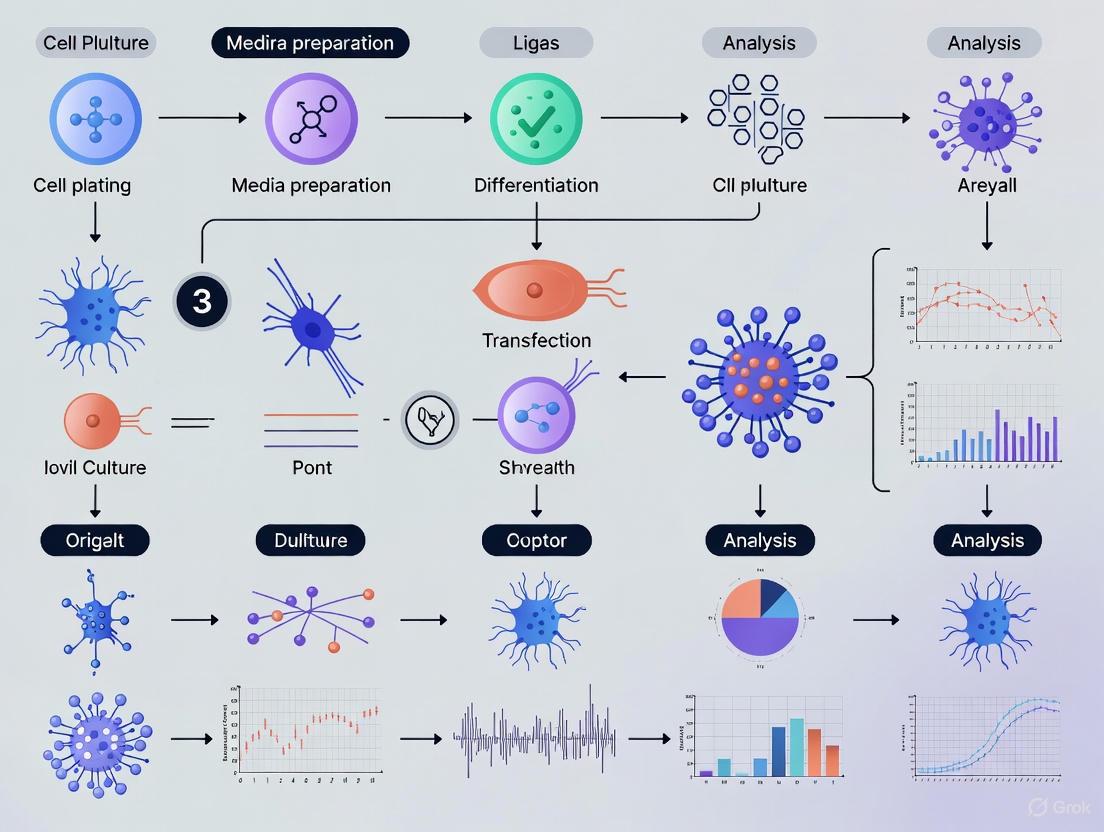
This article provides a comprehensive guide to neuronal cell culture, tailored for researchers and drug development professionals.
Neuronal Cell Culture Techniques: From Foundational Principles to Advanced 3D Models for Neuroscience Research and Drug Development
Abstract
This article provides a comprehensive guide to neuronal cell culture, tailored for researchers and drug development professionals. It covers foundational principles, including primary cultures, immortalized cell lines, and stem cell-derived neurons. The scope extends to detailed, region-specific protocols for central and peripheral nervous system cells, advanced 3D and co-culture models for neuroinflammation, and cutting-edge functional analysis using microelectrode arrays and calcium imaging. The content also addresses critical troubleshooting for common issues like contamination and low viability, and offers a comparative validation of different culture systems to help researchers select the most physiologically relevant and reproducible models for their specific applications in mechanistic studies and high-throughput screening.
Foundational Principles and Model Selection for Neuronal Cell Culture
Definition and Historical Context
Neuronal cell culture refers to the in vitro maintenance and growth of neurons isolated from the nervous system, providing an ideal model system for investigating cellular mechanisms while retaining physiological and biochemical characteristics of neurons in situ [1]. This methodology has been fundamental to advancing our understanding of the nervous system's functioning [2].
The field traces its origins to the pioneering work of Ross Granville Harrison at Yale University, who published the first findings on culturing neurons in 1910 [3]. Harrison developed a method demonstrating for the first time that living vertebrate tissues could be cultivated and studied outside the body, effectively proving the neuron doctrine—that the nervous system is composed of discrete cells [3]. His hanging drop technique transformed biological sciences by seeding new directions for developmental investigations [3].
Over the past century, neuronal culture techniques have evolved significantly through several key developments:
Types of Neuronal Cell Cultures
Neuronal cell cultures can be broadly categorized into three main types, each with distinct characteristics and applications.
Table 1: Comparison of Major Neuronal Culture Systems
| Culture Type | Source | Key Features | Advantages | Limitations |
|---|---|---|---|---|
| Primary Neuronal Cultures | Embryonic or early postnatal brain regions [1] | Non-proliferating cells that mature in vitro [4] | More physiologically relevant; form synapses and electrical activity [1] | Significant heterogeneity; low cell yield; limited lifespan [1] |
| Immortalized Cell Lines | Tumor-derived cells (e.g., SH-SY5Y, PC12) [2] | Can be differentiated using agents like retinoic acid or NGF [2] [1] | Unlimited cell supply; homogeneous populations; easy to maintain [2] [1] | Poor differentiation; lack definitive synapses and mature neuronal markers [1] |
| Stem Cell-Derived Neurons | Human pluripotent stem cells or neural stem cells [1] | Generated via directed differentiation or transcription-factor mediation [1] | Can model human-specific diseases; diverse neuronal subtypes possible [1] | Variable differentiation efficiency; complex protocols [1] |
Specialized Culture Methodologies
Advanced culture systems have been developed to address specific research needs:
- Brain Slice Chambers: Maintain thin sections of CNS tissue with neural circuitry intact, allowing study within a physiologically relevant tissue context [2] [3].
- Microfluidic Devices: Enable compartmentalization of neuronal subregions (axons vs. somata) with precise fluidic control, facilitating studies of axonal transport and regeneration [3] [1].
- Cultured Neuronal Networks: Neurons connected to multi-electrode arrays (MEAs) allowing two-way communication between researcher and network, valuable for studying learning, memory, and information processing [5].
Core Applications in Neuroscience Research
Fundamental Neurobiology Research
Dissociated neuronal cultures have been extensively used to study neurite outgrowth, synapse formation, and electrophysiological properties [1]. These systems allow investigation of axon specification, with primary hippocampal and cortical neuron cultures from rats or mice (embryonic day 18-19) serving as robust models for axon polarity and morphogenesis [1].
Disease Modeling and Drug Screening
Neuronal cell culture models are valuable for high-throughput screening (HTS) of genetic or chemical perturbations, enabling identification of compounds that rescue or modify disease phenotypes [1]. Specific applications include:
- Neurodegenerative Disease Modeling: Using patient-derived iPSC models that recapitulate pathologies for Alzheimer's disease, Parkinson's disease, Huntington's disease, and amyotrophic lateral sclerosis [1].
- Neurotoxicity Assessment: In vitro neuronal cultures allow direct observation and measurement of cellular responses to toxicants with high reproducibility and cost-effectiveness [1].
- Neuroprotection Studies: Evaluation of strategies to protect against neuronal damage, including testing effects of chemotherapeutic drugs and potential protective compounds [1].
Network-Level Studies
Multi-electrode arrays (MEAs) facilitate chronic monitoring of neuronal network activity, enabling simultaneous recording from multiple neurons and analysis of network dynamics at cellular and subcellular scales [1]. These platforms have been used to characterize network-level functionality of developing induced pluripotent stem cell (iPSC)-derived neuronal cultures and to study network connectivity, axonal velocity, and synchronization patterns [1].
Essential Protocols and Methodologies
Primary Neuronal Culture Workflow
The standard protocol for establishing primary neuronal cultures involves multiple critical steps that must be precisely executed to ensure cell viability and functionality.
The Scientist's Toolkit: Essential Research Reagents
Table 2: Key Reagents and Materials for Neuronal Cell Culture
| Reagent/Material | Function | Examples/Specifics |
|---|---|---|
| Culture Media | Provide nutrients, salts, vitamins for neuronal survival | Neurobasal Medium, StemPro NSC SFM [6] |
| Supplement Kits | Enhance cell growth and differentiation | B-27 Supplement, N-2 Supplement [6] [4] |
| Dissociation Reagents | Tissue dissociation for cell isolation | Papain, Trypsin [1] |
| Substrate Coatings | Promote neuronal attachment and differentiation | Poly-D-lysine, Poly-L-ornithine, Laminin [1] |
| Differentiation Agents | Induce neuronal differentiation | Retinoic acid, Nerve Growth Factor (NGF) [2] [1] |
| Cryopreservation Media | Long-term storage of neural cells | PSC Cryopreservation Kit [6] |
Technical Considerations for Successful Cultures
- Substrate Optimization: Neuronal cultures require surfaces pretreated with extracellular matrix proteins (e.g., poly-D-lysine, laminin) for proper attachment and growth [1]. Poly-D-lysine and poly-amine support forebrain neurons specifically [1].
- Media Composition: Culture media are supplemented with vitamins, amino acids, glucose, insulin, transferrin, putrescine, progesterone, and antioxidants such as catalase, glutathione, superoxide dismutase, and L-carnitine to support neuronal survival and growth [1].
- Cell Density Control: Density must be carefully controlled to avoid nutrient deprivation or insufficient trophic support [1].
- Developmental Timing: The age of the animal source is critical, with embryonic or newborn tissue preferred for higher yield and healthier cultures [1].
Advanced Systems and Future Directions
The field of neuronal cell culture continues to evolve with several advanced systems addressing limitations of traditional two-dimensional cultures:
- Three-Dimensional (3D) Cultures: Better mimic in vivo environments using scaffolds, hydrogels, and engineered membranes to support neuronal growth and network formation [1]. These include cerebral organoids and cortical spheroids that more accurately recapitulate tissue architecture [1].
- Genetic Manipulation Techniques: Employ lipid-based transfection, nucleofection, and viral vectors, with reported efficiencies of 10-20% for lipofection and nucleofection, and up to 30-50% for viral infection [1].
- Reducing Heterogeneity: Precise dissection and purification methods such as immunopanning achieve up to 95-99% purity for specific populations like oligodendrocyte precursors, retinal ganglion cells, and corticospinal motor neurons [1].
Future prospects for neuronal culture include enhanced capabilities for temporal control of media and reagents (chemotemporal control) within sub-cellular environments of three-dimensional fluidic spaces and materials, promising new insights into the complexities of neuronal development and pathology [3].
Selecting an appropriate in vitro model is a critical first step in designing neuroscientific research or drug discovery pipelines. The choice between primary cultures, immortalized cell lines, and stem cell-derived neurons fundamentally shapes the physiological relevance, scalability, and reproducibility of experimental outcomes [2] [7]. Primary cultures, derived directly from animal or human tissue, offer close physiological proximity but present significant challenges in scalability and consistency [7]. Immortalized cell lines, such as SH-SY5Y and PC12, provide an unlimited, easy-to-culture supply of cells but are often limited by their cancerous origin and immature neuronal phenotype [2] [7]. Emerging technologies, including induced pluripotent stem cell (iPSC)-derived neurons, aim to bridge this gap by offering a scalable source of human neurons [7] [8]. This application note provides a structured comparison of these systems and details standardized protocols to empower researchers in making informed decisions.
Comparative Analysis of Neuronal Culture Models
The table below summarizes the core characteristics, advantages, and limitations of the three primary neuronal culture sources.
Table 1: Key Characteristics of Neuronal Culture Models
| Feature | Primary Neurons (Animal-Derived) | Immortalized Cell Lines (SH-SY5Y, PC12) | Stem Cell-Derived Neurons (e.g., iPSCs) |
|---|---|---|---|
| Biological Relevance | Closer to native morphology and function [7] | Often non-physiological (cancer-derived); require differentiation to exhibit neuronal properties [2] [7] | Human-specific; can closely resemble native cell biology [7] |
| Reproducibility & Scalability | High donor variability; low yield; difficult to scale [7] | Highly scalable and reliable to culture, but prone to genetic drift [7] | High batch-to-batch consistency; can be produced at scale [7] |
| Ease of Use & Cost | Technically complex, time-intensive, and expensive [2] | Simple and cost-effective to culture [7] | Ready-to-use vials available; reduced technical burden compared to primary cultures [7] |
| Genetic Manipulation | Can be engineered, but challenging [7] | Highly amenable to gene editing and transfection [9] | Amenable to genetic engineering, including patient-specific mutations [8] |
| Key Limitations | Species mismatch (typically rodent); short lifespan; ethical concerns [7] | Immature neuronal features; often lack functional synapses; poor predictive power for human biology [7] | Incomplete reprogramming; lengthy and variable differentiation protocols for some systems [10] |
Quantitative data further elucidates the performance differences between cell lines and culture conditions. For instance, studies optimizing culture media have demonstrated significant impacts on cell health and proliferation.
Table 2: Quantitative Comparison of Culture Conditions in Immortalized Cell Lines
| Cell Line | Culture Condition | Key Quantitative Findings | Reference |
|---|---|---|---|
| PC12 | DMEM vs. DMEM:F-12 Mix (1:1) | Nearly 2-fold higher utilization rate of glutamine and essential amino acids in DMEM; slightly higher cell density in DMEM [11] | [11] |
| SH-SY5Y | DMEM vs. DMEM:F-12 Mix (1:1) | Amino acid consumption in DMEM was nearly twice as high as in Mix [11] | [11] |
| SH-SY5Y | 10% FBS vs. 10% Nu-Serum | Nu-Serum significantly accelerated cell proliferation and resulted in larger cell sizes compared to FBS over a 6-day period [12] | [12] |
| PC12 (NS-1 variant) | Optimal Coating (Collagen IV) | In serum-free conditions, 90.3% of cells were well-spread on collagen IV vs. 16.3–33.0% on other coatings [13] | [13] |
Detailed Experimental Protocols
Protocol: Differentiation of SH-SY5Y Cells into Mature Neurons
This protocol is adapted from established methods that use sequential serum starvation and retinoic acid (RA) to achieve a homogeneous population of differentiated neurons [14].
Workflow Overview
Materials & Reagents
- Cells: SH-SY5Y cells (ATCC CRL-2266) [9].
- Basal Medium: MEM/F12 or DMEM/F12 [9] [12].
- Serum: Heat-inactivated Fetal Bovine Serum (hiFBS) [14].
- Differentiation Agents: All-trans Retinoic Acid (RA), Brain-Derived Neurotrophic Factor (BDNF) [14].
- Coating Reagents: Extracellular matrix (ECM) proteins (e.g., collagen, poly-D-lysine) [10].
Step-by-Step Procedure
- Maintenance & Pre-differentiation:
- Culture undifferentiated SH-SY5Y cells in Basic Growth Media (e.g., MEM/F12 supplemented with 10% hiFBS) [14]. Use heat-inactivated FBS to prevent rapid progression of epithelial-like phenotypes [14].
- Passage cells at 70-80% confluency, not exceeding a 1:5 split ratio to avoid low-density-induced death [14] [9].
- For pre-differentiation, seed cells and culture for 7 days in Basic Growth Media to establish a robust population [14].
Induction of Differentiation:
- After 7 days, trypsinize the pre-differentiated cells. Critical Step: Incubate in trypsin for a minimal amount of time to preferentially lift neurons, leaving epithelial-like cells attached [14].
- Triturate the cells slowly and gently (no more than 5 times with a pipette) to avoid mechanical stress [14].
- Replate the cells onto culture vessels coated with an ECM gel to support a three-dimensional (3D) environment, which enhances functional differentiation [10].
Differentiation & Maturation:
- Replace the Basic Growth Media with serum-free differentiation media supplemented with RA (e.g., 10 µM) and BDNF (e.g., 50 ng/mL) [14] [10].
- Culture the cells for up to 40 days, refreshing the differentiation media every 2-3 days.
- Differentiated cells will exhibit elongated, branched neurites, cease proliferation, and express mature neuronal markers like βIII-tubulin, NeuN, and MAP2 [14] [12]. Electrically active cells with spontaneous action potentials can be observed from 20 days in vitro (DIV) onwards [10].
Protocol: NGF-Induced Differentiation of PC12 Cells
PC12 cells differentiate into a sympathetic neuron-like phenotype upon sustained treatment with Nerve Growth Factor (NGF). The protocol varies significantly between cell line variants [15] [13].
Workflow Overview
Materials & Reagents
- Cells: Note the variant: traditional PC12 (grow in suspension, ATCC CRL-1721) or PC12 Adh (adherent, ATCC CRL-1721.1) [15].
- Basal Medium: DMEM (optimal for many variants) or RPMI-1640 [11] [13].
- Serum: Horse Serum and Fetal Bovine Serum.
- Differentiation Agent: Nerve Growth Factor (NGF), rat or human origin [15].
- Coating Reagents: Collagen Type IV (optimal), Poly-D-Lysine, or Poly-L-Lysine [13].
Step-by-Step Procedure
- Cell Line and Coating Selection:
- Traditional PC12 (Suspension): These cells adhere poorly and require coated surfaces. Collagen coating is the most versatile method. Plate cells on collagen-coated vessels [15] [13].
- PC12 Adh (Adherent): These cells attach readily to non-coated plastic, but coating with poly-D-lysine can still improve results [15].
Differentiation Induction:
- Culture cells in their appropriate growth medium (e.g., RPMI-1640 with 10% horse serum and 5% FBS for suspension cells; Ham's F-12K with 15% horse serum and 2.5% FBS for adherent cells) [15].
- To induce differentiation, add NGF to the culture medium. A concentration of 100 ng/mL is effective for traditional PC12 cells [15].
- Refresh the medium containing NGF every 48 hours to maintain its activity [15].
Duration and Outcome:
- Traditional PC12: Neurite outgrowth begins within a few days, but maximal differentiation (long, branched neurites) is typically achieved after 14 days of continuous NGF treatment [15].
- PC12 Adh: This variant may show neurite outgrowth more quickly (3-5 days) but then may begin to proliferate again, and it does not express the same neuronal markers (e.g., lacks doublecortin) as the traditional line [15]. It may also be unresponsive to NGF in some subclones [13].
The Scientist's Toolkit: Essential Research Reagent Solutions
Successful culture and differentiation depend on key reagents. The following table details critical components and their functions.
Table 3: Essential Reagents for Neuronal Cell Culture
| Reagent Category | Specific Examples | Function & Application Notes |
|---|---|---|
| Basal Media | DMEM, DMEM/F-12, MEM/F-12, RPMI-1640 | Provides essential nutrients and pH buffering. DMEM showed superior amino acid utilization for PC12 and SH-SY5Y cells compared to DMEM/F-12 Mix [11] [12] [13]. |
| Serum & Supplements | Fetal Bovine Serum (FBS), Heat-Inactivated FBS, Nu-Serum | Provides growth factors, hormones, and adhesion factors. Heat-inactivation of FBS is recommended for SH-SY5Y culture. Nu-Serum is a defined, low-protein alternative that can enhance SH-SY5Y proliferation [14] [12]. |
| Differentiation Inducers | Retinoic Acid (RA), Nerve Growth Factor (NGF), Brain-Derived Neurotrophic Factor (BDNF) | Triggers cell cycle exit and promotes neuronal maturation. RA and BDNF are used for SH-SY5Y; NGF is essential for PC12 differentiation [14] [15] [10]. |
| Surface Coating Reagents | Collagen (Type I, IV), Poly-D-Lysine, Laminin, ECM Gel | Facilitates cell attachment and neurite outgrowth. Collagen IV is optimal for many PC12 variants, especially in serum-free conditions. ECM gels support 3D differentiation of SH-SY5Y [15] [10] [13]. |
| Dissociation Agent | Trypsin-EDTA, TrypLE Express | Enzymatically dissociates adherent cells for passaging. Use minimally for differentiated SH-SY5Y neurons [14] [15]. |
The landscape of neuronal cell culture offers a spectrum of models, each with a distinct balance of practicality and physiological fidelity. Immortalized lines like SH-SY5Y and PC12 remain valuable for high-throughput, cost-effective initial screens, provided their limitations are well-understood and their culture conditions are meticulously optimized. Primary cultures, while gold standards for certain physiological studies, are constrained by scalability and reproducibility issues. The emergence of standardized, human iPSC-derived neurons represents a transformative advance, offering a path toward highly reproducible, scalable, and human-relevant modeling [7]. The protocols and data outlined herein provide a framework for researchers to strategically select and implement the most appropriate neuronal culture system for their specific research objectives in neuroscience and drug development.
Key Characteristics and Applications of Primary Neuronal Cultures from Rat and Mouse Models
Primary neuronal cultures, directly isolated from specific regions of the nervous system, constitute a fundamental in vitro tool for neuroscience research. These cultures provide a controlled environment that closely mimics the in vivo milieu, offering physiologically relevant data for studying neuronal development, function, and pathology [16]. Unlike tumor-derived immortalized cell lines, primary cultures better recapitulate the properties of neuronal cells as they exist in the living brain, making them indispensable for investigating basic neurobiological mechanisms and for preclinical drug development [17] [18]. This article details the key characteristics, standardized protocols, and advanced applications of primary neuronal cultures from rat and mouse models, providing an essential resource for researchers in both academic and pharmaceutical settings.
Key Characteristics of Primary Neuronal Cultures
Primary neuronal cultures are distinguished by several critical characteristics that determine their appropriateness for specific research applications. These features include regional specificity, developmental stage, cellular composition, and functional maturity.
Table 1: Key Characteristics of Primary Neuronal Cultures from Different CNS Regions
| Neural Region | Common Species/Strain | Optimal Developmental Stage | Dominant Neuronal Subtypes | Key Research Applications |
|---|---|---|---|---|
| Cortex | Rat (Sprague-Dawley) [16] | Embryonic Day 17-18 (E17-E18) [16] | Glutamatergic (pyramidal), GABAergic | Neurodegeneration (Alzheimer's), synaptic plasticity, neuronal networks [16] |
| Hippocampus | Rat [16] | Postnatal Day 1-2 (P1-P2) [16] | Glutamatergic, GABAergic | Learning & memory, epilepsy, synapse formation [17] [16] |
| Hindbrain/Brainstem | Mouse (C57Bl/6J) [17] [18] | Embryonic Day 17.5 (E17.5) [17] [18] | Glutamatergic, GABAergic, glycinergic, monoaminergic [17] [18] | Respiratory control, cardiovascular regulation, consciousness [17] [18] |
| Ventral Midbrain | Rat (Sprague-Dawley) [19] | Postnatal Day 0-1 (P0-P1) [19] | Dopaminergic | Parkinson's disease, reward pathways [19] |
| Dorsal Root Ganglia (DRG) | Mouse [20] / Rat [16] | Adult (6-week-old) [16] / Embryonic Day 15 (E15) [16] | Sensory neurons | Pain mechanisms, peripheral neuropathy, mechanosensation [16] [20] |
A paramount characteristic is regional heterogeneity. The brain's functional diversity is reflected in its cellular composition, which varies significantly between regions. For instance, the hindbrain, which controls vital functions like breathing and heart rate, contains a diverse array of neurotransmitters, including glycine and monoamines, not as prevalent in cortical cultures [17] [18]. Furthermore, glial cells like astrocytes also exhibit regional molecular and functional differences, influencing neuronal development and network activity in culture [17] [18].
Cultures typically achieve functional maturity, characterized by extensive axonal and dendritic branching and the formation of electrically active synapses, within 10-14 days in vitro (DIV) [17] [18]. This functional maturation allows for investigations into synaptic transmission, network dynamics, and the effects of pharmacological agents.
Detailed Experimental Protocols
Standardized protocols are critical for generating reproducible, high-quality neuronal cultures. The following section outlines tailored methodologies for different neural regions.
Protocol 1: Culture of Mouse Fetal Hindbrain Neurons
This protocol is optimized for the hindbrain, a region for which reliable culture methods have been historically scarce [17] [18].
- Dissection and Tissue Preparation: Sacrifice a timed-pregnant mouse at E17.5. Decapitate fetuses and dissect brains into sterile PBS. Under a dissecting microscope, isolate the brainstem by removing the cortex, cerebellum, and cervical spinal cord remnants. Separate the hindbrain from the midbrain at the dorsal fold and ventral pontine flexure. Carefully remove meninges and blood vessels [17] [18].
- Enzymatic and Mechanical Dissociation: Pool up to four hindbrains in 4 mL of HBSS without Ca²⁺/Mg²⁺. Mechanically dissociate tissue with a plastic pipette. Add 350 µL of Trypsin-EDTA (0.5%/0.2%) and incubate for 15 minutes at 37°C. Loosen the tissue matrix by trituration with a long-stem glass Pasteur pipette. Incubate for another 5 minutes at 37°C, then triturate 10 times with a fire-polished glass Pasteur pipette [17] [18].
- Plating and Maintenance: Add 4 mL of HBSS with Ca²⁺/Mg²⁺, HEPES, and sodium pyruvate. Allow debris to settle, then transfer the cell suspension to 7 mL of warm, heat-inactivated FBS. Plate cells on poly-D-lysine coated plates at a density of 80,000 cells/cm² in NB27 complete medium (Neurobasal Plus Medium supplemented with B-27 Plus, L-glutamine, GlutaMAX, and penicillin-streptomycin). On the third day in vitro (DIV3), add CultureOne supplement to a 1X concentration to control astrocyte expansion. Perform half-medium changes every 4 days [17] [18] [21].
Protocol 2: Culture of Rat Cortical and Hippocampal Neurons
This is a classic protocol for regions critical in studying learning, memory, and neurodegeneration.
- Dissection: For cortical neurons, isolate embryos at E17-E18. Dissect the brain and carefully separate the cerebral hemispheres, removing the meninges. For hippocampal neurons, use P1-P2 pups. Dissect the brain and identify the C-shaped hippocampal structure within the posterior hemisphere [16].
- Dissociation and Plating: Dissociate tissues enzymatically with 0.25% Trypsin-EDTA or papain solution. Triturate using fire-polished glass Pasteur pipettes. Filter the cell suspension through a 40 µm cell strainer. Seed cells onto poly-D-lysine coated plates in neurobasal medium supplemented with B-27 and GlutaMAX [16] [21].
- Maintenance: Maintain cultures in a humidified incubator at 37°C with 5% CO₂. Perform half-medium changes every 3-4 days. Neurons typically form synapses by DIV7 and establish mature networks by DIV14 [16].
Protocol 3: Transient Transfection of Primary Neurons
Genetic manipulation is crucial for functional studies. Two primary methods are used at different developmental stages.
- Electroporation (for neurons in suspension): Use this method immediately after dissociation before plating. Combine the cell suspension with plasmid DNA and electroporate using a specialized kit (e.g., Mouse Neuron Nucleofector Kit). This method achieves high efficiency (up to 30%) but is suitable only for cells without extensive processes [22].
- Cationic Lipid Transfection (for adherent neurons): For neurons that have been cultured for several days (e.g., DIV 5-7), use lipid-based transfection reagents (e.g., Lipofectamine 2000). While efficiency is lower (1-2%), it results in higher transgene expression levels and is less detrimental to mature, adherent neurons with complex neurite arbors [22].
The Scientist's Toolkit: Essential Research Reagents
The success of primary neuronal cultures hinges on the use of specific, high-quality reagents that support neuronal survival and inhibit non-neuronal cell overgrowth.
Table 2: Essential Reagents for Primary Neuronal Culture
| Reagent/Solution | Function/Purpose | Example Product/Catalog Number |
|---|---|---|
| Neurobasal Plus Medium | A optimized basal medium designed to support the long-term survival of primary neurons. | Thermo Fisher, Cat. No. A3582901 [17] |
| B-27 Supplement | A serum-free supplement containing hormones, antioxidants, and other neuronal survival factors. | Thermo Fisher, Cat. No. A3582801 (Plus) [17] |
| CultureOne Supplement | A chemically defined, serum-free supplement used to inhibit the proliferation of astrocytes and other glial cells. | Thermo Fisher, Cat. No. A3320201 [17] [18] |
| Poly-D-Lysine | A synthetic polymer used to coat culture surfaces, providing a positively charged substrate for neuronal adhesion. | Sigma-Aldrich, Cat. No. P2636 [21] [22] |
| Papain Solution | A proteolytic enzyme used for gentle tissue dissociation, often preferred for sensitive neuronal tissues. | Worthington Biochemical, Cat. No. LK003178 [19] |
| GlutaMAX Supplement | A more stable dipeptide substitute for L-glutamine, providing a consistent source of this essential amino acid. | Thermo Fisher, Cat. No. 35050061 [17] [19] |
Advanced Applications in Research and Drug Development
Primary neuronal cultures serve as a cornerstone for a wide array of advanced neuroscience applications, bridging basic research and therapeutic development.
Disease Modeling and Mechanistic Studies: These cultures are extensively used to model neurodegenerative disorders like Alzheimer's and Parkinson's disease. The regional specificity allows for the investigation of vulnerable neuronal populations, such as dopaminergic neurons from the ventral midbrain for Parkinson's research [16] [19]. Furthermore, they enable the study of pathological mechanisms including protein aggregation, synaptic dysfunction, and excitotoxicity in a controlled environment [16].
Physiological Evaluation of Drug Efficacy and Toxicity: Primary neurons provide a physiologically relevant platform for preclinical drug screening. They allow for the evaluation of drug candidate efficacy, mechanism of action, and cell toxicity before advancing to more complex in vivo models. This facilitates the identification and validation of novel therapeutic strategies for neurological and psychiatric conditions [16] [23].
Cutting-edge Technologies and Future Directions: The field is rapidly advancing with the integration of novel technologies. Researchers are now creating complex engineered neuronal networks using soft lithography to fabricate PDMS topographical substrates that guide neuronal connectivity in vitro [24]. There is also a major shift from traditional 2D cultures to more physiologically relevant 3D and 4D culture systems that better recapitulate the in vivo microenvironment, including cell-cell interactions and biomechanical cues [25]. Finally, groundbreaking work using human stem cells has enabled the generation of over 400 different types of nerve cells, dramatically expanding the potential for patient-specific disease modeling and reducing reliance on animal testing [23].
Primary neuronal cultures from rat and mouse models remain an indispensable tool in modern neuroscience. Their ability to mirror in vivo physiology, combined with the capacity for precise experimental control, makes them ideal for dissecting molecular and cellular mechanisms of brain function and disease. The protocols and characteristics outlined here provide a robust foundation for generating reproducible and high-fidelity in vitro models. As the field progresses, the integration of these classical approaches with advanced technologies—such as complex patterning, 3D culture, and high-content screening—will continue to enhance the relevance and predictive power of primary neuronal cultures in basic research and therapeutic development.
Immortalized neuronal cell lines are a cornerstone of modern neuroscience research, providing a reproducible and scalable platform for investigating neuronal function, disease mechanisms, and neurotoxicology. These cell lines are created by introducing genetic modifications that enable cells to bypass cellular senescence and proliferate indefinitely, thus offering a virtually unlimited cell source [26]. Within the broader context of cell culture techniques for neuronal studies, immortalized lines fill a critical niche between primary neurons—which are physiologically relevant but difficult to obtain and maintain—and induced pluripotent stem cell (iPSC)-derived neurons, which offer greater differentiation potential but with increased complexity and cost [27] [7].
The utility of these cell lines extends across multiple research domains including high-throughput drug screening, neurotoxicity testing, and mechanistic studies of neurological disorders. Their standardized nature helps reduce animal use while enabling experimental consistency across laboratories [28]. However, researchers must carefully consider their inherent limitations, particularly their transformed nature and often immature neuronal phenotype, when designing experiments and interpreting results. This application note provides a comprehensive overview of current immortalized neuronal models, their applications, and detailed protocols for their effective use in research settings.
Advantages and Limitations of Immortalized Neuronal Cell Lines
Key Advantages for Research and Drug Development
Scalability and Cost-Effectiveness: Immortalized cells can be expanded to create large research cell banks, providing a consistent, long-term cell source that reduces batch-to-batch variability and the need for repeated primary isolations [29] [26]. This makes them particularly suitable for extended projects and high-throughput screening campaigns where large cell numbers are required [30].
Genetic Stability and Reproducibility: Well-established lines like SH-SY5Y and various dorsal root ganglion (DRG)-derived cells maintain stable genotypes and phenotypes across passages, enhancing experimental reproducibility [28] [31]. For instance, ReNcell VM and CX lines maintain normal diploid karyotypes even after multiple passages, demonstrating remarkable genetic stability [31].
Ease of Maintenance and Genetic Manipulation: Compared to primary cultures or iPSC-derived neurons, immortalized lines generally have simpler media requirements and are more amenable to genetic modifications, including transfection and transduction protocols [26]. This facilitates mechanistic studies using overexpression or knockdown approaches.
Important Limitations and Considerations
Phenotypic Differences from Native Neurons: Immortalized lines often exhibit significant differences from their in vivo counterparts. For example, SH-SY5Y cells typically display immature neuronal features with limited synaptic activity unless extensively differentiated [7] [10]. Similarly, Müller glia cell lines QMMuC-1 and ImM10 show neurogenic capacity but do not fully recapitulate all characteristics of primary Müller glia [32].
Oncogenic Background and Functional Impacts: The immortalization process itself can alter cellular physiology. Introduction of oncogenes like myc or SV40 T-antigen may disrupt normal signaling pathways and differentiation potential [26]. Some immortalized MSC lines demonstrate reduced differentiation capacity and altered sensitivity to signaling molecules compared to their primary counterparts [26].
Limited Representation of Neuronal Diversity: Most immortalized lines represent specific neuronal subtypes, which limits their utility for studying complex neural circuits. For instance, SH-SY5Y and LUHMES cells are predominantly dopaminergic, failing to address the interconnectivities between different neuronal types and glial cells found in the human brain [27].
Table 1: Comparison of Immortalized Neuronal Cell Lines with Alternative Models
| Feature | Immortalized Cell Lines | Primary Neurons | iPSC-Derived Neurons |
|---|---|---|---|
| Scalability | High | Very Low | Moderate to High |
| Reproducibility | High | Low (donor variability) | Moderate (batch effects) |
| Physiological Relevance | Moderate | High | High |
| Ease of Use | High | Moderate | Low to Moderate |
| Cost | Low | High | High |
| Differentiation Potential | Limited to specific lineage | Not applicable | Broad |
| Genetic Manipulation | Easy | Difficult | Moderate |
Table 2: Common Immortalized Neuronal Cell Lines and Their Characteristics
| Cell Line | Origin | Neuronal Type | Key Markers | Differentiation Requirements |
|---|---|---|---|---|
| SH-SY5Y | Human neuroblastoma | Catecholaminergic (mainly dopaminergic) | βIII-tubulin, TH, MAP2 | Retinoic acid, BDNF, specific culture conditions [27] [10] |
| LUHMES | Human fetal mesencephalon | Dopaminergic | βIII-tubulin, TH, Nurr1 | Tetracycline-regulated v-myc expression [27] |
| F-11 | Rat DRG × Mouse neuroblastoma hybrid | Sensory neurons | Substance P, neurofilaments | db-cAMP, forskolin [28] |
| ReNcell VM | Human fetal ventral mesencephalon | Dopaminergic | βIII-tubulin, TH, Nurr1 | Growth factor withdrawal, pre-aggregation [31] |
| ReNcell CX | Human fetal cortex | Cortical neurons | βIII-tubulin, MAP2 | Growth factor withdrawal [31] |
| ND7/23 | Rat DRG × Mouse neuroblastoma hybrid | Sensory neurons | Neurofilaments, voltage-gated channels | NGF, db-cAMP [28] |
Differentiation Strategies for Functional Maturation
Standard Two-Dimensional Differentiation Protocols
Most immortalized neuronal lines require differentiation to exit the cell cycle and express mature neuronal phenotypes. A common approach for SH-SY5Y cells involves sequential treatment with retinoic acid (typically 10 µM for 5-7 days) followed by brain-derived neurotrophic factor (BDNF, 50 ng/mL for an additional 7-14 days) in serum-free media [27]. This regimen promotes neurite outgrowth and increases expression of neuronal markers such as βIII-tubulin and microtubule-associated protein 2 (MAP2). For electrophysiological maturation, additional factors including cAMP analogs and specific neurotrophic factors may be necessary to enhance voltage-gated channel expression and synaptic activity.
Advanced Three-Dimensional Culture Systems
Recent advances have demonstrated that three-dimensional (3D) culture systems can significantly enhance the functional maturation of immortalized neuronal lines. A novel 47-day protocol for SH-SY5Y cells employing a 3D matrix environment resulted in the development of electrically active neurons capable of generating spontaneous action potentials and forming functional networks [10]. Key aspects of this protocol include:
- Extended Differentiation Period: 7 days of pre-differentiation followed by 40 days of maintenance in 3D culture conditions
- Specialized Media Formulations: DMAP2 Mix condition supporting long-term viability and functional maturation
- Matrix Support: Use of extracellular matrix components to create a more physiological environment
This approach yielded remarkable results, with 37% of cells showing spontaneous electrical activity by 40 days in vitro, compared to minimal activity in standard 2D cultures [10].
Protocol-Specific Functional Outcomes
The choice of differentiation protocol profoundly impacts the functional properties of the resulting neurons. This is particularly evident in ReNcell lines, where a "pre-aggregation differentiation" (preD) protocol significantly enhanced electrophysiological maturation compared to standard differentiation methods [31]. After one week of differentiation with the preD protocol, 100% of ReNcell VM cells expressed tetrodotoxin (TTX)-sensitive sodium channels and could fire action potentials, compared to only 25% with standard protocol [31]. This demonstrates that protocol optimization is essential for achieving specific experimental outcomes, particularly when neuronal excitability is a key readout.
Key Signaling Pathways in Neuronal Differentiation and Maturation
The differentiation of immortalized neuronal lines involves the coordinated activation of multiple signaling pathways that drive cell cycle exit and neuronal maturation. Retinoic acid (RA) signaling serves as a master regulator by activating RA receptors (RAR/RXR) that function as transcription factors to induce expression of neurogenic genes. This is complemented by neurotrophin signaling through receptors such as TrkB (for BDNF), which activates downstream pathways including MAPK/ERK and PI3K/Akt to promote neuronal survival, neurite outgrowth, and synaptic development.
In the context of immortalized cell lines, these pathways must overcome the proliferation drive conferred by immortalizing genes. For example, in inducible systems like the 2E11 murine microglial line, differentiation is initiated by withdrawing doxycycline, which turns off CMYC and HRAS expression, allowing cells to exit the cell cycle and express mature markers [33]. Similarly, LUHMES cells utilize a tetracycline-off system to control v-myc expression, enabling rapid proliferation in the presence of tetracycline and neuronal differentiation upon its removal [27].
Experimental Workflow for Differentiation and Characterization
A standardized workflow for differentiating and characterizing immortalized neuronal lines ensures consistent results and enables meaningful comparisons across studies. The process typically begins with expansion of undifferentiated cells under permissive conditions, followed by induction of differentiation using specific agents, and culminates in comprehensive characterization using morphological, molecular, and functional assays.
Live-cell imaging systems such as IncuCyte have revolutionized the quantification of neurite outgrowth and network development in real-time without requiring cell fixation [30]. These systems enable kinetic assessment of neurite dynamics under various treatment conditions, providing rich datasets for evaluating neuroprotective or neurotoxic compounds. When combined with endpoint electrophysiological measurements and immunohistochemical analyses, researchers can obtain a comprehensive understanding of neuronal maturation and function.
The Scientist's Toolkit: Essential Research Reagents
Table 3: Essential Reagents for Immortalized Neuronal Cell Culture and Differentiation
| Reagent Category | Specific Examples | Function | Application Notes |
|---|---|---|---|
| Immortalizing Agents | hTERT, SV40 T-antigen, v-myc, c-myc | Extends replicative lifespan | Inducible systems (e.g., tetracycline-regulated) allow controlled proliferation and differentiation [26] [33] |
| Differentiation Inducers | Retinoic acid, BDNF, GDNF, NGF, cAMP analogs | Promotes neuronal maturation and cell cycle exit | Sequential application often required; concentration and timing critically affect outcomes [28] [10] |
| Matrix Components | Laminin, Poly-D-lysine, Matrigel | Provides structural support for neurite outgrowth | Essential for 3D culture systems; influences differentiation efficiency [29] [10] |
| Cell Type Markers | βIII-tubulin, MAP2, NeuN, Synapsin | Identifies neuronal differentiation | Multiple markers should be used to confirm neuronal phenotype [29] [31] |
| Functional Assay Reagents | Calcium indicators, Voltage-sensitive dyes, Tetrodotoxin | Assesses electrophysiological maturity | TTX sensitivity indicates functional voltage-gated sodium channels [31] |
| Culture Media | Neurobasal, DMEM/F12 | Provides nutritional support | Serum-free formulations often preferred during differentiation [32] |
Immortalized neuronal cell lines represent valuable tools for neuroscience research, offering a balance between practical utility and biological relevance. Their optimal use requires careful selection of appropriate cell lines, implementation of validated differentiation protocols, and comprehensive characterization of resulting neuronal phenotypes. The continued development of advanced culture systems, particularly 3D matrices and defined differentiation conditions, has significantly enhanced the functional maturity achievable with these models. When employed with awareness of their limitations and appropriate application to specific research questions, immortalized neuronal cell lines will remain indispensable assets for drug discovery, neurotoxicology, and fundamental investigations of neuronal function.
The advent of induced pluripotent stem cells (iPSCs) has revolutionized neuroscience research and drug discovery by providing a patient-specific, human-relevant platform for modeling neurological diseases. Since the pioneering work of Takahashi and Yamanaka in 2006-2007, iPSC technology has evolved to enable the generation of diverse neuronal subtypes, offering unprecedented opportunities to study human development and disease mechanisms in vitro [34]. The ability to differentiate iPSCs into specific neuronal populations, particularly sensory neurons and cortical neurons, has opened new avenues for understanding disease pathophysiology and accelerating therapeutic development [35]. This application note details the core methodologies and recent advancements in generating disease-relevant neuronal subtypes from iPSCs, providing researchers with practical frameworks for implementing these techniques in their investigative workflows.
Key Differentiation Methodologies for Neuronal Subtypes
Globally, two main approaches to 2D generation of neurons from pluripotent stem cells (PSCs) can be distinguished: differentiation through the neural stem cell (NSC) stage and direct differentiation into neurons [36]. The choice of differentiation protocol significantly impacts the resulting cellular populations, their maturity, and their applicability for disease modeling and drug screening.
Table 1: Comparison of Primary Neuronal Differentiation Approaches
| Approach | Method | Key Components | Resulting Culture | Time Frame | Applications |
|---|---|---|---|---|---|
| Neural Stem Cell Intermediate | DUAL SMAD Inhibition | SMAD pathway inhibitors (SB431542, LDN193189) [36] | Heterogeneous mix of neurons, neural precursors, and glial cells [36] | ~28 days to functional maturity [35] | Disease modeling requiring mixed neural cell populations [35] |
| Direct Programming | NGN2 Overexpression | Lentiviral TetON-NGN2 system with doxycycline induction [36] | Homogeneous culture predominantly of mature glutamatergic neurons [36] | ~7 days to immature neurons; ~28 days to maturity [35] | Studies requiring defined, reproducible neuronal populations [36] |
| Accelerated Protocol | Anatomic Protocol | Combined BMP and FGF signaling inhibition [35] | Purer sensory neuronal culture without mitomycin C requirement [35] | Immature neurons by day 7; functional maturity by day 28 [35] | High-throughput screening, disease modeling [35] |
Protocol-Specific Functional Outcomes
Differentiation protocols produce neurons with distinct functional properties, as evidenced by electrophysiological characterization. The Chambers protocol (DUAL SMAD inhibition) typically results in sensory neurons with predominantly tonic firing patterns, while the Anatomic protocol yields different excitability profiles [35]. These functional differences highlight the importance of selecting differentiation methods aligned with specific research objectives, particularly when modeling channelopathies or screening neuroactive compounds.
Experimental Protocols for Sensory Neuron Generation
DUAL SMAD Inhibition Protocol (Chambers Method)
The Chambers protocol represents a well-established approach for generating sensory neurons through intermediate neural crest cells [35]. This method mimics developmental processes and yields heterogeneous cultures containing multiple neural cell types.
Materials and Reagents:
- iPSCs cultured on Matrigel-coated plates
- Neural induction medium supplemented with SMAD inhibitors (SB431542, LDN193189)
- Maturation medium containing neurotrophic factors (NGF, BDNF, GDNF)
- Mitomycin C for non-neuronal cell suppression (if needed)
Procedure:
- iPSC Culture Maintenance: Maintain iPSCs in mTeSR1 medium on Matrigel-coated plates with daily medium changes [36].
- Neural Induction: Dissociate iPSCs and plate in neural induction medium containing SMAD pathway inhibitors to direct differentiation toward neuroectoderm [36].
- Neural Crest Specification: Culture in the presence of BMP and Wnt signaling modulators to promote neural crest differentiation [35].
- Sensory Neuron Maturation: Transfer neural crest cells to maturation medium containing NGF, BDNT, and GDNF to promote sensory neuronal differentiation over 28 days [35].
- Functional Validation: Perform patch clamp electrophysiology and immunocytochemistry at day 28 to confirm sensory neuronal properties and maturity.
Direct NGN2 Overexpression Protocol
The NGN2 overexpression approach enables rapid, synchronized neuronal differentiation with reduced heterogeneity, bypassing intermediate neural stem cell stages [36].
Materials and Reagents:
- iPSCs with integrated TetON-NGN2 system
- Doxycycline for NGN2 induction
- Poly-D-lysine/laminin-coated culture vessels
- N2B27 neuronal maturation medium
- Neurotrophic factors (BDNF, NGF)
- Cytosine β-d-arabinofuranoside (Ara-C) for proliferation inhibition
Procedure:
- iPSC Transduction: Generate iPSC line containing transgenic NGN2 cassette under TetON promoter using lentiviral delivery with rtTA-N144 and TRET-hNgn2-UBC-PuRo plasmids [36].
- Neural Induction: Plate iPSCs and add doxycycline (1 μg/mL) from day 0 to day 5 to induce NGN2 expression [36].
- Progenitor Selection: Add Ara-C (0.1 μg/mL) on days 2-3 to eliminate proliferating undifferentiated cells [36].
- Cell Dissociation and Replating: Dissociate cells with Accutase on day 4 and replate on poly-D-lysine/matrigel-coated dishes in N2B27 medium with doxycycline (2 μg/mL) and neurotrophic factors [36].
- Terminal Maturation: From day 5 onward, culture in N2B27 medium with BDNF and NGF without doxycycline, with half-medium changes twice weekly [36].
Anatomic Protocol for Accelerated Sensory Neuron Differentiation
This commercial protocol enables rapid generation of sensory neurons through a naive early ectodermal intermediate, offering reduced differentiation time and potentially purer neuronal cultures [35].
Materials and Reagents:
- Anatomic Chrono Senso-DM differentiation kit
- iPSCs from desired source
- Matrigel or poly-D-lysine/laminin coated plates
Procedure:
- iPSC Preparation: Culture iPSCs to 70-80% confluence in essential 8 medium or equivalent [35].
- Neural Induction: Initiate differentiation using Chrono Senso-DM medium with combined inhibition of BMP and FGF signaling pathways [35].
- Immature Neuron Formation: By day 7, immature neurons with rudimentary processes should be apparent [35].
- Functional Maturation: Continue culture for 28 days with periodic medium changes to achieve electrophysiologically mature sensory neurons [35].
- Quality Assessment: Validate through patch clamp recording, calcium imaging, and immunostaining for sensory neuronal markers (TRPV1, SCN10A) [35].
Signaling Pathways in Neuronal Differentiation
The differentiation of iPSCs into neuronal subtypes is guided by precise manipulation of key developmental signaling pathways. The following diagram illustrates the primary signaling pathways targeted in neuronal differentiation protocols and their temporal activation throughout the process:
Research Reagent Solutions for iPSC-Derived Neuronal Models
Successful generation of disease-relevant neuronal subtypes from iPSCs requires carefully selected reagents and materials. The following table details essential components for establishing robust neuronal differentiation protocols.
Table 2: Essential Research Reagents for iPSC-Derived Neuronal Differentiation
| Reagent Category | Specific Examples | Function | Application Notes |
|---|---|---|---|
| Reprogramming Factors | OCT3/4, SOX2, KLF4, c-MYC (OSKM) [34]; OCT3/4, SOX2, NANOG, LIN28 [34] | Induction of pluripotency in somatic cells | OSKM most common; alternative combinations may enhance efficiency for specific cell types [34] |
| Signaling Inhibitors | SB431542 (TGF-β inhibitor), LDN193189 (BMP inhibitor) [36], CHIR99021 (GSK-3β inhibitor) [37] | Direct differentiation toward neural lineages by inhibiting alternative fates | DUAL SMAD inhibition establishes neuroectodermal commitment [36] |
| Gene Delivery Systems | Lentiviral vectors [36], Sendai virus [37] [38], episomal plasmids [37] | Introduction of reprogramming or differentiation factors | Non-integrating methods (Sendai, episomal) preferred for clinical applications [37] |
| Neural Induction Media | N2B27 medium [36], Chrono Senso-DM [35] | Support neural differentiation and maturation | Serum-free formulations enhance reproducibility; commercial kits streamline process [35] |
| Surface Coatings | Matrigel [36], poly-D-lysine/laminin [36] | Provide adhesion substrates mimicking extracellular matrix | Critical for neuronal attachment, process outgrowth, and survival [36] |
| Neurotrophic Factors | BDNF, NGF, GDNF [36] [35] | Support neuronal survival, maturation, and functional development | Essential for long-term culture and synaptic development [36] |
Applications in Disease Modeling and Drug Discovery
Neurological Disorder Modeling
iPSC-derived neuronal models have demonstrated significant utility in modeling various neurological disorders. For schizophrenia research, "village editing" approaches have enabled investigation of NRXN1 mutations across multiple genetic backgrounds, revealing that genetic background profoundly influences gene expression changes in NRXN1 knockout neurons [39]. For hereditary sensory and autonomic neuropathy type IV (HSAN IV), iPSC-derived dorsal root ganglion organoids have revealed that NTRK1 mutations disrupt the balance of neuronal and glial differentiation during human DRG development [39]. These models provide unique insights into disease mechanisms that cannot be readily obtained from animal models or post-mortem tissue.
High-Throughput Screening Applications
iPSC-derived neurons are increasingly deployed in drug discovery pipelines, particularly for target validation and toxicity screening. The compatibility of iPSC-derived sensory neurons with automated patch clamp, calcium imaging, and multielectrode array techniques enables medium-to-high throughput compound screening [35]. Furthermore, iPSC-derived cardiomyocytes are now routinely used to screen for drug-induced arrhythmia risk under regulatory safety initiatives like CiPA [40]. The scalability of iPSC systems—once differentiation protocols are established—provides a virtually unlimited source of human neurons for systematic compound profiling [40].
Quality Assessment and Functional Validation
Rigorous quality control is essential for ensuring the reliability and reproducibility of iPSC-derived neuronal models. The following workflow outlines key validation steps throughout the differentiation process:
Functional validation should include both molecular and electrophysiological assessments. Key sensory neuron markers include BRN3A, ISLET1, and TRPV1, while functional maturity is demonstrated through action potential generation, voltage-gated sodium and potassium currents, and responses to specific stimuli such as capsaicin or temperature changes [35]. For disease modeling, confirmation of disease-relevant phenotypes—such as hyperexcitability in pain disorder models or altered synaptic function in neurodevelopmental disorders—provides critical validation of the model system [35].
The generation of disease-relevant neuronal subtypes from iPSCs represents a transformative approach for neuroscience research and drug discovery. The continued refinement of differentiation protocols—including DUAL SMAD inhibition, NGN2 overexpression, and commercial kits like the Anatomic protocol—has enabled researchers to produce increasingly authentic human neuronal models. These systems now support diverse applications from mechanistic studies of genetic disorders to high-throughput drug screening. As protocol standardization improves and functional validation becomes more comprehensive, iPSC-derived neuronal models will play an increasingly central role in bridging the gap between preclinical research and clinical applications, ultimately accelerating the development of novel therapeutics for neurological disorders.
Step-by-Step Protocols and Advanced Application Models
The isolation and culture of primary neurons from specific regions of the nervous system are fundamental techniques for investigating neuronal function, development, and pathology [16]. These tools allow researchers to explore distinct neural populations and their roles in health and disease, providing physiologically relevant data that closely mimics the in vivo environment [16]. Within the context of a broader thesis on cell culture techniques for neuronal studies, this document serves as a comprehensive guide to optimized protocols for dissecting and isolating neurons from four critical regions: the cortex, hippocampus, spinal cord, and dorsal root ganglia (DRG). These region-specific methodologies enable the generation of reliable in vitro models for both central and peripheral nervous systems, supporting a wide range of neuroscience applications including drug discovery, disease modeling, and mechanistic studies of neurological disorders [16].
Region-Specific Developmental Staging and Yield
Selecting the appropriate developmental stage is a critical determinant of success in primary neuronal culture. The age of the animal source significantly impacts neuronal viability, purity, and functionality in vitro. The table below summarizes the optimal developmental stages, dissection timing constraints, and expected cell yields for each nervous system region.
Table 1: Developmental Staging and Cell Yield for Primary Neuronal Isolation
| Nervous System Region | Optimal Developmental Stage | Maximum Recommended Dissection Time | Expected Cell Yield |
|---|---|---|---|
| Cortex | Embryonic Day 17-18 (E17-E18) [16] | 2-3 minutes per embryo; Total time <1 hour for entire litter [16] | Information not specified in search results |
| Hippocampus | Postnatal Day 1-2 (P1-P2) [16] | Information not specified | Information not specified |
| Spinal Cord | Embryonic Day 15 (E15) [16] | Information not specified | Information not specified |
| Dorsal Root Ganglia (DRG) | Embryonic Day 15 (E15) [41] OR 6-week-old young adult rats [16] | Information not specified | Information not specified |
Detailed Dissection and Isolation Protocols
Cortical Neurons
Isolation from Embryonic Rat (E17-E18) [16]:
- Preparation: Fill a 100-mm cell culture dish with cold Hanks’ Balanced Salt Solution (HBSS) and place it on an ice tray. Gather sterilized instruments, including fine forceps and scissors.
- Euthanasia and Embryo Extraction: Euthanize the pregnant dam and confirm death. Position the dam supine and perform a dissection to separate the embryos. Transfer embryos to a dish with cold HBSS on ice.
- Brain Exposure: Place an embryo in a prone position in a 60-mm dish. Using two #5 fine forceps, gently press the neck to immobilize the head, then carefully remove the skin and skull to expose the brain, taking care not to damage the brain's morphology.
- Meninges Removal: Position the brain in a dorsal view and carefully remove the surrounding meninges with fine forceps. Incomplete removal reduces neuron-specific purity.
- Cortex Collection: The cortical tissues are collected in a 15-mL tube containing cold HBSS. The olfactory bulb may detach automatically; if not, remove it with forceps.
Hippocampal Neurons
Isolation from Postnatal Rat (P1-P2) [16]:
- Preparation: Chill cell culture dishes with cold Dulbecco’s Phosphate-Buffered Saline (DPBS) on ice.
- Anesthesia: Place pups on an ice pad to induce hypothermia and administer isoflurane anesthesia.
- Dissection: The specific subsequent steps for dissecting the hippocampus from the postnatal pup brain are not detailed in the provided search results. However, the initial protocol involves placing the pup in a prone position and using #5 fine forceps in both hands to grasp and pull the skin to begin the procedure [16].
Spinal Cord Neurons
Isolation from Embryonic Rat (E15) [16]: The search results confirm that spinal cord neurons are isolated from E15 rat embryos but do not provide the explicit step-by-step dissection protocol. The general preparation involves using pregnant Sprague-Dawley rats maintained under controlled conditions.
Dorsal Root Ganglia (DRG) Neurons
Isolation from Embryonic Rat (E15) via Immunopanning [41]:
- Dissection: Dissect DRGs from E15 rat embryos.
- Trituration: Triturate the ganglionic cells to create a single-cell suspension.
- Immunopanning: Purify DRG neurons using an immunopanning technique. This method utilizes antibodies against specific cell surface markers to selectively isolate the neuronal population.
- Characterization: Isolated neurons can be characterized through mRNA quantification (e.g., using RNAscope) or protein analysis (e.g., immunofluorescence).
Experimental Workflow Diagrams
The following diagrams illustrate the generalized experimental workflows for the dissection and culture of primary neurons from the specified regions.
Research Reagent Solutions
The following table details key reagents and materials essential for the successful dissection, isolation, and culture of primary neurons, as derived from the protocols.
Table 2: Essential Reagents and Materials for Primary Neuronal Culture
| Reagent/Material | Function/Application | Region-Specific Notes |
|---|---|---|
| Neurobasal Plus Medium | Base culture medium for CNS neurons [16] | Used for cortical, hippocampal, and spinal cord neurons [16] |
| F-12 Medium | Base culture medium for PNS neurons [16] | Used for DRG neurons, supplemented with FBS and NGF [16] |
| B-27 Supplement | Serum-free supplement supporting neuronal growth and health [16] | Component of cortical, hippocampal, and spinal cord neuron medium [16] |
| Nerve Growth Factor (NGF) | Trophic factor critical for survival and maturation [16] | Added at 20 ng/mL for DRG neuron culture [16] |
| Fetal Bovine Serum (FBS) | Provides growth factors and adhesion factors [16] | Used at 10% in DRG neuron culture medium [16] |
| Hanks’ Balanced Salt Solution (HBSS) | Isotonic buffer for tissue dissection and washing [16] | Used cold to maintain tissue viability during dissection [16] |
| Poly-D-Lysine/Laminin | Coating substrates for cell culture surfaces [16] | Promotes neuronal adhesion and neurite outgrowth [16] |
| Papain | Proteolytic enzyme for tissue dissociation [16] | Part of the enzymatic dissociation technique [16] |
| Antibodies (for FACS/Immunopanning) | Cell surface marker recognition for purification [42] [41] | Enables isolation of specific cell types like NSCs or DRG neurons [42] [41] |
Discussion and Technical Considerations
The protocols outlined herein are customized to address the unique properties of the respective tissue types, focusing on key steps to enhance neuronal yield and viability whilst minimizing contamination with non-neuronal cells [16]. Several critical factors universal to successful primary neuronal culture deserve emphasis.
Dissection Proficiency and Timing: The dissection process requires skill and speed. For cortical isolates, the dissection time per embryo should be limited to 2-3 minutes, with the total time for a full litter (typically 8-12 embryos) kept within one hour to preserve neuronal health [16]. Proper training in micro-dissection techniques is essential to maintain tissue integrity and ensure reproducibility [43].
Tissue Dissociation Balance: Achieving a single-cell suspension requires a careful balance between enzymatic digestion and mechanical trituration. Over-digestion can damage surface receptors and impair viability, while under-digestion reduces yield. The optimized protocols incorporate refined techniques for both aspects to maximize healthy cell yield [16].
Substrate Coating and Cell Density: Culture surfaces must be pre-coated with adhesion-promoting substrates like poly-D-lysine and laminin to facilitate neuronal attachment and neurite outgrowth [16]. Plating cells at an appropriate density is also crucial, as it influences survival through autocrine and paracrine signaling and supports the formation of functional neural networks in vitro.
This comprehensive set of protocols provides a valuable resource for researchers in neuroscience and drug development working with rat models. The detailed, region-specific methodologies for isolating and culturing neurons from the cortex, hippocampus, spinal cord, and dorsal root ganglia provide a strong foundation for studying diverse neuronal populations in various physiological and pathological contexts [16]. By adhering to these optimized procedures, which effectively increase neuronal viability and purity, scientists can generate more robust, reliable, and physiologically relevant in vitro models. This advancement is crucial for accelerating research in fundamental neurobiology, modeling neurodegenerative diseases, and conducting preclinical assessments of drug efficacy and safety.
Application Notes and Protocols for Neuronal Studies Research
The shift from serum-supplemented to serum-free media represents a critical advancement in neuronal cell culture, enhancing experimental consistency, reproducibility, and the physiological relevance of in vitro models [44]. For researchers and drug development professionals, mastering the components of a defined culture system is paramount. This document provides detailed application notes and protocols centered on three essential pillars: (1) Serum-Free Media Formulations, which provide the foundational nutritional and hormonal support; (2) Critical Supplements, such as B-27 and Nerve Growth Factor (NGF), which are engineered to support survival, maturation, and function; and (3) Substrate Coatings, including Poly-D-Lysine and Laminin, which provide the physical and biochemical cues necessary for neuronal adhesion, network development, and long-term stability. Together, these elements form a controlled environment essential for robust neurobiological research and high-fidelity drug screening.
Serum-Free Media & Supplement Formulations
Serum-free media (SFM) are specifically designed to support specific cell types in the absence of animal sera, thereby increasing definition, consistency, and productivity while simplifying downstream processing [44]. For neuronal cultures, the base medium is typically combined with specialized supplements to create a complete system.
2.1 The B-27 Supplement System
The B-27 supplement is a defined, complex mixture of antioxidants, proteins, vitamins, and fatty acids optimized for neuronal survival [45]. A next-generation formulation, the B-27 Plus Neuronal Culture System (comprising B-27 Plus supplement and Neurobasal Plus Medium), has been developed with raw material and manufacturing upgrades that increase neuronal survival by more than 50% compared to classic formulations and other commercial systems [46].
Table 1: Key Benefits of the B-27 Plus Neuronal Culture System
| Benefit Metric | Performance Data | Experimental Context |
|---|---|---|
| Neuronal Survival | >50% increase in long-term survival | Observed in primary rat cortical, hippocampus, mouse cortical, and human iPSC-derived neurons over 3-4 weeks [46]. |
| Neurite Outgrowth | Accelerated outgrowth and increased length | Demonstrated in primary mouse cortical neurons over ~3 weeks compared to other systems [46]. |
| Electrophysiological Activity | Improved spike rate and signal synchrony | Primary rat cortex neurons showed consistent, stable, and highly synchronized activity from weeks 2-7 on multi-electrode arrays (MEAs) [46]. |
| Neuronal Maturation | Enhanced synaptic density and maturation | Higher synaptic-positive puncta observed in primary rat cortex neurons at day 22 [46]. |
2.2 Protocol: Adaptation to Serum-Free and B-27 Plus Media
Abruptly switching cells from serum-containing to serum-free media can be stressful. The following sequential adaptation protocol is recommended for transitioning cells to B-27 Plus or other serum-free media [44].
Title: Workflow for Serum-Free Media Adaptation
Materials:
- Cells in mid-logarithmic growth phase with >90% viability [44].
- Serum-supplemented medium (original medium).
- Target serum-free medium (e.g., Neurobasal Plus Medium).
- B-27 Plus supplement.
- Standard cell culture lab equipment.
Method:
- Pre-adaptation Backup: Prior to starting, create a frozen stock of the cells in the serum-supplemented medium [44].
- Sequential Transitions: Passage the cells according to the schedule below. It is critical to maintain a culture in the prior condition as a backup when progressing to the next step [44].
- Passage 1: Culture cells in a mixture of 75% serum-supplemented medium : 25% serum-free medium.
- Passage 2: Culture cells in a mixture of 50% serum-supplemented medium : 50% serum-free medium.
- Passage 3: Culture cells in a mixture of 25% serum-supplemented medium : 75% serum-free medium.
- Passage 4: Culture cells in 100% serum-free medium.
- Full Adaptation: Most cell lines are considered fully adapted after 3 passages in 100% SFM. If cells struggle at any step, passage them 2–3 times in the previous ratio before proceeding [44].
2.3 Alternative Media: BrainPhys and Neuro-Pure
Other specialized media are available for specific research goals. BrainPhys Neuronal Medium is optimized to mimic the brain's extracellular environment, promoting improved synaptic activity and supporting functional assays like MEA recordings without media changes that could shock the cells [47]. Neuro-Pure is a commercially available, serum-free, albumin-free, and xeno-free medium reported to be a cost-effective alternative for maintaining neuronal, glial, and other cell lines in a defined environment [48].
Growth Factors and Signaling: The Case of NGF and Mimetics
Nerve Growth Factor (NGF) is a prototype neurotrophin that binds to TrkA and p75NTR receptors, promoting neuronal survival, regeneration, and synaptic function [49]. Its decline is implicated in neurodegenerative diseases like Alzheimer's. However, the therapeutic use of native NGF is limited by its poor penetration of the blood-brain barrier.
3.1 BNN27: A Synthetic NGF Mimetic BNN27 is a novel, blood-brain-barrier-penetrating 17-spiro-steroid analog that acts as a selective activator of both NGF receptors (TrkA and p75NTR) without androgenic or estrogenic effects [49]. It mimics the neuroprotective effects of NGF and has shown promise in preclinical models.
Title: BNN27 Mechanism and Outcomes
Table 2: Multimodal Effects of BNN27 in a 5xFAD Mouse Model of Alzheimer's Disease [49]
| Cellular & Molecular Effect | Measurable Outcome |
|---|---|
| Reduced Amyloid Pathology | Significant reduction in amyloid-β load in the whole brain. |
| Enhanced Neurogenesis | Increased adult hippocampal neurogenesis. |
| Restored Synaptic Integrity | Restoration of cholinergic function and synaptogenesis. |
| Anti-inflammatory Action | Reduction in inflammatory activation. |
| Behavioral Recovery | Significant restoration of cognitive functions. |
Substrate Coating Protocols for Optimal Neuronal Adhesion and Maturation
The extracellular matrix (ECM) coating provides critical structural support and biochemical cues that directly impact neuronal differentiation, neurite outgrowth, and long-term health.
4.1 Systematic Evaluation of Coating Matrices
A 2024 study systematically evaluated single- and double-coating strategies using Poly-D-Lysine (PDL), Poly-L-Ornithine (PLO), Laminin, and Matrigel for iPSC-derived neurons (iNs) [50]. Key findings include:
- Single Coatings: iNs on single coatings of Laminin or Matrigel showed significantly higher neurite density and branch points than those on PDL or PLO. However, Laminin and Matrigel also produced abnormal, straight neurites and large cell body clumps [50].
- Double Coatings: All double-coating conditions (e.g., PDL+Laminin, PLO+Matrigel) reduced neuronal clumping. The combination of PDL+Matrigel was particularly effective, also enhancing neuronal purity and tending to improve dendritic/axonal development and synaptic marker distribution [50].
Table 3: Comparison of Extracellular Matrix Coating Strategies for iPSC-Derived Neurons [50]
| Coating Strategy | Neurite Outgrowth & Branching | Cell Body Clumping | Neuronal Purity & Synaptic Marker Distribution |
|---|---|---|---|
| PDL or PLO (single) | Low | Low | Not specified |
| Laminin or Matrigel (single) | High | High (Large clumps) | Not specified |
| PDL/PLO + Laminin/Matrigel (double) | High (Comparable to single Laminin/Matrigel) | Reduced (vs. single coatings) | Improved (Best with PDL+Matrigel) |
4.2 Advanced Protocol: Covalent Grafting of Poly-D-Lysine
Standard adsorbed PDL can lead to neuronal re-aggregation over time. A 2023 study developed a simple covalent grafting method using (3-glycidyloxypropyl)trimethoxysilane (GOPS) to enhance PDL stability [51].
Title: Covalent PDL Grafting Workflow
Materials:
- Glass coverslips.
- (3-glycidyloxypropyl)trimethoxysilane (GOPS).
- Poly-D-Lysine (PDL) powder (70–150 kDa).
- Sodium carbonate.
- Ultra-pure water.
Method:
- GOPS Deposition: Deposit GOPS in the gas phase onto clean glass coverslips at room temperature [51].
- Prepare PDL Solution: Dissolve PDL in ultra-pure water. Prepare a "PDL9" solution by adding sodium carbonate to a final concentration of 50 mM and adjusting the pH to 9.7 with 1M HCl [51].
- Covalent Grafting: Apply the PDL9 solution to the GOPS-treated coverslips to create a covalently bound GPDL9 substrate.
- Result: Neurons cultured on GPDL9 develop denser and more extended networks and show enhanced synaptic activity compared to those on standard adsorbed PDL [51].
The Scientist's Toolkit: Essential Research Reagent Solutions
Table 4: Key Reagents for Neuronal Cell Culture
| Reagent Solution | Function & Application |
|---|---|
| B-27 Plus Supplement | A refined, serum-free supplement designed to significantly increase long-term neuronal survival, neurite outgrowth, and electrophysiological maturity in primary and stem cell-derived neurons [46]. |
| Neurobasal Plus Medium | A specialized basal medium formulated to work with B-27 Plus supplement, designed to support neuronal health and reduce lot-to-lot variability [46]. |
| BrainPhys Neuronal Medium | A basal medium optimized to mimic the brain's extracellular environment, used to promote synaptic activity and neuronal function for electrophysiological studies [47]. |
| Poly-D-Lysine (PDL) | A synthetic, positively charged polymer used to coat culture surfaces, facilitating neuronal adhesion by interacting with the negatively charged cell membrane. Resistant to cellular degradation [50] [51]. |
| Laminin | A natural extracellular matrix protein that provides biochemical cues for neuronal polarization, axon specification, and enhanced neurite outgrowth [50]. |
| Matrigel | A complex, reconstituted basement membrane matrix containing Laminin and other proteins, used to support complex neuronal differentiation and growth [50]. |
| Recombinant NGF | The prototype neurotrophin growth factor, used in studies to support the survival and maintenance of sympathetic and sensory neurons [49]. |
| BNN27 | A synthetic, blood-brain-barrier-penetrating small molecule that activates NGF receptors (TrkA and p75NTR), used as an NGF mimetic in research with neuroprotective and neurogenic properties [49]. |
Neuroinflammation is a central pathological feature in numerous neurological disorders, including Alzheimer's disease (AD), Parkinson's disease, and multiple sclerosis [52] [53]. Understanding the intricate cellular crosstalk between neurons, astrocytes, and microglia is fundamental to unraveling disease mechanisms, yet conventional monoculture and co-culture models fail to capture this complexity. Standard in vitro models typically lack essential cellular interactions, limiting their translational relevance [53] [54]. There is a pressing need for advanced cell culture techniques that more faithfully replicate the neuroimmune environment of the central nervous system (CNS).
Tri-culture models, which incorporate all three major neural cell types, have emerged as powerful tools to study neuroinflammatory pathways and intercellular communication. These models address a critical gap in neurological studies research by providing a more physiologically relevant context for investigating disease mechanisms and screening potential therapeutics [55] [56]. This protocol details the establishment of a robust primary rat tri-culture system that maintains neurons, astrocytes, and microglia in a serum-free medium, enabling researchers to model neuroinflammatory processes with improved accuracy over traditional systems [53].
Background and Significance
The CNS functions through constant communication between neurons, astrocytes, and microglia. Microglia, the brain's resident immune cells, and astrocytes, key homeostatic supporters, critically influence neuronal health and synaptic function [52] [57]. In neurodegenerative diseases like Alzheimer's, chronic activation of these glial cells contributes to neuronal damage and synaptic loss through the release of pro-inflammatory cytokines and impaired phagocytic function [57] [58].
While 2D cell culture models are widely used for their simplicity and cost-effectiveness, they cannot fully reproduce the 3D microenvironment and complex cell-cell interactions found in vivo [54]. Recent advancements have introduced more sophisticated models, including 3D organoids [57], microfluidic platforms [52], and human iPSC-derived systems [59] [60]. These innovations offer enhanced physiological relevance; for instance, 3D spheroid cultures demonstrate more pronounced inflammatory responses compared to standard 2D cultures [61], and microglia-containing organoids enable the study of dynamic neuroinflammatory states in AD [61].
Despite these technological advances, primary rodent tri-cultures remain a vital and accessible model. They provide a balanced approach, offering greater physiological relevance than monocultures while being more readily implemented in many laboratories compared to complex 3D or iPSC-derived systems [55] [56]. This protocol focuses on establishing such a primary tri-culture model, which has been demonstrated to faithfully mimic in vivo neuroinflammatory responses to various insults, including lipopolysaccharide (LPS) exposure, mechanical injury, and excitotoxicity [53].
Materials and Reagents
Research Reagent Solutions
Table: Essential Reagents for Tri-Culture Maintenance
| Reagent | Function/Purpose | Example Catalog Number |
|---|---|---|
| Neurobasal Plus Medium | Base culture medium supporting neuronal health and growth. | Gibco, A3582901 |
| B-27 Plus Supplement (50X) | Serum-free supplement providing essential hormones, antioxidants, and proteins. | Gibco, A3582801 |
| GlutaMAX Supplement (100X) | Stable dipeptide substitute for L-glutamine, reducing ammonia toxicity. | Invitrogen, 35050061 |
| Recombinant Human TGF-β1 | Key cytokine for maintaining microglial homeostasis and anti-inflammatory state. | PeproTech, 100-21 |
| Recombinant Mouse IL-34 | Colony-stimulating factor crucial for microglial survival and function. | R&D Systems, 5195-ML-010 |
| Ovine Wool Cholesterol | Essential lipid component for membrane integrity and signaling in CNS cells. | Avanti Polar Lipids, 700000P |
| Poly-L-Lysine | Coating substrate for cell adhesion to culture surfaces. | Sigma, P1399 |
| Heat-Inactivated Horse Serum | Used temporarily in plating medium for initial cell attachment. | Invitrogen, 26050-088 |
Specialized Equipment
- Coating Substrate: Culture vessels must be pre-coated with Poly-L-Lysine (PLL). Prepare a 0.5 mg/mL solution in borate buffer (B buffer: 3.1 mg/mL boric acid, 4.75 mg/mL borax) and incubate on culture surfaces for at least 4 hours at 37°C before washing thoroughly with sterile deionized water [53].
- Laminar Flow Hood, CO2 Incubator (37°C, 5% CO2), Inverted Phase Contrast Microscope, and standard cell culture tools are required [56].
Protocol: Establishing Primary Rat Tri-Cultures
Cell Dissociation and Plating
This protocol utilizes postnatal day 0 (P0) Sprague-Dawley rat pups to establish primary cortical cultures [56] [53]. All animal procedures must be approved by the relevant Institutional Animal Care and Use Committee (IACUC).
- Euthanasia and Dissection: Euthanize P0 rat pups via rapid decapitation using sterile surgical scissors. Isolate the neocortices and place them in ice-cold Hibernate A medium or Hank's Balanced Salt Solution (HBSS).
- Tissue Dissociation:
- Mince the cortical tissue into small pieces using a sterile scalpel.
- Incubate the tissue pieces in an enzymatic solution. The specific enzyme can vary; options include 0.2% trypsin with 0.02% DNase I for 5 minutes [55] or 2.5 mg/mL papain supplemented with 0.1 mg/mL DNase I for 15 minutes at 37°C [56].
- Carefully triturate the digested tissue 15-20 times using fire-polished Pasteur pipettes of decreasing bore size (e.g., 21, 23, and 25-gauge needles) to achieve a single-cell suspension.
- Pass the cell suspension through a 70 μm cell strainer to remove any remaining aggregates.
- Plating:
- Resuspend the dissociated cortical cells in "Plating Medium" (e.g., Neurobasal Plus supplemented with B27, GlutaMAX, and 10% heat-inactivated horse serum) [53].
- Plate cells onto PLL-coated culture vessels at a density of 650 cells/mm² [53]. Allow cells to adhere for 4 hours in a 37°C, 5% CO2 incubator.
Tri-Culture Medium and Maintenance
- Medium Formulation: After the initial adherence period, replace the Plating Medium with the specialized, serum-free "Tri-Culture Medium." This medium is critical for the long-term support of all three cell types.
- Base Medium: Neurobasal Plus supplemented with 2% B-27 Plus and 1x GlutaMAX [56] [53].
- Essential Microglial Supplements: Add the following factors to the base medium to support microglial health and homeostasis:
- 100 ng/mL Recombinant Mouse IL-34
- 2 ng/mL Recombinant Human TGF-β1
- 1.5 μg/mL Ovine Wool Cholesterol [53]
- Medium Maintenance: Perform half-medium changes every 3-4 days (e.g., at DIV 3, 7, and 10). Due to the limited stability of IL-34 and TGF-β1, the Tri-Culture Medium should be prepared fresh for each medium change [53]. Cultures can be maintained for at least 14 days, and up to 28 days, with appropriate feeding [56].
Characterization and Validation
To confirm the presence and relative proportions of neurons, astrocytes, and microglia, immunocytochemistry is performed around DIV 7-14.
Table: Key Markers for Tri-Culture Characterization
| Cell Type | Markers | Expected Morphology |
|---|---|---|
| Neurons | Microtubule-associated protein 2 (MAP2), Neuronal Class III β-Tubulin (TUJ1) | Elongated, branched processes forming networks. |
| Astrocytes | Glial Fibrillary Acidic Protein (GFAP), Aquaporin-4 (AQP4) | Small cell bodies with highly branched, fine processes. |
| Microglia | Ionized calcium-binding adapter molecule 1 (Iba1), Transmembrane protein 119 (TMEM119) | Highly ramified morphology with small, mobile processes under homeostatic conditions. |
Experimental Applications and Validation
The primary tri-culture model can be challenged with various neuroinflammatory stimuli to study specific disease-relevant pathways.
Modeling Neuroinflammatory Challenges
Table: Protocols for Inducing Neuroinflammatory Responses
| Stimulus/Challenge | Protocol Details | Key Readouts / Expected Outcomes |
|---|---|---|
| LPS-induced Neuroinflammation | Add LPS (from E. coli) to a final concentration of 0.1-5 µg/mL for 6-48 hours [61] [53]. | ↑ Pro-inflammatory cytokines (IL-6, TNF-α, IL-1β) [61] [53]. ↑ Astrocyte hypertrophy & Caspase 3/7 activity [53]. ↓ Neuronal viability & BDNF levels [61]. |
| Mechanical Injury (Scratch) | Create a ~200-300 µm wide cross-scratch in the cell monolayer using a sterile pipette tip at DIV 7 [53]. | ↑ Caspase 3/7 activity near the injury site [53]. ↑ Astrocyte migration towards the scratch. |
| Glutamate-induced Excitotoxicity | Add glutamate to a final concentration of 50-100 µM for 1 hour at DIV 7 [53]. | Significant neuronal death in neuron-astrocyte co-cultures. Neuroprotection evidenced by reduced neuron loss and less astrocyte hypertrophy in the tri-culture [53]. |
Key Advantages and Validation Data
The tri-culture model demonstrates significant functional advantages over simpler culture systems:
- Enhanced Physiological Relevance: Cells in the tri-culture exhibit more in vivo-like states. Microglia show a more ramified, homeostatic morphology and express a less inflammatory cytokine profile compared to monocultures [55] [53]. Neurons develop more extensive and longer branches with increased expression of post-synaptic markers [55].
- Robust and Predictive Neuroinflammatory Response: Upon LPS challenge, the tri-culture, but not microglia-free co-cultures, secretes a robust profile of pro-inflammatory cytokines (TNF, IL-1α, IL-1β, IL-6) and shows characteristic astrocyte hypertrophy and increased apoptosis [53]. This aligns with findings that LPS-induced neuroinflammation disrupts BDNF signaling and key kinase pathways (PKA, AKT, MAPK) in neuronal models [61].
- Critical Role of Microglia in Neuroprotection: A key validation is the neuroprotective role of microglia during excitotoxicity. Tri-cultures exhibit significantly reduced neuronal loss and astrocyte hypertrophy following glutamate exposure compared to neuron-astrocyte co-cultures, a phenomenon not observed in the absence of microglia [53].
Figure 1: Signaling Pathways in Tri-Culture Neuroinflammation. The diagram illustrates how different inflammatory stimuli (LPS, glutamate, mechanical scratch) trigger cell-type-specific responses in the tri-culture model, leading to measurable functional outcomes. A key emergent property is microglia- and astrocyte-mediated neuroprotection.
Discussion
The primary neuron-astrocyte-microglia tri-culture protocol outlined here provides a significant methodological advancement for modeling neuroinflammation in vitro. By maintaining these three cell types in a serum-free, defined medium supplemented with critical microglial factors (IL-34 and TGF-β1), the system promotes a more homeostatic and physiologically relevant environment than previously possible [56] [53]. This model successfully bridges a gap between simplistic monocultures and the overwhelming complexity of in vivo models, making it a powerful tool for mechanistic studies.
The data generated from this tri-culture system underscores the critical importance of cellular crosstalk in shaping neuroinflammatory responses. The model consistently demonstrates that the presence of microglia is not inherently detrimental to neuronal health; in fact, microglia exert a neuroprotective effect under excitotoxic conditions [53]. Furthermore, the tri-culture environment appears to temper the activation state of glial cells, with astrocytes displaying reduced expression of pro-inflammatory A1 markers (AMIGO2, C3) and a more ramified morphology [55]. These findings highlight that the cellular context defined by neuron-glia interactions is essential for accurately interpreting glial function and dysfunction.
Comparison with Other Advanced Models
While this primary rodent tri-culture is highly accessible and informative, the field is rapidly evolving. Researchers should select models based on their specific research questions:
- Human iPSC-Derived Models: Protocols now exist for generating cryopreservation-compatible tri-cultures from human induced pluripotent stem cells (iPSCs) [59]. These models are invaluable for studying human-specific disease mechanisms and for drug screening in a human genetic background. For example, they have been used to show that astrocytes can induce a disease-associated microglial state, which is modulated by exposure to neurons carrying familial AD mutations [60].
- 3D Assembloid and Organoid Models: Incorporating microglia into 3D cerebral organoids creates "neuroimmune assembloids" that recapitulate complex features of AD, including amyloid plaque-like structures, neurofibrillary tangle-like pathology, and a pro-inflammatory environment [57]. These 3D models better mimic the tissue architecture and cellular interactions of the brain but are more technically complex and variable.
- Microfluidic Coculture Platforms: Compartmentalized microfluidic devices allow for the spatial separation of cell types while permitting communication via soluble factors and cellular migration. These systems are excellent for studying processes like microglial migration towards astrocytes in response to inflammatory signals [52].
This primary tri-culture protocol remains a cornerstone method, offering an optimal balance of physiological relevance, reproducibility, and technical feasibility for many laboratories. It serves as an essential foundation for understanding basic neuroimmune mechanisms before moving to more complex and resource-intensive human or 3D systems.
This application note provides a comprehensive protocol for establishing a primary rat neuron-astrocyte-microglia tri-culture system. The detailed methodology, coupled with validation data and experimental applications, demonstrates that this model is a robust and reliable platform for investigating neuroinflammation. Its key strength lies in its ability to capture the dynamic and reciprocal signaling between the major cellular players of the CNS under both homeostatic and challenged conditions. As research continues to highlight the role of neuroinflammation in neurological diseases, this tri-culture system will be an indispensable tool for elucidating pathogenic mechanisms and identifying novel therapeutic targets.
Protocols for Neural Stem Cell Culture, Propagation, and Differentiation into Neurons and Glia
Neural stem cells (NSCs) are characterized by their dual abilities to self-renew and to generate the major cell types of the central nervous system: neurons, astrocytes, and oligodendrocytes [62]. In the adult mammalian brain, NSCs reside primarily in two neurogenic regions: the subgranular zone (SGZ) of the hippocampal dentate gyrus and the subventricular zone (SVZ) of the lateral ventricles [62] [63]. The isolation and in vitro culture of these cells are crucial for deciphering the cellular and molecular mechanisms of neurogenesis, modeling neurological diseases, and developing stem cell-based treatments for disorders like stroke, Alzheimer's disease, and Parkinson's disease [64] [63]. This application note provides detailed, actionable protocols for the culture, propagation, and differentiation of NSCs, framed within the context of neuronal studies research.
Core Culture and Expansion Protocols
This section covers the essential procedures for maintaining a healthy and expanding population of NSCs, which serves as the foundation for all downstream experimentation.
Coating Culture Vessels
Proper coating of culture surfaces is critical for the adhesion and growth of NSCs, particularly in adherent culture systems. The table below compares common coating protocols.
Table 1: Substrate Coating Protocols for Adherent NSC Cultures
| Coating Substrate | Working Solution Preparation | Incubation Parameters | Post-Coating Handling | Pre-coated Plate Storage |
|---|---|---|---|---|
| CELLstart | Dilute 1:100 in D-PBS (with Ca²⁺/Mg²⁺) [65]. | 37°C for 1 hour [66] [65]. | Aspirate solution immediately before use; replace with complete medium [65]. | 2 weeks at 4°C, wrapped tightly to prevent drying [66] [65]. |
| Fibronectin | Dilute stock (1 mg/mL) to 20 µg/mL in D-PBS [65]. | 37°C for 1 hour [65]. | Aspirate solution immediately before use; no washing step required [65]. | 2 weeks at 4°C, wrapped tightly to prevent drying [65]. |
| Poly-L-Ornithine/Laminin | Dilute Poly-L-Ornithine to 20 µg/mL (polystyrene) or 50 µg/mL (glass) in water. Dilute Laminin to 5 µg/mL in water [62]. | Poly-L-Ornithine: ≥1 hour at 37°C. Laminin: ≥1 hour at 37°C after a water rinse [62]. | Aspirate Laminin solution immediately before use [62]. | Not specified. |
Media Formulations for NSC Expansion
The complete medium for NSC expansion is based on a serum-free formulation to maintain the undifferentiated state of the cells.
StemPro NSC SFM Complete Medium [66] [65]:
- Base Medium: 97 mL KnockOut D-MEM/F-12
- Supplements:
- 2 mL StemPro Neural Supplement (2%)
- 1 mL GlutaMAX Supplement (2 mM)
- 20 µL bFGF (from 100 µg/mL stock, final concentration 20 ng/mL)
- 20 µL EGF (from 100 µg/mL stock, final concentration 20 ng/mL)
- Stability: 4 weeks at 2–8°C in the dark.
Passaging Adherent NSCs
- Dissociation: Aspirate medium, wash with D-PBS (without Ca²⁺/Mg²⁺), and add 1 mL of TrypLE Express or StemPro Accutase per culture vessel. The monolayer typically detaches within 30 seconds [65].
- Neutralization: Gently pipette to create a single-cell suspension and neutralize the enzyme by adding 4 mL of complete medium. Do not exceed a total treatment time of 3 minutes [65].
- Re-plating: Centrifuge at 1,200 rpm for 4 minutes, resuspend the pellet in fresh complete medium, and plate cells on a coated vessel at a density of 1 × 10⁴ to 1 × 10⁵ cells/cm², or at a 1:4 split ratio [65].
Thawing and Cryopreservation
- Thawing: Rapidly thaw a vial of NSCs and transfer cells into 10 mL of pre-warmed KnockOut D-MEM/F-12. Centrifuge at 1,000 rpm for 4 minutes, resuspend in complete medium, and plate at a high density (1 × 10⁵ cells/cm²) on a coated plate. Expected viability is ~80% [65].
- Cryopreservation: Resuscent the dissociated cell pellet in complete medium at a density of 2 × 10⁶ cells/mL. Slowly add an equal volume of freezing medium (20% DMSO, 80% complete medium) drop-wise. Aliquot 1 mL into cryovials and freeze using a controlled-rate freezer or an isopropanol chamber placed at -80°C before transferring to liquid nitrogen for long-term storage [65].
Differentiation Protocols
Directing NSCs toward specific neural lineages requires a change from proliferation-promoting medium to differentiation-inducing conditions. The workflow below outlines the major decision points in the differentiation process.
Neuronal Differentiation
- Differentiation Medium: Neurobasal Medium supplemented with 2% B-27 Serum-Free Supplement and 2 mM GlutaMAX Supplement [66]. For faster differentiation, add 0.5 mM dibutyryl cAMP at day 7 for a duration of 3 days [66].
- Protocol: Plate NSCs on a coated surface and replace the StemPro NSC SFM complete medium with the neural differentiation medium. Change the medium every 2-3 days. Differentiation and neurite outgrowth can be observed over 7-14 days.
Glial Differentiation
Table 2: Glial Cell Differentiation Media Components
| Component | Astrocyte Differentiation Medium | Oligodendrocyte Differentiation Medium |
|---|---|---|
| Base Medium | 97 mL D-MEM [66] | 97 mL Neurobasal Medium [66] |
| Supplement 1 | 1 mL N-2 Supplement (1%) [66] | 2 mL B-27 Serum-Free Supplement (2%) [66] |
| Supplement 2 | 1 mL GlutaMAX Supplement (2 mM) [66] | 1 mL GlutaMAX Supplement (2 mM) [66] |
| Supplement 3 | 1 mL FBS (1%) [66] | 0.1 mL T3 Stock Solution (30 ng/mL final) [66] |
| Medium Stability | 4 weeks at 2–8°C in the dark [66] | 2 weeks at 2–8°C in the dark [66] |
Characterization of NSCs and Differentiated Cells
Rigorous characterization is essential to confirm the identity and quality of NSCs and their progeny. The primary methods include immunocytochemistry (ICC) and PCR.
Table 3: Key Markers for Neural Stem Cell and Lineage Characterization
| Cell Type | Marker | Antigen Function/Type | Typical Working Concentration (ICC) |
|---|---|---|---|
| Neural Stem Cells | Nestin | Intermediate Filament [66] | Not Specified [66] |
| Sox2 | Transcription Factor [66] [65] | 2 μg/mL [65] | |
| CD133 | Cell Surface Protein [65] | 1:100 [65] | |
| Neurons | βIII-Tubulin | Neuronal Cytoskeleton [62] | Not Specified [62] |
| MAP2 | Neuronal Cytoskeleton [66] | Not Specified [66] | |
| Astrocytes | GFAP | Intermediate Filament [66] [62] | Not Specified [66] [62] |
| Oligodendrocytes | GalC | Galactocerebroside (Lipid) [66] | Not Specified [66] |
| Proliferation | Ki67 | Nuclear Protein [65] | 1:50 [65] |
The Scientist's Toolkit: Essential Research Reagents
A successful NSC culture laboratory requires a suite of core reagents. The following table details essential solutions and their functions.
Table 4: Essential Reagents for Neural Stem Cell Research
| Reagent Category | Specific Examples | Primary Function in Protocol |
|---|---|---|
| Base Media | KnockOut D-MEM/F-12, Neurobasal Medium, D-MEM | Serves as the nutrient foundation for growth and differentiation media [66] [65]. |
| Growth Factors | bFGF (FGF-2), EGF | Critical for NSC expansion and self-renewal; inhibits spontaneous differentiation [66] [65] [62]. |
| Media Supplements | B-27 Supplement, N-2 Supplement, StemPro Neural Supplement | Serum-free replacements providing hormones, lipids, and proteins essential for neural cell survival and growth [66] [65] [62]. |
| Dissociation Enzymes | TrypLE Express, StemPro Accutase | Gentle enzymes for dissociating adherent NSCs into single cells for passaging or counting, minimizing damage [65]. |
| Extracellular Matrices | Laminin, Fibronectin, Poly-L-Ornithine, CELLstart | Coats culture surfaces to facilitate cell adhesion, spreading, and growth in 2D monolayers [66] [65] [62]. |
| Differentiation Inducers | T3 (Thyroid Hormone), db-cAMP, FBS | Directs NSCs toward specific lineages: T3 for oligodendrocytes, FBS for astrocytes, and cAMP for neuronal maturation [66]. |
Advanced Applications and Emerging Techniques
NSC research is rapidly evolving, with several advanced techniques enhancing the relevance and application of in vitro models.
- 3D Culture and Advanced Scaffolding: The use of 3D scaffolds like BIPORES (Bijel-Integrated PORous Engineered System) allows for the generation of more realistic brain tissue models. This scaffold provides a microscopic porous structure for cells to cling to, encouraging natural growth and organization into brain-like clusters without animal-derived coatings, enabling longer-term and more mature tissue studies [67].
- Secretome Analysis: The NSC secretome—the collection of bioactive factors (e.g., BDNF, VEGF, PDGF-AA) and extracellular vesicles released by NSCs—is gaining attention for its role in regulating neurogenesis, modulating inflammation, and promoting tissue repair [68]. Harnessing the secretome is a promising cell-free therapeutic strategy for conditions like aging and neurodegenerative diseases [68].
- BDNF-Enhanced Cell Therapy: Combining cell therapy with the overexpression of Brain-Derived Neurotrophic Factor (BDNF) in transplanted NSCs has been shown to promote neuronal maturation, increase neuronal activity, and enhance axonal growth and chemo-attraction in human iPSC-derived neural cultures, offering a potent strategy to improve functional integration after brain injury [64].
Functional analysis of neuronal cultures is pivotal for understanding brain development, disease mechanisms, and neurotoxicology. Traditional two-dimensional (2D) cultures have provided foundational knowledge but fail to recapitulate the complex three-dimensional (3D) architecture, cell-cell interactions, and mechanical properties of native brain tissue [69]. The advent of 3D culture models, including brain organoids and scaffold-based systems, has created a paradigm shift in neuroscience research by more accurately mimicking the in vivo microenvironment [70]. This application note details standardized protocols for assessing neuronal function in both 2D and 3D cultures using multi-electrode array (MEA) electrophysiology and calcium imaging, enabling researchers to select and implement appropriate functional readouts for their experimental models.
Table 1: Core Comparison of Functional Assessment Techniques
| Feature | Multi-Electrode Array (MEA) | Calcium Imaging |
|---|---|---|
| Measured Parameter | Extracellular field potential/action potentials ("spikes") [71] | Intracellular calcium transients via GECIs (e.g., GCaMP6) [69] [72] |
| Temporal Resolution | High (kHz range) [71] | Lower (typically 1-30 Hz) [73] |
| Spatial Resolution | Limited to electrode locations (tens to hundreds of μm) [69] | High (sub-μm to mm scale, microscope-dependent) [69] |
| Primary Outputs | Spike rate, burst detection, network synchrony [71] | Fluorescence transients, correlated activity, functional connectivity [69] [72] |
| Key Advantage | Direct, label-free electrophysiology; long-term recordings [71] | Single-cell resolution; mesoscale network analysis [69] [73] |
| Culture Compatibility | 2D monolayers, some 3D systems with specialized 3D MEAs [74] | 2D monolayers, 3D organoids, and scaffold-based cultures [69] [72] |
Assessment in 2D Neuronal Cultures
Multi-Electrode Array (MEA) Protocol
Materials & Reagents
- Multi-well MEA plates (e.g., 48- or 96-well from Axion Biosystems or Multichannel Systems) [71]
- Coating reagents: Poly-ornithine, laminin, Matrigel [71]
- Culture media (e.g., BrainPhys with SM-1 supplement) [71]
- MEA recording system with heated (37°C) and CO₂-gassed stage [71]
Procedure
- Plate Preparation: Coat MEA plates with a solution of 20 µg/mL poly-ornithine and 5 µg/mL laminin in PBS, incubating overnight at 37°C. Aspirate, wash with PBS, and then add a 1:20 dilution of Matrigel in cold DMEM, incubating for ≥1 hour at 37°C [71].
- Cell Seeding: Plate primary rodent neurons or human iPSC-derived neurons at a density of ~2.4×10⁵ cells/cm². Allow cells to adhere for 4 hours before carefully adding complete culture medium [71].
- Maintenance & Maturation: Maintain cultures with semi-weekly media changes. Functional networks in 2D rodent cultures typically develop over 2-4 weeks [71].
- Recording: Transfer the MEA plate to the recording stage, ensuring temperature and gas control are stable. Record spontaneous activity for 5-15 minutes per well. For pharmacological studies, establish a baseline recording, then add the compound of interest and record after an appropriate incubation period [71].
- Data Analysis: Analyze spike frequency, burst detection, and network synchrony using the manufacturer's software or custom scripts. For higher resolution, implement unsupervised spike sorting to resolve single-neuron activity from the recorded data [71].
Calcium Imaging Protocol
Materials & Reagents
- Genetically Encoded Calcium Indicator (GECI), e.g., AAV encoding GCaMP6f or GCaMP6s under a neuronal promoter (e.g., Synapsin I) [72]
- Imaging setup: Widefield or confocal microscope with environmental chamber (37°C, 5% CO₂)
- Analysis software (e.g., Mesmerize, which integrates tools like CaImAn and Suite2p) [73]
Procedure
- GECI Expression: Transduce neurons with AAV-GCaMP6 between Days 7-14 in vitro (DIV). Allow 1-2 weeks for robust expression [72].
- Image Acquisition: Place culture on the microscope stage. Acquire time-series movies at 1-10 frames per second. For developmental tracking, use plates with grids to image the same regions over time [72].
- Data Processing:
- Motion Correction: Use algorithms like NoRMCorr to stabilize the image series [73].
- ROI Extraction: Identify active neurons and extract their fluorescence traces using Constrained Nonnegative Matrix Factorization (CNMF-E) or similar methods [73].
- Signal Processing: Calculate ΔF/F for each ROI and detect calcium events from the trace [73].
- Functional Analysis: Generate raster plots and analyze metrics like event rate, synchronicity index, and functional connectivity using graph theory [72] [73].
Assessment in 3D Neuronal Cultures
Technical Considerations and Adaptation
3D models, such as organoids and scaffold-based cultures, introduce new challenges, including light scattering for imaging and signal attenuation for MEA. 3D MEAs with penetrating electrodes are being developed to better interface with these thick tissues [74]. For imaging, clearing techniques and advanced microscopes (e.g., two-photon) can improve signal quality.
Calcium Imaging in 3D Cultures
Materials & Reagents
- 3D culture model (e.g., scaffold-based culture or brain organoid) [69] [70]
- GECI (e.g., AAV-GCaMP6f) [69]
- Suitable hydrogel (e.g., xeno-free VitroGel NEURON) [75]
- Microscope capable of volumetric imaging (e.g., confocal, light-sheet)
Procedure
- Model Generation & Transduction: Generate 3D cultures per established protocols. For scaffold-based systems, seed cells into a porous silk-collagen composite scaffold [69]. For organoids, use directed differentiation of iPSCs [70]. Transduce with GCaMP6-virus during early maturation stages.
- Image Acquisition: Mount the 3D sample for imaging. For mm-scale scaffolds, widefield microscopy can capture large-scale network activity [69]. For denser organoids, use confocal microscopy to acquire z-stacks over time.
- Data Analysis: Process the 3D time-series data. The Mesmerize platform supports analysis of 3D datasets [73]. Extract fluorescence traces from 3D ROIs and compute functional network descriptors using graph theory to reveal connected networks and changes upon pharmacological perturbation [69].
MEA in 3D Cultures
The application of MEA in 3D is an emerging field. Current approaches involve plating 3D organoids directly on standard 2D MEA plates or using specialized 3D MEA prototypes with electrodes that encompass the tissue, allowing for recording from multiple planes within the 3D structure [74].
Comparative Data and Applications
Table 2: Functional Development and Pharmacological Responses in Different Culture Models
| Culture Model | Key Functional Developmental Trait | Example Pharmacological Response |
|---|---|---|
| 2D Rat Primary | Rapid development of strong network synchronization by DIV 7 [72]. | GABA-A antagonist (bicuculline) increases neuronal spiking activity [71]. |
| 2D Human iPSC-Derived | Gradual development over 40-55 days, transitioning from sparse activity to a mix of synchronous and sporadic events [72]. | Information not specified in search results. |
| 3D Scaffold (Mouse Cortical) | Formation of functionally connected networks at 3 weeks, with upregulated synaptic gene expression (Syn1, Shank3) [69]. | Glutamate receptor antagonists (AP5, NBQX) reduce activity; GABA-A antagonists alter network properties [69]. |
| 3D Brain Organoid | Recapitulation of human-specific developmental timelines and emergence of complex, rich dynamics [70]. | Used for disease modeling and drug screening, though specific drug responses not detailed here. |
The Scientist's Toolkit
Table 3: Essential Research Reagent Solutions
| Reagent / Material | Function and Application |
|---|---|
| VitroGel NEURON Hydrogel | A synthetic, xeno-free hydrogel engineered to support both 2D and 3D neuronal culture and in vivo delivery [75]. |
| GCaMP6f / GCaMP6s | Genetically Encoded Calcium Indicators (GECIs) used as reporters of neuronal activity in both 2D and 3D cultures [69] [72]. |
| Matrigel | Basement membrane extract used for coating 2D surfaces and supporting the growth and differentiation of 3D organoids [70] [71]. |
| BrainPhys Media | A culture medium formulated to support neuronal electrophysiology and synaptic function in vitro [71]. |
| Poly-Ornithine/Laminin | Standard coating combination used to promote neuronal attachment and neurite outgrowth on glass or plastic surfaces [71]. |
Workflow and Signaling Diagrams
Neuronal Activity and Calcium Signaling Pathway
Troubleshooting Common Pitfalls and Optimizing for Yield, Viability, and Purity
Cell culture is a foundational tool in biomedical research, particularly in neuronal studies where the integrity of in vitro models is paramount for investigating development, function, and pathology [76]. The control of the artificial cellular environment is a core tenet of good cell culture practice (GCCP), and nothing threatens the validity and reproducibility of this environment more than contamination [76]. Contaminants, including bacteria, fungi, yeast, and mycoplasma, compete for nutrients, alter pH, and can induce unwanted cellular responses, ultimately leading to unreliable experimental data and the potential loss of precious cell lines [76] [77]. The challenges are especially acute in primary neuronal culture, where cells are often slow-growing, finite, and derived from complex dissection procedures [16]. This application note, framed within a broader thesis on cell culture techniques for neuronal research, details evidence-based protocols for preventing and managing contamination through rigorous aseptic technique and a critical, informed approach to the use of antibiotics.
The Contamination Challenge in Cell Culture
The culture medium and incubator conditions that support the growth of mammalian cells also provide an ideal environment for the proliferation of microorganisms. The sources of contamination are varied, but the most frequent source is the cell culturist themselves [77]. The table below categorizes the primary types of contamination and their common indicators.
Table 1: Common Contaminants in Cell Culture and Their Identification
| Contaminant Type | Common Examples | Visible Signs in Culture | Additional Notes |
|---|---|---|---|
| Bacteria | Gram-positive/-negative species | Turbid medium; pH shift (yellow); fine granules under microscope [77] | Can grow rapidly and overwhelm a culture in hours [77] |
| Fungi/Yeast | Molds, yeasts | Floating fungal pellets (mycelia) or smaller yeast cells; pH shift [77] | Can survive in spore form and are difficult to eradicate |
| Mycoplasma | M. fermentans, M. hyorhinis | No obvious medium turbidity; may show subtle changes in cell growth and metabolism [76] [78] | Requires specific detection methods (e.g., PCR, ELISA); a widespread and serious problem [77] |
| Cross-Contamination | Misidentified cell lines | Altered growth rate, morphology, or experimental responses [76] | The ICLAC registers 576 misidentified cell lines; undermines research reproducibility [76] |
Mycoplasma contamination deserves special attention. As the smallest prokaryotes, they can pass through standard sterilization filters, do not cause medium turbidity, and are thus considered a "hidden" contamination that can persist for many passages without detection [78]. This undetected presence can significantly alter the biology of the host cells, sensitizing them to apoptosis and altering their metabolic and inflammatory responses, thereby rendering experimental data invalid [78] [77].
Foundational Strategy: Aseptic Technique
The first and most crucial line of defense against contamination is a strict aseptic technique. This involves creating a barrier between the microorganisms in the environment and the sterile cell culture. Aseptic technique is a set of protocols that encompasses the work area, personal hygiene, and sterile handling practices [79].
Aseptic Technique Checklist
The following checklist provides a concise set of guidelines to ensure a sterile working environment.
Table 2: Aseptic Technique Checklist for Cell Culture
| Category | Action | Completed (✓) |
|---|---|---|
| Work Area | Wipe the work surface with 70% ethanol before and during work [79] | |
| Keep the biosafety cabinet uncluttered; only have items required for the procedure [79] | ||
| Leave the cabinet running at all times, and ensure it is located away from drafts and traffic [79] | ||
| Personal Hygiene | Wash hands before and after working with cultures [79] | |
| Wear appropriate personal protective equipment (PPE): lab coat, gloves, and potentially eye protection [79] | ||
| Tie back long hair and avoid talking, singing, or coughing over open cultures [79] | ||
| Reagents & Media | Sterilize all reagents, media, and solutions prepared in-lab via filtration or autoclaving [79] [77] | |
| Wipe the outside of all bottles, flasks, and plates with 70% ethanol before placing them in the hood [79] | ||
| Do not use reagents or media that appear cloudy or contain floating particles [79] | ||
| Sterile Handling | Use only sterile pipettes and use each one only once to avoid cross-contamination [79] | |
| Work deliberately and slowly, mindful of non-sterile objects (e.g., gloves, bottle threads) [79] | ||
| Never leave a sterile container open to the environment. If a cap must be placed down, put it opening-down [79] | ||
| Cap bottles and flasks immediately after use [79] |
The Antibiotic Question: Uses and Hazards
While antibiotics like penicillin-streptomycin (PenStrep) are commonly added to culture media as a preventive measure, a paradigm shift is underway, moving towards antibiotic-free media for critical research applications [78]. The decision to use antibiotics must be an informed one, weighing the perceived benefits against the significant and often underappreciated risks.
Potential Drawbacks and Cytotoxic Effects
A growing body of evidence indicates that routine antibiotic use can confound experimental outcomes, particularly in sensitive applications like neuronal electrophysiology and genomics.
Table 3: Documented Effects of Common Antibiotic Supplements
| Antibiotic | Class / Mechanism | Reported Effects on Mammalian Cells |
|---|---|---|
| Penicillin-Streptomycin (PenStrep) | β-lactam / Aminoglycoside [80] | Alters electrophysiology of hippocampal pyramidal neurons (depolarized RMP, altered action potentials) [81]. Induces 209 differentially expressed genes in HepG2 cells, including stress and drug metabolism pathways [80]. |
| Gentamicin | Aminoglycoside [78] | Associated with nephro- and ototoxicity in patients; upstream regulator analysis shows significant enrichment in PenStrep-treated cells, suggesting similar mechanisms [80]. |
The following diagram illustrates the experimental workflow and key findings from a study investigating the effects of PenStrep on a human liver cell line, highlighting the broad transcriptomic and epigenomic changes induced.
Furthermore, in electrophysiological studies on primary rat hippocampal neurons, the presence of PenStrep in the culture medium led to a depolarized resting membrane potential, a significant increase in after-hyperpolarization amplitude, broadening of the action potential, and a reduction in firing frequency [81]. These findings strongly suggest that antibiotic supplements can directly interfere with the intrinsic excitability and ionic conductance of neurons, posing a serious threat to the validity of neuropharmacological and electrophysiological research.
Protocol: Transitioning to Antibiotic-Free Neuronal Culture
For researchers embarking on primary neuronal culture, the following protocol, synthesized from recent methodologies, provides a roadmap for establishing cultures without routine antibiotics.
Objective: To isolate and culture primary neurons from specific regions of the rodent nervous system (e.g., cortex, hippocampus, spinal cord) under antibiotic-free conditions, maximizing neuronal viability and purity [16] [18].
Materials:
- Dissection Solution: Ice-cold Hanks' Balanced Salt Solution (HBSS) without Ca²⁺/Mg²⁺ [16] [18].
- Enzymatic Dissociation Reagent: e.g., Trypsin-EDTA or milder mixtures like Accutase for sensitive cells [76] [16].
- Neuronal Plating Medium: Neurobasal Plus Medium, supplemented with B-27 Plus Supplement, GlutaMAX [16] [18]. (Note: No antibiotics added).
- Coating Substrate: Poly-L-lysine or Matrigel for plate coating [16] [81].
Procedure:
- Dissection & Tissue Isolation: Rapidly dissect the desired neural tissue (e.g., embryonic rat cortex or hippocampus) in ice-cold HBSS. Limit dissection time to 2-3 minutes per embryo to maintain neuronal health. Carefully remove the meninges to reduce non-neuronal cell contamination [16].
- Tissue Dissociation:
- Incubate the minced tissue in a pre-warmed enzymatic solution (e.g., Trypsin-EDTA) at 37°C for a defined period (e.g., 15 minutes) [16] [18].
- Loosen the tissue matrix further by gentle mechanical trituration using a fire-polished glass Pasteur pipette.
- Neutralize the enzyme by adding a solution containing serum or serum substitutes.
- Cell Seeding and Maintenance:
- Centrifuge the cell suspension and resuspend the pellet in antibiotic-free neuronal plating medium.
- Count the cells using Trypan Blue exclusion to assess viability.
- Seed the cells at an optimal density (e.g., 1 x 10⁶ cells/mL) onto pre-coated culture plates or coverslips [16] [81].
- Maintain cultures in a humidified incubator at 37°C with 5% CO₂.
- Perform half-medium changes twice weekly with fresh, pre-warmed, antibiotic-free maintenance medium [81].
Troubleshooting:
- If contamination occurs: Discard the culture and thoroughly review aseptic technique. Identify potential sources (e.g., water bath, incubator, reagents) [77].
- If neuronal viability is low: Optimize dissection speed, enzymatic digestion time, and trituration force. Ensure coating substrate is properly prepared [16].
The Scientist's Toolkit: Essential Reagents for Neuronal Culture
The table below lists key reagents used in modern neuronal culture protocols, highlighting their functions and relevance to maintaining healthy, contaminant-free cultures.
Table 4: Research Reagent Solutions for Neuronal Culture
| Reagent / Solution | Function / Application | Example in Protocol |
|---|---|---|
| Neurobasal Medium | A optimized, serum-free basal medium designed for the long-term survival of primary neurons [16] [18]. | Used as the base for both plating and maintenance media in hippocampal and hindbrain cultures [16] [18]. |
| B-27 Supplement | A serum-free supplement providing hormones, antioxidants, and other necessary factors for neuronal growth and health [16] [18]. | Added to Neurobasal medium to create a "complete" neuronal culture medium [16]. |
| Poly-L-Lysine | A synthetic polymer used to coat culture surfaces, enhancing the attachment and survival of adherent neuronal cells [16] [81]. | Used to coat coverslips or culture dishes prior to seeding dissociated neurons [81]. |
| GlutaMAX | A stable dipeptide substitute for L-glutamine. It reduces the accumulation of toxic ammonia and provides a more consistent source of glutamine for cells [18]. | Supplemented in the neuronal culture medium to support energy metabolism and neurotransmitter synthesis [18]. |
| Trypsin-EDTA | A proteolytic enzyme (Trypsin) combined with a chelating agent (EDTA) used to dissociate tissues and detach adherent cells from their substratum [16]. | Used for the enzymatic dissociation of minced brain tissue during primary culture preparation [16]. |
| Floxuridine (FdU) / Cytosine β-D-arabinofuranoside (AraC) | Cytostatic compounds that inhibit the proliferation of dividing non-neuronal cells (e.g., glia), thereby increasing neuronal purity in mixed cultures [82]. | Added to sensory neuron cultures for 24 hours post-differentiation to selectively reduce non-neuronal cells [82]. |
Preventing and managing contamination in neuronal cell culture requires a multi-faceted strategy. A rigorous and unwavering commitment to aseptic technique forms the non-negotiable foundation of this strategy. While antibiotic supplements can offer a safety net in specific, short-term scenarios, their routine use is increasingly revealed as a significant confounding variable. The evidence is clear: antibiotics can alter the transcriptome, epigenome, and, critically for neuroscientists, the electrophysiological properties of neurons. Therefore, the gold standard for foundational neuronal research should be antibiotic-free culture, where the integrity of the model is paramount. Researchers should view impeccable aseptic technique not as a burdensome requirement, but as the primary and most reliable tool for ensuring the validity, reproducibility, and scientific impact of their neuronal studies.
The preparation of high-quality primary neuronal cultures is a cornerstone technique for neuroscience research, enabling the investigation of neuronal function, development, and pathology in a controlled in vitro environment [16]. The reliability of these models for downstream applications—ranging from electrophysiological studies to drug screening—is critically dependent on the initial steps of cell isolation. The processes of enzymatic dissociation, mechanical trituration, and the determination of optimal plating density are interconnected stages where precision directly dictates the yield, viability, and functional integrity of the resulting neuronal culture [83] [84]. This article details evidence-based protocols and procedures, framed within a broader thesis on cell culture techniques, to guide researchers in maximizing outcomes for neuronal studies.
Enzymatic Dissociation: Selecting and Optimizing Digestion Conditions
Enzymatic dissociation is the targeted use of proteolytic enzymes to degrade the extracellular matrix (ECM) and cleave cell-cell junctions, thereby liberating individual cells from solid tissue [84]. The composition of the neural ECM, rich in collagens, proteoglycans, and glycoproteins, necessitates a careful selection of enzymes.
Enzyme Selection and Action
The choice of enzyme should be tailored to the specific neural tissue and the cell types of interest. Different enzymes target distinct components of the tissue architecture.
Table 1: Common Enzymes for Neural Tissue Dissociation and Their Applications
| Enzyme | Primary Target & Purpose | Typical Concentrations | Considerations for Neuronal Cultures |
|---|---|---|---|
| Trypsin [85] [84] | Cleaves cell-cell junctions by targeting proteins like cadherins. | 0.25% solution; incubation times vary (e.g., 15-30 min at 37°C) [18]. | Can damage surface antigens; requires timely inhibition with serum or inhibitors [84]. |
| TrypLE Express [85] | Recombinant fungal-derived trypsin alternative; cleaves cell-cell junctions. | Used as a direct substitute for trypsin. | Gentler on cells; animal-origin free; requires no inhibition [85]. |
| Collagenase [85] [83] | Breaks down native collagen in the ECM (Types I, II, III, IV). | 50-200 U/mL; incubation from 20 min to several hours at 37°C [85] [83]. | Purified forms (e.g., Collagenase IV) offer more consistent results and are preferred for delicate tissues [83] [84]. |
| Dispase [85] | Targets fibronectin and Collagen IV in the ECM. | 0.6-2.4 U/mL; effective for 1-hour incubations or longer [85]. | Useful for detaching intact epithelial sheets; less damaging to cell surfaces than trypsin [84]. |
| Papain [83] | Broad-spectrum protease effective for degrading proteins in tight junctions. | Concentration and time vary by protocol. | Considered less destructive than other proteases, aiding the release of viable single cells [83]. |
| DNase I [86] [83] | Degrades free DNA released from lysed cells. | Often used at 100 Units for 10 min at 37°C [86]. | Prevents cell clumping and aggregation, a critical step for improving flow cytometry data [83] [84]. |
Commercial enzyme cocktails, such as the Multi Tissue Dissociation Kit (MTDK) or Neural Tissue Dissociation Kit (NTDK) from Miltenyi Biotec, provide standardized blends that can enhance reproducibility for specific tissues like pituitary neuroendocrine tumors (PitNETs) [83].
Critical Parameters for Enzymatic Digestion
- Incubation Time: This is a paramount factor. Over-digestion can activate cellular stress pathways, damage surface receptors, and reduce viability, while under-digestion results in low yield [83]. Optimal times are tissue-specific; for example, murine kidney tissue showed maximal epithelial cell recovery with a 20-minute digestion, while endothelial cells required longer periods [86]. Similarly, a study on human adrenal medullary tumors found 20 minutes to be the critical optimum [83].
- Temperature: Most enzymatic digestions are performed at 37°C to maximize enzyme activity, often with gentle agitation to facilitate enzyme penetration [85] [83].
- Tissue Preparation: Mincing tissue into ~1 mm³ pieces using a sterile scalpel or scissors is an essential first step, as it dramatically increases the surface area for enzyme contact, leading to more uniform and efficient digestion [86] [83] [84].
The following workflow outlines the key decision points and steps in a successful tissue dissociation protocol:
Mechanical Trituration: Applying Controlled Physical Force
Following enzymatic loosening of the tissue, mechanical trituration is employed to complete the dissociation into a single-cell suspension. This process involves repeatedly passing the tissue fragments through a narrow-bore pipette, generating shear forces that break down the structurally weakened tissue.
Techniques and Tools
The choice of tool and technique is critical to balance cell release against mechanical damage.
- Pipette Selection: The diameter of the pipette tip should be chosen based on tissue toughness. Protocols often recommend a sequence, starting with a wider-bore plastic pipette (e.g., a sterile transfer pipette) for initial breakdown, followed by a fire-polished glass Pasteur pipette [18] [17]. Fire-polishing creates a smooth, narrowed opening (e.g., reduced from 750 µm to 675 µm) that minimizes sharp edges and generates more uniform shear forces, protecting delicate neurons [18] [17].
- Technique: The trituration process itself should be performed with controlled, gentle pressure. A common approach is 10 up-and-down motions with a chosen pipette [18] [17]. The sample should be kept on ice between steps to slow down metabolic activity and reduce stress. Allowing the suspension to settle for 2-3 minutes after trituration enables larger, undissociated debris to settle, allowing the single-cell-rich supernatant to be carefully collected [17].
Advanced and Automated Systems
Beyond manual trituration, advanced systems offer more standardized and controlled dissociation.
- Microfluidic Devices: Integrated Disaggregation and Filtration (IDF) devices allow for precise control over parameters like flow rate and pass number. For minced kidney tissue, optimal recovery of diverse cell types was achieved using multiple passes through a microchannel array followed by a single pass through a nylon mesh filter [86].
- Automated Mechanical Systems: Instruments like the Medimachine II use a rotating blade and filter mesh to disaggregate tissue without enzymes. Studies comparing it to enzymatic methods found that it can better preserve lysosome and mitochondrial integrity, though enzymatic methods may generate lower levels of intracellular reactive oxygen species (ROS) [87].
Plating Density and Post-Dissociation Handling
The steps immediately following dissociation are crucial for ensuring that cells survive and thrive in culture.
Determining Optimal Plating Density
Plating density is a critical variable that influences neuronal survival, network formation, and glial proliferation.
- High Density (>100,000 cells/cm²) can accelerate neuronal network formation but may also encourage excessive glial overgrowth if not controlled.
- Low Density (<50,000 cells/cm²) can reduce cell-cell contact-dependent survival signals, leading to poor neuronal viability. While optimal density is project-specific, protocols for rat cortical and hippocampal neurons often use densities between 50,000 and 150,000 cells/cm² [16]. Pilot experiments are recommended to establish the ideal density for a given system.
Culture Media and Supplements
The culture medium must provide the necessary nutrients and signaling factors for post-dissociation recovery and long-term maintenance.
- Basal Media: Neurobasal Plus Medium is widely used and optimized for neuronal cultures [18] [16] [17].
- Supplements: The B-27 Plus Supplement is essential, providing hormones, antioxidants, and other survival factors. GlutaMAX (a stable dipeptide form of L-glutamine) and N-2 Supplement are also common additions [18] [16] [17].
- Controlling Glial Growth: To prevent astrocytes from overrunning the culture, a chemically defined supplement like CultureOne can be added after the first few days in vitro [18] [17]. Alternatively, treatment with cytostatic compounds like Floxuridine (FdU) at 10 µM for 24 hours can selectively inhibit proliferating non-neuronal cells without compromising the viability of post-mitotic neurons [82].
Substrate Coating
Neurons require a supportive adhesive substrate for attachment and neurite outgrowth. Common substrates include:
- Poly-D-Lysine (PDL): A positively charged polymer that promotes neuronal adhesion.
- Laminin: An ECM glycoprotein that provides specific binding sites for neurite outgrowth.
- Matrigel: A complex basement membrane extract rich in ECM proteins. Culture surfaces are typically coated with PDL followed by laminin to create an optimal environment for neuronal plating and differentiation [16] [82].
The Scientist's Toolkit: Essential Reagents and Materials
Table 2: Key Research Reagent Solutions for Neuronal Dissociation and Culture
| Item | Function/Purpose | Example Use Case |
|---|---|---|
| Collagenase Type IV [83] | Digests native collagen in the extracellular matrix (ECM). | Optimal for adrenal cortical tumors and pituitary neuroendocrine tumors to preserve viability [83]. |
| TrypLE Express [85] | Animal-origin-free enzyme for cleaving cell-cell junctions. | Gentle detachment of cells as a direct substitute for trypsin, without needing inhibition [85]. |
| DNase I [86] [83] | Degrades free DNA from lysed cells to prevent clumping. | Added during or after dissociation to reduce aggregate formation and improve flow cytometry results [86] [83]. |
| Neurobasal Plus Medium [18] [16] | Optimized basal medium for supporting neuronal growth and health. | Used as the base for complete neuronal culture media, supplemented with B-27 [18] [16]. |
| B-27 Plus Supplement [18] [16] | Serum-free supplement containing hormones and antioxidants crucial for neuronal survival. | Added to Neurobasal Plus to create a complete medium for primary neurons [18] [16]. |
| CultureOne Supplement [18] [17] | Chemically defined supplement to control astrocyte expansion. | Added at the third day in vitro to inhibit glial overgrowth in serum-free conditions [18] [17]. |
| Floxuridine (FdU) [82] | Cytostatic antimetabolite that selectively targets dividing cells. | Treatment with 10 µM for 24 hours post-differentiation purifies neuronal cultures by reducing non-neuronal cells [82]. |
| Hank's Balanced Salt Solution (HBSS) [18] [83] | Isotonic salt solution for washing tissues and preparing enzyme solutions. | Used with and without Ca²⁺/Mg²⁺ for rinsing tissues and creating dissection buffers [18] [83]. |
| Fire-polished Glass Pasteur Pipettes [18] [17] | Tool for gentle mechanical trituration with a smoothed, narrow bore. | Used for the final trituration steps to generate a single-cell suspension with minimal damage [18] [17]. |
The journey from solid tissue to a functional neuronal culture is a critical and delicate one. Achieving high cell viability and yield is not the result of a single magic bullet but hinges on the meticulous optimization and execution of each sequential step: the tissue-specific selection and timed application of enzymes, the controlled and gentle application of mechanical force during trituration, and the provision of an optimal plating environment with the correct density and supplements. By integrating the detailed protocols and evidence-based recommendations outlined in this article, researchers can establish robust, reproducible, and high-quality neuronal cultures. These reliable in vitro models are fundamental to advancing our understanding of neural circuitry, disease mechanisms, and the development of novel therapeutic strategies.
The pursuit of high-purity neuronal cultures is a cornerstone of modern neuroscience research, impacting the study of neurological diseases, neural development, and drug screening. Traditional neuronal culture systems often suffer from significant glial contamination, which can alter neuronal survival, synapse formation, and electrophysiological properties, thereby compromising experimental outcomes. This application note details two complementary strategies for obtaining highly pure neuronal cultures: pharmacological suppression of glial proliferation and immunopanning-based cell separation. We frame these methodologies within the broader context of advanced cell culture techniques for neuronal studies, providing researchers with validated protocols to enhance the reliability and reproducibility of their in vitro models. The optimization of these techniques is critical for generating physiologically relevant data, as demonstrated by recent findings that culture conditions can profoundly affect fundamental neuronal properties such as metabolic activity [88] and activity-dependent gene expression [89].
Comparative Analysis of Neuronal Purification Strategies
The selection of an appropriate purification strategy depends on research objectives, required purity levels, and available resources. The table below summarizes the key characteristics of the primary methods available.
Table 1: Comparison of Neuronal Purification Techniques
| Technique | Principle | Theoretical Purity | Key Advantages | Key Limitations |
|---|---|---|---|---|
| Chemical Suppression | Uses antimitotics (e.g., Ara-C) to inhibit dividing glial cells. | Moderate to High | Technically simple, cost-effective, suitable for large-scale cultures. | Does not remove pre-existing glia; potential off-target effects on neurons. |
| Immunopanning | Antibody-mediated capture of specific cell types based on surface antigens. | Very High (>95%) | Exceptional purity; positive selection of specific neuronal subtypes. | Requires specific antibodies; more complex protocol; lower yield. |
| Fluorescence-Activated Cell Sorting (FACS) | Laser-based sorting of fluorescently-labeled cells. | High | High throughput; multi-parameter sorting. | Requires specialized equipment; potential shear stress on cells. |
| Density Gradient Centrifugation | Separates cells based on size and density. | Low to Moderate | Simple, no antibodies required. | Low purity; poor separation of similar cell types. |
Protocol 1: Suppressing Glial Proliferation with Antimitotic Agents
Background and Principle
This method utilizes cytosine β-D-arabinofuranoside (Ara-C), an antimetabolite that selectively inhibits DNA synthesis in dividing cells. While neurons are post-mitotic, glial cells, particularly astrocytes and oligodendrocyte precursor cells, continue to proliferate in vitro. A timed application of Ara-C can thus significantly suppress glial overgrowth, enriching the neuronal population in the culture [16].
Materials and Reagents
Table 2: Key Reagents for Chemical Suppression Protocol
| Reagent | Function | Working Concentration |
|---|---|---|
| Cytosine β-D-arabinofuranoside (Ara-C) | Antimitotic agent; inhibits DNA synthesis in dividing glial cells. | 2 – 5 µM |
| Neurobasal-A Medium | Serum-free, defined medium optimized for neuronal survival and growth. | - |
| B-27 Supplement | Serum-free supplement providing hormones, antioxidants, and other neuronal survival factors. | 1X |
| GlutaMAX Supplement | Stable dipeptide replacement for L-glutamine, reducing ammonia toxicity. | 1X |
| Poly-D-Lysine | Synthetic polymer coating for culture surfaces to enhance neuronal adhesion. | 0.1 mg/mL |
Step-by-Step Protocol
- Plating and Initial Incubation: Isolate and plate primary neurons (e.g., from E16.5-E18 rat cortex or hippocampus) following established dissection and dissociation protocols [16] [89]. Plate cells at the desired density on poly-D-lysine-coated plates or coverslips. Maintain cultures in complete neuronal maintenance medium (e.g., Neurobasal-A supplemented with B-27 and GlutaMAX).
- Timing of Application: Allow the cultures to stabilize for 3-5 days in vitro (DIV). This permits initial neuronal attachment and process outgrowth before adding the antimitotic.
- Drug Application: On DIV 3-5, prepare a fresh dilution of Ara-C in pre-warmed neuronal maintenance medium to a final concentration of 2-5 µM. Replace the existing culture medium with the Ara-C-containing medium.
- Duration of Treatment: Incubate the cultures with Ara-C for 24-48 hours.
- Termination and Maintenance: After the treatment period, carefully remove the Ara-C-containing medium and wash the cells once with fresh, pre-warmed neuronal maintenance medium. Replace with complete Ara-C-free medium.
- Long-term Culture: Continue maintaining the cultures, with half-medium changes every 3-4 days, as required for the experimental timeline.
Troubleshooting and Optimization
- Excessive Neuronal Death: Lower the Ara-C concentration (e.g., to 1-2 µM) or shorten the treatment duration. Ensure the neuronal base medium and supplements (like B-27) are fresh and high-quality.
- Insufficient Glial Suppression: Verify the Ara-C concentration and stock solution integrity. Slightly increase the concentration or duration, but avoid exceeding 5 µM for prolonged periods. The timing of the initial application is critical; if glial overgrowth is already extensive, the effectiveness of Ara-C will be limited.
- Note on Metabolic Considerations: Standard neuronal culture media often contain non-physiologically high glucose (25 mM), which biases neuronal energetics towards glycolysis [88]. For metabolically focused studies, consider optimizing glucose concentration to a more physiological level (e.g., 5 mM) to better mimic in vivo neuronal respiration.
Protocol 2: Immunopanning for High-Purity Neuronal Isolation
Background and Principle
Immunopanning is an antibody-based affinity purification technique that enables the positive selection of specific cell populations from a heterogeneous mixture. Cells are sequentially exposed to Petri dishes coated with antibodies against specific surface antigens. Negative selection dishes remove unwanted cells, while positive selection dishes capture the target population. This method is highly effective for purifying specific neuronal subtypes, such as Dorsal Root Ganglion (DRG) neurons [41] [90] and retinal ganglion cells, with exceptional purity.
Materials and Reagents
Table 3: Key Reagents for Immunopanning Protocol
| Reagent | Function | Example/Application |
|---|---|---|
| Panning Dishes | Non-tissue culture treated Petri dishes to which antibodies are adsorbed. | 100 mm diameter dishes. |
| Secondary Antibody | Binds the primary antibody and immobilizes it on the panning dish. | Goat Anti-Mouse IgM (μ-chain specific). |
| Primary Antibody (Negative Selection) | Binds surface markers on non-target cells for their removal. | Anti-Thy1.2 (for non-neuronal cells in DRG isolation). |
| Primary Antibody (Positive Selection) | Binds specific surface marker on target neurons for their capture. | Anti-CD171 (L1CAM) for sensory neurons [41]. |
| HBSS (+) | Salt solution with calcium and magnesium for cell suspension during panning. | Hanks' Balanced Salt Solution. |
- The following diagram illustrates the sequential workflow of the immunopanning process.
Step-by-Step Protocol (for DRG Neurons)
This protocol is adapted from methods for purifying DRG neurons from embryonic rats via immunopanning [41].
Antibody Coating:
- Prepare a "Positive Panning Dish" by incubating a non-tissue culture Petri dish with 5-10 µg/mL of a secondary antibody (e.g., Goat Anti-Mouse IgM) in 50 mM Tris-HCl (pH 9.5) overnight at 4°C.
- The following day, rinse the dish with PBS and incubate with the primary antibody for positive selection (e.g., anti-CD171) in PBS for 2 hours at room temperature.
- Prepare a "Negative Panning Dish" by coating a separate dish with an antibody against a non-target cell population (e.g., anti-Thy1.2 to deplete non-neuronal cells) using the same secondary-primary antibody sequence.
Cell Preparation: Dissociate dorsal root ganglia from E15 rat embryos enzymatically and triturate to create a single-cell suspension [41] [16]. Resuspend the cells in HBSS (+) containing 0.5% BSA (panning medium).
Negative Selection: Filter the cell suspension through a cell strainer (e.g., 40 µm) to remove clumps. Transfer the cell suspension to the Negative Panning Dish. Incubate for 10-20 minutes at room temperature, gently swirling periodically. The unwanted cells will bind to the dish.
Positive Selection: Carefully collect the unbound cell suspension (enriched in target neurons) and transfer it to the Prepared Positive Panning Dish. Incubate for 30-40 minutes at room temperature with gentle swirling. The target neurons will bind to the dish via the specific primary antibody.
Washing and Collection: Gently rinse the Positive Panning Dish 3-5 times with panning medium to remove any loosely bound or unbound cells. To collect the purified neurons, add a small volume of neuronal culture medium (e.g., F-12 medium supplemented with nerve growth factor for DRG neurons [16]) and gently pipette across the surface. Alternatively, brief trypsinization can be used for detachment.
Plating and Culture: Plate the collected, purified neurons onto poly-D-lysine/laminin-coated culture vessels at the desired density. Maintain in optimized culture conditions.
Troubleshooting and Optimization
- Low Yield: Ensure antibodies are fresh and properly immobilized. Avoid over-triturating cells during preparation, which can damage surface antigens. Increase the incubation time for the positive selection step.
- Low Purity: The negative selection step may be inefficient. Consider using multiple negative selection dishes or a combination of antibodies against different non-target cell types. Confirmation of purity can be achieved via immunostaining for neuronal markers (e.g., β-III-tubulin) and glial markers (e.g., GFAP).
The Scientist's Toolkit: Essential Research Reagent Solutions
The following table catalogs key reagents essential for implementing the protocols described in this note.
Table 4: Essential Research Reagents for Neuronal Purification and Culture
| Reagent / Material | Function / Application | Key Considerations |
|---|---|---|
| Cytosine β-D-arabinofuranoside (Ara-C) | Selective inhibition of proliferating glial cells. | Concentration and timing are critical to minimize neuronal toxicity. |
| Anti-CD171 (L1CAM) Antibody | Positive selection marker for panning sensory neurons [41]. | Validated for immunopanning applications; species reactivity. |
| B-27 Supplement | Serum-free supplement for long-term survival of CNS neurons. | Reduces or eliminates the need for serum, minimizing glial stimulation. |
| Nerve Growth Factor (NGF) | Trophic support for PNS neurons (e.g., DRG). | Essential for survival and maturation of specific neuronal subtypes. |
| Poly-D-Lysine / Laminin | Substrate for coating culture vessels to enhance neuronal adhesion. | Crucial for cell attachment, especially after enzymatic dissociation. |
| Trypsin / Papain | Enzymes for tissue dissociation to create single-cell suspensions. | Concentration and duration must be optimized to maintain cell viability. |
The choice between pharmacological suppression and immunopanning is not merely technical but strategic, hinging on the specific research question. The following decision pathway can guide researchers in selecting the most appropriate technique.
Achieving high-purity neuronal cultures is paramount for generating physiologically relevant and reproducible data. Chemical suppression offers a straightforward approach for general neuronal enrichment, while immunopanning provides unparalleled purity and access to specific neuronal subtypes. As the field advances, integrating these purification strategies with more physiologically relevant culture conditions—such as optimized glucose levels [88] and attention to neuronal maturation states [89]—will be crucial for bridging the gap between in vitro models and in vivo brain function. These refined techniques provide a solid foundation for robust investigations into neuronal development, disease mechanisms, and therapeutic discovery.
The reliability of in vitro neuronal studies is fundamentally dependent on the stability of the culture microenvironment. This application note provides detailed protocols for maintaining consistent neuronal health and maturation, with a focus on media change schedules, trophic support, and quality control for extracellular matrix coatings. The guidelines are framed within the context of advanced cell culture techniques for neuronal research and drug development, synthesizing current best practices to ensure experimental reproducibility and physiological relevance.
Media Formulations and Change Schedules
The choice of culture medium and its maintenance schedule is a critical determinant in mitigating cellular stress and supporting long-term neuronal maturation.
Table 1: Comparison of Neuronal Culture Media for Long-Term Maintenance
| Medium Type | Key Components | Recommended Change Frequency | Impact on Viability | Impact on Neurite Outgrowth | Best Application |
|---|---|---|---|---|---|
| Brainphys Imaging (BPI) | Rich antioxidant profile; excludes reactive components like riboflavin [91]. | Every 3-4 days | Supports neuron viability significantly longer under phototoxic stress [91]. | Promotes robust outgrowth and self-organization [91]. | Long-term live-cell imaging; studies requiring high electrophysiological maturation [91]. |
| Neurobasal Plus (NB) | Contains antioxidant enzymes (e.g., in B-27 supplement) [91]. | Every 2-3 days | Reduced cell survival, especially when combined with human laminin under imaging [91]. | Lower support for self-organization compared to BPI [91]. | General culture and endpoint assays not involving prolonged fluorescence. |
Protocol 1.1: Media Change Schedule for Longitudinal Imaging
- Objective: To maintain neuronal health during extended light exposure, minimizing phototoxicity.
- Materials: Brainphys Imaging Medium with SM1 supplement, pre-warmed to 37°C.
- Procedure:
- Pre-conditioning: Following neuronal differentiation, replace the induction medium with BPI medium at least 24 hours before the first imaging session.
- Scheduled Changes: Perform a 50% medium change every 3 days. For studies beyond two weeks, assess viability (e.g., via PrestoBlue assay) before each change to adjust schedule if needed [91].
- Imaging Protocol: During daily imaging, limit exposure time and light intensity. The protective compounds in BPI medium will help mitigate ROS generation [91].
- Quality Control: Monitor morphology for signs of stress, such as fragmented neurites or swollen somata.
Extracellular Matrix Coatings and Quality Control
The substrate coating provides essential mechanical and biochemical cues that influence neuronal adhesion, maturation, and network formation.
Table 2: Extracellular Matrix Coating Specifications
| Coating Type | Source | Recommended Concentration | Co-Protein | Key Functional Outcome | Notes |
|---|---|---|---|---|---|
| Laminin 511 | Human-derived [91] | 10 µg/mL [91] | Poly-D-Lysine (PDL, 10 µg/mL) [91] | Drives morphological and functional maturation; superior in xeno-free paradigms [91]. | Synergistic effect with culture media; combination with NB medium reduced survival [91]. |
| Laminin (general) | Murine-derived [91] | 10 µg/mL [91] | Poly-D-Lysine (PDL, 10 µg/mL) [91] | Standard for neuron adherence and motile self-organization [91]. | Widely utilized, but human-derived laminins may show superior functional development [91]. |
Protocol 2.1: Standardized Coating of Surfaces with PDL and Laminin
- Objective: To create a consistent, bioactive surface for neuronal adhesion and maturation.
- Materials: Sterile Poly-D-Lysine (PDL), Laminin (Murine or Human-511), Phosphate-Buffered Saline (PBS).
- Procedure:
- PDL Coating: Cover the culture surface with a filter-sterilized 10 µg/mL PDL solution in PBS. Incubate for 1 hour at room temperature or overnight at 4°C.
- Washing: Aspirate the PDL solution and wash the surface thoroughly three times with sterile Milli-Q water. Allow the surface to air dry completely under a sterile hood.
- Laminin Coating: Cover the PDL-coated surface with a 10 µg/mL solution of laminin in PBS. Incubate for at least 2 hours at 37°C.
- Preparation for Seeding: Immediately before cell seeding, aspirate the laminin solution. Rinse once with PBS or the culture medium to be used for plating.
The quality of the coating and the resulting substrate stiffness directly regulate neuronal maturation through specific mechanotransduction pathways.
Trophic Support and Seeding Density
Adequate trophic support and initial seeding configuration are vital for network survival and function, particularly in challenging culture conditions.
Protocol 3.1: Optimizing Seeding Density for Trophic Support
- Background: High-density cultures facilitate protective cell-to-cell exchange of neurotrophins, cytokines, and peptides, conferring resilience against redox imbalance [91]. Sparse cultures are more vulnerable to pro-apoptotic signals and free radicals [91].
- Recommended Density: For human cortical neurons differentiated from stem cells, a density of 2 × 10^5 cells/cm² is recommended to foster somata clustering and trophic support [91].
- Procedure:
- Cell Counting: Accurately count the dissociated neuronal progenitor or stem cell suspension using an automated cell counter or hemocytometer.
- Calculation: Calculate the volume of cell suspension required to achieve the desired density for your culture vessel surface area.
- Seeding: Gently mix the cell suspension and add it dropwise to the pre-coated and pre-equilibrated culture vessel. Gently rock the vessel to ensure even distribution.
- Observation: After cells have adhered (typically 4-24 hours post-seeding), inspect the distribution under a microscope. Clustering of somata is an expected and desirable outcome at high density [91].
Quality Control and Functional Assessment
Rigorous and multimodal quality control is essential for validating neuronal maturity and health throughout the culture period.
Protocol 4.1: Assessing Neuronal Maturation and Network Health
- Objective: To quantitatively evaluate the structural and functional maturity of neuronal cultures.
- Part A: Morphological and Gene Expression Analysis
- Immunostaining: Fix cells and stain for:
- Gene Expression: Use digital PCR or RNA-seq to quantify expression of maturity markers (e.g., voltage-gated ion channel genes) [91].
- Part B: Functional Electrophysiological Assessment
- Patch-Clamp Recording: Perform whole-cell patch-clamp to measure:
- Calcium Imaging: Use fluorescent indicators (e.g., GCaMP) to visualize dynamic calcium transients, reporting on neural and glial activity [92].
Workflow for Coating and Maturation Assessment
The Scientist's Toolkit: Research Reagent Solutions
Table 3: Essential Materials for Neuronal Culture Protocols
| Item | Function/Application | Example Product/Catalog |
|---|---|---|
| Brainphys Imaging Medium | Specialized medium for long-term health during live-imaging; reduces phototoxicity [91]. | Brainphys Imaging Medium with SM1 (Stemcell Technologies) [91]. |
| Human Laminin 511 | Xeno-free ECM protein for promoting neuronal maturation and adhesion [91]. | Human Recombinant Laminin 511 (e.g., BioLamina) [91]. |
| Poly-D-Lysine (PDL) | Synthetic polymer coating to enhance surface adhesion for neurons [91] [94]. | Poly-D-Lysine hydrobromide (e.g., Sigma-Aldrich, P6407) [91]. |
| PrestoBlue Cell Viability Reagent | Fluorescent assay for non-destructive, quantitative monitoring of cell health over time [91]. | PrestoBlue Cell Viability Reagent (Thermo Fisher Scientific) [91]. |
| Neurogenin-2 (NGN2) | Transcription factor for rapid and direct differentiation of pluripotent stem cells into cortical neurons [91]. | Lentiviral vector pLV-TetO-hNGN2 (Addgene, #79823) [91]. |
Consistent neuronal health and maturation in vitro are achievable through a meticulously controlled microenvironment. The synergistic use of photoprotective media like Brainphys, human-derived laminin coatings, and optimized seeding densities creates a resilient culture system. Adherence to the detailed protocols for media management, coating QC, and functional assessment provided in this document will significantly enhance the reproducibility and physiological relevance of neuronal studies for basic research and drug development.
Troubleshooting Poor Neurite Outgrowth, Low Synaptic Activity, and Unhealthy Morphology
Within neuronal cell culture studies, challenges such as poor neurite outgrowth, low synaptic activity, and generally unhealthy cellular morphology frequently impede research progress. These issues can stem from various sources including suboptimal culture conditions, inadequate nutrient supplementation, improper cell handling, or insufficient environmental control. This application note provides a structured troubleshooting framework, quantitative assessment methodologies, and detailed protocols to diagnose and resolve these common problems, enabling researchers to establish more robust and physiologically relevant neuronal models.
Section 1: Quantitative Assessment of Neuronal Health
Morphological Analysis and Neurite Quantification
Accurate quantification of neuronal morphology is fundamental for assessing cellular health and treatment efficacy. The table below compares three established methods for neurite analysis:
Table 1: Comparison of Neurite Outgrowth Assessment Methods
| Method | Key Parameters Measured | Advantages | Limitations | Suitable Applications |
|---|---|---|---|---|
| Manual Tracing (NeuronJ) [95] | Neurite number, length, and brightness | Considered gold standard; allows branch classification | Time-intensive; subjective; low throughput | Low-throughput studies; validation of automated methods |
| Sholl Analysis [95] | Intersections per radius; Neurite Length Index; Sum of intersections | High precision; automated; reduced time requirements; suitable for high-throughput | Requires optimization of binary image threshold | High-throughput screening of neurotrophic factors; 3D explant cultures |
| Gray Value Analysis [95] | Fluorescence brightness relative to distance from explant; inner explant brightness | Assesses neuronal survival within explant; parallel information on health | More susceptible to interference from background signal | Combined assessment of neurite outgrowth and neuronal survival |
For challenging images with low signal-to-noise ratios, the Neuron Image Analyzer (NIA) algorithm employs Laplacian of Gaussian filters and graphical models (Hidden Markov Model, Fully Connected Chain Model) to specifically extract neuronal structures while minimizing false signals from non-neuronal structures or artifacts [96]. This method is particularly valuable for precise quantification of neurite length and orientation in suboptimal imaging conditions.
Evaluating Synaptic Activity and Connectivity
Assessment of synaptic function is critical for understanding neuronal network maturity. Advanced techniques now enable detailed analysis of synaptic properties:
Table 2: Methods for Synaptic Connectivity and Activity Assessment
| Technique | Key Parameters | Throughput | Technical Requirements |
|---|---|---|---|
| DELTA Method [97] | Synaptic protein turnover across brain regions | High (brain-wide) | Protein labeling and quantification |
| Holographic Optogenetics with Compressive Sensing [98] | Monosynaptic connection strength and spatial distribution | High (up to 100 cells in ~5 minutes) | Two-photon holographic system; whole-cell recordings; optogenetic tools |
| Volumetric STORM [99] | Active zone number, vesicle pool size, spatial relationships | Medium | Super-resolution microscopy; immuno-labeling of synaptic proteins |
For standard laboratory settings, immunohistochemical analysis of pre- and postsynaptic markers (e.g., Bassoon and Homer1) combined with high-resolution confocal microscopy provides accessible data on synaptic density and distribution [99].
Section 2: Troubleshooting Common Culture Problems
Diagnostic Framework
The following diagram illustrates a systematic approach to diagnosing common neuronal culture issues:
Protocol: Automated Sholl Analysis for Neurite Outgrowth Quantification
This protocol adapts the optimized Sholl analysis method that demonstrated superior performance compared to manual tracing [95].
Materials:
- Fixed neuronal cultures immunostained with neuronal marker (e.g., β-Tubulin III)
- ImageJ Fiji software with Sholl Analysis plugin (v4.1.8 or newer)
- Computer with 8 GB RAM (minimum)
Procedure:
- Image Acquisition: Capture fluorescence images at constant exposure time using 5x-20x magnification. For large explants, capture multiple overlapping fields and merge using image alignment software.
- Image Preprocessing:
- Convert images to 8-bit and subtract background fluorescence.
- Create a binary image using a customized brightness threshold above background but below most neurites.
- Apply noise reduction filters to minimize non-neuronal signals.
- Explant Centerpoint Identification:
- Outline the explant core using DAPI staining.
- Expand this area by 5 pixels and transfer to the neuronal marker image.
- Calculate the center point of the explant for subsequent analysis.
- Sholl Analysis Parameters:
- Set concentric circle radius increment: 10 pixels (approximately 13.21 µm)
- Set maximum radius: 400 µm
- Ensure the first radius covers all primary neurites
- Data Collection:
- Run the Sholl analysis to calculate intersections per radius
- Export key parameters: number of intersections per radius, sum of intersections, mean distance of intersections, and Neurite Length Index
- Statistical Analysis:
- Analyze intersections per radius across 31 measurement points using repeated measures (rm) ANOVA
- Compare treatment groups using the sum of intersections or Neurite Length Index
Troubleshooting Notes:
- If analysis fails to distinguish between groups, adjust the binary threshold or increase sample size
- High background can be addressed by increasing background subtraction or optimizing immunostaining
- This method reduces analysis time by approximately 70% compared to manual tracing while maintaining accuracy [95]
Section 3: Optimized Culture Protocols for Healthy Neurons
Protocol: Primary Culture of Rat Cortical Neurons
This protocol, adapted from established methodologies [16], ensures high neuronal viability and minimizes glial contamination.
Materials:
- Pregnant Sprague-Dawley rats (E17-E18)
- Neurobasal Plus Medium supplemented with B-27 Plus, GlutaMAX, and penicillin/streptomycin
- Coating solution: Poly-D-lysine (0.1 mg/mL) and laminin (10 µg/mL)
- Enzymatic dissociation solution: Papain-based neural tissue dissociation kit
- Hanks' Balanced Salt Solution (HBSS) without Ca²⁺/Mg²⁺
Procedure:
- Dissection:
- Euthanize pregnant rat according to institutional guidelines
- Remove embryos and decapitate, placing heads in ice-cold HBSS
- Isolate brains and remove cortices under stereomicroscope
- Carefully remove meninges to improve neuronal purity
Tissue Dissociation:
- Transfer cortical tissue to enzymatic solution
- Incubate at 37°C for 15-20 minutes with gentle agitation
- Triturate tissue using fire-polished glass Pasteur pipette with sequentially smaller openings
- Pass cell suspension through 70 µm cell strainer
Plating and Culture:
- Plate cells at appropriate density (50,000-100,000 cells/cm²) on pre-coated surfaces
- Maintain in Neurobasal Complete Medium at 37°C, 5% CO₂
- After 3 days, add CultureOne supplement to inhibit glial proliferation [18]
- Replace 50% of medium twice weekly
Critical Steps for Success:
- Limit total dissection time to <1 hour to maintain neuronal viability
- Optimize trituration to balance cell yield and viability
- Use serum-free conditions to minimize glial contamination
- Verify CO₂ levels regularly, as deviations significantly impact neuronal health [100]
Protocol: Enhanced Synaptic Development
To promote robust synaptic activity in cultured neurons:
Activity-Dependent Stimulation: After 7 days in vitro (DIV), consider mild stimulation protocols such as:
- Bicuculline (20 µM) + 4-aminopyridine (2.5 µM) for 4-6 hours to enhance network activity
- Chronic low-dose glutamate receptor activation (1-5 µM AMPA)
Synaptic Maturation Medium: After 14 DIV, supplement with:
- Brain-derived neurotrophic factor (BDNF, 50 ng/mL) [95]
- NT-3 (10 ng/mL) to promote synaptic maturation
- Ascorbic acid (200 µM) as an antioxidant
Astrocyte Co-culture: Add purified astrocytes (10-15% coverage) to provide natural trophic support
Section 4: The Scientist's Toolkit
Table 3: Essential Reagents for Neuronal Culture and Analysis
| Reagent/Chemical | Function | Application Notes | References |
|---|---|---|---|
| BDNF (50 ng/mL) | Promotes neuronal survival and neurite outgrowth | Essential for spiral ganglion explants; enhances synaptic activity | [95] |
| B-27 Supplement | Serum-free supplement for neuronal culture | Critical for long-term neuronal survival; reduces glial growth | [16] [18] |
| Laminin (10 µg/mL) | Substrate coating for neurite attachment | Superior to poly-D-lysine alone for neurite extension | [95] [16] |
| CultureOne Supplement | Chemically defined supplement | Inhibits astrocyte proliferation in mixed cultures | [18] |
| ST-ChroME opsin | Optogenetic actuator | Enables precise presynaptic activation for connectivity mapping | [98] |
| Neurobasal Plus Medium | Optimized basal medium for neurons | Maintains long-term neuronal health superior to DMEM | [16] [18] |
Section 5: Advanced Analytical Workflow
The following diagram outlines an integrated workflow for comprehensive neuronal culture assessment:
Successful neuronal culture requires meticulous attention to isolation techniques, culture conditions, and appropriate assessment methodologies. By implementing the troubleshooting strategies and optimized protocols outlined in this document, researchers can significantly improve neuronal health, neurite outgrowth, and synaptic activity in their experimental systems. The quantitative approaches described, particularly automated Sholl analysis and advanced synaptic connectivity assessment, provide robust tools for evaluating intervention outcomes and advancing our understanding of neuronal function in health and disease.
Validating and Comparing Culture Models for Physiological Relevance and Reproducibility
Application Notes
In vitro neuronal cultures have become indispensable models for studying brain development, function, and disease. A critical aspect of these studies involves assessing the functional maturity of neuronal networks through key electrophysiological and morphological markers. This document outlines standardized protocols for evaluating three fundamental indicators of neuronal maturation: synapse formation, spontaneous electrical activity, and network bursting. These parameters provide crucial insights into the developmental stage and functional state of neuronal preparations, enabling researchers to validate culture methods, model neurological disorders, and conduct reliable drug screening.
Key Markers of Functional Maturity
Synapse Formation and Maturation
Synapse formation represents the foundational step in establishing functional neuronal networks. The process involves precise alignment of pre- and postsynaptic specializations orchestrated by trans-synaptic cell-adhesion molecules (CAMs) including neurexins, neuroligins, cerebellins, and latrophilins [101]. These CAMs bidirectionally coordinate synapse formation, restructuring, and elimination through parallel trans-synaptic signaling pathways [101].
Table 1: Key Synaptic Markers for Assessing Functional Maturity
| Marker Category | Specific Marker | Detection Method | Significance in Functional Maturity |
|---|---|---|---|
| Presynaptic Markers | Synapsin | Immunostaining | Indicates presence of synaptic vesicles and presynaptic terminals [102] |
| VGLUT1/2 | Immunostaining, RNA-seq | Identifies glutamatergic phenotype [102] | |
| vGAT | Immunostaining, RNA-seq | Identifies GABAergic phenotype [102] | |
| Postsynaptic Markers | PSD-95 | Immunostaining, Western Blot | Glutamatergic postsynaptic scaffold; increases with maturation [103] |
| Gephyrin | Immunostaining | GABAergic postsynaptic scaffold [102] | |
| Synthesis Enzymes | GAD65/GAD67 | Immunostaining, RNA-seq | GABA synthesis capability; often absent in pure glutamatergic cultures [102] |
| Functional Assessment | mEPSCs/mIPSCs | Electrophysiology (Patch Clamp) | Confirms functional neurotransmitter release and receptor activation [102] |
The presence of post-synaptic density protein PSD-95 serves as a particularly valuable indicator of synaptic maturation, with expression levels increasing during network development and correlating with enhanced spontaneous activity [103]. Ectopic expression of GABA-synthesis enzymes (GAD65, GAD67) and vesicular transporter vGAT in glutamatergic neurons has been demonstrated to induce fully functional GABAergic synapses, indicating that presynaptic neurotransmitter machinery can directly drive postsynaptic specialization [102].
Spontaneous Electrical Activity
Spontaneous electrical activity emerges early in neuronal network development and represents a key milestone in functional maturation. This activity is characterized by spontaneous plateau depolarizations mediated by various mechanisms including connexin hemichannels and purinergic signaling in early developmental stages [104]. Spontaneous activity plays crucial roles in multiple aspects of network development including neuronal migration, neurotransmitter specification, ion channel insertion, and ultimately synaptogenesis [104].
Table 2: Quantitative Parameters of Spontaneous Electrical Activity During Development
| Parameter | Early Development (DIV 6-8) | Intermediate Development (DIV 9-12) | Mature Networks (DIV 13-18) |
|---|---|---|---|
| Mean Firing Rate (MFR) | Low, sparse spiking | Increasing | High, stabilized [105] |
| Channels with Spikes | <50% | 50-80% | >80% [105] |
| Interspike Interval (ISI) | Highly variable | Becoming regular | Regular, shorter intervals [105] |
| Network Spikes/s | Rare | Emerging | Frequent, organized [105] |
Machine learning analysis of developing cortical networks has demonstrated that early activity patterns during the first week in vitro can predict subsequent network development, suggesting that fundamental network properties are established early in maturation [105]. Spontaneous activity in human iPSC-derived neuronal networks shows significant dependence on culture substrates, with poly-dl-ornithine (PDLO) coated surfaces promoting higher spontaneous firing rates compared to poly-l-ornithine (PLO) or polyethylenimine (PEI) [103].
Network Bursting Activity
Network bursting represents the most advanced stage of functional maturity in neuronal cultures, characterized by synchronized periods of intense spiking activity across the network separated by order-of-magnitude longer interburst intervals [106]. In mature cortical cultures, bursts typically last approximately 0.5 seconds with interburst intervals of about 7 seconds [107]. This activity requires both intrinsic neuronal properties and coordinated synaptic connectivity.
Table 3: Network Burst Parameters in Mature Cortical Cultures
| Burst Parameter | Typical Value in Mature Networks | Primary Regulatory Mechanisms | Pharmacological Sensitivity |
|---|---|---|---|
| Burst Duration | ~0.5 seconds | AMPAR-mediated initiation, NMDAR-mediated maintenance [107] | CNQX (AMPAR blocker) reduces; APV (NMDAR blocker) eliminates [107] |
| Interburst Interval (IBI) | ~7 seconds | Persistent sodium (Nap) currents [106] | Riluzole (Nap blocker) abolishes bursting [106] |
| Intraburst Spike Rate | High frequency | Excitatory synaptic transmission | CNQX and APV reduce; Bicuculline enhances [107] |
| Spatial Propagation | Network-wide | Excitatory connectivity, GABAergic regulation | GABAAR antagonists alter spatiotemporal patterns [107] |
The initiation of network bursts depends critically on intrinsic membrane properties, particularly persistent sodium (Nap) currents, whereas burst propagation and synchronization are mediated by synaptic receptors with distinct roles: AMPARs mediate rapid initiation and recruitment, NMDARs enable temporal and spatial maintenance of activity, and GABAARs regulate termination and spatial patterning [106] [107]. Blocking Nap currents with riluzole completely abolishes bursting activity, demonstrating their essential role in burst initiation [106].
Signaling Pathways in Synapse Formation and Network Maturation
Experimental Protocols
Protocol 1: Assessment of Synapse Formation and Molecular Maturation
Immunocytochemistry for Synaptic Markers
Purpose: To quantify density and distribution of pre- and postsynaptic components during neuronal maturation.
Materials:
- Primary antibodies: Anti-Synapsin (presynaptic), Anti-PSD-95 (glutamatergic postsynaptic), Anti-Gephyrin (GABAergic postsynaptic)
- Secondary antibodies with fluorophore conjugates (e.g., Alexa Fluor 488, 555, 647)
- Fixation solution: 4% paraformaldehyde in PBS
- Permeabilization/blocking solution: 0.1% Triton X-100 with 5% normal serum in PBS
- Mounting medium with DAPI
Procedure:
- Culture neurons on coated coverslips for specified durations (e.g., DIV 7, 14, 21, 28)
- Aspirate culture medium and rinse gently with warm PBS
- Fix cells with 4% PFA for 15 minutes at room temperature
- Permeabilize and block with 0.1% Triton X-100/5% normal serum for 1 hour
- Incubate with primary antibodies diluted in blocking solution overnight at 4°C
- Wash 3× with PBS (5 minutes each)
- Incubate with secondary antibodies for 1 hour at room temperature, protected from light
- Wash 3× with PBS (5 minutes each)
- Mount coverslips on glass slides and seal with nail polish
- Image using confocal microscopy with consistent acquisition settings
Analysis:
- Quantify puncta density per unit dendrite length using image analysis software (e.g., ImageJ, Nikon NIS-Elements)
- Calculate colocalization coefficients between pre- and postsynaptic markers
- Normalize counts to dendritic length identified by MAP2 staining
Functional Synapse Assessment via Electrophysiology
Purpose: To evaluate functional synapse formation through miniature postsynaptic current recordings.
Materials:
- Recording setup: Patch-clamp amplifier, micromanipulator, vibration-isolation table
- Intracellular solution (in mM): 135 K-gluconate, 10 HEPES, 2 MgCl₂, 3 ATP-Na₂, 0.3 GTP-Na₂, 0.5 EGTA, 10 phosphocreatine (pH 7.3, 300 mOsm/kg) [104]
- Extracellular solution: Artificial cerebrospinal fluid (ACSF) containing (in mM): 124 NaCl, 2.5 KCl, 1 NaH₂PO₄, 25 NaHCO₃, 1.2 MgCl₂, 2.5 CaCl₂, 1 sodium pyruvate, and 19.7 glucose [108]
- Pharmacological agents: TTX (1 μM), CNQX (10 μM), APV (50 μM), Picrotoxin (100 μM)
Procedure:
- Transfer cultured coverslip to recording chamber with continuous ACSF perfusion (2-3 mL/min) at 30-32°C
- Identify healthy neurons using infrared differential interference contrast (IR-DIC) microscopy
- Establish whole-cell voltage-clamp configuration with appropriate pipette resistance (4-7 MΩ)
- Hold neurons at -70 mV for EPSC recording or 0 mV for IPSC recording
- Record baseline activity for 5 minutes to assess spontaneous PSCs
- Apply TTX (1 μM) to isolate miniature PSCs (action potential-independent release)
- Apply receptor-specific antagonists to identify receptor contributions:
- CNQX for AMPAR-mediated currents
- APV for NMDAR-mediated currents
- Picrotoxin for GABAAR-mediated currents
Analysis:
- Analyze frequency, amplitude, and kinetics of mEPSCs and mIPSCs using detection software (e.g., MiniAnalysis, Clampfit)
- Compare parameters across developmental time points
- Normalize data to cell capacitance
Protocol 2: Characterization of Spontaneous Electrical Activity Using Microelectrode Arrays (MEAs)
MEA Recording and Analysis of Developing Networks
Purpose: To quantify developmental progression of spontaneous network activity.
Materials:
- 60-channel Microelectrode Arrays (MEA) with 30 μm electrodes, 200 μm spacing
- MEA amplifier system with temperature control (Multi Channel Systems, Axion Biosystems)
- Data acquisition software (MC_Rack, AxIS)
- Culture medium: Neurobasal A supplemented with B27, L-glutamine, gentamicin [105]
Procedure:
- Plate dissociated cortical or hippocampal neurons at density of 500-3500 cells/mm² on pre-coated MEAs [106] [105]
- Maintain cultures with half-medium changes every 3-4 days
- Record spontaneous activity weekly from DIV 7 onward:
- Transfer MEA to recording headstage pre-warmed to 37°C
- Allow 3-minute stabilization period before recording
- Record continuously for 10-15 minutes at 25 kHz sampling rate
- Maintain atmosphere with 5% CO₂ during recording if outside incubator
- For pharmacological experiments, record 5-minute baseline, then apply compounds and record after 10-minute incubation
Analysis:
- Detect spikes using threshold method (5.5× standard deviation of noise) [105]
- Identify bursts using maximum interval algorithm (max start ISI: 0.1 s, max end ISI: 0.2 s, min spikes: 3) [105]
- Calculate key parameters:
- Mean firing rate (MFR)
- Mean bursting rate (MBR)
- Burst duration and interburst interval (IBI)
- Percentage of spikes in bursts
- Synchrony index (Spike Time Tiling Coefficient)
- Employ machine learning approaches (MARS, SVM, Random Forest) for developmental trajectory prediction [105]
Protocol 3: Network Burst Analysis and Receptor Contribution Assessment
Pharmacological Dissection of Network Burst Mechanisms
Purpose: To identify specific receptor contributions to network bursting dynamics.
Materials:
- Receptor antagonists: CNQX (AMPAR antagonist, 10-30 μM), APV (NMDAR antagonist, 50-100 μM), Bicuculline or Picrotoxin (GABAAR antagonist, 10-20 μM), Riluzole (persistent sodium channel blocker, 10 μM) [106] [107]
- MEA recording system as in Protocol 2.1
- Acute and gradual application protocols for antagonists
Procedure:
- Establish stable baseline recording of network bursting activity (as in Protocol 2.1)
- For acute blockade: Apply single receptor antagonist and record after 10-minute incubation
- For combinatorial blockade: Apply multiple antagonists sequentially or in combination
- For gradual AMPAR blockade: Apply increasing concentrations of CNQX (0.1-30 μM) with 15-minute intervals
- Include washout periods (30-60 minutes) between drug applications when testing multiple conditions
- Maintain consistent recording duration (10-15 minutes) for all conditions
Analysis:
- Extract burst characteristics from rate profiles:
- Burst initiation slope (reflects recruitment speed)
- Burst duration and temporal structure
- Spatial propagation patterns across electrodes
- Analyze interspike interval distributions within bursts
- Calculate interburst interval distributions
- Assess spatio-temporal pattern similarity across conditions
- Compare electrode recruitment time courses
The Scientist's Toolkit: Essential Research Reagents and Materials
Table 4: Essential Research Reagent Solutions for Neuronal Functional Maturation Studies
| Reagent Category | Specific Examples | Function/Application | Key Considerations |
|---|---|---|---|
| Cell Culture Substrates | PDLO, PLO, PEI, Poly-L-lysine | Promote neuronal adhesion and neurite outgrowth | PDLO promotes higher spontaneous activity in human iPSC-derived neurons [103] |
| Extracellular Matrix Components | Laminin | Enhances neurite extension and network formation | Often used in combination with polycationic substrates [103] |
| Cell Sources | Primary rodent neurons, Human iPSC-derived neurons (e.g., iCell neurons) | Provide biologically relevant systems | Human neurons may require longer maturation periods (>3 months) [103] |
| Glutamatergic Receptor Agents | CNQX (AMPAR antagonist), APV (NMDAR antagonist) | Dissect excitatory synaptic contributions | CNQX affects burst initiation; APV affects burst maintenance [107] |
| GABAergic Receptor Agents | Bicuculline, Picrotoxin (GABAAR antagonists) | Assess inhibitory neurotransmission | Removal enhances burst duration and synchrony [107] |
| Voltage-Gated Channel Modulators | Riluzole (persistent sodium channel blocker), TTX (sodium channel blocker) | Probe intrinsic excitability mechanisms | Riluzole abolishes bursting; TTX isolates miniature events [106] |
| Calcium Indicators | GCaMP, Fura-2, Fluo-4 | Visualize calcium dynamics during activity | Useful for correlating electrical and calcium signaling |
| Synaptic Labeling Tools | FM dyes, pHluorin-labeled synaptophysin | Monitor vesicle release and recycling | Provides direct assessment of presynaptic function |
Troubleshooting and Technical Considerations
Common Challenges in Functional Maturation Assessment
- Low spontaneous activity: Ensure proper culture density (500-3500 cells/mm²), verify substrate coating efficiency, check medium components (especially B27 supplement quality), confirm appropriate incubation conditions [105] [103]
- Poor synapse formation: Verify neuronal health through morphology assessment, ensure adequate glial support in co-cultures, confirm expression of essential synaptic proteins via immunostaining [101] [102]
- Inconsistent bursting patterns: Maintain consistent feeding schedules, avoid recordings within 24 hours after medium changes, ensure stable environmental conditions during recording [106]
- High variability between preparations: Standardize plating densities, use consistent batch reagents, implement rigorous quality control for cell preparations [105]
Validation and Quality Control Measures
- Regularly include positive controls (mature cultures with known activity profiles)
- Validate pharmacological responses with standard compounds
- Implement blinded analysis for objective data interpretation
- Use multiple complementary techniques to confirm key findings
- Establish internal benchmarks for developmental milestones based on historical data
These protocols provide standardized approaches for assessing critical milestones in neuronal functional maturation, enabling robust comparison across experiments and laboratories. Proper implementation of these methods will enhance reproducibility and reliability in neuronal culture studies, facilitating meaningful interpretation of experimental results in basic research and drug development applications.
The choice of in vitro model system is pivotal in neuroscience research, directly influencing the physiological relevance and translational potential of experimental findings. The following table summarizes the core characteristics of 2D monolayer, 3D scaffold-based, and organoid culture systems.
Table 1: Core Characteristics of Neuronal In Vitro Model Systems
| Feature | 2D Monolayer Cultures | 3D Scaffold-Based Cultures (Spheroids/Tumoroids) | 3D Organoid Cultures |
|---|---|---|---|
| Architectural Complexity | Flat, monolayer structure; disorganized cellular architecture and lost polarity [109]. | Three-dimensional cell aggregates; recapitulates basic tumor morphology, oxygen/nutrient gradients, and cell-cell interactions [110] [111]. | Self-organized, complex structures simulating in vivo organ architecture and regional patterning [112] [113]. |
| Cell-Cell & Cell-ECM Interactions | Limited interactions; altered integrin and ECM signaling [109]. | Replicates cell-ECM interactions and tumor microenvironment (TME) architecture; influenced by scaffold composition [111]. | Preserved cell adhesion; enables complex interactions between multiple cell lineages [109] [113]. |
| Proliferation & Differentiation | Hyperproliferation due to increased integrin signaling; impaired generation of intermediate progenitors and cortical neurons [109]. | Contains proliferating, quiescent, and hypoxic cell zones; better differentiation potential than 2D [111]. | Efficient neurogenesis; sequential generation of early- and late-born cortical neurons and glial cells [109] [114]. |
| Gene Expression & Signaling | Altered gene expression; suppression of Notch signaling and downregulation of telencephalic patterning genes [109]. | More physiologically relevant gene/protein expression (e.g., EGFR, chemokine receptors); affects therapeutic response [111]. | Transcriptional trajectories that recapitulate in vivo cortical ontogeny; efficient Notch signaling in radial glia [109]. |
| Physiological Relevance | Low; does not recapitulate tissue-level organization or microenvironments [112] [110]. | Intermediate; better mimics TME, gradients, and drug penetration barriers than 2D [110] [111]. | High; mimics key features of fetal brain development and specific brain regions [112] [114]. |
| Key Advantages | Simplicity, cost-effectiveness, ease of analysis, high-throughput screening capability [110] [115]. | Cost-effective, scalable, more predictive for drug response than 2D; bridges gap between 2D and in vivo models [110] [111]. | Highest physiological relevance; patient-specific; suitable for developmental studies, disease modeling, and personalized medicine [112] [114]. |
Quantitative Data Comparison
A direct comparison of isogenic cultures reveals profound differences in cellular behavior and molecular profiles between 2D and 3D systems.
Table 2: Quantitative Comparison of 2D Monolayer vs. 3D Organoid Cultures from iPSCs
| Parameter | 2D Monolayer Culture | 3D Organoid Culture | Significance & Context |
|---|---|---|---|
| Radial Glia (RG) Markers (at TD11) | SOX1+ cells: 12% ± 3.49% [109] | SOX1+ cells: 25% ± 0.69% [109] | Indicates disrupted progenitor state and cellular architecture in 2D [109]. |
| Proliferation (Ki67+ cells at TD2) | 45.65% ± 5.06% [109] | 19.69% ± 1.64% [109] | Suggests dissociation-induced hyperproliferation in 2D, linked to increased integrin signaling [109]. |
| Cortical Neurons (at TD31) | Lower and highly variable counts of TBR1+ (layer VI) and CTIP2+ (layer V) neurons [109]. | Consistent generation of TBR1+ and CTIP2+ cortical neurons across cell lines [109]. | Demonstrates impaired and unreliable neuronal differentiation in 2D systems [109]. |
| Transcriptional Dynamics (DEGs TD31 vs TD11) | 296 Differentially Expressed Genes [109] | 1,175 Differentially Expressed Genes [109] | MON is a relatively static condition, whereas ORGs keep evolving transcriptionally [109]. |
| GABAergic Neurons | Very low levels of GAD67 or GABA [109]. | Reproducible differentiation (~5% of all cells) [109]. | Highlights inability of 2D to support consistent inhibitory neuron generation [109]. |
Detailed Experimental Protocols
Protocol 1: Generation of Telencephalic Organoids from iPSCs
This protocol is adapted from methods used to generate cortical organoids that recapitulate features of human brain development [109] [112].
Key Reagents:
- iPSCs: Biologically distinct, validated lines to account for variability [109].
- Extracellular Matrix (ECM): Matrigel or similar basement membrane extract is critical for 3D structure [112] [113].
- Small Molecule Inhibitors:
- Noggin: Neuralizing agent, BMP inhibitor [109].
- Dorsomorphin: BMP inhibitor.
- SB431542: TGF-β inhibitor.
- XAV939: Wnt inhibitor.
- Culture Media: Essential for specific regional patterning (e.g., DMEM/F12, N2, B27 supplements) [112].
Workflow:
- Embryoid Body (EB) Formation: Aggregate iPSCs in low-attachment plates to form EBs in medium containing Noggin [109].
- Neural Induction: Culture EBs in neural induction medium with BMP/TGF-β/Wnt inhibitors (Dorsomorphin, SB431542, XAV939) to pattern neuroepithelium toward telencephalic fate [109] [112].
- 3D Maturation: Embed the neuroepithelium in Matrigel droplets and transfer to spinning bioreactor or orbital shaker for long-term culture (30+ days) in terminal differentiation medium without mitogens [109] [112].
- Analysis: Organoids can be analyzed at specific time points (e.g., TD2, TD11, TD31) for immunostaining, RNA-seq, and proteomics [109].
Protocol 2: Direct Differentiation of iPSCs to 2D Monolayer Neuronal Cultures
This protocol involves dissociating organoids or neural rosettes to establish monolayer cultures for comparison [109] [114].
Key Reagents:
- Coating Reagents: Poly-L-ornithine (PLO) and Laminin are essential for cell adhesion to the flat plastic surface [109].
- Enzymes: Accutase or Papain for cell dissociation.
- Culture Media: Identical to that used for parallel organoid cultures to eliminate media-based confounds [109].
Workflow:
- Neural Induction: Generate NPCs via EB formation or direct neural induction using dual-SMAD inhibition [109] [114].
- Dissociation: At terminal differentiation day 0 (TD0), dissociate organoids or neural rosettes into a single-cell suspension using enzymatic digestion [109].
- Plating: Plate dissociated NPCs at defined density on PLO/Laminin-coated permanox slides or culture dishes [109].
- Differentiation: Culture in the same terminal differentiation medium as organoids, but under static monolayer conditions [109].
- Analysis: Compare directly with organoids at matched time points.
Protocol 3: Establishing 3D Scaffold-Based Neural Spheroids
Scaffold-based methods provide a controlled 3D microenvironment for cancer and neuronal research [111].
Key Reagents:
- Scaffolds:
- Cells: Primary neurons, neural cell lines, or iPSC-derived neural progenitors [111].
Workflow:
- Cell-Scaffold Mixing: Suspend neural cells uniformly within the liquid-phase hydrogel precursor.
- Polymerization: Induce gelation (e.g., via temperature change for Matrigel, UV light for some synthetic hydrogels) to encapsulate cells in 3D.
- Culture: Maintain spheroids in culture medium, often in low-attachment plates to prevent adhesion.
- Analysis: Assess for spheroid formation, viability, and expression of neural markers.
Signaling Pathways in 2D vs. 3D Environments
The culture system profoundly influences key signaling pathways that dictate cell fate. A comparative network analysis of organoids versus monolayers revealed co-clustering and downregulation of cell adhesion and Notch-related transcripts in monolayers [109].
The Scientist's Toolkit: Essential Research Reagents
Table 3: Key Reagent Solutions for Neuronal Culture Models
| Reagent Category | Specific Examples | Function & Application |
|---|---|---|
| Extracellular Matrix (ECM) & Scaffolds | Matrigel, Cultrex BME, Collagen I, Laminin, Synthetic PEG Hydrogels [112] [111] | Provides a 3D structural and biochemical scaffold for cell growth, organization, and signaling; critical for organoid and scaffold-based cultures [112] [111]. |
| Small Molecule Agonists & Inhibitors | Wnt Agonists: CHIR99021; Wnt Inhibitors: IWP-2, XAV939; TGF-β/BMP Inhibitors: SB431542, Dorsomorphin, Noggin; SHH Agonists: Purmorphamine, SAG [112] [116] | Guides regional patterning and cell fate specification in 2D and 3D cultures by modulating key developmental signaling pathways [112] [116]. |
| Cell Culture Media Supplements | B-27 Supplement (without Vitamin A), N-2 Supplement, N-21 Supplement [114] | Provides essential hormones, proteins, and lipids for the survival, growth, and differentiation of neural cells in defined, serum-free conditions [114]. |
| Growth Factors & Cytokines | Fibroblast Growth Factor 2 (FGF-2), Epidermal Growth Factor (EGF), Brain-Derived Neurotrophic Factor (BDNF), Glial Cell Line-Derived Neurotrophic Factor (GDNF) [114] [116] | Supports the proliferation and self-renewal of neural stem/progenitor cells (FGF-2, EGF) and promotes neuronal maturation, survival, and phenotype maintenance (BDNF, GDNF) [114] [116]. |
| Enzymes for Dissociation | Accutase, Papain [109] | Gently dissociates 3D organoids or neural tissues into single-cell suspensions for passaging, analysis, or establishing monolayer cultures [109]. |
| Surface Coating Reagents | Poly-L-Ornithine (PLO), Poly-D-Lysine (PDL), Laminin [109] | Creates a positively charged, pro-adhesive surface on plastic or glass to facilitate cell attachment and neurite outgrowth in 2D monolayer cultures [109]. |
Immunocytochemistry (ICC) is an indispensable tool for validating the identity, purity, and maturation of specialized cell types within heterogeneous cultures, a foundational step in neuronal studies research. The selection of key cell-specific markers allows researchers to confirm the successful generation of in vitro models that accurately recapitulate in vivo physiology, a core requirement for reliable data in basic research and drug development. This application note details the protocols and quantitative frameworks for using four essential protein markers—the neuronal markers βIII-tubulin and Microtubule-Associated Protein 2 (MAP2), the astrocytic marker Glial Fibrillary Acidic Protein (GFAP), and the microglial marker Ionized Calcium-Binding Adapter Molecule 1 (Iba1). Proper application of these markers enables the precise characterization of neuronal cytoskeletal polarity, astrocytic reactivity, and microglial activation status, forming the basis of high-quality, reproducible cell culture systems.
Marker Specificity and Biological Significance
Neuronal Markers: βIII-tubulin and MAP2
Neuronal validation relies on markers defining the neuronal cytoskeleton's structure and polarity.
- βIII-tubulin (TUBB3): A primary component of the neuronal microtubule cytoskeleton, βIII-tubulin is expressed in all neuronal processes during early development, including both axons and dendrites [117]. It is often one of the first neuronal markers detected during differentiation.
- Microtubule-Associated Protein 2 (MAP2): This protein is critical for dendritic stabilization and maturation. Its localization becomes highly specific over time; while initially present in all neuronal processes, including the axonal growth cone, it becomes progressively restricted to the somatodendritic compartment as polarity is established [117]. Therefore, MAP2 serves as a definitive marker for mature dendrites in established cultures.
The diagram below illustrates the distinct localization of these key neuronal markers, which defines axonal and dendritic compartments.
Diagram Title: Neuronal Marker Localization Defines Compartments
Astrocytic Marker: GFAP
Glial Fibrillary Acidic Protein (GFAP) is an intermediate filament protein and the principal component of the astrocytic cytoskeleton [118]. It is a hallmark marker for astrocytes. Its expression levels are not static; they are dynamically regulated in response to pathological insults or cellular stress, a state known as "astrogliosis" [119]. The presence of GFAP aggregates can indicate specific disease pathologies, such as Alexander disease [118]. Therefore, while GFAP confirms astrocytic identity, its expression pattern and morphology also provide critical insights into the functional state of the culture.
Microglial Marker: Iba1
Ionized Calcium-Binding Adapter Molecule 1 (Iba1) is a calcium-binding protein exclusively expressed in microglia and plays a role in actin cytoskeleton rearrangement during phagocytosis [120] [121]. Iba1 immunostaining excellently visualizes the entire microglial cell, including its fine processes, allowing for detailed morphological analysis. Microglial activation is characterized by a shift from a highly ramified, "resting" morphology to an amoeboid, "activated" state, which can be quantified using a ramification index [121]. This makes Iba1-ICC a powerful tool for assessing both microglial presence and their activation status in culture models.
Quantitative Marker Expression Profiles
The following tables summarize expected expression patterns and key quantitative data for these core markers, serving as a reference for culture validation.
Table 1: Key Markers for Neural Cell Culture Validation
| Marker | Cell Type | Subcellular Localization | Key Expression Notes |
|---|---|---|---|
| βIII-tubulin | Neurons | Soma, dendrites, axon [117] | Early pan-neuronal marker; present in all neuronal processes. |
| MAP2 | Neurons | Soma and dendrites [117] | Defines dendritic compartment; initially in axon but lost with maturity [117]. |
| GFAP | Astrocytes | Cytoskeleton (filaments) [118] | Confirmatory astrocyte marker; expression increases during astrogliosis; aggregates in disease [118] [119]. |
| Iba1 | Microglia | Cytoplasm & cell processes [120] | Visualizes fine processes; morphology indicates activation state [121]. |
Table 2: Quantitative Expression and Staining Outcomes
| Marker | Reported Expression in Models | Staining Outcome & Morphology |
|---|---|---|
| βIII-tubulin | 49.2% - 55.0% positive cells in SM-induced canine fibroblasts [122]. | Stains neuronal processes; used to confirm neuronal morphology. |
| MAP2 | 35.4% - 41.6% positive cells in SM-induced canine fibroblasts [122]. | Stains dendrites and soma; arboreal pattern indicates dendritic maturation. |
| GFAP | ~20% positive at 3 months, increasing to ~80% at 6 months in iPSC-derived astrocytes [118]. | Filamentous pattern in healthy astrocytes; punctate/aggregate in pathology [118]. |
| Iba1 | N/A (Qualitative morphology) | Ramified (Resting): Small soma, long branched processes.Amoeboid (Activated): Large soma, retracted processes [121]. |
Detailed Experimental Protocols
General Immunocytochemistry Workflow
The standard ICC protocol involves a series of steps to fix, permeabilize, and stain cells with antigen-specific antibodies. The diagram below outlines the core workflow.
Diagram Title: General ICC Workflow
Protocol for Neuronal Markers (βIII-tubulin & MAP2)
This protocol is adapted for validating human pluripotent stem cell (hPSC)-derived cortical neurons [123].
- Culture Substrate: Use defined substrates like Laminin-521 (LN521) for improved consistency and maturation [123].
- Fixation: Aspirate culture medium and rinse cells with warm PBS. Fix with 4% paraformaldehyde (PFA) in PBS for 15 minutes at room temperature (RT).
- Permeabilization & Blocking: Rinse with PBS. Permeabilize and block with a solution of 0.3% Triton X-100 and 3% normal serum (from the host species of the secondary antibody) in PBS for 2 hours at RT.
- Primary Antibody Incubation: Prepare primary antibodies in blocking solution. Incubate overnight at 4°C.
- Secondary Antibody Incubation: Wash 3x with PBS for 5 minutes each. Incubate with fluorophore-conjugated secondary antibodies (e.g., Alexa Fluor 488, 594) for 2 hours at RT, protected from light.
- Mounting & Imaging: Wash 3x with PBS. Mount with an anti-fade mounting medium containing DAPI for nuclear counterstaining. Image using a fluorescence or confocal microscope.
Protocol for Astrocytic Marker (GFAP)
This protocol is for iPSC-derived astrocytes, which can model human-specific disease states like Alexander disease [118].
- Fixation: Fix cells with 4% PFA for 15 minutes at RT.
- Permeabilization & Blocking: Use 0.1-0.3% Triton X-100 with 1-3% BSA for 1-2 hours at RT.
- Primary Antibody Incubation: Incubate with mouse or rabbit anti-GFAP antibody (1:500 - 1:1000) overnight at 4°C [118].
- Secondary Antibody Incubation: Apply fluorescent secondary antibodies for 1-2 hours at RT, protected from light.
- Analysis: Analyze for filamentous (healthy) vs. punctate/aggregate (pathological) staining patterns using high-content imaging systems [118].
Protocol for Microglial Marker (Iba1)
This protocol is optimized for staining microglial processes in thick sections and can be adapted for cultured cells [120].
- Critical Note on Fixation: For best results, especially with 3D cultures, perfusion fixation with 4% PFA is recommended. Inadequate fixation results in poor staining [120].
- Permeabilization & Blocking: Wash with 0.3% Triton X-100/PBS. Block with 1% BSA, 0.3% Triton X-100/PBS for 2 hours at RT. 3% normal serum can also be used [120].
- Primary Antibody Incubation: Incubate with Rabbit anti-Iba1 antibody (1:500-1,000 dilution in blocking solution) overnight at 4°C. For some samples, a 2-hour incubation may be sufficient [120].
- Secondary Antibody Incubation: Wash and incubate with fluorophore-conjugated anti-rabbit IgG antibody (1:1000) for 2 hours at RT [120].
- Troubleshooting: If staining is weak, perform antigen retrieval using citrate buffer (pH 6.0) or TE buffer (pH 9.0) at 90°C for 9 minutes after sectioning [120].
- Analysis: Quantify activation status via the ramification index, which is the most sensitive method for detecting subtle activation in grey matter [121].
The Scientist's Toolkit: Research Reagent Solutions
Table 3: Essential Research Reagents for Neural Cell Culture and ICC
| Reagent / Product | Function / Application | Specific Example / Note |
|---|---|---|
| Laminin-521 (LN521) | Defined culture substrate for hPSC-derived neurons. | Promotes functional maturation of cortical networks; alternative to Matrigel [123]. |
| VitroGel NEURON | Xeno-free synthetic hydrogel for 2D/3D neuronal culture. | Supports neural stem cell and neuron culture; aligns with New Approach Methodologies (NAMs) [75]. |
| Iba1 Antibody | Primary antibody for microglia identification and morphology. | Effectively stains even fine microglial processes; crucial for activation studies [120]. |
| Fluorescence-Assisted Cell Sorting (FACS) | Isolation of specific neural cell types for transcriptomic analysis. | Used to validate astrocytic mRNA expression, overcoming limitations of IHC/ISH [124]. |
| Microelectrode Array (MEA) | Functional validation of neuronal network activity. | Confirms development of synchronous bursting activity in hPSC-derived cortical networks [123]. |
Advanced Analysis and Interpretation
Functional Validation Beyond ICC
While ICC confirms cellular identity, functional assays are required to validate the physiological relevance of the culture models.
- Neuronal Function: Use Microelectrode Arrays (MEA) to record network-level activity. hPSC-derived cortical networks on LN521 develop synchronized bursting activity involving glutamatergic and GABAergic transmission, though their burst patterns can differ from rodent cultures [123].
- Astrocytic Function: Assess calcium wave propagation and ATP release. Mutations in GFAP (as in Alexander disease) can impair astrocyte extracellular ATP release and attenuate calcium wave propagation, indicating functional deficits not evident from marker presence alone [118].
Methodological Considerations and Limitations
Researchers must be aware of the limitations inherent to ICC and the interpretation of these markers.
- Marker Specificity: No single marker is perfectly specific. GFAP, for example, can be expressed in other glial lineages under certain conditions. A panel of markers is always recommended.
- Technical Artifacts: Fixation quality, antibody dilution, and antigen retrieval are critical. For instance, GFAP aggregation can be a technical artifact or a true pathological sign, requiring validation [118] [119].
- Morphology-Based vs. Sorting-Based Methods: Traditional immunohistochemistry (IHC) can fail to detect the expression of certain astrocytic genes (e.g., aralar) that are readily identified using FACS and microarray analysis of isolated cells [124]. This highlights the potential for underestimating astrocytic gene expression using morphology-based methods alone.
The diagram below integrates key markers and functions within a neural cell culture environment, highlighting their interrelationships.
Diagram Title: Neural Cell Markers and Functions In Vitro
Reduced in vitro culture systems are indispensable tools in neuroscience research and therapeutic development. This application note provides a structured framework for benchmarking these systems against the gold standard of in vivo data. We summarize key quantitative performance metrics, provide detailed protocols for establishing advanced culture systems, and visualize critical experimental workflows. By outlining the specific capabilities and limitations of contemporary methodologies, we aim to empower researchers to select appropriate systems, improve translational validity, and accelerate the development of treatments for neurological disorders.
The fidelity of in vitro cell culture models determines the translational potential of data generated in preclinical research. Reduced culture systems, which operate outside a living organism, range from traditional two-dimensional (2D) monolayers to complex three-dimensional (3D) microphysiological systems [125]. Benchmarking these systems against in vivo data—information gathered from within a living organism—is critical for understanding their strengths and limitations [125] [126]. While in vivo studies provide the most accurate representation of complex physiological interactions, they are often expensive, time-consuming, raise ethical concerns, and can be poorly predictive of human responses due to interspecies differences [125] [126]. Conversely, traditional in vitro models, though offering greater control, scalability, and cost-effectiveness, often fail to recapitulate the intricate tissue microenvironment, leading to data that may not correlate with in vivo outcomes [125] [126]. This document details protocols and analytical frameworks for the rigorous benchmarking of advanced neuronal culture systems, focusing on their physiological relevance and predictive power within drug development pipelines.
Quantitative Benchmarking of Culture Systems
A critical step in model selection is the quantitative comparison of system capabilities. The tables below summarize key characteristics and performance metrics across common preclinical models.
Table 1: Technical and Operational Characteristics of Preclinical Models
| Characteristic | In Vitro 2D Culture | In Vitro 3D Spheroid | In Vivo Animal Models | Microphysiological System (MPS) |
|---|---|---|---|---|
| Human Relevance | Low | Medium | Variable (Low/Medium) | High |
| Complex 3D Architecture | No | Yes | Yes | Yes |
| Perfusion / Fluid Flow | No | No | Yes | Yes |
| Multi-organ Capability | No | No | Yes | Yes |
| Long-term Study Capability | < 7 days | < 7 days | > 4 weeks | ~ 4 weeks |
| Compatibility with New Drug Modalities | Low | Medium | Low | Medium / High |
| Experimental Throughput | High | High | Low | Medium |
| Time to Result | Fast | Fast | Slow | Fast [126] |
Table 2: Benchmarking Performance Metrics for Neuronal Culture Systems
| Performance Metric | Traditional 2D Culture | Advanced 3D & MPS Models | In Vivo Benchmark |
|---|---|---|---|
| Neuronal Cell Type Diversity | Low (A few dozen types) [23] | High (Over 400 types demonstrated) [23] | Very High (Thousands of types) |
| Oxygen Environment Control | Fixed, atmospheric level [127] | Autonomously regulated (AROM) [127] | Dynamic, physiologically regulated |
| Concentration of Secreted Biomarkers | Low (requires concentration) [128] | High (recirculating flow) [126] | High (e.g., in ascites fluid) [128] |
| Glycosylation Fidelity of Antibodies | Can be unsuitable for in vivo use [128] | Data needed | Native, fully suitable [128] |
| Functional Synapse Formation | Limited | Robust, supports circuit analysis [129] | Fully functional |
| Predictive Value for Drug Efficacy | Moderate | High [126] | Gold Standard (with species limitations) |
Detailed Experimental Protocols
Protocol 1: Generating Diverse Neuronal Subtypes from Human iPSCs
This protocol enables the production of over 400 different types of human nerve cells for disease modeling and drug testing [23].
Key Reagents:
- Human induced pluripotent stem cells (iPSCs)
- Neuronal regulator genes (for genetic engineering)
- A panel of seven morphogens (e.g., BDNF, GDNF, NGF, etc.)
Methodology:
- Genetic Priming: Engineer the human iPSC line to allow for the inducible expression of key neuronal regulator genes.
- Systematic Screening Setup: Prepare nearly 200 different culture conditions by combining the seven morphogens in different concentrations and sequences.
- Cell Differentiation: Treat the iPSCs with the predefined morphogen combinations to direct differentiation toward neuronal fates.
- Cell Type Validation:
- Perform single-cell RNA sequencing to analyze the genetic activity profile of each cell and compare it to databases of human brain neurons.
- Conduct immunocytochemistry to assess the expression of specific neuronal marker proteins.
- Use patch-clamp electrophysiology to confirm the electrical activity and functional properties of the derived neurons.
Benchmarking against In Vivo: The primary benchmark is the transcriptional profile matching that of specific neuronal cell types isolated from human brain tissue. Functional benchmarks include the exhibition of appropriate action potentials and synaptic activity [23].
Protocol 2: Under-Oil AROM for Enhanced Neuronal Culture Stability
This method uses an oil overlay to create a stable, regulated microenvironment ideal for long-term culture of sensitive primary neurons [127].
Key Reagents:
- Primary rat cortical cells or human stem cell-derived neuronal cells.
- Cortical culture media (e.g., Neurobasal-A based).
- Oils: Mineral oil or silicone oil with varying viscosities (5 cSt, 100 cSt).
Methodology:
- Cell Seeding: Plate dissociated primary neuronal cells in a standard well plate.
- Oil Overlay: Carefully overlay the culture medium with a specific type of oil (e.g., 5 cSt silicone oil) to create a barrier.
- Culture Maintenance: Place the prepared culture in a standard cell culture incubator. The oil overlay minimizes evaporation and environmental fluctuations.
- Monitoring: Continuously monitor oxygen levels and oxygen consumption rates (OCR) using embedded sensors.
Benchmarking against In Vivo: The key benchmark is the establishment of an Autonomously Regulated Oxygen Microenvironment (AROM), where oxygen levels dynamically respond to cellular demand, more closely mimicking physiological conditions in the brain compared to the fixed oxygen levels in conventional culture [127]. Improved cell viability, yield, and reduced apoptosis serve as secondary validation metrics.
Protocol 3: SPEEDY Method for LUHMES Neuron Differentiation
The Streamlined Protocol for Enhanced Expansion and Differentiation Yield (SPEEDY) enables rapid, high-yield production of mature dopaminergic neurons for virology and toxicity studies [130].
Key Reagents:
- Lund Human Mesencephalic (LUHMES) progenitor cells.
- Differentiation media.
Methodology:
- Expansion: Culture LUHMES progenitor cells in proliferation medium.
- Differentiation Induction: Switch to a defined differentiation medium. The SPEEDY method optimizes the timing and composition of this medium.
- Maturation: Maintain cultures for a truncated period (reported as two days faster than established protocols).
- Characterization: Assess neuronal maturity via morphology, expression of dopaminergic markers (e.g., Tyrosine Hydroxylase), and functional assays.
Benchmarking against In Vivo: The benchmark is the expression of key dopaminergic neuronal markers and functional metrics such as dopamine production and electrophysiological activity, comparable to primary dopaminergic neurons in vivo. The protocol's success is measured by its ability to facilitate studies of neurotropic viruses, which require highly differentiated neuronal hosts [130].
Visualization of Workflows and Signaling
Experimental Workflow for Benchmarking
The following diagram outlines a generalized workflow for developing and validating a reduced culture system against in vivo benchmarks.
Key Signaling Pathways in Neural Regeneration
Advanced culture systems enable the study and manipulation of key signaling pathways that promote neural regeneration, allowing for direct benchmarking with in vivo responses.
The Scientist's Toolkit: Essential Research Reagents
Table 3: Key Reagent Solutions for Advanced Neuronal Culture
| Reagent / Material | Function | Example Application |
|---|---|---|
| Human induced Pluripotent Stem Cells (iPSCs) | Self-renewing, patient-specific source for generating any neuronal subtype. | Disease modeling, personalized therapeutic screening [23]. |
| Morphogens (e.g., BDNF, GDNF) | Signaling molecules that direct cell fate and patterning during differentiation. | Generation of specific neuronal subtypes from stem cells [23]. |
| Small Molecule Modulators (e.g., UM171, NAM) | Enhance stem cell self-renewal or direct differentiation by modulating epigenetic states and metabolism. | Ex vivo expansion of haematopoietic stem cells; applicable concepts for neuronal progenitors [131]. |
| Engineered GPCRs (DREADDs) | Chemogenetic tool to selectively and reversibly control neuronal activity with a designer drug. | Studying neural circuit function and promoting regeneration after injury [129]. |
| Channelrhodopsins | Optogenetic tool for millisecond-precise activation of neurons with light. | Precise mapping of functional neural connections and validating synaptic integration [129]. |
| Silicone or Mineral Oil | Creates a diffusion barrier to prevent evaporation and enable autonomously regulated oxygen microenvironments (AROM). | Stabilizing sensitive primary neuronal cultures in small-scale systems [127]. |
| Polymer-based Scaffolds (e.g., PDMS-free plates) | Provide a 3D structure that supports complex tissue morphology and cell-cell interactions. | Creating more physiologically relevant organ-on-a-chip models [126]. |
The increasing global prevalence of neurodegenerative diseases (NDDs), affecting over 57 million people worldwide, underscores the urgent need for advanced research models and streamlined drug discovery pipelines [132]. Selecting an appropriate biological model is a critical first step that fundamentally shapes all subsequent experimental outcomes, from target validation to preclinical efficacy and safety assessment. This document provides a structured decision framework and detailed application notes to guide researchers in selecting and implementing the most suitable models for three core applications: NDD modeling, neurotoxicity screening, and drug discovery. The protocols are framed within the broader context of modern cell culture techniques for neuronal studies, emphasizing the transition from traditional two-dimensional systems to more physiologically relevant three-dimensional and computational platforms.
Model Selection Framework
A Multi-Factor Decision Matrix for Model Selection
Choosing the right model requires balancing scientific objectives with practical constraints. The following table outlines key decision criteria across different model categories.
Table 1: Model Selection Decision Matrix for Neuronal Studies
| Model Category | Key Characteristics | Ideal Applications | Throughput | Physiological Relevance | Key Strengths | Major Limitations |
|---|---|---|---|---|---|---|
| In Silico Models (AI/ML, Clinical DSS) | Computational models using machine learning and clinical data [133] [134]. | Target prediction, clinical decision support, drug prioritization, gait analysis [135] [134]. | Very High | Low (indirect) | High speed, low cost, scalability, integration of large datasets [136]. | Dependent on quality/quantity of input data; lacks full biological context. |
| In Vitro 2D Models | Traditional cell cultures on a flat surface (e.g., immortalized lines, primary neurons). | High-throughput toxicity screening, mechanistic studies, initial hit identification [137]. | High | Low-Medium | Well-established, simple, cost-effective, easy imaging and analysis [138]. | Oversimplified; lacks tissue-level organization and cell-cell interactions. |
| In Vitro 3D Models (Brain Organoids) | Stem cell-derived self-organizing 3D structures [138]. | Disease modeling, studying disease mechanisms, personalized medicine, drug response testing [138]. | Medium | High | Recapitulates aspects of human brain organization, cellular diversity, and patient-specific phenotypes [138]. | Variability in generation, lack of vascularization, high complexity/cost [138]. |
| In Vivo Models (Rodent, Zebrafish) | Whole organism studies in model animals. | Traditional neurotoxicity testing (DNT), efficacy validation, complex behavior studies [137] [139]. | Low | Medium-High (species-dependent) | Intact organismal context, behavioral output, pharmacokinetics. | Species differences, low throughput, high cost, ethical considerations. |
Visualizing the Model Selection Workflow
The following diagram illustrates the decision pathway for selecting a model based on the primary research objective.
Application Notes & Protocols
Application Note 1: Neurodegenerative Disease Modeling with Brain Organoids
Objective: To establish a reliable protocol for generating human brain organoids from induced pluripotent stem cells (iPSCs) to model neurodegenerative diseases like Alzheimer's disease (AD) and Parkinson's disease (PD) for mechanistic studies and drug testing [138].
Background: Brain organoids are 3D structures that recapitulate key aspects of human brain organization and functionality, offering a more physiologically relevant platform than traditional 2D cultures [138]. They are particularly valuable for studying human-specific aspects of disease pathogenesis.
Protocol 1.1: Generation of Cerebral Organoids from iPSCs
Research Reagent Solutions:
- Human iPSCs: Foundation for generating patient-specific models.
- Matrigel / Basement Membrane Extract: Provides a 3D extracellular matrix scaffold for self-organization.
- Neural Induction Medium: Typically a defined, serum-free medium containing SMAD inhibitors (e.g., Dorsomorphin, SB431542) to direct cells toward a neural fate.
- Patterning Factors: Small molecules (e.g., CHIR99021, Retinoic Acid) to regionalize organoids into specific brain areas (e.g., forebrain, midbrain).
- Spinning Bioreactor: Enh nutrient and gas exchange by constant gentle agitation, improving organoid growth and viability [138].
Methodology:
- Embryoid Body Formation: Dissociate iPSCs into single cells and aggregate them in low-attachment 96-well plates to form embryoid bodies in medium containing Rho-associated kinase (ROCK) inhibitor.
- Neural Induction: Transfer embryoid bodies to neural induction medium for 5-10 days. Change medium every other day.
- 3D Embedding: Induced embryoid bodies are embedded in droplets of Matrigel to provide a 3D support structure.
- Expansion and Maturation: Transfer Matrigel-embedded organoids to a spinning bioreactor containing expansion medium. Culture for several weeks to months, with medium changes twice a week, to allow for complex neural differentiation and maturation.
- Disease Modeling: For disease modeling, use iPSCs derived from patients with specific NDDs. For gene-specific studies, introduce mutations via CRISPR-Cas9 gene editing in wild-type iPSCs.
Key Readouts & Analysis:
- Immunohistochemistry: Confirm the presence and spatial organization of neuronal (e.g., TUJ1, MAP2) and glial markers (e.g., GFAP), as well as disease-specific proteins (e.g., Aβ, p-Tau, α-synuclein).
- Transcriptomics: RNA sequencing to validate developmental trajectory and disease-associated gene expression patterns.
- Electrophysiology: Multi-electrode arrays (MEAs) to assess neural network activity and synaptic function.
Application Note 2: Neurotoxicity Screening Using Integrated Testing Strategies
Objective: To implement a tiered screening approach for identifying potential developmental neurotoxicants, leveraging high-throughput in vitro assays and alternative models to prioritize chemicals for further in-depth testing [137] [139].
Background: Traditional in vivo neurotoxicity testing is low-throughput and costly. The adverse outcome pathway (AOP) framework provides a structured context for using mechanistic in vitro data to predict adverse effects, supporting more efficient risk assessment [137].
Protocol 2.1: In Vitro Screening Battery for Developmental Neurotoxicity (DNT)
Research Reagent Solutions:
- Human Neural Progenitor Cells (hNPCs): Relevant for assessing impacts on neurodevelopment.
- Cellular Thermal Shift Assay (CETSA) Reagents: Used to confirm direct target engagement of compounds in a cellular context [135].
- High-Content Screening (HCS) Systems: Automated microscopy platforms for quantifying complex cellular phenotypes (e.g., neurite outgrowth, apoptosis).
- Multi-well Microelectrode Arrays (MEAs): For functional assessment of neuronal network activity.
Methodology:
- Cytotoxicity Assessment: Expose hNPCs and differentiated neurons to a range of compound concentrations. Measure cell viability using assays like ATP-content (CellTiter-Glo) after 24-72 hours.
- Phenotypic Screening: Use HCS to assess key neurodevelopmental processes.
- Proliferation: Label cells with Ki-67 or EdU stains.
- Migration: Track cell movement in a scratch assay or Boyden chamber.
- Differentiation & Neurite Outgrowth: Differentiate NPCs and immunostain for neuronal markers (TUJ1) and dendritic/axonal markers (MAP2). Quantify neurite length and branching.
- Functional Assay: Plate differentiated neurons on MEAs and measure spontaneous electrical activity (spike rate, burst patterns) before and after compound exposure.
- Target Engagement: Apply CETSA to confirm direct binding of a compound to its suspected protein target in intact cells, linking phenotypic effects to a molecular initiating event [135].
Data Integration: Tools like the DNT-DIVER enable visualization and integration of results across this assay battery to support chemical prioritization [139].
The workflow for this integrated strategy is complex, involving multiple parallel assays and data integration points, as shown below.
Application Note 3: AI-Driven Decision Support in Drug Discovery and Diagnostics
Objective: To leverage artificial intelligence (AI) and machine learning (ML) frameworks for enhanced decision-making in neurology, from diagnostic support to compound optimization in drug discovery [133] [135] [134].
Background: AI/ML models can integrate and analyze complex, high-dimensional data to uncover patterns that are not apparent to human observers. This is being applied to improve the accuracy and efficiency of diagnosis and to reduce attrition in drug discovery [133] [135].
Protocol 3.1: Implementing a Clinical Decision Support System (CDSS) for NDD Diagnosis
Research Reagent Solutions:
- Clinical Data: Patient demographics, cognitive scores, and clinical histories.
- Medical Imaging Data: FDG-PET or MRI scans from patients and healthy controls [133].
- Biomarker Data: Proteomic data from plasma or CSF, as generated by large consortia like the Global Neurodegeneration Proteomics Consortium (GNPC) [132].
- Computational Infrastructure: Secure, cloud-based environments (e.g., AD Workbench) for handling large datasets [132].
Methodology:
- Data Curation & Harmonization: Aggregate and standardize data from multiple sources (e.g., different cohorts, imaging protocols). The GNPC provides a model for this, having harmonized ~250 million protein measurements from over 35,000 samples [132].
- Model Training: Train a machine learning model (e.g., a neighbor-matching algorithm like StateViewer or a decision tree) on a labeled dataset where the diagnosis is confirmed [133] [134]. For imaging data, this involves extracting quantitative features from brain scans.
- Validation: Evaluate model performance using a separate, unseen validation cohort (e.g., data from the Alzheimer's Disease Neuroimaging Initiative) [133]. Key metrics include sensitivity, specificity, and area under the ROC curve (AUC).
- Deployment: Integrate the validated model into a clinical workflow as a CDSS. The system provides the clinician with a probability or likelihood score for different neurodegenerative syndromes to augment their diagnostic decision [133].
Exemplar Performance: The StateViewer FDG-PET-based framework detected 9 different neurodegenerative phenotypes with a sensitivity of 0.89 ± 0.03 and an AUC of 0.93 ± 0.02, significantly augmenting radiologists' diagnostic accuracy [133].
Protocol 3.2: In Silico Drug Discovery Pipeline
- Methodology:
- Target Identification/Prediction: Use AI to analyze genomic, transcriptomic, and proteomic datasets (like the GNPC dataset) to identify novel disease-associated targets [132].
- Virtual Screening: Use molecular docking tools (e.g., AutoDock) to screen vast virtual compound libraries against a 3D protein structure (e.g., from AlphaFold 3) to prioritize molecules with high predicted binding affinity [135] [140].
- ADMET Prediction: Employ QSAR models and platforms (e.g., SwissADME) to predict absorption, distribution, metabolism, excretion, and toxicity (ADMET) properties of lead compounds early in the pipeline [135].
- Lead Optimization: Utilize deep graph networks to generate and prioritize novel chemical analogs for synthesis, rapidly progressing from a hit to a potent lead compound in iterative design-make-test-analyze (DMTA) cycles [135].
The Scientist's Toolkit: Key Research Reagent Solutions
Table 2: Essential Reagents and Platforms for Advanced Neuronal Studies
| Item | Function/Application | Specific Examples / Notes |
|---|---|---|
| Induced Pluripotent Stem Cells (iPSCs) | Foundation for patient-specific 3D disease models; can be genetically engineered. | Derived from patient fibroblasts; used to generate brain organoids [138]. |
| Extracellular Matrix (ECM) Hydrogels | Provides a 3D scaffold that supports complex tissue organization and signaling. | Matrigel is widely used for organoid generation [138]. |
| SomaScan Platform | High-throughput proteomics discovery for biomarker identification and target discovery. | Used by the GNPC to measure ~7,000 proteins in biofluids [132]. |
| Cellular Thermal Shift Assay (CETSA) | Confirms direct target engagement of a drug candidate in a physiologically relevant cellular context. | Critical for de-risking projects and understanding mechanism of action [135]. |
| High-Content Screening (HCS) Systems | Automated imaging and analysis for complex phenotypic profiling in neurotoxicity screening. | Quantifies neurite outgrowth, cell migration, and complex morphology [137]. |
| Multi-well Microelectrode Arrays (MEAs) | Functional assessment of neuronal network formation and activity for toxicity and efficacy testing. | Measures electrophysiological parameters in 2D or 3D cultures. |
| AI/ML Modeling Software | Powers clinical decision support systems and in silico drug discovery pipelines. | Frameworks like StateViewer for diagnosis [133]; tools for virtual screening [135]. |
Conclusion
Neuronal cell culture remains an indispensable, though rapidly evolving, toolset for deconstructing the complexity of the nervous system. This review synthesizes that a successful culture strategy begins with a clear understanding of the foundational models—from primary isolates to iPSC-derived neurons—and hinges on the meticulous application of optimized, region-specific protocols. The integration of advanced multicellular and 3D systems, validated by robust functional and morphological analysis, is critical for enhancing physiological relevance. Looking forward, the field is moving toward even more sophisticated human iPSC-derived models, complex organoid systems, and the integration of high-content functional screening platforms. These advancements will progressively bridge the gap between in vitro findings and in vivo physiology, accelerating the pace of discovery in fundamental neurobiology and the development of novel therapeutics for neurological disorders.
References
- 1. Neuronal Cell Culture - an overview [https://www.sciencedirect.com/topics/neuroscience/neuronal-cell-culture]
- 2. General overview of neuronal cell culture - PMC [https://pmc.ncbi.nlm.nih.gov/articles/PMC4052554/]
- 3. Over a Century of Neuron Culture: From the Hanging Drop to ... [https://pmc.ncbi.nlm.nih.gov/articles/PMC3516892/]
- 4. Primary Neuronal and Neural Cell Culture [https://www.thermofisher.com/us/en/home/life-science/cell-culture/primary-cell-culture/neuronal-cell-culture.html]
- 5. Cultured neuronal network [https://en.wikipedia.org/wiki/Cultured_neuronal_network]
- 6. Neural Cell Culture Protocols [https://www.thermofisher.com/us/en/home/references/protocols/cell-culture/neural-cell-culture-protocols.html]
- 7. Primary cells vs. cell lines: Is it not time for something better? [https://www.bit.bio/blog/primary-cells-vs-cell-lines]
- 8. Functional Screening Assays with Neurons Generated from ... [https://www.sciencedirect.com/science/article/pii/S2472555222073117]
- 9. SH-SY5Y Cell Culture and Editing Protocols [https://www.cyagen.com/cyagen-lab-notes/sh-sy5y-culture-and-editing-protocols]
- 10. A new advanced cellular model of functional cholinergic ... [https://www.nature.com/articles/s41420-023-01790-7]
- 11. Re-evaluation of Culture Condition of PC12 and SH-SY5Y ... [https://pmc.ncbi.nlm.nih.gov/articles/PMC5756636/]
- 12. Optimizing SH-SY5Y cell culture: exploring the beneficial ... [https://www.nature.com/articles/s41598-024-55516-5]
- 13. Optimisation of a PC12 cell-based in vitro stroke model for ... [https://www.nature.com/articles/s41598-021-87431-4]
- 14. Differentiation of the SH-SY5Y Human Neuroblastoma Cell Line [https://pmc.ncbi.nlm.nih.gov/articles/PMC4828168/]
- 15. PC12 Cell Line: Cell Types, Coating of Culture Vessels ... [https://pmc.ncbi.nlm.nih.gov/articles/PMC7227003/]
- 16. Optimized Protocols for the Isolation and Culture of Primary ... [https://www.integrmed.org/journal/view.php?number=64]
- 17. Primary Cell Cultures in Neurobiology: Optimized Protocol ... [https://www.mdpi.com/2073-4409/14/11/758]
- 18. Optimized Protocol for Culture of Mouse Fetal Hindbrain ... [https://pmc.ncbi.nlm.nih.gov/articles/PMC12153581/]
- 19. Primary Ventral Midbrain Neuronal Culture and Transfections [https://www.protocols.io/view/primary-ventral-midbrain-neuronal-culture-and-tran-g687bzhzp.html]
- 20. Protocol to study neuronal membrane proteasome function ... [https://www.sciencedirect.com/science/article/pii/S2666166724007172]
- 21. Rat and mouse primary neuron culture [https://bio-protocol.org/exchange/minidetail?id=16739139&type=30]
- 22. Primary Neuronal Culture and Transient Transfection [https://en.bio-protocol.org/en/bpdetail?id=5169&type=0]
- 23. Over 400 different types of nerve cell have been grown [https://ethz.ch/en/news-and-events/eth-news/news/2025/07/over-400-different-types-of-nerve-cell-have-been-grown-far-more-than-ever-before.html]
- 24. Protocol to generate PDMS topographical patterns for ... [https://www.sciencedirect.com/science/article/pii/S2666166725004162]
- 25. Research Progress on Neural Cell Culture Systems [https://www.sciencedirect.com/org/science/article/pii/S1570159X25000691]
- 26. Practical Use of Immortalized Cells in Medicine [https://www.mdpi.com/1422-0067/24/16/12716]
- 27. Immortalized neuronal lines versus human induced ... [https://www.sciencedirect.com/science/article/abs/pii/S2468748024000195]
- 28. Immortalized Dorsal Root Ganglion Neuron Cell Lines [https://www.frontiersin.org/journals/cellular-neuroscience/articles/10.3389/fncel.2020.00184/full]
- 29. Modeling cerebral development in vitro with L-MYC ... [https://pmc.ncbi.nlm.nih.gov/articles/PMC11844543/]
- 30. Real-Time Analysis of Neuronal Cell Cultures for CNS ... [https://www.mdpi.com/2076-3425/14/8/770]
- 31. Differential development of neuronal physiological ... [https://bmcneurosci.biomedcentral.com/articles/10.1186/1471-2202-8-36]
- 32. Characterization and neurogenic responses of primary and ... [https://pmc.ncbi.nlm.nih.gov/articles/PMC12098385/]
- 33. Development and characterization of in vitro inducible ... [https://www.nature.com/articles/s41598-025-87543-1]
- 34. Induced pluripotent stem cells (iPSCs) [https://www.nature.com/articles/s41392-024-01809-0]
- 35. How to differentiate induced pluripotent stem cells into ... [https://stemcellres.biomedcentral.com/articles/10.1186/s13287-024-03696-2]
- 36. Transcriptomic profiling of neural cultures from the KYOU ... [https://www.frontiersin.org/journals/molecular-neuroscience/articles/10.3389/fnmol.2025.1661986/full]
- 37. Current Development of iPSC-Based Modeling in ... [https://pmc.ncbi.nlm.nih.gov/articles/PMC12027653/]
- 38. Pluripotent Stem Cells: Recent Advances and Emerging ... [https://pmc.ncbi.nlm.nih.gov/articles/PMC12025069/]
- 39. Modeling Human Neural Development and Disease with ... [https://www.isscr.org/upcoming-programs/poster-award-webinar]
- 40. Stem cell disease modeling: A new era for drug discovery [https://www.abcam.com/en-us/stories/articles/stem-cell-disease-modeling]
- 41. Protocol to isolate dorsal root ganglion neurons from ... [https://pubmed.ncbi.nlm.nih.gov/40402747/]
- 42. Isolation of Adult Hippocampal Neural Stem Cells [https://pubmed.ncbi.nlm.nih.gov/40067614/]
- 43. Brain, Spinal Cord, CSF, and Sciatic Nerve - PMC [https://pmc.ncbi.nlm.nih.gov/articles/PMC12236670/]
- 44. Serum-Free Media (SFM) | Thermo Fisher Scientific - ES [https://www.thermofisher.com/us/en/home/life-science/cell-culture/mammalian-cell-culture/cell-culture-media/serum-free-media.html]
- 45. B-27 Supplement: The Standard for Neuronal Cell Culture [https://www.thermofisher.com/us/en/home/brands/gibco/gibco-b-27-supplement.html]
- 46. B-27 Plus Neuronal Culture System [https://www.thermofisher.com/us/en/home/life-science/cell-culture/primary-cell-culture/neuronal-cell-culture/b-27-plus-neuronal-culture-system.html]
- 47. BrainPhys™ Neuronal Culture Medium [https://www.stemcell.com/products/brainphys-neuronal-medium.html]
- 48. Chemically defined serum-free and xeno-free media for ... [https://pmc.ncbi.nlm.nih.gov/articles/PMC4205861/]
- 49. Multimodal beneficial effects of BNN27, a nerve growth ... [https://www.nature.com/articles/s41380-024-02833-w]
- 50. Systematic Evaluation of Extracellular Coating Matrix on the ... [https://pmc.ncbi.nlm.nih.gov/articles/PMC11720352/]
- 51. A simple method for poly-D-lysine coating to enhance ... [https://www.frontiersin.org/journals/cellular-neuroscience/articles/10.3389/fncel.2023.1212097/full]
- 52. Modeling neuroinflammatory interactions between microglia ... [https://pmc.ncbi.nlm.nih.gov/articles/PMC12181861/]
- 53. A primary neural cell culture model to study neuron, astrocyte ... [https://jneuroinflammation.biomedcentral.com/articles/10.1186/s12974-020-01819-z]
- 54. Neuroinflammatory In Vitro Cell Culture Models and the ... [https://www.frontiersin.org/journals/pharmacology/articles/10.3389/fphar.2021.671734/full]
- 55. A Neuron, Microglia, and Astrocyte Triple Co-culture Model ... [https://www.frontiersin.org/journals/aging-neuroscience/articles/10.3389/fnagi.2022.844534/full]
- 56. A primary rat neuron-astrocyte-microglia tri-culture model ... [https://www.frontiersin.org/journals/toxicology/articles/10.3389/ftox.2024.1523387/full]
- 57. A neuroimmune cerebral assembloid model to study the ... [https://jneuroinflammation.biomedcentral.com/articles/10.1186/s12974-025-03544-x]
- 58. Lab findings support the concept that reducing ... [https://www.sciencedaily.com/releases/2025/02/250204141835.htm]
- 59. Protocol for generating a human iPSC-derived tri-culture ... [https://pubmed.ncbi.nlm.nih.gov/41134673/]
- 60. Astrocyte induction of disease-associated microglia is ... [https://www.sciencedirect.com/science/article/pii/S2211124725005480]
- 61. LPS-Induced Neuroinflammation Disrupts Brain-Derived ... [https://pmc.ncbi.nlm.nih.gov/articles/PMC12602814/]
- 62. Neural Stem Cell Culture Protocols [https://www.sigmaaldrich.com/US/en/technical-documents/protocol/cell-culture-and-cell-culture-analysis/stem-cell-culture/neural-stem-cell-culture-protocols?srsltid=AfmBOoqRo1pPEdpt__3KwdOp5-oyifFsHloKOV_cL6jrWBkmS7DSSQTA]
- 63. Neural stem cells in adult neurogenesis and their ... [https://www.frontiersin.org/journals/molecular-medicine/articles/10.3389/fmmed.2025.1569717/full]
- 64. New stem cell-based strategy could enhance neuronal ... [https://www.news-medical.net/news/20251014/New-stem-cell-based-strategy-could-enhance-neuronal-regeneration-and-neuroplasticity.aspx]
- 65. Culturing Human Neural Stem Cells [https://www.thermofisher.com/us/en/home/references/protocols/neurobiology/neurobiology-protocols/immune-response-biomarker-profiling.html]
- 66. Differentiating Neural Stem Cells into Neurons and Glial ... [https://www.thermofisher.com/us/en/home/references/protocols/neurobiology/neurobiology-protocols/differentiating-neural-stem-cells-into-neurons-and-glial-cells.html]
- 67. Breakthrough Helps Scientists Grow More Realistic Human ... [https://www.sciencealert.com/breakthrough-helps-scientists-grow-more-realistic-human-brain-models]
- 68. Neural stem cell secretome: a secret key to unlocking the ... [https://pmc.ncbi.nlm.nih.gov/articles/PMC12272451/]
- 69. Functional Characterization of Three-Dimensional Cortical ... [https://pmc.ncbi.nlm.nih.gov/articles/PMC7452433/]
- 70. Brain organoids: a new paradigm for studying human ... [https://www.frontiersin.org/journals/neuroscience/articles/10.3389/fnins.2025.1699814/full]
- 71. Assessment of Spontaneous Neuronal Activity In Vitro ... [https://www.eneuro.org/content/7/1/ENEURO.0080-19.2019]
- 72. Long-term calcium imaging reveals functional development in ... [https://pmc.ncbi.nlm.nih.gov/articles/PMC9860124/]
- 73. Mesmerize is a dynamically adaptable user-friendly ... [https://www.nature.com/articles/s41467-021-26550-y]
- 74. Probing function in 3D neuronal cultures: A survey of ... [https://www.sciencedirect.com/science/article/pii/S1471489221001156]
- 75. See you at SfN – Neuroscience 2025 [https://www.thewellbio.com/news/neuroscience-2025/]
- 76. A Beginner's Guide to Cell Culture: Practical Advice for ... [https://pmc.ncbi.nlm.nih.gov/articles/PMC10000895/]
- 77. Prevention of Contaminations in Cell Culture [https://ibidi.com/content/436-prevention-of-contaminations]
- 78. The relevance of antibiotic supplements in mammalian cell ... [https://gulhanemedj.org/articles/the-relevance-of-antibiotic-supplements-in-mammalian-cell-cultures-towards-a-paradigm-shift/doi/gulhane.galenos.2020.871]
- 79. Aseptic Laboratory Techniques and Safety in Cell Culture [https://www.thermofisher.com/us/en/home/references/gibco-cell-culture-basics/aseptic-technique.html]
- 80. Use antibiotics in cell culture with caution: genome-wide ... [https://www.nature.com/articles/s41598-017-07757-w]
- 81. Antibiotic Supplements Affect Electrophysiological Properties ... [https://pmc.ncbi.nlm.nih.gov/articles/PMC3677674/]
- 82. Human sensory-like neuron cultivation—An optimized ... [https://www.frontiersin.org/journals/neuroscience/articles/10.3389/fnins.2024.1429694/full]
- 83. Factors Affecting Cell Viability during the Enzymatic ... [https://www.mdpi.com/2079-7737/13/9/665]
- 84. Best Practices for Preparing a Single Cell Suspension from ... [https://pmc.ncbi.nlm.nih.gov/articles/PMC6375754/]
- 85. Enzymatic and Non-Enzymatic Cell Dissociation Protocols [https://www.thermofisher.com/us/en/home/references/gibco-cell-culture-basics/cell-culture-protocols/cell-dissociation-protocol.html]
- 86. Optimization of Mechanical Tissue Dissociation Using an ... [https://pmc.ncbi.nlm.nih.gov/articles/PMC8861371/]
- 87. Automated—Mechanical Procedure Compared to Gentle ... [https://www.mdpi.com/2218-273X/12/5/701]
- 88. Low‐Glucose Culture Conditions Bias Neuronal Energetics ... [https://pmc.ncbi.nlm.nih.gov/articles/PMC12178110/]
- 89. Neuronal activity-dependent gene expression is stimulus ... [https://pmc.ncbi.nlm.nih.gov/articles/PMC12547137/]
- 90. Designing and troubleshooting immunopanning protocols ... [https://www.semanticscholar.org/paper/Designing-and-troubleshooting-immunopanning-for-Barres/c78b07418eb018b9bea54a87aa5528feb5eb876a]
- 91. Optimizing the in vitro neuronal microenvironment to mitigate ... [https://stemcellres.biomedcentral.com/articles/10.1186/s13287-025-04591-0]
- 92. Navigating Brain Organoid Maturation: From Benchmarking ... [https://pmc.ncbi.nlm.nih.gov/articles/PMC12383812/]
- 93. Subventricular zone cytogenesis provides trophic support ... [https://www.nature.com/articles/s41467-023-42138-0]
- 94. Environmental stiffness regulates neuronal maturation via ... [https://www.nature.com/articles/s41467-025-64810-3]
- 95. Technical report: Efficient and accurate assessment of neurite ... [https://pmc.ncbi.nlm.nih.gov/articles/PMC12136451/]
- 96. Neuron Image Analyzer: Automated and Accurate ... [https://www.nature.com/articles/srep17062]
- 97. Developing New Methods to Map Brain-Wide Synaptic Changes [https://news.feinberg.northwestern.edu/2025/06/11/developing-new-methods-to-map-brain-wide-synaptic-changes/]
- 98. High-throughput synaptic connectivity mapping using in ... [https://www.nature.com/articles/s41593-025-02024-y]
- 99. Eye-specific differences in active zone addition during ... [https://elifesciences.org/articles/91431]
- 100. In-process evaluation of culture errors using morphology ... [https://pmc.ncbi.nlm.nih.gov/articles/PMC6222266/]
- 101. Towards an Understanding of Synapse Formation - PMC [https://pmc.ncbi.nlm.nih.gov/articles/PMC6226307/]
- 102. Induction of synapse formation by de novo neurotransmitter ... [https://www.nature.com/articles/s41467-022-30756-z]
- 103. Electrical Responses and Spontaneous Activity of Human ... [https://www.frontiersin.org/journals/neuroscience/articles/10.3389/fnins.2016.00121/full]
- 104. Mechanisms of Spontaneous Electrical Activity in the ... [https://pmc.ncbi.nlm.nih.gov/articles/PMC7963116/]
- 105. Early prediction of developing spontaneous activity in ... [https://www.nature.com/articles/s41598-021-99538-9]
- 106. Network burst activity in hippocampal neuronal cultures [https://pmc.ncbi.nlm.nih.gov/articles/PMC4946605/]
- 107. Unique Features of Network Bursts Emerge From the ... [https://www.frontiersin.org/journals/cellular-neuroscience/articles/10.3389/fncel.2019.00377/full]
- 108. Adaptations to the neuronal culture for researchers at ... [https://www.sciencedirect.com/science/article/abs/pii/S0165027025000780]
- 109. A Study Comparing 2D Monolayers with 3D Organoid ... [https://pmc.ncbi.nlm.nih.gov/articles/PMC7878838/]
- 110. Three-Dimensional Culture System: A New Frontier in ... [https://pmc.ncbi.nlm.nih.gov/articles/PMC12292892/]
- 111. Scaffold-based 3D cell culture models in cancer research [https://jbiomedsci.biomedcentral.com/articles/10.1186/s12929-024-00994-y]
- 112. Human 3D brain organoids: steering the ... [https://www.nature.com/articles/s41420-023-01523-w]
- 113. How Are Organoids Different from 3D Primary Cell Cultures? [https://blog.crownbio.com/how-are-organoids-different-from-3d-primary-cell-cultures]
- 114. from 2D Monolayer to 3D Organoid and Blood Brain Barrier ... [https://pmc.ncbi.nlm.nih.gov/articles/PMC6705133/]
- 115. 3D vs. 2D Culture Systems: A Comprehensive Comparison ... [https://www.creative-biolabs.com/3d-biology/3d-vs-2d-culture-systems.htm]
- 116. From 2D to 3D: Development of Monolayer Dopaminergic ... [https://www.mdpi.com/1422-0067/24/3/2523]
- 117. Immunocytochemical localization of tubulin and microtubule ... [https://pubmed.ncbi.nlm.nih.gov/3514816/]
- 118. Mutations in GFAP Disrupt the Distribution and Function of ... [https://pmc.ncbi.nlm.nih.gov/articles/PMC6275075/]
- 119. Quantifying GFAP immunohistochemistry in the brain [https://www.sciencedirect.com/science/article/pii/S0165027023002443]
- 120. Standard Protocol for Immunohistochemistry of Microglia ... [https://fujifilmbiosciences.fujifilm.com/standard-protocol-for-immunohistochemistry-of-microglia-using-lba1-antibody]
- 121. Different Methods for Evaluating Microglial Activation Using ... [https://pmc.ncbi.nlm.nih.gov/articles/PMC9179561/]
- 122. Small Molecules Temporarily Induce Neuronal Features in ... [https://pmc.ncbi.nlm.nih.gov/articles/PMC10648228/]
- 123. Functional characterization of human pluripotent stem cell ... [https://www.nature.com/articles/s41598-019-53647-8]
- 124. Methodological Limitations in Determining Astrocytic Gene ... [https://www.frontiersin.org/journals/endocrinology/articles/10.3389/fendo.2013.00176/full]
- 125. In Vitro vs In Vivo: A History of Modern Cell Culture [https://emulatebio.com/in-vitro-vs-in-vivo-cell-culture/]
- 126. PhysioMimix® Core Microphysiological System MPS [https://cn-bio.com/physiomimix-core/]
- 127. Under-oil neuronal cell culture: Enhanced system stability ... [https://www.sciencedirect.com/science/article/abs/pii/S0165027025001554]
- 128. Summary of Advantages and Disadvantages of In Vitro ... - NCBI [https://www.ncbi.nlm.nih.gov/books/NBK100200/]
- 129. Cutting-edge technologies in neural regeneration - PMC [https://pmc.ncbi.nlm.nih.gov/articles/PMC12413387/]
- 130. A More Rapid Method for Culturing LUHMES-Derived ... [https://pubmed.ncbi.nlm.nih.gov/40733616/]
- 131. Culturing Potential: advances in ex vivo cell culture systems ... [https://pmc.ncbi.nlm.nih.gov/articles/PMC12284713/]
- 132. The Global Neurodegeneration Proteomics Consortium [https://www.nature.com/articles/s41591-025-03834-0]
- 133. An FDG-PET-Based Machine Learning Framework to ... [https://pubmed.ncbi.nlm.nih.gov/40577677/]
- 134. Decision tree for severity assessment of ... [https://www.nature.com/articles/s41598-025-12097-1]
- 135. Top 5 Drug Discovery Trends 2025 Driving Breakthroughs [https://www.pelagobio.com/cetsa-drug-discovery-resources/blog/drug-discovery-trends-2025/]
- 136. A modelling framework for improved design and decision ... [https://pmc.ncbi.nlm.nih.gov/articles/PMC6713335/]
- 137. Potential Frameworks to Support Evaluation of Mechanistic ... [https://pmc.ncbi.nlm.nih.gov/articles/PMC7160758/]
- 138. Modeling neurodegenerative diseases with brain organoids [https://www.frontiersin.org/articles/10.3389/fcell.2025.1663286/full]
- 139. Neurotoxicity - National Toxicology Program - NIH [https://ntp.niehs.nih.gov/research/apptoxres/neuro]
- 140. Decision Modeling in Drug Discovery [https://www.linkedin.com/pulse/decision-modeling-drug-discovery-helena-deus-phd-2vdse?utm_source=rss&utm_campaign=articles_sitemaps]