Mobile Ecological Momentary Assessment (mHealth) for Cognitive Monitoring: A Comprehensive Guide for Researchers and Clinicians
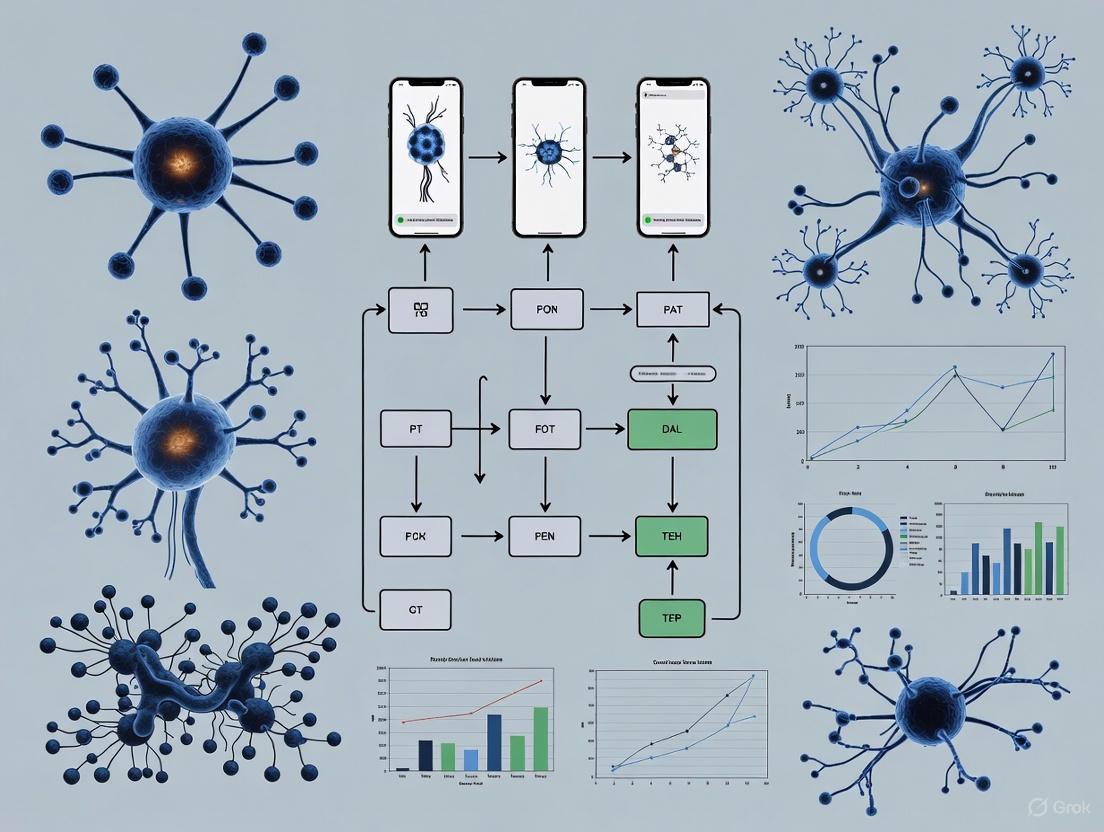
Ecological Momentary Assessment (EMA) delivered via mobile health (mHealth) platforms is revolutionizing cognitive monitoring by enabling real-time, ecologically valid data collection in naturalistic environments.
Mobile Ecological Momentary Assessment (mHealth) for Cognitive Monitoring: A Comprehensive Guide for Researchers and Clinicians
Abstract
Ecological Momentary Assessment (EMA) delivered via mobile health (mHealth) platforms is revolutionizing cognitive monitoring by enabling real-time, ecologically valid data collection in naturalistic environments. This article provides a comprehensive overview for researchers and drug development professionals, exploring the foundations of cognitive EMA and its application across diverse populations, including older adults at risk for dementia and breast cancer survivors. It details methodological considerations for designing robust studies, addresses critical challenges such as participant compliance and data missingness, and synthesizes evidence on the feasibility, reliability, and validity of these digital tools. The discussion extends to the integration of wearable sensors and artificial intelligence, offering insights into future directions for validating digital biomarkers and integrating mHealth into large-scale clinical and biomedical research.
Understanding Mobile Cognitive EMA: Foundations and Core Principles for Real-World Assessment
Definition and Conceptual Framework
Cognitive Ecological Momentary Assessment (EMA) is a methodology that uses mobile health (mHealth) technologies to collect real-time cognitive data from individuals in their natural environments. This approach involves repeated, brief sampling of cognitive performance and related contextual factors through smartphone applications, enabling researchers to capture dynamic cognitive processes as they unfold in daily life [1] [2].
Unlike traditional neuropsychological assessments conducted in clinical settings, cognitive EMA leverages the ubiquity of mobile devices to assess cognitive functioning with enhanced ecological validity while minimizing recall bias and contextual limitations of laboratory-based testing [2] [3]. The approach is particularly valuable for detecting subtle cognitive fluctuations in conditions such as aging populations, neurodegenerative diseases, and cancer-related cognitive impairment [1] [3].
Key Quantitative Evidence and Validation Studies
Table 1: Feasibility and Adherence Metrics Across Cognitive EMA Studies
| Population | Sample Size | Protocol Duration | Adherence Rate | Primary Cognitive Domains Assessed | Key Findings | Citation | ||
|---|---|---|---|---|---|---|---|---|
| Older Adults (Cognitively Normal vs. Very Mild Dementia) | 417 (380 CN, 37 VMD) | Up to 4x/day for 1 week | Not specified | Processing speed, Working memory, Associative memory | Minimal environmental distraction effects overall; location/social context had small, domain-specific impacts, more apparent in VMD | [1] | ||
| Breast Cancer Survivors | 105 | Once every other day for 8 weeks (28 sessions) | 87.3% | Working memory, Executive functioning, Processing speed, Memory | Strong test-retest reliability (ICC>0.73); moderate-strong convergent validity ( | r | =0.23-0.61) with traditional measures | [3] |
| Metastatic Breast Cancer Patients | 51 | Once daily for 4 weeks (28 sessions) | High (exact rate not specified) | Working memory, Executive functioning, Processing speed, Memory | Demonstrated feasibility, reliability, and validity in metastatic cancer population | [3] |
Table 2: Impact of Environmental Factors on Cognitive EMA Performance in Older Adults
| Environmental Factor | Cognitive Domain | Effect on Cognitively Normal | Effect on Very Mild Dementia | Statistical Significance |
|---|---|---|---|---|
| Testing Location (Away vs. Home) | Visuospatial Working Memory | Worse performance when away (P=.001) | No significant effect (P=.36) | Differs by cognitive status |
| Testing Location (Away vs. Home) | Processing Speed | No difference (P=.88) | Slightly faster when not at home (P=.04) | Differs by cognitive status |
| Social Context (With Others vs. Alone) | Processing Speed Variability | Minimal effect | Increased variability (P=.04) | Significant for VMD only |
| Most Distracting Environment (Away + With Others) | Visuospatial Working Memory | Minimal effect | Larger performance differences | Significant for VMD only |
| Self-Reported Interruptions | Overall Cognitive Performance | Minimal residual effects after removing interrupted sessions | More apparent effects after removing interrupted sessions (12.4% of sessions) | Effects remain after exclusion |
Experimental Protocols and Methodologies
Protocol 1: Ambulatory Research in Cognition (ARC) for Aging Populations
Objective: To examine the impact of environmental distractions on unsupervised digital cognitive assessments in older adults with normal cognition and very mild dementia [1].
Population: Adults classified as cognitively normal (CDR 0) or with very mild dementia (CDR 0.5) using Clinical Dementia Rating scale [1].
EMA Protocol:
- Platform: Custom-built smartphone application (iOS/Android)
- Frequency: Up to 4 assessments daily for one week
- Assessment Window: 2-hour completion window per assessment
- Cognitive Measures:
- Symbols Task: Processing speed measure with 12 trials assessing abstract shape matching (20-60 seconds)
- Prices Task: Associative memory with learning and recognition phases for item-price pairs (approximately 60 seconds)
- Grids Task: Spatial working memory assessment
- Contextual Data Collection:
- Current location (home/not home)
- Social context (alone/with others)
- Self-reported interruptions post-assessment
- Statistical Analysis: Mixed-effect modeling to test interactions between location, social context, and clinical status
Protocol 2: NeuroUX for Cancer-Related Cognitive Impairment
Objective: To establish feasibility, reliability, and validity of smartphone-administered cognitive EMA in breast cancer survivors [3].
Population: Breast cancer survivors (stage 0-III) who completed primary treatment within previous 6 years.
EMA Protocol:
- Platform: NeuroUX smartphone application
- Frequency: Once daily every other day for 8 weeks (28 total assessments)
- Assessment Duration: Approximately 10 minutes per assessment
- Notification System: Texted weblinks with reminders at 3h and 5h if incomplete
- Cognitive Measures:
- Self-Report Items:
- Cognitive symptoms severity (0-7 scale)
- Confidence in cognitive abilities (0-7 scale)
- Objective Cognitive Tests:
- Working Memory: N-Back (2-back, 12 trials) and CopyKat tests
- Executive Functioning: Color Trick and Hand Swype tests
- Additional tests alternating throughout protocol
- Self-Report Items:
- Baseline Assessments:
- FACT-Cog for self-reported cognitive function
- BrainCheck computerized neuropsychological battery
- Post-Study Evaluation: Satisfaction and feedback surveys
Signaling Pathways and Workflow Diagrams
Cognitive EMA Implementation and Analysis Workflow
This diagram illustrates the comprehensive workflow for implementing and analyzing cognitive EMA studies, from initial design through final validation.
Statistical Analysis Framework for EMA Data
Key Considerations:
- Multilevel Data Structure: EMA data are nested within individuals, requiring specialized statistical approaches [4]
- Missing Data: Non-response is inevitable in EMA research and should be accounted for analytically [5]
- Auto-correlation: Observations are typically correlated with delayed copies of themselves [5]
Recommended Analytical Approaches:
- Linear Mixed Models (LMM): For continuous outcome variables, accounting for within-person correlations [4]
- Generalized Linear Mixed Models (GLMM): For categorical, ordinal, or count data [4]
- Feature Extraction Techniques:
- Central tendency and variability measures
- Trend analysis using regression approaches
- Periodicity analysis via Fourier analysis
- Rolling statistics to identify patterns [5]
Sample Size Considerations: More participants is generally more important than numerous responses per participant for statistical power [4].
Research Reagent Solutions and Essential Materials
Table 3: Essential Research Tools for Cognitive EMA Implementation
| Tool Category | Specific Examples | Function/Purpose | Key Features |
|---|---|---|---|
| EMA Platforms | NeuroUX, Ambulatory Research in Cognition (ARC) | Delivery of cognitive tests and collection of momentary data | Customizable sampling schedules, integrated cognitive tasks, real-time data capture |
| Cognitive Task Batteries | Symbols Task, Prices Task, Grids Task, N-Back, CopyKat | Assessment of specific cognitive domains | Brief administration time, alternate forms, sensitivity to fluctuation |
| Clinical Characterization Tools | Clinical Dementia Rating (CDR), FACT-Cog, BrainCheck | Participant characterization and validation | Gold-standard clinical assessment, comparison with traditional measures |
| Statistical Analysis Tools | R, Python, specialized packages (emaph) | Analysis of intensive longitudinal data | Multilevel modeling capabilities, time-series analysis, feature extraction |
| Data Collection Infrastructure | REDCap, IRIS platform | Secure data management and regulatory compliance | Electronic data capture, participant management, regulatory submission support |
Implementation Considerations for Regulatory Applications
For Drug Development Professionals:
- Early Regulatory Engagement: Utilize scientific advice procedures and qualification of novel methodologies pathways [6]
- Psychometric Validation: Establish reliability, validity, and sensitivity of cognitive EMA measures for specific populations [3]
- Contextual Factor Control: Account for environmental distractions and testing conditions that may influence cognitive performance [1]
- Compliance with Regulatory Standards: Follow established guidelines for electronic data collection and patient-reported outcomes
Cognitive EMA represents a transformative methodology for capturing real-world cognitive functioning in clinical research and drug development. When properly validated and implemented, it offers enhanced ecological validity, reduced recall bias, and the ability to detect subtle cognitive fluctuations that may be missed by traditional assessment methods.
Mobile Ecological Momentary Assessment (mHealth EMA) represents a paradigm shift in cognitive and health monitoring, moving assessments from artificial laboratory settings into the natural flow of participants' daily lives. This methodology involves repeated sampling of participants' cognitive performance, behaviors, and experiences in real-time within their natural environments [1] [7]. By leveraging ubiquitous smartphone technology, researchers can capture dynamic fluctuations in cognitive function with unprecedented ecological validity while minimizing the distortions of retrospective recall [8]. This approach is particularly valuable for tracking subtle cognitive changes in aging populations and those with neurodegenerative conditions, providing rich datasets that reveal both within-day and between-day fluctuations [1] [9]. The integration of mHealth EMA into clinical research and drug development offers powerful advantages for measuring intervention effects and understanding real-world cognitive functioning.
Quantitative Evidence: Validating the mHealth EMA Advantage
Feasibility and Compliance Metrics Across Populations
Table 1: Compliance and Feasibility Metrics in mHealth EMA Studies
| Study Population | Sample Size | Study Duration | Compliance/Response Rate | Key Feasibility Findings |
|---|---|---|---|---|
| Older Adults (Cognitively Normal & Very Mild Dementia) [1] | 417 total participants | 1 week (up to 4x daily) | 87.6% completion rate (after removing interrupted sessions) | Minimal effects of environmental distractions on performance; suitable for unsupervised testing |
| Transdiagnostic Dementia Sample [9] | 12 participants | 10 days (7x daily + end-of-day survey) | 80% compliance rate | No dropouts; low burden reported; mean completion time: 2 min 10 sec for momentary questionnaires |
| Cross-Study Analysis (Multiple Clinical Studies) [8] | 454 participants across 9 studies | 2 weeks to 16 months | 79.95% average response rate | 88.37% of prompted sessions fully completed; higher responsiveness evenings (82.31%) and weekdays (80.43%) |
Cognitive Performance Data Across Testing Environments
Table 2: Environmental Effects on Cognitive Performance in Unsupervised Digital Assessments [1]
| Cognitive Domain | Participant Group | Testing Environment | Performance Impact | Statistical Significance |
|---|---|---|---|---|
| Visuospatial Working Memory | Cognitively Normal Older Adults | Home vs. Away | Better performance at home | P=.001 |
| Visuospatial Working Memory | Very Mild Dementia | Home vs. Away | No significant effect of location | P=.36 |
| Processing Speed | Cognitively Normal Older Adults | Home vs. Away | No difference between locations | P=.88 |
| Processing Speed | Very Mild Dementia | Not at Home | Slightly faster when not at home | P=.04 |
| Processing Speed | All Participants | Presence of Others | Increased variability in processing speed | P=.04 |
Experimental Protocols and Methodologies
Protocol: Ambulatory Research in Cognition (ARC) Smartphone Assessment
Platform Development: The ARC platform is a custom-built smartphone application available for both iOS and Android devices. Participants use either their personal smartphones or study-provided devices [1].
Assessment Schedule:
- Notifications sent via native iOS or Android systems pseudorandomly
- Participants complete assessments within 2-hour response windows
- Testing occurs up to 4 times daily for one week
- Three cognitive tasks administered per session [1]
Cognitive Task Battery:
- Symbols Task (Processing Speed)
- Procedure: Participants view 3 pairs of abstract shapes and select which of 2 possible responses matches 1 of the 3 targets
- Trials: 12 trials per assessment
- Duration: 20-60 seconds
- Measures: Median reaction time (RT) for correct trials, coefficient of variation (CoV) for RT variability [1]
Prices Task (Associative Memory)
- Learning Phase: 10 item-price pairs presented for 3 seconds each
- Recognition Phase: Participants select correct price from two options when presented with items
- Duration: Approximately 60 seconds
- Measures: Error rate during recognition phase [1]
Grids Task (Spatial Working Memory)
- Procedure: Detailed protocol not fully described in available sources
- Context: Part of comprehensive cognitive assessment battery [1]
Environmental Context Assessment:
- Pre-assessment: Participants report current location and social surroundings
- Post-assessment: Participants report any interruptions during testing
- Location classification: Home vs. not home
- Social context: Alone vs. with others [1]
Protocol: High-Intensity Experience Sampling in Dementia
Co-Design Methodology:
- Protocol developed in collaboration with dementia stakeholders
- Personalized adaptations implemented based on individual capabilities [9]
Assessment Structure:
- Duration: 10-day intensive sampling period
- Frequency: 7 daily notifications assessing thoughts and affect
- Additional Measures: End-of-day questionnaire on daily life satisfaction and meaning
- Extensions: Data collection period extended by 1-2 days for some participants to ensure adequate sampling [9]
Compliance Support Strategies:
- Partner notification system: For one participant, their partner received synchronized notifications to provide reminders
- Flexible scheduling: Adaptations made to accommodate individual needs and capabilities [9]
Feasibility Assessment:
- Participation rates tracked from initial contact through study completion
- Compliance rates calculated as completed measurements out of total possible
- Subjective participation experiences assessed through post-study evaluations
- Completion times recorded for each assessment type [9]
Visualizing mHealth EMA Workflows
Research Study Implementation Workflow
Cognitive EMA Data Collection Process
Table 3: Essential Resources for mHealth EMA Cognitive Monitoring Research
| Resource Category | Specific Tool/Platform | Primary Function | Key Features/Applications |
|---|---|---|---|
| mHealth Platforms | m-Path [9] | User-friendly ESM platform and app | Flexible ESM implementation; suitable for clinical populations including dementia |
| Cognitive Assessment | ARC Platform [1] | Custom smartphone cognitive assessment | Processing speed, working memory, and associative memory tasks; designed for older adults |
| Usability Assessment | mHealth App Usability Questionnaire (MAUQ) [10] | Standardized usability evaluation | Measures ease of use, interface satisfaction, and usefulness; 21-item scale |
| Clinical Characterization | Clinical Dementia Rating (CDR) [1] | Dementia staging and participant classification | Standardized clinical assessment; essential for participant stratification in cognitive studies |
| Compliance Monitoring | Smartphone Notification Systems [8] | Participant prompting and response tracking | Native iOS/Android integration; configurable reminder schedules; response timing metadata |
| Data Analysis | Mixed-Effects Modeling [1] | Statistical analysis of longitudinal EMA data | Handles nested data structure; accounts for within-person and between-person variability |
The implementation of mobile Ecological Momentary Assessment in cognitive monitoring research offers substantial methodological advantages through enhanced ecological validity, reduced recall bias, and rich high-frequency data collection. Evidence from recent studies demonstrates that this approach is feasible across diverse populations, including older adults with cognitive impairment [1] [9]. The structured protocols and resources outlined provide researchers with practical frameworks for implementing robust mHealth EMA studies. As technology continues to evolve, these methods offer increasingly powerful tools for capturing real-world cognitive functioning and assessing intervention effectiveness in natural environments, ultimately bridging the gap between laboratory findings and everyday cognitive performance.
This application note details protocols for the mobile Ecological Momentary Assessment (mEMA) of three core cognitive domains—Processing Speed, Working Memory, and Associative Memory—which are foundational to higher-order executive function and general cognitive ability (g) [11]. The escalating global prevalence of age-related cognitive impairment and dementia underscores the critical need for scalable, ecologically valid monitoring tools [12]. mHealth platforms, particularly mEMA, enable high-frequency, real-world cognitive assessment, overcoming the limitations of traditional lab-based testing by capturing data within an individual's natural environment [13] [14]. This approach facilitates the detection of subtle, day-to-day fluctuations in cognitive performance, providing sensitive metrics for tracking disease progression or intervention efficacy in clinical research and drug development [15].
The scientific rationale for focusing on these domains is robust. Research confirms that Processing Speed, Working Memory, and Associative Learning each contribute significant unique variance to models of general intelligence, indicating they are separable mechanistic substrates of g [11]. Furthermore, task-specific learning—gains in performance from repeated practice on a task even when the to-be-learned material changes—is a crucial mechanism in cognitive training and is predicted by individual differences in processing speed and working memory in older adults [16]. Assessing these domains via mEMA allows researchers to capture both baseline ability and dynamic learning effects over time.
Core Cognitive Domain Assessments & Protocols
The following section outlines the standardized protocols for assessing each target cognitive domain. Adherence to these protocols ensures data consistency and reliability for longitudinal monitoring and multi-site trials.
Table 1: Core Cognitive Domains and Their mEMA Assessment Protocols
| Cognitive Domain | mEMA Task Prototype | Key Independent Variable(s) | Primary Dependent Variable(s) | mEMA Sampling Cadence |
|---|---|---|---|---|
| Processing Speed | Pattern Comparison / Symbol Matching | Stimulus complexity; Number of items | Correct responses per minute; Mean reaction time for correct items [11] | 2-3 times daily, randomized within 4-hour blocks [14] |
| Working Memory | N-back Task (N=1,2) | Load level (1-back vs. 2-back) | d-prime (sensitivity index); Correct trial reaction time [11] | 1-2 times daily, >4 hours apart to minimize fatigue |
| Associative Memory | Paired Associates (PA) Learning | Number of word pairs; Semantic relatedness | Trials to criterion; Correct recalls per trial [16] [11] | Once daily (to measure task-specific learning) [16] |
Protocol for Processing Speed Assessment
Objective: To measure the speed at which an individual can perform a simple cognitive operation, a foundational ability that declines with age and in various cognitive pathologies.
- Task Description (Pattern Comparison): Participants are presented with two abstract patterns or symbol strings side-by-side. They must indicate as quickly and accurately as possible whether the two items are identical or different.
- Stimuli: Use non-verbal, culturally neutral stimuli (e.g., abstract line patterns, simple geometric shapes) to minimize educational and cultural bias [15].
- Trial Structure: Each trial presents a new pair of stimuli. The task consists of a block of 20-30 trials.
- Procedure:
- Instructions screen: "You will see two patterns. Are they the SAME or DIFFERENT? Respond as QUICKLY and as ACCURATELY as you can."
- A fixation cross is displayed for 500ms.
- The stimulus pair is displayed until a response is made or a timeout (e.g., 5000ms) occurs.
- Provide neutral feedback (e.g., a blank screen for 200ms) before the next trial. Avoid positive/negative reinforcement to prevent confounding motivation effects.
- Data Output: The primary metrics are (1) the number of correct responses per minute, and (2) the mean reaction time for correct trials only.
Protocol for Working Memory Assessment
Objective: To assess the capacity to actively maintain and manipulate information over short intervals, a key predictor of fluid intelligence.
- Task Description (N-back): Participants are shown a sequence of stimuli (e.g., letters, locations) one at a time. For each stimulus, they must indicate if it matches the one presented
Nsteps back in the sequence. - Stimuli: Letters or spatial locations on a 3x3 grid.
- Task Levels: Include 1-back (low load) and 2-back (high load) conditions. These can be administered in separate mEMA prompts or blocked within a single session.
- Trial Structure: Each condition consists of a sequence of 20+ stimuli. The target rate (i.e., matches) should be approximately 30% of trials.
- Procedure:
- Instructions: "You will see a series of [letters/locations]. For each one, decide if it is the SAME as the one you saw [1/2] steps back."
- Each stimulus is presented for a fixed duration (e.g., 1500ms), followed by a response interval (e.g., 1500ms). The short presentation time prevents passive maintenance strategies.
- The task is highly structured, with inter-stimulus intervals controlled by the system.
- Data Output: Calculate
d-prime (d')as the primary measure of sensitivity, which incorporates both hits and false alarms. Also, record mean reaction time on correct trials for each load condition.
Protocol for Associative Memory Assessment
Objective: To evaluate the ability to form and recall new associations between unrelated pieces of information, a function critically dependent on the hippocampus and known to be vulnerable in early Alzheimer's disease.
- Task Description (Paired Associates Learning): Participants learn a set of unrelated word pairs (e.g., "dog - spoon"). In the recall phase, they are shown the first word (cue) and must recall the second (target).
- Stimuli: Use a pool of common, concrete nouns. For each mEMA session, select a novel set of 8 word pairs to measure task-specific learning—the improvement in acquiring new associations due to practice with the task procedure itself, rather than memory for specific items [16].
- Trial Structure (Study-Test Cycle):
- Study Phase: All 8 word pairs are presented sequentially, each for 3-5 seconds.
- Test Phase: The cue word from each pair is presented in a random order. The participant types or selects the target word from a set of distractors.
- The cycle can be repeated for a fixed number of trials (e.g., 3-4) or until a mastery criterion (e.g., 100% correct) is reached.
- Procedure:
- Instructions: "You will learn pairs of words. Try to remember which words go together. Later, you will be shown the first word and asked to recall the second."
- The task is administered once per day, as the learning trajectory across days is a key outcome [16].
- Data Output: The primary metrics are (1) the number of correct recalls per learning trial, and (2) the "trials to criterion" (if applicable). Performance is tracked across days to model the task-specific learning curve [16].
mEMA Implementation & Workflow
The successful deployment of these cognitive protocols relies on a robust mEMA implementation strategy.
Sampling Protocols & Compliance
- Sampling Modality: For cognitive tasks, a signal-contingent sampling approach is typically used, where the app prompts the participant to complete a task at random or fixed intervals within a time window [14]. This ensures data is collected at planned times, reducing self-selection bias.
- Feasibility & Compliance: Meta-analyses show that mEMA protocols can achieve compliance rates of 78.3% on average [13]. Compliance is optimized by:
Table 2: mEMA Protocol Feasibility and Acceptability Metrics
| Protocol Parameter | Recommended Specification | Empirical Support |
|---|---|---|
| Daily Prompt Frequency | 2-5 times | Higher frequency (6+) can reduce compliance in non-clinical groups [13]. |
| Overall Compliance Rate | ~78% (Target) | Weighted average from youth studies; a benchmark for feasibility [13]. |
| Prompt Randomization | Within 2-4 hour blocks | Prevents anticipation and captures different times of day [14]. |
| Task Duration | < 3 minutes per prompt | Critical for maintaining long-term participant engagement and compliance. |
The Researcher's Toolkit: Reagents & Materials
Table 3: Essential Research Reagent Solutions for mEMA Cognitive Monitoring
| Tool / Component | Function / Rationale | Implementation Example |
|---|---|---|
| Customizable mEMA Platform | Core software for deploying surveys and cognitive tasks, managing prompts, and collecting data. | Platforms like ilumivu [14] or custom apps built using research SDKs. |
| Mobile App Rating Scale (MARS) | A validated 23-item tool to objectively assess the quality of mHealth apps on engagement, functionality, aesthetics, and information [12]. | Used to ensure the developed mEMA app meets a high-quality standard (target mean score >3.57) [12]. |
| Psychometric Item Bank | A pre-validated library of test items and parallel forms for cognitive tasks to prevent practice effects. | Includes multiple sets of word pairs for associative memory [16] and stimuli for processing speed tasks [15]. |
| Data Processing Pipeline | Automated scripts for scoring cognitive tasks, calculating derived metrics (e.g., d-prime), and flagging invalid data. | Scripts in R or Python to compute primary outcomes from raw reaction time and accuracy data. |
Data Presentation & Analytical Visualization
Adherence to principles of effective data presentation is paramount for clear scientific communication.
- Visualization Best Practices: For presenting group data, dot plots are superior to bar graphs because they allow for precise judgment of average magnitudes without the perceptual distortion introduced by the "spatial extent" of bars [17].
- Table Design: In tables of numerical results, aid comparison by using right-flush alignment for numbers and their headers, employing a tabular font, and ensuring consistent precision [18].
Quality Assurance & Inclusive Design
Ensuring data integrity and app accessibility is critical for generating valid, generalizable results.
- App Quality: A recent review of cognitive training apps found mean quality scores of 3.57 (SD 0.43) on the MARS scale (range 1-5), with functionality scoring highest and engagement lowest [12]. Aim to exceed these benchmarks.
- Inclusive Design for Diverse Populations: To include older adults and individuals with visual impairments, design principles must be prioritized [19] [20]:
- Simplicity & Customizability: Offer adjustable text sizes, high contrast modes, and customizable color schemes [19].
- Reduce Cognitive Load: Simplify navigation, use clear and consistent icons, and provide help and training within the app [20].
- Auditory Support: Provide audible explanations of health data and error feedback [19].
- Input Flexibility: Implement feasible data input methods beyond precise touch, such as voice input [19].
Application Notes
Mobile Ecological Momentary Assessment (mEMA) mHealth platforms have emerged as powerful tools for real-time, ecologically valid cognitive and health monitoring across diverse clinical populations. Their application is critical in aging, neurodegenerative disease, and cancer survivorship, where capturing subtle, fluctuating symptoms and functional status in daily life provides insights beyond traditional clinic-based assessments. The integration of mEMA with wearable sensors and artificial intelligence (AI) enables multidimensional remote monitoring, supporting early detection, personalized interventions, and comprehensive supportive care [21] [1] [7].
The table below summarizes the core quantitative findings and feasibility outcomes from key studies implementing mHealth cognitive monitoring across these populations.
Table 1: Quantitative Outcomes of mHealth Monitoring Across Populations
| Population | Primary mHealth Application | Key Quantitative Findings | Compliance/Feasibility |
|---|---|---|---|
| Cancer Survivors [21] | Multidimensional remote monitoring of patient-reported outcomes (PROs) and physiology via app and smartwatch. | Collection of clinically relevant PROs (e.g., Edmonton Symptom Assessment System) and objective measures (e.g., step counts). | Hypothesis: >50% participant engagement with app at least once/week in 8 of 16 study weeks. Study ongoing. |
| Older Adults (Cognitively Normal & Very Mild Dementia) [1] | Unsupervised daily cognitive assessments (processing speed, working memory, associative memory) via smartphone. | Minimal momentary effects of environmental distractions on performance across groups. Cognitively normal adults showed better visuospatial working memory at home (P=.001). Those with very mild dementia showed no location effect on this task (P=.36). | 12.4% (1194/9633) of all assessments had self-reported interruptions. Small distraction effects persisted after their removal. |
| Older Adults (Health Promotion) [22] | mHealth app (NeoMayor) for promoting healthy lifestyles and cardiovascular/brain health. | Global Cardiovascular Health (CVH) index score increased from 64 (SD 10) to 68 (SD 11); P<.001. Improvements in systolic BP, waist circumference, HDL cholesterol, and physical performance. | High engagement: mean use of 6.6 (SD 11.85) minutes per day, twice a week over 2 months. |
| General Adult (Clinical & Non-Clinical) [23] | mEMA for self-reported health behaviors and psychological constructs. | Meta-analysis of compliance rates across 105 unique datasets. | Overall compliance: 81.9% (95% CI 79.1-84.4). No significant difference between non-clinical and clinical datasets. |
Key Insights for Research and Drug Development
For researchers and drug development professionals, mEMA offers a methodology for collecting high-frequency, real-world data on cognitive function, symptom burden, and functional status that can serve as sensitive endpoints in clinical trials. The evidence suggests that remote, unsupervised cognitive testing provides valid data, though testing environment can have small, domain-specific effects, particularly in populations with very mild dementia [1]. Successful implementation hinges on robust compliance, which is achievable in both clinical and non-clinical adult populations, with an average compliance rate of approximately 82% [23]. Furthermore, a user-centered design is paramount for ensuring engagement, especially in older adult populations who may face barriers related to digital literacy and physical or cognitive limitations [24] [22].
Experimental Protocols
Protocol 1: Multidimensional mHealth Monitoring in Cancer Survivorship
This protocol, derived from the GATEKEEPER pilot study, details a 16-week observational study for remote monitoring of cancer survivors [21].
- Objective: To assess the feasibility (primary) and collect clinically relevant subjective and objective measures (secondary) via an mHealth solution in survivors of cancer.
- Population: Adult survivors (N=100) of any solid malignancy, not receiving toxic anticancer treatment, with controlled disease and scheduled for active surveillance.
- mHealth Solution:
- Dedicated Smartphone App: For self-reported behavioral data (nutrition, physical activity, sleep) and validated PRO questionnaires (e.g., Edmonton Symptom Assessment System).
- Paired Smartwatch (Samsung Galaxy Watch): For automatic, objective collection of physiological data (e.g., step counts, actigraphy).
- Data Integration: The mHealth solution anonymizes and integrates self-reported data, wearable sensor data, and electronic health records for AI-driven analysis.
- Primary Endpoint: Feasibility, defined as participant engagement (e.g., at least 50% using the app at least once per week in 8 of the 16 weeks).
- Ethical Considerations: Approved by NHS Research Ethics Committee. Participants provide informed consent, are gifted the wearable device, and may receive a replacement Android phone if needed. Comprehensive data protection measures are in place.
Protocol 2: Unsupervised Digital Cognitive Assessment in Aging and Neurodegenerative Disease
This protocol, based on the Ambulatory Research in Cognition (ARC) study, outlines the use of smartphone-based mEMA for frequent cognitive testing in older adults, including those with very mild dementia [1].
- Objective: To examine the impact of environmental distractions on unsupervised remote cognitive assessments and compare performance between cognitively normal older adults and those with very mild dementia.
- Population: Older adults classified as cognitively normal (CDR 0, n=380) or having very mild dementia (CDR 0.5, n=37). Clinical status is determined within a year of mEMA via the Clinical Dementia Rating (CDR) scale.
- mEMA Platform: Custom smartphone app (ARC) delivering three cognitive tasks daily (up to 4 times/day) for one week.
- Cognitive Tasks & Measures:
- Symbols: Processing speed task (median reaction time (RT) and RT variability for correct trials).
- Grids: Visuospatial working memory task (accuracy).
- Prices: Associative memory task (error rate during recognition).
- Contextual Data: Before/after each assessment, participants report testing location (home/not home), social context (alone/with others), and any interruptions.
- Statistical Analysis: Mixed-effect models test interactions between location, social context, interruptions, and clinical status on cognitive performance.
The Scientist's Toolkit: Research Reagent Solutions
The following table details essential materials and tools for deploying mEMA in cognitive and health monitoring research.
Table 2: Essential Research Reagents and Tools for mEMA Studies
| Item/Solution | Function in mEMA Research | Exemplars & Key Considerations |
|---|---|---|
| mEMA Software Platform | Delivers cognitive tests, PROs, and contextual questions on a scheduled basis; manages data collection and storage. | Custom apps (e.g., ARC [1]); commercial platforms. Must support iOS/Android, push notifications, and secure data transfer. |
| Wearable Sensor | Passively and continuously collects objective physiological and behavioral data to complement self-report. | Samsung Galaxy Watch [21]; other consumer-grade or research-grade devices. Key metrics: step count, heart rate, sleep actigraphy. |
| Validated PRO Measures | Quantifies symptom burden, quality of life, and other patient-centric outcomes in an ecologically valid manner. | Edmonton Symptom Assessment System [21]; EuroQol Visual Analogue Scale [25]. Must be validated for ePRO administration. |
| Cognitive Test Battery | Assesses fluctuations in specific cognitive domains (e.g., processing speed, memory) in real-world settings. | ARC tasks: "Symbols" (processing speed), "Grids" (working memory), "Prices" (associative memory) [1]. Tasks must be brief and repeatable. |
| Data Integration & AI Analytics Framework | Harmonizes multimodal data streams (mEMA, wearables, EMR) and enables predictive modeling and pattern detection. | GATEKEEPER architecture [21]. Requires robust data anonymization, secure servers, and machine learning capabilities. |
| Participant Training & Support Protocol | Ensures participants, especially older adults, can use the technology effectively, maximizing compliance and data quality. | Includes in-person training [21], instructional materials, and ongoing technical support [24] [22]. Critical for geriatric populations. |
The Role of EMA in Capturing Subtle Cognitive Fluctuations in Early-Stage Dementia
Application Note: Principles and Value of EMA in Cognitive Monitoring
Ecological Momentary Assessment (EMA) is a powerful mHealth methodology for capturing fine-grained, longitudinal data on an individual's cognitive and behavioral well-being in their natural environment. By leveraging mobile devices, EMA minimizes recall bias and provides a more sensitive assessment of subtle cognitive fluctuations compared to traditional, infrequent lab-based assessments [8]. This capability is paramount in early-stage dementia, where the earliest signs are not outright forgetting, but a decline in the precision and quality of memories, which can begin decades before traditional tests like the MoCA (Montreal Cognitive Assessment) show problems [26].
The core strength of EMA lies in its ability to capture within-day and between-day fluctuations in cognitive performance, laying a foundation for timely, in-the-moment interventions. When combined with objective, sensor-based data representing digital phenotypes, EMA enables a powerful comparison of subjective self-reports with objective digital behavior markers [8]. This approach is particularly effective for longitudinally monitoring conditions like Alzheimer's disease and related dementias, as it reduces the burden on participants who would otherwise need to travel to a research lab [8].
Experimental Protocol: EMA for Digital Cognitive Assessment in Aging
This protocol outlines a procedure for using a smartphone-based EMA tool to assess the impact of environmental distractions on cognitive performance in older adults, comparing those who are cognitively normal with those showing very mild dementia [1]. The objective is to determine how testing location and social context affect performance on unsupervised digital cognitive tests and whether these distractions have a differential impact based on clinical status [1].
Participant Selection and Clinical Characterization
- Participants: Recruit older adults from studies of aging and dementia at a clinical research center.
- Inclusion Criteria: Participants must complete at least 10 testing sessions to ensure adequate engagement and have a recent clinical assessment for accurate cognitive classification [1].
- Clinical Status Classification: Cognitive status is determined using the Clinical Dementia Rating (CDR) scale based on semi-structured interviews with the participant and a collateral source. For this study, participants are grouped as cognitively normal (CDR 0) or as having very mild dementia (CDR 0.5) [1].
EMA Cognitive Assessment Procedure
- Platform: A custom-built smartphone application (e.g., the Ambulatory Research in Cognition (ARC) study app) [1].
- Assessment Schedule: Participants receive notifications to complete assessments pseudorandomly, up to 4 times per day for one week. They are instructed to complete the assessment as soon as possible within a 2-hour window [1].
- Contextual Data Collection: At each assessment, participants report their current location (home vs. not home) and social context (alone vs. with others) [1].
- Post-Assessment Report: After each session, participants indicate whether they experienced any interruptions during the testing period [1].
Cognitive Tasks and Key Metrics
Participants complete three primary cognitive tasks during each assessment session [1]:
- Processing Speed Task ("Symbols"): Participants match abstract shapes. Performance is measured by median reaction time (RT) for correct trials and the coefficient of variation (RT CoV) to capture variability. Higher scores indicate poorer performance.
- Associative Memory Task ("Prices"): Participants learn item-price pairs and are later tested on their recognition. The primary metric is the error rate during recognition.
- Visuospatial Working Memory Task ("Grids"): This task assesses spatial working memory.
Data Analysis Plan
- Statistical Approach: Use mixed-effect models to test the interactions between location, social context, and clinical status (cognitively normal vs. very mild dementia) on cognitive task performance [1].
- Sensitivity Analysis: Conduct additional analyses by removing sessions where participants self-reported interruptions to isolate the effect of environmental distractions [1].
Table 1: Key Findings from Cognitive EMA Studies in Aging Populations
| Study Focus | Participant Group | Cognitive Domain / Factor | Key Finding | Statistical Result |
|---|---|---|---|---|
| Impact of Environmental Distractions [1] | Cognitively Normal (CDR 0) | Visuospatial Working Memory | Better performance when tested at home | P = .001 |
| Impact of Environmental Distractions [1] | Very Mild Dementia (CDR 0.5) | Processing Speed | Slightly faster when not at home | P = .04 |
| Impact of Environmental Distractions [1] | Very Mild Dementia (CDR 0.5) | Processing Speed Variability | Social context impacted variability | P = .04 |
| EMA Response Patterns [8] | Mixed (454 participants across 9 studies) | Overall EMA Response Rate (RR) | Average RR of 79.95% | N/A |
| EMA Response Patterns [8] | Mixed (454 participants across 9 studies) | Response Completeness | 88.37% of responses were fully completed | N/A |
| EMA Response Patterns [8] | Mixed (454 participants across 9 studies) | RR Correlation | Negative correlation with number of EMA questions | r = -0.433, P < .001 |
Table 2: The Scientist's Toolkit - Essential Reagents & Materials for EMA Cognitive Monitoring
| Item Name | Type | Function & Application Note |
|---|---|---|
| Smartphone EMA Platform | Software/Hardware | A custom or commercial app for delivering cognitive tests and surveys. Critical for in-the-wild data collection and participant notification [1]. |
| Clinical Dementia Rating (CDR) | Clinical Protocol | A standardized tool to characterize participant cohorts and ensure valid comparisons between cognitively normal and impaired groups [1]. |
| Digital Cognitive Test Battery | Software | A suite of brief, repeatable tests (e.g., processing speed, working memory) sensitive to momentary fluctuations and early decline [1]. |
| Contextual Questionnaire | Software (EMA) | Integrated questions on location and social context to model the impact of environmental distractions on cognitive scores [1]. |
| Sensor Data (Smartwatch/Home) | Data Stream | Optional objective data (e.g., activity level) to complement self-reports and provide digital markers of behavior [8]. |
Workflow and Conceptual Diagrams
Diagram 1: EMA Cognitive Assessment Workflow
Diagram 2: Factors Influencing EMA Data Quality
Designing and Implementing mHealth EMA Studies: Protocols, Platforms, and Practical Applications
Mobile Ecological Momentary Assessment (mHealth) for cognitive monitoring represents a paradigm shift in neuropsychological research, enabling the collection of real-time, real-world data on cognitive function. This approach leverages smartphone applications and integrated digital systems to move assessment beyond the clinic, capturing dynamic cognitive processes within patients' natural environments [27]. For researchers and drug development professionals, these platforms offer unprecedented opportunities for measuring subtle treatment effects, monitoring disease progression, and understanding cognitive fluctuations in conditions like Mild Cognitive Impairment (MCI) and Alzheimer's disease [12] [27]. The integration of these mobile technologies into clinical research requires careful consideration of platform selection, implementation protocols, and system interoperability to ensure scientific validity, regulatory compliance, and meaningful patient engagement.
Current Evidence and Data Synthesis
Recent studies demonstrate the growing evidence base for mHealth cognitive assessment platforms across diverse clinical populations. The quantitative findings from current literature provide critical insights for platform selection.
Table 1: Key Evidence for mHealth Cognitive Assessment Platforms
| Study Focus | Population | Key Findings | Implications for Platform Selection |
|---|---|---|---|
| Cognitive Training App Quality [12] | Older adults with cognitive impairment (24 apps evaluated) | Mean MARS quality score: 3.57/5 (range: 2.38-4.13); Functionality scored highest (mean=3.91); Engagement scored lowest (mean=3.26) | Priorit apps with proven engagement strategies; Brain HQ and Peak demonstrated highest quality scores (>4.0) |
| Chronic Disease App Preferences [28] | Adults with chronic heart disease (n=302) | Post-monitoring recommendations most valued (β=1.45); Adoption increased from 84% (basic) to 92% (preference-aligned) | Include clinical feedback loops; Personalization significantly increases adoption |
| EMR/EHR Integration Impact [29] | Mixed chronic conditions (19 studies, n=113,135) | 68% of studies reported improved patient outcomes; Key benefits: enhanced patient education (n=5), real-time data sharing (n=4), clinical decision support (n=3) | Prioritize platforms with EMR/EHR interoperability; Address technical compatibility challenges |
| Wearable Monitoring in AD [27] | Alzheimer's disease and MCI | Devices successfully monitored physical activity, sleep patterns, and cognitive function; Potential for early diagnosis identified | Consider multi-modal platforms combining active and passive assessment |
Table 2: mHealth Platform Feature Efficacy
| Feature Category | Specific Functionality | Evidence Strength | User Engagement Impact |
|---|---|---|---|
| Monitoring Capabilities | Vital sign tracking with clinical recommendations | β=1.45, 95% UI 1.26-1.64 [28] | Strong positive effect on sustained use |
| Educational Components | Tailored health information | β=0.50, 95% UI 0.36-0.64 [28] | Moderate positive effect |
| Symptom Tracking | Unrestricted diary entry | β=0.58, 95% UI 0.41-0.76 [28] | Moderate positive effect |
| EMR/EHR Integration | Automated data transfer to clinical systems | Support for clinical decision-making (n=3 studies) [29] | Enhances clinical utility and provider engagement |
| Accessibility Features | Appropriate touch target size, text contrast | Critical for stroke populations with motor impairments [30] | Essential for populations with cognitive-motor deficits |
Platform Selection Protocol
Assessment Platform Evaluation Framework
Selecting an appropriate mHealth cognitive assessment platform requires systematic evaluation across multiple domains. The following protocol provides a standardized approach for researchers and drug development professionals.
Phase 1: Technical and Scientific Validation
- Cognitive Assessment Validity: Verify that digital cognitive tasks have been validated against established neuropsychological measures. For cognitive training apps, only 20.8% currently offer user-tailored training modules, indicating a significant gap in personalization [12].
- Data Quality and Security: Ensure platforms comply with regulatory requirements (HIPAA, GDPR) and implement end-to-end encryption. Data accuracy concerns due to network connectivity have been identified in integrated systems [29].
- Technical Reliability: Assess system uptime, data loss protocols, and error handling. In accessibility studies, functionality dimensions generally score highest (mean=3.91/5), indicating relative technical maturity [12] [30].
Phase 2: Participant Experience and Accessibility
- Usability Optimization: Conduct pilot testing with target population. Current stroke apps demonstrate significant accessibility issues, with touch target size errors occurring 687 times across 16 apps [30].
- Engagement Strategy Implementation: Incorporate evidence-based engagement features. Engagement scores are currently the lowest-rated dimension (mean=3.26/5) in cognitive apps, indicating substantial room for improvement [12].
- Accessibility Compliance: Adhere to WCAG 2.1 guidelines, particularly for text contrast and interface navigation. Heuristic evaluations reveal that 100% of stroke apps violate the "Visibility of System Status" principle [30].
Phase 3: Integration and Implementation
- EMR/EHR Interoperability: Prioritize systems with demonstrated integration capabilities. Only 2 of 19 integrated systems used existing portal credentials for app access [29].
- Clinical Workflow Alignment: Ensure platform functionality supports rather than disrupts clinical workflows. Increased clinical workload in response to additional information was reported in 3 of 19 integration studies [29].
- Data Management and Analytics: Verify export capabilities, real-time monitoring, and analytical functions. Real-time data recorded and shared with clinicians demonstrated benefits in 4 of 19 integration studies [29].
Implementation Protocol for Clinical Trials
Participant Onboarding and Training
- Conduct digital literacy assessment using validated instruments before enrollment
- Provide structured training sessions with multimedia resources
- Implement competency verification through demonstration of core app functions
- Assign digital navigators for ongoing technical support, especially for older adults with limited technology experience [31]
Data Collection and Quality Control
- Establish automated data quality checks for missing, duplicate, or outlier data
- Implement compliance alerts for participants falling below engagement thresholds
- Schedule regular data validation against gold-standard measures throughout trial period
- Create data curation protocols for handling technical artifacts in cognitive measures
Clinical Integration and Safety Monitoring
- Develop clear pathways for clinical review of significant findings
- Implement automated alerts for safety concerns with defined response timelines
- Establish protocols for integrating mHealth data with other clinical assessments
- Create standardized reporting templates for regulatory submissions
Implementation Workflow
The integration of mHealth assessment platforms into clinical research requires a systematic approach that addresses both technical and human factors. The following workflow visualization outlines the key decision points and processes for successful implementation.
Figure 1: mHealth Platform Implementation Workflow. This diagram outlines the systematic process for selecting and implementing mobile cognitive assessment platforms, highlighting critical validation points and iterative refinement cycles essential for research-grade applications.
The Scientist's Toolkit: Essential Research Reagents and Materials
Successful implementation of mHealth cognitive monitoring requires specific tools and frameworks for development, evaluation, and integration.
Table 3: Essential Research Reagents and Solutions for mHealth Cognitive Monitoring
| Tool Category | Specific Tool/Platform | Primary Function | Key Considerations |
|---|---|---|---|
| Quality Assessment | Mobile App Rating Scale (MARS) [12] | Standardized evaluation of app quality across engagement, functionality, aesthetics, and information dimensions | Demonstrates high interrater reliability (k=0.88); Mean global scores for cognitive apps range 2.38-4.13/5 |
| EMR/EHR Integration | FHIR (Fast Healthcare Interoperability Resources) [29] | Standardized framework for exchanging healthcare information electronically | Addresses incompatibility challenges between mHealth apps and EMR/EHR systems (reported in 3 of 19 studies) |
| Implementation Framework | CFIR (Consolidated Framework for Implementation Research) [31] | Systematic assessment of implementation context across multiple domains | Adaptable to mHealth integration; Identifies critical patient, provider, app, and system factors |
| Cognitive Assessment | Digital cognitive task batteries [12] [27] | Mobile administration of standardized cognitive tests targeting specific domains (memory, attention, executive function) | Only 33% of cognitive apps involve medical professionals in development; Prioritize validated measures |
| Passive Monitoring | Wearable devices (activity trackers, smartwatches) [27] | Continuous collection of behavioral and physiological data in natural environments | Monitor physical activity, sleep patterns; Potential for early detection of cognitive decline |
| Usability Evaluation | Heuristic evaluation protocols [30] | Expert assessment of interface usability against established principles | Critical for identifying accessibility barriers; 100% of stroke apps violated "Visibility of System Status" heuristic |
| Data Analytics | Advanced statistical packages (R, Python) | Processing and analysis of intensive longitudinal data from mHealth platforms | Essential for handling temporal patterns, missing data, and deriving clinically meaningful metrics |
The selection of appropriate smartphone apps and integrated systems for mobile ecological momentary assessment in cognitive monitoring requires meticulous attention to scientific validity, participant engagement, and system interoperability. Evidence indicates that platforms aligning with user preferences demonstrate significantly higher adoption rates (increasing from 84% to 92%) and that integration with clinical systems enhances their utility for healthcare delivery and research [28] [29]. Future development should prioritize improved engagement strategies, standardized evaluation frameworks, and enhanced interoperability to maximize the potential of these innovative assessment platforms in cognitive research and therapeutic development.
Mobile Ecological Momentary Assessment (mHealth) represents a paradigm shift in cognitive and behavioral monitoring, enabling the collection of real-time, ecologically valid data in participants' natural environments. This approach minimizes recall bias and provides granular insights into the dynamic interplay between psychological processes, context, and health behaviors that traditional lab-based or retrospective methods cannot capture [32] [33]. The integration of mobile crowdsensing (MCS) technologies further enhances EMA by incorporating objective sensor data from smartphones and wearables, providing crucial contextual information alongside self-reported measures [33]. Effective protocol design must balance scientific rigor with participant burden to ensure sustainable engagement and high-quality data, particularly in studies targeting sensitive populations or requiring long-term assessment.
Quantitative Benchmarking of Current Practices
Table 1: Sampling Frequency and Study Duration in Recent mHealth Studies
| Study / Protocol | Primary Focus | Sampling Frequency | Study Duration | Overall Compliance/Adherence |
|---|---|---|---|---|
| TIME Study [32] | Physical activity & behaviors | ~12 prompts/day during biweekly 4-day "bursts" | 12 months | 77% (SD 13%) |
| Mezurio App [34] | Cognitive assessment (memory, executive function) | Daily tasks (episodic memory) | 36 days (Baseline) | 80% with daily learning tasks; 88% active engagement at endpoint |
| EMI for Rumination [7] | Experiential avoidance & rumination | Daily sampling | 4 weeks (Intervention) | Protocol-defined: Complete first 2 weeks + 5/6 exercises in weeks 3-4 |
| Factorial Design Study [35] | EMA Best Practices | 2 vs. 4 prompts/day | 28 days | 83.8% average completion |
Table 2: Key Predictors of EMA Compliance and Engagement
| Predictor Category | Specific Factor | Impact on Compliance |
|---|---|---|
| Demographic Factors | Employment status | Employed participants had lower odds of completion (OR 0.75) [32] |
| Ethnicity | Hispanic participants showed lower odds of completion (OR 0.79) [32] | |
| Age | Older adults tended to complete more EMAs [35] | |
| Contextual Factors | Phone screen status | Phone screen being "on" at prompt substantially increased completion (OR 3.39) [32] |
| Location | Being away from home reduced likelihood, particularly at sports facilities (OR 0.58) or restaurants/shops (OR 0.61) [32] | |
| Behavioral & Psychological Factors | Sleep duration | Short sleep the previous night associated with lower completion odds (OR 0.92) [32] |
| Stress levels | Higher momentary stress predicted lower subsequent prompt completion (OR 0.85) [32] | |
| Travel status | Traveling associated with lower completion odds (OR 0.78) [32] | |
| Study Design Factors | Microinteraction approach (μEMA) | Higher adherence observed [33] |
| Use of sensors | Higher adherence observed [33] | |
| Total number of prompts | Negative correlation with adherence [33] |
Experimental Protocols for mHealth Studies
Longitudinal Multiburst EMA Protocol (TIME Study)
Objective: To investigate factors influencing EMA completion rates in a 12-month intensive longitudinal study among young adults [32].
Methodology:
- Participants: 246 young adults (ages 18-29 years)
- Sampling Design: Biweekly measurement bursts consisting of 4-day periods of intensive sampling
- Prompting Strategy: Signal-contingent prompts delivered approximately once per hour during waking hours (average 12.1 prompts/day during bursts)
- Data Collection: Combined smartphone-based EMA with continuous passive data collection via smartwatches
- Measures: Multilevel logistic regression models examined effects of temporal, contextual, behavioral, and psychological factors on prompt completion
Key Findings: Completion odds declined over the 12-month study (OR 0.95) with significant interactions between time in study and various predictors, indicating changing engagement patterns over time [32].
"Little but Often" Cognitive Assessment Protocol (Mezurio)
Objective: To evaluate the feasibility of frequent cognitive assessment using a smartphone app over an extended duration [34].
Methodology:
- Participants: 35 adults (aged 40-59 years) with elevated dementia risk
- Sampling Design: Daily cognitive tasks for 36 days
- Task Selection:
- Gallery Game: Episodic memory task involving cross-modal paired-associate learning with subsequent tests of recognition and recall following ecologically relevant delays (1, 2, 4, 6, 8, 10, or 13 days)
- Story Time: Connected language task
- Tilt Task: Executive function measure
- Engagement Features: Schedule flexibility, clear user interface, and performance feedback
Key Findings: High compliance (80%) with daily learning tasks sustained over the extended assessment period, with 88% of participants still actively engaged by the final task [34].
Factorial Design Protocol for EMA Optimization
Objective: To identify optimal study design factors for achieving high completion rates for smartphone-based EMAs using a factorial design [35].
Methodology:
- Participants: 411 adults recruited nationwide (mean age 48.4 years)
- Experimental Design: 2×2×2×2×2 factorial design (32 conditions)
- Manipulated Factors:
- Number of questions per EMA (15 vs. 25)
- Number of EMAs per day (2 vs. 4)
- Prompting schedule (random vs. fixed times)
- Payment type ($1 per EMA vs. percentage-based payment)
- Response scale type (slider vs. Likert-type; within-person factor)
- Study Duration: 28 days
Key Findings: No significant main effects of design factors on compliance and no significant interactions, suggesting other participant and contextual factors may be more influential on adherence [35].
Visualization of mHealth Study Designs
Diagram 1: mHealth Study Design Decision Framework
Diagram 2: mHealth EMA Data Collection Workflow
The Scientist's Toolkit: Research Reagent Solutions
Table 3: Essential Research Components for mHealth Cognitive Monitoring
| Research Component | Function & Purpose | Example Implementations |
|---|---|---|
| Smartphone EMA Platforms | Delivery of surveys and cognitive tasks in natural environments; enables real-time data capture with minimal recall bias | Custom apps (Mezurio [34], Insight [35]); Commercial research platforms |
| Wearable Sensors | Passive collection of objective behavioral and physiological data; provides context for self-reported measures | Smartwatches with accelerometers [32]; Shimmer2 sensors [36] for motion and vital signs |
| Cognitive Task Batteries | Assessment of specific cognitive domains through brief, repeatable micro-assessments | Gallery Game (episodic memory) [34]; Story Time (language) [34]; Tilt Task (executive function) [34] |
| Multilevel Modeling Frameworks | Statistical analysis of nested EMA data (moments within days within persons); accounts for within-person variation | Multilevel logistic regression for completion predictors [32]; Mixed-effects models for cognitive performance [34] |
| Participant Engagement Features | Maintenance of long-term adherence through user-centered design and feedback mechanisms | Performance feedback (e.g., gold star animations [34]); Schedule flexibility; Personalized reminders [34] |
| MCS (Mobile Crowdsensing) Architecture | Integration of active (EMA) and passive (sensor) data collection for comprehensive contextual understanding | Combination of smartphone sensors (accelerometer, GPS) with self-report [33]; Context-aware prompting systems |
Effective protocol design for mHealth cognitive monitoring requires careful consideration of sampling frequency, study duration, and task selection in relation to specific research questions and target populations. The evidence suggests that multiburst designs with intensive sampling periods interspersed with rest periods can sustain engagement in long-term studies [32], while microinteraction approaches with brief, daily cognitive tasks maintain high compliance over intermediate durations [34]. Future research should explore adaptive sampling techniques that tailor prompt frequency and timing based on individual participant contexts and states [32], potentially leveraging passive sensor data to identify optimal moments for assessment [33]. The integration of multimodal assessment combining self-report, cognitive performance, and sensor data provides the most comprehensive approach for understanding cognitive function in real-world contexts, ultimately advancing the field of mobile cognitive monitoring in both clinical research and drug development.
Mobile cognitive testing represents a paradigm shift in neuropsychological assessment, enabling the capture of cognitive performance in real-world settings through ecological momentary assessment (EMA). This approach provides unparalleled insights into cognitive fluctuations by testing individuals in their natural environments, moving beyond the artificial constraints of the laboratory. Research demonstrates that remote cognitive testing offers valid and reliable data in older adult populations, though careful consideration of environmental confounds is necessary [1]. The core cognitive domains of processing speed, executive function, and memory are particularly amenable to mobile assessment and serve as critical indicators of cognitive health and neurological impairment.
Core Mobile Cognitive Test Domains
Processing Speed
Processing speed measures assess the speed at which an individual can perform cognitive tasks, serving as a foundational element for higher-order cognitive functions.
Digital Symbol Substitution Tests: These established measures assess processing speed and short-term working memory, demonstrating sensitivity to cognitive dysfunction and changes in cognitive function [37]. The Digital Processing Speed Test (DPST) represents an automated, multilingual adaptation that can be completed within 2 minutes on a mobile device, showing similar test performance to traditional measures like the Mini-Mental State Examination (MMSE) and Montreal Cognitive Assessment (MoCA) with an area under the receiver operating characteristic curve (AUROC) of 0.861 for identifying mild cognitive impairment (MCI) and dementia [37].
Symbol Matching Tasks: In the Cognitive Ecological Momentary Assessment study, participants completed a processing speed task where they were shown 3 pairs of abstract shapes and selected which of 2 possible responses matched 1 of the 3 targets [1]. Performance was measured through median reaction time (RT) of correct trials and RT variability (coefficient of variation, CoV), with higher scores indicating poorer performance [1].
Table 1: Processing Speed Tests in Mobile Cognitive Assessment
| Test Name | Cognitive Domain | Administration Time | Key Metrics | Validation Population |
|---|---|---|---|---|
| Digital Processing Speed Test (DPST) | Processing Speed, Working Memory | ~2 minutes | Number of correct digits | 476 adults, MCI/dementia patients [37] |
| Symbols Task | Processing Speed | 20-60 seconds | Median RT, RT variability | Cognitively normal older adults, very mild dementia [1] |
| Matching Pair | Processing Speed | 60-90 seconds | Accuracy, Reaction time | Available in NeuroUX test battery [38] |
Executive Function
Executive function encompasses higher-order cognitive processes including working memory, cognitive flexibility, planning, and inhibition.
Spatial Working Memory Tasks: The Grids task, a spatial working memory measure used in mobile assessment, demonstrates sensitivity to environmental factors and cognitive status [1]. Cognitively normal older adults showed better visuospatial working memory performance when completing tests at home compared to away from home, while older adults with very mild dementia showed no effect of testing location on the same task [1].
Cognitive Flexibility and Inhibition Tasks: Mobile test batteries include tasks such as Hand Swype (assessing cognitive flexibility), Color Trick (executive function), and Quick Tap 2 (inhibition control) [38]. These gamified tests are derived from traditional pen-and-paper tests and are designed to be brief (60-90 seconds) while maintaining measurement accuracy [38].
Table 2: Executive Function Tests in Mobile Cognitive Assessment
| Test Name | Specific Executive Function | Administration Time | Key Metrics | Contextual Considerations |
|---|---|---|---|---|
| Grids Task | Spatial Working Memory | Not specified | Accuracy, Location effects | Performance differs by testing location for cognitively normal [1] |
| N-Back | Working Memory | 60-90 seconds | Accuracy, Reaction time | Available in NeuroUX test battery [38] |
| Hand Swype | Cognitive Flexibility | 60-90 seconds | Accuracy, Switching cost | Available in NeuroUX test battery [38] |
| Quick Tap 2 | Inhibition Control | 60-90 seconds | Commission errors, Reaction time | Available in NeuroUX test battery [38] |
Memory
Memory assessment in mobile cognitive testing focuses on both verbal and visual memory systems through specialized tasks.
Associative Memory Tasks: The Prices associative memory task presents subjects with a learning phase where they study 10 item-price pairs for 3 seconds per pair, followed by a recognition phase where they must select the correct price for each item [1]. This task takes approximately 60 seconds per administration and measures error rate during recognition, with higher scores indicating poorer recognition performance [1].
Verbal Memory Tests: Mobile word list tests have demonstrated validity in serious mental illness populations, with performance positively correlated with traditional Hopkins Verbal Learning Test (HVLT) scores (ρ = 0.52, P < .001) [39]. Performance remains valid even when completed during distraction, with low effort, or outside the home environment [39].
Spatial Short-term Memory: Tests such as the Matrix task assess spatial short-term memory, while Memory Path tasks evaluate visuospatial memory [38]. These brief assessments can be administered repeatedly to track fluctuations in memory performance over time.
Table 3: Memory Tests in Mobile Cognitive Assessment
| Test Name | Memory Type | Administration Time | Key Metrics | Validation Evidence |
|---|---|---|---|---|
| Prices Task | Associative Memory | ~60 seconds | Error rate during recognition | Used with cognitively normal and very mild dementia [1] |
| Mobile Variable Difficulty List Memory Test (VLMT) | Verbal Memory | Not specified | Recall accuracy, Recognition | Correlated with HVLT (ρ = 0.52, P < .001) in SZ, BD [39] |
| Verbal Memory Test | Verbal Memory | 60-90 seconds | Recall accuracy, Recognition | Available in NeuroUX test battery [38] |
| Memory Matrix | Spatial Short-term Memory | 60-90 seconds | Accuracy, Span length | Available in NeuroUX test battery [38] |
Experimental Protocols and Methodologies
Study Design and Participant Recruitment
Robust experimental protocols are essential for valid mobile cognitive assessment research. Participant recruitment should target well-characterized cohorts from clinical and community settings. The Ambulatory Research in Cognition (ARC) study protocol recruits participants from studies of aging and dementia at academic medical centers, with clinical assessments conducted within a year of starting mobile testing [1]. Inclusion criteria typically require completion of a minimum number of sessions (e.g., at least 10 sessions during baseline testing) to ensure adequate engagement and sufficient observations for comparisons across different environments [1].
Clinical status should be determined using standardized assessments such as the Clinical Dementia Rating (CDR), which rates cognitive and functional performance on a 5-point scale across 6 domains (memory, orientation, judgment and problem solving, community affairs, home and hobbies, and personal care) [1]. Participants can be classified as cognitively normal (CDR 0) or as having very mild dementia (CDR 0.5) based on semi-structured interviews with participants and collateral sources [1].
Mobile Assessment Protocols
Mobile cognitive testing protocols should implement several key design elements:
Assessment Frequency: The ARC protocol sends assessments to participants using native iOS or Android notification systems pseudorandomly, with instructions to complete assessments as soon as possible within a 2-hour window [1]. Participants complete 3 cognitive tasks up to 4 times per day over the course of a week, providing high-density data on cognitive fluctuations [1].
Environmental Context Recording: At each assessment, participants should be asked about their current location and social surroundings to quantify whether they are at home (or not) and by themselves (or not) [1]. After each assessment session, participants should report whether they experienced any interruptions during testing [1].
Task Administration: Each cognitive test should be designed for brief administration (typically 20-90 seconds per task) to facilitate compliance with intensive testing protocols [1] [38]. Tests should be presented with clear instructions and intuitive interfaces to minimize learning effects across repeated administrations.
Data Analysis Approaches
Appropriate statistical methods are crucial for analyzing intensive longitudinal data from mobile cognitive assessments:
Mixed-Effects Modeling: This approach tests the interactions between location, social context, and clinical status while accounting for within-person dependencies across multiple assessments [1]. Mixed-effects models can examine how environmental distractions impact performance differently across clinical groups.
Handling Missing Data: Analytical approaches should account for missing data, which is common in intensive longitudinal designs. In one study, participants completed an average of 75.3% of ecological mobile cognitive tests over 30 days [39].
Contextual Factor Analysis: Analyses should examine how performance during experienced distraction, low effort, and out-of-home location affects cognitive scores while maintaining validity compared to in-lab assessments [39].
Implementation Considerations for Mobile Cognitive Testing
Environmental and Contextual Factors
Environmental distractions significantly impact mobile cognitive test performance, particularly in vulnerable populations:
Location Effects: Cognitively normal older adults demonstrate better visuospatial working memory performance when completing tests at home compared to away from home, while those with very mild dementia show no such location effect [1]. Conversely, older adults with very mild dementia were slightly faster on processing speed tasks when not at home [1].
Social Context: The presence of others during testing increases variability in processing speed, with this effect more pronounced in those with very mild dementia [1]. Social context only impacted variability in processing speed for participants with very mild dementia (P=.04) [1].
Interruptions: Across all participants, approximately 12.4% of assessments involve self-reported interruptions [1]. When considering tests completed in the most distracting environments (away from home and in the presence of others), those with very mild dementia show larger differences specifically on visuospatial working memory measures [1].
Design Guidelines for Older Adult Populations
Mobile cognitive tests for older adults require specialized design considerations:
Simplify and Increase Size: The guidelines "Simplify" and "Increase the size and distance between interactive controls" are transversal and of greatest significance for older adult users [20].
Comprehensive Design Categories: Design guidelines for older adults should address Help & Training, Navigation, Visual Design, Cognitive Load, and Interaction (with subcategories for Input and Output) [20].
Visual Design Principles: Text should maintain high contrast (minimum ratio of 4.5:1 for normal text) with appropriate font sizes (14 point and bold or larger, or 18 point or larger for large text) [40]. These design elements support older adults with potential visual declines affecting contrast sensitivity, acuity, and color discrimination [20].
The Scientist's Toolkit: Research Reagent Solutions
Table 4: Essential Research Materials for Mobile Cognitive Assessment Studies
| Tool/Resource | Function/Purpose | Example Implementation |
|---|---|---|
| Mobile Cognitive Testing Platforms | Enables deployment of cognitive tests to mobile devices | NeuroUX platform, ARC smartphone app [1] [38] |
| Clinical Assessment Tools | Provides reference standard for cognitive classification | Clinical Dementia Rating (CDR), MMSE, MoCA [1] [37] |
| Environmental Context Measures | Quantifies testing environment and distractions | Location (home/away), social context (alone/with others), interruption reporting [1] |
| Data Security & Compliance Frameworks | Ensures participant privacy and regulatory compliance | HIPAA, GDPR compliance protocols [38] [41] |
| Mixed-Effects Modeling Software | Analyzes intensive longitudinal data with nested structure | R Studio, specialized statistical packages [37] |
Mobile cognitive assessment represents a transformative approach to measuring processing speed, executive function, and memory in naturalistic environments. The core tests described herein provide validated tools for capturing cognitive performance across multiple domains, with demonstrated sensitivity to clinical status and environmental factors. Successful implementation requires careful attention to study design, environmental context recording, appropriate statistical analysis, and specialized design considerations for target populations such as older adults. As mobile health technologies continue to evolve, these core cognitive tests will play an increasingly vital role in both clinical research and therapeutic development, offering unprecedented insights into real-world cognitive functioning across diverse populations and contexts.
Application Notes
The Ambulatory Research in Cognition (ARC) smartphone application is an mHealth tool designed for unsupervised, high-frequency cognitive assessment of older adults in their natural environments. Based on Ecological Momentary Assessment (EMA) principles, ARC is engineered to capture subtle cognitive changes characteristic of preclinical Alzheimer's disease (AD) by testing individuals up to four times daily over seven consecutive days [42].
ARC addresses a critical methodological gap in AD research, where advances in fluid and neuroimaging biomarkers have outpaced the development of sensitive cognitive measures. The application provides a practical, scalable solution for large-scale studies and clinical trials, potentially increasing statistical power to detect cognitive benefits of interventions and reducing participant burden associated with conventional neuropsychological testing [42].
Technical Specifications and Feasibility
The ARC application is programmed to run on major operating systems (iOS 12.0+ and Android 8.0+) and can be administered unsupervised using participants' personal devices. Individuals without compatible smartphones are provided study devices [42].
Key feasibility metrics from initial studies demonstrate strong practical implementation [42]:
| Feasibility Metric | Result |
|---|---|
| Enrollment Rate | 86.50% |
| Adherence Rate | 80.42% |
| Dropout Rate | 4.83% |
| Assessment Duration | < 3 minutes/session |
Participants are reimbursed at $0.50 per completed session, with bonus incentives for completing all four daily assessments. The combination of brief sessions, natural environment testing, and financial incentives contributes to high adherence rates [42].
Experimental Protocols
Core Cognitive Assessment Protocol
ARC administers three brief cognitive tests measuring key domains vulnerable to early AD-related decline. The testing protocol follows a structured workflow [42] [43]:
Price-Item Association Task (Associative Memory)
- Objective: Assess associative binding memory
- Parameters: 10 price-item pairs presented per session
- Procedure: Participants first judge whether presented prices are "good" prices, then complete a forced-choice recognition test where they identify which of two prices was previously paired with a specific item
- Primary Outcome: Percentage of errors [43]
Pattern Comparison Task (Processing Speed)
- Objective: Measure processing speed
- Parameters: 12 items completed as quickly as possible
- Procedure: Participants view three tile pairs on top of the screen and two pairs on the bottom, then identify which bottom pair matches one of the top pairs
- Primary Outcomes: Number correct and response time [43]
Spatial Memory Task (Working Memory)
- Objective: Assess spatial working memory
- Parameters: Three items presented in random grid locations
- Procedure: Participants remember item locations, complete a visual distraction task (finding Fs among Es), then recall original item locations on a blank grid
- Primary Outcome: Location recall accuracy [43]
Sampling Protocol and Rationale
ARC employs intensive longitudinal sampling: four tests daily for seven consecutive days. This sampling frequency is based on reliability, validity, and effect size estimates from prior EMA research. The approach allows aggregation across multiple measurements to estimate average functioning while ameliorating effects of within-person variability due to factors like time of day or daily stress [42].
Validation Study Protocol
The validation of ARC against conventional cognitive measures and AD biomarkers follows a comprehensive methodology [42]:
Participant Characteristics: Validation studies included 268 cognitively normal older adults (ages 65-97) and 22 individuals with very mild dementia (ages 61-88). Clinical status was determined using the Clinical Dementia Rating (CDR) scale, with enrollment limited to CDR 0 (cognitively normal) and CDR 0.5 (very mild dementia) [42].
Conventional Cognitive Measures: The validation battery included [42]:
- Verbal Fluency: Animal and Vegetable naming
- Episodic Memory: Wechsler Memory Scale Paired Associates Recall, Free and Cued Selective Reminding Test (FCSRT) Free Recall, Craft Story 21 immediate and delayed recall
- Language: Multilingual Naming Test (MINT)
- Processing Speed: Number Span Forward, Number Symbol Test
- Working Memory: Number Span Backwards
- Global Composite: Similar to Preclinical Alzheimer's Cognitive Composite (PACC)
Research Reagent Solutions
Essential materials and methodological components for implementing mobile EMA cognitive monitoring research:
| Research Reagent | Function & Application |
|---|---|
| ARC Smartphone Application | Open-source platform for administering high-frequency cognitive tests; available via GitHub [43] |
| Clinical Dementia Rating (CDR) | Gold-standard clinical staging instrument for determining participant eligibility and cognitive status [42] |
| Conventional Neuropsychological Battery | Reference standard for establishing construct validity of mobile cognitive measures [42] |
| AD Biomarkers (CSF, PET, MRI) | Objective biological measures for establishing sensitivity to Alzheimer's pathology [42] |
| Participant Incentive Structure | Reimbursement system ($0.50/session + bonuses) to maintain adherence over intensive testing periods [42] |
| Technical Support Framework | Comprehensive participant support via phone, videoconferencing, email, and text messaging [42] |
Data and Validation Outcomes
Psychometric Properties of ARC Measures
Quantitative data from validation studies demonstrate strong measurement properties for ARC [42]:
| Psychometric Property | Result | Interpretation |
|---|---|---|
| Between-Person Reliability (7-day cycle) | > 0.85 | High reliability across testing period |
| Test-Retest Reliability (6-month) | > 0.85 | Excellent temporal stability |
| Test-Retest Reliability (1-year) | > 0.85 | Maintained stability over extended interval |
| Construct Validity (vs. conventional composite) | r = 0.53 | Strong correlation with established measures |
| Sensitivity to AD Biomarkers | Similar to conventional measures | Comparable sensitivity to biological disease indicators |
Implementation and Feasibility Data
The high-frequency testing protocol demonstrated excellent feasibility in older adult populations [42]:
| Implementation Metric | Value | Significance |
|---|---|---|
| Enrollment Rate | 86.50% | High acceptability among approached individuals |
| Adherence Rate | 80.42% | Strong compliance with intensive protocol |
| Dropout Rate | 4.83% | Low attrition despite testing burden |
| Technology Familiarity | High tolerance regardless of prior experience | Suitable for diverse older adults |
Discussion and Research Implications
The ARC platform represents a significant methodological advancement for mobile cognitive assessment in Alzheimer's disease research. By leveraging EMA principles and smartphone technology, ARC addresses key limitations of conventional neuropsychological testing, including poor ecological validity, limited sensitivity to subtle decline, and high participant burden.
The validation evidence indicates that ARC produces reliable, valid measurements that are sensitive to AD biomarker burden to a similar degree as conventional cognitive measures. This supports its utility for detecting subtle cognitive changes in preclinical AD, a critical requirement for secondary prevention trials.
Future directions for ARC and similar mHealth platforms include integration into large-scale clinical trials, longitudinal monitoring of cognitive aging, and potential clinical applications for remote cognitive assessment. The open-source availability of ARC code facilitates broader implementation and continued methodological refinement in mobile cognitive assessment research [43].
Application Notes
This document details the application notes and experimental protocols for an 8-week study investigating the feasibility and validity of a mobile Ecological Momentary Assessment (mHealth) platform for cognitive monitoring in breast cancer survivors. The research is situated within a broader thesis exploring mobile health technologies for real-time, ecological monitoring of cognitive function.
Breast cancer survivors frequently report persistent cognitive impairment, often termed "chemo-brain," which can significantly impact quality of life. Traditional neuropsychological assessments, conducted in clinical settings, offer limited insight into cognitive fluctuations in daily life. This study employs a mobile Ecological Momentary Assessment (mHealth) approach to capture real-time, real-world cognitive data, addressing the critical need for ecologically valid monitoring tools in survivorship care [24] [44]. The primary objectives are to evaluate the feasibility of an 8-week mHealth monitoring protocol and assess the validity of the mHealth cognitive measures against standard in-clinic neuropsychological tests.
Experimental Design and Protocols
This study utilizes an observational, longitudinal design with a mixed-methods approach for feasibility and usability testing, aligning with iterative convergent design principles for mHealth development [45]. The 8-week protocol involves repeated ecological momentary assessments and a baseline plus endpoint clinical validation session.
Participant Recruitment and Eligibility
Target Population: Adult breast cancer survivors who have completed primary cytotoxic chemotherapy (with or without radiotherapy) within the past 6-36 months. Inclusion Criteria:
- Biologically female.
- Age 18-65 years.
- History of stage I-III breast cancer.
- Self-reported cognitive concerns.
- Fluent in English and owns a smartphone. Exclusion Criteria:
- History of neurological or psychiatric disorders known to affect cognition.
- Recurrent or metastatic cancer.
- Visual or motor impairments preventing smartphone use.
mHealth Application and Protocol
Platform: A custom mHealth application is developed for this study based on a user-centered design (UCD) process, informed by prior research highlighting the importance of involving end-users in mHealth development [44] [46]. 8-Week EMA Protocol:
- Cognitive Tasks: The app includes brief (<3 minutes), gamified cognitive tasks assessing processing speed, working memory, and sustained attention, administered 3 times per day at pseudo-random intervals.
- Subjective Questionnaires: Subjective cognitive function, fatigue, and mood are assessed using visual analog scales (VAS) delivered 2 times per day via the app.
- Passive Sensing: The app continuously (with user permission) collects passive data including sleep duration (via phone use patterns) and step count.
Table 1: Summary of mHealth Ecological Momentary Assessment (EMA) Measures
| Domain | Measure Type | Frequency | Metrics |
|---|---|---|---|
| Objective Cognition | Active Task | 3 times/day | Reaction time (ms), accuracy (%) |
| Subjective Cognition | EMA Survey (VAS) | 2 times/day | 0-100 self-rating scales |
| Mood & Fatigue | EMA Survey (VAS) | 2 times/day | 0-100 self-rating scales |
| Physical Activity | Passive Sensing | Continuous | Daily step count |
| Sleep | Passive Sensing | Continuous | Estimated sleep duration (hours) |
Clinical and Usability Assessment Protocol
Baseline and Week 8 Visit (In-Clinic):
- Informed Consent.
- Standard Neuropsychological Testing: A standardized battery is administered to establish criterion validity.
- Processing Speed: Symbol Digit Modalities Test (SDMT).
- Working Memory: Digit Span Backward.
- Executive Function: Trail Making Test Part B.
- mHealth Usability Assessment: At the Week 8 visit, participants complete the System Usability Scale (SUS) [47] [45]. The SUS is a 10-item questionnaire with a 5-point Likert scale, providing a global usability score (0-100). As recommended by recent mHealth methodology studies, usability is also assessed at Week 1 to track changes over time [47].
Data Analysis Plan
Primary Feasibility Outcomes:
- Recruitment rate: Percentage of eligible participants who enroll.
- Adherence rate: Percentage of completed EMA prompts out of total prompts delivered.
- Attrition rate: Percentage of participants who withdraw from the study prematurely.
- System Usability Scale (SUS) Score: A score above 68 is considered "good" usability [47].
Primary Validity Outcomes:
- Convergent Validity: Pearson's correlations between mHealth cognitive task scores (e.g., weekly average reaction time) and corresponding standard neuropsychological test scores at Week 8.
- Sensitivity to Change: Paired t-tests to examine changes in mHealth cognitive scores from the first to the last week of the study.
Visualization of Study Workflow and Design
The following diagrams illustrate the overall participant workflow and the underlying iterative design philosophy of the mHealth system, crucial for understanding its development and evaluation.
The Scientist's Toolkit: Research Reagent Solutions
Table 2: Essential Materials and Tools for mHealth Feasibility Research
| Item / Tool Name | Function / Rationale | Application in This Protocol |
|---|---|---|
| Custom mHealth App | Platform for delivering EMA, cognitive tasks, and collecting passive data. | Core intervention and data collection tool. Developed via UCD [44]. |
| System Usability Scale (SUS) | Validated 10-item questionnaire to assess perceived usability [47]. | Primary usability metric at Week 1 and Week 8 [47] [45]. |
| Standard Neuropsychological Battery | Gold-standard assessment to establish criterion validity of mHealth measures. | Administered at Week 8 to validate mHealth cognitive tasks. |
| Mixed Methods Integration Strategy | Framework for combining qualitative and quantitative data to gain comprehensive insights [45] [46]. | Used to interpret how usability feedback (SUS) relates to quantitative adherence rates. |
| Data Visualization Software | Tool for creating slope charts and histograms to analyze individual and group-level SUS score changes over time [47]. | Critical for moving beyond aggregate scores to understand varied user experiences. |
| Secure Cloud Database | Infrastructure for storing, managing, and processing real-time mHealth data. | Ensures data integrity and security for continuous data streams. |
Leveraging mHealth for Large-Scale Screening and Epidemiological Studies
Mobile health (mHealth), defined as "medical and public health practice supported by the use of mobile devices," is transforming approaches to large-scale screening and epidemiological research [48] [49]. The high penetration rate of mobile phones, with approximately 5.3 billion unique users worldwide representing 67.1% of the global population, provides an unprecedented platform for reaching diverse populations [48]. This reach is particularly valuable for ecological momentary assessment (EMA), a method that gathers real-time contextual data from individuals in their natural environments [14] [50]. EMA methodologies address critical limitations of traditional retrospective data collection by capturing behaviors, symptoms, and contextual factors as they occur spontaneously in daily life, thereby reducing recall bias and enhancing ecological validity [14] [51].
The application of mHealth for screening purposes has demonstrated significant promise across various health domains. Evidence indicates that mHealth interventions can effectively increase cancer screening uptake, with SMS text messages and telephone calls being the most commonly used technologies [48] [49]. A recent scoping review found that mHealth interventions increased knowledge about screening and had high acceptance among participants, with improved uptake-related outcomes particularly when multiple communication modes were combined [48]. Within cognitive monitoring research, smartphone-delivered EMAs present unique opportunities to detect subtle variations in cognitive function, mood, and stress that may serve as early indicators of neurological conditions or track disease progression [52] [50] [51].
Foundational Evidence for mHealth in Health Screening
Table 1: Evidence Base for mHealth Screening Applications Across Health Domains
| Health Domain | Reported Effectiveness | Common mHealth Modalities | Key Findings |
|---|---|---|---|
| Cancer Screening | Increased uptake knowledge and awareness [48] [49] | SMS text messages, telephone calls, smartphone apps [48] | 85% of interventions targeted breast/cervical cancer; combination approaches most effective [48] |
| Lifestyle Risk Factors | Feasible for capturing real-time dietary behaviors [14] | Smartphone EMA via specialized apps (e.g., mEMASense) [14] | EMA compliance rates of 72-73%; event-contingent sampling superior for capturing sporadic behaviors [14] |
| Mental Health Monitoring | Statistically significant pre-post improvements in symptoms [50] | Smartphone apps with signal-contingent prompting [50] [51] | 47% of EMI studies focused on mental health; random/semi-random sampling common [50] [51] |
| Cognitive Health | Potential for addressing modifiable risk factors [52] | Multidomain apps addressing lifestyle behaviors [52] | Mental stimulation most addressed behavior; gaps in apps addressing multiple risk factors [52] |
Table 2: Technical Specifications of mHealth EMA Methodologies
| Methodological Component | Options | Considerations for Large-Scale Studies |
|---|---|---|
| Sampling Approach | Signal-contingent, event-contingent, random-interval [14] [50] [51] | Event-contingent better for sporadic events; signal-contingent provides fixed intervals [14] |
| Assessment Duration | 3-7 days typical for pilot studies [14] [50] | Balance between data capture completeness participant burden [14] [50] |
| Compliance Metrics | Percentage of completed prompts (72-73% reported) [14] | Influenced by burden, usability, participant motivation [14] [50] |
| Data Types Collected | Behaviors, contexts, emotional states, symptoms [50] [51] [53] | Subjective experiences more common than sensor data [50] |
Protocol for Implementing mHealth EMA in Large-Scale Cognitive Monitoring
Study Design and Participant Recruitment
For large-scale cognitive monitoring studies, we recommend a mixed-methods approach combining quantitative EMA data with periodic validated cognitive assessments. Recruitment should target participants through healthcare settings, community organizations, and digital advertising to ensure diverse representation [14]. Inclusion criteria should specify smartphone ownership and proficiency, with consideration for providing devices to important subpopulations to address digital equity concerns [53]. Sample size planning should account for anticipated compliance rates (approximately 70-75% based on existing evidence) and potential attrition in longitudinal designs [14] [50].
Stratified sampling by age, education, and known risk factors for cognitive decline ensures representation across key demographic variables. For studies targeting specific at-risk populations (e.g., genetic risk for dementia), oversampling may be necessary to ensure adequate statistical power for subgroup analyses. Ethical review must address data privacy, security, and protocols for responding to acute distress or concerning cognitive patterns identified during monitoring [52] [54].
EMA Instrument Development and Validation
EMA instruments for cognitive monitoring should assess multiple domains: (1) subjective cognitive complaints, (2) mood and stress, (3) sleep quality, (4) daily activities and social interactions, and (5) environmental context [51] [53]. Items should be adapted from validated cognitive assessments when possible, with modifications for brevity and repeated administration. For example, a 3-item working memory assessment might be adapted from longer neuropsychological tests, while mood items could use visual analog scales for rapid completion.
Pilot testing should establish psychometric properties including test-retest reliability, convergent validity with established cognitive batteries, and sensitivity to daily fluctuations. Cognitive tasks must be designed for minimal practice effects with repeated administration. The development process should include stakeholders, particularly people with cognitive concerns and care partners, to ensure items are understandable and relevant [52] [53].
Diagram 1: mHealth EMA System Architecture for Cognitive Monitoring
Technical Implementation and Data Management
Technical implementation requires a secure mobile application capable of delivering EMA prompts, collecting responses, and storing data encrypted both in transit and at rest [54]. The system should accommodate multiple sampling approaches: (1) signal-contingent (fixed or random-interval prompts), (2) event-contingent (user-initiated reports), and (3) combination designs [14] [51]. Push notifications should be customizable by participant preferences and time zones, with constraints to avoid nighttime disruptions that affect sleep quality - an important cognitive health factor [52].
Data management plans must address the complex temporal structure of EMA data, with timestamps for each assessment and version control for any instrument modifications during the study. Security protocols should adhere to healthcare data protection standards (e.g., HIPAA, GDPR), with particular attention to the vulnerability of cognitive data and the potential need for additional safeguards for participants with impaired decision-making capacity [52] [54]. Data integration frameworks should accommodate both active (self-report) and passive (sensor) data streams, with clear documentation of data provenance and processing algorithms [50] [53].
Quality Assurance and Compliance Monitoring
Quality assurance protocols should include automated data quality checks for identifying random responding, systematic missing data, or technical issues. Compliance should be monitored in real-time with automated re-engagement protocols triggered when participation drops below predetermined thresholds (e.g., <50% completion in a 3-day window) [14] [50]. Regular communication with participants through non-assessment messages (e.g., study updates, appreciation notes) can maintain engagement in long-term studies [50].
For studies incorporating cognitive tasks, performance validity indicators should be embedded to identify non-credible effort. These might include consistency checks across similar items, response time monitoring, and embedded performance validity tests adapted from traditional neuropsychological assessments. Data quality metrics should be regularly reviewed by the study team with rapid troubleshooting of technical issues [54].
Methodological Considerations for Epidemiological Applications
Sampling and Recruitment Bias Mitigation
While mHealth approaches offer unprecedented reach, they introduce potential sampling biases related to smartphone ownership, digital literacy, and willingness to participate in intensive monitoring [53]. Mitigation strategies include: (1) providing devices to subsets of participants from underrepresented groups, (2) offering multiple participation modalities (e.g., tablet, simplified interface), (3) conducting non-response analyses to characterize biases, and (4) using statistical weighting methods to adjust for known selection biases [48] [53].
For population-representative estimates, mHealth EMA data can be combined with traditional survey data from the same population using calibration methods. Missing data patterns should be carefully documented and analyzed to inform appropriate statistical handling, with multiple imputation methods that accommodate the multilevel structure of EMA data [14] [50].
Measurement Equivalence and Cultural Adaptation
When deploying mHealth EMA across diverse populations, measurement equivalence must be established for all assessment instruments. This includes translation and back-translation of items when needed, cognitive interviewing to ensure comprehension, and testing for differential item functioning across demographic groups [54]. The frequency and timing of assessments may need cultural adaptation - for example, consideration of work patterns, meal times, and cultural norms around privacy and self-disclosure [53].
Interface design should accommodate varying levels of technological proficiency, with simplified navigation, pictorial supports when appropriate, and accessibility features for participants with sensory or motor impairments that may co-occur with cognitive conditions [52] [54]. Pilot testing with representative end-users is essential for identifying and addressing usability barriers before large-scale deployment [54].
Diagram 2: mHealth EMA Implementation Workflow for Large-Scale Studies
Statistical Analysis of Intensive Longitudinal Data
The analysis of mHealth EMA data requires specialized statistical methods that account for the intensive longitudinal nature of the measurements, with observations nested within individuals, and individuals potentially nested within geographic or organizational contexts [14] [50]. Multilevel modeling approaches are typically appropriate, allowing examination of both within-person dynamics (e.g., how daily stress predicts same-day cognitive performance) and between-person differences (e.g., how average stress levels correlate with overall cognitive function) [51].
Time-varying effect models can capture how relationships between variables change across different timescales, such as time of day, days of the week, or longer-term trends. For examining lead-lag relationships, vector autoregressive models can identify temporal precedence in daily associations. When research questions concern dynamic processes rather than static traits, group iterative multiple model estimation can identify causal relationships in intensive longitudinal data [50].
Table 3: Research Reagent Solutions for mHealth EMA Implementation
| Tool Category | Specific Examples | Function in mHealth Screening Research |
|---|---|---|
| EMA Platforms | mEMA (ilumivu), LifeData, Movisens | Provide infrastructure for survey delivery, scheduling, and mobile data collection [14] [51] |
| Mobile Sensing | Beiwe, AWARE framework, ResearchKit | Passive data collection including GPS, activity patterns, communication behaviors [50] |
| Data Integration | REDCap, Open mHealth, Fitbit API | Harmonize active and passive data streams from multiple sources [53] |
| Analytical Tools | Mplus, R package (mlm, tvem), HLM | Specialized statistical analysis of intensive longitudinal data structures [50] |
| Quality Assessment | MARS (Mobile App Rating Scale), Custom compliance dashboards | Evaluate app quality, monitor participant engagement, identify technical issues [54] |
| Privacy Frameworks | HIPAA compliance checklists, GDPR guidelines, Data encryption protocols | Ensure participant data protection, particularly vulnerable populations [52] [54] |
The integration of mHealth and EMA methodologies into large-scale screening and epidemiological studies represents a paradigm shift in how we understand cognitive function and neurological health in natural contexts. The evidence base supporting these approaches continues to grow, with demonstrated feasibility across diverse populations and health domains [48] [14] [50]. Future directions should focus on (1) enhancing personalization through adaptive algorithms that minimize participant burden while maximizing information yield [50], (2) developing standards for data quality, security, and interoperability [54] [53], and (3) addressing digital equity to ensure these innovative approaches benefit all segments of the population [53].
For cognitive monitoring specifically, future research should validate mHealth EMA measures against traditional neuropsychological assessments and clinical outcomes, establish normative values for daily cognitive fluctuations across diverse populations, and develop sophisticated analytics for detecting clinically meaningful patterns in the rich longitudinal data these methods generate [52] [50]. As the field advances, mHealth EMA approaches hold tremendous promise for transforming early detection, monitoring, and ultimately intervention for cognitive health across the lifespan.
Optimizing mHealth EMA Protocols: Strategies to Maximize Compliance and Data Quality
In mobile ecological momentary assessment (mHealth) cognitive monitoring research, missing data are the rule rather than the exception [55]. The "law of attrition" in mHealth research presents a fundamental threat to statistical power, parameter estimation, and the generalizability of findings in randomized controlled trials (RCTs) and microrandomized trials (MRTs) [55] [56]. Missing data can stem from diverse sources, including participant noncompliance, technological failures, and study design factors, creating significant challenges for researchers and drug development professionals seeking valid cognitive and behavioral measurements [57] [58].
Understanding the mechanisms and patterns of missing data is paramount for developing effective handling strategies. The common missing data mechanisms—Missing Completely at Random (MCAR), Missing at Random (MAR), and Missing Not at Random (MNAR)—determine the appropriate statistical approaches and potential for bias [59]. In mHealth cognitive monitoring research, differential attrition between active and passive control conditions raises strong concerns about MNAR mechanisms, where participants who benefit less from an intervention may be more likely to drop out [55]. This application note provides structured protocols and analytical frameworks to address these challenges through acceptance, compliance, and retention strategies.
Quantitative Landscape of Missing Data in mHealth
Table 1: Average Compliance Rates in Youth mHealth EMA Studies by Population and Sampling Frequency [57]
| Population | Overall Compliance | 2-3 Prompts/Day | 4-5 Prompts/Day | 6+ Prompts/Day |
|---|---|---|---|---|
| Clinical | 76.9% | 73.5% | 66.9% | 89.3% |
| Nonclinical | 79.2% | 91.7% | 77.4% | 75.0% |
| Combined | 78.3% | - | - | - |
Table 2: Differential Attrition in mHealth RCTs of Smartphone-Based Mental Health Interventions [55]
| Metric | Active Conditions | Passive Controls |
|---|---|---|
| Average Attrition Rate | ~2x Higher | Baseline |
| Studies Using Modern MAR Methods | 50% (18/36 studies) | - |
| Studies Conducting Sensitivity Analysis | 0% (0/36 studies) | - |
Missing Data Mechanisms and Typologies
Theoretical Framework
Rubin's classification system provides the foundational framework for understanding missing data mechanisms [59]. Missing Completely at Random (MCAR) occurs when the probability of missingness is unrelated to both observed and unobserved data. Missing at Random (MAR) describes situations where missingness depends on observed variables but not on unobserved values after accounting for those observed variables. Missing Not at Random (MNAR) arises when the missingness depends on unobserved data, even after controlling for observed variables [55] [59].
In mHealth cognitive monitoring research, MNAR is particularly concerning when participants in active intervention conditions who benefit less from the intervention are more likely to drop out, potentially leading to overestimated treatment effects [55]. Modern missing data methods like multiple imputation (MI) and maximum likelihood (ML) adequately address MCAR and MAR mechanisms but cannot correct for bias when data are MNAR [55].
EMA-Specific Missingness Patterns
Table 3: Types of EMA Noncompliance in Vulnerable Populations [58]
| Missingness Type | Prevalence | Potential Causes |
|---|---|---|
| Device Switched Off | Highest proportion | Charging problems, confidentiality concerns, homelessness |
| Questions Expired | Second highest | Competing demands, work schedules, social contexts |
| Skipped Questions | Lower proportion | Question sensitivity, response burden, content relevance |
| Battery Died | Lower proportion | Limited charger access, infrastructure challenges |
Experimental Protocols for Missing Data Management
Protocol: Prevention and Minimization Strategies
Objective: Proactively minimize missing data through study design and participant management.
Materials: User-friendly mobile assessment platforms, portable charging devices, participant training materials, incentive structures, automated monitoring systems.
Procedure:
- Study Design Phase
- Limit data collection to essential variables only
- Minimize follow-up visits and assessment frequency while maintaining scientific validity
- Develop user-friendly case-report forms and interfaces
- Conduct pilot studies to identify potential missing data problems
Participant Preparation
- Provide comprehensive training on all technological components
- Implement run-in periods before formal data collection
- Establish clear communication protocols between investigators and participants
- Distribute supplemental resources (portable chargers, instructional materials)
Active Monitoring
- Set a priori targets for unacceptable missing data levels
- Implement real-time compliance monitoring dashboards
- Identify and aggressively engage participants at high risk for attrition
- Record reasons for withdrawal for subsequent analysis
Validation: Compare missing data rates against established benchmarks (e.g., Table 1) and monitor for unexpected missingness patterns [59] [57].
Protocol: Detection and Pattern Analysis
Objective: Systematically identify and characterize missing data patterns.
Materials: Statistical software (R, Python), specialized packages (naniar, VIM, mice), datasets with compliance indicators.
Procedure:
- Basic Detection (R code example)
Visualization
Pattern Analysis
EMA-Specific Typology Application
- Categorize missingness by type: skipped, expired, device off, battery died
- Analyze temporal patterns (time of day, day of week)
- Identify participant-level predictors (age, homelessness, device ownership)
Validation: Ensure missing data visualization clearly differentiates random versus systematic patterns and identifies clustering of missingness [58] [60].
Protocol: Sensitivity Analysis for MNAR
Objective: Evaluate the potential impact of missing not at random mechanisms on trial results.
Materials: Complete datasets, statistical software capable of advanced modeling, pre-specified MNAR scenarios.
Procedure:
- Pattern-Mixture Modeling
- Stratify data by missingness patterns
- Form distinct models for each missingness pattern
- Compare parameter estimates across patterns
- Specify plausible values for missing data based on pattern
Fixed-Value Replacement Approach
- Specify a range of plausible values for missing outcomes
- Replace missing values with these specified values
- Reanalyze the complete dataset under each scenario
- Compare treatment effects across scenarios
Selection Models
- Model the joint distribution of the outcome and missingness processes
- Specify a model for the outcome (substantive model)
- Specify a model for the missingness mechanism (selection model)
- Estimate parameters using maximum likelihood or Bayesian approaches
Validation: Assess robustness of conclusions across multiple MNAR scenarios; results are considered robust if significance and direction of effects remain consistent across plausible scenarios [55].
Figure 1: Decision framework for selecting missing data handling methods based on the missing data mechanism. MCAR and MAR can be addressed with standard methods, while MNAR requires advanced approaches.
Advanced Analytical Approaches
Joint Modeling for Nonignorable Missingness
Joint modeling represents a sophisticated approach for addressing MNAR mechanisms by simultaneously modeling the substantive and missingness processes [61]. This approach is particularly valuable in mHealth cognitive monitoring research with intensive longitudinal data.
Shared Parameter Model (SPM): Links the substantive and missingness models through shared latent parameters (random effects). This approach assumes that the substantive and missingness processes are independent given the shared random effects.
Selection Model: Directly models the probability of missingness as a function of the (possibly unobserved) dependent variable, using a joint likelihood to link the substantive and missingness models.
Implementation Workflow:
- Specify the substantive model for the primary research question
- Specify a missing data model for the missingness mechanism
- Estimate parameters using joint likelihood or Bayesian approaches
- Conduct sensitivity analysis to assess robustness to model assumptions
Application Example: In a study examining reciprocal influences between daily affect and physical activity, joint modeling revealed that lower physical activity predicted higher missingness in activity data at the within-person level (MNAR mechanism), while employment status predicted missingness at the between-person level [61].
Multiple Imputation Techniques
Multiple imputation creates multiple complete datasets by replacing missing values with plausible values, analyzes each dataset separately, and combines results accounting for imputation uncertainty [60].
Procedure:
- Imputation Phase
Analysis Phase
Pooling Phase
Validation:
The Scientist's Toolkit
Table 4: Essential Research Reagents for Missing Data Management
| Reagent Solution | Function | Application Context |
|---|---|---|
| R naniar Package | Visualization and exploration of missing data | Initial data screening and pattern identification |
| R mice Package | Multiple imputation using chained equations | Handling MAR data with arbitrary missingness patterns |
| Joint Modeling Software | Simultaneous modeling of substantive and missingness processes | Addressing MNAR mechanisms in longitudinal data |
| EMA Compliance Platforms | Real-time compliance monitoring with timestamping | Objective measurement of response patterns and missingness |
| Portable Charging Packs | Mitigating device power failures | Preventing missing data due to battery depletion |
| Automated Alert Systems | Early identification of compliance deviations | Proactive intervention for at-risk participants |
Integrated Workflow for Comprehensive Management
Figure 2: Comprehensive workflow for managing missing data across the research lifecycle, from prevention through reporting.
Effective management of missing data in mHealth cognitive monitoring research requires an integrated approach addressing acceptance, compliance, and retention throughout the research lifecycle. By implementing proactive prevention strategies, systematic detection protocols, and appropriate analytical techniques based on the missing data mechanism, researchers can mitigate the biases introduced by missing data. The advancing methodologies, particularly joint modeling and sensitivity analysis approaches for MNAR data, provide powerful tools for maintaining the validity and reliability of cognitive monitoring research in mobile health applications.
The design of data collection protocols—encompassing the burden, frequency, and duration of assessments—is a critical determinant of success in mobile ecological momentary assessment (mHealth) cognitive monitoring research. Excessive protocol complexity can negatively impact participant recruitment, adherence, and data quality, ultimately compromising study validity and efficiency. This application note synthesizes recent evidence to provide actionable guidelines for designing optimized mHealth protocols that balance scientific rigor with participant engagement, particularly in studies involving older adults and cognitively vulnerable populations.
Quantitative Evidence: The Burden of Complex Protocols
Empirical studies consistently demonstrate that protocol complexity has increased substantially over time, with measurable consequences for trial performance and participant engagement. The data below summarize key findings on these trends and impacts.
Table 1: Historical Trends in Clinical Trial Protocol Complexity and Performance (1999-2005)
| Protocol Design Element | 1999-2002 Baseline | 2003-2006 Period | Annual Change | Impact on Performance |
|---|---|---|---|---|
| Unique Procedures per Protocol | Not specified | 158 procedures | +6.5% | Average trial duration increased 74% |
| Procedure Frequency | Not specified | 4.5 times/procedure | +8.7% | Enrollment rates dropped 75% to 59% |
| Eligibility Criteria | Not specified | ~50 criteria | Inclusion criteria tripled | Retention rates fell 69% to 48% |
| Case Report Form Length | 55 pages | 180 pages | Not quantified | Increased site workload & data management |
| Site Workload Burden | Baseline | Not specified | +10.5% | Grant funding per procedure fell 8% annually |
| Protocol Amendments | Baseline | Not specified | 3-5 amendments per trial | Cost: $250,000-$450,000 per amendment |
Source: Adapted from Tufts Center for the Study of Drug Development analysis of 10,038 protocols [62].
Table 2: Environmental and Procedural Burdens in mHealth Cognitive Monitoring
| Factor | Impact on Cognitive Performance | Differential Impact by Cognitive Status |
|---|---|---|
| Testing Location (Home vs. Away) | Minimal overall effect | Cognitively normal adults: Better visuospatial working memory at home (P=.001) [1] |
| Social Context (Alone vs. With Others) | Slightly increased variability in processing speed (P=.04) [1] | Very mild dementia: Larger differences on visuospatial working memory away from home [1] |
| Self-Reported Interruptions | Occurred in 12.4% of assessments (1,194/9,633 sessions) [1] | Effects of distractions more apparent in those with very mild dementia [1] |
| Remote mHealth App Engagement | Requires balancing comprehensive assessment with user burden | Multidisciplinary development and user feedback improve engagement [7] |
A Framework for Optimizing mHealth Protocol Design
The "Lean Design" methodology provides a systematic approach for reducing unnecessary complexity in assessment protocols. This framework challenges researchers to justify each protocol element based on clear scientific rationale.
Diagram 1: Lean Design Protocol Workflow. This flowchart illustrates the systematic approach to simplifying schedules of assessment (SoA) by starting with a minimal protocol and rigorously justifying each additional element.
Core Principles of Lean Design
- Start with "Ground Zero": Begin with a blank SoA containing only the primary endpoint and essential safety monitoring [63].
- Challenge Every Addition: Require biological plausibility for each proposed assessment's relationship to the treatment effect [63].
- Optimize Assessment Timing:
- For rapid-onset effects: Assess at baseline, peak effect, and endpoint
- For cumulative effects: Assess at baseline and endpoint only [63]
- Right-Size Sample Populations: Conduct secondary assessments in subsets of participants when smaller sample sizes provide sufficient statistical power [63].
- Differentiate Safety Assessment Types:
- Individual participant safety (actionable): Frequent monitoring in all participants
- Characterization of treatment effects: Limited sampling in subsets [63]
Experimental Protocols for mHealth Cognitive Monitoring
Protocol: Environmental Distraction Monitoring During Unsupervised Digital Cognitive Assessments
Background: Unsupervised remote cognitive testing introduces variability from environmental factors that may differentially impact cognitively impaired participants [1].
Methodology:
- Participants: Cognitively normal older adults (CDR 0) and those with very mild dementia (CDR 0.5) [1]
- mHealth Platform: Smartphone-based Ambulatory Research in Cognition (ARC) application [1]
- Assessment Schedule: Up to 4 times daily for one week (maximum 28 sessions/participant) [1]
- Cognitive Measures:
- Contextual Variables: Collected at each assessment:
- Testing location (home vs. not home)
- Social context (alone vs. with others)
- Post-session interruption reporting [1]
- Statistical Analysis: Mixed-effect models testing interactions between location, social context, and clinical status [1]
Protocol: EMI for Reducing Experiential Avoidance in Rumination
Background: Ecological Momentary Intervention (EMI) delivers treatment in natural environments using real-time assessment data to personalize care [7].
Methodology:
- Study Design: Randomized controlled trial with 4 conditions (target N=60) [7]
- Participants: Individuals self-reporting problems with repetitive negative thinking [7]
- Intervention Groups:
- Full EMI with therapist support and daily sampling
- EMI without support and with daily sampling
- Partial intervention (emotion validation only) with daily sampling
- Control condition (daily sampling only) [7]
- Assessment Schedule:
- Baseline, post-intervention (4 weeks), 1-month follow-up
- Additional 3-month follow-up for intervention groups
- Daily sampling through the mobile app [7]
- Primary Outcomes: Mixed-design ANOVA for repetitive negative thinking; multilevel models for avoidance-mood and rumination-mood relationships [7]
- Compliance Definition: Completing first 2 weeks fully + 5 of 6 exercises in weeks 3-4 [7]
Protocol: Evaluating Support Models for mHealth AUD Intervention
Background: The necessary level of human interaction for effective mHealth interventions remains unexamined [64].
Methodology:
- Study Design: Unblinded patient-level randomized clinical trial (hybrid type 1) [64]
- Participants: Target N=546 individuals with mild to moderate alcohol use disorder [64]
- Intervention Groups:
- Self-monitored: App use only with safety monitoring and technical support
- Peer-supported: App use with community-based peer support specialist
- Clinically integrated: App use supported by health coach with dashboard monitoring [64]
- mHealth System: Tula app (adapted from A-CHESS) with theoretical basis in self-determination theory [64]
- Primary Outcomes:
- Self-reported risky drinking days
- Quality of life measures
- Cost-effectiveness analysis [64]
- Assessment Schedule: Weekly and quarterly surveys with continuous app use data collection [64]
Table 3: Key Research Reagent Solutions for mHealth Cognitive Monitoring Studies
| Tool Category | Specific Solution | Function & Application |
|---|---|---|
| mHealth Platforms | Ambulatory Research in Cognition (ARC) | Custom smartphone app for frequent cognitive assessment; measures processing speed, working memory, associative memory [1] |
| Protocol Design Tools | Faro Trial Designer Tool | Quantifies impacts of schedule of assessment changes; provides real-time feedback on participant burden and site workload [63] |
| Intervention Systems | Tula/A-CHESS Platform | Evidence-based mHealth system for substance use disorders; incorporates self-determination theory [64] |
| Accessibility Testing | axe DevTools Color Contrast Analyzer | Ensures visual accessibility of mHealth apps by testing color contrast ratios against WCAG guidelines [65] |
| Environmental Assessment | Ecological Momentary Assessment (EMA) | Real-time data collection on environmental factors (location, social context) during cognitive testing [1] |
| Statistical Approaches | Mixed-Effect Modeling | Analyzes longitudinal mHealth data with nested observations; accounts for both fixed and random effects [1] |
In mobile ecological momentary assessment (mHealth) cognitive monitoring research, controlling for environmental confounders is critical for data validity. Environmental factors such as testing location and social context introduce significant variability in cognitive performance metrics, potentially obscuring true neurological signals and compromising study outcomes [1]. The ubiquity of smartphones has enabled unprecedented access to real-time cognitive data in naturalistic settings; however, this ecological advantage also introduces methodological challenges as assessments are conducted in uncontrolled environments [66] [67]. This protocol provides evidence-based strategies to identify, measure, and mitigate the effects of environmental confounders in mHealth cognitive research, with particular relevance for clinical trials and neurodegenerative disease monitoring.
Evidence from recent studies demonstrates that environmental distractions during unsupervised cognitive testing can meaningfully impact performance metrics, with effects varying by cognitive domain and clinical status [1]. One investigation found that cognitively normal older adults exhibited better visuospatial working memory performance when tested at home compared to away from home (P=.001), while those with very mild dementia showed no such effect (P=.36) [1]. These findings highlight the complex interplay between environmental factors and cognitive performance that must be addressed in research protocols.
Assessment Protocols
Environmental Context Recording Protocol
Primary Environmental Metrics: All cognitive ecological momentary assessment (C-EMA) sessions should capture the following core environmental metrics through participant self-report at the time of each assessment:
- Testing Location: Categorized as "home" or "not home" with additional optional descriptors (e.g., workplace, vehicle, public transportation) [1].
- Social Context: Recorded as "alone" or "with others" with specification of number and relationship of others present if feasible [1].
- Self-Reported Interruptions: Binary (yes/no) assessment of whether any interruptions occurred during the testing session, with optional qualitative description [1].
Implementation Framework: Environmental context questions should be presented immediately before or after cognitive tasks within the same assessment session. To minimize participant burden, use binary forced-choice formats with minimal text labels. Contextual data should be time-stamped and linked to corresponding cognitive performance metrics within the dataset.
Cognitive Assessment Protocol
Cognitive tasks should be brief, sensitive to fluctuations, and administered multiple times daily. Based on validated methodologies, the following cognitive domains should be assessed [1]:
- Processing Speed: Measured via symbol matching tasks (e.g., 12 trials per assessment) with median reaction time and coefficient of variation as primary metrics.
- Working Memory: Assessed using spatial working memory tasks (e.g., grid recall) with accuracy rates as primary outcome measures.
- Associative Memory: Evaluated through item-price pair learning and recognition tasks with error rates during recognition as the primary metric.
Assessment frequency should follow established C-EMA protocols with testing sessions administered 3-4 times daily for minimum one-week intervals to capture sufficient environmental variability [1].
Analytical Methods
Statistical Modeling of Environmental Effects
Primary Analytical Approach: Mixed-effects modeling should be employed to quantify environmental effects while accounting for within-participant correlations. The basic model structure should include:
- Fixed Effects: Testing location (home/not home), social context (alone/with others), interruption status (yes/no), and interaction terms with clinical status.
- Random Effects: Participant-specific random intercepts to account for repeated measures.
Model Specification:
Cognitive_performance ~ location + social_context + interruption + clinical_status + (location × clinical_status) + (social_context × clinical_status) + (1|participant_id)
Interpretation Guidelines: Significant interaction terms between environmental factors and clinical status indicate differential vulnerability to environmental confounders across populations [1]. For example, a significant location × clinical status interaction for working memory performance would suggest that location effects differ between cognitively normal and impaired participants.
Data Visualization for Environmental Confounding
Appropriate visualization techniques must be employed to identify patterns of environmental confounding:
Table 1: Quantitative Data Visualization Selection Guide
| Visualization Type | Primary Use Case | Environmental Application Example |
|---|---|---|
| Box Plots | Compare distribution of cognitive scores across environmental conditions | Visualize reaction time distributions for home vs. away-from-home testing |
| Bar Charts | Display mean performance differences | Compare average working memory accuracy across social context conditions |
| Line Charts | Illustrate trends over time | Plot processing speed variability across testing sessions with different interruption levels |
| Scatter Plots | Show relationship between continuous variables | Examine correlation between number of interruptions and task accuracy |
All visualizations must adhere to accessibility standards with minimum color contrast ratios of 4.5:1 for standard text and 3:1 for large-scale text [68]. Use distinct hues rather than subtle lightness variations to ensure interpretability for users with color vision deficiencies.
Research Toolkit
Essential Research Reagents and Materials
Table 2: Essential Research Materials for Environmental Confounding Mitigation
| Item | Specification | Research Function |
|---|---|---|
| Smartphone Assessment Platform | Customizable EMA application (e.g., ARC platform) [1] | Enables deployment of cognitive tests and environmental context questions in naturalistic settings |
| Environmental Context Questionnaire | Binary forced-choice items for location, social context, interruptions [1] | Standardizes measurement of potential environmental confounders across participants |
| Color Contrast Analyzer | WebAIM Color Contrast Checker or equivalent [68] | Ensures data visualization accessibility for all research stakeholders |
| Mixed-Effects Modeling Software | R (lme4 package), Python (statsmodels), or equivalent | Enables appropriate statistical accounting of nested data structure and environmental effects |
Experimental Workflow
The following workflow diagram illustrates the comprehensive protocol for addressing environmental confounders in mHealth cognitive monitoring research:
Protocol Implementation Workflow
The experimental workflow for implementing this protocol involves sequential phases from study design through clinical interpretation. The C-EMA protocol deployment must include both environmental context assessment and cognitive testing components administered concurrently. During the data collection phase, researchers should monitor compliance and data quality, with particular attention to missing data patterns that might correlate with environmental factors. The analytical phase emphasizes appropriate statistical modeling to isolate environmental effects from true cognitive performance.
Technical Specifications
Visualization Accessibility Standards
All research outputs, including participant-facing materials and scientific communications, must adhere to the following contrast requirements:
- Standard Text: Minimum 4.5:1 contrast ratio between text and background [68] [65]
- Large Text (≥18pt): Minimum 3:1 contrast ratio [68]
- Non-Text Elements (graphs, icons): Minimum 3:1 contrast ratio [68]
Automated color selection algorithms should be implemented when dynamically generating visualizations to ensure optimal text-background contrast [69]. For graphical elements representing different environmental conditions, use distinct categorical palettes with adequate perceptual distance between hues.
Participant Compliance Monitoring
Implement reminder systems and compliance tracking to ensure adequate data capture across varied environmental conditions. Studies should target minimum 70% compliance rates based on established smartphone-based EMA research benchmarks [66]. Monitor for systematic patterns of missed assessments that might correlate with specific environments (e.g., consistently missing tests when away from home).
Effective Incentivization Strategies and Participant Engagement Models
Application Note: Core Engagement Challenges in mHealth Cognitive Monitoring
Mobile Ecological Momentary Assessment (mHealth) for cognitive monitoring involves repeated, real-time sampling of cognitive function and related factors in participants' natural environments. A primary challenge is maintaining high participant engagement and compliance over time to ensure data quality and validity. Key factors influencing engagement include participant burden, prompt timing and frequency, and the design of incentive structures [70] [71].
Sustained engagement is critical; declines can introduce bias, reduce data quality, and increase missing data, potentially leading to incorrect conclusions about cognitive patterns [72]. Table 1 summarizes the quantitative impact of various study design parameters on participant compliance, synthesizing findings from recent research.
Table 1: Impact of Study Design Parameters on EMA Compliance
| Study Parameter | Impact on Compliance/Response Rate | Key Findings |
|---|---|---|
| Prompt Frequency | Variable | Single daily prompt: ~91% compliance. Multiple prompts: ~77% compliance [70]. |
| Time of Day | Significant | Higher response rates (RR) in the evening (82.3%) compared to other times [71]. |
| Number of Questions | Negative Correlation | Significant negative correlation between number of EMA questions and RR (r = -0.433) [71]. |
| Study Duration | Mixed | Study length not consistently associated with compliance rates, but response quality can decline over time [70] [71]. |
| Participant Demographics | Significant | Older adults more responsive on weekdays; younger adults less responsive on weekdays [71]. |
| Behavioral Context | Moderate Correlation | Positive correlations between RR and being at home (r=0.174) and proximity to activity transitions (r=0.124) [71]. |
Application Note: Incentivization and Engagement Strategy Protocols
Financial Incentive Models
Financial compensation, while common, must be carefully structured. Evidence suggests that the type of compensation may be less critical than the strategy of its delivery [70]. A promising model is contingency management, which provides tangible rewards for specific, desired behaviors.
Protocol: Financial Incentivization for mHealth Adherence
- Objective: To increase linkage to outpatient care using financial reinforcement for medication adherence.
- Methods:
- Tool: Utilize a smartphone app with video directly observed therapy (VDOT) functionality.
- Procedure: Participants are instructed to submit daily videos of themselves taking prescribed medication (e.g., buprenorphine).
- Incentive Structure: Provide a financial reward (e.g., a small monetary payment) for each verified, on-time video submission.
- Duration: The intervention is typically maintained for a critical period, such as 30 days post-hospital discharge [73].
- Considerations: This method leverages mHealth for verification, ensuring that incentives are tied directly to objective evidence of the target behavior.
Non-Monetary and Motivational Strategies
Non-financial strategies can effectively promote engagement at a lower cost and can be personalized based on participant behavior.
Protocol: Reciprocity and Reinforcement-Based Engagement
- Objective: To increase daily self-reporting compliance using psychological principles.
- Methods:
- Reciprocity: Deliver valued, non-monetary content to participants before a scheduled check-in. This could include inspirational or age-appropriate quotes developed with input from the target population. This strategy has been shown to increase weekend reporting likelihood by 18% [74].
- Non-Monetary Reinforcement:
- Entertaining Content: Sending funny memes or GIFs can backfire if participants missed a previous check-in, potentially reducing subsequent reporting by 25% [74].
- Data Feedback: Providing participants with summaries of their own collected data immediately after completing a check-in is a powerful motivator. For participants who had previously missed a day, this increased the likelihood of subsequent reporting by 36% [74].
- Key Recommendation: Data feedback should be made available to participants on-demand and unconditionally, rather than solely as a reward, to maximize engagement [74].
Gamification
Gamification incorporates game design elements into non-game contexts to motivate participation.
Protocol: Integrating Gamification for Medication Adherence
- Objective: Improve long-term medication adherence through engaging, game-like features.
- Methods:
- Game Elements: Incorporate features such as points, badges, leaderboards, and narrative storylines into the mHealth application.
- Theoretical Foundation: Ground the design in behavioral theories like Self-Determination Theory to support users' innate psychological needs for autonomy, competence, and relatedness [75].
- Development Process: Employ an evidence-based co-design approach and agile methodology, involving patients in the design and iterative development process to ensure features are relevant and motivating [75].
Protocol: Integrated Participant Engagement Workflow
The following diagram outlines a comprehensive workflow for engaging participants in an mHealth cognitive monitoring study, integrating the strategies above.
Integrated Engagement Workflow: This protocol visualizes a dynamic model for maintaining participant engagement, incorporating initial strategy assignment and adaptive interventions.
Detailed Protocol Steps
Onboarding & Training:
- Objective: Ensure participants are comfortable with the technology and understand the study requirements.
- Procedure: Conduct a dedicated session (in-person or remote) where participants practice using the mHealth app, completing example cognitive tasks, and responding to prompts. Utilize a Patient Advisory Group (PAG) during study design to identify potential barriers and craft solutions [72].
Strategy Assignment:
- Participants are randomized to different engagement strategy groups (e.g., Financial Incentives vs. Non-Monetary & Gamification) to evaluate efficacy.
Real-Time Compliance Monitoring:
- Tool: Use a backend data management platform (e.g., the ADAM system) that provides real-time dashboards of participant compliance metrics [76].
- Metrics: Monitor prompt response rates, completion time, and task performance.
Adaptive Intervention Trigger:
- Logic: If a participant's compliance falls below a pre-defined threshold (e.g., < 80% of prompts over a week), the system triggers a supportive, adaptive intervention.
- Interventions: This may include sending a personalized data summary, a reminder about the value of their contribution, or, where applicable, a check-in from a Patient Navigator [73].
Protocol: Data Collection and Management Architecture
Robust data management is foundational for effective mHealth research. The following diagram and protocol detail an informatics architecture for digital behavioral health interventions.
mHealth Data Architecture: This system diagram shows the integration of mobile app data, commercial wearable data, and research management tools into a unified platform.
Detailed Protocol: Awesome Data Acquisition Method (ADAM)
- Objective: To integrate real-time data from multiple sources (EMA, cognitive tests, wearables) and manage the entire clinical trial process efficiently [76].
- System Components:
- Mobile App: A cross-platform application (e.g., iOS and Android) that delivers adaptive real-time questionnaires and cognitive tasks. It has two-way communication with the central server [76].
- Data Capture Engine: This component automatically and securely pulls data from commercial wearable and IoT device APIs (e.g., Fitbit, Nokia) at customized frequencies using unique security tokens [76].
- Study Management Portal: A web-based portal for research coordinators that integrates recruitment, screening, randomization, data tracking, and reporting functions, providing a holistic view of the study's progress [76].
- Key Benefit: This integrated system minimizes the operational burden of using multiple, disjointed third-party systems and ensures data is readily available for processing and monitoring.
The Scientist's Toolkit: Essential Research Reagent Solutions
Table 2: Key Resources for mHealth Cognitive Monitoring Studies
| Resource / Solution | Function / Description | Example Use Case |
|---|---|---|
| Smartphone EMA Platform | Custom or commercial app for delivering cognitive tests & surveys in real-time. | The "Ambulatory Research in Cognition (ARC)" app for unsupervised digital cognitive assessments in older adults [1]. |
| Consumer Wearables (Fitbit) | Off-the-shelf devices to collect objective data on physical activity, sleep, and heart rate. | Used in the SMARTER trial to track steps and activity as part of a behavioral weight-loss intervention [76]. |
| Integrated Data Platform (ADAM) | A backend system to aggregate data from apps, wearables, and manage study operations. | Automatically collects Fitbit data via API and provides a dashboard for study coordinators [76]. |
| Patient Navigator Framework | A human support component where a trained worker helps participants overcome barriers to engagement. | Used in the MIAPP intervention to provide coaching and care coordination for patients with opioid use disorder [73]. |
| Video Directly Observed Therapy (VDOT) | Smartphone feature allowing participants to record videos of medication ingestion for verification. | Enables contingency management by providing objective proof of behavior for financial incentivization [73]. |
| Gamification Software Libraries | Code libraries and design frameworks for implementing points, badges, and leaderboards. | Integrating game elements into a medication adherence app to enhance motivation and long-term engagement [75]. |
Application Note: Quantitative Insights into Key Hurdles
This note synthesizes empirical data on two primary hurdles in mobile ecological momentary assessment (mHealth) for cognitive monitoring: participant engagement (a proxy for digital literacy challenges) and data privacy concerns.
Table 1: Participant Engagement and Digital Literacy Challenges in mHealth Research
| Metric | Finding | Source/Context |
|---|---|---|
| Overall EMA Response Rate | 79.95% (Average across 9 studies) | Analysis of 146,753 prompts [8] |
| Fully Completed Sessions | 88.37% (Of prompts that received a response) | Cross-study analysis [8] |
| Impact of Question Burden | Negative correlation (r=-0.433) with response rate | Number of EMA questions [8] |
| Cognitive App Quality (Engagement) | Lowest-rated dimension (Mean score ~3.57/5) | MARS evaluation of 24 apps [12] |
| Willingness to Share GPS Data | 37 days (Mean acceptable monitoring duration) | Survey of 1,489 adults [77] |
Table 2: Data Privacy and Sharing Preferences in mHealth Research
| Data Aspect | Participant Preference or Finding | Source |
|---|---|---|
| Primary Privacy Expectation | 71% favor ability to delete all contributed data | Survey of 1,489 adults [77] |
| Stream-Specific Control | 65% value the ability to delete specific data streams | Online survey [77] |
| Sharing with Insurance | 30% willing to share data with insurance providers | Survey findings [77] |
| Sharing with Caregivers | 26% willing to share data with their caregivers | Survey results [77] |
| Most Acceptable Monitoring | Air quality (58.1 days) & cognitive assessments (56.7 days) | Mean acceptable duration [77] |
Experimental Protocols
Protocol 1: Evaluating Environmental Distractions in Unsupervised Digital Cognitive Assessments
Objective: To quantify the impact of environmental distractions (location, social context, interruptions) on the performance of older adults during unsupervised smartphone-based cognitive tests, and to determine if effects differ between cognitively normal adults and those with very mild dementia [1] [78].
Materials:
- Smartphone Application: A custom-built app (e.g., Ambulatory Research in Cognition - ARC) capable of delivering cognitive tests and collecting context data [1].
- Cognitive Tests: Brief, daily tests measuring:
- Clinical Assessment Tool: Clinical Dementia Rating (CDR) scale to classify participants as cognitively normal (CDR 0) or having very mild dementia (CDR 0.5) [1].
- Data Analysis Software: Software capable of mixed-effects modeling (e.g., R, Python).
Procedure:
- Participant Recruitment & Classification: Recruit older adults from studies on aging and dementia. Classify participants based on a recent CDR assessment (within one year) [1].
- Smartphone Testing Protocol: Participants complete the cognitive test battery on a smartphone up to 4 times per day for one week. Notifications are sent pseudorandomly within a 2-hour completion window [1].
- Contextual Data Collection:
- Data Analysis:
- Use mixed-effect models to test the main effects and interactions of location, social context, interruption report, and clinical status on cognitive test scores [1] [78].
- Conduct a sensitivity analysis by removing all sessions where an interruption was reported to isolate the effect of the environment itself [1].
Protocol 2: Systematic Quality Evaluation of Cognitive Training mHealth Apps
Objective: To identify and evaluate the quality of publicly available cognitive training apps designed for older adults with cognitive impairment using a standardized rating scale [12] [79].
Materials:
- App Stores: Apple App Store and Google Play Store.
- Systematic Identification Tool: PRISMA framework for reporting app selection [12].
- Quality Assessment Tool: Mobile App Rating Scale (MARS). This 23-item scale assesses Engagement, Functionality, Aesthetics, Information, and Subjective Quality [12] [79].
- Data Extraction Sheet: For recording app features (e.g., platform availability, personalized training, professional involvement in development).
Procedure:
- App Search and Identification:
- Search Strategy: Perform a comprehensive search in both app stores using a predefined set of 67 keywords (e.g., "cognitive impairment," "brain training," "cognitive therapy") and string keywords [12].
- Inclusion Criteria: Include apps that are in English, free to download, focused on cognitive training, functional, and designed for individual use [12].
- Screening: Screen app titles, descriptions, and functionality to identify eligible apps.
- App Content Analysis: Two independent reviewers assess the primary content and features of each included app.
- App Quality Rating:
- Two trained, independent reviewers use the MARS to rate each eligible app.
- Calculate inter-rater reliability using a quadratic weighted kappa statistic [12].
- Data Synthesis:
- Calculate mean scores and standard deviations for overall MARS quality and each subscale.
- Use the Kruskal-Wallis test to analyze score differences across subgroups.
- Apply Spearman correlation to examine the relationship between MARS scores and public user ratings [12].
The Scientist's Toolkit: Key Research Reagents & Materials
Table 3: Essential Materials for mHealth Cognitive Monitoring Research
| Item Name | Function/Application in Research |
|---|---|
| Mobile App Rating Scale (MARS) | A reliable, objective tool for classifying and assessing the quality of mHealth apps across engagement, functionality, aesthetics, and information [12] [79]. |
| Clinical Dementia Rating (CDR) | A standardized scale used to characterize and stratify research participants by cognitive status (e.g., normal, very mild dementia) [1]. |
| Ambulatory Research in Cognition (ARC) | An example of a custom smartphone platform for administering frequent, unsupervised cognitive assessments and collecting contextual data in ecological momentary assessment (EMA) studies [1]. |
| Behavior Change Wheel (BCW) | A theoretical framework for developing mHealth intervention apps to ensure they are grounded in evidence-based behavior change principles [80]. |
| Neuropsychiatric Inventory (NPI) | A validated caregiver-informed instrument used to measure behavioral and psychological symptoms of dementia (BPSD) in intervention studies targeting care partners [81]. |
| System Usability Scale (SUS) | A quick and reliable tool for measuring the perceived usability of a system or application, often used in feasibility and pilot studies [80]. |
Workflow and Relationship Diagrams
mHealth App Quality Evaluation Workflow
Contextual Factors in Unsupervised Cognitive Assessment
Validating mHealth Cognitive Tools: Psychometric Properties and Comparative Effectiveness
Establishing Feasibility and Reliability in Clinical and Community Populations
Ecological Momentary Assessment (EMA) represents a paradigm shift in cognitive monitoring, enabling the collection of real-time, real-world cognitive data through mobile devices. For researchers and drug development professionals, this methodology offers a powerful tool to capture subtle cognitive fluctuations in naturalistic settings, moving beyond the snapshots provided by traditional clinic-based assessments. Establishing the feasibility and reliability of these protocols is a critical prerequisite for their adoption in large-scale clinical trials and longitudinal community-based studies. This document synthesizes current evidence and provides detailed application notes for implementing mobile cognitive EMA across diverse populations, from cognitively normal older adults to clinical groups such as breast cancer survivors and individuals with insomnia.
Evidence for Feasibility and Reliability: Quantitative Synthesis
Evidence from recent studies demonstrates strong feasibility and reliability metrics for mobile cognitive EMA across various populations. The table below summarizes key quantitative findings from contemporary research.
Table 1: Feasibility and Reliability Metrics Across Recent Mobile Cognitive EMA Studies
| Study Population | Sample Size | Protocol Duration & Frequency | Adherence/Completion Rate | Reliability Metrics | Primary Cognitive Domains Assessed | Citation | ||||
|---|---|---|---|---|---|---|---|---|---|---|
| Breast Cancer Survivors | 105 | 8 weeks, once every other day (28 sessions) | 87.3% | Strong ICCs (>0.73); Moderate-strong convergent validity ( | 0.23 | < r < | 0.61 | ) | Working Memory, Executive Function, Processing Speed, Memory | [3] |
| Older Adults (Cognitively Normal & Very Mild Dementia) | 417 | 1 week, up to 4x/day | Data from 9633 assessments analyzed | Minimal environmental impact on reliability; Effects dependent on clinical status | Processing Speed, Working Memory, Associative Memory | [1] | ||||
| Community-Dwelling Adults with Suicidal Ideation | 20 | 28 days, 3x/day (EMA) + Actigraphy | EMA: 82.05%; Actiwatch: 98.1% | Moderate correlation between EMA and device adherence (r=.53) | Self-reported Mood & Impulses (Actigraphy for behavior) | [82] | ||||
| Middle-Aged & Older Adults with Insomnia | 20 | 28 days (EMA daily; cognitive tests weekly) | EMA Median: 24.5/28 days; Cognitive: 60% completed 4 sessions | Test scores stable across sessions (DGS-Forward=7, SD 1.3; DGS-Backward=5.6, SD 1.0) | Working Memory, Episodic Memory (Digit Span, Verbal Paired Associates) | [83] | ||||
| Adults with Type 1 Diabetes | 105 | 2 weeks, 5-6x/day | Not Specified | EMA RTs showed moderate WP correlations with processing speed (0.29-0.58); Strong BP correlations (0.43-0.58) | Processing Speed (via EMA response time paradata) | [84] |
Detailed Experimental Protocols
Protocol for Long-Term Monitoring in Breast Cancer Survivors
This protocol, adapted from a study demonstrating high adherence over 8 weeks, is designed for assessing cancer-related cognitive impairment (CRCI) [3].
- Participant Setup and Baseline Assessment: After obtaining informed consent, enroll participants who have completed primary cancer treatment. Conduct baseline clinical assessments via platforms like REDCap, including the FACT-Cog for self-reported cognitive function and a computerized neuropsychological battery (e.g., BrainCheck) assessing attention, processing speed, executive function, and memory [3].
- EMA Deployment and Sampling: Configure a cognitive EMA platform (e.g., NeuroUX) to send assessment links via SMS once daily every other day for 8 weeks. Each link should remain active for 6 hours. Implement a reminder system: send a first reminder after 3 hours and a second after 5 hours if the assessment is not completed [3].
- Assessment Content and Data Collection: Each 10-minute assessment should include:
- Two self-report items rated on a 0-7 Likert scale: "How bad are cancer-related cognitive symptoms?" and "How confident are you in your cognitive abilities?" [3].
- Four mobile cognitive tests, alternating to minimize practice effects:
- Working Memory: N-Back (2-back) and CopyKat tests.
- Executive Function: Color Trick (Stroop-like) and Hand Swype tests.
- Post-Study Evaluation: Upon protocol completion, administer a satisfaction and feedback survey (e.g., mean satisfaction was 87% in the cited study) to refine the methodology for future use [3].
Protocol for Detecting Early Cognitive Decline in Older Adults
This protocol is designed for studies of aging and neurodegenerative diseases, focusing on differentiating cognitively normal older adults from those with very mild dementia [1].
- Participant Characterization: Recruit well-characterized participants from longitudinal studies or research centers. Classify clinical status using the Clinical Dementia Rating (CDR) within a year of EMA initiation (CDR 0 for cognitively normal; CDR 0.5 for very mild dementia) [1].
- Smartphone Application and Task Design: Utilize a custom-built smartphone application (e.g., Ambulatory Research in Cognition - ARC). Program the app to send notifications pseudorandomly up to 4 times per day for one week, with a 2-hour completion window for each session [1].
- Cognitive Task Battery (Approx. 3-5 minutes):
- Processing Speed (Symbols): 12 trials where participants match abstract shapes. Record median reaction time (RT) and coefficient of variation (CoV) for correct trials [1].
- Associative Memory (Prices): A learning phase (10 item-price pairs) followed by a recognition phase. The primary outcome is error rate during recognition [1].
- Spatial Working Memory (Grids): A task requiring the manipulation and recall of spatial information [1].
- Contextual Data Collection: After each session, prompt participants to report their testing location (home vs. not home), social context (alone vs. with others), and whether they experienced any interruptions during testing. This is critical for data interpretation [1].
Protocol for Passive Cognitive Monitoring via EMA Paradata
This innovative protocol allows for the approximation of processing speed without administering formal cognitive tests, ideal for studies with high participant burden [84].
- Study Design and EMA Platform: Implement an intensive longitudinal design, such as 2 weeks with 5-6 random prompts per day. Use a smartphone-based EMA platform capable of passively recording millisecond-precise response times (RTs) to each survey item [84].
- Survey Composition for Paradata Collection: Design surveys that include slider-based items (e.g., mood, stress, energy) as these have shown high within-person reliability for RT measurement. The content of the questions is secondary to the RT data captured [84].
- Data Processing and Metric Calculation: For each participant and each prompt, calculate the mean or median RT across all items or a specific subset of items. These aggregate scores are then used as indicators of cognitive processing speed at both the between-person and within-person levels [84].
- Validation (If possible): In a subsample or a pilot phase, administer a brief, validated mobile processing speed test (e.g., a Symbol Search task) to establish convergent validity for the EMA RT metric, as demonstrated by strong correlations in prior research [84].
Workflow and Conceptual Diagrams
Mobile Cognitive EMA Implementation Workflow
The following diagram outlines the key stages for implementing a mobile cognitive EMA study, from setup to data interpretation.
Assessing the Impact of Environmental Distractions on Reliability
This diagram conceptualizes the relationship between environmental factors, participant status, and cognitive test outcomes, a key consideration for reliability.
The Scientist's Toolkit: Essential Research Reagents and Materials
Successful implementation of mobile cognitive EMA requires a suite of technological and methodological "reagents." The following table details these essential components.
Table 2: Essential Research Reagents and Materials for Mobile Cognitive EMA
| Item Category | Specific Examples | Function & Application Notes |
|---|---|---|
| mHealth Platforms & Apps | NeuroUX, ARC (Ambulatory Research in Cognition), Cambridge Cognition (Neurovocalix), Status/Post App | Software platforms for deploying cognitive tests and self-report surveys. They handle scheduling, prompting, and data storage. Choice depends on need for customization vs. out-of-the-box solutions. [1] [3] [83] |
| Cognitive Test Batteries | ARC (Symbols, Prices, Grids), NeuroUX (N-Back, CopyKat, Color Trick), Digit Span, Verbal Paired Associates | A suite of brief, repeatable tests targeting key cognitive domains (processing speed, working memory, episodic memory). Must be validated for mobile, unsupervised administration. [1] [3] [83] |
| Passive Data Collection Tools | EMA Response Time (RT) Paradata, Actigraphy (e.g., Actiwatch), Smartphone Sensors (GPS, accelerometer) | Provides objective, low-burden data on behavior and cognitive performance. EMA RTs can proxy processing speed; actigraphy tracks sleep/activity. Critical for contextualizing primary outcomes. [82] [84] |
| Clinical & Self-Report Measures | Clinical Dementia Rating (CDR), FACT-Cog, MMSE, PHQ-9 | Gold-standard measures used for participant characterization at baseline and for validating the convergent validity of the EMA measures. [1] [3] [83] |
| Data Management Systems | REDCap (Research Electronic Data Capture) | Secure, web-based platforms for managing baseline surveys, storing exported EMA data, and ensuring regulatory compliance. Integrates with some EMA apps. [3] [83] |
This application note provides a comprehensive methodological framework for establishing the convergent validity of Ecological Momentary Assessment (EMA) and Ecological Momentary Cognitive Testing (EMCT) with traditional neuropsychological tests. As mobile health (mHealth) technologies revolutionize cognitive assessment, demonstrating robust psychometric properties becomes paramount for research and clinical trials. We present standardized protocols, quantitative validity metrics, and implementation guidelines to facilitate the integration of mobile cognitive testing into dementia research, mild cognitive impairment (MCI) monitoring, and drug development pipelines. The synthesized evidence indicates that mobile cognitive testing demonstrates significant correlations with traditional measures across multiple cognitive domains while offering advantages in ecological validity, assessment frequency, and sensitivity to early decline.
The insidious onset of Alzheimer's disease (AD) and related dementias necessitates detection methods sensitive to subtle cognitive changes often obscured in traditional single-timepoint assessments [85]. Mobile ecological momentary assessment (EMA) represents a paradigm shift in cognitive monitoring, enabling high-frequency sampling of cognitive performance in naturalistic environments [86] [87]. This approach captures both between-person differences and within-person variability, potentially offering enhanced sensitivity to early pathological decline [85] [88].
Convergent validity—the degree to which mobile cognitive tests correlate with established neuropsychological measures—forms the foundational evidence base for adopting these methodologies in clinical research and therapeutic development [85] [87]. This protocol outlines standardized procedures for establishing and quantifying these relationships, with particular emphasis on applications in elderly populations, mild cognitive impairment (MCI), and Alzheimer's disease research contexts.
Table 1: Convergent Validity Correlations Between Mobile and Traditional Cognitive Tests
| Cognitive Domain | Mobile EMA Test | Traditional Neuropsychological Test | Correlation Coefficient | Population | Citation |
|---|---|---|---|---|---|
| Semantic Memory | Semantic Verbal Fluency | Isaacs Set Test | γ = 0.084, t = 5.598, p < 0.001 | Non-demented elderly (n=114) | [85] |
| Episodic Memory | Mobile List-Learning | Grober and Buschke Test | γ = 0.069, t = 3.156, p < 0.01 | Non-demented elderly (n=114) | [85] |
| Executive Function | Smartphone-based processing speed | WAIS-IV Digit Symbol | γ = 0.168, t = 4.562, p < 0.001 | Non-demented elderly (n=114) | [85] |
| Learning & Memory | Variable Difficulty List Memory Test (VLMT) | Traditional neuropsychological battery | Significant correlations reported (p<0.05) | Older adults with MCI (n=48) & controls (n=46) | [88] |
| Visual Working Memory | Memory Matrix | Traditional neuropsychological battery | Significant correlations reported (p<0.05) | Older adults with MCI (n=48) & controls (n=46) | [88] |
| Executive Function | Color Trick Test | Traditional neuropsychological battery | Significant correlations reported (p<0.05) | Older adults with MCI (n=48) & controls (n=46) | [88] |
Table 2: Compliance and Feasibility Metrics for Mobile Cognitive Testing
| Study Population | Sample Size | Testing Duration | Compliance Rate | Key Feasibility Findings | Citation |
|---|---|---|---|---|---|
| Non-demented elderly | 114 | 1 week (5x/day) | 82% average response rate | Moderate study acceptance (66%); missing data did not increase over time | [85] |
| Older adults with MCI | 48 | 30 days (every other day) | 85% overall adherence | No difference in adherence by MCI status; no fatigue effects observed | [88] |
| Cognitively normal older adults | 46 | 30 days (every other day) | 85% overall adherence | High adherence in cognitively normal elderly | [88] |
| Adults with T1D | 198 | 15 days (3x/day) | >97% completion rate | Excellent between-person reliability (0.95-0.99) | [87] |
| Community sample | 128 | 10 days (3x/day) | 82% completion rate | Excellent between-person reliability (0.95-0.99) | [87] |
Experimental Protocols for Validity Studies
Protocol 1: Establishing Convergent Validity in Elderly Populations
Objective: To determine the relationship between mobile cognitive tests and traditional neuropsychological measures in non-demented elderly individuals.
Participant Recruitment:
- Target population: Adults aged 65+ without dementia diagnosis
- Sample size: Approximately 100-200 participants
- Inclusion criteria: Sixth-grade reading level, no visual/motor impairments, no significant cognitive impairment
- Exclusion criteria: Dementia diagnosis, conditions preventing smartphone use
Assessment Schedule:
- Baseline Assessment: Conduct traditional neuropsychological testing in laboratory setting
- Semantic Memory: Isaacs Set Test
- Episodic Memory: Grober and Buschke Free and Cued Selective Reminding Test
- Executive Function: WAIS-IV Digit Symbol Coding Test
- EMA Period: 7-day mobile cognitive testing protocol
- Frequency: 5 assessments daily at randomized intervals
- Cognitive tests: Mobile semantic verbal fluency, list-learning, and executive function tests
- Schedule: Fixed intervals adjusted to participant sleep patterns
- Follow-up: Additional neuropsychological assessment optional for test-retest reliability
Mobile Test Administration:
- Device: Samsung Galaxy S with 10.6 cm screen (default font size 12)
- Functions: All non-essential functions deactivated
- Training: Two practice assessments (one guided, one independent)
- Data collection: Voice recordings for verbal responses, manual selection for recognition tasks
- Coding: Trained research staff code verbal responses (interrater reliability: 0.90-0.98)
Statistical Analysis:
- Multilevel modeling to account for repeated measures
- Correlation coefficients between EMA and traditional test scores
- Practice effect analysis across testing period
- Compliance and missing data patterns
Protocol 2: Validity Assessment in Mild Cognitive Impairment
Objective: To examine the feasibility, adherence, and validity of EMCT among older adults with MCI compared to cognitively normal controls.
Participant Characterization:
- MCI group: 48 participants (Mean age=72, SD=7)
- Control group: 46 demographically-matched participants (Mean age=70, SD=7)
- Diagnosis: Traditional neuropsychological testing to determine MCI status
Assessment Protocol:
- Traditional Assessment: Comprehensive neuropsychological battery
- EMCT Protocol: 30-day assessment period
- EMA surveys: 3 times daily (90 total possible)
- Mobile cognitive tests: Every other day (15 total administrations)
- Tests: Variable Difficulty List Memory Test (learning/memory), Memory Matrix (visual working memory), Color Trick Test (executive function)
Feasibility Metrics:
- Adherence: Percentage of completed assessments
- Fatigue effects: Change in performance/compliance over time
- Group differences: MCI vs. control performance on mobile tests
- Psychometric properties: Reliability, ceiling effects, practice effects
Validation Analysis:
- Correlation between averaged EMCT performance and lab-based tests
- Between-group discrimination (MCI vs. controls)
- Reliability of within-person change scores
Technical Implementation Guidelines
Mobile Platform Specifications
Table 3: Technical Requirements for Mobile Cognitive Testing Platforms
| Component | Specification | Purpose | Example Implementation |
|---|---|---|---|
| Device | Smartphone with minimum 10.6 cm screen | Assessment delivery | Samsung Galaxy S [85] |
| Accessibility | Default font size 12 point, voice recording capability | Accommodate elderly users | Adjustable font sizes, verbal response options [85] |
| Administration | Fixed intervals randomized across individuals, adjusted for sleep schedules | Standardize assessment while accommodating individual differences | 5 daily assessments between 7am-8pm [87] |
| Functionality | Non-essential functions deactivated | Minimize user error | Dedicated assessment mode [85] |
| Data Collection | Voice recording, touch screen input | Multiple response modalities | Recorded verbal responses coded by trained staff [85] |
| Compliance Monitoring | Real-time completion tracking | Identify adherence issues | Automated reminders, completion alerts [88] |
Cognitive Test Selection and Adaptation
Domain Coverage:
- Semantic Memory: Category fluency tasks (e.g., "Animals," "Vegetables")
- Episodic Memory: List-learning with immediate free recall and recognition
- Executive Function: Processing speed, response inhibition, cognitive flexibility
- Working Memory: Visual and verbal working memory tasks
Test Development Considerations:
- Alternate forms: Multiple equivalent versions to minimize practice effects
- Administration length: 60-second tasks for fluency, 30-second stimulus presentation for memory
- Difficulty progression: Adaptive difficulty based on performance (e.g., easy, medium, hard versions)
- Cultural adaptation: Category and stimulus selection appropriate for target population
Data Analysis Framework
Statistical Methods for Convergent Validity
Primary Analysis:
- Multilevel modeling to account for nested data (observations within persons)
- Correlation coefficients between EMA aggregate scores and traditional tests
- Covariate adjustment for practice effects, demographic factors
Reliability Assessment:
- Between-person reliability: Intraclass correlation coefficients
- Within-person reliability: Consistency of scores across assessments
- Test-retest reliability: Stability of scores over time
Advanced Analytic Approaches:
- Intraindividual variability (IIV) metrics: Within-person standard deviations, coefficient of variation
- Multivariate associations: Relationship between IIV and mean performance
- Group discrimination: ROC analysis for MCI vs. control classification
Handling Methodological Challenges
Practice Effects:
- Strategy: Counterbalanced test versions across assessments
- Analysis: Statistical control for practice effects in validity correlations
- Design: Baseline familiarization sessions to minimize early learning effects
Compliance and Missing Data:
- Monitoring: Real-time tracking of assessment completion
- Thresholds: Predefined minimum compliance (e.g., ≥50% completion)
- Analysis: Intent-to-treat vs. completer analyses to address missing data
Contextual Factors:
- Assessment conditions: Documentation of environment, interruptions, time of day
- Statistical control: Inclusion of contextual factors as covariates in models
- Subgroup analysis: Stratification by factors affecting performance (e.g., mood, fatigue)
The Researcher's Toolkit
Table 4: Essential Resources for EMA Cognitive Validation Research
| Resource Category | Specific Tools/Measures | Application in Validation Research |
|---|---|---|
| Traditional Neuropsychological Tests | Isaacs Set Test (semantic memory) | Reference standard for mobile verbal fluency tasks [85] |
| Grober and Buschke Test (episodic memory) | Validation criterion for mobile list-learning tests [85] | |
| WAIS-IV Digit Symbol (executive function) | Gold standard for processing speed/executive function [85] | |
| Mobile Cognitive Tests | Semantic verbal fluency | EMA version of category fluency assessment [85] |
| Mobile list-learning | Episodic memory assessment with immediate recall and recognition [85] | |
| Variable Difficulty List Memory Test | Adaptive memory test for use across ability levels [88] | |
| Memory Matrix | Visual working memory assessment [88] | |
| Color Trick Test | Executive function measure [88] | |
| Platforms & Technical Resources | NeuroUX platform | Commercial platform for mobile cognitive assessment [86] |
| TestMyBrain | Digital research platform for cognitive testing [87] | |
| Mobile App Rating Scale (MARS) | Quality assessment tool for cognitive training apps [12] | |
| Methodological Frameworks | PRISMA guidelines | Systematic review methodology for evidence synthesis [12] |
| Ecological Momentary Assessment | Conceptual framework for in-situ cognitive assessment [87] |
Visual Implementation Framework
Convergent Validity Study Implementation Workflow
Traditional and EMA Assessment Convergence Model
The established convergent validity between mobile EMA cognitive tests and traditional neuropsychological measures supports the integration of these methodologies into cognitive health research and clinical trials. The protocols outlined provide a framework for generating robust validity evidence across diverse populations. Future development should focus on refining assessment platforms, establishing population norms, and validating digital biomarkers in neurodegenerative disease progression. As mobile technologies evolve, their integration with wearable sensors and advanced analytics promises to transform cognitive assessment in both research and clinical practice.
Application Notes: The Role of mHealth EMA in Cognitive Status Differentiation
Mobile Ecological Momentary Assessment (mHealth EMA) represents a transformative approach in cognitive health research, enabling the capture of cognitive performance and variability in real-world settings. By moving assessment out of the clinic and into natural environments, researchers can obtain ecologically valid, high-frequency data that is sensitive to subtle manifestations of cognitive impairment, such as Mild Cognitive Impairment (MCI) [89] [90]. Conventional single-administration cognitive tests, while useful, are susceptible to "good day" or "bad day" effects and cannot capture dynamic within-person fluctuations that may serve as critical behavioral signatures of underlying neurological compromise [90]. mHealth EMA addresses these limitations by facilitating intensive longitudinal measurement, which is particularly valuable for detecting early clinical manifestations and monitoring intervention efficacy [90] [91].
A primary advantage of this digital health approach is its capacity to measure within-person variability in cognitive performance across different timescales. Greater moment-to-moment (within-day) variability in processing speed and visual short-term memory has been demonstrated in individuals with MCI compared to cognitively unimpaired (CU) older adults, even after controlling for environmental contexts [90]. This variability may reflect systematic changes in central nervous system integrity and appears to be a more sensitive indicator of cognitive health than average performance level alone [90]. Furthermore, mHealth EMA protocols have shown good feasibility and acceptability in diverse populations, with reported compliance rates ranging from approximately 73% to 78% in studies involving multiple daily assessments [57] [14].
The application of mHealth EMA extends to intervention research, such as the U.S. POINTER study, which demonstrated that structured lifestyle interventions can improve global cognition in older adults at risk for cognitive decline [91]. mHealth tools are ideal for providing real-time intervention support and monitoring adherence and outcomes in such trials, highlighting their dual utility in both assessment and intervention delivery [89] [91].
Quantitative Data Synthesis
Table 1: Key Performance Differences in Mobile Cognitive Tasks Between Cognitively Unimpaired (CU) and Mild Cognitive Impairment (MCI) Groups
| Cognitive Domain | Metric | CU Group Performance | MCI Group Performance | Statistical Significance | Timescale |
|---|---|---|---|---|---|
| Processing Speed | Mean Performance | Higher mean level | Lower mean level | P < 0.001 [90] | Within-day & Day-to-day |
| Processing Speed | Within-Day Variability | Lower variability | Greater variability | P < 0.001 [90] | Within-day |
| Processing Speed | Day-to-Day Variability | Lower variability | Greater variability | Significant [90] | Day-to-day |
| Visual Short-Term Memory Binding | Mean Performance | Higher mean level | Lower mean level | P < 0.001 [90] | Within-day & Day-to-day |
| Visual Short-Term Memory Binding | Within-Day Variability | Lower variability | Greater variability | P < 0.001 [90] | Within-day |
| Spatial Working Memory | Mean Performance | Higher mean level | Lower mean level | P < 0.001 [90] | Within-day & Day-to-day |
| Spatial Working Memory | Within-Day Variability | Lower variability | No significant difference | Not Significant [90] | Within-day |
Table 2: mHealth EMA Protocol Feasibility and Compliance Metrics
| Study Parameter | Typical Range | Specific Example | Context |
|---|---|---|---|
| Daily Sampling Frequency | 2-9 times daily [57] | Up to 6 times daily [90] | Clinical & Non-clinical studies |
| Study Duration | 2-42 days [57] | 16 days [90] | Cognitive monitoring studies |
| Overall Compliance Rate | 73.0% - 78.3% [57] | 72.5% - 73.2% [14] | Signal-contingent & Event-contingent designs |
| Clinical Sample Compliance (2-3 prompts/day) | 73.5% [57] | N/A | Lower frequency associated with lower compliance in clinical samples |
| Non-clinical Sample Compliance (2-3 prompts/day) | 91.7% [57] | N/A | Higher compliance at lower frequencies in non-clinical samples |
Experimental Protocols
Protocol 1: Ambulatory Cognitive Assessment for MCI Detection
Objective: To differentiate older adults with MCI from cognitively unimpaired individuals using within-person variability in mobile cognitive performance, controlling for environmental contexts [90].
Participants:
- Recruit community-dwelling older adults (e.g., age 70-90) through systematic sampling [90].
- Classify participants as MCI or CU using established criteria (e.g., Jak/Bondi) based on comprehensive neuropsychological testing and neurological assessment [90].
- Target sample of approximately 300 participants to ensure adequate power for detecting group differences in variability [90].
Mobile Cognitive Tasks:
- Processing Speed Task: Symbol Match task requiring rapid visual pattern matching [90].
- Visual Short-Term Memory Binding: Task assessing ability to hold and integrate visual features in memory [90].
- Spatial Working Memory: Grid Memory task requiring retention and manipulation of spatial information [90].
EMA Protocol:
- Schedule: Implement time-based sampling with signals up to 6 times daily for 16 consecutive days [90].
- Signal Timing: Program random prompts within participants' waking hours to capture performance across different times of day [90].
- Contextual Assessment: At each prompt, administer ultra-brief cognitive tests (approximately 1-2 minutes total) and collect contextual data on distractions, social company, and location [90].
Data Collection Platform:
- Utilize smartphone applications designed for EMA data collection [90] [14].
- Ensure automatic timestamping of all responses to objectively measure compliance and data quality [57].
Statistical Analysis:
- Employ heterogeneous variance multilevel models with log-linear prediction of residual variance [90].
- Simultaneously model cognitive status differences in mean performance, within-day variability, and day-to-day variability [90].
- Control for sociodemographic variables and contextual factors (distraction, social company, location) to test robustness of findings [90].
Protocol 2: Evaluating Structured Lifestyle Intervention Efficacy
Objective: To assess the effects of multidomain lifestyle interventions on global cognitive function in older adults at risk for cognitive decline [91].
Participants:
- Recruit older adults (age 60-79) with sedentary lifestyle, suboptimal diet, cardiometabolic risk factors, and/or family history of memory impairment [91].
- Enroll a large, representative sample (target N > 2,000) with substantial representation from ethnoracial minority groups [91].
- Exclude individuals based on contraindications to lifestyle intervention components [91].
Intervention Conditions:
- Structured Intervention (STR): Implement facilitated peer team meetings (38 sessions over 2 years) with prescribed activity programs including aerobic exercise, resistance training, MIND diet adherence, BrainHQ cognitive training, and regular health metric review with goal-setting [91].
- Self-Guided Intervention (SG): Conduct six peer team meetings to encourage self-selected lifestyle changes with general staff encouragement but without goal-directed coaching [91].
Outcome Measures:
- Primary Outcome: Global cognitive composite score derived from standardized neuropsychological tests [91].
- Secondary Outcomes: Domain-specific cognitive measures (executive function, processing speed, memory) [91].
- Adherence Metrics: Monitor participation rates in scheduled activities, dietary compliance, and physical activity levels [91].
Assessment Schedule:
- Conduct comprehensive cognitive assessments at baseline, 12 months, and 24 months [91].
- Collect adherence and process data continuously throughout the intervention period [91].
Statistical Analysis:
- Use intent-to-treat analyses with mixed-effects models to examine group differences in cognitive change over time [91].
- Test moderation effects by baseline characteristics (cognition, sex, age, APOE-e4 genotype, cardiovascular risk) [91].
Visualizations
Diagram 1: mHealth EMA Cognitive Study Workflow
Diagram 2: Cognitive Performance Variability Analysis Model
The Scientist's Toolkit: Research Reagent Solutions
Table 3: Essential Resources for mHealth Cognitive Monitoring Research
| Resource Category | Specific Tool/Platform | Function/Application | Evidence/Example |
|---|---|---|---|
| Mobile EMA Platforms | Custom smartphone apps (mEMASense, ilumivu) [14] | Deploy cognitive tests & collect real-time data with automatic timestamping | Feasibility studies showing 72.5-73.2% compliance [14] |
| Cognitive Assessment Modules | Processing Speed (Symbol Match) [90] | Measure psychomotor speed & attention | Differentiates MCI with greater within-day variability (p<0.001) [90] |
| Cognitive Assessment Modules | Visual Short-Term Memory Binding [90] | Assess visual feature integration capacity | Shows greater within-day variability in MCI (p<0.001) [90] |
| Cognitive Assessment Modules | Spatial Working Memory (Grid Memory) [90] | Evaluate spatial information retention & manipulation | Differentiates groups by performance level but not variability [90] |
| Statistical Analysis Tools | Heterogeneous variance multilevel models [90] | Simultaneously analyze mean performance & variability | Detects cognitive status differences in performance fluctuations [90] |
| Usability Assessment | System Usability Scale (SUS) [47] | Quantify technology acceptability in target population | Identifies usability changes over time in older adults [47] |
| Bluetooth LE Sensors | Heart Rate Monitors, Activity Trackers [92] | Augment self-report with physiological data | 10.74% of mHealth apps request Bluetooth access [92] |
| Lifestyle Intervention Components | Structured multidomain protocols [91] | Test non-pharmacological cognitive protection | U.S. POINTER showed improved cognition with structured intervention [91] |
Comparative Analysis of Engagement Indices for Long-Term Monitoring
Within mobile ecological momentary assessment (mHealth) research for cognitive monitoring, maintaining participant engagement over extended periods is a critical methodological challenge. Long-term monitoring is essential for building accurate personalized behavior models and for measuring outcome constructs that require self-report, such as in clinical trials for cognitive therapeutics [93]. However, traditional Ecological Momentary Assessment (EMA) imposes significant user burden, requiring participants to repeatedly stop their activities, access their smartphones, and answer multiple questions, which can lead to decreased compliance over time [93]. This application note provides a comparative analysis of engagement indices and methodologies, specifically framed for researchers, scientists, and drug development professionals conducting long-term mHealth cognitive monitoring studies. We present structured protocols and quantitative comparisons to guide the selection and implementation of engagement monitoring strategies that can sustain data quality throughout extended clinical and observational trials.
Quantitative Comparison of Engagement Methodologies
The table below summarizes key engagement methodologies and their performance characteristics, based on recent longitudinal studies.
Table 1: Comparative Performance of Engagement Methodologies in Longitudinal mHealth Studies
| Methodology | Study Duration | Sample Size | Prompt Frequency | Response Rate | Key Engagement Findings |
|---|---|---|---|---|---|
| Microinteraction EMA (μEMA) [93] | 12 months | 177 participants | 4 smartwatch prompts/hour | 1.37 million μEMA surveys | Participants were 1.53-2.25x more likely to answer μEMA than traditional EMA; perceived as less burdensome (p < 0.001). |
| Traditional Smartphone EMA [93] | 96 days (in bursts) | Same cohort as above | 1 smartphone prompt/hour | 14.9K EMA surveys | Lower response rates compared to μEMA, particularly unsustainable for some participants in long-term studies. |
| Multiburst EMA (TIME Study) [94] | 12 months | 246 young adults | ~12.1 prompts/day (in bursts) | 77% (mean completion rate) | Completion odds declined over time (OR 0.95); significantly influenced by context (e.g., location, screen status). |
| mHealth App Quality (MARS) [12] | N/A (App Evaluation) | 24 cognitive training apps | N/A | N/A (Quality Scores) | Mean global quality score of 3.57/5; functionality scored highest, while engagement was the weakest dimension. |
Detailed Experimental Protocols for Assessing Engagement
Protocol for Implementing Microinteraction EMA (μEMA)
Principle: μEMA addresses the density versus burden trade-off by using a smartwatch to deliver single-question prompts with tap-to-answer functionality, reducing each interaction to a 3-4 second glance-and-tap [93].
Procedure:
- Platform Setup: Deploy the μEMA application on consumer smartwatches (e.g., Apple Watch or Wear OS devices). The companion smartphone app handles configuration and data aggregation.
- Prompt Scheduling: Program the system to deliver prompts at the desired density. In a validated 12-month protocol, four prompts per hour during waking hours were used successfully [93].
- Question Design: Craft single, cognitively simple questions answerable via a single tap on the smartwatch interface (e.g., Likert scales or binary choices). Avoid multi-item questionnaires.
- Data Collection: The system automatically timestamps each response and syncs it to a secure server. In a large-scale study, this method collected over 1.37 million self-reports [93].
- Burden Assessment: Administer a standardized usability or burden questionnaire (e.g., System Usability Scale) at intervals to quantitatively compare perceived burden against other methods [93] [47].
Protocol for Longitudinal Multiburst EMA Studies
Principle: This design balances intensive data collection with participant recovery periods, using smartphones for signal-contingent prompts during defined "bursts" over a long duration [94].
Procedure:
- Study Design: Plan a series of intensive sampling bursts within a longer study period. For example, the TIME study employed 4-day bursts of intensive sampling repeatedly over 12 months [94].
- Prompt Configuration: During each burst, schedule signal-contingent prompts approximately once per hour during waking hours, resulting in about 12 prompts per day.
- Passive Sensing: Leverage smartphone and smartwatch sensors to continuously collect contextual and behavioral data (e.g., physical activity, location, screen status) [94].
- Compliance Analysis: Model completion rates using multilevel logistic regression to account for both time-varying (e.g., location, stress, time of day) and time-invariant (e.g., demographics) factors [94].
Protocol for Evaluating App Quality with the Mobile App Rating Scale (MARS)
Principle: The MARS tool provides a reliable, objective measure of mHealth app quality, which is a precursor to sustained user engagement [12].
Procedure:
- App Selection & Inclusion Criteria: Identify apps via systematic searches of major app stores. Apply inclusion criteria such as relevance to the target population (e.g., cognitive training for older adults), language, and core functionality [12].
- Rater Training: Have at least two independent reviewers evaluate each app. Train them on the MARS scale to ensure high interrater reliability (target quadratic weighted kappa > 0.8) [12].
- App Evaluation: Score each app across the MARS dimensions:
- Engagement: Fun, interesting, customizable, interactive.
- Functionality: Easy to learn, navigation, gestural design.
- Aesthetics: Graphic design, visual appeal, layout.
- Information: Quality, accuracy, of app content.
- Subjective Quality: Overall star rating.
- Data Synthesis: Calculate a mean global score and individual dimension scores. Identify strengths and weaknesses to inform app selection or development [12].
Visualization of Engagement Workflows
The following diagram illustrates the logical workflow for selecting and implementing an engagement monitoring strategy in long-term mHealth studies, based on the comparative analysis.
Selecting an Engagement Monitoring Strategy
The Scientist's Toolkit: Key Research Reagents and Materials
Table 2: Essential Materials and Tools for mHealth Engagement Research
| Item | Function in Research |
|---|---|
| Consumer Smartwatches | Platform for deploying μEMA; enables lightweight, in-the-moment data collection via microinteractions [93]. |
| Smartphone EMA Applications | Software for delivering traditional multi-question surveys or multiburst protocols; allows for complex question types but may incur higher burden [93] [94]. |
| Mobile App Rating Scale (MARS) | Validated tool to objectively assess the quality of mHealth apps across engagement, functionality, aesthetics, and information dimensions [12]. |
| System Usability Scale (SUS) | Standardized questionnaire for measuring the perceived usability of a system, useful for comparing burden between EMA methodologies [93] [47]. |
| Multilevel Logistic Regression Models | Statistical approach for analyzing longitudinal engagement data, accounting for nested structure (prompts within participants) and time-varying predictors [94]. |
The Emerging Role of Wearables and AI in Enhancing Cognitive Assessment
The convergence of wearable sensor technology and advanced artificial intelligence (AI) is fundamentally transforming the landscape of cognitive health assessment. Traditional neuropsychological evaluations, often constrained by their infrequency, clinic-based setting, and susceptibility to cultural and demographic biases, provide only a snapshot of cognitive function [95]. Mobile Ecological Momentary Assessment (EMA) within mHealth frameworks addresses these limitations by enabling the collection of real-time, contextual data on cognitive function and behavior as individuals engage in their daily activities [57]. This approach leverages the ubiquity of consumer-grade devices like smartwatches and smartphones, facilitating large-scale, remote observational studies that capture longitudinal, multimodal data [95]. The integration of AI allows for the translation of these dense, continuous data streams into digital biomarkers capable of classifying cognitive states, such as Mild Cognitive Impairment (MCI), and characterizing cognitive trajectories in demographically diverse populations [95] [96]. This document outlines the application and protocols for utilizing wearables and AI in cognitive monitoring research, providing a structured guide for scientists and drug development professionals.
Quantitative Evidence and Key Studies
Recent large-scale studies provide compelling evidence for the feasibility and validity of this approach. The following table summarizes key quantitative findings from pivotal research.
Table 1: Summary of Key Studies on Wearables and AI in Cognitive Assessment
| Study / Reference | Primary Objective | Sample Size & Design | Key Quantitative Findings |
|---|---|---|---|
| Intuition Brain Health Study [95] | Classify MCI and characterize cognitive trajectories using iPhone and Apple Watch. | 23,004 US adults; 24-month longitudinal, observational. | • Achieved 83.5% activation rate for paired Apple Watch and iPhone use.• Cohort was 64.4% female, 31.5% racially/ethnically diverse.• Founded proof-of-concept MCI classification models using interactive cognitive assessments. |
| BarKA-MS Study Program [96] | Develop digital biomarkers for physical activity in Multiple Sclerosis (MS). | Observational, longitudinal cohort of people with MS (PwMS). | • Achieved 96% weekly survey completion rate.• Recorded 99% and 97% valid Fitbit wear days in-clinic and at home, respectively. |
| Meta-Analysis of Mobile-EMA in Youth [57] | Examine compliance with mobile-EMA protocols in youth populations. | 42 unique mobile-EMA studies. | • Weighted average compliance rate was 78.3%.• Compliance was not significantly different between clinical (76.9%) and nonclinical (79.2%) settings. |
| Pilot EMA Study on Online Food Delivery [14] | Assess feasibility/acceptability of EMA for capturing online food delivery use. | 102 young adults; signal-contingent vs. event-contingent design. | • Compliance rates were 72.5% (signal-contingent) and 73.2% (event-contingent).• Event-contingent sampling was 3.53 times more likely to capture the target behavior. |
The data demonstrates that remote, device-based studies can achieve robust participant engagement and compliance, supporting the collection of high-quality, longitudinal data. The high compliance rates, even in clinical populations, underscore the acceptability of these methodologies [57] [96]. Furthermore, the successful enrollment of a large, demographically diverse cohort in the Intuition study highlights the potential of decentralized trials to address long-standing challenges of representativeness and equity in cognitive health research [95].
Experimental Protocols for Digital Cognitive Assessment
Protocol: Large-Scale Remote Observational Study (e.g., Intuition Study)
This protocol is designed for the decentralized, large-scale recruitment and multimodal data collection necessary for developing AI-driven cognitive classification models.
- Objective: To capture longitudinal, multimodal passive and interactive data for classifying MCI and characterizing cognitive trajectories in a diverse adult population [95].
- Materials:
- Procedure:
- Recruitment & e-Consent: Deploy a multi-channel recruitment strategy (targeted emails, word-of-mouth, clinical referrals). Obtain electronic informed consent remotely via the custom research application [95].
- Onboarding & Baseline Assessment: Onboard eligible participants through the app. Collect core demographic and health history information. Administer a baseline, unsupervised digital cognitive assessment battery (e.g., 30-minute CANTAB) to establish a cognitive baseline [95].
- Device Provisioning & Pairing: Ship smartwatches to enrolled participants. Guide them through the process of pairing the watch with their iPhone and the research app. Verify successful data transmission from both devices [95].
- Longitudinal Data Collection:
- Passive Data Sensing: Continuously collect data from smartphone and smartwatch sensors, including actigraphy, heart rate, sleep patterns, and GPS (if approved) [95] [96].
- Interactive Cognitive Assessments: Prompt participants to complete brief, scheduled cognitive tests on their smartphone at predefined intervals.
- EMA & Self-Report: Deliver time-based or event-based EMA surveys to capture subjective cognitive complaints, mood, and contextual factors in real-time [57] [14].
- Data Management & Analysis:
- Implement a secure data pipeline to ingest and store multimodal data (e.g., ADAM system [76]).
- Preprocess sensor and cognitive data to handle noise and missing values.
- Train and validate machine learning models (e.g., classifiers for MCI) using the fused multimodal data set.
Protocol: Clinical Validation of a Digital Biomarker (e.g., BarKA-MS Framework)
This protocol focuses on the rigorous development and clinical validation of a digital biomarker derived from wearable data, aligned with FDA V3 principles (Verification, Analytical Validation, Clinical Validation) [96].
- Objective: To develop and clinically validate a digital biomarker of daily-life physical activity for a chronic neurological condition (e.g., MS) [96].
- Materials:
- Primary wearable device (e.g., Fitbit Inspire HR) selected for low cost and ease of use.
- Research-grade wearable device (e.g., Actigraph GT9X) for cross-validation.
- Patient-Reported Outcome (PRO) measures relevant to the disease (e.g., MS Walking Scale-12, Fatigue Scale) [96].
- Procedure:
- Stakeholder-Centric Study Design: Collaborate with clinicians, researchers, and patients to define relevant clinical measures and feasible data collection methods [96].
- Multi-Phase Data Collection:
- Phase 1 (Controlled Setting): Measure participants' physical activity during an inpatient rehabilitation stay (2-3 weeks).
- Phase 2 (Ecological Setting): Continue measurement for 4+ weeks after participants return home [96].
- High-Frequency Data & PRO Collection:
- Collect high-resolution sensor data (e.g., heart rate, step count, activity intensity).
- Administer weekly electronic PRO surveys to gather contextual and self-reported data.
- Provide technical and motivational support to maximize device wear time and data completeness [96].
- Data Analysis & Biomarker Translation:
- Verification: Ensure the wearable device reliably measures the intended signals in the target population.
- Analytical Validation: Confirm the digital biomarker (e.g., "mean daily step count at home") is accurate and reproducible against a research-grade device.
- Clinical Validation: Establish the correlation between the digital biomarker and clinically relevant PROs and outcomes [96].
Workflow Visualization
The following diagram illustrates the end-to-end process from data acquisition to clinical application, integrating the key lessons from the BarKA-MS study [96].
The Scientist's Toolkit: Essential Research Reagents & Solutions
Successful implementation of wearable and AI-driven cognitive assessment requires a suite of technological and methodological components. The table below details these essential elements.
Table 2: Key Research Reagent Solutions for Digital Cognitive Monitoring
| Item / Solution | Function & Rationale | Examples & Notes |
|---|---|---|
| Consumer-Grade Wearables | Primary data acquisition tool for passive, continuous monitoring of physiology and activity in ecological settings. | Apple Watch, Fitbit Inspire HR. Chosen for participant familiarity, comfort, and high compliance [95] [96]. |
| Research-Grade Wearables | Provides a validated benchmark for analytical validation of digital biomarkers derived from consumer devices. | Actigraph GT9X. Used for cross-validation in clinical studies [96]. |
| Integrated Data Platforms | Backend systems that automate the collection, integration, and management of multimodal data from various sources (APIs, mobile apps). | ADAM (Awesome Data Acquisition Method) [76], Fitabase [96]. Critical for handling large-scale, real-time data. |
| Digital Cognitive Assessments | Unsupervised, interactive tests delivered via smartphone to gauge cognitive performance objectively at high frequency. | CANTAB (Cambridge Neuropsychological Test Automated Battery) [95]. |
| EMA Mobile Application | Software for delivering surveys, cognitive tests, and collecting self-report data in real-time based on time or event-based triggers. | Custom research apps or platforms like ilumivu [14]. Enables capture of context and subjective experience. |
| Clinical Outcome Assessments | Validated patient-reported outcome (PRO) measures and clinical rating scales to ground digital data in clinical reality. | MS Walking Scale-12, Fatigue Scale for Motor and Cognitive Functions [96]. Essential for clinical validation. |
The integration of wearables and AI, framed within mobile EMA methodologies, represents a paradigm shift in cognitive assessment. This approach enables the move from sporadic, clinic-bound snapshots to continuous, real-world monitoring, capturing the dynamic nature of cognitive function. The presented application notes and protocols provide a foundational framework for researchers and drug developers to design and implement rigorous studies. By leveraging consumer-grade devices, robust data platforms, and stakeholder-centered design, the field can accelerate the development of clinically valid digital biomarkers. This will not only advance our understanding of cognitive trajectories but also pave the way for more personalized, preemptive, and accessible brain health interventions on a global scale. Future work must continue to prioritize diversity, accessibility, and seamless integration into clinical workflows to fully realize the potential of these transformative technologies.
Conclusion
Mobile Ecological Momentary Assessment represents a paradigm shift in cognitive monitoring, offering a valid, reliable, and scalable method for capturing cognition in the real world. Evidence confirms its strong psychometric properties and feasibility across diverse clinical populations, from aging and dementia to cancer survivorship. Key to success is the thoughtful design of protocols that balance data density with participant burden to optimize compliance. Future efforts must focus on standardizing digital biomarkers, integrating passive sensing from wearables, and leveraging AI for predictive analytics. For biomedical research, mHealth EMA presents an unprecedented opportunity to capture sensitive cognitive outcomes in decentralized clinical trials, track therapeutic responses in real-time, and ultimately accelerate the development of interventions for cognitive disorders.
References
- 1. Cognitive Ecological Momentary Assessment Study [https://mhealth.jmir.org/2025/1/e71578]
- 2. Study Protocol on Ecological Momentary Assessment of ... [https://www.frontiersin.org/journals/psychology/articles/10.3389/fpsyg.2016.01086/full]
- 3. Feasibility, reliability and validity of smartphone ... [https://www.frontiersin.org/journals/digital-health/articles/10.3389/fdgth.2025.1543846/full]
- 4. Statistical Considerations for Analyzing Ecological Momentary ... [https://pmc.ncbi.nlm.nih.gov/articles/PMC9150728/]
- 5. Chapter 7 Feature Extraction [https://jruwaard.github.io/aph_ema_handbook/features.html]
- 6. Research and development | European Medicines Agency ... [https://www.ema.europa.eu/en/human-regulatory-overview/research-development]
- 7. A Mobile Ecological Momentary Intervention for Reducing ... [https://www.researchprotocols.org/2025/1/e66067]
- 8. Understanding the Relationship Between Ecological ... [https://mhealth.jmir.org/2025/1/e57018]
- 9. Experience sampling in dementia: feasibility, utility and ... [https://www.nature.com/articles/s44400-025-00023-1]
- 10. Review and Comparative Evaluation of Mobile Apps for ... [https://mhealth.jmir.org/2025/1/e56466]
- 11. Associative learning predicts intelligence above and ... [https://www.sciencedirect.com/science/article/abs/pii/S0160289609000300]
- 12. Cognitive Training Mobile Apps for Older Adults With ... [https://mhealth.jmir.org/2025/1/e69637]
- 13. Compliance With Mobile Ecological Momentary Assessment ... [https://pubmed.ncbi.nlm.nih.gov/28446418/]
- 14. Using Mobile Ecological Momentary Assessment to ... [https://mhealth.jmir.org/2023/1/e49135/]
- 15. Validation and cost-effectiveness of an mHealth tool for ... [https://pmc.ncbi.nlm.nih.gov/articles/PMC12598945/]
- 16. INDIVIDUAL DIFFERENCES IN TASK-SPECIFIC PAIRED ... [https://pmc.ncbi.nlm.nih.gov/articles/PMC3891359/]
- 17. You can obscure a lot by just plotting: Cognitive science of ... [https://featuredcontent.psychonomic.org/you-can-obscure-a-lot-by-just-plotting-cognitive-science-of-data-presentation/]
- 18. Design of tables for the presentation and ... [https://pmc.ncbi.nlm.nih.gov/articles/PMC10346464/]
- 19. Exploring mHealth design opportunities for blind and visually ... [https://pmc.ncbi.nlm.nih.gov/articles/PMC11058584/]
- 20. Design Guidelines of Mobile Apps for Older Adults: Systematic ... [https://mhealth.jmir.org/2023/1/e43186]
- 21. Digital Remote Monitoring Using an mHealth Solution for ... [https://pmc.ncbi.nlm.nih.gov/articles/PMC11094600/]
- 22. An mHealth App (NeoMayor) to Promote Healthy Lifestyles ... [https://aging.jmir.org/2025/1/e71936]
- 23. Compliance With Mobile Ecological Momentary Assessment ... [https://pmc.ncbi.nlm.nih.gov/articles/PMC7970161/]
- 24. Design and implementation of mHealth applications for ... [https://pmc.ncbi.nlm.nih.gov/articles/PMC12221705/]
- 25. Usability and User Experience of an mHealth App for Therapy ... [https://humanfactors.jmir.org/2024/1/e50926/]
- 26. Study uncovers the first subtle sign of dementia [https://www.medicaldevice-network.com/comment/study-uncovers-the-first-subtle-sign-of-dementia/]
- 27. Leveraging mHealth wearables for managing patients with ... [https://www.sciencedirect.com/science/article/abs/pii/S1359644625000765]
- 28. Preferences for Mobile App Features to Support People Living ... [https://mhealth.jmir.org/2025/1/e58556]
- 29. Integrating Mobile Health App Data Into Electronic Medical or ... [https://mhealth.jmir.org/2025/1/e66650]
- 30. Usability and accessibility in mHealth stroke apps [https://www.sciencedirect.com/science/article/pii/S2352914825000048]
- 31. Integrating mHealth into Primary Care: A Stakeholder ... [https://link.springer.com/article/10.1007/s41347-025-00575-2]
- 32. Results From 12 Months of Burst Sampling in the TIME Study [https://pmc.ncbi.nlm.nih.gov/articles/PMC12590043/]
- 33. Mobile Crowdsensing in Ecological Momentary ... [https://www.mdpi.com/1424-8220/24/2/472]
- 34. Evaluating the Feasibility of Frequent Cognitive Assessment ... [https://mhealth.jmir.org/2020/4/e16142]
- 35. Investigating Best Practices for Ecological Momentary ... [https://pmc.ncbi.nlm.nih.gov/articles/PMC11347889/]
- 36. UCI Machine Learning Repository | Discover datasets around the world! [https://archive.ics.uci.edu/dataset/319/mhealth+dataset]
- 37. An Automated Mobile Cognitive Test for the Identification of ... [https://pmc.ncbi.nlm.nih.gov/articles/PMC12341694/]
- 38. Unsupervised Mobile Cognitive Testing [https://www.getneuroux.com/cognitive-assessment]
- 39. Remote Ecological Momentary Testing of Learning and ... [https://pubmed.ncbi.nlm.nih.gov/33219382/]
- 40. Accessibility and Color Contrast Guidelines [https://www.umaryland.edu/cpa/branding-hub/colors-and-design/accessibility-and-color-contrast-guidelines/]
- 41. Cognitive Assessments | Ecological Momentary Assessment ... [https://www.getneuroux.com/]
- 42. Unsupervised high-frequency smartphone-based cognitive ... [https://pmc.ncbi.nlm.nih.gov/articles/PMC9985662/]
- 43. ARC Smartphone App - CTRLab [https://ctrlab.org/projects/arc-smartphone-app/]
- 44. Patient Experiences of Rehabilitation and the Potential for an mHealth ... [https://pubmed.ncbi.nlm.nih.gov/32687476/]
- 45. The Iterative Convergent Design for Mobile Health Usability ... [https://mhealth.jmir.org/2019/4/e11656/]
- 46. Designing, validation and evaluation of an mHealth app for ... [https://www.nature.com/articles/s41598-025-05609-6]
- 47. Using Novel Data Visualization Methods to Understand ... [https://pmc.ncbi.nlm.nih.gov/articles/PMC9851666/]
- 48. mHealth Interventions to Improve Cancer Screening and Early ... [https://pmc.ncbi.nlm.nih.gov/articles/PMC9425170/]
- 49. Protocol for a Realist Review of mHealth in Lung Cancer ... [https://hrbopenresearch.org/articles/8-12]
- 50. Smartphone-Delivered Ecological Momentary Interventions ... [https://pmc.ncbi.nlm.nih.gov/articles/PMC8663593/]
- 51. Methodological Strategies for Ecological Momentary ... [https://pubmed.ncbi.nlm.nih.gov/30932866/]
- 52. mHealth Apps for Dementia, Alzheimer Disease, and Other ... [https://pmc.ncbi.nlm.nih.gov/articles/PMC11255539/]
- 53. mHealth and patient generated health data: stakeholder ... [https://pmc.ncbi.nlm.nih.gov/articles/PMC7063266/]
- 54. Standards for Mobile Health–Related Apps: Systematic ... [https://mhealth.jmir.org/2020/3/e13057/]
- 55. Data Missing Not at Random in Mobile Health Research [https://pmc.ncbi.nlm.nih.gov/articles/PMC8277392/]
- 56. Missing data in microrandomized trials: Challenges and ... [https://link.springer.com/article/10.3758/s13428-025-02885-y]
- 57. Compliance With Mobile Ecological Momentary Assessment ... [https://pmc.ncbi.nlm.nih.gov/articles/PMC5425774/]
- 58. Patterns of Missing Data With Ecological Momentary ... [https://formative.jmir.org/2021/9/e31421]
- 59. The prevention and handling of the missing data - PMC [https://pmc.ncbi.nlm.nih.gov/articles/PMC3668100/]
- 60. How to Manage Missing Data for ESM, EMA, and Ambulatory [https://www.expiwell.com/post/r-strategies-for-managing-missing-data-in-esm-ema-and-ambulatory-assessments-a-beginner-guide]
- 61. Joint Modeling Approach to Nonrandom Missingness in an ... [https://mhealth.jmir.org/2025/1/e65350]
- 62. The Heavy Burden of Protocol Design [https://www.appliedclinicaltrialsonline.com/view/heavy-burden-protocol-design]
- 63. A Method to Redesign and Simplify Schedules ... [https://pmc.ncbi.nlm.nih.gov/articles/PMC11335779/]
- 64. Testing an mHealth System for Individuals With Mild to ... [https://www.researchprotocols.org/2022/2/e31109/]
- 65. Elements must meet minimum color contrast ratio thresholds [https://dequeuniversity.com/rules/axe/4.8/color-contrast]
- 66. Smartphone-Based Ecological Momentary Assessment of ... [https://pmc.ncbi.nlm.nih.gov/articles/PMC8550316/]
- 67. integrating ecological momentary assessment into ... [https://www.frontiersin.org/journals/psychology/articles/10.3389/fpsyg.2025.1557055/full]
- 68. Color contrast - Accessibility - MDN Web Docs - Mozilla [https://developer.mozilla.org/en-US/docs/Web/Accessibility/Guides/Understanding_WCAG/Perceivable/Color_contrast]
- 69. How can I set a text color to always contrast with the fill ... [https://stackoverflow.com/questions/62800823/how-can-i-set-a-text-color-to-always-contrast-with-the-fill-color-of-a-chart]
- 70. Participant Compliance With Ecological Momentary ... [https://mhealth.jmir.org/2025/1/e52887]
- 71. Understanding the Relationship Between Ecological ... [https://pmc.ncbi.nlm.nih.gov/articles/PMC12005599/]
- 72. Maximizing Engagement in Mobile Health Studies [https://pmc.ncbi.nlm.nih.gov/articles/PMC6483978/]
- 73. mHealth Incentivized Adherence Plus Patient Navigation ( ... [https://pmc.ncbi.nlm.nih.gov/articles/PMC11780921/]
- 74. Motivating people to use mobile health monitoring [https://www.si.umich.edu/about-umsi/news/open-app-motivating-people-use-mobile-health-monitoring]
- 75. The Use of Gamification and Incentives in Mobile Health Apps ... [https://mhealth.jmir.org/2022/2/e30671]
- 76. Data Collection and Management of mHealth, Wearables, and ... [https://mhealth.jmir.org/2024/1/e50043]
- 77. Acceptability of Active and Passive Data Collection ... [https://pubmed.ncbi.nlm.nih.gov/40939623/]
- 78. Impacts of Environmental Distractions and Interruptions on Unsupervised Digital Cognitive Assessments in Older Adults: Cognitive Ecological Momentary Assessment Study - PubMed [https://pubmed.ncbi.nlm.nih.gov/40921103/]
- 79. Cognitive Training Mobile Apps for Older Adults With ... [https://pmc.ncbi.nlm.nih.gov/articles/PMC12252145/]
- 80. Evaluating the effectiveness of an mHealth application to ... [https://pmc.ncbi.nlm.nih.gov/articles/PMC12587961/]
- 81. Mobile Telehealth Intervention to Support Care Partners of ... [https://www.researchprotocols.org/2025/1/e73387]
- 82. Feasibility and adherence to ecological momentary ... [https://pmc.ncbi.nlm.nih.gov/articles/PMC12211223/]
- 83. Feasibility of cognitive testing and ecological momentary ... [https://bmcdigitalhealth.biomedcentral.com/articles/10.1186/s44247-025-00158-4]
- 84. Reliability and Validity of Noncognitive Ecological Momentary ... [https://mhealth.jmir.org/2023/1/e45203]
- 85. Feasibility and validity of mobile cognitive testing in the ... [https://pmc.ncbi.nlm.nih.gov/articles/PMC6877256/]
- 86. Exploring the relationship between mean performance and ... [https://www.nature.com/articles/s44277-025-00036-x]
- 87. Ecological Momentary Assessment of Cognition in Clinical ... [https://www.jmir.org/2023/1/e45028/]
- 88. Feasibility and validity of ecological momentary cognitive ... [https://pubmed.ncbi.nlm.nih.gov/35990012/]
- 89. What is the clinical value of mHealth for patients? - PMC [https://pmc.ncbi.nlm.nih.gov/articles/PMC6957674/]
- 90. Variability in Cognitive Performance on Mobile Devices Is ... [https://www.frontiersin.org/journals/digital-health/articles/10.3389/fdgth.2021.758031/full]
- 91. U.S. POINTER Lifestyle Intervention Improved Cognition [https://aaic.alz.org/releases-2025/us-pointer-study-results-announced.asp]
- 92. Data Collection Mechanisms in Health and Wellness Apps [https://mhealth.jmir.org/2022/3/e30468/]
- 93. Longitudinal User Engagement with Microinteraction ... [https://pmc.ncbi.nlm.nih.gov/articles/PMC12439519/]
- 94. Results From 12 Months of Burst Sampling in the TIME Study [https://mhealth.jmir.org/2025/1/e67117]
- 95. Smartwatch- and smartphone-based remote assessment of ... [https://www.nature.com/articles/s41591-024-03475-9]
- 96. From wearable sensor data to digital biomarker development [https://www.nature.com/articles/s41746-024-01151-3]