Maintaining pH and CO2 Stability in Busy Cell Culture Incubators: A Guide for Consistent Results
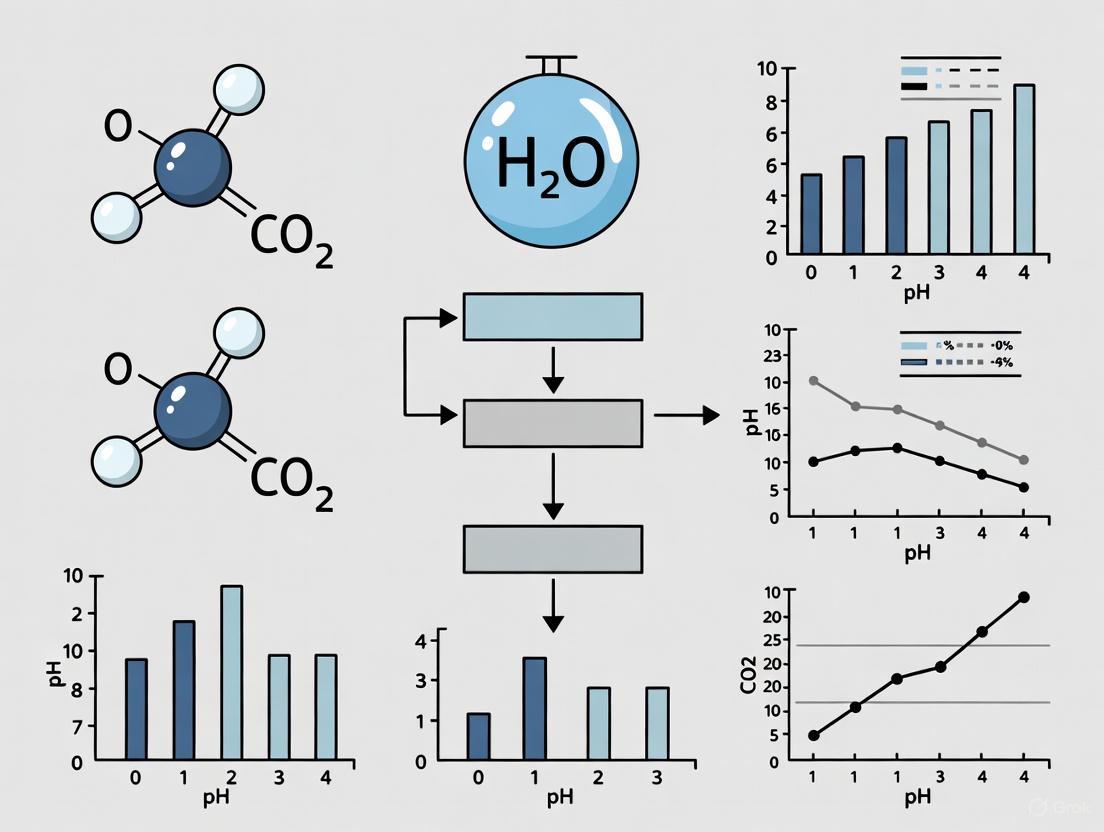
For researchers, scientists, and drug development professionals, consistent cell culture results hinge on a stable incubator environment.
Maintaining pH and CO2 Stability in Busy Cell Culture Incubators: A Guide for Consistent Results
Abstract
For researchers, scientists, and drug development professionals, consistent cell culture results hinge on a stable incubator environment. This article provides a comprehensive guide to mastering pH and CO2 control in high-traffic shared incubators. It covers the foundational science of the CO2-bicarbonate buffer system, best practices for routine operation and maintenance, advanced troubleshooting for common problems, and essential strategies for GMP validation and performance comparison to ensure data integrity and reproducibility in critical research and clinical applications like IVF and biopharmaceutical production.
The Science of Stability: Why pH and CO2 are Non-Negotiable in Cell Culture
Core Principles and Frequently Asked Questions (FAQs)
What is the fundamental role of CO₂ in my cell culture medium?
CO₂ is not a direct metabolic requirement for most cultures; its primary purpose is to dissolve into the cell culture medium where a small proportion reacts with water to form carbonic acid. This acid then interacts with dissolved bicarbonate ions (from sodium bicarbonate, NaHCO₃, in the medium) to create a stable, physiological pH through the bicarbonate buffering system [1] [2]. This system mimics the natural buffering found in human and mammalian blood and tissues, minimizing toxic side effects for your cells [1].
Why does my medium's sodium bicarbonate concentration dictate the CO₂ setting on my incubator?
The amount of sodium bicarbonate in your medium formulation is precisely balanced with a specific concentration of CO₂ gas to maintain the correct pH. This relationship is governed by the Henderson-Hasselbalch equation [3]. If the CO₂ level in the incubator is too low for a given bicarbonate concentration, CO₂ will escape from the medium, causing it to become too alkaline. Conversely, if the CO₂ level is too high, the medium will absorb excess CO₂ and become too acidic [1] [4].
The table below summarizes the theoretical CO₂ requirements for different common media formulations to maintain a physiological pH range (7.2-7.4) at 37°C [1].
| Cell Culture Medium | Sodium Bicarbonate (NaHCO₃) Concentration | Required CO₂ Concentration for Physiological pH | Theoretical pH at 5% CO₂ |
|---|---|---|---|
| DMEM | 44 mM | 7.5% - 11% | ~7.5 (Slightly alkaline) |
| EMEM + Earle's Balanced Salt Solution | 26 mM | 4.5% - 6.5% (Nominal 5%) | Within physiological range |
| EMEM + Hank's Balanced Salt Solution | 4 mM | Near atmospheric levels | N/A |
Note for researchers: Although DMEM is theoretically formulated for 10% CO₂, it has become conventional to use it at 5%. Be aware that this can result in a slightly higher starting pH (7.5-7.6), which is often offset by the lactic acid and CO₂ produced by healthy, growing cultures [1].
Why is pH stability so critical for my cell cultures?
Cells are exquisitely sensitive to changes in proton (H⁺) concentration. Physiological pH is generally considered to be in the range of 7.2 to 7.4 for normal mammalian tissues [1]. Fluctuations outside this narrow range can severely impact [5] [4]:
- Enzyme activity and protein folding
- Cellular metabolism and growth rates
- Gene expression
- Overall cell viability, potentially triggering cell death
Besides CO₂/Bicarbonate, what other buffers can I use?
The CO₂/HCO₃⁻ buffer is the most physiologically relevant. However, synthetic non-volatile buffers (NVBs) like HEPES are often added to augment buffering capacity, especially during procedures outside the incubator where CO₂ can escape [1] [3].
- HEPES: pKa of 7.3 at 37°C, making it very effective in the physiological pH range [3].
- Function: These buffers work over a wider range of laboratory conditions and do not require a CO₂ atmosphere to function. They help maintain pH when the culture medium is exposed to room air [1].
The following diagram illustrates the core chemical equilibrium of the CO₂-Bicarbonate buffer system and its interaction with a non-volatile buffer (like HEPES) in a cell culture environment.
Troubleshooting Common pH and CO₂ Stability Issues
Problem: The pH of my medium is consistently inaccurate or drifts unexpectedly.
| Possible Cause | Underlying Principle | Solution |
|---|---|---|
| Mismatch between CO₂ incubator setting and medium bicarbonate level. | The CO₂/HCO₃⁻ equilibrium is displaced, driving the pH away from the set point [1]. | Verify the sodium bicarbonate concentration of your medium and set the incubator to the corresponding CO₂ level (see table above). |
| Faulty or uncalibrated incubator sensor. | The displayed CO₂ percentage is inaccurate, leading to incorrect gas levels in the chamber [4]. | Regularly service and calibrate the incubator's internal CO₂ probe using an independent, calibrated CO₂ monitor [1] [4]. |
| Inadequate buffering capacity for the cell density or metabolic activity. | High cell densities produce metabolic acid (e.g., lactic acid) faster than the buffer can neutralize it [2]. | For high-density or fast-growing cultures, consider using a medium with higher bicarbonate, augmenting with HEPES buffer (10-25 mM), or increasing the media change frequency [3]. |
| Contamination with acids or bases. | Introduction of external substances can directly titrate the buffer, consuming its capacity [3]. | Ensure aseptic technique and avoid introducing any non-sterile solutions into the medium. |
Problem: My CO₂ incubator is struggling to stabilize its CO₂ levels.
| Possible Cause | Underlying Principle | Solution |
|---|---|---|
| Defective CO₂ sensor. | A malfunctioning sensor provides inaccurate readings, preventing proper feedback control [4]. | For Infrared (IR) sensors: Check calibration. For Thermal Conductivity (TC) sensors: Be aware these are highly sensitive to humidity and temperature fluctuations and may be less stable [4]. |
| Blocked or limited gas supply. | A partially opened valve, clogged regulator, or empty CO₂ tank restricts gas flow into the chamber [4]. | Inspect the gas supply system, including the cylinder, connections, and pressure hoses, for blockages or low pressure. Ensure the cylinder valve is fully open [4]. |
| Excessive door openings or inner door gasket leaks. | Frequent opening allows CO₂-rich air to escape, and a leaky gasket prevents the chamber from sealing properly [4]. | Minimize door opening frequency and duration. Organize contents to quickly find items. Inspect the door gasket for gaps or tears and replace if damaged [4]. |
Problem: My cell cultures are growing slowly or showing poor viability, and I suspect environmental stress.
| Possible Cause | Underlying Principle | Solution |
|---|---|---|
| Elevated CO₂ levels causing intracellular acidification. | Excess dissolved CO₂ can acidify the intracellular environment, disrupting enzyme function and suppressing glucose metabolism [2]. | Ensure your incubator is accurately calibrated. In large-scale bioreactors, active CO₂ removal may be necessary at high cell densities [2]. |
| Low humidity leading to medium evaporation and osmotic stress. | Evaporation concentrates salts and nutrients in the medium, creating a hyperosmotic environment that is toxic to cells [6] [4]. | Check and refill the incubator's water pan weekly with sterile distilled water. Ensure the pan is clean and positioned for good air circulation [6]. |
| Contamination from improper handling or incubator hygiene. | Microorganisms (bacteria, mold, mycoplasma) compete with cells for nutrients and release toxic byproducts [6]. | Follow aseptic technique: disinfect gloves with 70% ethanol, avoid reaching over open media, and do not stack culture vessels. Clean the incubator interior regularly and use HEPA filtration if available [6]. |
The Scientist's Toolkit: Essential Reagents and Materials
The following table details key reagents and materials essential for managing the CO₂-bicarbonate buffer system and maintaining pH stability in cell culture.
| Item | Function in pH Regulation & Culture Maintenance |
|---|---|
| Sodium Bicarbonate (NaHCO₃) | The conjugate base in the CO₂/Bicarbonate buffer system; neutralizes acids produced by cell metabolism to maintain physiological pH [1] [2]. |
| HEPES Buffer | A non-volatile buffer (NVB) added to media (typically 10-25 mM) to provide additional buffering capacity outside a controlled CO₂ environment, e.g., during sample manipulation on the bench [3]. |
| Phenol Red | A pH indicator dye added to most culture media. It provides a visual assessment of medium acidity: yellow (acidic, pH ~6.8), orange-red (optimal, pH ~7.4), and purple (alkaline, pH ~8.2) [1] [3]. |
| CO₂ Incubator | Maintains a precise, humidified atmosphere with a defined CO₂ concentration (typically 5-10%) and temperature (37°C) to sustain the chemical equilibrium of the bicarbonate buffering system [1] [5]. |
| Calibrated CO₂ Monitor | An independent, portable device used to verify and recalibrate the internal CO₂ probe of an incubator, ensuring accuracy of the displayed CO₂ percentage [1] [4]. |
| Cell Culture Grade Water | Used to fill the incubator's humidity pan. Must be sterile and distilled to prevent contamination and mineral deposits that can foster microbial growth [6]. |
Experimental Protocols for pH Management
Protocol 1: Quantifying Medium pH Using Phenol Red Absorbance
For a more precise measurement than visual inspection, you can quantify medium pH using the absorbance spectrum of Phenol Red [3].
- Prepare Calibration Standards: Create a series of bicarbonate-free medium standards with known pH, covering the expected range (e.g., pH 6.8 to 8.0). It is critical to use bicarbonate-free medium for calibration to prevent CO₂ loss from affecting the pH.
- Measure Absorbance: Using a plate reader with incubator chamber, scan the absorbance spectrum of each standard. Key wavelengths are 560 nm (base absorbance) and 430 nm (acid absorbance).
- Generate Standard Curve: For each standard, calculate the ratio of absorbance at 560 nm to that at 430 nm (A560/A430). Plot this ratio against the known pH to create a standard curve and obtain a best-fit equation.
- Measure Experimental Samples: Place your experimental culture medium (with cells removed) in the plate reader and measure the A560/A430 ratio.
- Calculate pH: Use the standard curve equation to convert the measured ratio of your sample into a precise pH value [3].
Protocol 2: Validating Incubator Environment via Temperature Mapping
To ensure your incubator provides a uniform and stable environment for all your cultures, perform periodic temperature mapping.
- Stabilization: Allow the CO₂ incubator to stabilize at the desired set point (e.g., 37°C) for several hours before beginning.
- Placement of Sensors: Position multiple calibrated, independent temperature sensors (or a multi-channel data logger) at various locations within the chamber, including the center, corners, and on different shelves.
- Data Collection: Record temperature data at regular intervals (e.g., every 15 minutes) over a period of 24 to 48 hours to capture any fluctuations over time. Monitor and log CO₂ levels simultaneously if possible.
- Data Analysis: Analyze the collected data to identify any significant variations, hot spots, or cold spots. Compare all recorded temperatures to the incubator's set point and your experimental tolerance range.
- Action: Investigate and resolve any deviations. This process is vital for compliance and to prevent experimental variability caused by an uneven culture environment [4].
The workflow for setting up and validating your cell culture system for optimal pH control is summarized in the following diagram.
Frequently Asked Questions (FAQs)
My cells are growing too slowly or have an unexplainable change in growth rate. What could be wrong? Check your incubation conditions first. Variations in temperature, CO₂ levels, or humidity due to frequent incubator door openings in a busy lab can stress cells and alter growth patterns. Also, ensure you are using the correct media formulation and that your cultures are not at an excessively high density, which can lead to nutrient depletion and altered growth physiology [7] [8] [9].
Why are my adherent cells not attaching properly to the culture vessel? This could be due to several factors. Verify that you are using culture dishes designed for adherent cells, as some have hydrophobic surfaces for suspension cultures. Your cell line may require a special coating like poly-L-lysine or collagen. Also, static electricity from handling plastic vessels in low-humidity environments can disrupt attachment [10] [7].
My experimental results, especially Western blot data for specific proteins, are inconsistent between replicates. Why? Fluctuations in cell population density are a major, often overlooked, source of variability. Protein markers for autophagy (p62, LC3II), lysosomal function (cathepsin D), and cellular signaling (mTOR, pS6) are highly sensitive to cell confluency due to changes in nutrient availability and cell crowding. Always standardize seeding density and confirm confluence at the time of harvesting [8].
How does the CO₂ concentration in my incubator actually affect my cells? CO₂ is not a direct metabolic requirement for most cell lines; its primary role is to dissolve in the culture medium and interact with bicarbonate to form a buffering system that maintains a stable physiological pH (typically 7.2-7.4). An incorrect CO₂ level will drive the medium's pH out of this optimal range, causing cellular stress and affecting health and reproducibility [1] [11].
I am struggling to reproduce my viral vector production yields. What should I check? Reproducible culturing is critical. For production cells like HEK 293, ensure your CO₂ incubator provides uniform conditions and recovers quickly after door openings. The quality attributes of viral particles can be greatly affected by subtle changes in temperature, CO₂, and humidity. Using a CO₂-resistant orbital shaker designed for incubation can also help maintain optimal growth conditions for suspension cultures [12].
Troubleshooting Guides
Guide to Troubleshooting Incubation Environment Fluctuations
A stable incubation environment is fundamental for reproducible cell culture. The table below outlines common problems, their consequences, and solutions.
| Problem | Consequence for Cells | Recommended Solution |
|---|---|---|
| Frequent incubator door openings | Fluctuations in temperature and CO₂; slower growth; altered physiology [7] [12] | Minimize door openings; place critical cultures at the back; use incubators with fast recovery times [12]. |
| Incorrect CO₂ level for media type | Non-physiological pH; cellular stress; changed metabolism [1] | Match CO₂ to bicarbonate concentration (e.g., 5% for ~26mM NaHCO₃, 10% for ~44mM NaHCO₃ in DMEM); calibrate incubator regularly [1] [11]. |
| Low humidity | Evaporation of culture medium; increased osmolarity; cell stress and desiccation [11] | Keep water reservoirs full; use incubators with humidification systems to maintain ~95% relative humidity [11] [7]. |
| Vibration | Unusual cell growth patterns (e.g., concentric rings) [7] | Place incubator on a sturdy surface away from motors, foot traffic, and other vibrating equipment [7]. |
Guide to Troubleshooting Cell Density and Culture Health
The density of your cell population directly impacts biochemistry and signaling, which can confound experimental outcomes.
| Problem | Consequence for Cells & Experiments | Recommended Solution |
|---|---|---|
| High Cell Density / Over-confluence | Nutrient depletion; acidification of media (yellow color); inactivation of mTOR signaling; altered expression of p62, LC3II, cathepsin D [8]. | Standardize seeding densities and harvesting schedules; always check confluence at time of experiment; refresh media more frequently in dense cultures [8]. |
| Mycoplasma Contamination | Chronic, subtle effects on cell health and metabolism; can alter data without causing cell death [10]. | Regularly test cultures; limit the routine use of antibiotics to avoid masking contamination; maintain strict aseptic technique [10]. |
| Poor Recovery from Frozen Stocks | Low cell viability; slow or no growth after thawing [10]. | Ensure proper freezing and thawing protocols; freeze a high number of cells per vial; seed thawed cells at a higher density to support recovery [10]. |
Quantitative Data: Impact of Cell Density on Protein Markers
Systematic research shows that fluctuating cell density alters key protein markers, leading to ambiguous experimental outcomes. The data below, derived from multiple cell lines, summarizes how high cell density biochemically confounds common readouts [8].
| Cellular Compartment | Protein Marker | Observed Change at High Density | Functional Consequence |
|---|---|---|---|
| Autophagy | p62 | ↓ Decreased [8] | Confounded interpretation of autophagy flux assays [8]. |
| LC3II | ↓ Decreased [8] | Altered autophagosome marker levels [8]. | |
| Lysosome | Cathepsin D (Mature) | ↑ Increased [8] | Enhanced lysosomal protease activity [8]. |
| Nutrient Signaling | pS6 (mTOR marker) | ↓ Decreased [8] | Indicative of mTOR pathway inactivation [8]. |
| Plasma Membrane | Na+/K+ ATPase | Variable (Scaling) | Altered ion transport and energy use [8]. |
| Nucleus | Lamin B1 | Variable (Scaling) | Changes in nuclear architecture [8]. |
Experimental Protocol: Analyzing Density-Dependent Protein Changes
- Cell Seeding: Plate cells (e.g., HEK 293FT, HeLa) at a range of densities (e.g., from 50,000 to 400,000 cells per well of a 6-well plate) in triplicate [8].
- Incubation: Culture cells for 48 hours in a standard humidified incubator at 37°C and 5% CO₂ [8].
- Media pH Check: Before harvesting, observe the color of the culture media using Phenol Red. A yellow hue indicates acidification, a sign of high metabolic activity and confluence. For a more precise measurement, use a pH meter [8] [1].
- Cell Lysis: After 48 hours, lyse cells directly in the culture dish using an appropriate lysis buffer (e.g., RIPA buffer supplemented with protease and phosphatase inhibitors) [8].
- Protein Quantification and Western Blot: Determine protein concentration using a standard assay (e.g., BCA). Load equal amounts of protein (e.g., 20 µg) onto an SDS-PAGE gel, transfer to a membrane, and probe with antibodies against your proteins of interest (e.g., p62, LC3B, pS6, cathepsin D). Use a stable loading control like GAPDH or actin [8].
Key Signaling Pathways Altered by Cell Density
The following diagram summarizes how high cell density impacts major signaling pathways, based on data from multiple cell lines [8].
High-Density Signaling Pathway Crosstalk
The Scientist's Toolkit: Essential Research Reagents and Materials
| Item | Function in Context of Stability | Example Application |
|---|---|---|
| Bicarbonate-Buffered Media | Works with CO₂ to maintain physiological pH in a humidified incubator [1]. | General cell culture maintenance. |
| HEPES-Buffered Media | Provides additional pH buffering capacity independent of CO₂, useful for workflows outside the incubator [1]. | During transfection or other extended room-temperature procedures. |
| Phenol Red | A pH indicator in media; yellow (acidic), purple (alkaline), orange-red (optimal) [1]. | Visual, rapid assessment of medium condition and cell metabolic state. |
| Trypsin / TrypLE | Proteolytic enzymes for dissociating adherent cells for subculturing [13]. | Passaging cells to maintain them in an optimal density range. |
| Cell Dissociation Buffer | Non-enzymatic, gentle solution for detaching sensitive cells while preserving surface proteins [13]. | When enzymatic activity could damage critical cell surface receptors. |
| Torin 1 | A potent and specific mTOR pathway inhibitor [8]. | Used experimentally to mimic the mTOR inactivation seen in high-density, nutrient-depleted conditions [8]. |
| Poly-L-Lysine | Coating agent that increases the adhesiveness of culture surfaces [10]. | Improving attachment for fastidious adherent cell lines. |
Troubleshooting Guides
Guide to Diagnosing and Correcting Microclimates in Shared Incubators
Problem: Uneven cell growth or inconsistent experimental results across different culture vessels within the same incubator.
Explanation: In a frequently accessed shared incubator, the internal environment is repeatedly disrupted. Without active measures to ensure uniformity, distinct microclimates—small areas with different temperature, CO2, or humidity levels—can form. This variability compromises experimental reproducibility [14].
Step 1: Verify the Existence of a Microclimate
- Method: Place multiple pre-calibrated sensors (for temperature, CO2, and relative humidity) at different locations inside the incubator: top shelf, bottom shelf, front, and back.
- Protocol: Close the door and allow the incubator to stabilize for several hours. Then, simulate shared use by opening the door briefly 5-10 times over an hour. Record the sensor readings before, during, and after these disturbances.
- Expected Outcome: Identify if and where environmental parameters deviate. For example, temperature may be higher on top shelves due to heat rising, and CO2 may stratify without active circulation [14].
Step 2: Identify the Root Cause
- Check Air Circulation: Incubators without a circulating fan or with a faulty fan are highly prone to stratification of gases and temperature [14].
- Monitor Door Opening Patterns: Correlate environmental data with lab usage logs to see if disturbances coincide with specific high-traffic periods.
- Inspect Seals and Sensors: Check the door seal for integrity and ensure environmental sensors are calibrated and functioning correctly [15].
Step 3: Implement Corrective Actions
- Optimize Incubator Layout: Reserve the most stable, central areas of the incubator for critical, long-term experiments. The back of the incubator is generally less affected by door openings [7].
- Improve User Practices: Establish and post lab guidelines for minimizing door open time and opening the door slowly and deliberately to reduce air exchange [16].
- Service Equipment: Schedule regular maintenance and calibration of sensors, fans, and humidity systems to ensure optimal performance [15].
Guide to Troubleshooting pH Instability in a Busy Lab
Problem: The pH of cell culture media shifts outside the optimal range (typically 7.2-7.5), indicated by frequent color changes in phenol red-containing media.
Explanation: The pH of culture media is maintained by a balance between the CO2 concentration in the incubator atmosphere and the bicarbonate buffer in the media. Frequent door openings allow CO2 to escape, causing the media to become more basic (pH rises). Conversely, if the CO2 sensor is faulty or calibration is off, the incubator may not deliver enough CO2, leading to the same issue [14] [17].
Step 1: Confirm the pH Shift
- Method: Visually inspect the color of media in several culture vessels. Use a pH meter for precise measurement.
- Protocol: Compare the color/media pH of cultures located near the door with those at the back of the incubator after a period of high usage.
Step 2: Isolate the Cause
- Test CO2 Recovery: Use a portable CO2 meter to measure the gas concentration immediately after a door closing. Time how long it takes for the level to return to 5%. A slow recovery indicates a potential issue with the CO2 sensor, solenoid valve, or gas mixing [14].
- Check for Proper Humidification: Low humidity increases media evaporation, concentrating salts and buffers and altering pH. Ensure water reservoirs are filled with sterile, distilled water (pH 7-9) and are clean to prevent corrosion and microbial growth [16] [18].
- Inspect Gas Filters: Ensure the 0.3-micron inlet filter on the CO2 gas supply line is clean and not clogged, as this can restrict gas flow [19].
Step 3: Implement Corrective Actions
- Calibrate CO2 Sensor: Follow the manufacturer's protocol to calibrate the CO2 sensor. This should be part of a routine maintenance schedule.
- Use Active Airflow: Ensure the incubator's fan is operational to prevent CO2 stratification and ensure a homogeneous gas mixture [14].
- Seal Culture Vessels: Use parafilm or gas-permeable seals on multi-well plates and flasks to minimize media evaporation and gas exchange during storage [16].
Frequently Asked Questions (FAQs)
Q1: What are the most common causes of condensation forming on the inside of my culture vessel lids, and how can I prevent it? A: Condensation occurs when warm, humidified air from the incubator contacts a cooler surface, like a culture vessel lid. This is often caused by:
- Cold Spots: Temperature inconsistencies within the incubator chamber, often due to lack of uniform heating [16].
- Rapid External Changes: Placing a room-temperature culture vessel directly into the warm incubator.
- Prevention: Choose an incubator with features like outer-door heaters that warm the glass door to ambient temperature, or dew sticks/Peltier elements that direct and control condensation. Also, allow culture vessels to warm gradually near the incubator before placing them inside to minimize the temperature differential [16].
Q2: Our lab's incubator is constantly in use. What is the single most effective practice to protect my cells from these disturbances? A: The most effective practice is to minimize the frequency and duration of door openings. This can be achieved by:
- Planning ahead to retrieve or place all necessary items in a single, swift access.
- Opening the door slowly and only as much as necessary, as a fast opening creates more turbulent airflow and a sharper drop in humidity [16].
- Advocating for lab-wide scheduling or designated incubator spaces to reduce peak traffic.
Q3: How does incubator design impact its ability to handle the challenges of a shared environment? A: Key design features significantly improve stability in shared settings:
- Active Airflow/Circulating Fan: Crucial for maintaining uniform temperature and CO2 levels throughout the chamber, preventing stratification [14].
- Rapid Recovery Systems: Incubators with advanced sensors and efficient heating/humidification systems can quickly restore set parameters after a door is closed.
- HEPA Filtration: Continuously filters the internal air, reducing the risk of contamination introduced during door openings [14].
- Air-Jacketed Technology: Provides faster temperature recovery after door openings compared to water-jacketed models [16].
Q4: Beyond the incubator itself, what lab practices can reduce contamination risks in a shared incubator? A: Strict aseptic technique is paramount. Key practices include:
- Regular Decontamination: Wiping down the interior and shelves with a 70% ethanol solution before and after use [19].
- External Cleanliness: Ensuring all culture vessels, shakers, and other equipment placed inside the incubator are decontaminated on the outside first [19].
- Proper Location: Installing the incubator in a low-traffic area away from HVAC vents, which can introduce airborne contaminants [19].
Table 1: Impact of Shared Incubator Disturbances on Key Parameters
| Parameter | Ideal Range | Impact of Frequent Access | Consequence for Cell Cultures |
|---|---|---|---|
| Temperature | 37°C [17] | Fluctuations with each door opening; heat rises causing top shelves to be warmer [7] [14] | Decreased metabolic function, inhibited growth, cell death; altered gene expression [14] |
| CO₂ Concentration | ~5% [17] | Gas escapes; without airflow, CO₂ stratifies (higher at bottom) [14] | Disrupted pH (becomes basic); altered cell morphology, metabolism, and stress [14] |
| Relative Humidity | 85-95% [16] [17] | Drops as dry room air enters; media evaporates faster at the edges of plates [16] [7] | Increased concentration of media components ("edge effect"); changes in cell proliferation/gene expression [16] |
| Contamination Risk | N/A | Introduction of airborne microbes and spores with each door opening [19] | Microbial growth; changes in cell behavior, morphology, and potential cell death [16] |
Table 2: Quantitative Market and Performance Data for CO₂ Incubators
| Data Category | Specific Figure | Context and Significance |
|---|---|---|
| Global Market Size (2024) | USD 506 Million [20] | Indicates the widespread use and economic importance of CO2 incubators in life sciences. |
| Projected Market Size (2032) | USD 818 Million [20] | Reflects anticipated growth and continued reliance on this technology, driven by biotech and pharmaceutical sectors. |
| Forecast CAGR (2025-2032) | 7.3% [20] | Highlights a robust and steadily growing market. |
| Top 3 Player Market Share | 55% (Thermo Scientific, Eppendorf, PHC) [20] | Market is highly concentrated, with a few established leaders driving innovation and standards. |
| HEPA Filtration Target | Achieve ISO Class 5 air quality [14] | A key performance metric for advanced contamination control features. |
Experimental Protocols
Protocol: Assessing Microclimate Variability and Door-Opening Impact
Objective: To quantitatively measure the spatial and temporal variability of temperature, CO2, and humidity within a shared cell culture incubator under typical use conditions.
Background: The reliability of cell culture experiments depends on a homogeneous incubator environment. This protocol provides a methodology to validate incubator performance and identify zones of instability [7] [14].
Materials:
- Shared CO2 incubator
- 4-6 pre-calibrated, data-logging sensors for temperature, CO2, and relative humidity
- Timer
- Lab notebook
Methodology:
- Sensor Placement: Position the sensors at strategic locations within the empty incubator: top-left shelf, top-right shelf, bottom-center shelf, and near the door.
- Baseline Measurement: Close the incubator door and allow the system to stabilize for at least 12 hours (e.g., overnight). Record the baseline measurements from all sensors once they are stable.
- Simulated Usage Phase: Over the next 8 hours, simulate a typical busy lab day. Have lab members open the incubator door 10-15 times at random intervals. For each opening, the door should be held open for approximately 15-20 seconds.
- Data Collection: Ensure all data loggers are recording measurements throughout the entire stabilization and test period.
- Recovery Test: After the final door opening, note the time and record how long it takes for each parameter at each sensor location to return to within 1% of the baseline value.
Expected Outcomes:
- Identification of "hot spots" or "cold spots" for temperature.
- Data on CO2 stratification and recovery time post-disturbance.
- Mapping of humidity gradients, particularly near the door.
- This data can be used to create an "optimal placement map" for sensitive cultures within the specific incubator.
Protocol: Validating a Mini-Incubator for Long-term Live-Cell Imaging
Objective: To confirm that a portable on-stage mini-incubator can maintain environmental stability comparable to a standard tissue culture incubator, specifically for long-term imaging applications where frequent access is not a factor.
Background: Standard incubators are incompatible with prolonged microscopy. Mini-incubators allow for continuous imaging but must be validated to ensure they do not introduce environmental stress. This protocol is adapted from methods used in peer-reviewed literature [17].
Materials:
- Standard CO2 incubator (control)
- Portable on-stage mini-incubator (test device)
- VERO or MDA-MB-231 cell lines
- DMEM/High glucose culture medium supplemented with 15% FBS and 1% penicillin/streptomycin
- 24-well plates
- Crystal violet staining solution, MTT reagent, and flow cytometry reagents for apoptosis
Methodology:
- Cell Seeding: Seed cells in multiple 24-well plates at a standardized density.
- Incubation: Place one set of plates in the standard incubator and another set in the mini-incubator, both set to 37°C, 5% CO2, and >90% humidity.
- Viability and Adhesion Assay (Crystal Violet): After 24 and 48 hours, fix cells with glutaraldehyde or ethanol and stain with crystal violet. Compare the stained cell adhesion patterns and density between the two environments [17].
- Metabolic Activity Assay (MTT): At 48 hours, add MTT reagent to wells to assess cell metabolic activity. Measure the absorbance of the formed formazan product; comparable values indicate healthy cells in both incubators [17].
- Apoptosis Assay (Flow Cytometry): After 72 hours, harvest cells and stain with Annexin V and PI to detect early and late apoptosis/necrosis. The percentage of apoptotic cells should be similar between the standard and mini-incubator [17].
Expected Outcomes:
- Validation that the mini-incubator supports cell adhesion, viability, and normal apoptosis rates equivalent to a standard incubator.
- Confirmation that the device is suitable for long-term, stable live-cell imaging experiments without compromising cell health.
Diagrams and Workflows
Cause and Effect of Shared Incubator Use
Troubleshooting and Mitigation Workflow
The Scientist's Toolkit: Key Reagent and Material Solutions
Table 3: Essential Materials for Maintaining Incubator Integrity and Cell Health
| Item | Function | Key Consideration for Shared Environments |
|---|---|---|
| Pre-calibrated Data Loggers | To continuously monitor temperature, CO2, and humidity levels inside the incubator to identify microclimates and recovery times. | Essential for objective validation of incubator performance and troubleshooting variability [7]. |
| Sterile, Distilled Water (pH 7-9) | For filling the incubator's humidity pan to maintain >90% relative humidity. | Prevents corrosion of stainless-steel components and avoids introducing impurities or altering pH [16]. |
| 70% Ethanol Solution | For decontaminating the interior surfaces, shelves, and door seal of the incubator. | Proper dilution allows sufficient contact time to kill microbes before evaporation. Regular use is critical in shared spaces [19]. |
| CO2 Inlet Filter (0.3 micron) | Placed in the gas supply line before the incubator to sterilize the incoming CO2 gas. | Prevents the introduction of microbial contaminants through the gas stream, a often-overlooked vector [19]. |
| Gas-Permeable Seals | Used to seal multi-well plates and flasks, such as during extended non-observation periods. | Significantly reduces media evaporation (preventing the "edge effect") and minimizes gas exchange fluctuations during door openings [16]. |
FAQs: Maintaining Incubator Stability in a Busy Lab
Q1: Our lab's CO2 incubator struggles to maintain a stable pH in our culture media. What are the most likely causes?
The stability of pH is directly controlled by the CO2-bicarbonate buffering system in your culture medium. Instability often stems from issues with the CO2 sensor, incubator door openings, or a mismatch between your culture medium and the set CO2 percentage [21] [1].
- CO2 Sensor Performance: A malfunctioning or uncalibrated CO2 sensor cannot accurately regulate the gas concentration. Infrared (IR) sensors are less affected by temperature and humidity fluctuations, while Thermal Conductivity (TC) sensors can provide inaccurate readings if humidity changes, such as after a door opening [21].
- Frequent Door Openings: Each time the incubator door is opened, humidified air is replaced with drier room air, causing fluctuations in CO2, temperature, and humidity. A 30-second door opening can require over 30 minutes for the environment to fully restabilize [21] [16].
- Medium/CO2 Mismatch: The required CO2 concentration depends on the sodium bicarbonate level in your medium. For example, DMEM (with 44mM NaHCO3) theoretically requires 7.5-11% CO2 to maintain a physiological pH of 7.2-7.4, but is often used at 5%, which can result in a slightly alkaline pH (7.5-7.6) [1].
Q2: We observe excessive condensation and media evaporation in our incubators. How does the humidification system contribute to this?
These issues are two sides of the same coin, related to poor humidification control [16].
- Media Evaporation: This occurs when humidity is too low (below 85-95%). Water evaporates from the culture media, leading to increased concentration of salts and nutrients, which disrupts cell growth and causes an "edge effect" in multiwell plates [16].
- Condensation: This happens when humidity is too high, often due to temperature instability. If the temperature drops slightly, the air can no longer hold as much moisture, leading to condensation on surfaces and vessel lids. This moisture promotes microbial growth and contamination [21] [16].
- Key Causes: Common causes include low water levels in the humidity pan, use of incorrect water type (which can cause corrosion), and frequent door openings that allow dry room air to enter [21] [16] [22].
Q3: What routine maintenance is critical for the sensors and humidification system?
A proactive maintenance schedule is essential for consistent performance [22] [23].
- CO2 Sensor Calibration: Sensors should be checked and calibrated by a professional technician approximately every six months. You can verify readings with an independent, calibrated CO2 meter [21] [23].
- Humidification System Upkeep: The water pan should be refilled with sterile, distilled water (pH 7-9) to prevent corrosion. The water should be changed completely every 1-2 weeks to limit microbial growth [16] [22].
- General Cleaning & Filter Replacement: The incubator chamber and humidity pan should be cleaned and disinfected regularly (e.g., with 70% ethanol). The HEPA filter, which cleans the circulating air, should be replaced yearly [22] [23].
Troubleshooting Guides
Problem: Unstable CO2 Concentration and pH Drift
| Possible Cause | Diagnostic Steps | Solutions & Preventive Measures |
|---|---|---|
| Faulty or Uncalibrated CO2 Sensor [21] | Use a certified external CO2 gas analyzer to compare readings with the incubator display [21] [1]. | Schedule professional sensor calibration every 6 months [23]. |
| Frequent/Door Openings [21] | Monitor lab practices; note if instability correlates with high traffic. | Implement organized shelf management to reduce search time. Open the door slowly and only when necessary [21] [16]. |
| Blocked Gas Supply [21] | Check that the CO₂ cylinder valve is fully open. Inspect the regulator for ice (freeze-up) or debris [21]. | Ensure gas supply pressure is adequate. Replace empty or faulty gas cylinders [21]. |
| Incorrect CO2 for Culture Medium [1] | Check the sodium bicarbonate concentration of your medium and calculate the theoretical required CO2%. | Adjust the incubator's CO2 set point to match the medium's requirement (typically 5% for 26mM NaHCO3, 10% for 44mM NaHCO3) [1]. |
Problem: Inconsistent Humidity (Evaporation or Condensation)
| Possible Cause | Diagnostic Steps | Solutions & Preventive Measures |
|---|---|---|
| Low Water Level or Stagnant Water [16] | Check the water level in the humidity pan. Note the last time the water was changed. | Refill the pan with sterile distilled water. Change water weekly and clean the pan to prevent biofilm [22]. |
| Frequent Door Openings [16] | Observe recovery time after door openings. | Raise the lowest shelf to improve air circulation around the water pan. Keep the door closed as much as possible [21] [16]. |
| Unstable Temperature [16] | Verify the incubator's temperature stability and check for hot/cold spots via mapping. | Ensure the incubator is not near HVAC vents or heat sources. Perform temperature mapping to identify unevenness [21] [16]. |
| Faulty Door Gasket [21] | Inspect the inner door gasket for gaps, deformation, or tears. | Seal small gaps with silicon sealant. Replace the gasket if damaged [21]. |
Quantitative Data for Incubator Management
| Cell Culture Medium | Sodium Bicarbonate (NaHCO3) | Theoretical pH at 5% CO2 | Theoretical pH at 10% CO2 |
|---|---|---|---|
| EMEM + Hank's BSS | 4 mM | ~7.8 | ~7.4 |
| EMEM + Earle's BSS | 26 mM | ~7.4 | ~7.0 |
| DMEM | 44 mM | ~7.6 | ~7.2 |
| Sensor Type | Technology Principle | Pros/Cons | Impact on Control |
|---|---|---|---|
| Infrared (IR) | Measures absorption of infrared light by CO2 molecules. | High accuracy, stable, not affected by humidity/temperature changes. | Provides reliable, consistent CO2 control for stable pH. |
| Thermal Conductivity (TC) | Measures resistance to electrical flow compared to ambient air. | Sensitive to humidity and temperature; less accurate after door openings. | Can lead to pH instability as readings drift with environmental changes. |
Experimental Protocols
Purpose: To identify hot or cold spots within the incubator chamber and ensure uniform temperature distribution.
Methodology:
- Stabilization: Allow the incubator to stabilize at the desired set point (e.g., 37°C) for several hours before starting.
- Sensor Placement: Place multiple calibrated temperature sensors (data loggers) at various locations within the chamber, including the center, corners, and near the door and vents. Place them on different shelves.
- Data Collection: Securely close the door and start recording temperature data from all sensors simultaneously at regular intervals (e.g., every 15 minutes).
- Duration: Continue data collection for a minimum of 24 to 48 hours to capture fluctuations over time.
- Data Analysis: Analyze the collected data to identify any significant variations or patterns. Compare all readings to the incubator's set point and specified tolerance range. Investigate any persistent hot or cold spots.
Purpose: To independently verify the accuracy of the incubator's internal CO2 sensor and display.
Methodology:
- Equipment: Obtain a portable CO2 gas analyzer that has been recently calibrated to a recognized standard (e.g., UKAS).
- Stabilization: Ensure the incubator has been running stably at its set point for several hours with minimal door openings.
- Measurement: Carefully place the probe of the external analyzer inside the incubator chamber, close to the internal sensor, and close the door.
- Comparison: Allow the external analyzer reading to stabilize. Compare this reading to the CO2 concentration displayed on the incubator.
- Action: If a significant discrepancy is found (e.g., >0.2%), the incubator's internal sensor likely requires professional calibration.
The Scientist's Toolkit: Research Reagent Solutions
| Item | Function | Application Note |
|---|---|---|
| HEPES Buffer | A synthetic pH buffer that operates effectively outside of CO2 environments. | Used to stabilize pH during procedures outside the incubator or in incubators without CO2 control [1]. |
| Phenol Red | A pH indicator dye added to most culture media. | Provides visual pH assessment: yellow (acidic), purple (alkaline), orange-red (physiological) [1]. |
| Cell Dissociation Buffer (Non-enzymatic) | A buffer that chelates calcium and magnesium to disrupt cell-cell and cell-substrate adhesion. | Ideal for gentle dissociation of sensitive cells when intact surface proteins are required for downstream assays [13]. |
| TrypLE Express Enzyme | A recombinant enzyme that functions as a direct substitute for trypsin. | Animal-origin free, stable at room temperature, and does not require inhibition post-dissociation, simplifying the subculture process [13]. |
| Sterile Distilled Water | High-purity water with a neutral pH used for humidification. | Premedia corrosion of stainless-steel incubator components. Using deionized water is not recommended [16]. |
Troubleshooting Logic Workflow
The following diagram outlines a systematic approach to diagnosing and resolving common incubator issues related to pH and humidity stability.
Proactive Protocols: Daily Practices for Sustaining Optimal Incubator Conditions
A guide to preserving pH and CO₂ stability for reproducible results
Why It Matters: The Impact of Door Openings on Incubator Stability
Every time a CO₂ incubator door is opened, the stable internal environment is compromised, leading to rapid fluctuations in temperature, humidity, and gas concentration. These disruptions can significantly impact cell health and experimental reproducibility by causing shifts in media pH and osmolality.
Table 1: Recovery Times After a 30-Second Door Opening [24]
| Parameter | Magnitude of Disruption | Typical Recovery Time |
|---|---|---|
| Temperature | Significant drop | > 30 minutes [24] |
| CO₂ Level | Drop in concentration | 2 - 10 minutes [25] |
| Relative Humidity | Sharp decrease | Varies by technology [26] |
Core Strategies for Minimizing Door Openings
Lab Management and Workflow Policies
- Assign Shelf Territories: Dedicate specific shelves to individual researchers or distinct cell lines. This eliminates unnecessary searching and reduces door-open time [24] [16].
- Create an Inventory System: Maintain a logbook or digital map outside the incubator detailing the location of every experiment. Know exactly what you need and where it is before opening the door [24].
- Batch Retrieval and Seeding: Plan work to consolidate incubator access. Retrieve all required materials for a given task (e.g., feeding, passaging) at once, rather than in multiple trips [16].
- Schedule Access: In busy shared labs, establish designated time slots for different users or groups to prevent queueing and frequent interruptions.
Optimizing User Behavior and Technique
- "Slow is Smooth, Smooth is Fast": Open the incubator door slowly and deliberately. A rapid opening creates greater airflow disruption, forcing more humid air out and pulling drier room air in, which extends recovery time [16].
- Minimize "Head-in-Incubator" Time: Prepare all tools (pipettes, reagents, waste containers) at your bench before approaching the incubator. Perform all actions inside the chamber with purpose and efficiency.
- Use the Viewing Window: Before opening the door, use the inner glass door and viewing window to visually locate your samples. Modern incubators are designed for this purpose to reduce unnecessary exploration [24].
Leveraging Incubator Technology and Features
- Choose an Incubator with a Fast Recovery System: When purchasing a new incubator, evaluate its recovery performance. Models with active humidification systems and powerful, directed heating elements can restore stable conditions more rapidly after a disturbance [16] [26].
- Utilize Inner Glass Doors: Always keep the inner glass door closed while the outer door is open. This provides a buffer, mitigating the exchange of the internal atmosphere with the room air [24].
- Consider a Unit with a Door Lock: For extremely sensitive, long-term experiments, use the incubator's door lock feature (if available) to prevent accidental interruptions by other users [24].
Experimental Protocol: Mapping Your Incubator's Recovery Profile
This protocol helps you quantify how door openings affect your incubator's environment, providing data to optimize your lab's workflows.
Table 2: Key Reagent Solutions for Incubator Maintenance [16] [26]
| Material | Function | Key Specification |
|---|---|---|
| Sterile, Distilled Water | For humidity pans; prevents corrosion and biofilm. | pH between 7.0 and 9.0 [16] [26] |
| 70% Ethanol Solution | For routine decontamination of interior surfaces and door gaskets. | N/A |
| Mycobactericidal Agent (e.g., MycGuard-1) | Added to water trays to eliminate mycobacteria and reduce contamination risk from condensation [27]. | N/A |
| Calibrated Hygrometer | Independent verification of the incubator's relative humidity display. | N/A |
| NIST-Traceable Thermometer | Independent verification of temperature uniformity and sensor accuracy [24]. | N/A |
Methodology
- Stabilization: Ensure the incubator has been operating undisturbed at your standard setpoints (e.g., 37°C, 5% CO₂, 95% RH) for at least 24 hours.
- Sensor Placement: Position pre-calibrated, NIST-traceable data loggers inside the chamber to record temperature, CO₂, and relative humidity at a high frequency (e.g., every 30 seconds). Place them in the geometric center and at potential vulnerable spots (e.g., near the door).
- Simulate Door Opening: Perform a standardized door opening representative of a sample retrieval (e.g., full open for 30 seconds).
- Data Collection: Allow the incubator to recover, logging data until all parameters have returned to their pre-defined setpoint ranges.
- Analysis: Plot the data to visualize recovery curves and calculate precise recovery times for each parameter. Repeat under different conditions (e.g., 15-second opening, open inner door) to build a comprehensive profile.
Troubleshooting FAQs
Q1: Our CO₂ levels are not stabilizing despite minimizing door openings. What else could be wrong? A1: If door management doesn't resolve CO₂ instability, investigate these technical issues [24] [25]:
- Check the CO₂ Sensor: Thermal Conductivity (TC) sensors are highly sensitive to humidity fluctuations caused by door openings and can drift. Infrared (IR) sensors are more stable and unaffected by humidity. Check your sensor type and calibration status.
- Inspect for Leaks: Examine the door gasket for deformations, tears, or gaps. Worn gaskets can leak CO₂, forcing the system to work constantly. Gaps can be sealed with a silicon sealant, but damaged gaskets should be replaced.
- Verify Gas Supply: Ensure the CO₂ cylinder valve is fully open and the regulator is not faulty, clogged, or frozen.
Q2: How can we actively prevent condensation caused by humidity and temperature fluctuations from door openings? A2: Condensation is a direct result of warm, humid air contacting a cooler surface [27] [16]. Mitigation strategies include:
- Control Temperature Gradients: Use incubators with features like heated glass doors to keep surfaces warm and prevent cooling.
- Optimize Air Circulation: Ensure the internal fan is functioning to promote even temperature distribution and eliminate cold spots.
- Use Anti-Condensation Products: Consider using a mycobactericidal agent in your water tray to reduce contamination risks from any condensation that does form [27].
Q3: What is the single most effective practice to reduce evaporation from our culture media? A3: The most effective practice is the combination of maintaining humidity above 93% and minimizing door openings [26]. Evaporation is four times faster at 80% humidity compared to >93%. Each door opening drops the humidity drastically, so keeping the door closed allows the incubator to maintain a protective, high-humidity environment.
Logical Workflow for Minimizing Incubator Disturbances
The following diagram outlines the strategic workflow for protecting your cell cultures by minimizing door openings, integrating both human practices and technical solutions.
Frequently Asked Questions (FAQs)
Q1: Why is organizing cultures for optimal airflow inside a CO₂ incubator so important? Proper airflow organization is critical for maintaining uniform temperature, CO₂, and humidity levels throughout the incubator chamber. In a busy lab, frequent door openings can cause fluctuations. Strategic organization minimizes these disturbances, ensuring experimental reproducibility and providing a stable environment for sensitive cells like stem cells and primary cultures [28].
Q2: How can improper organization affect my cell cultures? Poor organization can lead to the formation of "hot spots" or "cold spots"—areas with inconsistent temperature or CO₂ levels [29]. This can stress cells, compromise their health, and lead to inconsistent experimental results [11] [28]. It can also increase the risk of cross-contamination between different culture vessels [28].
Q3: What are the best practices for arranging culture vessels inside the chamber? The key principle is to arrange flasks and plates symmetrically on the shelves [30]. Avoid overloading the chamber and ensure vessels are not blocking the internal airflow pathways or sensors. This promotes balanced air circulation and helps the incubator recover more quickly after the door is closed [28].
Q4: What specific incubator features support better airflow management? Look for incubators with features like active airflow technology (e.g., fans) for consistent distribution of temperature and gases, validated temperature uniformity mapping, and HEPA filtration systems to remove airborne contaminants while circulating air [11] [28]. Some models also offer segregated chambers (e.g., cell locker systems) to physically separate different users or cell lines [28].
Troubleshooting Guides
Problem 1: Inconsistent Cell Growth Across Different Areas of the Incubator
Symptoms: Cells in cultures located on different shelves grow at different rates or show varying viability.
| Possible Cause | Troubleshooting Steps | Preventive Measures |
|---|---|---|
| Temperature Gradients | 1. Use a calibrated, independent thermometer to verify temperature at different shelves and locations [30].2. Check for overloading, which can restrict air circulation [30]. | Request a temperature uniformity map (e.g., DIN 12880 compliant) from the manufacturer before purchase [28]. |
| Uneven CO₂ Distribution | 1. Check and calibrate the CO₂ sensor per the manufacturer's schedule [30].2. Verify that culture vessels are not obstructing gas inlets or sensors. | Choose an incubator with a well-designed gas distribution system and high-quality sensors [11]. |
| Poor Airflow Organization | 1. Rearrange cultures to ensure symmetrical loading and avoid blocking air vents [30].2. Use computational fluid dynamics (CFD) or thermal imaging to identify airflow problems [29]. | Implement a lab-wide organization scheme (e.g., by project or user) and use incubators with active airflow technology [28]. |
Problem 2: Slow Recovery of CO₂ and Temperature After Door Opening
Symptoms: The incubator takes a long time to return to the set parameters after being accessed, which is a common issue in shared, busy labs.
| Possible Cause | Troubleshooting Steps | Preventive Measures |
|---|---|---|
| Frequent/Door Openings | 1. Review lab workflows to minimize door open time.2. Use the incubator's viewing window to locate items before opening. | Implement a culture segregation system (e.g., cell lockers) to reduce how often the main chamber is accessed [28]. |
| Overloaded Chamber | 1. Reduce the number of vessels in the chamber to improve air circulation.2. Ensure vessels are arranged to allow air to flow around them [30]. | Consider acquiring a second incubator to distribute the workload. |
| Incubator Type/Capacity | 1. Check if the incubator's recovery performance is suited for the lab's usage intensity.2. Verify that the door seal is intact and not compromised [30]. | Select direct-heat incubators for faster temperature recovery times [11]. |
Experimental Protocol: Verifying Chamber Uniformity
Objective: To empirically determine the temperature and CO₂ uniformity across different zones of a CO₂ incubator.
Background: Manufacturer specifications provide theoretical performance. This protocol allows researchers to verify that their specific organization scheme maintains a uniform environment for their precious cultures [28].
Materials Needed:
- CO₂ incubator
- 3-6 independent, calibrated data loggers capable of logging temperature and (if possible) CO₂.
- Timer
Methodology:
- Placement of Loggers: Position the data loggers in various locations inside the empty chamber. Key locations include:
- Top, middle, and bottom shelves.
- Front, center, and back of a single shelf.
- Near the CO₂ sensor and in a far corner.
- Stabilization: Close the incubator door and allow the chamber to stabilize at the set point (e.g., 37°C, 5% CO₂) for a minimum of 4-6 hours.
- Initial Reading: Record the temperature and CO₂ values from all loggers and the incubator's display.
- Door Opening Simulation: Open the incubator door fully for 30 seconds to simulate a typical access event, then close it.
- Recovery Monitoring: Immediately start the timer and record the readings from all loggers every minute until all values have returned to the stable baseline recorded in Step 3. Note the time it takes for each zone to recover.
- Data Analysis: Calculate the variance between different zones during stability and the average recovery time.
Interpretation: This experiment will reveal any significant gradients in your incubator and show how your organization might affect cultures in different locations. Zones with consistently slower recovery or different stable values should be considered less ideal for sensitive cultures.
Research Reagent Solutions
The following table lists key reagents and materials essential for maintaining cell health during the dissociation process that occurs before cultures are placed in the incubator.
| Item | Function & Application |
|---|---|
| Trypsin-EDTA | An enzymatic solution used to dissociate adherent cells from the culture vessel surface for subculturing. It is a standard for strongly adherent cells [13]. |
| TrypLE Express | A non-animal origin, ready-to-use enzyme that serves as a direct substitute for trypsin. It minimizes damage to cell surface proteins and is gentler on sensitive cells [13]. |
| Cell Dissociation Buffer | A non-enzymatic, gentle solution used to dissociate lightly adherent cells. It is ideal for applications where you need to keep cell surface receptors and antigens intact [13]. |
| Dispase | An enzyme used to detach cells as intact sheets, which is particularly useful for epidermal cells or organoid cultures. It works well in combination with collagenase for tissue dissociation [13]. |
| Collagenase | An enzyme used for the disaggregation of primary tissues, especially those with strong connective tissue, like those high in collagen [13]. |
| HEPES-Buffered Medium | Provides additional buffering capacity to maintain pH stability outside the CO₂ incubator environment, such as during cell manipulation at the bench [28]. |
Diagrams
Diagram 1: Stable vs. Disrupted Incubator Environment
Stable vs. Disrupted Incubator Environment
Diagram 2: Relationship Between Organization and pH Stability
Organization's Impact on pH Stability
This guide provides a foundational maintenance schedule. Always consult your incubator's specific user manual for detailed instructions and approved protocols.
Troubleshooting Guides
Incubator Performance Issues and Solutions
| Symptom | Possible Causes | Troubleshooting Steps | Prevention & Notes |
|---|---|---|---|
| CO₂ concentration will not stabilize or is inaccurate [31] | - Faulty CO₂ sensor- Gas supply issue- Controller defect- Door opened frequently [31] | - Check for error messages and power cycle [32]- Calibrate the TC CO₂ sensor [33]- Verify gas supply lines are connected and not empty- Use an independent, calibrated CO₂ monitor to verify readings [1] | - Choose incubators with IR CO₂ sensors for faster recovery after door openings [31]- Minimize door opening time and frequency |
| pH drift in culture media (Media color changes) [1] | - Incorrect CO₂ level for medium bicarbonate [1]- Faulty incubator CO₂ control- Evaporation of media due to low humidity | - Verify CO₂ level matches medium formulation (e.g., 5% for 26mM NaHCO₃, ~10% for 44mM NaHCO₃) [1]- Check incubator humidity pan for water [34]- Calibrate CO₂ sensor and inspect door seals [33] [32] | - Pre-equilibrate media in the incubator before use- Use HEPES-buffered media for extra pH stability outside the incubator [3] |
| Temperature fluctuations [32] | - Faulty temperature sensor- Compromised door seal- Overloaded chamber blocking airflow | - Verify temperature settings and allow time to stabilize [32]- Check door gasket for damage or creases [34]- Rearrange cultures to ensure proper air circulation- Schedule sensor calibration [32] | - Perform regular calibration checks- Avoid blocking internal fans and sensors with flasks |
| Visible contamination or microbial growth [35] [32] | - Infrequent cleaning- Unaddressed spills- Improper decontamination | - Immediate cleaning: Use 70% ethanol to wipe all surfaces [34]- Perform a full heat or H₂O₂ vapor decontamination cycle [35] | - Schedule regular preventive cleaning and decontamination [32]- Always use proper aseptic technique when handling cultures |
Decontamination Method Comparison
| Method | Typical Log Reduction | Advantages | Disadvantages | Best For |
|---|---|---|---|---|
| Dry Heat Sterilization [35] | Log 6 (Bacteria & spores) | - No toxic residues- Avoids moisture-related damage (rust/corrosion) | - High temps can damage heat-sensitive parts- Energy-intensive | - Labs requiring the most robust, globally recognized sterilization [35] |
| Moist Heat Decontamination [35] | Log 6 (Bacteria) Log 4 (Spores) | - Steam penetrates crevices- No toxic residues- Lower temperatures than dry heat | - Residual moisture requires drying, increasing downtime- Requires a water source | - Routine decontamination; effective against common fungi and bacteria [35] |
| Hydrogen Peroxide Vapor (HPV) [35] [34] | Log 6 (Bacteria & spores) | - Vapor penetrates surfaces and crevices- Rapid process (few hours) | - Requires costly specialized equipment- Hazardous to human health if mishandled- Not suitable for all materials | - Labs needing rapid, high-level decontamination without heat |
| Ultraviolet (UV) Light [35] | Log 3 to Log 4 | - Can be integrated for continuous operation- Low operational cost- Low residue | - Least effective method- Limited to surface disinfection- Harmful to human skin and eyes | - Supplemental control for humidity pan and surfaces; not for full decontamination [35] |
Experimental Protocols
Protocol 1: Routine Cleaning with 70% Ethanol
This protocol is for routine monthly cleaning or after any spill to maintain basic cleanliness and prevent contamination [34].
Key Materials:
- 70% Ethanol Solution: More effective than 100% at denaturing proteins throughout microbial cells [34].
- Lint-free Wipes or Non-woven Cloth: To avoid leaving fibers on surfaces.
- Neutral Detergent (Optional): For initial cleaning of heavy soiling, if recommended by the manufacturer [34].
- Sterile Distilled Water: For refilling the humidity pan.
Methodology:
- Turn off the power to the incubator and unplug it from the outlet [34].
- Remove all interior components: Carefully take out shelves, trays, fans, ducts, and the humidity pan. Place them in a clean, safe location [34].
- Pre-clean (if needed): For visible soil or spills, wipe interior surfaces with a clean cloth dampened with a mild detergent solution [34].
- Disinfect with 70% Ethanol: Spray 70% ethanol onto a wipe (do not spray directly into sensor holes). Thoroughly wipe all interior surfaces, corners, the inner door gasket, and all removed components [34].
- Reassemble: Once everything is clean and dry, replace all components in the reverse order of removal. Ensure the inner door gasket is securely and correctly in place to prevent humidity leaks [34].
- Refill Water Tray: Add sterile distilled water to the humidifying tray [34].
- Dry and Restart: Let the chamber air dry with the door ajar until no alcohol smell remains. Do not restart while damp, as this can damage gas sensors. [34] Finally, close the door and restore power.
Protocol 2: Full Heat Decontamination Cycle
This protocol describes a full decontamination cycle using an incubator's built-in moist or dry heat function to achieve a high level of sterility assurance (Log 6 reduction) [35].
Key Materials:
- The incubator's built-in decontamination program.
- Personal Protective Equipment (PPE): Heat-resistant gloves due to high chamber temperatures.
Methodology:
- Preparation: Remove all cultures and any heat-sensitive items from the chamber. The chamber should be empty.
- Initiate Cycle: Select and start the automated decontamination program (e.g., 90°C moist heat or 180°C dry heat) from the incubator's control panel [35].
- Cycle Execution: The cycle will run automatically. A typical 90°C moist heat cycle takes about 15 hours, while a 180°C dry heat cycle may take around 12 hours. These cycles include heating, holding, and cooling phases [35].
- Completion: At the end of the cycle, the chamber will be cool and dry. No further wipe-down is needed. The incubator is now ready for use [35].
Protocol 3: CO₂ Sensor Calibration
Regular calibration of the CO₂ sensor is critical for ensuring accurate gas levels, which directly control media pH [33] [31].
Key Materials:
- Independent, Calibrated CO₂ Monitor: A device like a Geotech G100, calibrated to UKAS or similar standards, to provide a reference reading [1].
- Incubator's Calibration Mode: Access to the internal calibration function, as described in the manufacturer's instructions (e.g., "3110 Incubator - TC CO₂ Calibration" guide) [33].
Methodology:
- Stabilize Conditions: Allow the incubator to stabilize at the desired temperature and humidity with the CO₂ control active.
- Take Reference Reading: Place the independent, calibrated CO₂ monitor inside the chamber and allow its reading to stabilize [1].
- Enter Calibration Mode: Access the incubator's calibration mode, often found in the service or advanced settings menu [33].
- Input Reference Value: Enter the CO₂ concentration value provided by the independent monitor as the reference point.
- Complete and Exit: Follow the on-screen prompts to complete the calibration cycle. The incubator will save the new calibration settings.
- Verify: Confirm that the incubator's displayed CO₂ value now matches the reference monitor.
Frequently Asked Questions (FAQs)
Why is 70% ethanol better than 100% for cleaning? 100% ethanol coagulates proteins on the outer cell wall too quickly, forming a barrier that protects the cell's interior. The slower action of 70% ethanol allows it to fully penetrate the microbe, ensuring complete denaturation of internal proteins and more effective killing [34].
How often should I perform a full decontamination? There is no universal rule, but a common schedule is every 3-6 months. The frequency should be risk-based: increase it if you work with prone-to-contamination cells, share the incubator with many users, or have experienced contamination issues previously [35].
My CO₂ level recovers slowly after I open the door. Is this a problem? Yes, slow recovery can lead to significant pH shifts in your culture media, stressing or damaging cells [31]. Incubators with thermal conductivity (TC) sensors are slower to recover than those with infrared (IR) sensors. If slow recovery is an issue, consider an incubator with a fast-response IR sensor [31].
Can I use DMEM in a 5% CO₂ environment? While it is conventional to use DMEM (with 44mM NaHCO₃) at 10% CO₂, many labs use it at 5%. Be aware that this will theoretically result in a medium pH of around 7.5-7.6, which is slightly above the physiological range. For low-density or slow-growing cultures, this higher pH may be suboptimal, and increasing the incubator CO₂ may be beneficial [1].
The Scientist's Toolkit
| Item | Function | Application Notes |
|---|---|---|
| 70% Ethanol Solution [34] | General surface disinfection by denaturing microbial proteins. | Primary cleaner for routine wipe-downs. Less corrosive than harsh chemicals. |
| Independent CO₂ Monitor [1] | Provides an accurate reference standard to verify and calibrate the incubator's internal CO₂ sensor. | Essential for quarterly calibration checks and troubleshooting. Should be externally calibrated annually. |
| HEPES Buffer [3] | A non-volatile buffer (pKa ~7.3) that provides additional pH stability independent of CO₂/HCO₃⁻. | Useful for procedures outside the incubator or when incubator CO₂ control is unreliable. |
| Phenol Red [3] [1] | A pH indicator dye in culture media that provides a visual cue (red/orange = good, yellow = acidic, purple = basic). | A quick, qualitative check on medium pH. Quantitative measurement requires a spectrophotometer [3]. |
| Heat-Resistant Gloves | Personal protective equipment (PPE) for handling hot components after a heat decontamination cycle. | Necessary for safety when unloading an incubator after a dry or moist heat cycle. |
In busy research laboratories, maintaining absolute stability of the incubator environment is a foundational requirement for reproducible cell culture work. Fluctuations in key parameters like temperature, CO₂, and humidity can directly compromise cell viability, alter metabolic processes, and undermine experimental integrity, potentially wasting months of valuable research [36]. Modern smart incubators, equipped with remote monitoring and alert systems, are powerful tools designed to mitigate these risks. This technical support center provides targeted guidance to help researchers, scientists, and drug development professionals troubleshoot common issues and leverage advanced features to safeguard their work, with a specific focus on maintaining the precise pH and CO₂ stability essential for reliable results.
➤ Troubleshooting Common Incubator Instability Issues
The following guides address the most frequent challenges that disrupt incubator stability.
▸ Temperature Instability
Q: My incubator temperature is fluctuating outside the acceptable range. What could be wrong?
A: Temperature instability is often caused by user interaction, calibration drift, or mechanical issues [36].
Potential Cause 1: Frequent or Prolonged Door Openings
- Issue: Every time the incubator door is opened, the internal environment is disrupted. A 30-second door opening can require over 30 minutes to fully recover to a stable 37°C [36].
- Solution:
- Organize contents and assign specific shelves to users or cell lines to minimize search time.
- Plan all necessary materials before opening the door.
- Use an incubator with an inner glass door for visual inspection without opening the main door [36].
Potential Cause 2: Incorrect Set Point or Calibration Drift
- Issue: The temperature set point may have been inadvertently changed, or the sensor may have lost accuracy over time [36].
- Solution:
- Verify the temperature set point is correctly set to 37°C.
- Perform regular sensor calibration. Annual recalibration is strongly recommended [36].
- For immediate verification, attach a calibrated secondary thermometer to the inside of the glass door to compare readings with the incubator's display [36].
Potential Cause 3: Inner Door Gasket Leakage
▸ CO₂ and pH Instability
Q: The CO₂ levels in my incubator are unstable, which is affecting the pH of my culture medium. How can I resolve this?
A: CO₂ instability directly impacts pH in bicarbonate-buffered media, as CO₂ interacts with humidity to form carbonic acid [36].
Potential Cause 1: Defective or Inaccurate CO₂ Sensor
- Issue: A malfunctioning sensor provides false readings, preventing the system from injecting the correct amount of CO₂.
- Infrared (IR) sensors are more accurate and less affected by temperature and humidity.
- Thermal Conductivity (TC) sensors are more affordable but highly sensitive to environmental fluctuations, and door openings can significantly reduce their accuracy [36].
- Solution:
- Use a portable CO₂ gas analyzer to verify the internal concentration.
- Calibrate the incubator's gas injection system as per the manufacturer's schedule.
- If problems persist, the sensor may need service or replacement.
- Issue: A malfunctioning sensor provides false readings, preventing the system from injecting the correct amount of CO₂.
Potential Cause 2: Blocked or Limited Gas Supply
- Issue: A partially opened cylinder valve, clogged regulator, or frozen regulator (from rapid gas expansion) can restrict CO₂ flow [36].
- Solution:
- Inspect the entire gas supply system, including the cylinder, connections, and hoses.
- Ensure the CO₂ cylinder valve is fully open.
- Check the gas input pressure for any blockages or low pressure.
Potential Cause 3: Frequent Door Openings
- Issue: Door openings release CO₂, forcing the system to constantly replenish it, which can lead to overshooting or undershooting the set point [36].
- Solution: Implement the same door-management strategies listed in the temperature section above.
▸ Humidity Instability
Q: The humidity in my incubator won't stabilize, leading to media evaporation or condensation. What should I check?
A: Proper humidity (often >90%) is vital to prevent medium desiccation and control condensation, which can promote contamination [36].
Potential Cause 1: Low Water Level or Poor Air Circulation
Potential Cause 2: Clogged Filters
Potential Cause 3: Ambient Laboratory Conditions
- Issue: The external lab environment (e.g., a cool, dry room) affects the incubator's ability to maintain internal humidity [36].
- Solution: While difficult to control, be aware that ambient conditions can extend recovery times after door openings.
➤ Essential Maintenance and Monitoring Protocols
Preventive maintenance is the most effective strategy for ensuring incubator stability.
▸ Preventive Maintenance Schedule
Table 1: Recommended Preventive Maintenance Activities and Frequencies
| Task | Frequency | Key Steps & Notes | Reference |
|---|---|---|---|
| Check & Refill Water Pan | Weekly | Use sterile distilled water only. Prevents desiccation and contamination. | [6] |
| Inspect Air Inlet Filters | Weekly/Bi-weekly | Check for clogs. Change based on lab traffic and air quality. | [6] |
| Exterior Cleaning | Weekly to Monthly | Use mild detergent or bleach solution. Frequency depends on lab traffic. | [6] |
| Interior Cleaning | 1-2 times per month | Use 70% ethanol or isopropyl alcohol. Pay special attention to seams and the door gasket. | [6] |
| Change Gas Supply Line Filter | Every 5th gas tank or when discolored | Ensures clean gas delivery. | [6] |
| Temperature Sensor Calibration | Annually (minimum) | Essential for accurate readings. Verify with a secondary thermometer. | [36] |
| Full Decontamination Cycle | As per lab SOP (e.g., quarterly) | Use 145°C dry heat or H₂O₂ vapor cycle if available. Not a replacement for cleaning. | [6] |
▸ Experimental Protocol: Temperature Mapping and Sensor Verification
Temperature mapping validates that the entire incubator chamber provides a uniform, stable environment, identifying potential hot or cold spots [36].
- Stabilization: Allow the incubator to stabilize at the desired set point (e.g., 37°C). This may take several hours.
- Sensor Placement: Place calibrated, independent temperature sensors (data loggers) at multiple locations within the chamber: on each shelf, in all four corners, and in the center.
- Data Collection: Seal the incubator and start recording temperature data from all sensors simultaneously. Log data every 15 minutes.
- Duration: Continue data collection for a minimum of 24 to 48 hours to capture any fluctuations over time.
- Analysis: Analyze the collected data to identify spatial and temporal variations. All recorded temperatures should fall within the acceptable tolerance range for your experiments (e.g., 37°C ± 0.2°C).
- Action: Investigate and address any significant deviations or patterns that indicate instability.
➤ Leveraging Smart Features for Proactive Management
Modern smart incubators offer features that transform maintenance from reactive to proactive.
- Remote Monitoring and Alerts: Use smartphone apps or cloud platforms to receive real-time alerts for parameter deviations (e.g., low CO₂, high temperature) without being physically present in the lab [37] [38]. This allows for immediate intervention.
- Data Logging and Archiving: Advanced data logging features create an audit trail of all environmental parameters. This is crucial for troubleshooting past events, validating experimental conditions, and complying with regulatory standards [39].
- Automated Decontamination Cycles: Utilize built-in decontamination systems, such as H₂O₂ vaporization or 145°C dry heat cycles, to thoroughly sterilize the chamber and minimize contamination risks between experiments [6].
➤ The Scientist's Toolkit: Essential Research Reagents and Materials
Table 2: Key Materials for Incubator Maintenance and Monitoring
| Item | Function | Application Notes |
|---|---|---|
| Sterile Distilled Water | Humidification source for the incubator chamber. | Prevents mineral buildup and contamination; must be used for refilling the water pan [6]. |
| 70% Ethanol or Isopropyl Alcohol | Disinfectant for interior surfaces and user gloves. | Effective and non-corrosive; used for routine cleaning of incubator interiors and as part of aseptic technique [6]. |
| CO₂ Gas Analyzer | Independent device to verify and calibrate incubator CO₂ levels. | Critical for confirming sensor accuracy and ensuring pH stability in bicarbonate-buffered media [36]. |
| Calibrated Secondary Thermometer | Independent device to verify incubator temperature readings. | Allows for quick checks without relying solely on the incubator's internal sensor [36]. |
| HEPA Filters | High-efficiency particulate air filters for the incubator's air intake. | Traps contaminants from air circulation; requires regular replacement according to lab SOPs [6]. |
➤ Frequently Asked Questions (FAQs)
Q: How can I minimize the impact of door openings in a shared lab environment? A: Implement a lab-wide organization system. Assign specific shelves to users or cell lines. Use the inner glass door to locate samples before opening the main door. Encourage users to retrieve all necessary materials in a single, quick operation [36] [6].
Q: What is the most common cause of contamination in an incubator, and how can I prevent it? A: Human error during material handling is a primary source. Prevention includes: rigorous training in aseptic technique, mandatory glove disinfection with 70% ethanol before handling cultures, avoiding stacking culture vessels, and implementing a regular cleaning and decontamination schedule. Using an incubator with continuous HEPA filtration can significantly reduce this risk [6].
Q: My incubator has a TC CO₂ sensor. Should I be concerned about its accuracy? A: TC sensors are sensitive to changes in temperature and humidity. If your lab experiences frequent door openings or environmental fluctuations, the accuracy of a TC sensor can be compromised. For critical applications requiring high precision, an incubator with an IR sensor is more reliable. Regularly verifying CO₂ levels with an independent gas analyzer is a good practice [36].
Q: We are considering a new incubator. What features should we prioritize for a busy lab focused on pH-sensitive cultures? A: Prioritize:
- Infrared (IR) CO₂ Sensor: For accurate, stable CO₂ measurement critical for pH control.
- HEPA Filtration: To minimize contamination risk.
- Remote Monitoring/Alert System: To receive instant notifications of parameter deviations.
- Advanced Data Logging: For traceability and troubleshooting.
- High-Temperature Decontamination Cycle: For reliable sterilization between uses [36] [39] [6].
Diagnosing and Solving Common Instability Problems in High-Use Labs
A Technical Support Guide for Maintaining pH and CO₂ Stability
This guide helps you diagnose and resolve common cell culture issues related to pH and CO₂ instability. The following flowchart provides a systematic approach to troubleshooting.
Frequently Asked Questions & Troubleshooting Guides
Why is my cell culture media turning yellow, and what should I do?
A yellow color in cell culture media indicates acidification (pH ~6.8 or lower) [40]. The table below summarizes the common causes and recommended actions.
| Cause | Description | Recommended Action |
|---|---|---|
| Normal Metabolism | Healthy, metabolically active cells produce acidic waste (lactic acid, CO₂) [41] [40]. | No action needed if the color change occurs over several days and cells appear healthy. Orange media often indicates healthy growth [41]. |
| High Cell Density/Overgrowth | A high number of cells acidifies the medium rapidly, often within a day or two after a media change [41]. | Passage or split the cells to a lower density to restore optimal conditions [41]. |
| Bacterial Contamination | Bacteria produce acidic waste, turning the medium yellow. The medium often appears cloudy, and tiny, moving particles may be visible under the microscope [42] [41]. | For severe cases, discard the culture and disinfect the workspace and incubator. For mild cases, washing with PBS and using 10x antibiotics may be a temporary solution [42]. |
Why is my media purple, and how can I fix it?
A purple or pinkish hue indicates the medium has become too alkaline (pH >7.6) [41] [40]. This is typically due to a loss of CO₂.
- Primary Cause: CO₂ has escaped from the medium, often from a tightly sealed bottle cap or a poorly regulated CO₂ incubator [41]. The dissolved CO₂ forms carbonic acid, and its loss shifts the pH balance.
- Solution: Loosen the cap of the media bottle slightly and place it in a properly calibrated CO₂ incubator (typically 5% CO₂) for 15-30 minutes to allow the CO₂ to re-equilibrate [41].
- Incubator Check: If the problem persists, verify the CO₂ concentration in your incubator is accurate and that the seal is intact [1].
My cells are growing slowly and look abnormal, but the media color is normal. What could be wrong?
Slow growth with normal media color often points to non-acute stressors or "invisible" contaminants.
- Mycoplasma Contamination: This is a common culprit. Mycoplasma does not typically change the media's color but can cause slow cell growth, abnormal morphology, and altered metabolism [42] [43]. It appears as tiny black dots under the microscope [42].
- Suboptimal Incubator Conditions: Incorrect CO₂ levels can lead to a pH that is outside the ideal physiological range (7.2-7.4) without an extreme color change.
- Action: Calibrate your CO₂ incubator. Note that using DMEM (with 44mM sodium bicarbonate) in a standard 5% CO₂ environment can result in a slightly alkaline pH of 7.5-7.6, which may slow the growth of some sensitive cell lines [1].
I see floating particles and the medium is cloudy. Is this contamination?
Yes, cloudiness and floating particles are classic signs of microbial contamination [43]. The table below helps identify the common types.
| Contaminant | Visual Clues (Microscope) | Medium Appearance | Action Plan |
|---|---|---|---|
| Bacteria | Large numbers of moving particles; may look like "quicksand" [42]. | Yellow and cloudy [42]. | Discard the culture. Disinfect the incubator and biosafety cabinet thoroughly. Use antibiotics only as a temporary measure [42] [43]. |
| Yeast | Round or oval cells, sometimes budding into smaller particles [42]. | Clear at first, turning yellowish over time [42]. | Best to discard the culture. If irreplaceable, attempt to rescue by washing with PBS and adding antifungals like amphotericin B, though this can be toxic to cells [42]. |
| Mold | Thin, thread-like filaments (hyphae) [42]. | May become cloudy or develop fuzzy floating clusters [42]. | Discard contaminated cells immediately. Clean the incubator with 70% ethanol followed by a strong disinfectant like benzalkonium chloride [42]. |
The Scientist's Toolkit: Essential Reagents & Materials
The following table lists key reagents and materials for troubleshooting and preventing common cell culture issues.
| Item | Function & Application |
|---|---|
| Penicillin/Streptomycin | Antibiotic solution used prophylactically in media to prevent bacterial contamination or to treat mild bacterial contamination [42]. |
| Amphotericin B | Antifungal agent used to treat yeast or mold contamination. Use with caution due to potential cytotoxicity [42]. |
| Mycoplasma Detection Kit | Used to confirm mycoplasma contamination, which is not always visible and can alter cell behavior without causing media turbidity [42] [43]. |
| Mycoplasma Removal Reagent | Specialized formulations (e.g., plasmocin) used to treat and eliminate mycoplasma from contaminated cultures [42]. |
| HEPES Buffer | A chemical buffer that provides additional pH stability independent of CO₂ tension, useful for procedures outside the incubator or in fluctuating CO₂ conditions [1]. |
| Phenol Red | A pH indicator in culture media that provides a visual cue of culture health (red at pH ~7.4, yellow at acidic pH, purple at alkaline pH) [41] [40]. |
| Copper Sulfate | Added to the water pan of CO₂ incubators to inhibit fungal and bacterial growth in the humidifying reservoir [42]. |
Experimental Protocols for Diagnosis & Maintenance
Protocol 1: Routine Monitoring of Incubator CO₂ and pH
Purpose: To ensure CO₂ levels are maintained correctly for physiological pH.
Methodology:
- Use a Calibrated Monitor: Regularly check the CO₂ concentration inside the incubator using an independent, calibrated CO₂ monitor (e.g., Geotech G100) to verify the accuracy of the incubator's internal probe [1].
- Visual pH Check: Use phenol red in the media as an initial, at-a-glance pH check [41] [40].
- Theoretical Verification: Understand the relationship between your media's sodium bicarbonate concentration and the required CO₂. For example, DMEM (44mM NaHCO₃) theoretically requires 7.5-11% CO₂ for a pH of 7.4, but is conventionally used at 5% CO₂, resulting in a slightly higher pH [1].
Protocol 2: Mycoplasma Testing and Decontamination
Purpose: To detect and eliminate mycoplasma contamination.
Methodology:
- Detection: Use a commercial one-step mycoplasma detection kit. These are often designed for quick results (e.g., 30 minutes) and can be used for daily inspection or product release [42].
- Decontamination: For contaminated cultures, add a mycoplasma removal reagent directly to the culture medium. For ongoing prevention, use a mycoplasma prevention supplement in the media [42].
- Environmental Control: Decontaminate workspaces and incubators using a ready-to-use mycoplasma spray [42].
Protocol 3: Aseptic Technique and Contamination Prevention
Purpose: To minimize the introduction of contaminants during handling.
Methodology:
- Work in a BSC: Always perform cell culture procedures in a sterilized biosafety cabinet [42] [43].
- Aliquot Reagents: Split media, serum, and other supplements into small, single-use aliquots to avoid repeated freeze-thaw cycles and prevent cross-contamination of stock bottles [42] [43].
- Quarantine New Lines: Isolate and test new cell lines for mycoplasma before introducing them to your main culture area [42] [43].
- Regular Cleaning: Adhere to a strict schedule for disinfecting incubators, water pans, and biosafety cabinets. Replace incubator water weekly and consider adding copper sulfate to inhibit microbial growth [42].
In the context of research on maintaining pH and CO2 stability in busy cell culture incubators, slow CO2 recovery after door opening is a frequent technical challenge. This issue directly compromises experimental integrity by causing pH shifts in culture media, which can lead to slowed cell division, altered metabolism, and even complete cell death [31]. This guide provides researchers and drug development professionals with a systematic approach to diagnosing and resolving slow CO2 recovery, ensuring the stability required for reproducible results.
The core of the problem lies in the bicarbonate buffering system present in most cell culture media. The pH of the medium is maintained by an equilibrium between dissolved CO2, carbonic acid, and bicarbonate ions [1] [2]. When an incubator door opens, the internal CO2 concentration plummets—dropping to near-atmospheric levels (0.3%) in as little as 30 seconds—disrupting this equilibrium and causing the medium to become alkaline [31]. A slow-recovering incubator prolongs this alkaline shift, stressing cells. Systems with advanced infrared (IR) sensors can correct this imbalance within minutes, while slower systems may leave cultures in a compromised state for dangerously long periods [31].
Key Questions and Answers (FAQs)
Q1: What causes slow CO2 recovery after I open the incubator door?
Slow recovery typically stems from a combination of factors related to the incubator's design, maintenance, and use. The primary causes include:
- Incorrect Sensor Calibration: The CO2 sensor, which is the brain of the system, may be miscalibrated. Over time, sensors naturally drift and lose accuracy, leading to poor regulation [23] [31].
- Sensor Type and Performance: Incubators equipped with thermal conductivity (T/C) sensors are generally slower and less accurate than those with infrared (IR) sensors. T/C sensors are sensitive to humidity and temperature fluctuations, which always occur during a door opening, delaying their response. IR sensors provide faster, more stable measurements [31].
- Clogged or Faulty Gas Filters: The inlet for CO2 gas may be obstructed by dust or debris, restricting gas flow into the chamber.
- Frequent Door Openings: In a busy shared lab environment, repeated disturbances prevent the incubator from fully recovering, creating a cumulative deficit [23] [31].
- Poor General Maintenance: A dirty chamber, contaminated humidity pan, or worn-out door seals can all contribute to an unstable internal environment that is harder to regulate [23].
Q2: How does slow CO2 recovery affect my cell cultures and experimental data?
Slow CO2 recovery directly impacts cell cultures by causing shifts in the pH of the culture medium. The consequences are severe and quantifiable:
- Disrupted Cell Growth: Even a shift of just 4 hours outside the optimal pH range can cause negative effects, most notably slowed or arrested cell division [31].
- Metabolic Stress: Elevated CO2 levels can suppress glucose consumption and lactate excretion, altering critical metabolic pathways and reducing cell growth rates [2].
- Compromised Viability and Death: A prolonged pH shift outside the narrow physiological range (typically pH 7.2–7.4) can trigger cell death [2] [31].
- Irreproducible Results: Fluctuating conditions lead to variable cell behavior, undermining the reliability and repeatability of your experiments [44].
Q3: What is an acceptable CO2 recovery time, and how can I measure it?
While recovery time can vary, a well-functioning incubator with a modern IR sensor system should be able to recover to the setpoint (e.g., 5% CO2) within a few minutes after the door is closed [31].
You can measure recovery time yourself:
- Method: Purposely open the main door for a standardized time (e.g., 30 seconds).
- Measurement: Use a stopwatch to time how long it takes for the displayed CO2 concentration to return to your setpoint after the door is sealed.
- Verification: For the most accurate assessment, use an independent, professionally calibrated CO2 meter placed inside the chamber to verify the readings from the incubator's internal sensor [1].
Troubleshooting Guide: Diagnostic Steps and Solutions
The following workflow provides a logical sequence for diagnosing and resolving slow CO2 recovery issues.
Detailed Actions for Each Step
- Step 1: Check User Practice: Ensure all users are trained to minimize door opening frequency and duration. Organize the interior to allow quick retrieval and placement of samples. Implement a shared lab schedule if necessary to cluster access times [23] [31].
- Step 2: Basic Maintenance Cleaning: Decontaminate the interior according to the manufacturer's schedule. Clean the humidity pan and refill it with sterile water to maintain humidity, which can affect sensor performance. Wipe down shelves and interior surfaces with a mild disinfectant like 70% ethanol [23].
- Step 3: Verify and Calibrate Sensor: Schedule professional calibration every six months to counteract sensor drift [23]. If you suspect the internal display is inaccurate, verify the CO2 level with a UKAS-calibrated or equivalent independent monitor [1].
- Step 4: Inspect Gas Lines and Filters: Check the external CO2 gas line for kinks or damage. Inspect the inlet filter inside the incubator for dust or clogging and replace it if necessary [23].
- Step 5: Check for Internal Contamination: Look for signs of mold, fungal growth, or spilled media. These contaminants can clog fine orifices and provide a constant source of microbial contamination for your cultures [23].
- Step 6: Contact Service Professional: If all else fails, the issue may be a faulty solenoid valve, a failing sensor, or a problem with the main control board. Contact a qualified service technician for diagnosis and repair [23].
Quantitative Data and Technical Specifications
CO2 and pH Relationship in Common Media
The required CO2 concentration is dictated by the sodium bicarbonate concentration in your culture medium. The table below shows the theoretical pH for different media at various CO2 levels [1].
| Culture Medium | NaHCO₃ Concentration | Nominal CO₂ (%) | Theoretical pH at Nominal CO₂ | Physiological pH Range (7.2-7.4) Achieved |
|---|---|---|---|---|
| DMEM | 44 mM | 5% | 7.5 - 7.6 | No (Requires ~10% CO₂) |
| DMEM | 44 mM | 10% | 7.2 - 7.4 | Yes |
| EMEM (Earle's) | 26 mM | 5% | 7.2 - 7.4 | Yes |
| EMEM (Hank's) | 4 mM | 5% | > 8.0 (Alkaline) | No (Requires ~2% CO₂) |
Note: While it is conventional to use DMEM at 5% CO₂, the resulting pH is slightly alkaline. Healthy, dense cultures may produce enough metabolic CO₂ and lactic acid to self-correct the pH. However, for low-density or slow-growing cultures, increasing the incubator CO₂ to 7.5-8% may be necessary to maintain optimal pH from the start [1].
Comparison of CO2 Sensor Technologies
The type of sensor in your incubator is a major factor in recovery performance.
| Sensor Type | Principle of Operation | Impact on Recovery Time & Stability | Susceptibility to Humidity/Temp |
|---|---|---|---|
| Infrared (IR) | Measures CO₂ via specific IR light absorption | Fast and precise recovery; maintains stable pH [31] | Low (Measurement is independent of air moisture) [31] |
| Thermal Conductivity (T/C) | Measures heat transfer, which differs between CO₂ and air | Slower recovery; can lead to pH instability [31] | High (Readings drift with humidity and temperature) |
The Scientist's Toolkit: Essential Reagents and Materials
| Item | Primary Function in Troubleshooting |
|---|---|
| Independent CO₂ Monitor | To verify and cross-check the internal CO₂ sensor readings of the incubator for accuracy [1]. |
| 70% Ethanol or Lab Disinfectant | For routine decontamination of interior surfaces, shelves, and the humidity pan to prevent microbial growth [23]. |
| Sterile Water | To fill the humidity pan and maintain high humidity (~95%), preventing culture medium evaporation and stabilizing environmental conditions [23]. |
| HEPA Filter | To replace the incubator's air filter, ensuring that particulate contamination is minimized when the gas system draws in air during recovery [45] [23]. |
| Calibration Gas | A certified gas mixture (e.g., 5% CO₂) used by a service technician to perform accurate sensor calibration [23]. |
Proactive Maintenance and Prevention Strategy
Preventing slow recovery is more efficient than troubleshooting it. Implement a robust maintenance schedule.
Essential Protocols:
- Humidity Pan Maintenance: Monthly, empty the pan, clean it with a mild disinfectant, rinse thoroughly, and refill with sterile, deionized water to prevent scale buildup and microbial contamination [23].
- Interior Decontamination: Perform a full decontamination cycle (if the incubator has this function) or a manual clean with a sterilizing agent according to the manufacturer's instructions. This should be done on a quarterly or biannual basis, or anytime contamination is suspected [45] [23].
- Staff Training: Ensure all users are aware of the impact of their actions. Simple practices like organizing work to minimize door openings and not blocking internal air vents can significantly improve overall stability [23] [31].
Technical Support Center
Troubleshooting Guides
Guide 1: Troubleshooting Incubator Instability
Problem: Temperature fluctuations are observed.
| Potential Cause | Diagnostic Steps | Recommended Solution |
|---|---|---|
| Frequent door openings | Monitor and log door opening duration/frequency. | Organize contents; assign shelves; use inner glass door for viewing to minimize openings [46]. |
| Incorrect set point | Verify the current temperature set point on the display. | Confirm set point (typically 37°C for mammalian cells) and allow >2 hours for stabilization [46]. |
| Faulty door gasket | Visually inspect the inner door gasket for gaps, tears, or deformation. | Seal gaps with silicon sealant or replace the gasket if damaged [46]. |
| Sensor miscalibration | Check temperature with a calibrated, secondary thermometer. | Perform annual recalibration of the incubator's temperature sensor [46]. |
Problem: CO₂ levels are not stabilizing or recovering slowly after door opening.
| Potential Cause | Diagnostic Steps | Recommended Solution |
|---|---|---|
| Faulty CO₂ Sensor | Use a handheld CO₂ gas analyzer to verify chamber concentration [46]. | Calibrate or replace the sensor. Preference for IR sensors over TC sensors for better accuracy [46] [47]. |
| Blocked Gas Supply | Inspect CO₂ cylinder, regulator, valves, and connecting hoses. | Ensure cylinder valve is fully open; check for regulator freeze-up; replace empty gas tanks [46]. |
| High Door Openings | Observe lab practices regarding door opening frequency and duration. | Train personnel; use incubators with divided doors to reduce gas loss [47]. |
| Leaky Chamber | Check door seals and general chamber integrity. | Contact manufacturer for service if a leak is suspected. |
Problem: Humidity levels are too low, leading to medium evaporation.
| Potential Cause | Diagnostic Steps | Recommended Solution |
|---|---|---|
| Low Water Pan Level | Check the water level in the humidity reservoir. | Refill weekly with sterile, distilled water (pH 7-9); avoid tap or deionized water [48] [46]. |
| Frequent Door Openings | As above, door openings allow dry, room air to enter. | Minimize door openings and their duration [46]. |
| Poor Air Circulation | Check if the lowest shelf is too close to the water pan. | Raise the lowest shelf to improve airflow around the water pan [46]. |
| Clogged Filters | Inspect HEPA and other filters for dirt. | Replace filters every 6-12 months based on usage and air quality [48]. |
Guide 2: Troubleshooting Cell Culture Problems in Sensitive Applications
Problem: Poor or slow growth of primary cells or stem cells.
| Potential Cause | Diagnostic Steps | Recommended Solution |
|---|---|---|
| Suboptimal Medium | Review medium formulation and serum lot. | Use specialty media tailored to the specific cell type; perform serum lot testing [49]. |
| Undetected Mycoplasma | Test cultures for mycoplasma contamination. | Discard contaminated cultures and decontaminate the work area [49]. |
| Inconsistent Incubator Conditions | Data-log temperature, CO₂, and humidity. | Use incubators with advanced features like active airflow and validated temperature uniformity [28]. |
| Poor Cell Attachment | Check for over-trypsinization or lack of attachment factors. | Reduce trypsinization time; use physiologically relevant substrates (e.g., collagen, fibronectin) [49]. |
Problem: Persistent contamination (Bacterial, Fungal, Yeast).
| Potential Cause | Diagnostic Steps | Recommended Solution |
|---|---|---|
| Inadequate Aseptic Technique | Audit lab techniques and work area cleanliness. | Improve aseptic technique; keep work areas clean; perform routine quality checks [49]. |
| Contaminated Lab Environment | Check for cardboard storage, dust on equipment, and room air vents. | Eliminate cardboard near incubators; redirect air vents; clean lab equipment monthly [48]. |
| Inefficient Incubator Sterilization | Review the incubator's sterilization protocol and frequency. | Run a 180°C dry heat cycle (if available) monthly; use HEPA filtration; consider copper interiors [28] [48]. |
| Use of Toxic Disinfectants | Review cleaning products used on incubator and lab surfaces. | Use quaternary ammonium disinfectants (e.g., Lysol No Rinse); avoid chlorine-based cleaners [48]. |
Frequently Asked Questions (FAQs)
Q1: What is the single most important feature in a CO₂ incubator for protecting sensitive stem cell or IVF cultures? The most critical feature is robust contamination control. This is best achieved through a combination of a validated, high-temperature sterilization cycle (e.g., 180°C), a HEPA filter for incoming air, and an easy-to-clean interior, such as an electropolished stainless steel or 100% solid copper alloy chamber [28] [11]. For multi-user labs, a system with individual, autoclavable chambers (e.g., Cell Locker System) is highly recommended to prevent cross-contamination [28].
Q2: Why is a CO₂-bicarbonate buffer system considered more physiologically relevant than HEPES? The CO₂/HCO₃⁻ buffer system is the primary buffer in extracellular body fluids, making it the most physiologically relevant for mimicking in vivo conditions [3]. While HEPES is an excellent non-volatile buffer for maintaining pH outside a CO₂ environment, its constant buffering action can mask metabolic activity and may lead to non-physiological cellular responses if used inappropriately [3].
Q3: How do I know if the pH of my culture medium is correct inside the incubator? You can estimate pH qualitatively by observing the color of Phenol Red in the medium: orange-red (pH ~7.4), purple (alkaline), yellow (acidic) [3]. For quantitative results, use a plate reader with an incubator chamber to measure the absorbance spectrum of Phenol Red at 560 nm and 430 nm, then calculate the ratio to determine the exact pH [3]. Regularly calibrating your CO₂ incubator with a handheld gas analyzer is also crucial to ensure the CO₂ level is accurate, which directly controls pH [46].
Q4: Our lab is very busy. How can we minimize the impact of frequent door openings on our cultures? Implement an organizational system: assign specific shelves to different users or cell lines so everyone knows exactly where their samples are [28] [46]. Keep a detailed log or map of the incubator's contents. Furthermore, invest in an incubator with a large, intuitive display and an inner glass door, allowing users to quickly locate samples without opening the main door [28] [46]. Choosing an incubator with fast recovery times (validated per DIN 12880:2007-05) and divided doors can also significantly mitigate these issues [47].
Q5: What type of water should I use in the incubator's humidity pan, and why does it matter? You should use sterile, distilled water. Tap water can contain chlorine (corrosive), bacteria, and minerals. Deionized or ultrapure water is too aggressive and can leach ions from stainless steel or copper components, leading to corrosion and pitting [48]. Using the correct water maintains a clean environment and prolongs the life of your incubator.
The Scientist's Toolkit
Table: Essential Reagents and Materials for Optimized Cell Culture
| Item | Function / Purpose | Application Notes |
|---|---|---|
| HEPES Buffer | A non-volatile buffer that provides additional pH stability outside a CO₂ environment [50]. | Useful for workflows requiring time outside the incubator; use with caution as it can alter physiological cell responses [3]. |
| Sodium Bicarbonate | The base component of the CO₂/HCO₃⁻ buffer system. It reacts with CO₂ to stabilize pH at a physiological range [50] [3]. | Concentration must be matched to the CO₂ tension (e.g., 3.7 g/L NaHCO₃ for 10% CO₂) [49]. |
| Quaternary Ammonium Disinfectant | Broadly effective disinfectant for cleaning incubator interiors; non-corrosive and non-toxic to cells compared to bleach [48]. | Examples: Lysol No Rinse, Conflikt. Use for routine cleaning of shelves and chambers [48]. |
| Sterile, Distilled Water | Used in the humidity reservoir to maintain ~95% relative humidity and prevent culture medium evaporation [48] [46]. | Prevents corrosion and contamination. Check conductivity (1–20 µS/cm) for optimal results [48]. |
| Physiologically Relevant Substrates | Coating materials (e.g., Collagen I, Laminin, Fibronectin) that enhance attachment and growth of sensitive primary cells [49]. | Critical for culturing finicky primary cells that may not adhere well to standard plastic surfaces [49]. |
| Specialty Media Formulations | Culture media specifically designed for the unique nutritional needs of primary cells, stem cells, or other sensitive cell types [49]. | Reduces the need for high serum concentrations and prevents unwanted differentiation [49]. |
| Phenol Red | A pH indicator dye incorporated into culture media for visual assessment of medium acidity [3]. | Enables quick, qualitative pH assessment; can be used for quantitative measurement with a spectrophotometer [3]. |
Experimental Protocols & Data Presentation
Protocol 1: Validating Incubator Performance via Temperature Mapping
Purpose: To ensure uniform and consistent temperature distribution throughout the incubator chamber, which is vital for sensitive experiments [46].
Methodology:
- Setup: Place calibrated temperature loggers at multiple, strategic locations within the empty chamber (e.g., corners, center, near door, near sensors).
- Stabilization: Close the door and allow the incubator to stabilize at the set temperature (e.g., 37°C) for several hours.
- Data Collection: Record temperature readings from all loggers simultaneously at regular intervals (e.g., every 15 minutes) for a period of 24 to 48 hours.
- Analysis: Analyze the data to identify any hot or cold spots. Compare all recorded temperatures to the set point and the specified allowable tolerance range (e.g., ±0.2°C) [46].
Protocol 2: Quantifying Medium pH Using Phenol Red Absorbance
Purpose: To obtain a precise, quantitative measurement of culture medium pH under incubation conditions [3].
Methodology:
- Calibration:
- Prepare a series of bicarbonate-free medium standards with known pH, titrated with NaOH/HCl.
- In a CO₂-free atmosphere, measure the absorbance spectrum of each standard in a plate reader.
- For each standard, calculate the ratio of absorbance at 560 nm to absorbance at 430 nm (A₅₆₀/A₄₃₀).
- Generate a standard curve by plotting this ratio against the known pH.
- Sample Measurement:
- Take an aliquot of your test medium from the incubator and immediately measure its A₅₆₀/A₄₃₀ ratio.
- Use the standard curve to convert the measured ratio to the actual pH value of the sample [3].
Table: Recovery Times for Key Incubator Parameters After a Door Opening (Example Data)
| Parameter | Set Point | Impact of 30s Door Opening | Typical Recovery Time | Key Influencing Factors |
|---|---|---|---|---|
| Temperature | 37.0°C | Can drop by >1°C [46] | >30 minutes [46] | Incubator type (water-jacketed recovers slower but is more stable) [47], door seal, room temp. |
| CO₂ Level | 5.0% | Can drop to 2-3% [47] | 5 - 30+ minutes | Sensor type (IR is faster than TC) [46] [47], gas flow rate, door size. |
| Relative Humidity | >90% | Significant drop [46] | 15 - 60 minutes | Water pan level and placement, airflow, ambient lab humidity [46]. |
Workflow and System Diagrams
Incubator Parameter Stability Logic
CO2-Bicarbonate Buffer System
In the fast-paced environment of a busy research laboratory, maintaining impeccable pH and CO₂ stability in cell culture incubators is a well-recognized priority. However, the silent partners in this endeavor—precise temperature and humidity control—are often overlooked, despite being equally critical for experimental reproducibility. Fluctuations in these parameters can directly compromise cell viability, alter metabolic processes, and skew research outcomes, particularly in sensitive fields like drug development. This guide provides targeted troubleshooting and FAQs to help researchers identify and resolve the common, yet complex, challenges of maintaining parallel stability in temperature and humidity within CO₂ incubators.
Core Concepts: The Triad of Incubator Control
The optimal environment for mammalian cell culture relies on three interdependent parameters:
- Temperature: Maintained at 37°C to mirror internal body temperature and ensure proper cellular metabolism [51] [52] [11].
- CO₂ Level: Typically set at 5%, which interacts with a bicarbonate buffer in the culture medium to maintain a physiological pH around 7.4 [51] [11].
- Humidity: Kept at a high level, generally 85-95%, to prevent the evaporation of culture media, which would lead to harmful shifts in osmolarity and nutrient concentration [53] [52] [16].
The instability of one parameter can directly impact the others. For instance, a drop in humidity due to a door opening not only causes media evaporation but can also trigger evaporative cooling, leading to a transient temperature drop [16]. Similarly, temperature fluctuations can affect the relative humidity inside the chamber and influence the dissolution of CO₂ in the medium, thereby impacting pH stability [54] [52]. The diagram below illustrates these critical interrelationships.
Troubleshooting Common Instability Issues
Temperature Fluctuations
Even minor temperature deviations can stress cells and alter their behavior [52].
- Problem: Inconsistent temperature readings or slow recovery after door openings.
- Potential Causes & Solutions:
- Cause 1: Frequent or prolonged door openings.
- Cause 2: Faulty door gasket.
- Solution: Inspect the inner door gasket for gaps, deformation, or tears. Seal gaps with silicon sealant or replace the gasket if damaged [54].
- Cause 3: Incorrectly latched inner glass door.
- Solution: Ensure the inner glass door is fully secured to prevent air leaks [54].
- Cause 4: Uncalibrated temperature sensor.
- Solution: Perform annual sensor calibration. Use a secondary, calibrated thermometer attached to the inside glass for quick verification [54].
- Potential Causes & Solutions:
Humidity Fluctuations
Unstable humidity is a primary cause of media evaporation and contamination.
- Problem: Humidity levels are difficult to maintain or recover slowly.
- Potential Causes & Solutions:
- Cause 1: Low water level in the humidity pan.
- Cause 2: Use of incorrect water type.
- Solution: Use only sterile, distilled water. Deionized or Type 1 water can corrode stainless steel components [16].
- Cause 3: Clogged or dirty filters.
- Solution: Change air filters regularly based on your lab's air quality to maintain proper airflow [54].
- Cause 4: Frequent door openings.
- Solution: Open the door slowly and minimize open time. Slower opening reduces the influx of dry room air, shortening recovery time [16].
- Potential Causes & Solutions:
CO₂ Fluctuations Linked to Other Parameters
While often related to gas supply, CO₂ instability can be exacerbated by other factors.
- Problem: CO₂ levels are unstable, affecting pH.
- Potential Causes & Solutions:
- Cause 1: Malfunctioning CO₂ sensor.
- Solution: Use a CO₂ gas analyzer to verify concentration. Infrared (IR) sensors are less susceptible to humidity and temperature fluctuations than Thermal Conductivity (TC) sensors and may require calibration or replacement [54].
- Cause 2: Blocked gas supply.
- Solution: Inspect the CO₂ cylinder, regulator, and connections for blockages, low pressure, or regulator freeze-up [54].
- Cause 3: Temperature shifts.
- Solution: As temperature affects gas solubility and sensor readings, ensuring stable temperature control will indirectly support CO₂ stability [54].
- Cause 1: Malfunctioning CO₂ sensor.
- Potential Causes & Solutions:
Frequently Asked Questions (FAQs)
Q1: Our lab experiences an "edge effect" in our multi-well plates. What is the likely cause and how can we prevent it?
A: The "edge effect," where outer wells show variation in cell growth, is typically caused by uneven evaporation due to low humidity and temperature sensitivity in those wells [16]. To prevent it:
- Ensure your incubator maintains humidity consistently above 90% [54] [16].
- Minimize how often and how long the incubator door is open.
- Consider using incubators with direct heat systems and heated doors for better temperature uniformity and reduced condensation [16].
Q2: What is the difference between active and passive humidity control, and which does my lab need?
A: The choice depends on your application and required precision.
- Active Humidity Control: Uses sensors and steam injection to maintain precise RH levels (e.g., ±5%) with rapid recovery (minutes). It is ideal for sensitive applications like stem cell research, IVF, and tissue engineering [53].
- Passive Humidity Control: Relies on natural evaporation from a water pan. It is lower in cost but has slower recovery and less precision. It is suitable for routine cell culture and microbial research with more robust cell lines [53].
The table below summarizes the key differences.
| Feature | Active Humidity Control | Passive Humidity Control |
|---|---|---|
| Precision | High (±5% RH accuracy) [53] | Low [53] |
| Recovery Time | Rapid (minutes to recover) [53] | Slower [53] |
| Best For | IVF, stem cell research, hypoxia studies [53] | Routine cell cultures, microbial work [53] |
| Cost | Higher [53] | Lower [53] |
Q3: How long does it really take for the incubator environment to stabilize after a door opening?
A: Recovery time varies by model and parameter. However, data shows that even a brief 30-second door opening can require over 30 minutes for the environment to fully restabilize [54]. This underscores the critical importance of minimizing door openings and choosing incubators with fast recovery features.
Q4: We see condensation inside the incubator and on our culture vessels. Is this a problem?
A: Yes, persistent condensation can indicate poor humidity control or temperature instability [54] [16]. It creates a risk for microbial contamination, which can ruin cultures [16]. To mitigate this:
- Ensure the incubator temperature is stable and the door is properly sealed.
- Some modern incubators feature dew sticks or Peltier elements that direct and control condensation [16].
Experimental Protocols for Validation and Monitoring
Protocol 1: Temperature Mapping and Calibration Validation
This protocol ensures temperature uniformity throughout the incubator chamber.
Key Research Reagent Solutions:
- Calibrated Mercury Thermometer or Multi-Channel Data Logger: For accurate temperature measurement traceable to a national standard [54].
- Secondary Certified Thermometer: For ongoing, at-a-glance verification without opening the door [54].
Methodology:
- Stabilization: Allow the incubator to stabilize at 37°C for several hours before starting [54].
- Sensor Placement: Place calibrated sensors or thermometer probes at multiple locations inside the chamber, including the top, middle, and bottom shelves, and near the door and back wall.
- Data Collection: Record temperatures at regular intervals (e.g., every 15 minutes) over a period of 24 to 48 hours to capture any fluctuations over time [54].
- Analysis: Analyze the data to identify hot or cold spots. Compare all readings to the set point and allowable tolerance range (e.g., ±0.2°C). Investigate and resolve any deviations [54].
Protocol 2: Humidity Sensor Verification and Pan Maintenance
This procedure verifies the accuracy of the incubator's humidity reading.
Key Research Reagent Solutions:
- Calibrated Hygrometer: A separate, calibrated device to measure relative humidity independently [54].
- Sterile Distilled Water (pH 7-9): Prevents corrosion and microbial growth in the water reservoir [16].
Methodology:
- Place a calibrated hygrometer inside the stabilized incubator.
- Compare the hygrometer reading to the humidity level displayed on the incubator's control panel.
- If a significant discrepancy exists, the incubator's sensor may require calibration by a service technician.
- For passive systems, check the water pan level weekly and refill with sterile distilled water. Change the water completely every 1-2 weeks to prevent microbial stagnation [16].
The following workflow provides a systematic guide for diagnosing and resolving stability issues.
The Scientist's Toolkit: Essential Materials for Stability
| Item | Function & Rationale |
|---|---|
| Secondary Calibrated Thermometer | Allows for verification of the incubator's temperature display without opening the door, enabling quick daily checks [54]. |
| Calibrated Hygrometer | Provides an independent measurement of relative humidity to verify the incubator's sensor accuracy [54]. |
| CO₂ Gas Analyzer | Confirms the actual CO₂ concentration inside the chamber, which is crucial for diagnosing sensor or gas supply issues [54]. |
| Sterile Distilled Water (pH 7-9) | Used in humidity pans to prevent corrosion of internal components and minimize the risk of microbial growth [16]. |
| Data Logging System | Tracks temperature, humidity, and CO₂ levels over time, providing documentation for regulatory compliance and helping to identify subtle instability trends [51]. |
Beyond Claims: Validating Performance and Comparing Technologies for Compliance
Frequently Asked Questions (FAQs)
Q1: Why is incubator validation critical under GMP/GLP guidelines? Validation ensures that every process and piece of equipment, including CO2 incubators, is consistently producing results that meet predetermined specifications and quality attributes. Under GLP and GMP frameworks (such as 21 CFR Part 11), it provides documented evidence that the incubator is correctly installed (IQ), operates as intended when empty (OQ), and performs to specification under normal load (PQ) [55]. This is fundamental for data integrity, product safety, and regulatory compliance in drug development and clinical research.
Q2: How do fluctuations in CO2 levels affect my cell culture experiments? CO2 in the incubator atmosphere dissolves into the culture medium to interact with water and bicarbonate ions to form a buffering system that maintains a stable physiological pH, typically between 7.2 and 7.4 [1] [56]. Even brief fluctuations can disrupt this equilibrium:
- Low CO2 Levels: Cause CO2 to escape from the medium, making it too alkaline (pH rises) [57] [1].
- High CO2 Levels: Lead to excess CO2 absorption, making the medium too acidic (pH drops) [57]. These pH shifts alter cell metabolism, gene expression, and viability, compromising experimental reproducibility and reliability [57] [56].
Q3: What is the most common source of contamination in a CO2 incubator, and how can it be prevented? Routine door openings are a primary source, allowing external airborne contaminants to enter and disrupting the internal environment [57]. Prevention is multi-layered:
- Workflow: Organize contents and assign shelves to minimize door opening time and frequency [57].
- Design: Choose incubators with rounded corners, seamless welds, and hot-air sterilization (e.g., 180°C) to eliminate hiding spots for microbes [55].
- Maintenance: Implement a strict cleaning schedule for doors, humidity pans, and shelves, and use only sterile water in the humidity pan [23].
Q4: How often should I calibrate the CO2 and temperature sensors? Regular calibration is essential. While the exact interval depends on usage and manufacturer recommendations, annual recalibration of temperature sensors is strongly recommended [57]. For CO2 sensors, calibration every six months is a common industry practice to prevent sensor drift and ensure accuracy [23]. Always refer to your specific SOPs and equipment manuals.
Troubleshooting Guides
Issue 1: Temperature Instability
| Potential Cause | Diagnostic Steps | Corrective Action |
|---|---|---|
| Frequent Door Openings | Monitor recovery time; a 30-second opening can require over 30 minutes to stabilize [57]. | Implement a sample mapping system. Know what you need before opening the door. Use an incubator with an inner glass door for visualization [57]. |
| Faulty Door Gasket | Visually inspect the gasket for gaps, deformation, or tears [57]. | Seal minor gaps with silicon sealant. Replace the gasket if damaged [57]. |
| Incorrect Set Point or Uncalibrated Sensor | Verify the set point. Check temperature with a calibrated, independent NIST-traceable thermometer [57]. | Allow at least 2 hours for stabilization after any change. Schedule annual sensor calibration [57]. |
Issue 2: CO2 Level Instability
| Potential Cause | Diagnostic Steps | Corrective Action |
|---|---|---|
| Defective or Drifted CO2 Sensor | Confirm CO2 concentration with a independent, certified gas analyzer [57]. | Calibrate or replace the sensor. Note: Infrared (IR) sensors are more accurate and stable than Thermal Conductivity (TC) sensors, which are sensitive to humidity and temperature changes [57]. |
| Blocked or Limited Gas Supply | Inspect the CO2 cylinder, regulator, valves, and connecting hoses [57]. Check for low gas pressure or regulator freeze-up. | Ensure the cylinder valve is fully open. Replace empty cylinders and faulty regulators [57]. |
| High Door Opening Frequency | Correlate door events with CO2 control logs. | Minimize door openings. Group tasks to reduce access frequency [57]. |
Issue 3: Humidity Instability
| Potential Cause | Diagnostic Steps | Corrective Action |
|---|---|---|
| Empty or Low Water Pan | Check the water level in the humidity pan at the bottom of the incubator [57]. | Refill the pan with sterile distilled water immediately. Establish a weekly refill schedule [57]. |
| Poor Air Circulation | Observe if humidity is uneven. | Raise the lowest shelf to improve airflow around the water pan [57]. |
| Clogged Air Filters | Check the filter status indicator or visually inspect. | Change filters regularly based on your lab's air quality to maintain proper airflow [57]. |
Experimental Protocols for Incubator Validation
Protocol 1: Temperature Mapping for Performance Qualification (PQ)
Purpose: To verify the incubator maintains uniform and stable temperature throughout the entire chamber under normal operating load, as required for PQ [57] [55].
Materials:
- Multi-channel data logger with NIST-traceable calibration.
- Calibrated temperature probes (at least 9-12).
- Graph paper of the incubator shelf layout.
Methodology:
- Stabilization: Allow the incubator to stabilize at the desired set point (e.g., 37°C) for several hours before starting [57].
- Probe Placement: Load the incubator with a typical load of water-filled flasks. Distribute the temperature probes to map the 3D space: each shelf (front, center, back, left, right) and at different heights [57].
- Data Collection: Securely close the door and start the data logger. Record temperatures at regular intervals (e.g., every 15 minutes) for a minimum of 24 to 48 hours to capture any fluctuations over time [57].
- Data Analysis: Download the data and analyze it for uniformity.
- Calculate the average temperature and standard deviation for each probe location.
- Identify any hot or cold spots where temperatures fall outside the acceptable tolerance (e.g., ±0.5°C from set point).
- Documentation: Document the entire process, including raw data, analysis, and a conclusion about the incubator's performance.
Temperature Mapping Workflow
Protocol 2: Verifying CO2 Sensor Accuracy and pH Correlation
Purpose: To validate the accuracy of the built-in CO2 sensor and confirm it maintains the correct pH in culture media.
Materials:
- Independent, calibrated CO2 gas analyzer (e.g., Geotech G100) [1].
- Culture medium with a known bicarbonate concentration (e.g., DMEM with 44mM NaHCO3).
- pH meter or spectrophotometer for reading Phenol Red absorbance [1] [56].
Methodology:
- Direct Gas Measurement: Place the probe of the independent CO2 analyzer inside the incubator through a small port (if available) or quickly place it in an empty flask inside. Record the CO2 concentration and compare it to the incubator's display [1].
- pH Verification: Prepare culture medium and place it in the incubator in an open petri dish or flask with a loose cap to allow gas exchange. Allow it to equilibrate overnight.
- Measurement:
- Option A (Electrode): Quickly measure the pH of the equilibrated medium using a calibrated pH electrode.
- Option B (Phenol Red): Use a plate reader to measure the absorbance of the medium at 560 nm and 430 nm. Calculate the ratio and use a standard curve to determine the pH [56].
- Correlation: Compare the measured pH to the theoretical pH for your medium's bicarbonate level and the measured CO2 percentage using established calculations [1]. For example, DMEM with 44mM NaHCO3 should have a pH of ~7.4 at 9.5% CO2, but will be slightly more alkaline (~pH 7.5-7.6) at the conventional 5% CO2 setting [1].
CO2-Bicarbonate-pH Relationship
The Scientist's Toolkit: Essential Research Reagents & Materials
| Item | Function in Incubator Validation & Cell Culture |
|---|---|
| NIST-Traceable Data Logger | Provides accredited, high-precision measurement of temperature (and often humidity) for objective validation during OQ/PQ [57]. |
| Independent CO2 Analyzer | A calibrated device (e.g., Geotech G100) used to verify the accuracy of the incubator's internal CO2 sensor [1]. |
| HEPA Filters | Consumable filters that purify air entering the incubator chamber, preventing microbial contamination. Must be replaced regularly [57] [23]. |
| Sterile Distilled Water | Used to fill the humidity pan. Using sterile water prevents the introduction of contaminants and minerals that can cause scaling [57] [23]. |
| Sodium Bicarbonate (NaHCO3) | The primary base component in the CO2-bicarbonate buffering system of most cell culture media. Its concentration dictates the required CO2 level to achieve physiological pH [1]. |
| Phenol Red pH Indicator | A dye added to culture media that provides a visual estimate of pH (yellow = acidic, red/orange = ideal, purple = alkaline), useful for quick assessments [1] [56]. |
| HEPES Buffer | A non-volatile chemical buffer (pKa ~7.3) often used to supplement media. It provides additional pH stability outside a CO2 environment, e.g., during manipulation outside the incubator [56]. |
To Map or Not to Map? A Pragmatic Approach to CO2 Uniformity Assessment
FAQs: Addressing Core Challenges in CO₂ Stability
Why is CO₂ concentration so critical for my cell cultures?
CO₂ is not a direct metabolic requirement for most cells; its primary purpose is to interact with the bicarbonate buffer in your culture medium to maintain a stable physiological pH [1]. The atmospheric CO₂ in your incubator dissolves into the medium and forms carbonic acid, which helps maintain the pH typically between 7.0 and 7.7, essential for optimal cell growth [58] [59]. If the CO₂ concentration is too low, the medium becomes too alkaline, and if it's too high, it becomes too acidic. Both deviations can compromise cell health and viability [58] [1].
What are the common signs of poor CO₂ uniformity in an incubator?
Signs include inconsistent cell growth rates across different shelves of the incubator, unexplained changes in medium color (if using Phenol Red) in some cultures but not others, and variable experimental results that seem to depend on the physical location of the culture vessel within the chamber.
My incubator display shows a stable CO₂ level. Why should I still perform mapping?
The internal sensor of an incubator typically measures CO₂ at a single point. This reading does not guarantee that the concentration is uniform throughout the entire chamber, especially in corners, near doors, or in heavily loaded incubators [60]. Mapping provides a comprehensive overview of the spatial distribution of CO₂, identifying potential gradients or dead spots that could affect your cultures.
How often should I qualify or map my CO₂ incubator?
A full Performance Qualification (PQ), which includes temperature and humidity mapping, is recommended when the incubator is new, after major repairs or relocation, and periodically (e.g., annually) as part of a preventative maintenance schedule [60]. More frequent checks (e.g., with a handheld analyzer) are advised in high-use environments or for critical applications.
Troubleshooting Guides
Problem: Inconsistent Cell Growth Across Different Shelves
Potential Causes:
- CO₂ Gradients: Non-uniform CO₂ distribution within the chamber [60].
- Temperature Variations: Cold or hot spots affecting cell metabolism and CO₂ solubility [58] [61].
- Faulty Sensor: A malfunctioning CO₂ sensor providing inaccurate readings to the control system [58].
Solutions:
- Perform CO₂ and Temperature Mapping: Follow the protocol below to identify non-uniformity [60].
- Verify Sensor Accuracy: Use a calibrated, independent CO₂ gas analyzer to check the incubator's sensor reading [58] [1].
- Check Internal Components: Ensure shelves are correctly positioned and not obstructing airflow. Clean or replace air intake filters if clogged [58].
Problem: Rapid pH Fluctuations in Culture Medium
Potential Causes:
- Frequent Door Openings: Letting room air in, causing the incubator to struggle to recover CO₂ and temperature levels [58] [28].
- Low Gas Pressure: A nearly empty CO₂ gas cylinder or a blocked regulator can disrupt the gas supply [58].
- Incorrect Bicarbonate/CO₂ Balance: The medium's sodium bicarbonate concentration is mismatched with the incubator's CO₂ setpoint [56] [1].
Solutions:
- Minimize Door Openings: Organize contents, use inner glass doors for viewing, and plan retrievals in advance [58] [28].
- Inspect Gas Supply: Check the CO₂ tank level, ensure valves are fully open, and look for regulator issues [58].
- Verify Medium Formulation: Ensure your culture medium's bicarbonate concentration is appropriate for your incubator's CO₂ setting. For example, DMEM (with 44mM NaHCO₃) is theoretically designed for ~10% CO₂, but is commonly used at 5%, which can result in a slightly higher pH (around 7.5) [1].
Problem: Incubator CO₂ Level is Slow to Recover After Door Opening
Potential Causes:
- Undersized Gas Supply: Low input pressure from the cylinder or regulator [58].
- Sensor Type: The incubator may be equipped with a Thermal Conductivity (TC) sensor, which is sensitive to fluctuations in temperature and humidity caused by door openings, leading to slower, less accurate recovery [58] [59].
- Poor Sealing: A worn or damaged door gasket is allowing gas to leak [58].
Solutions:
- Check Gas Pressure: Ensure the CO₂ supply system is providing adequate pressure [58].
- Understand Your Sensor:
- Thermal Conductivity (TC) Sensor: Measures CO₂ based on gas resistance. It is cost-effective but highly sensitive to changes in temperature and humidity [58] [59].
- Infrared (IR) Sensor: Measures CO₂ by how much infrared light is absorbed. It is more accurate and stable, and is not affected by temperature and humidity variations [58] [59].
- Inspect and Replace Gasket: Check the door seal for gaps, deformation, or tears, and replace if necessary [58].
Experimental Protocol: CO₂ Uniformity Assessment Mapping
This protocol provides a detailed methodology for assessing the spatial uniformity of CO₂ concentration within an incubator, as part of a Performance Qualification (PQ) [60].
Objective: To verify that the CO₂ concentration remains within acceptable tolerances at all locations used for cell culture under normal operating conditions.
Research Reagent Solutions & Essential Materials
| Item | Function in Experiment |
|---|---|
| Independent CO₂ Analyzer | A calibrated, traceable device (e.g., Geotech G100) used to verify the actual CO₂ concentration at various points inside the chamber [1]. |
| Data Logger | A device to record measurements from the independent analyzer over time [60]. |
| Sealed Cable Passthrough | Allows sensor cables to enter the incubator chamber without compromising the internal environment (e.g., letting CO₂ out or contaminants in) [61]. |
| Rack or Stand System | A non-obstructive fixture to hold the independent analyzer's probe at specific, reproducible locations within the incubator. |
| 70% Alcohol or Botanical Cleaner | For disinfecting all equipment and surfaces before introduction into the incubator to prevent contamination [62]. |
| Lint-free Cloths | For cleaning and drying surfaces without shedding fibers [62]. |
Step-by-Step Methodology
Pre-Mapping Preparation:
- Clean and Decontaminate: Perform a full cleaning and, if available, an automatic decontamination cycle on the empty incubator [62].
- Stabilize the Incubator: Set the incubator to its standard operating conditions (e.g., 37°C, 95% humidity, 5% CO₂) and allow it to stabilize for at least several hours, or as recommended by the manufacturer [58] [60].
- Calibrate Equipment: Ensure the independent CO₂ analyzer has a current calibration certificate traceable to a national standard [60] [1].
Sensor Placement (Mapping Points):
- Position the probe of the independent analyzer at multiple predefined locations within the chamber. The number of points should be sufficient to provide a comprehensive map. A minimum of nine locations is a common starting point [60].
- Focus on areas of potential vulnerability: corners, near the door, next to sensors, and at different heights (top, middle, bottom shelves). Ensure the probe is placed in the space where your culture vessels would be, not just in free air.
Data Collection:
- Seal the incubator door using the cable passthrough.
- Start the data logger to record CO₂ readings from the independent analyzer at all locations. The data collection period should be a minimum of 24 hours to capture normal operational fluctuations, including recovery cycles after routine door openings [60].
- During the mapping period, simulate normal use by introducing brief, planned door openings to assess recovery time and uniformity.
Data Analysis and Acceptance Criteria:
- After data collection, analyze the results to determine the average, maximum, and minimum CO₂ readings at each location.
- Calculate the overall uniformity. A common acceptance criterion is that the CO₂ concentration at every mapped point remains within ±0.2% to ±0.5% of the setpoint (e.g., between 4.7% and 5.3% for a 5% setpoint). The specific tolerance should be based on the sensitivity of your cell cultures and any applicable regulatory guidelines [60].
- Identify any locations where the CO₂ level consistently falls outside the acceptance criteria.
CO₂ Sensor Technology Comparison
The type of sensor your incubator uses can significantly impact its performance and susceptibility to environmental fluctuations [58] [59].
| Feature | Infrared (IR) Sensor | Thermal Conductivity (TC) Sensor |
|---|---|---|
| Principle | Measures absorption of infrared light by CO₂ molecules [58] [59]. | Measures resistance difference between gas in chamber and reference gas [58] [59]. |
| Accuracy | High accuracy and long-term stability [58]. | Lower accuracy, prone to drift [58]. |
| Sensitivity to T/H | Unaffected by temperature and humidity changes [58] [59]. | Highly sensitive to fluctuations in temperature and humidity [58] [59]. |
| Impact of Door Opening | Provides stable measurement for faster, more accurate recovery [58]. | Measurements become less accurate during recovery, prolonging stabilization [58]. |
| Best For | Applications requiring high precision and in busy labs with frequent door openings [58] [59]. | Less critical applications or where budget is a primary constraint. |
Pragmatic Recommendations
- For New Purchases: Prioritize incubators with IR CO₂ sensors and request full chamber mapping data from the manufacturer before purchase [28] [59].
- For Existing Equipment: If you have a TC-sensor incubator, be extra vigilant about minimizing door openings and perform CO₂ mapping annually or semi-annually to understand its limitations.
- Create Usage Zones: After mapping, use the data to designate "high-precision" zones (where conditions are most stable) for critical cultures and "standard" zones for less sensitive work.
- Monitor Proactively: Incorporate regular checks with a handheld CO₂ analyzer into your lab's quality control schedule, rather than waiting for experiments to fail [1].
A technical support center for maintaining culture viability in high-traffic labs.
Troubleshooting Guides
My cell culture medium is changing color; what does this mean and what should I do?
Cell culture media often contains Phenol Red as a pH indicator. A color change signals a pH shift that can compromise cell health [1].
- Purple/Pink Medium: Indicates the medium is too alkaline (high pH). This is often caused by low CO₂ levels in the incubator, which can occur if the door is left open frequently or for extended periods [1] [31].
- Action: Check that the incubator door is closed properly and that the CO₂ concentration recovers quickly (within a few minutes). Verify the CO₂ tank is not empty and that the incubator's CO₂ sensor is calibrated [31].
- Yellow Medium: Indicates the medium is too acidic (low pH). Common causes are high CO₂ levels in the incubator or metabolic waste (e.g., lactic acid) produced by over-confluent cultures [1] [2].
- Action: Check and calibrate the incubator's CO₂ levels. Subculture cells before they become over-confluent and ensure fresh medium is provided regularly [1].
- Orangey-Red Medium: This is the correct color for most mammalian cell cultures, indicating a physiological pH between 7.2 and 7.4 [1].
After thawing, my cells are growing very slowly or not at all; could this be related to incubator stability?
Yes, inconsistent incubator conditions are a common cause of poor recovery. Slow growth can also result from improper freezing/thawing techniques or using cells at too high a passage number [63].
- Action:
- Validate Incubator Recovery: Perform a recovery test by opening the door for a set time (e.g., 30 seconds) and using a independent, calibrated CO₂ monitor to verify how quickly the chamber returns to 5% CO₂. It should recover within a few minutes [1] [31].
- Check Temperature Uniformity: Ensure your incubator has been recently mapped for temperature to avoid cold spots that can slow metabolism [64] [7].
- Review Thawing Protocol: Freeze more cells per vial and seed freshly thawed cells at a higher density to support recovery. Always use pre-warmed culture medium [63].
My adherent cells are not attaching properly; what environmental factors should I investigate?
Poor attachment can be caused by incorrect pH, contamination, or static electricity, in addition to issues with the culture surface or coating [63] [7].
- Action:
- Check pH: Use Phenol Red to confirm the medium is at the correct pH (orangey-red). Incorrect pH can inhibit cell attachment mechanisms [1].
- Control Static Electricity: In low-humidity environments, static from rubbing plastic vessels can prevent attachment. Wipe the outside of the vessel with 70% ethanol or use an antistatic device [7].
- Verify Surface Compatibility: Ensure you are using culture dishes designed for adherent cells. Check if your cell line requires a special coating like poly-L-lysine or collagen [63].
Frequently Asked Questions
Why is CO₂ concentration so critical for my cell cultures, and what is the "bicarbonate buffering system"?
CO₂ is not a direct metabolic requirement for most cells; its primary role is to dissolve into the culture medium and form carbonic acid, which participates in the bicarbonate buffering system to maintain a stable, physiological pH [1] [2]. This system works as follows:
This system naturally resists pH changes. When cells produce acidic metabolites (increasing H⁺), bicarbonate ions (HCO₃⁻) bind to them, forming CO₂. When the environment becomes too basic, CO₂ dissolves to form acid, neutralizing the shift [1]. The sodium bicarbonate (NaHCO₃) in your medium dictates the required CO₂ percentage to maintain a pH of 7.2-7.4 [1].
What is the "most critical parameter" to validate for recovery in a busy environment?
The most critical parameter to validate is the recovery time of CO₂ concentration and temperature after a door opening [31] [65]. In a shared lab, frequent door openings are inevitable. Each opening can cause the CO₂ level to plummet to 0.3% (atmospheric level) and cause temperature fluctuations, disrupting the bicarbonate buffer and shifting the pH [31] [7]. Validating that your incubator can rapidly recover from these disturbances is paramount to protecting cell health and data integrity.
How do I formally validate that my incubator is performing correctly?
For regulatory compliance, equipment validation follows a lifecycle approach known as IOPQ (Installation, Operational, and Performance Qualification) [66] [65]. This framework ensures your incubator is installed correctly, operates according to specs, and performs consistently under real-world conditions.
- Installation Qualification (IQ): Verifies the equipment is received and installed correctly per manufacturer specs. This includes checks on utilities, environment, and documentation [66].
- Operational Qualification (OQ): Tests the functionality of the incubator's controls. Key tests include temperature mapping across the chamber to identify hot/cold spots and verifying that alarms for CO₂ and temperature function correctly [66] [65].
- Performance Qualification (PQ): Demonstrates the incubator can consistently maintain the set parameters under normal operating conditions, simulating real use with door openings to validate recovery performance [66].
My incubator has a "Fail-Safe" system; what does it do and how does it protect my cultures?
An Intelligent Fail-Safe system (or similar) is a critical safety feature. It continuously monitors CO₂ gas consumption during normal operation. If the system detects a deviation—such as a controller failure causing too much or too little gas injection—it automatically takes over control to restore the correct CO₂ concentration, often before a major alarm is triggered [31]. This acts as an independent backup system to prevent pH shifts and protect valuable cultures from extended exposure to non-physiological conditions [31].
Data & Validation Tables
CO₂ and Media Formulation Guidelines
The correct CO₂ setting is determined by the sodium bicarbonate concentration in your culture medium. Using an incorrect CO₂ level will result in a non-physiological pH [1].
| Culture Medium / Buffering Agent | Sodium Bicarbonate (NaHCO₃) Concentration | Theoretically Required CO₂ | Resulting pH at 5% CO₂ |
|---|---|---|---|
| EMEM + Hank's BSS | ~4 mM | Near atmospheric (0.3-0.5%) | N/A |
| EMEM + Earle's BSS | 26 mM | 4.5 - 6.5% (Nominal 5%) | ~7.4 [1] |
| DMEM | 44 mM | 7.5 - 11% (Nominal 10%) | ~7.5-7.6 (Slightly alkaline) [1] |
| HEPES Buffer | Varies (often used with lower NaHCO₃) | Provides buffering independent of CO₂ | Less dependent on incubator CO₂ |
A summary of the key activities during the formal qualification of a laboratory incubator [66] [65].
| Qualification Stage | Primary Objective | Key Activities & Tests |
|---|---|---|
| Installation Qualification (IQ) | Verify proper installation and configuration. | - Document equipment model and serial number- Verify utility connections (power, CO₂ gas)- Confirm installation environment is suitable |
| Operational Qualification (OQ) | Verify equipment operates as specified. | - Temperature mapping/mapping of the empty chamber- Verify CO₂ and humidity control and recovery- Test alarm systems for temperature and CO₂ |
| Performance Qualification (PQ) | Demonstrate consistent performance under real-use conditions. | - Recovery testing with simulated door openings- Temperature mapping with typical cell culture load- Demonstrate stability over a defined period (e.g., 7-30 days) |
The Scientist's Toolkit: Essential Reagents & Materials
| Item | Function / Explanation |
|---|---|
| Independent CO₂ Monitor | A calibrated, portable device (e.g., Geotech G100) to independently verify and cross-check the internal readings of your incubator's CO₂ sensor [1]. |
| Data Loggers | Portable sensors placed inside the incubator to continuously record temperature (and sometimes humidity) over time. Critical for performing temperature mapping studies during OQ/PQ [65]. |
| Phenol Red | A pH indicator dye included in most culture media. Its color provides a rapid, visual assessment of the medium's pH condition (Yellow: Acidic; Orangey-Red: Good; Purple: Alkaline) [1]. |
| HEPES Buffer | A chemical buffering agent that is effective independently of CO₂. It is often added to media (typically at 10-25 mM) to provide additional pH stability when working outside an incubator or in high-traffic environments [1]. |
| Cell Dissociation Reagents (Trypsin, TrypLE, etc.) | Enzymes or non-enzymatic solutions used to detach adherent cells for subculturing. Required to maintain healthy, non-overconfluent cultures that do not acidify their medium excessively [13]. |
| 70% Ethanol & Quaternary Ammonium Cleaners | Disinfectants used for regular cleaning and sanitization of incubator interiors and shelves to prevent microbial and fungal contamination [67]. |
Sensor Fundamentals: A Tale of Two Technologies
Maintaining stable pH and CO₂ levels in busy cell culture incubators is a critical yet challenging task for researchers. Two prevalent sensor technologies for this purpose are Infrared (IR) sensors and Thermal Conductivity (TC) sensors. While both monitor CO₂, their underlying principles are fundamentally different [68].
Infrared (IR) Sensors, specifically Non-Dispersive Infrared (NDIR) sensors, operate by measuring how gases absorb infrared light. Each gas has a unique absorption pattern at specific wavelengths. An NDIR sensor emits an IR beam through the sampled gas; a detector then measures how much light is absorbed at the characteristic wavelength for CO₂, allowing for precise concentration calculation [68].
Thermal Conductivity (TC) Sensors function by measuring changes in heat transfer. These sensors contain a heated element. When gas flows over this element, different gases conduct heat away at different rates. The sensor detects the resulting temperature change, which correlates to the concentration of the target gas, such as CO₂ [69] [68].
The table below summarizes their core working principles.
| Feature | Infrared (NDIR) Sensor | Thermal Conductivity (TC) Sensor |
|---|---|---|
| Detection Mechanism | Absorption of infrared light at a specific wavelength [68] | Measurement of heat transfer rate from a heated element [69] [68] |
| Primary Measurand | Light absorption | Change in temperature / thermal conductivity |
| Gas Specificity | High (due to unique IR absorption fingerprints) [68] | Low (responds to any gas altering the mixture's thermal conductivity) [68] |
| Typical Incubator Setup | Internal or bypass loop sampling [70] | Often in bypass loop configurations [70] |
Head-to-Head Technical Comparison for Cell Culture
Choosing between IR and TC sensors requires a detailed understanding of their performance in the specific environment of a cell culture incubator.
Sensor Selection Workflow
The following table provides a quantitative and qualitative comparison to guide your decision.
| Performance Criterion | Infrared (NDIR) Sensor | Thermal Conductivity (TC) Sensor | Impact on Cell Culture |
|---|---|---|---|
| Accuracy & Specificity | High; specific to CO₂'s IR signature [68] | Low to Moderate; affected by other gases (e.g., water vapor) [68] | NDIR provides more reliable CO₂ reading for precise pH control [1]. |
| Long-Term Stability | High (low drift) [68] | Moderate (requires more frequent calibration) [68] | NDIR minimizes experimental variability over long durations. |
| Response Time | Slightly slower [68] | Fast [68] | TC may recover setpoint faster after door openings. |
| Humidity Sensitivity | Low; less affected by humidity changes [68] | High; water vapor significantly alters gas thermal conductivity [68] | TC sensor accuracy can drift with incubator humidity swings. |
| Resistance to Drift | High [68] | Moderate; affected by temperature/pressure changes [68] | NDIR maintains calibration better, crucial for reproducible results. |
| Cost | Higher [68] | Lower [68] | TC offers a budget-friendly option, but consider long-term performance. |
The Scientist's Toolkit: Essential Reagent and Material Solutions
Beyond sensors, maintaining a stable cell culture environment relies on several key reagents and materials that interact directly with the gas environment.
| Item | Function in Context | Key Consideration |
|---|---|---|
| Cell Culture Medium | Provides nutrients and the bicarbonate buffer system that works with CO₂ to maintain pH [1] [50]. | The sodium bicarbonate concentration (e.g., 26mM vs. 44mM) dictates the required CO₂ tension (e.g., 5% vs. 10%) [1]. |
| Phenol Red | A pH indicator added to media; color changes (yellow/red/purple) provide a visual assessment of culture acidity/alkalinity [1]. | A qualitative backup to sensor readings. Can be omitted for certain sensitive applications. |
| HEPES Buffer | An organic chemical buffer that provides additional pH stability independent of CO₂ tension [50]. | Useful for procedures outside the incubator or in experiments where CO₂ control is challenging. |
| Calibrated CO₂ Monitor | An independent, portable device used to verify and calibrate the incubator's internal CO₂ sensor [1]. | Critical for quality assurance. Should be calibrated to recognized standards (e.g., UKAS) [1]. |
Troubleshooting Guides and FAQs
Frequently Asked Questions
Q1: Our pH consistently drifts alkaline, even though the CO₂ sensor reads 5%. What could be wrong? This is a classic symptom of sensor drift or miscalibration. The CO₂ sensor may be reporting an incorrect value. First, use a calibrated, independent CO₂ monitor to verify the actual incubator atmosphere [1]. If the sensor is faulty, recalibrate or service it. Also, check that the medium formulation matches the CO₂ setpoint (e.g., DMEM with 44mM NaHCO₃ will be alkaline at 5% CO₂) [1].
Q2: After a high-temperature sterilization cycle, our TC sensor readings are erratic. Why? Thermal Conductivity sensors are sensitive to temperature fluctuations [68]. The sterilization cycle likely introduced a significant thermal shock or created condensation that affected the sensor's baseline. Allow more time for the incubator and sensor to stabilize and re-calibrate after the cycle. If problems persist, the sensor may have been damaged.
Q3: Which sensor type is less prone to drift in a humid incubator environment, and why? NDIR (Infrared) sensors are generally less prone to drift in humid environments [68]. Their optical detection mechanism is largely unaffected by the presence of water vapor, whereas Thermal Conductivity sensors are directly influenced by it because water vapor significantly alters the overall thermal conductivity of the gas mixture [68].
Q4: Does sensor placement inside the incubator matter? Yes, significantly. Sensors should be exposed to the same conditions as your cells. Some incubators use external sensors with a "bypass loop," which can introduce a lag and may not reflect the true chamber conditions. Internal sensors provide a faster, more accurate response [70].
Troubleshooting Common Problems
pH Instability Troubleshooting
| Problem | Possible Causes | Recommended Actions |
|---|---|---|
| Erratic CO₂ Readings (TC Sensor) | - Condensation on sensor element- Rapid temperature/humidity shifts- Contamination from cell culture spills [68] | - Allow for stabilization post-door opening.- Ensure incubator seals are intact.- Schedule regular sensor cleaning/validation. |
| Gradual CO₂ Reading Drift (Both Sensors) | - Normal aging and sensor drift.- Dust or film buildup on optical surfaces (NDIR) or sensing element (TC). [68] | - Perform regular calibration with traceable standards.- Follow manufacturer's recommended maintenance schedule. |
| Slow Recovery After Door Opening | - Sensor with slow response time.- Poor internal air circulation.- Sensor placed in a sub-optimal location. | - Check incubator fan and airflow.- Ensure sensor is not in a "dead zone". Consider incubators with internal sensors for faster response [70]. |
| Incorrect pH Despite Correct CO₂ | - Incorrect bicarbonate concentration in medium for the CO₂ setpoint [1].- Media degradation or contamination.- High cell density over-producing CO₂/acid. | - Validate medium formulation (e.g., 44mM NaHCO₃ needs ~10% CO₂) [1].- Refresh medium and check for contamination.- Passage cells at a lower density. |
Troubleshooting Guide: Maintaining pH and CO₂ Stability in Busy Incubators
This guide helps you diagnose and resolve common issues that disrupt the critical environmental parameters of your cell culture incubator.
Table: Troubleshooting pH and CO₂ Instability
| Problem | Potential Causes | Solutions & Preventive Measures |
|---|---|---|
| CO₂ Levels Not Stabilizing [71] | Defective IR/TC sensor; Blocked gas supply (partially open valve, clogged regulator); Low gas tank level. | Check gas tank level and supply pressure; Inspect regulator for blockages or freeze-up; Use a CO₂ gas analyzer to verify sensor accuracy [71]. |
| pH Drift in Culture Media [71] [2] | Faulty CO₂ regulation; Incorrect bicarbonate buffer concentration; Excessive door opening; Humidity pan empty. | Verify CO₂ concentration matches media requirements (typically 5-10%) [2]; Ensure humidity pan is full with sterile distilled water [71]; Minimize door openings [71]. |
| Temperature Fluctuations [71] [72] | Frequent/door openings; Recent setpoint changes not stabilized; Inner door gasket leakage; Vibration from external sources. | Allow 2+ hours for stabilization after setpoint changes [71]; Inspect and seal door gasket [71]; Keep incubators on sturdy surfaces, away from foot traffic and vibrating equipment [72]. |
| High Contamination Rates [71] [73] | Poor aseptic technique; Inadequate incubator disinfection; Contaminated water pan; Non-sterile humidification water. | Follow a strict disinfection schedule using 70% ethanol or hydrogen peroxide [73]; Use only sterile, distilled water in the humidity pan [71] [73]. |
| Slow Cell Growth [2] [72] | Suboptimal pH from incorrect CO₂; Temperature fluctuations; Media evaporation from low humidity; Static electricity affecting attachment [72]. | Calibrate temperature and CO₂ sensors annually [71]; Maintain humidity >90% [71]; Wipe down plastic vessels to reduce static [72]. |
Frequently Asked Questions (FAQs)
Q1: My CO₂ levels are unstable. The gas tank is full. What should I check next? A1: Inspect the gas supply system for issues. A partially opened cylinder valve, a clogged regulator, or moisture causing a regulator freeze-up can severely limit gas flow. Also, check all connections and hoses for blockages or kinks [71].
Q2: How can I quickly verify if my incubator's temperature sensor is accurate? A2: Use a secondary, calibrated thermometer for verification. If your incubator has a glass door, you can attach the thermometer to the inside of the glass to monitor the temperature without opening the door. Compare this reading to the sensor's display to identify discrepancies [71].
Q3: What is the most effective way to prevent contamination in my CO₂ incubator? A3: Implement a multi-layered strategy [73]:
- Regular Disinfection: Perform monthly deep cleans with a non-corrosive, broad-spectrum disinfectant like 70% ethanol or hydrogen peroxide.
- Water Pan Maintenance: Clean and refill the humidity pan with sterile distilled water weekly.
- Use Built-in Sterilization: If available, run the incubator's automatic high-heat or UV sterilization cycle regularly.
- Good Technique: Minimize door openings and always practice proper aseptic technique.
Q4: Why is high humidity crucial in a CO₂ incubator, and how is it maintained? A4: Humidity levels above 90% are vital to prevent the evaporation and desiccation of your culture medium, which would concentrate salts and nutrients to toxic levels [71] [73]. The incubator maintains humidity primarily through a heated, open water pan. Ensuring this pan is always filled with sterile distilled water is key [71] [73].
Q5: We have multiple users. How can we minimize environmental disruptions? A5: Organization is critical [71]:
- Assign Shelves: Designate shelves to specific cell lines or researchers.
- Plan Ahead: Know what you need and its location before opening the door.
- Use the Viewing Window: An inner glass door allows for visual inspection without opening the main door.
- Keep Records: Maintain a log of contents and their locations.
Essential Experimental Protocols
Protocol 1: Validating Incubator Stability via Temperature Mapping This process ensures uniform and consistent temperatures throughout the chamber, identifying hot or cold spots [71].
- Stabilization: Allow the incubator to stabilize at the desired setpoint (e.g., 37°C) for several hours.
- Data Collection: Place multiple calibrated temperature loggers at various locations (shelves, corners, center). Record temperature data every 15 minutes.
- Duration: Continue mapping for 24 to 48 hours to capture fluctuations over time.
- Data Analysis: Analyze the readings to identify any significant variations or patterns. Ensure all recorded temperatures fall within your experiment's acceptable tolerance range [71].
Protocol 2: Routine Disinfection and Maintenance Follow this monthly or after a contamination event [73].
- Safety & Preparation: Turn off and disconnect the incubator. Wear appropriate PPE (gloves, lab coat). Remove all internal components (shelves, racks, water pan).
- Cleaning: Wash removable parts and the interior chamber with a mild detergent and soft cloth. Rinse thoroughly with sterile water to remove residue.
- Disinfection: Wipe down all surfaces (walls, door, gaskets) and components with a disinfectant such as 70% ethanol. Allow sufficient contact time (5-10 minutes).
- Water Pan: Empty, scrub, and disinfect the water pan. Rinse and refill with sterile, distilled water.
- Sterilization (if available): Run the incubator's built-in high-heat sterilization cycle (if applicable). Do not use this cycle with cultures or heat-sensitive parts inside.
- Reassembly & Restart: Wipe all parts dry, reassemble the incubator, and reconnect utilities. Allow the chamber to stabilize before reintroducing cultures [73].
The Scientist's Toolkit: Key Reagent Solutions
Table: Essential Materials for Incubator Management and Cell Culture
| Item | Function | Key Consideration |
|---|---|---|
| Sterile Distilled Water [71] [73] | Used in the humidity pan to maintain high relative humidity and prevent media evaporation. | Must be sterile to prevent introducing microbial contamination into the chamber. |
| 70% Ethanol [73] | A broad-spectrum, non-corrosive disinfectant for wiping down interior surfaces and components. | Effective against many contaminants, evaporates quickly, and is generally safe for stainless steel. |
| CO₂ Gas Analyzer [71] | A calibrated external device used to verify the accuracy of the incubator's internal CO₂ sensor. | Critical for annual calibration checks or when sensor drift is suspected. |
| Secondary Thermometer & Data Loggers [71] | Used for temperature verification and mapping studies to ensure uniformity and accuracy. | Should be NIST-traceable or calibrated for reliable measurements. |
| Cell Culture-Grade Disinfectants (e.g., Hydrogen Peroxide) [73] | Used for more robust disinfection. Effective against a wide range of contaminants including spores. | Check manufacturer guidelines for material compatibility to avoid damaging sensors or seals. |
Visualizing Core Concepts
Conclusion
Mastering pH and CO2 stability is not merely an operational task but a fundamental requirement for reliable and reproducible cell culture science, especially in collaborative, high-throughput environments. By integrating a deep understanding of the underlying science with robust daily protocols, proactive troubleshooting, and rigorous validation, research and development teams can significantly enhance data quality and experimental success. As cell-based therapies, regenerative medicine, and sophisticated biopharmaceutical production continue to advance, the demand for impeccable incubator control will only intensify. Future directions will likely see greater integration of AI-driven predictive control, enhanced real-time remote monitoring, and smarter, more energy-efficient designs, all aimed at providing an unwavering foundation for the next generation of biomedical breakthroughs.
References
- 1. CO2 concentration and pH control in the cell culture ... [https://www.culturecollections.org.uk/culture-collection-news/co2-concentration-and-ph-control-in-the-cell-culture-laboratory/]
- 2. How Is CO₂ Used in Cell Culture? [https://westairgases.com/blog/co2-in-cell-culture/]
- 3. Evidence-based guidelines for controlling pH in ... [https://www.nature.com/articles/s42003-019-0393-7]
- 4. Why Your CO2 Incubator May Not Be Stabilizing | Blog [https://labsup.net/blogs/blog/why-your-co2-incubator-may-not-be-stabilizing?srsltid=AfmBOopgM_v3pWbY8rLmkhQnDtbwzsWIIOOPjSoAV7WkPKqJtI_SObIb]
- 5. Why CO2 Incubators Are Used for Cell Culture | solution [https://www.phchd.com/apac/biomedical/service-downloads/evolving-science-for-the-future/co2-incubator-cell-culture]
- 6. Co2 Incubator use and Preventive Maintenance Guide [https://lifescience.invitro.com.au/brands/nuaire/co2-incubator-use-and-preventive-maintenance-guide]
- 7. What's Killing My Cell Cultures? Troubleshooting ... [https://www.corning.com/worldwide/en/products/life-sciences/resources/stories/at-the-bench/what-is-killing-my-cell-cultures-troubleshooting-cell-growth-issues.html]
- 8. in Fluctuations density alter protein markers of... | PLOS One cell [https://journals.plos.org/plosone/article?id=10.1371/journal.pone.0211727]
- 9. A distinct growth physiology enhances... | Nature Communications [https://www.nature.com/articles/s41467-021-23439-8?error=cookies_not_supported]
- 10. Cell culture troubleshooting [https://www.ptglab.com/support/cell-culture-protocol/cell-culture-troubleshooting/?srsltid=AfmBOooSzrxGw3eEUGlj_-LbGdR-piJJfxsWq-0MIBDbLS7BhfXJ64kg]
- 11. Understanding the Critical Role of CO2 Incubators | solution [https://www.phchd.com/apac/biomedical/service-downloads/evolving-science-for-the-future/co2-incubator-principles]
- 12. How to Succeed with Gene Therapy Applications When Experimental ... [https://www.fishersci.ie/ie/en/scientific-products/publications/lab-reporter/2023/monthly-editorial/july/how-to-succeed-with-gene-therapy-applications-when-experimental-reproducibility-is-critical.html]
- 13. Cell Culture Troubleshooting Guide [https://www.thermofisher.com/us/en/home/references/gibco-cell-culture-basics/cell-culture-troubleshooting/cell-culture-troubleshooting-guide]
- 14. Choosing the Right CO2 Incubators for Optimal Cell Growth [https://www.labmanager.com/choosing-the-right-co2-incubators-for-optimal-cell-growth-34246]
- 15. A (Mini) Guide to Incubator Shaker Troubleshooting [https://www.marathonls.com/a-mini-guide-to-incubator-shaker-troubleshooting/?srsltid=AfmBOor2tB7UavAxsJvS-u2GeljqARye26KaPYojVWaRyTsLstdfPs6y]
- 16. Cell Culture Humidity: Maintain Healthy Cell Cultures | Blog [https://www.phchd.com/us/biomedical/blog/understanding-cell-culture-humidity-practical-tips-for-maintaining-healthy-cell-cultures]
- 17. Facilitating long-term cell examinations and time-lapse ... [https://pmc.ncbi.nlm.nih.gov/articles/PMC10858865/]
- 18. Creating the Ideal Growth Environment: CO2 Incubators ... [https://labproinc.com/blogs/laboratory-equipment/creating-the-ideal-growth-environment-co2-incubators-unveiled?srsltid=AfmBOoreUIRNre0sTAw74ixTyvKSrDZBqJ3p3FYgVny7jMbLBaLV9OGX]
- 19. Best Practices to Avoid Incubator Contamination [https://daiscientific.com/best-practices-to-avid-incubator-contamination/?srsltid=AfmBOopS0wLxucjc2FCR9FswUjuQNxJGaaycH7NrukgAUmRQ8SvKfASg]
- 20. CO2 Incubators Market Outlook 2025-2032 [https://www.intelmarketresearch.com/co-incubators-market-13299]
- 21. Why Your CO2 Incubator May Not Be Stabilizing | Blog [https://labsup.net/blogs/blog/why-your-co2-incubator-may-not-be-stabilizing?srsltid=AfmBOor2-eGFdke4zNENEC5cio0mg_0BYY6vXzK21LXbMSvolDRcjeLP]
- 22. Taking Care of Your CO2 Incubator [https://www.thermofisher.com/blog/cellculture/taking-care-of-your-co2-incubator/]
- 23. How to Keep Your CO2 Incubator Operating Properly [https://cryostarindustries.com/lab-equipment-repair-blog/how-to-keep-your-co2-incubator-operating-properly/]
- 24. Why Your CO2 Incubator May Not Be Stabilizing | Blog [https://labsup.net/blogs/blog/why-your-co2-incubator-may-not-be-stabilizing?srsltid=AfmBOoq_zxBhINiRvPHoqMielhPp35nrP4GY1MWr0d_wFFEMxz_vrMG1]
- 25. Comparison of CO₂ Incubators for Cell Culture in 2025 [https://www.spyndl.com/en/content/blog/guide/compare-incubators-2025]
- 26. Consider Humidity in Your CO₂ Incubator for Excellent ... [https://www.thermofisher.com/blog/life-in-the-lab/consider-humidity-for-excellent-cell-growth/]
- 27. How to Mitigate the Effects of Condensation in CO2 ... [https://biofargo.com/blogs/news/how-to-mitigate-the-effects-of-condensation-in-co2-incubators?srsltid=AfmBOor_kSAH0h3UgVmn99i-bEBnBaMumAHZZNwnkBTDkoK1chmQoo_D]
- 28. Mastering tomorrow's cell culture challenges - Life in the Lab [https://www.thermofisher.com/blog/life-in-the-lab/mastering-tomorrows-cell-culture-challenges/]
- 29. Manage Airflow for Cooling Efficiency [https://www.energystar.gov/products/data_center_equipment/16-more-ways-cut-energy-waste-data-center/manage-airflow-cooling-efficiency]
- 30. A (Mini) Guide to Incubator Shaker Troubleshooting [https://www.marathonls.com/a-mini-guide-to-incubator-shaker-troubleshooting/?srsltid=AfmBOorwfFJXnC_Sfr0I0MiWutTGfDuDbaLHX7jBPAi2Y3iakTVjrPMO]
- 31. The Significance of pH Stability for Cell Cultures [https://www.americanlaboratory.com/914-Application-Notes/30798-The-Significance-of-pH-Stability-for-Cell-Cultures/]
- 32. A (Mini) Guide to Incubator Shaker Troubleshooting [https://www.marathonls.com/a-mini-guide-to-incubator-shaker-troubleshooting/?srsltid=AfmBOoryRMZVE__vJPFabidZKeuZZFTVOrMWqEIiKS8vYc0BcmLcvkFa]
- 33. 3110 Incubator - TC CO2 Calibration - Thermo Fisher Scientific [https://knowledge1.thermofisher.com/Lab_Equipment/CO2_Incubators/CO2_Incubator_Instructions/3110_Incubator_-_TC_CO2_Calibration]
- 34. How to clean co2 incubator [https://www.phchd.com/eu/biomedical/knowledge-base/how-to-clean-co2-incubator]
- 35. Choosing the Most Effective Decontamination Method for ... [https://www.escolifesciences.com/news/choosing-the-most-effective-decontamination-method-for-your-co2-incubator]
- 36. Why Your CO2 Incubator May Not Be Stabilizing | Blog [https://labsup.net/blogs/blog/why-your-co2-incubator-may-not-be-stabilizing?srsltid=AfmBOoqxsewyNQsWtI8CWXNYZIUYJh-vuktbsQmrtsaPV-u6yMR21apd]
- 37. Smart Incubator for Simplified Monitoring of Temperature ... [https://contest.techbriefs.com/2025/entries/electronics/13412]
- 38. Touch Screen Constant Temperature Incubator Market ... [https://www.linkedin.com/pulse/touch-screen-constant-temperature-incubator-market-sxj2f]
- 39. Choosing the Best Cell Culture Incubator for Your Lab's ... [https://www.labx.com/resources/choosing-the-best-cell-culture-incubator-for-your-labs-evolving-needs/42]
- 40. The Essential Guide to Phenol Red in Cell Culture Media [https://www.thermofisher.com/blog/life-in-the-lab/the-essential-guide-to-phenol-red-in-cell-culture-media/]
- 41. Understanding Color Changes in Cell Culture Media [https://www.huankaigroup.com/news/understanding-color-changes-in-cell-culture-media/]
- 42. Troubleshooting Cell Culture Contamination: A Practical ... [https://www.yeasenbio.com/blogs/cell/troubleshooting-cell-culture-contamination-a-practical-solution-guide]
- 43. Troubleshooting Common Cell Culture Contamination Issues [https://cellculturecompany.com/troubleshooting-common-cell-culture-contamination-issues/]
- 44. A Beginner's Guide to Cell Culture: Practical Advice for ... [https://pmc.ncbi.nlm.nih.gov/articles/PMC10000895/]
- 45. CO2 Incubator Use and Maintenance [https://www.nuaire.com/en/resources/co2-incubator-use-and-maintenance]
- 46. Why Your CO2 Incubator May Not Be Stabilizing | Blog [https://labsup.net/blogs/blog/why-your-co2-incubator-may-not-be-stabilizing?srsltid=AfmBOoqPXeor67a7cCw7km8NuH-FO3iGufqaJxIX7KW-otUi-HAdX6zK]
- 47. Cell culture CO2 incubators: Overview and comparison [https://incelligence.de/en/cell-culture/cell-culture-co2-incubators]
- 48. Best Practices for CO 2 Incubator Maintenance [https://www.americanlaboratory.com/914-Application-Notes/189342-Best-Practices-for-CO2-Incubator-Maintenance/]
- 49. Primary Cell Culture Problems and Solutions [https://www.molecularcloud.org/p/primary-cell-culture-problems-and-solutions]
- 50. Cell Culture Environment | Thermo Fisher Scientific - US [https://www.thermofisher.com/us/en/home/references/gibco-cell-culture-basics/cell-culture-environment.html]
- 51. CO2 Incubators: Benefits and Best Practices [https://www.richmondscientific.com/co2-incubators-benefits-and-best-practices?srsltid=AfmBOooLGq2LUSDOUcQhKNUCD7C9yBZ9xdV1D7MYLc3fktD4t_VsnbRx]
- 52. CO₂ Incubators for Cell Culture: Key Functions Explained [https://bostonmedsupply.com/incubators-in-cell-culture-temperature-co%E2%82%82-and-humidity-control-explained/]
- 53. Active vs. Passive Humidity Control in CO₂ Incubators [https://www.nuaire.com/resources/active-vs-passive-humidity-control-co2-incubators]
- 54. Why Your CO2 Incubator May Not Be Stabilizing | Blog [https://labsup.net/blogs/blog/why-your-co2-incubator-may-not-be-stabilizing?srsltid=AfmBOorX-6a3rwUpgC6wzM8FJ2G221ILj98hm3J822-9Mr7BJKpB97iX]
- 55. All you need to know about co2 incubators - Binder World [https://www.binder-world.com/int-en/products/incubators/co2-incubators]
- 56. Evidence-based guidelines for controlling pH in mammalian ... [https://pmc.ncbi.nlm.nih.gov/articles/PMC6486606/]
- 57. Why Your CO2 Incubator May Not Be Stabilizing | Blog [https://labsup.net/blogs/blog/why-your-co2-incubator-may-not-be-stabilizing?srsltid=AfmBOooTGb2M_15it1OmAtsYZcsDBOH1UYqJdXF57RmZzYm8xX-zBI65]
- 58. Why Your CO2 Incubator May Not Be Stabilizing | Blog [https://labsup.net/blogs/blog/why-your-co2-incubator-may-not-be-stabilizing?srsltid=AfmBOorvvq_ZLIXqPmwwIeBw1nTQZ_542ivIvj_INY9_XDJfP-_CUk1k]
- 59. How to Precisely Control CO2 Incubator principle in Cell ... [https://www.rwdstco.com/co2-concentration-control-principle-in-the-incubator/]
- 60. How to Qualify an Incubator: A Comprehensive Guide [https://www.ellab.com/blog/how-to-qualify-an-incubator-a-comprehensive-guide/]
- 61. 5 key factors for reliable screening results in incubator ... [https://infors-ht.com/en/blog/5-key-factors-for-reliable-screening-results-in-incubator-shakers]
- 62. Procedure for Cleaning, Operation, and Calibration of Incubator [https://www.biotechserv.com/procedure-for-cleaning-operation-and-calibration-of-incubator/]
- 63. Cell culture troubleshooting [https://www.ptglab.com/support/cell-culture-protocol/cell-culture-troubleshooting/?srsltid=AfmBOopGwipFGhh4Hcs2faWjRnSwH5MHoo2HdxHcS6m-VdCnbSoaAlvE]
- 64. Key Parameters That Influence Incubator Performance in ... [https://cantrolenvironmental.com/key-parameters-that-influence-incubator-performance-in-labs/]
- 65. Laboratory Incubator and Oven Qualification Temperature ... [https://www.pharmavalidations.com/laboratory-incubator-and-oven-qualification-temperature-mapping-and-stability/]
- 66. All you need to know about equipment validation for ... [https://pmc.ncbi.nlm.nih.gov/articles/PMC12421869/]
- 67. 10 tips for keeping your incubator shaker shaking like new [https://infors-ht.com/en/blog/10-tips-for-keeping-your-incubator-shaker-shaking-like-new]
- 68. Refrigerant Leak Detection: Thermal . NDIR Conductivity vs Sensors [https://blog.amphenol-sensors.com/industrial-blog/refrigerant-leak-detection]
- 69. Thermal-Conductive Sensors [https://www.sgxsensortech.com/Thermal-Conductive-Sensors]
- 70. What to Consider When Selecting a CO 2 Incubator [https://www.fishersci.com/us/en/scientific-products/publications/lab-reporter/2018/issue-4/what-consider-selecting-co2-incubator.html]
- 71. Why Your CO2 Incubator May Not Be Stabilizing | Blog [https://labsup.net/blogs/blog/why-your-co2-incubator-may-not-be-stabilizing?srsltid=AfmBOoorvrAXPWVxWha7thq7k5X2SsQkU7qz85etXBmrwKzTUbTynnoe]
- 72. What's Killing My Cell Cultures?: Troubleshooting Common ... [https://www.corning.com/cala/en/products/life-sciences/resources/stories/at-the-bench/what-is-killing-my-cell-cultures-troubleshooting-cell-growth-issues.html]
- 73. Best Practices to Disinfect Your CO2 Incubator Safely [https://rdlaboratoryequipment.com/blogs/all/best-practices-to-disinfect-co2-incubator?srsltid=AfmBOoqENjVDh3r3j6vPrzq10p4mPzjc7DYFLX2XkHmgcq3GrTn90vh-]