Digital vs Traditional Social Isolation: Comparative Mechanisms and Dementia Risk Implications for Biomedical Research
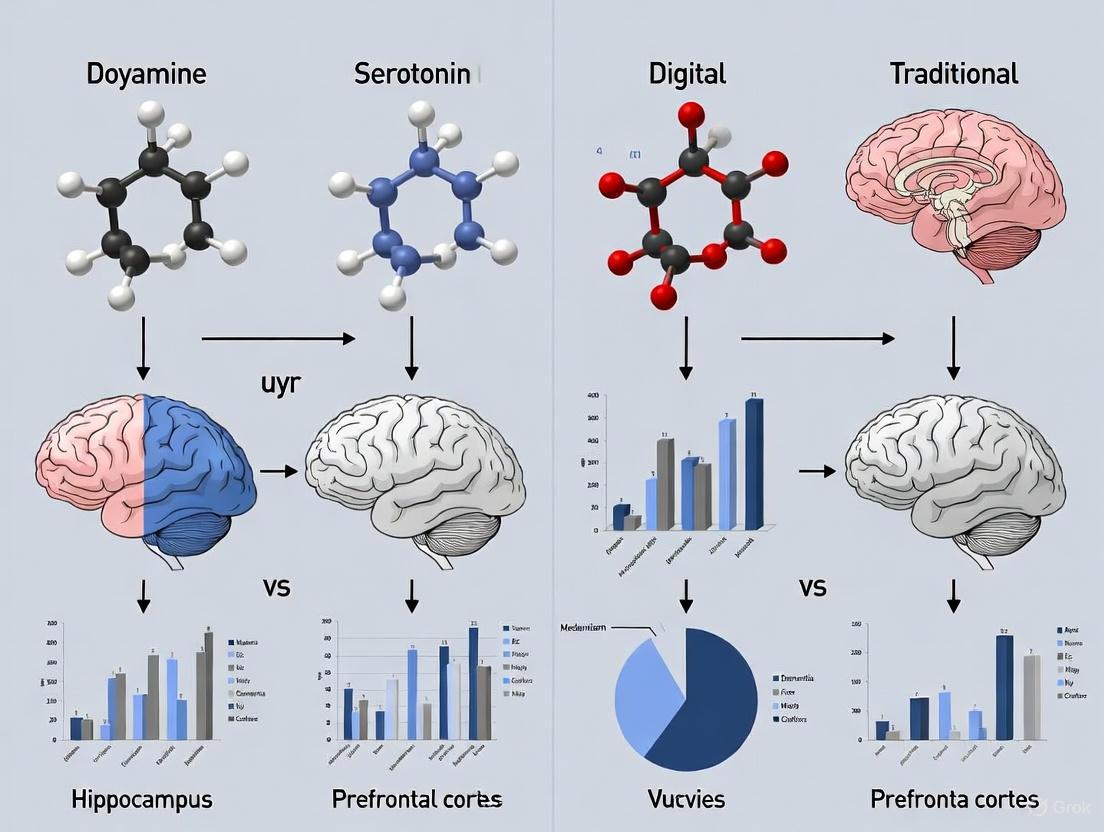
This comprehensive analysis synthesizes current evidence on digital and traditional social isolation as distinct yet interconnected dementia risk factors.
Digital vs Traditional Social Isolation: Comparative Mechanisms and Dementia Risk Implications for Biomedical Research
Abstract
This comprehensive analysis synthesizes current evidence on digital and traditional social isolation as distinct yet interconnected dementia risk factors. For researchers and drug development professionals, we examine longitudinal data establishing digital isolation as an independent risk factor (HR: 1.36), compare underlying biological mechanisms, and evaluate methodological approaches for quantifying isolation phenotypes. The review assesses digital intervention efficacy, with psychological interventions and robotic pets showing promise while highlighting limitations in current research. We explore socioeconomic disparities in risk factor distribution and propose integrative prevention frameworks that combine pharmacological and digital-therapeutic strategies for future clinical trials.
Defining Digital and Traditional Social Isolation: Epidemiological Evidence and Distinct Dementia Risk Profiles
In the pursuit of modifiable risk factors for dementia, research has expanded beyond biological markers to encompass psychosocial determinants. Among these, social isolation has been identified as a significant late-life risk factor [1] [2]. However, in our increasingly digitalized society, a new distinct construct has emerged: digital isolation. While traditional social isolation refers to an objective state of limited social connections and infrequent social interactions [1] [3], digital isolation specifically describes a state of insufficient engagement with digital technologies, which can preclude access to modern forms of communication, information, and social connection [4] [5]. This distinction is crucial for researchers and drug development professionals as it may represent a novel, modifiable risk pathway with unique implications for cognitive health interventions and public health strategies in an aging population.
Operational Definitions and Measurement Frameworks
Conceptualizing and Measuring Traditional Social Isolation
Traditional social isolation is operationalized as an objective measure of an individual's social connectedness, typically quantified through structural aspects of their social network [6] [3]. The Berkman-Syme Social Network Index, utilized in the National Health and Aging Trends Study (NHATS), provides a standardized measurement approach, evaluating four key domains [3]:
- Living Situation: Whether an individual lives alone.
- Social Network Size: The number of people available to discuss important matters.
- Social Activity Participation: Engagement in group activities such as volunteer work or clubs.
- Religious Service Attendance: Participation in religious activities.
Individuals are classified as socially isolated based on a composite score derived from these domains, with studies indicating approximately 23% of older adults in the United States fall into this category [3].
Conceptualizing and Measuring Digital Isolation
Digital isolation extends this concept into the technological realm, focusing on access to and use of digital tools for communication and engagement [4] [5]. The composite digital isolation index, developed in a 2025 longitudinal study using NHATS data, comprises seven binary parameters scored 0 (non-use) or 1 (use) [4] [5]:
- Mobile phone use
- Computer usage
- Tablet use
- Frequency of electronic communication (email or text messaging)
- Internet access
- Engagement in online activities
- Participation in health-related digital platforms
Participants scoring ≤2 are classified as "low isolation," while those scoring ≥3 are designated "moderate to high isolation" [4]. This framework captures the multidimensional nature of digital engagement in modern society.
Table 1: Comparative Operationalization of Isolation Constructs
| Aspect | Traditional Social Isolation | Digital Isolation |
|---|---|---|
| Core Definition | Objective state of limited social connections and interactions [1] | State of insufficient engagement with digital technologies and communication channels [4] |
| Primary Metrics | Living situation, social network size, activity participation [3] | Device usage, electronic communication, internet access, online activities [4] |
| Measurement Instrument | Berkman-Syme Social Network Index [3] | Composite Digital Isolation Index [4] |
| Classification Basis | Composite score of social network characteristics [3] | Summative score of digital engagement parameters [4] |
Quantitative Risk Assessment: Comparative Dementia Risk
Epidemiological studies have quantified the association between both forms of isolation and dementia incidence, providing compelling evidence for their inclusion in comprehensive risk assessment models.
Dementia Risk from Traditional Social Isolation
A nine-year prospective study using NHATS data found that socially isolated older adults (aged 65+) had a 27% higher risk of developing dementia compared to non-isolated adults (HR: 1.27) [6] [3]. The absolute risk difference was substantial: 26% of socially isolated participants developed dementia by the end of follow-up, compared to 20% in the non-isolated group [3]. This association remained significant after adjusting for potential confounders and did not show variation by race or ethnicity [3].
Dementia Risk from Digital Isolation
The 2025 longitudinal study analyzing NHATS data from 2013-2022 revealed even more pronounced risk estimates for digital isolation [4] [5]. In pooled analyses, the moderate to high digital isolation group demonstrated a 36% increased risk of dementia compared to the low isolation group (adjusted HR: 1.36, 95% CI: 1.16-1.59, P<0.001) [4]. The risk was particularly elevated in the validation cohort (HR: 1.62, 95% CI: 1.27-2.08, P<0.001) [4] [5].
Table 2: Comparative Dementia Risk Profiles
| Risk Parameter | Traditional Social Isolation | Digital Isolation |
|---|---|---|
| Hazard Ratio (Pooled) | 1.27 (27% increased risk) [3] | 1.36 (36% increased risk) [4] |
| Study Duration | 9 years [3] | 9 years (2013-2022) [4] |
| Population | Community-dwelling Medicare beneficiaries (5,022 participants) [3] | NHATS participants (8,189 initially) [4] |
| Adjusted Covariates | Demographic, health, and lifestyle factors [3] | Sociodemographic factors, baseline health conditions, lifestyle variables [4] |
Methodological Approaches: Experimental Protocols and Assessment
Core Assessment Protocols for Traditional Social Isolation
The established methodology for assessing traditional social isolation involves comprehensive in-person assessments [3]. The NHATS protocol employs annual two-hour, in-person interviews with Medicare beneficiaries aged 65+ to evaluate cognitive function, health status, and overall well-being [6] [3]. Dementia ascertainment incorporates multiple data sources: cognitive testing covering memory, attention, and executive function; proxy reports from family members or caregivers; and clinical records when available [4] [3]. This multimodal assessment approach enhances diagnostic accuracy and facilitates longitudinal tracking of cognitive decline.
Emerging Protocols for Digital Isolation Assessment
Digital isolation measurement builds upon similar foundational assessments but incorporates specific technology-use metrics [4]. The composite digital isolation index is derived from self-reported usage patterns across the seven previously mentioned digital domains [4] [5]. The study design typically involves longitudinal cohort tracking with stratification into discovery and validation cohorts to enhance reproducibility [4]. Statistical analyses employ Cox proportional hazards models adjusted for sociodemographic characteristics, clinical parameters (baseline diseases, depressive symptoms, anxiety), and health-related behaviors (smoking status, sleep difficulties) [4] [5].
Mechanistic Pathways: Proposed Biological and Psychosocial Mechanisms
Pathways for Traditional Social Isolation
The association between traditional social isolation and dementia risk is hypothesized to operate through multiple interconnected pathways [3]:
- Health Behaviors: Socially isolated individuals demonstrate higher rates of physical inactivity, smoking, and poor diet, contributing to cardiovascular and other health conditions that increase dementia risk [2] [3].
- Cognitive Reserve Diminishment: Reduced social interaction limits engagement in cognitively stimulating activities, potentially diminishing resilience against Alzheimer's pathology [2].
- Stress Physiology: Isolation may activate stress response systems, leading to elevated cortisol levels and potentially damaging brain structures like the hippocampus [1].
Pathways for Digital Isolation
Digital isolation may exacerbate dementia risk through both overlapping and distinct mechanisms [4] [5]:
- Reduced Cognitive Stimulation: Limited access to digital interfaces and online activities may decrease opportunities for novel cognitive engagement [4].
- Accelerated Cognitive Decline: Digitally isolated individuals miss potential protective effects of technology-based social platforms and electronic health resources [4] [5].
- Compounded Social Exclusion: As society digitizes, digital isolation can intensify traditional social isolation by restricting communication channels [4].
Isolation Mechanism Pathways: This diagram illustrates the proposed biological and psychosocial pathways through which traditional social isolation and digital isolation may contribute to increased dementia risk, highlighting both shared and distinct mechanisms.
Table 3: Research Reagent Solutions for Isolation and Dementia Studies
| Research Tool | Function/Application | Key Features |
|---|---|---|
| NHATS Dataset | Nationally representative longitudinal data on Medicare beneficiaries [4] [3] | Includes social isolation metrics, dementia assessments, and digital engagement indicators; home-visit based collection enhances representation of vulnerable populations [3] |
| Berkman-Syme Social Network Index | Standardized assessment of traditional social isolation [3] | Quantifies living situation, social network size, and activity participation; enables cross-study comparisons [3] |
| Composite Digital Isolation Index | Multidimensional assessment of digital technology engagement [4] | Seven-parameter index covering devices, communication, and online activities; dichotomous scoring facilitates stratification [4] |
| Cox Proportional Hazards Models | Statistical analysis of dementia risk associations [4] | Adjusts for sociodemographic, clinical, and lifestyle confounders; suitable for longitudinal time-to-event data [4] |
Implications for Intervention and Future Research
Understanding the distinction between traditional and digital isolation has profound implications for dementia prevention strategies. Research indicates that technology-based interventions, particularly those enhancing basic digital communication capabilities, may mitigate isolation effects [6]. Simple technologies like cellphones and email have been associated with a 31% lower risk for social isolation [6], suggesting accessible intervention points.
Future research priorities should include:
- Developing integrated assessment tools capturing both traditional and digital dimensions of isolation
- Designing targeted interventions addressing digital literacy alongside social connectivity
- Exploring potential synergistic effects between different isolation forms on dementia risk
- Investigating biological mediators specific to digital isolation pathways
This comparative framework provides researchers and drug development professionals with methodological foundations for further investigating these modifiable risk factors and developing evidence-based interventions to promote cognitive health in aging populations.
Global Dementia Burden and Projections
Dementia represents a critical global health challenge, characterized by progressive cognitive decline and functional impairment. Current epidemiological data illustrate a significant and growing burden on healthcare systems and societies worldwide [4].
Table 1: Global and U.S. Dementia Prevalence Projections
| Region | Current Prevalence (Year) | Projected Prevalence (2050) | Key Statistics |
|---|---|---|---|
| Global | 55 million people (2025) [7] | 153 million people [4] [5] | Projected to become the 3rd leading cause of death by 2040 [7] |
| United States | 7.2 million Americans age 65+ (2025) [8] [9] | 13.8 million (2060) [8] | 1 in 9 people age 65+ has Alzheimer's [9]; 1 in 5 women and 1 in 10 men at age 45 [9] |
This growing prevalence is accompanied by substantial economic impact. In 2025, total health care, long-term care, and hospice costs for people aged 65 and older with dementia in the U.S. are estimated to reach $384 billion, a figure projected to approach $1 trillion by 2050 [8] [9]. The lifetime cost of care for a person living with dementia is estimated at $405,262, with 70% of this burden borne by families through unpaid caregiving and out-of-pocket expenses [9].
Established vs. Emerging Modifiable Risk Factors
While age and genetics are non-modifiable risk factors, a substantial body of evidence identifies multiple modifiable risk factors. These can be categorized into traditional/lifestyle factors and an emerging digital dimension.
Table 2: Comparison of Traditional and Digital Risk Factors for Dementia
| Traditional/ Lifestyle Risk Factors [10] [11] | Emerging Digital Risk Factor |
|---|---|
| Physical inactivity | Digital Isolation: Limited use of digital devices (mobile phones, computers, tablets), electronic communication, internet access, and online activities [4] [5] |
| Smoking | |
| Excessive alcohol consumption | |
| Air pollution | |
| Head injury | |
| Infrequent social contact | |
| Less education | |
| Obesity | |
| Hypertension | |
| Diabetes | |
| Depression | |
| Hearing impairment | |
| Untreated Vision Loss | |
| Elevated LDL levels |
The public health impact of these traditional risk factors is significant. Nearly half of U.S. adults aged ≥45 have high blood pressure (49.9%) or do not meet aerobic physical activity guidelines (49.7%) [11]. The number of risk factors is crucial; adults with four or more modifiable risk factors are significantly more likely to report subjective cognitive decline (25.0%) compared to those with no risk factors (3.9%) [11].
Experimental Protocols: Investigating Digital Isolation
To objectively compare the risk posed by traditional social isolation versus digital isolation, longitudinal cohort studies provide the most robust methodological approach.
Study Population and Design (NHATS)
Source: Data from the National Health and Aging Trends Study (NHATS), a nationally representative longitudinal survey of Medicare beneficiaries aged 65 and older in the U.S. [4] [5].
Cohorts:
- Discovery Cohort: 4,455 individuals from the 3rd wave (2013) to the 12th wave (2022).
- Validation Cohort: 3,734 individuals newly recruited in the 5th wave (2015) and followed through 2022.
Inclusion/Exclusion: Participants with pre-existing dementia diagnoses at baseline were excluded. Analysis controlled for sociodemographic factors (age, education, gender, race/ethnicity), baseline health conditions (number of chronic diseases, depression, anxiety), and lifestyle variables (smoking status, sleep difficulties) [4] [5].
Exposure Measurement: Digital Isolation Index
Digital isolation was quantified using a composite digital isolation index comprising 7 dichotomized (0=nonuse, 1=use) parameters [4] [5]:
- Mobile phone use
- Computer usage
- Tablet use
- Frequency of electronic communication (email/text messaging)
- Internet access
- Engagement in online activities
- Participation in health-related digital platforms
The aggregate index (sum of binary scores) was used to stratify participants:
- Low Isolation: Score ≤ 2
- Moderate to High Isolation: Score ≥ 3
Outcome Ascertainment: Dementia Diagnosis
Dementia incidence was assessed through a multifaceted approach [4] [5]:
- Cognitive Tests: Battery assessing memory, attention, and executive function.
- Proxy Reports: Information from family members/caregivers on physician-diagnosed dementia and cognitive deficits in daily living.
- Clinical Synthesis: Investigators combined these data with additional clinical information for final determination.
Statistical Analysis
- Primary Method: Cox proportional hazards models estimated the association between digital isolation and dementia risk.
- Adjustment: Models were adjusted for all covariates listed in 3.1.
- Output: Hazard ratios (HR) with 95% confidence intervals were calculated for the moderate-to-high isolation group versus the low isolation group.
Comparative Risk Assessment: Digital vs. Traditional Pathways
The relationship between different forms of isolation and dementia risk involves complex, interconnecting pathways. The following diagram synthesizes the traditional social isolation and emerging digital isolation pathways to dementia risk.
The experimental data reveals that digital isolation confers a statistically significant independent risk for dementia. In the discovery cohort, the moderate-to-high digital isolation group had an adjusted Hazard Ratio (HR) of 1.22 (95% CI: 1.01-1.47). This effect was more pronounced in the validation cohort, with an adjusted HR of 1.62 (95% CI: 1.27-2.08). The pooled analysis across both cohorts yielded an adjusted HR of 1.36 (95% CI: 1.16-1.59), indicating a consistent and robust association between digital isolation and increased dementia risk [4] [5].
The Scientist's Toolkit: Research Reagent Solutions
Table 3: Essential Resources for Dementia Risk Research
| Resource / Tool | Function / Application | Exemplar Use Case |
|---|---|---|
| NHATS Dataset | Nationally representative longitudinal data on Medicare beneficiaries; core resource for epidemiological studies of aging [4] [5]. | Served as the primary data source for the digital isolation longitudinal cohort study [4] [5]. |
| Composite Digital Isolation Index | Validated instrument quantifying digital engagement across 7 device and activity parameters [4] [5]. | Operationalized the exposure variable ("digital isolation") in the featured risk study [4] [5]. |
| Cox Proportional Hazards Model | Statistical method for analyzing time-to-event data with censoring; estimates effect of covariates on hazard rate. | Primary statistical model used to calculate hazard ratios for dementia risk associated with digital isolation [4] [5]. |
| ADAMS (Aging, Demographics, and Memory Study) | HRS substudy providing gold-standard in-person dementia ascertainment for algorithm validation [12]. | Served as the reference standard for validating algorithmic dementia classifications in HRS [12]. |
| Dementia Risk Indices (e.g., CogDrisk, LIBRA) | Multivariable models that aggregate known risk factors to predict individual dementia probability [13]. | Used in comparative studies to validate and compare predictive performance of different risk models [13]. |
In the evolving landscape of public health research, digital isolation has emerged as a significant and distinct risk factor, particularly in the context of age-related cognitive decline. As global dementia prevalence is projected to affect 153 million individuals by 2050, identifying modifiable risk factors has become increasingly urgent [14] [5]. While traditional social isolation has been extensively studied, the digital era has introduced a new dimension of isolation characterized by limited engagement with digital technologies [14]. This comparative guide examines the composite indices developed to quantify digital isolation, focusing on their methodologies, applications in dementia research, and comparative strengths. These metrics are crucial for researchers investigating the relationship between digital engagement and cognitive health, enabling precise measurement of an individual's connection to digital society through device use, internet access, and online activities [14] [5] [15].
Comparative Analysis of Digital Isolation Indices
The following section provides a detailed comparison of the primary digital isolation metrics implemented in recent research, highlighting their common foundations and methodological variations.
Table 1: Core Components of Digital Isolation Composite Indices
| Component Category | Specific Metrics | NHATS 7-Item Index (Yang et al.) [14] [5] | NHATS 4-Item Index (Sleep Study) [15] |
|---|---|---|---|
| Device Access | Mobile phone use | ✓ | ✓ |
| Computer usage | ✓ | ✓ | |
| Tablet use | ✓ | ✗ | |
| Communication | Email/text messaging | ✓ | ✓ |
| Internet Engagement | Internet access | ✓ | ✓ |
| Online activities | ✓ | ✓ (as "other internet-based activities") | |
| Health-related digital platforms | ✓ | ✗ | |
| Scoring Approach | Sum of binary scores (0-7) | Sum of binary scores (0-4) | |
| Classification Threshold | Score ≤2: Low isolation; Score ≥3: Moderate to high isolation | Score ≤2: Low isolation; Score ≥3: High isolation |
Table 2: Application and Validation in Health Outcomes Research
| Characteristic | NHATS 7-Item Index [14] [5] | NHATS 4-Item Index [15] |
|---|---|---|
| Study Population | 8,189 participants aged 65+ | 5,989 discovery sample; 3,443 validation sample |
| Study Design | Longitudinal cohort (2013-2022) | Cross-sectional and longitudinal |
| Health Outcome | Dementia incidence | Sleep disorders |
| Key Findings | Moderate-high isolation group: pooled adjusted HR=1.36 for dementia [14] [5] | High isolation: OR=1.23 for sleep disorders [15] |
| Validation Approach | Discovery and validation cohorts | Separate discovery and validation samples |
Experimental Protocols and Methodologies
Index Construction and Data Collection
The development of digital isolation indices follows rigorous methodological protocols to ensure validity and reliability in capturing the multifaceted nature of digital engagement:
Parameter Selection: Researchers identify core digital domains essential for participation in modern society. The 7-item index encompasses three device types (mobile phones, computers, tablets) and four types of digital engagement (electronic communication, internet access, online activities, health platform use) [14] [5]. The streamlined 4-item version focuses on fundamental domains: mobile phone ownership, computer use, email/text messaging, and other internet activities [15].
Data Collection Protocol: Both indices utilize data from the National Health and Aging Trends Study (NHATS), a nationally representative longitudinal survey of Medicare beneficiaries aged 65 years and older in the United States [14] [5] [15]. Data collection occurs through structured interviews conducted in person or by telephone, using standardized questionnaires that ask participants about their technology use patterns over specified recall periods (e.g., "past month" or "current use").
Dichotomization Procedure: Each parameter is converted to a binary variable (0=nonuse, 1=use) based on self-reported engagement. This approach simplifies complex behavioral patterns into quantifiable metrics while maintaining sensitivity to detect meaningful differences in digital access [14] [5].
Composite Scoring: Binary scores are summed to create an aggregate digital isolation index. For the 7-item index, scores range from 0-7; for the 4-item version, scores range from 0-4. Higher scores indicate greater digital isolation [14] [15].
Analytical Approaches in Dementia Research
The application of digital isolation indices in dementia research follows specific analytical protocols:
Cohort Stratification: Participants are categorized based on their digital isolation scores. Studies typically use a threshold approach, with scores of 0-2 indicating low isolation and scores ≥3 indicating moderate to high isolation [14] [5]. This bifurcation enables comparative analysis between digitally connected and isolated groups.
Longitudinal Analysis: Researchers employ Cox proportional hazards models to assess the association between baseline digital isolation and subsequent dementia incidence over follow-up periods ranging from 7-9 years [14] [5]. Models are typically adjusted for potential confounders including sociodemographic factors (age, education, gender, race/ethnicity), baseline health conditions (chronic diseases, depression, anxiety), and lifestyle variables (smoking status, sleep difficulties).
Validation Procedures: Studies utilize split-sample validation approaches, with discovery cohorts (often from earlier NHATS waves) and validation cohorts (from later recruitment waves) to verify the consistency of findings across independent samples [14] [5] [15].
Table 3: Essential Research Reagents and Resources for Digital Isolation and Dementia Studies
| Resource Category | Specific Resource | Function/Application | Example Implementation |
|---|---|---|---|
| Data Sources | National Health and Aging Trends Study (NHATS) | Provides longitudinal, nationally representative data on health, functioning, and technology use patterns in older adults | Core data source for digital isolation metric development and validation [14] [5] [15] |
| Assessment Tools | PROMIS Social Isolation Scale | Validated measure of perceived social isolation for correlation with digital isolation metrics | Used in parallel to establish convergent validity [16] [17] |
| Cognitive Assessment | NHATS Cognitive Battery | Standardized cognitive tests for dementia classification in longitudinal studies | Primary outcome measure for dementia incidence [14] [5] |
| Statistical Software | Cox Proportional Hazards Models | Analyzes time-to-event data for dementia incidence in relation to baseline digital isolation | Primary analytical approach for calculating hazard ratios [14] [5] |
| Digital Intervention Platforms | Health-related digital platforms, Communication apps | Potential interventional tools to reduce digital isolation in clinical trials | Component of digital isolation index; potential intervention modality [14] |
Conceptual Framework and Pathways to Dementia Risk
The relationship between digital isolation and dementia risk operates through multiple interconnected pathways, which can be conceptually mapped to inform research hypotheses and analytical approaches.
Implications for Research and Intervention Development
The systematic quantification of digital isolation represents a significant advancement in dementia risk assessment, offering researchers and pharmaceutical developers several strategic applications:
Precision Prevention Strategies: Digital isolation metrics enable identification of high-risk populations who may benefit from targeted digital inclusion interventions. Research indicates that promoting digital literacy and access could potentially reduce dementia risk, as digital engagement is associated with a 58% lower risk of cognitive impairment in some studies [18].
Clinical Trial Enrichment: These indices provide screening tools for recruiting participants with specific risk profiles for dementia prevention trials, potentially enhancing statistical power to detect intervention effects [14] [5].
Drug Development Considerations: The established relationship between digital isolation and dementia risk (pooled adjusted HR=1.36) suggests that clinical trials should account for digital engagement levels as potential effect modifiers when testing therapeutic interventions [14] [5].
Digital Phenotyping Advancement: Composite indices serve as foundational frameworks for developing more sophisticated digital biomarkers that could track cognitive health through passive monitoring of technology engagement patterns [18].
As research in this field evolves, future iterations of digital isolation metrics will likely incorporate more nuanced measures of digital engagement quality, frequency, and diversity, further refining our understanding of how digital participation shapes cognitive trajectories in aging populations.
In dementia risk research, "traditional isolation constructs" primarily refer to two distinct concepts: objective social isolation and subjective social isolation (loneliness). While often related, these constructs represent different experiential phenomena and pathways to cognitive decline. Objective social isolation refers to the tangible absence of social relationships, characterized by a small social network size, infrequent social contact, and limited social participation [19]. It is a structural condition measurable through indicators such as living alone, network diversity, and interaction frequency [1]. In contrast, subjective social isolation (loneliness) is the perceived, distressing feeling that one's social relationships are inadequate or unsatisfying [1]. This emotional state reflects a discrepancy between desired and actual social connections [20]. Critically, an individual can be objectively isolated without feeling lonely, or have a rich social network yet experience profound loneliness [1]. This guide compares how these constructs are defined, measured, and associated with dementia risk, providing essential context for emerging research on digital isolation.
Comparative Data Analysis: Association with Cognitive Outcomes
The table below summarizes key quantitative findings from recent studies, illustrating the differential associations and effect sizes of objective and subjective isolation on cognitive health.
Table 1: Comparative Quantitative Associations with Cognitive Health and Behavioral Symptoms
| Study & Design | Population | Objective Isolation Metric & Key Finding | Subjective Isolation Metric & Key Finding | Comparative Strength of Association |
|---|---|---|---|---|
| Multinational Longitudinal Study [21] | 101,581 older adults across 24 countries | Standardized social isolation index. Pooled effect on cognitive ability: -0.07 (95% CI: -0.08, -0.05). | Not assessed in this comparison. | Not applicable. |
| Community-Based Cross-Sectional Study [19] | 2,541 community-dwelling adults aged ≥60 | Social network size (number of close friends/relatives). Weak/non-significant association with depression and fatigue when analyzed alongside loneliness. | Loneliness. Strong association with depression (adjusted beta=0.44, p<0.001) and fatigue (beta=0.17, p<0.001). | Subjective isolation demonstrated a significantly stronger association with behavioral symptoms. |
| Longitudinal Cohort (NHATS) [6] | 5,022 Medicare beneficiaries (65+) | Socially isolated at baseline (23% of cohort). 27% higher risk of developing dementia over 9 years. | Not the primary focus of this finding. | Not applicable. |
| Cross-Sectional Study on SCD [22] | 652 Chinese "younger older adults" (60-74) | Lubben Social Network Scale (LSNS-6). Social networks negatively associated with Subjective Cognitive Decline (B=-0.05, p<0.001). | Not the primary focus of this finding. | Not applicable. |
Experimental Protocols and Methodologies
A clear understanding of the experimental designs and measurement tools is crucial for interpreting data on traditional isolation constructs.
Core Measurement Instruments
Objective Social Isolation Assessment: This is typically measured using scales that quantify the structure and frequency of social connections.
- The Lubben Social Network Scale (LSNS-6): A widely used instrument with two sub-dimensions (family networks and friend networks), each comprising three items. Scores range from 0 to 30, with a total score below 12 indicating social isolation. Scores below 6 on either the family or friend subscale indicate isolation in that specific network type [22].
- Social Isolation Index: Some large-scale studies [21] construct a standardized, multidimensional index based on factors like living arrangements, social network size, frequency of contact with family and friends, and participation in social activities. This allows for a harmonized analysis across diverse populations and datasets.
Subjective Social Isolation (Loneliness) Assessment: This is measured using scales that capture the individual's personal experience of their social world.
- Direct Single-Item Measures: Participants may be asked a single question, such as how often they feel lonely, offering a straightforward metric [19].
- Validated Multi-Item Scales: Instruments like the UCLA Loneliness Scale provide a more nuanced and reliable measure by evaluating multiple facets of the subjective feeling of isolation.
Representative Study Protocol: Multinational Longitudinal Analysis
A 2025 study across 24 countries provides a robust example of a longitudinal protocol for assessing the impact of objective social isolation [21].
- Data Source & Harmonization: Researchers harmonized data from five major longitudinal aging studies, including the Survey of Health, Ageing and Retirement in Europe (SHARE) and the China Health and Retirement Longitudinal Study (CHARLS). A "temporal harmonization strategy" was applied to create a unified timeline, enhancing cross-national comparability.
- Sample Inclusion: The analysis included respondents aged ≥60 who had completed at least two rounds of cognitive assessments. The final pooled sample consisted of 101,581 individuals, yielding 208,204 observations over an average follow-up of 6 years.
- Analytical Models:
- Linear Mixed Models: Were employed to estimate the association between time-varying social isolation and cognitive ability, accounting for both within-individual changes and between-individual differences.
- System Generalized Method of Moments (System GMM): This advanced econometric technique was used to address potential endogeneity and reverse causality (e.g., whether cognitive decline leads to isolation). It leveraged lagged cognitive outcomes as instruments to provide more robust, dynamic causal estimates.
- Moderator Analysis: Multilevel modeling was used to investigate how country-level factors (e.g., GDP, welfare systems) and individual-level factors (e.g., gender, socioeconomic status) moderated the relationship between isolation and cognition.
Conceptual Pathways and Mechanisms
The following diagram illustrates the distinct and overlapping theoretical pathways through which objective and subjective isolation are believed to influence cognitive health and dementia risk.
The Scientist's Toolkit: Key Research Reagents & Materials
The following table details essential tools and methodologies for conducting research in this field.
Table 2: Essential Materials and Tools for Isolation and Cognition Research
| Tool/Resource | Type/Format | Primary Function in Research |
|---|---|---|
| Lubben Social Network Scale-6 (LSNS-6) | Validated Survey Instrument | Quantifies objective social isolation by measuring the size and closeness of family and friend networks. A score <12 indicates social isolation [22]. |
| UCLA Loneliness Scale | Validated Survey Instrument | A multi-item scale that provides a robust and nuanced measure of the subjective feeling of loneliness (subjective social isolation). |
| Harmonized International Datasets | Data Repository | Pre-existing, structured datasets like SHARE, CHARLS, and HRS provide large-scale, longitudinal data on social factors and cognition, enabling powerful cross-national and cohort studies [21]. |
| Global Gateway to Aging Data | Data Portal & Platform | A platform that provides harmonized data from multiple national aging studies, facilitating standardized cross-national comparative research on aging, including social isolation [21]. |
| Cox Proportional Hazards Model | Statistical Model | A key analytical method for longitudinal studies to estimate the association between a baseline exposure (e.g., social isolation) and the time-to-event outcome of interest (e.g., dementia diagnosis), while adjusting for covariates [4]. |
| System GMM Estimation | Advanced Econometric Model | A statistical technique used to address endogeneity and reverse causality in longitudinal data, providing more robust evidence for a potential causal relationship between isolation and cognitive decline [21]. |
The dramatic aging of the global population and the projected surge in dementia prevalence to an estimated 153 million cases by 2050 have intensified the search for modifiable risk factors [4] [5]. While traditional social isolation has been extensively studied as a dementia risk factor, the contemporary concept of digital isolation represents a distinct phenomenon unique to our technologically driven era [4]. Digital isolation extends beyond physical separation to encompass limited access to or engagement with digital technologies that have become fundamental to modern social interaction and cognitive stimulation [4] [5]. This review synthesizes recent longitudinal evidence establishing digital isolation as an independent dementia risk factor and compares its predictive power against traditional isolation metrics within the evolving landscape of dementia risk research.
Comparative Quantitative Evidence: Digital vs. Traditional Isolation
Table 1: Longitudinal Studies on Digital Isolation and Dementia Risk
| Study (Year) | Population | Follow-up Period | Digital Isolation Metric | Adjusted Hazard Ratio (HR) | 95% CI | P-value |
|---|---|---|---|---|---|---|
| Yang et al. (2025) Discovery Cohort [4] [5] | 4,455 older adults (NHATS) | 2014-2022 (8 years) | Composite digital isolation index (7 items) | 1.22 | 1.01-1.47 | 0.04 |
| Yang et al. (2025) Validation Cohort [4] [5] | 3,734 older adults (NHATS) | 2015-2022 (7 years) | Composite digital isolation index (7 items) | 1.62 | 1.27-2.08 | <0.001 |
| Yang et al. (2025) Pooled Analysis [4] [5] | 8,189 older adults (NHATS) | 2013-2022 (9 years) | Composite digital isolation index (7 items) | 1.36 | 1.16-1.59 | <0.001 |
Table 2: Traditional Social Isolation and Dementia Risk in Comparative Studies
| Study (Year) | Population | Isolation Type & Metric | Adjusted Hazard Ratio (HR) | 95% CI |
|---|---|---|---|---|
| Sakimoto et al. (2025) [23] | 2,725 older adults | Social frailty (5 items: living alone, going out less, etc.) | 1.96-2.69* | N/R |
| Lee et al. (2024) [23] | Korean Longitudinal Study of Ageing | Social frailty | 1.42 | 1.11-1.81 |
| Alzheimer's Drug Discovery Foundation (2023) [24] | 18,154 older adults | Regular internet use (protective) | 0.5 | N/R |
*Risk range for mortality; dementia risk significantly elevated but not quantified in HR
Methodological Approaches in Digital Isolation Research
Digital Isolation Assessment Protocol
The foundational study by Yang et al. (2025) operationalized digital isolation through a composite digital isolation index comprising seven binary parameters (0=nonuse, 1=use) summed to create an aggregate score [4] [5]:
- Mobile phone use
- Computer usage
- Tablet use
- Frequency of electronic communication (email or text messaging)
- Internet access
- Engagement in online activities
- Participation in health-related digital platforms
Participants were stratified into two cohorts: those scoring ≤2 were classified as "low isolation," while those scoring ≥3 were designated as "moderate to high isolation" [4] [5]. This methodology was informed by established approaches in social frailty research [4] [5].
Dementia Ascertainment and Covariate Adjustment
Dementia incidence was assessed using a multifaceted approach incorporating cognitive tests (assessing memory, attention, and executive function) and proxy reports from family members or caregivers regarding physician-diagnosed dementia and cognitive deficits in activities of daily living [4] [5].
Researchers employed Cox proportional hazards models with comprehensive adjustment for potential confounders including [4] [5]:
- Sociodemographic factors: Age, education level, gender, race/ethnicity
- Clinical parameters: Number of baseline chronic diseases, depressive symptomatology, anxiety manifestations
- Health-related behaviors: Smoking status, sleep difficulties
Study Population and Follow-up Protocol
The analysis utilized data from the National Health and Aging Trends Study (NHATS), a nationally representative longitudinal survey of Medicare beneficiaries aged 65 years and older in the United States [4] [5]. The study employed a discovery-validation cohort design:
- Discovery cohort: 4,455 individuals followed from 2014-2022
- Validation cohort: 3,734 individuals newly recruited in 2015 and followed through 2022
Appropriate survey weights were applied to account for NHATS's complex sampling design and ensure representativeness of the older adult population [4] [5].
Diagram 1: Proposed Pathway from Digital Isolation to Dementia Risk
Neurobiological Pathways Linking Isolation to Dementia
The association between digital isolation and dementia risk operates through multiple neurobiological pathways, many shared with traditional social isolation but amplified in the digital context.
Neural Correlates of Isolation
- Prefrontal Cortex (PFC): Isolated individuals show weaker neuronal activation in the PFC during attentional tasks, with isolated animals demonstrating fewer dendritic spines essential for neuronal communication [25].
- Hippocampus: Extended isolation associates with shrunken hippocampi and reduced brain-derived neurotrophic factor (BDNF), impairing stress regulation, learning, and memory [25].
- Ventral Striatum: As a key reward processing center, the ventral striatum shows hampered response to happy social scenes in lonely individuals, reducing pleasure from social stimulation [25].
Neuroendocrine and Inflammatory Mechanisms
Digital isolation may amplify hypothalamic-pituitary-adrenal (HPA) axis dysregulation, increasing oxidative stress that contributes to Alzheimer's pathology including neuroinflammation, amyloid-β deposition, and tau protein pathology [23]. Loneliness associates with increased inflammatory responses, creating higher risk for inflammatory diseases that may accelerate neurodegenerative processes [25].
Table 3: Core Assessment Tools for Digital Isolation and Dementia Research
| Research Domain | Assessment Tool | Application & Function | Implementation Example |
|---|---|---|---|
| Digital Isolation Assessment | Composite Digital Isolation Index [4] [5] | 7-item instrument quantifying device usage and digital engagement | Dichotomous scoring (0/1) across 7 digital domains; sum creates isolation index |
| Traditional Isolation Assessment | Social Frailty Metric [23] | 5-item measure of conventional social isolation components | Assesses living alone, going out frequency, friend visits, feeling useful, daily conversation |
| Dementia Ascertainment | NHATS Cognitive Battery + Proxy Reports [4] [5] | Multimodal approach combining objective testing with informant reports | Cognitive tests for memory, attention, executive function plus caregiver reports of diagnosis |
| Covariate Assessment | Sociodemographic & Health Batteries [4] [5] | Comprehensive characterization of potential confounders | Documents education, age, gender, chronic diseases, depression, anxiety, health behaviors |
| Statistical Analysis | Cox Proportional Hazards Model [4] [23] | Longitudinal analysis of time-to-dementia onset | Models association between isolation exposure and dementia incidence with covariate adjustment |
Diagram 2: Research Workflow for Digital Isolation and Dementia Studies
The accumulating longitudinal evidence firmly establishes digital isolation as an independent dementia risk factor with effect sizes comparable to or potentially exceeding those associated with traditional social isolation. The composite hazard ratio of 1.36 from pooled analyses represents a significant effect magnitude in the dementia risk factor landscape [4] [5].
These findings carry substantial implications for both research and public health practice. Future dementia prevention strategies should incorporate digital literacy promotion and technology access initiatives as integral components of public health approaches to cognitive health preservation [4] [5]. For researchers, the validated digital isolation index provides a standardized metric for quantifying this emerging risk factor in future studies, while the methodological approaches outlined offer a template for rigorous investigation in this expanding research domain.
The convergence of evidence suggests that contemporary dementia risk models must account for both traditional and digital dimensions of social connectedness to fully capture the multifactorial nature of cognitive aging in technologically evolving societies.
Within the expanding field of dementia risk research, a critical comparative question has emerged: how do the biological pathways of traditional social isolation compare with those of digital isolation in promoting neurodegeneration? While extensive research has established traditional social isolation—characterized by objective deficits in social network size and contact frequency—as a significant risk factor for cognitive decline and dementia [26] [27], the more contemporary phenomenon of digital isolation requires rigorous parallel investigation. Digital isolation, defined by insufficient engagement with digital technologies (such as smartphones, computers, and the internet), represents a distinct form of disconnection in an increasingly digitalized society [4] [5]. For researchers and drug development professionals, understanding the unique and shared pathophysiological mechanisms is not merely an academic exercise but a prerequisite for developing precise public health interventions and targeted therapeutic strategies. This guide objectively compares the experimental evidence and hypothesized biological pathways linking these two isolation types to neurodegeneration, framing them within the context of a broader thesis on dementia risk.
Epidemiological Evidence: A Quantitative Comparison
Large-scale longitudinal studies provide the foundational epidemiological evidence for the association between both isolation types and dementia risk. The quantitative data, summarized in the table below, reveal key comparative insights.
Table 1: Comparative Epidemiological Evidence: Isolation and Dementia Risk
| Study Characteristic | Traditional Social Isolation | Digital Isolation |
|---|---|---|
| Key Studies | Analysis of NHATS data (N=5,022) [27]; Multinational harmonized data from 5 studies (N=101,581) [26] | Longitudinal analysis of NHATS data (Discovery cohort n=4,455; Validation cohort n=3,734) [4] [5] |
| Primary Metric | Pooled effect on cognitive ability; Hazard Ratio for dementia | Hazard Ratio (HR) for dementia incidence |
| Effect Size | 28% increased risk of dementia (HR 1.28) [27]; Pooled effect on cognitive ability: -0.07 (95% CI: -0.08, -0.05) [26] | Pooled adjusted HR: 1.36 (95% CI: 1.16-1.59); Discovery cohort HR: 1.22; Validation cohort HR: 1.62 [4] [5] |
| Assessment Method | Living alone, ≤1 confidant, no social/religious group participation [27] | Composite index of device use, internet access, and online activities [4] |
The data demonstrates that both traditional and digital isolation confer a statistically significant increase in dementia risk. The effect size for digital isolation, particularly in the validation cohort, suggests a potentially potent risk factor that may operate through both shared and distinct mechanisms.
Experimental Protocols and Methodologies
A critical evaluation of the experimental approaches used to establish these links is essential for interpreting the evidence.
Cohort Design and Longitudinal Tracking
- Population Source: Both analyses of traditional and digital isolation frequently utilize the National Health and Aging Trends Study (NHATS), a nationally representative longitudinal survey of U.S. Medicare beneficiaries aged 65+ [4] [27]. This allows for some methodological consistency in population sampling.
- Study Design: The core evidence derives from longitudinal cohort studies with follow-up periods extending up to nine years (e.g., from 2013 to 2022) [4] [5]. Participants are followed from a baseline free of dementia, with incidence assessed over subsequent waves.
- Validation Strategy: The study on digital isolation employed a discovery and validation cohort strategy, splitting the sample to first identify an association and then confirm it in an independent set of participants, strengthening the robustness of the finding [4].
Exposure and Outcome Ascertainment
- Measuring Traditional Social Isolation: This is typically operationalized using an index based on self-reported conditions: living alone, having no more than one person to discuss important matters with, and infrequent participation in social or religious groups [27].
- Measuring Digital Isolation: This is quantified using a composite digital isolation index comprising 7 dichotomized (use/non-use) parameters: mobile phone, computer, and tablet use; frequency of electronic communication; internet access; engagement in online activities; and participation in health-related digital platforms. A score of ≤2 categorizes an individual as having "moderate to high" isolation [4] [5].
- Dementia Diagnosis: In NHATS, dementia ascertainment is based on a multifaceted approach combining cognitive tests of memory and executive function with proxy reports of physician diagnoses or observable cognitive deficits in daily activities [4].
Statistical Adjustment and Causal Inference
- Model Adjustment: Cox proportional hazards models are commonly used, adjusting for a comprehensive set of potential confounders, including sociodemographic factors (age, education, race, gender), baseline health conditions (number of chronic diseases, depression, anxiety), and health-related behaviors (smoking status, sleep difficulties) [4] [5].
- Addressing Causality: The multinational study on social isolation employed the System Generalized Method of Moments (System GMM), using lagged cognitive outcomes as instruments to mitigate reverse causality concerns (e.g., whether cognitive decline leads to isolation rather than vice versa) [26].
Hypothesized Biological Pathways and Mechanisms
The epidemiological associations are supported by several hypothesized biological pathways that link a lack of stimulation to neurodegenerative pathology. The following diagram synthesizes the core pathways discussed in the literature.
Diagram 1: Pathways from Isolation to Neurodegeneration
Shared Pathways for Both Isolation Types
Reduced Cognitive Stimulation and Reserve Depletion: This is a central pathway for both isolation types. Social interaction and digital engagement (e.g., learning new apps, navigating online information) provide continuous cognitive challenge. The cognitive reserve hypothesis posits that such stimulation builds resilience against underlying brain pathology [4] [27]. A lack of engagement is hypothesized to lead to lower cognitive reserve, making individuals more susceptible to dementia pathology [26]. Neuroplasticity theory suggests this lack of stimulation can reduce neural activity, contributing to synaptic loss and brain atrophy over time [26].
Chronic Stress and Negative Affect: Both traditional and digital isolation are strongly associated with a higher prevalence of depression and anxiety [4] [28]. These negative emotional states can induce a chronic stress response, elevating cortisol levels and promoting neuroinflammation, which in turn can lead to neuronal injury and impaired cognitive function [26].
Dysregulation of Proteostasis: Emerging large-scale proteomic studies, such as those from the Global Neurodegeneration Proteomics Consortium (GNPC), are revealing how systemic factors can influence brain protein homeostasis. While not directly linking isolation to protein misfolding, this research identifies dysregulated immune and inflammatory pathways in plasma that are common across neurodegenerative diseases [29] [30]. It is plausible that the pro-inflammatory state associated with chronic isolation could exacerbate these peripheral proteomic signatures, creating an environment less capable of clearing pathological proteins like amyloid-beta and tau.
Accelerated Pathological Propagation: Computational network models of neurodegeneration show that pathogenic proteins (e.g., tau, alpha-synuclein) propagate along the brain's connectome in a prion-like manner [31]. A growing body of experimental evidence indicates that neuronal activity accelerates the transneuronal transport of these pathological proteins [31]. While not isolation-specific, this mechanism provides a plausible biological bridge: reduced social and cognitive engagement may lower overall neural activity in key circuits, potentially altering the dynamics of pathological spread, though this requires direct experimental validation.
Pathways of Potential Distinction
Neuroinflammation and Immune Dysregulation: While both isolation types may trigger inflammation, the nature of the inflammatory response might differ. Traditional social isolation has been more directly linked with elevated pro-inflammatory cytokines (e.g., IL-6, TNF-α) through well-established psychoneuroimmunological pathways [26]. The proteomic signature of digital isolation remains uncharacterized, representing a critical gap in the field.
Novel Biological Interfaces: Digital isolation may introduce unique biological consequences. For instance, the blue light emission from screens can affect circadian rhythms and sleep quality, a known risk factor for neurodegeneration [4]. Furthermore, the nature of digital engagement itself—such as the rapid, multitasking environment of the internet—might stimulate distinct neural networks compared to traditional face-to-face interaction, meaning their disuse could lead to domain-specific cognitive decline.
Advancing this field from correlation to mechanism requires a specific toolkit. The following table details essential resources for researchers investigating these pathways.
Table 2: Research Reagent Solutions for Isolation and Neurodegeneration Studies
| Resource Category | Specific Examples & Functions | Relevance to Isolation Research |
|---|---|---|
| Longitudinal Cohort Data | NHATS (National Health and Aging Trends Study): Provides linked data on social factors, digital use, and cognitive status in a representative older U.S. population [4] [27]. | Foundational for epidemiological studies; allows for harmonized measurement of both traditional and digital isolation exposures. |
| International Data Harmonization Platforms | Global Gateway to Aging Data (USC): Facilitates cross-national comparisons using harmonized data from studies like SHARE, HRS, and CHARLS [26]. | Enables assessment of how cultural and welfare contexts (macrosystems) moderate the isolation-cognition relationship [26]. |
| High-Dimensional Proteomic Platforms | SomaScan Assay, Olink Platform, Mass Spectrometry: Measure thousands of proteins in biofluids like plasma and CSF to discover molecular signatures [29] [30]. | Critical for identifying the inflammatory and systemic proteomic signatures that may mediate the link between isolation and brain pathology. |
| Open-Access Biomarker Consortia Data | Global Neurodegeneration Proteomics Consortium (GNPC): A harmonized dataset of ~250 million protein measurements from >35,000 samples across AD, PD, FTD, and ALS [29]. | Provides a powerful resource for discovering disease-specific and transdiagnostic protein biomarkers that could be correlated with isolation metrics. |
| Computational Modeling Frameworks | Neural Mass Models, Prion-like Spreading Models, Integrated Feedback Models [31]. | Allows for in-silico testing of hypotheses about how reduced input (isolation) affects network stability and pathological protein spread. |
The current evidence demonstrates that both traditional social and digital isolation are significant, quantifiable risk factors for dementia, with hazard ratios that demand serious attention from the research and clinical communities. While they share several plausible biological pathways—primarily centered on reduced cognitive reserve, chronic stress, and neuroinflammation—digital isolation represents a distinct and modern threat whose specific biological signature is not yet fully elucidated.
For drug development professionals, these findings highlight non-pharmacological targets that could complement molecular therapies. Interventions aimed at enhancing social connectivity and digital literacy may help create a more resilient brain environment, potentially improving the efficacy of disease-modifying treatments. The most pressing future research directions include:
- Integrating Multi-Omics Data: Correlating isolation metrics with proteomic, genomic, and metabolomic data from consortia like the GNPC to define precise molecular pathways.
- Developing Integrated Computational Models: Creating models that capture the feedback between social-environmental factors, neural activity, and disease biology, as called for by network neuroscientists [31].
- Designing Targeted Interventions: Testing whether specific digital interventions (e.g., group-based psychological tools, robotic pets) [32] not only reduce loneliness but also reverse or stabilize the adverse proteomic and neurophysiological signatures associated with isolation.
By systematically comparing the biological plausibility of these two isolation types, the research community can move toward a more nuanced and mechanistic understanding of how our social world, both physical and digital, gets under the skull to influence brain health.
Measurement Approaches and Analytical Frameworks for Isolation-Related Dementia Research
The National Health and Aging Trends Study (NHATS) serves as a critical data source for investigating the association between digital isolation and health outcomes in older adults, including dementia risk. NHATS is a nationally representative longitudinal survey of U.S. Medicare beneficiaries aged 65 years and older, renowned for its rigorous design and detailed data collection on health, functioning, and social factors [5]. To ensure robust and generalizable findings, studies leveraging NHATS often employ a dual-cohort validation design, utilizing both discovery and validation samples drawn from different waves of the study [5] [15] [33].
This design strengthens the evidence by testing hypotheses in an independent population, reducing the likelihood that findings are due to chance or cohort-specific peculiarities. The core methodology involves analyzing data across multiple waves, from baseline assessment to follow-up, to establish temporal relationships between digital isolation and subsequent health outcomes. Statistical analyses, particularly Cox proportional hazards models, are employed to estimate risk while adjusting for a comprehensive set of potential confounding variables [5] [34].
Table 1: NHATS Cohort Design in Recent Digital Isolation Studies
| Study Component | Discovery Cohort | Validation Cohort |
|---|---|---|
| Primary Source | NHATS participants from earlier waves (e.g., Wave 3, 2013) [5] | Independently recruited NHATS participants from later waves (e.g., Wave 5, 2015) [5] [15] |
| Typical Baseline Sample Size | ~5,799 participants [5] | ~4,182 participants [5] |
| Final Analytical Sample | ~4,455 participants (after exclusions) [5] | ~3,734 participants (after exclusions) [5] |
| Follow-up Duration | Up to 9 years (e.g., 2013 to 2022) [5] | Up to 7 years (e.g., 2015 to 2022) [5] |
| Key Purpose | Initial hypothesis testing and model development | Confirming the reliability and generalizability of initial findings |
Digital Isolation Index: Composition and Scoring
A central innovation in this research area is the development of a composite Digital Isolation Index. This index quantitatively measures an older adult's disconnection from digital technologies and online social spheres. It moves beyond a simple binary of internet access to capture a spectrum of engagement across essential digital domains [5] [15].
The index is typically constructed by summing binary scores (0 for engagement, 1 for non-engagement) across several key components. While the exact number of parameters can vary slightly between studies, the core domains remain consistent, focusing on device ownership, communication methods, and online activity [5] [15] [33].
Table 2: Components of the Digital Isolation Index
| Index Component | Measurement Criteria | Operational Scoring |
|---|---|---|
| Device Ownership | Ownership and use of mobile phones, computers, and/or tablets [5] [15]. | Non-ownership or inability to use scores 1 point towards isolation. |
| Electronic Communication | Use of email or text messaging in the past month [5] [15]. | No use in the past month scores 1 point. |
| Internet Access | Having access to the internet at home or through a personal data plan [5]. | Lack of access scores 1 point. |
| Online Activities | Engagement in online activities beyond email (e.g., browsing, social media, health-related platforms) [5] [15]. | No engagement in such activities scores 1 point. |
Stratification and Classification
After calculating the composite score, participants are stratified into groups for analysis. A common approach, informed by methodologies used in social frailty research, is to dichotomize the sample [5]:
- Low Digital Isolation: Composite score ≤ 2. This group represents individuals with at least some level of digital connection.
- Moderate to High Digital Isolation: Composite score ≥ 3. This group indicates a lack of engagement across the majority of assessed digital domains and is the focus of risk analysis.
Key Quantitative Findings: Digital Isolation and Dementia Risk
Application of this methodological framework in longitudinal studies has yielded significant quantitative evidence linking digital isolation to increased dementia risk. The use of a validation cohort provides particularly compelling evidence.
One major study analyzing NHATS data from 2013 to 2022 found a consistently elevated risk of dementia for the moderate-to-high digital isolation group across both discovery and validation cohorts [5] [34]. The pooled analysis, which combines data from both cohorts for maximum statistical power, revealed that digitally isolated older adults had a 36% higher risk of developing dementia compared to their digitally connected counterparts (Adjusted HR 1.36, 95% CI 1.16-1.59, P<0.001) [5]. This association remained significant after adjusting for sociodemographic factors, baseline health conditions, and lifestyle variables.
Table 3: Hazard Ratios for Dementia Risk Associated with Digital Isolation
| Cohort | Adjusted Hazard Ratio (HR) | 95% Confidence Interval (CI) | P-value |
|---|---|---|---|
| Discovery Cohort | 1.22 | 1.01 - 1.47 | P = .04 [5] |
| Validation Cohort | 1.62 | 1.27 - 2.08 | P < .001 [5] |
| Pooled Analysis | 1.36 | 1.16 - 1.59 | P < .001 [5] |
These findings align with broader research on traditional social isolation. For instance, another study using NHATS data concluded that socially isolated older adults had a 27% higher risk of developing dementia over nine years compared to non-isolated adults [6]. This suggests that digital isolation may be a modern and potent form of a well-established social risk factor.
Detailed Experimental Protocols
Cohort Construction and Follow-up Protocol
The integrity of the findings rests on a meticulously structured longitudinal protocol.
- Baseline Enrollment: Eligible participants are Medicare beneficiaries aged 65+ from a specific NHATS wave (e.g., Wave 3 for discovery). Participants with pre-existing dementia or missing baseline digital isolation data are excluded [5].
- Covariate Assessment: At baseline, a comprehensive set of covariates is measured through in-person interviews and self-reports. These include:
- Follow-up for Outcome Ascertainment: Participants are followed annually through subsequent NHATS waves (e.g., from Wave 4 to Wave 12). Dementia incidence is assessed using a multifaceted approach combining:
- Attrition Handling: The analysis accounts for participants lost to follow-up or who die before a dementia diagnosis, often using statistical methods to handle such censored data [5].
Statistical Analysis Protocol
The primary analysis for quantifying dementia risk follows a standardized statistical workflow.
Diagram 1: Statistical workflow for dementia risk analysis.
The workflow involves first stratifying the cohort by digital isolation level. The cumulative incidence of dementia is visualized and initially compared using Kaplan-Meier curves and the log-rank test [5]. The core of the analysis employs a Cox proportional hazards model to calculate hazard ratios, which estimate the relative risk of developing dementia in the digitally isolated group compared to the connected group. This model is adjusted for the predefined covariates to isolate the effect of digital isolation from other factors. The proportional hazards assumption is checked, and the analysis is subsequently replicated in the independent validation cohort to confirm the results [5].
The Scientist's Toolkit: Research Reagent Solutions
For researchers aiming to replicate or build upon this work, the following "research reagents"—core data constructs and tools—are essential.
Table 4: Essential Research Reagents for Digital Isolation Studies
| Research Reagent | Function/Description | Source/Example |
|---|---|---|
| NHATS Public Use Data Files | The primary raw data source, containing de-identified participant responses across all survey waves. | National Health and Aging Trends Study (nhats.org) |
| Digital Isolation Index Algorithm | The specific code or logic for transforming raw NHATS variables (e.g., device use, internet activities) into the composite index score. | Derived from methodology sections of [5] and [15]. |
| Covariate Constructs | Pre-defined algorithms for creating key control variables (e.g., depression score from PHQ-2 items, chronic disease count). | NHATS documentation; methodologies in [5] and [35]. |
| Dementia Ascertainment Algorithm | The rule-based definition for classifying a participant as having dementia based on cognitive tests and proxy reports. | Defined in NHATS technical documentation and studies like [5]. |
| Statistical Analysis Code | Reproducible code (e.g., in R, SAS, Stata) for performing Kaplan-Meier analysis, Cox regression, and generating figures. | Custom-written by researchers, ideally shared for reproducibility. |
The methodological rigor of the NHATS study design, particularly the use of validation cohorts, provides strong, generalizable evidence that digital isolation is a significant and independent risk factor for dementia in older adults. The development and application of the composite Digital Isolation Index offer a replicable tool for quantifying this modern risk factor. These findings underscore the necessity of integrating digital engagement and literacy into public health strategies for dementia prevention. Future research should focus on developing interventions that target digital inclusion and explore the underlying biological and psychosocial mechanisms linking digital disconnection to cognitive decline.
Composite measures that integrate objective cognitive testing with proxy reports of functional abilities represent a significant advancement in the assessment of cognitive disorders, particularly within dementia risk research. These hybrid assessment strategies are especially valuable for studying the differential impacts of traditional social isolation versus digital isolation on dementia risk, as they provide complementary data streams that enhance detection accuracy. This guide examines the experimental data, methodological protocols, and implementation frameworks for these composite measures, providing researchers and drug development professionals with evidence-based comparisons for their application in clinical trials and observational studies.
Cognitive assessment has evolved from reliance on single-method approaches to integrative models that combine objective performance metrics with ecological observations from knowledgeable informants. This synthesis is critical for capturing the multifaceted nature of cognitive decline, especially in early stages when deficits may manifest primarily in complex everyday situations rather than structured testing environments [36] [37]. Within the expanding research landscape comparing traditional social isolation with digital isolation as dementia risk factors, these composite measures offer nuanced insights into how different social environments impact cognitive functioning and functional independence [5] [1].
The conceptual foundation for composite measures rests on the understanding that cognitive impairment affects both test performance and real-world functioning. While objective cognitive tests measure capacity under standardized conditions, proxy reports provide essential data about the application of these capacities in daily life, offering a more complete picture of disease impact and progression [37]. This is particularly relevant when investigating modifiable risk factors like social engagement, where functional preservation may be as clinically meaningful as cognitive test scores [38].
Experimental Protocols and Methodologies
Core Assessment Protocols
Protocol 1: The ALSAR-MoCA Integrated Assessment (Heart Failure Cohort Study)
This protocol was implemented in a quality improvement study involving hospitalized heart failure patients with cognitive impairment [36].
- Population: 30 hospitalized heart failure patients with cognitive impairment determined by Mini-Cog (median age 74 years, 42% female).
- Cognitive Testing: Montreal Cognitive Assessment (MoCA) administered to quantify cognitive impairment (scores <26 indicate clinically significant impairment).
- Functional Assessment: Assessment of Living Skills and Resources Revision 2 (ALSAR) administered separately to patients and their proxies. The ALSAR assesses 11 tasks (8 instrumental activities of daily living and 3 other activities) scored on both skill (0-2) and resource (0-2) levels, with total scores ranging from 0-44 (higher scores indicate greater dependence).
- Composite Metric Calculation: The "ALSAR difference" was computed by subtracting patient ALSAR scores from proxy ALSAR scores, then correlating this discrepancy with MoCA scores using Pearson correlation.
- Analysis: Mann-Whitney U tests for unpaired comparisons, Wilcoxon Signed-Ranks test for paired comparisons, and chi-square tests for dichotomous variables.
Protocol 2: Longitudinal Patient-Proxy Discordance Tracking (Older Adult Cohort)
This 12-month prospective cohort study examined patient-proxy discrepancy across multiple domains [37].
- Population: 76 individuals aged >70 years spanning cognitive spectrum (no impairment to moderate dementia) with available proxies.
- Assessment Tools:
- Alzheimer's Disease Cooperative Study-Activities of Daily Living Inventory (ADCS-ADL)
- Neuro-QOL Executive Function scale
- PROMIS Applied Cognition (PROMIS-Cog)
- Mini-Mental State Examination (MMSE)
- Geriatric Depression Scale
- Administration: Parallel patient and proxy ratings collected at baseline and 12-month follow-up.
- Analysis: Correlational analyses between patient-proxy discrepancy and cognitive status, depression, and other covariates; analysis of change in discrepancy over time.
Assessment Workflow
The following diagram illustrates the standard workflow for implementing composite cognitive assessment measures:
Comparative Performance Data
Quantitative Findings from Key Studies
Table 1: Performance Metrics of Composite Assessment Measures
| Study & Population | Assessment Tools | Key Quantitative Findings | Correlation/Effect Size | Clinical Implications |
|---|---|---|---|---|
| Heart Failure with Cognitive Impairment(N=30) [36] | MoCA + ALSAR (patient & proxy) | Median patient ALSAR: 4 (IQR 2-7)Median proxy ALSAR: 7 (IQR 4-12)ALSAR difference: 2 (IQR 1-4) | r = -0.58, p<0.01(MoCA vs. ALSAR difference) | Proxies consistently rate patients as less independent; greater discrepancy correlates with worse cognition |
| Older Adults Across Cognitive Spectrum(N=76) [37] | MMSE + Multiple PROMs (patient & proxy) | Patient-proxy correlation for ADLs: StrongPatient-proxy correlation for cognition: Weak | Discrepancy associated with: Younger age (PROMIS-Cog); Less depression (PROMIS-Cog, Neuro-QOL); Worse cognitive impairment (Neuro-QOL) | High agreement on observable ADLs; Poor agreement on cognitive and psychological domains |
| Stroke Patients Systematic Review(15 studies) [39] | Multiple PROMs (patient & proxy) | Physical domains ICC: 0.41->0.80Psychological domains ICC: <0.40-0.60 | Proxy reliability varies by domain | Proxies reliable for physical function; caution needed for psychological symptoms |
Domain-Specific Agreement Patterns
Table 2: Patient-Proxy Agreement Across Functional and Cognitive Domains
| Assessment Domain | Level of Agreement | Pattern of Discrepancy | Clinical Interpretation |
|---|---|---|---|
| Basic & Instrumental ADLs [37] [39] | High | Minimal systematic bias | Proxies provide reliable reports; suitable for clinical decision-making |
| Complex Executive Function [36] [37] | Low to Moderate | Proxies report greater impairment | Patients with cognitive deficits overestimate their abilities; discrepancy is clinically informative |
| Psychological & Emotional Symptoms [39] | Low | Variable direction | Proxies less reliable for internal states; patient reports preferred when feasible |
| Cognitive Function Subjective Reports [37] | Low | Proxies report greater impairment | Discrepancy increases with cognitive decline; proxy reports may detect early change |
Integration in Digital vs. Traditional Social Isolation Research
Composite cognitive assessment measures provide critical methodological tools for investigating the comparative dementia risks associated with traditional social isolation versus digital isolation. Each isolation type may impact different cognitive domains and functional capacities, necessitating assessment approaches that capture both objective performance and real-world functional implications [5] [1].
Digital Isolation Research Applications: Composite measures can elucidate whether digital isolation primarily affects specific cognitive domains like executive function, which might be compensated for through "digital scaffolding" (e.g., reminders, GPS) that preserves functional independence despite cognitive changes [18]. The ALSAR difference metric could quantify how reduced technology access impacts real-world functional awareness in those with early cognitive decline.
Traditional Social Isolation Research Applications: These measures can help distinguish between the effects of objective social network size versus perceived loneliness on cognitive decline trajectories [1] [2]. Proxy reports may be particularly valuable for capturing subtle functional changes that precede clinical diagnosis in socially isolated older adults.
The following diagram illustrates how composite measures elucidate pathways between different isolation types and dementia outcomes:
Research Reagent Solutions: Essential Assessment Tools
Table 3: Key Assessment Tools for Composite Measure Implementation
| Assessment Tool | Domain Measured | Administration Time | Strength in Composite Assessment |
|---|---|---|---|
| Montreal Cognitive Assessment (MoCA) [36] | Global cognition, executive function | 10-15 minutes | High sensitivity to mild cognitive impairment; correlates well with functional discrepancy measures |
| ALSAR (Assessment of Living Skills and Resources) [36] | Instrumental ADLs, executive function in daily life | 15-20 minutes | Specifically designed parallel patient and proxy forms; predictive of need for supportive services |
| ADCS-ADL Inventory [37] | Basic and instrumental activities of daily living | 10-15 minutes | Validated for both patient and proxy report; sensitive to change over time |
| Neuro-QOL Executive Function [37] | Everyday executive function | 5-10 minutes | Captures subjective cognitive difficulties in daily activities |
| PROMIS Applied Cognition [37] | Cognitive function in daily contexts | 5-10 minutes | Patient-reported outcome measure with proxy-comparable forms |
Implications for Research and Clinical Trials
Composite measures combining cognitive testing and proxy reports offer distinct advantages for dementia prevention research and therapeutic trial design:
Endpoint Selection: These measures provide multidimensional endpoints that capture both cognitive capacity and functional impact, potentially offering more sensitive markers of intervention effects than cognitive tests alone [36] [37].
Stratification Applications: Patient-proxy discrepancy metrics may help identify individuals with limited insight into their cognitive deficits, a subgroup that may respond differently to interventions or require additional supportive components [36].
Digital Phenotyping: As digital technologies create new forms of social engagement and cognitive scaffolding, composite measures can help quantify functional preservation despite cognitive changes - a potentially important outcome in trials targeting early-stage populations [18].
Implementation of these composite measures requires consideration of proxy availability, training needs for standardized administration, and analytical approaches for interpreting discrepancy scores. However, the evidence suggests they provide valuable complementary data that enhances detection of clinically significant cognitive and functional changes, particularly in studies examining modifiable social risk factors for dementia.
The investigation into dementia risk factors has expanded beyond traditional epidemiological measures to include novel digital determinants. This evolution necessitates robust statistical methodologies capable of isolating independent variable effects amidst complex covariate relationships. The Cox Proportional Hazards (CPH) model serves as a cornerstone analytical technique in contemporary dementia research, particularly in emerging fields examining digital isolation as a risk factor. This model enables researchers to quantify hazard ratios for specific exposures while adjusting for sociodemographic and clinical confounders, providing essential adjusted effect estimates that inform both clinical understanding and public health strategy.
Within dementia research, studies increasingly differentiate between traditional social isolation and its digital counterpart—a distinction crucial in our technologically mediated society. Digital isolation, characterized by limited engagement with digital devices and communication platforms, may confer unique dementia risk pathways beyond those of traditional social isolation. The CPH model provides the methodological foundation for investigating these associations while controlling for potential confounding variables, thereby enabling more precise estimation of independent effects.
Cox Proportional Hazards Model: Theoretical Foundations and Application Principles
Model Specification and Mathematical Formulation
The Cox Proportional Hazards model is a semi-parametric survival analysis technique that expresses the hazard at time t for an individual with covariate vector X as: h(t|X) = h₀(t) × exp(βX), where h(t|X) represents the hazard at time t given covariates X, h₀(t) denotes the baseline hazard function, and β corresponds to the vector of coefficients representing the log hazard ratios for unit changes in covariates [40]. This formulation allows for estimating the effect of explanatory variables on the hazard rate without requiring specification of the baseline hazard function, making it particularly suitable for censored time-to-event data ubiquitous in clinical dementia research.
The model estimates parameters using the partial likelihood method, expressed as: ℓ(β) = Σ [βXᵢ − log Σ e^(βXⱼ)], where the inner sum is calculated over the risk set at each distinct event time tᵢ [40]. This approach efficiently handles right-censored observations—cases where participants have not experienced the event (dementia diagnosis) by the end of follow-up—a common scenario in longitudinal dementia studies with staggered enrollment and limited observation windows.
Key Assumptions and Diagnostic Testing
The CPH model relies critically on the proportional hazards assumption, which posits that hazard ratios between individuals remain constant over time [40] [41]. This assumption requires rigorous verification through diagnostic procedures including:
- Schoenfeld residual analysis: Systematic patterns in these residuals indicate violation of the proportional hazards assumption [40]
- cox.zph function in R: Provides statistical testing of the proportional hazards assumption for each covariate [40]
- Log-minus-log survival plots: Visual assessment of parallel curves for categorical covariates [40]
- ASSESS PH statement in SAS PROC PHREG: Offers model-based approaches for evaluating proportionality [40]
When the proportional hazards assumption proves untenable, methodological alternatives include stratified Cox models, time-by-covariate interactions, or piecewise models [40]. Additionally, the Restricted Mean Survival Time (RMST) approach provides an alternative effect measure when hazards are non-proportional [42].
Comparative Application: Digital Isolation and Dementia Risk
Study Design and Population Characteristics
A recent longitudinal cohort study exemplifies the application of CPH models in dementia research, specifically investigating digital isolation as a novel risk factor [4] [5]. This analysis utilized data from the National Health and Aging Trends Study (NHATS), encompassing 8,189 participants aged 65 years and older followed from 2013 to 2022. The study employed a discovery-validation cohort design, with participants stratified into discovery (n=4,455) and validation (n=3,734) samples to enhance reproducibility of findings.
Digital isolation was quantified using a composite index derived from seven parameters: mobile phone use, computer usage, tablet use, frequency of electronic communication, internet access, engagement in online activities, and participation in health-related digital platforms [4] [5]. Each parameter was dichotomized (0=nonuse, 1=use), with summed scores classifying participants as "low isolation" (score ≤2) or "moderate to high isolation" (score ≥3). Dementia incidence was assessed through cognitive testing and proxy reports, with comprehensive adjustment for sociodemographic and clinical confounders.
Table 1: Key Covariates Adjusted in the Digital Isolation-Dementia Risk Analysis
| Covariate Category | Specific Variables | Measurement Approach |
|---|---|---|
| Sociodemographic Factors | Age, gender, race/ethnicity, education level | Categorical stratification (e.g., age in 5-year cohorts, education as |
| Clinical Parameters | Number of baseline diseases, depressive symptoms, anxiety manifestations | Trichotomized disease count (0, 1-2, ≥3); validated instruments for depression/anxiety |
| Health Behaviors | Smoking status, sleep difficulties | Current smoker vs. non-smoker; frequency-based sleep difficulty categorization |
Quantitative Findings and Model Outputs
The CPH analysis revealed significant associations between digital isolation and dementia incidence across both discovery and validation cohorts. In the fully adjusted models, the moderate to high isolation group demonstrated substantially elevated dementia risk compared to the low isolation reference group [4] [34] [5].
Table 2: Adjusted Hazard Ratios for Digital Isolation-Dementia Association Across Cohorts
| Cohort | Sample Size | Adjusted Hazard Ratio | 95% Confidence Interval | P-value |
|---|---|---|---|---|
| Discovery | 4,455 | 1.22 | 1.01-1.47 | 0.04 |
| Validation | 3,734 | 1.62 | 1.27-2.08 | <0.001 |
| Pooled Analysis | 8,189 | 1.36 | 1.16-1.59 | <0.001 |
The consistency of effect direction and magnitude across independent cohorts strengthens causal inference regarding the digital isolation-dementia relationship. Kaplan-Meier curves corroborated the CPH model findings, demonstrating earlier dementia onset and higher cumulative incidence in the moderate to high isolation group throughout the follow-up period [4] [5].
Methodological Protocols for Confounder Adjustment
Principles of Appropriate Confounder Selection
Proper confounder adjustment is fundamental to valid causal inference in observational studies investigating multiple risk factors. A recent methodological review highlighted that over 70% of studies inappropriately adjust for all risk factors simultaneously through mutual adjustment, potentially introducing overadjustment bias and misleading effect estimates [43]. The recommended approach involves adjusting for confounders specific to each risk factor-outcome relationship separately, requiring multiple multivariable regression models rather than a single mutually adjusted model.
In the context of digital isolation and dementia research, the confounder selection process should consider variables that represent common causes of both digital isolation and dementia risk. These include socioeconomic status (through education and income), physical health conditions that limit both technology use and cognitive function, and geographic factors affecting technology access and healthcare utilization. Directed Acyclic Graphs (DAGs) provide a valuable tool for identifying appropriate adjustment sets and avoiding biases from adjusting for mediators or colliders.
Implementation in Statistical Software
The CPH model with comprehensive confounder adjustment can be implemented in standard statistical software packages. The following code exemplify typical implementation:
SAS Implementation:
R Implementation:
In these implementations, the time*status(0) syntax in SAS and Surv(time, status) in R specify the survival time and censoring indicator (0 indicating censored observations). The TIES=EFRON option handles tied event times using Efron's method, which performs well with moderate numbers of ties [40]. The ASSESS PH statement in SAS and cox.zph function in R provide critical testing of the proportional hazards assumption.
Analytical Workflow Visualization
Diagram 1: Analytical workflow for Cox proportional hazards adjustment in dementia risk studies
Table 3: Essential Analytical Tools for Cox Proportional Hazards Implementation
| Tool Category | Specific Solution | Application Context |
|---|---|---|
| Statistical Software | SAS PROC PHREG | Primary CPH model implementation with comprehensive diagnostics |
| R survival package | Flexible CPH modeling with extensive visualization capabilities | |
| Model Diagnostics | Schoenfeld residuals | Testing proportional hazards assumption |
| cox.zph function (R) | Formal testing of PH assumption with statistical significance | |
| Log-minus-log plots | Visual assessment of proportional hazards for categorical variables | |
| Handling Methodological Challenges | survcompare R package | Comparing CPH with machine learning alternatives in complex data |
| Time-dependent covariates | Addressing non-proportional hazards through covariate interactions | |
| Stratified Cox models | Handling categorical variables violating PH assumption |
Comparative Performance in Complex Data Environments
Recent methodological research has evaluated the performance of CPH models against machine learning alternatives in complex clinical prediction scenarios. The survcompare R package facilitates systematic comparison between traditional CPH models and machine learning approaches like Survival Random Forests and DeepHit [44]. In simulated data with non-linearities or interactions, machine learning models demonstrated superiority at sample sizes ≥500, though for standard tabular clinical data, performance gains were often minimal [44].
Notably, regularized Cox models (e.g., Cox-Lasso) recovered much of the machine learning performance advantage in many clinical datasets while maintaining interpretability and computational efficiency [44]. This finding reinforces the continued value of CPH methodology in clinical dementia research, where interpretable effect measures (hazard ratios) facilitate clinical decision-making and public health communication.
The rigorous application of Cox Proportional Hazards models with appropriate confounder adjustment provides essential methodological infrastructure for advancing dementia risk research. The documented association between digital isolation and increased dementia incidence, with adjusted hazard ratios of 1.36 in pooled analysis, underscores the potential public health significance of digital engagement in aging populations [4] [5]. These findings emerged specifically through CPH methodologies that controlled for sociodemographic, clinical, and behavioral confounders, highlighting the necessity of comprehensive adjustment approaches.
For the drug development professionals and researchers composing this article's audience, these methodological considerations extend beyond academic interest to practical application in clinical trial design and analysis. As dementia therapeutics evolve toward precision medicine approaches, with the current pipeline containing 138 drugs across 182 clinical trials [45], understanding both biological and social determinants of dementia risk becomes increasingly crucial. The CPH model remains an indispensable analytical tool for disentangling these complex relationships and advancing the field toward effective prevention and intervention strategies.
Hazard Ratios for Digital Isolation (1.36) and Traditional Loneliness (31%)
The escalating global prevalence of dementia, projected to affect 153 million individuals by 2050, has intensified the focus on identifying and quantifying modifiable risk factors [4] [5]. While traditional social isolation and loneliness have long been recognized as contributors to cognitive decline, the contemporary concept of digital isolation has emerged as a distinct risk factor in an increasingly technologically-driven society [4] [5]. This comparison guide objectively examines the quantified risks and methodological approaches for studying both digital isolation and traditional loneliness, providing researchers and drug development professionals with a clear analysis of their respective effect sizes and underlying mechanisms. Understanding the hazard ratios and odds ratios associated with these different forms of isolation is crucial for developing targeted public health interventions and therapeutic strategies aimed at dementia prevention.
Quantitative Risk Comparison
The table below summarizes the core quantitative findings from recent longitudinal studies investigating the association between isolation metrics and dementia risk.
| Risk Factor | Quantified Effect Size | Study Design | Population | Temporal Context |
|---|---|---|---|---|
| Digital Isolation | Pooled adjusted HR = 1.36 (95% CI 1.16-1.59, P<0.001) [4] [5] [34] | Longitudinal cohort | 8,189 older adults (65+) from NHATS (2013-2022) [4] | Follow-up over 9 years (2013-2022) [4] |
| Traditional Loneliness (Persistent) | Adjusted OR = 1.47 (95% CI 1.10, 1.95); attenuated to OR=1.28 when adjusted for depression [46] | Longitudinal cohort | 9,389 participants from the HUNT Study [46] | Three decades of loneliness assessment (HUNT1: 1984-86 to HUNT4: 2017-19) [46] |
Key Interpretation: The hazard ratio (HR) of 1.36 for digital isolation indicates a 36% increased risk of developing dementia for those in the moderate-to-high digital isolation group compared to the low isolation group [4] [5]. The odds ratio (OR) of 1.47 for persistent loneliness indicates that individuals experiencing loneliness across multiple time points had 47% higher odds of dementia compared to those never lonely, though this relationship is partially mediated by depressive symptoms [46].
Detailed Experimental Protocols
Digital Isolation and Dementia Risk Study
- Objective: To investigate the association between digital isolation and dementia risk among older adults, hypothesizing that higher levels of digital isolation significantly increase the risk of developing dementia [4] [5].
- Study Population & Design: A longitudinal cohort study analyzed data from 8,189 participants aged 65 and older from the National Health and Aging Trends Study (NHATS), spanning from its 3rd wave (2013) to the 12th wave (2022). The cohort was stratified into discovery (n=4,455) and validation (n=3,734) samples [4] [5].
- Digital Isolation Assessment: Digital isolation was quantified using a composite digital isolation index comprising 7 dichotomized (0=nonuse, 1=use) parameters:
- Mobile phone use
- Computer usage
- Tablet use
- Frequency of electronic communication (email/text messaging)
- Internet access
- Engagement in online activities
- Participation in health-related digital platforms Participants were categorized as "low isolation" (score ≤2) or "moderate to high isolation" (score ≥3) [4] [5].
- Dementia Ascertainment: Dementia incidence was assessed using a multifaceted approach, including a battery of cognitive tests for memory, attention, and executive function, as well as proxy reports from family members or caregivers regarding physician-diagnosed dementia or cognitive deficits in daily living [4] [5].
- Statistical Analysis: Cox proportional hazards models were used to estimate the association between digital isolation and dementia risk. Models were adjusted for sociodemographic factors (age, education, gender, race/ethnicity), baseline health conditions (number of chronic diseases, depressive symptoms, anxiety), and lifestyle variables (smoking status, sleep difficulties) [4] [5].
Traditional Loneliness and Dementia Risk Study
- Objective: To examine whether the course of subjective loneliness over three decades preceding a dementia diagnosis was associated with increased dementia risk [46].
- Study Population & Design: The study included 9,389 participants from the population-based Trøndelag Health Study (HUNT) in Norway who had undergone cognitive assessment in HUNT4 (2017-2019) at age 70 or older and had participated in at least one previous wave (HUNT1: 1984-86, HUNT2: 1995-97, HUNT3: 2006-08) [46].
- Loneliness Assessment: Loneliness was measured using a single-item question at each HUNT wave, with responses dichotomized into "lonely" versus "not lonely." Participants were classified into four trajectories of loneliness:
- No loneliness: Not lonely at any point of HUNT1-3.
- Transient loneliness: Not lonely at HUNT3, but lonely at HUNT1 and/or HUNT2.
- Incident loneliness: Lonely at HUNT3, but not lonely at HUNT1 and/or HUNT2.
- Persistent loneliness: Lonely at all points of HUNT1-3 [46].
- Dementia Ascertainment: Cognitive function was tested using the Montineral Cognitive Assessment (MoCA). For those scoring ≥22 on the MoCA, a more in-depth Word List Memory Task (WLMT) was used. For participants in nursing homes with severe impairment, the eight-item Severe Impairment Battery was administered. A definitive dementia diagnosis was determined by medical specialists applying DSM-5 criteria [46].
- Statistical Analysis: Logistic regression was employed to analyze the association between the course of loneliness and dementia, using those never lonely as a reference. Models were adjusted for sex, age, education, income, hearing threshold, and depression [46].
Pathway and Workflow Diagrams
Digital Isolation Risk Pathway
Traditional Loneliness Risk Pathway
Longitudinal Study Workflow Comparison
The Scientist's Toolkit: Key Research Reagents & Materials
The table below details essential methodological components and assessment tools used in the featured studies, providing researchers with a framework for replicating or designing similar investigations.
| Tool/Component | Function in Research | Specific Application |
|---|---|---|
| Composite Digital Isolation Index | Quantifies the degree of an individual's disconnection from digital technologies [4] [5] | 7-item index covering device use (phone, computer, tablet), electronic communication, internet access, online activities, and health platform engagement [4] [5] |
| NHATS (National Health and Aging Trends Study) Dataset | Provides longitudinal, nationally representative data on Medicare beneficiaries (65+) in the U.S. [4] [5] | Source of demographic, health, and digital engagement data for the discovery and validation cohorts (2013-2022) [4] [5] |
| HUNT Study (Trøndelag Health Study) Dataset | A large, Norwegian population-based health study collecting data over four waves spanning three decades [46] | Source of longitudinal data on loneliness, health metrics, and cognitive outcomes for studying loneliness trajectories [46] |
| Cox Proportional Hazards Model | Statistical model to analyze the time until an event occurs (e.g., dementia diagnosis), estimating Hazard Ratios (HR) [4] [5] | Used to calculate the risk of dementia associated with digital isolation while adjusting for multiple confounders [4] [5] |
| Logistic Regression Model | Statistical model used to predict a binary outcome (e.g., dementia vs. no dementia), estimating Odds Ratios (OR) [46] | Used to analyze the association between different courses of loneliness and the odds of having dementia at HUNT4 [46] |
| Montreal Cognitive Assessment (MoCA) | A brief cognitive screening tool assessing multiple domains including memory, attention, and executive function [46] | Primary cognitive test used in HUNT4 70+ for initial dementia screening [46] |
Discussion and Research Implications
The direct comparison of a hazard ratio of 1.36 for digital isolation and an odds ratio of 1.47 for persistent traditional loneliness provides a quantitative foundation for understanding the relative contribution of these distinct but related risk factors to dementia incidence. It is crucial to interpret these metrics within their specific methodological contexts; the HR from a Cox model reflects the instantaneous risk over the study period, while the OR from logistic regression approximates the relative odds at the time of assessment [4] [46] [5].
The findings underscore that both digital and traditional social dimensions are independently relevant for brain health. The technological reserve hypothesis suggests that digital engagement may foster cognitive resilience through mental stimulation and social connectivity, which digitally isolated individuals lack [4] [47]. Conversely, the impact of persistent loneliness appears to be significantly mediated by depressive symptoms, highlighting a potentially different pathway involving psychological distress [46]. For drug development and public health planning, these findings suggest that interventions targeting social connectivity and psychological well-being could be viable strategies for dementia risk reduction. Future research should aim to harmonize methodologies to allow for direct statistical comparison of these effects within the same population and elucidate the underlying biological mechanisms, such as chronic stress pathways and neuroinflammatory processes, that might be differentially engaged by these forms of isolation.
Socioeconomic status (SES) serves as a powerful determinant in the distribution of modifiable dementia risk factors, creating substantial disparities in disease burden across different population strata. Research increasingly demonstrates that individuals with lower incomes and from historically underrepresented racial and ethnic groups carry a significantly higher burden of modifiable risk factors that could potentially be addressed through targeted public health interventions [48] [49]. Understanding these disparities is crucial for developing effective prevention strategies, particularly when examining the interplay between traditional social isolation and emerging digital isolation as dementia risk factors.
The complex relationship between income stratification and dementia vulnerability extends beyond mere access to healthcare resources. It encompasses a web of interconnected factors including educational opportunities, environmental conditions, and sociocultural barriers that collectively influence an individual's lifelong brain health trajectory. This analysis examines how socioeconomic determinants shape the distribution of dementia risk factors and explores methodological approaches for quantifying these disparities within the broader context of digital versus traditional social isolation research.
Quantitative Analysis of Socioeconomic Disparities in Dementia Risk
Income-Based Gradients in Modifiable Risk Factors
Recent studies have established a clear income-based gradient in the prevalence of modifiable dementia risk factors. Analysis of more than 5,000 adults revealed that with each step up in income category (representing a 100% higher income above the poverty level), individuals were 9% less likely to have an additional modifiable risk factor in middle age [48] [49]. This gradient persists across most of the 13 recognized modifiable risk factors, with particularly pronounced disparities observed in vision loss, social isolation, diabetes, and physical inactivity.
Table 1: Prevalence of Key Dementia Risk Factors by Income Level
| Risk Factor | Low-Income Group | High-Income Group | Relative Risk |
|---|---|---|---|
| Vision Loss | 21% of dementia cases potentially addressable | Significantly lower | 2.5x higher prevalence |
| Social Isolation | 20% of dementia cases potentially addressable | Significantly lower | 2.3x higher prevalence |
| Diabetes | Higher prevalence after income adjustment | Lower prevalence | 1.29x higher in rural areas [50] |
| Physical Inactivity | Higher prevalence after income adjustment | Lower prevalence | Significant disparity after income adjustment [48] |
| Hypertension | 1.11x higher in rural areas [50] | Lower prevalence | 1.11x higher prevalence |
The burden of these risk factors is not evenly distributed across demographic groups. Even after adjusting for income, several risk factors show stronger associations among historically underrepresented groups including Black Americans, Mexican Americans, and non-Mexican Hispanic Americans when compared to white Americans [48] [49]. These persistent disparities suggest that factors beyond income, including structural inequities and systemic barriers, contribute significantly to dementia risk profiles.
Rural-Urban Disparities in Risk Factor Distribution
Geographic factors compound income-based disparities, with rural populations experiencing a disproportionately high burden of modifiable risk factors. A 2023 nationally representative study examining rural-urban differences found that rural residents had significantly higher prevalence of hypertension (aRR, 1.11; 95% CI, 1.06–1.17), obesity (aRR, 1.22; 95% CI, 1.15–1.30), diabetes (aRR, 1.29; 95% CI, 1.15–1.45), and hearing loss (aRR, 1.22; 95% CI, 1.12–1.34) compared to urban residents [50].
Table 2: Rural-Urban Disparities in Modifiable Dementia Risk Factors
| Risk Factor Category | Specific Risk Factor | Adjusted Rate Ratio (Rural vs. Urban) |
|---|---|---|
| Cardiometabolic | Hypertension | 1.11 (1.06-1.17) |
| Cardiometabolic | Obesity | 1.22 (1.15-1.30) |
| Cardiometabolic | Diabetes | 1.29 (1.15-1.45) |
| Sensory Impairment | Hearing Loss | 1.22 (1.12-1.34) |
| Sensory Impairment | Visual Impairment | 1.15 (1.02-1.29) |
| Psychosocial/Behavioral | Low Education | 1.41 (1.23-1.62) |
| Psychosocial/Behavioral | Smoking | 1.28 (1.17-1.40) |
These disparities were most pronounced among adults aged 45-64 years and in South/Midwest regions, suggesting that targeted interventions in these demographic and geographic segments could yield substantial benefits in reducing the overall population burden of dementia [50]. Importantly, while treatment rates for cardiometabolic conditions were high (>85%) and similar across rural-urban regions, treatment for sensory and behavioral risk factors remained low, indicating a critical gap in comprehensive dementia risk reduction strategies.
Methodological Approaches for Socioeconomic Disparity Research
Experimental Protocols for Assessing Socioeconomic Disparities
Research examining the relationship between socioeconomic factors and dementia risk employs rigorous methodological approaches to ensure valid and generalizable results. The following experimental protocol outlines standard methodology for this field of inquiry:
Population Sampling and Recruitment:
- Utilize large, diverse cohorts to ensure adequate representation across socioeconomic strata. The UK Biobank study, for example, included 336,394 individuals to examine the association between Life's Crucial 9 (cardiovascular health metrics), socioeconomic status, and dementia risk [51].
- Implement stratified sampling techniques to ensure sufficient representation of low-income and rural populations, as demonstrated in the National Health and Aging Trends Study (NHATS) which included 8,189 participants aged 65 years and older [4] [5].
- Collect comprehensive demographic data including education level, household income, occupation, and geographic location to construct multidimensional socioeconomic status indicators.
Socioeconomic Status Assessment:
- Derive composite SES indexes from education, income, and employment status to capture the multifaceted nature of socioeconomic positioning [51].
- Apply standardized classification systems for geographic disparities, such as the 2013 NCHS Urban-Rural Classification Scheme for Counties used in the NHIS analysis [50].
- Incorporate measures of wealth beyond income alone, including home ownership, food security, and access to resources [50].
Risk Factor Quantification:
- Assess modifiable risk factors using validated instruments and clinical measures. The Dementia Risk Reduction Lifestyle Scale (DRRLS), for instance, evaluates 32 items across 8 dimensions including health responsibility, brain-healthy exercise, diet, mental activity, and interpersonal relationships [52].
- Implement comprehensive cardiovascular health metrics through tools like Life's Crucial 9, which includes diet, physical activity, body mass index, sleep duration, tobacco exposure, blood lipids, blood pressure, blood glucose, and psychological health [51].
- Employ cognitive assessment batteries combined with proxy reports for dementia ascertainment, as utilized in NHATS analyses [4] [5].
Statistical Analysis:
- Apply multivariable regression models with sequential covariate adjustment to isolate the independent effect of socioeconomic factors [50].
- Utilize robust Poisson regression models to estimate adjusted rate ratios for binary outcomes with non-rare events [50].
- Employ mediation analysis to examine pathways through which socioeconomic status influences dementia risk, as demonstrated in research showing that SES partially mediates the relationship between cardiovascular health metrics and dementia incidence [51].
The Scientist's Toolkit: Essential Research Reagents and Materials
Table 3: Essential Research Reagents and Methodological Tools for Socioeconomic Disparities Research
| Research Tool | Application | Key Features |
|---|---|---|
| National Health and Aging Trends Study (NHATS) Data | Longitudinal analysis of dementia risk factors | Nationally representative sample of Medicare beneficiaries; includes detailed socioeconomic and health data |
| UK Biobank Data | Large-scale cohort studies on SES and dementia | Comprehensive health, genetic, and socioeconomic data from over 500,000 participants |
| Dementia Risk Reduction Lifestyle Scale (DRRLS) | Quantifying lifestyle-related risk factors | 32-item scale assessing 8 dimensions of dementia-risk reducing behaviors |
| Life's Crucial 9 (LC9) Assessment | Cardiovascular health metric evaluation | 9-item tool developed by American Heart Association, adapted for dementia risk research |
| NCHS Urban-Rural Classification Scheme | Geographic disparity analysis | Standardized county-based classification system for rural-urban comparisons |
| Perceived Social Support Scale (PSSS) | Measuring social support systems | 12-item scale assessing family, friend, and other social support dimensions |
| Digital Isolation Index | Quantifying digital engagement | 7-parameter composite index measuring device use, internet access, and online activities |
Integration with Digital and Traditional Isolation Research
Interplay Between Socioeconomic Status and Isolation Risk Factors
The relationship between socioeconomic status and dementia risk extends significantly into both traditional and digital forms of social isolation. Research indicates that social isolation stands out as a particularly significant contributor to dementia risk among low-income groups, with studies suggesting that 20% of dementia cases in populations below the poverty line could potentially be addressed through interventions targeting social connection [48] [49].
The emerging concept of digital isolation—defined as insufficient engagement with digital technologies—represents a modern extension of traditional isolation research. Digital isolation is quantified through a composite index comprising seven parameters: mobile phone use, computer usage, tablet use, frequency of electronic communication, internet access, engagement in online activities, and participation in health-related digital platforms [4] [5]. This form of isolation demonstrates a clear socioeconomic gradient, as individuals with lower incomes and educational attainment often lack access to digital resources or the digital literacy necessary for meaningful engagement.
Longitudinal studies have demonstrated that digital isolation constitutes a significant independent risk factor for dementia among older adults. The moderate to high digital isolation group showed a significantly elevated risk of dementia compared with the low isolation group, with pooled analysis across cohorts revealing an adjusted hazard ratio of 1.36 (95% CI 1.16-1.59, P<.001) [4] [34] [5]. This risk gradient persists even after adjusting for potential confounders including sociodemographic characteristics, baseline health status, and lifestyle factors.
Comparative Analytical Framework: Traditional vs. Digital Isolation
The methodological approaches for assessing traditional and digital isolation share common foundations but employ distinct measurement strategies. Traditional isolation metrics typically focus on in-person social networks and activities, while digital isolation assessment captures engagement with technology-mediated communication and information platforms. Both approaches ultimately contribute to a comprehensive understanding of how social connectedness influences dementia risk across socioeconomic strata.
Implications for Intervention and Future Research
Targeted Intervention Strategies
The identified socioeconomic disparities in dementia risk factor distribution point toward specific intervention opportunities. For low-income populations, addressing vision loss and social isolation could have particularly significant impacts, with studies suggesting that up to 41% of dementia cases in poverty-level populations could potentially be addressed through interventions targeting these two factors alone [48] [49].
Multimodal interventions that simultaneously address multiple risk factors show particular promise for populations experiencing socioeconomic disadvantages. Research on Life's Crucial 9 (LC9) demonstrates that participants with low LC9 category, low socioeconomic status, and social isolation had the highest risk of dementia compared with those with high LC9 category, high socioeconomic status and no social isolation (HR: 3.35, 95% CI: 2.79-4.01) [51]. This synergistic effect underscores the importance of comprehensive approaches that address cardiovascular health, socioeconomic barriers, and social connection simultaneously.
Research Gaps and Future Directions
Despite significant advances in understanding socioeconomic disparities in dementia risk, critical knowledge gaps remain. Future research should prioritize:
- Longitudinal studies examining how socioeconomic factors across the life course influence dementia risk in late life, moving beyond cross-sectional snapshots of risk factor distribution.
- Intervention studies specifically designed for low-income and rural populations, testing implementation strategies that address structural barriers to risk reduction.
- Research elucidating the biological mechanisms through which socioeconomic disadvantages become biologically embedded to increase dementia vulnerability.
- Development and validation of integrated assessment tools that simultaneously capture traditional and digital isolation metrics alongside conventional risk factors.
The integration of digital inclusion strategies with traditional dementia risk reduction approaches represents a promising frontier for addressing socioeconomic disparities. Promoting digital literacy and access to digital resources among older adults with low socioeconomic status may serve dual purposes of reducing digital isolation while simultaneously increasing access to health information and social connection opportunities [4] [5].
By addressing the socioeconomic dimensions of dementia risk with the same rigor applied to biological factors, the research community can develop more effective and equitable strategies for reducing the global burden of dementia across all population segments.
Comparative Analysis of Digital Phenotyping Technologies
Digital phenotyping and passive monitoring technologies represent a paradigm shift in health research, enabling the continuous, objective collection of behavioral and physiological data in real-world settings. The table below compares the core features, performance, and research applications of major technology platforms.
Table 1: Technology and Sensor Comparison for Digital Phenotyping
| Technology Platform | Key Data Features Collected | Reported Performance/Association | Primary Research Context |
|---|---|---|---|
| Smartphone-Centric Platform | GPS, Accelerometer, Screen Time, Phone Logs, Call/Text Metadata, Keyboard Analytics [53] [54] | Feasible and acceptable in SZ populations; GPS and accelerometer most common sensors; correlates self-reported symptoms with location (e.g., home vs. not home) [54] | Schizophrenia & psychosis relapse monitoring, mood disorder prediction [54] |
| Smart Band (e.g., Fitbit, Garmin) | Heart Rate (HR), Steps, Sleep, Phone Usage, Electrodermal Activity (EDA), Skin Temperature, GPS [55] | HR, steps, sleep, and phone usage are essential features; EDA, skin temp, and GPS show high importance when used [55] | Mood disorder prediction (depression, anxiety), general mental health monitoring [55] |
| Smartwatch (e.g., Apple Watch) | Sleep, Heart Rate (HR), Steps, Accelerometer [55] | Sleep and HR are core, reliably leveraged features; steps and accelerometer are widely used but often less effective [55] | Mood disorder prediction (depression, anxiety) [55] |
| Actiwatch | Accelerometer, Activity, Sleep (but underused) [55] | Accelerometer and activity features are consistently important [55] | Research-focused mental health monitoring [55] |
| In-Home Sensor System | Mobility (walking speed, room transitions), Sleep, Time Out-of-Home, Activities of Daily Living (ADLs) [53] [56] | Correlated with cognition; can discriminate between cognitively healthy and impaired; higher frequency of kitchen/bathroom trips in MCI [56] | Alzheimer's Disease & Related Dementias (ADRD), aging-in-place support, cognitive decline tracking [53] [56] |
Experimental Protocols and Methodologies
Protocol for Systematic Feature Validation in Mental Health
This methodology identifies which passively collected features are most predictive of specific mental health conditions [55].
- Objective: To systematically identify sensor-derived features from smart packages (smartphones combined with wearables) and determine which are essential for monitoring depression and anxiety [55].
- Data Collection: A systematic review is conducted across major academic databases. Inclusion criteria are limited to quantitative studies involving adults (≥19 years) using smart devices for passive data collection to predict depression or anxiety. Studies relying solely on smartphones or qualitative designs are excluded [55].
- Data Synthesis & Analysis: Data is synthesized descriptively. The relative contribution of each feature is assessed by calculating two key metrics:
- Coverage: The proportion of studies that use a specific feature.
- Importance Among Used: The proportion of studies that identify a feature as statistically important for prediction when it is used [55].
- Validation: These metrics are visualized in quadrant-based scatter plots to identify features that are both widely used and consistently important across different device types [55].
Protocol for Longitudinal Dementia Risk Assessment
This protocol assesses a novel risk factor—digital isolation—for dementia incidence in older adults [4] [5].
- Objective: To investigate the association between digital isolation and dementia risk among older adults [4] [5].
- Study Design & Population: A longitudinal cohort study using data from a nationally representative longitudinal survey of Medicare beneficiaries aged 65 and older. Participants with pre-existing dementia are excluded. The cohort is often split into discovery and validation samples [4] [5].
- Exposure Variable - Digital Isolation: A composite digital isolation index is derived from seven self-reported parameters [4] [5]:
- Mobile phone use
- Computer usage
- Tablet use
- Frequency of electronic communication (email/text)
- Internet access
- Engagement in online activities
- Participation in health-related digital platforms Each parameter is dichotomized (0=nonuse, 1=use), and the sum is calculated. Participants are stratified into "low isolation" and "moderate to high isolation" groups [4] [5].
- Outcome Measure - Dementia Incidence: Dementia status is ascertained through a multifaceted approach combining cognitive function tests, self-reports, and proxy reports from family or caregivers [4] [5].
- Statistical Analysis: Cox proportional hazards models are used to estimate the hazard ratio (HR) for dementia risk, adjusting for confounders including sociodemographic factors, baseline health conditions, and lifestyle variables [4] [5].
Visualization of Research Workflows
Digital Phenotyping Research Pipeline
Digital Isolation and Dementia Risk Logic Model
The Scientist's Toolkit: Research Reagent Solutions
Table 2: Essential Tools and Platforms for Digital Monitoring Research
| Tool / Platform Name | Type | Primary Function in Research |
|---|---|---|
| CART (Collaborative Aging Research using Technology) [53] [56] | Integrated Sensor Platform | A multisensor remote monitoring system designed to capture continuous, real-time data on mobility, sleep, and activities of daily living in home settings for aging and cognitive decline research. |
| Digital Isolation Index [4] [5] | Composite Metric | A validated 7-item index quantifying an individual's level of digital engagement based on device use, electronic communication, and internet activity, used as an exposure variable in longitudinal studies. |
| Ecological Momentary Assessment (EMA) [54] | Active Data Protocol | A method for collecting self-reported data on symptoms, mood, or context in real-time via smartphones, reducing recall bias and often used to validate passive sensing data. |
| Passive Sensing Data Streams (GPS, Accelerometer, etc.) [55] [54] | Raw Data Inputs | Continuous data collected from device sensors without user input, used as the basis for feature extraction and modeling behavioral phenotypes. |
| Cox Proportional Hazards Model [4] [5] | Statistical Analysis Tool | A regression model used in longitudinal studies to analyze the effect of several variables (e.g., digital isolation) on the time until a specific event (e.g., dementia diagnosis) occurs. |
Intervention Efficacy, Implementation Challenges, and Target Population Considerations
Digital interventions represent a transformative approach in modern healthcare, offering innovative solutions to mitigate dementia risk by countering social isolation. As the global population ages, with dementia prevalence projected to affect 153 million by 2050, addressing modifiable risk factors like social isolation has become increasingly urgent [4] [5]. Contemporary research has identified digital isolation—the lack of engagement with digital devices and online activities—as a significant novel risk factor for cognitive decline, distinct from traditional social isolation [4] [5].
This guide provides a systematic comparison of four primary digital intervention categories, evaluating their experimental efficacy, implementation protocols, and applicability for dementia risk reduction. By synthesizing current evidence and methodological approaches, we aim to inform researchers, scientists, and drug development professionals in selecting appropriate digital frameworks for clinical trials and therapeutic development.
Digital Intervention Categories: Comparative Analysis
Psychological Interventions
Psychological interventions focus on improving mental health outcomes through digitally-mediated therapeutic approaches that address emotional well-being, cognitive patterns, and psychological functioning.
- Mechanism of Action: These interventions primarily operate through cognitive restructuring, emotional regulation, and behavioral activation. Digital platforms enable consistent monitoring and personalized feedback loops that reinforce adaptive psychological patterns.
- Implementation Modalities: Common delivery methods include mobile health applications, web-based cognitive behavioral therapy platforms, and telepsychology services. These platforms often incorporate interactive exercises, mood tracking, and psychoeducational content.
- Evidence Base: Research demonstrates that psychological digital interventions can significantly reduce depressive symptoms and anxiety while improving overall psychological well-being. The remote delivery model enhances accessibility for individuals with mobility limitations or geographic constraints.
Social Interventions
Social interventions utilize digital tools to enhance social connectivity, reduce loneliness, and maintain meaningful social engagement, particularly among at-risk older adult populations.
- Mechanism of Action: These interventions address loneliness by increasing social contact opportunities, enhancing social support networks, and improving social skills through structured digital interaction platforms.
- Implementation Modalities: Common approaches include video communication systems, social media platforms tailored for older adults, and specialized digital community engagement tools that facilitate connection with family, friends, and peer groups.
- Evidence Base: Studies indicate that regular digital social engagement can produce significant reductions in loneliness scores. For example, one study documented a difference-in-difference of -3.1 (95% CI -5.9 to -0.4) on the UCLA Loneliness Scale following digital social intervention [57]. These improvements in social connectedness may indirectly reduce dementia risk by addressing known social risk factors.
Activity-Based Interventions
Activity-based interventions deliver structured cognitive and physical activities through digital platforms to promote mental stimulation, physical engagement, and functional ability.
- Mechanism of Action: These interventions maintain cognitive function through regular stimulation of multiple cognitive domains (memory, attention, executive function) and physical capabilities, leveraging principles of neuroplasticity and cognitive reserve.
- Implementation Modalities: Delivery platforms include serious games, virtual reality systems, tablet-based applications, and integrated sensor technologies that monitor activity participation and performance.
- Evidence Base: Activity-based interventions demonstrate particular promise for dementia risk reduction by directly targeting cognitive functioning. Studies implementing serious games have shown improvements in specific cognitive domains, including memory, spatial awareness, and mathematical ability, through structured, difficulty-graded digital activities [58] [59].
Robot-Assisted Interventions
Robot-assisted interventions represent an advanced category of digital intervention utilizing socially assistive robots (SARs) to provide interactive, multimodal engagement through embodied artificial agents.
- Mechanism of Action: SARs operate through multiple simultaneous mechanisms: providing companionship, facilitating cognitive stimulation, delivering emotional support, and enabling social interaction. The physical embodiment differentiates them from other digital approaches, potentially enhancing engagement through anthropomorphism.
- Implementation Modalities: Platforms range from humanoid robots (e.g., Pepper, BOCCO emo) to zoomorphic companions (e.g., PARO seal), incorporating varying degrees of autonomy, interaction capabilities, and functional specialization.
- Evidence Base: Current evidence demonstrates significant positive outcomes for both loneliness reduction and psychological well-being. One randomized controlled trial documented not only reduced loneliness (-3.1 difference-in-difference) but also improved psychological well-being (difference-in-difference 1.9, 95% CI 0.1 to 3.7) following a 4-week robot intervention [57]. Caregiver studies further indicate strong preference for robot-based delivery over tablet-based alternatives for serious games, with significantly higher user experience questionnaire scores across multiple domains including enjoyment, friendliness, and innovation [58] [59].
Comparative Efficacy Data
Table 1: Quantitative Outcomes Across Digital Intervention Categories
| Intervention Category | Primary Outcomes | Effect Size/Range | Study Duration | Population |
|---|---|---|---|---|
| Psychological | Psychological well-being | WHO-5 Well-Being Index: +1.9 (CI 0.1-3.7) [57] | 4 weeks | Community-dwelling older adults |
| Social | Loneliness reduction | UCLA Loneliness Scale: -3.1 (CI -5.9 to -0.4) [57] | 4 weeks | Older adults living alone |
| Activity-Based | Cognitive function | Improved memory, spatial awareness, executive function [58] [59] | Varies | Mild cognitive impairment |
| Robot-Assisted | Loneliness, well-being | UCLA: -3.1 (CI -5.9 to -0.4); WHO-5: +1.9 (CI 0.1-3.7) [57] | 4 weeks | Older adults with loneliness |
| Robot-Assisted | User experience | UEQ: 1.29 vs. 0.99 (robot vs. tablet) [59] | Single session | Formal dementia caregivers |
Table 2: Dementia Risk Implications of Digital Engagement Levels
| Digital Engagement Level | Digital Isolation Index | Dementia Hazard Ratio | Population | Study Design |
|---|---|---|---|---|
| Low Digital Isolation | 0-2 | Reference (1.00) | Older adults (65+) | Longitudinal cohort |
| Moderate-High Digital Isolation | 3+ | 1.36 (CI 1.16-1.59) [4] [5] | Older adults (65+) | Longitudinal cohort |
| Moderate-High Digital Isolation (Discovery Cohort) | 3+ | 1.22 (CI 1.01-1.47) [4] [5] | Older adults (65+) | Longitudinal cohort |
| Moderate-High Digital Isolation (Validation Cohort) | 3+ | 1.62 (CI 1.27-2.08) [4] [5] | Older adults (65+) | Longitudinal cohort |
Experimental Protocols and Methodologies
Social Robot RCT for Loneliness Reduction
Objective: Evaluate the effectiveness of digital social robot interventions in reducing loneliness among community-dwelling older adults [57].
Population: 73 participants aged ≥65 years living alone in Tokyo and neighboring areas, experiencing loneliness (UCLA Loneliness Scale version 3 Short Form score ≥6). Participants were predominantly female (94%) with average age 82.3 years.
Intervention Protocol:
- Device: BOCCO emo humanoid social communication robot
- Duration: 4-week intervention period
- Interaction Components:
- Operator-mediated conversations: Available 24/7 with trained operators crafting empathetic responses
- Automated interactions: Morning/evening activities including greenery-themed interactions, quizzes, trivial tasks
- Family communication: Message relay via smartphone app vocalized through robot
- Reminder function: Medication, meals, appointment notifications
- Interaction Frequency: Average 5.5 message exchanges per participant daily (median 4.1, range 1-18)
Outcome Measures:
- Primary: Loneliness (20-item UCLA Loneliness Scale version 3)
- Secondary: Psychological well-being (WHO-5 Well-Being Index), depression, self-rated health, laughter frequency, health competence, interpersonal relationships
Analytical Approach: Linear mixed-effects model with random intercept, intention-to-treat analysis
Digital Isolation and Dementia Risk Assessment
Objective: Investigate association between digital isolation and dementia risk among older adults [4] [5].
Study Design: Longitudinal cohort study using National Health and Aging Trends Study (NHATS) data
Population: 8,189 participants aged ≥65 years from waves 3 (2013) to 12 (2022) of NHATS
Digital Isolation Assessment:
- Composite Index Components: Mobile phone use, computer usage, tablet use, electronic communication frequency, internet access, online activity engagement, health-related digital platform participation
- Scoring: Each parameter dichotomized (0=nonuse, 1=use), summed for aggregate index
- Stratification: Scores 0-2 = "low isolation"; scores 3+ = "moderate to high isolation"
Dementia Ascertainment: Cognitive testing, proxy reports, clinical records using standardized NHATS protocol
Covariates: Sociodemographics, baseline health conditions, depression, anxiety, smoking status, sleep difficulties
Analytical Approach: Cox proportional hazards models with discovery and validation cohorts
Caregiver Perception Comparison Study
Objective: Compare feasibility, usability, and user experience of serious game delivery via social robot versus tablet [58] [59].
Design: Cross-sectional comparative study
Participants: 120 formal dementia caregivers from older adult care institutions
Intervention Comparison:
- Social Robot Platform: Screen-equipped robot with multimodal interaction (voice, gestures, movement, facial expressions)
- Tablet Platform: Standard touchscreen device with identical serious game content
- Content: Cognitive exercises, music therapy, reminiscence activities across multiple difficulty levels
- Session Length: 15-20 minutes per platform per participant
Assessment Measures:
- User Experience Questionnaire (UEQ)
- System Usability Scale (SUS)
- Customized Technology Acceptance Model (TAM)
Analytical Approach: T-tests with Benjamini-Hochberg correction for multiple comparisons
Conceptual Framework and Pathways
Digital Isolation and Intervention Pathways to Dementia Risk
Social Robot Multi-modal Interaction Framework
The Scientist's Toolkit: Research Reagent Solutions
Table 3: Essential Research Technologies for Digital Intervention Studies
| Tool Category | Specific Examples | Research Application | Key Characteristics |
|---|---|---|---|
| Social Robots | BOCCO emo [57] | Loneliness intervention studies | Humanoid design, operator-mediated conversations, reminder functions |
| Social Robots | Pepper [60] | Psychiatric interaction studies | Humanoid form, conversational capabilities, screen display |
| Social Robots | PARO [61] | Dementia care studies | Zoomorphic (seal) design, tactile interaction, calming effect |
| Assessment Platforms | Tablet-based serious games [58] [59] | Cognitive intervention comparisons | Touchscreen interface, standardized content delivery |
| Monitoring Technologies | WBAN systems [62] | Continuous health monitoring | Wireless body area networks, passive data collection, real-time analysis |
| Evaluation Metrics | UCLA Loneliness Scale [57] | Loneliness measurement | 20-item or 3-item versions, validated psychometric properties |
| Evaluation Metrics | WHO-5 Well-Being Index [57] | Psychological well-being | 5-item scale, sensitivity to change |
| Evaluation Metrics | User Experience Questionnaire [58] [59] | Technology acceptance | Multi-dimensional experience assessment |
This taxonomic comparison reveals distinctive profiles across four digital intervention categories, with robot-assisted approaches demonstrating particularly promising results for multi-domain engagement. The experimental evidence underscores that digital isolation constitutes a modifiable dementia risk factor, with targeted interventions showing significant potential for risk mitigation.
Future research directions should prioritize standardized digital biomarkers, longitudinal efficacy studies, and personalized intervention approaches. Integration of advanced computational methods, including large language models, may enhance the adaptability and personalization of digital interventions while introducing new ethical considerations requiring careful governance [61]. For drug development professionals, these digital approaches offer complementary pathways for combination therapies and enhanced clinical trial assessment methodologies.
Dementia poses a formidable global health challenge, with prevalence projected to surge to an estimated 153 million cases by 2050 [4] [34] [5]. In the absence of curative treatments, research has intensified on non-pharmacological interventions to manage behavioral and psychological symptoms of dementia (BPSD) and potentially modify risk factors. This research landscape is increasingly framed by a modern dichotomy: the risks of digital isolation versus the promise of digital and technological solutions.
Digital isolation, characterized by limited engagement with digital devices and online communication, is emerging as a significant, independent risk factor for dementia. A 2025 longitudinal cohort study found that older adults experiencing moderate to high digital isolation had a pooled 36% higher risk of developing dementia compared to their digitally engaged peers [4] [34] [5]. This finding underscores a critical shift in dementia risk assessment, suggesting that a lack of digital engagement may deprive older adults of cognitive stimulation and social connection, potentially accelerating cognitive decline.
Concurrently, technology-based interventions, particularly socially assistive robots, are being rigorously evaluated for their therapeutic potential. This guide objectively compares the meta-analytic evidence for two such modalities—group psychological interventions and robotic pet therapies—synthesizing quantitative data on their efficacy, detailing experimental protocols, and contextualizing findings within the broader discourse on social connectivity and dementia risk.
Comparative Efficacy of Dementia Interventions
Table 1: Meta-Analytic Findings on Intervention Efficacy for Dementia and Cognitive Impairment
| Intervention Modality | Target Population | Key Outcomes with Effect Sizes (Hedges' g or HR) & Significance | Outcomes with Null Results |
|---|---|---|---|
| Pet-Type Robot Intervention (PRI) | Older adults with cognitive impairment or dementia [63] [64] | Agitation Reduction: g = -0.53, CI: -0.92 to -0.15, p < 0.01 [64]\nAnxiety Reduction: g = -1.17, CI: -1.72 to -0.62, p < 0.001 [64]\nDepression Reduction: Significant positive effect (p < 0.05) [63] | Cognitive Function: No significant effect [64]\nNeuropsychiatric Symptoms (overall): No significant effect [64]\nQuality of Life: No significant effect [64] |
| Animal-Assisted Intervention (AAI) | Dementia patients [63] | Depression Reduction: Significant positive effect (p < 0.05) [63] | Data not fully specified in the analyzed meta-analyses. |
| Structured Lifestyle Intervention (U.S. POINTER) | Older adults at risk for cognitive decline [65] | Global Cognition: Structured intervention showed greater improvement than self-guided, equivalent to 1-2 years of age-related decline [65] | Not applicable (Active comparator showed efficacy). |
| Shingles Vaccination | Older adults without dementia [66] | Dementia Risk Reduction: Hazard Ratio (HR) = 0.80, indicating a 20% lower risk [66] | Not applicable. |
Table 2: Summary of Research Reagent Solutions for Key Intervention Studies
| Reagent / Material | Intervention Context | Function in Experimental Protocol |
|---|---|---|
| PARO (Seal-shaped Robot) | Pet-Robot Intervention (PRI) [63] | A socially assistive robot designed to respond to light, temperature, touch, and posture; used to reduce agitation and anxiety and promote social interaction. |
| Therapy Dogs | Animal-Assisted Intervention (AAI) [63] | Living animals incorporated into structured therapy (AAT) or informal activities (AAA) to provide comfort, increase motivation, and address therapeutic goals. |
| Composite Digital Isolation Index | Digital Isolation Cohort Study [4] [5] | A 7-parameter metric (mobile phone, computer, tablet use, email/text frequency, internet access, online activities, health platform use) to quantify digital engagement. |
| Live-Attenuated Zoster Vaccine | Shingles Vaccination Study [66] | The vaccine used in a natural experiment to investigate the causal link between preventing viral reactivation and reducing subsequent dementia risk. |
| Cox Proportional Hazards Model | Longitudinal Cohort Studies [4] [34] [5] | A statistical model used to estimate the association between a risk factor (e.g., digital isolation) and dementia incidence, while adjusting for multiple confounders. |
Detailed Experimental Protocols and Methodologies
Protocol for Robot Intervention Meta-Analysis (2023)
A 2023 systematic review and meta-analysis provides a robust framework for evaluating robot interventions [64].
- Eligibility Criteria: The researchers included randomized controlled trials (RCTs) or cluster RCTs involving older adults with cognitive impairment (dementia or Mild Cognitive Impairment). The intervention required the use of a robot, with outcomes measured on cognitive or psychological scales. Studies mixing populations with and without cognitive impairment were excluded.
- Information Sources & Search Strategy: A systematic search was performed across three core databases (PubMed, Embase, Cochrane Central Register of Controlled Trials) for literature published between January 2015 and August 2021. The search strategy combined controlled vocabulary and text words related to cognitive impairment and robotics.
- Selection Process & Data Extraction: Two independent researchers screened articles, first by title and abstract, then by full text, resolving discrepancies through discussion. Data was extracted using a standardized sheet for details on authors, participant characteristics, intervention methodology, control conditions, outcomes, and results.
- Risk-of-Bias Assessment: The methodological quality of included studies was assessed using the Cochrane risk-of-bias tool (ROB 2) for RCTs.
- Data Synthesis: For meta-analysis, post-test means, standard deviations, and sample sizes from experimental and control groups were used to calculate Hedges' g under a random-effects model. This provided the standardized effect sizes shown in Table 1.
Protocol for a Natural Experiment on Shingles Vaccination (2025)
A 2025 study leveraged a "natural experiment" in Wales to provide powerful causal evidence linking the shingles vaccine to reduced dementia risk [66].
- Study Design and Rationale: This was a retrospective cohort study exploiting a unique policy: the shingles vaccine was offered for one year only to people who were 79 on September 1, 2013. Those who turned 80 just before this date were ineligible, while those turning 80 just after were eligible. This created comparable intervention and control groups based on a near-arbitrary age cutoff.
- Participants and Data Source: The analysis included health records of over 280,000 older adults (71-88 years) without a prior dementia diagnosis. The primary comparison focused on individuals immediately on either side of the eligibility threshold.
- Intervention and Comparison: The intervention group consisted of individuals eligible for the live-attenuated zoster vaccine. The control group consisted of individuals who were ineligible due to being slightly older.
- Outcome Measurement: The primary outcome was a diagnosis of dementia recorded in health records over the subsequent seven years.
- Statistical Analysis: Researchers used the sharp difference in vaccination uptake between the eligible and ineligible groups to derive the effect of the vaccine itself on dementia incidence, calculating a hazard ratio (HR).
Signaling Pathways and Conceptual Workflows
The following diagram illustrates the hypothesized pathway through which socially assistive robots like PARO exert their psychological effects, based on meta-analytic findings [63] [64].
Diagram 1: Robot intervention pathway and cognitive boundary.
The study on digital isolation and the shingles vaccine natural experiment reveal distinct pathways for modifying dementia risk, as shown below.
Diagram 2: Digital engagement and antiviral pathways to risk reduction.
Interpreting Null Results in Meta-Analysis
The frequent occurrence of null results in meta-analyses, such as the lack of effect of robot interventions on core cognitive function [64], requires careful interpretation. Several methodological factors may explain these findings, which do not necessarily mean an intervention is wholly ineffective.
- Heterogeneity of Studies: Meta-analyses often pool data from studies with different methodologies, participant characteristics, intervention protocols, and outcome measures. This heterogeneity can introduce statistical "noise" that dilutes a consistent positive signal, making it non-significant [67].
- Regression to the Mean: Meta-analysis is a mathematical averaging process. When it combines data from multiple studies, including some with underpowered samples or methodological flaws, the effect size of a genuinely effective intervention can be pulled toward zero [67].
- Publication Bias and Triggering Effects: Meta-analyses are sometimes triggered by a single, potentially false-significant study. Including this "trigger" study in the subsequent meta-analysis can bias the overall effect estimate and inflate type I error rates, potentially leading to misleading null outcomes [68]. Furthermore, the file-drawer problem (where non-significant results go unpublished) can create a biased sample of studies for meta-analysis, though the inclusion of unpublished data and independent replication studies in modern meta-analyses helps mitigate this [69].
Meta-analytic evidence clearly demonstrates that specific non-pharmacological modalities, particularly robotic pet interventions, are effective for improving psychological symptoms like agitation, anxiety, and depression in dementia patients. However, these interventions show a clear boundary of efficacy, with no significant impact on core cognitive function. Concurrently, large-scale observational studies and natural experiments are identifying powerful modifiable risk factors, from digital isolation to viral infection, opening new avenues for public health prevention. Interpreting this evidence landscape requires sophistication, as null results in meta-analysis often reflect methodological limitations rather than a true absence of effect. For researchers and drug developers, this underscores the importance of combining technological therapeutic tools with broader risk-reduction strategies in the multi-faceted fight against dementia.
In the evolving landscape of digital health, understanding the generational disparities in social media impact is crucial for developing targeted public health strategies, particularly in neurology and dementia prevention. While substantial research has examined traditional social isolation as a dementia risk factor, the emergence of digital isolation as a distinct phenomenon warrants investigation across developmental stages and age groups. Contemporary studies indicate that social media effects are not uniform but vary significantly based on developmental stage, social needs, and technological adoption patterns. This review synthesizes current evidence on age-specific vulnerabilities and benefits associated with social media use, contextualized within a framework of cognitive risk across the lifespan. By examining differential impacts from adolescence through older adulthood, we aim to inform more precise interventions and research priorities for mitigating digital harms while leveraging potential benefits.
Generational Patterns of Social Media Use
Understanding baseline usage patterns is fundamental to analyzing differential impacts. Recent data from Pew Research Center reveals substantial variation in platform preference and usage frequency across age groups [70].
Table 1: Social Media Platform Adoption by Age Group in the U.S. (2025)
| Platform | Overall Adoption | 18-29 Years | 30-49 Years | 50-64 Years | 65+ Years |
|---|---|---|---|---|---|
| YouTube | 84% | 95% | 91% | 80% | 68% |
| 71% | 78% | 80% | 75% | 62% | |
| 50% | 80% | 55% | 35% | 19% | |
| TikTok | 37% | 72% | 45% | 25% | 8% |
| 32% | 45% | 38% | 25% | 15% | |
| 26% | 40% | 30% | 20% | 10% |
Beyond adoption rates, usage motivations and patterns diverge generationally. Adolescents and young adults demonstrate integrative use, embedding social platforms into their social fabric for identity formation, peer connection, and information seeking [71] [72]. In contrast, middle-aged and older adults often exhibit instrumental use, leveraging platforms for specific purposes like maintaining distant relationships, news consumption, and interest-based community participation [73] [74]. These foundational differences in engagement patterns establish the context for examining differential impacts on mental health and cognitive outcomes.
Developmental Vulnerabilities: Adolescence and Young Adulthood
Neurodevelopmental Sensitivity Periods
Emerging research indicates specific developmental windows during which social media exposure may exert heightened effects on psychological wellbeing. A comprehensive UK study analyzing approximately 84,000 individuals identified sensitive periods in early adolescence where social media use correlates more strongly with decreased life satisfaction [75]. Specifically, girls demonstrate heightened vulnerability between ages 11-13, while boys show increased susceptibility at ages 14-15. A second period of vulnerability emerges around age 19 for both genders, potentially coinciding with social transitions like leaving home or starting employment [75].
These sensitive periods correspond with ongoing neurodevelopment, particularly in brain regions governing social cognition and emotional regulation. The differential susceptibility framework suggests that the same developmental sensitivities that increase vulnerability to social stressors may also enhance responsiveness to positive social support [71]. This dual potential is particularly relevant for understanding why digital experiences produce heterogeneous outcomes across individuals.
Mental Health Implications and Moderating Factors
Research examining adolescents and young adults (ages 14-22) reveals that the relationship between social media use and depressive symptoms is significantly moderated by age and the nature of online interactions [71]. Cross-sectional analyses indicate that online social support negatively correlates with depressive symptoms for younger adolescents (under age 17), but this protective relationship diminishes and eventually reverses in young adulthood (age 19+) [71].
Table 2: Age-Specific Mental Health Correlates of Social Media Use
| Age Group | Social Media Use Pattern | Mental Health Correlation | Moderating Factors |
|---|---|---|---|
| 11-13 Years | Rapid increase in use | Negative association with life satisfaction (especially girls) | Pubertal development; brain maturation |
| 14-15 Years | Peak peer comparison | Negative association with life satisfaction (especially boys) | Social comparison tendencies |
| 16-18 Years | High frequency use | Mixed effects; depends on content and interactions | Quality of online social support |
| 19-22 Years | Stable high use | Negative association re-emerges | Life transition stressors |
The qualitative nature of social media engagement appears more consequential than quantitative metrics alone. Passive consumption correlates more strongly with negative outcomes, while active, meaningful interaction can provide benefits, particularly for younger adolescents [71] [74]. This distinction explains heterogeneity in research findings and underscores the limitation of relying solely on time-based metrics in social media research.
Midlife and Older Adulthood: Digital Isolation and Cognitive Risk
Digital Isolation as a Novel Risk Factor
For older populations, the primary concern shifts from developmental vulnerability to the implications of digital exclusion. A recent longitudinal cohort study analyzing data from 8,189 participants aged 65+ from the National Health and Aging Trends Study (NHATS) introduced and validated the concept of "digital isolation" as a distinct risk factor for dementia [4] [34] [5].
Digital isolation was operationalized through a composite index incorporating seven parameters: mobile phone use, computer usage, tablet use, frequency of electronic communication, internet access, engagement in online activities, and participation in health-related digital platforms [4] [5]. Participants scoring low on this index (indicating high digital isolation) demonstrated significantly elevated dementia risk compared to their digitally engaged counterparts.
Dementia Risk Assessment and Mechanisms
In pooled analyses adjusting for sociodemographic factors, baseline health conditions, and lifestyle variables, the moderate to high digital isolation group showed a 36% increased risk of developing dementia (adjusted HR 1.36, 95% CI 1.16-1.59, P<.001) [4] [34]. The consistent findings across discovery and validation cohorts strengthen the evidence for digital isolation as an independent risk factor.
Several mechanistic pathways may explain this association. Digital engagement potentially provides cognitive stimulation through information processing, problem-solving, and learning new interfaces. Additionally, online social interaction may complement traditional social networks, providing psychosocial benefits that buffer against stress and depression, themselves established dementia risk factors [4] [5]. The observed associations persisted after adjusting for these traditional risk factors, suggesting digital isolation may contribute through both established and novel pathways.
Experimental Approaches and Methodologies
Longitudinal Cohort Design for Dementia Risk
The investigation into digital isolation and dementia risk employed a rigorous longitudinal design with separate discovery and validation cohorts [4] [5]. The methodology provides a model for studying long-term digital technology effects on cognitive health.
Table 3: Key Methodological Components of Digital Isolation-Dementia Studies
| Component | Description | Rationale |
|---|---|---|
| Study Population | 8,189 participants from NHATS, aged 65+; stratified into discovery (2013-2022) and validation (2015-2022) cohorts | Ensures representativeness of older U.S. adult population and findings reproducibility |
| Digital Isolation Index | 7-item composite score: device use, electronic communication, internet access, online activities | Comprehensively captures multiple dimensions of digital engagement |
| Dementia Ascertainment | Cognitive tests combined with proxy reports of physician diagnosis | Increases case identification accuracy through multimodal assessment |
| Covariate Adjustment | Sociodemographics, baseline health conditions, depression, anxiety, lifestyle factors | Controls for potential confounding variables |
| Statistical Analysis | Cox proportional hazards models with time-to-event data | Appropriately handles varying follow-up times and censored data |
Developmental Studies Methodology
Research examining social media's developmental effects utilizes distinct methodological approaches suited to detecting age-specific sensitivities. The cross-sectional study of participants aged 14-22 implemented moderated regression analyses to test whether age altered the relationship between social media experiences and depressive symptoms [71]. This approach identified both linear and non-linear age effects, revealing that the protective effect of online social support was strongest in mid-adolescence and diminished into young adulthood.
Complementing these findings, the large-scale longitudinal analysis of UK datasets employed piecewise regression models to identify specific age windows of sensitivity to social media effects [75]. This methodological innovation allowed researchers to move beyond broad age categories and pinpoint precise developmental periods of heightened vulnerability.
Visualizing Research Approaches
The relationship between research methodologies and their applications across age groups can be visualized through the following workflow:
Research into age-specific social media effects requires specialized methodological tools and assessment instruments. The following table details key resources referenced in the examined studies.
Table 4: Essential Methodological Tools for Social Media Effects Research
| Tool/Instrument | Application | Key Features | Representative Use |
|---|---|---|---|
| Digital Isolation Index | Quantifying digital engagement in older adults | 7-item composite: device use, communication, internet access, online activities | Dementia risk studies [4] [5] |
| HINTS Survey (Health Information National Trends Survey) | Assessing health information behaviors across ages | Nationally representative; includes social media and health misinformation items | Analysis of age variation in health misinformation susceptibility [73] |
| NHATS (National Health and Aging Trends Study) | Longitudinal research on aging population | Comprehensive cognitive, health, and technology use assessments | Digital isolation and dementia risk investigation [4] [5] |
| Social Media Use Frequency Metrics | Measuring exposure across platforms | Self-reported daily/weekly use; platform-specific engagement | Pew Research Center generational usage patterns [70] |
| Online Social Support Measures | Assessing perceived support from digital interactions | Modified social support scales adapted for online contexts | Adolescent mental health studies [71] |
The evidence reviewed demonstrates that social media effects manifest differently across developmental stages and age groups, with distinct implications for mental and cognitive health. Adolescents experience developmentally-specific vulnerabilities during windows of neurodevelopmental sensitivity, while older adults face cognitive risks associated with digital isolation. These differential impacts reflect both the unique social-cognitive needs of each life stage and the varying ways digital technologies are incorporated into daily life.
For dementia research specifically, these findings suggest a complex relationship between digital and traditional social isolation. While digital engagement may provide cognitive reserve benefits through novel stimulation and expanded social networks, it likely operates through both overlapping and distinct mechanisms compared to traditional social interaction. Future research should prioritize longitudinal designs that track individuals across developmental transitions, incorporate objective behavioral measures alongside self-report, and examine how digital engagement interfaces with established dementia risk and protective factors. Such approaches will advance our understanding of how to optimize digital technology use across the lifespan to support cognitive health and mental wellbeing.
The growing body of research on dementia risk has increasingly highlighted the critical distinction between traditional social isolation and its modern counterpart, digital isolation. While traditional isolation measures physical contact and in-person social networks, digital isolation quantifies the absence of engagement with digital technologies, encompassing device usage, electronic communication, and online activities [4] [5]. Longitudinal studies demonstrate that older adults experiencing moderate to high digital isolation face a 36% increased risk of developing dementia compared to their digitally-engaged counterparts, even after adjusting for sociodemographic and health factors [4] [5] [34]. This emerging evidence establishes digital isolation as a significant, independent risk factor in dementia etiology.
Concurrently, the field of dementia intervention has witnessed a paradigm shift toward personalized approaches, which aim to deliver tailored support that respects individual preferences, capabilities, and life histories. However, a critical barrier impedes progress: the limited involvement of people with dementia themselves in the design of these interventions. This review examines how this personalization barrier manifests across different intervention types, evaluates current methodological approaches for incorporating user perspectives, and explores how overcoming this barrier is particularly crucial for developing effective digital tools that can mitigate dementia risk associated with digital isolation.
Current Landscape of Dementia Interventions and Personalization Gaps
Systematic Assessment of Intervention Efficacy and Personalization
Table 1: Comparative Analysis of Dementia Intervention Types and Personalization Characteristics
| Intervention Type | Typical Personalization Level | Common Involvement Methods for PwD | Key Efficacy Findings | Identified Personalization Gaps |
|---|---|---|---|---|
| Pharmacological | Low (Biomarker-driven) | Limited to safety/efficacy monitoring in trials | Mixed efficacy; some reduction in neuropsychiatric symptoms but limited impact on awareness [76] | Primarily disease-centered, not person-centered; fails to address individual experiential aspects [76] |
| Non-Pharmacological | Variable (Low to Moderate) | Occasionally included in feasibility testing | Slowing of cognitive decline at best; mixed outcomes on awareness; some improvement in mood and quality of life [76] | Goals regarding awareness poorly defined; limited adaptation to individual needs and preferences [76] |
| Digital Cognitive Stimulation | Moderate (Content-driven) | Limited pilot testing for acceptability | High engagement (>40 on EPWDS) in 67% of users; extended concentration and spontaneous communication observed [77] | Preparation requires significant digital skills, time, and effort; burden on caregivers [77] |
| Lifestyle Interventions (Multidomain) | Moderate (Goal-driven) | Self-selection of activities in less intensive arms | Structured intervention superior to self-guided; improved global cognition; benefits consistent across demographics [78] | More intensive, structured programs require greater resources and participant burden [78] |
Methodological Approaches to Involvement
Research reveals significant heterogeneity in methodological approaches for involving people with dementia in intervention design. The Aikomi digital platform development exemplifies one of the more comprehensive involvement processes, implementing a 6-step workflow that begins with interviews with families or care staff to create standardized personal profiles [77]. This information guides the selection of relevant digital media content, which is compiled into personalized audiovisual stimulation programs. However, this model still operates primarily through proxy reporting rather than direct co-design with people with dementia.
A rapid systematic review of interventions for low awareness in dementia found that existing approaches—including those incorporating music, gardens, cognitive programs, and interview-based psychosocial methods—generally demonstrated poorly defined goals regarding awareness and limited efficacy in addressing individual needs [76]. Crucially, the review identified no interventions specifically designed for informal carers or clinicians to manage everyday problems arising from reduced awareness, highlighting a significant personalization gap in support systems [76].
Experimental Protocols and Methodologies in Personalization Research
Digital Intervention Personalization Workflow
Table 2: Research Reagent Solutions for Digital Intervention Personalization
| Research Tool | Function | Application in Personalization |
|---|---|---|
| Aikomi Modular Platform | Creates and delivers personalized cognitive stimulation programs | Captures behavioral response data to adapt and optimize content [77] |
| Garuda Connectivity Platform | Enables data flow between application modules | Facilitates development of machine learning applications for personalization [77] |
| Engagement of a Person with Dementia Scale (EPWDS) | Quantifies engagement levels during interventions | Provides metrics for personalization effectiveness [77] |
| Composite Digital Isolation Index | Assesses digital engagement across 7 parameters | Identifies dementia risk and targets for digital intervention [4] [5] |
| Mental Function Impairment Scale | Measures well-being and cognitive function | Evaluates intervention impact on psychological state [77] |
Diagram 1: Digital Intervention Personalization Workflow: This diagram illustrates the iterative process for developing personalized digital interventions for people with dementia, highlighting the critical feedback loop for continuous improvement.
Digital Isolation Assessment Methodology
The longitudinal cohort study on digital isolation and dementia risk employed a composite digital isolation index based on seven binary parameters: mobile phone use, computer usage, tablet use, frequency of electronic communication, internet access, engagement in online activities, and participation in health-related digital platforms [4] [5]. Participants were stratified into low isolation (score ≤2) and moderate to high isolation (score ≥3) groups. The study utilized Cox proportional hazards models to estimate dementia risk association, adjusting for sociodemographic factors, baseline health conditions, and lifestyle variables [4] [5].
Diagram 2: Digital Isolation Assessment Methodology: This diagram outlines the methodological approach for quantifying digital isolation and analyzing its association with dementia risk in longitudinal studies.
Structural Barriers in Intervention Design and Access
Systemic and Cultural Barriers
Research identifies multiple structural barriers that limit meaningful involvement of diverse populations with dementia in intervention design. Studies focusing on culturally, ethnically, and linguistically diverse groups reveal that intersectional factors—including language barriers, lack of cultural awareness, and geographic and financial disparities—create significant obstacles to accessing appropriate diagnostic and post-diagnostic support [79]. These barriers are particularly pronounced for people with rare dementias, who already experience diagnostic delays and face services often designed primarily for typical Alzheimer's presentations [79].
Qualitative investigations further identify structural issues surrounding service provision, including inadequate financing, limited availability of appropriate services, and insufficient support for navigation [80]. These systemic barriers disproportionately affect disadvantaged populations, creating a recruitment bias in intervention design that ultimately limits the generalizability and effectiveness of developed interventions across diverse dementia populations.
Measurement and Methodological Challenges
A fundamental barrier to effective personalization lies in assessment and measurement. A rapid systematic review highlighted the absence of a gold standard for measuring awareness in dementia, with widely varying prevalence estimates depending on assessment methods and conceptual frameworks [76]. This measurement challenge extends to digital isolation assessment, where despite the development of composite indices, the field lacks nuanced understanding of how different types and qualities of digital engagement specifically impact cognitive health.
The technological reserve hypothesis suggests that the cognitive challenge associated with learning new digital technologies may itself be beneficial for brain health, potentially creating a paradox where those most in need of digital interventions face the greatest barriers to engagement [81]. This underscores the critical need for involving people with diverse cognitive abilities and technological proficiencies in the design process to ensure accessibility and usability.
The compelling evidence linking digital isolation with increased dementia risk underscores the urgent need for effective, accessible digital interventions. However, the development of these interventions is hampered by significant personalization barriers, particularly the limited involvement of people with dementia in design processes. Current research reveals that existing interventions—whether pharmacological, non-pharmacological, or digital—demonstrate limited efficacy and applicability regarding individual needs and preferences.
Overcoming these barriers requires methodological innovations in how we capture and respond to individual differences, preferences, and capabilities. The development of modular digital platforms that can capture behavioral response data and enable iterative personalization represents a promising direction. However, truly transformative progress will require addressing the systemic and cultural barriers that limit diverse participation in intervention design, ensuring that the digital tools developed to combat dementia risk are accessible and effective across the full spectrum of those affected by dementia.
Dementia represents one of the most significant global health challenges of our time, with an estimated 153 million cases projected by 2050 [4] [5]. In the absence of curative treatments, research has increasingly focused on modifiable risk factors, with social isolation emerging as a critical area of investigation. Traditionally, research has examined face-to-face interaction deficits and their relationship with cognitive decline. However, in our increasingly digitalized society, a new dimension of isolation has emerged—digital isolation—defined by limited access to or use of digital technologies and online communication platforms [4].
This comparison guide examines the accessibility challenges presented by both traditional and digital isolation research paradigms. For researchers and drug development professionals, understanding these distinctions is crucial for designing inclusive studies, interpreting epidemiological data, and developing interventions that address both traditional social engagement and digital participation as complementary components of cognitive health in aging populations.
Comparative Analysis: Digital vs. Traditional Social Isolation
Table 1: Comparative analysis of digital and traditional social isolation research paradigms
| Research Dimension | Digital Isolation Research | Traditional Social Isolation Research |
|---|---|---|
| Definition & Operationalization | Absence of digital engagement: device usage, internet access, electronic communication [4] [5] | Lack of in-person social contacts, activities, and network integration [82] [83] |
| Primary Measurement Tools | Digital Isolation Index (7 parameters: mobile, computer, tablet use, etc.) [4] | Social activity frequency scales, network size quantification, participation surveys [82] |
| Key Epidemiological Findings | Moderate-high isolation: pooled adjusted HR=1.36 for dementia [4] [5] | Sustained participation: 5-year delay in dementia onset; 3.2-point increase in dementia-free survival [82] [83] |
| Accessibility Barriers | Digital literacy, device affordability, internet access costs, design complexity [4] [84] | Physical mobility limitations, transportation access, sensory impairments, urban-rural disparities [28] |
| Populations Disproportionately Affected | Older adults, lower socioeconomic groups, rural communities with limited broadband [4] | Older adults with mobility issues, rural residents, individuals with disabilities, immigrant communities [28] |
| Research Gaps | Longitudinal data on digital intervention efficacy, causal mechanisms [84] | Bidirectional relationships with cognitive decline, optimal intervention timing [83] |
Table 2: Quantitative outcomes comparison across major studies
| Study | Cohort/Design | Exposure Measure | Cognitive Outcome | Effect Size |
|---|---|---|---|---|
| Digital Isolation Study [4] | NHATS longitudinal (n=8,189) | Digital Isolation Index | Dementia incidence | Pooled adjusted HR=1.36 (95% CI: 1.16-1.59) |
| Rush MAP Study [82] | MAP longitudinal (n=1,923) | Social activity frequency | Age at dementia onset | 5-year difference: 87.7 vs 92.2 years (p<0.01) |
| JAGES Study [83] | JAGES longitudinal (n=47,698) | Sustained group participation | Dementia-free survival | ATE=3.2% (95% CI: 1.9, 4.5) |
| Systematic Review [84] | 13 digital intervention studies | Digital device engagement | Cognitive function | Significant preservation (p<0.001, 95% CI: 0.01, 0.21) |
Experimental Protocols and Methodologies
Digital Isolation Assessment Protocol
The Digital Isolation Index represents a methodological innovation that quantifies technology engagement across seven binary parameters (scored 0/1): mobile phone use, computer usage, tablet use, electronic communication frequency, internet access, online activity engagement, and health-related digital platform participation [4]. The summarized score (range 0-7) is categorized as "low isolation" (score 0-2) versus "moderate to high isolation" (score ≥3). This protocol was implemented in the National Health and Aging Trends Study (NHATS), a nationally representative longitudinal survey of Medicare beneficiaries aged 65+ in the United States, with data collected from 2013 to 2022 [4] [5].
The dementia ascertainment in this protocol uses a multifaceted approach: cognitive testing assessing memory, attention, and executive function, combined with proxy reports from family members or caregivers regarding physician-diagnosed dementia and observed cognitive deficits. Covariates rigorously controlled for include sociodemographic factors (age, education, gender, race/ethnicity), baseline health conditions (chronic diseases, depression, anxiety), and lifestyle variables (smoking, sleep difficulties) [4].
Traditional Social Participation Assessment Protocol
The Memory and Aging Project (MAP) social activity measurement protocol evaluates participation frequency across six common social activities using a five-point scale (from "once a year or less" to "every day or almost every day"): restaurant visits, sporting events, day/overnight trips, volunteer work, visiting friends/relatives, group participation, and religious services [82]. The composite measure (range 1-5) captures the structural aspects of social engagement most amenable to intervention.
The Japan Gerontological Evaluation Study (JAGES) protocol addresses methodological challenges in longitudinal social participation research, particularly reverse causation where cognitive decline might reduce social activity rather than vice versa [83]. Using doubly robust targeted minimum loss-based estimation, this protocol analyzes sustained social participation (any group at least once weekly from 2013-2019) versus never participating, with dementia onset information obtained from municipality registries over a median 9.2-year follow-up.
Signaling Pathways and Theoretical Frameworks
The biological pathways linking both digital and traditional social isolation to dementia risk involve complex, interconnected mechanisms. The following diagram synthesizes current theoretical frameworks derived from the analyzed research:
Pathway from Social Isolation to Cognitive Decline: This diagram illustrates the primary biological mechanisms through which both digital and traditional social isolation potentially contribute to dementia risk.
Research Reagent Solutions Toolkit
Table 3: Essential research tools for isolation and dementia studies
| Research Tool | Primary Application | Key Function | Example Implementation |
|---|---|---|---|
| Digital Isolation Index [4] | Digital isolation quantification | 7-parameter composite score of technology use | NHATS cohort studies; dementia risk assessment |
| Social Activity Scale [82] | Traditional isolation measurement | Frequency-based participation inventory | MAP study; age at onset calculations |
| Elecsys pTau217 [85] | Amyloid pathology detection | Blood-based biomarker for Alzheimer's diagnosis | Roche diagnostic protocols; clinical trial screening |
| Computerized Cognitive Batteries [86] | Digital cognitive assessment | Automated, standardized cognitive testing | CANTAB, Brain-Check, Neurotrack implementations |
| Multimodal Brain Imaging [86] | Neuropathological tracking | sMRI, fMRI, PET for structural/functional changes | Alzheimer's Disease Neuroimaging Initiative |
| Digital Biomarkers [86] | Ecological monitoring | Passive data collection (activity, speech, oculomotor) | Early detection and progression tracking |
Accessibility Challenges in Research Implementation
Digital Literacy and Technology Design Barriers
Older adults face significant barriers in digital intervention studies, including technical complexity, privacy concerns, and cost considerations [84]. Digital literacy requirements often exclude those with limited technology experience, while age-related cognitive and physical challenges can make standard interfaces difficult to navigate. Research indicates that knowledge translation is key—improved health knowledge doesn't automatically translate to behavior change without adequate support [84].
Socioeconomic and Geographic Disparities
Both digital and traditional isolation research must account for socioeconomic stratification. Device affordability and internet access costs create significant participation barriers for lower-income older adults [4]. Similarly, traditional social participation research must address transportation limitations, especially in rural areas, and physical accessibility challenges for those with mobility impairments [28].
Measurement and Methodological Considerations
Each paradigm presents unique methodological challenges. Digital isolation research must distinguish between voluntary non-use and exclusion due to accessibility barriers [4]. Traditional social isolation research must account for the bidirectional relationship between cognitive decline and social withdrawal [83]. Both fields require careful consideration of cultural variations in what constitutes meaningful social connection.
The evidence suggests that both digital and traditional social engagement play important, potentially complementary roles in maintaining cognitive health. While sustained social participation demonstrates a robust association with delayed dementia onset [82] [83], digital engagement appears to offer cognitive benefits, particularly with long-term device use [84]. Future research should develop integrated models that account for both traditional and digital dimensions of social connection, while addressing the significant accessibility challenges that may exclude vulnerable populations from potential protective benefits. For drug development professionals, these findings highlight the importance of considering social environmental factors in clinical trial design and interpretation, particularly as digital biomarkers and telehealth platforms become increasingly integrated into research protocols.
The investigation into social isolation as a risk factor for dementia represents a critical frontier in neurodegenerative disease prevention. Within this field, a distinction has emerged between traditional social isolation—characterized by objective deficiencies in social network size and contact frequency—and digital isolation—defined by limited engagement with digital technologies that facilitate modern communication and cognitive stimulation [4] [5]. This comparative analysis examines the translational pathway of research concepts from foundational studies to clinical implementation, highlighting significant disparities between these interrelated yet methodologically distinct research domains. As population aging accelerates globally, with dementia prevalence projected to affect 153 million people by 2050, addressing modifiable risk factors like social isolation has become an urgent public health priority [4].
The conceptual framework for this comparison recognizes that digital isolation extends traditional paradigms by emphasizing absence of engagement with digital devices, electronic communication, internet access, and online activities, which may offer unique cognitive and social stimulation benefits [4] [5]. While traditional social isolation has been extensively studied for decades, digital isolation represents a more recent phenomenon born from our increasingly technologically driven society, with distinct assessment methodologies and potential intervention strategies. This analysis systematically evaluates how research in both domains has navigated the pathway from etiological association to clinical application, identifying critical implementation gaps that hinder progress toward evidence-based dementia prevention strategies.
Comparative Analysis of Research Maturity and Translational Progress
Table 1: Research Characteristics and Implementation Status of Traditional vs. Digital Isolation Studies
| Research Characteristic | Traditional Social Isolation | Digital Isolation |
|---|---|---|
| Epidemiological Evidence | Extensive longitudinal data across multiple cohorts | Emerging evidence from recent longitudinal studies |
| Risk Magnitude | Well-established with pooled hazard ratios | Preliminary hazard ratios of 1.36 (95% CI 1.16-1.59) [4] [5] |
| Assessment Methodologies | Validated scales (Lubben Social Network Scale, Berkman-Syme Social Network Index) [87] | Composite digital isolation indices (device use, internet access, online activities) [4] [5] |
| Novel Assessment Approaches | Ecological Momentary Assessment (EMA) with machine learning [88] | Limited development of real-time digital engagement metrics |
| Intervention Research | Structured lifestyle interventions (U.S. POINTER) [65] | Primarily theoretical with limited tested interventions |
| Clinical Practice Integration | Social prescribing initiatives in primary care [87] | No established clinical assessment or intervention protocols |
| Workforce Development | Training for healthcare providers in assessment [87] | No specific digital isolation training for clinicians |
Table 2: Quantitative Risk Estimates from Key Studies
| Study Focus | Population | Study Design | Risk Estimate | Clinical Translation |
|---|---|---|---|---|
| Digital Isolation | 4,455 older adults (discovery cohort) [4] [5] | Longitudinal cohort (2013-2022) | Adjusted HR 1.22 (95% CI 1.01-1.47) [4] [5] | No clinical assessment tools adopted |
| Digital Isolation | 3,734 older adults (validation cohort) [4] [5] | Longitudinal cohort (2015-2022) | Adjusted HR 1.62 (95% CI 1.27-2.08) [4] [5] | No targeted interventions implemented |
| Structured Lifestyle Intervention | Older adults at risk for cognitive decline [65] | Randomized controlled trial | Cognitive benefit equivalent to 1-2 years younger age [65] | Implementation in progress through U.S. POINTER |
| Social Prescribing | Various populations [87] | Mixed-methods implementation studies | Qualitative benefits reported [87] | Active adoption in UK primary care systems |
The comparison reveals striking disparities in research maturity between traditional and digital isolation domains. Traditional social isolation research has advanced to intervention testing and implementation science, exemplified by the U.S. POINTER study demonstrating that structured lifestyle interventions can improve cognition in at-risk older adults [65]. This two-year randomized controlled trial found that participants in the structured intervention showed greater improvement on global cognition compared to a self-guided approach, with benefits equivalent to maintaining cognitive function at a level comparable to adults one to nearly two years younger [65]. The intervention framework targeted multiple domains simultaneously—increasing physical activity, improving nutrition, providing cognitive and social challenges, and enhancing health monitoring—suggesting that multidimensional approaches may be most effective for addressing complex psychosocial risk factors.
In contrast, digital isolation research remains predominantly in the risk characterization phase, with compelling hazard ratios but minimal progress toward clinical application. The pooled analysis of digital isolation studies revealed an adjusted hazard ratio of 1.36 (95% CI 1.16-1.59) for dementia incidence, indicating a significant and clinically relevant risk elevation comparable to many established dementia risk factors [4] [5]. Despite this robust association, no systematic efforts have been made to develop screening tools for digital isolation in clinical settings, nor have targeted interventions been designed and tested to specifically address digital engagement as a modifiable protective factor. This represents a critical implementation gap, particularly given the rapid digitization of society and the potential for technology-based interventions to reach isolated older adults at scale.
Methodological Approaches and Assessment Protocols
Digital Isolation Assessment Methodology
The emerging field of digital isolation research has developed standardized assessment protocols, though these remain primarily research tools without clinical adaptation. The composite digital isolation index represents the current methodological standard, comprising seven binary parameters assessed through structured interviews or questionnaires [4] [5]:
Digital Isolation Assessment Workflow
Each parameter is dichotomized (0=nonuse, 1=use), with summation creating an aggregate score from 0-7. Participants scoring ≤2 are classified as "low isolation" while those scoring ≥3 are designated "moderate to high isolation" [4] [5]. This stratification strategy enables risk differentiation while maintaining methodological simplicity, though it may oversimplify the complex multidimensional nature of digital engagement. The assessment protocol was implemented in the National Health and Aging Trends Study (NHATS) across multiple waves from 2013-2022, providing longitudinal data on digital engagement patterns and dementia outcomes [4].
The dementia ascertainment methodology in digital isolation studies typically employs a multifaceted approach combining cognitive testing, proxy reports, and clinical records. Specifically, NHATS uses a battery of cognitive tests assessing memory, attention, and executive function, supplemented by family member or caregiver reports of physician-diagnosed dementia and observed cognitive deficits in activities of daily living [4] [5]. Investigators synthesize these data streams with additional clinical information to determine dementia status, discontinuing further dementia assessment once confirmed in any follow-up wave. This methodological approach provides robust outcome ascertainment but requires specialized training and resources that may limit clinical translation.
Traditional Social Isolation Assessment Innovations
Research on traditional social isolation has developed more nuanced assessment methodologies, including real-time monitoring approaches that represent significant methodological advances. A recent study utilizing Ecological Momentary Assessment (EMA) and actigraphy with machine learning algorithms demonstrates the sophisticated assessment protocols emerging in this field [88]:
Traditional Isolation Assessment Workflow
This protocol assessed social interaction frequency and loneliness levels four times daily over a two-week period using mobile EMA in 99 community-dwelling older adults in predementia stages [88]. Actigraphy data quantified sleep quantity, sleep quality, physical movement, and sedentary behavior, providing objective behavioral metrics. Machine learning models, including random forest and Gradient Boosting Machine algorithms, were applied to identify factors associated with low social interaction frequency (43 participants) and high loneliness levels (37 participants) [88]. The random forest model achieved accuracy of 0.849 and AUC of 0.935 for social interaction, while the Gradient Boosting Machine model achieved accuracy of 0.838 and AUC of 0.887 for loneliness [88].
This methodological approach demonstrates several advantages over traditional assessment methods: reduced recall bias through real-time assessment, capture of dynamic fluctuations in social experiences, identification of behavioral correlates through objective actigraphy, and powerful predictive analytics through machine learning. The study found physical movement was a key factor associated with low social interaction frequency, while sleep quality was primarily related to loneliness, suggesting these two dimensions of social isolation may operate through distinct mechanisms [88]. Such nuanced insights represent the methodological sophistication achieved in traditional social isolation research, for which no parallel exists in digital isolation investigation.
Implementation Pathways and Clinical Translation
Established Implementation Frameworks for Traditional Isolation
Traditional social isolation research has developed structured implementation pathways, most notably through social prescribing models that represent a significant advance in clinical translation. Social prescribing is defined as "a holistic approach to healthcare that encompasses connecting people to community activities, groups, and services" [87]. This approach operates by formalizing referral pathways between healthcare providers and community resources, addressing social determinants of health through systematic rather than ad hoc processes.
Several countries have established implementation frameworks for social prescribing, though adoption varies globally. In England, dedicated social prescribing link workers provide individualized support to create personalized care plans and facilitate connections to community resources [87]. Canada has integrated health equity as a cornerstone of social prescribing implementation, specifically addressing barriers to accessibility for marginalized populations [87]. In the United States, social prescribing remains less systematically implemented, though individual healthcare providers and organizations are increasingly incorporating principles into practice [87].
Healthcare professionals, particularly pharmacists, are being trained to assess social isolation using validated scales like the UCLA Loneliness Scale and implement targeted interventions [87]. The implementation protocol involves six key steps: (1) leveraging trusted relationships with patients; (2) assessing social isolation using standardized tools; (3) educating patients about the health impacts of isolation; (4) maintaining knowledge of community resources; (5) providing specific, achievable recommendations using SMART (Specific, Measurable, Achievable, Relevant, Time-bound) goals; and (6) reflective practice to address personal social wellness [87]. This structured approach demonstrates how traditional social isolation research has successfully transitioned from risk characterization to clinical implementation.
Implementation Gaps in Digital Isolation Research
In stark contrast to the established implementation pathways for traditional social isolation, digital isolation research exhibits critical translational gaps at multiple stages. No clinical assessment tools for digital isolation have been validated for use in healthcare settings, despite the robust association between digital engagement and dementia risk [4] [5]. Similarly, no targeted interventions have been developed to specifically address digital isolation, nor have implementation frameworks been proposed to integrate digital engagement promotion into clinical practice or public health initiatives.
This implementation gap is particularly concerning given the potential for technology-based interventions to reach isolated older adults. Emerging research suggests virtual reality (VR) interventions may offer promising approaches to address social isolation, with systems being developed to allow older adults to visit virtual destinations, engage in social interactions, participate in reminiscence therapy, and access cultural activities [89]. However, the evidence base remains limited, consisting primarily of small-scale feasibility studies without definitive effectiveness trials [89]. A systematic review protocol registered in 2025 aims to synthesize evidence on VR interventions for social isolation, highlighting the preliminary nature of this research [89].
The absence of implementation progress for digital isolation represents a missed opportunity for dementia risk reduction, particularly as society becomes increasingly digitized. Digital technologies offer potential advantages for scalability, accessibility, and cost-effectiveness of interventions, yet these remain theoretical benefits without translational research to develop and test implementation strategies. This gap is especially pronounced for digitally isolated older adults who may be excluded from technology-based interventions precisely because of their limited digital engagement, potentially exacerbating existing health disparities.
Research Reagent Solutions: Methodological Toolkit
Table 3: Essential Research Materials and Assessment Tools
| Research Tool | Application | Specifications | Implementation Readiness |
|---|---|---|---|
| Digital Isolation Index | Quantifies digital device and internet use | 7-item binary scale (0-7 points); cutoff ≥3 indicates moderate-high isolation [4] [5] | Research use only |
| UCLA Loneliness Scale | Assesses subjective loneliness | 16-item or 3-item versions; higher scores indicate greater loneliness [87] | Clinical implementation in progress |
| Ecological Momentary Assessment (EMA) | Real-time social interaction monitoring | 4x daily sampling over 1-2 weeks; mobile app interface [88] | Research use only |
| Actigraphy | Objective sleep and physical activity monitoring | Worn continuously for 1-2 weeks; measures sleep parameters and movement [88] | Research use only |
| Machine Learning Algorithms | Predictive modeling of isolation risk | Random Forest, Gradient Boosting Machine; uses EMA and actigraphy data [88] | Research use only |
| Social Prescribing Framework | Clinical implementation protocol | Link workers, community resource directories, referral pathways [87] | Clinical implementation in UK/Canada |
The methodological advancement in social isolation research relies on specialized assessment tools and analytical approaches. For digital isolation assessment, the composite digital isolation index represents the cornerstone methodology, though it remains primarily a research tool without clinical adaptation [4] [5]. For traditional social isolation, the UCLA Loneliness Scale has achieved greater clinical penetration, with abbreviated versions facilitating implementation in healthcare settings [87].
Advanced research protocols increasingly integrate multiple assessment methodologies, combining EMA for real-time subjective experience sampling with actigraphy for objective behavioral monitoring [88]. This multimodal approach generates rich datasets amenable to machine learning analysis, enabling identification of complex patterns and predictors that may not be apparent through traditional statistical methods. The demonstrated accuracy of random forest (AUC=0.935) and Gradient Boosting Machine (AUC=0.887) models for predicting social isolation highlights the power of these computational approaches [88].
Implementation frameworks represent the most developed component of the methodological toolkit for traditional social isolation, with structured social prescribing protocols providing clear pathways for clinical translation [87]. These include training modules for healthcare providers, implementation guidelines for healthcare systems, and evaluation frameworks to assess effectiveness. No parallel implementation resources exist for digital isolation, representing a critical gap in the research infrastructure necessary for translational progress.
The comparison between traditional and digital isolation research reveals significant disparities in translational progress, with traditional social isolation research advancing through implementation frameworks like social prescribing while digital isolation research remains predominantly in the risk characterization phase. This translational gap is particularly problematic given the comparable risk magnitudes identified for both factors and the increasing relevance of digital engagement in modern society.
Bridging this implementation divide requires coordinated efforts across multiple domains: development and validation of clinical assessment tools for digital isolation, design and testing of targeted interventions to promote digital engagement, training of healthcare providers in digital inclusion strategies, and integration of digital connectivity into public health initiatives for dementia risk reduction. The established implementation pathways from traditional social isolation research provide valuable templates for this translational work, suggesting potential accelerated progress if similar resources and attention are directed toward digital isolation.
As population aging continues and dementia prevalence rises, maximizing the preventive potential of modifiable risk factors like social isolation becomes increasingly urgent. Closing the implementation gap between traditional and digital isolation research represents a critical priority for dementia prevention strategies aiming to address the complex interplay of psychosocial factors in cognitive aging.
Comparative Risk Assessment, Mechanistic Distinctions, and Public Health Implications
This comparison guide provides a quantitative analysis of the relative risk magnitudes for dementia associated with digital isolation, physical inactivity, and smoking. Through synthesis of recent large-scale longitudinal studies and meta-analyses, we establish that digital isolation demonstrates a significant hazard ratio of 1.36 for dementia incidence, positioning it as an emergent risk factor of comparable magnitude to well-established traditional risk factors. Physical inactivity and smoking show similarly elevated risk profiles, with loneliness (a correlate of social isolation) increasing dementia risk by 31% and smoking cessation interventions reducing risk through behavioral modification. This analysis underscores the critical importance of integrating digital engagement into comprehensive dementia prevention frameworks alongside traditional risk factor management.
Quantitative Risk Comparison
Table 1: Comparative Dementia Risk Magnitude Across Targeted Factors
| Risk Factor | Measurement Metric | Effect Size (95% CI) | Population Studied | Data Source |
|---|---|---|---|---|
| Digital Isolation | Adjusted Hazard Ratio | 1.36 (1.16-1.59) [4] [5] | Adults ≥65 years (N=8,189) | NHATS Cohort |
| Loneliness | Increased Risk Percentage | 31% [90] | >600,000 individuals across 21 cohorts | NIA Combined Analysis |
| Social Isolation | Pooled Standardized Effect | -0.07 (-0.08, -0.05) [21] | 101,581 older adults across 24 countries | Multinational Harmonized Data |
| Smoking Cessation (Digital Interventions) | Relative Risk (vs. Standard Care) | 1.63 (1.38-1.92) [91] | 117,642 individuals across 152 RCTs | Network Meta-Analysis |
| Low Income & Social Isolation | Population Attributable Fraction | 20% of dementia cases [92] | >5,000 participants | AAN Neurology Study |
Table 2: Domain-Specific Cognitive Impact of Social Isolation
| Cognitive Domain | Effect Direction | Consistency Across Studies | Study Context |
|---|---|---|---|
| Global Cognition | Significant Decline | Consistent across multinational samples [21] | 24-country longitudinal study |
| Memory | Impaired | Consistent negative effects [21] | Standardized cognitive assessment |
| Executive Function | Impaired | Consistent negative effects [21] | Standardized cognitive assessment |
| Orientation | Impaired | Consistent negative effects [21] | Standardized cognitive assessment |
Key Experimental Protocols
Digital Isolation and Dementia Risk Study
Primary Objective: To investigate the association between digital isolation and dementia risk among older adults, hypothesizing that higher levels of digital isolation significantly increase the risk of developing dementia [4] [5].
Study Design: Longitudinal cohort study using data from the National Health and Aging Trends Study (NHATS) spanning from the 3rd wave (2013) to the 12th wave (2022) [4] [5].
Population Characteristics:
- Sample Size: 8,189 participants aged 65 years and older
- Cohort Structure: Discovery cohort (n=4,455) and validation cohort (n=3,734)
- Inclusion Criteria: Medicare beneficiaries ≥65 years without preexisting dementia
- Exclusion Criteria: Missing baseline digital isolation data, preexisting dementia diagnoses, attrition or death before dementia diagnosis [4] [5]
Digital Isolation Assessment:
- Composite Index Construction: Seven binary parameters (mobile phone use, computer usage, tablet use, electronic communication frequency, internet access, online activity engagement, health-related digital platform participation)
- Stratification: Low isolation (score ≤2) vs. moderate to high isolation (score ≥3)
- Theoretical Foundation: Based on Cornwell and Waite's social isolation quantification methodologies [4] [5]
Dementia Ascertainment:
- Primary Method: Cognitive function assessments and proxy reports
- Assessment Tools: Battery of cognitive tests evaluating memory, attention, and executive function
- Supplementary Data: Physician-diagnosed dementia reports from family members or caregivers
- Longitudinal Tracking: Discontinuation of dementia status inquiry upon confirmation of diagnosis [4] [5]
Analytical Approach:
- Primary Model: Cox proportional hazards models
- Adjustment Variables: Sociodemographic factors (education, age, gender, race/ethnicity), baseline health conditions (chronic diseases, depression, anxiety), lifestyle variables (smoking status, sleep difficulties)
- Statistical Validation: Kaplan-Meier curves, discovery and validation cohort stratification [4] [5]
Multinational Social Isolation and Cognitive Decline Study
Primary Objective: To examine the long-term dynamic impact of social isolation on cognitive ability in older adults across diverse cultural and socioeconomic contexts [21].
Study Design: Multinational harmonized longitudinal analysis with linear mixed models and System Generalized Method of Moments (GMM) to address endogeneity.
Data Integration Framework:
- Source Studies: CHARLS (China), KLoSA (Korea), MHAS (Mexico), SHARE (Europe), HRS (United States)
- Geographical Coverage: 24 countries across East Asia, North America, Europe, and Latin America
- Temporal Harmonization: Unified timeline framework with consistent follow-up intervals (2-3 years)
- Final Sample: 101,581 older adults (208,204 observations) with average 6.0-year follow-up [21]
Social Isolation Measurement:
- Theoretical Foundation: Multidimensional framework of structural social isolation based on Berkman's social network theory
- Assessment Method: Standardized social isolation indices harmonized across studies
- Time Variation: Treated as time-varying variable to capture dynamic changes [21]
Cognitive Assessment:
- Domains Evaluated: Memory, orientation, executive function
- Standardization: Cross-nationally comparable cognitive ability indices
- Longitudinal Tracking: Multiple assessment waves with consistent instrumentation [21]
Analytical Framework:
- Primary Models: Linear mixed-effects models capturing within-individual changes and between-group differences
- Endogeneity Addressing: System GMM using lagged cognitive outcomes as instruments
- Moderator Analysis: Multilevel modeling examining country-level (GDP, welfare systems) and individual-level (socioeconomic status, gender, age) moderators [21]
Conceptual Framework and Pathways
Diagram 1: Multifactorial Pathways to Dementia Risk
The Scientist's Toolkit: Research Reagent Solutions
Table 3: Essential Methodological Resources for Dementia Risk Research
| Research Tool | Primary Application | Key Features & Metrics | Implementation Considerations |
|---|---|---|---|
| Digital Isolation Index | Quantifying technology engagement | 7-parameter composite score; dichotomous scoring (0/1) [4] [5] | Requires validation for specific populations; sensitive to technological evolution |
| NHATS Cognitive Battery | Dementia ascertainment in cohort studies | Multi-domain assessment; combines cognitive testing with proxy reports [4] [5] | Enables longitudinal tracking; requires trained administrators |
| Harmonized Social Isolation Metric | Cross-national comparative studies | Standardized structural isolation assessment; Berkman theory-based [21] | Allows multinational comparisons; requires cultural adaptation |
| System GMM Modeling | Addressing endogeneity in longitudinal data | Uses lagged outcomes as instruments; dynamic relationship modeling [21] | Complex implementation; requires specialized statistical expertise |
| Transtheoretical Model (TTM) Assessment | Smoking cessation intervention staging | 6-stage behavioral change classification [93] | Particularly relevant for precontemplation/contemplation stage interventions |
Comparative Risk Interpretation
The hazard ratio of 1.36 (95% CI: 1.16-1.59) for digital isolation indicates a 36% increased risk of dementia incidence among older adults with moderate to high digital isolation compared to those with low digital isolation [4] [5]. This effect magnitude persists after comprehensive adjustment for sociodemographic, clinical, and lifestyle factors, suggesting an independent contribution to dementia risk.
When contextualized against traditional risk factors, digital isolation demonstrates comparable risk elevation to established factors. The 31% increased risk associated with loneliness [90] and the 20% population-attributable fraction for social isolation among low-income populations [92] position digital isolation as a substantively meaningful risk factor worthy of equivalent research and intervention attention.
The effectiveness of digital smoking cessation interventions (RR: 1.63 for text messaging) [91] further highlights the potential for technology-based approaches to mitigate dementia risk through behavioral modification pathways, creating a compelling dual role for digital technology as both risk factor and potential intervention platform.
This comparative analysis establishes digital isolation as a dementia risk factor of magnitude comparable to traditional factors like physical inactivity and smoking. The consistent demonstration of effect across discovery and validation cohorts [4] [5], multinational samples [21], and diverse methodological approaches strengthens the evidence base for including digital engagement as a crucial component in comprehensive dementia prevention strategies.
Future research should prioritize developing standardized digital isolation metrics adaptable to evolving technologies, investigating mechanistic pathways through neuroimaging and biomarker studies, and designing targeted interventions that promote digital literacy and access—particularly for vulnerable populations with compounded risk factors. The integration of digital engagement assessment into existing dementia risk screening tools represents a promising immediate application of these findings.
Dementia represents a significant global health challenge, with Alzheimer's disease (AD) and vascular dementia (VaD) constituting the two most prevalent forms, accounting for approximately 14% and 17% of dementia cases respectively within the context of digital versus traditional social isolation dementia risk research. While their clinical presentations often overlap, AD and VaD stem from distinct pathological processes—AD is characterized by amyloid-β plaques and neurofibrillary tangles, whereas VaD arises from cerebrovascular pathology that disrupts cerebral blood flow [94]. This analytical guide provides a systematic comparison of these dementia subtypes, focusing on their differential effects across pathological mechanisms, cognitive profiles, neuroimaging findings, and therapeutic approaches. The objective comparison presented herein aims to support researchers and drug development professionals in advancing targeted diagnostic and intervention strategies.
Pathological Mechanisms and Risk Factors
Etiological Distinctions and Shared Pathways
Alzheimer's disease and vascular dementia demonstrate fundamentally different pathogenic origins yet share common risk factors and frequently co-occur in mixed dementia cases.
Table 1: Comparative Pathological Mechanisms in AD and VaD
| Pathological Feature | Alzheimer's Disease (AD) | Vascular Dementia (VaD) |
|---|---|---|
| Primary Pathology | Amyloid-β plaques & neurofibrillary tangles [94] | Cerebrovascular insults & ischemic injury [94] |
| Initial Brain Regions | Entorhinal cortex, hippocampal formation [95] | Subcortical structures & white matter tracts [96] |
| Key Genetic Factors | APOE ε4 allele [95] | Not well-characterized [94] |
| Vascular Risk Factors | Secondary association [95] | Primary causation (hypertension, diabetes) [94] [97] |
| Characteristic Biomarkers | CSF Aβ42, p-tau [98] | White matter hyperintensities, lacunar infarcts [96] |
| Inflammatory Components | Microglial activation, neuroinflammation [99] | Endothelial dysfunction, blood-brain barrier disruption [96] |
The pathology of AD follows a predictable pattern beginning in transentorhinal and limbic areas, then progressing to neocortical regions, which correlates with the progression from memory deficits to global cognitive impairment [95]. In contrast, VaD encompasses a heterogeneous group of cerebrovascular pathologies including subcortical ischemic vascular dementia, strategic infarct dementia, and multi-infarct dementia, resulting in diverse cognitive profiles depending on the location and severity of vascular injury [95] [96].
Despite distinct etiologies, AD and VaD share common risk factors including advanced age, hypertension, diabetes, and hyperlipidemia [94]. Recent evidence suggests potential involvement of oral microbiota in both conditions, though this requires further investigation [94]. The high prevalence of mixed dementia pathology underscores the interaction between Alzheimer's and vascular pathways in cognitive decline.
Signaling Pathways in AD and VaD Pathogenesis
The following diagram illustrates key pathological pathways differentiating Alzheimer's disease and vascular dementia:
Diagram 1: Pathological signaling pathways in AD (left) and VaD (right). AD pathogenesis begins with genetic risk factors influencing amyloid processing, while VaD originates from vascular risk factors causing hypoperfusion. Both ultimately lead to cognitive decline through distinct intermediate mechanisms.
Neuropsychological Profiles and Diagnostic Approaches
Comparative Cognitive Profiles
Comprehensive neuropsychological assessment reveals distinct patterns of cognitive impairment in AD and VaD, though significant overlap exists, particularly in advanced stages.
Table 2: Neuropsychological Differentiation Between AD and VaD
| Cognitive Domain | Alzheimer's Disease (AD) | Vascular Dementia (VaD) | Statistical Evidence |
|---|---|---|---|
| Episodic Memory | Severely impaired (primary deficit) [95] | Less impaired (secondary deficit) [95] | βg = -0.92, BF = 28.57 [95] |
| Working Memory | Relatively preserved [95] | Significantly impaired [95] | Digit Span Backward: BF = 9.38 [95] |
| Executive Function | Variable impairment [95] | Prominently impaired [95] | Strong association with frontal networks [96] |
| Verbal Fluency | Moderately impaired [95] | Significantly impaired [95] | Phonemic: βg = -0.38, Semantic: βg = -0.45 [95] |
| Visuospatial Skills | Variable deficit pattern [95] | Prominently impaired [95] | RCFT: βg = -0.51 [95] |
| Information Processing Speed | Less affected initially [95] | Significantly slowed [95] | Strong association with WMHs [96] |
A systematic review with meta-regressions of 122 studies comprising 17,850 AD patients and 5,247 VaD patients found that AD patients were nine times more likely to outperform VaD patients on digit span backward tasks, indicating relative preservation of working memory in AD [95]. Conversely, AD patients demonstrated substantially worse performance on episodic memory tasks such as delayed recall, with a large effect size (βg = -0.92) and strong Bayesian evidence (BF = 28.57) supporting this differentiation [95].
Neuroimaging and Biomarker Methodologies
Advanced neuroimaging techniques provide critical differentiation between AD and VaD pathologies, with distinct protocols for each condition.
Table 3: Diagnostic Methodologies for AD and VaD Differentiation
| Methodology | Experimental Protocol | Key Findings | Utility in Differential Diagnosis |
|---|---|---|---|
| Structural MRI | T1-weighted volumetric imaging, FLAIR sequences for WMH quantification [96] [100] | Medial-temporal atrophy in AD; WMHs & infarcts in VaD [96] | High sensitivity for regional atrophy patterns; Fazekas scale for WMH severity [100] |
| Resting-state fMRI (dFNC) | Sliding-window correlation, ICA, k-means clustering to identify transient brain states [98] [99] | Altered DMN connectivity in AD; disrupted fronto-striatal networks in VaD [98] [99] | Identifies network-specific disruptions; dFNC states correlate with cognitive scores [99] |
| CSF Biomarkers | ELISA/Luminex assays for Aβ42, p-tau, total tau [98] | Reduced Aβ42, elevated p-tau in AD; less specific in VaD [98] | High diagnostic accuracy for AD pathology; limited utility for pure VaD |
| WMH Quantification | Semi-automated lesion segmentation on FLAIR MRI; Fazekas visual rating scale [96] [100] | VaD patients show greater WMH volumes than AD, NCI, and CIND groups [96] | Strong association with executive dysfunction; PWMH more specific to VaD [100] |
The experimental protocol for dynamic functional network connectivity (dFNC) analysis typically involves acquiring resting-state fMRI data using a 3T scanner with standard parameters (TR/TE = 2000/30 ms, voxel size = 3×3×3 mm³). Preprocessing includes head motion correction, nuisance signal regression, spatial normalization, and smoothing [99]. The Leading Eigenvector Dynamics Analysis (LEiDA) algorithm captures instantaneous phase-locking patterns of BOLD signals at each time point without requiring sliding windows, making it particularly sensitive for detecting transient network states [98]. For structural analysis of white matter hyperintensities, the Fazekas scale provides a standardized visual rating system that differentiates periventricular (PWMH) and deep white matter (DWMH) hyperintensities, with excellent inter-rater reliability (weighted κ = 0.931 for PWMH) [100].
The following workflow diagram illustrates the integrated diagnostic approach for differentiating AD and VaD:
Diagram 2: Integrated diagnostic workflow for differentiating AD and VaD. The approach combines neuropsychological testing, structural and functional neuroimaging, and biomarker analysis to identify disease-specific patterns.
Therapeutic Development and Clinical Management
Current and Emerging Pharmacological Approaches
Treatment strategies for AD and VaD diverge significantly, reflecting their distinct pathological mechanisms, though both emphasize early intervention and risk factor management.
Table 4: Therapeutic Approaches for AD and VaD
| Therapeutic Category | Alzheimer's Disease | Vascular Dementia |
|---|---|---|
| Disease-Modifying Therapies | Lecanemab, Donanemab (amyloid-targeting) [101] | No specific disease-modifiers approved |
| Symptomatic Treatments | Cholinesterase inhibitors, Memantine [101] | No FDA-approved specific treatments |
| Prevention Strategies | APOE risk assessment, ongoing anti-amyloid trials [102] | Vascular risk factor control [97] |
| Drugs in Pipeline | 138 drugs in active trials (74% disease-targeted) [102] | Limited targeted therapies in development |
| Novel Mechanisms | Tau-targeting (HMTM), synaptic regulators (Blarcamesine) [101] | Focus on cerebral perfusion & vascular protection |
The Alzheimer's drug development pipeline currently includes 182 active clinical trials across 2,227 sites in North America and 2,302 sites internationally, with a notable increase in Phase 1 trials (48 in 2025 compared to 27 the previous year) indicating growing investment in novel therapeutic approaches [102]. Disease-targeted therapies dominate the pipeline (74%), with amyloid-targeting agents comprising 18% of investigated drugs [102]. Recent approvals of lecanemab and donanemab represent significant advances in AD treatment, though access remains limited due to cost-effectiveness considerations [101].
In contrast, VaD lacks specific disease-modifying treatments, with management focusing primarily on vascular risk factor control. A prospective cohort study identified metabolic syndrome—particularly reduced HDL-C and pre-diabetes/diabetes—as a novel modifiable risk factor for post-stroke dementia, highlighting potential targets for intervention [97]. The 5-year risk of post-stroke dementia was associated with older age, higher stroke severity, lower educational attainment, acute phase cognitive impairment, and imaging markers of small vessel disease [97].
Research Reagent Solutions Toolkit
Table 5: Essential Research Reagents for Dementia Subtype Investigation
| Research Tool | Application | Specific Utility in Differential Diagnosis |
|---|---|---|
| Anti-Aβ Antibodies | Immunotherapy targeting amyloid plaques [101] | Quantification of amyloid pathology; therapeutic development |
| Tau Aggregation Inhibitors (HMTM) | Oral agents targeting tau pathology [101] | Investigation of tau-mediated neurodegeneration |
| WMH Segmentation Software | Automated quantification of white matter lesions [96] [100] | Objective measurement of cerebrovascular burden |
| dFNC Analysis Pipelines | LEiDA algorithm for dynamic connectivity [98] | Identification of transient network states in early disease |
| CSF Assay Kits | ELISA/Luminex for Aβ42, p-tau, total tau [98] | Biochemical confirmation of AD pathology |
| Genetic Testing Panels | APOE genotyping, PSEN1/2 sequencing [95] | Risk assessment and patient stratification for clinical trials |
Research Implications and Future Directions
The differential effects observed between Alzheimer's disease and vascular dementia underscore the necessity for distinct research and therapeutic approaches. For AD research, the focus remains on anti-amyloid and anti-tau therapies, with 56 new trials entering the pipeline in 2024 alone across all phases, including 10 new Phase 3 trials [102]. Promising approaches include second-generation immunotherapies like remternetug, which has demonstrated more rapid amyloid clearance than donanemab in early studies [101].
For VaD, research priorities include standardized imaging assessments, multi-modal biomarkers, and the development of predictive models to enhance early diagnosis and personalized risk assessment [96]. The association between periventricular WMH severity and gray matter volume reduction highlights the interconnected nature of vascular and neurodegenerative processes [100]. Future studies should explore whether aggressive management of vascular risk factors, particularly metabolic syndrome components, can attenuate dementia risk after stroke [97].
Within the context of digital versus traditional social isolation dementia risk research, these differential pathological mechanisms suggest that isolation may impact dementia risk through both direct neurodegenerative pathways (particularly relevant to AD) and via vascular health mediators (more pertinent to VaD). Future research in this domain should employ the differential methodologies outlined herein to elucidate distinct biological pathways through which social factors influence dementia risk.
The growing understanding of both distinct and overlapping pathways in AD and VaD supports the development of more targeted therapeutic strategies and personalized medicine approaches for these prevalent causes of dementia.
The pursuit of modifiable risk factors is a central tenet of modern dementia research. Within this landscape, the interplay between socioeconomic status and specific health risks has emerged as a critical area of investigation. This guide objectively compares the potentiation of dementia risk through two poverty-associated factors: social isolation and vision loss. Recent evidence quantifies their respective population-attributable fractions at 20% and 21% within low-income cohorts, positioning them as significant, comparable, and modifiable targets for intervention [48]. This analysis is framed within the evolving paradigm of "digital versus traditional" social isolation, a distinction crucial for developing precise public health strategies and novel therapeutic approaches. Understanding the mechanistic pathways and methodological approaches to studying these factors provides a vital toolkit for researchers and drug development professionals aiming to mitigate dementia risk in vulnerable populations.
Quantitative Data Comparison: Poverty, Isolation, and Sensory Loss
The following tables synthesize key quantitative findings from recent studies, enabling a direct comparison of the risk enhancement associated with poverty, social isolation, and vision loss.
Table 1: Comparative Dementia Risk Factors in Low-Income Populations
| Risk Factor | Adjusted Hazard Ratio (HR) / Association | Key Statistic in Low-Income Groups | Population Context |
|---|---|---|---|
| Social Isolation | 50% higher risk of dementia (Social Frailty) [103] | 20% of dementia cases potentially addressable [48] | Adults below the poverty line [48] |
| Vision Loss | Not explicitly stated | 21% of dementia cases potentially addressable [48] | Adults below the poverty line [48] |
| Digital Isolation | Pooled adjusted HR = 1.36 (95% CI 1.16-1.59) [4] [5] | - | Adults aged 65+ [4] [5] |
| Low Socioeconomic Status (SES) | HR for low SES + social isolation = 3.35 (95% CI 2.79-4.01) [51] | - | UK Biobank participants [51] |
Table 2: Socioeconomic and Demographic Disparities in Risk Factors
| Variable | Findings Related to Social Isolation | Findings Related to Vision Loss |
|---|---|---|
| Income/Poverty | Each 100% rise above the poverty line linked to a 9% reduction in risk factors [48]. 48.7% in the lowest income decile felt lonely vs. 15.2% in the highest [104]. | A top contributor to dementia risk in low-income groups [48]. |
| Race/Ethnicity | After income adjustment, Black, Mexican American, and Hispanic participants showed higher rates of other risk factors (e.g., diabetes) [48]. | After income adjustment, historically underrepresented groups showed stronger associations with vision loss [48]. |
| Age & Education | Stronger adverse impact of isolation on those with ≤9 years of formal education [105]. Isolation shortened survival time by up to 205 days in the most affected groups [105]. | Limited literacy and education may restrict ability to engage with digital health resources, increasing cognitive decline risk [4] [5]. |
Experimental Protocols and Methodologies
A clear understanding of the experimental designs that generate this evidence is essential for critical appraisal and replication.
Protocol 1: Investigating Modifiable Dementia Risk Factors in Low-Income Cohorts
This methodology is detailed in a study published in Neurology that identified vision loss and social isolation as top contributors to dementia risk in poverty [48].
- 1. Study Design: Cross-sectional analysis.
- 2. Participant Recruitment: Over 5,000 adults were included as participants. They were divided into six income groups, with the lowest group having incomes below the federal poverty level.
- 3. Risk Factor Assessment: All participants were assessed for 13 modifiable dementia risk factors: low education, alcohol use, obesity, high LDL cholesterol, traumatic brain injury, untreated hearing loss, vision loss, diabetes, untreated high blood pressure, smoking, depression, physical inactivity, and social isolation.
- 4. Data Analysis: For each income group, researchers calculated:
- The percentage of people with each risk factor.
- The Population Attributable Fraction (PAF)—the percentage of dementia cases that could theoretically be prevented if that specific risk factor were eliminated.
- 5. Outcome: The PAFs for vision loss (21%) and social isolation (20%) were identified as the most significant in the lowest income group [48].
Protocol 2: Longitudinal Assessment of Digital Isolation and Dementia Risk
This protocol is derived from a longitudinal cohort study published in JMIR [4] [5].
- 1. Study Design: Longitudinal cohort study.
- 2. Data Source & Participants: Data from the National Health and Aging Trends Study (NHATS) was analyzed. The study included 8,189 participants aged 65 and older, followed from 2013 to 2022. The cohort was stratified into discovery (n=4,455) and validation (n=3,734) samples.
- 3. Exposure Variable - Digital Isolation Index: A composite index was constructed based on the use of:
- Mobile phones, computers, and tablets.
- Frequency of electronic communication (email/text).
- Internet access.
- Engagement in online activities.
- Participation in health-related digital platforms. Participants were stratified into "low isolation" (score ≤2) and "moderate to high isolation" (score ≥3) groups.
- 4. Outcome Variable - Dementia Incidence: Dementia was ascertained through a multifaceted approach combining cognitive tests, proxy reports from family or caregivers, and clinical records.
- 5. Statistical Analysis: Cox proportional hazards models were used to estimate the hazard ratio (HR) for dementia risk, adjusting for sociodemographic factors, baseline health conditions, and lifestyle variables.
Signaling Pathways and Mechanistic Workflows
The pathobiological mechanisms linking social isolation to dementia risk, particularly Alzheimer's disease (AD), have been explored in animal models. The following diagram synthesizes these insights into a proposed signaling pathway.
Proposed Pathway from Social Isolation to Dementia
The experimental workflow for assessing digital isolation, as a modern sub-type of social isolation, involves a structured process from participant recruitment to statistical validation, as outlined below.
Digital Isolation Assessment Workflow
The Scientist's Toolkit: Research Reagent Solutions
This section details essential materials and methodological tools for research in this field.
Table 3: Key Reagents and Tools for Isolation and Dementia Research
| Item / Tool | Function in Research | Example Application / Note |
|---|---|---|
| Composite Digital Isolation Index | A 7-parameter tool to quantify an individual's level of digital engagement [4] [5]. | Core independent variable in longitudinal cohort studies to assess dementia risk [4] [5]. |
| Social Frailty Screening Tools | Multidimensional instruments to assess the quality and quantity of social networks beyond loneliness [103]. | Used to predict dementia incidence; may include questions on social activity, loneliness, and financial situation [103]. |
| NHATS Database | A nationally representative longitudinal survey of Medicare beneficiaries in the U.S. [4] [5]. | Provides demographic, health, and technology use data for longitudinal analysis of aging trends. |
| Cox Proportional Hazards Model | A statistical regression model used for analyzing time-to-event data. | Estimates the hazard ratio of developing dementia associated with isolation, adjusting for confounders like age and education [4] [51]. |
| Life's Crucial 9 (LC9) Score | A composite metric of cardiovascular and metabolic health based on the American Heart Association's guidelines [51]. | Used to investigate interaction and mediation effects with socioeconomic status and social isolation on dementia risk [51]. |
| Transgenic AD Mouse Models | Animal models genetically engineered to develop key pathologies of Alzheimer's disease, such as amyloid-β plaques. | Used to investigate the mechanistic effects of social isolation on AD pathology, including neuroinflammation and Aβ deposition [106]. |
Within the expanding field of dementia risk research, a critical schism is emerging between studies of traditional social isolation and a new paradigm of digital isolation. This shift necessitates a thorough investigation of how core modifiable risk factors are distributed across populations. A comprehensive understanding of dementia risk is incomplete without acknowledging that the prevalence of these modifiable factors is not uniform; significant racial and ethnic disparities persist in their distribution and management. These disparities can profoundly alter an individual's or community's risk profile for cognitive decline, independent of the type of isolation experienced.
This analysis focuses on delineating these disparities, with a specific emphasis on hypertension—a major modifiable risk factor for cardiovascular disease and subsequent dementia. It summarizes quantitative data on prevalence, treatment, and control rates across different groups, details the experimental methodologies used to gather this evidence, and explores the underlying biological pathways. The objective is to provide researchers and drug development professionals with a clear, data-driven overview of how demographic factors modify the landscape of modifiable dementia risk, thereby informing more targeted and equitable public health strategies and clinical trials.
Quantitative Data on Racial and Ethnic Disparities in Hypertension
Hypertension serves as a potent exemplar of a modifiable risk factor marked by significant racial and ethnic disparities. The data below, synthesized from large-scale studies and reviews, highlight differences in prevalence, treatment, and successful control of hypertension, which directly influence disparate dementia risk profiles.
Table 1: Hypertension Prevalence, Treatment, and Control Rates by Racial and Ethnic Group in the United States
| Racial/Ethnic Group | Prevalence (%) | Treatment Rate (%) | Control Rate (%) | Key Sources |
|---|---|---|---|---|
| Non-Hispanic Black | 45.3% - 59.0% | 64.1% - 67.2% | 39.2% - 49.7% | [107] |
| Non-Hispanic White | 31.4% - 38.6% | 61.0% - 67.3% | 49.1% - 55.7% | [107] |
| Hispanic/Latino | 25.9% - 31.6% | 47.1% - 60.5% | 40.0% - 52.9% | [107] |
| Asian American | 31.8% | 58.8% | 37.0% | [107] |
Key Insights from the Data:
- Highest Prevalence, Lowest Control: Non-Hispanic Black adults exhibit the highest prevalence of hypertension but the lowest rates of successful blood pressure control, despite having treatment rates comparable to Non-Hispanic White adults [107]. This indicates systemic failures in treatment intensification, adherence support, or access to consistent care.
- Treatment Gaps: Hispanic/Latino and Asian American groups show notably lower treatment rates compared to Black and White groups, suggesting significant barriers to accessing or initiating care [107].
- Lifetime Risk: The lifetime risk of developing hypertension is profoundly high across all groups, but remains highest for Black and Hispanic adults, with 40-year risks of 93% and 92%, respectively, compared to 86% for White adults [107].
These disparities are not solely attributable to genetic predispositions but reflect a complex confluence of social determinants of health, including access to healthcare, socioeconomic status, dietary habits, and structural barriers to care [107]. The "Hispanic Paradox," where some Hispanic subgroups show lower prevalence despite higher socioeconomic challenges, underscores the complexity of these dynamics [107].
Experimental Protocols in Disparities and Isolation Research
Understanding these disparities and their connection to novel risk factors like digital isolation relies on rigorous methodological approaches. The following sections detail the protocols from key studies that investigate these relationships.
Methodology for Investigating Digital Isolation and Dementia Risk
A seminal longitudinal cohort study established a protocol for quantifying "digital isolation" and linking it to dementia risk [4] [5].
- Study Population & Design: The study used data from the National Health and Aging Trends Study (NHATS), a nationally representative longitudinal survey of U.S. Medicare beneficiaries aged 65 and older. The analysis spanned from 2013 to 2022. Participants with pre-existing dementia were excluded, and the cohort was stratified into discovery and validation samples to reinforce the findings [4] [5].
- Exposure Variable: Digital Isolation Index: Digital isolation was operationalized using a composite index derived from seven self-reported parameters:
- Mobile phone use
- Computer usage
- Tablet use
- Frequency of electronic communication (email/text)
- Internet access
- Engagement in online activities
- Participation in health-related digital platforms Each parameter was dichotomized (0=nonuse, 1=use). The sum created an aggregate score, which was used to stratify participants into "low isolation" (score ≤ 2) and "moderate to high isolation" (score ≥ 3) groups [4] [5].
- Outcome Measure: Dementia Incidence: Dementia was ascertained through a multifaceted approach combining cognitive tests of memory, orientation, and executive function with proxy reports from family members or caregivers regarding physician diagnoses and cognitive deficits in daily activities [4] [5].
- Statistical Analysis: Cox proportional hazards models were used to estimate the hazard ratio (HR) for dementia risk associated with digital isolation. The models adjusted for a comprehensive set of potential confounders, including sociodemographic factors (age, gender, race, ethnicity, education), baseline health conditions (number of chronic diseases, depression, anxiety), and lifestyle variables (smoking status, sleep difficulties) [4] [5].
Methodology for Large-Scale Social Isolation Studies
A separate, large-scale longitudinal study across 24 countries provides a protocol for examining traditional social isolation [21].
- Data Source: Researchers harmonized data from five major longitudinal aging studies, including the Health and Retirement Study (HRS) in the U.S. and the Survey of Health, Ageing and Retirement in Europe (SHARE), creating a dataset of over 100,000 older adults [21].
- Measures: A standardized index was constructed to measure structural social isolation, based on factors such as social network size, contact frequency, and participation in social activities. Cognitive ability was assessed using standardized tests across multiple domains (e.g., memory, orientation) [21].
- Analytical Technique: The study employed linear mixed models and multinational meta-analyses. To address potential reverse causality (where cognitive decline leads to isolation), the researchers used the System Generalized Method of Moments (System GMM), leveraging lagged cognitive outcomes as instruments to better infer dynamic relationships [21].
Pathophysiology of a Key Modifiable Risk Factor: Hypertension
The disparities in hypertension prevalence and control are particularly consequential given the direct biological pathway linking hypertension to cognitive decline. Chronic high blood pressure contributes to vascular and neuronal damage through well-defined mechanisms.
Table 2: Key Pathophysiological Mechanisms Linking Hypertension to Cognitive Decline
| Mechanism | Biological Process | Impact on Brain Health |
|---|---|---|
| Oxidative Stress | NADPH oxidase (NOX)-derived reactive oxygen species (ROS) cause vascular injury, inflammation, and endothelial dysfunction [107]. | Impairs cerebral blood flow regulation, damages the blood-brain barrier, and promotes neuroinflammation. |
| Vascular Remodeling | Imbalance between Matrix Metalloproteinases (MMPs) and Tissue Inhibitors (TIMPs) leads to fibrosis and stiffening of vessel walls [107]. | Reduces cerebral artery compliance, increasing susceptibility to ischemia and silent cerebral small vessel disease. |
| Neuroinflammation | Cyclophilin A (CypA), activated by ROS, attracts inflammatory cells and activates MMPs, exacerbating vascular damage [107]. | Accelerates neuronal injury and synaptic loss, creating a pathological environment conducive to neurodegeneration. |
The following diagram illustrates the core signaling pathway through which hypertension induces vascular damage, a key contributor to cognitive decline.
Advancing research in this interdisciplinary field requires a specific toolkit of data resources, methodological frameworks, and technological instruments.
Table 3: Essential Research Resources for Disparities and Isolation Studies
| Resource Category | Specific Tool / Resource | Function & Application in Research |
|---|---|---|
| Longitudinal Datasets | National Health and Aging Trends Study (NHATS) [4] [5] | Provides nationally representative, longitudinal data on Medicare beneficiaries, essential for studying trends in aging, cognitive health, and technology use in the U.S. |
| International Cohorts | HRS, SHARE, CHARLS [21] | Harmonized international aging studies allowing for cross-national comparisons of social isolation, cognitive decline, and the moderating effects of welfare policies and culture. |
| Mobility & Diversity Data | National Experienced Racial-ethnic Diversity (NERD) Dataset [108] | Uses anonymized mobile location data to estimate experienced racial-ethnic diversity in real-world contexts, moving beyond residential census data to study daily environmental exposures. |
| Methodological Frameworks | Digital Isolation Index [4] [5] | A validated composite index to quantify an individual's lack of engagement with digital technologies, a key exposure variable in modern dementia risk studies. |
| Analytical Techniques | System Generalized Method of Moments (GMM) [21] | An advanced econometric technique used in longitudinal studies to address endogeneity and reverse causality, strengthening causal inference about isolation's impact on cognition. |
| Demographic Collection | Updated INC Demographic Categories [109] | A more inclusive set of racial, ethnic, sex, and gender identity categories designed for international cohorts, improving data accuracy and participant inclusivity in rare disease research. |
The evidence clearly demonstrates that demographic characteristics, particularly race and ethnicity, are powerful modifiers of modifiable risk factor prevalence. The stark disparities in hypertension management underscore that population-level dementia risk is not uniform. As the field progresses to disentangle the effects of digital and traditional social isolation, it is imperative that this research be conducted with a deliberate and informed focus on equity. Future studies must employ rigorous methodologies, inclusive data collection, and cross-national perspectives to ensure that the development of prevention strategies and treatments effectively addresses the needs of increasingly diverse global aging populations.
In an increasingly digital and aging world, isolation has emerged in two distinct forms: traditional social isolation, characterized by a lack of social connections, and digital isolation, defined by limited access to or use of digital technologies. For researchers and drug development professionals, understanding the neurobiological pathways through which these isolations influence brain health is crucial for developing targeted interventions. This guide provides a structured comparison of the experimental data, methodologies, and mechanistic insights into how these conditions impact dementia risk, synthesizing findings from recent large-scale cohort studies and neurobiological research to inform future therapeutic strategies.
Quantitative Risk Profile: Isolation and Cognitive Outcomes
The association between isolation and adverse health outcomes has been quantified through large-scale longitudinal studies. The table below summarizes key risk data, highlighting the distinct and overlapping impacts of digital and traditional social isolation.
Table 1: Comparative Health Risks Associated with Digital and Social Isolation
| Risk Factor | Population Studied | Health Outcome | Adjusted Hazard Ratio (HR) / Risk Increase | Source/Study |
|---|---|---|---|---|
| Digital Isolation | Older adults (65+), US (NHATS) | Dementia Incidence (Discovery Cohort) | HR = 1.22 (95% CI 1.01-1.47) [5] | |
| Digital Isolation | Older adults (65+), US (NHATS) | Dementia Incidence (Validation Cohort) | HR = 1.62 (95% CI 1.27-2.08) [5] | |
| Digital Isolation | Adults 50+, Multi-cohort | Frailty Progression (Robust→Pre-frail) | HR = 1.50 (95% CI 1.42-1.59) [110] | |
| Social Isolation | Adults 50+, Multi-cohort | Frailty Progression (Pre-frail→Frail) | HR = 1.16 (95% CI 1.11-1.22) [110] | |
| Social Isolation | Literature Review | Dementia Risk | ~50% increased risk [1] |
Experimental Protocols and Cohort Designs
A critical step in evaluating this research is understanding the methodologies used to generate the evidence. The following experimental protocols are foundational to the field.
Protocol: Longitudinal Assessment of Digital Isolation and Dementia Risk
This protocol is based on the NHATS study design that identified digital isolation as a significant risk factor for dementia [5].
- Cohort Selection: Recruit a nationally representative sample of older adults (e.g., aged 65+). Exclude individuals with pre-existing dementia at baseline.
- Digital Isolation Index Quantification: Construct a composite index from 7 dichotomized (use/non-use) parameters:
- Mobile phone use
- Computer usage
- Tablet use
- Frequency of electronic communication (email/text)
- Internet access
- Engagement in online activities
- Participation in health-related digital platforms
- Stratification: Classify participants as "low isolation" (index score ≤2) or "moderate to high isolation" (index score ≥3).
- Dementia Ascertainment: Use a multifaceted approach including standardized cognitive tests (e.g., memory, attention, executive function) and proxy reports of physician-diagnosed dementia or cognitive deficits in daily living. Follow up annually.
- Statistical Analysis: Employ Cox proportional hazards models to estimate dementia risk, adjusting for confounders like age, education, baseline health conditions, depression, and lifestyle factors. Use Kaplan-Meier curves for incidence visualization.
Protocol: Multi-State Modeling of Isolation and Frailty Transitions
This protocol outlines the approach for studying the dynamic relationship between isolation and frailty, a key precursor to cognitive decline [110].
- Cohort Integration: Pool data from multiple, nationally representative aging cohorts (e.g., CHARLS, ELSA, MHAS, HRS) to ensure cross-cultural validity.
- Isolation Assessment:
- Social Isolation: Measure via objective metrics such as network size, marital status, and frequency of social contact.
- Digital Isolation: Assess based on internet use or a similar digital engagement metric.
- Frailty Assessment: Calculate a Frailty Index (FI) based on the accumulation of health deficits. Categorize participants as Robust, Pre-frail, or Frail at each assessment wave.
- Statistical Modeling: Apply multi-state transition models to analyze bidirectional frailty transitions (e.g., Robust→Pre-frail, Pre-frail→Frail, Frail→Death, and recovery pathways). Use Generalized Estimating Equations (GEE) to assess the average effect on the FI.
Neurobiological Mechanisms: A Comparative Pathway Analysis
Evidence from human and animal studies reveals that isolation induces changes in brain structure and function. The diagram below synthesizes the shared and distinct pathways associated with digital and traditional isolation.
Diagram 1: Isolation-to-Dementia Neurobiological Pathways
The pathways converge on several key brain alterations, largely mediated by reduced stimulation and chronic stress [111] [112]. Neuroimaging studies consistently show reduced grey and white matter volume in the prefrontal cortex and hippocampus, and a paradoxical increase in amygdala volume in isolated individuals [111] [112]. This is coupled with decreased white matter integrity and disrupted connectivity between the prefrontal cortex and amygdala, a circuit critical for emotion regulation and fear learning [112]. Furthermore, the dopamine system becomes dysregulated, showing heightened reactivity to social cues after periods of isolation, analogous to the response to food after fasting [112].
The following table catalogues essential tools and data resources for conducting research in this field.
Table 2: Research Reagent Solutions for Isolation and Dementia Studies
| Tool / Resource | Type | Primary Function / Application | Example Use Case |
|---|---|---|---|
| Digital Isolation Index | Composite Metric | Quantifies an individual's level of disconnection from digital technologies and services. | Stratifying participants into risk groups for dementia incidence studies [5]. |
| National Health and Aging Trends Study (NHATS) | Longitudinal Dataset | Provides nationally representative, longitudinal data on Medicare beneficiaries (65+), including technology use and cognitive status. | Studying trajectories of digital engagement and cognitive decline in older U.S. adults [5]. |
| Multi-Cohort Integrative Analysis (CHARLS, ELSA, MHAS, HRS) | Data & Method | Pooling data from multiple international aging cohorts to enhance statistical power and cross-cultural generalizability. | Analyzing dynamic frailty transitions in relation to social and digital isolation [110]. |
| Lubben Social Network Scale | Psychometric Scale | Assesses objective social isolation by measuring family and friend networks and support. | Controlling for or comparing the effects of traditional versus digital isolation [113]. |
| Frailty Index (FI) | Clinical Assessment Tool | Quantifies health status by counting the number of health deficits an individual has accumulated. | Modeling bidirectional transitions between robust, pre-frail, and frail states [110]. |
| Myelin Water Fraction (MWF) Imaging | MRI Biomarker | A specialized MRI technique that quantitatively measures myelin content in brain tissue. | Tracking remyelination and myelin repair in clinical trials for neurodegenerative diseases like MS [114]. |
Implications for Drug Development and Future Research
The distinct and shared pathways of digital and traditional isolation present unique challenges and opportunities for therapeutic development.
- Target Identification: The neurobiological changes, particularly in oligodendrocyte function and white matter integrity, suggest potential targets for remyelinating therapies [111] [114]. The success of drugs like clemastine in promoting myelin repair in MS models highlights a viable pathway for mitigating isolation-related neural degradation [114].
- Clinical Trial Design: Drug development programs can leverage the quantitative risk data (Table 1) for patient stratification and enrichment. The Frailty Index and Digital Isolation Index can serve as valuable tools for identifying high-risk populations for preventive clinical trials [5] [110].
- Digital Endpoints: The field is moving towards incorporating digital biomarkers and endpoints. Regulatory successes in using digital drug development tools for Parkinson's disease set a precedent for their application in isolation-related cognitive decline [115].
- Non-Pharmacological Interventions: The evidence suggests that public health strategies aimed at promoting digital literacy and access could function as a broad, cost-effective preventive measure, potentially reducing the population-level burden of dementia [5] [113].
The escalating global prevalence of dementia, projected to affect 153 million people by 2050, has intensified the focus on modifiable risk factors, with social connection emerging as a critical component of public health strategy [5] [34]. Historically, public health initiatives targeting social isolation have centered on traditional, analog methods—promoting face-to-face interactions, community group participation, and telephone support networks. These traditional approaches are characterized by in-person, physical presence and direct human contact, operating through established community infrastructures like senior centers and social clubs [116]. Conversely, the digital paradigm encompasses internet-based communication, digital device usage, and online social engagement, offering potentially scalable solutions to connectivity barriers such as mobility limitations and geographical distance [5] [117].
This guide objectively compares the evidence base for digital and traditional social connection initiatives for dementia risk reduction, focusing on quantitative outcomes, methodological approaches, and practical implementation frameworks. The analysis is situated within a broader thesis that examines how these two paradigms can be integrated into a comprehensive public health strategy, moving beyond binary comparisons to identify synergistic potential. For researchers and drug development professionals, understanding this landscape is crucial for designing holistic prevention trials that incorporate both behavioral and potential pharmacological interventions, acknowledging that social health components may interact with biological pathways amenable to therapeutic manipulation.
Quantitative Evidence: Comparative Effectiveness Data
Table 1: Dementia Risk Reduction - Digital vs. Traditional Social Connection Approaches
| Intervention Type | Specific Modality | Study Design | Population | Key Quantitative Findings | Effect Size / Hazard Ratio |
|---|---|---|---|---|---|
| Digital Engagement | Regular Internet Use | Longitudinal Cohort (n=18,154) | Adults 50-65 years | ~50% reduced dementia risk vs. non-users [24] | HR ~0.5 (approx.) |
| Digital Isolation | Composite Digital Isolation Index (device use, online activity) | Longitudinal Cohort (n=8,189) | Adults ≥65 years | Significantly elevated dementia risk [5] [34] | Pooled adjusted HR: 1.36 (95% CI: 1.16-1.59) |
| Digital Interventions | Information and Communication Technology (ICT) | Umbrella Review (24 reviews) | Older Adults ≥50 years | Improved social connectedness [117] | Best results among digital categories |
| Digital Interventions | Videoconferencing | Umbrella Review (24 reviews) | Older Adults ≥50 years | Improved social connectedness [117] | Moderate effectiveness |
| Traditional Counterpart | Face-to-Face Social Interactions | Various | Older Adults | Established reduced dementia risk | Well-documented in literature |
| Integrated Approach | Combined digital and traditional | Emerging paradigm | Older Adults | Theoretical synergistic potential | Limited direct evidence |
Table 2: Effectiveness of Digital Intervention Types for Social Connectedness
| Intervention Category | Specific Format | Mechanism of Action | Evidence Strength | Key Considerations |
|---|---|---|---|---|
| Psychological Interventions | Group-based therapies with digital components | Address maladaptive social cognition; create social learning environment | Most effective among digital categories [32] [118] | Social components enhance efficacy |
| Activity-Based Interventions | Group-based digital activities | Shared experiential engagement; common interest cultivation | Effective for reducing loneliness [32] [118] | Superior to self-guided individual activities |
| Social Contact Interventions | Pure digital connection tools without structured facilitation | Provide opportunity for social interaction | Limited impact [32] [118] | Mere access insufficient without purpose |
| Robotic Interventions | Robotic pets | Simulated companionship; tactile engagement | Effective for reducing loneliness [32] [118] | |
| Robotic Interventions | Conversational robots | Attempted human-like interaction | Limited impact [32] [118] | Technology limitations apparent |
| Social Media Reduction | Structured reduction programs | Mitigate negative social comparison | Potential benefits (non-significant) [32] [118] | Requires alternative engagement |
Experimental Protocols and Methodologies
Digital Isolation and Dementia Risk Assessment Protocol
The longitudinal cohort study by Deng et al. (2025) provides a robust methodological framework for investigating the digital isolation-dementia relationship [5] [34]. The protocol utilizes data from the National Health and Aging Trends Study (NHATS), a nationally representative longitudinal survey of Medicare beneficiaries aged 65 years and older in the United States.
Population Sampling and Follow-up:
- Discovery Cohort: 4,455 individuals from the 3rd wave (2013) through the 12th wave (2022)
- Validation Cohort: 3,734 individuals newly recruited in the fifth wave (2015) through the 12th wave (2022)
- Exclusion Criteria: Pre-existing dementia diagnoses, missing baseline digital isolation data
Digital Isolation Quantification: Digital isolation was operationalized through a composite index comprising seven dichotomized (0=nonuse, 1=use) parameters:
- Mobile phone use
- Computer usage
- Tablet use
- Frequency of electronic communication (email or text messaging)
- Internet access
- Engagement in online activities
- Participation in health-related digital platforms
Participants were stratified using a threshold approach: scores ≤2 classified as "low isolation," scores ≥3 classified as "moderate to high isolation" [5].
Dementia Ascertainment: A multifaceted approach was employed:
- Cognitive testing assessing memory, attention, and executive function
- Proxy reports from family members or caregivers
- Clinical records when available
- Discontinuation of further dementia status inquiries after initial confirmation
Covariate Control: Comprehensive adjustment for potential confounders:
- Sociodemographic factors: education level, age, gender, race/ethnicity
- Clinical parameters: number of baseline chronic conditions, depressive symptomatology, anxiety manifestations
- Health-related behaviors: smoking status, sleep difficulties
Statistical Analysis: Cox proportional hazards models estimated association between digital isolation and dementia risk, with Kaplan-Meier curves visualizing incidence differences between isolation groups.
Digital Intervention Effectiveness Protocol
The umbrella review by Balki et al. (2022) establishes a rigorous methodology for evaluating technology interventions for social connectedness in older adults [117].
Search Strategy and Selection Criteria:
- Databases searched: PsycINFO, PubMed, Embase, and MEDLINE (February 2020-March 2022)
- Search terms: "ageing," "aging," "older adults," "reviews," with synonyms for "social isolation and loneliness," "social connectedness," and "technology interventions"
- Inclusion criteria (PICOS framework):
- Population: Persons aged >50 years in community or residential settings
- Interventions: Any form of information and communications technology targeting social connectedness
- Context: Community settings, independent living, nursing and care homes
- Outcomes: Impact on social disconnectedness
- Study schema: Systematic reviews, meta-analyses, integrative and scoping reviews
Quality Assessment:
- Revised Assessment of Multiple Systematic Questions (R-AMSTAR) for quality appraisal
- Exclusion of reviews with R-AMSTAR scores <22
- Grading of Recommendations, Assessment, Development, and Evaluations (GRADE) to measure strength of outcome recommendations
Data Synthesis:
- Thematic organization of findings
- Categorization of technology types: ICT, videoconferencing, computer/internet training, telecare, social networking sites, robotics
- Analysis of effectiveness moderators: study design, intervention duration, training time, relationship facilitation
Visualizing Research Workflows and Conceptual Relationships
Digital Isolation Dementia Risk Research Workflow
Digital Intervention Implementation Logic
The Scientist's Toolkit: Research Reagent Solutions
Table 3: Essential Research Materials and Assessment Tools
| Tool Category | Specific Instrument | Application in Research | Key Characteristics | Implementation Considerations |
|---|---|---|---|---|
| Digital Isolation Assessment | Composite Digital Isolation Index [5] | Quantifies digital engagement level | 7 parameters: device use, internet access, online activities | Dichotomous scoring (0/1); threshold stratification |
| Cognitive Assessment | Standardized Cognitive Test Battery [5] [119] | Dementia ascertainment; cognitive domain evaluation | Multiple domains: memory, attention, executive function | Requires trained administrators; cultural adaptation |
| Social Connection Measures | Loneliness and Social Isolation Scales [117] | Subjective and objective connection assessment | Varied instruments across studies; standardization challenges | Distinguish loneliness (subjective) vs isolation (objective) |
| Digital Intervention Platforms | Information and Communication Technology (ICT) [117] | Delivery vehicle for digital interventions | Broad category: computers, tablets, smartphones | Accessibility adaptations for older adults |
| Digital Intervention Platforms | Videoconferencing Systems [117] | Remote real-time social interaction | Facilitates visual and auditory connection | Internet bandwidth requirements; interface simplicity |
| Digital Intervention Platforms | Robotic Companions [32] [118] [117] | Social interaction simulation | Various sophistication levels; pet-like to conversational | Cost limitations for widespread implementation |
| Control Condition Tools | Treatment-as-Usual Protocols [119] | Comparative effectiveness research | Standard community care activities | Ethical considerations in deprivation |
Discussion: Integration Priorities and Research Gaps
The evidence substantiates digital isolation as an independent risk factor for dementia, with pooled analysis revealing a significant hazard ratio of 1.36 [5] [34]. This risk magnitude warrants public health attention comparable to traditional isolation factors. Effective digital interventions share common characteristics: structured facilitation, social components, and adequate training support [32] [118] [117]. The superiority of group-based psychological interventions and activities suggests that digital tools function best when extending rather than replacing human social dynamics.
Methodologically, the field requires standardized digital isolation metrics and intervention reporting frameworks to enable cross-study comparability. The composite index approach [5] provides a preliminary model, but further validation is needed. For drug development professionals, these social connection metrics may serve as important covariates in clinical trials and as potential modifiers of therapeutic effectiveness.
Future research priorities include:
- Optimal Dosage Determination: Identifying threshold effects and potential U-shaped relationships where excessive digital use may confer risk [24]
- Mechanistic Studies: Elucidating biological pathways through which digital social engagement influences neurobiology
- Hybrid Intervention Models: Developing integrated protocols that strategically combine digital and traditional elements
- Personalization Algorithms: Matching intervention types to individual characteristics, preferences, and technological proficiency
The integration of digital literacy with traditional social initiatives represents a promising frontier for dementia risk reduction. Public health priorities should emphasize digital inclusion while maintaining the irreplaceable value of embodied human connection, creating a diversified portfolio of social connection opportunities resilient to individual circumstances and societal changes.
Conclusion
Digital and traditional social isolation represent complementary yet distinct dementia risk factors requiring integrated research approaches. Evidence establishes digital isolation as an independent risk (pooled HR: 1.36) with magnitude comparable to traditional loneliness (31% increased risk) and other established lifestyle factors. Future research must address critical gaps including: developing isolation-specific biomarkers for clinical trials, designing digital-pharmacological combination therapies, creating culturally adapted interventions for diverse populations, and establishing optimal dosing of digital engagement. For drug development, understanding isolation's neurobiological effects could reveal novel therapeutic targets, while digital biomarkers may enhance participant selection and trial outcomes. A multidisciplinary approach combining neurology, digital health, and public health will be essential to translate these findings into effective dementia prevention strategies that address both traditional and digitally-mediated social connectedness.
References
- 1. The Impact of Loneliness and Social Isolation on Cognitive ... [https://pmc.ncbi.nlm.nih.gov/articles/PMC10357115/]
- 2. Social isolation and dementia risk [https://www.alzheimers.org.uk/about-dementia/managing-the-risk-of-dementia/reduce-your-risk-of-dementia/social-isolation]
- 3. The Impact of Social Isolation on Dementia Risk in Older Adults [http://www.adrc.wisc.edu/dementia-matters/impact-social-isolation-dementia-risk-older-adults]
- 4. Digital Isolation and Dementia Risk in Older Adults [https://www.jmir.org/2025/1/e65379/]
- 5. Digital Isolation and Dementia Risk in Older Adults [https://pmc.ncbi.nlm.nih.gov/articles/PMC11888107/]
- 6. New Studies Suggest Social Isolation Is a Risk Factor for ... [https://www.hopkinsmedicine.org/news/newsroom/news-releases/2023/01/new-studies-suggest-social-isolation-is-a-risk-factor-for-dementia-in-older-adults-point-to-ways-to-reduce-risk]
- 7. The 78th World Health Assembly agrees to extend ... [https://www.alzint.org/news-events/news/the-78th-world-health-assembly-agrees-to-extend-the-global-action-plan-on-the-public-health-response-to-dementia/]
- 8. 2025 Alzheimer's disease facts and figures - PMC [https://pmc.ncbi.nlm.nih.gov/articles/PMC12040760/]
- 9. Alzheimer's Disease Facts and Figures [https://www.alz.org/alzheimers-dementia/facts-figures]
- 10. ADI - Dementia risk factors infographic [https://www.alzint.org/resource/dementia-risk-factors-infographic/]
- 11. Modifiable Risk Factors for Alzheimer Disease and Related ... [https://www.cdc.gov/mmwr/volumes/71/wr/mm7120a2.htm]
- 12. Comparison of Methods for Algorithmic Classification ... [https://pmc.ncbi.nlm.nih.gov/articles/PMC6369894/]
- 13. A comparative analysis of the ANU-ADRI, CAIDE, CogDrisk ... [https://www.sciencedirect.com/science/article/pii/S2274580725002699]
- 14. Journal of Medical Internet Research - Digital and Dementia... Isolation [https://www.jmir.org/2025/1/e65379]
- 15. Association Between Digital Isolation and Sleep Disorders ... [https://www.jmir.org/2025/1/e75328]
- 16. Social Media Use and Perceived Social Isolation Among ... [https://pmc.ncbi.nlm.nih.gov/articles/PMC5722463/]
- 17. The relationship between social media use and loneliness ... [https://www.sciencedirect.com/science/article/pii/S3050696425001958]
- 18. Digital Dementia: Does Technology Use by 'Digital Pioneers ... [https://news.web.baylor.edu/news/story/2025/digital-dementia-does-technology-use-digital-pioneers-correlate-cognitive-decline]
- 19. Associations of Objective Versus Subjective Social Isolation ... [https://pmc.ncbi.nlm.nih.gov/articles/PMC6447478/]
- 20. The impact of loneliness and social isolation on ... [https://www.sciencedirect.com/science/article/pii/S0091302223000092]
- 21. Social isolation and cognitive decline in older adults [https://bmcgeriatr.biomedcentral.com/articles/10.1186/s12877-025-06430-6]
- 22. The relationship between social networks and subjective ... [https://bmcpublichealth.biomedcentral.com/articles/10.1186/s12889-025-23074-8]
- 23. Cognitive activity levels associated with dementia risk in ... [https://www.sciencedirect.com/science/article/abs/pii/S0378512225004050]
- 24. Can using the internet protect from dementia? [https://www.alzdiscovery.org/cognitive-vitality/blog/can-using-the-internet-protect-from-dementia]
- 25. How social isolation affects the brain [https://www.drugdiscoverynews.com/how-social-isolation-affects-the-brain-15565]
- 26. Social isolation and cognitive decline in older adults [https://pmc.ncbi.nlm.nih.gov/articles/PMC12522220/]
- 27. Dementia: Social isolation may increase risk by 28% [https://www.medicalnewstoday.com/articles/dementia-does-being-socially-isolated-increase-risk]
- 28. How Social Isolation Can Contribute to Cognitive Decline [https://www.thesupportivecare.com/blog/how-social-isolation-can-contribute-to-cognitive-decline]
- 29. The Global Neurodegeneration Proteomics Consortium [https://pmc.ncbi.nlm.nih.gov/articles/PMC12353841/]
- 30. Shared and disease-specific pathways in frontotemporal ... [https://www.nature.com/articles/s41591-025-03833-1]
- 31. Bridging Neuronal Dynamics and Disease Progression [https://arxiv.org/html/2509.05151v1]
- 32. Digital bridges to social connection: A systematic review ... [https://www.sciencedirect.com/science/article/pii/S2214782925000570]
- 33. Association Between Digital Isolation and Sleep Disorders ... [https://pmc.ncbi.nlm.nih.gov/articles/12327964]
- 34. Digital Isolation and Dementia Risk in Older Adults [https://pubmed.ncbi.nlm.nih.gov/39969956/]
- 35. Correlates of Loneliness and Social Isolation among Older ... [https://www.mdpi.com/2308-3417/9/4/96]
- 36. Comparison of Proxy and Self-Reported Functional Ability ... [https://pmc.ncbi.nlm.nih.gov/articles/PMC11864380/]
- 37. Patient-rated versus proxy-rated cognitive and functional ... [https://pmc.ncbi.nlm.nih.gov/articles/PMC5358991/]
- 38. The Wide-Ranging Benefits of Social Engagement [https://www.alzinfo.org/articles/prevention/the-wide-ranging-benefits-of-social-engagement/]
- 39. Reliability of proxy reports on patient reported outcomes ... [https://www.sciencedirect.com/science/article/pii/S1052305724001459]
- 40. Cox Proportional Hazards Models in Clinical Trials [https://www.quanticate.com/blog/bid/63647/survival-analysis-lifetables-and-cox-proportional-hazard-model]
- 41. Proportional Hazards Model - an overview [https://www.sciencedirect.com/topics/medicine-and-dentistry/proportional-hazards-model]
- 42. Restricted mean survival time approach versus ... [https://pubmed.ncbi.nlm.nih.gov/40596901/]
- 43. Confounder adjustment in observational studies investigating ... [https://pmc.ncbi.nlm.nih.gov/articles/PMC11881322/]
- 44. An R package assessing complex relationships beyond the ... [https://www.sciencedirect.com/science/article/pii/S1386505624003630]
- 45. Alzheimer's disease drug development pipeline: 2025 - PMC [https://pmc.ncbi.nlm.nih.gov/articles/PMC12131090/]
- 46. Loneliness trajectories and dementia risk - PubMed Central [https://pmc.ncbi.nlm.nih.gov/articles/PMC12305116/]
- 47. Digital Tech May Reduce Dementia Risk [https://neurosciencenews.com/digital-tech-dementia-28638/]
- 48. Low Income, Vision Loss, and Isolation Drive Dementia Risk [https://neurosciencenews.com/dementia-income-vision-isolation-29928/]
- 49. Income and social disparities found to influence dementia ... [https://www.news-medical.net/news/20251112/Income-and-social-disparities-found-to-influence-dementia-risk-factors.aspx]
- 50. Rural-urban differences in modifiable dementia risk factors ... [https://pmc.ncbi.nlm.nih.gov/articles/PMC12592673/]
- 51. The Association of Life's Crucial 9, Socioeconomic Status, ... [https://pubmed.ncbi.nlm.nih.gov/41314897/]
- 52. Factors associated with dementia risk reduction lifestyle in ... [https://bmcneurol.biomedcentral.com/articles/10.1186/s12883-025-04183-8]
- 53. Digital Measurement of Subjective Experiences in Alzheimer ... [https://pmc.ncbi.nlm.nih.gov/articles/PMC12626243/]
- 54. Smartphone monitoring and digital phenotyping apps for ... [https://www.sciencedirect.com/science/article/abs/pii/S0920996425001938]
- 55. Key Features of Digital Phenotyping for Monitoring Mental ... [https://www.jmir.org/2025/1/e77331]
- 56. Home-Based Digital Technologies to Support Aging-in ... [https://www.researchprotocols.org/2025/1/e78623]
- 57. Evaluating the Effectiveness of Digital Social Robots in ... [https://pmc.ncbi.nlm.nih.gov/articles/PMC12543208/]
- 58. Comparing Caregiver Perceptions of a Social Robot and ... [https://games.jmir.org/2025/1/e76209]
- 59. Comparing Caregiver Perceptions of a Social Robot and ... [https://pmc.ncbi.nlm.nih.gov/articles/PMC12505399/]
- 60. Social robots in adult psychiatry: a summary of utilisation ... [https://www.frontiersin.org/journals/psychiatry/articles/10.3389/fpsyt.2025.1506776/full]
- 61. Socially Assistive Robots in Mental Healthcare: Principles ... [https://link.springer.com/article/10.1007/s12369-025-01323-5]
- 62. A digital intelligence visualization health monitoring device ... [https://www.nature.com/articles/s41598-025-99637-x]
- 63. Animal-Assisted and Pet-Robot Interventions for Ameliorating ... [https://pmc.ncbi.nlm.nih.gov/articles/PMC7345589/]
- 64. Effectiveness of Robot Interventions for Cognitive and ... [https://pmc.ncbi.nlm.nih.gov/articles/PMC10454070/]
- 65. Alzheimer's Research Advances at AAIC 2025 | alz.org [https://aaic.alz.org/releases-2025/highlights-aaic-2025.asp]
- 66. Study strengthens link between shingles vaccine and lower ... [https://med.stanford.edu/news/all-news/2025/03/shingles-vaccination-dementia.html]
- 67. Meta-analysis Problems: Why do so many imply that ... [https://brookbushinstitute.com/articles/meta-analysis-problems-why-do-so-many-imply-that-nothing-works]
- 68. Meta-analyses triggered by previous (false-)significant findings [https://pmc.ncbi.nlm.nih.gov/articles/PMC4458016/]
- 69. Where Do Non-Significant Results in Meta-Analysis Come ... [https://replicationindex.com/2019/06/04/nullresultsinmeta/]
- 70. Americans' Social Media Use 2025 [https://www.pewresearch.org/internet/2025/11/20/americans-social-media-use-2025/]
- 71. Age-related differences in social media use, online ... [https://pmc.ncbi.nlm.nih.gov/articles/PMC12051161/]
- 72. How Different Age Groups Are Using Social Media 2025 [https://targetinternet.com/resources/how-different-age-groups-are-using-social-media-2024/]
- 73. Age Variation Among US Adults' Social Media Experiences ... [https://aging.jmir.org/2024/1/e56761]
- 74. Social media statistics for brands in 2025 [https://www.gwi.com/blog/social-media-statistics]
- 75. Negative impact of social media affects girls and boys at ... [https://www.ox.ac.uk/news/2022-03-28-negative-impact-social-media-affects-girls-and-boys-different-ages-study]
- 76. Rapid Review of Interventions Designed to Enhance ... [https://pmc.ncbi.nlm.nih.gov/articles/PMC12417933/]
- 77. JMIR Formative Research - Enabling Personalization for Digital... [https://formative.jmir.org/2024/1/e51732/]
- 78. U.S. POINTER Study shows lifestyle program improves ... [https://health.ucdavis.edu/news/headlines/us-pointer-study-shows-lifestyle-program-improves-cognition-in-older-adults/2025/07]
- 79. and facilitators to accessing support for people affected by... Barriers [https://equityhealthj.biomedcentral.com/articles/10.1186/s12939-025-02634-9]
- 80. “Nobody Seems to Know Where to Even Turn To”: Barriers in... [https://pmc.ncbi.nlm.nih.gov/articles/PMC8622725/]
- 81. Roundup: Regular Use of Digital Tech May Actually Help ... [https://baptisthealth.net/baptist-health-news/regular-use-of-digital-tech-may-actually-help-prevent-cognitive-decline]
- 82. Late‐life social activity and subsequent risk of dementia ... [https://pmc.ncbi.nlm.nih.gov/articles/PMC11772710/]
- 83. Sustained social participation and dementia [https://www.sciencedirect.com/science/article/abs/pii/S0277953625009396]
- 84. Digital interventions for healthy ageing and cognitive ... [https://pmc.ncbi.nlm.nih.gov/articles/PMC10910826/]
- 85. Roche presents new insights in Alzheimer's disease ... [https://www.roche.com/media/releases/med-cor-2025-07-28]
- 86. Digital Therapeutics for Cognitive Impairment: Exploring ... [https://www.jmir.org/2025/1/e73689]
- 87. From Social Isolation to Connection: A Prescription for ... [https://pmc.ncbi.nlm.nih.gov/articles/PMC12316676/]
- 88. Exploring Factors Related to Social Isolation Among Older ... [https://www.jmir.org/2025/1/e69379]
- 89. Virtual reality interventions to reduce social isolation in ... [https://pmc.ncbi.nlm.nih.gov/articles/PMC12506213/]
- 90. Loneliness linked to dementia risk in large-scale analysis [https://www.nia.nih.gov/news/loneliness-linked-dementia-risk-large-scale-analysis]
- 91. Efficacy of digital interventions for smoking cessation by ... [https://www.nature.com/articles/s41562-025-02295-2]
- 92. New study reveals how your income may shape your risk of ... [https://www.aan.com/PressRoom/home/PressRelease/5295]
- 93. Gamified Physical-Digital Smoking Cessation Intervention for ... [https://humanfactors.jmir.org/2025/1/e72749]
- 94. Alzheimer's Disease and Vascular Dementia, Connecting and Differentiating Features - PubMed [https://pubmed.ncbi.nlm.nih.gov/39076088/]
- 95. Frontiers | Neuropsychological differential diagnosis of Alzheimer’s disease and vascular dementia: a systematic review with meta-regressions [https://www.frontiersin.org/journals/aging-neuroscience/articles/10.3389/fnagi.2023.1267434/full]
- 96. White matter hyperintensities and the risk of vascular ... [https://pmc.ncbi.nlm.nih.gov/articles/PMC12178243/]
- 97. Risk factors for dementia and cognitive impairment within 5 ... [https://pubmed.ncbi.nlm.nih.gov/40893447/]
- 98. Dynamic functional connectivity and transcriptomic signatures ... [https://pmc.ncbi.nlm.nih.gov/articles/PMC12619270/]
- 99. Altered dynamic functional network connectivity patterns in ... [https://www.frontiersin.org/journals/aging-neuroscience/articles/10.3389/fnagi.2025.1617191/full]
- 100. Association between white matter hyperintensities and ... [https://www.frontiersin.org/journals/neurology/articles/10.3389/fneur.2025.1590997/full]
- 101. Researching new drugs for Alzheimer's disease [https://www.alzheimers.org.uk/what-we-do/researchers/news/researching-new-drugs-alzheimers-disease]
- 102. Annual Alzheimer's Clinical Trials Pipeline Report Shows ... [https://www.unlv.edu/news/release/annual-alzheimers-clinical-trials-pipeline-report-shows-increased-reason-optimism]
- 103. Weaker social ties are linked to an increased dementia risk [https://www.nationalgeographic.com/health/article/social-frailty-and-dementia-study]
- 104. Associations amongst poverty, loneliness, and a defensive ... [https://www.sciencedirect.com/science/article/pii/S0033350625001209]
- 105. Social Isolation May Shorten Lives among Older People, ... [https://www.bu.edu/sph/news/articles/2025/social-isolation-may-shorten-lives-among-older-people-men-and-less-educated/]
- 106. as a Social Factor for Isolation : Insights from Animal... Risk Dementia [https://pubmed.ncbi.nlm.nih.gov/40296618/]
- 107. Bridging the Gap: Tackling Racial and Ethnic Disparities in ... [https://pmc.ncbi.nlm.nih.gov/articles/PMC11531251/]
- 108. An experienced racial-ethnic diversity dataset in the United ... [https://www.nature.com/articles/s41597-024-03490-y]
- 109. Updated demographics categories to capture the true ... [https://pmc.ncbi.nlm.nih.gov/articles/PMC12317269/]
- 110. How digital and social isolation drive frailty transitions in ... [https://www.sciencedirect.com/science/article/abs/pii/S0277953625007452]
- 111. Social isolation and the brain: effects and mechanisms - PMC [https://pmc.ncbi.nlm.nih.gov/articles/PMC9702717/]
- 112. How Social Isolation Affects the Brain [https://www.psychologytoday.com/us/blog/your-brain-on-food/202301/how-social-isolation-affects-the-brain]
- 113. Association between the use of information and ... [https://www.sciencedirect.com/science/article/pii/S2274580725000822]
- 114. Advances in neuroscience drug discovery [https://www.ddw-online.com/advances-in-neuroscience-drug-discovery-28535-202402/]
- 115. Transforming Drug Development for Neurological Disorders [https://pmc.ncbi.nlm.nih.gov/articles/PMC10684834/]
- 116. Digital vs. Traditional Research Methods [https://www.themarketresearchers.co.uk/digital-vs-traditional-research/]
- 117. Effectiveness of Technology Interventions in ... - JMIR Aging [https://aging.jmir.org/2022/4/e40125/]
- 118. Digital bridges to social connection: A systematic review ... [https://pubmed.ncbi.nlm.nih.gov/40698012/]
- 119. The effectiveness of digital technology interventions for ... [https://pmc.ncbi.nlm.nih.gov/articles/PMC11872853/]