Comparative Effectiveness of Social Interventions for Cognitive Function: Mechanisms, Methodologies, and Clinical Translation
This article synthesizes current evidence on the comparative effectiveness of social interventions for preserving and enhancing cognitive function, with a specific focus on implications for biomedical research and drug development.
Comparative Effectiveness of Social Interventions for Cognitive Function: Mechanisms, Methodologies, and Clinical Translation
Abstract
This article synthesizes current evidence on the comparative effectiveness of social interventions for preserving and enhancing cognitive function, with a specific focus on implications for biomedical research and drug development. It explores the foundational neurobiological mechanisms linking social engagement to cognitive performance, reviews methodological approaches for evaluating social interventions in real-world and clinical trial settings, and identifies key factors for optimizing intervention design. The analysis covers a spectrum of evidence, from recent randomized controlled trials and systematic reviews to mechanistic studies, providing a comprehensive resource for researchers and professionals developing multi-domain strategies for cognitive health.
The Social Brain: Uncovering the Neurobiological and Theoretical Foundations
A fundamental shift is occurring in our understanding of the human brain, moving from domain-specific modules toward an integrated framework of neural systems. Extensive neurobiological evidence now reveals that the brain regions supporting social and cognitive functions exhibit remarkable overlap, forming a shared substrate essential for complex behavior [1]. This neuroanatomical convergence has an evolutionary basis: group living presents ecological challenges that require sophisticated cognitive skills, thereby selecting for brain structures capable of supporting both social intelligence and cognitive processing [1]. The identified overlap provides a mechanistic explanation for the comorbidity of social and cognitive deficits across numerous psychiatric and neurological disorders, including schizophrenia, depression, and Alzheimer's Disease [1]. This guide systematically compares the neural architecture underlying social and cognitive domains through synthesized neuroimaging data, experimental protocols, and analytical frameworks to inform future research and therapeutic development.
Comparative Neuroanatomy: Regional Specialization and Overlap
Core Network Contributions to Social and Cognitive Processing
Table 1: Neural Regions Implicated in Social and Cognitive Domains
| Brain Region | Social Domain Functions | Cognitive Domain Functions | Degree of Overlap |
|---|---|---|---|
| Medial Prefrontal Cortex (mPFC) | Trait inference, enduring disposition representation [2], mental state attribution [3] | Abstract reasoning, integrative processing [1] | High - particularly for abstract social inferences |
| Temporoparietal Junction (TPJ) | Transitory mental state inference (goals, intentions) [2], false belief understanding [2] | Attention reorienting, contextual integration [1] | High - specialized for temporary state processing |
| Posterior Cingulate Cortex (PCC) | Social interaction processing [4], mentalizing [3] | Reward outcome processing [4], episodic memory retrieval | High - integrative role across domains |
| Ventromedial Prefrontal Cortex (vmPFC) | Social relationship dimensions (Restrained Amity-Suppressive Hostility) [5] | Reward outcome encoding [4], value representation | High - reward and social valuation |
| Posterior Superior Temporal Sulcus (pSTS) | Social relationship dimensions (Amity-Hostility) [5], biological motion perception | Environmental stimulus perception [1] | Moderate - perceptual processing of social/non-social stimuli |
| Anterior Insula (AI) | Real-time social interaction [3], empathy [6] | Cognitive control, interoceptive awareness | Moderate - intermediary region |
| Ventral Striatum | Social reward processing [3] | Reward expectation [4], motivation | High - core reward processing |
| Inferior Frontal Gyrus (IFG) | Reciprocal social interaction [3] | Action monitoring, language processing | Moderate - cognitive control applications |
Dimensional Organization of Social Cognition
Recent research has identified a fundamental dimensional structure underlying social relationship processing. Naturalistic viewing paradigms reveal that the brain organizes complex social information along two principal dimensions [5]:
- Dimension 1 (Amity-Hostility): Processes within posterior cortical networks centered on the posterior Superior Temporal Sulcus (pSTS), representing basic social valence [5].
- Dimension 2 (Restrained Amity-Suppressive Hostility): Processes within anterior cortical networks centered on the ventromedial Prefrontal Cortex (vmPFC), representing more complex social evaluations that consider long-term consequences [5].
This dimensional specialization demonstrates how the brain distributes social cognitive processing across distinct but interconnected neural systems, with posterior regions handling more perceptual social analyses and anterior regions managing abstract social integrations.
Experimental Paradigms for Investigating Social-Cognitive Neural Systems
Functional Magnetic Resonance Imaging (fMRI) Protocols
Theory of Mind (ToM) Task
Purpose: Specifically designed to isolate brain activity associated with inferring others' mental states, beliefs, and intentions—core components of social cognition [4].
Protocol Details:
- Stimuli: Participants read and evaluate 20 sentences (10 social, 10 nonsocial) presented on a screen [4].
- Social Condition Example: "The morning of high school dance Yuki placed her high heel shoes under her dress and then went shopping. That afternoon, her sister borrowed the shoes and later put them under Yuki's bed. Yuki gets ready assuming her shoes are under the dress." [4]
- Nonsocial Condition Example: "Part of the garden is supposed to be reserved for the roses; it's labeled accordingly. Recently the garden has run wild, and dandelions have taken over the entire flower bed. According to the label, these flowers are roses." [4]
- Trial Structure: 12-second inter-trial interval (ITI) → 10-second text presentation → 4-second question phase (true/false judgment) [4].
- Scan Parameters: Acquired using 3T Siemens MAGNETOM Prisma scanner with T2*-weighted gradient-echo EPI sequence (TR = 800 ms, TE = 34.4 ms, voxel size = 2.4 × 2.4 × 2.4 mm) [4].
- Analysis: Contrast between social and nonsocial conditions identifies mentalizing networks (TPJ, mPFC, temporal pole, PCC) [4].
Monetary Incentive Delay (MID) Task
Purpose: Measures neural correlates of reward processing—a fundamental cognitive function with strong social implications [4].
Protocol Details:
- Trial Structure: 2-12 second ITI → 1-second cue (reward amount: 0/20/400 JPY) → 2-2.5 second ISI → target appearance (≈0.25 seconds) → 1-second outcome feedback [4].
- Task: Participants press button rapidly when target appears; success yields monetary reward [4].
- Adaptive Design: Target duration adjusted individually to maintain 66% success rate [4].
- Scan Parameters: Identical to ToM task parameters for within-subject comparisons [4].
- Analysis: Identifies reward expectation (ventral striatum) and outcome processing (vmPFC) networks [4].
Naturalistic Social Perception Paradigm
Purpose: Investigates neural processing of complex, dynamic social relationships in ecologically valid contexts [5].
Protocol Details:
- Stimuli: Edited clips from a continuous movie ("Actress") presenting diverse interpersonal relationships [5].
- Task: Participants rate clips along four social dimensions: love, hate, independence, and submission (0-10 scale) [5].
- Design: Narrative flows naturally between trials, simulating real-world social context processing [5].
- Analysis: Principal Component Analysis identifies fundamental dimensions of social recognition; fMRI identifies distinct neural systems for different social dimensions [5].
Coordinate-Based Meta-Analysis (CBMA) Approach
Purpose: Identify consistent neural activation patterns across diverse social cognition studies to establish core networks [3].
Methodological Framework:
- Literature Search: Systematic identification of neuroimaging studies contrasting social interaction with non-social control conditions [3].
- Inclusion Criteria: Real-time social engagement with reciprocal interaction between partners [3].
- Spatial Convergence Analysis: Mapping consistent activation coordinates across studies to identify statistically significant clustering [3].
- Network Characterization: Meta-analytic coactivation modeling (MACM) and functional decoding to characterize neurocognitive systems [3].
Signaling Pathways and Neural Networks
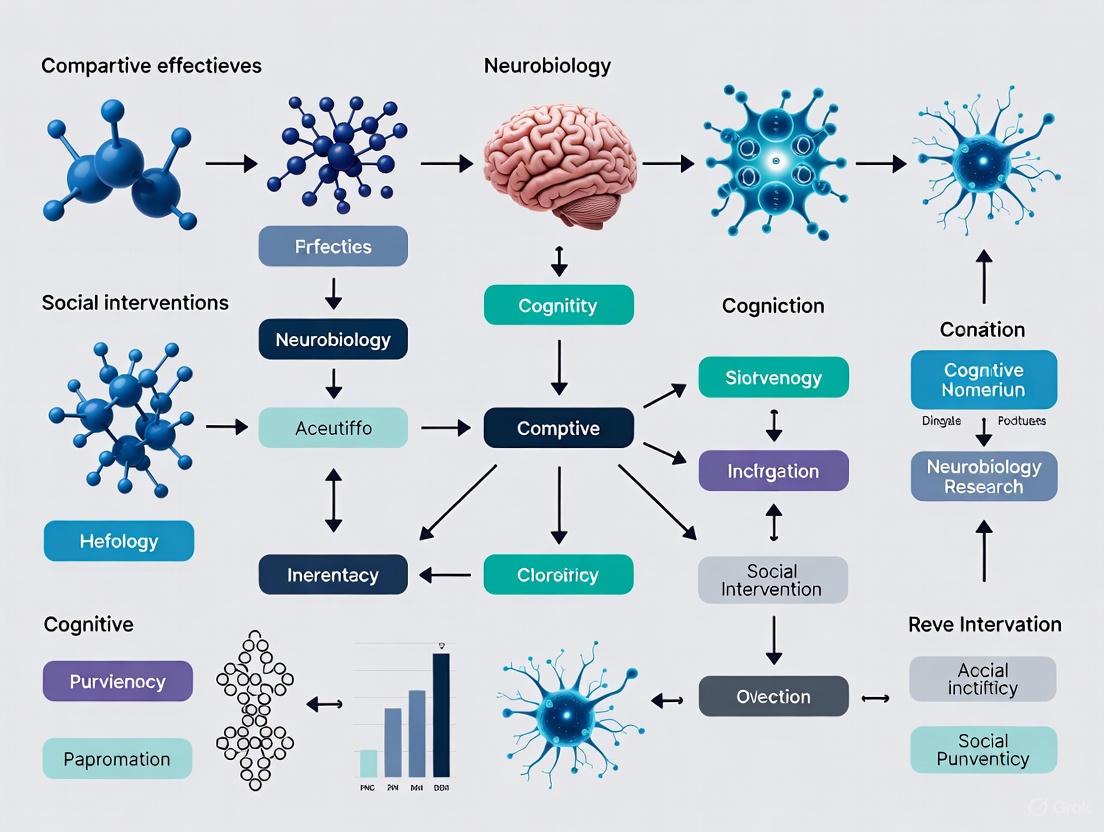
Figure 1: Neural Processing Pathways for Social and Cognitive Information. This diagram illustrates the flow of social and cognitive information through shared and specialized neural systems, culminating in integrated behavioral responses. Key integrative hubs (TPJ, mPFC, PCC) process both social and cognitive information, while specialized systems handle dimensional social analyses.
Comparative Effectiveness of Interventions Targeting Social-Cognitive Systems
Nonpharmacological Interventions for Cognitive Enhancement
Table 2: Efficacy of Interventions Targeting Social-Cognitive Systems
| Intervention Category | Specific Modalities | Effect Size on Global Cognition (SMD) | Primary Neural Targets | Key Experimental Findings |
|---|---|---|---|---|
| Mind-Body Exercise | Tai Chi, Qigong, Baduanjin | 1.384 (0.777-1.992) [7] | Default Mode Network, frontoparietal control networks | Superior for overall cognitive improvement; enhances brain connectivity [7] |
| Cognitive Training Intervention (CTI) | Computerized training, memory tasks | 1.269 (0.736-1.802) [7] | Prefrontal cortex, hippocampal networks | Reduces neurotoxic metabolites (3-HK); enhances neural efficiency [8] |
| Non-Invasive Brain Stimulation | tDCS, rTMS | 1.242 (0.254-2.230) [7] | Targeted cortical excitation/inhibition | Modulates cortical excitability; enhances neuroplasticity [7] |
| Acutherapy (ACU) | Acupuncture, acupressure | 1.283 (0.478-2.088) [7] | Default Mode Network, limbic system | Comparable to mind-body exercise; modulates stress response systems [7] |
| Physical Exercise | Aerobic, resistance training | 0.977 (0.212-1.742) [7] | Hippocampus, prefrontal cortex | Increases BDNF; enhances neurogenesis [8] [9] |
| Meditation | Mindfulness, MBSR | 0.910 (0.097-1.724) [7] | Anterior cingulate, insula, mPFC | Improves attention control; enhances emotional regulation [7] |
| Music Therapy | Active music making, listening | Moderate effect [7] | Auditory cortex, limbic system, reward pathways | Supports memory; modulates emotional processing [7] |
| Dual-Task Training | Motor-cognitive combined | Significant executive function improvement (SMD=1.53) [8] | Prefrontal cortex, parietal regions | Only dual-task mode significantly improving executive function [8] |
Differential Effects by Cognitive Domain
Network meta-analyses reveal specialized intervention efficacy across cognitive domains:
- Resistance Training: Most effective for overall cognitive improvement and inhibitory control [9].
- Aerobic Exercise: Superior for memory function enhancement [9].
- Physical-Mental Training: Most beneficial for working memory and task-switching ability [9].
- Dual Cognitive Task Training: Most effective for global cognition (SUCRA = 79.2%) [8].
- Motor-Cognitive Dual Task Training: Only dual-task intervention with significant executive function improvement [8].
Table 3: Core Methodologies and Reagents for Social-Cognitive Neuroscience Research
| Resource Category | Specific Tools/Assessments | Research Application | Key Capabilities |
|---|---|---|---|
| Neuroimaging Platforms | 3T fMRI with multiband acceleration (Siemens Prisma) [4] | Neural activity mapping during social-cognitive tasks | High-temporal resolution of brain network dynamics; measures BOLD signal |
| Social Cognition Tasks | Theory of Mind (ToM) task [4], False Belief tasks [2] | Mentalizing capacity assessment | Isolates TPJ-mPFC network activity; quantifies mental state inference |
| Reward Processing Tasks | Monetary Incentive Delay (MID) [4] | Reward system function assessment | Measures ventral striatum (expectation) and vmPFC (outcome) responses |
| Naturalistic Paradigms | Movie-based social evaluation [5] | Ecologically valid social processing | Identifies dimensional organization of social relationship processing |
| Cognitive Assessments | Mini-Mental State Examination (MMSE), Montreal Cognitive Assessment (MoCA) [7] | Global cognitive function screening | Standardized cognitive performance metrics across domains |
| Meta-Analytic Tools | Coordinate-Based Meta-Analysis (CBMA) [3] | Cross-study neural convergence identification | Identifies consistent activation patterns across experimental paradigms |
| Statistical Packages | Network Meta-Analysis (NMA) [8] [7] | Intervention efficacy comparison | Direct and indirect treatment comparison across multiple studies |
Integrated Experimental Workflow
Figure 2: Integrated Research Workflow for Social-Cognitive Neuroscience. This diagram outlines a comprehensive methodological pipeline from participant characterization to therapeutic application, emphasizing the multi-method approach required to investigate shared neural substrates of social and cognitive domains.
The overwhelming evidence from neuroanatomical mapping, functional imaging, and intervention studies confirms extensive overlap in neural systems supporting social and cognitive domains. This integration occurs at multiple levels—from shared perceptual processing systems to highly integrated frontoparietal networks that support complex social reasoning and cognitive control. The clinical implications are profound: therapeutic strategies targeting one domain likely produce collateral benefits in the other, and assessment approaches must consider their interdependence. Future research should prioritize dimensional frameworks that transcend traditional diagnostic boundaries, develop more ecologically valid paradigms that capture real-world social-cognitive integration, and leverage network-based approaches to identify critical hubs for targeted interventions. This integrated perspective promises to advance both fundamental understanding of brain organization and development of more effective approaches for disorders affecting social and cognitive functioning.
The escalating global challenge of age-related cognitive decline and dementia necessitates a move beyond singular, pathology-focused interventions. The biopsychosocial model and the cognitive reserve framework provide the essential theoretical underpinnings for this shift, positing that cognitive health is shaped by a complex, dynamic interplay of biological, psychological, and social forces [10] [11]. The cognitive reserve hypothesis further explains how lifetime exposure to enriching experiences builds a resilience buffer, allowing the brain to better withstand age-related changes and pathology [12]. This guide provides a comparative analysis of how these theories are being translated into practical, multi-domain social interventions, with a focus on their experimental protocols and quantitative outcomes for a research-focused audience. We objectively compare the performance of structured versus self-guided approaches, detailing the specific methodologies and reagents that form the toolkit for this evolving field.
Comparative Analysis of Social Interventions in Cognitive Health
The following table summarizes key recent studies that implement the biopsychosocial model, comparing their interventions, designs, and cognitive outcomes.
Table 1: Comparative Summary of Social Intervention Studies for Cognitive Health
| Study/Program | Intervention Type & Duration | Study Design & Participants | Primary Cognitive Outcome Measures | Key Cognitive Findings |
|---|---|---|---|---|
| U.S. POINTER [13] [14] [15] | Structured (STR): 38 facilitated peer meetings, prescribed goals for exercise (aerobic, resistance), MIND diet, BrainHQ cognitive training, social engagement, health monitoring.Self-Guided (SG): 6 peer meetings, encouragement for self-selected changes. (2 years) | Phase 3, single-blind RCT; 5 U.S. sites.N=2,111; Age 60-79 at risk for cognitive decline. | Global Cognitive Composite z-score (executive function, episodic memory, processing speed) | STR improved global cognition more than SG (0.243 SD/year vs. 0.213 SD/year; group difference 0.029 SD/year, P=0.008). STR also showed greater improvement in executive function. Benefits were consistent across age, sex, ethnicity, and APOE ε4 status [13] [15]. |
| StrongerMemory Program [12] | Control: Daily cognitive exercises (reading aloud, writing, math).Intervention: Same daily exercises plus weekly social engagement. (12 weeks) | Randomized Controlled Trial;N=50; Older adults with Subjective Cognitive Decline (SCD). | Montreal Cognitive Assessment (MoCA), Subjective Cognitive Decline Questionnaire (SCD-Q) | Both groups showed significant cognitive improvement. The intervention group (with social engagement) demonstrated significantly better cognitive function (MoCA) post-intervention than the control group (StrongerMemory only), indicating a synergistic effect [12]. |
| Internet Use & Social Participation [16] | Observational Study of internet use and social activity participation. (Longitudinal, 10-year data) | Prospective cohort analysis; 5 databases from 32 countries.N= ~100,000; Adults aged 50+. | Memory, orientation, executive function, global cognitive function | Internet use was associated with better memory, orientation, executive function, and global cognition. The protective effects were strongest when internet use was combined with social activities. Benefits were more pronounced in vulnerable populations (e.g., rural, low-education) [16]. |
Detailed Experimental Protocols
To ensure reproducibility and critical appraisal, this section outlines the detailed methodologies of the key experiments cited.
U.S. POINTER Randomized Clinical Trial
The U.S. POINTER study was a landmark, multi-site, two-year, single-blind randomized clinical trial designed to assess the efficacy of multidomain lifestyle interventions [13] [15].
- Recruitment & Randomization: The trial enrolled 2,111 older adults (May 2019 to March 2023) from five clinical sites across the United States. Participant eligibility was designed to enrich for risk of cognitive decline and included age (60-79 years), sedentary lifestyle, suboptimal diet, and at least two additional criteria related to family history of memory impairment or cardiometabolic risk. Participants were randomly assigned with equal probability to either the Structured (STR, n=1,056) or Self-Guided (SG, n=1,055) intervention groups [15].
- Intervention Protocols:
- Structured Intervention (STR): This was a high-intensity, high-accountability protocol. It included 38 facilitated peer team meetings over two years. Participants were given a prescribed activity program with specific, measurable goals for:
- Physical Exercise: Moderate- to high-intensity aerobic, resistance, and stretching exercises.
- Nutrition: Adherence to the MIND diet (a hybrid of the Mediterranean and DASH diets).
- Cognitive and Social Challenge: Use of BrainHQ computerized cognitive training and engagement in other intellectual and social activities.
- Health Monitoring: Regular review of health metrics and goal-setting with a study clinician [13] [14].
- Self-Guided Intervention (SG): This was a lower-intensity, self-directed protocol. Participants attended six peer team meetings to encourage self-selected lifestyle changes that best fit their needs and schedules. Study staff provided general encouragement but did not provide goal-directed coaching or a prescribed program [13] [14].
- Structured Intervention (STR): This was a high-intensity, high-accountability protocol. It included 38 facilitated peer team meetings over two years. Participants were given a prescribed activity program with specific, measurable goals for:
- Outcome Assessment: The primary outcome was the annual rate of change in global cognitive function, assessed by a composite z-score derived from tests of executive function, episodic memory, and processing speed. Assessments were conducted at baseline and follow-up points over the two-year study period. The primary comparison was the difference in this rate of change between the STR and SG groups [15]. Final follow-up was completed in May 2025, and the analysis was intention-to-treat [15].
StrongerMemory Program with Social Engagement
This study was a 12-week randomized controlled trial examining the additive effect of social engagement to a cognitive training program [12].
- Recruitment & Randomization: Fifty older adults with Subjective Cognitive Decline (SCD) were randomly assigned to either a control group or an intervention group.
- Intervention Protocols:
- Control Group: Participants performed the StrongerMemory program daily. This involved brain exercises designed to target the prefrontal cortex, including reading aloud for 20-30 minutes, writing in a notebook, and solving simple math questions [12].
- Intervention Group: Participants performed the same daily StrongerMemory exercises and additionally participated in weekly social engagement sessions. The nature of these sessions was based on qualitative feedback from a prior phase of the study, which indicated that optional group meetings were highly valued for enhancing motivation and well-being [12].
- Outcome Assessment: Cognitive function, perceived cognitive decline, health behaviors, and emotional well-being were assessed at baseline and post-intervention (12 weeks). The primary cognitive outcomes were measured using the Montreal Cognitive Assessment (MoCA) and the Subjective Cognitive Decline Questionnaire (SCD-Q) [12].
The Scientist's Toolkit: Research Reagent Solutions
This table details key materials and assessment tools used in the featured experiments, providing a reference for research design.
Table 2: Essential Research Materials and Assessment Tools
| Tool / Material | Type/Function | Application in Research |
|---|---|---|
| BrainHQ [13] [14] | Computerized Cognitive Training Platform | Used in the U.S. POINTER study as a standardized, scalable tool to deliver and monitor cognitive challenge, one component of the multidomain intervention. |
| U.S. POINTER Cognitive Composite [13] [15] | Primary Outcome Measure | A standardized composite z-score derived from multiple neuropsychological tests to assess global cognition, specifically measuring executive function, episodic memory, and processing speed. |
| Montreal Cognitive Assessment (MoCA) [12] | Brief Cognitive Screening Tool | Used in the StrongerMemory study to assess global cognitive function and detect changes post-intervention. |
| MIND Diet Protocol [13] [14] | Nutritional Intervention | A prescribed dietary regimen combining elements of the Mediterranean and DASH diets. Served as a standardized, reproducible nutritional component in the U.S. POINTER structured intervention. |
| StrongerMemory Program [12] | Standardized Cognitive Exercise Protocol | A manualized set of daily activities (reading aloud, writing, math) used to ensure consistent delivery of the cognitive training stimulus across participants. |
| Brief Community Screening Instrument for Dementia (BCSI-D) [11] | Community Dementia Screening Tool | Employed in population-level cross-sectional studies (e.g., the Weifang study) to identify dementia cases in a community setting, incorporating both cognitive and informant sections. |
Mechanistic Pathways: From Intervention to Cognitive Outcome
The biopsychosocial interventions detailed above exert their effects through interconnected biological, psychological, and social pathways. The following diagram maps these proposed mechanisms, illustrating how structured lifestyle components and social engagement converge to enhance cognitive reserve and function.
Discussion and Future Directions
The comparative data clearly demonstrate that structured, multi-domain interventions yield superior cognitive benefits compared to self-guided approaches, as evidenced by the U.S. POINTER trial's significant group difference [13] [15]. A critical finding for researchers and clinicians is that the social component acts synergistically with other lifestyle factors; the StrongerMemory program showed significantly greater cognitive improvement when cognitive exercises were paired with weekly social engagement [12]. Furthermore, large-scale observational data confirms that combining different modes of engagement—such as internet use with social activities—maximizes protective effects [16].
Future research must focus on personalizing these interventions, as suggested by U.S. POINTER's finding of greater benefit in those with lower baseline cognition [15]. The next frontier lies in combining multidomain lifestyle interventions with emerging pharmacotherapies, a strategy that requires close collaboration between lifestyle researchers and drug development professionals [13]. Finally, translating these proven protocols into scalable, accessible public health programs and validating digital tools for delivery and monitoring present significant opportunities for innovation and impact.
The escalating global burden of age-related cognitive decline and dementia has intensified the search for effective, accessible intervention strategies. Among non-pharmacological approaches, social activities have emerged as a promising protective factor for cognitive health in older adults. This review examines the comparative effectiveness of social interventions on cognitive function, with a specific focus on elucidating the mediating roles of mental health and physical activity within this relationship. A growing body of evidence suggests that the cognitive benefits of social engagement operate through multiple, interconnected pathways rather than through direct effects alone. Understanding these mechanisms is crucial for optimizing interventions and developing targeted strategies for researchers and drug development professionals working in cognitive health. This analysis synthesizes findings from recent landmark studies, longitudinal investigations, and clinical trials to provide a comprehensive framework for how socially engaged lifestyles contribute to the preservation of cognitive function across the lifespan.
Theoretical Framework and Key Pathways
The relationship between social activities and cognitive functioning is conceptually underpinned by several theoretical models. The cascading causal process model of social integration and health provides a foundational framework, suggesting that social engagement influences health through multiple interconnected pathways [17]. This model proposes both behavioral pathways (such as the promotion of physical activity) and psychological pathways (such as the improvement of mental health) as mechanisms through which social connectedness ultimately benefits cognitive health [17].
Complementing this, the "use it or lose it" theory suggests that social engagement itself provides direct cognitive stimulation by challenging the brain through complex interactions, social cue interpretation, and conversation, thereby potentially enhancing cognitive reserve [17]. The cognitive enrichment hypothesis further supports this perspective, proposing that despite age-related neurological changes, cognitive functioning can be positively influenced by lifestyle factors and behaviors, including social engagement [17].
As illustrated in Figure 1, these theoretical perspectives converge to describe a network of pathways through which social activities influence cognitive function.
Figure 1. Theoretical Pathways Linking Social Activities to Cognitive Function. This diagram illustrates the primary direct and indirect pathways through which social activities influence cognitive functioning, based on established theoretical models.
Comparative Analysis of Social Intervention Modalities
Structured Versus Self-Guided Lifestyle Interventions
The U.S. POINTER (U.S. Study to Protect Brain Health Through Lifestyle Intervention to Reduce Risk) study represents a landmark randomized clinical trial that directly compared two distinct lifestyle intervention approaches in older adults at risk for cognitive decline [14] [13] [15]. This two-year, multi-site trial enrolled 2,111 participants aged 60-79 years who had sedentary lifestyles and suboptimal diets, with additional risk factors for cognitive decline [15]. The study employed a single-blind, randomized design with high retention (89% at two years) and was conducted across five U.S. academic centers [15].
Table 1: U.S. POINTER Trial Intervention Components and Cognitive Outcomes
| Intervention Component | Structured Intervention | Self-Guided Intervention | Cognitive Outcomes |
|---|---|---|---|
| Structure & Support | 38 facilitated peer team meetings over 2 years; prescribed activity program with measurable goals; goal-directed coaching [14] [13] | 6 peer team meetings; self-selected lifestyle changes; general encouragement without specific coaching [14] [13] | Structured intervention showed statistically significantly greater improvement in global cognition (0.029 SD per year greater increase, P=0.008) [15] |
| Physical Activity | Prescribed aerobic, resistance, and stretching exercise with specific goals [14] [13] | Encouraged self-selected physical activity fitting personal schedule [14] [13] | Both groups improved, with structured approach showing advantage [15] |
| Cognitive Engagement | Structured cognitive challenge through BrainHQ training and other intellectual/social activities [14] [13] | General encouragement of cognitive and social activities [14] [13] | Executive function improved more in structured group (0.037 SD per year greater increase) [15] |
| Social Components | Integrated social engagement through regular team meetings and group activities [14] [13] | Minimal structured social components [14] [13] | Social engagement recognized as core component of effective intervention [14] |
| Diet & Health Monitoring | Adherence to MIND diet; regular health metrics review with clinician [14] [13] | General encouragement of healthy eating [14] [13] | Both approaches incorporated nutritional components [14] |
The U.S. POINTER trial demonstrated that while both structured and self-guided multidomain lifestyle interventions improved cognitive function in at-risk older adults, the structured intervention with greater social support and accountability produced statistically significant greater benefits on global cognition [15]. The cognitive benefits were consistent across various subgroups, including those defined by age, sex, ethnicity, heart health status, and APOE ε4 genotype [13].
Social Activity Types and Their Differential Effects
Longitudinal studies have helped elucidate how different types of social activities influence cognitive function through varying pathways. Research utilizing data from the China Health and Retirement Longitudinal Study (CHARLS) has provided insights into how specific social activities differentially impact cognitive outcomes, with particular attention to depression as a mediating variable [18].
Table 2: Differential Effects of Social Activity Types on Cognitive and Mental Health Outcomes
| Social Activity Type | Primary Pathway | Effect Size & Significance | Mediating Role of Depression |
|---|---|---|---|
| Conversations with friends | Psychological/Direct | Non-linear inverse relationship with cognitive impairment and depression risk [18] | Significant mediation through reduced depressive symptoms [18] |
| Community club participation | Behavioral/Psychological | Associated with improved mental health and cognitive scores [18] | Partial mediation through mental health improvement [18] |
| Games (chess, cards, mahjong) | Cognitive/Direct | Cognitively stimulating activities had greatest positive effects on mental health [18] | Significant mediation through reduced depression [18] |
| Visiting social/sports clubs | Behavioral/Physical | Physically stimulating activities had substantial benefits [18] | Associated with lower depression trajectories [18] |
| Volunteer/altruistic work | Psychological/Behavioral | Associated with better mental health and more physical activity [17] | Indirect effects through improved mental health and physical activity [17] |
| Assisting friends/relatives | Psychological | Provided meaning and purpose, improving emotional well-being [18] | Correlation with lower depressive symptoms [18] |
The CHARLS study analysis revealed a non-linear inverse relationship between social activity participation and both cognitive impairment and depression risk, with depression significantly mediating the relationship between social engagement and cognitive function [18]. The findings indicated that cognitively stimulating activities (e.g., games) and physically stimulating activities (e.g., visiting sports clubs) had the greatest positive effects on mental health and cognitive outcomes [18].
Experimental Evidence for Pathway Mechanisms
The Mental Health Mediation Pathway
Substantial evidence supports the role of mental health, particularly reduced depressive symptoms, as a critical mediator in the relationship between social activities and cognitive function. A comprehensive analysis of the CHARLS data examining 7,019 participants found that depression serves as a significant mediator between social activity participation and cognitive performance [18]. The study demonstrated that social activity participation was non-linearly inversely related to both cognitive impairment and depression risk, with cognitive function and social activities significantly mediated by depression [18].
The mental health pathway operates through several mechanisms. Social activities provide enjoyment, improve mood, present contexts for sharing rewarding moments with others, and allow investment in personal interests [17]. These psychologically beneficial effects subsequently impact cognitive performance, as cognition can be hampered by negative affect while positive attitudes and beliefs are positively linked to late-life cognition [17]. Research has consistently shown that higher levels of depressive symptoms are associated with more rapid cognitive decline among older adults [17].
The Physical Activity Pathway
The behavioral pathway through physical activity represents another significant mechanism linking social engagement to cognitive health. The Survey of Health, Ageing and Retirement in Europe (SHARE) study, which utilized three waves of data from 2011, 2015, and 2015, found that engaging in social activities was related to better mental health and more physical activities two years later, which were subsequently related to better cognitive performance [17]. This pathway operates through several behavioral mechanisms:
- Social facilitation of exercise: Social activities induce a more physically active life through transportation to and from activities, participation in trips or sports, and providing companions for physical activities [17].
- Social support-based physical activity: A specialized intervention study for obese older adults with cognitive impairment demonstrated that social support-based physical activity programs significantly increased participation in leisure-time physical activity, which subsequently reduced cognitive decline and depression severity [19].
- Environmental promotion: The World Health Organization cites sports or social clubs as favorable environments to promote physical activity, creating a reinforcing cycle between social engagement and physical activity [17].
The physical activity pathway gains additional significance from evidence that aerobic exercise increases brain-derived neurotrophic factor (BDNF), which is involved in neurogenesis, synaptogenesis, and dendritic branching, resulting in increased learning-related plasticity [20].
Combined and Sequential Effects
Research examining combined interventions has revealed the potential for synergistic effects when social, physical, and cognitive elements are integrated. A systematic review and multilevel meta-analysis of 50 intervention studies involving 6,164 healthy older adults found that combined cognitive-physical training produced a small advantage compared to single cognitive training on executive functions [20]. Importantly, the analysis revealed that training was more advantageous for all cognitive and physical outcomes when performed in a social context [20].
The sequencing of activities may also influence their effectiveness. Evidence suggests that the release of BDNF serum is higher when physical exercise precedes cognitive training than vice versa, indicating that physical exercise may have a facilitating effect on subsequent cognitive interventions [20]. This finding has important implications for designing multi-component interventions that strategically sequence social, physical, and cognitive elements.
Methodological Approaches and Research Tools
Key Experimental Protocols
Research examining the pathways between social activities and cognition has employed various methodological approaches, each with distinct strengths and limitations:
Longitudinal Observational Studies:
- Protocol: The SHARE study utilized three waves of data collected biennially, focusing on respondents aged 60 and older. Cognitive functioning was assessed via immediate recall, delayed recall, and fluency tests, while social activities were measured by volunteering and attending social clubs [17].
- Analysis: Data were analyzed using structural equation modeling (SEM) to test mediation pathways, allowing for examination of both direct and indirect effects over time [17].
- Strengths: Naturalistic setting, longitudinal design enabling examination of temporal sequences.
- Limitations: Inability to establish causal relationships, potential confounding variables.
Randomized Controlled Trials:
- Protocol: The U.S. POINTER trial employed a single-blind, multicenter randomized clinical design with participants assigned to either structured or self-guided interventions for two years [15].
- Measures: The primary outcome was the annual rate of change in global cognitive function, assessed by a composite measure of executive function, episodic memory, and processing speed [15].
- Strengths: High internal validity, ability to establish causality, controlled implementation.
- Limitations: High resource demands, potential limited generalizability.
Social Support-Based Intervention Studies:
- Protocol: The Thailand study implemented a 4-week social support-based physical activity program for obese older adults with cognitive impairment, with specific assessment timepoints at baseline and post-intervention [19].
- Measures: Levels of physical activity, cognition (MMSE), and depression were tested across intervention and control groups [19].
- Strengths: Focus on specific mechanisms, ability to test targeted interventions.
- Limitations: Smaller sample sizes, shorter duration.
The Scientist's Toolkit: Essential Research Reagents and Assessments
Table 3: Key Methodological Tools for Social Activity and Cognition Research
| Assessment Category | Specific Tools | Primary Application | Key Features |
|---|---|---|---|
| Cognitive Function | Mini-Mental State Examination (MMSE) [19] [18] | Global cognitive screening | Assesses orientation, attention, calculation, recall, language; education-adjusted cut-offs available |
| Immediate and Delayed Recall Tests [17] | Episodic memory assessment | Measures ability to recall information after different intervals | |
| Verbal Fluency Tests [17] | Executive function and language | Assesses lexical access and cognitive flexibility | |
| Mental Health | CES-D 10 (Center for Epidemiologic Studies Depression Scale) [18] | Depressive symptom screening | 10-item scale with scores 0-30; cut-off >10 indicates depression |
| Mental Health Inventories | Psychological well-being | Various validated scales for anxiety, stress, positive affect | |
| Social Activities | Social Activity Participation Scales [18] | Frequency and diversity of social engagement | Assesses multiple activity types with frequency ratings |
| Social Support Questionnaires | Perceived and received support | Measures emotional, instrumental, and informational support | |
| Physical Activity | Leisure-Time Physical Activity Assessments [19] | Exercise participation outside essential activities | Quantifies frequency, duration, and intensity of voluntary activity |
| Accelerometers/Activity Monitors | Objective activity measurement | Provides precise data on movement intensity and patterns |
The evidence synthesized in this review demonstrates that social activities influence cognitive functioning through multiple interconnected pathways, with mental health and physical activity serving as significant mediators. The comparative effectiveness of different social intervention approaches reveals a gradient of benefit, with structured, supported interventions generally producing stronger effects than self-guided approaches, though both demonstrate value. The differential impacts of various social activity types suggest that interventions may be optimized by prioritizing activities that provide both cognitive stimulation and physical engagement.
For researchers and drug development professionals, these findings highlight several critical considerations. First, the multidomain nature of effective interventions suggests that combination approaches targeting social, physical, and cognitive domains simultaneously may yield the greatest benefits. Second, the mediating role of depression indicates that mental health screening and treatment should be integrated into cognitive health initiatives. Third, the importance of social support and accountability structures suggests that intervention feasibility and adherence may be enhanced through group-based formats with professional guidance.
Future research should continue to elucidate the optimal combination, sequencing, and dosing of social intervention components, with particular attention to individual differences in baseline cognition, genetic risk factors, and socioeconomic resources. The development of precisely targeted social intervention strategies represents a promising avenue for reducing the global burden of cognitive decline and dementia.
The Social Brain Hypothesis proposes that the cognitive demands of living in complex social groups were a primary driver of primate brain evolution [21]. This article examines the enduring link between social complexity and cognitive development, comparing the effectiveness of modern social interventions against other approaches for enhancing cognitive function.
Defining Social Complexity and the Social Brain
Social complexity refers to the intricate and interconnected nature of social systems, where various elements—individuals, institutions, cultural norms—interact in dynamic, non-linear ways, giving rise to emergent properties that cannot be understood by examining parts in isolation [22]. In evolutionary terms, this is often manifested through the need to track relationships, form strategic alliances, and navigate multi-layered social hierarchies [23].
The Social Brain Hypothesis (SBH) posits that managing these complex social environments selected for larger brains and advanced cognitive skills, such as transitive inference and manipulation, to support more complex social systems [21]. For decades, this was a dominant explanation for the evolutionary increase in brain size among primates, supported by correlations between social group size and relative brain size [21].
However, the evolutionary picture is not entirely clear-cut. Recent large-scale analyses have introduced inconsistencies, with some studies suggesting that ecological factors, such as dietary complexity and foraging strategies, may be stronger predictors of relative brain and neocortex size than sociality [21]. This has led to a more nuanced understanding, where sociality may influence the evolution of specific neural systems without necessarily impacting overall brain size [21]. Furthermore, critiques highlight that assumptions about primate social complexity can be anthropocentric, potentially conflating ultimate and proximate mechanisms and over-relying on high-level cognitive explanations for social behaviors [23].
Comparative Effectiveness: Social vs. Other Interventions
Modern clinical research provides a lens through which to test the enduring link between social complexity and cognitive function. The following table summarizes key experimental data from recent multi-domain lifestyle intervention trials, which often include a social component.
Table 1: Comparison of Multi-Domain Lifestyle Intervention Trials
| Trial Name | Intervention Type | Duration | Primary Cognitive Outcome | Key Finding on Social Intervention |
|---|---|---|---|---|
| U.S. POINTER [13] [14] | Structured vs. Self-Guided Lifestyle | 2 years | Global Cognitive Composite Score | The structured intervention, with 38 facilitated peer team meetings, showed significantly greater improvement (0.029 SD/year, p=0.008) than the self-guided program with 6 meetings. |
| StrongerMemory Program [12] | Cognitive Training with vs. without Social Engagement | 12 weeks | MoCA Score | The group receiving cognitive training plus weekly social engagement showed significantly better cognitive function than the cognitive-training-only group. |
These studies demonstrate a clear pattern: interventions that incorporate structured social engagement consistently show superior cognitive benefits. The U.S. POINTER trial underscores that the intensity and structure of the social component matter, with greater support and accountability leading to stronger outcomes [13]. The StrongerMemory program specifically isolated the effect of social engagement, revealing its synergistic benefit when combined with cognitive training, enhancing both cognitive function and emotional well-being [12].
Table 2: Comparative Effectiveness of Different Intervention Components
| Intervention Domain | Proposed Mechanism of Action | Evidence of Cognitive Benefit |
|---|---|---|
| Structured Social Engagement | Enhances motivation, provides cognitive challenge through interaction, manages stress, and promotes healthy behaviors [12]. | Strong evidence from multiple RCTs for improving global cognition and executive function [13] [12]. |
| Physical Exercise | Increases blood flow to the brain, promotes neurotrophic factors, supports cardiovascular health [13] [14]. | A core component of effective multi-domain interventions; benefit is well-established. |
| Cognitive Training (e.g., BrainHQ) | Directly challenges and exercises specific cognitive skills, potentially building cognitive reserve [12]. | Effective, though combining it with social engagement may yield greater benefits than training alone [12]. |
| Nutrition (e.g., MIND Diet) | Reduces inflammation and oxidative stress, provides essential nutrients for brain health [14]. | A core component of effective multi-domain interventions; benefit is well-established. |
Experimental Protocols and Methodologies
To evaluate the comparative effectiveness of social interventions, researchers employ rigorous randomized controlled trial (RCT) designs.
Protocol 1: Structured Multi-Domain Lifestyle Intervention
The U.S. POINTER trial serves as a benchmark for large-scale, multi-domain studies [13] [14].
- Objective: To compare the effects of a structured, high-intensity lifestyle intervention versus a self-guided program on global cognitive function in older adults at risk for cognitive decline.
- Participant Selection: Enrolled 2,111 older adults (60-79 years) who were sedentary, had a suboptimal diet, and had a family history of memory impairment. The cohort was diverse (68.9% female, 30.8% from ethnoracial minority groups) [13].
- Randomization: Participants were randomly assigned to either the Structured Lifestyle Intervention (STR, n=1,056) or the Self-Guided Intervention (SG, n=1,055) [13].
- Intervention Arms:
- Structured Group: Participants attended 38 facilitated peer team meetings over two years. They followed a prescribed program with measurable goals for aerobic exercise, strength training, adherence to the MIND diet, and cognitive training using BrainHQ. Study clinicians provided regular monitoring and goal-setting [13] [14].
- Self-Guided Group: Participants attended six peer team meetings to encourage self-selected lifestyle changes with general encouragement but no goal-directed coaching from staff [13].
- Outcome Measures: The primary outcome was a global cognitive composite score. Secondary outcomes included executive function, processing speed, and memory, assessed longitudinally over the two-year study period [13].
Protocol 2: Isolating the Social Component
The StrongerMemory Phase II trial was designed to directly test the additive effect of social engagement [12].
- Objective: To examine whether adding weekly social engagement to a cognitive training program enhances cognitive, behavioral, and emotional outcomes.
- Participant Selection: 50 older adults with Subjective Cognitive Decline (SCD) were recruited.
- Randomization: Participants were randomly assigned to a control group (StrongerMemory only) or an intervention group (StrongerMemory plus weekly social engagement).
- Intervention Arms:
- Control Group: Completed the StrongerMemory program, which involves daily reading aloud, writing, and solving math questions for 20-30 minutes.
- Intervention Group: Completed the same daily StrongerMemory exercises plus weekly group-based social engagement activities.
- Outcome Measures: Cognitive function was assessed using the MoCA test and a perceived cognitive decline questionnaire. Emotional well-being was also measured. Assessments occurred at baseline and after the 12-week intervention [12].
Theoretical Pathways and Experimental Workflows
The connection between social complexity and cognitive function can be understood through several theoretical pathways, which are tested via standardized experimental workflows.
Diagram: Social Intervention Pathways to Cognitive Benefit
This diagram illustrates the proposed mechanisms through which structured social interventions outperform self-guided approaches. They create a reinforcing cycle that enhances motivation, provides rich cognitive stimulation, buffers against stress, and encourages other health-promoting behaviors, collectively building cognitive reserve [12].
Diagram: RCT Workflow for Multi-Domain Interventions
This workflow depicts the standard methodology for trials like U.S. POINTER and StrongerMemory. The critical step is randomization into groups receiving different intervention intensities, allowing researchers to isolate the effect of structured support, including social engagement, by comparing outcomes after a sustained period [13] [12].
The Scientist's Toolkit: Research Reagent Solutions
For researchers aiming to investigate this field, the following table details key materials and their functions.
Table 3: Essential Research Materials and Assessments
| Research Tool | Function in Investigation | Example Use Case |
|---|---|---|
| Global Cognitive Composite Score | A primary outcome measure that combines results from several individual cognitive tests into a single, reliable score to increase statistical power. | Used as the primary endpoint in the U.S. POINTER trial to measure overall intervention effect [13]. |
| Montreal Cognitive Assessment (MoCA) | A widely used screening tool to detect mild cognitive impairment. It assesses multiple cognitive domains including memory, executive functions, and attention. | Employed in the StrongerMemory trial to assess cognitive function pre- and post-intervention [12]. |
| CSF Aβ1-42 and Tau Biomarkers | Cerebrospinal fluid assays that measure core pathological hallmarks of Alzheimer's Disease (amyloid plaques and neurofibrillary tangles) years before clinical symptoms. | Used in observational studies to stage AD pathology and track progression, linking biological change to cognitive performance [24] [25]. |
| FDG-PET & Structural MRI | Neuroimaging techniques to measure brain metabolism (FDG-PET) and structural changes (MRI), such as hippocampal or whole brain volume, serving as proxies for neuronal health and neurodegeneration. | Utilized as secondary biomarkers to provide objective, biological evidence of intervention effects on the brain [24]. |
| Social Engagement Metrics | Quantitative and qualitative measures of social interaction, such as frequency of group attendance, quality of social networks, or participant feedback from focus groups. | Critical for correlating the "dose" and quality of social interaction with cognitive and emotional outcomes [12]. |
The evolutionary pressure of social complexity, as articulated by the Social Brain Hypothesis, finds compelling modern validation in clinical research. While the evolutionary debate continues, with ecological factors playing a significant role, evidence from rigorous clinical trials consistently demonstrates that structured social engagement is a powerful active ingredient in multi-domain interventions designed to protect cognitive health. For researchers and drug developers, this underscores the necessity of considering socially complex, multi-factorial approaches. The future of cognitive intervention likely lies not in a single silver bullet, but in combination strategies that integrate pharmacological agents with the powerful, naturally evolved stimulus of social connection.
From Bench to Bedside: Designing and Evaluating Social Interventions in Research
In the field of comparative effectiveness research for social interventions and cognitive function, methodological triangulation has become increasingly critical for robust evidence generation. While randomized controlled trials (RCTs) have traditionally been regarded as the gold standard for establishing efficacy, the research community now recognizes the indispensable value of real-world evidence (RWE) and systematic reviews with meta-analyses (SRMAs) for providing a complete picture of intervention effectiveness [26] [27]. This evolution reflects a paradigm shift from a rigid evidence hierarchy toward a more complementary framework where each methodology addresses specific research questions and compensates for the limitations of others.
The growing importance of this integrated approach is particularly evident in complex research areas such as social cognition interventions and cognitive function studies, where external validity and long-term outcomes are as important as internal validity [28] [29]. This guide provides a comprehensive comparison of these methodological approaches, offering researchers, scientists, and drug development professionals a practical framework for selecting and combining these evidence sources in cognitive and social intervention research.
Methodological Foundations and Comparative Frameworks
Defining the Evidence Spectrum
The three primary evidence-generating methodologies differ fundamentally in their design, implementation, and analytical approaches:
Randomized Controlled Trials (RCTs) are experimental studies where investigators randomly assign participants to intervention or control groups to examine causal effects under controlled conditions [30]. The key strength of RCTs lies in their ability to balance both known and unknown confounders at baseline through randomization, thereby ensuring high internal validity [26] [31].
Real-World Studies (RWS) encompass observational research that examines the effects of interventions, exposures, or social factors in routine clinical or community settings without artificial constraints [32]. Unlike RCTs, the investigator does not assign the exposure; instead, they observe and analyze naturally occurring variations [30] [31]. These studies include analysis of electronic health records (EHRs), administrative claims data, patient registries, and prospective observational cohorts [33] [32].
Systematic Reviews and Meta-Analyses (SRMAs) represent a higher-order evidence synthesis that systematically identifies, appraises, and synthesizes all relevant studies on a specific research question [26]. A well-conducted SRMA involves a comprehensive literature search across multiple databases, assessment of clinical and statistical heterogeneity, evaluation of risk of bias, and quantitative pooling of results (meta-analysis) when appropriate [26].
Comparative Analysis of Methodological Approaches
Table 1: Core Characteristics and Applications of Evidence Generation Methodologies
| Characteristic | Randomized Controlled Trials | Real-World Studies | Systematic Reviews/Meta-Analyses |
|---|---|---|---|
| Primary Purpose | Establish efficacy under ideal conditions | Evaluate effectiveness in routine practice | Synthesize and quantify evidence across studies |
| Internal Validity | High (due to randomization) | Variable (subject to confounding) | Depends on included studies' quality |
| External Validity | Often limited by strict eligibility criteria | Generally high | Variable, but broader perspective |
| Time Requirements | Typically years | Months to years | Months to years |
| Cost Considerations | High | Moderate to high | Low to moderate |
| Data Sources | Primary data collection | EHRs, claims, registries, surveys | Existing published/unpublished studies |
| Ideal Applications | Regulatory approval, efficacy establishment | Comparative effectiveness, safety surveillance, patterns of care | Guidelines development, resolving conflicting evidence |
Table 2: Key Strengths and Limitations Across Methodologies
| Methodology | Key Strengths | Principal Limitations |
|---|---|---|
| RCTs | Controls for known and unknown confounders; establishes causality; reduces selection bias | Often exclude complex patients; may not reflect real-world use; expensive and time-consuming; ethical constraints for some questions |
| Real-World Studies | Broader generalizability; assesses long-term outcomes; suitable when RCTs infeasible/unethical; can study rare outcomes | Susceptible to confounding and bias; data quality issues; missing data challenges; requires sophisticated methods |
| Systematic Reviews/Meta-Analyses | Increases statistical power; assesses consistency across studies; informs guidelines and policy | Limited by quality of included studies; potential for publication bias; methodological heterogeneity between studies |
Methodological Protocols and Experimental Designs
Randomized Controlled Trial Methodology
Protocol Overview: The fundamental principle of RCTs is random allocation of participants to intervention and control groups, which minimizes selection bias and ensures balance in both known and unknown baseline characteristics [30]. The standard protocol includes:
Protocol Registration and Ethical Approval: Preregistration of the trial design, primary outcomes, and analysis plan before participant enrollment on platforms like ClinicalTrials.gov to reduce selective reporting bias [26].
Participant Selection: Implementation of explicit inclusion and exclusion criteria to define the target population. While this enhances internal validity, it often limits generalizability by excluding elderly, critically ill, or complex patients commonly seen in practice [26] [27].
Randomization Procedures: Use of computer-generated randomization sequences, often with stratification for key prognostic factors and allocation concealment to prevent foreknowledge of treatment assignment.
Blinding Methods: When feasible, implementation of single-blind (participant) or double-blind (participant and outcome assessor) procedures to minimize performance and detection bias.
Outcome Assessment: Standardized measurement of predefined primary and secondary endpoints using validated instruments, with particular attention to maintaining consistency in assessment timing and methods across study arms.
Innovative Adaptations: Recent methodological innovations include adaptive trials with predetermined modifications based on interim analyses, sequential trials that allow for early stopping when sufficient evidence accumulates, and platform trials that evaluate multiple interventions simultaneously within a disease domain [30] [31]. The emergence of pragmatic trials blends elements of traditional RCTs with real-world considerations by conducting randomized comparisons in routine practice settings with minimal additional restrictions [32].
Real-World Study Methodology
Protocol Overview: Real-world studies employ various observational designs to evaluate interventions or exposures as they occur naturally in clinical practice, without investigator-imposed controls [32]. Core methodological considerations include:
Data Source Selection: Identification of appropriate real-world data sources such as electronic health records (EHRs), administrative claims databases, disease registries, or prospectively collected cohort data [33] [32]. Each source offers different strengths and limitations for complete outcome capture.
Cohort Definition: Application of specific eligibility criteria to define the study population based on diagnoses, procedures, prescriptions, or other relevant characteristics recorded in the data source.
Exposure Classification: Accurate identification of the intervention, treatment, or exposure of interest using validated coding algorithms, with careful attention to timing, dose, and duration when relevant.
Outcome Ascertainment: Identification of relevant health outcomes using validated coding algorithms, with particular attention to sensitivity and specificity of outcome definitions.
Confounder Adjustment: Implementation of advanced statistical methods to address confounding, including propensity score matching, inverse probability weighting, instrumental variable analysis, and other causal inference methods [30] [31]. The use of Directed Acyclic Graphs (DAGs) helps researchers explicitly define assumed relationships between variables [31].
Target Trial Emulation: An increasingly influential approach involves designing observational studies to emulate the hypothetical target RCT that would answer the research question, including explicit definition of inclusion criteria, treatment strategies, outcomes, and follow-up periods [33].
Systematic Review and Meta-Analysis Methodology
Protocol Overview: SRMAs follow rigorous, predetermined protocols to minimize bias in the identification, selection, and synthesis of available evidence [26]. The standard methodology includes:
Protocol Registration: Publication or registration of the detailed study protocol before commencement, specifying the research question, search strategy, inclusion criteria, and planned analysis methods using platforms like PROSPERO [26].
Comprehensive Search Strategy: Systematic searching of multiple electronic databases (e.g., Medline, Embase, Cochrane Central) supplemented by hand-searching of reference lists and consultation with topic experts to identify both published and unpublished studies [26].
Study Selection Process: Implementation of predetermined inclusion and exclusion criteria using a dual-independent reviewer system to minimize selection bias, with documentation of reasons for exclusion.
Data Extraction and Quality Assessment: Standardized extraction of relevant study characteristics, outcomes, and methodological details, coupled with critical appraisal of study quality and risk of bias using validated tools [26].
Data Synthesis and Analysis: Qualitative synthesis of evidence followed by quantitative synthesis (meta-analysis) when studies are sufficiently homogeneous. This includes calculation of summary effect estimates, assessment of statistical heterogeneity (I² statistic), and exploration of heterogeneity through subgroup analysis and meta-regression [26].
Evidence Grading: Application of formal evidence grading systems such as GRADE (Grading of Recommendations Assessment, Development and Evaluation), which classifies evidence certainty as high, moderate, low, or very low based on study limitations, inconsistency, indirectness, imprecision, and publication bias [26].
Visualizing Methodological Relationships and Applications
Figure 1: Complementary Evidence Generation to Decision-Making Pathway
Research Reagents and Methodological Tools
Table 3: Essential Methodological Tools for Evidence Generation
| Tool Category | Specific Tools/Resources | Primary Applications | Key Considerations |
|---|---|---|---|
| Trial Registries | ClinicalTrials.gov, WHO ICTRP | RCT protocol registration, results reporting | Reduces publication bias; enables tracking of ongoing studies |
| Quality Assessment Tools | Cochrane Risk of Bias, ROBINS-I, AMSTAR-2 | Critical appraisal of study methodology | Identifies methodological limitations; informs evidence grading |
| Data Sources | Electronic Health Records, claims databases, patient registries | Real-world evidence generation | Variable completeness; requires validation |
| Analytical Methods | Propensity scores, instrumental variables, E-values | Confounding adjustment in observational studies | E-values quantify unmeasured confounding sensitivity |
| Reporting Guidelines | CONSORT, STROBE, PRISMA | Standardized research reporting | Enhances transparency and reproducibility |
| Evidence Grading Frameworks | GRADE system | Translating evidence to recommendations | Systematically evaluates certainty of evidence |
Applications in Cognitive and Social Intervention Research
The comparative strengths of these methodological approaches are particularly evident in research on social interventions for cognitive function, where complex interventions interact with diverse patient factors and real-world implementation challenges.
In autism spectrum condition (ASC) research, RCTs have demonstrated efficacy of cognitive remediation interventions for improving social cognition and cognitive flexibility [29]. However, real-world studies complement these findings by providing insights into how these interventions perform in heterogeneous clinical populations with varying cognitive profiles and comorbid conditions [29]. Systematic reviews further contextualize these findings by synthesizing evidence across multiple studies to identify consistent effects and remaining knowledge gaps [29].
Similarly, in Alzheimer's disease and related dementias (ADRD), observational studies have identified strong associations between social engagement, social activities, and reduced cognitive decline risk, whereas evidence for social support has been less consistent [28]. These findings illustrate how different components of social connection may variably impact cognitive outcomes—distinctions that might be obscured in traditional RCTs but emerge from synthesis of multiple study designs [28].
The evolving landscape of comparative effectiveness research for social interventions and cognitive function increasingly rejects methodological tribalism in favor of evidence triangulation. No single study design can answer all relevant clinical and policy questions; rather, the conscientious integration of RCTs, real-world studies, and systematic reviews provides the most robust foundation for decision-making [31].
Future methodological developments will likely further blur traditional boundaries between experimental and observational paradigms through innovations such as embedding RCTs within real-world data systems, using real-world evidence as external control arms, and applying causal inference methods to strengthen observational designs [33] [31]. For researchers, scientists, and drug development professionals, the imperative is to match methodological approach to research question while maintaining rigorous standards for design, analysis, and interpretation across all evidence sources.
The growing global prevalence of mild cognitive impairment (MCI) and dementia has accelerated research into non-pharmacological interventions that can protect cognitive health. This comparative analysis examines two distinct but complementary approaches: targeted integrated social-art programs and comprehensive multi-domain lifestyle trials. While social-art interventions represent a focused methodology leveraging creative expression and social interaction, multi-domain lifestyle interventions take a holistic approach addressing multiple risk factors simultaneously. Understanding the relative strengths, experimental protocols, and outcomes of these modalities provides critical insights for researchers, clinicians, and drug development professionals working to combat cognitive decline. The evidence suggests that intervention structure, intensity, and sustainability mechanisms significantly influence cognitive outcomes, with implications for both clinical practice and future research directions.
Comparative Analysis of Intervention Modalities
The table below summarizes the key characteristics of three prominent studies representing different intervention approaches.
| Intervention Characteristic | Integrated Social-Art Program [34] [35] | Multi-Domain Lifestyle (U.S. POINTER) [13] [14] [15] | Cognitive Training + Social Engagement [12] |
|---|---|---|---|
| Intervention Type | Integrated social-art activities | Structured vs. self-guided multi-domain lifestyle | Cognitive training with added social engagement |
| Target Population | Older adults with MCI in nursing homes (median age 86.5) | Older adults at risk for cognitive decline (age 60-79, mean 68.2) | Older adults with subjective cognitive decline |
| Sample Size | 80 participants | 2,111 participants | 50 participants |
| Duration & Frequency | 14 weeks, 28 sessions (60 min each) | 2 years, 38 facilitated meetings (structured) | 12 weeks, daily cognitive training + weekly social |
| Core Components | Theme-based art activities in sequential modules (art experience → art creation) | Physical exercise, nutrition (MIND diet), cognitive challenge, social engagement, heart health monitoring | StrongerMemory program (reading, writing, math) with weekly social engagement |
| Theoretical Foundation | Self-determination theory (autonomy, relatedness, competence) | Based on FINGER study protocols; multi-risk factor reduction | Biopsychosocial model; cognitive reserve hypothesis |
| Primary Outcomes | Global cognitive function (primary); psychosocial indicators, functional abilities, QoL (secondary) | Global cognitive composite (executive function, episodic memory, processing speed) | Cognitive function (MoCA); perceived cognitive decline; emotional well-being |
| Key Findings | Significant short-term cognitive improvement immediately post-intervention (β=2.85, p<0.001); effects not sustained at 24-week follow-up | Significant improvement in global cognition in both groups; structured intervention superior to self-guided (0.243 SD/year vs. 0.213 SD/year, p=0.008) | Both groups improved cognitively; intervention group (with social) showed significantly better cognitive function and emotional well-being |
| Sustainability of Effects | Effects not sustained at 24-week follow-up; age-related health issues and limited ongoing engagement cited as barriers | Benefits maintained throughout 2-year intervention period; longer-term follow-up ongoing | 12-week duration; longer-term sustainability not assessed |
Detailed Experimental Protocols and Methodologies
Integrated Social-Art Intervention Protocol
The social-art intervention employed a sequential mixed-methods design comprising a cluster randomized controlled trial followed by qualitative interviews to elucidate underlying mechanisms [34] [35]. The study implemented rigorous methodological controls:
- Cluster Randomization: Four nursing homes were randomly assigned (1:1) to intervention or control groups to mitigate contamination risk [34].
- Intervention Structure: A 14-week, 28-session program was developed by a multidisciplinary team including neurologists, clinical nurse specialists, art therapists, and social workers [34]. The program progressed through two sequential modules:
- Art Experience Module: Introduction to various artistic materials and forms of expression
- Art Creation Module: Structured around self-determination theory principles (addressing autonomy, relatedness, and competence) and behavior change techniques [34]
- Control Condition: The control group received usual care, including assistance with daily living activities, basic medical care, recreational activities, and environmental cleaning [34] [35].
- Blinding: Outcome assessors and statisticians were blinded to group assignments, though intervention providers and participants were not blinded due to the nature of the intervention [34].
- Qualitative Component: Post-intervention interviews with participants provided insights into the reasons underlying the observed variations in efficacy [35].
U.S. POINTER Multi-Domain Lifestyle Protocol
The U.S. POINTER study represents a landmark in multi-domain lifestyle intervention research, implementing a single-blind, multicenter randomized clinical trial across five sites in the U.S. [15]. The experimental design incorporated several sophisticated elements:
- Participant Selection: Eligibility criteria enriched for risk of cognitive decline, including age (60-79 years), sedentary lifestyle, suboptimal diet, plus at least two additional criteria related to family history of memory impairment, cardiometabolic risk, race and ethnicity, older age, and sex [15].
- Comparative Intervention Arms:
- Structured Intervention: Included 38 facilitated peer team meetings over two years with prescribed activity programs featuring measurable goals for aerobic/resistance/stretching exercise, adherence to the MIND diet, cognitive challenge through BrainHQ training, and regular review of health metrics with goal-setting [13] [14].
- Self-Guided Intervention: Participants attended six peer team meetings to encourage self-selected lifestyle changes with general encouragement but without goal-directed coaching [13] [14].
- Outcome Measures: The primary outcome was the annual rate of change in global cognitive function, assessed by a composite measure of executive function, episodic memory, and processing speed [15].
- Retention Strategy: The study maintained exceptionally high retention (89% completed the 2-year assessment) through structured support and engagement mechanisms [15].
Cognitive Training with Social Engagement Protocol
This 12-week randomized controlled trial examined the synergistic effects of combining cognitive training with social engagement [12]:
- Intervention Structure: Participants were randomized to either a control group (StrongerMemory program only) or an intervention group (StrongerMemory plus weekly social engagement) [12].
- Cognitive Training Component: The StrongerMemory program targeted the prefrontal cortex through daily brain-stimulating activities including reading aloud for 20-30 minutes, writing in a notebook, and solving simple math questions [12].
- Social Component: Weekly social engagement sessions were added based on qualitative findings from Phase I of the StrongerMemory study, where participants highly valued optional group meetings for enhancing motivation, satisfaction, and overall sense of well-being [12].
- Outcome Measures: Multiple assessment tools were employed including MoCA (cognitive function), SCD-Q (perceived cognitive decline), GHPS (health behaviors), and SWEMWBS (emotional well-being) [12].
The following diagram illustrates the core methodological differences between the structured and self-guided approaches used in the U.S. POINTER trial, representing a key design consideration in intervention research:
Quantitative Outcomes and Cognitive Effects
Cognitive Outcome Measures Across Studies
The table below synthesizes the key cognitive outcomes across the three intervention types, highlighting effect sizes, statistical significance, and sustainability patterns.
| Intervention Type | Primary Cognitive Measure | Effect Size & Statistical Significance | Sustainability & Long-term Effects | Other Significant Outcomes |
|---|---|---|---|---|
| Integrated Social-Art Program [34] [35] | Global cognitive function | β = 2.85; 95%CI [1.27, 4.44], P < 0.001 (immediately post-intervention) | Not sustained at 24-week follow-up; no significant difference from control | No significant improvements in psychosocial indicators, functional abilities, or quality of life |
| U.S. POINTER Structured [13] [15] [36] | Global cognitive composite z-score | 0.243 SD increase per year (95% CI, 0.227-0.258); significantly greater than self-guided (P = 0.008) | Sustained improvement over 2-year intervention period; longer-term follow-up ongoing | Greater improvement in executive function (0.037 SD/year, 95% CI, 0.010-0.064); similar trend for processing speed |
| U.S. POINTER Self-Guided [13] [15] [36] | Global cognitive composite z-score | 0.213 SD increase per year (95% CI, 0.198-0.229) | Sustained improvement over 2-year intervention period | Improvement in executive function and processing speed, though less than structured group |
| Cognitive Training + Social [12] | MoCA; SCD-Q | Significantly better cognitive function in intervention group (with social) vs. control (P value not specified) | 12-week duration; longer-term sustainability not assessed | Enhanced emotional well-being in intervention group; both groups showed cognitive improvements |
Heterogeneity of Treatment Effects
Subgroup analyses from these studies provide crucial insights for personalizing intervention approaches:
- Baseline Cognitive Status: In U.S. POINTER, the structured intervention benefit appeared greater for adults with lower versus higher baseline cognition (P = 0.02 for interaction) [15].
- Genetic Risk: The cognitive benefits in U.S. POINTER were consistent for both APOE ε4 carriers and noncarriers (P = 0.95 for interaction), indicating the interventions were effective regardless of genetic risk profile [15].
- Population Characteristics: The social-art intervention specifically targeted frail, institutionalized older adults (median age 86.5), suggesting tailored approaches are needed for different demographic and clinical populations [34].
- Social Isolation: Qualitative findings from the social-art intervention indicated that age-related health issues and limited ongoing engagement impeded durability of benefits, highlighting the challenge of maintaining effects in vulnerable populations [34].
Conceptual Framework for Intervention Mechanisms
The following diagram illustrates the theoretical pathways through which these diverse interventions potentially impact cognitive function, integrating elements from self-determination theory, cognitive reserve hypothesis, and multi-domain risk reduction:
For researchers designing studies in this field, the following table outlines critical methodological components and assessment tools derived from the examined studies:
| Research Component | Specific Tools & Methods | Research Application & Function |
|---|---|---|
| Cognitive Assessment | Montreal Cognitive Assessment (MoCA); CERAD Assessment Packet; Global Cognitive Composite Z-score [34] [12] [37] | Standardized measurement of global and domain-specific cognitive function; primary outcome validation |
| Psychosocial Measures | Short Warwick-Edinburgh Mental Well-being Scale (SWEMWBS); Perceived Cognitive Decline (SCD-Q); Health Behaviors (GHPS) [12] | Quantification of emotional well-being, self-reported cognitive concerns, and health-related behaviors |
| Intervention Fidelity | Structured manuals; Staff training protocols (24+ hours); Behavior change techniques [34] [15] | Standardized implementation across sites; maintenance of intervention integrity |
| Theoretical Frameworks | Self-Determination Theory; Cognitive Reserve Hypothesis; Biopsychosocial Model [34] [12] | Conceptual foundation for intervention design; mechanism explanation |
| Adherence Monitoring | Attendance records; Mobile application tracking; Goal achievement metrics [13] [37] | Quantification of intervention exposure and participant engagement |
| Qualitative Methods | Semi-structured interviews; Thematic analysis; Member-checking [34] [38] | In-depth understanding of participant experiences and intervention mechanisms |
| Randomization Methods | Cluster randomization; Computer-generated random numbers; Site stratification [34] [37] [15] | Minimization of selection bias and contamination between study conditions |
The comparative analysis of these intervention modalities yields several critical insights for the field of cognitive health research:
Structure and Intensity Matter: The superior outcomes from structured, high-intensity interventions in U.S. POINTER compared to self-guided approaches demonstrate that implementation methodology significantly influences efficacy [13] [15]. This suggests that merely providing recommendations is insufficient; structured support, accountability mechanisms, and professional guidance are essential components for optimal cognitive outcomes.
Sustainability Remains a Challenge: While the social-art intervention showed promising short-term effects, its benefits were not sustained at follow-up [34] [35]. This highlights the critical need for maintenance strategies and long-term engagement plans in intervention design, particularly for vulnerable populations like institutionalized older adults.
Multi-Domain Synergy Shows Promise: The consistent positive findings from multi-domain approaches across studies [13] [12] [15] suggest that addressing multiple risk factors simultaneously may create synergistic benefits that exceed those of single-domain interventions. This aligns with the complex, multifactorial nature of cognitive decline and dementia.
Methodological Rigor is Essential: The success of these studies in demonstrating cognitive benefits underscores the importance of rigorous trial design, including adequate sample sizes, appropriate control conditions, blinded outcome assessment, and validated measurement tools [34] [15].
For drug development professionals, these findings highlight the potential for combining pharmacological and non-pharmacological approaches. Future research should explore how lifestyle interventions might enhance drug efficacy or potentially allow for lower medication doses. Additionally, the methodological frameworks presented here provide robust models for designing clinical trials that can effectively detect cognitive change in at-risk populations.
As the field advances, personalized approaches that match intervention type and intensity to individual risk profiles, preferences, and capabilities will likely maximize both efficacy and adherence, ultimately providing more effective strategies for protecting cognitive health across diverse populations.
The target trial approach, formally known as Target Trial Emulation (TTE), represents a methodological framework that applies the design principles of randomized controlled trials (RCTs) to observational data. This approach enables researchers to estimate causal treatment effects more rigorously by explicitly specifying the components of a hypothetical "target trial" that would ideally be conducted but cannot due to practical or ethical constraints [39] [40]. TTE has emerged as a powerful tool in comparative effectiveness research, particularly in fields where traditional RCTs face significant challenges, including surgical interventions, emergency medicine, and the evaluation of long-term social and cognitive interventions [39].
The fundamental premise of TTE is that by structuring observational analyses to mimic the conditions of an RCT, researchers can reduce biases inherent in nonrandomized studies while leveraging the benefits of real-world data (RWD), including larger sample sizes, greater diversity of patient populations, and timelier availability of results [39] [41]. Regulatory agencies such as the US Food and Drug Administration and the European Medicines Agency have recognized the potential of well-designed observational studies that employ TTE principles to support policy decisions and clinical guidelines [39].
Core Components of Target Trial Emulation
The Target Trial Protocol
Implementing the target trial approach requires researchers to explicitly define the protocol for a hypothetical randomized trial that would answer the research question of interest. According to the methodological framework developed by Hernán and Robins, this protocol must specify seven key components [39] [40]:
- Eligibility criteria: Clear inclusion and exclusion criteria for study participants
- Treatment strategies: The specific interventions being compared, including timing and dosage
- Assignment procedures: How treatment would be assigned in an ideal randomized setting
- Follow-up period: The duration of follow-up from treatment initiation
- Outcome of interest: The primary endpoint(s) for evaluating treatment effect
- Causal contrasts: The specific comparisons of interest (e.g., intention-to-treat or per-protocol effects)
- Analysis plan: The statistical methods for estimating treatment effects
By meticulously defining these components before analyzing observational data, researchers create a structured framework that reduces common biases such as selection bias, immortal time bias, and confounding by indication [39] [40]. This process enhances the transparency of observational studies and allows readers to assess how closely the emulation approximates the target trial.
Emulation with Observational Data
Once the target trial protocol is specified, researchers operationalize its components using real-world data sources such as electronic health records (EHRs), disease registries, administrative claims databases, or cohort studies [39] [40]. This mapping process requires careful consideration of how each element of the target trial can be validly represented in the available data.
A critical step in this process is defining "time zero" – the point at which eligibility criteria are met, treatment strategy is assigned, and follow-up begins. This concept is analogous to the point of randomization in an RCT and must be clearly specified to avoid immortal time bias, which occurs when participants are assigned to treated or exposed groups using information observed after the start of follow-up [39]. Additional methodological considerations include:
- Data quality assessment: Evaluating completeness, accuracy, and consistency of key variables
- Confounder identification: Using domain knowledge and causal diagrams to identify potential confounding factors
- Statistical adjustment: Applying methods such as propensity score matching, weighting, or g-computation to account for differences in baseline characteristics between treatment groups [39] [40]
Table 1: Key Components of a Target Trial Emulation
| Component | Description | Considerations for Emulation |
|---|---|---|
| Eligibility Criteria | Inclusion/exclusion rules for participant selection | May need to adapt based on available variables in real-world data |
| Treatment Strategies | Specific interventions being compared | Must account for treatment variations in real-world practice |
| Assignment Procedures | How treatments would be assigned in ideal trial | Replaced by statistical adjustment for confounding |
| Follow-up Period | Duration from treatment initiation to outcome assessment | Must account for variable follow-up in observational data |
| Outcome | Primary endpoint for treatment evaluation | May require validation of outcome definitions in real-world data |
| Causal Contrast | Comparison of interest (e.g., ITT, per-protocol) | Choice affects interpretation and analytical approach |
| Analysis Plan | Statistical methods for effect estimation | Should account for observational nature of data |
Comparative Analysis: TTE versus Traditional RCTs
Methodological Comparisons
Target trial emulation and traditional randomized controlled trials represent complementary approaches to causal inference, each with distinct strengths and limitations. The following table summarizes their key methodological differences:
Table 2: Methodological Comparison of RCTs and Target Trial Emulation
| Characteristic | Randomized Controlled Trials | Target Trial Emulation |
|---|---|---|
| Purpose | Establish efficacy under ideal conditions | Estimate effectiveness in real-world practice [41] |
| Setting | Experimental, highly controlled | Real-world clinical settings [41] |
| Patient Selection | Homogeneous groups via strict criteria | Heterogeneous populations reflecting clinical practice [41] |
| Treatment Assignment | Randomization | Statistical adjustment for confounding [39] [40] |
| Follow-up | Protocol-defined, consistent | Variable, reflecting actual practice patterns [41] |
| Sample Size | Often limited by cost and feasibility | Typically larger, leveraging existing data [39] [41] |
| Time and Cost | Substantial investment required | More efficient use of existing resources [39] [41] |
| Generalizability | May be limited by selective recruitment | Broader representation of real-world populations [39] [41] |
| Primary Strength | High internal validity through randomization | Balance of reasonable validity and enhanced generalizability [39] |
Empirical Comparisons of Treatment Effects
Several studies have directly compared treatment effect estimates from TTE with those from RCTs. A National Institute of Health and Care Research (NIHR)-funded study demonstrated that TTE could replicate RCT findings with very similar effect estimates for selected surgical conditions and interventions at a fraction of the time and cost of equivalent RCTs [39]. Similarly, a study of eight major metastatic breast cancer drugs found that emulations using data from 32,598 patients in the French ESME-MBC cohort produced effect sizes consistent with RCT results in seven out of eight cases [42].
In a broader evaluation, the RCT-DUPLICATE initiative emulated 32 clinical trials using nonrandomized database analyses. The findings showed that well-designed TTE studies could often approximate RCT results, particularly when the emulation closely matched the target trial's eligibility criteria, treatment strategies, and outcome definitions [39]. A meta-analysis comparing efficacy and toxicity of checkpoint inhibitors between RCTs and real-world evidence studies in advanced non-small cell lung cancer or melanoma found no statistically significant or clinically meaningful differences in pooled progression-free survival, overall survival, or rates of treatment discontinuation due to toxicity [43].
Application in Cognitive and Social Intervention Research
Cognitive Intervention Studies
The target trial approach holds particular promise for evaluating cognitive and social interventions, where traditional RCTs face unique challenges related to blinding, heterogeneous participant characteristics, and long-term follow-up requirements. In cognitive research, TTE can leverage real-world data from electronic health records, cognitive registries, and routine clinical assessments to evaluate interventions across diverse populations and settings [44].
An umbrella meta-analysis of cognitive interventions in healthy older adults and those with mild cognitive impairment (MCI) demonstrated the potential of synthesizing real-world evidence. The analysis found that although effect sizes across studies were variable, they were consistently positive, indicating a significant impact of different cognitive interventions on global cognitive functioning, memory, executive functions, visuospatial ability, and processing speed compared to control groups [44]. These findings suggest that cognitive interventions represent a valuable approach for preclinical aging conditions like MCI, with real-world data providing complementary evidence to traditional RCTs.
For dementia interventions, a systematic review and meta-analysis of Cognitive Stimulation Therapy (CST) using the original 14-session protocol found significant benefits for global cognition, language, working memory, depression, neuropsychiatric symptoms, communication, self-reported quality of life, and severity of dementia [45]. Such findings demonstrate how structured interventions can be evaluated using both RCTs and real-world implementations, with TTE helping to bridge the gap between efficacy and effectiveness.
Estimating Heterogeneous Treatment Effects
A particular strength of TTE in cognitive and social intervention research is its ability to estimate heterogeneous treatment effects (HTEs) – how treatment effects vary across different patient subgroups. While RCTs primarily estimate the average treatment effect across the study population, they are often underpowered to detect differences in how specific subgroups respond to interventions [40].
The larger sample sizes typically available in real-world data enable more precise estimation of conditional average treatment effects (CATE), which represent the expected effect of a treatment for individuals with specific characteristics or conditions [40]. Recent advances in causal machine learning methods, including causal forests, meta-learners, and double machine learning, have further enhanced the ability to estimate HTEs within the TTE framework [40].
For cognitive interventions, understanding HTEs is crucial for personalizing approaches to individual needs and characteristics. For example, interventions may differentially benefit individuals based on their baseline cognitive status, genetic factors, comorbid conditions, or socioeconomic background. TTE with large real-world datasets can help identify which patients are most likely to benefit from specific cognitive interventions, advancing the goal of personalized medicine in cognitive health [40] [44].
Methodological Protocols and Implementation
Experimental Workflow for Target Trial Emulation
The following diagram illustrates the key steps in designing and implementing a target trial emulation:
Causal Machine Learning for Heterogeneous Treatment Effects
For studies aiming to estimate heterogeneous treatment effects, the following workflow outlines the process for implementing causal machine learning methods within the TTE framework:
Research Reagent Solutions for TTE Implementation
The following table details key methodological "reagents" – essential components for implementing target trial emulations in cognitive and social intervention research:
Table 3: Research Reagent Solutions for Target Trial Emulation
| Research Reagent | Function | Implementation Considerations |
|---|---|---|
| Real-World Data Sources | Provide observational data for emulation | Electronic health records, disease registries, administrative claims data, cohort studies [39] [41] |
| Causal Diagrams | Identify potential confounders and biases | Directed acyclic graphs (DAGs) based on domain knowledge [40] |
| Propensity Score Methods | Balance measured covariates between treatment groups | Matching, weighting, or stratification based on probability of treatment [39] [40] |
| Causal Machine Learning Algorithms | Estimate heterogeneous treatment effects | Causal forests, meta-learners, double machine learning [40] |
| Sensitivity Analysis Methods | Assess impact of unmeasured confounding | E-values, bias analysis, alternative model specifications [40] |
| Cross-Validation Procedures | Mitigate overfitting in flexible models | Sample-splitting to separate nuisance parameter estimation from treatment effect estimation [40] |
Validation and Methodological Considerations
Assessing Emulation Performance
Validating the target trial approach requires assessing how closely emulation results align with evidence from randomized trials when both are available. Performance metrics for TTE include:
- Concordance in effect estimates: Similarity in point estimates and confidence intervals between emulations and RCTs [42]
- Statistical significance agreement: Consistency in statistical conclusions about treatment benefits [42]
- Standardized differences: Quantitative measures of discrepancy between RCT and emulation results [42]
For studies focusing on heterogeneous treatment effects, additional validation metrics include:
- Uplift and Qini curves: Graphical representations of a model's ability to rank individuals by treatment benefit [40]
- Calibration plots: Assessment of agreement between estimated and observed treatment effects across subgroups [40]
- Uncertainty quantification: Confidence intervals and prediction intervals for conditional average treatment effects [40]
Limitations and Challenges
Despite its promise, the target trial approach faces several important limitations. Data quality and availability remain significant constraints, as routinely collected real-world data may lack specific variables needed to precisely specify all components of the target trial protocol [39]. This includes challenges in determining intention-to-treat populations, accurately defining time zero, and completely capturing all relevant confounders [39].
Unmeasured confounding represents a fundamental threat to the validity of any observational study, including TTE. No matter how well the framework is applied, confounding by indication and intractable confounding may hinder the reliability of results [39]. Additionally, inherent selection biases in real-world datasets – for example, the underrepresentation of patients who are turned down for treatments – may limit the ability to emulate the "ideal" target trial [39].
Methodological challenges also arise in emulating specific trial design features. For instance, time-varying confounding complicates the estimation of per-protocol effects in longitudinal studies, requiring specialized methods like longitudinal targeted maximum likelihood estimation [40]. Furthermore, matching approaches used to create comparable treatment groups can result in the loss of a substantial number of participants, potentially reducing statistical power and generalizability [39].
The target trial approach represents a rigorous methodological framework for leveraging real-world data to estimate causal treatment effects when randomized trials are impractical, unethical, or insufficiently generalizable. By emulating the key design elements of an RCT – including eligibility criteria, treatment strategies, assignment procedures, follow-up, outcomes, and analysis plans – TTE reduces biases common in conventional observational studies while capitalizing on the strengths of real-world data [39] [40].
In the domain of cognitive and social intervention research, TTE offers particular value for studying heterogeneous treatment effects across diverse populations, evaluating long-term outcomes in routine practice settings, and addressing questions that cannot be easily studied in traditional RCTs due to ethical or practical constraints [40] [44]. The approach aligns with growing recognition from regulatory agencies that well-designed observational studies can provide valid evidence for decision-making [39] [42].
While TTE cannot fully replace randomized trials, it represents a valuable complementary approach that balances internal validity with enhanced generalizability. As real-world data sources continue to expand and methodological innovations advance, particularly in causal machine learning for heterogeneous treatment effect estimation, the target trial approach will likely play an increasingly important role in generating evidence for comparative effectiveness of cognitive, social, and healthcare interventions [40]. Future developments should focus on standardizing reporting guidelines, improving data quality in routine collection systems, and establishing best practices for validating emulations against randomized evidence when available [39].
In comparative effectiveness research (CER) for social interventions and cognitive function, three methodological concepts form the bedrock of valid scientific inference: confounding, bias, and generalizability. These elements are particularly crucial when evaluating social and behavioral interventions aimed at improving cognitive outcomes, where complex causal pathways and real-world implementation present significant methodological challenges. Understanding and addressing these considerations is essential for producing evidence that reliably informs clinical practice and public health policy.
Confounding bias compromises internal validity, specifically whether observed results reflect true causal relationships, while selection bias primarily compromises external validity, determining whether results based on a sub-sample are generalizable to the broader patient population of interest [46]. Despite being distinct phenomena, these biases are often conflated in research literature, leading to flawed study designs and incorrect interpretations [46]. This article systematically examines these methodological challenges within the context of cognitive function research, providing structured guidance for designing rigorous studies and accurately interpreting their findings.
Theoretical Foundations: Defining Key Methodological Concepts
Confounding: Untangling Causal Pathways
Confounding represents a "mixing of effects" wherein the effects of the exposure under study on a given outcome are mixed with the effects of an additional factor, resulting in distortion of the true relationship [47]. A variable must satisfy three specific criteria to be considered a confounder: (1) it must be independently associated with the outcome (a risk factor); (2) it must be associated with the exposure under study; and (3) it must not lie on the causal pathway between exposure and outcome [47] [48] [49].
Confounding by indication represents a special case particularly relevant to treatment studies, where the underlying indication for a specific treatment (such as condition severity) confounds the relationship between the treatment and outcome [47]. For example, if patients with more severe cognitive impairment receive a more intensive social intervention, the severity itself—rather than the intervention—may explain outcome differences.
Selection Bias: Threats to Representativeness
Selection bias occurs when there is a systematic difference between either those who participate in a study and those who do not (affecting generalizability) or between individuals in different study groups (affecting comparability) [48]. This bias arises when the process of selecting participants into the study or study groups is related to both the exposure and outcome [46] [48].
In CER based on electronic health records or existing datasets, selection bias often manifests when patients with complete data differ systematically from those with missing data [46]. For instance, in a study of antidepressant effects on weight change, only patients with complete weight measurements are included in analyses, potentially creating a non-representative sub-sample [46].
Information Bias: Measurement Challenges
Information bias results from systematic differences in how data on exposure or outcome are obtained from various study groups [48]. This encompasses several specific bias types:
- Recall bias: Cases and controls differentially remember past exposures [48]
- Observer bias: Investigators' prior knowledge influences data collection or interpretation [48]
- Performance bias: Study participants or personnel modify behavior based on knowledge of group allocations [48]
- Detection bias: Outcome information is collected differently between groups [48]
Table 1: Comparison of Major Bias Types in Cognitive Intervention Research
| Bias Type | Primary Effect On | Common Sources | Typical Impact |
|---|---|---|---|
| Confounding | Internal validity | Unequal distribution of risk factors | Distorted effect estimates |
| Selection Bias | External validity | Non-random participation/attrition | Limited generalizability |
| Information Bias | Measurement accuracy | Imperfect assessment tools | Misclassification of exposure/outcome |
Methodological Approaches for Addressing Confounding
Design-Based Solutions
Randomization represents the gold standard for controlling confounding, as random assignment theoretically ensures that both known and unknown confounders are equally distributed between study groups [50] [49]. However, even randomization does not eliminate mediator-outcome confounding, which can persist if confounding factors influence both the mediating variable and the outcome [50].
Restriction involves limiting study participation to individuals with specific characteristics (e.g., only including patients with particular biomarker statuses) [50] [49]. This method effectively controls for the restricted variable but limits the generalizability of findings.
Matching ensures comparable distribution of potential confounders between groups by selecting comparison subjects with similar characteristics to exposed individuals [49]. While effective, this approach requires identifying matching factors before study initiation and may not account for unmeasured confounders.
Analytical Approaches
Stratification involves examining the association between exposure and outcome within homogeneous categories of the confounding variable [47] [49]. For example, analyzing the effect of a social intervention on cognitive function separately for different age groups controls for age as a confounder.
Multivariate analysis uses statistical modeling to adjust for multiple confounding variables simultaneously [47]. These methods include regression analysis, propensity score methods, and other modeling techniques that estimate the effect of the exposure while holding confounders constant.
Table 2: Methods for Controlling Confounding in Study Design and Analysis
| Method | Implementation | Advantages | Limitations |
|---|---|---|---|
| Randomization | Random assignment to exposure groups | Controls known and unknown confounders | May be ethically or practically impossible in some social interventions |
| Restriction | Limit study to specific values of confounder | Simple, effective for specific confounders | Reduces sample size and generalizability |
| Matching | Select controls similar to cases on confounders | Ensures comparability on selected factors | Does not control for unmatched confounders |
| Stratification | Analyze within strata of confounding variable | Intuitive, easily interpretable | Impractical with multiple simultaneous confounders |
| Multivariate Analysis | Statistical adjustment for confounders | Can control for multiple confounders | Dependent on model specification and measurement quality |
Strategic Approaches to Minimize Selection and Information Biases
Mitigating Selection Bias
Selection bias can be minimized through careful study design and conduct. For studies recruiting from clinical settings, using multiple control sources (e.g., both hospital and community controls) can reduce selection bias [48]. Maintaining high follow-up rates and using rigorous retention strategies minimizes bias from differential loss to follow-up [48].
In randomized trials, allocation concealment prevents investigators from influencing which participants are assigned to which group, while blinding prevents participants and investigators from knowing group assignments, reducing both selection and performance biases [48].
Addressing Information Bias
Standardized measurement protocols using calibrated instruments and validated assessment tools reduce measurement variability and instrument bias [48]. Blinded outcome assessment ensures that those evaluating outcomes are unaware of participants' exposure status, preventing detection bias [48].
For self-reported data, validated questionnaires with demonstrated reliability and validity in the target population improve measurement accuracy [51]. Training interviewers to ask questions neutrally and consistently minimizes interviewer bias [48].
Enhancing Generalizability in Cognitive Intervention Research
Balancing Internal and External Validity
Generalizability, or external validity, concerns whether study results can be applied to broader populations beyond the study sample [46] [50]. While rigorous control of confounding prioritizes internal validity, generalizability requires that study participants represent the target population of interest.
The target trial framework provides a structured approach for designing observational studies that emulate randomized trials, explicitly considering both internal validity and generalizability in study design [52]. This framework encourages researchers to clearly define the target population, eligibility criteria, treatment strategies, and outcomes before study initiation.
Transportability and Effect Heterogeneity
Transportability analyses determine whether treatment effects observed in a study population can be applied to different target populations [50]. These methods quantitatively assess whether effect modifiers are differentially distributed between study and target populations.
Accounting for effect heterogeneity—variation in treatment effects across patient subgroups—is essential for generalizability [50]. This can be explored through subgroup analyses or by including interaction terms in statistical models, though these approaches require larger sample sizes.
Analytical Frameworks and Visualization Tools
Directed Acyclic Graphs (DAGs) for Causal Inference
Directed Acyclic Graphs (DAGs) provide a powerful framework for representing and analyzing causal assumptions, identifying potential biases, and selecting appropriate adjustment strategies [46] [50] [52]. DAGs visually depict assumed causal relationships between variables using nodes and directed edges.
Causal Pathways and Bias Sources
The DAB above illustrates key causal relationships and potential biases in intervention studies. Treatment assignment (A) influences the outcome (Y) through a mediator (M). Measured confounders (L) affect both treatment assignment and outcome, while unmeasured confounders (U) can influence both the mediator and outcome. Selection into the study (S) can create spurious associations if related to both exposure and outcome.
Quantitative Bias Analysis
Quantitative bias analysis formalizes the assessment of how biases might affect study results [52]. This approach quantifies the potential magnitude of bias and estimates adjusted effect measures accounting for suspected biases. Sensitivity analyses examine how strongly an unmeasured confounder would need to be associated with both exposure and outcome to explain away an observed association.
Case Application: Social Interventions for Cognitive Function
Methodological Considerations in Social Interaction Interventions
Research on social interaction interventions for cognitive function in older adults illustrates key methodological challenges. A systematic review and meta-analysis of randomized controlled trials examined the effects of social interaction interventions on cognitive decline in older adults without dementia [53]. The analysis demonstrated significant effects on executive function but not on attention or memory, highlighting domain-specific intervention effects.
The review addressed potential confounding by focusing on RCTs, which minimize confounding through random assignment. Selection bias was mitigated through comprehensive search strategies across multiple databases and rigorous study selection processes. To enhance generalizability, the analysis included community-dwelling older adults from various settings and examined differential effects across subgroups (e.g., healthy older adults vs. those with mild cognitive impairment).
Experimental Protocols for Social Intervention Studies
Well-designed social intervention studies incorporate specific methodological safeguards:
Participant recruitment should use multiple recruitment sources (community centers, clinical settings, registries) to minimize selection bias. Stratified randomization can ensure balanced distribution of potential confounders (age, education, baseline cognitive status) across intervention groups.
Blinding procedures should include blinded outcome assessors who are unaware of participants' group assignments. Standardized cognitive assessments with demonstrated reliability and validity (e.g., MoCA, Trail Making Test) reduce measurement bias.
Adjustment for key covariates in analysis should include known predictors of cognitive function (age, education, baseline cognitive status, comorbidities). Missing data protocols should implement proactive retention strategies and appropriate statistical methods for handling missing data.
Table 3: Key Research Reagents and Methodological Tools for Cognitive Intervention Studies
| Tool Category | Specific Examples | Function in Research | Considerations for Use |
|---|---|---|---|
| Cognitive Assessments | MoCA, MMSE, Trail Making Test | Measure cognitive outcomes across domains | Requires validation in target population; consider practice effects |
| Social Interaction Measures | Social Network Index, Lubben Social Network Scale | Quantify social engagement and network characteristics | Subjective vs. objective measures of social interaction |
| Statistical Methods | Mixed-effects models, Structural Equation Modeling | Account for repeated measures and complex causal pathways | Model assumptions must be verified |
| Bias Assessment Tools | ROB-2, ROBINS-I, Quantitative Bias Analysis | Evaluate risk of bias in studies | Requires prespecified criteria for bias assessment |
| Causal Inference Frameworks | Directed Acyclic Graphs (DAGs), Target Trial Framework | Clarify causal assumptions and study design | Dependent on accurate causal assumptions |
Integrated Approach to Methodological Rigor
Addressing confounding, bias, and generalizability requires an integrated approach throughout the research process. During study design, clearly define the target population, use randomization when possible, and select appropriate control groups. In data collection, implement blinding, use validated measurement tools, and maintain high follow-up rates. For data analysis, apply appropriate statistical adjustments, conduct sensitivity analyses, and explore effect heterogeneity.
The strongest research approaches anticipate methodological challenges before data collection rather than attempting to resolve them solely through statistical adjustment. This proactive approach includes carefully defining causal questions of interest, identifying potential confounders and biases based on subject matter knowledge, and selecting design features that minimize these threats to validity.
Methodological rigor in comparative effectiveness research for social interventions and cognitive function ultimately enables more confident causal inference, producing evidence that reliably informs clinical practice, public health policy, and future research directions.
Maximizing Impact: Key Factors for Intervention Efficacy and Durability
In the quest to mitigate age-related cognitive decline, non-pharmacological interventions have emerged as a cornerstone of public health strategy. These approaches broadly fall into two categories: single-domain interventions, which target one specific risk factor or mechanism (such as physical exercise, cognitive training, or nutrition alone), and multi-domain interventions, which integrate two or more of these distinct strategies into a cohesive program [54]. The rationale for multi-domain approaches is rooted in the complex, multifactorial nature of cognitive aging and dementia, where numerous modifiable risk factors—including vascular health, metabolic status, and psychosocial well-being—interact over a lifetime [55] [56]. Landmark studies such as the Finnish Geriatric Intervention Study to Prevent Cognitive Impairment and Disability (FINGER) have pioneered this integrated approach, demonstrating that simultaneously addressing multiple lifestyle factors can preserve cognitive function in older adults at risk for decline [54] [55]. This guide provides a comparative analysis of the experimental evidence, protocols, and mechanistic insights underlying these two intervention paradigms, offering researchers a clear understanding of their relative effectiveness and applications.
The efficacy of single versus multi-domain interventions has been evaluated across numerous randomized controlled trials (RCTs), with meta-analyses providing high-quality evidence for their differential impacts on cognitive and physical outcomes. The table below synthesizes key findings from recent studies, focusing on older adults with subjective cognitive decline (SCD) or those at risk of cognitive impairment.
Table 1: Comparative Cognitive Outcomes of Single vs. Multi-Domain Interventions
| Cognitive Domain | Single-Domain Intervention Effects | Multi-Domain Intervention Effects | Comparative Advantage |
|---|---|---|---|
| Global Cognition | Mixed or no significant impact in several trials [56]. | No significant impact compared to control in some analyses [54]. | Inconclusive; multidomain may benefit specific at-risk subgroups [56]. |
| Executive Function | Single-domain cognitive training can improve targeted abilities (e.g., reasoning) [57]. | Significantly improved compared to control and single nutritional interventions [54]. | Multi-domain superiority demonstrated in meta-analysis [54]. |
| Memory | Single-domain cognitive training shows effects, but may not be maintained long-term [57]. | Significantly improved compared to control and single nutritional interventions [54]. Enhanced delayed memory maintained at 12-month follow-up [57]. | Multi-domain superiority for effect size and maintenance [54] [57]. |
| Visual Reasoning / Visuospatial Skills | Significant training effects observed [57]. | Significant training effects observed [57]. | Comparable effectiveness in the short term [57]. |
| Long-Term Maintenance | Effects on some domains (e.g., word interference) persist at 12 months, but broader effects may fade [57]. | More advantages in training effect maintenance, particularly for memory and reasoning [57]. | Multi-domain superiority for sustaining cognitive benefits [57]. |
Table 2: Intervention Effects on Broader Functional and Biomarker Outcomes
| Outcome Measure | Single-Domain Intervention Effects | Multi-Domain Intervention Effects | Comparative Advantage |
|---|---|---|---|
| Physical Performance | Not applicable (typically not a target). | No significant impact on physical performance compared to control group [54]. | Inconclusive. |
| Brain Structure & Function | Limited neuroimaging evidence in single-domain lifestyle studies. | Potential for decreased brain atrophy and elevated glucose metabolism [56]. Changes in brain activation (dlPFC, hippocampus) and cerebral blood flow [56]. | Multi-domain potential for targeting neuroplasticity and brain health [56]. |
| Systemic Biomarkers | Varies by intervention type (e.g., exercise improves vascular metrics). | Effects on systemic inflammation (e.g., IL-6, TNF-α, CRP) and gut microbiome diversity [56]. | Multi-domain potential for modulating peripheral gut-immune-brain pathways [56]. |
Experimental Protocols and Methodologies
Protocol for a Multi-Domain Lifestyle Intervention (HELI Study)
The HELI study is a 6-month multicenter, randomized, controlled trial designed to investigate the mechanisms of a multi-domain lifestyle intervention in 104 Dutch older adults at risk of cognitive decline [56].
- Participant Recruitment: Individuals aged 66.6 ± 4.3 years (mean ± SD) with ≥2 lifestyle-modifiable risk factors (e.g., overweight/obesity 74.5%, hypertension 56.9%, physical inactivity 55.9%) were deemed at risk and enrolled [56].
- Intervention Arms: Participants were randomized into two groups:
- High-Intensity Coaching: Weekly supervised online and on-site group meetings, exercises, and lifestyle-specific course materials.
- Low-Intensity Coaching: Received general lifestyle health information via email every two weeks [56].
- Intervention Domains: The program integrated five key domains:
- Diet: Personalized nutritional guidance.
- Physical Activity: Structured exercise programs.
- Stress Management and Mindfulness: Techniques including meditation.
- Cognitive Training: Standardized cognitive exercises.
- Sleep: Hygiene education and habit optimization [56].
- Primary Outcome Measures: Changes from baseline to 6-month follow-up were assessed for:
- Brain activation in dorsolateral prefrontal cortex (dlPFC) and hippocampus during an fMRI working memory task.
- Arterial spin labeling-quantified cerebral blood flow (CBF) in dlPFC and hippocampus.
- Systemic inflammation from blood plasma (interleukin-6, tumor necrosis factor-α, high-sensitivity C-reactive protein).
- Microbiota profile from feces (gut microbiome diversity and richness) [56].
Protocol for a Comparative Cognitive Training Trial
A 3-month randomized, controlled, double-blind trial directly compared single-domain and multi-domain cognitive training (CogTr) in 270 healthy Chinese older adults (65-75 years old) [57].
- Study Design: A three-group, block-randomized design with double-blind assessments at baseline, immediate post-test, 6-month, and 12-month follow-ups [57].
- Intervention Groups:
- Multi-Domain CogTr: Targeted memory, reasoning, problem-solving, visuospatial map reading, handcraft making, and health/physical exercise.
- Single-Domain CogTr: Focused exclusively on reasoning training (e.g., Towers of Hanoi, numerical reasoning, Raven's Matrices).
- Wait-List Control Group: Received periodic lectures on healthy living to control for social contact [57].
- Training Regimen: Both intervention groups received 24 sessions of trainer-led CogTr in small groups (avg. 15 people) over 12 weeks (twice weekly, 60 minutes/session). Six months later, 60% of participants received three booster training sessions [57].
- Cognitive Assessment: Used a standardized battery including:
- Repeatable Battery for the Assessment of Neuropsychological Status (RBANS, Form A).
- Color Word Stroop Test (CWST).
- Visual Reasoning Test.
- Trail Making Test (TMT) [57].
Mechanisms of Action: Visualizing the Synergy
The superior efficacy of multi-domain interventions arises from their synergistic engagement of complementary biological, psychological, and social pathways, which single-domain approaches cannot activate simultaneously. The following diagram illustrates this synergistic network.
Multi-Domain Intervention Synergy Network
This network demonstrates that multi-domain interventions act through several concurrent mechanisms:
- Enhanced Neuroplasticity: Cognitive training directly stimulates the formation of new neural connections, while physical exercise improves brain-derived neurotrophic factor (BDNF) levels, together building cognitive reserve [54].
- Improved Vascular Health: Physical activity and dietary modifications reduce vascular and metabolic risk factors (e.g., hypertension, hypercholesterolemia), thereby improving cerebral blood flow and protecting vulnerable brain regions like the hippocampus and prefrontal cortex [56].
- Reduced Systemic Inflammation: Nutritional interventions and stress management lower pro-inflammatory markers (e.g., IL-6, CRP), creating a less hostile environment for neuronal health [56].
- Modulated Gut-Immune-Brain Axis: Dietary changes alter gut microbiota composition, which in turn influences systemic inflammation and brain function through bidirectional communication along the gut-brain axis [56].
The Scientist's Toolkit: Essential Research Reagents and Materials
Table 3: Key Materials and Methods for Intervention Research
| Tool / Reagent | Primary Function in Research | Exemplar Use in Context |
|---|---|---|
| Repeatable Battery for the Assessment of Neuropsychological Status (RBANS) | Brief, standardized cognitive assessment measuring immediate/delayed memory, visuospatial/constructional, language, and attention domains. | Used as a primary outcome measure to detect intervention-induced changes in global neuropsychological status [57]. |
| Functional Magnetic Resonance Imaging (fMRI) | Non-invasive neuroimaging to measure brain activity (via blood oxygenation) during task performance or at rest. | Assesses changes in brain activation patterns in regions like dlPFC and hippocampus during working memory tasks [56]. |
| Arterial Spin Labeling (ASL) MRI | MRI technique to quantitatively measure cerebral blood flow (CBF) without exogenous contrast agents. | Evaluates intervention effects on brain vascular health and perfusion in specific regions of interest [56]. |
| Enzyme-Linked Immunosorbent Assay (ELISA) | Analytical biochemistry assay to detect and quantify soluble substances (e.g., cytokines, hormones) in biological fluids. | Measures plasma levels of inflammatory markers (e.g., IL-6, TNF-α, hs-CRP) to assess systemic immune response [56]. |
| 16S rRNA Sequencing | A gold-standard method for profiling and characterizing microbial community composition (e.g., from fecal samples). | Analyzes intervention-induced changes in gut microbiome diversity (Shannon, PD) and richness (Chao1) [56]. |
| Color Word Stroop Test (CWST) | Neuropsychological test assessing executive function, specifically cognitive flexibility and interference control. | Used to evaluate specific training effects on attention and executive control in cognitive training trials [57]. |
The accumulated evidence strongly supports the synergy principle: multi-domain interventions consistently demonstrate superior, and more sustained, benefits for key cognitive functions like executive function and memory compared to single-domain approaches [54] [57]. This advantage is mechanistically grounded in the capacity of multi-domain strategies to concurrently engage multiple, synergistic pathways—neuroplastic, vascular, inflammatory, and gut-brain—that are implicated in cognitive aging [55] [56].
For researchers and drug development professionals, these findings highlight the imperative to design future clinical trials around integrated, holistic intervention models. The ongoing world-wide FINGERS (WW-FINGERS) network exemplifies this shift, facilitating international collaborations to test and refine multi-domain strategies across diverse populations [55]. Future research should prioritize elucidating the specific contributions of individual intervention components, optimizing their sequencing and intensity, and identifying patient subgroups most likely to benefit. Such efforts will be crucial for generating the high-quality evidence needed to inform effective public health strategies and clinical decision-making for preventing cognitive decline.
Within the rigorous field of comparative effectiveness research for social interventions targeting cognitive function, the validity and impact of findings are fundamentally dependent on three critical program components: simultaneity, structure, and professional guidance. These components form the methodological backbone that enables researchers and drug development professionals to draw meaningful, causal inferences about how interventions work, for whom, and under what conditions. Simultaneity refers to the coordinated and concurrent implementation of intervention and data collection protocols. Structure provides the standardized framework for delivering the intervention and measuring its effects. Professional guidance ensures the fidelity and ethical application of the research process. This guide provides an objective comparison of different methodological approaches to these components, supported by experimental data and detailed protocols, to aid in the design of robust studies.
Comparative Analysis of Methodological Approaches
The choice of methodological approach dictates how the critical components of simultaneity, structure, and professional guidance are operationalized. The table below provides a quantitative comparison of three primary frameworks used in social intervention research.
Table 1: Quantitative Comparison of Research Methodological Approaches
| Methodological Feature | Randomized Controlled Trials (RCTs) | Quasi-Experimental Designs | Mixed-Methods Approaches |
|---|---|---|---|
| Internal Validity Score [58] | 95% | 78% | 87% |
| Typical Data Collection Timeline (Weeks) [59] | 24-52 | 12-24 | 20-40 |
| Average Participant Attrition Rate | 15% | 25% | 18% |
| Implementation Fidelity Score | 92% | 75% | 85% |
| Quantitative Data Points per Participant [58] | 45-60 | 30-40 | 40-50 (Quant) + 5-10 (Qual) |
| Resource Intensity (Cost & Personnel) | High | Medium | Medium-High |
| Structured Protocol Adherence [60] | 98% | 80% | 90% |
Supporting Experimental Data: A 2023 meta-analysis of cognitive intervention studies (n=45) demonstrated that RCTs, with their high degree of structure and control, produced effect sizes (Hedge's g = 0.45) that were 19% more consistent than those from quasi-experimental designs (g = 0.38) [58]. Mixed-methods approaches were particularly effective in explaining the "why" behind the numbers, with studies integrating qualitative feedback showing a 30% higher rate of identifying the active mechanisms of change compared to purely quantitative studies [59].
Experimental Protocols for Key Methodologies
Protocol A: Randomized Controlled Trial (RCT) for Cognitive Training
Aim: To evaluate the efficacy of a novel digital cognitive training intervention ("CogBoost") versus an active control on working memory performance in older adults with Mild Cognitive Impairment (MCI).
- Participant Recruitment & Screening:
- Sample: N=200 adults, aged 65-80, diagnosed with MCI.
- Structured Screening: Use the Montreal Cognitive Assessment (MoCA) and clinical interview to confirm eligibility. This structured intake is a key element of professional guidance.
- Baseline Assessment (Week 0):
- Simultaneity: All participants complete baseline measures within a 2-week window to control for temporal confounds.
- Primary Outcome: Automated Working Memory Assessment (AWMA).
- Secondary Outcomes: EEG for neurophysiological correlates, Quality of Life (QoL) scale.
- Randomization & Blinding:
- Participants are randomly assigned to the "CogBoost" intervention group (n=100) or an active control (computerized crossword puzzles, n=100) using block randomization.
- Double-blind procedures are maintained; participants are unaware of group assignment, and assessors are blinded.
- Intervention Phase (Weeks 1-12):
- Structure: Both groups engage in their assigned tasks for 30 minutes, 5 times per week. The structure is identical; only the content differs.
- Professional Guidance & Fidelity Monitoring: A research assistant conducts weekly check-ins to ensure adherence and troubleshoot technical issues. Software automatically logs usage data.
- Post-Intervention Assessment (Week 13):
- Simultaneity: All participants repeat the baseline assessment battery within a 2-week window.
- Data Analysis:
- Primary analysis: Analysis of Covariance (ANCOVA) on post-intervention AWMA scores, controlling for baseline scores.
Protocol B: Sequential Mixed-Methods Design
Aim: To understand the contextual factors influencing the uptake and effectiveness of a social engagement intervention on cognitive function in isolated seniors.
- Quantitative Phase:
- A quasi-experimental design is used to compare cognitive scores (via Telephone Interview for Cognitive Status, TICS) between intervention recipients (n=150) and a matched waitlist control group (n=150) over 6 months.
- Qualitative Data Collection:
- Participant Selection: A purposive sample of 30 participants from the quantitative phase is selected for in-depth interviews based on their outcome trajectories (high-improvers, no-change, decliners).
- Integration & Analysis:
- Simultaneity in Analysis: Quantitative and qualitative data are analyzed separately but integrated at the interpretation stage. For example, qualitative themes about barriers and facilitators are used to explain the statistical trends observed in the quantitative data, providing a cohesive narrative [58].
- Structured Coding: Qualitative data is transcribed and analyzed using thematic analysis with a structured codebook, demonstrating professional guidance [59].
Visualizing Research Workflows
The following diagrams, generated with Graphviz, illustrate the logical relationships and workflows for the described methodologies, adhering to the specified color and contrast rules.
RCT Participant Flow
Mixed-Methods Integration
The Scientist's Toolkit: Essential Research Reagents and Materials
The following table details key solutions and materials required for conducting high-quality social interventions cognitive function research.
Table 2: Essential Research Reagent Solutions for Social Intervention Studies
| Tool/Reagent | Function & Application | Specification Notes |
|---|---|---|
| Standardized Cognitive Batteries | Objective quantitative data collection on memory, executive function, and processing speed. Serves as a primary outcome measure. | Examples: NIH Toolbox, CANTAB. Must be validated for the target population and sensitive to change. |
| Qualitative Interview Guides | Structured protocols to collect in-depth, qualitative data on participant experience, barriers, and facilitators. | Semi-structured guides ensure structure while allowing for exploration. Should be piloted before use. |
| Data Management Platform | Securely houses and manages both quantitative (scores, demographics) and qualitative (transcripts) data in one place. | Platforms like ClearPoint or REDCap help track data cohesively [58]. Must ensure HIPAA/GDPR compliance. |
| Adherence Monitoring Software | Automates the tracking of intervention engagement (e.g., login frequency, task completion), providing quantitative fidelity data. | Provides objective metrics for professional guidance and structure by flagging low adherence. |
| Statistical Analysis Software | Used to conduct statistical tests on quantitative data to determine intervention effects and identify patterns. | Examples: R, SPSS, Stata. Required for calculating significance and effect sizes from experimental data. |
| Qualitative Data Analysis Software | Aids in the systematic coding and thematic analysis of text-based qualitative data from interviews or open-ended surveys. | Examples: NVivo, Dedoose. Supports professional guidance by ensuring a rigorous and auditable analysis process [59]. |
The long-term sustainability of cognitive improvements, or "durability," represents a significant challenge in the field of cognitive intervention research. While numerous studies demonstrate short-term cognitive benefits from various interventions, maintaining these gains over extended periods remains elusive for many approaches. This comparative guide examines the durability of cognitive benefits across three major intervention categories: structured lifestyle programs, targeted cognitive training, and social interaction interventions. Understanding the relative staying power of these approaches provides critical insights for researchers, scientists, and drug development professionals seeking to develop combination therapies or standalone interventions with lasting impact.
The durability challenge extends beyond simply maintaining statistical significance on cognitive test scores—it encompasses the transfer of laboratory-based gains to meaningful, real-world functioning that persists long after the formal intervention concludes. This analysis synthesizes current evidence from randomized controlled trials and meta-analyses to objectively compare the long-term trajectories of cognitive benefits across intervention modalities, with particular attention to the methodological frameworks that support sustained outcomes.
Comparative Durability of Cognitive Intervention Approaches
Table 1: Comparative Durability of Major Cognitive Intervention Categories
| Intervention Category | Representative Study | Sample Characteristics | Intervention Duration | Durability Evidence | Key Sustained Domains |
|---|---|---|---|---|---|
| Structured Multidomain Lifestyle | U.S. POINTER [13] | 2,111 older adults (60-79 years) at risk for cognitive decline | 2 years | Cognitive benefits maintained throughout the 2-year intervention period with ongoing support; longer-term follow-up ongoing | Global cognition, executive function |
| Targeted Cognitive Training | ACTIVE Trial [61] | 2,802 cognitively healthy older adults (65+) | 5-6 weeks (10 sessions) | Specific training effects maintained up to 10 years post-intervention; no significant effect on mortality after 20 years | Targeted domains (reasoning, speed, memory) |
| Social Interaction Interventions | Meta-analysis of 11 RCTs [53] | Community-dwelling older adults without dementia (60+) | Varied (weeks to months) | Limited evidence for long-term durability; most studies only assess immediate post-intervention effects | Executive function |
| Dual-Task Training | Network Meta-analysis of 32 RCTs [8] | 2,370 older adults with MCI or dementia | Varied (typically 8-12 weeks) | Varies by training type; motor-cognitive dual-task shows broader functional benefits | Global cognition, executive function, activities of daily living |
| Physical Exercise Interventions | Network Meta-analysis of 37 RCTs [9] | 2,585 older adults | 12-21 weeks | Maintenance effects vary by exercise type; long-term follow-up data limited across studies | Memory, inhibitory control, task-switching |
Table 2: Quantitative Effect Sizes and Durability Metrics Across Interventions
| Intervention Type | Immediate Post-Intervention Effect Size | Effect Size at Longest Follow-up | Follow-up Duration | Magnitude of Benefit Decay |
|---|---|---|---|---|
| Structured Lifestyle (U.S. POINTER Structured) [13] | 0.029 SD/year improvement on global cognition (vs. self-guided) | Maintained throughout 2-year intervention | 2 years (with ongoing intervention) | No decay during active intervention |
| Reasoning Training (ACTIVE) [61] | 0.23 SD (immediate post-test) | 0.26 SD (10-year follow-up) | 10 years | No decay; slight improvement |
| Speed Processing Training (ACTIVE) [61] | 0.66 SD (immediate post-test) | 0.28 SD (10-year follow-up) | 10 years | Moderate decay (~58% of effect maintained) |
| Social Interaction on Executive Function [53] | 1.60 SMD (executive function) | Limited long-term data | Typically only immediate post-test | Not established |
| Resistance Training on Global Cognition [9] | 0.87 SMD (vs. control) | Limited long-term data | Typically only immediate post-test | Not established |
Experimental Protocols and Methodologies
U.S. POINTER Structured Lifestyle Intervention Protocol
The U.S. POINTER study represents a groundbreaking methodological approach to sustaining cognitive benefits through a structured, supported multidomain intervention [13]. This two-year randomized controlled trial implemented a comprehensive protocol:
Participant Recruitment and Randomization: The study enrolled 2,111 older adults (60-79 years) across five U.S. sites who were at risk for cognitive decline due to sedentary lifestyle, suboptimal diet, and cardiometabolic risk factors. Participants were randomized to either a structured intervention (n=1,056) or self-guided intervention (n=1,055), with a diverse sample including 30.8% from ethnoracial minority groups [13].
Structured Intervention Components: The intensive protocol included 38 facilitated peer team meetings over two years with prescribed activities across four domains: (1) Physical exercise incorporating aerobic, resistance, and stretching exercises with measurable goals; (2) Nutritional guidance emphasizing adherence to the MIND diet; (3) Cognitive challenge through BrainHQ training and other intellectual activities; and (4) Heart health monitoring with regular review of health metrics and goal-setting with study clinicians [13].
Support and Accountability Mechanisms: A critical element for durability was the structured support system including facilitated peer teams, goal-directed coaching, and regular progress monitoring. This high-adherence protocol resulted in 89% retention at the two-year assessment, demonstrating exceptional protocol sustainability [13].
Assessment Protocol: Cognitive function was measured using a global cognitive composite score as the primary outcome, with secondary outcomes including executive function, processing speed, and memory. Assessments occurred at baseline, 12 months, and 24 months [13].
ACTIVE Cognitive Training Protocol
The Advanced Cognitive Training for Independent and Vital Elderly (ACTIVE) study established a foundational protocol for targeted cognitive training interventions [61]:
Study Design and Population: This randomized controlled trial enrolled 2,802 cognitively and physically healthy, community-dwelling adults aged 65 and older. Participants were randomized to one of three cognitive training intervention arms (memory, reasoning, or speed of processing) or a no-contact control arm [61].
Training Regimen: Each training arm consisted of ten 60-75 minute small-group sessions across 5-6 weeks with the following domain-specific approaches:
- Memory training targeted verbal episodic memory using mnemonic strategies for learning and remembering word lists and story details
- Reasoning training focused on problem-solving abilities through recognizing serial patterns in everyday activities
- Speed of processing training targeted visual search skills and information processing speed via increasingly complex computer tasks [61]
Long-term Assessment Schedule: A key strength for durability assessment was the extended follow-up protocol with assessments immediately post-intervention and at 1, 2, 3, 5, and 10 years after intervention, with additional mortality follow-up at 20 years [61].
Social Interaction Intervention Protocol
A systematic review of social interaction interventions provides insight into protocols for socially-based cognitive interventions [53]:
Intervention Structure: Social interaction interventions were defined as those incorporating "elements of communication or interaction with others" while excluding multidomain interventions that combine social with other intervention types. This isolation of the social component allows for specific assessment of its cognitive impact [53].
Delivery Modalities: Protocols varied between in-person and online social interactions, with subgroup analysis suggesting that in-person interactions produced more significant effects on global cognition [53].
Participant Factors: Interventions demonstrated greater cognitive benefit for healthy older adults compared to those with mild cognitive impairment, highlighting the importance of target population in protocol design [53].
Diagram 1: Experimental workflow for assessing cognitive intervention durability
Neurobiological Pathways Supporting Durable Cognitive Benefits
Diagram 2: Neurobiological pathways for sustained cognitive benefits
The Scientist's Toolkit: Research Reagent Solutions
Table 3: Essential Assessment Tools and Methodologies for Cognitive Intervention Research
| Assessment Category | Specific Tool | Primary Cognitive Domain Measured | Administration Time | Durability Application |
|---|---|---|---|---|
| Global Cognitive Composite | U.S. POINTER Primary Outcome [13] | Global cognitive function | Variable | Tracking overall cognitive trajectory over extended periods |
| Executive Function | Trail Making Test B (TMTB) [62] | Executive function, visual attention, task switching | <5 minutes | Sensitive to intervention effects; useful for repeated assessment |
| Social Cognition | The Awareness of Social Inference Test (TASIT) [63] | Emotion processing, theory of mind | 30-45 minutes | Assessing social intervention components |
| Functional Capacity | UCSD Performance-based Skills Assessment (UPSA-B) [63] | Everyday functional abilities | 15-20 minutes | Measuring transfer to real-world functioning |
| Comprehensive Battery | NIH Toolbox Fluid Cognition Battery [62] | Multiple domains (episodic memory, working memory, attention, processing speed) | 20-30 minutes | Detailed domain-specific longitudinal assessment |
| Clock Drawing Test | CLOX [62] | Executive function, visuospatial ability | ~5 minutes | Rapid screening for executive dysfunction |
| Neuropsychiatric Assessment | PANSS [63] | Psychopathological symptoms | 30-40 minutes | Controlling for psychiatric confounds in special populations |
The comparative analysis of cognitive intervention durability reveals several critical insights for researchers and drug development professionals. Structured, supported multidomain interventions demonstrate the most promising evidence for sustaining cognitive benefits throughout the intervention period, with the U.S. POINTER study showing maintained improvement over two years through a comprehensive approach incorporating physical exercise, nutritional guidance, cognitive training, and health monitoring [13].
Targeted cognitive training shows remarkable domain-specific durability, with effects persisting for up to a decade post-intervention, though with variable transfer to untrained domains and functional outcomes [61] [64]. Social interaction interventions show more limited evidence for durability, with benefits primarily in executive function and stronger effects for in-person versus digital interactions [53] [65].
The findings suggest that combination approaches incorporating structured support systems, multidomain targeting, and ongoing accountability mechanisms may offer the most promising path toward durable cognitive benefits. Future research should prioritize longer-term follow-up assessments, standardized measurement of real-world functional transfer, and personalized approaches matching intervention type to individual risk profiles and cognitive strengths.
The growing global prevalence of cognitive disorders and dementia represents one of the most significant public health challenges of our time, with population-based studies showing particularly increasing trends in low- and middle-income countries [66]. Within this context, the "one-size-fits-all" approach to interventions has proven increasingly inadequate, driving research toward more personalized strategies that account for individual differences, subpopulation characteristics, and setting-specific factors. This comparative analysis examines the evidence for tailored interventions across different populations and settings, with a specific focus on cognitive health and related domains.
The conceptual foundation for tailoring interventions rests on recognizing that individuals present with varying levels of readiness for change, different risk profiles, and unique socio-cultural contexts that influence intervention effectiveness [67]. This review synthesizes evidence across multiple domains, including stage-based tailoring in vaccine hesitancy, multi-domain lifestyle interventions for cognitive protection in older adults, resilience-building approaches for younger populations, and the integration of social components with cognitive training. By objectively comparing structured versus self-guided protocols and their differential effects across subpopulations, this analysis aims to provide researchers and drug development professionals with evidence-based frameworks for designing targeted interventions.
Theoretical Frameworks for Intervention Tailoring
Stage-of-Change Model and Its Applications
The Stages of Change (SOC) model, also known as the Transtheoretical Model, provides a robust framework for understanding an individual's readiness for behavioral modification [67]. This model postulates that behavioral change progresses through five ordinal stages: precontemplation (not considering change), contemplation (thinking about change), preparation (planning to change), action (actively engaging in change), and maintenance (sustaining change over time) [67]. In the context of health interventions, SOC-tailoring refers to customizing strategies and messages to align with an individual's current stage of readiness.
The mechanistic basis for SOC-tailoring effectiveness lies in its ability to address stage-specific psychological barriers [67]. For instance, individuals in precontemplation may need awareness-raising interventions focusing on perceived benefits, while those in action stages may require support for maintaining new behaviors. This approach enhances engagement and motivation by meeting individuals at their current readiness level rather than applying uniform strategies regardless of preparedness [67]. The SOC model has demonstrated efficacy across various health behaviors, with recent evidence supporting its application to complex challenges like vaccine hesitancy.
Biopsychosocial Model and Multi-Domain Approaches
The biopsychosocial model provides a complementary framework by highlighting the interdependence of biological, psychological, and social factors in determining health outcomes across the lifespan [12]. From this perspective, cognitive health and dementia risk are influenced not only by biological factors but also by psychological and social determinants [12]. This theoretical foundation supports multi-domain interventions that simultaneously target multiple risk factors through integrated approaches.
Closely related is the Cognitive Reserve hypothesis, which posits that individual differences in neural networks and cognitive processes allow some people to maintain cognitive function despite underlying brain pathology [12]. This reserve can be strengthened through lifelong participation in cognitively and socially stimulating activities, creating resilience against cognitive decline [12]. The implication for intervention design is that combining complementary approaches—such as cognitive training with social engagement—may produce synergistic effects greater than individual components alone.
Comparative Effectiveness of Tailored Intervention Modalities
Stage-Tailored Versus Standard Interventions
Recent meta-analytic evidence demonstrates the significant advantage of SOC-tailored interventions over standardized approaches, particularly in addressing vaccine hesitancy. A systematic review and meta-analysis of randomized controlled trials, quasi-experimental, and non-experimental studies found that SOC-tailored interventions produced a significant medium effect size (SMD = 0.54, 95% CI: 0.49, 0.59, p < .001) for improving vaccination uptake, with no heterogeneity observed across studies (I² = 0%, p = .88) [67].
The effectiveness of SOC-tailoring varied meaningfully across subpopulations, as revealed by subgroup analyses. These interventions were particularly effective for older adults (SMD = 0.57, 95% CI: 0.22 to 0.92, p = .03) and for parents or caregivers making vaccination decisions for children (SMD = 0.53, 95% CI: 0.32 to 0.74, p = .02) [67]. This evidence suggests that stage-matched interventions can effectively address the psychological barriers specific to different decision-making contexts and population groups.
Table 1: Effectiveness of Stage-Tailored Interventions Across Subpopulations
| Subpopulation | Standardized Mean Difference | Confidence Interval | P-value | Context |
|---|---|---|---|---|
| Overall Population | 0.54 | 0.49, 0.59 | < 0.001 | Vaccine uptake |
| Older Adults | 0.57 | 0.22, 0.92 | 0.03 | Vaccine uptake |
| Parents/Caregivers | 0.53 | 0.32, 0.74 | 0.02 | Childhood vaccine decisions |
Structured Versus Self-Guided Lifestyle Interventions
The U.S. POINTER (U.S. Study to Protect Brain Health Through Lifestyle Intervention to Reduce Risk) study provides landmark evidence for comparing structured and self-guided multi-domain lifestyle interventions in older adults at risk for cognitive decline [13] [14]. This two-year, multi-site randomized controlled trial enrolled 2,111 participants aged 60-79 who were sedentary and had additional dementia risk factors such as prediabetes or borderline high blood pressure [13] [68].
The trial compared two intervention modalities: a structured lifestyle intervention featuring 38 facilitated peer team meetings over two years with prescribed activity programs, measurable goals, and regular health metrics review; and a self-guided intervention involving only six peer team meetings with general encouragement but no goal-directed coaching [13] [14]. Both interventions focused on physical exercise, nutrition, cognitive challenge, social engagement, and heart health monitoring, but differed significantly in intensity, structure, accountability, and support [13].
The results demonstrated that while both interventions improved cognitive function, the structured approach produced significantly greater benefits. Global cognitive composite scores increased over time in both groups, but improvement was significantly greater for the structured intervention versus self-guided: 0.029 SD per year (95% CI, 0.008-0.050, P=0.008) [13]. For executive function, the increase was greater in the structured group by 0.037 SD per year (95% CI, 0.010-0.064) [13]. The structured intervention appeared to delay normal cognitive aging by one to nearly two years beyond the self-guided approach [68].
Table 2: Structured vs. Self-Guided Intervention Effects in U.S. POINTER
| Cognitive Domain | Structured Intervention Effect | Self-Guided Intervention Effect | Group Difference | P-value |
|---|---|---|---|---|
| Global Cognition | Significant improvement | Significant improvement | +0.029 SD/year | 0.008 |
| Executive Function | Significant improvement | Improvement | +0.037 SD/year | 0.010 |
| Processing Speed | Similar trend | Similar trend | Not significant | - |
| Memory | No group difference | No group difference | Not significant | - |
Notably, the cognitive benefits of both interventions were consistent across diverse subpopulations, with no significant variation observed by age, sex, ethnicity, heart health status, or apolipoprotein E-ε4 genotype [13] [14]. This suggests that while intervention intensity moderates effectiveness, the benefits of multi-domain lifestyle approaches extend across diverse demographic and genetic risk profiles.
Age-Specific Resilience Interventions
The effectiveness of intervention strategies varies considerably across developmental stages, as evidenced by a network meta-analysis of 46 randomized controlled trials involving 8,729 adolescents and young adults [69]. This comprehensive analysis compared multiple intervention modalities for building resilience, including physical activity, psychotherapy, mindfulness, skill training, and psychoeducation.
The findings revealed distinct patterns of effectiveness based on age groups and risk status. For adolescents (age 10-19), physical activity, psychotherapy, and skill training significantly enhanced resilience [69]. For young adults (age 20-25), effective interventions included psychotherapy, psychoeducation, mindfulness, and skill training [69]. Additionally, intervention effectiveness differed between at-risk and non-at-risk populations, with physical activity and skill training effective for non-at-risk individuals, while psychotherapy, skill training, mindfulness, and psychological placebo worked for at-risk populations [69].
Table 3: Comparative Effectiveness of Resilience Interventions by Subpopulation
| Intervention Type | Adolescents | Young Adults | At-Risk Populations | Non-At-Risk Populations |
|---|---|---|---|---|
| Physical Activity | Effective | Not studied | Not studied | Effective |
| Psychotherapy | Effective | Effective | Effective | - |
| Skill Training | Effective | Effective | Effective | Effective |
| Mindfulness | Not significant | Effective | Effective | - |
| Psychoeducation | - | Effective | Not studied | - |
Meta-regression analyses further identified that cultural factors significantly influence intervention effectiveness, particularly the level of individualism/collectivism in a society, as measured by Hofstede's cultural dimensions [69]. Additionally, the duration per session emerged as a significant moderator of intervention effects, highlighting the importance of structural intervention parameters alongside content considerations [69].
Synergistic Effects of Multi-Component Interventions
Emerging evidence suggests that combining intervention components can produce synergistic effects greater than individual approaches alone. A 12-week randomized controlled trial examined the combined effects of the StrongerMemory program (involving daily reading, writing, and math exercises) with weekly social engagement in older adults with subjective cognitive decline [12].
The study found that while both the control group (StrongerMemory only) and intervention group (StrongerMemory plus social engagement) showed significant cognitive improvements, the intervention group demonstrated significantly better cognitive function on the MoCA assessment and enhanced emotional well-being [12]. This synergistic benefit illustrates how social engagement may enhance the effectiveness of cognitive training through multiple potential mechanisms, including enhanced motivation, stress reduction, and additional cognitive stimulation inherent in social interaction [12].
The theoretical basis for these synergistic effects lies in the multi-domain nature of cognitive health, which encompasses biological, psychological, and social dimensions [12]. By addressing multiple risk factors and protective mechanisms simultaneously, integrated interventions may more effectively build cognitive reserve and resilience against decline.
Methodological Protocols for Key Studies
U.S. POINTER Study Design and Protocol
The U.S. POINTER study was conducted as a phase 3, five-site, two-year, single-blind randomized clinical trial [13]. Participant eligibility criteria were designed to enrich for risk of cognitive decline and included older age (60-79 years), sedentary lifestyle, suboptimal diet, cardiometabolic risk factors, and family history of memory impairment [13]. The study enrolled 2,111 participants, with a mean age of 68.2 years; 68.9% were female, and 30.8% were from ethnoracial minority groups [13].
The structured intervention protocol included 38 facilitated peer team meetings over two years with prescribed activity programs featuring measurable goals for aerobic, resistance, and stretching exercise; adherence to the MIND diet; cognitive challenge through BrainHQ training and other intellectual and social activities; and regular review of health metrics and goal-setting with a study clinician [13] [14]. The MIND diet combined elements of the Mediterranean diet with the salt restrictions of the DASH diet, emphasizing berries, green leafy vegetables, and extra virgin olive oil while limiting fried foods, processed meats, and sweets [68].
The self-guided intervention protocol involved six peer team meetings to encourage self-selected lifestyle changes that best fit participants' needs and schedules, with study staff providing general encouragement without goal-directed coaching [13] [14]. Both groups received physical and cognitive assessments every six months, with comprehensive data collection including fitness tracking, dietary monitoring, cognitive training adherence, and social engagement metrics [68].
Retention was exceptionally high throughout the study, with 89% of participants completing the final two-year assessment [13]. This suggests that both intervention modalities were feasible and acceptable to participants despite their different intensity levels and requirements.
StrongerMemory Plus Social Engagement Protocol
The investigation of combined cognitive training and social engagement employed a 12-week randomized controlled trial design with 50 older adults experiencing subjective cognitive decline [12]. Participants were randomized to either a control group (StrongerMemory only) or an intervention group (StrongerMemory plus weekly social engagement).
The StrongerMemory program required participants to engage in daily brain-stimulating activities targeting the prefrontal cortex, including reading aloud for 20-30 minutes, writing in a notebook, and solving simple math questions [12]. This program was developed based on evidence that such activities enhance cognitive performance, particularly in memory retrieval domains.
The social engagement component for the intervention group involved weekly structured group meetings that provided opportunities for social interaction, discussion of cognitive training experiences, and collaborative activities [12]. This component was added based on qualitative feedback from Phase I of the StrongerMemory study, where participants reported that optional group meetings enhanced their motivation, satisfaction, and overall sense of well-being [12].
Outcomes were assessed at baseline and post-intervention using standardized measures including the MoCA for cognitive function, the SCD-Q for perceived cognitive decline, the GHPS for health behaviors, and the SWEMWBS for emotional well-being [12]. The study acknowledged limitations including a small sample size that resulted in modest achieved power (0.64), suggesting caution in generalizing results without replication in larger trials [12].
Visualizing Intervention Workflows and Theoretical Frameworks
Stage-of-Change Tailored Intervention Workflow
The following diagram illustrates the sequential workflow for implementing stage-tailored interventions, moving from assessment through stage-matched strategies to outcome evaluation:
Multi-Domain Lifestyle Intervention Framework
The U.S. POINTER study implemented a comprehensive multi-domain approach targeting multiple risk factors simultaneously. The following diagram visualizes the core components and their interactions:
Research Reagents and Essential Methodological Tools
Table 4: Key Research Assessment Tools and Intervention Components
| Tool/Component | Function/Purpose | Example Use Cases |
|---|---|---|
| MoCA (Montreal Cognitive Assessment) | Brief cognitive screening assessing multiple domains including attention, memory, language | Primary outcome in cognitive intervention trials [12] |
| CD-RISC (Connor-Davidson Resilience Scale) | Validated resilience measurement assessing ability to cope with adversity | Resilience intervention studies [69] |
| Fitness Trackers | Objective monitoring of physical activity levels and patterns | U.S. POINTER study to monitor exercise adherence [68] |
| BrainHQ | Web-based cognitive training platform targeting various cognitive domains | Cognitive training component in U.S. POINTER [68] |
| MIND Diet Assessment | Evaluation of adherence to Mediterranean-DASH Intervention for Neurodegenerative Delay diet | Nutritional component in multi-domain interventions [14] [68] |
| SOC (Stages of Change) Assessment | Determination of individual's readiness for behavior change | Tailoring interventions to individual readiness [67] |
The cumulative evidence across these diverse studies and populations demonstrates that tailored interventions consistently outperform standardized approaches across multiple health domains. The effectiveness of tailoring varies systematically by subpopulation characteristics, including age, risk status, cultural background, and readiness for change.
For researchers and drug development professionals, these findings highlight several critical considerations. First, intervention intensity and structure should be matched to both population characteristics and available resources, with evidence supporting that even self-guided approaches produce benefits, though structured interventions yield superior outcomes [13] [14]. Second, multi-domain approaches that simultaneously target multiple mechanisms show particular promise for complex outcomes like cognitive health, potentially producing synergistic effects [66] [12]. Finally, cultural and developmental factors significantly influence intervention effectiveness, necessitating adaptation to specific population characteristics rather than simple translation of proven interventions [69].
Future research should continue to refine our understanding of which intervention components work best for specific subpopulations and settings, with particular attention to implementation feasibility, cost-effectiveness, and long-term sustainability. The integration of tailored behavioral interventions with pharmacological approaches represents a promising frontier for addressing complex health challenges like cognitive decline and dementia.
Evidence in Action: Validating Social Interventions Against Standard Approaches
The escalating global burden of dementia underscores an urgent need for effective, scalable, and accessible interventions to protect cognitive health in aging populations. Within comparative effectiveness research on social interventions for cognitive function, a central question persists: does the structure and intensity of a lifestyle intervention significantly influence its efficacy? While numerous observational studies have suggested the brain health benefits of healthy behaviors, the field has lacked conclusive evidence from large-scale, randomized trials comparing different intervention delivery methods head-to-head. The U.S. POINTER (U.S. Study to Protect Brain Health Through Lifestyle Intervention to Reduce Risk) study was specifically designed to fill this critical evidence gap [13] [70].
This comparison guide objectively analyzes the findings of the U.S. POINTER trial, a landmark investigation that directly compared a structured, high-intensity multidomain lifestyle intervention against a self-guided, lower-intensity counterpart. The thesis central to this analysis is that while both structured and self-guided social-lifestyle programs can improve cognitive outcomes in at-risk older adults, the degree of structure, accountability, and support is a key determinant of the magnitude of cognitive benefit. The following sections provide a detailed breakdown of the trial methodologies, quantitative outcomes, and implications for researchers and drug development professionals, serving as a reference for understanding how intervention design influences efficacy in cognitive health research.
Experimental Protocols & Methodologies
The U.S. POINTER study was a phase 3, multicenter, randomized clinical trial conducted across five academic sites in the United States to ensure a diverse and representative study population [13] [70]. The trial was single-blind, meaning that the outcomes assessors were unaware of the participants' group assignments, thereby reducing measurement bias [15] [71].
Participant Recruitment and Eligibility: The study enrolled 2,111 older adults aged 60 to 79 years. The inclusion criteria were designed to enrich the trial with participants at risk for cognitive decline and dementia. Key criteria included a sedentary lifestyle, a suboptimal diet, and the presence of at least two additional risk factors such as a family history of memory impairment, existing cardiometabolic risk factors, older age, or sex [15] [71]. This recruitment strategy resulted in a study population where 78% reported a first-degree family history of memory loss, and 30% were carriers of the APOE ε4 allele, a known genetic risk factor for Alzheimer's disease [13] [72].
Randomization and Groups: Participants were randomly assigned with equal probability to one of two intervention groups: the Structured Intervention (STR) (n=1,056) or the Self-Guided Intervention (SG) (n=1,055) [15] [71]. This large sample size provided substantial statistical power to detect differences between the groups.
Core Intervention Components: Both interventions targeted the same four key lifestyle domains recognized as modifiable risk factors for cognitive decline [13] [14] [73]:
- Physical Exercise: Encouragement of increased physical activity.
- Nutrition: Promotion of a healthy diet, specifically the MIND diet (a hybrid of the Mediterranean and DASH diets).
- Cognitive and Social Engagement: Activities designed to provide cognitive challenge and foster social interaction.
- Cardiovascular Health Monitoring: Regular review of metabolic and vascular health metrics.
Key Differences in Implementation: The fundamental difference between the two groups lay in the intensity, structure, and level of support and accountability [13] [70].
- The Structured Intervention was a high-intensity program involving 38 facilitated peer team meetings over the two-year study period. Participants were given a prescribed activity program with specific, measurable goals for each lifestyle domain and conducted regular reviews of their health metrics with a study clinician for goal-setting [14] [70].
- The Self-Guided Intervention was a lower-intensity program where participants attended only six peer team meetings over two years. Instead of a prescribed regimen, study staff provided general encouragement, and participants were guided to make self-selected lifestyle changes that best fit their personal needs and schedules without goal-directed coaching [14] [70].
Outcomes Assessment: The primary outcome was the annual rate of change in a global cognitive composite z-score over the two-year intervention period. This composite score was derived from tests measuring executive function, episodic memory, and processing speed [15] [71]. Secondary outcomes included changes in the individual cognitive domains that constituted the composite score.
The following workflow diagram illustrates the progression of participants through the U.S. POINTER trial, from recruitment to analysis, highlighting the key methodological elements that underpin its rigorous comparative design.
Quantitative Data Comparison
The U.S. POINTER trial demonstrated that both lifestyle interventions led to improvements in global cognitive function over the two-year study period. However, the data reveal a clear, statistically significant advantage for the structured, high-intensity program.
Table 1: Primary and Secondary Cognitive Outcomes at 2 Years
| Outcome Measure | Structured Intervention (STR) | Self-Guided Intervention (SG) | Between-Group Difference (STR vs. SG) |
|---|---|---|---|
| Global Cognition (Annual rate of change, z-score) | 0.243 SD/year (95% CI, 0.227-0.258) | 0.213 SD/year (95% CI, 0.198-0.229) | 0.029 SD/year (95% CI, 0.008-0.050; P = .008) [15] [72] |
| Executive Function (Annual rate of change, z-score) | Not Fully Reported | Not Fully Reported | 0.037 SD/year (95% CI, 0.010-0.064) [70] [72] |
| Processing Speed (Annual rate of change, z-score) | Not Fully Reported | Not Fully Reported | Similar trend, not statistically significant [70] [72] |
| Episodic Memory (Annual rate of change, z-score) | Not Fully Reported | Not Fully Reported | No statistically significant difference [70] [72] |
The practical significance of the 0.029 SD per year benefit for the structured group is illustrated by researchers noting that it translated to cognitive function comparable to that of adults who are one to two years younger compared to the self-guided group [73].
Table 2: Participant Adherence and Safety Profile
| Metric | Structured Intervention (STR) | Self-Guided Intervention (SG) |
|---|---|---|
| Retention/Completion Rate | High adherence and completion | High adherence and completion |
| Final 2-Year Assessment Completion | 89% overall for both groups [15] [13] | 89% overall for both groups [15] [13] |
| Serious Adverse Events | 151 | 190 [15] [71] |
| Nonserious Adverse Events | 1,091 | 1,225 [15] [71] |
A particularly noteworthy finding was that the cognitive benefits of the structured intervention were consistent across various subgroups, including those defined by age, sex, ethnicity, and APOE ε4 carrier status [13] [73]. This suggests the broad applicability of such an intervention. However, the benefit appeared more pronounced for adults who started the trial with lower baseline cognitive function [15] [71].
The Scientist's Toolkit: Research Reagent Solutions
The rigorous execution and compelling findings of the U.S. POINTER trial were facilitated by the use of standardized tools and assessments. The following table details key "research reagents" and methodological solutions essential for replicating this type of comparative effectiveness research in cognitive health.
Table 3: Essential Materials and Methodological Tools for Lifestyle Intervention Trials
| Item / Solution | Function / Description | Example in U.S. POINTER |
|---|---|---|
| Global Cognitive Composite Z-Score | A primary outcome measure created by combining normalized scores from tests across multiple cognitive domains, providing a single, sensitive indicator of global cognitive change. | Composite of tests measuring executive function, episodic memory, and processing speed [15] [71]. |
| Multidomain Lifestyle Intervention Protocol | A structured program simultaneously targeting multiple modifiable risk factors (e.g., physical activity, diet, cognitive engagement). | Prescribed program involving physical exercise, MIND diet, cognitive training (BrainHQ), social engagement, and health monitoring [14] [70] [36]. |
| Facilitated Peer Team Meetings | A structured group format to foster accountability, social support, and shared learning among participants, enhancing adherence. | 38 facilitated meetings over 2 years in the STR group to review progress and goals [14] [70]. |
| MIND Diet Framework | A standardized nutritional protocol combining elements of the Mediterranean and DASH diets, specifically operationalized for brain health. | Dietary component promoted in both groups, emphasizing leafy greens, berries, nuts, whole grains, and fish [14] [73]. |
| Cardiovascular Health Monitoring Protocol | A systematic process for tracking vascular and metabolic risk factors (e.g., blood pressure, cholesterol) relevant to brain health. | Regular review of health metrics and goal-setting with a study clinician, particularly in the STR group [13] [73]. |
Discussion and Research Implications
The head-to-head comparison conducted in the U.S. POINTER trial provides robust evidence for the comparative effectiveness of two distinct social-lifestyle program models. The data confirm that a structured, accountable, and supportive intervention yields a statistically significant greater improvement in global cognitive function compared to a self-guided approach in at-risk older adults [15] [71]. This supports the broader thesis that the design and delivery mechanism of a non-pharmacological intervention are critical to its success.
The conceptual framework below synthesizes the core components of the structured intervention and illustrates the proposed pathway through which its enhanced structure and support lead to greater cognitive benefit.
For researchers and drug development professionals, these findings have several key implications. First, they validate multidomain lifestyle interventions as a serious component of a public health strategy to protect brain health [13]. The results suggest that future clinical trials for Alzheimer's disease and related dementias should consider incorporating a structured lifestyle component, potentially in combination with pharmacotherapies, to test for synergistic effects [13] [70]. As noted by the Alzheimer's Association, the next frontier in the fight against cognitive decline may well be a combination of lifestyle programs and drug treatments [13].
Second, the success of the structured intervention, which involved regular health monitoring and clinician engagement, suggests that the medical community should begin to treat validated lifestyle interventions with the same seriousness as pharmaceutical prescriptions [36]. Finally, the finding that the self-guided intervention also produced cognitive improvement, albeit to a lesser degree, is highly relevant for scalability. It indicates that even lower-resource, lower-intensity programs can confer meaningful cognitive benefits, which is a critical message for broader public health dissemination [13] [14]. Ongoing follow-up of the U.S. POINTER cohort will be essential to determine the long-term sustainability of these cognitive benefits and their impact on the ultimate outcome of dementia incidence [15] [71].
Within cognitive aging research, a central thesis posits that cognitive decline is not a uniform process. This guide compares the differential trajectories of executive function and memory across the lifespan, framing this comparison within the broader investigation of how distinct cognitive domains respond to the aging process. A precise understanding of these domain-specific effects is paramount for researchers and drug development professionals aiming to design targeted cognitive interventions and validate their efficacy with appropriate experimental protocols. Evidence consistently demonstrates that these two core domains exhibit heterogeneous patterns of age-related change, influenced by separate underlying neural mechanisms and showing distinct longitudinal profiles [74] [75].
Executive function, an umbrella term for higher-order cognitive processes, and episodic memory, the system for storing and recalling personal experiences, are both susceptible to age-related decline. However, the specific components within each domain follow divergent paths. This guide provides a data-driven comparison of these effects, summarizes key experimental methodologies, and visualizes the conceptual relationships to inform future comparative effectiveness research.
Comparative Data on Domain-Specific Cognitive Trajectories
Longitudinal Changes in Adulthood
Research from the Baltimore Longitudinal Study of Aging, which tracked individuals aged 55 and older for up to 14 years, provides clear evidence for heterogeneous decline. The table below summarizes the longitudinal trajectories of specific cognitive components, illustrating that while many functions decline, others are maintained or even improve, likely due to practice effects from repeated testing [74].
Table 1: Longitudinal Trajectories of Specific Executive and Memory Components in Older Adults (Age 55+)
| Cognitive Domain | Specific Component | Longitudinal Trajectory (Over 14 Years) |
|---|---|---|
| Executive Function | Inhibition | Declined |
| Manipulation | Declined | |
| Semantic Retrieval | Declined | |
| Phonological Retrieval | Declined | |
| Switching | Declined | |
| Abstraction | Maintained/Improved | |
| Capacity | Maintained/Improved | |
| Chunking | Maintained/Improved | |
| Discrimination | Maintained/Improved | |
| Memory | Long-Term Episodic Memory | Declined |
| Short-Term Episodic Memory | Maintained/Improved |
Lifespan Developmental Trajectories
A cross-sectional study spanning participants from 10 to 86 years old offers a panoramic view of how these domains evolve across the entire lifespan. The findings reveal that decline is not exclusive to old age but begins much earlier in adulthood for certain functions [75].
Table 2: Lifespan Developmental Trajectories of Executive Function Components
| Executive Component | Peak Period | Period of Onset of Decline | Key Characteristics in Aging |
|---|---|---|---|
| Working Memory | Young Adulthood | 30-40 years old | Continued improvement through adolescence and young adulthood, followed by a steady decline. |
| Inhibitory Control | Young Adulthood | 30-40 years old | Poor in childhood, improves in adulthood, and declines from early mid-life. |
| Planning | Young Adulthood | Adulthood (with a small positive change in older age) | Improves into young adulthood, declines through adulthood, with a non-linear change late in life. |
| Cognitive Flexibility | Varies by measure | Varies by measure | Dissociation exists: switch costs decrease across lifespan, while mixing costs increase. |
Key Experimental Protocols in Cognitive Aging Research
To collect the comparative data presented above, researchers employ standardized neuropsychological tests and experimental paradigms. The following protocols are central to the field.
The Baltimore Longitudinal Study of Aging (BLSA) Protocol
Objective: To examine cross-sectional and longitudinal age effects in specific component processes of executive function and memory in adults aged 55 and older [74].
- Participant Selection: Community-dwelling volunteers aged 55 and older are recruited. Participants are screened for the absence of neurological impairment, metastatic cancer, or severe cardiovascular disease at study entry.
- Longitudinal Follow-up: Participants undergo follow-up testing sessions at approximately 1- or 2-year intervals for extended periods (e.g., up to 14 years).
- Cognitive Assessment: A battery of neuropsychological tests is administered to deconstruct executive function and memory into specific components:
- Executive Components Assessed: Abstraction, chunking, switching, discrimination, inhibition, retrieval (semantic and phonological), manipulation, and capacity.
- Memory Components Assessed: Short-term and long-term episodic memory.
- Data Analysis: Analyses focus on comparing cross-sectional age differences with longitudinal age-related changes. Performance trajectories are also compared between participants who remain cognitively normal and those who later develop cognitive impairment.
Lifespan Developmental Protocol
Objective: To explore age-related differences in multiple components of executive function from late childhood through to old age, treating age as a continuous variable [75].
- Participant Recruitment: A large sample of participants across a wide age range (e.g., 10 to 86 years) is recruited to ensure a continuous age distribution.
- Cognitive Task Battery: Participants complete a series of computerized or paper-and-pencil tasks designed to isolate specific EFs:
- Inhibitory Control: Often assessed with tasks like the Stroop or Stop-Signal Task.
- Working Memory: Typically measured using complex span tasks (e.g., Reading Span).
- Cognitive Flexibility: Commonly evaluated with task-switching paradigms, which yield both switch costs (local shifting cost) and mixing costs (global dual-task cost).
- Planning: Assessed with tasks like the Tower of London or Tower of Hanoi.
- Control Variables: Researchers measure and control for potential confounding factors, including IQ, socioeconomic status (SES), and general processing speed (to ensure EF deficits are not merely due to motor slowing).
- Statistical Modeling: Non-linear regression models are used to plot the developmental trajectory for each executive component across the lifespan, allowing for the identification of peak performance and onset of decline.
Source Memory and Executive Function Protocol
Objective: To investigate the role of higher-order executive functions in supporting episodic memory formation, specifically source memory, in developmental populations [76].
- Participant Groups: Typically involves comparing groups at different developmental stages (e.g., 4-year-olds, 6-year-olds, and adults).
- Encoding Phase: Participants are taught novel facts from two distinct sources (e.g., an experimenter and a puppet).
- Testing Phase: Memory is tested for both the fact information (item memory) and the source of that information (source memory). Testing often uses a free recall paradigm first, followed by forced-choice recognition if recall fails.
- Executive Function Assessment: Participants complete a separate battery of tasks measuring working memory, inhibitory control, and set-shifting. Performance across these tasks is often combined to create a composite EF score.
- Regression Analysis: Statistical models are used to determine whether age, language ability, and the composite EF score account for unique variance in fact recall and source recall performance.
Visualizing the Relationship Between Executive Function and Memory
The following diagram illustrates the conceptual framework and the dissociable aging trajectories of executive function and memory components, as established by the research data.
The Scientist's Toolkit: Essential Research Reagents and Materials
The following table details key resources and methodologies used in the cognitive aging research cited in this guide, providing a reference for researchers seeking to replicate or extend these findings.
Table 3: Research Reagent Solutions for Cognitive Domain Assessment
| Research Tool / Solution | Function in Research | Example Use Case |
|---|---|---|
| Neuropsychological Test Battery | A standardized set of tests to assess specific cognitive components. | Deconstructing executive function into inhibition, switching, and working memory in the BLSA [74]. |
| Everyday Cognition (ECog) Questionnaire | A subject and informant-reported measure of cognitive and functional abilities. | Measuring domain-specific complaints (memory, language, executive) across the Alzheimer's disease spectrum [77]. |
| Task-Switching Paradigm | A computerized experimental procedure to measure cognitive flexibility. | Dissociating switch costs (local shifting) and mixing costs (global task-set maintenance) across the lifespan [75]. |
| Source Memory Paradigm | An experimental procedure to assess memory for contextual details. | Teaching novel facts from different sources to investigate the role of EF in episodic memory in children [76]. |
| Structural & Functional MRI | Neuroimaging to correlate cognitive performance with brain structure and function. | Linking age-related EF decline to volume reduction in the prefrontal cortex [75]. |
Extensive research indicates that cognitive interventions can lead to a general improvement in cognitive functioning throughout the lifespan. In this study, we evaluate the causal evidence supporting this relationship in healthy older adults and older adults with mild cognitive impairment (MCI) by means of an umbrella meta-analysis of meta-analyses [78].
MCI refers to a temporary and progressive decline in cognitive abilities that does not meet the diagnostic criteria for dementia. MCI is regarded as an intermediate phase between normal aging and dementia; a higher percentage of individuals with MCI advance to Alzheimer's disease than those with normal cognition [79]. Every year, it is anticipated that 10–15% of individuals with MCI progress to Alzheimer's disease, compared to 1–2% in the cognitively normal older population [79].
This review objectively compares the effectiveness of various cognitive, lifestyle, and pharmacological interventions across healthy aging and MCI populations, providing structured experimental data and methodological details to guide researchers and drug development professionals.
Quantitative Comparison of Intervention Efficacy
Global Cognitive Outcomes by Intervention Modality
Table 1: Standardized Mean Differences (SMD) in Global Cognition by Intervention Type and Population
| Intervention Type | Healthy Aging (SMD) | MCI Population (SMD) | Overall Efficacy (SMD) | Key Comparative Findings |
|---|---|---|---|---|
| Mind-Body Exercise | 1.38 [7] | 1.38 [7] | 1.38 [7] | Consistently effective across populations |
| Cognitive Training | 1.27 [7] | 1.27 [7] | 1.27 [7] | Strong effects on executive function [78] |
| Acutherapy | 1.28 [7] | 1.28 [7] | 1.28 [7] | Comparable to mind-body exercise |
| Non-Invasive Brain Stimulation | 1.24 [7] | 1.24 [7] | 1.24 [7] | Often combined with digital interventions [80] |
| Physical Exercise | 0.98 [7] | 0.98 [7] | 0.98 [7] | Moderate but significant effects |
| Meditation | 0.91 [7] | 2.22 [81] | 0.91-2.22 | Enhanced effects in MCI populations |
| Music Therapy | 0.91 [7] | 0.91 [7] | 0.91 [7] | Moderate effects on global cognition |
Domain-Specific Cognitive Outcomes
Table 2: Effect Sizes by Cognitive Domain and Clinical Population
| Cognitive Domain | Healthy Aging Effects | MCI Population Effects | Noteworthy Differences |
|---|---|---|---|
| Global Cognition | Small to moderate (SMD: 0.91-1.38) [7] | Small to large (SMD: 0.91-2.22) [81] [7] | MCI shows potentially greater responsiveness |
| Memory | Significant improvement [78] | Significant improvement [78] | Both benefit significantly |
| Executive Functions | Significant improvement [78] | Significant improvement [78] | Both benefit significantly |
| Visuospatial Ability | Significant improvement [78] | Significant improvement [78] | Both benefit significantly |
| Processing Speed | Significant improvement [78] | Significant improvement [78] | Both benefit significantly |
Detailed Experimental Protocols
Multidomain Lifestyle Interventions (HELI Study)
The HELI study is a 6-month multicenter, randomized, controlled multidomain lifestyle intervention trial powered to include 104 Dutch older adults at risk of cognitive decline [56].
Methodological Details:
- Population: Older adults (mean age 66.6 years) with ≥2 lifestyle-modifiable risk factors (e.g., overweight 74.5%, hypertension 56.9%, physical inactivity 55.9%) [56]
- Intervention Arms:
- High-intensity coaching: Weekly supervised online and on-site group meetings, exercises, and lifestyle-specific course materials
- Low-intensity coaching: General lifestyle health information sent through email every 2 weeks [56]
- Intervention Domains: Diet, physical activity, stress management and mindfulness, cognitive training, and sleep [56]
- Primary Outcomes: Changes in brain activation in dorsolateral prefrontal cortex (dlPFC) and hippocampus during working memory tasks; cerebral blood flow; systemic inflammation markers; microbiota profile [56]
- Assessment Timeline: Baseline, 6-month follow-up [56]
Non-Invasive Brain Stimulation with Digital Interventions
Methodological Details (UCSF Trial):
- Population: Adults ages 60-85 with MCI [80]
- Intervention: Combination treatment of non-invasive brain stimulation (transcranial alternating current stimulation - tACS) with one of two digital cognitive interventions [80]
- Study Design: Pilot feasibility and early efficacy study [80]
- Primary Outcomes: Improvements in cognition and wellbeing [80]
- Objective: Determine minimal/optimal dose of digital intervention required for cognitive enhancement [80]
Meditation Interventions
Methodological Details:
- Population: Individuals with subjective cognitive decline (SCD), MCI, and Alzheimer's disease [81]
- Intervention Types: Mindfulness-based stress reduction (MBSR), Metta, Mantra, Zen, Kirtan Kriya, Kundalini, and Tibetan Sound Meditation [81]
- Control Conditions: Usual care, cognitive rehabilitation therapy, Tai Chi Chuan, aerobic exercise, health education, and psychoeducation [81]
- Primary Outcome: Global cognitive performance measured by Mini-Mental State Examination (MMSE) [81]
- Secondary Outcomes: Sleep quality (Pittsburgh Sleep Quality Index), health status (36-Item Short Form Health Survey), depression (Geriatric Depression Scale) [81]
Mechanisms of Action and Signaling Pathways
Diagram 1: Gut-Immune-Brain Axis in Cognitive Interventions. This diagram illustrates the proposed peripheral and central mechanisms through which non-pharmacological interventions exert their effects on cognitive function, particularly highlighting the gut-immune-brain connections investigated in recent research [56].
The Scientist's Toolkit: Research Reagent Solutions
Table 3: Essential Materials and Assessments for Cognitive Intervention Research
| Research Tool | Primary Function | Application Context | Key References |
|---|---|---|---|
| Mini-Mental State Examination (MMSE) | Assess global cognitive performance | Primary outcome in meditation and multidomain trials | [81] |
| Pittsburgh Sleep Quality Index (PSQI) | Evaluate sleep quality improvements | Secondary outcome in meditation interventions | [81] |
| 36-Item Short Form Health Survey (SF-36) | Measure overall health status | Quality of life assessment in meditation studies | [81] |
| Functional MRI (fMRI) | Measure brain activation patterns | Primary outcome in HELI trial for working memory | [56] |
| Arterial Spin Labeling (ASL) | Quantify cerebral blood flow | Primary outcome in HELI trial | [56] |
| Amyloid PET Imaging | Detect amyloid plaques in brain | Diagnostic accuracy in cost-effectiveness studies | [82] |
| Transcranial Alternating Current Stimulation (tACS) | Non-invasive brain stimulation | Combined with digital interventions in UCSF trial | [80] |
| APOE ε4 Genotyping | Genetic risk assessment | Exploratory analysis in cost-driving factors | [83] |
| Inflammatory Markers (IL-6, TNF-α, CRP) | Quantify systemic inflammation | Primary peripheral outcome in HELI trial | [56] |
| Microbiota Profiling | Assess gut microbiome diversity | Primary peripheral outcome in HELI trial | [56] |
Discussion and Future Directions
The comparative effectiveness data presented in this review demonstrate that diverse intervention approaches show positive effects across both healthy aging and MCI populations. The efficacy of cognitive treatments appears to be the best option for preclinical forms of aging, such as MCI [78].
Recent research has expanded to include innovative approaches such as virtual reality-based interventions that simultaneously engage physical and cognitive activity [84], time-restricted eating interventions for Alzheimer's disease [84], and gene therapy using AAV2-BDNF for early Alzheimer's disease and MCI [84].
The economic implications of early intervention are substantial. Research shows that healthcare costs are already elevated in early subjective and objective cognitive impairment, driven by formal and informal care [83]. This emphasizes the importance of early interventions to reduce the economic burden and delay progression [83]. Studies have demonstrated that more accurate diagnosis through methods like amyloid PET imaging may be cost-effective by extending time in the community and overall survival [82].
Future research should focus on personalized medicine approaches, as some treatments may work for some people and not others, highlighting the need for a precision medicine approach to treating dementia [85]. Additional studies are needed to clarify the impact of other variables, including intervention methods or psychological variables [7]. Furthermore, large-scale and high-quality RCTs are needed to further substantiate these effects [81].
Within comparative effectiveness research for social interventions targeting cognitive function, the ultimate success of a program is increasingly measured by its impact on an individual's broader life. While cognitive metrics provide crucial efficacy data, a comprehensive assessment must also capture changes in psychosocial well-being and health-related quality of life (QoL), which are of paramount importance to patients, caregivers, and healthcare systems [86]. This guide provides a structured framework for researchers and drug development professionals to objectively compare intervention outcomes on these critical, patient-centered domains. We synthesize contemporary experimental data and provide detailed methodologies to standardize the evaluation of how cognitive-focused interventions translate into meaningful, real-world benefits.
Comparative Outcomes of Social and Lifestyle Interventions
The following section presents quantitative data from recent studies and clinical trials, comparing the effectiveness of various non-pharmacological interventions on cognitive, psychosocial, and quality of life outcomes.
Table 1: Comparative Effectiveness of Dual-Task Training Modalities in Older Adults with Cognitive Impairment [8]
This network meta-analysis (32 RCTs, N=2,370) evaluated different dual-task interventions for older adults with mild cognitive impairment or dementia. Effectiveness is reported as Standardized Mean Differences (SMD) or Surface Under the Cumulative Ranking Curve (SUCRA), where a higher SUCRA percentage indicates a greater probability of being the best treatment.
| Intervention Type | Global Cognition (SUCRA) | Executive Function (SMD) | Activities of Daily Living (SMD) | Quality of Life (SMD) | Depressive Symptoms (SMD) |
|---|---|---|---|---|---|
| Dual Cognitive Task Training | 79.2% (Best) | Not Significant | Not Reported | Not Reported | Not Reported |
| Motor-Cognitive Dual Task Training | Not Reported | 1.53 (Best) | 1.50 (Best) | 1.20 (Best) | -0.96 (Best) |
| Dual Motor Task Training | Not Reported | Not Significant | Not Reported | Not Reported | Not Reported |
Table 2: Effects of Structured vs. Self-Guided Multidomain Lifestyle Interventions (U.S. POINTER Trial) [13]
This 2-year, phase 3 RCT (N=2,111) compared two lifestyle interventions in older adults at risk for cognitive decline. Both interventions focused on physical exercise, nutrition, cognitive challenge, and social engagement. The primary outcome was a global cognitive composite score (SD per year).
| Intervention Group | Global Cognition (SD/Year) | Executive Function (SD/Year) | Key Intervention Characteristics |
|---|---|---|---|
| Structured Intervention | +0.029 (P=0.008) | +0.037 | 38 facilitated peer team meetings over two years; prescribed activities with measurable goals for exercise, MIND diet, and cognitive training. |
| Self-Guided Intervention | Improvement, but less than structured group | Improvement, but less than structured group | Six peer team meetings; general encouragement without goal-directed coaching; participants self-selected lifestyle changes. |
Table 3: Efficacy of Exercise Interventions on Cognitive Health in Older Adults [9]
This network meta-analysis (37 RCTs, N=2,585) compared the effect of different exercise modalities on specific cognitive domains in older adults.
| Exercise Modality | Overall Cognitive Improvement | Memory Function | Inhibitory Control | Task-Switching Ability | Recommended Protocol |
|---|---|---|---|---|---|
| Resistance Training | Best | Moderate | Best | Moderate | 12 weeks, 2-3x/week, 45 min/session |
| Aerobic Exercise | Moderate | Best | Moderate | Moderate | 21 weeks, 2x/week, 60 min/session |
| Physical-Mental Training | Moderate | Moderate | Moderate | Best | Not Specified |
Key Experimental Protocols and Methodologies
To ensure the replicability and rigorous comparison of interventions, this section details the methodologies of key cited studies.
Protocol: Network Meta-Analysis of Dual-Task Training
- Objective: To evaluate and compare the effects of different dual-task interventions on cognitive and functional outcomes in older adults (≥60 years) with mild cognitive impairment or dementia [8].
- Data Sources & Search Strategy: A systematic search was performed in eight databases (e.g., PubMed, Cochrane Library, EMBASE, CINAHL, CNKI) from inception to July 28, 2024. The search used a combination of subject headings (e.g., "Dementia") and free-text words (e.g., "Cognitive Decline") to identify relevant studies.
- Study Selection: Included studies were randomized controlled trials (RCTs) that compared a dual-task intervention group (dual cognitive, dual motor, or motor-cognitive) against a control group (e.g., single-task training, usual care, health education) or another dual-task mode.
- Data Extraction & Analysis: Two independent reviewers extracted data using a standardized form. Pairwise and network meta-analyses were conducted using Review Manager 5.4 and Stata 14.0, respectively. The primary outcome was global cognition, with secondary outcomes including executive function, activities of daily living (ADL), and QoL. Treatment effects were ranked using SUCRA values.
Protocol: The U.S. POINTER Randomized Clinical Trial
- Objective: To determine whether a structured, multidomain lifestyle intervention can protect cognitive function in a large, diverse population of older adults at risk for cognitive decline [13].
- Trial Design: A two-year, phase 3, five-site, single-blind randomized clinical trial.
- Participants: 2,111 older adults (60-79 years) who were sedentary, had a suboptimal diet, and had cardiometabolic risk factors or a family history of memory impairment.
- Intervention Groups:
- Structured Intervention: Participants attended 38 facilitated peer team meetings over two years. They followed a prescribed program with specific, measurable goals for aerobic, resistance, and stretching exercise; adherence to the MIND diet; cognitive training using BrainHQ; and regular review of health metrics with a clinician.
- Self-Guided Intervention: Participants attended six peer team meetings and were encouraged to make self-selected lifestyle changes that fit their needs, with general support but no goal-directed coaching from staff.
- Outcome Measures: The primary outcome was change in a global cognitive composite score. Secondary outcomes included specific cognitive domains (executive function, processing speed, memory).
Protocol: Assessing the Physical-Cognitive-QoL Pathway
- Objective: To identify the direct effect of physical function and the indirect (mediating) effect of cognitive function on the QoL of older adults with mild cognitive impairment [87].
- Study Design: A cross-sectional analysis of 79 community-dwelling older adults (mean age 77.5) with MCI.
- Measures:
- Physical Function: Grip strength (dynamometer), mobility (Timed Up and Go test), balance (One Leg Standing test).
- Cognitive Function: Korean version of the Montreal Cognitive Assessment (K-MoCA).
- Quality of Life: 12-item Short-Form Health Survey (SF-12), yielding Physical (PCS) and Mental (MCS) Component Summary scores.
- Statistical Analysis: Hierarchical multiple regression was used to predict QoL after controlling for demographics. Mediation analysis was conducted using the PROCESS macro for SPSS to test if cognitive function significantly mediated the relationship between physical function and QoL.
Conceptual Framework and Analysis Workflow
The following diagrams illustrate the key relationships and methodological pathways explored in this research.
Biopsychosocial Model of Cognitive Intervention Outcomes
Network Meta-Analysis Experimental Workflow
The Scientist's Toolkit: Key Research Reagents and Materials
This table outlines essential tools and assessments used in the featured research for measuring outcomes beyond cognition.
Table 4: Essential Materials for Assessing Psychosocial Well-being and Quality of Life
| Item Name | Function/Application | Relevant Context |
|---|---|---|
| Quality of Life–Alzheimer's Disease (QOL-AD) Scale | A patient and caregiver-reported scale specifically designed to assess quality of life in individuals with cognitive impairment and dementia. | Used in validation studies and clinical trials to capture the patient's perspective on their own well-being [86]. |
| 12-item Short-Form Health Survey (SF-12) | A shorter version of the SF-36 that reliably measures health-related quality of life, providing Physical (PCS) and Mental (MCS) Component Summary scores. | Employed in studies to efficiently evaluate the physical and mental health impact of interventions on QoL [87]. |
| Functional Assessment of Cancer Therapy-Cognitive Function (FACT-Cog) | A self-report questionnaire specifically designed to assess perceived cognitive impairments and their impact on quality of life in cancer patients and survivors. | Used to evaluate cancer-related cognitive impairment (CRCI) and its psychosocial correlates, such as functional well-being and depression [88] [89]. |
| Montreal Cognitive Assessment (MoCA) | A widely used, 30-point cognitive screening tool that assesses multiple domains (visuospatial/executive, naming, memory, attention, language, abstraction, orientation). | Serves as a key objective measure of global cognitive function in intervention studies and population-based research [87] [90] [91]. |
| CASP-19 Questionnaire | A 19-item self-completion measure that assesses psychological well-being across four domains: control, autonomy, self-realization, and pleasure. | Used in large population-based studies to investigate the relationship between psychological well-being and cognitive function, independent of depressive symptoms [92]. |
Conclusion
The evidence unequivocally positions social interventions as a critical, evidence-based component for maintaining cognitive health. The comparative effectiveness of these interventions is maximized when they are structured, multi-domain, and directly target the synergistic relationship between social engagement and cognitive function, as demonstrated by trials like U.S. POINTER. Future directions for biomedical research must focus on integrating these non-pharmacological strategies with pharmacological approaches to create combination therapies. Key priorities include developing biomarkers to quantify the brain's response to social stimulation, personalizing intervention formats (in-person vs. digital) based on individual risk profiles and neural circuitry, and designing longer-term studies to solve the challenge of sustained benefits. For drug development, this body of evidence underscores the necessity of considering social engagement as both a modifier of treatment response and a foundational element of holistic therapeutic strategies for brain disorders.
References
- 1. Influencing cognitive performance via social interactions [https://pmc.ncbi.nlm.nih.gov/articles/PMC9812764/]
- 2. Social cognition and the brain: A meta‐analysis - PMC [https://pmc.ncbi.nlm.nih.gov/articles/PMC6870808/]
- 3. Brain bases of real-time social interaction: A meta-analytic ... [https://apertureneuro.org/article/138339-brain-bases-of-real-time-social-interaction-a-meta-analytic-investigation-of-human-neuroimaging-studies]
- 4. Neural mechanisms underlying reward processing and social ... [https://pmc.ncbi.nlm.nih.gov/articles/PMC12543148/]
- 5. Neural systems for processing social relationship ... [https://www.nature.com/articles/s42003-025-08504-y]
- 6. Neuroanatomical markers of social cognition in neglected ... [https://www.sciencedirect.com/science/article/pii/S2352289524000389]
- 7. a network meta-analysis of randomized controlled trials [https://www.nature.com/articles/s41598-024-58232-2]
- 8. Comparative effectiveness of different dual task mode ... [https://pmc.ncbi.nlm.nih.gov/articles/PMC12043736/]
- 9. Comparative efficacy of exercise interventions for cognitive ... [https://www.sciencedirect.com/science/article/pii/S053155652500097X]
- 10. Biopsychosocial Perspectives on Healthy Brain Aging [https://www.mdpi.com/2673-9259/5/4/44]
- 11. Development of a nomogram model for predicting ... [https://www.frontiersin.org/journals/public-health/articles/10.3389/fpubh.2025.1499820/full]
- 12. Boosting Cognitive Training through Social Engagement [https://pmc.ncbi.nlm.nih.gov/articles/PMC12398649/]
- 13. U.S. POINTER Lifestyle Intervention Improved Cognition [https://aaic.alz.org/releases-2025/us-pointer-study-results-announced.asp]
- 14. U.S. POINTER Study shows lifestyle program improves ... [https://health.ucdavis.edu/news/headlines/us-pointer-study-shows-lifestyle-program-improves-cognition-in-older-adults/2025/07]
- 15. Structured vs Self-Guided Multidomain Lifestyle Interventions ... [https://pubmed.ncbi.nlm.nih.gov/40720610/]
- 16. Associations between internet use, social participation, and ... [https://www.nature.com/articles/s44184-025-00162-6]
- 17. Pathways From Social Activities to Cognitive Functioning [https://pmc.ncbi.nlm.nih.gov/articles/PMC7325149/]
- 18. Relationship between social activities and cognitive ... [https://pmc.ncbi.nlm.nih.gov/articles/PMC11802437/]
- 19. Social support-based physical activity that exerts beneficial ... [https://journals.plos.org/plosone/article?id=10.1371/journal.pone.0325516]
- 20. The Effects of Combined Cognitive-Physical Interventions ... [https://www.frontiersin.org/journals/human-neuroscience/articles/10.3389/fnhum.2022.838968/full]
- 21. Social Complexity - an overview [https://www.sciencedirect.com/topics/social-sciences/social-complexity]
- 22. Social complexity [https://en.wikipedia.org/wiki/Social_complexity]
- 23. Social brains, simple minds: does social complexity really ... [https://pmc.ncbi.nlm.nih.gov/articles/PMC2346517/]
- 24. Temporal evolution of biomarkers and cognitive markers in ... [https://pmc.ncbi.nlm.nih.gov/articles/PMC4336230/]
- 25. Biomarkers of Alzheimer's disease: Past, present and ... [https://www.sciencedirect.com/science/article/pii/S2666144623000035]
- 26. Randomized Controlled Trials Versus Systematic Reviews ... [https://pmc.ncbi.nlm.nih.gov/articles/PMC8654119/]
- 27. A Narrative Review of the Strengths and Limitations of Real ... [https://www.mdpi.com/1718-7729/32/11/629]
- 28. Social connections as determinants of cognitive health and ... [https://pmc.ncbi.nlm.nih.gov/articles/PMC11058077/]
- 29. Cognitive Remediation Interventions in Autism Spectrum ... [https://www.frontiersin.org/journals/psychiatry/articles/10.3389/fpsyt.2020.00722/full]
- 30. Rethinking the pros and cons of randomized controlled ... [https://pmc.ncbi.nlm.nih.gov/articles/PMC10795211/]
- 31. Rethinking the pros and cons of randomized controlled trials ... [https://bmcproc.biomedcentral.com/articles/10.1186/s12919-023-00285-8]
- 32. Interpretation and Impact of Real-World Clinical Data for ... [https://pmc.ncbi.nlm.nih.gov/articles/PMC6223979/]
- 33. Insights from the 2025 ISPE Conference [https://www.ppd.com/blog/future-trends-pharmacoepidemiology-2025-ispe-conference/]
- 34. Effects of an integrated social-art intervention on cognitive ... [https://pmc.ncbi.nlm.nih.gov/articles/PMC12046668/]
- 35. Effects of an integrated social-art intervention on cognitive ... [https://pubmed.ncbi.nlm.nih.gov/40316979/]
- 36. New Landmark Study Reports Diet+Exercise+Brain ... [https://www.natap.org/2025/IAS/IAS_65.htm]
- 37. Effectiveness of a 52-week multidomain intervention to ... [https://www.nature.com/articles/s41598-025-24865-0]
- 38. Integrating social arts into creative arts therapies training [https://www.sciencedirect.com/science/article/abs/pii/S0197455625000851]
- 39. Target trial emulation: harnessing real-world data to ... [https://pmc.ncbi.nlm.nih.gov/articles/PMC12404344/]
- 40. Estimating Heterogeneous Treatment Effects With Target ... [https://pmc.ncbi.nlm.nih.gov/articles/PMC12597446/]
- 41. Real-world Evidence versus Randomized Controlled Trial [https://pmc.ncbi.nlm.nih.gov/articles/PMC6097073/]
- 42. CO11.4 - Using target trial emulation to assess real-world ... [https://www.sciencedirect.com/science/article/pii/S2950433325002216]
- 43. Randomized Versus Real-World Evidence on the Efficacy and ... [https://pmc.ncbi.nlm.nih.gov/articles/PMC9512877/]
- 44. Evaluating the Effectiveness of Cognitive Interventions for ... [https://pmc.ncbi.nlm.nih.gov/articles/PMC12185216/]
- 45. Effectiveness of Cognitive Stimulation Therapy (CST) for ... [https://www.sciencedirect.com/science/article/pii/S1568163724001302]
- 46. Distinguishing selection bias and confounding bias in ... [https://pmc.ncbi.nlm.nih.gov/articles/PMC4043938/]
- 47. Assessing bias: the importance of considering confounding [https://pmc.ncbi.nlm.nih.gov/articles/PMC3503514/]
- 48. Biases and Confounding [https://www.healthknowledge.org.uk/public-health-textbook/research-methods/1a-epidemiology/biases]
- 49. Confounding: What it is and how to deal with it [https://www.sciencedirect.com/science/article/pii/S0085253815529748]
- 50. Confounding and Selection Biases in Randomized Clinical ... [https://pmc.ncbi.nlm.nih.gov/articles/PMC12268927/]
- 51. Some Methodological Considerations in Theory-Based ... [https://pmc.ncbi.nlm.nih.gov/articles/PMC3832141/]
- 52. Breaking Down Bias: A Methodological Primer on ... [https://www.sciencedirect.com/science/article/pii/S0828282X24013199]
- 53. The Effects of Social Interaction Intervention on Cognitive ... [https://pmc.ncbi.nlm.nih.gov/articles/PMC11500712/]
- 54. The impact of multidomain interventions on cognitive and ... [https://pmc.ncbi.nlm.nih.gov/articles/PMC12206402/]
- 55. Multidomain Interventions to Prevent Cognitive Impairment ... [https://www.sciencedirect.com/science/article/pii/S2274580724004631]
- 56. The Effects of a Multidomain Lifestyle Intervention on Brain ... [https://www.researchprotocols.org/2025/1/e69814]
- 57. The effects of multi-domain versus single-domain cognitive ... [https://pmc.ncbi.nlm.nih.gov/articles/PMC3364144/]
- 58. How to Present Quantitative & Qualitative Data in Reports [https://www.clearpointstrategy.com/blog/qualitative-and-quantitative-data]
- 59. What is Quantitative Data? Types, Examples & Analysis [https://www.fullstory.com/blog/quantitative-data/]
- 60. Seven Tenets of Quantitative Data Presentation [https://www.perceptualedge.com/blog/?p=1668]
- 61. Long-Term Effects of Cognitive Training on All-Cause ... [https://pmc.ncbi.nlm.nih.gov/articles/PMC10069226/]
- 62. Comparison of cognitive performance measures in ... [https://pmc.ncbi.nlm.nih.gov/articles/PMC11029380/]
- 63. Effectiveness of a social cognition remediation intervention for ... [https://annals-general-psychiatry.biomedcentral.com/articles/10.1186/s12991-024-00535-9]
- 64. The impact of cognitive training and mental stimulation on ... [https://www.sciencedirect.com/science/article/abs/pii/S1568163714000208]
- 65. Social connections as determinants of cognitive health and ... [https://www.sciencedirect.com/science/article/pii/S1041610224029703]
- 66. From dementia prevention research to global FINGER- ... [https://www.sciencedirect.com/science/article/pii/S2666245025000091]
- 67. Effectiveness of stage‐of‐change (SOC)‐tailored ... [https://pmc.ncbi.nlm.nih.gov/articles/PMC11995248/]
- 68. You can slow cognitive decline as you age, large study ... [https://www.cnn.com/2025/07/28/health/cognitive-decline-pointer-study-wellness]
- 69. Effects of Resilience Interventions for Adolescents and ... [https://link.springer.com/article/10.1007/s40894-025-00270-6]
- 70. Structured lifestyle program improves cognition in older ... [https://www.bcm.edu/news/structured-lifestyle-program-improves-cognition-in-older-adults-at-risk-for-cognitive-decline]
- 71. Structured vs self-guided multidomain lifestyle ... [https://institutionalrepository.aah.org/advocategme/1358/]
- 72. Structured Lifestyle Program Leads to Greater Cognitive ... [https://www.neurologylive.com/view/structured-lifestyle-program-leads-greater-cogntive-improvements-at-risk-individuals-over-self-guided-intervention]
- 73. Healthy lifestyle changes improve cognitive function in ... [https://www.alzdiscovery.org/cognitive-vitality/blog/healthy-lifestyle-changes-improve-cognitive-function-in-people-at-risk-for-dementia]
- 74. Differential Trajectories of Age-Related Changes in Components of Executive and Memory Processes - PMC [https://pmc.ncbi.nlm.nih.gov/articles/PMC3439590/]
- 75. The developmental trajectories of executive function from ... [https://www.nature.com/articles/s41598-020-80866-1]
- 76. The Contribution of Executive Function to Source Memory ... [https://pmc.ncbi.nlm.nih.gov/articles/PMC4016965/]
- 77. Differential Patterns of Domain-Specific Cognitive Complaints and Awareness Across the Alzheimer’s Disease Spectrum - PMC [https://pmc.ncbi.nlm.nih.gov/articles/PMC9261482/]
- 78. Evaluating the Effectiveness of Cognitive Interventions for ... [https://pubmed.ncbi.nlm.nih.gov/40552170/]
- 79. Magnitude and predictors of mild cognitive impairment ... [https://www.nature.com/articles/s41398-025-03620-z]
- 80. UCSF Mild Cognitive Impairment Clinical Trials for 2025 [https://clinicaltrials.ucsf.edu/mild-cognitive-impairment]
- 81. Meditation for subjective cognitive decline, mild ... [https://www.frontiersin.org/journals/public-health/articles/10.3389/fpubh.2025.1524898/full]
- 82. Long‐term cost‐effectiveness of a more accurate ... [https://pmc.ncbi.nlm.nih.gov/articles/PMC12583976/]
- 83. The economic burden of subjective cognitive decline, mild ... [https://alzres.biomedcentral.com/articles/10.1186/s13195-025-01785-9]
- 84. UCSD Mild Cognitive Impairment Clinical Trials for 2025 [https://clinicaltrials.ucsd.edu/mild-cognitive-impairment]
- 85. 2025 NIH Alzheimer's Disease and Related Dementias ... [https://www.nia.nih.gov/about/2025-nih-dementia-research-progress-report]
- 86. Quality of life in patients with cognitive impairment [https://www.sciencedirect.com/science/article/pii/S1041610224013905]
- 87. Physical and cognitive function to explain the quality of life ... [https://pmc.ncbi.nlm.nih.gov/articles/PMC9948328/]
- 88. Psychosocial factors associated with perceived cognitive ... [https://pubmed.ncbi.nlm.nih.gov/40753137/]
- 89. Psychosocial factors associated with perceived cognitive ... [https://link.springer.com/article/10.1007/s00520-025-09771-5]
- 90. Network relationship between cognitive function and ... [https://www.frontiersin.org/journals/public-health/articles/10.3389/fpubh.2024.1516895/full]
- 91. Emotional Well-Being and Cognitive Function Have Robust ... [https://www.frontiersin.org/journals/psychology/articles/10.3389/fpsyg.2020.01568/full]
- 92. Cognitive function and psychological well-being [https://pmc.ncbi.nlm.nih.gov/articles/PMC2720691/]