Beyond Willpower: Decoding the Neurobiological Mechanisms of Addiction Treatment Resistance
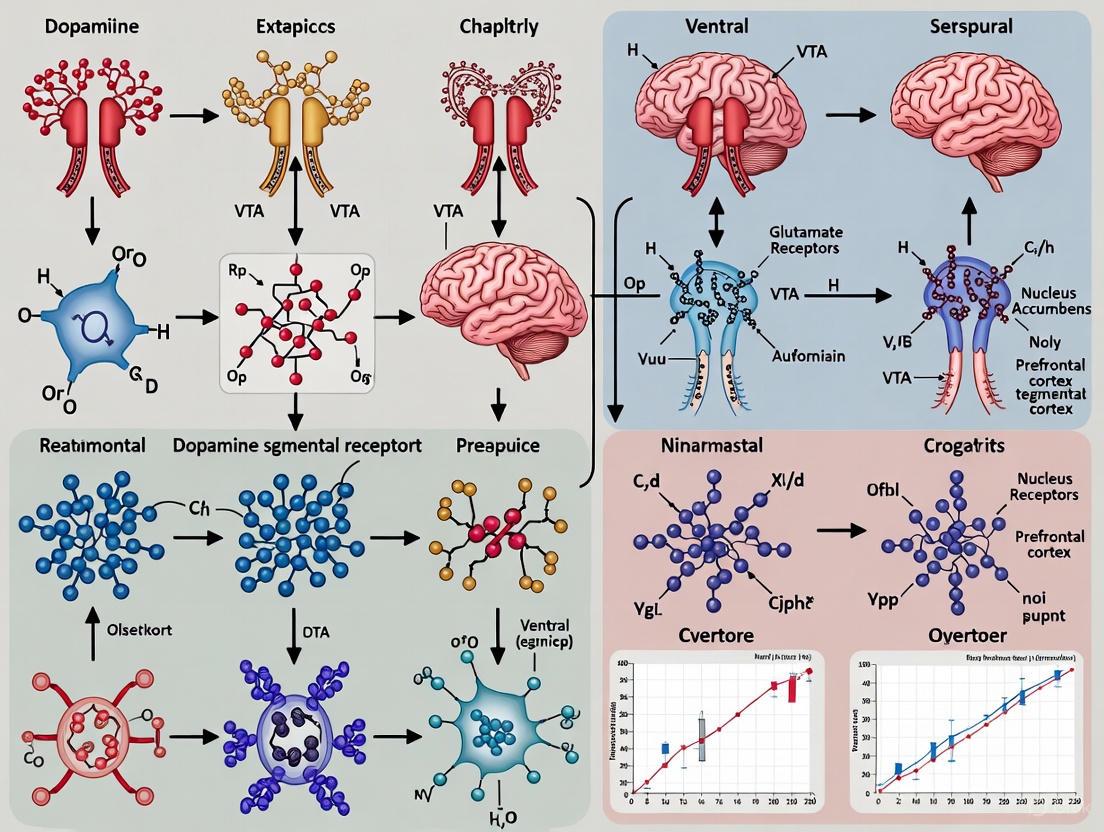
This article synthesizes current neuroscience research to explore the core neurobiological mechanisms underlying treatment-resistant addiction.
Beyond Willpower: Decoding the Neurobiological Mechanisms of Addiction Treatment Resistance
Abstract
This article synthesizes current neuroscience research to explore the core neurobiological mechanisms underlying treatment-resistant addiction. Aimed at researchers, scientists, and drug development professionals, it delves into the dysfunctional neural circuits, maladaptive learning, and molecular adaptations that perpetuate the addiction cycle despite intervention. The scope extends from foundational theories and disrupted neurocircuitry to innovative methodological approaches targeting memory reconsolidation and advanced drug delivery. It further examines challenges in translating preclinical findings and evaluates the efficacy and neurobiological underpinnings of both established and emerging therapies, providing a comprehensive framework for developing novel, mechanism-based treatment strategies.
The Addicted Brain: Core Neurocircuitry and Pathological Learning in Treatment Resistance
Substance use disorder (SUD) is conceptualized as a chronic, relapsing brain disorder characterized by a compulsive cycle of three distinct stages: binge/intoxication, withdrawal/negative affect, and preoccupation/anticipation [1] [2]. This three-stage cycle provides a critical neurobiological framework for understanding treatment resistance and developing targeted interventions. Research has demonstrated that addiction is driven by specific neuroadaptations in brain circuits governing reward, motivation, stress, and executive control, rather than moral failure or character flaws [3] [1]. The persistence of drug use despite adverse consequences—a hallmark of addiction—involves dynamic interactions between cognitive, motivational, and behavioral pathways that remain active even after substance use stops [4]. This technical guide synthesizes current neurobiological mechanisms and experimental methodologies to support research on addiction treatment resistance.
FAQs: Core Neurobiological Mechanisms
FAQ 1: What are the primary brain regions and neural circuits implicated in the three-stage addiction cycle?
The addiction cycle involves distinct but interconnected brain regions that undergo specific neuroadaptations. The table below summarizes the key neural substrates and their functional roles in each stage:
Table 1: Primary Neural Circuits in the Three-Stage Addiction Cycle
| Addiction Stage | Key Brain Regions | Core Neural Circuits | Primary Neurotransmitters |
|---|---|---|---|
| Binge/Intoxication | Basal ganglia (Nucleus Accumbens, dorsal striatum), Ventral Tegmental Area (VTA) | Mesolimbic pathway, Nigrostriatal pathway | Dopamine, Opioid peptides, Endocannabinoids |
| Withdrawal/Negative Affect | Extended amygdala (BNST, CeA), hypothalamus, OFC, DLPFC | "Anti-reward" stress circuits, HPA axis | CRF, Dynorphin, Norepinephrine, Glutamate (increased) |
| Preoccupation/Anticipation | Prefrontal cortex (dlPFC, ACC), Insula | "Go" and "Stop" executive control circuits | Glutamate, Norepinephrine, Dopamine |
The basal ganglia, particularly the nucleus accumbens and dorsal striatum, drive the rewarding effects and habit formation in the binge/intoxication stage [3] [1]. The extended amygdala (including bed nucleus of stria terminalis and central amygdala) becomes hyperactive during withdrawal, generating negative emotional states through stress neurotransmitters like corticotropin-releasing factor and dynorphin [1] [5]. The prefrontal cortex regions, including dorsolateral prefrontal cortex and anterior cingulate cortex, show executive dysfunction during the anticipation stage, impairing impulse control and decision-making [1] [2].
FAQ 2: What specific molecular mechanisms underlie transition to addiction and treatment resistance?
The progression from controlled use to compulsive addiction involves neuroadaptive changes at molecular levels that contribute significantly to treatment resistance:
- Transcriptional Mechanisms: Accumulation of ΔFosB in the nucleus accumbens promotes sensitization to drug effects, while CREB activation in the extended amygdala increases stress responsiveness [6].
- Neurotrophic Factors: BDNF signaling from ventral tegmental area to nucleus accumbens strengthens synaptic connections that support drug-seeking behavior [6].
- Epigenetic Modifications: Chronic drug exposure causes DNA methylation and histone modifications that persistently alter gene expression patterns in reward circuits [1].
- Neuroimmune Factors: Inflammatory pathways and cytokine signaling contribute to negative affective states and may predict treatment-resistant depression often comorbid with SUD [7].
These molecular adaptations create a allostatic state—a persistent deviation from normal brain reward and stress thresholds—that drives compulsive drug use despite negative consequences [6]. The resulting negative reinforcement (relief from unpleasant withdrawal states) becomes a primary motivation for continued use, representing a key mechanism of treatment resistance [4].
FAQ 3: What experimental paradigms best model persistence despite adverse consequences?
Research on addiction persistence utilizes several validated behavioral paradigms that can be implemented in animal models or adapted for human studies:
Table 2: Experimental Paradigms for Studying Addiction Persistence
| Paradigm | Procedure | Measures | Relevance to Treatment Resistance |
|---|---|---|---|
| Punished Drug Seeking | Drug self-administration paired with footshock, air puff, or conditioned fear | Percentage of animals continuing to seek drugs despite punishment | Models compulsive use despite known negative consequences |
| Progressive Ratio | Increasing response requirements for each drug reward | Breakpoint (maximum effort expended) | Measures motivation and reward valuation |
| Economic Demand | Drug price increases across sessions | Consumption elasticity (price sensitivity) | Quantifies compulsive aspects of drug seeking |
| Extinction/Reinstatement | Drug-seeking behavior extinguished then triggered by stress, cues, or priming | Relapse susceptibility | Models vulnerability to return to drug use |
These paradigms have revealed that only a subset of subjects (both animals and humans) develop punishment resistance, speaking to individual variability in addiction vulnerability [4]. Insensitivity to adverse consequences is separate from mechanisms governing initial drug use, with extended drug access and heightened motivation (measured by progressive ratio) predicting persistence [4].
Research Reagent Solutions
Table 3: Essential Research Tools for Addiction Neurobiology Studies
| Reagent/Method | Specific Examples | Research Application | Technical Considerations |
|---|---|---|---|
| Neuroimaging | fMRI, PET, EEG | Mapping structural/functional changes in neural circuits | PET can radiolabel dopamine receptors; fMRI shows network connectivity |
| Behavioral Assays | Conditioned place preference, Self-administration, Punishment paradigms | Modeling addiction stages and compulsive drug seeking | Punishment intensity must be calibrated to avoid floor/ceiling effects |
| Molecular Analysis | CRISPR, RNA sequencing, ΔFosB/CREB quantification | Identifying gene expression changes and transcriptional mechanisms | ΔFosB accumulates with chronic use; CREB activates during stress |
| Pharmacological Tools | Receptor agonists/antagonists, DREADDs, Optogenetics | Circuit-specific manipulation of neuronal activity | Optogenetics allows millisecond precision; DREADDs offer longer modulation |
| Novel Drug Delivery | Nanoparticles, Intranasal delivery, Focused ultrasound (FUS) | Enhancing brain targeting for potential therapeutics | FUS temporarily disrupts blood-brain barrier for improved drug delivery |
Experimental Protocols
Protocol 1: Punished Drug Self-Administration to Model Compulsivity
This protocol assesses the persistence of drug-seeking behavior despite adverse consequences, a key feature of treatment-resistant addiction.
- Apparatus Setup: Standard operant conditioning chambers with drug infusion systems and punishment delivery (e.g., footshock generator).
- Training Phase: Train subjects to self-administer drug (e.g., cocaine, heroin, alcohol) under fixed-ratio 1 schedule until stable responding established (typically 10-14 days).
- Baseline Establishment: Shift schedule to fixed-ratio 3-5 to establish stable baseline (5-7 days).
- Punishment Introduction: Introduce mild footshock (0.1-0.3 mA) contingent on drug-seeking responses, delivered probabilistically (e.g., 30-50% of responses).
- Data Collection: Record number of drug-infusions earned, shock deliveries received, and response patterns across 10-14 sessions.
- Classification: Classify subjects as "punishment-sensitive" (significant reduction in drug-seeking) or "punishment-resistant" (persistent drug-seeking despite punishment).
Critical Parameters: Punishment intensity must be titrated to avoid complete suppression of behavior while still producing bimodal response patterns [4]. Individual variability should be preserved rather than averaged across groups.
Protocol 2: Neuroimaging of Craving and Executive Dysfunction
This protocol maps neural correlates of the preoccupation/anticipation stage using functional magnetic resonance imaging.
- Participant Selection: Recruit individuals with SUD in early abstinence (7-30 days) and matched healthy controls.
- Stimulus Development: Create personalized drug cues (images, videos) and neutral control cues.
- Task Design: Implement cue-reactivity, monetary incentive delay, and inhibitory control (Go/No-Go or Stop-Signal) tasks.
- Scanning Parameters: Acquire T1-weighted structural images and T2*-weighted BOLD functional images (TR=2000ms, TE=30ms, voxel size=3×3×3mm).
- Preprocessing: Standard pipeline including realignment, normalization, and smoothing.
- Analysis: Contrast neural activation to drug cues vs. neutral cues; examine functional connectivity during inhibitory control; correlate activation with self-reported craving.
Expected Outcomes: Increased activation in insula, dorsolateral prefrontal cortex, and attenuated ventral striatal response to natural rewards [2]. Reduced functional connectivity between prefrontal control regions and limbic areas predicts treatment resistance.
Signaling Pathways and Neurocircuitry Diagrams
Three-Stage Addiction Cycle Neurocircuitry
Molecular Mechanisms of Treatment Resistance
Troubleshooting Guides and FAQs
GABA and Glutamate Signaling FAQ
Q: In my MRS studies, why do I see elevated basal ganglia GABA levels correlating with specific behavioral deficits? A: Elevated GABA in the basal ganglia is not merely a marker of disease state but is functionally significant. In Parkinson's disease research, increased basal ganglia GABA levels have been significantly correlated with the degree of gait disturbance [8]. This suggests a compensatory mechanism or pathological dysregulation where GABAergic inhibition contributes to axial motor symptoms. When you observe this, investigate the relationship with behavioral domains of gait, posture, and balance, as these axial symptoms are often dopamine-independent and linked to GABA/glutamate systems [8].
Q: What could explain a negative correlation between prefrontal glutamate and behavioral flexibility? A: A negative correlation between prefrontal glutamate levels (measured as Glx) and difficulties with tasks like turning in bed has been observed [8]. This potentially indicates that lower glutamatergic activity in the prefrontal cortex disrupts cognitive-motor integration necessary for complex planned movements. Focus your experimental analysis on differentiating between patient subtypes (e.g., akinetic-rigid vs. tremor-dominant), as neurotransmitter-behavior relationships can be more prominent in specific subgroups [8].
Q: My animal model shows conflicting results for GABAergic drug efficacy in addiction. Why? A: The role of GABA is circuit-specific. While boosting GABA generally has an inhibitory effect, the outcome depends on whether you are targeting GABAergic interneurons in the ventral tegmental area (VTA) or medium spiny neurons in the nucleus accumbens. Furthermore, the stage of the addiction cycle is critical [9]. A manipulation that reduces drug intake in early, binge-stage models might exacerbate negative affect in later withdrawal stages. Always stratify your subjects by addiction stage and specify the exact neural circuit being targeted.
Q: How do I interpret a null finding when testing a CRF antagonist on drug-seeking behavior? A: CRF's role is most pronounced during the withdrawal/negative affect stage of addiction, primarily within the extended amygdala circuit [9]. A null finding suggests several possibilities: 1) the animal model may not have been in the appropriate withdrawal state, 2) the dose was insufficient to block the robust CRF signaling in the specific brain region, or 3) compensatory mechanisms from other stress systems (e.g., dynorphin, norepinephrine) masked the effect. Ensure your behavioral paradigm adequately induces a negative affective state before testing.
Experimental Protocol: MRS Measurement of GABA and Glutamate
This protocol is adapted from clinical research on Parkinson's disease for application in addiction research settings [8].
Objective: To quantify in vivo levels of GABA and glutamate (combined as Glx) in specific brain regions (e.g., basal ganglia, prefrontal cortex) relevant to addiction circuitry.
Materials:
- 3T or higher MRI scanner with a multi-channel head coil.
- 3D T1-weighted anatomical sequence (e.g., SPGR).
- MEGA-PRESS sequence for GABA-edited spectroscopy.
- Standard PRESS sequence for Glx acquisition from other regions.
- LCModel or equivalent spectral analysis software.
- Participant population (e.g., patients with substance use disorder, animal models).
Methodology:
- Subject Preparation: Scan patients at a standardized time relative to drug use (e.g., during early withdrawal to capture negative affect stage). For pre-clinical models, ensure consistent anesthetic and physiological monitoring.
- Anatomical Localization: Acquire a high-resolution 3D T1-weighted anatomical scan. Use this to precisely localize MRS voxels in the left basal ganglia (e.g., 30 mL voxel centered on caudate/putamen) and prefrontal cortex. For the pons, a 3.4 mL voxel is typical [8].
- Spectroscopy Acquisition:
- For GABA and Glx in basal ganglia/prefrontal cortex: Use the MEGA-PRESS sequence. Key parameters: TE = 69 ms, TR = 1800 ms, 320 spectral averages (160 edit ON/OFF pairs). Editing pulses are applied at 1.9 ppm (ON) and 7.5 ppm (OFF) [8].
- For Glx in pons: Use a standard PRESS sequence with TE = 35 ms and TR = 3000 ms [8].
- Spectral Analysis: Process the acquired spectra using LCModel. Analyze MEGA-PRESS spectra with a simulated basis set including GABA, NAA, and glutamate. Output water-scaled metabolite concentrations (in Institutional Units).
- Data Correction: Correct all metabolite concentrations for partial volume CSF contamination using the segmentation data from the T1-weighted anatomical images [8].
- Behavioral Correlation: Correlate the quantified GABA and Glx levels with validated clinical scales for addiction (e.g., withdrawal severity, craving intensity, anhedonia measures) or relevant behavioral tasks in animal models.
Troubleshooting Common Experimental Challenges
| Challenge | Possible Causes | Solution |
|---|---|---|
| Poor MRS Signal Quality | Voxel placement in heterogeneous tissue; subject motion; insufficient signal averaging. | Ensure voxel is placed in homogeneous gray matter avoiding CSF spaces; use head motion stabilization; increase number of spectral averages within reasonable scan time limits [8]. |
| Inconsistent Behavioral Response to GABAergic Drugs | Drug acts on different GABA receptor subtypes; circuit-specific effects; wrong addiction stage targeted. | Use subtype-specific pharmacological agents; employ site-specific microinjection in animal models; align drug testing with specific addiction cycle stage (binge, withdrawal, craving) [9]. |
| High Variability in Glutamate Measures | Glutamate's complex metabolic pool; contamination from glutamine; spectral overlap. | Use advanced spectral sequences that better separate glutamate and glutamine (e.g., PRESS with shorter TE); report values as Glx (Glu+Gln) where appropriate; standardize subject state (fasting, stress) [8]. |
| CRF Antagonist Fails to Block Stress-Induced Reinstatement | Insufficient engagement of CRF system in the extended amygdala; inadequate dose or bioavailability. | Verify the induction of a robust stress response and negative affect state in the model; conduct a dose-response study; confirm central target engagement via microdialysis or c-Fos expression [9]. |
The Scientist's Toolkit: Key Research Reagents
| Reagent / Material | Function / Application |
|---|---|
| MEGA-PRESS MRS Sequence | Enables in vivo quantification of GABA levels in the human brain by selectively editing its resonance, which is otherwise obscured by more abundant metabolites [8]. |
| LCModel Software | A standardized analysis tool for in vivo magnetic resonance spectroscopy. It provides objective and quantitative estimates of metabolite concentrations with calculated uncertainties [8]. |
| CRF Receptor Antagonists | Pharmacological tools used to block the corticotropin-releasing factor system, crucial for investigating its role in stress-induced drug relapse, particularly within the extended amygdala [9]. |
| DREADDs (Designer Receptors Exclusively Activated by Designer Drugs) | Allows for precise chemogenetic control of specific neuronal populations, enabling researchers to dissect the contribution of defined GABA or glutamate circuits to addiction behaviors. |
| Microdialysis | An in vivo technique for sampling neurotransmitters like glutamate and GABA from the extracellular space of specific brain regions in behaving animals, often coupled with HPLC. |
Signaling Pathway and Experimental Workflow
Addiction Neurocircuitry Overview
MRS Metabolite Analysis Workflow
Frequently Asked Questions (FAQs)
Q1: What is the core premise of the Allostatic Load Model in the context of addiction? The Allostatic Load Model frames addiction as a state of chronic deviation in the brain's reward and stress systems due to repeated drug exposure. It posits that to counteract the powerful rewarding effects of drugs (the primary process), the brain recruits opponent processes, such as stress system activation [10]. With repeated use, these opponent processes strengthen and persist, leading to a new, dysregulated set-point known as allostasis. The resulting "allostatic load" is the cumulative wear and tear, manifesting as a reward deficit and chronic negative emotional state that drives compulsive drug use despite negative consequences [11] [1] [10].
Q2: In an animal model, we observe reduced reward motivation. Does this reflect a deficit in "liking" or "wanting"? Evidence from chronic stress models, such as Chronic Social Stress (CSS) in mice, strongly suggests this is a deficit in "wanting" (motivation/incentive salience) rather than "liking" (hedonic impact). Fiber photometry studies show that CSS mice exhibit attenuated nucleus accumbens (NAc) dopamine release specifically during reward anticipation (e.g., in response to a tone cue predicting sucrose), but not necessarily upon reward consumption itself [12]. This co-occurs with behavioral deficits in reward learning and motivation, directly implicating blunted dopamine signaling during anticipation in addiction-related amotivation [13] [12].
Q3: Our biomarker data for allostatic load is inconsistent. Which key systems should we measure? Allostatic load is best measured with a composite index from multiple physiological systems. Relying on a single biomarker can be misleading. The table below summarizes the primary systems and key biomarkers to assay.
Table: Key Biomarker Systems for Quantifying Allostatic Load
| Physiological System | Key Biomarkers of Allostatic Load | Primary Function |
|---|---|---|
| Neuroendocrine (HPA Axis) | Cortisol (elevated daily output, flattened diurnal rhythm), Corticotropin-Releasing Factor (CRF) [11] [1] [14] | Stress response & metabolic regulation |
| Cardiovascular | Systolic & Diastolic Blood Pressure, HDL Cholesterol [11] | Circulation & energy transport |
| Metabolic | Glycated Hemoglobin (HbA1c), Waist-Hip Ratio [11] | Energy storage & utilization |
| Inflammatory / Immune | C-Reactive Protein (CRP), Inflammatory Cytokines (e.g., IL-6) [11] [14] | Innate immunity & inflammatory response |
| Sympathetic Nervous System | Norepinephrine, Epinephrine [1] | Arousal, alertness, & "fight or flight" |
Q4: We are getting variable results in our chronic stress model. What is a validated protocol for inducing addiction-relevant allostatic load? The 15-day Chronic Social Stress (CSS) protocol is a robust model for inducing Type 2 allostatic load relevant to addiction. The detailed methodology is as follows [12]:
- Subjects: Adult male mice.
- Stressors: Each day, for 15 consecutive days, the experimental mouse is subjected to a two-part stressor.
- Proximate Exposure: The mouse is placed into the home cage of an unfamiliar, dominant, and aggressive resident mouse for 30-60 seconds, allowing for physical attack and submissive posturing.
- Distal Exposure: Immediately after the physical encounter, the experimental mouse is placed into a protective perforated plexiglass enclosure within the same resident's cage, allowing for continuous sensory contact for the remainder of the 24-hour period.
- Control: Control mice remain in their home cages in littermate pairs and are handled daily.
- Validation: Successful induction of allostatic load is confirmed by subsequent behavioral tests (e.g., reduced operant responding for sucrose reward) and neurobiological measures (e.g., reduced NAc dopamine turnover or blunted DA response to cues) [12].
Troubleshooting Guides
Issue 1: Failure to Observe Blunted Dopamine Signaling During Reward Anticipation
- Problem: Fiber photometry or microdialysis shows no significant difference in NAc dopamine between control and chronically stressed animals during cue presentation.
- Solution:
- Verify Behavioral Paradigm: Ensure your task cleanly separates the anticipation phase (e.g., tone-on period before reward is available) from the consummation phase (reward delivery and intake). The deficit is most prominent during the anticipatory window [12].
- Check Sensor Placement & Function: Confirm GRABDA sensor expression or electrode placement is in the NAc core/shell and that the signal-to-noise ratio is sufficient for detecting phasic release events.
- Confirm Stress Efficacy: Validate that your stress protocol is inducing the intended behavioral deficit (e.g., longer response latencies or reduced motivation in the stressed group). Without the behavioral phenotype, the neural correlate may be absent.
Issue 2: High Variability in Allostatic Load Biomarker Readings
- Problem: Measurements of biomarkers like cortisol or inflammatory markers are highly variable within experimental groups, obscuring results.
- Solution:
- Standardize Sampling: Control for diurnal rhythms by collecting samples at the same time each day. Minimize handling stress immediately prior to sampling.
- Use a Composite Score: Do not rely on single biomarkers. Calculate a composite Allostatic Load Index (ALI). Assign 1 point for each biomarker for which a subject's value falls in the highest-risk quartile (e.g., for blood pressure, cortisol) or lowest-risk quartile (e.g., for HDL), then sum the points across all systems. This composite score is more reliable and powerful [11].
- Control for Basal Differences: Ensure animal groups are balanced for baseline weight, age, and litter.
Issue 3: Differentiating Between Type 1 and Type 2 Allostatic Load in a Model
- Problem: It is unclear if an observed physiological dysregulation is due to energy deficit (Type 1) or psychosocial stress (Type 2).
- Solution:
- Monitor Energy Balance: Track body weight and caloric intake. Type 1 allostatic load is characterized by a negative energy balance (e.g., starvation, hibernation). Type 2 occurs with sufficient or even excess energy consumption [11].
- Assess Thyroid Axis: Measure thyroid hormones. Triiodothyronine (T3) is typically decreased in Type 1 but elevated in Type 2 allostatic load, providing a key diagnostic differentiator [11].
- Evaluate Behavioral Response: Type 1 triggers an "escape response" and conservation behaviors. Type 2, driven by social conflict, does not trigger escape and can only be counteracted by learning or changes in the social environment [11].
Experimental Protocols & Visualization
Protocol: Measuring Dopamine Dynamics During Reward Anticipation with Fiber Photometry
This protocol is adapted from recent research on chronic social stress [12].
- Virus Injection: Stereotactically inject an AAV vector expressing the genetically encoded dopamine sensor GRABDA into the Nucleus Accumbens (e.g., Bregma: +1.1 mm AP, ±0.8 mm ML, -4.5 mm DV) of experimental mice.
- Optic Fiber Implantation: Implant an optic fiber ferrule above the NAc to allow for light delivery and collection for photometry.
- Recovery & Expression: Allow 3-4 weeks for viral expression and full surgical recovery.
- Behavioral Training: Habituate mice to the testing apparatus and train them on a discriminative reward learning task.
- Trial Structure: A tone (Discriminative Stimulus, DS) signals a 25-second window during which a nose-poke into a port will trigger sucrose delivery. Trials are separated by variable inter-trial intervals (ITIs, 20-60s).
- Chronic Stress Paradigm: After stable behavior is acquired, subject the experimental group to the 15-day CSS protocol. The control group receives daily handling.
- Photometry Recording: Following the stress protocol, record NAc DA activity in the test chamber. The GRABDA sensor's fluorescence is excited, and emission is collected during the behavioral task.
- Data Analysis:
- Align photometry data to key task events: DS (tone) onset, nose-poke, and reward delivery.
- Calculate the average ΔF/F (change in fluorescence) for each event across trials.
- Compare the magnitude and timing of DA transients between control and CSS groups, focusing on the DS onset period (reward anticipation).
Diagram: Neural Circuitry of Allostatic Load in Addiction
Allostatic Load in Brain Reward Circuitry
Table: Essential Research Reagent Solutions for Key Experiments
| Reagent / Material | Function / Application | Example Use Case |
|---|---|---|
| GRABDA AAV Vector | Genetically encoded dopamine sensor for fiber photometry. | Real-time measurement of dopamine release dynamics in the NAc during behavioral tasks [12]. |
| Corticosterone ELISA Kit | Quantifies plasma, serum, or brain tissue corticosterone (rodent cortisol). | Assessing HPA axis dysregulation as a key biomarker of allostatic load [11] [14]. |
| Chronic Social Stress Protocol | Validated model for inducing Type 2 allostatic load. | Studying the neurobiological mechanisms of stress-induced reward deficits and addiction vulnerability [12]. |
| High-Precision HPLC System | Measures catecholamines and metabolites in microdialysates or tissue. | Quantifying levels of dopamine, norepinephrine, and their metabolites to assess system tone [13] [12]. |
| Operant Conditioning Chambers | Equipment for automated behavioral testing. | Running discriminative reward learning or reward-to-effort valuation tasks to quantify motivation [12]. |
FAQs: Core Mechanisms of Hijacked Learning in Addiction
FAQ 1: How do Pavlovian processes contribute to compulsive drug-seeking outside conscious control?
Pavlovian conditioning creates powerful, involuntary associations between previously neutral environmental cues (Conditioned Stimuli, CS) and the drug's effects (Unconditioned Stimuli, US) [15]. After repeated pairings, the CS alone—such as the sight of a dealer or a specific location—can trigger conditioned responses (CR) like intense craving and physiological anticipation of the drug [15]. This process involves structures like the basolateral and central amygdala, which are critical for assigning emotional significance to cues [16] [17]. These cue-induced cravings can "hijack" decision-making, often occurring automatically before the rational, prefrontal cortex can inhibit the response [16] [18].
FAQ 2: What is the specific role of instrumental conditioning in making drug-seeking a persistent habit?
Instrumental (or operant) conditioning reinforces drug-seeking actions through their consequences. This occurs on two parallel paths [2]:
- Positive Reinforcement: The act of taking the drug produces a pleasurable, rewarding effect, stamping in the "seek-and-take" behavior.
- Negative Reinforcement: After dependence develops, drug-taking relieves the distressing symptoms of withdrawal. This "escape from a negative state" powerfully reinforces the behavior, making it compulsive.
Over time and with chronic use, control over drug-seeking shifts from goal-directed action (mediated by the prefrontal cortex) to automatic, habitual behavior (mediated by the dorsal striatum), making it increasingly resistant to change [2].
FAQ 3: What is Pavlovian-Instrumental Transfer (PIT) and why is it a critical mechanism for relapse?
Pavlovian-Instrumental Transfer (PIT) is a phenomenon where a Pavlovian cue (CS) enhances the performance of an instrumental response [17]. In addiction, a drug-associated cue can powerfully invigorate drug-seeking behavior, acting as a potent trigger for relapse. There are two distinct neural subtypes [17]:
- Specific PIT: A cue associated with a specific drug enhances seeking for that same drug. This depends on the basolateral amygdala and nucleus accumbens shell and is linked to the perceived efficacy of the action.
- General PIT: A cue associated with any reward or general arousal can enhance drug-seeking. This depends on the central amygdala and nucleus accumbens core and is linked to the general utility or value of the reward.
FAQ 4: How do neurobiological changes underpin treatment resistance in Substance Use Disorder (SUD)?
SUD is characterized as a chronic relapsing disorder of a three-stage cycle: binge/intoxication, withdrawal/negative affect, and preoccupation/anticipation (craving) [2]. Each stage involves specific neuroadaptations [2]:
- Binge/Intoxication: Dysregulation of the midbrain limbic reward system (ventral tegmental area, nucleus accumbens) involving dopamine and opioids.
- Withdrawal/Negative Affect: Engagement of the extended amygdala and stress systems (e.g., corticotropin-releasing factor), leading to anxiety and dysphoria.
- Preoccupation/Anticipation: Dysfunction of the prefrontal cortex (orbitofrontal cortex, dorsolateral prefrontal cortex) and insula, leading to craving and loss of cognitive control. These lasting changes in brain plasticity, particularly in learning, memory, and reward circuits, create a powerful barrier to treatment, as drug-associated memories can persist for years [19].
Troubleshooting Guides for Experimental Models
Guide 1: Addressing Issues in Pavlovian-Instrumental Transfer (PIT) Paradigms
Problem: Lack of Specific PIT Effect
- Potential Cause 1: Inadequate strength of the CS-US (cue-drug) association during Pavlovian training.
- Solution: Ensure a sufficient number of pairing trials and verify the US (e.g., drug infusion) is contingent and immediately follows the CS.
- Potential Cause 2: Lesion or inactivation of the basolateral amygdala or nucleus accumbens shell.
- Solution: Verify the integrity of these neural circuits. Use proper histological confirmation post-experiment [17].
- Potential Cause 3: The instrumental response is not strongly established or has undergone extinction.
- Solution: Ensure stable baseline responding on the instrumental task before beginning the PIT test.
Problem: Lack of General PIT Effect
- Potential Cause 1: Weak motivational value of the Pavlovian cue.
- Solution: Use a potent, non-drug US (e.g., food) for the "general" cue to ensure it has robust appetitive properties [17].
- Potential Cause 2: Lesion or inactivation of the central amygdala or nucleus accumbens core.
- Solution: Confirm the functionality of this specific pathway [17].
- Potential Cause 3: Outcome devaluation. General PIT is sensitive to the current value of the outcome.
- Solution: Conduct tests in a state of motivation (e.g., hunger, mild withdrawal) to ensure the reward has high utility [17].
Problem: Observation of PIT Inhibition (Unexpected suppression of responding)
- Potential Cause: The CS may be signaling the availability of a different, more valuable reward that is not obtainable by the current instrumental action. This informs the animal that the context is wrong for the action being tested.
- Solution: This is a recognized effect in the paradigm. Design the experiment to account for this third outcome by including a CS associated with the "other" lever's reward, which should not enhance responding [17].
Guide 2: Controlling for "Amygdala Hijack" in Behavioral Testing
Problem: High variability in cue-reactivity tests due to stress-induced irrational responding.
- Explanation: An "amygdala hijack" describes an immediate, overwhelming stress or fear response where the amygdala disables the prefrontal cortex's rational, executive control [16] [18]. In an experiment, uncontrolled stress can confound the measurement of cue-specific craving.
- Solution:
- Habituation: Extensively habituate animals to all experimental procedures and handling to minimize novel-environment stress.
- Consistent Timing: Conduct tests at the same time each day to control for circadian fluctuations in stress hormones.
- Non-Stressful Environment: Ensure the testing chamber is clean, sound-attenuated, and has low-light conditions if appropriate.
- Post-Hoc Analysis: Measure physiological biomarkers of stress (e.g., plasma corticosterone) and include them as covariates in your data analysis.
Experimental Protocols & Data
Protocol: Dissecting Specific vs. General PIT in a Rodent Model
This protocol is based on the established paradigm from Corbit & Balleine (2005) [17].
1. Pavlovian Training Phase:
- Objective: Establish associations between distinct auditory cues (CS) and different rewards (US).
- Method:
- Use three distinct cues (e.g., tone, white noise, clicker).
- CS1+ is paired with the delivery of Sucrose solution.
- CS2+ is paired with the delivery of Food Pellet.
- CS3+ is paired with the delivery of a *Drug (e.g., morphine solution).
- A CS- (e.g., steady light) is never paired with reward.
- Conduct multiple sessions until the animals show appetitive approach behavior during CS presentation.
2. Instrumental Training Phase:
- Objective: Train two distinct instrumental actions (e.g., Lever Press vs. Chain Pull), each earning a different reward.
- Method:
- Action A (Lever Press) → Outcome O1 (Sucrose)
- Action B (Chain Pull) → Outcome O2 (Food Pellet)
- The drug (e.g., morphine) is not used as an outcome in this phase.
- Use a random ratio (RR) schedule of reinforcement (e.g., RR-20) to establish strong, habitual responding.
3. PIT Test Phase:
- Objective: Measure the ability of the Pavlovian CSs to enhance instrumental responding in extinction.
- Method:
- Animals are placed in the chamber with both Action A (Lever) and Action B (Chain) available, but no rewards are delivered (extinction).
- The different CSs (CS1+, CS2+, CS3+, CS-) are presented in a randomized order.
- The rate of lever pressing during each CS presentation is compared to the baseline rate before the CS.
Table 1: Expected Behavioral Outcomes in the PIT Test Phase (e.g., when Action A/Lever is available)
| Pavlovian Cue Presented | Associated Outcome | Expected Effect on Lever Pressing (Action A) | PIT Type |
|---|---|---|---|
| CS1+ | Sucrose (O1) | Increase | Specific |
| CS3+ | Drug (Morphine) | Increase | General |
| CS2+ | Food Pellet (O2) | No Change / Inhibition | Inhibition |
| CS- | Nothing | No Change | Baseline |
Table 2: Underlying Neurocircuitry of the Three-Stage Addiction Cycle [2]
| Stage of Addiction Cycle | Core Dysfunction | Key Brain Regions | Primary Neurotransmitters/Systems |
|---|---|---|---|
| Binge/Intoxication | Incentive Salience / Pathological Habits | Ventral Tegmental Area (VTA), Nucleus Accumbens, Caudate Nucleus | Dopamine, Opioid Peptides |
| Withdrawal/Negative Affect | Negative Emotional State | Extended Amygdala, Orbitofrontal Cortex (OFC), Hypothalamus | CRF, Norepinephrine, Dynorphin |
| Preoccupation/Anticipation (Craving) | Executive Function / Craving | Prefrontal Cortex (PFC), Insula, Cingulate Gyrus | Glutamate, Dopamine |
Research Reagent Solutions
Table 3: Essential Reagents for Investigating Hijacked Learning in Addiction Models
| Reagent / Resource | Primary Function in Experimentation | Example Application |
|---|---|---|
| DREADDs (Designer Receptors Exclusively Activated by Designer Drugs) | Chemogenetic tool for remote control of neuronal activity in specific circuits. | Inhibiting basolateral amygdala projections to NAcc shell during PIT test to confirm its role in specific PIT [17]. |
| Viral Vectors (e.g., AAVs for Cre-dependent expression) | Targeted gene delivery for cell-type specific manipulation or imaging. | Expressing calcium indicators (e.g., GCaMP) in the prefrontal cortex to image neural dynamics during cue-induced relapse. |
| c-Fos Antibodies | Immunohistochemical marker for mapping recently activated neurons. | Identifying ensembles in the central amygdala and NAcc core activated during general PIT [17]. |
| DA Sensor (dLight) | Genetically encoded fluorescent biosensor for real-time dopamine detection. | Measuring dopamine release in the NAcc core vs. shell during specific and general PIT paradigms [2] [17]. |
| Corticosterone ELISA Kit | Quantifying systemic stress hormone levels. | Correlating the degree of "amygdala hijack" with relapse vulnerability [16] [18]. |
| MRI Contrast Agents | Enabling in vivo structural and functional magnetic resonance imaging (MRI). | Mapping large-scale network changes (e.g., PFC-amygdala connectivity) across the three stages of addiction in longitudinal studies [2]. |
Signaling Pathways and Workflow Diagrams
Diagram 1: Neurocircuitry of Hijacked Learning
Diagram 2: PIT Experimental Workflow
Experimental Troubleshooting Guides
FAQ: Resolving Common Experimental Challenges
Q1: Our animal model does not show escalated drug intake despite extended access. What factors should we investigate? A1: Escalation of intake is a key marker of the transition to addiction. If this is not observed, consider the following troubleshooting points:
- Solution A - Verify Dependence Induction: Escalation is most reliably observed in dependent animals. Confirm that your protocol is of sufficient length and dosing schedule to induce a dependent state, characterized by the emergence of a negative emotional state during withdrawal [20] [9].
- Solution B - Check Somatic and Affective Withdrawal Signs: Monitor for both physical (e.g., tremor) and, more importantly, motivational signs of withdrawal (e.g., elevated anxiety-like behavior in the elevated plus maze, increased intracranial self-stimulation thresholds). The presence of a negative affective state is a primary driver of escalation through negative reinforcement [1] [21].
- Solution C - Assess Protocol Parameters: Review the specifics of your self-administration protocol. Models that use long access (LgA) sessions (e.g., 6-12 hours) are more effective at producing escalation and addiction-like behaviors than short access (ShA) sessions (e.g., 1-2 hours) [9].
Q2: We are observing high variability in cue-induced reinstatement of drug-seeking behavior. How can we improve the reliability of this relapse model? A2: Cue-induced reinstatement models the preoccupation/anticipation stage and depends on the integrity of the prefrontal cortex and its projections to the basal ganglia.
- Solution A - Optimize Cue Conditioning: Ensure that the drug-paired cue (e.g., a light or tone) is reliably paired with drug infusion during self-administration training. A higher number of pairings strengthens the association and makes reinstatement more robust [3] [9].
- Solution B - Control for Extinction Criterion: Do not reinstate based on session number alone. Instead, apply a pre-determined extinction criterion (e.g., less than 15 responses per session for two consecutive sessions) to ensure all subjects have reached a similar baseline of low seeking behavior before the reinstatement test [9].
- Solution C - Validate Neural Circuit Engagement: Use post-hoc analysis to confirm the engagement of key circuits. The presentation of drug-paired cues should increase c-Fos expression or fMRI activity in the basolateral amygdala, dorsolateral prefrontal cortex, and the dorsomedial or dorsolateral striatum [22] [9].
Q3: How can we differentiate between habit-driven (compulsive) and goal-directed drug-seeking in our behavioral models? A3: This differentiation is critical for understanding the shift from ventral to dorsal striatal control.
- Solution A - Outcome Devaluation Procedures: After training, devalue the drug outcome. In rodents, this can be achieved by pairing the drug with a lithium chloride-induced illness. Goal-directed behavior will decrease, while habit-driven behavior will persist despite the devalued outcome. This habitual behavior is dependent on the dorsolateral striatum [3] [23].
- Solution B - Second-Order Schedules of Reinforcement: These schedules are powerful for assessing the ability of a drug-associated cue to maintain responding over long periods before the drug is delivered. They directly measure the motivational strength of drug-associated cues and engage habit circuits [9].
Q4: Our neuroimaging (fMRI) results in abstinent human participants show inconsistent prefrontal cortex activity during executive function tasks. What are potential confounds? A4: Inconsistent PFC activity is a common finding in addiction, reflecting the syndrome of impaired response inhibition and salience attribution (iRISA) [22].
- Solution A - Stratify by Clinical Characteristics: Abstinence length, family history of addiction, and the presence of co-morbid psychiatric conditions (e.g., anxiety) can significantly influence PFC function. Stratify your participants based on these variables to reduce heterogeneity [22] [24].
- Solution B - Employ Multiple Task Paradigms: The PFC is functionally heterogeneous. Use a battery of tasks to probe different subfunctions: the Stroop task for conflict monitoring (engaging the anterior cingulate cortex), a Go/No-Go or stop-signal task for response inhibition (engaging the right inferior frontal gyrus), and a delay discounting task for evaluating impulsive choice (engaging the ventromedial PFC) [22] [25].
- Solution C - Account for Dopamine Receptor Availability: PET imaging studies show that reduced dopamine D2 receptor availability in the PFC is a common feature in addiction and correlates with impaired executive function. Consider measuring D2/D3 receptor status with radiotracers like [11C]raclopride to provide a neurochemical context for your fMRI findings [22] [9].
The Scientist's Toolkit: Research Reagent Solutions
Table: Essential Research Reagents for Investigating Addiction Neurocircuitry
| Reagent / Tool | Primary Application | Key Function & Rationale | Example Target/Model |
|---|---|---|---|
| DREADDs (Designer Receptors Exclusively Activated by Designer Drugs) | Circuit-specific manipulation | Chemogenetic tool to selectively inhibit or activate neuronal populations in a specific brain region (e.g., PrL to NAc projection) to establish causality in behavior. | hM4Di (inhibitory) or hM3Dq (excitatory) DREADDs in mPFC neurons [22] |
| Optogenetics | High-temporal resolution circuit mapping | Precise, millisecond-scale control of specific neural pathways using light-sensitive opsins. Ideal for studying the role of specific projections in discrete phases of the addiction cycle. | Channelrhodopsin (ChR2) in BLA to NAc projections during cue-induced reinstatement [9] |
| Radioactive Ligands for PET Imaging | In vivo measurement of neurochemical systems | Quantify receptor availability, dopamine release, or other molecular targets in the human brain. Critical for linking neurochemistry to behavior and treatment response. | [11C]raclopride (D2/D3 receptor availability), [11C]NNC-112 (D1 receptors), [11C]carfentanil (mu-opioid receptors) [2] [24] |
| CRF Receptor Antagonists | Probing the brain stress system | Pharmacologically block corticotropin-releasing factor (CRF) receptors, primarily in the extended amygdala, to reverse the negative affective state of withdrawal and reduce stress-induced reinstatement. | Antalarmin (non-peptide CRF1 antagonist); CP-154,526 [20] [21] |
| Dopamine Receptor Antagonists | Dissecting dopamine's role | Selective antagonists help parse the contributions of D1-like vs. D2-like receptor families to different stages of addiction (e.g., reward vs. habit). | SCH-23390 (D1 antagonist); Eticlopride (D2 antagonist) [9] |
| Jedi-1 / GCamp Fiber Photometry | Real-time neural activity recording | Measure population-level calcium dynamics (a proxy for neural activity) in a specific region during unrestrained behavior, allowing correlation of neural firing with behavioral events. | Recording from the dorsal striatum during habit formation [23] |
Core Signaling Pathways & Neuroadaptations
Table: Key Neurobiological Adaptations in the Three-Stage Addiction Cycle
| Brain Region | Stage of Cycle | Primary Neurotransmitter/System Dysregulation | Functional Consequence |
|---|---|---|---|
| Basal Ganglia (Ventral to Dorsal Striatum) | Binge/Intoxication & Habit Formation | Dopamine: Initial surge, then shift to cue-driven release. Glutamate: Increased AMPA receptor transmission in NAc. | Incentive Salience: Drugs and cues become highly motivational. Habit Formation: Behavior becomes compulsive and stimulus-driven [3] [1] [9]. |
| Extended Amygdala (BNST, CeA, NAc Shell) | Withdrawal/Negative Affect | CRF & Norepinephrine: Increased release. Dynorphin: Increased, acting on Kappa opioid receptors. Dopamine: Reduced tonic release. | Negative Emotional State: Anxiety, dysphoria, irritability. Anti-Reward System: Heightened stress response and anhedonia [20] [1] [21]. |
| Prefrontal Cortex (OFC, dlPFC, ACC) | Preoccupation/Anticipation (Craving) | Glutamate: Disrupted top-down control. Dopamine: Reduced D2 receptor-mediated signaling. | Executive Dysfunction: Poor impulse control, impaired decision-making, and inflexible behavior. Craving: Inability to suppress drug-related thoughts [22] [1] [25]. |
Diagram: The Three-Stage Addiction Cycle & Key Neurocircuitry
Diagram: Neuroadaptations in the Prefrontal Cortex (PFC)
Diagram: Stress System Activation in the Extended Amygdala
Detailed Experimental Protocols
Protocol 1: Measuring Escalation of Drug Intake and Withdrawal-Induced Negative Affect in Rats
Objective: To model the transition from controlled use to loss of control (escalation) and measure the associated negative emotional state during withdrawal [1] [9].
Materials:
- Animal subjects (e.g., Sprague-Dawley rats)
- Intravenous catheters and self-administration apparatus
- Drug of interest (e.g., cocaine, heroin)
- Elevated Plus Maze (EPM) or intracranial self-stimulation (ICSS) equipment
Procedure:
- Surgery & Recovery: Implant rats with intravenous catheters into the jugular vein. Allow 5-7 days for recovery.
- Self-Administration Training (Short Access - ShA):
- Train rats to self-administer the drug (e.g., cocaine, 0.25 mg/kg/infusion) on a fixed-ratio 1 (FR1) schedule of reinforcement for 1-2 hours per day.
- Continue until stable intake is achieved (e.g., <10% variation over 3 consecutive days).
- Escalation Phase (Long Access - LgA):
- Experimental Group: Shift to extended access sessions (6-12 hours per day).
- Control Group: Continue with short access sessions (1-2 hours per day).
- Duration: Conduct sessions for at least 2-3 weeks. The experimental group should show a progressive increase in drug intake, particularly during the first hour of the session, indicating escalation.
- Assessment of Negative Affect (Withdrawal):
- Following a defined period of abstinence (e.g., 12-24 hours after the last LgA session), test subjects for signs of negative affect.
- Elevated Plus Maze (EPM): Measure anxiety-like behavior. Dependent variable: percentage of time spent in the open arms. Withdrawn animals will show reduced open-arm time.
- Intracranial Self-Stimulation (ICSS): Measure brain reward function. Dependent variable: reward threshold. Withdrawn animals will show elevated thresholds, indicating anhedonia.
Data Analysis:
- Analyze drug intake over time using a two-way ANOVA (Group x Session) to confirm escalation in the LgA group.
- Compare EPM and ICSS data between LgA and ShA groups using t-tests, expecting increased anxiety and anhedonia in the LgA group.
Protocol 2: Cue-Induced Reinstatement of Drug-Seeking Behavior
Objective: To model relapse triggered by drug-associated environmental cues, a key feature of the preoccupation/anticipation stage dependent on PFC-amygdala-striatal circuits [3] [9].
Materials:
- Rats with a history of drug self-administration.
- Behavioral chamber with cue lights and tone generator.
- Data acquisition software.
Procedure:
- Self-Administration & Cue Conditioning:
- Train rats to self-administer a drug as in Protocol 1. Each drug infusion must be paired with a distinct 5-second cue (e.g., compound light+tone). This conditions the cue as a predictor of drug availability.
- Extinction Training:
- Place rats in the self-administration chamber for daily sessions (e.g., 2-3 hours). Responding on the active lever now has no programmed consequences (no drug and no cue presentation).
- Continue extinction training until the rats meet a pre-defined criterion (e.g., <15 active lever presses per session for 2-3 consecutive days). This establishes a new baseline of low seeking behavior.
- Reinstatement Test:
- On the test day, the rats are placed in the chamber under extinction conditions.
- Experimental Group: Responding on the previously active lever results in the presentation of the drug-associated cue (light+tone) but no drug infusion.
- Control Group: Remains under standard extinction conditions (no cues).
- The session typically lasts 1-2 hours.
- Post-Hoc Validation (Optional):
- Sacrifice animals and perform immunohistochemistry for c-Fos to quantify neuronal activation in key regions like the basolateral amygdala, prefrontal cortex (dmPFC, OFC), and nucleus accumbens core.
Data Analysis:
- Compare the number of active lever presses during the reinstatement test session to the number of presses during the last extinction session using a paired t-test or one-way ANOVA. A significant increase in lever pressing in the experimental group indicates successful cue-induced reinstatement.
Novel Interventions: Targeting Memory Reconsolidation, Neuroplasticity, and Advanced Drug Delivery
Scientific Foundation: Core Concepts for the Researcher
This section addresses fundamental questions about the theoretical basis of targeting memory reconsolidation in addiction research.
FAQ 1: What is memory reconsolidation and why is it a therapeutic target for substance use disorders (SUDs)?
Memory reconsolidation is a process by which previously consolidated memories become labile and susceptible to modification upon retrieval [26]. Addiction is conceptualized as a disorder of maladaptive learning and memory, where both Pavlovian and instrumental learning systems are hijacked to support drug-seeking and drug-taking behaviors [26] [27]. During reconsolidation, these powerful, well-established drug-associated memories can be disrupted, thereby reducing their ability to trigger craving and relapse in the long term [26] [28]. This represents a significant advantage over extinction-based therapies, which create a new inhibitory memory that competes with the original memory and is often context-dependent [26].
FAQ 2: How does the molecular mechanism of reconsolidation differ from extinction learning?
The key difference lies in memory lability. Reconsolidation involves a brief window after memory retrieval where the original memory is unstable and requires new protein synthesis to be restored [28]. Interventions applied during this window can persistently weaken the memory. Extinction, in contrast, does not make the original memory labile; it involves new learning of a "cue-no outcome" association [26]. The molecular pathways differ, with reconsolidation relying heavily on specific plasticity mechanisms within limbic-corticostriatal circuits, including NMDA receptor (NMDAR) activation, protein kinase signaling, and gene transcription [26] [28].
FAQ 3: What are the primary brain circuits of the "drug memory engram"?
The drug memory engram is not stored in a single location but is distributed across a limbic-corticostriatal network [28]. The table below summarizes the critical brain structures and their specific roles.
Table 1: Key Neural Substrates of Drug-Memory Reconsolidation
| Brain Structure | Primary Role in Drug-Memory Reconsolidation |
|---|---|
| Basolateral Amygdala (BLA) | A key site for the emotional component of Pavlovian cue-drug memories; stores associative emotional learning engrams recruited during retrieval [26] [28]. |
| Hippocampus | Critical for contextual aspects of drug memory, such as those measured in conditioned place preference (CPP); interacts with the BLA to edit the context-drug engram [26] [28]. |
| Nucleus Accumbens (NAc) | Essential for forming stimulus-outcome associations in Pavlovian learning; a primary target for dopaminergic and glutamatergic projections that mediate drug-evoked synaptic plasticity [26] [28]. |
| Prefrontal Cortex (PFC) | Modulates reward circuits and is involved in action selection and decision-making; associative learning during drug use induces plasticity in PFC neurons [28]. |
Experimental Protocols & Methodologies
This section provides detailed guidance on setting up and executing experiments on drug-memory reconsolidation.
Core Experimental Workflow
The following diagram outlines the universal sequence of stages for a reconsolidation-disruption experiment.
FAQ 4: What are the most effective methods for reactivating and destabilizing drug-associated memories?
Memory reactivation is typically achieved by creating a "mismatch" between what is expected and what occurs during retrieval [26]. The protocol depends on the memory type:
- For Pavlovian Memories (CS-drug): Use a brief re-exposure to the conditioned stimulus (CS) or the drug context. The session must be short to induce lability rather than extinction [26] [28]. For example, a 3-5 minute exposure to the drug-paired context in a CPP paradigm is common.
- For Instrumental Memories (drug-seeking): A change in the expected reinforcement contingency can reactivate the memory. This involves a brief session where the drug-seeking response is performed but the expected drug reward is omitted [26].
- US-Based Reactivation: Re-exposure to the unconditioned stimulus (the drug itself) can also destabilize associated memories and may simultaneously target multiple associations (Pavlovian and instrumental) [26].
FAQ 5: What is the critical timing for administering an amnestic intervention after memory reactivation?
The reconsolidation window is temporally constrained. The memory remains labile for a limited time after reactivation, generally thought to be within 6 hours, and certainly within 24 hours [26]. For maximal effect, administer the amnestic agent (e.g., protein synthesis inhibitor, receptor antagonist) as soon as possible after the reactivation session and definitely within this critical window. Delaying the intervention until after the window has closed will not disrupt the original memory.
The Scientist's Toolkit: Reagents & Materials
This table catalogs key research reagents used to probe the molecular mechanisms of drug-memory reconsolidation.
Table 2: Research Reagent Solutions for Investigating Reconsolidation Mechanisms
| Reagent / Tool | Category | Primary Function & Mechanism of Action |
|---|---|---|
| Anisomycin | Protein Synthesis Inhibitor | Blocks de novo protein synthesis by inhibiting peptidyl transferase; administered intracranially into specific brain regions (e.g., BLA) to prevent reconsolidation [28]. |
| MK-801 (Dizocilpine) | NMDA Receptor Antagonist | A non-competitive NMDAR antagonist; disrupts the glutamate signaling necessary for memory destabilization and restabilization processes [26] [28]. |
| Propranolol | β-Adrenergic Receptor Antagonist | A β-blocker that interferes with noradrenergic signaling, which is involved in emotional memory modulation. Shown to disrupt reconsolidation of drug memories [28]. |
| HDAC Inhibitors (e.g., TSA) | Epigenetic Modulators | Inhibit histone deacetylases, increasing histone acetylation and promoting gene transcription. Can enhance or impair reconsolidation depending on the context and target [28]. |
| Zif268 Antisense Oligodeoxynucleotides | Gene Expression Modulator | Knocks down expression of the immediate early gene Zif268 (EGR1), which is critical for the reconsolidation process, leading to a persistent reduction in drug-seeking [28]. |
Troubleshooting Common Experimental Challenges
This section addresses specific, frequently encountered problems in reconsolidation research.
Problem 1: The amnestic agent fails to disrupt the drug-associated memory during the reactivation session.
- Potential Cause 1: Inadequate Memory Destabilization. The reactivation parameters may not have been optimal to induce memory lability. The memory may have undergone extinction instead.
- Solution: Systematically titrate the duration of the reactivation session. Shorter durations (e.g., 3-5 min for CPP) are often more effective at inducing lability than longer sessions that promote extinction [26].
- Potential Cause 2: Boundary Conditions Not Met. Certain conditions constrain reconsolidation. Older or stronger memories may be more resistant to destabilization [28].
Problem 2: An observed reduction in drug-seeking is transient, and the memory returns (spontaneous recovery).
- Potential Cause: Incomplete Disruption of Reconsolidation. The intervention may have been insufficient to permanently block the restabilization process.
- Solution: Verify the efficacy and dosage of your amnestic agent. Consider combinatorial approaches that target multiple mechanisms within the pathway (e.g., targeting both NMDA receptors and downstream protein synthesis) [26]. Ensure your post-test is conducted after a sufficient delay (e.g., 24-72 hours) to distinguish long-term disruption from short-term performance deficits.
Problem 3: The amnestic agent produces non-specific effects, impairing general locomotion or motivation.
- Potential Cause: Lack of Specificity. The intervention may be affecting neural circuits beyond the specific drug-memory engram.
- Solution: Include critical control groups: a) group that receives the amnestic agent without memory reactivation, and b) group that undergoes memory reactivation but receives a vehicle injection. This confirms that the effect is dependent on memory retrieval [28]. Using more targeted interventions (e.g., site-specific microinjections, optogenetics) can also improve specificity.
Molecular Pathways & Signaling Cascades
The molecular process of drug-memory reconsolidation involves a complex, multi-stage cascade. The diagram below details the key signaling pathways and their interactions.
FAQ 6: What are the most promising translational molecular targets for a clinical setting?
While protein synthesis inhibitors are powerful research tools, they are not clinically viable. More promising translational targets include:
- The Noradrenergic System: β-adrenergic receptor antagonists like propranolol are already FDA-approved for other conditions and have shown efficacy in disrupting reconsolidation of emotional memories in clinical studies [28].
- The Glutamatergic System: NMDAR antagonists such as MK-801 are effective in preclinical models, though their psychoactive effects are a concern. Research is focused on targeting specific subunits or downstream effectors [26] [28].
- Novel Pharmacological Targets: Agents like GLP-1 agonists (e.g., semaglutide), originally for diabetes and obesity, are showing unexpected benefits in reducing addictive behaviors in early reports and are now entering clinical trials for SUDs [29] [30]. Their mechanism may involve modulating reward circuits common across addictions.
Troubleshooting Guide: Frequently Asked Questions
FAQ 1: Our in vivo models for a new non-opioid analgesic are not showing significant reduction in pain-related affective behaviors. What could be the issue?
- Problem: A new compound targeting the amygdala for the 'unpleasantness' of pain does not yield expected results in rodent models.
- Solution & Explanation: The issue may lie in the specific neuronal population being targeted. Research by Scherrer et al. identified that a specific set of cells in the amygdala, out of thousands, is responsible for the emotional response to pain [31]. Ensure your experimental model and delivery method are precise.
- Methodology Check: Verify that your targeting technique (e.g., miniature microscope imaging, neuronal activity markers) is correctly identifying and measuring activity in the central nucleus of the amygdala (CeA), a key structure in the brain's "anti-reward" system that is crucial for processing the negative affect associated with both pain and withdrawal [1] [6].
- Pathway Specificity: Confirm that your compound is designed to interact with the specific receptors (docking sites) on these amygdala neurons, which can be identified via techniques like RNA sequencing [31]. Off-target effects on adjacent regions could confound results.
FAQ 2: We are observing variable efficacy in our NaV1.8 inhibitor program. How can we improve our experimental design to better predict clinical outcomes?
- Problem: Inconsistent performance of a NaV1.8 inhibitor across different pre-clinical pain models.
- Solution & Explanation: Variability can arise from the choice of pain model. The clinical trials for suzetrigine (Journavx), a selective NaV1.8 inhibitor, demonstrated efficacy in specific, well-defined human acute pain models: abdominoplasty and bunionectomy [32] [33].
- Model Selection: Align your pre-clinical models with the intended clinical indication. For acute pain, use validated post-surgical pain models. For chronic pain, consider neuropathic or osteoarthritic models, noting that suzetrigine's trials for painful lumbosacral radiculopathy faced challenges with high placebo responses [34].
- Endpoint Definition: Use robust, quantitative endpoints. The pivotal suzetrigine trials used the pain intensity difference (SPID48) over 48 hours as a primary endpoint, with a median time to meaningful pain reduction as a key secondary endpoint [32]. Implementing analogous, time-sensitive measures in pre-clinical settings can improve translatability.
FAQ 3: Our dual-targeted compound (NOP/MOP) shows efficacy but we are concerned about the potential for abuse. How can we evaluate this risk pre-clinically?
- Problem: Assessing the abuse liability of a novel analgesic that acts on opioid receptors.
- Solution & Explanation: This is a critical step for any compound interacting with the mesolimbic reward pathway. The FDA requires specific studies for this.
- Experimental Protocol: Follow the example of cebranopadol, a dual NOP/MOP receptor agonist. As part of its development, Tris Pharma conducted an intranasal human abuse potential study [34]. In pre-clinical phases, utilize conditioned place preference or self-administration models in rodents, comparing the reinforcing properties of your compound against a known opioid like morphine.
- Mechanistic Insight: Understand the neurobiology. Addiction involves a three-stage cycle: binge/intoxication (basal ganglia), withdrawal/negative affect (extended amygdala), and preoccupation/anticipation (prefrontal cortex) [1]. A compound that minimizes dopamine surges in the basal ganglia during the binge stage and prevents over-activation of the stress systems in the extended amygdala during withdrawal may have lower abuse potential [1] [6].
FAQ 4: How can we design experiments to investigate the "persistence of use despite adverse consequences," a core feature of addiction, in animal models?
- Problem: Modeling the human behavior of continued drug use despite negative outcomes in a laboratory setting.
- Solution & Explanation: This behavior can be studied using punished drug-seeking paradigms.
- Standardized Protocol:
- Train rats or mice to self-administer a drug (e.g., cocaine, alcohol).
- Introduce an adverse consequence contingent upon drug-seeking behavior. Common methods include:
- Measure Persistence: Animals that continue to self-administer despite the punishment are classified as "punishment-insensitive." This model directly tests the neural mechanisms underlying resistance to behavior change [4].
- Pathway Analysis: This experimental design allows you to dissect the three pathways to persistence: cognitive (failure to recognize the action-consequence link), motivational (overvaluation of the drug), and behavioral (failure to inhibit the response) [4].
- Standardized Protocol:
Table 1: Clinical Trial Data for Suzetrigine (Journavx), an FDA-Approved NaV1.8 Inhibitor
| Trial Parameter | Abdominoplasty Trial | Bunionectomy Trial |
|---|---|---|
| Primary Endpoint | SPID48 (Pain Intensity Difference) | SPID48 (Pain Intensity Difference) |
| Pain Reduction vs. Placebo | 48.4% (P < 0.001) | 29.3% (P = 0.0002) |
| Median Time to Meaningful Pain Reduction | 119 minutes | Not Specified |
| Placebo Comparison | 480 minutes | Not Specified |
| Common Adverse Events | Itching, muscle spasms, increased blood creatine phosphokinase, rash [32] [33] | Itching, muscle spasms, increased blood creatine phosphokinase, rash [32] [33] |
Table 2: Key Neurobiological Targets for Non-Addictive Analgesics and Dual-Targeted Therapies
| Therapeutic Target | Compound / Model | Mechanism of Action | Research/Clinical Stage |
|---|---|---|---|
| NaV1.8 Sodium Channel | Suzetrigine (Journavx) | Selective inhibition blocks pain signal transmission in peripheral nerves [32] [33]. | FDA-approved for acute pain (2025) [33]. |
| Amygdala Neurons | UNC Research Candidate | Targets specific cells to reduce the "unpleasantness" of pain without blocking all sensation [31]. | Preclinical development [31]. |
| Dual NOP/MOP Receptors | Cebranopadol (Tris Pharma) | Agonism at both Nociceptin and Mu-opioid receptors may provide analgesia with lower abuse potential [34]. | Phase 3 completed; NDA expected 2025 [34]. |
| GABAA Receptor | AP-325 (Algiax) | Non-opioid small molecule modulating the major inhibitory CNS receptor for neuropathic pain [34]. | Phase 2a [34]. |
Signaling Pathways and Neurobiological Workflows
Pain and Addiction Neurocircuitry
Experimental Workflow for Novel Analgesic
The Scientist's Toolkit: Research Reagent Solutions
Table 3: Essential Research Reagents and Models
| Tool / Reagent | Function / Application | Example Use Case |
|---|---|---|
| Miniature Microscopes (In vivo) | To visualize and track neuronal activity in specific brain regions of live animals [31]. | Identifying pain-responsive neurons in the amygdala in mouse models [31]. |
| RNA Sequencing | To profile gene expression and identify potential drug targets (receptors) in isolated neuronal populations [31]. | Discovering unique receptors on pain-processing neurons in the amygdala for drug targeting [31]. |
| Punished Seeking-Taking Schedules | Operant conditioning paradigms to model compulsive drug use despite adverse consequences [4]. | Investigating the neurobiology of addiction resistance by punishing drug self-administration with footshock [4]. |
| Selective NaV1.8 Inhibitors | Pharmacological tools to validate the role of the NaV1.8 channel in pain models. | Comparing the efficacy and side-effect profile of new compounds against reference molecules like suzetrigine [32] [33]. |
| Dual NOP/MOP Receptor Agonists | Compounds to probe the analgesic synergy and abuse potential of targeting multiple opioid-related pathways. | Evaluating whether dual agonism provides effective pain relief without activating reward pathways like traditional MOP agonists [34]. |
Technical Support Center: Troubleshooting Guides and FAQs
Nanoparticle (NP) Drug Delivery
FAQ 1: What is the optimal size range for nanoparticles to cross the BBB efficiently? Nanoparticles must balance the need to cross the BBB with the need to avoid rapid clearance from the bloodstream. The ideal size range is typically between 10 and 100 nanometers (nm) [35]. Particles larger than 200 nm show essentially no permeability through the BBB, while particles smaller than 5 nm are rapidly cleared from the body via renal filtration [35]. For example, a study demonstrated that 15 nm gold nanoparticles had higher delivery efficiency into the mouse brain compared to both 3 nm and 120 nm particles [35].
FAQ 2: How does the surface charge of a nanoparticle affect its ability to cross the BBB and its safety profile? The surface charge (zeta potential) significantly influences nanoparticle interaction with the negatively charged BBB endothelium.
- Cationic (Positively Charged) NPs: These particles have favorable electrostatic interactions with the cell membrane and are best suited for adsorptive-mediated transcytosis [35]. However, they can exert toxic effects on the BBB, disrupt its integrity, and may induce the formation of reactive oxygen species, leading to cell damage [35].
- Neutral and Anionic (Negatively Charged) NPs: These are generally safer, with low concentrations of anionic NPs showing no disruptive effect on BBB integrity [35]. Neutral particles are less permeable than cationic NPs by about 100-fold [35].
FAQ 3: My ligand-conjugated nanoparticles are not being internalized by BBB endothelial cells. What could be wrong? Poor internalization is often related to suboptimal ligand density on the nanoparticle surface.
- Low Ligand Density: Results in insufficient polyvalency and avidity for effective receptor binding and internalization [35].
- Excessively High Ligand Density: Can cause steric hindrance, which paradoxically reduces internalization, prevents NP release from the cell surface, and impairs exocytosis [35].
- Solution: Systemically optimize ligand density. For instance, one study showed that nanoparticles functionalized with glucose for the glucose transporter-1 receptor achieved optimal BBB permeability at a 25% surface glucose density, outperforming both 10% and 50% densities [35].
FAQ 4: How can I improve the circulation time of my nanoparticles in the bloodstream? Conjugating polyethylene glycol (PEG) chains to the nanoparticle surface is the standard strategy. PEG creates a "stealth" coating that prevents opsonization (protein binding) and phagocytosis by the reticuloendothelial system (RES), thereby increasing circulation time [35]. This provides a longer window for the nanoparticles to interact with and cross the BBB. A dense PEG coating can even enable the penetration of nanoparticles as large as 114 nm [35].
Table 1: Troubleshooting Common Nanoparticle Experimental Challenges
| Problem | Possible Cause | Suggested Solution |
|---|---|---|
| Low BBB Permeability | NP size too large (>200 nm) | Optimize synthesis to achieve size between 10-100 nm [35]. |
| Rapid Systemic Clearance | NP size too small (<5 nm) | Increase NP size to >5 nm to avoid renal filtration [35]. |
| Cytotoxicity & BBB Disruption | Use of cationic (positive) surface charge | Switch to neutral or anionic surface charge; use low concentration of cationic NPs [35]. |
| Poor Cellular Internalization | Low density of targeting ligands | Increase ligand density to improve receptor binding avidity [35]. |
| Steric Hindrance & Poor Internalization | Excessively high density of targeting ligands | Systemically titrate and reduce ligand density to an optimal level [35]. |
| Short Circulation Half-life | Opsonization and RES uptake | PEGylate nanoparticles to create a "stealth" effect [35]. |
Intranasal Drug Delivery
FAQ 1: What are the primary pathways for nose-to-brain drug delivery? Intranasally administered drugs can bypass the BBB via two main neural pathways [36] [37]:
- The Olfactory Nerve Pathway: Allows direct delivery to the olfactory bulb and further into regions of the brain like the limbic system.
- The Trigeminal Nerve Pathway: Provides direct access to the brainstem and cerebellum. These pathways enable direct CNS delivery, avoiding the hepatic first-pass metabolism and systemic degradation associated with oral administration [38].
FAQ 2: My intranasal formulation shows poor absorption and brain bioavailability. How can I improve it? Poor bioavailability can be addressed by optimizing the formulation and delivery device.
- Use Permeation Enhancers: Excipients like chitosan can temporarily enhance mucosal permeability [37].
- Employ Nano-Drug Delivery Systems (NDDS): Formulate drugs within nanomicelles, liposomes, or solid-lipid nanoparticles to protect them from nasal cavity clearance mechanisms and improve uptake [36] [37].
- Optimize the Delivery Device: Use a device that generates a fine mist for wide dispersion within the nasal cavity, particularly targeting the olfactory region. 360-degree delivery devices can improve coverage [38].
FAQ 3: Why is my intranasal drug solution being cleared so quickly from the nasal cavity? Rapid clearance is typically due to the mucociliary clearance mechanism, which is the nose's natural defense to remove foreign substances [37]. To overcome this:
- Use Mucoadhesive Polymers: Formulate with polymers like chitosan or methylcellulose that increase the residence time of the drug in the nasal cavity [37].
- Adjust Viscosity: Formulate a viscous solution or gel to slow down ciliary movement and clearance [37].
Table 2: Key Considerations for Intranasal Formulation Development
| Consideration | Challenge | Mitigation Strategy |
|---|---|---|
| Mucociliary Clearance | Short residence time in nasal cavity | Use mucoadhesive polymers (e.g., chitosan); develop gel-based formulations [37]. |
| Enzyme Activity | Degradation of drug (e.g., peptides) in nasal cavity | Incorporate enzyme inhibitors; use nanoparticle encapsulation to protect the drug [36]. |
| Limited Volume | Small dose per administration (25-200 µL) | Use highly concentrated solutions; ensure drug has high potency [37]. |
| Irritation & Toxicity | Formulation components damage nasal mucosa | Perform biocompatibility studies; use safe, approved excipients; buffer to physiological pH [36]. |
| Targeting Efficiency | Drug does not efficiently enter olfactory/trigeminal pathways | Use functionalized nanoparticles that target specific neural pathways [36] [37]. |
Experimental Protocols for Key Methodologies
Protocol 1: Fabrication of Ligand-Targeted Polymeric Nanoparticles for BBB Transport
This protocol describes the synthesis of brain-targeted nanoparticles using the emulsion-solvent evaporation method, conjugated with a transferrin receptor (TfR) targeting ligand.
1. Materials:
- Polymer: PLGA (Poly(lactic-co-glycolic acid))
- Organic Solvent: Dichloromethane (DCM)
- Aqueous Phase: Polyvinyl alcohol (PVA) solution
- Ligand: Transferrin (Tf) or a TfR-binding peptide
- Coupling Agent: EDC/NHS chemistry reagents
- Equipment: Probe sonicator, magnetic stirrer, centrifuge
2. Step-by-Step Procedure:
- Step 1: Form Primary Nanoparticles. Dissolve PLGA in DCM. Emulsify this organic phase in an aqueous PVA solution using probe sonication to form an oil-in-water emulsion [35].
- Step 2: Evaporate Solvent. Stir the emulsion overnight at room temperature to evaporate the DCM, allowing solid nanoparticles to form.
- Step 3: Purify. Collect nanoparticles by ultracentrifugation and wash with water to remove excess PVA.
- Step 4: Activate Surface. Re-suspend nanoparticles in MES buffer. Add EDC and NHS to activate surface carboxyl groups for ligand conjugation [35].
- Step 5: Conjugate Ligand. Add the transferrin ligand to the activated nanoparticle solution and react for several hours.
- Step 6: Purify and Store. Purify the Tf-conjugated nanoparticles via centrifugation to remove unreacted ligand. Re-suspend in PBS or lyophilize for storage.
3. Critical Quality Control Checks:
- Size and PDI: Determine hydrodynamic diameter and polydispersity index using Dynamic Light Scattering (DLS). Aim for 70-100 nm.
- Zeta Potential: Measure surface charge.
- Ligand Coupling Efficiency: Quantify using a Bradford assay or HPLC.
Protocol 2: Evaluating Nose-to-Brain Delivery in a Rodent Model
This protocol outlines the steps for administering an intranasal formulation and quantifying drug delivery to the brain.
1. Materials:
- Animals: Rats or mice
- Formulation: Your drug in solution, with or without a nanocarrier
- Control: Intravenous formulation of the same drug
- Equipment: Micropipette with a soft plastic tip, animal heating pad, isoflurane anesthesia system
2. Step-by-Step Procedure:
- Step 1: Anesthetize Animal. Lightly anesthetize the animal using isoflurane to prevent sneezing and ensure proper dosing, but avoid deep anesthesia that suppresses swallowing [36].
- Step 2: Position Animal. Place the animal on its back on a heating pad in a supine position. Tilt the head back.
- Step 3: Administer Formulation. Using a micropipette with a soft tip, administer the total dose (e.g., 10-25 µL per nostril for a mouse) drop by drop, alternating between nostrils to allow for absorption [37].
- Step 4: Recovery. Keep the animal in a supine position for a predetermined time (e.g., 15 minutes) post-dosing to allow for complete absorption via the nasal pathways.
- Step 5: Sacrifice and Collect Tissues. At designated time points, sacrifice the animal and collect blood (for plasma), whole brain, and if needed, dissected brain regions (olfactory bulb, cerebellum, cortex, etc.).
- Step 6: Bioanalysis. Homogenize tissues and analyze drug concentration using HPLC-MS/MS.
3. Data Analysis:
- Calculate the Drug Targeting Efficiency (DTE%) and Direct Transport Percentage (DTP%) to confirm direct nose-to-brain transport, independent of the systemic circulation [37].
Visualization of Pathways and Workflows
Diagram 1: Nanoparticle Transport Mechanisms Across BBB
Diagram 2: Intranasal to Brain Delivery Pathways
The Scientist's Toolkit: Essential Research Reagents & Materials
Table 3: Key Reagents for Nanoparticle and Intranasal Delivery Research
| Item | Function / Application | Key Considerations |
|---|---|---|
| PLGA | A biodegradable polymer for creating nanoparticle cores; allows sustained drug release [35]. | Vary lactic to glycolic acid ratio to control degradation rate and drug release kinetics. |
| Polyethylene Glycol (PEG) | Conjugated to nanoparticles ("PEGylation") to reduce opsonization and increase blood circulation time [35]. | Optimal chain length is critical; excessively long chains can cause steric hindrance. |
| Transferrin | A common targeting ligand conjugated to NPs to exploit Receptor-Mediated Transcytosis (RMT) via the Transferrin Receptor (TfR) on the BBB [35]. | High density can cause steric hindrance; optimal density must be determined experimentally. |
| Chitosan | A mucoadhesive polymer used in intranasal formulations to increase nasal residence time and enhance absorption [37]. | Degree of deacetylation and molecular weight impact mucoadhesion and toxicity. |
| PVA (Polyvinyl Alcohol) | A surfactant used in the emulsion-solvent evaporation method to stabilize the forming nanoparticles and control size [35]. | Concentration and molecular weight are key parameters affecting NP size and stability. |
| EDC / NHS Chemistry | A standard carbodiimide crosslinking chemistry for conjugating ligands (e.g., peptides, proteins) to the surface of nanoparticles [35]. | Reaction pH, time, and reagent ratios must be optimized for each ligand to maximize efficiency. |
| Fluorescent Dyes (e.g., DiR, Coumarin-6) | Used to label nanoparticles for in vitro and in vivo tracking (e.g., cellular uptake, biodistribution studies). | Ensure dye does not alter NP physico-chemical properties and is stable in the formulation. |
This technical support center is designed for researchers investigating the neurobiological mechanisms of addiction treatment resistance. It provides detailed troubleshooting guides and FAQs for using Transcranial Magnetic Stimulation (TMS) and Focused Ultrasound (FUS) to modulate specific neural circuits implicated in addiction, such as the reward pathway (including the nucleus accumbens (NAc) and ventral tegmental area (VTA)), craving/relapse circuitry (involving the dorsomedial prefrontal cortex (dmPFC)), and the interoceptive system (including the insular cortex (IC) and anterior cingulate cortex (ACC)) [39] [40]. The content focuses on practical experimental issues, parameter optimization, and validation methods to enhance the reliability and translational impact of your research.
Frequently Asked Questions (FAQs)
FAQ 1: Why are TMS and FUS considered superior to pharmacological approaches for studying circuit-specific mechanisms in addiction? Pharmacological agents lack spatial and temporal specificity, affecting multiple brain regions and receptor systems simultaneously, which confounds the study of discrete circuits [40]. TMS and FUS allow for targeted modulation of specific circuit nodes (e.g., the prefrontal cortex-NAc pathway) with high temporal precision. This enables researchers to probe the causal roles of these circuits in specific addictive behaviors, such as compulsive drug seeking and relapse, without the systemic side effects of drugs [41] [39].
FAQ 2: What are the primary technical hurdles when targeting deep brain structures like the NAc in rodent models of addiction, and how can they be overcome? Targeting deep structures like the NAc presents challenges in achieving sufficient spatial resolution and energy penetration without causing tissue damage or off-target effects [42]. For FUS, the rodent skull causes significant ultrasound attenuation and beam distortion.
- Solution: Use MRI-guided neuromodulation systems (TcMRgFUS) for precise target localization [43]. Employ low-intensity FUS (LIFU) protocols combined with CT-based phase aberration correction to ensure energy is accurately focused on the deep target while minimizing thermal effects [43] [44]. Always perform post-mortem histology to verify target engagement and check for absence of lesions.
FAQ 3: Our TMS experiments on the prefrontal cortex yield highly variable behavioral results in animal models of cocaine seeking. What factors should we investigate? Variability in TMS outcomes often stems from:
- Brain State: Neural effects of TMS are influenced by the animal's state of arousal, anesthesia, and ongoing neural activity at the time of stimulation [45].
- Stimulation Parameters: Small changes in frequency (e.g., high vs. low), intensity, or coil positioning can lead to inhibition or excitation of different neural populations [40] [41].
- Individual Differences: Pre-existing neuroadaptations from chronic drug use can alter cortical excitability and circuit connectivity, leading to varied responses [39]. Systematically control for these factors and use neurophysiological readouts (e.g., EEG, local field potentials) to confirm the intended neurobiological effect alongside behavioral measures.
FAQ 4: How can we confirm that our neuromodulation protocol is engaging the intended addiction-related circuit and not just a nearby structure?
- Imaging: Use fMRI to map functional connectivity changes before and after stimulation. Successful FUS of the anterior cingulate cortex (ACC), for instance, should alter its connectivity with known targets like the amygdala and NAc [46].
- Electrophysiology: Combine stimulation with multi-electrode recordings to detect neural activity changes in both the stimulated site and its downstream projection targets.
- Circuit-Mapping: Express immediate-early genes (e.g., c-Fos) after stimulation to map activated neurons. For precise circuit tracing, combine this with retrograde tracers injected into downstream targets [41].
Troubleshooting Guides
Troubleshooting Guide for FUS in Addiction Models
| Symptom | Possible Cause | Solution & Validation |
|---|---|---|
| No change in drug-seeking behavior | Incorrect target coordinates; insufficient acoustic intensity; inadequate stimulation duration. | Verify targeting with pre-experiment MRI/CT; use a skull phantom to calibrate the FUS system for rodent skulls [43]; systematically increase intensity within safety limits [44]. |
| High variability in behavioral response | Inconsistent skull coupling; animal movement; individual differences in skull thickness/density. | Standardize anesthetic depth and head fixation; use ultrasound gel for consistent coupling; employ CT-based skull density correction for each subject [43]. |
| Lesion or tissue damage at target site | Excessive thermal dose; mechanical bioeffects from overly high pressure. | Lower the intensity and use pulsed (non-continuous) sonication protocols to minimize thermal accumulation; employ real-time MR thermometry during setup to monitor temperature [43] [44]. |
| Off-target behavioral effects | Acoustic beam aberration due to skull; focus too broad. | Use a phased-array transducer for precise focusing and aberration correction [42] [43]; employ a higher frequency transducer for sharper focus (if depth permits). |
Troubleshooting Guide for TMS in Addiction Models
| Symptom | Possible Cause | Solution & Validation |
|---|---|---|
| No suppression of cue-induced reinstatement | Incorrect coil placement over prefrontal cortex; subthreshold stimulation intensity; inappropriate frequency. | Use neuromavigation based on individual animal anatomy; determine individual motor threshold for dosing; try inhibitory protocols (e.g., 1Hz rTMS) instead of excitatory ones [40] [45]. |
| Seizures or hyperexcitability in subjects | Over-stimulation; use of excitatory protocols (e.g., high-frequency rTMS) in susceptible models. | Reduce stimulation intensity and number of pulses; switch to theta-burst stimulation (TBS) protocols which can be better tolerated; ensure continuous EEG monitoring during sessions. |
| Inconsistent effects on dopamine release in NAc | Uncontrolled brain state; fluctuating coil temperature leading to output drift. | Stimulate during consistent behavioral states (e.g., at rest); allow for consistent inter-trial intervals and monitor coil performance; use concurrent microdialysis to directly measure neurochemical output. |
Key Experimental Protocols
Standardized Protocol: Modulating Craving/Relapse Circuitry with FUS
Objective: To reversibly inhibit the dorsomedial Prefrontal Cortex (dmPFC) to reduce cue-induced reinstatement of drug-seeking in a rodent model. Background: The dmPFC is a key node in the craving/relapse circuitry, showing hyperactivity during drug craving [39]. Precise inhibition via FUS can test its causal role.
Table 4.1: Core Parameters for LIFU Inhibition of Rodent dmPFC
| Parameter | Recommended Setting | Rationale & Notes |
|---|---|---|
| Center Frequency | 1.5 - 2 MHz | Balances skull penetration and focal resolution [39]. |
| Spatial Peak Pulse Average Intensity (ISPPA) | 10 - 30 W/cm² | Low intensity for non-thermal, reversible neuromodulation [44]. |
| Pulse Repetition Frequency (PRF) | 100 - 1000 Hz | Influences whether net effect is excitatory or inhibitory; higher frequencies often inhibitory [39] [44]. |
| Duty Cycle | 5% - 20% | Limits total energy delivery, preventing thermal buildup. |
| Sonication Duration | 300 - 500 ms per trial | Sufficient to modulate neural activity without long exposure [46]. |
| Number of Trials | 20-40 trials, interleaved with behavior | Matches the design of a typical reinstatement test session. |
Standardized Protocol: Probing Reward Circuitry with TMS
Objective: To apply excitatory TMS over the prefrontal cortex to measure changes in dopamine release in the Nucleus Accumbens (NAc) using microdialysis. Background: TMS to the PFC can modulate the mesolimbic dopamine pathway, which is dysregulated in addiction [40] [41]. This protocol tests the ability of TMS to normalize this pathway.
Workflow:
- Animal Preparation: Implant a microdialysis guide cannula targeting the NAc and a TMS coil holder for precise positioning over the PFC.
- Baseline Sampling: Collect microdialysate samples to establish baseline dopamine levels.
- TMS Stimulation: Apply an excitatory rTMS protocol (e.g., 10 Hz, 100% motor threshold) for 10-20 minutes.
- Post-Stimulation Sampling: Continue to collect microdialysate for at least 2 hours after TMS offset.
- Analysis: Analyze samples with HPLC to quantify dopamine concentration changes.
Table 4.2: Core Parameters for rTMS of Rodent Prefrontal Cortex
| Parameter | Recommended Setting | Rationale & Notes |
|---|---|---|
| Stimulation Frequency | 10 Hz (excitatory) or 1 Hz (inhibitory) | 10Hz is commonly used to increase cortical excitability and downstream dopamine release [40]. |
| Intensity | 90 - 110% of Motor Threshold (MT) | Dosing relative to individual subject's MT standardizes stimulation strength. |
| Number of Pulses/Train | 50-100 pulses per train | Standard range for probing neurochemical effects. |
| Inter-Train Interval | 20-30 seconds | Prevents carry-over effects and reduces risk of seizure. |
| Total Number of Trains | 20-40 | Balances effective stimulation duration with safety. |
| Coil Type | Figure-of-eight coil | Provides more focal stimulation compared to circular coils. |
The Scientist's Toolkit: Essential Research Reagents & Materials
Table 5.1: Key Reagents and Materials for Addiction Neuromodulation Research
| Item | Function/Application in Research | Example Use Case |
|---|---|---|
| Phased-Array FUS Transducer | Emits multiple ultrasound waves that constructively interfere at a deep brain target, allowing for precise focusing through the skull [42] [43]. | Targeting the insular cortex to study its role in drug craving and interoception [39]. |
| MRI-Guided FUS System (TcMRgFUS) | Integrates FUS with MRI for real-time anatomical targeting and thermal monitoring, ensuring precision and safety [47] [43]. | Performing non-invasive ablation or low-intensity neuromodulation of circuits in addiction models. |
| c-Fos Antibodies | Immunohistochemical marker for neuronal activation. Labels cells that were active during a recent behavioral event (e.g., after stimulation or reinstatement) [41]. | Validating that FUS stimulation of the dmPFC successfully activated/inhibited neurons and mapping downstream circuit engagement. |
| AAV vectors (e.g., Channelrhodopsin) | For optogenetic control of specific neural populations. Allows comparison of circuit manipulation effects between FUS/TMS and optogenetics [41]. | Expressing ChR2 in PFC neurons projecting to the NAc to directly compare the effects of TMS on this pathway versus direct optogenetic activation. |
| Microdialysis System | Measures extracellular concentrations of neurotransmitters (e.g., dopamine, glutamate) in specific brain regions in real-time [41]. | Quantifying changes in NAc dopamine release following TMS application to the prefrontal cortex. |
| Skull Phantom | A material that mimics the acoustic properties of the rodent/human skull. Used for pre-experimental calibration and testing of FUS parameters [43]. | Calibrating the FUS system to correct for phase aberrations caused by the skull before in-vivo experiments. |
Signaling Pathways & Neurobiological Mechanisms
Objective: This diagram illustrates the key addiction-related circuits and the proposed sites of action for TMS and FUS, based on current neurobiological models of addiction [40] [39] [41].
Mechanistic Insight: Addiction is characterized by a hypodopaminergic state and impaired prefrontal control over a hyper-reactive reward and salience system [40] [39]. TMS primarily targets the cortical "hub" (PFC) to restore top-down control and modulate downstream dopamine release. In contrast, FUS can directly and precisely target deeper structures like the NAc, amygdala, and insula to normalize their dysregulated activity, thereby reducing craving and compulsive drug-seeking [39]. The combination of these tools allows for a comprehensive circuit-level interrogation.
Treatment resistance in substance use disorders (SUD) is a significant challenge, often rooted in maladaptive neuroplasticity. Addiction is characterized by a recurring three-stage cycle—binge/intoxication, withdrawal/negative affect, and preoccupation/anticipation—that involves complex neuroplastic changes in brain reward, stress, and executive control systems [2]. The persistence of this cycle reflects the brain's inherent capacity for plasticity, which can be harnessed to overcome treatment resistance. This technical support center provides practical methodologies for researchers investigating how to redirect these plastic capabilities toward adaptive neural rewiring, bridging the gap between mechanistic studies and therapeutic development.
Core Concepts: The Neuroplasticity Framework
Key Definitions and Mechanisms
- Neuroplasticity: The nervous system's ability to adapt structurally and functionally in response to environmental interactions and injuries, forming the biological basis of learning, memory, and recovery in both central and peripheral nervous systems [48].
- Maladaptive Plasticity: In addiction, repeated drug exposure creates experience-dependent learning that strengthens compulsive drug-seeking pathways while weakening cognitive control circuits [49].
- Adaptive Rewiring: Therapeutic interventions aim to promote plasticity that counteracts addictive patterns through new learning, potentially restoring cognitive control and reward system function.
Addiction Neurocircuitry and Plasticity Targets
The addiction cycle involves distinct but interacting neural circuits where plasticity can be targeted:
- Binge/Intoxication: Dopamine and opioid peptides in basal ganglia, particularly ventral tegmental area (VTA) and nucleus accumbens [2].
- Withdrawal/Negative Affect: Extended amygdala, orbitofrontal cortex, and dorsolateral prefrontal cortex (DLPFC) [2].
- Preoccupation/Anticipation: Prefrontal cortex, insula, and cingulate gyrus involved in craving and executive control [2].
Research Reagent Solutions
Table: Essential Research Reagents for Neuroplasticity Studies in Addiction
| Reagent/Material | Primary Function | Example Application | Key Considerations |
|---|---|---|---|
| D-cycloserine (DCS) | Partial agonist at glycineB site of NMDA receptors [50] | Enhance extinction of drug-paired cues when administered with behavioral therapy [50] | Timing critical: administer immediately before/after extinction training; tolerance may develop with repeated use [50] |
| BDNF Val66Met Polymorphism Assay | Genetic biomarker of neuroplasticity capacity [51] | Stratify subjects by plastic potential; Met carriers show deficient activity-dependent BDNF release [51] | Met allele carriers exhibit worse outcomes post-stroke; may predict response to plasticity-based interventions [51] |
| FEOBV Radioligand | Binds vesicular acetylcholine transporter for PET imaging [52] | Quantify cholinergic terminal density changes following cognitive training [52] | Anterior cingulate cortex binding declines ~2.5% per decade; sensitive to intervention-induced changes [52] |
| Continuous Theta Burst Stimulation (cTBS) | Inhibitory repetitive TMS protocol to induce neuroplasticity [51] | Measure stimulation-induced neuroplasticity via motor-evoked potential (MEP) suppression [51] | Response modulated by BDNF genotype; Val66Val carriers show immediate MEP suppression [51] |
| Glycine Site Agonists | Full agonists (glycine, D-serine) at NMDA receptor glycineB site [50] | Enhance NMDA receptor-dependent plasticity during cognitive remediation [50] | Central bioavailability of peripherally administered glycine in humans requires careful dosing [50] |
Experimental Protocols & Methodologies
D-Cycloserine Augmentation of Extinction Therapy
Objective: Enhance extinction of maladaptive fear or drug-paired associations by facilitating NMDA receptor-dependent plasticity [50].
Protocol:
- Subject Preparation: Establish stable drug self-administration or conditioned place preference in animal models, or identify human subjects with specific phobia or SUD.
- Extinction Sessions: Conduct graded, prolonged exposure to drug-paired cues or feared stimuli without drug administration or adverse outcomes.
- DCS Administration:
- Dosing: 50-500 mg orally in humans; 5-15 mg/kg in rodents [50].
- Timing: Administer immediately before or after extinction sessions (critical for consolidation).
- Control Groups: Include placebo/extinction, DCS/no extinction, and placebo/no extinction conditions.
- Outcome Measures:
- Primary: Reduction in drug-seeking behavior, fear response, or relapse susceptibility.
- Secondary: Neural activity changes in amygdala-prefrontal circuits via fMRI or electrophysiology.
- Considerations: Limit number of DCS sessions to prevent tolerance; effects persist post-treatment [50].
Assessing Neuroplasticity Biomarkers in Human Subjects
Objective: Predict individual capacity for adaptive rewiring and treatment response using genetic and neurophysiological biomarkers [51].
Protocol:
- Genetic Screening:
- Collect saliva or blood samples for DNA extraction.
- Genotype BDNF Val66Met polymorphism (rs6265) using standard PCR methods.
- Stratify subjects into Val66Val vs. Met carrier groups.
- Neurophysiological Assessment:
- Motor Threshold Determination: Apply single-pulse TMS to primary motor cortex to determine resting motor threshold.
- Baseline Cortical Excitability: Record 10-20 motor-evoked potentials (MEPs) from contralateral hand muscle.
- Stimulation-Induced Plasticity:
- Apply continuous theta burst stimulation (cTBS; 3 pulses at 50 Hz, repeated at 5 Hz, total 600 pulses).
- Record MEPs at 5, 10, 15, and 30 minutes post-cTBS.
- Analysis: Calculate MEP amplitude change from baseline as index of neuroplasticity.
- Correlation with Clinical Outcomes:
- Administer behavioral assessments (e.g., Western Aphasia Battery for aphasia severity, addiction severity index).
- Analyze interactions between biomarkers and treatment outcomes.
Cognitive Training-Induced Cholinergic Plasticity
Objective: Measure cholinergic system remodeling following speed-based cognitive training in aging or addiction populations [52].
Protocol:
- Subject Recruitment: Enroll older adults (65+ years) or individuals with SUD in randomized controlled trial.
- Intervention:
- Experimental Group: Computerized speed-of-processing training (e.g., Double Decision from BrainHQ).
- Active Control: Non-speeded computer games (e.g., Solitaire-like activities).
- Dosage: 35 hours over 10 weeks (approximately 1 hour, 5 days/week).
- FEOBV-PET Imaging:
- Baseline and Post-Intervention: Administer [18F]FEOBV radioligand.
- Image Acquisition: Perform PET scanning with structural MRI co-registration.
- Analysis: Calculate standard uptake value ratios (SUVRs) in anterior cingulate cortex, hippocampus, and parahippocampal gyrus.
- Outcome Measures:
- Primary: Change in FEOBV binding in anterior cingulate cortex.
- Secondary: Cognitive performance on attention, memory, and executive function tasks.
- Statistical Analysis: Mixed linear models to account for repeated measures and covariates.
Signaling Pathways and Neural Circuits
NMDA Receptor-Dependent Plasticity in Extinction
NMDA Receptor Plasticity in Extinction
BDNF Modulation of Neuroplasticity
BDNF Polymorphism Effects on Plasticity
Troubleshooting Guides & FAQs
Pharmacological Enhancement of Plasticity
Q: Our D-cycloserine augmentation study shows diminishing effects with repeated administration. What might explain this? A: Tolerance to DCS effects is a recognized phenomenon [50]. Solutions include:
- Limit DCS administration to a few critical sessions rather than continuous use.
- Ensure DCS is administered in close temporal proximity to the behavioral intervention (immediately before or after).
- Consider alternating with other plasticity-enhancing agents (e.g., glycine site agonists) to prevent tolerance.
Q: How can we optimize central bioavailability of glycine site agonists in human subjects? A: Peripheral administration of glycine-related substances has uncertain central nervous system penetration [50]. Consider:
- Using transporter inhibitors to increase central glycine availability.
- Exploring intranasal administration routes for direct CNS delivery.
- Monitoring potential peripheral side effects at high doses.
Neurophysiological Measurements
Q: We observe high variability in cTBS-induced MEP suppression across subjects. How can we account for this? A: Inter-individual variability in response to neurostimulation is common and influenced by multiple factors [51]:
- Stratify subjects by BDNF genotype (Val66Val vs. Met carriers show different response patterns).
- Control for time of day, caffeine intake, and recent physical activity.
- Consider baseline cortical excitability as a covariate in analyses.
- Ensure consistent coil positioning and orientation across sessions.
Q: What is the optimal timing for measuring neuroplasticity responses after intervention? A: Different plasticity mechanisms operate on different timescales:
- Immediate effects (0-30 minutes): Measure stimulation-induced plasticity (e.g., post-cTBS MEP changes).
- Short-term consolidation (1-24 hours): Assess after behavioral training with pharmacological augmentation.
- Long-term remodeling (weeks-months): Evaluate structural and functional connectivity changes.
Behavioral Paradigms and Cognitive Training
Q: Our cognitive training intervention shows limited transfer to real-world functioning. How can we enhance generalization? A: Generalization remains a challenge in cognitive training research [52]:
- Incorporate training tasks with real-world relevance (e.g., simulated driving for processing speed).
- Vary training contexts and stimuli to promote flexible learning.
- Combine cognitive training with real-world application exercises.
- Ensure sufficient training intensity and duration (evidence supports 35+ hours over 10 weeks).
Q: How do we differentiate between adaptive and maladaptive plasticity in addiction models? A: Key differentiators include:
- Functional outcome: Does the plasticity reduce or promote drug-seeking behavior?
- Circuit specificity: Adaptive plasticity often strengthens prefrontal inhibitory control, while maladaptive plasticity strengthens amygdala-striatal habitual responses.
- Behavioral correlates: Improved cognitive control vs. enhanced cue reactivity.
Data Presentation and Analysis
Table: Quantitative Effects of Neuroplasticity Interventions
| Intervention | Target Population | Effect Size | Neural Correlate | Clinical Outcome |
|---|---|---|---|---|
| D-cycloserine + Extinction [50] | Anxiety disorders, SUD | Large effect (Hedge's g = 0.58-1.24) | Enhanced NMDA receptor function in amygdala | Significant improvement in symptom reduction maintained at follow-up |
| Speed-Based Cognitive Training [52] | Older adults | Medium effect (ω² = 0.09) in ACC | 2.3% increase in FEOBV binding in anterior cingulate | Offsets typical 2.5% decline per decade; improved processing speed |
| BDNF Val66Val vs. Met Carriers [51] | Post-stroke aphasia | Significant group differences (p < 0.05) | Altered cortical excitability and stimulation-induced plasticity | Val66Val carriers show less aphasia severity after controlling for lesion volume |
Emerging Frontiers and Research Gaps
Resilience Mechanisms in Addiction
Most addiction research focuses on vulnerability mechanisms, but studying naturally resilient individuals (who use drugs without developing SUD) may reveal protective plastic adaptations [53]. Key research directions include:
- Identifying distinct gene expression patterns in resilient vs. susceptible individuals.
- Characterizing neural circuit differences that confer resistance to maladaptive plasticity.
- Developing interventions that mimic resilience mechanisms in vulnerable populations.
Novel Biomarker Discovery
Current biomarkers (BDNF polymorphism, cortical excitability) explain only part of the variance in treatment response [51]. Promising approaches include:
- Multi-modal biomarker integration (genetic, neurophysiological, imaging).
- Exploring novel blood biomarkers of neuroplasticity (e.g., GDF-10, endostatin, uPAR) identified in stroke recovery [54].
- Developing dynamic biomarkers that track plastic changes throughout treatment.
Combined Intervention Optimization
The most effective approaches will likely combine multiple plasticity-enhancing strategies [50] [52]. Critical research questions include:
- Optimal sequencing of pharmacological and behavioral interventions.
- Identifying patient characteristics that predict response to specific intervention combinations.
- Understanding how different plasticity mechanisms interact when targeted simultaneously.
Overcoming Translational Hurdles: Biomarkers, Comorbidity, and Personalized Treatment Protocols
Troubleshooting Guide: Frequently Asked Questions
FAQ 1: Why do biomarkers that are robust in preclinical addiction models often fail to demonstrate utility in clinical trials?
Several interrelated factors contribute to this translational gap:
- Model Limitations: Traditional animal models often do not fully recapitulate the complex neurobiology and heterogeneity of human addiction. Genetic, immune, metabolic, and physiological variations between species significantly affect biomarker expression and behavior [55] [1].
- Disease Heterogeneity: Preclinical studies use controlled conditions and genetically similar subjects. In contrast, human addiction populations are highly heterogeneous, with varying genetic backgrounds, comorbidities, treatment histories, and stages of the addiction cycle, all of which can impact biomarker performance [55].
- Inadequate Validation Frameworks: The process for biomarker validation lacks the standardized methodologies seen in drug development. Without agreed-upon protocols and evidence benchmarks, results can vary between labs and fail to validate in broader patient populations [55].
- Static vs. Dynamic Measurement: Relying on single time-point measurements, rather than capturing the dynamic changes in biomarkers throughout the addiction cycle (bingeing, withdrawal, craving), can miss critical biological information and limit clinical predictive power [55] [1].
FAQ 2: How can we better model the neurobiological stages of addiction in preclinical studies to improve clinical translation?
The addiction cycle can be framed as three neurobiological stages, each associated with specific brain regions and dysfunctions. Targeting these domains in preclinical research can enhance translation [1]:
- Binge/Intoxication Stage: This stage involves the basal ganglia and is characterized by incentive salience, where drug-associated cues trigger intense motivational urges. Preclinical models should focus on reward learning and positive reinforcement behaviors.
- Withdrawal/Negative Affect Stage: This stage is driven by the extended amygdala (the "anti-reward" system). Models should assess increases in stress mediators (e.g., CRF, dynorphin), anxiety-like behaviors, and a diminished response to natural rewards, reflecting the negative emotional state of withdrawal [1].
- Preoccupation/Anticipation Stage: This stage is governed by the prefrontal cortex (PFC) and involves executive dysfunction, including cravings, diminished impulse control, and poor decision-making. Preclinical models should incorporate tests of cognitive function, impulsivity, and cue-induced relapse [1].
FAQ 3: What strategies can improve the prediction of clinically efficacious doses for novel addiction therapeutics?
Accurate human dose prediction requires integrating pharmacokinetic (PK) and pharmacodynamic (PD) data from preclinical models.
- Robust PK/PD Integration: Develop exposure-response relationships in relevant animal models. This involves determining the plasma drug concentration required for a target level of effect (e.g., IC50 or IC80) [56] [57].
- Interspecies Scaling and "Humanization": Preclinical PK parameters (clearance, volume of distribution) are scaled to humans using allometric methods or physiologically-based pharmacokinetic (PBPK) modeling. PD parameters must be corrected for interspecies differences, such as plasma protein binding and relative potency at the human target [56].
- Leverage "Reverse Pharmacology": For follow-on candidates, use clinical PK/PD data from a frontrunner compound with known efficacy in humans to validate and refine prediction methods for the new candidate, thereby reducing uncertainty [56].
- Utilize Advanced Software Tools: Platforms like GastroPlus can simulate human PK/PD profiles, allowing for the evaluation of different formulations and dosing regimens on predicted efficacy before first-in-human trials [56].
FAQ 4: What emerging technologies can help bridge the preclinical-clinical gap in addiction research?
- Human-Relevant Biological Models: Advanced systems like patient-derived organoids and 3D co-culture systems better mimic human physiology and the tumor microenvironment, improving the predictive validity of biomarker identification and therapeutic response [55].
- Multi-Omics Technologies: Integrating genomics, transcriptomics, and proteomics helps identify context-specific, clinically actionable biomarkers that might be missed with a single-method approach [55].
- Artificial Intelligence and Machine Learning: AI/ML can analyze large datasets to identify complex patterns that predict clinical outcomes based on preclinical data. These tools are being used for drug repurposing, clinical trial design, and predicting efficacy and toxicity [58].
- In Silico Modeling Programs: Initiatives like the ARPA-H CATALYST program aim to develop human physiology-based computer models to accurately predict drug safety and efficacy before clinical trials begin, potentially reducing reliance on poorly predictive animal studies [59].
Experimental Protocols for Key translational Experiments
Protocol 1: Longitudinal Biomarker Validation in a Model of Addiction Relapse
Objective: To dynamically track changes in a candidate blood-based or imaging biomarker throughout the addiction cycle and during cue-induced reinstatement of drug-seeking behavior.
Materials:
- Rodent model of operant self-administration and extinction/reinstatement.
- Microdialysis pump or equipment for serial blood sampling.
- ELISA kits for candidate biomarkers (e.g., BDNF, cortisol, inflammatory cytokines).
- MRI/PET scanner (if using imaging biomarkers).
Methodology:
- Training: Train subjects to self-administer a drug of abuse (e.g., cocaine, oxycodone) in an operant chamber.
- Baseline Sampling: Collect baseline biomarker samples (blood, CSF via microdialysis, or imaging data) before any drug exposure.
- Intoxication Stage Sampling: Collect samples immediately following a self-administration session.
- Withdrawal Stage Sampling: Collect samples during a period of forced abstinence, measuring at 24h, 48h, and 72h post-drug to capture acute and subacute withdrawal.
- Reinstatement (Anticipation) Stage Sampling: Following extinction of drug-seeking behavior, expose subjects to drug-associated cues or a mild stressor to provoke reinstatement. Collect biomarker samples immediately before and after the reinstatement test.
- Data Analysis: Correlate temporal changes in biomarker levels with behavioral states (e.g., level of drug intake, withdrawal signs, number of reinstatement responses).
Protocol 2: Integrated PK/PD Modeling for Human Dose Anticipation
Objective: To determine the relationship between drug exposure, target engagement, and a functional PD readout in a preclinical model to predict a clinically efficacious dose range.
Materials:
- Relevant animal model of addiction (e.g., conditioned place preference, self-administration).
- Test compound.
- LC-MS/MS system for bioanalysis.
- Equipment for measuring a central PD biomarker (e.g., ex vivo receptor occupancy assay, fMRI).
Methodology:
- Dose-Ranging PK Study: Administer multiple doses of the test compound to determine the PK profile (C~max~, T~max~, AUC, half-life).
- Exposure-Response (PD) Study: In the disease model, administer doses that achieve a range of exposures. Measure both the functional outcome (e.g., reduction in drug-seeking behavior) and a proximal PD biomarker (e.g., % receptor occupancy in the nucleus accumbens or PFC) at multiple time points.
- Model Building: Use software (e.g., GastroPlus with PDPlus) to build an integrated PK/PD model linking plasma concentration to the PD biomarker effect, and subsequently to the behavioral outcome.
- Interspecies Scaling: Scale the preclinically-derived effective exposure (e.g., AUC or C~trough~ at IC~80~) to humans using allometric scaling of PK parameters (CL, V~ss~) and PBPK modeling.
- Human Dose Prediction: Calculate the human dosing regimen predicted to achieve the target efficacious exposure throughout the dosing interval.
Table 1: Common Pitfalls in Translating Preclinical Addiction Research and Proposed Solutions
| Pitfall | Impact on Translation | Mitigation Strategy |
|---|---|---|
| Over-reliance on traditional animal models [55] | Poor correlation with human disease biology and treatment response. | Use human-relevant models (e.g., organoids, PDX) and cross-species transcriptomic analysis [55]. |
| Static biomarker measurement [55] | Fails to capture dynamic changes during addiction cycle. | Implement longitudinal and functional validation strategies [55]. |
| Siloed research approaches [60] | Preclinical data fails to address clinical/regulatory needs. | Foster early cross-functional collaboration (toxicologists, clinicians, regulatory experts) [60]. |
| Ignoring pharmacokinetic complexities [56] | Incorrect human dose prediction leading to trial failure. | Employ robust PK/PD modeling and interspecies scaling early in development [56] [57]. |
Table 2: Key Neurobiological Domains in the Addiction Cycle and Corresponding Preclinical Assessment Methods [1]
| Addiction Stage | Primary Brain Region | Core Dysfunction | Example Preclinical Behavioral Assays |
|---|---|---|---|
| Binge/Intoxication | Basal Ganglia | Incentive Salience | Drug self-administration, conditioned place preference |
| Withdrawal/Negative Affect | Extended Amygdala | Negative Emotionality | Elevated plus maze, light-dark box, intracranial self-stimulation threshold |
| Preoccupation/Anticipation | Prefrontal Cortex | Executive Dysfunction | Cue-induced reinstatement, delayed discounting (impulsivity), 5-choice serial reaction time task (attention) |
Signaling Pathways and Experimental Workflows
Addiction Cycle Neurocircuitry
PK/PD Modeling for Human Dose Prediction
The Scientist's Toolkit: Key Research Reagent Solutions
Table 3: Essential Materials and Platforms for Translational Addiction Research
| Research Reagent / Platform | Function | Application in Addiction Research |
|---|---|---|
| Patient-Derived Organoids | 3D cell cultures that recapitulate human tissue architecture and function. | Model human-specific neurobiology and test compound efficacy in a more physiologically relevant human-derived system [55]. |
| Cross-Species Transcriptomic Analysis | Computational method to integrate gene expression data from multiple species. | Identify conserved and human-specific pathways in addiction neurocircuitry, improving biomarker translatability [55]. |
| PBPK Modeling Software (e.g., GastroPlus) | Simulates absorption, distribution, metabolism, and excretion of compounds in humans. | Predicts human pharmacokinetics and efficacious dosing regimens from preclinical data, de-risking first-in-human trials [56]. |
| Validated PD Biomarker Assay | Quantitatively measures target engagement or proximal pharmacological effect. | Confirms that a drug is hitting its intended target in the brain and links this engagement to a functional outcome [57]. |
| AI/ML Platforms for Drug Discovery | Identifies patterns in large datasets to predict efficacy, toxicity, and clinical trial success. | Analyzes multi-omics data to identify novel therapeutic targets and biomarkers; predicts patient responders [58]. |
Technical Troubleshooting Guide: Common Experimental Challenges
Problem 1: Differentiating Physical Dependence from Addiction in Animal Models
- Challenge: In preclinical studies, behaviors associated with withdrawal (e.g., jumping, tremor) can be misinterpreted as addiction-like behavior, rather than physical dependence.
- Solution:
- Employ Multiple Behavioral Assays: Differentiate using a battery of tests. Physical dependence is primarily assessed by quantifying withdrawal symptoms after antagonist-precipitated or spontaneous abstinence. Addiction-like behavior is measured by assays such as:
- Self-Administration: Evaluating the animal's motivation to work for the drug.
- Conditioned Place Preference (CPP): Assessing the rewarding properties of the drug.
- Behavioral Sensitization: Measuring the progressive increase in locomotor activity following repeated drug exposure.
- Reference the DSM-5 Framework: As noted in research, physiological symptoms like withdrawal and tolerance are not synonymous with the behavioral disorder of addiction [61]. Design experiments to model the behavioral criteria of Substance Use Disorder (SUD), such as compulsive use despite negative consequences.
- Employ Multiple Behavioral Assays: Differentiate using a battery of tests. Physical dependence is primarily assessed by quantifying withdrawal symptoms after antagonist-precipitated or spontaneous abstinence. Addiction-like behavior is measured by assays such as:
Problem 2: Low Success Rate in Translating SUD Pharmacotherapies from Preclinical to Clinical Stages
- Challenge: The probability of a compound progressing to clinical trials and obtaining FDA-approval is low, partly due to the high bar set by regulatory agencies and the complexity of SUDs [62].
- Solution:
- Incorporate Novel Endpoints: Beyond standard metrics, investigate endpoints such as cognitive control, decision-making, and stress-induced reinstatement of drug-seeking, which may better predict clinical efficacy.
- Utilize Fast and Efficient Screening Tools: Leverage high-throughput in vitro assays and computational models to screen new molecules more rapidly.
- Explore New Medication Targets: Move beyond traditional targets to investigate systems like glutamatergic and GABAergic signaling, the Kappa Opioid Receptor (KOR) system, and neuroimmune pathways [63] [62].
Problem 3: Controlling for Polysubstance Use in Clinical and Genetic Studies
- Challenge: Comorbidity between Chronic Pain (CP) and SUDs often involves multiple substances, which can confound genetic and neurobiological findings [64].
- Solution:
- Deep Phenotyping: Implement comprehensive substance use assessments that capture the type, frequency, and quantity of all substances used, rather than relying on a single SUD diagnosis.
- Statistical Control: In genetic correlation and Mendelian Randomization studies, use polysubstance use as a covariate or perform sensitivity analyses on subpopulations with single-substance use to isolate substance-specific effects [65] [64].
Problem 4: Modeling the Bidirectional Relationship Between Chronic Pain and SUD
- Challenge: Creating animal models that accurately recapitulate the cycle where chronic pain drives substance use and vice-versa.
- Solution:
- Integrated Models: Develop a longitudinal protocol where an animal model of neuropathic or inflammatory pain (e.g., Chronic Constriction Injury, CCI) is followed by access to a substance like an opioid.
- Measure Allostatic Load: Incorporate biomarkers of allostatic load (e.g., corticosterone levels, heart rate variability) to quantify the "wear and tear" on the brain and body systems that is theorized to underpin the transition to chronicity in both pain and addiction [6] [66].
Frequently Asked Questions (FAQs)
Q1: What is the key neurobiological evidence for the overlap between chronic pain and substance use disorders? A1: The strongest evidence points to shared dysfunction in the mesolimbic pathway and opioidergic system. Key regions include the Ventral Tegmental Area (VTA), Nucleus Accumbens (NAc), amygdala, and prefrontal cortex, which are involved in both reward processing and pain modulation. At the molecular level, maladaptive neuroplasticity involving transcription factors like CREB and ΔFosB, and signaling molecules like BDNF, are key drivers of sensitization in both domains [6] [67].
Q2: How do we differentiate between risk and resistance factors for SUD in research? A2: This involves a shift in research perspective. Traditional research focuses on risk factors in affected individuals. The resistance approach involves studying individuals with high liability (e.g., family history, high-stress environment) who nevertheless do not develop SUD. This involves sampling "high-resistance" populations and using quantitative indices of liability to identify protective genetic, neurobiological, and psychosocial factors [61].
Q3: What are the emerging non-opioid targets for treating co-occurring chronic pain and SUD? A3: Promising non-opioid targets include:
- Glutamatergic System: Antagonists of NMDA or metabotropic glutamate receptors are being investigated to normalize hyperglutamatergic states in both chronic pain and addiction [63].
- Kappa Opioid Receptors (KOR): KOR antagonists show potential in reducing the negative affective states (dysphoria, anhedonia) associated with withdrawal and chronic pain, without the abuse potential of MOR agonists [68].
- Endocannabinoid System: Modulators of the CB1 and CB2 receptors are being explored for their analgesic and affect-regulating properties, though careful titration is needed due to sex-specific effects and the risk of developing Cannabis Use Disorder [65] [66].
- Neuroimmune Signaling: Targeting pro-inflammatory cytokines (e.g., IL-1β, TNF-α) that are upregulated in both chronic pain and SUD is an active area of research [65].
Q4: Why are females more vulnerable to chronic pain, and how does this impact SUD research? A4: Epidemiological and preclinical studies show a greater prevalence of certain chronic pain conditions in females. Biological mechanisms include sex differences in the endogenous opioid and cannabinoid systems; for example, females may have lesser activation of anti-nociceptive signaling through mu-opioid receptors and greater sensitivity in the endocannabinoid system [66]. This necessitates:
- Including Both Sexes: All preclinical and clinical research must include and stratify results by sex.
- Tailored Therapies: Development of sex-specific analgesic and addiction treatment strategies may be required for greater efficacy [66].
Key Data Tables
Table 1: Shared Genetic Correlations Between Chronic Pain and Substance Use Disorders
| Traits | Genetic Correlation (rg) Estimate | Key Shared Genomic Loci | Implications for Research |
|---|---|---|---|
| Chronic Pain & Opioid Use Disorder (OUD) | rg = ~0.30 - 0.45 [65] | OPRM1, DRD2, COMT | Suggests common pathways in opioid signaling and dopamine regulation. Prioritize these genes in candidate studies. |
| Chronic Pain & Alcohol Use Disorder (AUD) | rg = ~0.20 - 0.35 [65] | ADH1B, ALDH2, DRD2 | Highlights role of alcohol metabolism and reward circuitry. Consider polygenic risk scores combining these traits. |
| Chronic Pain & Cannabis Use Disorder (CUD) | Positive correlation (precise rg emerging) [65] | Genes in endocannabinoid system (e.g., CNR1) | Supports investigation of the endocannabinoid system as a shared therapeutic target. |
| Chronic Pain & Tobacco Use Disorder (TUD) | Positive correlation (precise rg emerging) [65] | CHRNA5, DRD2 | Implicates nicotinic acetylcholine and dopamine receptors. Useful for Mendelian Randomization studies. |
Table 2: Epidemiological Co-Occurrence of Chronic Pain and Substance Use (NHANES Data)
| Substance Use Pattern | Prevalence of Ongoing Pain (≥6 weeks) | Adjusted Odds Ratio (aOR) for Chronic Pain (vs. Non-Users) | Key Risk Factors |
|---|---|---|---|
| Non-Users | 19.33% [64] | Reference (1.00) | N/A |
| Single Substance Use | 23.36% [64] | aOR: 1.19 - 2.14 [64] | Male, younger age, negative affect (anxiety/depression) [65] [64] |
| Polysubstance Use | 39.21% [64] | aOR: 2.28 - 6.30 [64] | History of adverse childhood experiences (ACEs), high chronic stress, functional disability [64] [66] |
Detailed Experimental Protocols
Protocol: Measuring Morphine-Induced Conditioned Place Preference (CPP) in a Rodent Model of Neuropathic Pain
Objective: To assess the rewarding effects of an opioid in animals with chronic neuropathic pain compared to controls.
Materials:
- Animals: Adult male and female rodents (e.g., C57BL/6 mice).
- CPP Apparatus: A box with two distinct contextual chambers (differing in wall color, floor texture) connected by a neutral central area. Equipped with video tracking software.
- Drug: Morphine sulfate dissolved in saline.
- Pain Model Reagents: Anesthetic (e.g., isoflurane), and reagents for the Chronic Constriction Injury (CCI) model (e.g., sutures) or Complete Freund's Adjuvant (CFA) for inflammatory pain.
Procedure:
- Pre-conditioning (Baseline):
- Handle animals for 5-7 days prior to testing.
- On Day 1, place the animal in the central neutral area and allow it to freely explore all chambers for 15 minutes. Record the time spent in each chamber. Animals showing a strong innate preference (>540 seconds) for one chamber should be excluded.
Pain Induction:
- Following baseline, randomly assign animals to receive a neuropathic pain surgery (e.g., CCI of the sciatic nerve) or a sham surgery under anesthesia.
- Allow 7-10 days for the development of stable mechanical allodynia, confirmed using von Frey filaments.
Conditioning (3-5 days):
- This phase consists of daily sessions where animals receive pairings of context and drug/vehicle.
- Morning Session: Inject animal with saline and confine it to one chamber for 30 minutes.
- Afternoon Session (≥4 hours later): Inject animal with morphine (e.g., 5-10 mg/kg, i.p.) and confine it to the opposite chamber for 30 minutes.
- Control groups receive saline in both sessions.
Post-conditioning (Test):
- 24 hours after the last conditioning session, place the drug-free animal in the central area and allow it to explore all chambers freely for 15 minutes. Record the time spent in each chamber.
Data Analysis:
- Calculate the CPP score as: (Time in Drug-paired chamber on Post-test) - (Time in Drug-paired chamber on Pre-test).
- A significant increase in the CPP score in pain-model animals compared to sham controls indicates an enhanced rewarding effect of morphine in the chronic pain state.
- Troubleshooting: Ensure conditioning chambers are thoroughly cleaned between animals to prevent odor cues. Counterbalance the chamber assigned to the drug pairing across animals.
Protocol: In Vivo Microdialysis for Measuring Dopamine Release in the Nucleus Accumbens
Objective: To measure phasic dopamine release in the NAc in response to a pain stimulus or drug administration.
Materials:
- Animals: Rodents (rats are common for this procedure).
- Stereotaxic Apparatus.
- Guide Cannulae and Microdialysis Probes (e.g., 2-4 mm membrane length).
- Microinfusion Pump and Fraction Collector.
- HPLC-EC System for quantifying dopamine and metabolites (DOPAC, HVA).
- Artificial Cerebrospinal Fluid (aCSF).
Procedure:
- Surgery: Implant a guide cannula stereotaxically above the NAc under anesthesia. Allow 5-7 days for recovery.
- Microdialysis: On the experiment day, insert a microdialysis probe through the guide cannula, extending into the NAc. Perfuse the probe with aCSF at a low flow rate (1-2 µL/min). Allow 1-2 hours for stabilization.
- Baseline Collection: Collect dialysate samples every 10-20 minutes for at least 1 hour to establish stable baseline levels of dopamine.
- Stimulus/Challenge:
- Pain Challenge: Apply a noxious stimulus (e.g., formalin injection in the paw).
- Drug Challenge: Systemically administer a drug of abuse (e.g., morphine, cocaine) or a saline control.
- Post-Challenge Collection: Continue to collect dialysate samples for 2-3 hours following the challenge.
- Verification: At the end of the experiment, euthanize the animal and perfuse the brain. Perform histology to verify the probe placement.
Data Analysis:
- Express dopamine levels in each sample as a percentage of the mean baseline level.
- Compare the area under the curve (AUC) or peak dopamine response between experimental groups (e.g., pain vs. no pain) using ANOVA.
- Troubleshooting: Low dopamine recovery can be due to a clogged probe membrane. Ensure aCSF is freshly prepared and filtered.
Signaling Pathway & Experimental Workflow Diagrams
Shared Neurocircuitry of Pain and Reward
Diagram Title: Shared Neural Circuitry in Chronic Pain and SUD
Molecular Adaptations in Shared Pathways
Diagram Title: Molecular Adaptations in Shared Pathways
Integrated Experimental Workflow
Diagram Title: Integrated Research Workflow for Co-Occurrence Studies
The Scientist's Toolkit: Research Reagent Solutions
Table 3: Essential Research Reagents and Materials
| Item | Function/Application in Research | Example Use Case & Notes |
|---|---|---|
| MOR Knockout Mice | Genetically modified animals lacking the Mu-Opioid Receptor gene. | Critical for establishing the necessity of MOR in both opioid reward and withdrawal. Studies show morphine's analgesic and rewarding effects are abolished in these mice [69]. |
| DAMGO ([D-Ala², N-MePhe⁴, Gly-ol]-Enkephalin) | A highly selective and potent synthetic MOR agonist. | Used in in vitro and in vivo studies to specifically activate MOR signaling without the confounds of other receptor activity, e.g., to study receptor internalization [69]. |
| Naloxone / Naltrexone | Non-selective opioid receptor antagonists. | Naloxone: Used to precipitate withdrawal in dependent animals for study. Naltrexone: Used to block opioid receptors to study relapse and for therapeutic purposes [63] [68]. |
| Von Frey Filaments | A set of calibrated nylon filaments to apply precise mechanical force. | The standard tool for assessing mechanical allodynia (pain from a non-painful stimulus) in rodent models of chronic pain. Part of the behavioral phenotyping battery. |
| Radioligands for MOR (e.g., [³H]-DAMGO) | Radioactively labeled compounds that bind to MOR. | Used in receptor binding assays and autoradiography to quantify receptor density, distribution, and affinity in brain tissue under different conditions (e.g., chronic pain, drug exposure) [69]. |
| Antibodies for pCREB and ΔFosB | Immunohistochemistry (IHC) reagents to detect transcription factors. | Used to map and quantify long-term neuroadaptations in brain regions like the NAc and VTA following chronic drug exposure or pain. ΔFosB is particularly stable and marks cells with a history of chronic stimulation [6]. |
| Fast-Scan Cyclic Voltammetry (FSCV) Setup | An electrochemical technique to measure real-time, phasic dopamine release. | Provides sub-second resolution of dopamine dynamics in the NAc in response to a drug infusion, pain stimulus, or a predictive cue, offering insights into reward prediction error [67]. |
Frequently Asked Questions (FAQs)
FAQ 1: What are the key characteristics of a clinically useful neuroimaging biomarker?
A useful neuroimaging biomarker should demonstrate several key characteristics throughout its development. According to established criteria, these include [70]:
- Diagnosticity: The biomarker should have high sensitivity (correctly detecting a signal when it exists) and specificity (producing negative results when there is no signal, and distinguishing the condition of interest from other confusable conditions).
- Interpretability: The biomarker model must be neuroscientifically meaningful and interpretable, with findings that align with prior literature and converging evidence from multiple sources, rather than being based on confounding variables like head movement [70].
- Deployability: The classification model and testing procedure must be precisely defined so it can be prospectively applied to new data in a standardized way, without flexibility that could introduce bias [70].
- Generalizability: The biomarker must be validated through prospective testing to prove its performance is consistent across different laboratories, scanners, populations, and variants of testing conditions [70].
FAQ 2: My neuroimaging findings are statistically significant at the group level, but perform poorly at classifying individual patients. What are some advanced analytical approaches to improve this?
Individual-level classification is a major challenge. Several advanced data-driven approaches can improve predictive accuracy:
- Multimodal Data Fusion: Combining data from multiple imaging modalities (e.g., both fMRI and sMRI) typically yields higher classification accuracies than using a single modality [71].
- Dynamic Connectivity: Instead of using average connectivity over a scanning session, analyzing transient connectivity patterns ("states") can significantly improve sensitivity. One study showed classification accuracy for psychiatric disorders improved from 59% using static connectivity to 84% using dynamic measures [71].
- Guided Data-Driven Approaches: Frameworks like NeuroMark use spatially constrained Independent Component Analysis (ICA) to provide fully automated, individualized network estimates that are comparable across subjects, balancing data-driven discovery with the need for automation [71].
- Participating in Data Competitions: Challenges with hidden "ground truth" data (e.g., on platforms like Kaggle) help mitigate bias and develop robust algorithms by testing them against completely unseen data [71].
FAQ 3: What are the main stages and distinctions in the biomarker validation pathway?
The biomarker development process involves a series of stages from discovery to clinical application. A critical distinction is made between analytical method validation and clinical qualification [72].
- Analytical Method Validation: This process assesses the assay's performance characteristics to ensure it generates reproducible and accurate data.
- Clinical Qualification: This is the evidentiary process of linking a biomarker with biological processes and clinical endpoints.
The U.S. Food and Drug Administration (FDA) further classifies biomarkers based on their degree of validity [72]:
- Exploratory Biomarker: Lays the groundwork for future valid biomarkers.
- Probable Valid Biomarker: Measured in an analytical test system with well-established performance characteristics and for which there is a scientific framework suggesting its significance. It appears to have predictive value but lacks independent replication.
- Known Valid Biomarker: Meets the criteria of a probable valid biomarker and has achieved broad consensus in the scientific community, with widespread agreement on its physiological, toxicologic, pharmacologic, or clinical significance.
FAQ 4: How can patient stratification biomarkers improve clinical trials for addiction treatments?
Biomarker-driven patient stratification can transform clinical trials by [73] [74]:
- Identifying "Super-Responder" Subgroups: Biomarkers can identify patient subsets most likely to respond to a specific therapy based on the underlying mechanistic drivers of their disease, rather than just broad diagnostic categories.
- Designing Smaller, Faster Trials: By enriching trial populations with patients more likely to respond, trials can be smaller, faster, and have a higher probability of success.
- De-risking Drug Discovery: Stratification biomarkers validate a target's mechanistic relevance in specific patient subgroups, informing the product profile, expected clinical efficacy, and commercial potential.
- Enabling Companion Diagnostics: Biomarkers can be developed into diagnostic tests to guide treatment selection in clinical practice, ensuring the right patient gets the right drug.
FAQ 5: What are common sampling and analytical challenges in biomarker discovery for complex diseases like addiction?
Sampling and analysis present significant hurdles:
- Sampling Protocol Standardization: Sampling is arguably the most critical step. Variability introduced by collection day, patient activities (e.g., smoking, alcohol), or room conditions can overshadow the biological signal of interest. Implementing detailed, standardized QA/QC sampling protocols for clinical settings is essential for reproducible data [75].
- Matrix Complexity: Biological matrices (e.g., blood, breath, feces) are highly complex. Blood remains the most accepted and practical matrix, while compliance for others (e.g., feces) can be lower [75].
- Analytical Techniques for Trace Analytes: For trace-level analytes, comprehensive separation techniques like two-dimensional gas chromatography coupled with mass spectrometry (GC×GC–MS) can significantly improve resolution and identification compared to standard methods [75]. Initial focus is often on qualification (presence/absence and relative change) before moving to absolute quantification, which requires internal standards like isotopically labeled compounds [75].
Troubleshooting Guides
Issue 1: Inconsistent or Irreplicable Neuroimaging Biomarker Signatures
| Potential Cause | Diagnostic Steps | Solution |
|---|---|---|
| Inadequate Sample Size | - Perform power analysis based on preliminary data or existing literature.- Check if the sample is representative of the target population. | Increase sample size; utilize multi-site collaborations to access larger datasets. |
| Lack of Standardization | - Audit data acquisition protocols (e.g., scanner type, sequence parameters).- Review preprocessing pipelines for consistency. | Implement and adhere to standardized acquisition and processing SOPs (Standard Operating Procedures). |
| Poor Generalizability | - Test the biomarker model on an independent, hold-out sample from a different site or scanner.- Evaluate performance across different demographic subgroups (e.g., sex, age). | Develop the model using a multi-site dataset from the outset and validate it prospectively on new data from different sites [70]. |
| Overfitting | - Use nested cross-validation during model development.- Check if model performance plummets on the validation set compared to the training set. | Apply regularization techniques, simplify the model, and ensure the number of features is much smaller than the number of subjects. |
Issue 2: High Technical Variability in Genomic Biomarker Assays
| Potential Cause | Diagnostic Steps | Solution |
|---|---|---|
| Suboptimal Sample Quality/Collection | - Check RNA/DNA integrity numbers (RIN/DIN).- Review sample collection and storage logs for deviations. | Establish and rigorously follow standardized sampling protocols. Train all clinical staff on these protocols to minimize variability at the source [75]. |
| Batch Effects | - Use Principal Component Analysis (PCA) to visualize data by processing batch.- Check if variability correlates more with batch than with case/control status. | Randomize samples across processing batches. Include control samples in each batch and use statistical methods (e.g., ComBat) to correct for batch effects. |
| Assay Performance Drift | - Monitor the performance of control materials over time.- Track standard curve parameters and QC metrics. | Implement a rigorous assay validation protocol before use [72]. Re-calibrate instruments regularly and use internal standards. |
Issue 3: Biomarker Lacks Predictive Power for Treatment Outcomes
| Potential Cause | Diagnostic Steps | Solution |
|---|---|---|
| Focusing on a Single Dimension | - Review if the biomarker captures only one aspect (e.g., only cue-reactivity). | Develop a multi-dimensional biomarker profile that integrates several domains (e.g., cue-reactivity, impulsivity, and cognitive control) for a more comprehensive prediction [76]. |
| Ignoring Disease Heterogeneity | - Analyze data for distinct patient subgroups that may have different biomarker patterns and treatment responses. | Use combinatorial analytics or clustering methods to identify mechanistically distinct patient subgroups before looking for biomarkers [73]. |
| Insufficient Link to Neurobiology | - Evaluate if the biomarker is interpretable and linked to a specific neural circuit or molecular mechanism (e.g., ventral striatal reward response, prefrontal cognitive control) [76]. | Focus on biomarkers grounded in established neurobiological models of addiction, such as those related to alterations in the limbic cortico-striatal dopamine system [76]. |
Experimental Protocols
Protocol 1: fMRI-Based Cue-Reactivity Biomarker Assay for Relapse Prediction
Objective: To measure neural responses to drug-related cues and establish a brain activation signature predictive of treatment relapse.
Background: Enhanced reactivity to drug cues is a core feature of addiction, linked to craving and relapse. Neuroimaging studies have consistently implicated regions like the ventral striatum, orbitofrontal cortex (OFC), anterior cingulate cortex (ACC), and insula in cue-reactivity [76].
Materials:
- fMRI scanner (3T or higher recommended)
- Cue-reactivity task paradigm (e.g., block or event-related design presenting drug-related vs. neutral images)
- Standard fMRI preprocessing software (e.g., SPM, FSL, AFNI)
- Statistical analysis platform (e.g., R, Python with nilearn, SPSS)
Procedure:
- Participant Preparation: Recruit treatment-seeking individuals with substance use disorder. Obtain informed consent. Screen for MRI contraindications.
- Task Administration: Acquire T1-weighted structural images. During functional scanning, present the cue-reactivity task. Ensure task design includes appropriate control stimuli.
- fMRI Data Preprocessing: Preprocess functional images using standard steps: realignment, slice-time correction, co-registration to structural image, normalization to standard stereotactic space (e.g., MNI), and spatial smoothing.
- First-Level Analysis: For each participant, model the BOLD response to drug cues vs. neutral cues. Generate contrast images (e.g., "Drug Cues > Neutral Cues").
- Group-Level Analysis & Signature Definition:
- Input the individual contrast images into a second-level group analysis (e.g., one-sample t-test) to identify regions consistently activated by drug cues across the sample.
- To create a predictive signature, use a machine learning approach (e.g., a support vector machine - SVM) on the neural activation patterns from a training set of participants to distinguish future relapsers from abstainers. The signature may include activation in regions like the medial PFC, ACC, and insula, which have been prospectively linked to relapse [76].
- Validation: Apply the trained model to a held-out test set of participants to assess its predictive accuracy for relapse.
Protocol 2: Combinatorial Genomic Analysis for Patient Stratification
Objective: To identify novel genetic subgroups within a heterogenous disease population (e.g., addiction) using combinatorial analytics.
Background: Traditional genome-wide association studies (GWAS) can miss complex interactions between multiple genes. Combinatorial analytics examines combinations of genetic variants to uncover patient subgroups with shared disease mechanisms [73].
Materials:
- Genotype data from patients and controls (e.g., from microarray or sequencing)
- High-performance computing cluster
- Combinatorial analytics software platform (e.g., proprietary software as used in [73])
Procedure:
- Data Preparation: Collect and quality control (QC) genotype data. Ensure standard QC measures are applied (e.g., call rate, Hardy-Weinberg equilibrium, relatedness).
- Combinatorial Analysis: Instead of testing single nucleotide polymorphisms (SNPs) one-by-one, the algorithm tests all possible combinations of a predefined number of SNPs (e.g., pairs, triplets) for association with the disease phenotype.
- Subgroup Identification: The analysis will output specific combinations of genetic variants that define distinct patient subgroups. For example, one subgroup might be characterized by variants in genes involved in mitochondrial respiration, while another is defined by variants in neurotransmitter transport genes [73].
- Mechanistic Interpretation: Biologically interpret the identified genetic combinations to hypothesize the underlying molecular mechanisms driving the disease in each subgroup.
- Biomarker Reduction: Reduce the complex genetic combination for each subgroup into a simple, clinically applicable genotypic test (e.g., a panel of a few key SNPs) that can stratify patients.
Diagrams
Neuroimaging Biomarker Pipeline
Combinatorial Genomics Approach
The Scientist's Toolkit: Key Research Reagents & Materials
| Item | Function/Application in Biomarker Research |
|---|---|
| 3T fMRI Scanner | High-field magnetic resonance imaging for acquiring both structural (sMRI) and functional (fMRI) data to assess brain structure, function, and networks implicated in addiction [77]. |
| Positron Emission Tomography (PET) | Imaging technique used to characterize neurochemistry, such as dopamine receptor availability (D2/D3) and neurotransmitter function in the striatum and other regions, which is linked to impulsivity and treatment outcomes [76] [77]. |
| GC×GC–MS | Comprehensive two-dimensional gas chromatography coupled with mass spectrometry. A powerful tool for identifying volatile and semi-volatile compound biomarkers in complex biological matrices like breath, blood, or feces [75]. |
| High-Performance Computing Cluster | Essential for running complex, data-intensive analyses such as combinatorial genomics, multimodal data fusion, and machine learning on large neuroimaging or genetic datasets [73] [71]. |
| Spatially Constrained ICA Software | Software implementing frameworks like NeuroMark for fully automated, individualized estimation of functional brain networks from resting-state fMRI data, facilitating cross-subject comparison [71]. |
| Structured Clinical Interviews | Validated diagnostic tools (e.g., SCID) to ensure accurate and consistent phenotyping of participants, which is critical for linking biological biomarkers to clinical outcomes. |
| Internal Standards | Isotopically labeled compounds used in mass spectrometry-based assays for the absolute quantification of identified biomarker candidates, moving from relative to absolute concentration measures [75]. |
| Standardized Sampling Kits | Pre-configured kits for consistent collection, stabilization, and storage of biological samples (e.g., blood, saliva) to minimize pre-analytical variability in genomic and metabolomic studies [75]. |
Technical Support & Troubleshooting
Frequently Asked Questions (FAQs)
Q1: Our team is investigating a novel compound for cocaine use disorder. The in vitro binding data is promising, but we are unsure which preclinical behavioral models are most relevant for a first-line assessment. What does NIDA's ATDP recommend?
A1: The Addiction Treatment Discovery Program (ATDP) provides a structured preclinical testing framework. For a novel compound targeting cocaine use disorder, the following assays are considered foundational [78]:
- In Vitro Profiling: Begin with biogenic amine transporter binding & function assays to confirm target engagement and selectivity.
- Initial Behavioral Screening: Conduct locomotor activity tests in mice (assessing spontaneous activity, blockade, and time course) to evaluate potential stimulant or sedative effects.
- Core Addiction Phenotypes: Progress to key rat models that probe different aspects of the addiction cycle:
- Reinforcement: Self-administration (available for monkeys in the ATDP framework) is the gold standard.
- Relapse/Craving: Cue-induced, prime-induced, and stress-induced reinstatement of cocaine seeking.
- Drug Perception: Drug discrimination assays.
- Anhedonia/Reward Deficit: Intracranial self-stimulation (ICSS) in rats can model anhedonia, a key feature of withdrawal.
Q2: We are analyzing genome-wide methylation data from blood and prefrontal cortex samples of individuals with Opioid Use Disorder (OUD). How should we interpret tissue-specific differences in methylation patterns, for instance, in a gene like BDNF?
A2: Tissue-specific epigenetic differences are a common finding and do not invalidate your results. Instead, they require a nuanced interpretation [79]:
- Validation of Central Pathways: While brain tissue is ideal for studying central mechanisms, specific, consistent epigenetic signatures in blood can serve as accessible biomarkers. The key is to identify patterns that are consistent across tissues or that have a known mechanistic link to the disorder.
- Gene-Specific Interpretation: For a gene like BDNF:
- Hypermethylation in the prefrontal cortex (often linked to gene silencing) might be associated with cognitive deficits and impaired executive function in OUD.
- A different methylation pattern in the blood could reflect a systemic, trait-level vulnerability or a consequence of chronic drug use.
- Actionable Insight: Correlate the methylation patterns in each tissue with clinical phenotypes (e.g., craving severity, cognitive test scores, pain sensitivity). This helps determine which tissue's epigenetic profile is a more robust predictor of the clinical feature, guiding its use as a biomarker.
Q3: Our clinical trial of a glutamatergic modulator for alcohol use disorder (AUD) is showing highly variable patient responses. We have genetic data from participants. What is a robust strategy to identify genetic moderators of treatment response?
A3: A pharmacoepigenomic approach is recommended to move beyond simple association studies [80] [79]:
- Define the Outcome Phenotype Precisely: Instead of a simple "percent abstinent days," use a continuous measure like "change in heavy drinking days" or a biomarker like "gamma-glutamyl transferase (GGT) levels."
- Candidate Gene Analysis: Prioritize genes within the drug's known mechanism of action (e.g., glutamatergic pathway genes like GRIN2B, GRIA2) and genes implicated in AUD heterogeneity (e.g., GRIK1, which has been shown to moderate topiramate response [81]).
- Polygenic Risk Scores (PRS): Calculate PRS for AUD and related traits (e.g., depression, risk-taking) to test if a broader genetic liability predicts treatment outcome.
- Integrate with Neuroimaging: If feasible, use fMRI to assess whether the drug normalizes a specific neural circuit (e.g., prefrontal-striatal connectivity) and test if this neural response is moderated by genotype.
Troubleshooting Guides
Issue: High Attrition and Variable Efficacy in a Clinical Trial for Methamphetamine Use Disorder
| Symptom | Potential Cause | Diagnostic Steps | Solution |
|---|---|---|---|
| High dropout rate in first 2 weeks | Significant withdrawal/negative affect not managed by investigational drug; high co-occurring anxiety/depression. | 1. Analyze dropout reason surveys.2. Stratify baseline data using the Addictions Neuroclinical Assessment (ANA) domain for Negative Affect [82].3. Check plasma levels for adherence. | 1. Add a standardized psychosocial support (e.g., CM) for all participants to enhance retention.2. Pre-screen and stratify randomization based on ANA domains. |
| Drug reduces craving but not use | Compensatory drug-taking; high "incentive salience" not targeted by drug. | 1. Analyze cue-reactivity task performance (e.g., attentional bias).2. Assess the ANA "Incentive Salience" domain [82]. | 1. Augment treatment with a behavioral therapy like CBT4CBT to address cue reactivity and coping skills [82]. |
| No response in a patient subgroup | Genetic variation affecting drug metabolism or target engagement. | 1. Perform pharmacogenomic screening for functional polymorphisms in pharmacokinetic (e.g., CYP450 enzymes) and pharmacodynamic (dopamine/glutamate receptors) genes [80] [79]. | 1. Consider a stratified dosing regimen based on pharmacogenetic profiles.2. For future trials, use genetic data as an inclusion criterion or stratification variable. |
Issue: Inconsistent Reinstatement of Drug-Seeking Behavior in a Rodent Model
| Symptom | Potential Cause | Diagnostic Steps | Solution |
|---|---|---|---|
| Low cue-induced reinstatement | Insufficient training/extinction; weak cue-drug association. | 1. Verify stable self-administration and extinction criteria (>80% reduction in lever pressing).2. Ensure cues were reliably paired during self-administration. | 1. Increase the number of training sessions.2. Use a compound cue (e.g., light+tone) for stronger salience. |
| High variability in stress-induced reinstatement | Uncontrolled environmental stressors; variable baseline HPA axis function. | 1. Monitor and standardize vivarium conditions (noise, light, handling).2. Measure corticosterone levels pre- and post-stress. | 1. Implement strict environmental controls and handling habituation.2. Use a milder, more consistent stressor (e.g., 5-10 min forced swim vs. footshock). |
Experimental Protocols & Methodologies
Protocol: Multidimensional Phenotypic Assessment for Clinical Cohorts (Based on Addictions Neuroclinical Assessment - ANA)
Objective: To characterize individuals with Substance Use Disorders (SUDs) across three core neurofunctional domains to reduce heterogeneity and inform personalized treatment targets [82] [6].
Materials:
- Computerized task battery
- EEG/fMRI (optional, for enhanced phenotyping)
- Clinical interview rooms
- Standardized self-report questionnaires
Procedure:
- Domain 1: Executive Function Assessment
- Task: Go/No-Go or Stop-Signal Task to measure response inhibition.
- Measure: Commission errors on No-Go trials or Stop-Signal Reaction Time (SSRT).
- Self-Report: Barratt Impulsiveness Scale (BIS-11).
- Domain 2: Negative Affect Assessment
- Task: Monetary Incentive Delay Task with fMRI to assess reward anticipation and positive valence systems. Anhedonia is indicated by blunted striatal activation.
- Self-Report: Positive and Negative Affect Schedule (PANAS), Beck Depression Inventory (BDI-II).
- Domain 3: Incentive Salience Assessment
- Task: Attentional Probe Task with drug-related and neutral cues to measure attentional bias.
- Psychophysiological Measure: Pupillometry or galvanic skin response (GSR) to cue exposure.
- Self-Report: Craving Questionnaire (e.g., VAS).
Data Analysis:
- Calculate z-scores for each key measure within the three domains.
- Use cluster analysis (e.g., k-means) to identify distinct phenotypic subgroups (e.g., "High Impulsivity," "High Negative Affect," "Mixed").
Protocol: Preclinical Evaluation of a Novel Compound for Opioid Use Disorder (OUD) using NIDA's ATDP Framework
Objective: To systematically evaluate the efficacy and safety of a novel compound for OUD in preclinical models [78].
Materials:
- Animal models (rat/mouse)
- Operant conditioning chambers
- Oxycodone/other opioids
- Test compound
- Equipment for in vitro safety assays (see Reagent Table)
Procedure: Phase 1: In Vitro Target Engagement & Safety
- Perform opioid receptor binding & function assays to determine affinity and intrinsic activity (agonist/antagonist).
- Conduct predictive safety testing: Cytochrome P450 interactions, Ames test for mutagenicity, and CiPA cardiovascular safety profile.
Phase 2: In Vivo Efficacy Models
- Withdrawal Attenuation: Administer the test compound in a model of spontaneous or precipitated oxycodone withdrawal in mice. Measure somatic and affective signs.
- Relapse Prevention:
- Cue-Induced Reinstatement: Train rats to self-administer oxycodone paired with a cue. Extinguish the behavior. Test if the compound attenuates drug-seeking when the cue is presented.
- Prime-Induced Reinstatement: After extinction, test if the compound blocks the resumption of drug-seeking following a non-contingent priming dose of oxycodone.
- Drug Discrimination: Train rats to discriminate oxycodone from saline. Test if the compound substitutes for or antagonizes the oxycodone cue.
The Scientist's Toolkit: Research Reagent Solutions
Key Research Reagents and Materials
| Item Name | Function/Brief Explanation | Example Application |
|---|---|---|
| Biogenic Amine Transporter Assay Kit | Measures binding and uptake inhibition of dopamine, norepinephrine, and serotonin transporters. | Initial screening of compounds for stimulant use disorders (cocaine, methamphetamine) [78]. |
| Operant Conditioning Chambers | Automated boxes for measuring animal behavior (e.g., lever pressing, nose poking) in response to stimuli and rewards. | Core apparatus for self-administration, reinstatement, and drug discrimination studies [78]. |
| Functional Magnetic Resonance Imaging (fMRI) | Non-invasive neuroimaging to measure brain activity by detecting changes in blood flow. | Mapping neural circuits in addiction (e.g., prefrontal-striatal-amygdala circuitry) in human subjects [6]. |
| Polymerase Chain Reaction (PCR) & Genotyping Arrays | Technologies to amplify and analyze DNA for specific genetic variations (SNPs, insertions/deletions). | Pharmacogenomic studies to identify genetic moderators of treatment response (e.g., OPRM1 for naltrexone) [80] [79]. |
| Methylation-Specific PCR (MSP) or Bisulfite Sequencing Kits | Tools for analyzing DNA methylation patterns at specific gene loci or across the entire genome. | Epigenetic studies on how drug exposure or stress alters gene expression in reward-related pathways [80] [79]. |
| ΔFosB Antibodies | Immunohistochemistry/Immunoblotting reagents to detect this stable transcription factor, a marker of chronic neural adaptation. | Quantifying long-term neuroplastic changes in the nucleus accumbens after chronic drug exposure [6]. |
| Cre-Lox System (Transgenic Animals) | Allows for cell-type-specific and temporally controlled gene knockout or expression. | Dissecting the causal role of specific genes in defined neuronal populations (e.g., D1 vs. D2 medium spiny neurons) [10]. |
The following table synthesizes key domains of heterogeneity and their corresponding assessment methodologies, enabling a multi-level profiling approach.
| Neurobiological Domain | Core Dysfunction | Human Assessment Tools | Preclinical (Rodent) Models |
|---|---|---|---|
| Negative Affect/Withdrawal | Elevated stress, anhedonia, anxiety, dysphoria [6]. | HAM-D, PANAS, BDI; ICSS threshold; fMRI (amygdala reactivity) [82]. | Somatic signs of withdrawal; elevated plus maze; ICSS; forced swim test [78]. |
| Executive Function | Impaired response inhibition, decision-making, cognitive flexibility [82]. | Stop-Signal Task; Wisconsin Card Sort; fMRI (prefrontal cortex activity) [82]. | 5-Choice Serial Reaction Time; attentional set-shifting; delay discounting [78]. |
| Incentive Salience | Heightened craving, attentional bias to drug cues [10]. | Attentional Probe Task; cue-reactivity fMRI (ventral striatum, ACC); craving VAS [82]. | Cue-induced reinstatement; conditioned place preference; Pavlovian-instrumental transfer [78]. |
| Opioidergic & Mesolimbic Circuitry | Dysregulated reward processing and pain/anxiety modulation [6]. | PET with μ-opioid receptor ligands; fMRI during reward task (VTA-NAc-PFC circuit) [6]. | Microdialysis for DA in NAc; optogenetic/chemogenetic manipulation of VTA-NAc pathway [10]. |
Troubleshooting Guide: Common Experimental Challenges
This guide addresses frequent technical issues encountered during research on therapeutic delivery systems for addiction treatment, providing step-by-step solutions to keep your experiments on track.
FAQ: Biocompatibility and Biomaterials
Question: My protein-based therapeutic is showing unexpected immune responses in my addiction treatment model. What could be causing this, and how can I mitigate it?
The biocompatibility of a delivery system is critical, as it is a foreign body that can provoke adverse immune responses, presenting as inflammation, tissue degradation, or a delayed healing process [83]. This can critically impact the quality of your experimental results.
- Step 1: Characterize Your Biomaterial. Precisely define the properties of your delivery material. Key properties like surface chemistry, size, shape, and material composition significantly influence the biological response [84]. For synthetic polymers, note that their structure and molecular weight can directly lead to unfavorable biodistribution and pharmacokinetics [83].
- Step 2: Evaluate Natural vs. Synthetic Options. Consider switching to or incorporating natural biomaterials. Materials like chitosan, alginate, collagen, or silk fibroin are often more bioactive and less toxic due to their similarities to preexisting bodily molecules [83]. A comparison is provided in Table 1 below.
- Step 3: Implement a Logical Testing Workflow. Follow a systematic approach to isolate the issue. Start with in vitro cytotoxicity assays before moving to complex in vivo models. Use the diagram below to guide your experimental workflow for evaluating new biomaterials.
Table 1: Comparison of Common Biomaterials for Therapeutic Delivery
| Material Type | Examples | Key Advantages | Key Challenges & Considerations |
|---|---|---|---|
| Natural | Silk Fibroin, Collagen, Chitosan [83] | High biocompatibility, biodegradability, often bioactive, low toxicity [83]. | Can be challenging to process (e.g., collagen requires high heat); mechanical properties may be inferior to synthetics [83]. |
| Synthetic | Poly (ethylene glycol) - PEG, Poly (vinyl alcohol) - PVA [83] | High tunability, excellent control over structure and release profiles, often mechanically durable [83]. | Can be expensive, difficult to scale; structure can lead to unfavorable pharmacokinetics; potential for immune response despite design [83]. |
| Nanomaterials | CaO-CaP nanoparticles, Liposomes, Polymeric NPs [7] [84] | Enhanced targeting, improved stability for payload, ability to cross biological barriers like the BBB [7]. | Biocompatibility is highly dependent on surface chemistry, size, and shape; requires rigorous testing for immune activation [84]. |
Question: I am developing a nanoparticle (NP) system to deliver a therapeutic across the blood-brain barrier (BBB) for addiction treatment. How can I optimize its design for both biocompatibility and targeting?
Targeting the brain requires overcoming the BBB, and nanotechnology offers promising strategies [7]. The key is to balance effective delivery with minimal immune activation.
- Step 1: Surface Functionalization. Modify the surface of your nanoparticles to enhance targeting and stealth. PEGylation (attaching PEG units) can lower the immunogenicity of the nanoparticle and reduce rapid clearance [83].
- Step 2: Administer and Test Delivery Route. Consider the administration pathway. Intranasal administration is a non-invasive technique that can enhance drug bioavailability and facilitate direct delivery to specific brain regions by bypassing the BBB [7].
- Step 3: Employ Advanced Optimization Techniques. To efficiently find the optimal NP design parameters, use active, adaptive, closed-loop (AACL) experimental paradigms. These systems use real-time feedback to iteratively optimize experimental parameters, speeding up the discovery cycle despite the high dimensionality of data [85].
FAQ: Scalability and Manufacturing
Question: My therapeutic delivery system works well in small-scale lab experiments, but I'm facing challenges in reproducing results and scaling up manufacturing. What are the key bottlenecks?
Scaling up from the lab to industrial production presents hurdles in maintaining consistency, stability, and cost-effectiveness.
- Step 1: Identify the Primary Scalability Constraint. The overall rate of development is limited by the slowest factor in your process [85]. This could be:
- Raw Material Sourcing: Is your natural biomaterial (e.g., chitosan) available in high, consistent quality and quantity? [83]
- Fabrication Complexity: Are your advanced fabrication techniques (e.g., 3D printing) suitable for high-volume production? [83]
- Analytical Bottlenecks: Can you adequately characterize the final product and its stability at a larger scale?
- Step 2: Simplify the System. "Remove complexity" from your formulation [86]. Evaluate if all components are essential. A simpler system with fewer raw materials and fabrication steps is generally more scalable and robust.
- Step 3: Establish Robust Control Points. Implement rigorous quality control checks at critical stages of manufacturing. This is essential for navigating the regulatory landscape for such materials [83]. The diagram below outlines a scalable development workflow.
Table 2: Scaling-Up Biomaterial Fabrication: Challenges and Mitigation Strategies
| Scaling Challenge | Impact on Production | Potential Mitigation Strategy |
|---|---|---|
| Complexity of Synthesis [83] | Increased cost, low yield, high failure rate. | Simplify chemistry; use more readily available precursors; adopt continuous over batch processing. |
| Biomaterial Sourcing & Cost [83] | Inconsistent supply, high cost of goods. | Secure multiple suppliers for raw materials; explore alternative, lower-cost natural or synthetic materials. |
| Maintaining Payload Integrity [83] | Loss of therapeutic efficacy during scale-up. | Implement gentle processing steps (e.g., low-shear mixing); define and control critical process parameters (temperature, pH). |
| Navigating Regulatory Landscape [83] | Delays in approval, requirement for additional data. | Engage with regulatory bodies early; design experiments with regulatory requirements in mind; use standardized, well-characterized materials where possible. |
Question: The stability of my therapeutic protein is compromised during the manufacturing process. How can I improve its structural integrity at a larger scale?
Proteins are fragile structures susceptible to unfolding, misfolding, and aggregation, which can degrade drug efficacy [83].
- Step 1: Stabilize the Protein Payload. Incorporate stabilizers into your formulation. For example, heparin, through its negative charge, can stabilize proteins containing basic lysine and arginine residues via electrostatic interactions [83].
- Step 2: Optimize the Delivery Platform. Select a biomaterial platform that protects the protein. Silk fibroin is known to stabilize proteins due to binding interactions with its silk subunits and offers a controllable degradation rate [83].
- Step 3: Change One Variable at a Time. When troubleshooting stability, systematically alter one parameter at a time (e.g., pH, buffer composition, excipients, drying method) while holding others constant. This isolates the root cause of the instability [86].
The Scientist's Toolkit
Table 3: Essential Research Reagents and Materials for Delivery System Development
| Reagent/Material | Function in Experimental Context |
|---|---|
| Poly (ethylene glycol) - PEG | A synthetic polymer used for PEGylation to reduce immunogenicity and prolong circulation time of nanoparticles [83]. |
| Chitosan | A natural polysaccharide biomaterial used to form nanoparticles; often explored for intranasal delivery due to its mucoadhesive properties [83] [7]. |
| Silk Fibroin | A natural protein-based biomaterial used for films, hydrogels, and microparticles; provides excellent stabilization for bioactive molecules [83]. |
| Heparin | A polysaccharide that can stabilize certain protein therapeutics via electrostatic interactions [83]. |
| Solid Lipid Nanoparticles (SLNs) | A type of nanoparticle studied for antidepressant and therapeutic delivery, offering improved biocompatibility and potential for brain targeting [7]. |
| Polymeric Micelles | Nanocarriers formed from block copolymers, used to encapsulate hydrophobic therapeutics and improve their solubility and delivery [7]. |
Evaluating Efficacy: Neurobiological Evidence for Behavioral, Pharmacological, and Integrated Therapies
Foundational FAQs on Contingency Management
What is the empirical evidence supporting the long-term efficacy of Contingency Management (CM) for substance use disorders?
A 2021 meta-analysis of 23 randomized trials provides robust evidence for the long-term benefit of CM. The study, which focused on objectively verified substance use (urine toxicology), found that the likelihood of abstinence at long-term follow-up (up to one year after incentives ended) was significantly higher for participants who received CM compared to those in other evidence-based treatments. The analysis reported an odds ratio (OR) of 1.22 (95% confidence interval [1.01, 1.44]) [87].
This effect was observed even when CM was compared to other active, evidence-based treatments such as cognitive-behavioral therapy, indicating that CM's benefits extend above and beyond these approaches. A key moderator for long-term success was the length of active treatment, with longer durations associated with improved long-term abstinence [87].
How does CM function within the neurobiological framework of addiction and treatment resistance?
CM directly counteracts the neurobiological processes that maintain addiction. The three-stage addiction cycle (binge/intoxication, withdrawal/negative affect, and preoccupation/anticipation) involves specific brain regions and neurotransmitter systems [2] [1].
- Binge/Intoxication Stage: This stage involves dopamine release in the brain's reward pathways (e.g., the ventral tegmental area and nucleus accumbens), reinforcing drug use [2] [1]. CM intervenes by providing a competing, non-drug reward that also activates these reinforcement pathways.
- Withdrawal/Negative Affect Stage: This stage is characterized by the activation of brain stress systems (e.g., the extended amygdala), leading to dysphoria and anxiety that drive further drug use through negative reinforcement [1]. CM helps break this cycle by creating a new source of positive reinforcement.
- Preoccupation/Anticipation (Craving) Stage: This stage involves the prefrontal cortex and is marked by executive dysfunction, including reduced impulse control and intense craving [2] [1]. The structured, predictable rewards in CM help restore cognitive focus on longer-term goals of abstinence.
By providing immediate, tangible positive reinforcement for abstinence, CM creates a "bridge" to the more delayed natural benefits of recovery, effectively competing with the powerful neurobiological pull of substance use [87].
What are the most common barriers to implementing CM in research and clinical practice, and how can they be troubleshooted?
Despite its strong evidence base, CM remains underutilized. Key barriers and potential solutions include [88] [89]:
- Barrier: Ideological or Philosophical Objections. Some argue that individuals should not be "paid to be sober."
- Troubleshooting: Emphasize that CM is based on established principles of operant conditioning and that the "rewards" are positive reinforcers for healthy behavior change, analogous to incentives used in other domains (e.g., workplace bonuses). Data shows that CM does not increase gambling behavior, a common concern with prize-based methods [90].
- Barrier: Cost and Sustainability.
- Troubleshooting: Utilize lower-cost prize-based CM systems. Furthermore, clinics have successfully obtained community donations for reinforcers, particularly for vulnerable populations. Cost-effectiveness analyses show that the upfront investment can lead to significant long-term savings through improved outcomes [88] [91].
- Barrier: Lack of Familiarity and Training.
- Troubleshooting: Researchers and clinics should adopt existing, evidence-based protocols from the scientific literature rather than designing their own from scratch. This ensures fidelity to the principles that make CM effective [89].
Troubleshooting Guide for CM Experimentation
Issue: CM Protocol Fails to Produce a Significant Effect on Abstinence Outcomes.
| Potential Cause | Diagnostic Steps | Recommended Solution |
|---|---|---|
| Insufficient reinforcement magnitude | Review the monetary value or desirability of incentives compared to local standards. | Ensure the maximum possible reinforcement is at least $500 for a 12-week protocol. The average earnings should be around $250-$300. The reinforcers must be of sufficient value to compete with the reinforcing effects of the drug [89]. |
| Delayed reinforcement | Audit the timeline from behavior (e.g., clean urine sample) to delivery of the reward. | Reinforcement must be immediate or occur within 24 hours of the verified behavior to create a strong associative link [88] [89]. |
| Inconsistent application | Check protocol adherence across different research staff or shifts. | Implement standardized training and use a CM Competence Rating Scale to ensure all personnel deliver the intervention consistently and correctly [89]. |
| Inadequate monitoring schedule | Review the frequency of urine toxicology screens. | For substances with detection windows of 2-3 days (e.g., stimulants), monitoring should occur at least twice weekly, with thrice weekly being the gold standard. This prevents the behavior from going unmeasured and unreinforced [89]. |
| Poor reinforcer selection | Survey participants on the desirability of the offered rewards. | Select reinforcers that are meaningful and desirable to your specific participant population. Gift cards to local stores or essential items are often more effective than cash [89]. |
Issue: High Attrition Rates in the CM Arm of a Study.
| Potential Cause | Diagnostic Steps | Recommended Solution |
|---|---|---|
| Punitive instead of reinforcing framework | Review the language used by staff; ensure the focus is on earning rewards, not losing them. | Train all staff to frame CM positively. The intervention should focus on earning incentives for success, not punishing for missed targets. A positive environment improves retention [91]. |
| Lack of integration with other care | Assess if CM feels isolated from other therapeutic components. | Integrate CM with other evidence-based treatments like Cognitive Behavioral Therapy (CBT) or medication. CM is a powerful adjunct that can improve engagement in other therapies [88] [91]. |
| Complex or unclear rules | Have participants explain the CM protocol back to you to test for understanding. | Simplify communication of the rules. Use clear, concise verbal and written instructions to ensure participants fully understand what behaviors are being reinforced and how [91]. |
Experimental Protocols & Data Synthesis
Standardized Prize-Based CM Protocol for Stimulant Use Disorder
This protocol is adapted from the national Veterans Affairs implementation effort and Clinical Trials Network studies, which have demonstrated efficacy in large-scale trials [89].
- Target Behavior: Abstinence from stimulants, verified by urine toxicology screens.
- Monitoring Schedule: Twice-weekly urine testing on non-consecutive days. This is an acceptable modification from the gold standard of thrice-weekly testing for real-world implementation.
- Reinforcement System: Prize-based CM (Fishbowl technique). For each negative sample, the participant draws a slip of paper from a bowl.
- Reinforcement Schedule:
- 1 draw for the first negative sample.
- The number of draws increases by one for each consecutive negative sample (escalation).
- A bonus draw is provided for every two consecutive negative samples.
- A positive sample resets the draw count back to 1 (reset).
- A missing sample is treated as positive and also resets the count.
- Prize Distribution: The bowl contains 500 slips.
- 50% are "Good Job!" slips (no tangible prize).
- 41.9% are slips for small prizes (value $1-$5).
- 8% are slips for large prizes (value ~$20).
- 0.1% is one slip for a jumbo prize (value ~$80).
- Protocol Duration: 12-24 weeks. Longer durations are associated with better long-term outcomes [87] [89].
Table 1. Long-Term Abstinence Outcomes from Meta-Analysis [87]
| Outcome Measure | Statistic | Result |
|---|---|---|
| Likelihood of Abstinence (CM vs. Control) | Odds Ratio (OR) | 1.22 |
| 95% Confidence Interval | [1.01, 1.44] | |
| Statistical Heterogeneity | I² | 36.68% (low to moderate) |
Table 2. Short-Term Efficacy Outcomes in Clinical Trials [88]
| Population & Setting | Comparison | Key Outcome (CM vs. Standard Care) |
|---|---|---|
| Stimulant abusers in psychosocial clinics | 12-week completion | 49% vs. 35% |
| Mean weeks of consecutive abstinence | 4.4 vs. 2.6 weeks | |
| Sustained abstinence throughout study | 18.7% vs. 4.9% | |
| Stimulant abusers in methadone clinics | Mean weeks of consecutive abstinence | 2.8 vs. 1.2 weeks |
| Sustained abstinence throughout study | 5.6% vs. 0.5% |
The Scientist's Toolkit: Research Reagents & Materials
Table 3. Essential Materials for Implementing a CM Research Protocol
| Item | Function in Experiment | Implementation Notes |
|---|---|---|
| Urine Toxicology Screens | Objective verification of the target behavior (abstinence). | Use FDA-approved kits. Test on a consistent, predictable schedule (e.g., Mon/Thur) [87] [90]. |
| Prize Inventory | Tangible reinforcers for desired behavior. | Include a variety of desirable items: gift cards, electronics, hygiene products, food items, and bus passes. Desirability is key [89]. |
| Lockable Storage Cabinet | Secure storage for prizes and gift cards. | Essential for maintaining the integrity of the reinforcers and for security [89]. |
| CM Protocol Manual | Standardized instructions for research staff. | Ensures treatment fidelity across the research team. Should detail the draw schedule, reset rules, and prize distribution [89]. |
| Participant Reminder Slips | Visual aid for participants. | Slips that detail the participant's current progress, next draw count, and appointment times improve adherence and understanding [89]. |
Neurobiological Workflow & Signaling Pathways
CM Disruption of the Addiction Cycle
CM Experimental Workflow & Principles
Troubleshooting Guides and FAQs
This technical support center is designed for researchers investigating the neurobiological mechanisms of addiction treatment resistance. The following guides address specific experimental and conceptual challenges in this field.
FAQ 1: Why is self-reported craving a poor predictor of relapse in addiction, and how should we measure motivation more effectively?
- Issue: A researcher finds a disconnect between subjective self-reports of craving and subsequent drug-seeking behavior in an animal model or human trial.
- Explanation: Self-reported (conscious) craving is a poor predictor of relapse because motivation for drugs can be driven by processes outside conscious awareness [92]. There is often a discordance between self-reported motivation and actual goal-driven behavior, a phenomenon mirrored by brain-behavior dissociations in tasks of reward processing and behavioral monitoring [92].
- Solution:
- Utilize Forced-Choice Paradigms: Implement behavioral tasks that force a choice between drug-related and non-drug-related alternatives. These can reveal non-random, goal-driven behavior that spontaneous self-report cannot capture [92].
- Neuroimaging Correlates: Use fMRI to measure activity in the insula, anterior cingulate cortex (ACC), and dorsal striatum during these tasks. Cue-triggered appetitive motivation can begin outside of awareness and activate these brain motivational circuits, which can predict future positive affect to visible drug cues [92].
- Informant Reports: Validate internal discordance by comparing patient self-reports with reports from family members or treatment providers [92].
FAQ 2: How can we experimentally dissociate the "habit" from the "craving" component in compulsive drug use?
- Issue: A team is designing a study to differentiate the neural circuits of automatic drug-seeking habits from those of conscious drug craving.
- Explanation: The transition from voluntary drug use to habitual and compulsive use represents a neural transition from prefrontal cortical to striatal control, specifically a progression from ventral to dorsal domains of the striatum [92]. The dorsal striatum (including the caudate nucleus and putamen) is implicated in automatic habit formation, which can operate independently from conscious craving [92] [93].
- Solution:
- Behavioral Protocols: Use well-established protocols like behavioral chain analysis (a component of DBT) to identify triggers and consequences of ineffective behaviors like substance use [94].
- fMRI Markers: Design fMRI tasks that probe habitual vs. goal-directed action selection. Measure activity in the dorsolateral prefrontal cortex (dlPFC; for goal-directed control) and the dorsal striatum (for habitual behavior) [22].
- Longitudinal Design: Track participants through abstinence and relapse. Research shows that increased activity in the bilateral putamen during abstinence may be associated with early relapse, and relapse itself causes wider abnormal activity, particularly increased activity in the striatum [93].
FAQ 3: Our neuroimaging results on PFC function in addiction are inconsistent. What is a coherent model to frame our hypotheses?
- Issue: A lab is encountering variable results regarding the role of different prefrontal cortex (PFC) subregions in addiction and their response to therapy.
- Explanation: Disruption of the PFC in addiction underlies not only compulsive drug taking but also disadvantageous behaviors and eroded self-control. The iRISA model (Impaired Response Inhibition and Salience Attribution) provides a coherent framework. This syndrome is characterized by attributing excessive salience to drugs, decreased sensitivity to non-drug rewards, and decreased ability to inhibit behaviors [22].
- Solution:
- Adopt the iRISA Model: Frame hypotheses around the core deficits of iRISA. The table below summarizes the associated PFC subregions and their dysfunctions [22].
- Task-Based fMRI: Use specific tasks to probe distinct PFC functions:
- Response Inhibition: Go/No-Go or Stop-Signal Task (dlPFC, ACC).
- Salience Attribution: Monetary Incentive Delay Task (ventromedial PFC, orbitofrontal cortex).
- Emotion Regulation: Emotion Regulation Task (ventromedial PFC, orbitofrontal cortex).
Table 1: Prefrontal Cortex Dysfunction in Addiction (iRISA Framework)
| Neuropsychological Process | Manifestation in Addiction | Key PFC Regions Implicated |
|---|---|---|
| Self-control & Behavioral Monitoring | Impulsivity, compulsivity, impaired self-monitoring | DLPFC, dACC, IFG, vlPFC |
| Emotion Regulation | Enhanced stress reactivity, inability to suppress negative affect | mOFC, vmPFC, Subgenual ACC |
| Awareness & Interoception | Impaired insight, "denial" of illness severity | rACC, dACC, mPFC, OFC |
| Salience Attribution | Drugs have sensitized value; non-drug reinforcers are devalued | mOFC, vmPFC |
| Decision Making | Choice of immediate reward, discounting future consequences | lOFC, mOFC, vmPFC, DLPFC |
Abbreviations: DLPFC (dorsolateral PFC), ACC (anterior cingulate cortex), IFG (inferior frontal gyrus), vlPFC (ventrolateral PFC), mOFC (medial orbitofrontal cortex), vmPFC (ventromedial PFC), rACC (rostral ACC), dACC (dorsal ACC), mPFC (medial PFC), lOFC (lateral OFC). [22]
Experimental Protocols & Methodologies
Protocol 1: Assessing Neural Effects of DBT on Emotion Regulation in Co-occurring Disorders
- Objective: To measure how DBT-induced improvements in emotion regulation mediate changes in addictive behaviors.
- Background: DBT teaches skills in mindfulness, distress tolerance, and emotion regulation. Its efficacy is hypothesized to stem from improving a transdiagnostic deficit in emotion regulation capacity [94] [95].
- Methodology Details:
- Participants: Individuals with Alcohol Use Disorder (AUD) and co-occurring behavioral issues (e.g., gambling, compulsive shopping, binge eating) [94].
- Intervention: A 3-month condensed DBT skills training program, excluding the interpersonal effectiveness module. The intensive phase includes five 3-hour sessions/week for the first month, followed by a post-intensive phase of two 3-hour sessions/week for two months (36 sessions total). Skills are practiced via homework worksheets [94].
- Measures:
- Primary: Addiction Severity Index; Shorter PROMIS Questionnaire (assesses 16 addictive behaviors).
- Mechanistic Mediators: Difficulties in Emotion Regulation Scale (DERS); Acceptance and Action Questionnaire-II (AAQ-II, measures emotional avoidance/psychological flexibility) [94].
- Neuroimaging: fMRI during an emotion regulation task (e.g., cognitive reappraisal of negative stimuli) pre- and post-treatment. Regions of Interest (ROIs) include the amygdala, ventromedial PFC, and dorsolateral PFC [95].
- Analysis: Use paired t-tests to assess pre-to-post changes. Conduct mediation analysis to test if improvements in emotion regulation and emotional avoidance explain reductions in addictive behaviors [94].
Protocol 2: Probing CBT-Induced Neuroplasticity in the Reward System
- Objective: To evaluate whether CBT normalizes hypofunction in the reward circuit for non-drug rewards.
- Background: Addiction is characterized by a sensitized dopamine response to drug cues but a blunted response to non-drug rewards. CBT aims to modify maladaptive cognitions and behaviors associated with drug use [22] [96].
- Methodology Details:
- Participants: Individuals with stimulant (e.g., cocaine, methamphetamine) use disorder.
- Intervention: Standard CBT for addiction, including functional analysis of drug use, coping with cravings, and refusal skills.
- Measures:
- Clinical: Timeline Followback for drug use, craving scales.
- Behavioral: Probabilistic Reward Task (to assess reward learning and response bias).
- Neuroimaging: fMRI with a monetary incentive delay (MID) task pre- and post-treatment. The MID task robustly activates the ventral striatum (nucleus accumbens) during reward anticipation [96].
- Analysis: Compare BOLD signal change in the ventral striatum during anticipation of monetary reward vs. no reward. Test for a significant increase in ventral striatum activation post-CBT, correlating with reduced drug use and improved reward sensitivity on the behavioral task.
Signaling Pathways & Neurocircuitry Diagrams
Diagram 1: Core Neurocircuitry of Addiction and Treatment Targets
Diagram Title: Addiction Neurocircuitry and Treatment Targets
Diagram 2: iRISA Model of PFC Dysfunction
Diagram Title: The iRISA Model of PFC Dysfunction
The Scientist's Toolkit: Key Research Reagents & Materials
Table 2: Essential Materials for Investigating CBT/DBT Neurocircuitry
| Item / Reagent | Function / Application in Research |
|---|---|
| 3.0 Tesla fMRI Scanner | High-resolution functional and structural imaging to measure BOLD signal changes in PFC, striatum, insula, and ACC pre- and post-therapy. |
| Emotion Regulation fMRI Task | A standardized paradigm (e.g., cognitive reappraisal of negative images) to probe the function of the amygdala-vmPFC circuit, a key target of DBT. |
| Monetary Incentive Delay (MID) Task | A well-validated fMRI task to assess reward anticipation and outcome in the ventral striatum, testing the "salience attribution" component of iRISA. |
| Difficulties in Emotion Regulation Scale (DERS) | A self-report questionnaire to quantitatively measure the mechanistic mediator (emotion regulation) targeted by DBT. |
| Behavioral Chain Analysis Worksheet | A structured DBT clinical tool adopted for research to identify triggers, vulnerabilities, and consequences of specific episodes of substance use. |
| Addiction Severity Index (ASI) | A semi-structured clinical interview used to generate quantitative scores across multiple domains of life impairment due to addiction. |
| DPABI / FSL / SPM Software | Data Processing & Analysis for Brain Imaging toolkits for preprocessing and analyzing fMRI data (e.g., calculating ReHo/fALFF) [93]. |
Frequently Asked Questions (FAQs)
Q1: What are the most critical considerations when defining the research question for a neuroimaging meta-analysis? The most critical step is to be exceptionally specific about your research question and inclusion criteria. You must decide whether to include multiple paradigms (e.g., different cognitive tasks) or focus on a single one, as this choice profoundly impacts the interpretation of results. Furthermore, you need to establish clear criteria regarding participant groups (e.g., patients vs. controls), imaging modalities (e.g., fMRI only or fMRI and PET), and the types of analyses included (e.g., only main effects or also interactions) [97].
Q2: Our meta-analysis yielded heterogeneous results. How can we troubleshoot this? Result heterogeneity is common. First, re-examine your inclusion criteria; a sample that is too heterogeneous in terms of paradigms, patient populations, or analytical methods can cause this. If planned a priori, you can perform subgroup analyses to explore specific sources of heterogeneity. Furthermore, you should assess the risk of bias in the included studies, as methodological differences in the original studies (e.g., in statistical thresholding) are a major contributor to heterogeneous findings [97].
Q3: Which brain regions should we prioritize when investigating the neurobiology of addiction treatment resistance? Neuroimaging studies of behavioral addictions, which share features with substance use disorders, consistently point to alterations in brain circuits governing reward, control, and emotion. Key regions include the orbitofrontal cortex (OFC), anterior cingulate cortex (ACC), inferior frontal gyrus, and the amygdala [98]. Notably, lower gray matter volume in the OFC has been consistently linked to symptoms of addiction. Differences in the default mode network and white matter tracts in frontal-subcortical circuits have also been observed [98].
Q4: What is the conceptual framework for "addiction resistance" in a research context? Addiction resistance (AR) is an operational construct that captures an individual's relative sensitivity to developing a Substance Use Disorder (SUD) given a specific level of drug exposure. Statistically, it is defined as the deviation between the actual number of reported SUD criteria and the number predicted from an individual's maximal level of substance consumption. An individual with high AR exhibits fewer SUD symptoms than expected for their consumption level [99].
Troubleshooting Guides
Guide 1: Addressing Low Sample Size and Power in Meta-Analyses
- Problem: A meta-analysis identifies too few eligible studies, leading to low statistical power and unreliable conclusions.
- Solution:
- Broaden Search Strategy: Systematically search at least five major academic databases, including PubMed, ProQuest, Web of Science, and Scopus. Additionally, use Google Scholar to capture records that might be missed by traditional databases and manually review reference lists of included studies [98].
- Re-evaluate Inclusion/Exclusion Criteria: Consider whether certain criteria are unnecessarily restrictive. For example, instead of including only a single specific task (e.g., Stop-signal), you might include a class of related paradigms (e.g., inhibitory control tasks), provided this aligns with your research question [97].
- Report the Gap: Transparently report the number of studies identified, excluded, and included using a PRISMA flow diagram. Clearly stating the limited evidence base is a valuable finding in itself [98].
Guide 2: Managing and Interpreting Heterogeneous Neuroimaging Data
- Problem: Included studies use different neuroimaging methodologies, software, and statistical thresholds, creating a heterogeneous dataset that is difficult to synthesize.
- Solution:
- Standardize Coordinates: Ensure all coordinates are converted to a single standard anatomical space (either MNI or Talairach). This is a prerequisite for coordinate-based meta-analysis [97].
- Use Robust Meta-Analytic Tools: Employ well-validated, coordinate-based meta-analysis techniques such as Activation Likelihood Estimation (ALE) or Seed-based d Mapping (SDM). These methods are specifically designed to model the spatial uncertainty in neuroimaging data and identify consistent activation foci across studies [97].
- Pre-register Analysis Plans: Pre-register your meta-analysis protocol, including all planned subgroup and sensitivity analyses, on a platform like the Open Science Framework (OSF). This prevents data-driven analytical choices that can inflate false-positive findings [98] [97].
Experimental Protocols for Key Methodologies
Protocol 1: Coordinate-Based Functional Neuroimaging Meta-Analysis
This protocol outlines the steps for conducting a meta-analysis of functional neuroimaging studies using reported coordinates.
- 1. Literature Search:
- Databases: Search multiple databases (e.g., PubMed, Scopus, Web of Science) [98].
- Keywords: Use a structured strategy with Boolean operators. A sample cluster for addiction resistance might be: (
"addiction resistance"OR "resilience to substance use") AND ("fMRI"OR "functional magnetic resonance imaging" OR "PET") AND ("coordinates"OR "neuroimaging" OR "brain mapping") [98].
- 2. Study Selection:
- Inclusion Criteria: Define clear, specific criteria. Example: (i) peer-reviewed journal articles; (ii) use of whole-brain fMRI or PET analysis; (iii) report of coordinates in a standard space (MNI/Talairach); (iv) investigation of a relevant patient group (e.g., individuals with SUD) or experimental paradigm (e.g., cue-reactivity).
- Exclusion Criteria: Example: (i) review articles or meta-analyses; (ii) studies reporting only region-of-interest (ROI) analyses; (iii) studies without a control group or baseline task (for certain research questions).
- Process: Follow PRISMA guidelines, documenting the number of records identified, screened, and included at each stage [98].
- 3. Data Extraction:
- Extract into a standardized table: Author, year, participant demographics (N, diagnosis), imaging modality, task paradigm, statistical thresholds, and all significant activation/deactivation foci (x, y, z coordinates).
- 4. Meta-Analysis Execution:
- Software: Use dedicated software for coordinate-based meta-analysis (e.g., GingerALE for ALE, or SDM Project software).
- Procedure: Input the extracted coordinates into the software. The algorithm will compute the spatial convergence of activations across studies, generating a statistical map of consistent brain activity.
- Thresholding: Results are typically thresholded using a family-wise error (FWE) or false discovery rate (FDR) correction to account for multiple comparisons [97].
Protocol 2: Structural MRI Analysis in Addiction Resistance
This protocol describes a methodology for investigating the structural neural correlates of addiction resistance.
- 1. Participant Phenotyping:
- Define Addiction Resistance (AR): Calculate an AR score for each participant. For a given substance (e.g., alcohol), regress the number of endorsed SUD criteria onto the maximal lifetime consumption of that substance. The residual from this regression is the AR score—a positive residual indicates low resistance, a negative residual indicates high resistance [99].
- 2. Neuroimaging Acquisition:
- Sequence: Acquire high-resolution T1-weighted structural images.
- 3. Data Preprocessing:
- Software: Process data using software like FreeSurfer, CAT12, or FSL-VBM.
- Steps: Processing typically includes cortical surface reconstruction, segmentation into gray and white matter, and spatial normalization.
- 4. Statistical Analysis:
- Model: Perform a whole-brain analysis (e.g., using a general linear model) to correlate the individual AR score with voxel-wise gray matter volume or cortical thickness.
- Covariates: Include age, sex, and total intracranial volume as covariates of no interest.
- Correction: Apply appropriate multiple comparisons correction (e.g., Threshold-Free Cluster Enhancement - TFCE) [98] [99].
The Scientist's Toolkit: Research Reagent Solutions
Table: Key "Reagents" for Neuroimaging Meta-Analysis Research
| Item | Function / Explanation |
|---|---|
| Academic Databases (PubMed, Scopus, Web of Science) | Foundational tools for performing a systematic and comprehensive literature search. |
| Reference Management Software (e.g., EndNote, Zotero) | Essential for organizing the large number of studies identified during the search phase and deduplicating records. |
| PRISMA (Preferred Reporting Items for Systematic Reviews and Meta-Analyses) | A reporting guideline framework that ensures the transparency and completeness of the systematic review process. A PRISMA flow diagram is mandatory. |
| Coordinate-Based Meta-Analysis Software (e.g., GingerALE, SDM) | Specialized software that takes the extracted coordinates from individual studies as input and computes statistical maps of convergent brain activation across the literature. |
| Image-Based Meta-Analysis (if available) | A more powerful meta-analysis method that uses full statistical images from original studies, but its use is limited because such images are rarely shared. Platforms like NeuroVault are encouraging this practice. |
| Mixed Methods Appraisal Tool (MMAT) | A critical tool for assessing the methodological quality and risk of bias in the included studies, which is a key step in any systematic review. |
Data Presentation Tables
Table 1: Key Brain Regions Implicated in Addiction and Potential Links to Treatment Resistance
| Brain Region | Functional Relevance | Structural/Functional Change in Addiction | Hypothesized Role in Treatment Resistance |
|---|---|---|---|
| Orbitofrontal Cortex (OFC) | Reward valuation, decision-making, and expectation. | Consistently shows lower gray matter volume (GMV) in behavioral addictions [98]. | Higher GMV or more normative function may allow for better evaluation of long-term consequences over short-term rewards, aiding resistance. |
| Anterior Cingulate Cortex (ACC) | Conflict monitoring, error detection, and cognitive control. | Shows structural and functional differences in addiction [98]. | Greater integrity may enable more effective conflict detection when cravings arise, facilitating the deployment of cognitive control. |
| Inferior Frontal Gyrus (IFG) | Response inhibition and impulse control. | Implicated in behavioral addictions [98]. | Stronger structure/function may underpin a greater innate capacity to inhibit prepotent desires to use substances. |
| Amygdala | Emotional processing, fear, and salience attribution. | Functional alterations linked to emotional dysregulation in addiction [98]. | Better regulation may help individuals manage negative emotional states that often trigger relapse, thus supporting resistance. |
| Default Mode Network (DMN) | Self-referential thought, mind-wandering. | Shows altered functional connectivity in addictions [98]. | More stable DMN connectivity may be associated with a reduced focus on drug-related thoughts and cravings. |
Table 2: Predictors of Addiction Resistance (AR) Based on Population Studies
| Predictor Category | Specific Example | Association with AR |
|---|---|---|
| Personality Traits | High Mastery (perceived control over one's life) | Strongly and positively predicts higher AR for alcohol, nicotine, and cannabis [99]. |
| Family History | Parental history of Substance Use Disorder | Negatively associated with AR scores [99]. |
| Psychiatric Comorbidity | Presence of internalizing (e.g., anxiety) or externalizing (e.g., antisocial behavior) disorders | Associated with lower AR [99]. |
| Early Life Adversity | Childhood sexual abuse | Linked to decreased AR [99]. |
| Genetic Factors | Heritability estimates | AR for common substances is moderately heritable (35-52%), with no significant shared environmental influence [99]. |
Experimental Workflow and Conceptual Diagrams
Neuroimaging Meta-Analysis Workflow
Addiction Resistance Predictors
Technical Troubleshooting Guides
Behavioral Paradigm Implementation
Issue: Inconsistent Behavioral Responses in Rodent Models of Relapse Problem: Subjects show high variability in cue-induced reinstatement tests, confounding data interpretation. Solution: Implement standardized pre-training habituation and consistent stimulus parameters.
- Root Cause: Variable stimulus intensity, timing, or environmental context introduces excessive noise.
- Troubleshooting Steps:
- Calibrate cue delivery systems before each session (auditory cues: 70-80 dB; visual cues: consistent luminance)
- Maintain stable environmental conditions (humidity: 50-60%; temperature: 22±1°C; light/dark cycle strict adherence)
- Implement within-subject controls to establish baseline response profiles
- Use automated tracking software to eliminate observer bias
- Prevention: Regular equipment validation and standardized operator training protocols.
Issue: High Dropout Rates in Long-Term Neuroplasticity Studies Problem: Subject attrition compromises longitudinal data on recovery-related neural changes. Solution: Optimize cohort sizing and implement staggered enrollment.
- Root Cause: Insufficient statistical power to account for expected attrition in chronic models.
- Troubleshooting Steps:
- Calculate sample sizes with 20-25% attrition buffer for studies exceeding 4 weeks
- Implement non-invasive monitoring (e.g., in vivo imaging) to reduce procedure-related stress
- Establish early biomarkers (e.g., serum BDNF, behavioral milestones) to identify at-risk subjects
- Use mixed-effects statistical models to handle missing data points
- Prevention: Pilot studies to precisely quantify attrition rates in specific addiction-recovery models.
Neural Circuit Interrogation
Issue: Signal Artifacts During Simultaneous Electrophysiology and Drug Infusion Problem: Electrical noise contaminates neural recordings during pharmacological manipulations. Solution: Implement shielding and ground separation protocols.
- Root Cause: Ground loops between infusion pump motors and recording systems.
- Troubleshooting Steps:
- Use optical isolation for motor control circuits
- Separate power supplies for recording vs. infusion systems
- Implement notch filters (50/60 Hz) and bandpass filtering appropriate to signal of interest
- Verify system integrity with saline-only control infusions before experimental sessions
- Prevention: Dedicated electrical circuits for sensitive recording equipment; regular impedance testing.
Issue: Poor Target Specificity in Circuit Manipulations Problem: Off-target effects during region-specific neuromodulation (optogenetics/DREADDs). Solution: Validate targeting with multiple complementary methods.
- Root Cause: Viral spread beyond intended anatomical boundaries or variable expression levels.
- Troubleshooting Steps:
- Perform pilot studies with histological validation for each injection cohort
- Titrate viral titer to balance expression efficacy vs. spread limitation
- Use combination approaches (e.g., Cre-dependent systems with anatomical verification)
- Implement control groups with stimulation in adjacent non-target regions
- Prevention: Stereotaxic calibration before each surgical session; precise coordinate determination using multiple anatomical references.
Experimental Protocols
Integrated Treatment Efficacy Assessment
Protocol: Assessing Combined Naltrexone and Environmental Enrichment Effects Objective: Quantify synergistic effects of pharmacological and environmental interventions on recovery metrics. Background: Opioid antagonist naltrexone reduces reward system activation [100], while environmental enrichment promotes neuroplasticity in prefrontal regions [101].
Methods:
- Subjects: Rodent model (n=40/group) with established opioid self-administration (4-week access)
- Pharmacological Intervention:
- Naltrexone (3 mg/kg/day, i.p.) or vehicle
- Administration begins at initiation of abstinence phase
- Environmental Intervention:
- Enriched: Large housing with running wheels, novel objects, social housing
- Standard: Standard laboratory housing
- Outcome Measures:
- Relapse Tests: Cue-induced reinstatement after 14 days abstinence
- Neuroplasticity Markers: IHC for BDNF, synaptophysin in PFC and NAc
- Circuit Function: in vivo electrophysiology during decision-making tasks
- Timeline:
- Week 1-4: Self-administration acquisition
- Week 5-8: Abstinence with interventions
- Week 9: Testing phases
Expected Results: Combined treatment should show >50% greater reduction in reinstatement versus either intervention alone, with correlated prefrontal dendritic spine density increases.
Neural Circuit Mechanism Mapping
Protocol: Tracing Prefrontal-Amygdala Circuit Engagement During Contingency Management Objective: Identify neural circuits through which behavioral interventions reduce compulsive drug-seeking. Background: Contingency management targets reward processing deficits in addiction [102], potentially normalizing prefrontal control over limbic regions.
Methods:
- Circuit-Specific Labeling:
- Retrograde tracer injections in BLA of rodent models
- AAV-CaMKIIa-ChR2 in PL cortex for projection-specific manipulation
- Behavioral Paradigm:
- Contingency management group: Rewards (sucrose) for drug-free choices
- Control group: Non-contingent rewards
- Circuit Monitoring:
- Fiber photometry during decision-making tasks
- Ex vivo slice electrophysiology on PL-BLA synapses post-behavior
- Intervention Testing:
- Optogenetic inhibition of PL-BLA projections during high-conflict decisions
- Chemogenetic activation to test sufficiency for behavioral change
Validation: c-Fos immunohistochemistry confirms circuit engagement; pathway-specific silencing establishes necessity.
Research Reagent Solutions
Table: Essential Reagents for Addiction Recovery Neuroscience Research
| Reagent Category | Specific Examples | Research Application | Key Considerations |
|---|---|---|---|
| Pharmacological Agents | Naltrexone, Acamprosate, Disulfiram [100] [103] | Target reward system (naltrexone), withdrawal (acamprosate) | Dose-response critical; species-specific metabolism |
| Viral Vectors | AAV5-hSyn-DIO-hM4D(Gi), AAV-CaMKIIa-ChR2-EYFP | Circuit-specific manipulation | Titer optimization; promoter selection for cell-type specificity |
| Activity Markers | c-Fos, pERK, Arc | Immediate early gene mapping of activated circuits | Timecourse critical (90min post-stimulation optimal for c-Fos) |
| Plasticity Assays | BDNF ELISA, Synaptophysin IHC, PSD-95 Western | Structural and functional neuroplasticity quantification | Regional specificity; validation with multiple markers |
| Behavioral Apparatus | Operant chambers with cue delivery, Med-Associate systems | Standardized addiction/recovery paradigms | Regular calibration of reward delivery systems |
Signaling Pathways in Recovery
Diagram: Integrated Pathways in Addiction Recovery Neuroscience
Frequently Asked Questions (FAQs)
Q: What are the key neural circuits implicated in treatment resistance, and how can we best model them preclinically? A: Treatment resistance primarily involves three key circuits: (1) the reward system (VTA-NAc pathway) showing incentive salience to drug cues [1] [102], (2) the stress system (extended amygdala, BNST) with upregulated CRF signaling during withdrawal [1], and (3) the executive control system (PFC circuits) with compromised top-down regulation [1] [101]. Optimal modeling requires:
- Circuit-Specific Assays: Fiber photometry during cue reactivity tests for reward system; fear conditioning paradigms for stress system; delay discounting/stop signal tasks for executive function
- Longitudinal Approaches: Tracking circuit adaptation throughout abstinence and relapse cycles
- Translation Validation: Cross-species consistency in circuit engagement via fMRI in humans and analogous circuits in models
Q: How do we determine whether neuroplasticity observed in recovery models represents adaptive versus maladaptive changes? A: Distinguishing adaptive from maladaptive plasticity requires multi-level assessment:
- Behavioral Correlation: Plasticity that correlates with improved behavioral outcomes (reduced drug-seeking, improved cognitive control) is likely adaptive [101] [104]
- Circuit Integration: Assess whether changes restore normative network function or create aberrant connectivity
- Intervention Tests: If experimental reversal of plasticity worsens recovery, it is likely adaptive
- Temporal Dynamics: Maladaptive plasticity often emerges early but persists inappropriately; adaptive plasticity typically aligns with behavioral improvement timelines
Q: What are the optimal timepoints for assessing neurobiological outcomes in recovery studies? A: The addiction recovery cycle suggests critical assessment windows [1]:
- Early Abstinence (1-7 days): Acute withdrawal measures, stress system activation
- Protracted Abstinence (2-8 weeks): Neuroplasticity markers, circuit reorganization
- Long-Term Recovery (>3 months): Stable network changes, relapse vulnerability Assessment should align with the specific recovery mechanism being studied and include multiple timepoints to capture dynamics.
Q: How can we improve translation between preclinical recovery mechanisms and clinical treatment development? A: Addressing the translational gap requires [102]:
- Cross-Species Behavioral Paradigms: Use similar cognitive tasks across species (e.g., delay discounting)
- Biomarker Validation: Establish conserved neural circuit biomarkers (e.g., frontal-striatal connectivity)
- Reverse Translation: Incorporate successful clinical intervention elements into preclinical models
- Circuit-Focused Approaches: Target specific neural circuits rather than just behavioral symptoms
Table: Quantitative Outcomes in Combined Treatment Approaches
| Treatment Modality | Effect Size vs. Control | Neural Correlates | Timecourse of Effects |
|---|---|---|---|
| Pharmacological Only (e.g., Naltrexone) | 20-35% reduction in relapse [100] | Reduced striatal dopamine response to cues | Rapid onset (hours), diminishes after discontinuation |
| Psychosocial Only (e.g., CBT) | 25-40% reduction in relapse [102] | Increased prefrontal activation during control | Gradual improvement (weeks), sustained after treatment |
| Combined Approach | 45-60% reduction in relapse [100] [102] | Normalized prefrontal-striatal connectivity | Rapid onset with sustained benefits post-treatment |
| With Adjunct Neurostimulation | Additional 15-25% enhancement [101] | Enhanced LTP-like plasticity in target regions | Effects continue to develop after stimulation period |
Addiction treatment resistance is a significant challenge in public health, driven by complex neurobiological mechanisms that perpetuate a cycle of substance use. Contemporary models understand addiction as a chronic, relapsing disorder marked by specific neuroadaptations that predispose individuals to pursue substances despite negative consequences [1]. This disorder unfolds in a three-stage cycle: binge/intoxication, withdrawal/negative affect, and preoccupation/anticipation, each involving distinct brain regions and neurotransmitter systems [1] [102]. The neurobiological convergence of chronic pain and Substance Use Disorders (SUD) further complicates treatment, with shared dysfunctions in the opioidergic and mesolimbic systems creating a common pathophysiological substrate [6].
For individuals with co-occurring Post-Traumatic Stress Disorder (PTSD) and SUD, this cycle is intensified. Trauma exposure can lead to lasting changes in brain function, including alterations in stress response systems and emotional regulation, which in turn increase vulnerability to SUD [105] [106]. Integrated treatment models that simultaneously address trauma, SUD, and their underlying neurobiology are therefore critical. These models often combine pharmacotherapy to target specific neurochemical disruptions, trauma-informed psychotherapy to process traumatic memories and build coping skills, and peer support to foster connection and reduce stigma [107] [108] [109]. This technical support guide evaluates the efficacy of these integrated approaches and provides practical resources for researchers investigating their mechanisms.
Frequently Asked Questions (FAQs) & Troubleshooting
Model Efficacy & Selection
What is the empirical evidence for integrated models treating co-occurring PTSD and SUD?
Meta-analyses of randomized clinical trials demonstrate that all active treatments for co-occurring PTSD and SUD produce small to large within-group effects [107]. Specifically, trauma-focused treatments (e.g., those incorporating Prolonged Exposure or Cognitive Processing Therapy) show superior efficacy in reducing PTSD symptoms compared to all other treatment comparators at post-treatment [107]. The table below summarizes key quantitative findings from a recent meta-analysis:
Table 1: Treatment Efficacy for Co-occurring PTSD and SUD (Post-Treatment Outcomes)
| Treatment Type | PTSD Symptom Reduction | SUD Symptom Reduction | Treatment Retention/Completion |
|---|---|---|---|
| Trauma-Focused | Superior to all comparators | Similar to all comparators | No significant difference from comparators |
| Non-Trauma-Focused | Similar to all comparators | Similar to all comparators | No significant difference from comparators |
| Manualized SUD-only | Similar to trauma-focused treatments | Outperformed trauma-focused treatments | No significant difference from trauma-focused treatments |
Key: Statistically significant superior performance; No statistically significant difference [107]
My preclinical model shows efficacy in reducing substance use, but not trauma-like behaviors. Is the model invalid?
Not necessarily. This is a common challenge. First, ensure your behavioral paradigms effectively model the specific type of trauma or stressor relevant to your research question (e.g., single-incident vs. chronic, predictable vs. unpredictable). The chronicity, severity, and age of onset of trauma exposure significantly influence behavioral and neurobiological outcomes [105]. Second, troubleshoot your assessment timeline. The expression of trauma-related behaviors (e.g., hypervigilance, avoidance) may have a different temporal profile than substance use behaviors. Conduct longitudinal assessments to capture these dynamics. Finally, consider pharmacological challenges. Administering low doses of a stress-related neuropeptide (e.g., CRF) or a reminder of the stressor might "unmask" a latent trauma-like phenotype that is not evident in the baseline state.
Protocol Implementation & Measurement
What are the core components of an integrated treatment protocol, and how are they operationalized?
Integrated protocols typically combine three core elements, each targeting different aspects of the neurobiology of addiction and trauma:
- Pharmacotherapy: Targets specific neurochemical disruptions. For example, medications like naltrexone (an opioid antagonist) can reduce hedonic reward from substances during the binge/intoxication stage, while medications like prazosin (an alpha-1 adrenergic antagonist) can mitigate hyperarousal and nightmares associated with PTSD and the withdrawal/negative affect stage [6] [109].
- Trauma-Informed Psychotherapy: Aims to process traumatic memories and build emotional regulation skills. Manualized therapies like Trauma-Focused Cognitive Behavioral Therapy (TF-CBT) or Concurrent Treatment of PTSD and Substance Use Disorders Using Prolonged Exposure (COPE) include components of psychoeducation, emotion regulation, cognitive restructuring, and controlled exposure to trauma memories [107] [106]. These practices can help restore prefrontal cortex function, improving executive control during the preoccupation/anticipation stage [102].
- Peer Support: Involves structured support from individuals with lived experience of recovery. This component fosters safety, trust, and empowerment—key principles of Trauma-Informed Care (TIC)—and can reduce shame and isolation, which are potent triggers for relapse [108].
Table 2: Core Principles of a Trauma-Informed Care (TIC) Framework
| Principle | Clinical Application | Neurobiological Rationale |
|---|---|---|
| Safety | Creating a physically and psychologically safe clinical and research environment. | Reduces activation of the extended amygdala and HPA axis stress response [106] [102]. |
| Trustworthiness & Transparency | Clear, consistent, and transparent communication and operations. | Promotes predictability, which can help regulate a sensitized stress response system [106]. |
| Peer Support | Integrating lived experience into the recovery process. | May enhance oxytocin-mediated pro-social bonding and buffer against stress [108]. |
| Collaboration & Mutuality | Power is leveled; treatment is a partnership. | Fosters a sense of control, engaging prefrontal regulatory circuits [106]. |
| Empowerment, Voice, & Choice | Patient strengths are recognized; self-advocacy is prioritized. | Strengthens goal-directed behavior mediated by the prefrontal cortex [106] [102]. |
| Cultural, Historical, Gender Issues | Actively moves past biases and stereotypes. | Addresses the impact of systemic stressors (e.g., racism) on allostatic load and mental health [105] [106]. |
We are seeing high dropout rates in our clinical trial's trauma-focused arm. How can we improve retention?
High dropout is a recognized issue in trauma-focused work. Implement these strategies to improve retention:
- Preparatory Phase: Before initiating trauma-focused content, dedicate several sessions to skill-building in emotion regulation, distress tolerance, and grounding. This equips participants with tools to manage the distress that trauma processing may evoke.
- Flexible Fidelity: While manual adherence is important, allow for clinician judgment in pacing exposure exercises. Rigidly pushing a participant who is not stabilized can be re-traumatizing.
- Enhanced Engagement: Utilize Motivational Interviewing (MI) techniques throughout treatment to explore and resolve ambivalence about both trauma treatment and substance use reduction. MI has been shown to increase treatment engagement and is linked to neural changes in prefrontal regions involved in self-reflection and decision-making [102].
Mechanism & Translation
What neurobiological mechanisms should we target when combining pharmacotherapy with trauma-informed therapy?
The most promising integrated treatments target mechanisms that cut across the addiction and trauma cycles. Key targets include:
- Incentive Salience: The process by which substance-related cues become powerful triggers for craving and use. Therapies like Motivational Interviewing (MI) and Contingency Management (CM) have been shown to alter neural responses in the ventral striatum and prefrontal cortex, potentially "de-valuing" drug cues [102].
- Negative Emotionality: The dysphoric, anxious, and irritable state that characterizes withdrawal and trauma-related hyperarousal. Pharmacotherapy (e.g., with CRF-1 antagonists or alpha-1 blockers) and trauma-informed skills training can reduce the hyperactivity of the extended amygdala and HPA axis, mitigating this negative reinforcement driver [1] [6] [102].
- Executive Dysfunction: The deficits in inhibitory control, emotional regulation, and decision-making that perpetuate the addiction cycle. Trauma-informed therapies that include cognitive restructuring and exposure work may promote neuroplasticity in the prefrontal cortex, enhancing top-down control over compulsive drug-seeking and trauma reactions [1] [102].
The following diagram illustrates the neurobiological convergence of addiction and trauma, and the points of intervention for an integrated treatment model.
Our neuroimaging data shows a treatment-related change in prefrontal activity, but this doesn't correlate with behavioral outcomes. How should we interpret this?
This is a common translational gap. Consider these interpretations and solutions:
- Sensitivity Lag: Neurobiological changes may precede observable behavioral improvements. Conduct longitudinal follow-ups to see if the neural change predicts later behavioral benefit.
- Insufficient Challenge: The brain change might represent latent capacity that is only engaged under specific conditions. Use provocative paradigms (e.g., stress, drug cue, or cognitive challenge tasks) during imaging to "stress the system" and reveal the functional significance of the change.
- Behavioral Measure Mismatch: Ensure your behavioral outcome measure (e.g., urine toxicology) is sensitive enough. Supplement with ecological momentary assessment (EMA) to capture real-world fluctuations in craving, affect, and substance use that may correlate more closely with neural dynamics.
- Multisystem Complexity: A change in one neural system may be insufficient to alter behavior if other systems remain dysregulated. Adopt a network-based approach to analysis, examining how treatment changes functional connectivity between regions (e.g., PFC-amygdala circuitry) rather than activity in a single node.
The Scientist's Toolkit: Research Reagent Solutions
Table 3: Essential Reagents and Tools for Investigating Integrated Treatment Mechanisms
| Item / Reagent | Function / Application in Research |
|---|---|
| Naltrexone | Opioid receptor antagonist; used to probe the role of the opioidergic system in the rewarding effects of substances and its overlap with pain pathways [6]. |
| Corticotropin-Releasing Factor (CRF) | Stress neuropeptide; administered to study the hyperactivity of the brain's stress systems in the withdrawal/negative affect stage and test potential CRF-1 antagonist treatments [1] [102]. |
| Fear Conditioning & Extinction Paradigms | Behavioral assays to study trauma-relevant learning and memory processes (e.g., in rodents or humans); core for testing efficacy of exposure-based therapies [106]. |
| fMRI / resting-state & task-based | Non-invasive neuroimaging to map functional connectivity and brain activity during reward, stress, and executive control tasks; critical for measuring target engagement [6] [102]. |
| Addictions Neuroclinical Assessment (ANA) | Clinical instrument that translates the 3-stage neurobiological model into measurable neurofunctional domains: incentive salience, negative emotionality, and executive function [1]. |
| ΔFosB & pCREB Assays | Molecular biomarkers of chronic neuronal adaptation; used in pre-clinical models to study long-lasting changes in gene expression within the mesolimbic pathway following chronic drug exposure or stress [6]. |
| Transcranial Magnetic Stimulation (TMS) | Non-invasive neuromodulation technique; can be used to test causal roles of specific prefrontal cortical regions in executive function and as a potential treatment to enhance therapy outcomes [102]. |
Experimental Protocols & Workflows
Protocol: Testing a Novel Pharmacotherapy in a Preclinical Model of Co-occurring PTSD and SUD
Objective: To evaluate the efficacy of a candidate compound (e.g., a CRF-1 antagonist) in reducing addiction-like behaviors in a rodent model with a history of traumatic stress.
Workflow:
- Trauma Induction: Expose experimental animals to a validated stress paradigm (e.g., repeated social defeat or predator scent stress). Control animals undergo a non-stressful handling procedure.
- Behavioral Phenotyping: 1-2 weeks post-trauma, screen animals for long-lasting trauma-like phenotypes (e.g., increased acoustic startle, social avoidance, anxiety in the elevated plus maze). Stratify subjects into groups based on phenotype severity.
- Self-Administration Training: Train all animals to self-administer a drug (e.g., alcohol or cocaine) via an operant lever-press task.
- Pharmacotherapy Administration: Begin chronic administration of the candidate drug or vehicle. Continue through the remainder of the protocol.
- Addiction-Like Behavior Testing:
- Binge/Intoxication: Measure the escalation of intake over sessions.
- Withdrawal/Negative Affect: After a period of abstinence, assess anxiety and anhedonia (e.g., sucrose preference test).
- Preoccupation/Anticipation: Test for cue- or stress-induced reinstatement of drug-seeking after extinction.
- Tissue Collection & Analysis: Euthanize subjects and collect brain tissue (e.g., from the VTA, NAcc, Amygdala, PFC). Conduct assays for molecular targets (e.g., ΔFosB, CRF receptor density, BDNF levels) [6].
The following diagram outlines this experimental workflow.
Protocol: Clinical Trial of an Integrated Psychotherapy + Pharmacotherapy Regimen
Objective: To determine if adding a trauma-focused therapy (e.g., Prolonged Exposure) to a medication (e.g., Naltrexone) improves outcomes for patients with co-occurring PTSD and Alcohol Use Disorder (AUD) compared to either treatment alone.
Workflow:
- Screening & Baseline Assessment: Recruit participants with diagnosed PTSD and AUD. Obtain informed consent. Conduct baseline assessments including:
- Clinical Interviews: CAPS-5 (PTSD), SCID-5 (AUD/comorbidity).
- Self-Report Measures: PTSD and substance use severity, depression, anxiety.
- Neuroimaging/Task-Based: fMRI during an alcohol cue reactivity task and an emotional face matching task (to probe reward and threat systems).
- Biomarkers: Salivary cortisol, heart rate variability.
- Randomization: Randomly assign participants to one of four conditions:
- Condition 1: Prolonged Exposure (PE) + Naltrexone
- Condition 2: PE + Placebo
- Condition 3: Drug Counseling + Naltrexone
- Condition 4: Drug Counseling + Placebo
- Active Treatment Phase (12 weeks):
- Pharmacotherapy: Participants receive daily Naltrexone or placebo pill. Adherence is monitored.
- Psychotherapy: Participants attend weekly sessions of their assigned therapy (PE or Drug Counseling). Sessions are recorded and rated for fidelity.
- Post-Treatment Assessment (Week 13): Repeat all baseline assessments (clinical, self-report, neuroimaging, biomarkers).
- Follow-Up Assessment (Month 6): Repeat primary outcome measures (PTSD severity, alcohol use) to assess durability of effects.
- Data Analysis: Use intent-to-treat analyses to test for main effects of therapy, main effects of medication, and therapy-by-medication interactions on primary outcomes. Use mediation models to test if changes in brain activity (e.g., reduced amygdala reactivity to threat) mediate the effect of PE on reducing alcohol use [107] [102].
Conclusion
The neurobiological understanding of addiction treatment resistance reveals it as a complex disorder rooted in persistent maladaptations of brain reward, stress, and executive control systems. Key takeaways converge on the necessity of moving beyond one-size-fits-all approaches. Future progress hinges on developing personalized, biomarker-informed strategies that simultaneously target the distinct yet interacting stages of the addiction cycle. Promising directions include refining reconsolidation-based therapies to disrupt core addiction memories, advancing targeted drug delivery systems, and creating dual-targeted pharmacotherapies for common comorbidities like chronic pain. For biomedical and clinical research, the imperative is to deepen the translation of circuit- and molecular-level insights into integrated treatment protocols that address the full neurobiological complexity of the treatment-resistant individual, ultimately paving the way for more effective and sustainable recovery outcomes.
References
- 1. Neurobiology of Addiction - StatPearls - NCBI Bookshelf [https://www.ncbi.nlm.nih.gov/books/NBK597351/]
- 2. Neurobiological mechanisms and related clinical treatment of ... [https://pmc.ncbi.nlm.nih.gov/articles/PMC10917179/]
- 3. THE NEUROBIOLOGY OF SUBSTANCE USE, MISUSE, AND ... [https://www.ncbi.nlm.nih.gov/books/NBK424849/]
- 4. Pathways to the persistence of drug use despite its adverse ... [https://www.nature.com/articles/s41380-023-02040-z]
- 5. The Cycle of Alcohol Addiction [https://www.niaaa.nih.gov/publications/cycle-alcohol-addiction]
- 6. Neurobiological convergence of pain and substance use ... [https://www.sciencedirect.com/science/article/pii/S2772392525000264]
- 7. Neurobiological mechanisms and recent advances in drug- ... [https://www.sciencedirect.com/science/article/abs/pii/S0306452225010644]
- 8. Beyond Dopamine: GABA, Glutamate, and the Axial ... [https://pmc.ncbi.nlm.nih.gov/articles/PMC6168661/]
- 9. Neurocircuitry of Addiction | Neuropsychopharmacology [https://www.nature.com/articles/npp2009110]
- 10. Neurobiological Theories of Addiction: A Comprehensive ... [https://www.mdpi.com/2813-1851/3/1/3]
- 11. Allostatic load [https://en.wikipedia.org/wiki/Allostatic_load]
- 12. Chronic stress deficits in reward behaviour co-occur with ... [https://www.nature.com/articles/s42003-024-06658-9]
- 13. Stress and the dopaminergic reward system - PMC [https://pmc.ncbi.nlm.nih.gov/articles/PMC8080624/]
- 14. Allostatic Load and Allostatic Overload - PubMed Central - NIH [https://pmc.ncbi.nlm.nih.gov/articles/PMC10716872/]
- 15. Classical conditioning [https://en.wikipedia.org/wiki/Classical_conditioning]
- 16. Amygdala hijack [https://en.wikipedia.org/wiki/Amygdala_hijack]
- 17. The three principles of action: a Pavlovian-instrumental ... [https://pmc.ncbi.nlm.nih.gov/articles/PMC3832805/]
- 18. Amygdala Hijack: When Emotion Takes Over [https://www.healthline.com/health/stress/amygdala-hijack]
- 19. Drug Abuse and Addiction Research at Johns Hopkins ... [https://www.hopkinsmedicine.org/institute-basic-biomedical-sciences/about-us/basic-research-human-health/drug-abuse]
- 20. Brain stress systems in the amygdala and addiction - PMC [https://pmc.ncbi.nlm.nih.gov/articles/PMC2774745/]
- 21. Neuroadaptive mechanisms of addiction: studies on the ... [https://www.sciencedirect.com/science/article/abs/pii/S0924977X03001780]
- 22. Dysfunction of the prefrontal cortex in addiction [https://pmc.ncbi.nlm.nih.gov/articles/PMC3462342/]
- 23. Exploring the Brain's Relationship to Habits [https://www.nsf.gov/news/exploring-brains-relationship-habits]
- 24. The Brain in Recovery [https://www.recoveryanswers.org/recovery-101/brain-in-recovery/]
- 25. The role of prefrontal cortex in cognitive control and ... [https://www.nature.com/articles/s41386-021-01132-0]
- 26. Drug memory reconsolidation: from molecular mechanisms ... [https://www.nature.com/articles/s41398-023-02666-1]
- 27. Drug memory reconsolidation: from molecular mechanisms ... [https://pubmed.ncbi.nlm.nih.gov/38040677/]
- 28. The Mechanisms and Boundary Conditions of Drug ... [https://www.frontiersin.org/journals/neuroscience/articles/10.3389/fnins.2021.717956/full]
- 29. Reflecting on NIDA's 50th year and looking to 2025 - NIH [https://nida.nih.gov/about-nida/noras-blog/2025/01/reflecting-nidas-50th-year-looking-to-2025]
- 30. Why our brains are wired for addiction: What the science says [https://med.stanford.edu/news/insights/2025/08/addiction-science-human-brain-ancient-wiring.html]
- 31. A New, Non-Addictive Painkiller is on the Horizon [https://news.unchealthcare.org/2025/08/a-new-non-addictive-painkiller-is-on-the-horizon/]
- 32. Suzetrigine Approval Breaks a 25-Year Silence: A New Era in ... [https://pmc.ncbi.nlm.nih.gov/articles/PMC12152734/]
- 33. FDA Approves Novel Non-Opioid Treatment for Moderate ... [https://www.fda.gov/news-events/press-announcements/fda-approves-novel-non-opioid-treatment-moderate-severe-acute-pain]
- 34. New non-opioid pain medication: What is in the pipeline ... [https://www.labiotech.eu/in-depth/new-non-opioid-pain-medication/]
- 35. Crossing the Blood-Brain Barrier: Advances in Nanoparticle ... [https://pmc.ncbi.nlm.nih.gov/articles/PMC9032478/]
- 36. Intranasal delivery: An attractive route for the administration of ... [https://pmc.ncbi.nlm.nih.gov/articles/PMC9469903/]
- 37. Advances and future perspectives of intranasal drug delivery [https://www.sciencedirect.com/science/article/abs/pii/S0168365924000683]
- 38. The Advantages of Intranasal Drug Delivery: A Gateway to ... [https://silgandispensing.com/blog/the-advantages-of-intranasal-drug-delivery-a-gateway-to-efficient-treatment/]
- 39. The therapeutic potential of low-intensity focused ultrasound ... [https://pmc.ncbi.nlm.nih.gov/articles/PMC11612502/]
- 40. Neuromodulation interventions for addictive disorders [https://pmc.ncbi.nlm.nih.gov/articles/PMC6059187/]
- 41. Current and emerging neuromodulation therapies for ... [https://www.sciencedirect.com/science/article/abs/pii/S0959438817301484]
- 42. Neuromodulation with transcranial focused ultrasound - PMC [https://pmc.ncbi.nlm.nih.gov/articles/PMC5927579/]
- 43. Magnetic Resonance Guided Focused Ultrasound: A New ... [https://pmc.ncbi.nlm.nih.gov/articles/PMC4074018/]
- 44. Focused Ultrasound for Neuromodulation [https://link.springer.com/article/10.1007/s13311-018-00691-3]
- 45. Neuromodulation Techniques, Mechanisms, and Potential ... [https://www.frontiersin.org/research-topics/65933/neuromodulation-techniques-mechanisms-and-potential-benefits-for-physical-activity-participation-and-human-performanceundefined]
- 46. TUS Transcranial Ultrasound Stimulation - Brainbox [https://brainbox-neuro.com/techniques/tus]
- 47. Center for Brain Circuit Therapeutics [https://www.brighamandwomens.org/neurosciences-center/center-for-brain-circuit-therapeutics]
- 48. Neuroplasticity and Nervous System Recovery: Cellular ... [https://pmc.ncbi.nlm.nih.gov/articles/PMC12025631/]
- 49. Brain plasticity in drug addiction: Burden and benefit [https://www.health.harvard.edu/blog/brain-plasticity-in-drug-addiction-burden-and-benefit-2020062620479]
- 50. Neuroplasticity as a target for the pharmacotherapy of anxiety ... [https://pmc.ncbi.nlm.nih.gov/articles/PMC2898127/]
- 51. Genetic and neurophysiological biomarkers of neuroplasticity ... [https://pmc.ncbi.nlm.nih.gov/articles/PMC9133188/]
- 52. Effects of Computerized Cognitive Training on Vesicular ... [https://pmc.ncbi.nlm.nih.gov/articles/PMC12559824/]
- 53. Addiction neurobiologists should study resilience [https://www.sciencedirect.com/science/article/pii/S2772392524000117]
- 54. Identifying new blood biomarkers of neuroplasticity ... [https://www.nature.com/articles/s41598-025-21936-0]
- 55. Bridging the Gap : Translating Preclinical Biomarkers to ... Clinical [https://blog.crownbio.com/bridging-the-gap-translating-preclinical-biomarkers-to-clinical-success]
- 56. Practical Anticipation of Human Efficacious Doses and ... [https://pmc.ncbi.nlm.nih.gov/articles/PMC2758129/]
- 57. Prediction of active human dose: learnings from 20 years ... [https://www.sciencedirect.com/science/article/pii/S1359644620300283]
- 58. Machine learning approaches to predict drug efficacy and ... [https://pmc.ncbi.nlm.nih.gov/articles/PMC10014302/]
- 59. ARPA-H launches program to develop predictive drug ... [https://arpa-h.gov/news-and-events/arpa-h-launches-program-develop-predictive-drug-safety-and-efficacy-models]
- 60. Bridging Preclinical and Clinical : Strategies to Improve... - GVRP Gaps [https://gvrp.in/bridging-preclinical-and-clinical-gaps-strategies-to-improve-translational-success/]
- 61. The concept of resistance to substance use and a research ... [https://pmc.ncbi.nlm.nih.gov/articles/PMC10363246/]
- 62. New strategies for medications to treat substance use ... [https://www.sciencedirect.com/science/article/pii/S1043661824000227]
- 63. Mesolimbic Pathway - an overview [https://www.sciencedirect.com/topics/neuroscience/mesolimbic-pathway]
- 64. Association between chronic pain and substance use [https://www.nature.com/articles/s41598-025-04888-3]
- 65. Chronic Pain and Substance Use Disorders: A Brief Narrative ... [https://pmc.ncbi.nlm.nih.gov/articles/PMC12253544/]
- 66. Chronic pain, chronic stress and substance use [https://www.frontiersin.org/journals/pain-research/articles/10.3389/fpain.2023.1145934/full]
- 67. Neurobiologic Processes in Drug Reward and Addiction - PMC [https://pmc.ncbi.nlm.nih.gov/articles/PMC1920543/]
- 68. Opioidergic tuning of social attachment: reciprocal ... [https://www.frontiersin.org/journals/neuroanatomy/articles/10.3389/fnana.2024.1521016/full]
- 69. Mechanism of opioid addiction and its intervention therapy [https://pmc.ncbi.nlm.nih.gov/articles/PMC9218544/]
- 70. Neuroimaging-based biomarker discovery and validation [https://pmc.ncbi.nlm.nih.gov/articles/PMC4504798/]
- 71. Data-driven approaches to neuroimaging biomarkers for ... [https://pmc.ncbi.nlm.nih.gov/articles/PMC8263510/]
- 72. Validation of Analytical Methods for Biomarkers Employed ... [https://pmc.ncbi.nlm.nih.gov/articles/PMC2744124/]
- 73. Patient stratification biomarkers [https://precisionlife.com/biomarkers]
- 74. Maximizing Clinical Benefit by Biomarker-Driven Health Care [https://pubmed.ncbi.nlm.nih.gov/26764478/]
- 75. Expert Q&A: Biomarker Analysis in the Modern Lab [https://www.sepscience.com/expert-q-a-biomarker-analysis-in-the-modern-lab-12062]
- 76. Neuroimaging and Biomarkers in Addiction Treatment - PMC [https://pmc.ncbi.nlm.nih.gov/articles/PMC4427893/]
- 77. Neuroimaging Biomarkers in Addiction [https://www.medrxiv.org/content/10.1101/2024.09.02.24312084v1]
- 78. DTMC Research Programs | National Institute on Drug Abuse [https://nida.nih.gov/about-nida/organization/divisions/division-therapeutics-medical-consequences-dtmc/research-programs]
- 79. Exploring the Potential of Precision Medicine in ... [https://www.mdpi.com/2073-4425/16/4/371]
- 80. Advancing personalized medicine in neurodegenerative ... [https://www.sciencedirect.com/science/article/pii/S1043661824001920]
- 81. Home | Center for Studies of Addiction [https://www.med.upenn.edu/csa/]
- 82. The profound heterogeneity of substance use disorders [https://pmc.ncbi.nlm.nih.gov/articles/PMC8415637/]
- 83. Biomaterials for Protein Delivery: Opportunities and ... [https://pmc.ncbi.nlm.nih.gov/articles/PMC11052476/]
- 84. Biocompatibility of Nanomaterials in Medical Applications [https://arxiv.org/abs/2507.22966]
- 85. Improving scalability in systems neuroscience - PMC [https://pmc.ncbi.nlm.nih.gov/articles/PMC8178195/]
- 86. The Art of Troubleshooting for Customer Support ... [https://www.helpscout.com/helpu/art-of-troubleshooting-support/]
- 87. Long-Term Efficacy of Contingency Management ... [https://pmc.ncbi.nlm.nih.gov/articles/PMC8034391/]
- 88. Contingency management: what it is and why psychiatrists ... [https://pmc.ncbi.nlm.nih.gov/articles/PMC3083448/]
- 89. Implementing an evidence-based prize contingency ... [https://www.sciencedirect.com/science/article/abs/pii/S2949875923001303]
- 90. Contingency Management (CM) [https://www.recoveryanswers.org/resource/contingency-management/]
- 91. Contingency Management and Tangible Reinforcement [https://www.hazeldenbettyford.org/articles/contingency-management]
- 92. The Neurocircuitry of Impaired Insight in Drug Addiction [https://www.sciencedirect.com/science/article/abs/pii/S1364661309001466]
- 93. Abnormal regional brain activity associated with relapse in ... [https://www.nature.com/articles/s41598-025-11438-4]
- 94. How might dialectical behavior therapy work for individuals ... [https://www.recoveryanswers.org/research-post/dialectical-behavior-therapy-individuals-addictive-behaviors/]
- 95. Mindfulness-Based Treatments for Co-Occurring ... [https://pmc.ncbi.nlm.nih.gov/articles/PMC2905496/]
- 96. Reward circuitry dysfunction in psychiatric and ... [https://jneurodevdisorders.biomedcentral.com/articles/10.1186/1866-1955-4-19]
- 97. Ten simple rules for neuroimaging meta-analysis - PMC [https://pmc.ncbi.nlm.nih.gov/articles/PMC5918306/]
- 98. Exercise Addiction: A Systematic Review of Neuroimaging ... [https://link.springer.com/article/10.1007/s40429-025-00693-0]
- 99. Addiction resistance: Definition, validation and association ... [https://www.sciencedirect.com/science/article/abs/pii/S0376871615003580]
- 100. Combined pharmacological and psychosocial interventions ... [https://pmc.ncbi.nlm.nih.gov/articles/PMC9994458/]
- 101. Toward Functional Restoration of the Central Nervous System [https://pmc.ncbi.nlm.nih.gov/articles/PMC6292792/]
- 102. Lost in Translation: the Gap Between Neurobiological ... [https://pmc.ncbi.nlm.nih.gov/articles/PMC12097766/]
- 103. What Sobriety Means in 2025: Evidence-Based Recovery [https://recoverycentersofamerica.com/blogs/sobriety-in-2025-evidence-based-recovery/]
- 104. The neuroplastic brain: current breakthroughs and ... [https://www.sciencedirect.com/science/article/pii/S0006899325002021]
- 105. Trauma in Context: an Integrative Treatment Model - PMC [https://pmc.ncbi.nlm.nih.gov/articles/PMC9120280/]
- 106. Trauma-Informed Therapy - StatPearls - NCBI Bookshelf [https://www.ncbi.nlm.nih.gov/books/NBK604200/]
- 107. Efficacy and acceptability of interventions for co-occurring ... [https://www.sciencedirect.com/science/article/pii/S0887618521001377]
- 108. Trauma-Informed Care Approaches in Elder Mental Health [https://www.thesupportivecare.com/blog/trauma-informed-care-approaches-in-elder-mental-health]
- 109. Integrated Treatment of Substance Use and Psychiatric ... [https://pmc.ncbi.nlm.nih.gov/articles/PMC3753025/]