Beyond the Text
The Digital and Global Revolution in Modern Literary Studies
How computational methods, climate fiction, and global perspectives are transforming how we study literature
The Expanding Universe of Literary Research
Imagine a literary critic who, instead of spending years poring over dusty volumes in an archive, can digitally analyze thousands of novels simultaneously to trace the evolution of literary styles across centuries. This is not science fiction but the current reality of literary studies, a field undergoing a profound transformation.
The image of the solitary scholar contemplating a single text has been dramatically expanded by researchers who now employ cutting-edge computational methods, explore the intersections of literature with climate science and neuroscience, and champion global perspectives beyond the Western canon.
Evolution of Literary Research Methods
Modern literary research has shattered its traditional boundaries, becoming an increasingly interdisciplinary and technologically infused field. In 2025, literary scholars are not just interpreting texts but are also building digital archives, mapping literary networks, and decoding the relationship between language and human cognition.
This article explores the fascinating new directions in foreign literary studies, revealing how researchers are combining traditional close reading with innovative methodologies to uncover fresh insights into literature and its role in our rapidly changing world.
The Digital Humanities: Revolutionizing Literary Analysis
What Are the Digital Humanities?
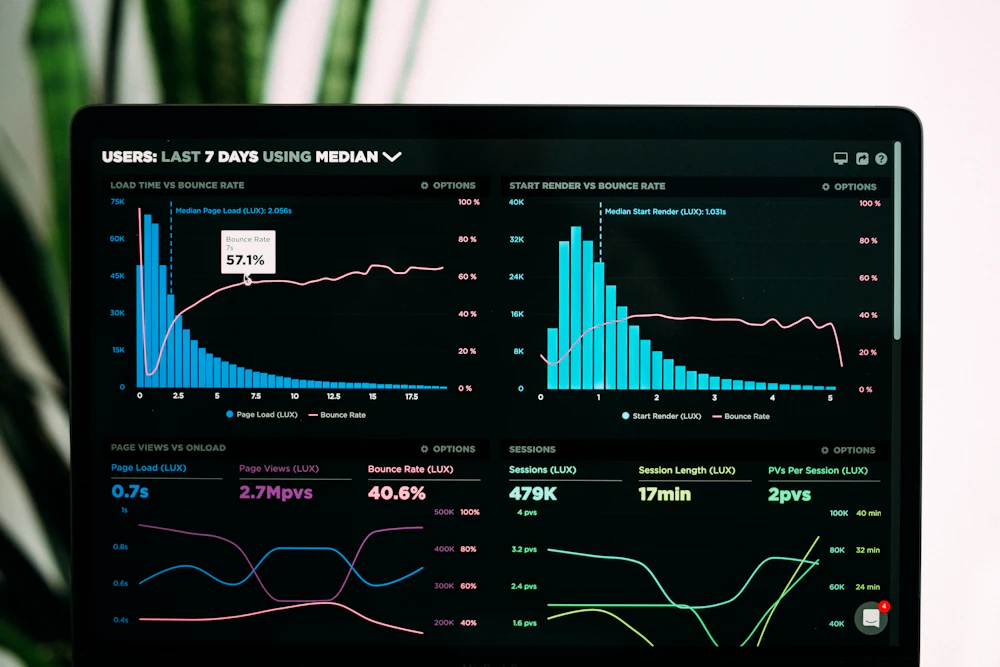
The digital humanities represent perhaps the most significant methodological shift in literary studies over the past decade. This approach applies computational power and algorithmic analysis to traditional humanities questions, allowing scholars to examine literary corpora at a previously impossible scale.
As noted in the description of a contemporary digital culture course, we now recognize that "biases of race, class, gender and sexuality are internal to search algorithms" and that "everyday decisions, behaviours, and desires are linked to our smart media" 1 . This awareness has sparked new literary research into how digital media shape both contemporary literature and our reception of it.
Key Digital Methodologies
Text Mining & Distant Reading
Instead of examining a few texts intensely ("close reading"), researchers can analyze thousands of texts simultaneously to identify stylistic patterns, thematic developments, and linguistic trends across entire literary periods or genres.
Network Analysis
Researchers map relationships between characters, authors, publishers, and literary institutions to understand the social dimensions of literature and how influence operates through social networks.
Geospatial Mapping
Literary works are placed on digital maps to study the geography of literature—how settings shape narratives and how literary movements cluster in specific locations.
Sentiment Analysis
Computational tools track the emotional valence of texts across different periods or genres, offering new insights into how literary emotion is constructed and evolves over time.
Digital Tools Transforming Literary Research
| Digital Tool | Application in Literary Studies | Research Insight |
|---|---|---|
| Text Mining Software | Analyzing thematic patterns across thousands of novels | Reveals previously unnoticed connections between literary movements |
| Network Analysis Programs | Mapping character relationships or author influences | Shows how narrative structures mirror social structures |
| Geographic Information Systems (GIS) | Plotting literary settings and author migrations | Demonstrates how location shapes literary imagination |
| Corpus Linguistics Tools | Tracking linguistic evolution across literary periods | Identifies subtle shifts in literary style and vocabulary |
Contemporary Trends: The New Frontiers of Literary Research
Climate Fiction
Examining how literature explores humanity's relationship with a changing planet and makes complex environmental issues emotionally accessible 2 .
Environmental Humanities EcocriticismNeurodivergent Narratives
Exploring how cognitive diversity shapes narrative structure and increases engagement among neurodivergent readers 2 .
Cognitive Studies Disability StudiesGlobal Literature
Decolonizing the curriculum with increased attention to literatures beyond the Western canon and translation literature 2 .
Postcolonial Studies Translation StudiesEmerging Research Areas in Literary Studies (2025)
| Research Area | Key Research Questions | Methodological Approaches |
|---|---|---|
| Climate Fiction | How does literature shape environmental understanding? How is narrative form changing in response to ecological crisis? | Ecocriticism, narrative theory, interdisciplinary collaboration with sciences |
| Neurodivergent Narratives | How do cognitive differences influence narrative structure? How can literature represent diverse mental experiences? | Cognitive literary studies, disability studies, narrative psychology |
| Global and Postcolonial Literature | How do we read ethically across cultural differences? How does literature respond to and resist colonial legacies? | Postcolonial theory, translation studies, comparative literature |
| Digital Literary Studies | How can computational methods reveal new patterns in literature? What can big data tell us about literary history? | Text mining, network analysis, computational linguistics |
Global Literature and Decolonial Approaches
Literary studies is undergoing a significant decolonization of the curriculum, with scholars paying increased attention to literatures beyond the Western canon. "Translation literature has experienced remarkable growth, with readers increasingly seeking stories from beyond their immediate cultural contexts" 2 , and literary research has followed this trend.
The State of European Literature lecture for 2025, titled 'A Garden of Unwritten Books', explores "what happens when stories are cut short by violence, death or politics – and how literature still finds ways to survive" 3 .
Ukrainian writer Andrey Kurkov describes how "Ukrainian writers are trying to explain the story of Ukraine and how, in Russia, Ukraine's authentic story has stirred a desire to destroy its authors and, indeed, the story itself" 3 .
Methodology Spotlight: Documenting Gibraltarian Literary Culture
Research Context and Objectives
A compelling example of contemporary literary research methodology can be found in studies of Gibraltarian literature and the Llanito linguistic variety. The University of Basel hosted an international conference in September 2025 specifically devoted to "the conditions of literary writing in Gibraltar as well as to the use, the development and the study of Llanito, a Gibraltarian local linguistic variety" 4 .
The researchers note the particular timeliness of this focus "given that a post-Brexit deal for Gibraltar and its border situation has finally been negotiated" 4 , demonstrating how literary scholars often engage with pressing contemporary political and social issues.

Multi-Method Research Approach
Literary Analysis
Close reading of works by Gibraltarian authors such as Rebecca Calderon, who wrote the play "The Civil Garrison" and the novel "Renault 5" 4 . This traditional literary analysis examines themes, styles, and narrative structures.
Sociolinguistic Documentation
Researchers like David Levey have conducted extensive studies of the language situation in Gibraltar, documenting how Llanito functions as a marker of cultural identity 4 .
Creative Practice Research
Poet and scholar Jonathan Teuma explores "how poetry can promote and advance dialects such as Llanito" 4 through both scholarly analysis and his own creative practice.
Digital Archiving and Preservation
The conference highlighted work on "The Llanito Dictionaries" 4 , representing efforts to preserve and make accessible linguistic resources that might otherwise be lost.
Cultural Performance Analysis
The conference included not only traditional academic papers but also performances by slam poets and other artists, acknowledging the importance of embodied literary practice.
Comparative Methodology
The research placed Llanito "in dialogue with Rumantsch, the fourth official language of Switzerland which is spoken in the Grisons and which, like Llanito, testifies to the cultural and linguistic hybridity of a border zone" 4 .
Research Methods in the Gibraltarian Literary Study
| Research Method | Application in the Case Study | Knowledge Generated |
|---|---|---|
| Literary Analysis | Close reading of Calderon's "Ten Thousand Words" short story collection | Reveals how Gibraltarian authors navigate questions of identity, belonging, and colonial legacy |
| Sociolinguistic Analysis | Studying code-switching in Gibraltarian literature and the threat to Llanito | Documents linguistic change and its relationship to cultural identity |
| Creative Practice Research | Teuma's exploration of poetry's role in promoting dialects | Demonstrates how artistic practice can actively shape linguistic landscapes |
| Comparative Methodology | Putting Llanito in dialogue with Rumantsch | Illuminates shared features of border zone languages and literatures |
The Scientist's Toolkit: Research Reagents for Literary Studies
Digital Archives and Databases
Unlike the physical archives of the past, today's literary researchers increasingly rely on digitized collections that allow for both close reading and computational analysis.
Text Analysis Software
Programs like Voyant Tools, AntConc, and various Python libraries for natural language processing allow researchers to identify patterns across large text corpora.
Translation Technologies
While human translators remain essential, literary scholars now have access to increasingly sophisticated machine translation tools that provide preliminary access to texts in unfamiliar languages.
Theoretical Frameworks
Contemporary literary research employs diverse theoretical approaches, from postcolonial and Chinese literary criticism to feminist, psychoanalytic, and ecological frameworks.
Corpus Linguistics Tools
Researchers compiling spoken and written corpora can analyze "key predictors of variation" and track linguistic changes that influence literary production 4 .
Geopolitical Contextual Knowledge
In an era where "Ukrainian writers are trying to explain the story of Ukraine" 3 against Russian aggression, literary scholars must understand the political contexts that shape literature.
Research Tool Usage in Modern Literary Studies
Conclusion: Literature as a Living Laboratory
The landscape of modern literary studies reveals a field in dynamic transition, where traditional interpretive skills merge with technological innovation and global perspectives. Today's literary researchers are not merely curators of cultural heritage but active investigators asking pressing questions about how literature shapes and responds to human experience in a complex world.
From digital humanities to climate fiction, from neurodivergent narratives to decolonial approaches, literary studies has expanded to encompass a breathtaking range of methodologies and concerns.
As the annual State of European Literature lecture asserts, there is "a renewed desire for the truth that literary fiction provides, and the power and precision of poetic expression" 3 in our current moment of political polarization and global challenges.
The field's growing interdisciplinarity—connecting with environmental science, cognitive psychology, political theory, and computer science—suggests that the literary critic of the future will be a versatile scholar capable of moving between close reading and distant vision, between textual analysis and cultural critique.
Literary studies, in all its emerging forms, continues to prove essential to this humanistic endeavor—not by offering simple answers but by cultivating the "curiosity, imagination, reflection, criticism, translation, power of expression, tradition and invention" 3 needed to navigate our complex world. The literary laboratory is open, and its experiments have never been more vital.