Beyond Instinct: How Neuroimaging is Revolutionizing What We Know About Animal Minds
Exploring the silent conversation between species through the lens of modern neuroscience
The Silent Conversation: What Is It Like to Be a Bat?
Have you ever looked into your dog's eyes and wondered, "What are you thinking?" For centuries, the inner lives of animals have been a profound mystery, a silent conversation we could only guess at.
The philosopher Thomas Nagel once famously asked, "What is it like to be a bat?" His point was that even if we understand a bat's sonar system biologically, the subjective experience of being one—what it feels like—seems permanently out of reach 5 .
This question is no longer just philosophical speculation. Today, a revolution is underway at the intersection of neuroscience and comparative psychology. Armed with advanced neuroimaging technologies, scientists are developing innovative methods to peer into the brains of other species, seeking objective clues about their subjective realities. This research doesn't just satisfy our curiosity; it forces us to confront fundamental questions about consciousness, intelligence, and our ethical responsibilities toward the creatures we share the planet with.

Key Concepts: From Philosophy to fMRI
The Problem of Other Minds
The challenge of understanding animal minds starts with a basic philosophical dilemma: the "problem of other minds." We can't directly observe the thoughts or feelings of another being; we can only infer them from behavior 5 .
Dimensions of Consciousness
Scientists now approach animal consciousness not as a simple yes-or-no question, but as a multi-dimensional capacity. Researchers suggest looking at perceptual richness, evaluative richness, and self-awareness 5 .
Role of Neuroimaging
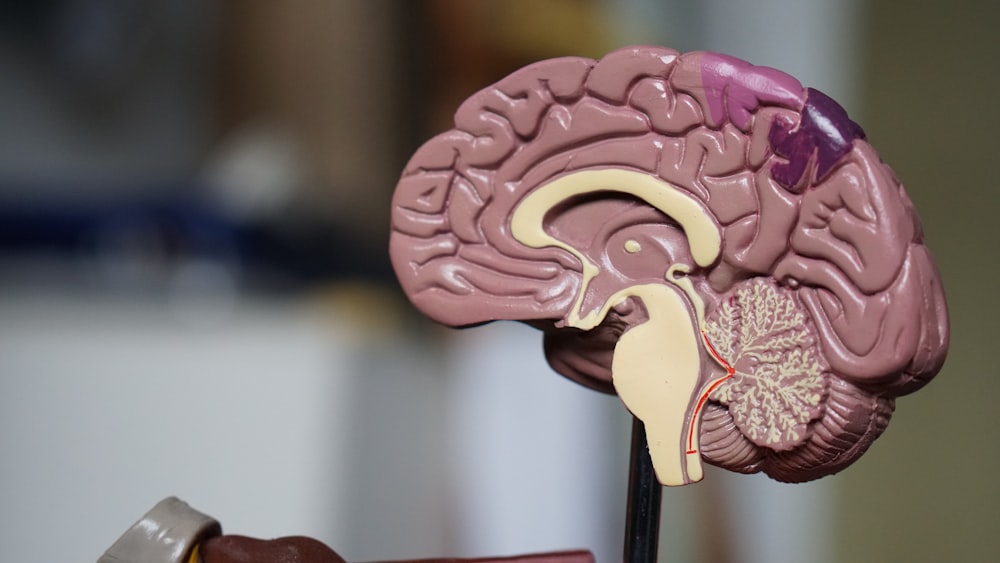
Modern neuroimaging techniques allow scientists to look under the hood. They can search for signatures of consciousness by seeing if an animal's brain processes information in integrated, complex ways similar to our own 6 .
The Problem of Other Minds
When a dog limps and whines, we believe it feels pain. When a crow expertly bends a wire to hook food, we see evidence of problem-solving. But skeptics have historically argued that animals might simply be biological machines, reacting to the world without any inner life 5 .
The Dimensions of Consciousness
Researchers like Birch et al. (2020) suggest looking at several key dimensions 5 :
- Perceptual Richness: The level of detail with which an animal consciously perceives its environment.
- Evaluative Richness: The range of positive and negative feelings, such as pain, fear, or joy.
- Self-Awareness: The recognition of oneself as a distinct individual.
The Role of Neuroimaging
While observing behavior is crucial, it can be open to interpretation (is a behavior a conscious action or an unconscious reflex?). Modern neuroimaging techniques—from functional MRI (fMRI) that tracks brain activity to advanced molecular imaging probes—allow scientists to look under the hood 6 . They can search for signatures of consciousness by seeing if an animal's brain processes information in integrated, complex ways similar to our own, providing a more direct window into the animal's mental world.
A Groundbreaking Experiment: One Mouse, Two Stories
The Experimental Challenge
A major hurdle in neuroscience has been the trade-off between brain preservation and tissue viability. Traditional methods often preserved the entire animal's body, which was excellent for studying the brain's structure but made it impossible to study living cells from the same animal's other organs, like the heart or gut. To truly understand the brain-body connection, researchers needed a way to do both simultaneously.

The Innovative Methodology
In August 2025, a team of cardiovascular researchers at UC Davis Health unveiled a novel solution: a dual-preservation method in mice 1 . The procedure is as follows:
Anesthesia and Preparation
A research mouse is humanely anesthetized for the procedure.
Dual-Path Perfusion
The key step involves carefully perfusing the animal's circulatory system with different solutions.
Simultaneous Collection
The fixed brain is extracted while living samples are collected from other organs.
Multi-Modal Analysis
Both fixed and living tissues are analyzed for comprehensive data.
Results and Analysis
This method, celebrated for its versatility and cost-effectiveness, allows researchers to gather multiple types of data from a single animal 1 . As Professor Xiaodong Zhang, the corresponding author, stated, it "maximizes the scientific value of each model while reducing the number of animals needed for comprehensive studies" 1 .
The table below summarizes the types of data that can be obtained from a single animal using this dual-preservation method, compared to traditional techniques.
| Analysis Type | Dual-Preservation Method | Traditional Method |
|---|---|---|
| Brain Structure & Histology | Yes (from fixed brain) | Yes |
| Functional Cell Studies | Yes (from unfixed organs) | No |
| Molecular Analysis (e.g., DNA/RNA) | Yes (from unfixed organs) | Difficult/Degraded |
| Inter-organ Communication Data | Yes, from the same animal | Requires multiple animals, introducing variability |
"This method maximizes the scientific value of each model while reducing the number of animals needed for comprehensive studies."
The scientific importance is profound. For the first time, scientists can systematically study how a stress signal originates in the brain and directly impacts the heart, or how gut health influences neural function—all within the same individual. This eliminates the biological variability that plagues studies using different animals for different analyses, leading to more reliable and comprehensive data on the intricate brain-body network 1 .
The Scientist's Toolkit
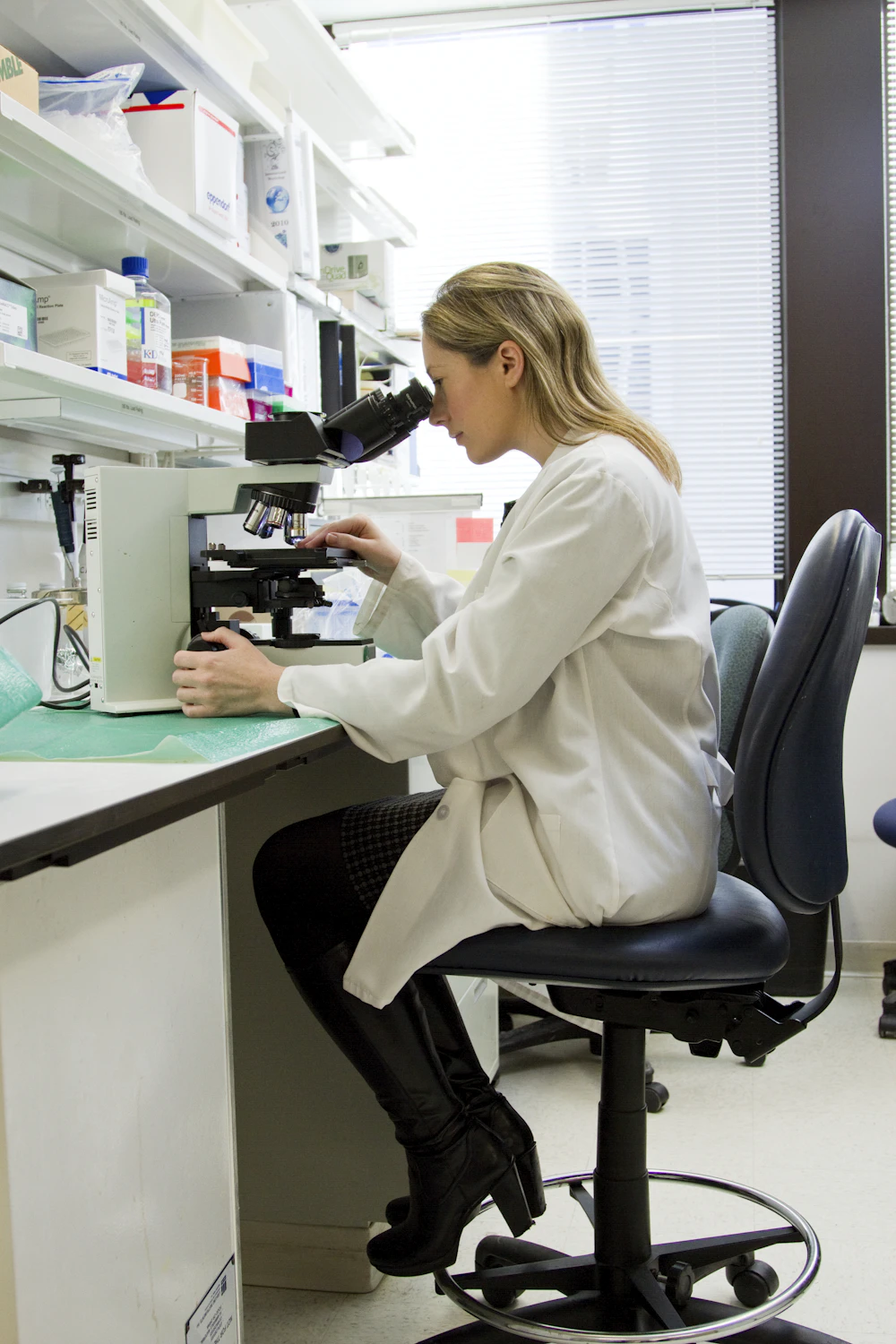
To conduct such sophisticated experiments, researchers rely on a suite of specialized tools and reagents. The following table details some of the key "Research Reagent Solutions" essential for this field.
| Item/Tool | Primary Function |
|---|---|
| Perfusion Pump | A precise pumping system to deliver fixative and protective solutions to different parts of the animal's circulatory system simultaneously 1 . |
| Paraformaldehyde (PFA) | A fixative solution used to preserve the brain's structure, preventing decay and preparing it for detailed microscopic imaging 1 . |
| Artificial Cerebrospinal Fluid (aCSF) | A cold, oxygenated protective solution that keeps unfixed organs alive and healthy for a period after collection, enabling functional studies 1 . |
| Advanced Molecular Imaging Probes | Specialized molecules designed to bind to specific biomarkers in the brain, allowing scientists to visualize molecular pathways and disease processes in real-time using scanners 6 . |
| Wearable Micro-sensors | Tiny devices attached to animals that continuously monitor physiological data like heart rate and body temperature, providing context for brain activity 6 . |
The Ethical Frontier: Balancing Knowledge and Compassion
The drive to understand animal minds is intrinsically linked to the ethics of animal research. There is a growing global focus on the "3Rs" principle: Replacement, Reduction, and Refinement of animal use in science 6 9 . The dual-preservation method is a powerful example of Reduction, as it maximizes data per animal, potentially saving thousands of animal lives 1 .
The 3Rs Principle
Replacement
Using non-animal methods such as computer models or cell cultures whenever possible.
Reduction
Minimizing the number of animals used while still obtaining valid results.
Refinement
Improving experimental techniques to minimize pain, suffering, and distress.
Advancements in Alternatives
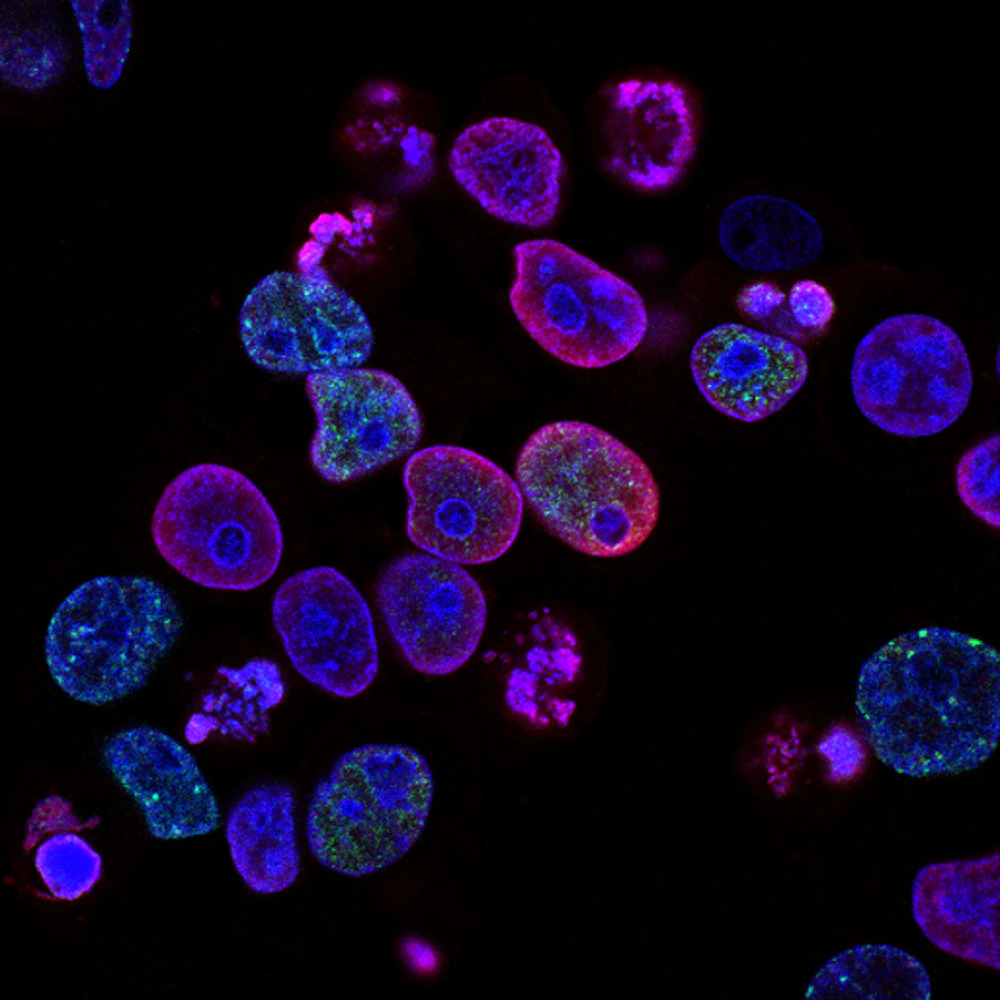
Furthermore, the field is rapidly developing alternatives. In silico approaches, which use computer modeling and simulation, are being integrated into research pipelines to test hypotheses before any live experiments are conducted 6 9 . Brain organoids (miniature, lab-grown brain models) and AI-driven data analysis are also providing new pathways to knowledge that complement or reduce the need for animal models 6 9 . This balanced approach—bridging relentless innovation with ethical responsibility—is the new benchmark for modern neuroscience 9 .
In Silico Models
Computer simulations that model biological processes, reducing the need for animal testing.
Brain Organoids
Miniature, lab-grown brain models that allow for studying neural development and disease.
AI Analysis
Artificial intelligence algorithms that can analyze complex biological data more efficiently.
A New Window into Ancient Minds
The question "What is it like to be a bat?" may never have a perfect answer, but science is getting closer than ever before.
Through innovative methods like the dual-preservation technique and a growing arsenal of neuroimaging tools, we are no longer just guessing. We are listening in on the silent conversation, translating the neural whispers of other species.
This journey is more than technical; it is a deeply human one that challenges our place in the natural world. As we uncover the rich mental landscapes of creatures from crows to octopuses, we are compelled to re-evaluate our relationship with them. The same science that reveals the complexity of the animal mind also illuminates a path toward a more compassionate and humble future, where knowledge and ethics advance together.

References
References will be listed here in the final version.