A Researcher's Guide to Neuronal Culture Contamination: From Routine Monitoring to Advanced Detection
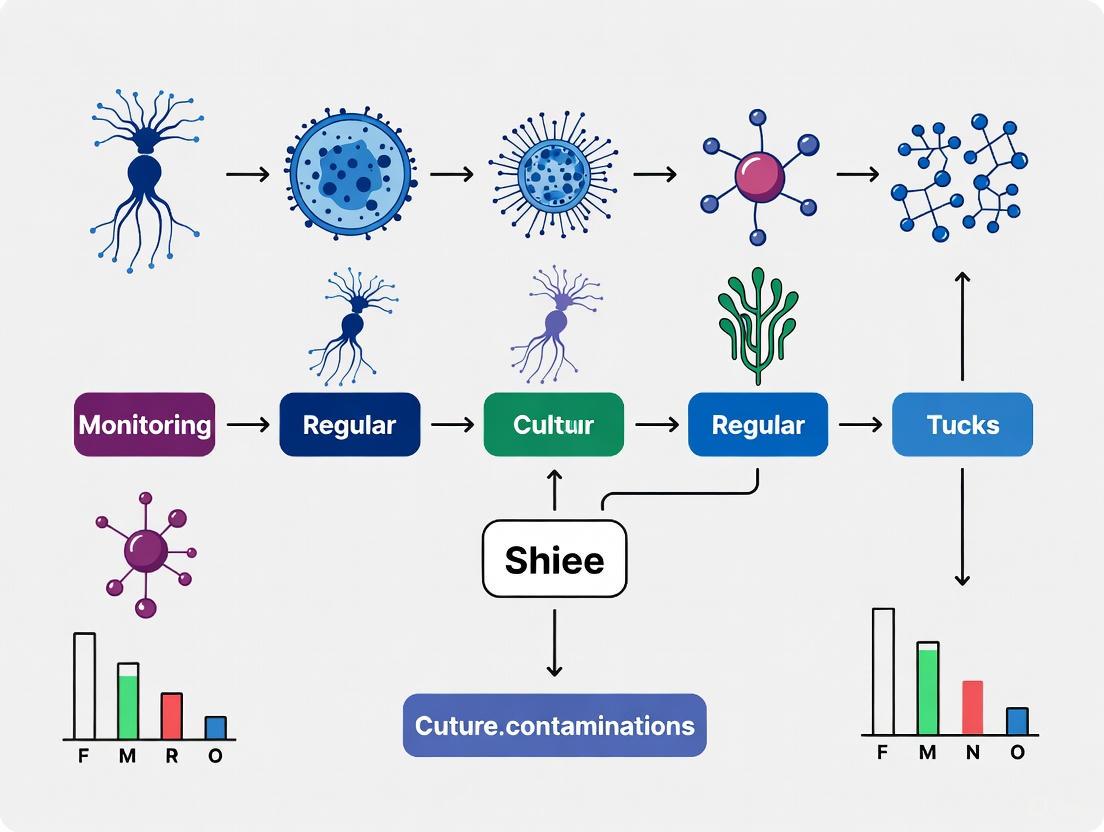
This article provides a comprehensive framework for establishing a robust monitoring schedule to safeguard neuronal cultures against biological contamination.
A Researcher's Guide to Neuronal Culture Contamination: From Routine Monitoring to Advanced Detection
Abstract
This article provides a comprehensive framework for establishing a robust monitoring schedule to safeguard neuronal cultures against biological contamination. Tailored for researchers, scientists, and drug development professionals, it covers the foundational knowledge of common contaminants, outlines practical daily, weekly, and long-term monitoring protocols, and presents advanced troubleshooting and decontamination strategies. Furthermore, it explores cutting-edge validation techniques, including real-time sensor technology and functional electrophysiological analysis, to ensure the integrity and reproducibility of neuroscience research and preclinical testing.
Understanding the Adversary: Types and Impacts of Neuronal Culture Contaminants
Bacterial contamination is a pervasive and critical challenge in cell culture laboratories, capable of compromising experimental integrity and leading to significant data loss. This is particularly crucial in neuronal culture research, where the unique properties of neurons—high susceptibility to environmental changes and long-term culture requirements—make contamination a devastating event [1] [2]. Establishing a regular monitoring schedule is therefore fundamental to successful neuroscience research and drug development programs. Traditional identification methods rely on recognizing classic signs of contamination: turbidity, pH shifts, and characteristic microscopic morphology [1]. This application note provides detailed protocols for monitoring these parameters within the context of neuronal culture contamination research, enabling researchers to detect contamination early and implement appropriate decontamination strategies.
Classical Signs of Bacterial Contamination
Bacterial contamination manifests through several identifiable changes in culture conditions. The table below summarizes the key visual and metabolic indicators.
Table 1: Classical Indicators of Bacterial Contamination in Cell Culture
| Indicator | Description | Timeframe for Appearance |
|---|---|---|
| Turbidity | Cloudy, hazy appearance of the culture medium; sometimes with a thin film on the surface [1]. | Visual inspection within a few days of infection [1]. |
| Rapid pH Drop | Sudden decrease in medium pH, manifesting as a yellow/orange color shift in phenol red-containing media [1]. | Frequently encountered shortly after contamination becomes established [1]. |
| Microscopic Signs | Tiny, shimmering granules between cells under low-power microscopy; individual rod-shaped or spherical bacteria resolved under high-power magnification [1]. | Can be observed via microscopy, often before turbidity is visible to the naked eye. |
For neuronal cultures, which are highly sensitive to physicochemical changes, these deviations can quickly lead to decreased neuronal viability and loss of synaptic activity, compromising weeks of intricate work [2] [3].
Protocol for Routine Microscopic Monitoring of Neuronal Cultures
Regular microscopic examination is the first line of defense for detecting low-level contamination before it becomes widespread.
Materials and Reagents
- Inverted phase-contrast microscope
- Sterile, clear cell culture vessels (e.g., dishes, flasks)
- Personal protective equipment (lab coat, gloves)
- 70% ethanol for decontaminating surfaces
- Laboratory disinfectant for cleaning the microscope and workspace [1]
Step-by-Step Procedure
- Preparation: Clean the microscope stage and all surrounding surfaces with a laboratory disinfectant. Ensure the microscope is calibrated and functioning correctly.
- Visual Inspection: Before placing the culture on the microscope, visually inspect it against a white background for any signs of turbidity or unexpected color change in the medium.
- Low-Power Observation (10x-20x objective):
- Place the culture vessel on the microscope stage.
- Observe the spaces between neuronal cell bodies and along neurites. Look for a "shimmering" effect or the presence of tiny, moving granules. Healthy neuronal networks should appear clean between cells.
- The simulated image below shows a phase-contrast view of adherent cells contaminated with E. coli, illustrating the appearance of tiny granules between cells [1].
- High-Power Observation (40x-60x objective):
- Switch to a higher magnification objective to resolve individual bacteria. They may appear as rod-shaped (bacilli), spherical (cocci), or other distinct shapes.
- Focus through different planes of the medium, as bacteria are not adherent and will be found floating.
- Documentation and Action:
Protocol for Assessing Culture Health via Media pH
Monitoring pH shifts provides a rapid, non-specific indicator of microbial metabolism.
Materials and Reagents
- Cell culture medium containing a pH indicator (e.g., phenol red)
- pH meter (optional, for precise measurement)
- CO₂ incubator maintained at 5% CO₂ [4]
- Uncontaminated, healthy neuronal culture of the same type for comparison
Step-by-Step Procedure
- Baseline Assessment: Familiarize yourself with the normal color of the neuronal culture medium (typically bright red for pH ~7.4 in DMEM/Neurobasal-based media).
- Routine Monitoring: During each feeding or observation, check the color of the culture medium.
- Yellow/Orange Color: Indicates acidic shift (pH <7.0), a common sign of bacterial metabolism producing acidic by-products like lactic acid [1] [4].
- Purple/Magenta Color: Indicates an alkaline shift (pH >7.8), which is less common but can occur in advanced fungal contamination or if CO₂ levels in the incubator are too low [1] [4].
- Confirmatory Testing: If a color change is observed and contamination is the primary suspect, use a pH meter for a quantitative reading. Sudden, unexpected drops in pH are highly indicative of bacterial contamination [1].
- Troubleshooting: Rule out other causes of pH change, such as overcrowded cultures, overgrown cells, or faulty incubator CO₂ regulation [4].
The following workflow diagram outlines the decision-making process for monitoring and responding to potential contamination.
Advanced and Emerging Detection Technologies
While classical methods are essential, advanced technologies offer faster, more sensitive, and automated detection capabilities. The table below compares several modern approaches.
Table 2: Advanced Methods for Bacterial Contamination Detection
| Technology | Principle | Key Performance Metrics | Advantages for Neuronal Research |
|---|---|---|---|
| Machine Learning (ML) with UV Spectroscopy [5] | ML model (e.g., SVM) analyzes UV absorbance spectra of culture supernatant to detect spectral shifts caused by microbial metabolites. | ~21 hours for detection of 10 CFU E. coli; 92.7% mean true positive rate [5]. | Label-free, minimal sample volume (<1 mL); potential for at-line, real-time monitoring in long-term cultures. |
| Total Volatile Organic Compound (TVOC) Sensing [6] | Semiconductor-based sensors detect volatile organic compounds (VOCs) produced by bacterial metabolism inside the incubator. | Detection within 2 hours of contamination onset; specificity for bacterial VOCs demonstrated [6]. | Non-invasive, real-time, continuous monitoring within the incubator; can provide early warning before visible signs. |
| Deep Learning on Microscopic Images [7] | Deep neural network (e.g., ResNet50) analyzes white-light images of microcolonies to classify bacterial species, even with debris. | 100% precision, 94.4% recall on mixed samples; classification within 3 hours [7]. | Can identify contamination in complex samples; high-throughput and automated. |
| Deep Learning on Phase-Contrast Time-Lapses [8] | Neural networks analyze single-cell bacterial division patterns from time-lapse microscopy in microfluidic traps for species ID. | 93.5% avg. precision, 94.7% recall for 7 species after ~1 hour [8]. | Extremely rapid, label-free identification of live bacteria; can be combined with AST. |
The Scientist's Toolkit: Essential Reagents and Materials
This table lists key reagents and materials used in the experiments cited in this note, along with their critical functions.
Table 3: Research Reagent Solutions for Contamination Monitoring
| Item | Function/Application | Reference |
|---|---|---|
| Neurobasal Medium | Serum-free medium optimized for long-term survival and health of primary neurons, reducing glial overgrowth. | [9] [3] |
| B-27 Supplement | A key serum-free supplement for neuronal cultures, providing hormones, antioxidants, and other essential factors. | [9] [3] |
| Poly-D-Lysine | A synthetic polymer used to coat culture surfaces, promoting neuronal adhesion by mimicking the extracellular matrix. | [9] [3] |
| Antibiotics/Antimycotics (e.g., Penicillin/Streptomycin) | Used to control or prevent microbial growth. Note: Routine use is discouraged as it can mask low-level contamination [1]. | [9] [3] |
| One-Class Support Vector Machine (SVM) | A machine learning algorithm used for anomaly detection, such as identifying contaminated samples based on spectral data from sterile training sets [5]. | [5] |
| Microfluidic "Mother Machine" Chip | A device with microscopic traps that hold single bacterial cells for long-term imaging and analysis of growth and division. | [8] |
| Total Volatile Organic Compound (TVOC) Sensor | A semiconductor-based sensor that detects a wide range of volatile organic compounds emitted by metabolizing bacteria. | [6] |
Vigilant monitoring for bacterial contamination through a combination of classical signs and, where available, emerging technologies is a non-negotiable aspect of reliable neuronal culture research. The protocols outlined here for detecting turbidity, pH shifts, and microscopic signs provide a foundational framework for a robust laboratory monitoring schedule. Integrating these practices ensures the integrity of research data, the efficient use of resources, and the advancement of robust drug development pipelines. As the field moves forward, adopting advanced, real-time detection methods will further empower neuroscientists to safeguard their valuable cultures against contamination.
In neuronal culture research, the integrity of your in vitro models is paramount. Fungal contamination, comprising yeasts and molds, represents a frequent and often catastrophic threat to the validity and reproducibility of experiments, particularly in long-term studies of neuronal development, synaptogenesis, and synaptic plasticity. Unlike bacterial contamination, fungal invasion can be initially subtle, escaping notice until it overwhelms the culture, leading to ambiguous results and significant data loss. This Application Note provides a structured framework for the early recognition, identification, and prevention of yeast and mold contamination within the specific context of neuronal culture systems. By integrating morphological identification with modern detection protocols, this guide aims to equip researchers with the knowledge to safeguard their precious neuronal models.
Morphological Identification of Common Contaminants
The first line of defense is visual identification. Recognizing the distinctive morphologies of common fungal contaminants under standard microscopy can prompt immediate containment and decontamination actions.
Yeasts are unicellular fungi that typically appear as spherical, elliptical, or elongated cells. They reproduce asexually through budding, a process where a daughter cell is formed from the surface of the parent cell [10]. In some cases, yeasts can form pseudohyphae, which are chains of elongated cells that resemble true hyphae but are not truly multicellular [10]. In neuronal cultures, contaminants like Saccharomyces cerevisiae (baker's yeast) or Candida albicans may appear as clusters of refractile, oval cells that can be free-floating in the medium or adherent to cells [10] [11].
Molds, in contrast, are multicellular and form a network of filaments called hyphae (collectively, a mycelium) [10]. These hyphae can be septate (with cross-walls) or coenocytic (without cross-walls). Molds reproduce by producing spores, which are easily aerosolized and are a common source of cross-contamination. Under the microscope, mold contamination in a culture dish might start as a single focus of branching, thread-like structures that rapidly expand outward.
Table 1: Morphological Differentiation of Common Fungal Contaminants
| Contaminant Type | Example Species | Key Morphological Features | Appearance in Culture |
|---|---|---|---|
| Yeast | Saccharomyces cerevisiae | Unicellular, oval cells, asexual reproduction by budding [10]. | Clusters of refractile, free-floating or adherent cells. |
| Yeast (Opportunistic Pathogen) | Candida albicans | Can switch from unicellular yeast form to invasive, multicellular filamentous form (pseudohyphae) [10]. | Mixed population of oval cells and elongated chains. |
| Mold | Aspergillus spp., Penicillium spp. | Multicellular, forming branching filaments called hyphae and a network (mycelium) [10]. | Woolly or powdery colonies, often pigmented, with rapid outward expansion. |
Impact on Neuronal Cultures
Fungal contamination directly compromises neuronal health and experimental outcomes. Yeasts and molds compete for nutrients in the culture medium, depleting glucose and amino acids essential for neuronal survival and function. They also release metabolic by-products and, in some cases, mycotoxins, which can be directly neurotoxic [10] [12]. Furthermore, pervasive fungal hyphae can physically disrupt the intricate network of neurites and synapses, rendering studies on synaptic plasticity, such as those investigating proteins like PSD95 or VGAT, uninterpretable [13]. The typical cloud-like expansion of a mold colony can quickly overgrow and destroy a carefully prepared primary hippocampal culture, resulting in a complete loss of weeks of work.
Detection and Identification Methodologies
A multi-tiered approach, from classical culture to molecular techniques, is available for confirming and identifying fungal contaminants.
Classical Culture-Based Methods
The conventional and most widely accessible method involves culturing suspicious samples on selective agar media. These media are designed to inhibit bacterial growth while promoting the development of characteristic fungal colonies.
- Procedure:
- Sample Collection: Aseptically take a sample from the contaminated neuronal culture medium. For surface testing, use a sterile swab on the interior of the incubator or work surface.
- Plating: Spread the sample onto selective agars like Dichloran Rose Bengal Chloramphenicol (DRBC) Agar or Potato Dextrose Agar (PDA) [12]. The antibiotics in these media (e.g., chloramphenicol) suppress bacterial growth.
- Incubation: Invert plates and incubate at 25°C for 5 to 7 days [12]. Neuronal cultures are typically kept at 37°C, but many environmental fungi grow better at room temperature.
- Enumeration and Isolation: Count colonies and sub-culture onto non-selective media like Malt Extract Agar (MEA) for purification.
- Identification: Preliminary identification is based on colony morphology (color, texture) and microscopic examination of hyphal structures and spores, often requiring expert mycology skills [12].
Rapid and Molecular Methods
For faster turnaround times and precise identification, several rapid methods have been developed.
- Automated Growth-Based Systems: Instruments like the Solersis or BioLumix systems detect growth by monitoring biochemical changes (e.g., pH, CO₂ production) in inoculated liquid media, providing results in 48-72 hours [12].
- Molecular Methods:
- PCR-Based Kits: Commercial systems like the BAX System can detect a broad range of yeasts and molds by amplifying a DNA sequence specific to microfungi after an enrichment step [12].
- HybriScan Test Kit: This technology uses rRNA probes in a sandwich hybridization format (similar to ELISA) to detect living yeast cells, such as Saccharomyces cerevisiae, without the need for PCR [10]. Results can be quantified with a microplate reader.
- Chromogenic Media: These agars contain substrates that react with specific enzymes produced by different yeast species, resulting in colonies with distinct colors for easy preliminary identification [10]. For example, Candida albicans may produce green-colored smooth colonies on certain chromogenic agars.
Table 2: Comparison of Yeast and Mold Detection Methods
| Method Type | Example | Time to Result | Key Advantage | Key Disadvantage |
|---|---|---|---|---|
| Classical Culture | DRBC Agar, PDA | 5-7 days [12] | Inexpensive, broad-spectrum. | Slow, requires morphological expertise. |
| Rapid Culture-Based | Soleris, BioLumix | 48-72 hours [12] | Faster than classical methods, automated. | Requires specific equipment. |
| Molecular (DNA-Based) | BAX System, PCR | Hours post-enrichment (e.g., ~44h) [12] | High specificity and sensitivity. | Higher cost, requires molecular lab setup. |
| rRNA Probe-Based | HybriScan | A few hours, no PCR needed [10] | Robust, detects only living cells. | May have limited target range. |
Diagram 1: Fungal Contamination Identification Workflow. This flowchart outlines the step-by-step process from initial suspicion to final identification and action.
Prevention and Control in Neuronal Culture Systems
Preventing fungal contamination is vastly more efficient than managing an outbreak. Stringent aseptic technique is the cornerstone of prevention.
Optimized Protocol for Aseptic Neuronal Culture
The following protocol integrates critical steps for contamination prevention, based on established methods for primary neuronal culture [13] [3].
Materials and Reagents:
- Poly-L-Lysine: Used to coat coverslips or culture vessels to enhance neuronal adhesion.
- Neurobasal Plus Medium: A serum-free medium optimized for neuronal survival.
- B-27 Supplement: Provides essential hormones and nutrients for long-term neuronal health.
- Antibiotics/Antimycotics: While not a substitute for aseptic technique, supplements like Amphotericin B (an antimycotic) and Gentamicin can be included in the initial plating medium as a prophylactic measure, especially during dissection and plating phases [13]. Many labs omit them after the first few days to ensure culture health.
Coating and Plating Procedure:
- Coverslip Preparation: Under a sterile laminar flow hood, arrange glass coverslips on a sterile rack. Wash 4 times with sterile PBS. Coat with a solution of Poly-L-Lysine (100 µg/mL in sterile borate buffer) for 12-16 hours in a 37°C incubator [13].
- Rinsing: Rinse the coated coverslips 4 times with sterile PBS to remove excess Poly-L-Lysine. Leave the final PBS wash on the coverslips and return them to the incubator until ready for plating [13]. CRITICAL: All steps must be performed under sterile conditions.
- Dissection and Dissociation: Perform brain dissection and tissue dissociation using sterilized instruments. Enzymatic digestion (e.g., with Papain) and mechanical trituration are used to create a single-cell suspension.
- Plating: Plate the neuronal cell suspension at the desired density (e.g., 60,000–70,000 neurons per 18mm coverslip) onto the pre-warmed, PBS-rinsed coverslips in complete neuronal culture medium [13].
- Maintenance: Culture neurons in a humidified incubator at 37°C with 5% CO₂. Perform half-medium changes carefully every 5-7 days with pre-warmed, antibiotic-free neuronal culture medium to maintain health without encouraging the growth of resistant contaminants.
Diagram 2: A Multi-layered Strategy for Preventing Fungal Contamination. This diagram outlines the key pillars of an effective contamination prevention protocol.
The Scientist's Toolkit: Research Reagent Solutions
Table 3: Essential Reagents for Fungal Contamination Management in Neuronal Culture
| Reagent / Kit | Function / Application | Example Usage / Note |
|---|---|---|
| Dichloran Rose Bengal Chloramphenicol (DRBC) Agar | Selective isolation and enumeration of yeasts and molds from environmental swabs or culture samples [12]. | Contains antibiotics to inhibit bacterial growth. Incubate at 25°C for 5-7 days. |
| Poly-L-Lysine | Coating agent for culture surfaces to promote neuronal adhesion [13]. | Proper coating and subsequent rinsing create a clean, defined surface for plating. |
| Amphotericin B | Antifungal agent for supplementation in culture media to prevent fungal outgrowth [13]. | Often used during initial plating phase; can be toxic to some cells with long-term exposure. |
| HybriScan Yeast Kit | Rapid detection and quantification of specific yeast species (e.g., Saccharomycetaceae) via rRNA probes [10]. | Provides a YES/NO result for living cells; faster than culture. |
| Chromogenic Agar | Selective isolation and differential identification of yeast species based on colony color [10]. | Different species produce colonies of distinct colors (e.g., green for C. albicans). |
| DNA Extraction Kit (FFPE Tissue) | Extraction of fungal DNA from complex, fixed samples for downstream molecular identification [14]. | Useful for analyzing contaminated samples that have been fixed for histology. |
Maintaining the integrity of neuronal cultures is fundamental to producing reliable neuroscience data. Contamination by mycoplasma and viruses represents a pervasive, often "hidden" threat that can profoundly alter cellular function, gene expression, and proteomic profiles, thereby compromising experimental outcomes. This is especially critical when studying subtle neuronal processes like synaptogenesis and long-term plasticity. Establishing a regular monitoring schedule is not merely a best practice but a necessity for ensuring the validity of research findings. This application note provides a structured framework and detailed protocols for the detection of these contaminants, specifically contextualized for neuronal culture systems.
Contaminant Detection at a Glance
A strategic approach to contamination control involves selecting the appropriate detection method based on factors such as sensitivity, speed, and cost. The following table summarizes the key characteristics of common and emerging detection techniques.
Table 1: Comparison of Contaminant Detection Methods for Neuronal Cultures
| Contaminant | Detection Method | Key Principle | Time to Result | Key Advantages | Key Limitations |
|---|---|---|---|---|---|
| Mycoplasma | PCR [15] | Amplification of mycoplasma-specific 16S rRNA gene sequences. | < 3 hours | High sensitivity (<5 genomes/μL); detects all common species; can use supernatant [15]. | Does not distinguish between viable and non-viable organisms. |
| Mycoplasma | DNA Staining (Hoechst) [16] [17] | Fluorescent staining of extranuclear DNA. | Several hours | Rapid; direct visualization; low cost. | Prone to false positives from host cell cytoplasmic DNA; only reliable for heavy contamination [16] [17]. |
| Mycoplasma | Colocalization (DNA & Membrane Stain) [16] [17] | Co-staining with DNA dye (Hoechst) and membrane dye (WGA) to confirm mycoplasma location on cell surface. | Several hours | High accuracy; minimizes false positives from host DNA; direct visualization [16] [17]. | Requires high-resolution fluorescence microscopy. |
| Virus (e.g., EBV, OvHV-2) | PCR [18] | Amplification of virus-specific genetic material. | Hours to a day | High sensitivity and specificity; can detect latent and active forms [18]. | Requires knowledge of target sequence; does not indicate infectious load. |
| Virus (Broad-spectrum) | Proteomic Analysis [19] | Mass spectrometry detection of viral and host proteins using a customized library. | Days | Unbiased discovery; confirms infection and reveals virus-specific proteomic signatures [19]. | Technically complex; expensive; requires specialized expertise and equipment. |
| Virus | Cytopathic Effect (CPE) Observation [18] | Microscopic observation of virus-induced morphological changes (e.g., rounding, syncytia). | Days to weeks | Simple; low cost; no special equipment. | Insensitive; slow; not all viruses cause CPE; subjective. |
Detailed Experimental Protocols
Protocol: Enhanced Mycoplasma Detection via DNA-Membrane Colocalization
This protocol details a highly accurate fluorescence microscopy method that overcomes the limitations of DNA staining alone by confirming the extranuclear DNA is localized to the cell surface, a key characteristic of mycoplasma contamination [16] [17].
Workflow Overview:
Materials and Reagents:
- Primary Hippocampal or Cortical Neurons: Cultured on 18 mm glass coverslips according to established protocols [13] [3].
- Fixative: 4% Paraformaldehyde (PFA) in PBS.
- Permeabilization Solution: 0.2% Triton X-100 in PBS [3].
- Blocking Solution: 2% Normal Goat Serum (NGS) in PBS [3].
- Wheat Germ Agglutinin (WGA): Conjugated to Alexa Fluor 555 (or similar), for plasma membrane staining.
- DNA Stain: Hoechst 33342.
- Mounting Medium: Antifade mounting medium.
Step-by-Step Procedure:
- Culture and Fixation: Plate and maintain primary neurons on poly-L-lysine-coated coverslips until the desired maturity is reached [13]. Aspirate the culture medium and wash the cells gently with warm PBS. Fix the neurons with 4% PFA for 15 minutes at room temperature.
- Permeabilization and Blocking: Wash the fixed cells three times with PBS. Permeabilize by applying the 0.2% Triton X-100 solution for 10 minutes. Wash again with PBS and incubate with the 2% NGS blocking solution for 1 hour at room temperature to reduce non-specific binding.
- Staining: Prepare the WGA-Alexa Fluor 555 conjugate in blocking solution at the manufacturer's recommended dilution. Apply to the cells and incubate for 1 hour in the dark. Wash thoroughly with PBS to remove unbound stain. Subsequently, incubate the cells with Hoechst 33342 (diluted in PBS according to the manufacturer's instructions) for 10 minutes in the dark, followed by a final PBS wash.
- Mounting and Imaging: Mount the coverslips onto glass slides using an antifade mounting medium. Seal the edges with nail polish. Image using a high-resolution fluorescence microscope equipped with appropriate filter sets for DAPI (Hoechst) and TRITC (WGA-Alexa Fluor 555).
- Analysis: A positive mycoplasma contamination is indicated by the clear colocalization of punctate Hoechst (DNA) staining with the WGA-defined plasma membrane. The absence of such colocalization, particularly if extranuclear DNA is found within the cytoplasmic compartment, suggests a false positive from host cell debris [16] [17].
Protocol: Viral Detection via PCR and Proteomic Profiling
This protocol combines a targeted approach for specific viruses with an unbiased method for discovering viral infections and their downstream effects on neuronal protein networks.
Workflow Overview:
Part A: Targeted PCR Detection [18]
- Sample Collection: Collect cell culture supernatant and/or a pellet of neuronal cells.
- Nucleic Acid Extraction: Isolate total DNA and RNA using a commercial kit. For RNA viruses, perform reverse transcription to generate cDNA.
- PCR Amplification: Design primers specific to viruses of concern (e.g., EBV, OvHV-2, HSV-1). Prepare PCR master mix and run amplification with appropriate cycling conditions.
- Analysis: Analyze PCR products by agarose gel electrophoresis. A distinct band at the expected size indicates viral contamination.
Part B: Untargeted Proteomic Analysis [19]
- Protein Extraction and Digestion: Lyse neuronal cells. Reduce, alkylate, and digest proteins with trypsin.
- Mass Spectrometry: Desalt and analyze the resulting peptides by liquid chromatography coupled to tandem mass spectrometry (LC-MS/MS).
- Data Analysis: Search the fragmentation spectra against a customized protein sequence database containing both human and viral entries to identify viral proteins and virus-induced alterations in the host neuronal proteome [19].
The Scientist's Toolkit: Essential Research Reagents
Successful detection and maintenance of clean neuronal cultures rely on specific, high-quality reagents.
Table 2: Essential Reagents for Neuronal Culture and Contaminant Detection
| Reagent/Category | Specific Examples | Function and Application |
|---|---|---|
| Cell Culture Medium | Neurobasal Plus Medium [13] | Optimized serum-free medium for the long-term health and viability of primary neurons. |
| Culture Supplements | B-27 Supplement, GlutaMAX [13] | Provides essential hormones, antioxidants, and stable glutamine replacement to support neuronal growth and reduce stress. |
| Coating Substrate | Poly-L-Lysine [13] [3] | A synthetic polymer that coats culture surfaces to enhance neuronal attachment and outgrowth. |
| Mycoplasma Detection | MycoScope PCR Kit [15] | A sensitive PCR-based kit for detecting a broad range of mycoplasma species from cell culture supernatant. |
| Fluorescent Probes | Hoechst 33342, WGA-Alexa Fluor Conjugates [16] [17] | DNA and membrane stains, respectively, used in the colocalization method for specific mycoplasma detection. |
| Viral Detection | Virus-specific PCR Primers, Custom Proteomic Libraries [19] [18] | Targeted primers for PCR and comprehensive protein databases for mass spectrometry are crucial for identifying viral contaminants. |
The integrity of neuronal research is inextricably linked to the purity of the cell cultures. Mycoplasma and viral contaminants can induce subtle yet profound changes that invalidate experimental data. Implementing a regular monitoring schedule that combines rapid, sensitive PCR methods with confirmatory microscopic or proteomic techniques is a critical defense against this hidden threat. The protocols and strategies outlined here provide a robust foundation for researchers to safeguard their neuronal cultures, thereby ensuring the reliability and reproducibility of their findings in neuroscience and drug development.
The cultivation of primary neurons and other cell lines has become a versatile and indispensable tool in biomedical research, regenerative medicine, and biotechnological production [20]. These in vitro systems are particularly valuable in neuroscience for investigating fundamental aspects of neuronal function, development, and pathology, especially with increasing restrictions on the use of laboratory animals [20] [3]. However, the fragility and sensitivity of neuronal cultures make them exceptionally vulnerable to biological contaminants, including bacteria, fungi, yeast, viruses, and mycoplasma [20] [21].
The consequences of undetected contamination extend far beyond simple culture loss. Compromised cultures silently skew experimental data through multiple biochemical and cellular pathways, generating false results that contaminate the scientific literature and contribute significantly to the reproducibility crisis in life sciences research [22]. A 2015 analysis highlighted this pervasive problem, reporting that over 50% of published research is irreproducible, costing approximately $28 billion annually [22]. Furthermore, it is estimated that 15% or more of human cell lines are not derived from their claimed sources, and studies suggest over 30,000 publications have reported research using misidentified cell lines [22].
This application note examines the molecular and functional mechanisms through which contamination compromises neuronal culture data, provides validated detection methodologies, and presents essential protocols for establishing robust contamination monitoring schedules within neuroscience research programs.
How Contamination Skews Experimental Data
Biological contaminants interfere with experimental systems through diverse mechanistic pathways, ultimately generating data that reflects artifact rather than biology. The table below summarizes primary contamination sources and their specific impacts on neuronal cultures.
Table 1: Common Biological Contaminants and Their Experimental Impacts
| Contaminant Type | Primary Sources | Key Effects on Neuronal Cultures | Impact on Experimental Data |
|---|---|---|---|
| Mycoplasma (e.g., M. orale, M. hyorhinis, A. laidlawii) | Personnel, Fetal Bovine Serum, Trypsin [21] | Alters gene expression, induces morphological changes, depletes nutrients, induces chromosomal aberrations [21] [22] | Skews transcriptomics, compromises morphology studies, invalidates metabolic assays, generates false cytogenetic data |
| Bacteria (Gram-positive & negative) | Aerosols, water, surfaces [21] | Culture turbidity, pH changes, nutrient depletion, endotoxin release (Gram-negative) [21] [6] | Obscures visual observation, compromises viability assays, induces inflammatory responses |
| Viruses | Serum, contaminated cell lines [21] | Covert persistence, cytopathic effects, alteration of host cell functions [21] | Unpredictable effects on neuronal physiology, false positives/negatives in infection studies |
| Fungi/Yeast | Airborne spores, personnel [21] | Mycelial growth, pH alterations, metabolic competition [20] | Culture overgrowth, metabolic interference, microscopic obstruction |
Molecular Mechanisms of Experimental Compromise
Mycoplasma contamination represents one of the most insidious problems, with approximately 5-30% of cell lines infected worldwide, causing an estimated $350 million in annual economic losses [21]. These minute bacteria (0.15-0.3 μm) lack cell walls and possess specialized tip organelles containing high concentrations of adhesins that facilitate attachment to and penetration of host neuronal cells [21]. This intimate association allows mycoplasma to exchange membrane and cytoplasmic components with host cells, leading to:
- Metabolic Interference: Mycoplasmas compete for essential nutrients including nucleotides, amino acids, and lipids, depleting culture media and starving neuronal cells [21].
- Gene Expression Alteration: Infection triggers substantial changes in host cell transcription and translation profiles, severely compromising data from RNA sequencing, proteomics, and pathway analysis studies [21].
- Cellular Function Disruption: Mycoplasmas can induce chromosomal aberrations, modify membrane receptor expression, and alter cellular morphology, invalidating studies of neuronal differentiation, synapse formation, and signaling pathways [21].
Bacterial endotoxins from Gram-negative contaminants present another significant concern. These highly toxic chemicals, embedded in the outer membrane of bacteria, are released during various growth phases and can trigger potent inflammatory responses in neuronal cultures even at minimal concentrations [21]. Endotoxin exposure can activate microglial cells and alter neuronal function, producing data that reflects contamination-induced pathology rather than experimental variables.
The following diagram illustrates the multifaceted mechanisms through which contamination compromises neuronal experimental data:
Establishing a Comprehensive Monitoring Schedule
Effective contamination control requires a systematic, multi-layered approach incorporating routine screening, strict culture practices, and thorough documentation. The following protocol outlines essential quality control measures for maintaining neuronal culture integrity.
Routine Quality Control Protocol
Frequency: Weekly Monitoring
Visual Inspection
- Examine cultures daily using phase-contrast microscopy for signs of contamination including:
Mycoplasma Testing
- Method: PCR-based detection or fluorescent Hoechst staining
- Frequency: Monthly for actively cultured lines; upon receipt of new lines
- Documentation: Maintain detailed records of testing dates and outcomes [22]
Culture Authentication
Bacterial and Fungal Screening
- Method: Aerobic and anaerobic culture of conditioned media
- Frequency: Quarterly for cell banks; following any suspicious observations [21]
Advanced Real-Time Monitoring Technologies
Emerging technologies now enable continuous, non-invasive monitoring of contamination within cell culture incubators. Recent studies demonstrate the potential of semiconductor-based sensors for detecting bacterial emissions of volatile organic compounds (TVOC) as early indicators of contamination [6].
Real-Time TVOC Monitoring Protocol:
- Technology: Semiconductor-based TVOC, ammonia, and hydrogen sulfide sensors
- Implementation: Direct placement inside cell culture incubators
- Detection Window: Contamination identification within 2 hours of onset [6]
- Advantages: Non-invasive, automated, continuous monitoring without culture disruption
Table 2: Contamination Monitoring Schedule and Methodologies
| Monitoring Activity | Recommended Frequency | Primary Methodologies | Key Indicators |
|---|---|---|---|
| Visual Inspection | Daily | Phase-contrast microscopy | Turbidity, pH changes, unusual particles, cytopathic effects |
| Mycoplasma Testing | Monthly + new lines | PCR, fluorescent DNA staining | Positive amplification, extranuclear DNA staining |
| Cell Authentication | 6 months + new cultures | STR profiling, COX-1 sequencing | Profile mismatches, species discrepancies |
| Bacterial/Fungal Screening | Quarterly + suspicions | Culture inoculation, biosensors | Microbial growth, TVOC spikes |
| Real-time Monitoring | Continuous | TVOC sensors in incubators | Elevated volatile organic compounds [6] |
| Comprehensive QC | Annually | Full panel: mycoplasma, viruses, cross-contamination | Multiple parameter assessment |
The Researcher's Toolkit: Essential Reagent Solutions
Successful neuronal culture maintenance requires specific reagents and materials optimized for neural cell viability and function. The following table details critical components for establishing and monitoring contamination-free neuronal cultures.
Table 3: Essential Research Reagents for Neuronal Culture and Contamination Control
| Reagent/Material | Primary Function | Application Notes | Contamination Control Role |
|---|---|---|---|
| Neurobasal Medium | Serum-free neuronal culture | Optimized for primary neurons; minimal non-neuronal cell support [3] [23] | Reduces serum-derived contaminants (mycoplasma, viruses) |
| B-27 Supplement | Neuronal survival and growth | Provides essential antioxidants, hormones, and nutrients [3] [23] | Enhances neuronal health and contamination resistance |
| Poly-L-lysine | Substrate coating | Promotes neuronal attachment to culture surfaces [23] | Creates defined growth environment minimizing cross-contamination |
| Mycoplasma Detection Kit | Contamination screening | PCR or fluorescent staining-based detection [22] | Essential for identifying covert mycoplasma contamination |
| Antibiotic-Antimycotic | Microbial suppression | Limited use recommended to avoid masking contamination [20] | Emergency control; not recommended for routine long-term use |
| DNase I | DNA digestion during dissociation | Reduces clumping in primary neuronal preparations [23] | Improves culture purity by removing extracellular DNA |
| Trypsin/EDTA | Cell dissociation | Enzymatic detachment for subculturing [20] | Quality-controlled reagents minimize introduced contaminants |
| Characterized FBS | Growth supplement (where required) | Thoroughly screened for contaminants and performance [21] | Reduces risk of bovine-derived mycoplasma and viruses |
Comprehensive Contamination Control Workflow
Implementing a systematic contamination control strategy requires coordination across multiple laboratory processes, from cell culture initiation to experimental analysis. The following workflow provides a visual guide to essential quality control decision points:
Impact on Research Reproducibility and Data Integrity
The consequences of undetected contamination extend beyond individual experiments to affect the entire scientific ecosystem. Compromised cultures generate data that appears valid but contains systematic biases and artifacts, leading to:
False Discovery: Contamination-induced cellular stress responses can be misinterpreted as experimental effects, generating false positive findings in drug screening, toxicity testing, and mechanistic studies [21] [22].
Literature Pollution: The estimated 16.1% of published papers that used problematic cell lines have introduced substantial noise into scientific databases, making literature mining and meta-analyses unreliable [20].
Resource Waste: Irreproducible research based on contaminated cultures wastes tremendous scientific resources, with estimated costs of $28 billion annually in preclinical research alone [22].
Therapeutic Risks: For neuronal research directed toward drug development and regenerative medicine, contamination-compromised data creates false leads and potentially unsafe therapeutic candidates [21].
Vigilant contamination control is not merely a technical exercise in cell culture maintenance but a fundamental component of scientific rigor in neuroscience research. The intricate sensitivity of neuronal cultures to biological contaminants necessitates implementing comprehensive monitoring schedules that extend beyond basic visual inspection to include regular molecular authentication and mycoplasma screening. By adopting the protocols and quality control measures outlined in this application note, researchers can significantly enhance the reliability of their neuronal culture data, contribute to resolving the reproducibility crisis, and accelerate genuine discovery in neuroscience.
Cross-contamination represents one of the most significant and persistent threats to the validity of biomedical research, particularly in the field of neuroscience where neuronal cell cultures serve as fundamental tools for investigating development, function, and pathology. This phenomenon occurs when cells from one cell line are inadvertently introduced into another culture, leading to misidentified cell lines that can compromise years of research findings and drug development efforts. The problem is especially acute in neuronal research due to the technical challenges associated with primary neuronal isolation, the slow growth characteristics of many neuronal populations, and the increasing complexity of co-culture systems that model neural interactions.
The implications of undetected cross-contamination are far-reaching, potentially leading to irreproducible experimental results, misinterpretation of cellular mechanisms, and failure in drug development pipelines. In the context of neuronal cultures, where researchers increasingly employ sophisticated co-culture systems to study cell-cell interactions, the risk of contamination extends beyond misidentification to include overgrowth by more robust cell types, ultimately overshadowing the delicate neuronal populations under investigation. This application note examines the sources, detection methods, and prevention strategies for cross-contamination, with particular emphasis on maintaining the integrity of neuronal culture systems within a regular monitoring schedule.
Detection and Identification of Contamination
Computational Methods for Contamination Detection
Next-generation sequencing (NGS) technologies have enabled the development of sophisticated bioinformatic tools for detecting cross-contamination in cell lines and biological samples. These tools are particularly valuable for verifying cell line identity in neuronal cultures, where morphological similarities between cell types can make visual identification challenging.
Table 1: Computational Tools for Contamination Detection in NGS Data
| Tool Name | Primary Application | Key Features | Performance Metrics |
|---|---|---|---|
| Conpair | Solid tumor NGS analysis | Identifies contamination and predicts contamination levels; best performance for solid tumor analysis | Highest performance for contamination identification and level prediction in solid tumors [24] |
| CroCo | RNA-seq data from multiple species | Database-independent; uses expression levels (TPM) to identify contaminants; targets cross-contamination across samples | Efficiently detects contaminants in real and simulated data; removes pervasive cross-contamination [25] |
| ConSPr (Contamination Source Predictor) | Cancer NGS analysis | Python script built on Conpair to identify contamination source | Helps pinpoint exact source of contamination in sample sets [24] |
| BlobTools | Genomic data | Detects contaminants based on GC content, read coverage, and taxonomic assignment | Relies on BLAST against NCBI non-redundant database [25] |
| Anvi'o | Genomic data | Automatically bins contigs based on read coverage/k-mer frequencies, then identifies contaminant bins | Uses clustering approach for contamination detection [25] |
The fundamental principle underlying many contamination detection tools involves comparing sequence data across samples. CroCo, for instance, operates on the assumption that contaminating molecules will be found in lower quantities in the contaminated sample than in their sample of origin. The tool classifies transcripts into five categories: Clean, Cross-contamination, Dubious, Over-expressed, and Low coverage based on expression levels across samples [25]. This approach is particularly useful for neuronal co-culture systems where multiple cell types are intentionally combined, but unintentional contamination needs to be identified.
Practical Laboratory Methods for Contamination Monitoring
Beyond computational approaches, traditional laboratory methods remain essential for contamination monitoring in neuronal cultures:
- Short tandem repeat (STR) profiling: The gold standard for human cell line authentication
- Isoenzyme analysis: For species verification
- Karyotyping: Chromosomal analysis to identify interspecies contamination
- Morphological monitoring: Regular microscopic examination for unexpected changes in cellular appearance
- Growth characteristic analysis: Monitoring for unexpected proliferation rates
For neuronal cultures specifically, regular immunocytochemistry using cell-type-specific markers (e.g., NeuN and βIII-tubulin for neurons, GFAP and CD44 for astrocytes, IBA1 and P2RY12 for microglia) provides essential verification of cellular identity and purity [26]. This approach is crucial for detecting overgrowth by non-neuronal cells in primary neuronal cultures, a common problem given the rapid proliferation of glial cells compared to post-mitotic neurons.
Prevention Strategies and Quality Control Protocols
Establishing a Regular Monitoring Schedule
Implementing a systematic, regular monitoring schedule is paramount for preventing and early detection of contamination in neuronal cultures. The following workflow outlines essential components of an effective monitoring protocol:
This monitoring schedule should be tailored to specific laboratory needs and culture systems. For neuronal cultures, which may be more sensitive to disruption, non-invasive methods should be prioritized where possible.
Laboratory Practice Guidelines for Contamination Prevention
Preventing cross-contamination begins with rigorous laboratory practices:
- Physical separation: Culture only one cell line at a time in a biosafety cabinet when possible
- Reagent dedication: Use separate media aliquots and reagents for different cell lines
- Workflow direction: Always work from lower to higher risk cultures
- Equipment sterilization: Regularly clean water baths, incubators, and other shared equipment
- Personal protective equipment: Change gloves between handling different cell lines
- Aseptic technique validation: Regularly test personnel technique through sterility testing
For neuronal cultures specifically, additional precautions are necessary due to their heightened sensitivity. These include using antibiotic-free media when possible (to prevent masking contamination), implementing mycoplasma testing quarterly, and maintaining separate incubators for primary neuronal cultures and rapidly dividing cell lines.
Protocols for Neuronal Culture and Contamination Monitoring
Protocol: Isolation and Culture of Primary Cortical Neurons with Quality Control Steps
The following protocol, adapted from optimized methods for rat cortical neurons, incorporates specific quality control measures for contamination prevention [3]:
Materials and Reagents:
- Ice-cold Hanks' Balanced Salt Solution (HBSS)
- Neurobasal Plus medium
- B-27 supplement
- GlutaMAX supplement
- Poly-D-lysine coating solution
- Papain dissociation system
Procedure:
- Preparation: Prepare poly-D-lysine coated plates at least 24 hours before isolation. Sterilize all surgical instruments.
- Tissue dissection: Isolate cerebral cortices from E17-E18 rat embryos in ice-cold HBSS. Limit dissection time to 2-3 minutes per embryo to maintain neuronal viability.
- Tissue processing: Incubate tissue in papain solution at 37°C for 15-20 minutes, then triturate gently to achieve single-cell suspension.
- Plating: Plate cells at appropriate density (approximately 50,000-100,000 cells/cm²) in neuronal culture medium.
- Quality control step: Reserve a small aliquot of cells for STR profiling or other authentication methods.
- Maintenance: Perform half-medium changes every 2-3 days with pre-warmed neuronal culture medium.
- Regular monitoring: Examine cultures daily for morphological signs of contamination or overgrowth by non-neuronal cells.
Troubleshooting:
- If rapid proliferation is observed, add cytosine arabinoside (Ara-C) to inhibit dividing cells
- If morphological deterioration occurs, verify supplement concentrations and storage conditions
- If contamination is suspected, immediately isolate the culture and test for mycoplasma
Protocol: Authentication Testing for Neuronal Cultures
Regular authentication of neuronal cultures is essential for research validity:
STR Profiling Protocol:
- Sample collection: Harvest approximately 10⁶ cells during routine passaging or at specific time points
- DNA extraction: Use commercial DNA extraction kits following manufacturer's instructions
- PCR amplification: Amplify STR loci using commercially available kits
- Fragment analysis: Separate amplified fragments by capillary electrophoresis
- Data analysis: Compare resulting STR profile to reference databases or original tissue samples
Frequency: Perform STR profiling upon culture initiation, before freezing down stocks, and every 3-6 months for actively maintained cultures.
The Scientist's Toolkit: Essential Reagents and Materials
Table 2: Research Reagent Solutions for Neuronal Culture and Contamination Prevention
| Reagent/Category | Function/Application | Examples/Specifics |
|---|---|---|
| Culture Medium Supplements | Support neuronal survival and growth | Neurobasal Plus medium, B-27 supplement, GlutaMAX supplement [3] |
| Dissociation Reagents | Tissue dissociation for primary culture | Papain, trypsin, Accutase; concentration critical for viability [3] |
| Coating Substrates | Provide adhesion surface for neurons | Poly-D-lysine, laminin, Matrigel (GFR at 8.7 μg/cm²) [26] |
| Cell Authentication Kits | Verify cell line identity | STR profiling kits, isoenzyme analysis kits |
| Contamination Detection Kits | Identify microbial contamination | Mycoplasma detection kits, bacterial/fungal culture tests |
| Cell-type-specific Markers | Verify neuronal identity and purity | Antibodies against NeuN, βIII-tubulin (neurons), GFAP (astrocytes), IBA1 (microglia) [26] |
| Selective Inhibitors | Control non-neuronal cell overgrowth | Cytosine arabinoside (Ara-C), 5-fluorodeoxyuridine |
Advanced Co-culture Systems and Contamination Risks
Complex Neuronal Co-culture Models
Advanced neuronal culture systems increasingly involve multiple cell types to better model the complexity of the nervous system. These include:
- Organotypic hippocampal slice cultures: Combining tissue slices with primary neurons to model neuronal interactions [27]
- Neurosphere assays: Assessing proliferative and differentiation capacities of neural progenitor cells from aged hippocampus [28]
- Human iPSC-derived tri-culture systems: Combining neurons, astrocytes, and microglia for human-relevant modeling [26]
Each of these complex systems introduces additional contamination risks, both in terms of cellular cross-contamination and microbial contamination during more extensive manipulation procedures.
Quality Control in Co-culture Systems
For tri-culture systems involving neurons, astrocytes, and microglia derived from human iPSCs, specific quality control measures include [26]:
- Pre-differentiation authentication: Verify iPSC lines before differentiation begins
- Intermediate stock testing: Assess differentiation efficiency at each stage (e.g., day 4 for neurons, day 8 for astrocytes)
- Immunocytochemistry validation: Confirm cellular identity using cell-type-specific markers (NeuN and Tuj1 for neurons, GFAP and CD44 for astrocytes, IBA1 and P2RY12 for microglia)
- Purity assessment: Ensure differentiation efficiency exceeds 95% with no proliferative contamination (Ki67 negative)
The implementation of these rigorous quality control steps is essential for ensuring the reliability of data generated from complex neuronal co-culture systems.
Cross-contamination and cellular misidentification represent significant threats to research integrity in neuroscience and drug development. The implementation of a systematic, regular monitoring schedule incorporating both computational tools and traditional laboratory methods is essential for detecting and preventing contamination. As neuronal culture systems increase in complexity, from simple primary cultures to sophisticated multi-cell type co-cultures, the strategies for maintaining culture purity must similarly evolve.
By adopting the protocols, monitoring schedules, and authentication methods outlined in this application note, researchers can significantly reduce the risk of cross-contamination, thereby enhancing the reliability and reproducibility of their neuronal culture research. The investment in rigorous contamination prevention ultimately saves time and resources while strengthening the scientific validity of research findings.
Building Your Defensive Protocol: A Step-by-Step Monitoring Schedule
Macroscopic (Naked Eye) Inspection Checklist
Before using the microscope, a thorough visual inspection of the culture vessel can reveal early signs of contamination. The table below summarizes the key indicators to assess.
Table 1: Macroscopic (Naked Eye) Contamination Indicators
| Indicator | Healthy Culture | Signs of Contamination | Possible Contaminant |
|---|---|---|---|
| Medium Clarity | Clear and transparent [29]. | Cloudy or turbid; fine granules or floating films visible [30] [29]. | Bacteria, Yeast [30] [31]. |
| Medium Color (with phenol red) | Cherry red (pH ~7.4) | Yellow (Acidic): Medium becomes yellow [31].Pink/Purple (Alkaline): Medium becomes pink [31]. | Bacteria are a common cause of acidic shift [31]. Fungi can cause alkaline shift [31]. |
| Cellular Debris | Low level, expected from healthy culture. | Unusual amounts of floating, non-adherent debris or sediment [29]. | Bacterial clumps, fungal spores [29]. |
| Surface Growth | Culture growth is confined to the monolayer. | Filmy, filamentous, or fuzzy growth on the surface of the medium or vessel [29]. | Mold or other fungi [29]. |
Microscopic Inspection Checklist
Microscopic examination is essential for detecting subtle contaminants and confirming macroscopic observations. The following table details what to look for under the microscope.
Table 2: Microscopic Contamination Indicators and Confirmation Methods
| Feature | Healthy Neuronal Culture | Signs of Contamination | Detection/Confirmation Method |
|---|---|---|---|
| Non-Cellular Particles | Minimal background particles. | Small, mobile particles or rods; clumps or budding structures distinct from neuronal morphology [29] [31]. | Phase-contrast microscopy at 200x-400x magnification [29]. |
| Cell Morphology | Neurons with intact, phase-bright somas and clear, smooth neurites [23]. | Cell rounding, granulation, vacuolization, detachment from substrate, or widespread cell lysis [29]. | Daily observation and comparison to historical records of healthy morphology. |
| Mycoplasma | No extraneous structures in background. | No obvious cloudiness, but cells may show minor morphological changes or slowed growth [30]. | DNA staining with DAPI or Hoechst 33258 reveals fine, speckled fluorescence in the background [30] [31]. |
| Fungal Hyphae | None. | Branching, filamentous structures [29]. | Phase-contrast microscopy. |
Protocol for Routine Microscopic Examination
Purpose: To daily monitor the health and purity of neuronal cultures. Reagents/Materials: Phase-contrast microscope, lab coat, and gloves. Procedure: [30]
- Document Baseline: Upon establishing a new neuronal culture, take reference images at various magnifications (e.g., 100x, 200x, 400x) to document healthy morphology.
- Daily Scan:
- Examine the culture at low magnification (40x-100x) to assess overall cell density, distribution, and look for large-scale debris or fungal structures.
- Increase to higher magnification (200x-400x) to scrutinize the background between cells for tiny, moving bacteria or the fine, filamentous patterns of mycoplasma (which often require specialized staining).
- Focus on the neuronal cell bodies and neurites. Note any increased granulation, vacuolation, or beading of processes compared to the baseline.
- Record Findings: Maintain a daily log. Note any changes in medium color, clarity, cell morphology, and the presence of any foreign particles. Record the percentage of confluency and any cell death.
The Scientist's Toolkit: Key Research Reagent Solutions
The following table lists essential materials and reagents critical for maintaining healthy neuronal cultures and conducting contamination checks.
Table 3: Essential Reagents and Materials for Neuronal Culture and Contamination Monitoring
| Item | Function/Application | Example from Protocol |
|---|---|---|
| Neurobasal Medium | Serum-free medium optimized for long-term survival of hippocampal and other central nervous system neurons [23]. | Used as the base for neuronal maintenance medium [23]. |
| B-27 Supplement | A standardized, optimized serum-free supplement essential for the survival and growth of primary CNS neurons [23]. | Added to Neurobasal medium to create neuronal maintenance medium [23]. |
| Poly-L-Lysine | A synthetic polymer used to coat culture surfaces, providing a positively charged substrate that enhances neuronal attachment [23]. | Used to coat coverslips or plates before plating neurons [23]. |
| Hoechst 33258 / DAPI | Fluorescent DNA-binding dyes. Used to stain nuclei and, critically, to detect mycoplasma contamination which appears as fine, speckled fluorescence in the background [30] [31]. | A standard method for detecting mycoplasma in cell cultures [30]. |
| Trypan Blue | A vital dye used to assess cell viability; non-viable cells with compromised membranes take up the blue stain, while live cells exclude it [23]. | Used for cell counting and viability assessment before plating [23]. |
| Penicillin-Streptomycin | A common antibiotic-antimycotic mixture used to prevent bacterial contamination in cell cultures. Use is debated as it can mask low-level contamination [30]. | Often included in dissection and washing solutions like HBSS [23]. |
Regular microscopic monitoring is a critical practice in neuronal cell culture, serving as the first line of defense against contamination and a key method for assessing cellular health. For researchers and drug development professionals, accurately distinguishing between healthy morphological characteristics and early signs of contamination is essential for maintaining the integrity of experimental results, particularly in long-term studies where cultures may be maintained for weeks [32]. This application note provides a standardized framework for identifying key morphological features of both healthy and contaminated neuronal cultures, along with detailed protocols for consistent monitoring and documentation. The guidelines presented here are designed to support the broader research objective of establishing a regular monitoring schedule for neuronal culture contamination research, enabling early detection and intervention to preserve valuable experimental models and ensure data reliability.
Morphological Characteristics of Healthy Neurons
Key Identifying Features
Healthy neuronal cultures exhibit distinctive morphological characteristics that reflect their physiological state and developmental progress. When maintained under optimal conditions, including appropriate culture media composition and substrate coating, primary neurons demonstrate predictable developmental patterns that can be monitored microscopically [3]. Table 1 summarizes the key morphological indicators of healthy neuronal cultures across different developmental timepoints.
Table 1: Morphological Features of Healthy Neurons at Various Developmental Stages
| Time in Culture | Soma Appearance | Neurite Development | Network Formation | Additional Indicators |
|---|---|---|---|---|
| 1-3 DIV | Phase-bright, round to oval shape | Initial neurite extension; multiple thin processes | Minimal connections; radial outgrowth | Cells adherent to substrate |
| 4-7 DIV | Maintained phase-bright appearance | Extensive branching; axon/dendrite differentiation | Initial synaptic connections | Processes appear straight, uniform diameter |
| 8-14 DIV | Slightly enlarged but intact | Complex arborization; established polarity | Dense network; visible synapses | Spontaneous activity development [33] |
| 14+ DIV | Stable, phase-bright | Mature morphology; maintained connections | Robust, stable network | Synaptophysin, PSD-95 clusters [13] |
Beyond the features summarized in Table 1, healthy neurons typically exhibit smooth, uniform neurites with consistent diameters and gradual tapering. The cell soma should maintain a phase-bright, refractive appearance under phase-contrast microscopy, indicating membrane integrity and metabolic activity. During the first week in culture, neurons establish extensive networks through neurite outgrowth and branching, eventually forming complex connections that support synaptic transmission [32] [13]. These morphological developments correlate with functional maturation, including the emergence of spontaneous electrical activity and calcium oscillations [33].
Regional Morphological Variations
Neurons derived from different neuroanatomical regions may exhibit distinct morphological characteristics in culture. Hippocampal neurons typically develop polarized morphology with single axons and multiple dendrites, while cortical neurons may display diverse morphological subtypes based on their layer of origin. Dorsal root ganglion (DRG) neurons exhibit a bipolar morphology with single axonal and dendritic processes extending from opposite ends of the soma [3]. Understanding these region-specific morphological patterns is essential for accurate health assessment, as they represent normal phenotypic diversity rather than culture deterioration.
Contamination Identification and Characterization
Bacterial Contamination
Bacterial contamination represents one of the most common challenges in neuronal cell culture, with morphological features that typically become apparent within 24-48 hours post-contamination. Under phase-contrast microscopy, early bacterial contamination often manifests as a subtle "graininess" in the culture medium, which may be overlooked at low magnification. As contamination progresses, this develops into visible turbidity with rapid pH shift (yellowing of phenol red-containing media). Neurons respond to bacterial contamination with rapid somal shrinkage, neurite fragmentation, and complete detachment from the substrate within hours of visible contamination signs.
Fungal Contamination
Fungal contamination presents with distinctive morphological features including hyphal structures or yeast-like budding cells that often appear as branched, filamentous structures extending through the culture. Fungal elements typically exhibit rigid, geometric patterns unlike the organic branching of neuronal processes. Neurons in fungal-contaminated cultures show progressive degeneration starting with vacuolization of the soma, followed by progressive neurite beading and retraction over 2-3 days. The contrast between the rigid, structured appearance of fungal elements and the deteriorating neuronal processes creates a distinctive morphological pattern that facilitates identification.
Mycoplasma Contamination
Mycoplasma contamination presents particular challenges for microscopic identification due to the small size of the organisms (0.2-0.3 μm), which falls below the resolution limit of standard light microscopy. Mycoplasma-infected cultures may appear normal initially but exhibit progressive deterioration including decreased mitotic activity in supporting cells, increased cellular vacuolization, and gradual degeneration of neuronal processes without apparent cause. Subtle morphological changes include minor alterations in soma refractive index and progressive thinning of neurites over 5-7 days. Confirmatory testing through PCR, DNA staining, or specialized microbiological assays is required for definitive mycoplasma identification.
Table 2: Morphological Features of Common Contamination Types in Neuronal Cultures
| Contamination Type | Visual Appearance | Effect on Neurons | Timecourse | Confirmation Methods |
|---|---|---|---|---|
| Bacterial | Fine granular movement; media turbidity | Rapid shrinkage and detachment | 24-48 hours | Antibiotic sensitivity testing |
| Fungal | Hyphal networks or yeast clusters | Progressive vacuolization and retraction | 2-5 days | Lactophenol cotton blue stain |
| Mycoplasma | Subtle haze; minimal visual cues | Gradual degeneration; unexplained deterioration | 5-14 days | PCR, DNA staining, ELISA |
| Chemical/Toxin | Non-uniform cellular effects | Acute swelling or shrinkage | Hours | Media component analysis |
Experimental Protocols for Morphological Assessment
Daily Monitoring Protocol
Purpose: To establish a standardized approach for routine microscopic assessment of neuronal culture health and early contamination detection.
Materials:
- Phase-contrast microscope with 10x, 20x, and 40x objectives
- Digital camera system for documentation
- Laboratory notebook or electronic record system
- Personal protective equipment
- Incubator with stable CO2 and temperature control
Procedure:
- Pre-observation preparation: Remove cultures from incubator and minimize exposure to non-sterile environments. Record date, time, passage number, and culture identifier.
- Macroscopic assessment: Examine culture vessel with naked eye for media turbidity, color changes, or unexpected sediment.
- Low-power microscopic survey: Using 10x objective, systematically scan entire culture surface for contamination foci or areas of abnormal cell density.
- Medium-power assessment: Using 20x objective, evaluate neuronal soma morphology, neurite network integrity, and presence of non-neuronal cells.
- High-power examination: Using 40x objective, closely examine individual neurons for early degeneration signs including somal vacuoles, neurite varicosities, or membrane blebbing.
- Documentation: Capture representative images of healthy and any abnormal areas. Record observations using standardized scoring system.
- Action decision: Based on findings, determine appropriate response: continue monitoring, media change, or culture termination.
Troubleshooting:
- If uncertain about contamination status, isolate culture and repeat assessment after 24 hours
- For subtle morphological changes, compare to reference images of healthy cultures
- When pH shift occurs without visible contamination, test for mycoplasma or chemical contamination
Live-Cell Imaging for Longitudinal Analysis
Purpose: To enable continuous monitoring of neuronal culture development and detect subtle morphological changes indicative of early-stage contamination.
Materials:
- Live-cell imaging system with environmental control (e.g., IncuCyte, Cell-IQ) [34]
- Phase-contrast or fluorescence microscopy capabilities
- Temperature and CO2 control system
- Data storage and analysis software
Procedure:
- System setup: Calibrate live-cell imaging system according to manufacturer instructions. Ensure stable environmental control (37°C, 5% CO2).
- Imaging parameter optimization: Set appropriate imaging intervals (15-60 minutes), exposure times, and magnifications to balance data collection with phototoxicity concerns.
- Baseline imaging: Capture reference images immediately after culture placement in system.
- Continuous monitoring: Maintain uninterrupted imaging for duration of experiment (typically up to 14 days for neuronal cultures).
- Data analysis: Use automated algorithms where available to quantify neurite outgrowth, soma size, and network complexity [34].
- Anomaly detection: Review time-lapse sequences for abrupt morphological changes or appearance of particulate matter indicating contamination.
Troubleshooting:
- If focus drift occurs, increase autofocus frequency or use hardware-based stabilization
- For condensation issues, ensure proper lid sealing and temperature equilibration before imaging
- When phototoxicity concerns arise, reduce exposure time or increase imaging intervals
The Scientist's Toolkit: Essential Research Reagents and Materials
Table 3: Key Research Reagent Solutions for Neuronal Culture and Contamination Monitoring
| Reagent/Material | Function | Example Application | Notes |
|---|---|---|---|
| Neurobasal Plus Medium | Serum-free neuronal culture | Primary neuron maintenance | Supports extended culture without glial feeders [32] |
| B-27 Supplement | Neuronal survival and growth | Primary culture of CNS neurons | Provides essential antioxidants and hormones |
| Poly-L-Lysine | Substrate coating | Culture surface preparation | Enhances neuronal adhesion and process outgrowth [13] [3] |
| Papain | Enzymatic dissociation | Tissue digestion during isolation | Preserves neuronal viability while dissociating tissue [3] [33] |
| Cytosine Arabinoside (AraC) | Mitotic inhibitor | Glial contamination reduction | Application timing critical for neuronal health [33] |
| GlutaMAX Supplement | Stable glutamine source | Long-term culture maintenance | Reduces ammonia accumulation in closed cultures |
| Gentamicin/Amphotericin B | Antibiotic/Antifungal | Contamination prevention | Use judiciously to avoid masking low-level contamination [13] |
Visual Guide to Monitoring Workflows
Monitoring Workflow Decision Tree
Contamination Morphology Guide
Regular microscopic analysis provides an essential tool for maintaining neuronal culture health and identifying contamination at the earliest possible stages. The morphological cues and protocols outlined in this application note establish a standardized approach for researchers conducting contamination monitoring studies. By integrating daily visual assessments with longitudinal live-cell imaging and understanding the distinct morphological features of various contamination types, scientists can significantly improve culture reliability and experimental reproducibility. Implementation of these guidelines within a comprehensive monitoring schedule will enhance detection capabilities and contribute valuable data to the broader field of neuronal culture quality control, ultimately supporting more robust and reproducible neuroscience research and drug development efforts.
Maintaining the health of neuronal cultures is paramount for generating reliable and reproducible data in neuroscience research, drug discovery, and toxicological screening. Neuronal cells are particularly sensitive to subtle changes in their microenvironment, with metabolic status and extracellular pH serving as crucial, early indicators of cellular viability and overall culture condition. A rigorous schedule of routine health assessments allows researchers to detect contamination, nutrient exhaustion, or toxic insult before irreversible damage occurs, thereby safeguarding valuable experiments and cell lines. This application note details standardized protocols for monitoring metabolic activity and pH changes, providing a framework for integrating these assessments into a regular monitoring schedule for neuronal culture contamination research. By adopting these practices, researchers can better quantify culture health, improve experimental consistency, and make informed decisions on culture maintenance.
Metabolic Activity Assays for Neuronal Health
The brain is the most energetically demanding organ in the body, and consequently, neurons require a robust and uninterrupted supply of ATP to maintain ionic gradients, support neurotransmission, and ensure long-term survival [35]. Monitoring metabolic activity is therefore a direct and powerful method for assessing the health of neuronal cultures. A multi-faceted approach that measures different aspects of the energetic pathway is recommended for a comprehensive assessment.
ATP Luminescence Assay
The ATP assay is a highly sensitive method that directly quantifies the concentration of adenosine triphosphate (ATP), the primary energy currency of the cell. In viable cells, ATP levels remain relatively constant, but any metabolic perturbation or cell death causes a rapid decline.
- Experimental Protocol:
- Lyse Cells: Add an equal volume of cell lysis reagent to the culture medium in a multi-well plate. Incubate for 5 minutes on an orbital shaker to ensure complete lysis.
- Transfer Lysate: Transfer a portion of the lysate (e.g., 100 µL) to a clean, opaque-walled microplate.
- Add Substrate: Add an equal volume of luciferase reagent to the lysate and incubate for a further 2-10 minutes, protected from light.
- Measure Luminescence: Read the plate using a luminometer. The emitted light is directly proportional to the ATP concentration.
- Calculate Results: Normalize the raw luminescence values to a standard curve generated from known ATP concentrations and then to total protein content or cell count.
Lactate Dehydrogenase (LDH) Release Assay
The LDH assay is a colorimetric method that measures the activity of lactate dehydrogenase, a stable cytosolic enzyme released into the culture medium upon cell membrane damage. It is a reliable marker for cytotoxicity and necrotic cell death.
- Experimental Protocol:
- Collect Sample: Following an experimental treatment or at a scheduled time point, centrifuge a portion of the culture medium (e.g., 100 µL) at 250 x g for 4 minutes to pellet any floating cells.
- Incubate with Reaction Mix: Transfer the supernatant to a new plate and mix with a prepared LDH reaction mixture containing lactate, NAD+, tetrazolium salt, and an electron acceptor.
- Monitor Color Development: Incubate the mixture for 15-30 minutes at room temperature, protected from light. The reduction of the tetrazolium salt produces a red formazan product.
- Measure Absorbance: Read the absorbance at 490-500 nm, with a reference wavelength of 680 nm to correct for background.
- Data Analysis: Calculate LDH activity relative to a high control (cells treated with a lysis buffer to release total LDH) and a low control (culture medium from untreated cells) [35].
MTT Tetrazolium Reduction Assay
The MTT assay measures the metabolic activity of cellular dehydrogenases. These enzymes reduce the yellow tetrazolium salt MTT to insoluble purple formazan crystals, a process that requires NADH and NADPH. It is often used as an indirect measure of cellular viability and proliferation.
- Experimental Protocol:
- Add MTT Reagent: Add MTT solution to the culture medium to a final concentration of 0.5 mg/mL. Return the cultures to the incubator for 1-4 hours.
- Solubilize Formazan: Carefully remove the medium and add an acidified isopropanol or DMSO solution to dissolve the formed formazan crystals.
- Measure Absorbance: Shake the plate gently and measure the absorbance at 570 nm, using a reference wavelength of 630-690 nm to subtract background [35].
- Interpretation: A decrease in metabolic activity, indicated by reduced formazan production, suggests compromised neuronal health.
Table 1: Summary of Key Metabolic Activity Assays
| Assay | Target | Principle | Key Applications |
|---|---|---|---|
| ATP Luminescence | ATP concentration | Luciferase enzyme reaction produces light proportional to ATP | Direct measure of viable cell count and acute metabolic toxicity |
| LDH Release | Cytosolic enzyme activity | Measures LDH released from damaged cells into medium | Quantification of cytotoxicity and membrane integrity |
| MTT Reduction | Mitochondrial dehydrogenase activity | Reduction of tetrazolium salt to colored formazan | Assessment of metabolic activity and cell viability/proliferation |
Monitoring pH and Culture Contamination
The pH of the culture medium is a critical, yet often overlooked, parameter that can significantly influence neuronal health, affecting everything from enzyme function to receptor activity. Furthermore, microbial contamination can cause rapid and drastic shifts in medium pH, making it a valuable, non-specific indicator of culture sterility.
Real-time Monitoring of Contamination via Volatile Organic Compounds (VOCs)
Advanced sensing technologies now allow for the real-time monitoring of culture conditions directly inside the incubator. A recent feasibility study demonstrated that sensors for Total Volatile Organic Compounds (TVOCs) can detect bacterial contamination in human cell cultures within a 2-hour window from the onset of contamination [6]. While measurements of ammonia and hydrogen sulfide were inconclusive, TVOC sensors showed specificity for detecting emissions from common contaminants like Staphylococcus aureus and Staphylococcus epidermidis [6]. This non-invasive method provides an early warning system without disturbing the cultures.
Phenol Red and Digital Monitoring
Traditional cell culture media often contain phenol red, a pH indicator that provides a visual cue:
- Yellow/Orange: Acidic conditions (pH < 7.0), often from lactic acid buildup from high glycolysis or bacterial metabolism.
- Red: Healthy, physiological pH (approx. 7.4).
- Purple/Pink: Basic conditions (pH > 7.8), which can result from medium evaporation or certain bacterial infections.
For more precise and quantitative assessment, digital pH meters or continuous pH monitoring systems should be used during routine medium changes.
The following workflow integrates these monitoring strategies into a routine culture maintenance schedule:
The Scientist's Toolkit: Key Reagent Solutions
Successful neuronal culture and health monitoring depend on a suite of specialized reagents and materials. The following table details essential items for these procedures.
Table 2: Essential Research Reagents and Materials for Neuronal Culture Health Monitoring
| Reagent/Material | Function/Application | Examples & Notes |
|---|---|---|
| Neurobasal Medium | Serum-free base medium optimized for long-term survival of primary neurons [3] [36]. | Often supplemented with B-27 and GlutaMAX to support neuronal health and reduce glial proliferation [3]. |
| Poly-D-Lysine | Synthetic substrate for coating culture vessels to promote neuronal attachment and neurite outgrowth [36] [37]. | Used at 1-50 µg/mL to coat plates before plating cells [37]. |
| Laminin | Extracellular matrix protein used as a coating to enhance neuronal adhesion, survival, and differentiation. | Often used in combination with poly-D-lysine/ornithine [36]. |
| B-27 Supplement | A defined serum-free supplement designed to support the growth and maintenance of primary neurons. | Provides hormones, antioxidants, and other necessary factors [3]. |
| ATP Assay Kit | Luciferase-based kit for highly sensitive quantification of cellular ATP levels. | A gold standard for direct viability assessment. |
| LDH Assay Kit | Colorimetric kit for measuring lactate dehydrogenase release as a marker of cytotoxicity. | Useful for quantifying compound toxicity over time. |
| MTT Reagent | Tetrazolium salt used in metabolic activity assays. | The resulting formazan crystals require solubilization before reading [35]. |
| Total VOC Sensor | Semiconductor-based sensor for real-time, non-invasive detection of bacterial contamination [6]. | Can be placed inside incubators for continuous monitoring. |
Integrating routine assessments of metabolic activity and pH into the standard operating procedures for neuronal culture research is a critical step toward ensuring data integrity and reproducibility. The protocols outlined for ATP, LDH, and MTT assays provide a quantitative foundation for judging culture health, while modern tools like TVOC sensors offer unprecedented ability for early contamination detection. By adopting the regular monitoring schedule and techniques described in this application note, researchers can proactively safeguard their neuronal cultures, minimize experimental variables, and build a more robust and reliable foundation for their scientific discoveries.
In neuronal culture contamination research, the susceptibility of neurons to their physiochemical environment demands an uncompromising commitment to aseptic technique. The integrity of research on neurodegenerative diseases, drug screening, and fundamental neurobiology depends on the ability to maintain sterile conditions from the laminar flow hood to the incubator. This protocol details the essential practices required to prevent biological contamination, ensuring the health and reliability of valuable neuronal cultures for researchers, scientists, and drug development professionals.
Core Principles of Aseptic Technique
Aseptic technique is a set of procedures designed to create a barrier between microorganisms in the environment and the sterile cell culture. For neuronal cultures, which are particularly sensitive, this is not merely a best practice but a necessity to avoid compromising data and losing irreplaceable primary cells or stem cell-derived lineages.
The key difference between sterile and aseptic technique is foundational: sterile techniques ensure a space is completely free of any microorganisms, while aseptic techniques focus on not introducing contamination into a previously sterilized environment during handling [38]. A lapse in these protocols can lead to altered neuronal growth patterns, compromised viability, and the complete loss of experimental cultures, wasting significant time and resources [39] [38].
Essential Aseptic Protocols for the Neuronal Researcher
Aseptic Laboratory Techniques Checklist
The following checklist provides a concise set of guidelines for maintaining an aseptic environment. Adherence to these steps is critical for successful neuronal culture.
Table: Aseptic Techniques Checklist for Neuronal Culture
| Category | Action Item | Completed (✓) |
|---|---|---|
| Work Area | Laminar flow hood is in a low-traffic area, free from drafts [38]. | |
| Work surface is uncluttered and wiped with 70% ethanol before and during work [38]. | ||
| All incubators and refrigerators are cleaned and sterilized regularly [38]. | ||
| Personal Hygiene | Hands are washed, and appropriate personal protective equipment (PPE) is worn [38]. | |
| Long hair is tied back [38]. | ||
| Pipettors are used for all liquid handling; mouth pipetting is prohibited [38]. | ||
| Reagents & Media | All reagents, media, and solutions are sterilized before use [38]. | |
| Outside of all bottles and flasks is wiped with 70% ethanol before placement in the hood [38]. | ||
| Bottles and flasks are capped when not in use [38]. | ||
| Reagents are inspected for cloudiness, unusual color, or floating particles before use [38]. | ||
| Handling | Work is performed slowly and deliberately [38]. | |
| Caps are placed with the opening facing down if placed on the work surface [38]. | ||
| Sterile pipettes are used only once to avoid cross-contamination [38]. | ||
| Spills are mopped immediately, and the area is wiped with 70% ethanol [38]. |
Protocol: Sterile Work Area Management
Objective: To establish and maintain a sterile field for all neuronal culture procedures using a laminar flow hood (biosafety cabinet).
Materials:
- Laminar flow hood (Class II recommended)
- 70% ethanol solution
- Sterile wipes
- Personal Protective Equipment (PPE): lab coat, gloves, safety glasses
Procedure:
- Preparation: Ensure the laminar flow hood has been certified within the last 12 months. Turn on the hood and allow it to run for at least 15 minutes before use to purge particulate matter from the air [38].
- Decontamination: Thoroughly wipe all interior surfaces of the hood—including the work area, back, and side walls—with 70% ethanol using sterile wipes [38].
- Material Introduction: Wipe the outside of all bottles, media, pipette tip boxes, and instruments with 70% ethanol before introducing them into the hood. Do not overcrowd the work surface; only bring in items required for the immediate procedure [38].
- Workflow: Arrange items in a logical order from "clean" to "dirty" areas within the hood. Perform all operations at least several inches inside the front grille to maintain the air barrier.
- Completion: After completing work, remove all materials, wipe the surfaces again with 70% ethanol, and leave the hood running for 5-10 minutes to self-clean.
Neuronal Culture Note: For the dissection and isolation of primary neurons from rat or mouse cortex, hippocampus, or dorsal root ganglia, all tools and dissection buffers must be sterile, and the dissection should be performed aseptically, ideally within a laminar flow hood to minimize contamination risk [3].
Protocol: Sterile Handling of Cultures and Reagents
Objective: To handle neuronal cultures, media, and reagents without introducing contamination.
Materials:
- Sterile serological pipettes and pipette controller
- Sterile culture vessels (flasks, plates)
- 70% ethanol spray
Procedure:
- Personal Hygiene: Wash hands thoroughly and wear appropriate PPE. Gloved hands should be sprayed with 70% ethanol before placing them in the hood [38].
- Liquid Handling:
- Always use sterile pipettes. Do not use a pipette more than once to prevent cross-contamination between different cell lines or reagents [38].
- When uncapping a bottle, do not touch the cap's inner surface or the bottle's threads. Hold the cap with your little finger or place it face-down on the sterile work surface [38].
- Avoid pouring from media or reagent bottles; use pipettes to transfer liquids [39].
- Culture Vessel Handling:
- When working with open plates or flasks, minimize the time the vessel remains uncovered.
- Seal multi-well plates with parafilm or store them in resealable bags after use to prevent airborne contaminants from entering [38].
- Incubator Management:
- Wipe the outside of all culture vessels with 70% ethanol before placing them in the incubator.
- Regularly clean and disinfect incubator interiors, including shelves and humidity pans, according to a strict schedule to prevent mold and bacterial growth, which are common sources of contamination [38].
Protocol: Aseptic Thawing and Revival of Cryopreserved Neuronal Cells
Objective: To revive cryopreserved neuronal cells (e.g., primary neurons or iPSC-derived neural progenitor cells) while maintaining sterility and maximizing viability.
Materials:
- Cryovial of frozen cells
- Water bath (37°C)
- Pre-warmed neuronal plating/maintenance medium (e.g., Neurobasal-based medium with B-27 supplement) [3] [40] [23]
- Centrifuge tube
- Culture vessel (e.g., poly-L-lysine coated plate)
Procedure:
- Preparation: Pre-warm the complete neuronal culture medium in a 37°C water bath or incubator. Prepare a labeled centrifuge tube with an appropriate volume of pre-warmed medium.
- Thawing: Remove the cryovial from liquid nitrogen storage and immediately place it in a 37°C water bath. Gently agitate the vial until only a small ice crystal remains (process should take about 1-2 minutes) [40].
- Decontamination: Quickly wipe the outside of the cryovial with 70% ethanol and transfer it to the laminar flow hood.
- Dilution & Cryoprotectant Removal: Using a sterile pipette, gently transfer the thawed cell suspension into the prepared centrifuge tube containing pre-warmed medium. This dilution step reduces the concentration of cytotoxic cryoprotectants like DMSO.
- Centrifugation: Centrifuge the cell suspension at 200 × g for 5 minutes [40].
- Resuspension and Seeding: Carefully aspirate the supernatant, resuspend the cell pellet in fresh, pre-warmed neuronal culture medium, and seed the cells into a pre-coated culture vessel at the recommended density [40].
- Incubation: Place the culture vessel in a humidified 37°C, 5% CO2 incubator.
Environmental Monitoring and Contamination Control
A proactive environmental monitoring program is essential for demonstrating that the aseptic processing environment is under adequate control.
Table: Airborne Particulate and Viable Action Levels for Cleanrooms [41]
| Area Classification | ISO Class | Airborne Particulate Limit (≥0.5 µm particles/m³) | Airborne Viable Action Level (CFU/m³) |
|---|---|---|---|
| Critical Zone (e.g., Hood) | ISO 5 / Grade A | 3,520 | <1 |
| Background Area | ISO 7 / Grade B | 352,000 | 10 |
| ISO 8 / Grade C | 3,520,000 | 100 | |
| ISO 8 / Grade D | 3,520,000 | 200 |
Contamination Identification and Troubleshooting
Despite best efforts, contamination can occur. Early detection is key.
Table: Common Cell Culture Contaminants and Characteristics [42]
| Contaminant Type | Visual Characteristics (Culture Medium) | Microscopic Characteristics |
|---|---|---|
| Bacterial | Turbidity; yellow color change (acidic pH) | Fine, black sand-like particles between cells |
| Fungal | White spots or yellow precipitates; filamentous growth | Filamentous hyphae structures |
| Mycoplasma | Premature yellowing; minimal turbidity | Subtle changes in cell morphology; slowed proliferation |
Detection Methods: Mycoplasma contamination, which is not visible and can significantly alter cellular functions, requires specific detection methods such as fluorescence staining (e.g., Hoechst 33258), PCR, or electron microscopy [42].
The Scientist's Toolkit: Essential Reagents for Neuronal Culture
Table: Key Research Reagent Solutions for Neuronal Culture
| Reagent / Material | Function / Application | Example from Protocols |
|---|---|---|
| Neurobasal Medium | A serum-free medium optimized for the long-term survival and growth of primary neurons and iPSC-derived neurons [3] [23]. | Used as a base for neuronal maintenance medium. |
| B-27 Supplement | A defined serum-free supplement providing hormones, antioxidants, and other necessary factors for neuronal health [3] [23]. | Added to Neurobasal medium to create a complete neuronal culture medium. |
| Poly-L-Lysine | A synthetic polymer used to coat culture surfaces, providing a positively charged substrate that enhances neuronal attachment [23]. | Used to coat culture plates or coverslips before plating dissociated neurons. |
| Nerve Growth Factor (NGF) | A critical neurotrophic factor that supports the survival, development, and function of specific neuronal populations, notably sensory and sympathetic neurons [3]. | Included in the culture medium for Dorsal Root Ganglia (DRG) neurons. |
| Trypsin / Accutase | Enzymes used for the dissociation of tissues and detachment of adherent cells for passaging. Accutase is often preferred for sensitive cells like iPSCs [26]. | Used for dissociating neural tissues or passaging progenitor cells. |
| Dimethyl Sulfoxide (DMSO) | A cryoprotective agent used to protect cells from ice crystal formation and osmotic shock during the freezing process [40]. | Used at 5-10% concentration in freezing medium for cell cryopreservation. |
Workflow and Monitoring Diagrams
Diagram 1: Aseptic Technique Core Workflow. This flowchart outlines the sequential steps for maintaining a sterile field during any cell culture procedure.
Diagram 2: Environmental Monitoring and Excursion Management Logic. This decision tree illustrates the process for monitoring the aseptic environment and responding to potential contamination excursions based on regulatory guidance [41].
Antibiotics and antimycotics are critical tools in biomedical research, particularly in maintaining the integrity of sensitive systems such as neuronal cultures. Their primary role is to prevent microbial contamination, which can compromise experimental results and lead to significant data loss. However, the global crisis of antimicrobial resistance (AMR), driven largely by misuse and overuse, underscores the responsibility of researchers to employ these agents judiciously. In 2019, bacterial AMR was directly responsible for 1.27 million global deaths and contributed to nearly 4.95 million deaths, highlighting the severe consequences of inappropriate antimicrobial use [43] [44]. This application note details the principles of proper antibiotic and antimycotic application within the specific context of neuronal culture, providing protocols to ensure contamination control while mitigating the risk of driving resistance.
The Global Burden and Mechanisms of Antimicrobial Resistance
The misuse of antimicrobials in human medicine, veterinary practice, and agriculture is a primary driver of AMR. In clinical settings, a staggering 28% of antibiotics prescribed in outpatient care are unnecessary, and approximately 50% of nursing home residents receive an antibiotic each year [45]. This overuse creates selective pressure that allows resistant bacteria to survive and multiply.
Resistance mechanisms are diverse and sophisticated. Table 1 summarizes the primary molecular pathways bacteria use to evade antimicrobial agents [46].
Table 1: Fundamental Mechanisms of Antibiotic Resistance
| Mechanism | Functional Description | Example |
|---|---|---|
| Enzymatic Inactivation | Antibiotic is degraded or modified by bacterial enzymes, preventing it from binding to its target [46]. | β-lactamases (e.g., blaKPC, blaNDM) that hydrolyze penicillin and cephalosporin antibiotics [46]. |
| Target Site Modification | The bacterial target of the antibiotic is altered to reduce the drug's binding affinity [46]. | PBP2a (encoded by mecA gene) in MRSA, which has low affinity for β-lactam antibiotics [46]. |
| Efflux Pumps | Membrane-associated proteins actively export antibiotics from the cell, reducing intracellular concentration [46]. | TetA efflux pump conferring resistance to tetracycline [46]. |
| Reduced Permeability | Changes in the bacterial outer membrane (e.g., loss of porins) limit the antibiotic's ability to enter the cell [46]. | Porin mutations in Pseudomonas aeruginosa leading to carbapenem resistance [46]. |
The following diagram illustrates how these core mechanisms enable bacteria to survive antibiotic exposure.
Antimicrobial Use in Cell Culture: A Double-Edged Sword
In cell culture, antibiotics and antimycotics are used prophylactically to prevent contamination from bacteria, fungi, and yeast. However, their routine use can mask low-level contamination, promote the development of resistant strains, and have subtle cytotoxic effects on certain cell types, including primary neurons [47].
The most common types of contamination and their identifiers are listed below.
Table 2: Common Cell Culture Contaminants and Identification
| Contaminant Type | Visible Signs | Impact on Culture |
|---|---|---|
| Bacterial | Cloudy culture media; rapid pH shift to acidic (yellow) [47]. | High cell mortality; metabolic disruption [47]. |
| Fungal/Yeast | Fungal: filamentous structures. Yeast: turbidity, slow growth [47]. | Altered metabolism; overgrowth of culture [47]. |
| Mycoplasma | No visible change; requires specialized detection [47]. | Alters gene expression, metabolism, and cellular function; leads to misleading data [47]. |
| Cross-Contamination | No visible change; may see overgrowth by fast-growing line [47]. | Misidentification and invalid experimental outcomes [47]. |
Protocols for a Monitoring and Contamination Control Schedule
Implementing a rigorous, scheduled monitoring program is more effective and sustainable than relying solely on prophylactic antibiotics. The following workflow provides a framework for maintaining healthy neuronal cultures.
Protocol 4.1: Routine Visual and Microscopic Inspection
Principle: Daily and weekly checks are the first line of defense against contamination.
Materials:
- Inverted phase-contrast microscope
- Personal protective equipment (lab coat, gloves)
- Biosafety cabinet
Procedure:
- Daily Check (Without removing from incubator): Observe culture vessels for macroscopic changes. Look for media cloudiness, unexpected color shifts (yellowing indicates acidification), or floating particles.
- Every 48-72 Hours (Under microscope):
- Carefully place culture under an inverted phase-contrast microscope.
- Examine the media for fine, moving particles between cells, indicating bacterial contamination.
- Look for filamentous structures (hyphae) or budding yeast cells.
- Note any unexplained changes in neuronal morphology (e.g., excessive blebbing, cell death) or slowed maturation, which could indicate mycoplasma or chemical contamination.
- Documentation: Record all observations in a laboratory notebook. Any suspected contamination should trigger the "Contamination Response Protocol" (4.3).
Protocol 4.2: Mycoplasma Detection by PCR
Principle: Mycoplasma is invisible by standard microscopy and can significantly alter neuronal function. PCR provides a highly sensitive and specific detection method [47].
Materials:
- Mycoplasma PCR detection kit
- Cell culture supernatant
- PCR tubes, thermal cycler, gel electrophoresis equipment
- DNase/RNase-free water
Procedure:
- Sample Collection: Aspirate 100-200 µL of cell culture supernatant from a healthy, confluent culture. Avoid disturbing the cell layer.
- DNA Extraction: Follow the manufacturer's instructions for the DNA extraction kit to isolate genomic DNA from the supernatant.
- PCR Setup: Prepare the PCR master mix according to the kit protocol. Typically, this includes Taq polymerase, dNTPs, reaction buffer, and primers specific for highly conserved mycoplasma genes.
- Amplification: Load samples into a thermal cycler and run the prescribed program (e.g., initial denaturation at 95°C for 2 min; 35 cycles of 95°C for 30s, 55°C for 30s, 72°C for 1 min; final extension at 72°C for 5 min).
- Analysis: Run PCR products on an agarose gel. A positive result is indicated by a band at the expected size, confirming mycoplasma contamination. The test should include a positive control (provided DNA) and a negative control (water).
Protocol 4.3: Contamination Response and Decontamination
Principle: A swift, systematic response is crucial to prevent the spread of contamination to other cultures.
Materials:
- 10% (v/v) bleach solution
- 70% (v/v) ethanol
- Biohazard waste bags and autoclave bins
- Personal protective equipment
Procedure:
- Immediate Quarantine: Upon suspecting contamination, keep the culture vessel closed and sealed with parafilm. Clearly label it "CONTAMINATED" and move it to a designated quarantine area, such as a separate incubator or biosafety cabinet.
- Confirmatory Testing: If the contaminant is unknown, perform rapid identification (e.g., Gram staining, specialized PCR) to inform future prevention strategies.
- Safe Disposal:
- Inside a biosafety cabinet, open the culture vessel and add an equal volume of 10% bleach solution directly to the culture media.
- Let it stand for at least 30 minutes to ensure complete sterilization.
- Dispose of the liquid as chemical waste.
- Place the open culture vessel and any other disposable materials into a biohazard bag for autoclaving.
- Decontaminate Environment: Thoroughly clean the incubator, biosafety cabinet, and any other equipment that came into contact with the contaminated culture using 70% ethanol followed by a validated disinfectant.
- Root Cause Analysis: Investigate the potential source (e.g., failed sterilization, compromised reagent, technique error) and document the incident to prevent recurrence.
The Scientist's Toolkit: Essential Reagents and Materials
The following table lists critical reagents and materials for maintaining sterile neuronal cultures and executing the protocols described above.
Table 3: Research Reagent Solutions for Neuronal Culture and Contamination Control
| Reagent/Material | Function/Application | Example & Notes |
|---|---|---|
| Penicillin-Streptomycin (Pen-Strep) | Prophylactic antibiotic combination targeting a broad spectrum of Gram-positive and Gram-negative bacteria [47]. | Commonly used at 1% (v/v) final concentration (e.g., 100 U/mL penicillin, 100 µg/mL streptomycin). |
| Amphotericin B | Antifungal agent used to prevent yeast and fungal contamination [47]. | Note: Can be cytotoxic to sensitive cell types. Use at recommended concentrations and duration. |
| Neurobasal Medium | Serum-free medium optimized for long-term health and maturation of primary neurons [3]. | Often supplemented with B-27 and GlutaMAX to support neuronal viability without promoting glial overgrowth [3]. |
| Growth Factor-Reduced Matrigel | Substrate for coating culture vessels to promote neuronal attachment and neurite outgrowth [26]. | Use cold DMEM/F12 for dilution and handling to prevent premature polymerization [26]. |
| ROCK Inhibitor (Y-27632) | Improves viability of dissociated primary neurons and cryopreserved cells by inhibiting apoptosis [26]. | Typically used for the first 24-48 hours after plating or thawing. |
| Mycoplasma PCR Detection Kit | Essential for routine, sensitive screening of mycoplasma contamination [47]. | Pre-designed kits are available from various suppliers and are more reliable than historical staining methods. |
Antibiotics and antimycotics are valuable components of the cell culture toolkit, but their role must be one of targeted, informed application rather than routine crutch. For neuronal culture research, the goal is to preserve the health and authenticity of the culture system. This is best achieved by adopting a disciplined, multi-pronged strategy that prioritizes strict aseptic technique, rigorous scheduled monitoring, and definitive testing over perpetual prophylactic drug use. By embracing these best practices, researchers not only protect their valuable neuronal models from contamination and experimental artifacts but also contribute to the global effort to curb the antimicrobial resistance crisis.
Contamination Crisis Management: Identification, Decontamination, and Prevention
Step-by-Step Guide to Confirming Contamination Type
Maintaining the health and purity of neuronal cultures is a cornerstone of reliable neuroscience research, directly impacting everything from basic molecular studies to pre-clinical drug discovery [34]. Within the context of a regular monitoring schedule, the rapid and accurate identification of contamination is not merely a technical task—it is a critical determinant of experimental validity. Contamination can arise from multiple sources, including microbial invaders (bacteria, fungi, yeast) and biological confounders such as non-neuronal glial cells, each with the potential to skew data, consume resources, and invalidate findings [48] [3]. This guide provides a definitive protocol for confirming the type of contamination in neuronal cultures, enabling researchers to take swift, corrective action. The implementation of live-cell imaging systems, such as the IncuCyte, has revolutionized this process by allowing for real-time, non-invasive observation of cellular phenomena, moving beyond the static snapshot provided by traditional fixation methods [34]. By integrating routine monitoring with the confirmation techniques outlined below, researchers can safeguard their cultures and ensure the integrity of their research outcomes.
Contamination Identification and Characterization
The first step in managing contamination is its initial detection and preliminary classification. This is most effectively achieved through a combination of real-time imaging and direct microscopic examination.
Real-Time Monitoring and Macroscopic Observation
Live-cell imaging systems are powerful tools for the continuous, non-invasive monitoring of neuronal cultures. Systems like the IncuCyte allow for the acquisition of large, standardized datasets over time, capturing dynamic cellular events without introducing artifacts from fixation [34]. When monitoring for contamination, note any sudden, unexplained changes in the culture's appearance. Key indicators include:
- Rapid pH Shift: A rapid yellowing (acidic) or purpling (basic) of the culture medium, often occurring within hours, is a classic sign of microbial metabolism.
- Cloudiness or Turbidity: The medium loses its clarity, becoming hazy or granular when viewed against a light background.
- Surface Films or Sediment: The appearance of a thin film on the surface of the medium or a fine sediment at the bottom of the culture vessel.
Microscopic Identification of Common Contaminants
Following a macroscopic observation, microscopic examination is essential for confirming the contaminant type. Table 1 summarizes the defining characteristics of the most common contaminants under phase-contrast microscopy.
Table 1: Morphological Identification of Common Contaminants in Neuronal Culture
| Contaminant Type | Typical Size | Characteristic Morphology & Motility | Culture Medium Effect |
|---|---|---|---|
| Bacteria | 0.5 - 5 µm | Small, rod-shaped (bacilli) or spherical (cocci) particles; exhibit Brownian motion or directional movement. | Rapid pH shift (yellowing); fine granular turbidity. |
| Yeast | 3 - 10 µm | Oval or spherical; often appear as budding forms (smaller buds attached to larger parent cells). | Cloudiness; distinct, settled sediment. |
| Fungi/Mold | Hyphae > 10 µm | Thin, branching filamentous structures (hyphae); may form dense mycelial networks. | Surface floating pellicle or clumps. |
| Glial Cells (Astrocytes) | 10 - 20 µm (soma) | Large, flat, irregular shapes; may form a confluent layer beneath neurons if not controlled [48]. | No direct medium change; can overgrow neuronal networks. |
The following workflow diagram outlines the systematic process for detecting and confirming contamination, from routine monitoring to final identification.
Experimental Protocols for Contamination Confirmation
After initial identification, specific confirmation protocols are required to definitively characterize the contaminant and guide the appropriate response.
Protocol 1: Confirmation of Bacterial Contamination
Principle: This protocol uses Gram staining to classify bacteria based on the chemical and physical properties of their cell walls, providing critical information for selecting antibiotics.
Materials & Reagents:
- Microscope slides and coverslips
- Crystal violet (primary stain)
- Gram's iodine (mordant)
- Ethanol or acetone (decolorizer)
- Safranin (counterstain)
- Immersion oil
- Phase-contrast or bright-field microscope
Step-by-Step Procedure:
- Prepare a Smear: Aseptically transfer a small drop of the contaminated culture medium onto a clean microscope slide. Air-dry completely and heat-fix by gently passing the slide through a flame 2-3 times.
- Apply Crystal Violet: Flood the smear with crystal violet solution and let stand for 60 seconds. Gently rinse with tap or distilled water.
- Apply Gram's Iodine: Flood the smear with Gram's iodine and let stand for 60 seconds. Gently rinse with water.
- Decolorize: This is the most critical step. Add the ethanol or acetone dropwise for 5-15 seconds until the solvent flows colorlessly from the slide. Immediately rinse with water to stop decolorization.
- Counterstain: Flood the smear with safranin solution for 60 seconds. Gently rinse with water and blot dry.
- Visualize and Interpret: Examine the slide under a microscope using the 100x oil immersion objective.
- Gram-positive bacteria will appear purple/violet.
- Gram-negative bacteria will appear pink/red.
Protocol 2: Confirmation of Glial Cell Contamination
Principle: Immunofluorescence (IF) uses antibodies to detect cell-type-specific antigenic markers, allowing for the precise identification and visualization of glial cells within a neuronal network.
Materials & Reagents (from [13] and [26]):
- Phosphate-buffered saline (PBS)
- Paraformaldehyde (4% in PBS) for fixation
- Permeabilization solution (e.g., PBS with 0.2% Triton X-100) [3]
- Blocking solution (e.g., PBS with 2% normal goat serum) [3]
- Primary antibodies: Mouse anti-GFAP (for astrocytes), Rabbit anti-IBA1 (for microglia) [26].
- Fluorophore-conjugated secondary antibodies
- Mounting medium with DAPI
- Fluorescence microscope
Step-by-Step Procedure:
- Fix Cells: Aspirate the culture medium from the dish or coverslip. Rinse gently with warm PBS. Fix the cells with 4% paraformaldehyde for 15 minutes at room temperature. Rinse 3x with PBS.
- Permeabilize and Block: Incubate the cells with permeabilization solution for 10 minutes. Rinse with PBS. Incubate with blocking solution for 1 hour at room temperature to prevent non-specific antibody binding.
- Apply Primary Antibodies: Prepare the primary antibodies (e.g., anti-GFAP, anti-IBA1) in blocking solution at the manufacturer's recommended dilution. Apply the solution to the cells and incubate overnight at 4°C in a humidified chamber.
- Apply Secondary Antibodies: Rinse the cells 3x with PBS. Apply the fluorophore-conjugated secondary antibodies (e.g., goat anti-mouse Alexa Fluor 488 for GFAP) in blocking solution. Incubate for 1-2 hours at room temperature in the dark.
- Mount and Visualize: Rinse the cells 3x with PBS. Mount the coverslip onto a glass slide using mounting medium containing DAPI to stain all nuclei. Seal the edges. Visualize using a fluorescence microscope with appropriate filter sets.
- GFAP-positive astrocytes will display a characteristic star-like morphology with cytoplasmic staining.
- IBA1-positive microglia will have a smaller, amoeboid or ramified morphology.
The Scientist's Toolkit: Key Reagents for Contamination Management
Successful culture and contamination control rely on a defined set of high-quality reagents. Table 2 details essential solutions and their functions, as referenced in established neuronal culture protocols.
Table 2: Essential Research Reagents for Neuronal Culture and Contamination Control
| Reagent/Solution | Core Function | Application Example & Notes |
|---|---|---|
| B-27 Supplement | Serum-free supplement providing hormones, antioxidants, and proteins to support long-term neuronal survival [13] [23]. | A key component of neuronal maintenance medium; its defined nature reduces the risk of introducing unknown contaminants compared to serum. |
| CultureOne Supplement | Chemically defined supplement used to control the expansion of astrocytes in primary cultures [48]. | Added to the culture medium (e.g., at the third day in vitro) to maintain neuronal purity in hindbrain and other primary cultures. |
| Poly-L-Lysine | Synthetic polymer that coats culture surfaces, providing a positively charged substrate for neuronal attachment [13] [23]. | Essential for plating efficiency; coverslips or plates are typically coated with a 100 μg/mL solution prior to plating. |
| Antibiotics/Antimycotics | Agents to prevent bacterial (e.g., Penicillin-Streptomycin, Gentamicin) and fungal (e.g., Amphotericin B) growth [13]. | Used prophylactically in plating or maintenance media. Note: their use in long-term cultures is debated as they can mask low-level contamination. |
| Trypsin/EDTA | Proteolytic enzyme (Trypsin) and chelating agent (EDTA) used in combination to dissociate tissue and cells from their substrate. | Critical for the initial dissociation of neural tissue during primary culture establishment [23] [3]. |
| Specific Markers (GFAP, IBA1) | Antibodies against Glial Fibrillary Acidic Protein (GFAP) and Ionized Calcium-Binding Adapter Molecule 1 (IBA1) [26]. | Used in immunofluorescence protocols to confirm the identity and presence of astrocytes and microglia, respectively. |
Within the context of neuronal culture research, maintaining aseptic conditions is paramount. Primary neurons are highly susceptible to microbial contamination, which can compromise experimental integrity and lead to significant data loss [3] [49]. This protocol outlines a standardized procedure for the isolation of contaminated neuronal cultures and the subsequent laboratory alert process. Adherence to a regular monitoring schedule is critical for the early detection of contamination, enabling prompt intervention to protect valuable samples and ensure research reproducibility [50]. The following sections provide detailed methodologies for contamination detection, management, and the essential reagents required for these procedures.
Experimental Protocols
Routine Monitoring and Early Detection of Contamination
Regular and meticulous observation is the first line of defense against culture contamination.
2.1.1. Visual Inspection under Microscopy
- Procedure: Examine neuronal cultures daily using a phase-contrast microscope at 10x to 20x magnification.
- Indicators of Bacterial Contamination: Look for signs such as a sudden, sharp decrease in media pH (indicated by a yellowing of phenol red), a cloudy or hazy appearance in the culture medium, or the presence of tiny, mobile particles between neurons [49].
- Documentation: Record observations in a laboratory notebook, including date, time, and the specific morphological changes observed.
2.1.2. Advanced Real-Time Monitoring Systems For laboratories equipped with advanced sensor systems, real-time monitoring can provide early alerts.
- Technology: Employ Total Volatile Organic Compound (TVOC) sensors placed inside cell culture incubators. These sensors detect metabolic byproducts released by contaminating microorganisms [6].
- Procedure: Calibrate the sensor system according to the manufacturer's instructions and establish a baseline TVOC level for clean cultures. Monitor for significant increases in TVOC levels, which can signal bacterial contamination within a 2-hour window of onset [6].
- Data Analysis: Use integrated software to analyze sensor data trends and trigger automated alerts when predefined thresholds are exceeded.
Protocol for Managing a Confirmed Contamination
Upon confirmation or strong suspicion of contamination, immediate and careful action is required to isolate the threat and alert laboratory personnel.
2.2.1. Immediate Isolation and Quarantine
- Action: Immediately remove the contaminated culture vessel(s) from the incubator.
- Containment: Place the vessel(s) inside a sealed biohazard bag or a secondary container.
- Quarantine Location: Transfer the contained culture to a designated quarantine area, such as a biological safety cabinet that is then scheduled for decontamination, or prepare it for direct disposal.
2.2.2. Decontamination and Disposal
- Safety Precautions: Wear appropriate personal protective equipment (PPE), including a lab coat, gloves, and safety goggles.
- Surface Decontamination: Thoroughly disinfect all surfaces the contaminated culture may have contacted (e.g., incubator shelves, microscope stages, cabinet interiors) with a suitable disinfectant, such as 70% ethanol followed by a DNA-degrading solution like 1-2% sodium hypochlorite (bleach) [51].
- Culture Disposal: Autoclave the entire contaminated culture vessel, including its contents, before discarding it as biohazardous waste. Do not attempt to open the vessel post-autoclaving.
2.2.3. Laboratory Alert and Documentation
- Immediate Notification: Verbally inform the principal investigator and all laboratory members working with cell cultures about the contamination event.
- Posted Alert: Place a clearly written notice on the incubator and/or the main laboratory communication board detailing the date, time, and type of contamination (if known). This alerts others to check their cultures and reinforces aseptic practices.
- Incident Log: Document the event in a dedicated laboratory contamination log. The record should include:
- Date and time of discovery
- Culture identification number and type (e.g., E18 Cortical Neurons)
- Description of contaminant (if visible)
- Actions taken (disposal, decontamination)
- A list of all potentially affected cultures in the same incubator
Data Presentation
The following tables summarize key quantitative data from emerging detection technologies and essential research reagents.
Table 1: Performance Metrics of Real-Time Contamination Monitoring Technologies
| Technology | Detection Target | Time to Detection | Specificity | Key Findings |
|---|---|---|---|---|
| TVOC Sensors [6] | Bacterial Volatile Organic Compounds | Within 2 hours of contamination onset | Specific for bacterial contamination in cell culture | Shows promise for early warning; further refinement needed for sensitivity/specificity. |
| Electronic Nose (EN) [52] | Broad-spectrum volatile components | Continuous monitoring; detection likely within hours | Can distinguish between different microorganisms (e.g., E. coli, S. aureus) | Proven to detect various bacterial and fungal contaminants in multiple cell lines, including CHO and Sf-9. |
Table 2: Research Reagent Solutions for Neuronal Culture and Contamination Control
| Reagent/Material | Function/Application | Example from Protocols |
|---|---|---|
| Neurobasal / F-12 Medium | Base nutrient medium supporting neuronal survival and growth [3] [23]. | Used in cortical/hippocampal culture (Neurobasal) and DRG culture (F-12) [3]. |
| B-27 Supplement | Serum-free supplement essential for long-term survival of CNS neurons [3] [23]. | Added to Neurobasal medium for cortical, hippocampal, and spinal cord cultures [3]. |
| Poly-L-Lysine | Coating substrate for culture surfaces to enhance neuronal attachment [49] [23]. | Used as a coating for coverslips and plates prior to neuron plating [23]. |
| Hanks' Balanced Salt Solution (HBSS) | Balanced salt solution used for tissue dissection, washing, and transport [3] [49]. | Used during the dissection and isolation of brain regions [3] [49]. |
| Nerve Growth Factor (NGF) | Specific growth factor required for the survival and maturation of PNS neurons like DRG neurons [3]. | Added to the culture medium for Dorsal Root Ganglia (DRG) neurons [3]. |
| Sodium Hypochlorite (Bleach) | DNA-degrading solution used for surface decontamination to remove contaminating nucleic acids [51]. | Recommended for decontaminating equipment and surfaces to minimize DNA contamination [51]. |
Mandatory Visualization
Contamination Management Workflow
The diagram below outlines the logical workflow from detection to resolution of a culture contamination event.
Contamination Detection Technologies
This diagram illustrates the relationship between different monitoring technologies and their role in the overall contamination management strategy.
Cell culture contamination represents one of the most frequent and serious setbacks in biomedical research, with the potential to compromise experimental data, waste valuable resources, and irreproducible results [53] [54]. While prevention through strict aseptic technique remains the cornerstone of contamination control, even the most vigilant laboratories may encounter microbial invasions that threaten precious or irreplaceable cultures [55] [56].
For researchers working with neuronal cultures, which often require specialized differentiation protocols and extended time investments, the loss of a culture to contamination can be particularly devastating [57]. This application note provides a structured framework for assessing contamination events and details evidence-based protocols for attempting culture salvage through antibiotic decontamination, with specific consideration for the unique challenges of neuronal culture systems.
Contamination Identification and Assessment
Identifying Common Contaminants
Successful decontamination begins with accurate identification of the contaminant. Different microorganisms present distinct morphological characteristics and require specific treatment approaches [53].
Table 1: Visual Identification of Common Cell Culture Contaminants
| Contaminant Type | Microscopic Appearance | Culture Medium Indicators | Growth Characteristics |
|---|---|---|---|
| Bacteria | Tiny, moving granules between cells; rod or spherical shapes under high power | Cloudy/turbid appearance; rapid pH change (often yellow) | Fast growth; can overwhelm culture in 24-48 hours |
| Yeast | Ovoid or spherical particles that may bud off smaller particles | Turbidity; possible pH increase with heavy contamination | Slower than bacteria but will eventually dominate culture |
| Mold | Thin, wisp-like filaments (hyphae); denser clumps of spores | Fuzzy, web-like surface growth; stable pH initially | Mycelial network develops over several days |
| Mycoplasma | Not visible by standard microscopy | No obvious change; subtle signs like reduced cell growth and morphology changes | Covert growth; requires specialized detection methods |
Decision Framework for Salvage Attempts
Not all contaminated cultures warrant salvage attempts. Consider the following factors before proceeding with decontamination:
- Culture Value: Irreplaceable cultures (e.g., primary neuronal cultures, genetically modified lines, or differentiated cells with extended protocols) may justify salvage attempts [54].
- Contamination Extent: Widespread, heavy contamination is less likely to be successfully treated than early-stage, localized contamination.
- Experimental Considerations: The potential effects of antibiotics on cellular processes under investigation must be evaluated [53].
- Time Investment: Successful decontamination typically requires 3-6 weeks including monitoring and validation [53].
The following decision workflow diagram outlines the recommended procedure for assessing and addressing contamination:
Experimental Protocols for Decontamination
Antibiotic Toxicity Determination
Before treating valuable neuronal cultures, the toxicity of potential antibiotics must be empirically determined for your specific cell type, as sensitivity varies considerably between cell lines [53].
Materials:
- Antibiotic-free culture medium
- Multi-well culture plate (e.g., 12-well or 24-well)
- Dissociation reagent suitable for neuronal cultures
- Test antibiotics at working concentrations
Procedure:
- Dissociate, count, and dilute contaminated cells in antibiotic-free medium to concentration used for regular passage.
- Dispense cell suspension into multi-well culture plate.
- Add antibiotic of choice to each well in a range of concentrations (e.g., 0.5×, 1×, 2×, 5× recommended working concentration).
- Observe cells daily for signs of toxicity over 3-5 days:
- Sloughing from substrate
- Appearance of vacuoles
- Decrease in confluency
- Cellular rounding or neurite retraction
- Reduced viability by trypan blue exclusion
- Identify the lowest concentration that causes observable toxicity, then use 1-2 concentrations lower for decontamination attempts.
Decontamination Protocol for Bacterial Contamination
This protocol is adapted for neuronal cultures, which may be more sensitive to extended antibiotic exposure [53].
Materials:
- Appropriate antibiotic/antimycotic determined by toxicity testing
- Antibiotic-free neuronal culture medium
- Culture vessels pre-coated as required for neuronal culture
Procedure:
- Culture contaminated cells for 2-3 passages using the antibiotic at a concentration 1-2 fold lower than the determined toxic concentration.
- Culture cells for one passage in antibiotic-free media.
- Repeat the antibiotic treatment for 2-3 additional passages.
- Culture cells in antibiotic-free medium for 4-6 passages to verify elimination of contamination.
- Validate decontamination success through microbial testing before returning culture to general use.
The Scientist's Toolkit: Research Reagent Solutions
Table 2: Essential Reagents for Culture Decontamination and Maintenance
| Reagent/Category | Specific Examples | Function & Application Notes |
|---|---|---|
| Broad-Spectrum Antibiotic Solutions | Penicillin-Streptomycin (Pen-Strep); Gentamicin; Amphotericin B | First-line defense against common bacterial and fungal contaminants; use at determined non-toxic concentrations |
| Mycoplasma Elimination Reagents | BM-Cyclin; Plasmocin; Mynox | Specialized formulations targeting cell wall-less bacteria; critical for persistent covert contaminations |
| Detection Assays | PCR-based mycoplasma detection; fluorescent DNA stains; microbial culture tests | Confirm contamination identity and verify successful elimination post-treatment |
| Cell Authentication Tools | STR profiling kits; isoenzyme analysis; karyotyping reagents | Verify cell line identity after extended treatment periods; essential for ensuring experimental validity [55] [56] |
| Specialized Neuronal Culture Media | Antibiotic-free neuronal medium; growth factor supplements; appropriate coating matrices | Maintain cell health during stressful decontamination procedures; support recovery post-treatment |
Special Considerations for Neuronal Cultures
Neuronal cultures present unique challenges for decontamination due to their frequent status as non-renewable resources (primary cultures), extended differentiation timelines, and special functional requirements [57]. Specific considerations include:
- Extended Differentiation Timelines: Cultures requiring weeks to months to mature may necessitate longer antibiotic treatment periods with careful attention to neuronal health.
- Functional Assessment: After decontamination, validate neuronal function through electrophysiological measurements or calcium imaging where possible.
- Mycoplasma Vigilance: Regular mycoplasma testing is crucial as these contaminants can significantly alter neuronal function while remaining undetected by routine microscopy [55] [54].
- Authentication Importance: Neuronal cultures, particularly stem cell-derived lines, should be authenticated using STR profiling to rule out cross-contamination during stressful decontamination procedures [56].
Decontamination of neuronal cultures using antibiotics represents a calculated risk that may be justified for irreplaceable cultures. Success depends on accurate contaminant identification, empirical determination of antibiotic toxicity, and systematic treatment with appropriate validation. Prevention through strict aseptic technique, regular monitoring, and maintenance of authenticated cryopreserved stocks remains the most reliable approach to safeguarding valuable neuronal culture research [55] [53] [56].
Maintaining sterility is paramount in neuronal culture research, where experiments can span months and the integrity of results hinges on contamination-free conditions. Contamination not only compromises data but can lead to catastrophic loss of valuable, long-term cultures like brain organoids. A rigorous and scheduled deep-cleaning protocol for core tissue culture equipment forms the first and most critical line of defense, ensuring the reliability and reproducibility of your research. This document provides detailed application notes and protocols for the deep cleaning of incubators, laminar flow hoods, and water baths, framed within the essential context of a regular monitoring schedule for neuronal culture contamination research.
Deep Cleaning Protocols for Essential Equipment
A proactive cleaning schedule is fundamental to preventing microbial contamination (e.g., bacteria, fungi, and mycoplasma) in sensitive neuronal cultures. The following protocols outline the steps for deep cleaning primary cell culture equipment.
CO₂ Incubator Deep Cleaning Protocol
Incubators provide a warm, humid environment ideal for microbial growth. Regular deep cleaning is non-negotiable, especially when working with neuronal cultures that may reside in the incubator for over 100 days [50].
Detailed Monthly Cleaning Procedure:
- Disassembly: Turn off the unit. Remove all shelves, shelf supports, the humidification pan, and, if applicable, the interior metal lining pieces and fan [58] [59].
- Cleaning Components: Wash all removed parts with a mild laboratory detergent (e.g., 2% Bacdown) and warm water [58] [59]. For a thorough decontamination, autoclave the parts, wrapping them in tin foil to maintain sterility post-cycle [58].
- Cleaning the Chamber: Wipe the interior walls and door of the incubator first with the detergent solution, then with distilled water to remove residue [59]. Follow with a thorough disinfection by spraying or wiping with 70% ethanol [58] or a 1% benzalconium chloride solution [60]. Wipe off excess liquid and leave the door ajar to air dry completely [59].
- Reassembly & Re-equilibration: Once all parts are dry, reassemble the incubator. Refill the humidifying pan with autoclaved distilled or Millipore water; some protocols recommend adding a biocide like benzalconium chloride (diluting the 1% working solution 1:50 to 1:100) to inhibit microbial growth [60]. Turn the unit on and allow it to equilibrate overnight, verifying temperature and CO₂ levels before returning cultures [60].
Table: Incubator Cleaning Schedule and Key Features for Contamination Prevention
| Frequency | Key Tasks | Purpose & Notes |
|---|---|---|
| Daily | Check temperature with a calibrated thermometer [60]. | Ensures optimal culture conditions and identifies instrument drift. |
| Weekly | Check CO₂ with a Fyrite test; empty, clean, and refill humidification pan with autoclaved water and biocide [60]. | Maintains pH and prevents the pan from becoming a contamination source. |
| Monthly | Full disassembly and cleaning per the protocol above [60]. | Removes biofilm and contaminants from all surfaces. |
| Annually | Replace HEPA filters (if equipped) and CO₂ line filters [60] [58]. | Ensures sterile air circulation and gas purity. |
| Feature | Contamination Prevention Benefit | Considerations |
| Copper Interior | Naturally inhibits microbial growth [61]. | Simplifies maintenance and provides continuous protection. |
| In-Chamber HEPA Filtration | Creates ISO Class 5 air quality by removing particles and microbes [61]. | Must be replaced annually or as recommended. |
| Avoid UV Light | Ineffective at high humidity; water vapor blocks UV rays [61]. | Not a reliable disinfection method for incubators. |
Laminar Flow Hood/Biosafety Cabinet Deep Cleaning Protocol
The laminar flow hood is the primary sterile work area, and its cleanliness directly impacts culture integrity.
Detailed Monthly Cleaning Procedure:
- Preparation: Ensure the hood is turned off. Gather clean room tissues or microfiber cloths and disinfectants like 70% ethanol or 80% isopropanol [62].
- Disassembly: Remove the work surface and the front and rear air intake grills to access underlying areas [60].
- Systematic Cleaning:
- Start with the ceiling/back wall, then move to the side walls, wiping side-to-side from top to bottom [62].
- Clean under the work surface and the interior rear and side walls with soap and water, followed by disinfection with 70% ethanol and 1% benzalconium chloride [60].
- Clean the glass sash (inside and out) [60].
- Finally, clean the floor panel, moving from the back to the front, and change cloths frequently to avoid spreading contamination [62].
- Note: Do not attempt to clean the HEPA filter itself [62].
- Reassembly & Final Disinfection: Reinstall all parts. Before use, the entire work surface must be disinfected again by spraying with 70% ethanol and wiping clean [60] [62]. Allow the hood to run for at least two hours after cleaning before resuming work [60].
UV Sterilization: UV lights can be used to supplement chemical disinfection but should only be activated when the hood is unoccupied and motion-free. They are a preparation step, not a replacement for manual cleaning [62].
Water Bath Deep Cleaning Protocol
Water baths are a common source of microbial contamination, particularly from Pseudomonas spp., due to their constant presence of water at ideal growth temperatures.
Detailed Weekly Cleaning Procedure:
- Emptying and Pre-cleaning: Unplug the unit. Drain the existing water. For biological applications, thermally disinfect the bath by heating it to a high temperature for 30 minutes before cleaning, if the equipment allows [63].
- Cleaning: Clean the interior with a mild household or laboratory detergent and a soft cloth or sponge. Avoid abrasive cleaners or pads that can scratch stainless steel [63].
- Descaling: If scale (mineral buildup) is present, use a mild household de-scaler and a soft brush. Rinse thoroughly afterwards [63].
- Refilling: Refill the bath with distilled water to prevent salt accumulation. Do not use deionized water, as it can cause corrosion [64] [63]. Add a chemical biocide designed for water baths per the manufacturer's instructions to inhibit growth of algae, fungi, and bacteria. Do not use bleach (sodium hypochlorite) as it can corrode stainless steel [63].
Integrating Cleaning with a Comprehensive Contamination Monitoring Schedule
Deep cleaning must be part of a broader contamination control strategy that includes vigilant monitoring, especially for long-term neuronal cultures.
Regular Sterility Testing
Periodically test the sterility of your workspace.
- Hood Sterility Test: Expose peptone agar plates (or malt extract agar for fungi) inside the operational laminar flow hood for timed intervals (e.g., 15, 30, 60 minutes) with the lid removed. Incubate the plates for 1-3 days. The presence of colonies indicates a contamination source that needs to be addressed, potentially requiring a filter change [62].
- Real-time Monitoring: Emerging technologies, such as Total Volatile Organic Compound (TVOC) sensors placed inside incubators, show promise for the early detection of bacterial contamination within hours of onset, providing a non-invasive monitoring tool [6].
Quarantine Procedures for New Cell Lines
Implementing a strict quarantine procedure is crucial for preventing the introduction of contaminants, particularly mycoplasma, into your main culture facility.
- Dedicated Space: Use a separate quarantine incubator and hood for all newly received cell lines [59].
- Testing Before Integration: Test new lines for mycoplasma upon arrival. Before moving cells out of quarantine, they should pass two mycoplasma tests, along with other screenings like karyotyping and human pathogen testing [59].
- Zero Tolerance: Do not maintain mycoplasma-positive lines. Discard contaminated cultures and decontaminate the quarantine equipment immediately [59].
The Scientist's Toolkit: Research Reagent Solutions
Table: Essential Reagents for Deep Cleaning and Contamination Control
| Reagent/Item | Function in Protocol |
|---|---|
| 70% Ethanol | Broad-spectrum disinfectant used for surface decontamination in hoods, on incubator surfaces, and on external equipment [60] [62] [59]. |
| 1% Benzalconium Chloride | A disinfectant used for surface wiping and as a diluted additive in incubator humidification pans and water baths to inhibit microbial growth [60]. |
| Bacdown Detergent (2%) | A mild laboratory detergent used for general cleaning and decontamination of incubator parts and biosafety hood surfaces [59]. |
| Distilled Water | Used for filling water baths and incubator humidification pans to prevent scale and corrosion; must be autoclaved before use in incubators [60] [64] [63]. |
| Mycoplasma Detection Kit | Essential reagent for routinely testing cell lines, especially during quarantine, to detect this common and insidious contaminant [59]. |
| Peptone Agar Plates | Used for sterility testing of the laminar flow hood workspace to monitor for bacterial and fungal contamination [62]. |
Workflow: Contamination Prevention for Neuronal Cultures
The following diagram illustrates the integrated workflow of cleaning, monitoring, and procedural steps necessary to protect long-term neuronal cultures from contamination.
Within the context of a research thesis focused on establishing a regular monitoring schedule for neuronal culture contamination, preventive optimization of routine laboratory practices is a critical first-line defense. Contamination in neuronal cultures, which can arise from microbial sources or cross-sample mix-ups, not only leads to the direct loss of precious samples but also compromises data integrity, resulting in unreliable scientific conclusions and wasted resources. This application note provides detailed protocols for three fundamental techniques: the aliquoting of reagents, the use of filter tips, and the proper labeling of samples. By standardizing these procedures, research groups can significantly minimize variables, enhance the reproducibility of experiments, and protect valuable neuronal cultures throughout long-term studies.
The Scientist's Toolkit: Essential Materials for Aseptic Technique
The following table details key reagents and materials essential for maintaining aseptic conditions in neuronal culture research.
Table 1: Essential Research Reagent Solutions for Aseptic Neuronal Culture
| Item | Function/Application | Key Considerations |
|---|---|---|
| Poly-L-Lysine (PLL) [13] [65] | Coating substrate for coverslips and culture vessels to promote neuronal adhesion. | Critical for creating a homogeneous distribution of neurons; often diluted in sterile sodium borate buffer [65]. |
| Neurobasal Plus Medium [3] [13] | Serum-free base medium optimized for long-term survival of primary neurons. | Often supplemented with B-27, GlutaMAX, and antibiotics to create a complete neuronal culture medium [3]. |
| B-27 Supplement [3] [13] | Serum-free supplement providing hormones, antioxidants, and other necessary neuronal survival factors. | A key component of the neuronal culture medium; use ensures healthy network development. |
| Hank's Balanced Salt Solution (HBSS) [3] [66] | Isotonic buffer used during tissue dissection and cell isolation. | Maintaining the solution ice-cold is crucial for enhancing neuronal viability during dissection [3]. |
| Papain Solution [66] [13] | Enzyme used for the gentle dissociation of brain tissue into individual cells. | Must be combined with DNase to prevent cell clumping caused by released DNA [66]. |
| Fetal Bovine Serum (FBS) [3] [13] | Used in the initial plating medium and for specific neuron types like DRG neurons. | Heat-inactivated to destroy complement proteins. Its use is often limited to short periods. |
| Isoflurane [3] | Inhalant anesthetic used for the humane euthanasia of donor animals. | Ensures ethical treatment and minimizes stress-related physiological changes in the tissue. |
Protocols for Preventive Optimization
Protocol: Aseptic Aliquoting of Reagents
The practice of aliquoting—dividing a bulk reagent into smaller, single-use volumes—is fundamental to preventing widespread contamination and maintaining reagent stability.
Table 2: Aliquoting Plan for Common Neuronal Culture Reagents
| Reagent | Recommended Aliquot Volume | Storage Temperature | Stability Post-Thaw | Justification |
|---|---|---|---|---|
| B-27 Supplement | 0.4 mL - 1 mL | ≤ -20°C | Use immediately or store at 4°C for short-term (e.g., 2 weeks) [13]. | Prevents repeated freeze-thaw cycles of the entire stock, preserving growth factors and antioxidants. |
| L-Glutamine (e.g., GlutaMAX) | As per manufacturer or 5-10 mL | ≤ -20°C | Stable for weeks at 4°C after thawing [13]. | Prevents degradation and the formation of ammonium, which is toxic to neurons. |
| Papain Solution | Single-use volumes for one prep | -20°C or as directed | Use immediately after reconstitution. | Ensures consistent enzymatic activity for reliable tissue dissociation. |
| Heat-Inactivated Serum (FBS) | 5 mL - 50 mL | -20°C to -80°C | Stable for weeks at 4°C after thawing [13]. | Prevents microbial contamination of the entire stock upon repeated use. |
Experimental Procedure:
- Preparation: Disinfect the work zone and laminar flow hood with 70% ethanol or a bleach solution. Gather all materials: bulk reagent, sterile aliquot tubes, sterile pipettes, and a cryo-resistant marker [67].
- Handling: Gently swirl the bulk reagent to ensure homogeneity. Avoid vigorous mixing to prevent denaturation or foaming.
- Aliquoting: Working quickly and using aseptic technique, transfer the predetermined volumes into sterile, labeled tubes. Ensure that pipettes and containers do not touch the lip or lid of the sterile tubes to avoid contamination [67].
- Storage: Immediately place the aliquots at the appropriate storage temperature (-20°C or -80°C). Avoid repeated freeze-thaw cycles by tracking aliquot use.
Protocol: Use of Filter Tips in Neuronal Culture
Filter tips are sterile pipette tips equipped with a hydrophobic barrier that prevents aerosols and liquids from entering the pipette shaft. This is crucial for preventing cross-contamination between samples and protecting the pipette from contamination, which can be a source of culture loss.
Application in Neuronal Culture Workflows:
- Media Changes and Supplementation: Always use filter tips when adding or removing medium from neuronal culture dishes to prevent the introduction of microbes.
- Drug and Reagent Application: Use filter tips when adding pharmacological agents (e.g., CNQX, bicuculline) or viruses (e.g., AAVs) to cultures to maintain sterility [13].
- Tissue Dissociation: During the papain digestion and trituration steps, the use of filter tips is critical when handling the cell suspension [66] [13].
Procedure for Effective Use:
- Selection: Choose a filter tip size appropriate for the liquid volume being pipetted.
- Securing: Firmly seat the filter tip onto the pipette shaft to create an airtight seal.
- Pipetting: Aspirate and dispense liquids using slow, steady pressure to minimize aerosol generation. Avoid submerding the tip too deeply.
- Disposal: Discard the used filter tip into a biohazard waste container after a single use. Filter tips are not reusable.
Protocol: Proper Sample Labeling for Traceability
Accurate sample labeling is the cornerstone of data integrity. Misidentification of samples can lead to erroneous conclusions, a risk that is unacceptable in long-term neuronal culture studies and drug development [68] [69].
Required Information on Label: The following elements must be present on every sample container (e.g., tube, culture dish) [68]:
- Patient or Sample Name/Identifier (e.g., "CortexE18BatchA")
- Unique ID (e.g., Cell Line ID, Animal ID)
- Date of Collection/Preparation
- Researcher's Initials
- Specimen Type (e.g., "Primary Cortical Neurons")
- Passage Number (if applicable)
Best Practices for Labeling:
- Label Material: Use freezer-safe labels with permanent adhesive that can withstand ultra-low temperatures (e.g., -80°C) and liquid nitrogen vapor phase storage without peeling off [67] [68].
- Application: Apply the label to a clean, smooth area of the container. Ensure it is placed straight and smooth, without wrinkles or exposed adhesive that could cause it to stick to other surfaces or peel off [68].
- Barcoding: For high-throughput labs, implement a barcode or QR code system. This improves sample tracking, minimizes human error from manual data entry, and facilitates integration with Laboratory Information Management Systems (LIMS) [67] [69].
- Verification: Always double-check the label against the sample datasheet before and after any manipulation.
Integrated Workflow for Contamination Prevention
The following diagram illustrates how aliquoting, filter tips, and labeling form an integrated defense system against contamination throughout a typical neuronal culture experiment.
Integrating the robust protocols for aliquoting, filter tip use, and labeling detailed in this document creates a powerful, multi-layered defense against contamination and human error in neuronal culture research. These practices are not standalone tasks but are interconnected components of a quality management system. Their consistent application ensures the integrity of samples, the reliability of experimental data, and the overall success of long-term research projects, such as those investigating neuronal network development, synaptic plasticity, and drug efficacy. By adopting these standardized protocols, researchers can establish a solid foundation for a contamination monitoring schedule, ultimately saving time, resources, and ensuring the generation of high-quality, publishable data.
Beyond the Microscope: Advanced Validation and Next-Generation Monitoring
Maintaining the purity and sterility of neuronal cultures is a foundational requirement in neuroscience research and drug development. The integrity of data generated from in vitro models of Alzheimer's disease, Parkinson's disease, and other neurological disorders is highly dependent on the quality of the cellular systems used [3]. Contamination by microorganisms such as mycoplasma, viruses, or cross-cell line contamination can lead to aberrant and non-reproducible experimental results, potentially invalidating research outcomes and compromising drug screening efforts.
The challenge is particularly acute with cryptic contaminants—those that do not produce overt turbidity or rapid pH changes in culture media, thus evading routine visual inspection. This application note details advanced detection methodologies, including polymerase chain reaction (PCR), enzyme-linked immunosorbent assay (ELISA), and immunostaining, integrated into a regular monitoring schedule to safeguard neuronal culture purity.
Comparison of Advanced Detection Methods
The selection of an appropriate detection method depends on the nature of the suspected contaminant, the required sensitivity, and the available laboratory infrastructure. The table below summarizes the key characteristics of the primary techniques discussed in this note.
Table 1: Comparison of Key Detection Methodologies for Neuronal Culture Contamination
| Method | Principle | Primary Target | Approximate Limit of Detection | Key Advantage | Key Limitation |
|---|---|---|---|---|---|
| Digital ELISA [70] | Single-molecule enzyme reaction detection in femtoliter wells | Proteins (e.g., viral antigens) | 7.8 fg/mL [70] | Exceptional sensitivity for protein targets | Requires specialized equipment and data analysis |
| PCR-ELISA [71] | Hybridization and immunodetection of biotin-labeled PCR products | Specific DNA sequences (e.g., microbial DNA) | Comparable to radioisotope labeling [71] | Facilitates automation and high-throughput screening | Involves multiple steps, increasing procedural complexity |
| Conventional Sandwich ELISA [72] [73] | Antibody-antigen binding with enzyme-mediated signal generation | Proteins (antigens or antibodies) | High pg/mL to low ng/mL [72] | Robust, widely accessible, and adaptable | Less sensitive than nucleic acid tests for some targets [73] |
| Immunostaining | Fluorescent antibody binding and microscopy | Protein epitopes on cells or pathogens | N/A (microscopy-dependent) | Provides spatial context and visual confirmation | Lower throughput and more subjective quantification |
Detailed Experimental Protocols
Ultrasensitive ELISA for Viral Antigen Detection
The following protocol is adapted for detecting cryptic viral contaminants in neuronal culture supernatants or lysates, utilizing signal enhancement strategies for maximum sensitivity [72] [73].
Key Research Reagent Solutions:
- Coating Buffer: 0.05 M carbonate-bicarbonate buffer, pH 9.6 [74].
- Wash Buffer: Phosphate-buffered saline with 0.05% Tween 20 (PBST) [75] [74].
- Blocking Solution: 3% skim milk or 2% normal goat serum in PBST [73] [3].
- Detection System: Horseradish peroxidase (HRP)-conjugated antibody and OPD or TMB substrate [75] [74].
Procedure:
- Surface Coating and Blocking:
- Coat a 96-well microplate with 100 µL/well of a pathogen-specific capture antibody (e.g., monoclonal anti-nucleocapsid) diluted in coating buffer. Incubate overnight at 4°C [75] [74].
- Wash the plate three times with PBST.
- Block remaining protein-binding sites by adding 200 µL/well of blocking solution. Incubate for 2 hours at 37°C [73] [74].
Antigen Capture and Detection:
- Wash the plate three times with PBST.
- Add 100 µL/well of neuronal culture supernatant or lysate (test sample) and appropriate standards. Incubate for 1-2 hours at 37°C [75].
- Wash the plate three times with PBST.
- Add 100 µL/well of a biotinylated detection antibody specific to the target antigen. Incubate for 1 hour at 37°C [75].
Signal Amplification and Readout:
- Wash the plate three times with PBST.
- Add 100 µL/well of streptavidin-poly-HRP conjugate. Incubate for 30-60 minutes at room temperature [73].
- Wash the plate three times with PBST.
- Develop the reaction by adding 100 µL/well of TMB substrate. Incubate in the dark for 10-30 minutes.
- Stop the reaction with 50 µL/well of 1 M H₂SO₄ and read the optical density immediately at 450 nm with a 630 nm reference filter [75] [76].
PCR-ELISA for Microbial DNA Contamination
This protocol combines the sensitivity of PCR with the convenience of ELISA to detect specific DNA sequences from bacterial (e.g., mycoplasma) or viral contaminants [71].
Procedure:
- PCR Amplification:
- Perform a standard PCR reaction using primers specific to the contaminant's DNA (e.g., 16S rRNA for bacteria). At least one primer must be 5'-end labeled with biotin [71].
Hybridization:
- Dilute a digoxigenin-labeled nucleic acid probe to 0.1 µg in 90 µL of hybridization buffer (50 mmol/L Tris-HCl, 80 mmol/L KCl, pH 8.3).
- Add 10 µL of the biotinylated PCR product. Denature at 90°C, then slowly cool to 67°C. Subsequently, incubate at 52°C in a water bath for 1 hour [71].
Immobilization and Detection:
- Use a streptavidin-coated microtiter plate. Add 100 µL/well of blocking solution (PBS with 10 mg/mL BSA and 1 mg/mL fish DNA) and incubate for 1 hour. Wash three times with PBST.
- Transfer the hybridization product to the plate and incubate at room temperature for 1 hour to allow the biotin-PCR product to bind to streptavidin. Wash three times with PBST.
- Add 100 µL/well of anti-digoxigenin antibody conjugated to HRP. Incubate for 1 hour at room temperature. Wash three times with PBST.
- Add 100 µL/well of enzyme substrate. After color development, read the results on a microplate reader [71].
Immunostaining for Contaminant Visualization
This protocol allows for the direct visualization and localization of contaminants within a neuronal culture.
Procedure:
- Culture and Fixation:
- Plate primary neurons (e.g., from rat cortex or hippocampus) on coated coverslips and culture under standard conditions [27] [3].
- At the desired time point, wash cells with PBS and fix with 4% paraformaldehyde for 15 minutes.
- Permeabilize cells with 0.2% Triton X-100 in PBS for 10 minutes if intracellular staining is required [3].
Staining:
- Block non-specific binding with a blocking solution (e.g., PBS with 2% normal goat serum) for 1 hour at room temperature [3].
- Incubate with a primary antibody specific to the contaminant (e.g., anti-mycoplasma) diluted in blocking solution, overnight at 4°C.
- Wash thoroughly with PBS.
- Incubate with a fluorophore-conjugated secondary antibody (e.g., Alexa Fluor 488) and a neuronal marker (e.g., anti-MAP2) diluted in blocking solution for 1 hour at room temperature in the dark.
- Wash thoroughly with PBS.
- Mount coverslips using an anti-fade mounting medium containing DAPI to counterstain nuclei.
Imaging and Analysis:
- Image the cells using a fluorescence or confocal microscope.
- Co-localization analysis can confirm the association of the contaminant with specific neuronal cell types.
Integration into a Regular Monitoring Schedule
A proactive monitoring schedule is critical for early detection. The following table outlines a recommended framework.
Table 2: Recommended Monitoring Schedule for Neuronal Cultures
| Frequency | Method | Sample Type | Purpose & Rationale |
|---|---|---|---|
| Weekly | PCR-ELISA [71] or qPCR | Culture supernatant & cell pellet | High-frequency screening for common contaminants like mycoplasma. Offers a direct DNA target for high sensitivity. |
| Monthly | Ultrasensitive ELISA [70] | Culture supernatant | Broader screening for viral antigens or secreted microbial proteins. |
| Quarterly | Immunostaining | Cultured cells on coverslips | Visual confirmation and spatial localization of contamination. Serves as a definitive check. |
| Upon Introduction of New Cell Line/Culture | Full Panel (All Methods) | Culture supernatant & cells | Comprehensive baseline assessment to prevent introduction of contaminants. |
The implementation of a rigorous, multi-modal detection strategy is indispensable for maintaining the health and authenticity of neuronal cultures. By integrating highly sensitive techniques like digital ELISA, PCR-ELISA, and confirmatory immunostaining into a scheduled monitoring program, researchers can effectively detect and eliminate cryptic contaminants. This proactive approach safeguards valuable experimental data, ensures the reliability of research outcomes in neuroscience, and de-risks the process of drug development for neurological disorders.
In neuronal culture contamination research, maintaining the purity and genetic integrity of cell lines is not just a best practice but a fundamental necessity. The use of misidentified or cross-contaminated cell lines compromises experimental validity and leads to irreproducible findings, wasting significant resources and impeding scientific progress. It is estimated that 18 to 36% of popular cell lines are misidentified, presenting a substantial challenge to research integrity [77]. Among various authentication methods, Short Tandem Repeat (STR) profiling stands as the gold standard for human cell line authentication, while karyotyping provides critical assessment of genomic stability [78] [79]. For researchers working with neuronal cultures, where phenotypic outcomes are exquisitely sensitive to genetic background, implementing a rigorous, scheduled monitoring protocol using these techniques is essential for generating reliable and translatable data.
The Critical Need for Authentication in Neuronal Research
Consequences of Cell Line Misidentification
The problem of cell line misidentification has persisted for decades, with seminal studies as early as 1967-1968 demonstrating that 18 extensively used cell lines were all derived from HeLa cells [79]. Current databases now document at least 209 misidentified cell lines that have been shown to be HeLa, highlighting the persistent nature of this issue [79]. The consequences are far-reaching:
- Scientific Integrity: A 2010 Nature Methods paper was retracted after discovering contamination with HEK cells expressing GFP in the majority of their gliomasphere lines [77].
- Financial Impact: Resources are wasted on experiments based on misidentified cells, with the International Journal of Cancer reporting that approximately 4% of considered manuscripts are rejected from publication due to severe cell line issues [77].
- Translational Delay: Inefficient use of resources delays viable therapeutic pathways, particularly problematic in neurological disorder research where timely translation is critical [78].
Special Considerations for Neuronal Cultures
Neuronal cultures present unique authentication challenges due to their specialized nature and susceptibility to environmental factors [2]. Primary neurons are highly susceptible to the properties of the physiochemical environment (pH, osmotic pressure, humidity, and temperature) and infection [2]. Furthermore, the extensive manipulation required for genetic modification in stem cell-derived neuronal models increases the risk of cross-contamination and genetic drift, necessitating more frequent authentication checkpoints [80].
Core Authentication Technologies
STR Profiling: Methodology and Standards
STR profiling analyzes short (2-7 bp) repeating DNA sequences scattered throughout the genome where the number of repeated units varies significantly between individuals [81]. The technology uses polymerase chain reaction (PCR) amplification of multiple STR loci from genomic DNA, followed by fragment analysis using capillary electrophoresis (CE), to generate a unique genetic fingerprint for each cell line [81].
The ANSI/ATCC ASN-0002-2022 guidelines recommend 13 core STR loci plus one sex-determining marker for authentication [77]. However, expanded kits analyzing up to 24 STR loci including 3 sex-determining markers are now available, offering superior discrimination and lower Probability of Identity (POI) [77]. Forensic-grade STR kits with 23 markers have been successfully implemented for authenticating human cell lines preserved for over 34 years, demonstrating particular utility for long-term neuronal research projects [82].
Table 1: Core and Expanded STR Markers for Cell Line Authentication
| STR Loci | 13+1 Core (ANSI/ATCC) | 15+1 (Other Providers) | 21+3 (Expanded) |
|---|---|---|---|
| D8S1179 | ● | ● | ⬤ |
| D21S11 | ● | ● | ⬤ |
| D7S820 | ● | ● | ⬤ |
| CSF1PO | ● | ● | ⬤ |
| D3S1358 | ● | ● | ⬤ |
| TH01 | ● | ● | ⬤ |
| D13S317 | ● | ● | ⬤ |
| D16S539 | ● | ● | ⬤ |
| vWA | ● | ● | ⬤ |
| TPOX | ● | ● | ⬤ |
| D18S51 | ● | ● | ⬤ |
| D5S818 | ● | ● | ⬤ |
| FGA | ● | ● | ⬤ |
| Amelogenin | ● | ● | ⬤ |
| D2S1338 | ● | ⬤ | |
| D19S433 | ● | ⬤ | |
| DYS391 | ⬤ | ||
| Yindel | ⬤ | ||
| D10S1248 | ⬤ | ||
| D1S1656 | ⬤ |
Karyotyping: Assessing Genomic Stability
Karyotyping provides a low-resolution identification of genetic abnormalities that is essential for monitoring genomic stability in cultured cells [83]. This technique is particularly valuable for neuronal cultures derived from induced pluripotent stem cells (iPSCs), where chromosomal instability may emerge during extended passaging or genetic modification procedures [80]. The Journal of Cell Communication and Signaling (JCCS) requires authors to perform karyotype analysis to validate the genomic integrity of engineered cell lines, especially those intended for long-term neuronal differentiation studies [78].
Emerging Technologies: Optical Genome Mapping
Optical Genome Mapping (OGM) represents an innovative approach that can simultaneously assess karyotype and authenticate cell lines [83]. This method utilizes genome-wide large (>500 bp) insertions and deletions to uniquely identify cell lines and has demonstrated 100% sensitivity and >80% positive predictive value for known genetic abnormalities in clinical samples [83]. The OGM-ID method generates a Jaccard similarity index for pairwise comparisons between samples, with a similarity score above 0.5 considered a positive match [83]. This integrated approach is particularly valuable for cell therapy development and neuronal disease modeling, where both identity and genomic stability are critical quality attributes.
Comprehensive Experimental Protocols
STR Profiling Protocol for Neuronal Cultures
Principle: This protocol details the authentication of human neuronal cell lines using the SiFaSTR 23-plex system, which analyzes 21 autosomal STRs and 2 sex-related polymorphisms (Amelogenin and Y indel) [82]. The protocol can be adapted for other commercial STR kits.
Table 2: Reagents and Equipment for STR Profiling
| Category | Specific Items | Function/Application |
|---|---|---|
| Cell Culture | QIAamp DNA Blood Mini Kit, Cell culture reagents | Genomic DNA extraction from 5 × 10^6 cells |
| STR Analysis | SiFaSTR 23-plex system, Thermal cycler | Multiplex PCR amplification of 23 STR markers |
| Separation & Detection | Classic 116 Genetic Analyzer, GeneManager Software | Capillary electrophoresis and allele calling |
| Analysis | CLASTR online tool (version 1.4.4), Prism 9.0 software | STR similarity search and statistical analysis |
Procedure:
DNA Extraction
- Culture neuronal cells under appropriate conditions (e.g., Neurobasal medium with B27 supplement for primary neurons) [23].
- Harvest approximately 5 × 10^6 cells and extract genomic DNA using the QIAamp DNA Blood Mini Kit according to manufacturer's instructions.
- Quantify DNA using a Qubit fluorometer and store at -80°C until use [82].
STR Amplification
- Prepare PCR reactions using the SiFaSTR 23-plex system according to the manufacturer's protocol.
- The system includes 21 autosomal STRs: D3S1358, D5S818, D2S1338, TPOX, CSF1PO, Penta D, TH01, vWA, D7S820, D21S11, Penta E, D10S1248, D8S1179, D1S1656, D18S51, D12S391, D6S1043, D19S433, D16S539, D13S317, and FGA.
- Perform PCR amplification using recommended cycling conditions [82].
Capillary Electrophoresis
- Prepare amplified PCR products according to the Genetic Analyzer specifications.
- Perform DNA genotyping using a Classic 116 Genetic Analyzer with GeneManager Software.
- Include appropriate size standards for accurate allele calling [82].
Data Analysis and Interpretation
- Compare obtained STR profiles with reference databases using the online STR similarity search tool CLASTR.
- Calculate similarity scores using both Tanabe and Masters algorithms:
- Tanabe algorithm: Percent match = (Number of shared alleles / Number of alleles in query profile) × 100%
- Masters algorithm: Percent match = (2 × number of shared alleles) / (Total number of alleles in query profile + Total number of alleles in reference profile) × 100%
- Interpretation thresholds:
- Tanabe: ≥90% (related), 80-90% (ambiguous), <80% (unrelated)
- Masters: ≥80% (related), 60-80% (mixed/uncertain), <60% (unrelated) [82]
Alteration Status Evaluation
- Determine STR status by comparing query genotype with reference genotypes:
- Stable (S): No alteration occurred
- Loss of heterozygosity (L): An allele was lost
- Occurrence of additional allele (Aadd): An additional allele appeared
- Occurrence of new allele (Anew): Allele replacement occurred [82]
- Determine STR status by comparing query genotype with reference genotypes:
Karyotyping Protocol for Neuronal Cultures
Principle: This protocol describes the chromosomal analysis of neuronal cell lines to monitor genomic stability, particularly important after genetic modification procedures and during long-term culture.
Table 3: Reagents and Equipment for Karyotyping
| Category | Specific Items | Function/Application |
|---|---|---|
| Cell Culture | Matrigel, mTeSR1 or E8 medium, Y-27632 | Culture and maintenance of stem cell-derived neuronal precursors |
| Karyotyping | Colcemid, Hypotonic solution (KCl), Fixative (methanol:acetic acid), Giemsa stain | Chromosome preparation and banding |
Procedure:
Cell Preparation
- Culture neuronal precursor cells or low-passage neuronal cell lines to 60-70% confluency in appropriate medium.
- For stem cell-derived neuronal cultures, ensure cells are in log-phase growth for optimal metaphase yield [80].
Metaphase Arrest
- Add Colcemid to the culture medium at a final concentration of 0.1 μg/mL.
- Incubate for 2-4 hours at 37°C, 5% CO₂ to arrest cells in metaphase.
Cell Harvesting
- Dissociate cells using Accutase or trypsin-EDTA to create a single-cell suspension.
- Transfer cells to a centrifuge tube and pellet by centrifugation at 200 × g for 5 minutes.
Hypotonic Treatment
- Carefully resuspend cell pellet in pre-warmed 0.075 M KCl hypotonic solution.
- Incubate for 15-20 minutes at 37°C to swell cells and separate chromosomes.
Fixation
- Add freshly prepared cold fixative (3:1 methanol:acetic acid) dropwise while gently vortexing.
- Centrifuge and resuspend in fresh fixative; repeat 2-3 times for clean chromosome preparations.
Slide Preparation and Staining
- Drop cell suspension onto clean, wet microscope slides and allow to air dry.
- Perform G-banding using trypsin-Giemsa (GTG) banding technique for chromosome identification.
- Analyze 20-30 metaphase spreads under a microscope for chromosomal abnormalities [80].
Authentication Scheduling and Quality Control
Implementing a Regular Monitoring Schedule
For neuronal culture contamination research, establishing a systematic authentication schedule is critical. The following checkpoints represent best practices:
- Upon acquisition: Authenticate all new cell lines before experimentation and create master stocks [81].
- After genetic manipulation: Perform authentication following transfection, genome editing, or drug selection [80].
- During extended culture: Re-authenticate every 10 passages to monitor genetic drift [77].
- Before publication or regulatory submission: Ensure all authentication data is current and complete [78].
Recent studies have successfully implemented forensic-grade STR profiling for human cell lines preserved for over 34 years, demonstrating the long-term reliability of this approach when properly scheduled [82].
Comprehensive Quality Control Measures
Beyond STR profiling and karyotyping, additional quality control measures are essential:
- Mycoplasma Testing: Regular screening using PCR or bioluminescence methods is crucial as mycoplasma contamination affects approximately 7% of cell cultures and can alter cell behavior without visible signs [79] [78].
- Morphological Monitoring: Daily observation of neuronal culture morphology provides early indicators of contamination or differentiation issues [23] [81].
- Documentation: Maintain detailed records including species, sex, tissue origin, official cell line name, Research Resource Identifier (RRID), source, acquisition date, and all authentication results [78].
Visualization of Authentication Workflows
Cell Line Authentication Decision Pathway
Technology Comparison for Authentication
Implementing rigorous cell line authentication through STR profiling and karyotyping is fundamental for ensuring the validity of neuronal culture research. As the field advances toward more complex models including patient-derived iPSCs and genetically engineered neuronal lines, maintaining genetic integrity through scheduled monitoring becomes increasingly critical. By adhering to the protocols and scheduling frameworks outlined in this document, researchers can significantly enhance the reproducibility, reliability, and translational potential of their findings in neuronal development, function, and disease modeling.
Within the context of research investigating regular monitoring schedules for neuronal culture contamination, functional validation of network health is paramount. Contamination can subtly compromise cellular function long before morphological changes are visible, leading to the collection of spurious data [6]. Microelectrode Array (MEA) technology provides a non-invasive, quantitative method for confirming the functional integrity of neuronal networks by recording their extracellular electrical activity over extended time periods [84] [85]. This application note details the use of MEAs to establish functional baseline metrics and monitor the health and maturation of in vitro neuronal networks, serving as a critical functional assay alongside conventional contamination checks.
Key Functional Metrics for Network Health Assessment
MEA recordings provide a multi-parametric view of network function. The transition from random, sparse spiking to organized, synchronized bursting is a hallmark of a developing healthy network [84]. The table below summarizes the key quantitative metrics that should be tracked to validate network health and maturity.
Table 1: Key MEA Metrics for Assessing Neuronal Network Health and Maturation
| Metric Category | Specific Parameter | Description | Interpretation in Healthy Networks |
|---|---|---|---|
| Active Electrodes | Count/Percentage | Number of electrodes detecting neuronal activity. | Increases with network development and indicates functional connectivity [84]. |
| Firing Rate | Mean Firing Rate (Hz) | Average number of spikes per second across the network. | Increases during initial development and stabilizes in mature networks [84]. |
| Burst Activity | Burst Count, Duration, Inter-Burst Interval | Periods of high-frequency spiking separated by periods of quiescence. | Emerges as networks mature; indicates synaptic strengthening and internal connectivity [84]. |
| Synchronization | Network Burst Rate, Spike Time Tiling Coefficient | Coordination of activity across different electrodes in the network. | Increased synchronization reflects robust functional connectivity and network integration [86] [84]. |
| Pharmacological Response | Change in Firing Rate | Network response to receptor agonists/antagonists (e.g., Glutamatergic, GABAergic). | Validates the presence and function of key neurotransmitter systems; a hallmark of functional maturity [84]. |
Experimental Protocols for Network Validation
MEA Plate Preparation and Cell Seeding
Consistent plate preparation is critical for reproducible network formation and reliable MEA recordings [85].
- Coating: Coat the entire well of a CytoView MEA plate with an appropriate substrate such as polyethyleneimine (PEI)/laminin or poly-D-lysine (PDL) to promote neuronal attachment [87] [84]. Incubate for the prescribed time specific to the coating protocol.
- Seeding Method Selection: Choose a seeding method based on the experimental goals.
- Dot Spotting: Plate a small droplet (e.g., 5-10 µL) of cell suspension directly over the electrode area to form a dense, localized network [85]. This method conserves cells and increases local cell density for faster network formation.
- Full-Well Seeding: Plate cells across the entire well surface using a larger volume (>50 µL) [87]. This allows for a more distributed network.
- Cell Density and Composition: Plate human iPSC-derived neurons at a density of ~1 × 10^6 cells/cm² or rat cortical neurons at ~2.5 × 10^5 cells/cm² [84]. Optimize the ratio of different cell types (e.g., neurons and astrocytes) for desired network properties [85].
- Initial Incubation: Transfer the seeded MEA plate to a 37°C, 5% CO₂ incubator and allow cells to attach for at least 1 hour. If dot spotting was used, add additional medium after attachment to prevent drying [87].
Long-Term Culture and Maintenance
MEA experiments can extend for several weeks, requiring meticulous culture maintenance to ensure network health and data stability [85].
- Feeding Schedule: Perform a 50% medium change every two to three days using a dedicated neuronal maintenance medium [84]. A consistent Monday/Wednesday/Friday schedule is recommended.
- Recording Schedule: To avoid artifacts from medium exchange, wait at least 4 hours after feeding before conducting recordings [85]. Recordings can be performed once or twice weekly throughout the culture period (e.g., from Day in Vitro (DIV) 7 to DIV 49) [84] [85].
- Environmental Control: During recordings exceeding 10 minutes, maintain the MEA plate at 37°C with a 5% CO₂ atmosphere to ensure cellular homeostasis [84]. Using a sealed chamber with a permeable membrane inside a larger dish can help maintain humidity and reduce contamination risk [85].
Data Acquisition and Pharmacological Validation
Once a stable baseline of activity is established (typically after 2-3 weeks), pharmacological assays can be used to validate network maturity and function.
- Baseline Recording: Record spontaneous network activity for 10-30 minutes to establish a pre-treatment baseline [84].
- Pharmacological Challenge: Apply compounds targeting key neurotransmitter systems directly to the culture medium. A typical validation panel includes:
- Glutamatergic Agonist/Antagonists: Kainic acid (5 µM) to excite the network, followed by CNQX (50 µM) and D-AP5 (50 µM) to block AMPA and NMDA receptors, respectively [84].
- GABAergic Modulators: GABA (10 µM) to inhibit activity, and gabazine (30 µM) to block GABAA receptors and disinhibit the network [84].
- Sodium Channel Blocker: Tetrodotoxin (TTX, 1 µM) to silence action potential-dependent neural activity completely [84].
- Post-Treatment Recording: Record activity for 30 minutes following drug application to capture the network's functional response. For TTX, a 10-minute recording is sufficient [84].
Data Analysis Workflow
The following workflow outlines the path from raw data acquisition to the extraction of meaningful network health metrics. Advanced analysis can leverage tools like MEA-NAP for deeper network topology insights [86].
The Scientist's Toolkit: Essential Research Reagents and Materials
Table 2: Key Reagent Solutions for MEA-based Network Validation
| Item | Function/Description | Example/Catalog |
|---|---|---|
| MEA Plates | Platform with integrated electrodes for non-invasive recording. | CytoView MEA 6-well, 12-well, or 48-well plates (Axion Biosystems) [87] [84]. |
| Extracellular Coating | Promotes neuronal adhesion and neurite outgrowth. | Poly-D-Lysine (PDL), Polyethyleneimine/Laminin (PEI/Laminin), or Geltrex [87] [84] [85]. |
| Cell Culture Medium | Supports long-term health and maturation of neuronal networks. | Neurobasal-based medium supplemented with B27, GlutaMAX, and optional neurotrophic factors (BDNF, GDNF) [84]. |
| iPSC-Derived Neurons | Physiologically relevant, human-based neuronal model. | Commercially available glutamatergic or GABAergic neurons (e.g., from bit.bio) [85]. |
| Pharmacological Agents | Validates functional maturity of specific neurotransmitter systems. | Kainic acid, CNQX, D-AP5, GABA, Gabazine, Tetrodotoxin (TTX) [84]. |
| Data Analysis Pipeline | Software for spike detection, burst analysis, and network metrics. | Commercial AxIS software, open-source tools, or custom pipelines like MEA-NAP [86] [84]. |
Integrating MEA-based functional validation into the routine monitoring of neuronal cultures provides a powerful, quantitative measure of network health that is highly sensitive to functional degradation, including that caused by sub-clinical contamination. By establishing baseline metrics and tracking development through spontaneous activity and pharmacological responses, researchers can confidently ascertain the integrity of their in vitro models, thereby ensuring the reliability of data generated for basic research and drug development.
Maintaining the sterility of neuronal cultures is paramount in neuroscience research and drug development, as contamination can compromise experimental integrity and lead to significant data loss. Traditional methods for detecting contamination often rely on visual identification or post-hoc microbiological testing, which can delay intervention. The emerging technology of Total Volatile Organic Compound (TVOC) monitoring offers a paradigm shift by enabling non-invasive, real-time detection of bacterial contamination through the analysis of gaseous microbial metabolites [88]. This approach leverages the fact that bacterial contamination produces a distinct signature of volatile organic compounds, allowing for early identification long before visible changes occur in the culture [88]. For researchers working with precious neuronal cultures, this technology provides a critical window for intervention, potentially saving months of work and valuable cellular models.
The application of TVOC monitoring is particularly valuable in neuronal culture research where cultures may be maintained for extended periods and where cross-contamination between wells can jeopardize entire experimental cohorts. By implementing real-time gas sensing systems inside cell culture incubators, scientists can continuously monitor sterility without disturbing the cultural environment [88]. This document outlines the specific application notes and experimental protocols for implementing these emerging monitoring technologies within the context of neuronal culture contamination research.
Real-time gas sensors for contamination detection primarily operate on two technological principles: metal-oxide semiconductor (MOS) sensors for TVOC monitoring and colorimetric optoelectronic noses for specific gas identification. MOS sensors detect a broad range of volatile organic compounds by measuring changes in electrical resistance when VOCs interact with a metal oxide surface [89], while optoelectronic noses use dye-impregnated materials that undergo visible color changes in the presence of specific toxic gases [90].
The following table summarizes the performance characteristics of different sensor technologies relevant to laboratory contamination monitoring:
Table 1: Performance Characteristics of Gas Sensing Technologies
| Sensor Technology | Target Analytes | Detection Limit | Response Time | Key Advantages |
|---|---|---|---|---|
| MOS TVOC Sensor [88] | Total VOCs, Bacterial emissions | Not specified | Detection within 2-hour window of contamination | Real-time monitoring, non-invasive, continuous operation |
| RGB Color Sensor [91] | Hydrogen Cyanide (HCN) | 1.0–10.0 ppm | Within 10 seconds of exposure to 5.0 ppm HCN | High specificity, rapid response, low cost (~$1/sensor) |
| Optoelectronic Nose [90] | Toxic gases (e.g., Chlorosarin) | Not specified | Within 5 minutes of exposure | 99% identification accuracy, 96% concentration accuracy, humidity-resistant |
| QEPAS with Coherent Control [92] | Methane (proof of concept) | ppm levels | Complete spectrum in 3 seconds | Broad detection range (1.3-18 µm), high sensitivity, real-time identification |
For neuronal culture applications, TVOC sensors offer the most practical solution for general contamination monitoring, as they detect the broad spectrum of volatile compounds produced by common contaminants like Staphylococcus aureus and Staphylococcus epidermidis [88]. These sensors can be integrated directly into incubator environments without affecting cell viability, providing continuous surveillance of cultural purity.
Experimental Protocols for Contamination Monitoring
Protocol 1: Implementation of TVOC Sensors for Bacterial Contamination Detection
Purpose: To establish real-time monitoring of bacterial contamination in neuronal cultures using TVOC sensors.
Materials:
- Semiconductor-based TVOC sensor (e.g., SGP30 sensor [89] or IAQ-Core sensor [93])
- Data acquisition system with microcontroller (e.g., AVR ATmega-4808 [93])
- Neuronal cell cultures in standard culture vessels
- Positive control cultures inoculated with Staphylococcus aureus or Staphylococcus epidermidis
- Incubator with controlled environment (37°C, 5% CO2)
Procedure:
- Sensor Calibration: Calibrate the TVOC sensor according to manufacturer specifications using zero air and standard VOC mixtures if available [89].
- Sensor Placement: Position the TVOC sensor inside the cell culture incubator in close proximity to the neuronal cultures without obstructing airflow [88].
- Baseline Establishment: Monitor and record TVOC levels from uncontaminated neuronal cultures for a minimum of 24 hours to establish baseline VOC emissions [88].
- Experimental Monitoring: Continuously monitor TVOC levels at regular intervals (recommended every 30 minutes [93]) during the course of neuronal culture experiments.
- Data Interpretation: Analyze TVOC levels for significant increases from baseline, which may indicate microbial contamination [88].
- Validation: Correlate TVOC spikes with traditional contamination checks (visual inspection, microscopy, culture tests).
Quality Control:
- Implement negative controls (sterile media alone) and positive controls (cultures with known contamination) alongside experimental neuronal cultures.
- Ensure consistent sensor performance by implementing regular calibration checks.
- Monitor environmental factors (humidity, temperature) as they may influence sensor readings [89].
Protocol 2: Advanced Data Analysis Using Machine Learning Approaches
Purpose: To enhance contamination detection accuracy through advanced pattern recognition of sensor data.
Materials:
- Temperature-cycled operation (TCO) gas sensor system [89]
- Data processing unit with appropriate software (Python, R, or specialized ML platforms)
- Training dataset of VOC patterns from contaminated and sterile cultures
Procedure:
- Data Collection: Operate sensors in temperature-cycled mode to generate multi-dimensional response patterns [89].
- Feature Extraction: Convert raw sensor data into feature sets capturing response dynamics across temperature cycles.
- Model Training: Implement deep learning models, such as convolutional neural networks (CNNs), using labeled data from contaminated and uncontaminated cultures [89].
- Model Validation: Test trained models against independent validation datasets to assess specificity and sensitivity.
- Integration: Implement the validated model for real-time analysis of sensor data from neuronal cultures.
- Alert System: Establish automated notification triggers when the model predicts contamination with high confidence.
This protocol leverages the finding that deep neural networks can achieve significantly lower uncertainty in VOC quantification (e.g., ~11 ppb for formaldehyde) compared to traditional methods [89].
Workflow Integration and Data Interpretation
The integration of TVOC monitoring into standard neuronal culture workflows requires careful planning to maximize detection capabilities while minimizing disruption to established protocols. The following diagram illustrates the complete experimental workflow for real-time contamination monitoring:
Data Interpretation Guidelines:
- Baseline TVOC Levels: Establish culture-specific baselines, as different neuronal culture types (primary, stem cell-derived, immortalized) may exhibit distinct VOC backgrounds [88].
- Significant Deviation: Define threshold values as 2-3 standard deviations above established baseline, as research indicates TVOC levels can predict contamination within a 2-hour window [88].
- Pattern Recognition: Utilize temporal patterns in addition to absolute values, as gradual increases may indicate early-stage contamination while sharp spikes may suggest massive contamination.
- Multi-sensor Correlation: Combine TVOC data with additional parameters (ammonia, hydrogen sulfide) when available, though note that some studies found these less reliable than TVOC alone [88].
The Scientist's Toolkit: Essential Research Reagents and Materials
Successful implementation of real-time monitoring requires specific materials and equipment. The following table details key components for establishing TVOC monitoring systems for neuronal culture contamination detection:
Table 2: Essential Research Reagents and Materials for TVOC Monitoring
| Item | Function/Application | Specifications/Examples |
|---|---|---|
| TVOC Sensor Module [93] [94] | Detection of total volatile organic compounds | IAQ-Core sensor; MOS-based; ppb-ppm range; I2C output |
| Microcontroller [93] | Data acquisition and sensor control | AVR ATmega-4808 (low-power capability); supports sleep modes |
| Data Transmission Module [93] | Wireless data transfer to monitoring system | Wi-Fi/Bluetooth module; low-power configuration |
| Power Management System [93] | Extended autonomous operation | Supercapacitor (10F); solar harvesting capability for long-term studies |
| Gas Sensor Array [89] | Multi-analyte detection for enhanced specificity | SGP30 sensor with 4 gas-sensitive layers; temperature-cycled operation |
| Reference Cultures [88] | System validation and calibration | Staphylococcus aureus, Staphylococcus epidermidis for positive controls |
| Sensor Calibration Standards [89] | Sensor calibration and performance verification | Certified gas mixtures; zero air systems |
Technical Considerations and Limitations
While TVOC monitoring offers significant advantages for contamination detection, researchers should be aware of several technical considerations. Sensor drift is a common challenge with MOS sensors, necessitating regular calibration to maintain accuracy [89]. Environmental factors, particularly humidity and temperature fluctuations, can affect sensor response, though some advanced systems incorporate compensation algorithms [90] [89]. The selectivity of TVOC sensors for specific contaminants remains limited, as they respond to broad classes of volatile compounds rather than specific pathogens [88] [95].
To address these limitations, researchers should:
- Implement regular calibration schedules using standard reference materials
- Maintain stable environmental conditions in culture incubators
- Use multi-sensor arrays with pattern recognition to improve identification capabilities [89]
- Correlate TVOC findings with periodic traditional contamination checks
Future developments in sensor technology, including the integration of machine learning algorithms and enhanced selective materials, promise to overcome many of these current limitations, making real-time contamination monitoring an increasingly valuable tool for neuronal culture research [89] [95].
Real-time TVOC monitoring represents a transformative approach to contamination detection in neuronal culture research. By enabling non-invasive, continuous surveillance of cultural purity, this technology provides researchers with critical early warnings of contamination events, potentially saving valuable experimental models and ensuring data integrity. The protocols and application notes outlined herein provide a framework for implementing these emerging technologies in neuroscience and drug development laboratories. As sensor technology continues to advance, with improvements in sensitivity, selectivity, and data analysis capabilities, real-time monitoring will likely become an indispensable component of quality control in neuronal culture research.
Neuronal cell cultures are indispensable tools for modeling the central nervous system (CNS), studying neurodegenerative diseases, and advancing drug discovery. These systems provide a controlled and reproducible environment to investigate neural development, synaptic function, and therapeutic candidate efficacy [34]. The landscape of neuronal culturing has evolved from simple two-dimensional (2D) monolayers to complex three-dimensional (3D) systems that better mimic the brain's architectural and functional complexity. Within this context, the maintenance of contamination-free cultures is not merely a technical prerequisite but a fundamental determinant of experimental validity and reproducibility. This article provides a comparative analysis of 2D, 3D, and induced pluripotent stem cell (iPSC)-derived neuronal culture systems, highlighting their unique applications, inherent challenges, and the critical importance of rigorous monitoring schedules to ensure system integrity.
Comparative Analysis of Neuronal Culture Platforms
The selection of a culture model is dictated by the specific research question, balancing physiological relevance with practical considerations like throughput and cost. The table below summarizes the core characteristics of the primary culture systems in use today.
Table 1: Key Characteristics of Major Neuronal Culture Systems
| Aspect | 2D Models | 3D Models (e.g., Midbrain Organoids) | iPSC-Derived Models |
|---|---|---|---|
| Physiological Relevance | Low; lacks 3D architecture and native tissue organization [96] | High; recapitulates tissue organization and cellular diversity [96] | Variable; can be high in 3D formats, depends on differentiation protocol [96] [34] |
| Disease Phenotypes | Often requires artificial induction of pathology [96] | Captures spontaneous pathology (e.g., α-synuclein aggregation) [96] | Retains patient-specific genetic background for personalized disease modeling [96] |
| Throughput & Cost | High throughput; relatively low cost [96] | Low throughput; high cost [96] | Moderate to high cost; scalability is improving [34] |
| Reproducibility | High, due to standardized protocols [96] | Variable, with batch-to-batch heterogeneity [96] | Can be variable; influenced by iPSC line and differentiation efficiency |
| Key Utility | High-throughput screening, target validation [96] | Disease pathogenesis studies, host-graft interaction modeling [96] | Modeling genetic diseases, personalized therapeutic screening [96] [34] |
| Common Contamination Risks | Microbial, chemical (from coating substrates) | Hypoxic core formation, necrotic centers [96] | Genetic instability, off-target cell types |
Application Notes and Protocols
Two-Dimensional (2D) Neuronal Cultures
Application Notes: 2D cultures, typically prepared as primary isolates from rodent brain tissue or from immortalized cell lines, are the workhorse for high-content screening and toxicology studies. Their simplicity allows for precise manipulation and easy visualization of neuronal morphology, including neurite outgrowth and synaptic dynamics [34] [97]. A key application is the quantification of neurite outgrowth, a sensitive indicator of neuronal health and a common readout for screening neurotoxic or neurotrophic compounds [34]. For instance, treatment with toxic compounds like cadmium chloride or paclitaxel has been shown to significantly decrease total neurite length in rat cortical neurons, an effect that can be robustly quantified using automated imaging platforms [97].
Protocol: Quantitative Analysis of Synaptic Structure in 2D Cultures
This protocol outlines a method to assess toxicant-induced changes to synaptic structure formation in primary hippocampal neurons using immunocytochemistry and confocal imaging [98].
- Coverslip Preparation: Sterilize glass coverslips with HCl overnight. Apply wax spacers and coat with a substrate like poly-D-lysine to promote neuronal adhesion.
- Neuronal Culture: Dissect hippocampi from E21 Sprague-Dawley rats. Digest tissue with trypsin, triturate mechanically, and plate cells on prepared coverslips at a density of ~80,000 cells/coverslip in a specialized medium (e.g., Neurobasal Plus with B-27 Plus Supplement) [98] [97].
- Maintenance: At day in vitro (DIV) 2, add an anti-mitotic agent (e.g., cytosine β-d-arabinofuranoside, ARAC) to suppress glial cell growth. Change one-third of the medium every 4-5 days.
- Treatment & Co-culture (Optional): To study the role of astrocytes, primary cortical astrocytes can be prepared and, after two weeks, treated with a toxicant. These astrocytes are then co-cultured with the 13 DIV neurons for 24 hours using a "sandwich" co-culture system [98].
- Fixation and Immunostaining: After the experimental period, fix neurons with 4% formaldehyde for 15 minutes. Permeabilize with 0.5% Triton X-100 and immunostain for pre-synaptic (e.g., synaptophysin) and post-synaptic (e.g., PSD-95) markers with appropriate fluorescent secondary antibodies [98].
- Imaging and 3D Analysis: Image cells using a laser confocal microscope. Deconvolve images and use 3D object analysis software to quantify the number of pre- and post-synaptic puncta, as well as the number of colocalized puncta, which represent mature synapses [98].
Three-Dimensional (3D) Organoid Cultures
Application Notes: Midbrain organoids (MOs) have emerged as a transformative tool for modeling complex neurodegenerative disorders like Parkinson's disease (PD). These 3D, stem cell-derived structures mimic midbrain architecture, recapitulate key pathological hallmarks such as dopaminergic neuron loss and Lewy body-like formation, and enable mechanistic studies and drug screening [96]. Recent advances include modeling PD-linked mutations (e.g., in LRRK2, GBA1), establishing optogenetics-assisted protein aggregation systems, and developing high-throughput testing platforms [96]. A significant challenge is the development of hypoxic cores in organoids larger than 200 μm, which can overrepresent hypoxic stress and lead to necrotic centers [96].
Protocol: Generation and Analysis of Midbrain Organoids
- Patterning: Guide human pluripotent stem cells (hPSCs) toward a midbrain fate using a floor plate-based patterning strategy. This involves exposing cells to a combination of morphogens like Sonic Hedgehog (SHH) and WNT activators, mimicking the developing neural tube [96].
- 3D Differentiation and Maturation: Aggregate the patterned cells into 3D structures and culture them in a defined medium. Enhance dopaminergic neuron survival and maturation using neurotrophic factors such as Brain-Derived Neurotrophic Factor (BDNF) and Glial cell line-Derived Neurotrophic Factor (GDNF) [96]. Human-derived MOs typically require 40–60 days to mature [96].
- Functional Assessment:
- Electrophysiology: Perform recordings to confirm the presence of spontaneous action potentials and synaptic activity.
- Immunostaining: Confirm the presence of key markers like Tyrosine Hydroxylase (TH) for dopaminergic neurons and assess the presence of neuromelanin.
- High-Content Imaging (3D): Use platforms like the Thermo Scientific CellInsight CX7 LZR for high-resolution confocal imaging of entire organoids. Acquire z-stack images and create maximum intensity projections for quantitative analysis of neurite outgrowth and cell viability within the 3D structure [97].
iPSC-Derived Neuronal Models
Application Notes: iPSCs, derived from a patient's somatic cells, provide a unique platform for creating personalized models of neurological diseases. They retain the patient's entire genetic background, allowing for the study of sporadic disease forms and the investigation of specific mutations in an isogenic background [96] [34]. These models are particularly valuable for studying diseases like PD, Alzheimer's, and ALS, where animal models often fail to fully replicate human pathophysiology [96]. iPSCs can be differentiated into various neuronal subtypes and cultured in both 2D and 3D formats, offering flexibility for different research applications.
Protocol: Live-Cell Analysis of Neurite Outgrowth in iPSC-Derived Neurons
- Neuronal Differentiation: Differentiate human iPSCs into the desired neuronal subtype (e.g., cortical, dopaminergic) using established, optimized protocols and media systems [34] [97].
- Plating and Treatment: Plate the differentiated neurons on culture plates coated with poly-D-lysine or laminin. After a recovery period, treat with the experimental compounds (e.g., potential psychoplastogens or toxicants) [34].
- Live-Cell Imaging: Transfer the culture plate to a live-cell imaging system (e.g., IncuCyte) housed within a standard cell culture incubator. These systems maintain environmental control (temperature, CO₂, humidity) essential for long-term viability [34].
- Real-Time Quantification: Use phase-contrast or fluorescent labeling (e.g., Tubulin Tracker Deep Red) to monitor neurite outgrowth over time without fixation. The system's integrated software (e.g., NeuroTrack) automatically quantifies parameters like neurite length and branching in real-time, providing kinetic data on neuronal development and compound effects [34] [97].
The Scientist's Toolkit: Research Reagent Solutions
Table 2: Essential Reagents and Tools for Neuronal Culture Research
| Item | Function/Application | Example |
|---|---|---|
| B-27 Plus Supplement | A serum-free supplement designed to support the long-term survival and growth of primary CNS neurons, superior to the original B-27 in supporting neuron health and neurite outgrowth in both 2D and 3D cultures [97]. | Gibco B-27 Plus Neuronal Culture System [97] |
| Poly-D-Lysine (PDL) | A synthetic polymer used to coat culture surfaces, enhancing the adhesion of neuronal cells by interacting with the cell membrane. | Various suppliers |
| Synaptic Markers | Antibodies used to label and quantify pre- and post-synaptic structures for assessing synaptogenesis. Synaptophysin (pre-synaptic) and PSD-95 (post-synaptic) are widely used [98]. | Various suppliers |
| Neurotrophic Factors | Proteins that support the growth, survival, and differentiation of neurons. Critical for the maturation and maintenance of specific neuronal subtypes in 2D and 3D cultures. | BDNF, GDNF [96] |
| Tubulin Tracker Deep Red | A live-cell permeable fluorescent probe that labels microtubules, allowing for the visualization and quantification of neurite networks in live cells without fixation [97]. | Thermo Fisher Scientific |
| Live-Cell Imaging System | An automated microscope housed inside an incubator, enabling real-time, kinetic analysis of cellular processes like neurite outgrowth without disturbing the culture [34]. | IncuCyte (Sartorius), Cytation (Agilent) |
Visualizing Experimental Workflows and Relationships
The following diagrams, generated with Graphviz, illustrate the logical relationships and experimental pathways discussed in this article.
Diagram 1: Culture model selection and experimental workflow.
Diagram 2: Core methodologies for different culture systems.
Conclusion
A disciplined and multi-layered approach to monitoring neuronal culture contamination is not merely a technical task but a fundamental component of scientific rigor. By integrating foundational knowledge with a rigorous methodological schedule, effective troubleshooting, and advanced validation techniques, researchers can significantly protect their experiments from compromise. The future of contamination control lies in the adoption of real-time, non-invasive sensor technologies, like TVOC monitoring, which promise early detection within hours. Embracing these comprehensive practices is paramount for ensuring the reliability of data in basic neurobiological research, the validity of disease modeling, and the success of drug development pipelines, ultimately safeguarding both scientific resources and public health investments.
References
- 1. Cell Culture Contamination | Thermo Fisher Scientific - US [https://www.thermofisher.com/us/en/home/references/gibco-cell-culture-basics/biological-contamination.html]
- 2. Single-neuronal cell culture and monitoring platform using ... [https://www.nature.com/articles/s41598-018-31576-2]
- 3. Optimized Protocols for the Isolation and Culture of Primary ... [https://www.integrmed.org/journal/view.php?number=64]
- 4. Control in Cell pH Media | Why It Matters for Cell Growth Culture [https://purmabiologics.com/the-importance-of-ph-control-in-media-for-cell-growth/]
- 5. Machine learning aided UV absorbance spectroscopy for ... [https://www.nature.com/articles/s41598-024-83114-y]
- 6. Real-time monitoring of cell culture contamination via ... [https://www.sciencedirect.com/science/article/pii/S0039914025014493]
- 7. Deep learning enabled rapid detection of live bacteria in ... [https://www.nature.com/articles/s41538-025-00636-z]
- 8. Rapid label-free identification of seven bacterial species using ... [https://journals.plos.org/plosone/article?id=10.1371/journal.pone.0330265]
- 9. Fluorescent ratiometric pH indicator SypHer2: applications in... [https://pmc.ncbi.nlm.nih.gov/articles/PMC4587288/]
- 10. Yeast and Molds in Food and Beverages [https://www.sigmaaldrich.com/US/en/technical-documents/technical-article/cell-culture-and-cell-culture-analysis/microbial-cell-culture/yeasts?srsltid=AfmBOop6dtO7mDWoEFLP1N_08xdXSEXC_gVqUNJBUo4hTmMAfwA3rIr4]
- 11. Detection and Identification of Food-Borne Yeasts [https://www.mdpi.com/2076-2607/13/5/981]
- 12. Rapid Detection of Yeasts and Moulds in Food [https://www.rapidmicrobiology.com/test-method/rapid-detection-of-yeasts-and-moulds-in-food]
- 13. Protocol for the culturing of primary hippocampal mouse ... [https://pmc.ncbi.nlm.nih.gov/articles/PMC11017351/]
- 14. Comparison Approach for Identifying Missed Invasive ... [https://www.mdpi.com/2309-608X/8/4/337]
- 15. Sensitive Detection of Cell Culture Mycoplasma Infection [https://www.rapidmicrobiology.com/news/sensitive-detection-of-cell-culture-mycoplasma-infection]
- 16. A new method for detecting mycoplasma in cell cultures ... [https://www.sciencedirect.com/science/article/pii/S2405580825002201]
- 17. A new method for detecting mycoplasma in cell cultures ... [https://pubmed.ncbi.nlm.nih.gov/40678803/]
- 18. Viral contamination in cell culture: analyzing the impact of ... [https://www.frontiersin.org/journals/microbiology/articles/10.3389/fmicb.2025.1442321/full]
- 19. Proteomic Analysis of Endemic Viral Infections in Neurons ... [https://pmc.ncbi.nlm.nih.gov/articles/PMC11957066/]
- 20. A Beginner's Guide to Cell Culture: Practical Advice for ... [https://pmc.ncbi.nlm.nih.gov/articles/PMC10000895/]
- 21. Methods and Analysis of Biological Contaminants in the ... [https://www.mdpi.com/2227-9040/11/5/298]
- 22. Ensuring Reproducibility: Critical Cell Culture Quality ... [https://www.technologynetworks.com/cell-science/articles/ensuring-reproducibility-critical-cell-culture-quality-controls-354393]
- 23. Primary Neuronal Culture and Transient Transfection [https://en.bio-protocol.org/en/bpdetail?id=5169&type=0]
- 24. A comprehensive performance evaluation, comparison ... [https://www.sciencedirect.com/science/article/pii/S1532046424000431]
- 25. A software tool 'CroCo' detects pervasive cross-species ... [https://bmcbiol.biomedcentral.com/articles/10.1186/s12915-018-0486-7]
- 26. Protocol for generating a human iPSC-derived tri-culture ... [https://pmc.ncbi.nlm.nih.gov/articles/PMC12590421/]
- 27. Protocol for co-culture of primary neurons and organotypic ... [https://www.sciencedirect.com/science/article/pii/S2666166725006343]
- 28. Protocol for culturing neurospheres from progenitor cells in ... [https://www.sciencedirect.com/science/article/pii/S266616672500098X]
- 29. What are the signs of contamination in cell cultures? [https://synapse.patsnap.com/article/what-are-the-signs-of-contamination-in-cell-cultures]
- 30. Cell Culture Contamination Troubleshooting [https://www.sigmaaldrich.com/US/en/technical-documents/technical-article/cell-culture-and-cell-culture-analysis/mammalian-cell-culture/cell-culture-troubleshooting-contamination?srsltid=AfmBOoovlwmWiJXTBPnf9GZCQ-8PeOb9DnyTz6v2cNSye3lqBlotvUwI]
- 31. How to Detect Cell Culture Contamination [https://www.goldbio.com/blogs/articles/how-to-detect-cell-culture-contamination?srsltid=AfmBOoq8aH71LkgeFx5gk2qw7lUTUHthk6wEowv4nqrnWUr1IxtITpaj]
- 32. Low‐Glucose Culture Conditions Bias Neuronal Energetics ... [https://pmc.ncbi.nlm.nih.gov/articles/PMC12178110/]
- 33. Secreted Reporter Assay Enables Quantitative and ... [https://www.eneuro.org/content/8/5/ENEURO.0518-20.2021]
- 34. Real-Time Analysis of Neuronal Cell Cultures for CNS ... [https://www.mdpi.com/2076-3425/14/8/770]
- 35. Assessing Neuronal Bioenergetic Status - PubMed Central - NIH [https://pmc.ncbi.nlm.nih.gov/articles/PMC3678904/]
- 36. Protocol for Culturing Rat Cortical Neurons [https://www.rndsystems.com/resources/protocols/protocol-culturing-rat-cortical-neurons]
- 37. Protocol for the isolation and culture of mouse dorsal root ... [https://pmc.ncbi.nlm.nih.gov/articles/PMC10684884/]
- 38. Aseptic Laboratory Techniques and Safety in Cell Culture [https://www.thermofisher.com/us/en/home/references/gibco-cell-culture-basics/aseptic-technique.html]
- 39. Mastering Cell Culture Techniques: From Basics to ... [https://cellculturecollective.com/blog/mastering-cell-culture-techniques-from-basics-to-advanced-applications/?srsltid=AfmBOooNTkaSt18ucMyAMn8GmCWx0hRvem7127IoeUsw42uvp9RIZ7Zu]
- 40. Cell culture and maintenance protocol [https://www.abcam.com/en-us/technical-resources/protocols/cell-culture-and-maintenance-protocol]
- 41. Environment monitoring in aseptic processing area [https://pharmamachines.com/environment-monitoring-in-aseptic-processing-area/]
- 42. Troubleshooting Cell Culture Contamination [https://www.creative-bioarray.com/support/troubleshooting-cell-culture-contamination-a-comprehensive-guide.htm]
- 43. Antibiotic Misuse: An In-Depth Examination of Its Global ... [https://pmc.ncbi.nlm.nih.gov/articles/PMC12256094/]
- 44. Antimicrobial resistance [https://www.who.int/news-room/fact-sheets/detail/antimicrobial-resistance]
- 45. Antibiotic Use in the United States [https://www.cdc.gov/antibiotic-use/hcp/data-research/antibiotic-prescribing.html]
- 46. The Global Challenge of Antimicrobial Resistance [https://pmc.ncbi.nlm.nih.gov/articles/PMC12284435/]
- 47. Cell culture challenges: Contamination & prevention [https://greenelephantbiotech.com/blog/cell-culture-challenges-contamination-prevention/]
- 48. Optimized Protocol for Culture of Mouse Fetal Hindbrain ... [https://pmc.ncbi.nlm.nih.gov/articles/PMC12153581/]
- 49. Isolation and Culture of Hippocampal Neurons from ... [https://pmc.ncbi.nlm.nih.gov/articles/PMC3476399/]
- 50. Automating Brain Organoid Culture Process [https://www.moleculardevices.com/lab-notes/3d-biology/automating-brain-organoid-culture]
- 51. Guidelines for preventing and reporting contamination in ... [https://www.nature.com/articles/s41564-025-02035-2]
- 52. On-Line Detection of Microbial Contaminations in Animal ... [https://pmc.ncbi.nlm.nih.gov/articles/PMC3449723/]
- 53. Cell Culture Contamination | Thermo Fisher Scientific - BR [https://www.thermofisher.com/br/en/home/references/gibco-cell-culture-basics/biological-contamination.html]
- 54. Your Cell Culture is Contaminated: A Scientist's Guide to ... [https://www.clyte.tech/post/your-cell-culture-is-contaminated-a-scientist-s-guide-to-recovery?srsltid=AfmBOooqop71s_8RXCDQvhCO8S8k5PDUq9sxqzgtNSgXh0Jf--IF1A1M]
- 55. Guidelines for the use of cell lines in biomedical research - PMC [https://pmc.ncbi.nlm.nih.gov/articles/PMC4453835/]
- 56. Cell Line Cross-Contamination and Misidentification [https://www.sigmaaldrich.com/US/en/technical-documents/technical-article/cell-culture-and-cell-culture-analysis/mammalian-cell-culture/cell-culture-troubleshooting-cell-line-misidentification?srsltid=AfmBOorIzQLI9cXP4QyXF5Kj90FRnyP37RYFDRHW6dGOcb3pIEnrgnBF]
- 57. BRAIN 2025: A Scientific Vision - BRAIN Initiative - NIH [http://braininitiative.nih.gov/vision/nih-brain-initiative-reports/brain-2025-scientific-vision]
- 58. How to Clean a Tissue Culture Incubator [https://bitesizebio.com/21322/how-to-clean-a-tissue-culture-incubator/]
- 59. Quarantine Room Guidelines [https://stemcell.uci.edu/Resources/Equipment_training/quarantine.php]
- 60. Prevention & Maintenance Procedures [https://unclineberger.org/tissueculture/prevention/]
- 61. The Key to Contamination Prevention in CO₂ Incubators [https://www.thermofisher.com/blog/life-in-the-lab/key-to-contamination-prevention-in-co%E2%82%82-incubators/]
- 62. Laminar Flow Hood Cleaning Procedure [https://www.ossila.com/pages/laminar-flow-hood-cleaning-preparation]
- 63. Care and Preventive Maintenance for Water Baths ... [https://www.coleparmer.com/tech-article/water-bath-chiller-care-maintenance]
- 64. Water Bath Protocol [https://www.addgene.org/protocols/water-bath/]
- 65. Identification of neuronal network properties from the ... [https://www.frontiersin.org/journals/neural-circuits/articles/10.3389/fncir.2013.00199/full]
- 66. How to Culture, Record and Stimulate Neuronal Networks ... [https://pmc.ncbi.nlm.nih.gov/articles/PMC3152853/]
- 67. Efficient sample collection, labeling and storage | INTEGRA [https://www.integra-biosciences.com/united-states/en/blog/article/easy-guide-efficient-sample-collection-labeling-and-storage]
- 68. Specimen Labeling Guidelines and Requirements [https://www.unitedadlabel.com/blog/post/specimen-labeling-guidelines-and-requirements/?srsltid=AfmBOoocPJjWHDi_bsk22GT_LKiZv164r6ej43SXmtFyABRMDcJdFYMe]
- 69. Best Practices for Labeling Specimens [https://tubewriter.com/best-practices-for-labeling-specimens/]
- 70. Modified ELISA for Ultrasensitive Diagnosis [https://www.mdpi.com/2077-0383/10/21/5197]
- 71. PCR-ELISA Protocol [https://www.creative-bioarray.com/support/pcr-elisa-protocol.htm]
- 72. Pushing the detection limits: strategies towards highly ... [https://pmc.ncbi.nlm.nih.gov/articles/PMC8346249/]
- 73. Enhancing ELISA Sensitivity: From Surface Engineering to ... [https://pmc.ncbi.nlm.nih.gov/articles/PMC12293621/]
- 74. Comparative evaluation of real-time PCR and ELISA for the ... [https://www.nature.com/articles/s41598-024-54602-y]
- 75. Diagnostic performance of a novel antigen-capture ELISA for ... [https://pmc.ncbi.nlm.nih.gov/articles/PMC9902293/]
- 76. Performance estimation of two in-house ELISA assays for ... [https://journals.plos.org/plosone/article?id=10.1371/journal.pone.0270388]
- 77. Why the Future of Biological Research Requires Cell Line ... [https://www.psomagen.com/blog/future-of-research-requires-cell-line-authentication]
- 78. Cell line authentication and validation is a key requirement ... [https://pmc.ncbi.nlm.nih.gov/articles/PMC12181071/]
- 79. Authentication of Human and Mouse Cell Lines by Short ... [https://www.ncbi.nlm.nih.gov/books/NBK144066/]
- 80. Saurat et al. CSC 2024 V.2 [https://www.protocols.io/view/saurat-et-al-csc-2024-hafxb2bpp.html]
- 81. Best Practices for Cell Line Authentication [https://cellculturedish.com/best-practices-for-cell-line-authentication/]
- 82. Innovative use of forensic STRs for authentication ... [https://www.oaepublish.com/articles/jtgg.2025.08]
- 83. Cell line authentication using optical genome mapping - PMC [https://pmc.ncbi.nlm.nih.gov/articles/PMC12257773/]
- 84. Comparative microelectrode array data of the functional ... [https://www.nature.com/articles/s41597-022-01242-4]
- 85. Multi electrode array assays using iPSC-derived neurons [https://www.bit.bio/blog/top-tips-mea-ipsc-derived-neurons]
- 86. MEA-NAP: A flexible network analysis pipeline for neuronal ... [https://www.sciencedirect.com/science/article/pii/S2667237524002911]
- 87. MEA Neural Co-culture Protocol [https://www.axionbiosystems.com/resources/culture-protocol/mea-neural-co-culture-protocol]
- 88. Real-time monitoring of cell culture contamination via ... [https://pubmed.ncbi.nlm.nih.gov/41313828/]
- 89. High-Performance VOC Quantification for IAQ Monitoring ... [https://www.mdpi.com/2073-4433/12/11/1487]
- 90. Simple color-changing sensor quickly identifies poisonous ... [https://www.acs.org/pressroom/presspacs/2025/august/simple-color-changing-sensor-quickly-identifies-poisonous-gases.html]
- 91. Development of an Inexpensive RGB Color Sensor for the ... [https://pmc.ncbi.nlm.nih.gov/articles/PMC10083731/]
- 92. Researchers achieve real-time detection of low gas ... [https://www.optica.org/about/newsroom/news_releases/2025/researchers_achieve_real-time_detection_of_low_gas_concentrations/]
- 93. Smart-Autonomous Wireless Volatile Organic Compounds ... [https://www.mdpi.com/1660-4601/19/4/2439]
- 94. TB200 Total Volatile Organic Compounds (TVOC) gas ... [https://sensorsandpower.angst-pfister.com/en/products/gas/product/tb200-total-volatile-organic-compounds-tvoc-gas-sensor-modules/]
- 95. Detecting Plant's VOC Traces using Indoor Air Quality ... [https://arxiv.org/html/2504.03785v1]
- 96. Three-dimensional midbrain organoids: a next-generation tool ... [https://pmc.ncbi.nlm.nih.gov/articles/PMC12465556/]
- 97. High-Content Imaging and Analysis of 2D and 3D ... [https://www.thermofisher.com/us/en/home/life-science/cell-culture/cell-culture-learning-center/cell-culture-resource-library/cell-culture-transfection-application-notes/high-content-imaging-analysis-2d-3d-neuronal-cultures-grown-optimized-media.html]
- 98. Synaptic Structure Quantification in Cultured Neurons - PMC [https://pmc.ncbi.nlm.nih.gov/articles/PMC4318557/]