Research Articles
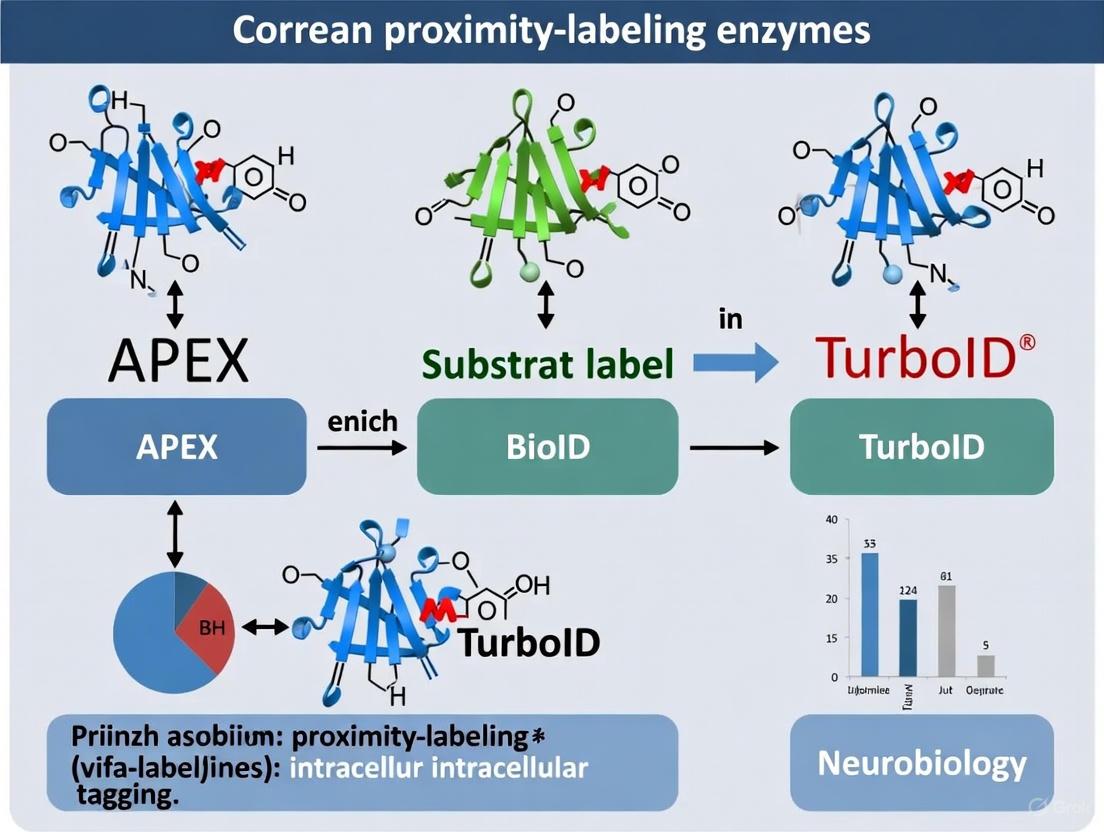
Proximity Labeling Enzymes Compared: A Guide to Intracellular Tagging for Biomedical Research
Proximity labeling (PL) has revolutionized the study of protein interactions and subcellular proteomes in living systems.
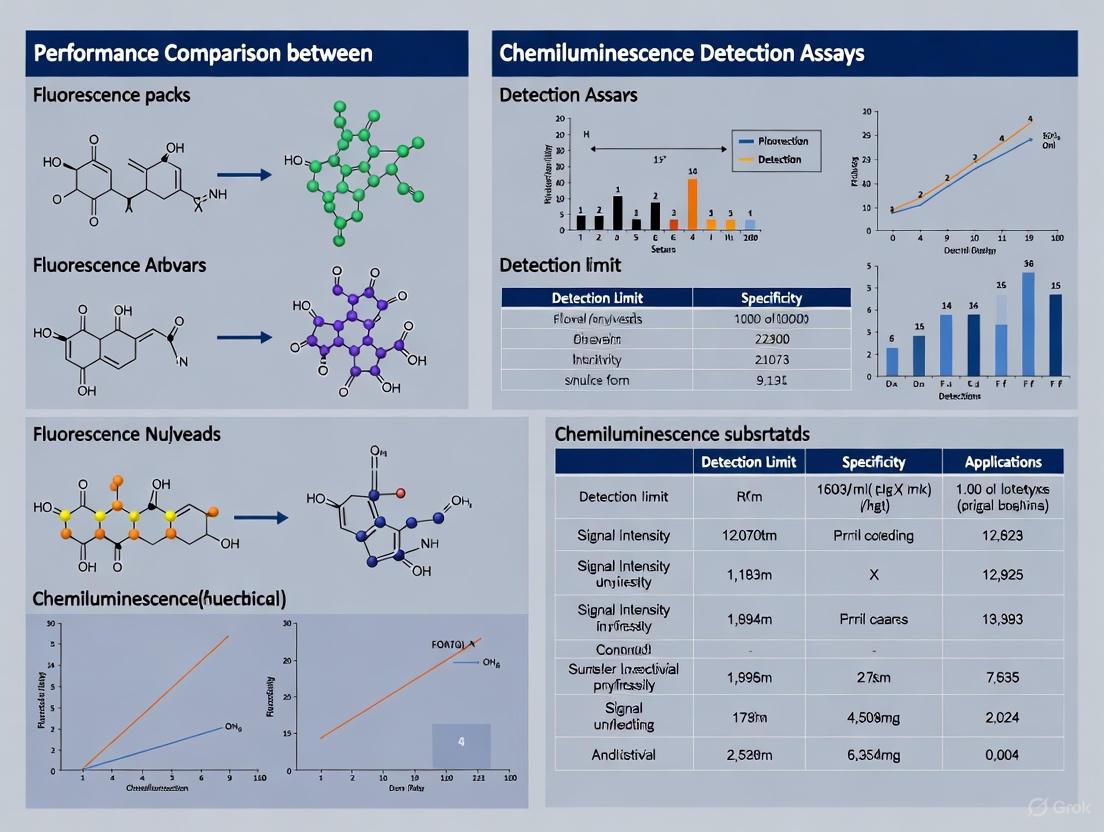
Fluorescence vs. Chemiluminescence Detection: A Comprehensive Guide for Sensitive and Quantitative Bioassays
This article provides a definitive comparison of fluorescence and chemiluminescence detection assays for researchers and drug development professionals.
Ensuring Reproducibility and Precision in Intracellular Signaling Assays: A Guide to Robust Validation and Troubleshooting
This article provides a comprehensive guide for researchers and drug development professionals on validating the reproducibility and precision of intracellular signaling assays.
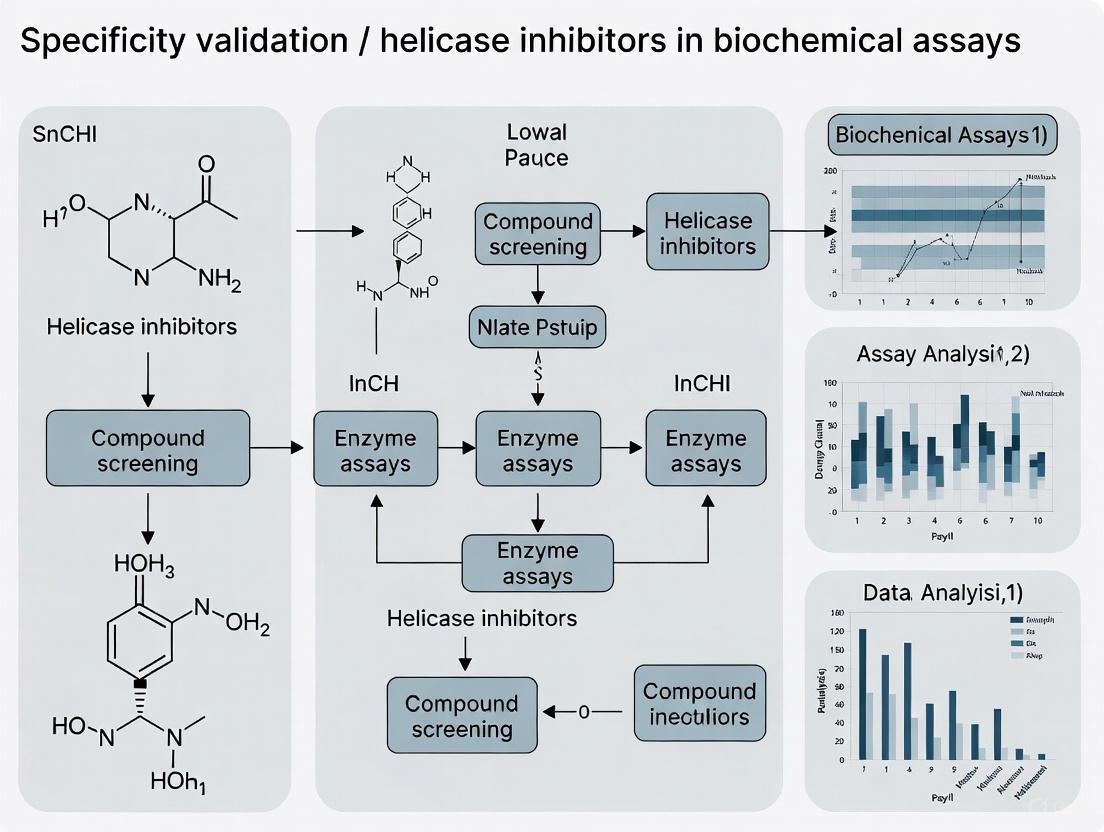
Ensuring Specificity: A Strategic Framework for Validating Helicase Inhibitors in Biochemical Assays
This article provides a comprehensive guide for researchers and drug development professionals on validating the specificity of helicase inhibitors in biochemical assays.
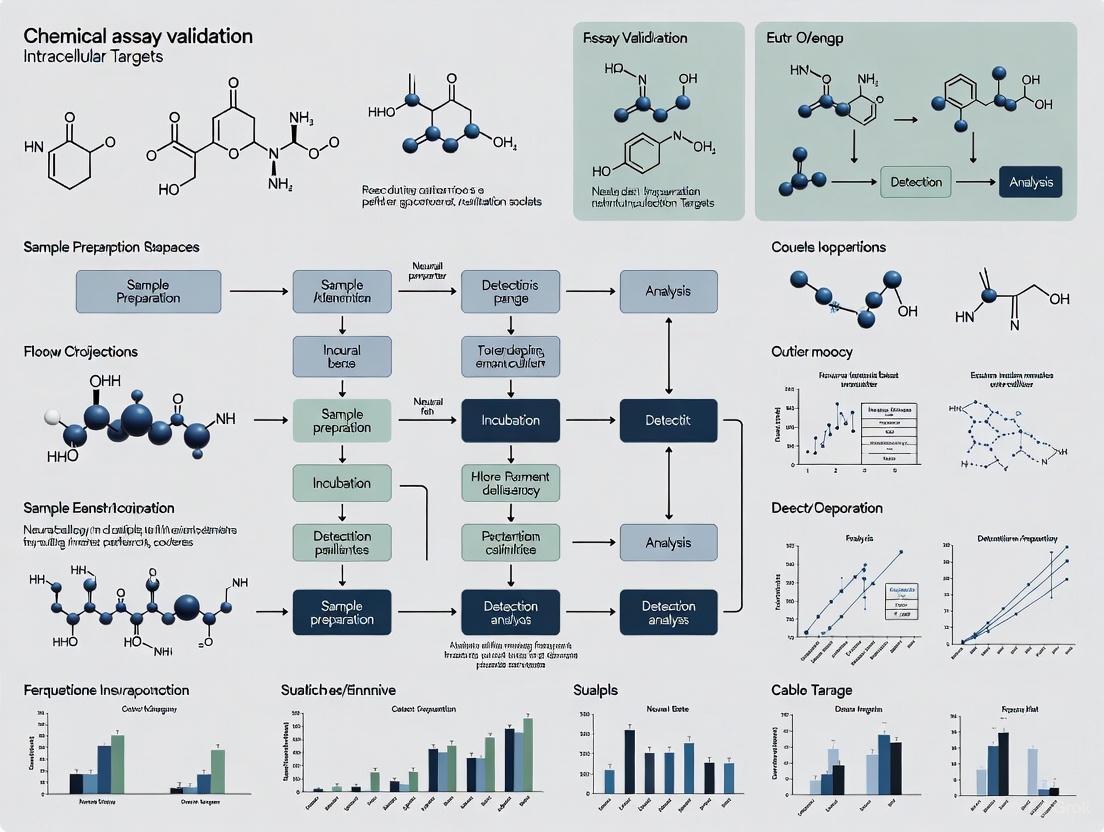
Validating Biochemical Assay Specificity for Intracellular Targets: A Guide to Bridging In Vitro and Cellular Data
This article provides a comprehensive framework for researchers, scientists, and drug development professionals to validate the specificity of biochemical assays for intracellular targets.
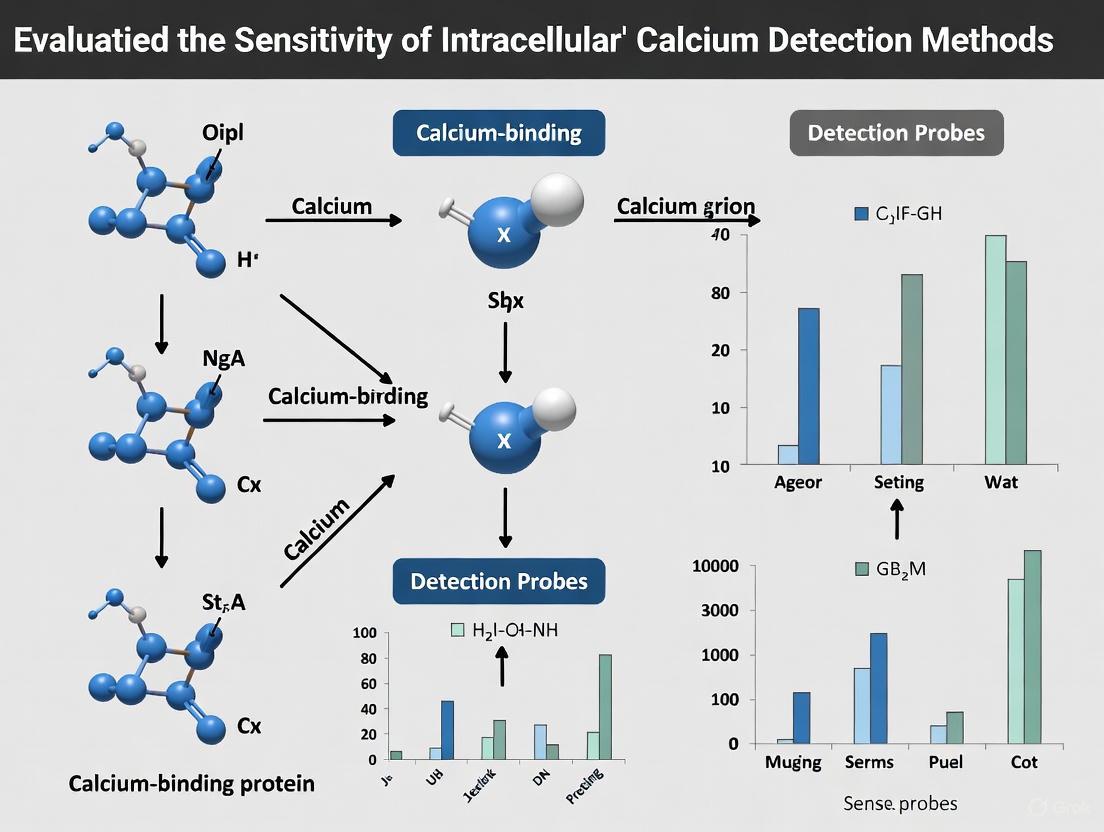
Evaluating Sensitivity in Intracellular Calcium Detection: A Comprehensive Guide for Life Science Research and Drug Discovery
This article provides a systematic evaluation of the sensitivity of diverse methods for detecting intracellular calcium, a crucial second messenger in cellular signaling.
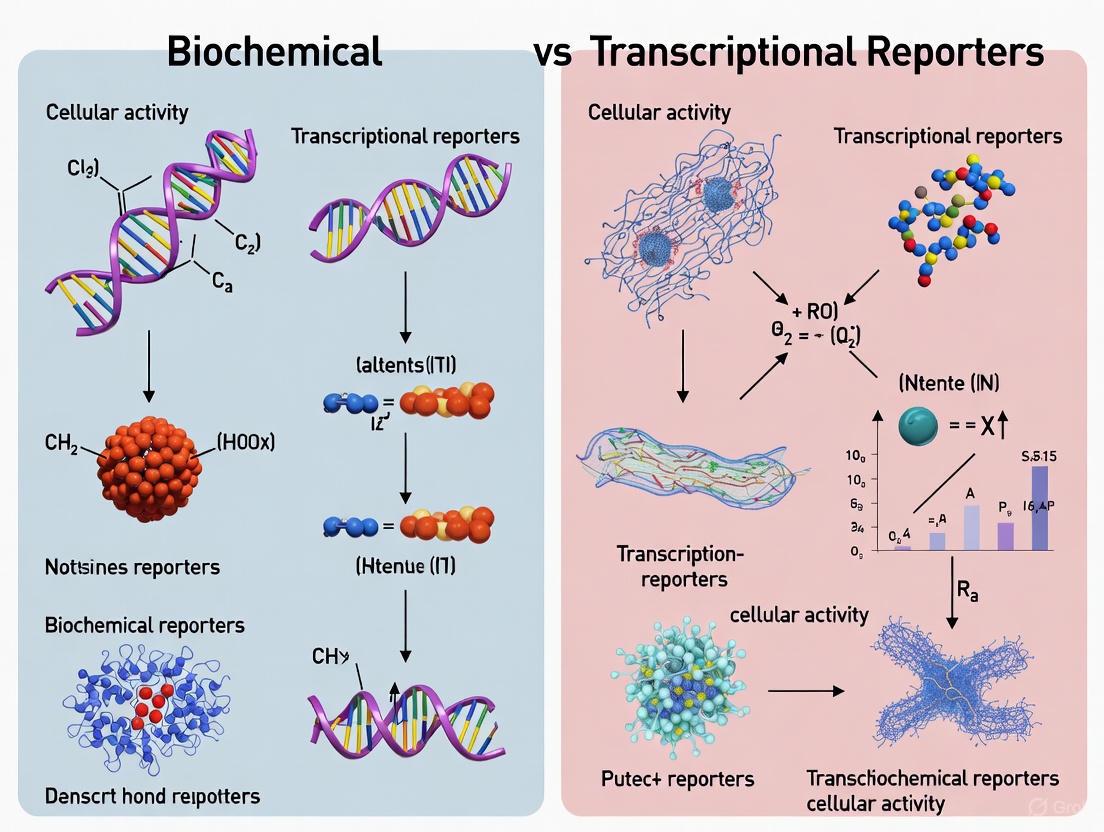
Biochemical vs Transcriptional Reporters: A Strategic Guide for Cellular Activity Analysis in Drug Discovery
This article provides a comprehensive comparison of biochemical and transcriptional reporter systems for researchers, scientists, and drug development professionals.
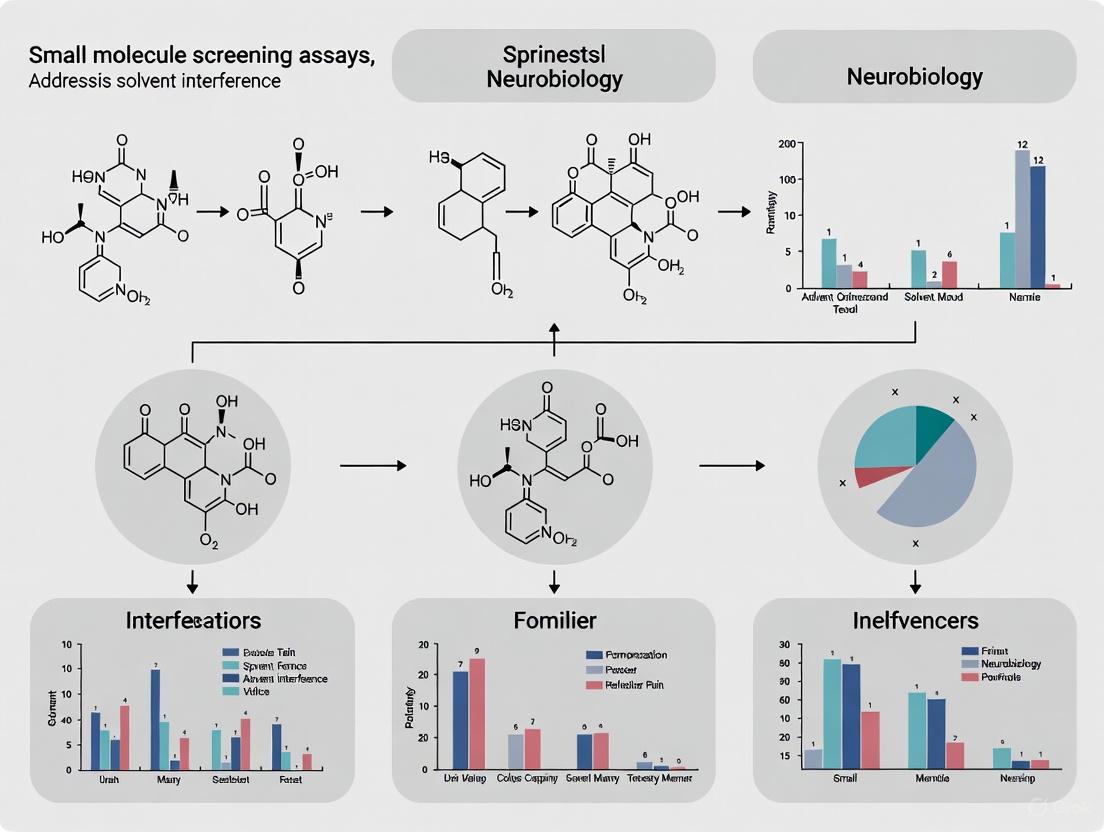
Strategies for Mitigating Solvent Interference in Small-Molecule Screening: From Assay Design to Hit Validation
Small-molecule screening is a cornerstone of drug discovery, but its success is often compromised by solvent-related interference, leading to false positives and wasted resources.
High-Tempo Biology: Cutting-Edge Strategies to Improve Temporal Resolution in Intracellular Signaling Assays
This article explores the latest methodological advances that are pushing the temporal boundaries of intracellular signaling analysis.
A Researcher's Guide to Troubleshooting Reproducibility in Biochemical Screening Assays
This article provides a comprehensive framework for researchers and drug development professionals to diagnose, troubleshoot, and resolve reproducibility issues in biochemical screening assays.