Research Articles
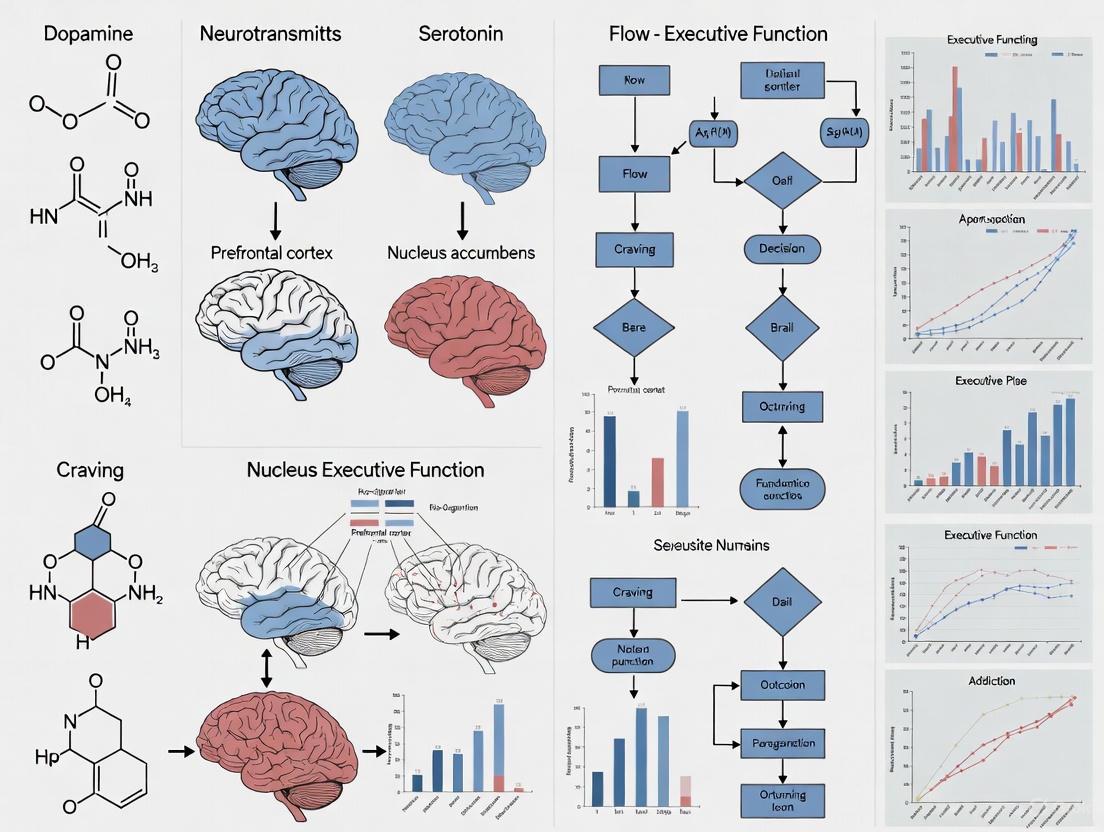
The Executive Control Paradox: Unraveling Craving Circuits with fMRI in Addiction Neuroscience
This review synthesizes current evidence from functional magnetic resonance imaging (fMRI) studies to elucidate the complex interplay between craving and executive function in substance use disorders.
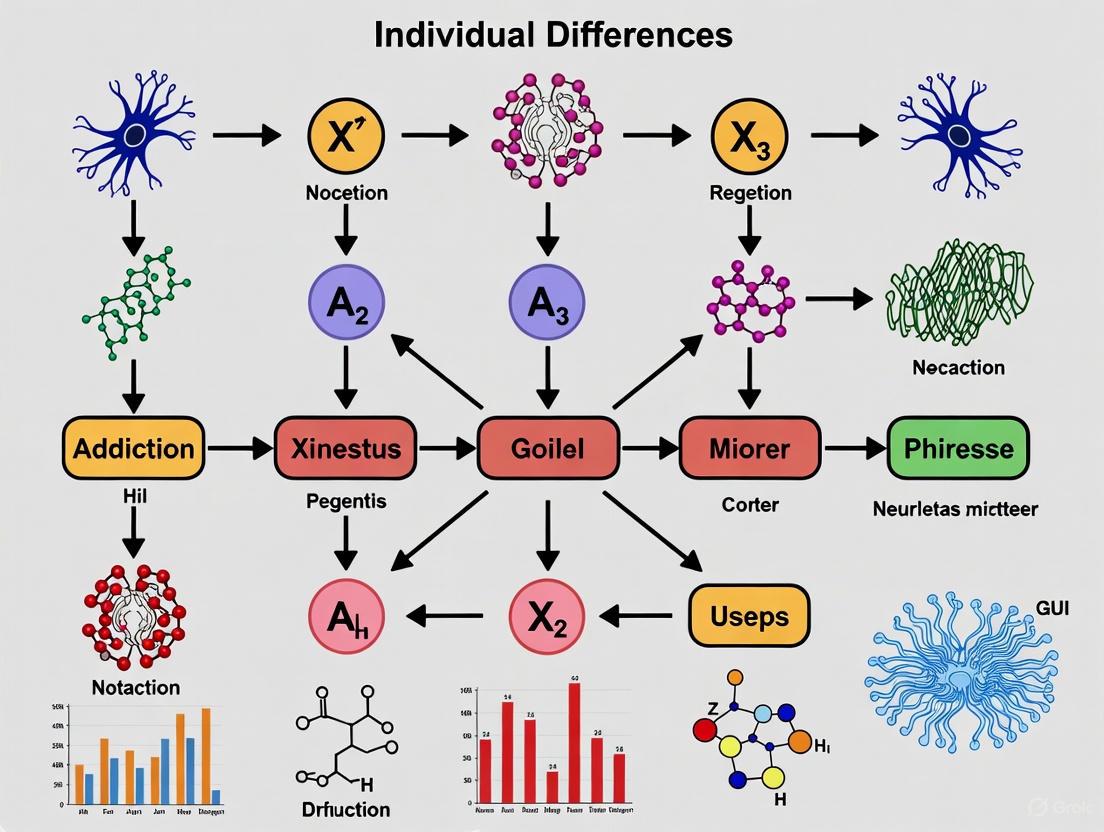
Individual Differences in Addiction Neurobiology: From Genetic Risk to Personalized Treatment
This article synthesizes current research on the neurobiological basis of individual differences in addiction vulnerability, progression, and treatment response.
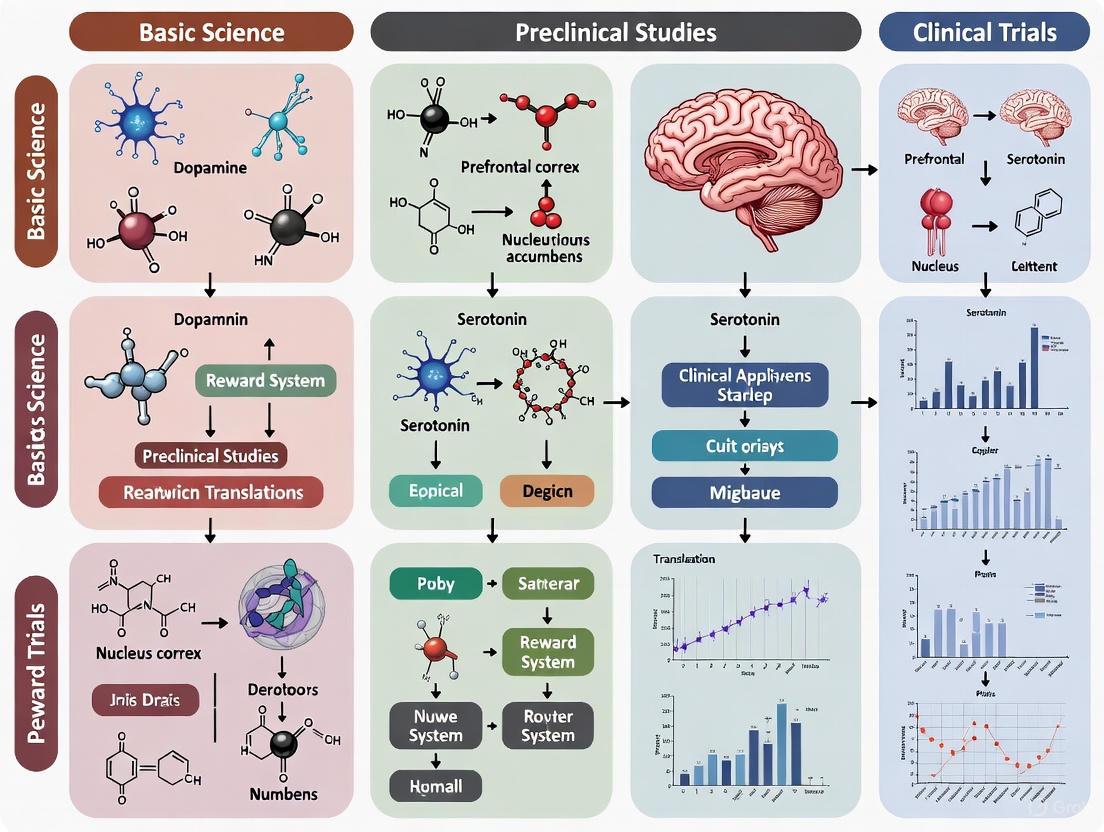
Bridging the Gap: Translating Addiction Neurobiology into Effective Clinical Treatments
This article examines the critical challenges and emerging solutions in translating advances in addiction neuroscience into effective clinical treatments for substance use disorders (SUDs).
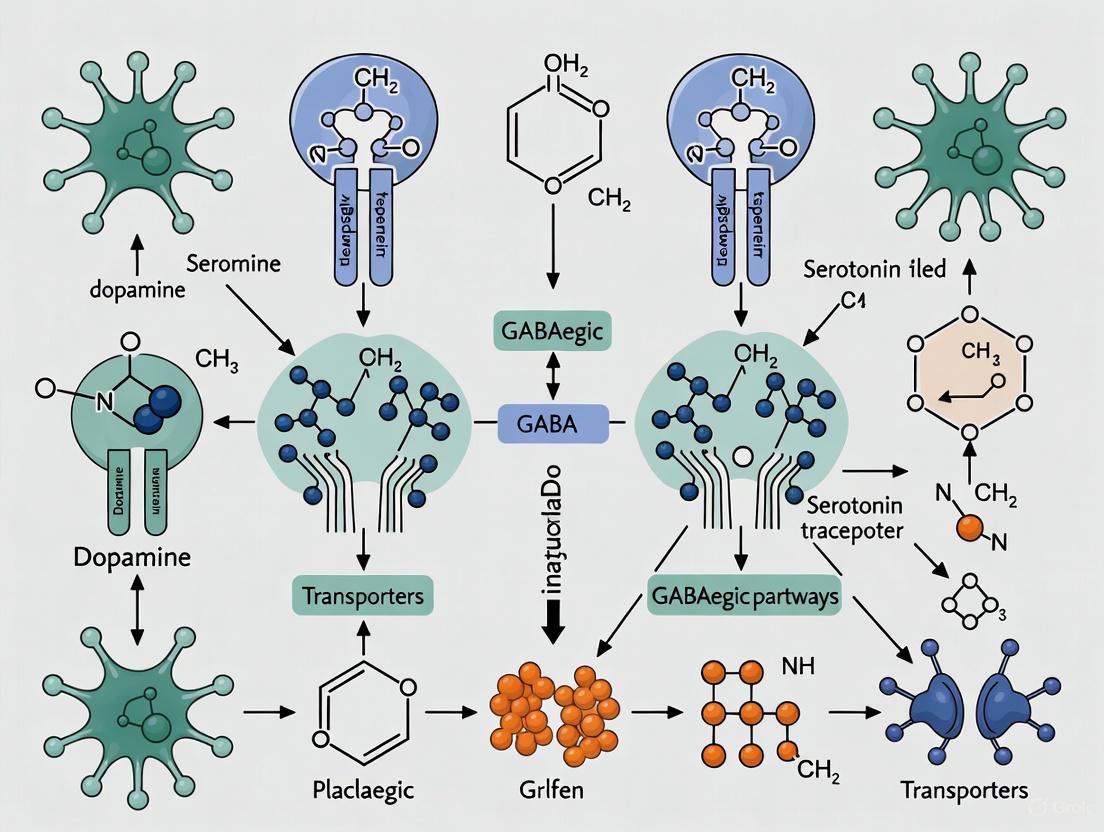
Beyond the Reward Pathway: Emerging Neurobiological Targets for Next-Generation Addiction Therapeutics
This article synthesizes the latest advancements in addiction neuroscience to provide a strategic overview for researchers and drug development professionals.
Computational Modeling of Dopamine in Addiction: From Circuits to Clinical Translation
This article provides a comprehensive overview for researchers and drug development professionals on how computational modeling is revolutionizing our understanding of dopaminergic dysfunction in addiction.
Implementing the Addictions Neuroclinical Assessment: A Neuroscientific Framework for Precision Medicine in Addiction
The Addictions Neuroclinical Assessment (ANA) is a transformative, neuroscience-based framework designed to address the profound clinical heterogeneity of Substance Use Disorders (SUDs) by focusing on three core neurofunctional domains: Incentive...
Neuromodulation Therapies for Substance Use Disorders: A Comprehensive Review of Mechanisms, Efficacy, and Future Directions
Substance use disorders (SUDs) represent a major global health challenge with high relapse rates despite available treatments.

Targeting the Addicted Brain: A Neurocircuitry Roadmap for Next-Generation Pharmacotherapies
This article provides a comprehensive analysis of the neurobiological underpinnings of addiction and the pharmacotherapies designed to target them.
Bridging the Gap: Translating Addiction Neuroscience into Clinical Practice for Researchers and Developers
This article provides a comprehensive analysis of the translation of neuroscientific findings into clinical practices for addiction treatment, tailored for researchers, scientists, and drug development professionals.
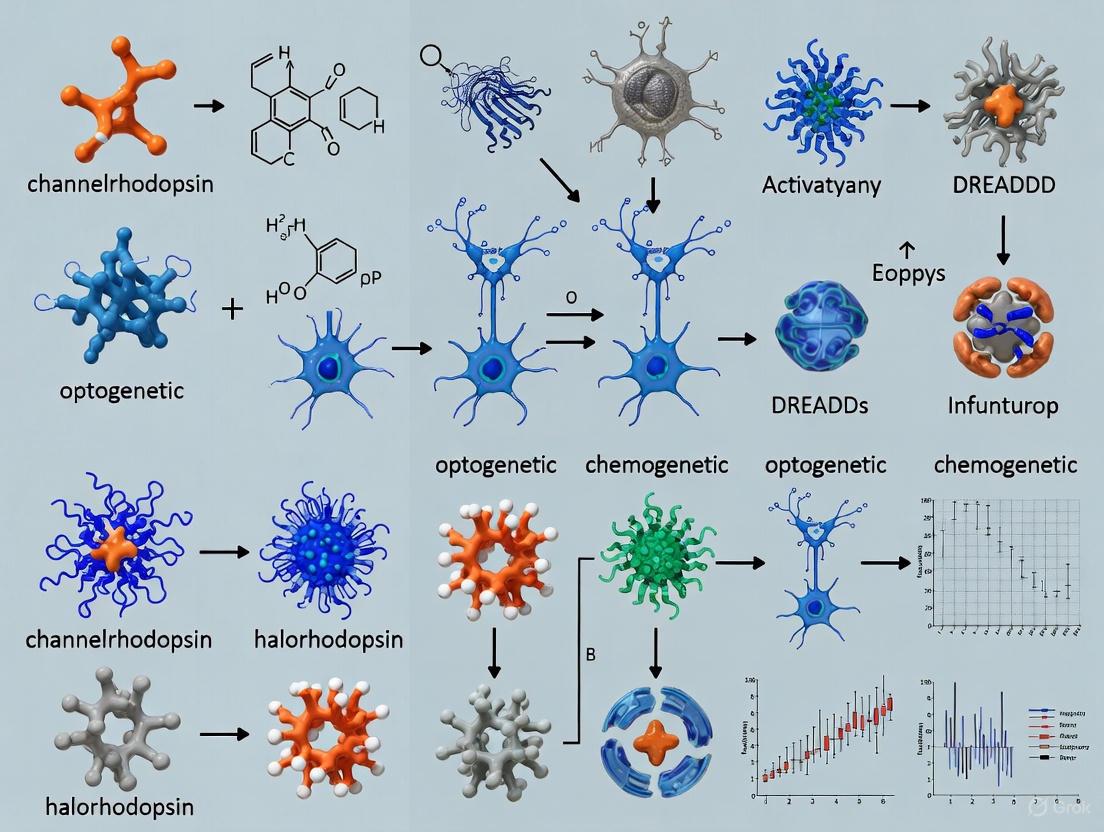
Dissecting Addiction: A Comprehensive Guide to Optogenetic and Chemogenetic Circuit Analysis
This article provides a comprehensive overview of how optogenetic and chemogenetic technologies are revolutionizing our understanding of the neural circuits underlying addiction.