Research Articles
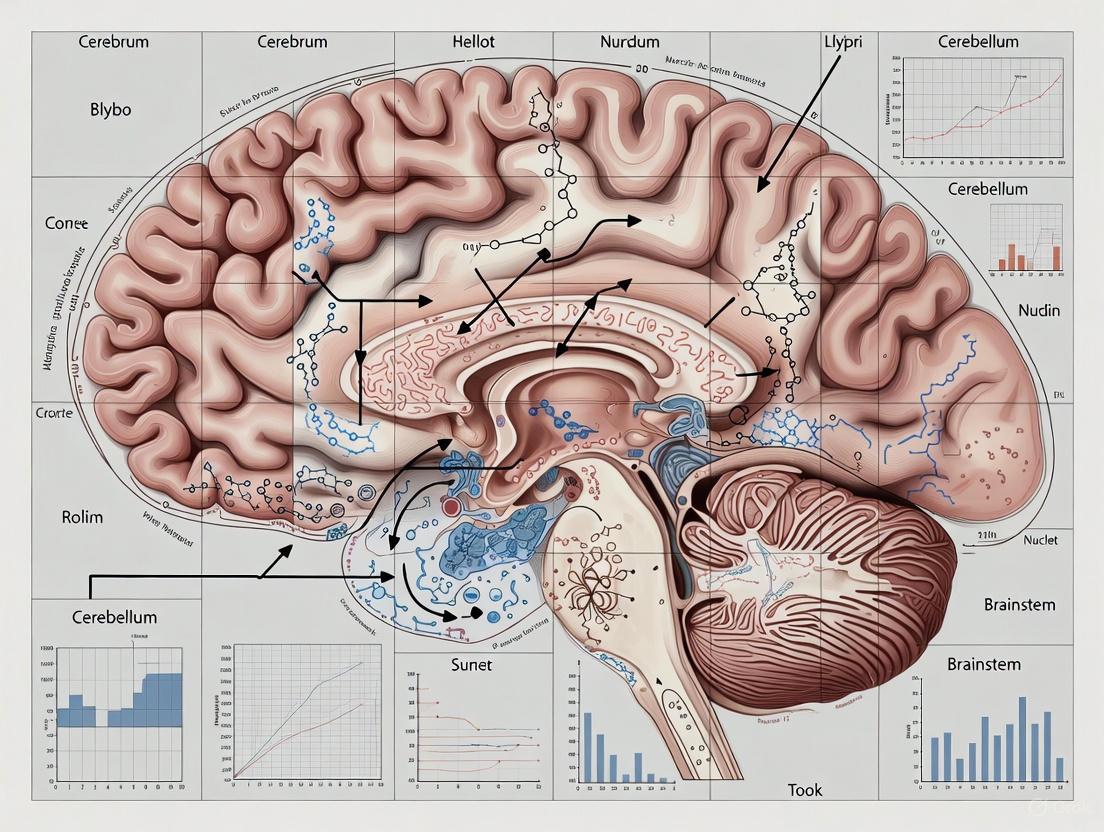
The Stereotaxic Atlas: A Comprehensive Guide for Precision Neuroscience and Drug Development Research
This article provides a complete resource on stereotaxic atlases, essential tools for targeting specific brain structures in neuroscience and drug development.
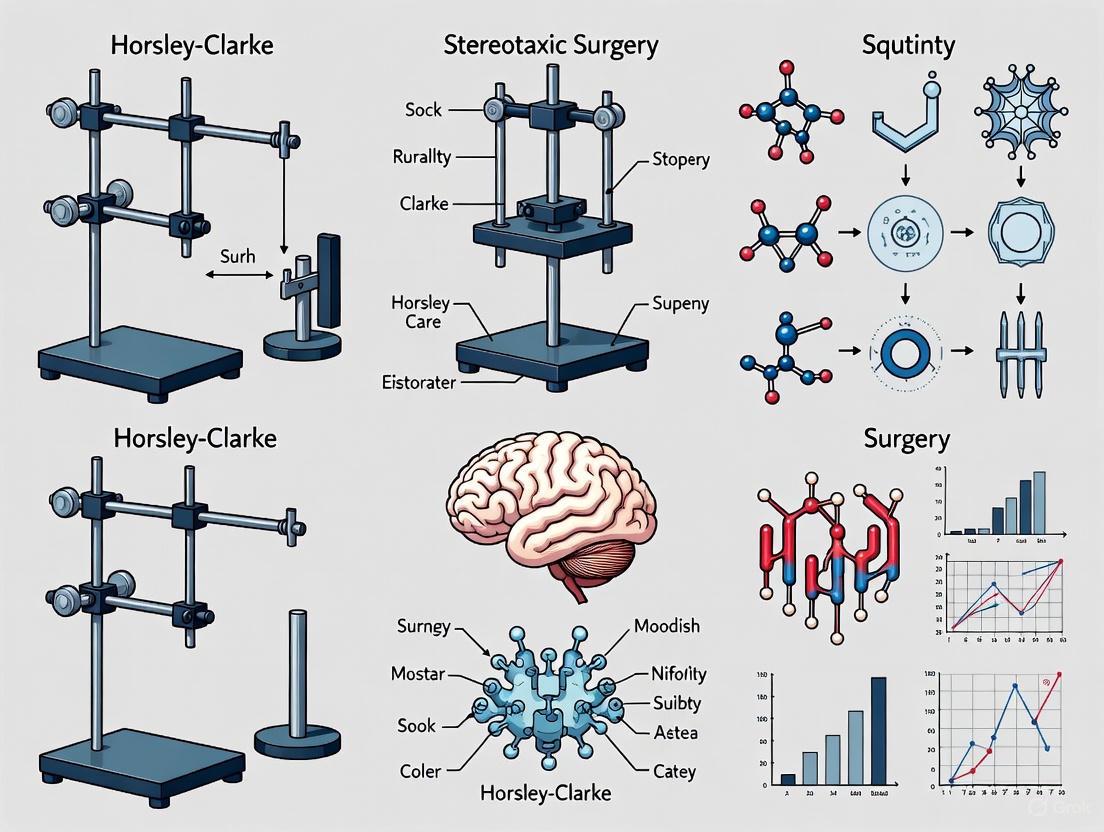
Horsley and Clarke: The Origins of Stereotactic Surgery and Its Lasting Impact on Modern Neuroscience
This article explores the seminal 1906 collaboration between Sir Victor Horsley and Robert Henry Clarke that produced the first stereotactic instrument, a foundational innovation for modern neurosurgery and neuroscience research.
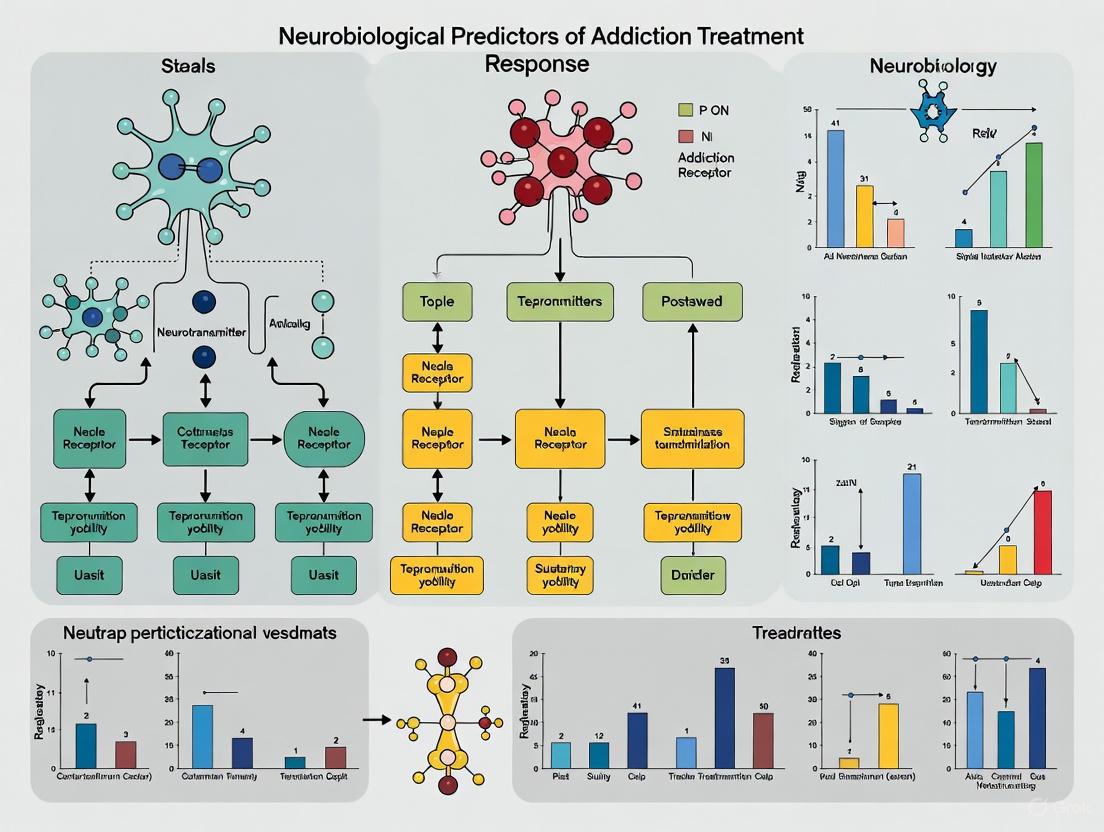
Neurobiological Predictors of Addiction Treatment Response: From Mechanisms to Personalized Interventions
This article synthesizes current research on the neurobiological factors that predict individual responses to treatments for substance use disorders (SUDs).
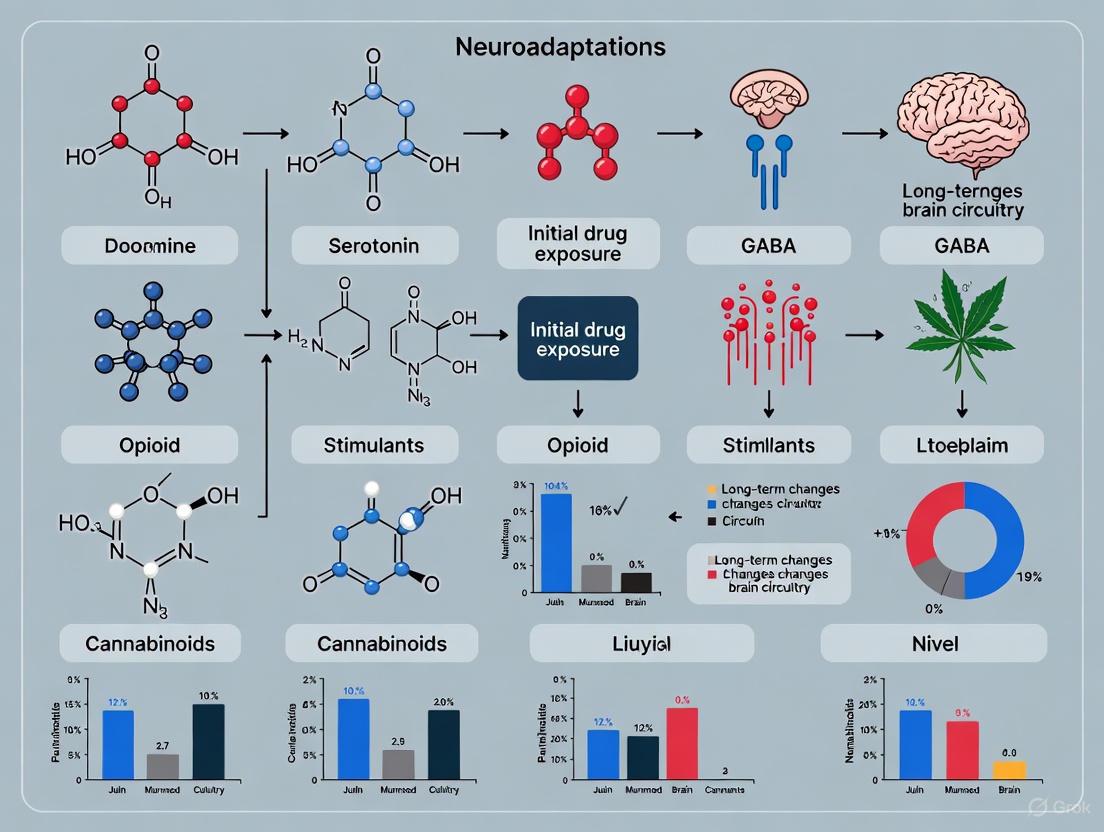
Convergence and Divergence: Mapping Shared and Distinct Neuroadaptations Across Major Classes of Addictive Drugs
This article provides a comprehensive synthesis for researchers, scientists, and drug development professionals on the neurobiological alterations induced by chronic exposure to different addictive drugs.
Cross-Species Validation of Addiction Neurocircuitry: Bridging Animal Models and Human Therapeutics
This article synthesizes contemporary research on the cross-species validation of neurocircuitry underlying drug addiction.
Beyond the Symptom Checklist: Neurobiological Validation of Next-Generation Addiction Assessment Instruments
This article synthesizes current advancements in the neurobiological validation of addiction assessment tools, charting a paradigm shift from purely behavioral checklists to mechanistically informed instruments.
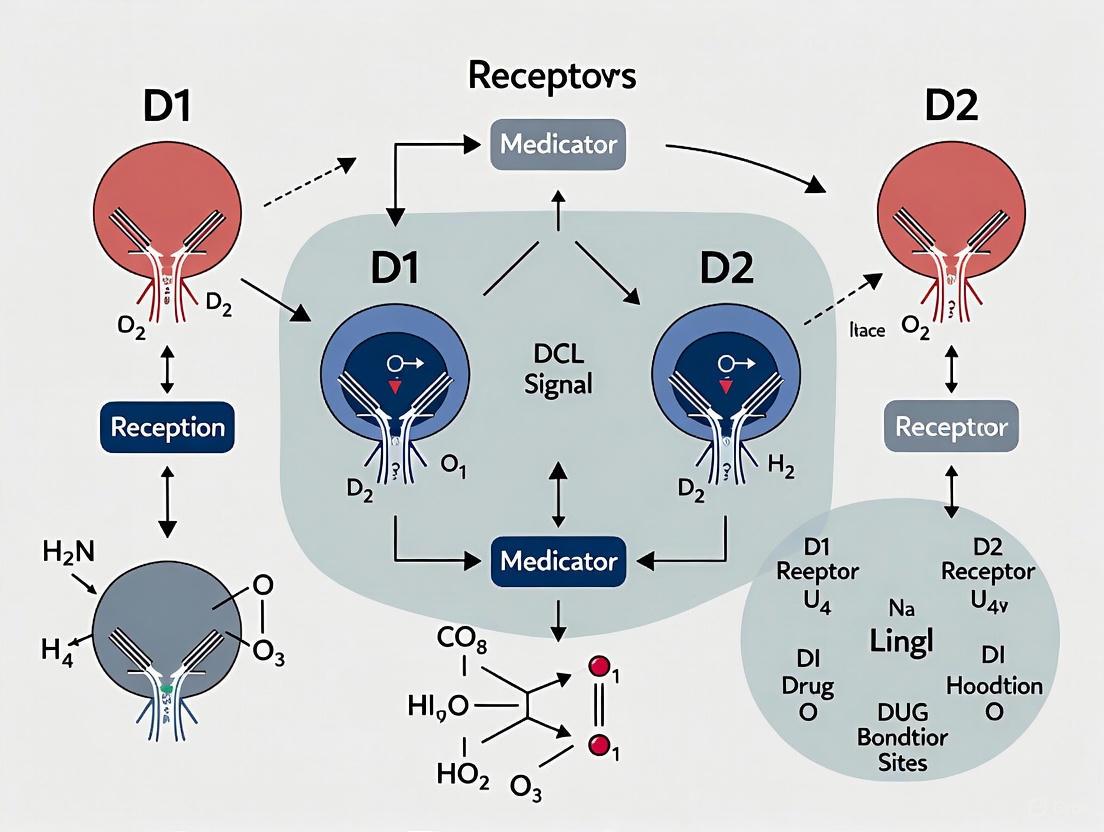
D1 vs D2 Dopamine Receptors in Addiction: Molecular Mechanisms, Therapeutic Applications, and Future Directions
This comprehensive review synthesizes current research on dopamine D1 and D2 receptor mechanisms underlying addiction pathophysiology and medication development.
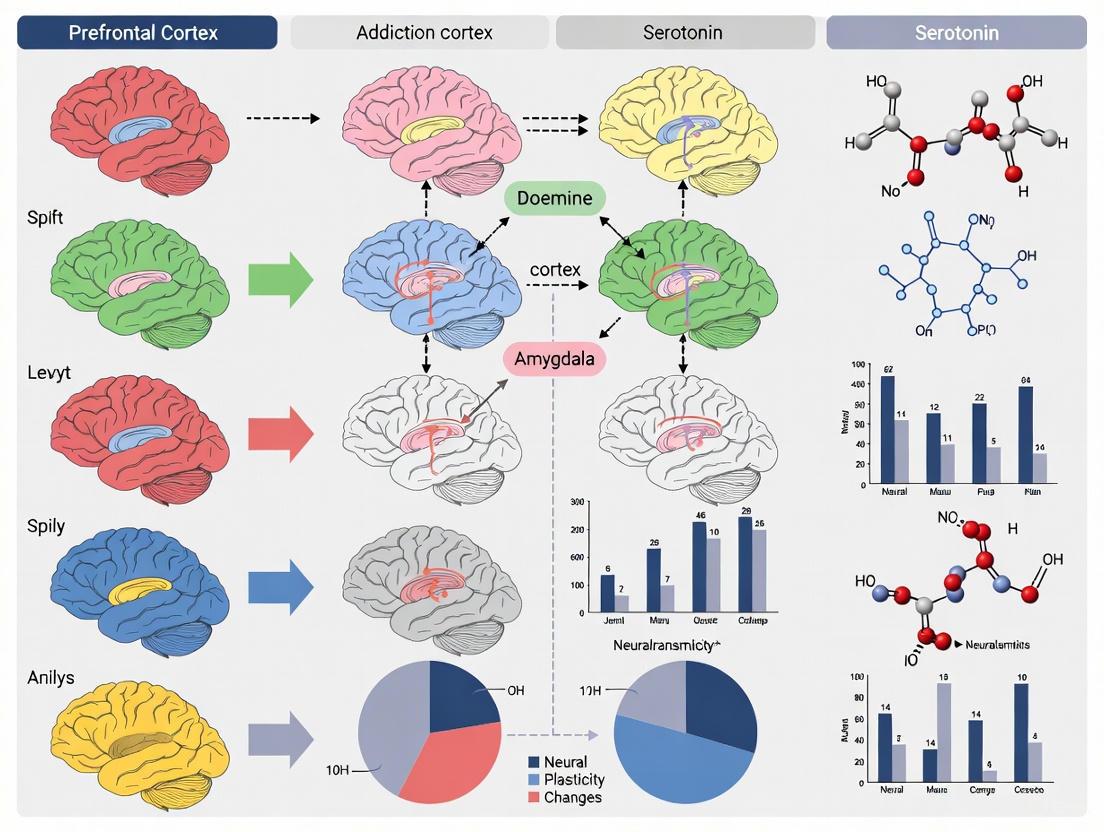
Mapping the Addicted Brain: A Comparative Review of Neuroimaging Biomarkers Across Addiction Subtypes
This article synthesizes current neuroimaging research to delineate the distinct and shared neural circuitry underlying different addiction subtypes.
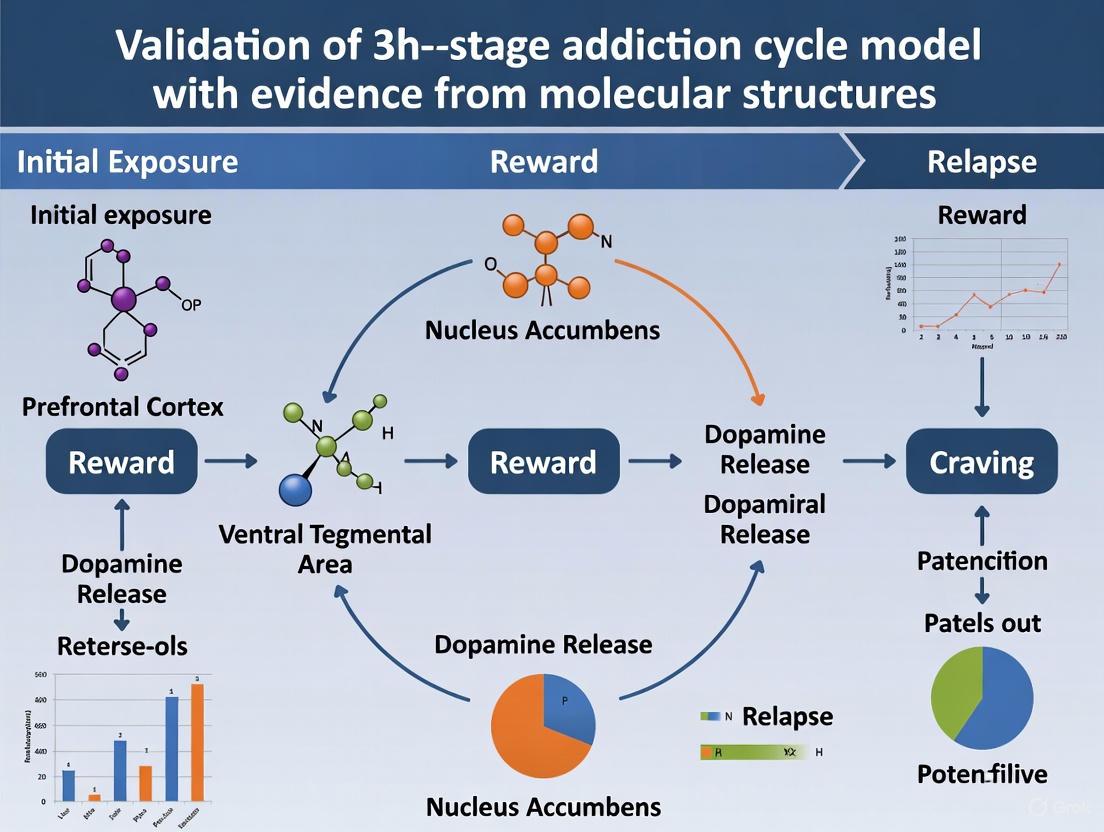
Validating the Three-Stage Addiction Cycle: Neurobiological Evidence, Model Applications, and Future Directions
This article synthesizes current evidence validating the three-stage addiction cycle model (binge/intoxication, withdrawal/negative affect, preoccupation/anticipation) as a framework for substance use disorders.
Addiction as a Brain Disease: A Neurobiological Comparison with Chronic Medical Disorders
This article synthesizes contemporary neuroscience research to critically evaluate the model of addiction as a chronic brain disease.